






















So have we forgotten how to dress? The problem isn't bad taste
In the age of digitalization, trends, and micro-trends, are we still sure we know how to get dressed? A small niche on Substack is questioning what it truly means to have taste and, above all, how to develop one. Moreover, journalist Vanessa Friedman attempted to answer this question in her column for The New York Times, responding to a letter from a reader who wrote: «I understand that today we all dress more casually, especially since the pandemic. [...] I see more and more people dressed as if they were heading to the supermarket or running errands, and it makes me a little sad. Are we losing something?»
Indeed, we are losing something, but it doesn't have so much to do with the idea of "dressing up" or wearing elaborate outfits to go out to dinner. To borrow Friedman's words, perhaps it is time to «rethink what it truly means to "dress well": not as a definition imposed by social conventions, but more as a state of mind».
The battle of good taste
On Substack, there are articles explaining how to train one's taste or how to defend it from algorithms and the trend economy, as if the latter were a threat to flee from. Behind this obsession lies a deeper fear: that mass culture, pop, and technology have progressively eroded our ability to choose. As The Guardian writes, personal taste seems to have been diminished, if not outright replaced, by technological progress. The internet has radically changed the way we form opinions and beliefs; today, the question is whether it is doing the same with our preferences.
At first glance, this reading may seem convincing. One need only think of the role we assign to AI assistants in everyday decisions, including those related to purchases. Yet the picture is more complex. As highlighted in the report Consumers Trust AI to Buy Better by Boston Consulting Group, consumers continue to claim an active role in the decision-making process: they use AI tools to navigate their options and gain greater confidence, without relinquishing responsibility for the final choice. Another recurring theme concerns what is described as a progressive atrophying of our decision-making capacity, almost as if it were a muscle destined to weaken the moment we delegate some of our choices to AI tools. A plausible perspective, but one that depends above all on how we use these technologies.
Trends speak about us
@oldloserinbrooklyn Part one of my 2026 fashion trend predictions! #fashionjob #trendpredictions #2026trendpredictions #fashiontrends original sound - Mandy Lee
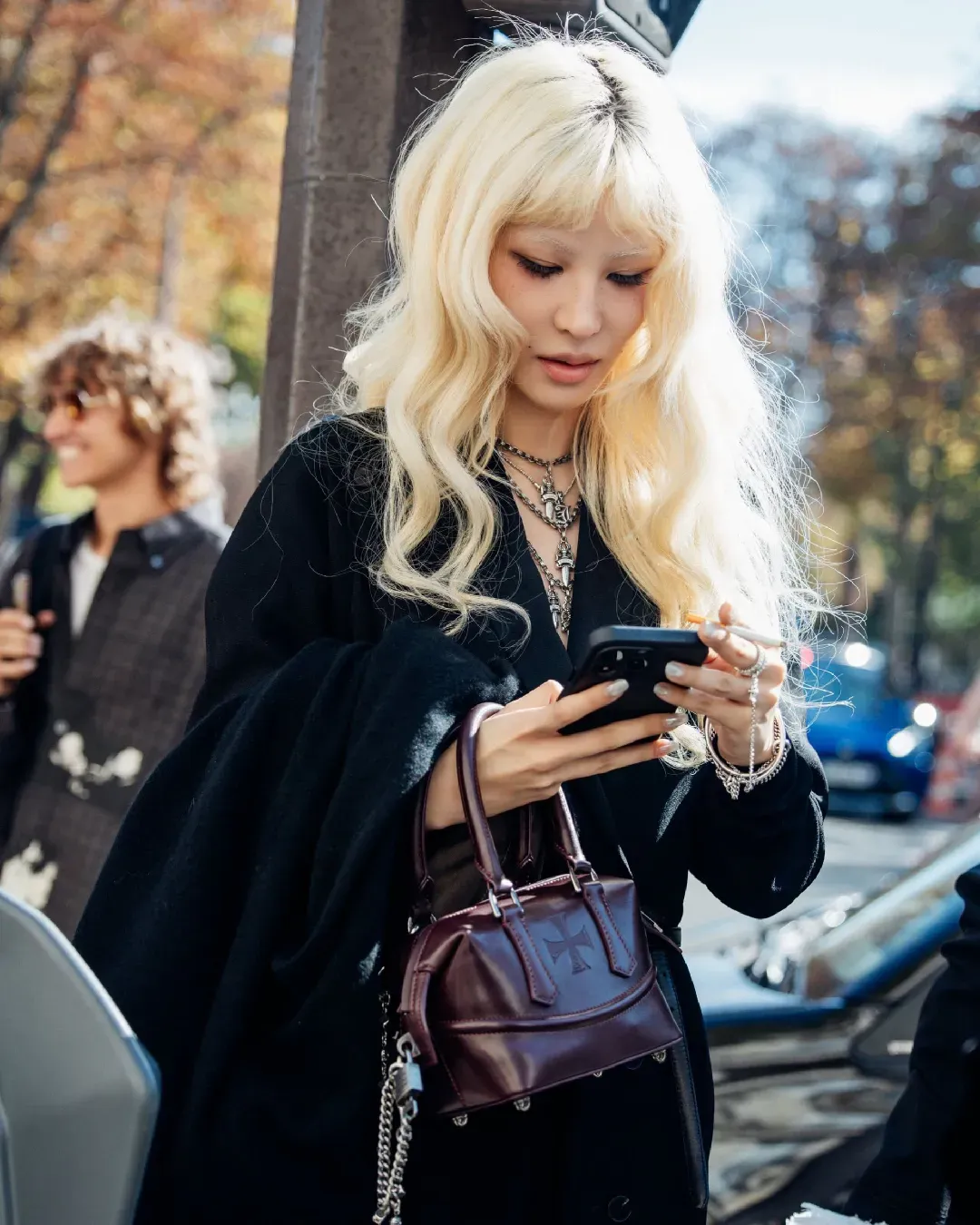
Throughout this discourse on taste, platforms such as Pinterest, Instagram, and TikTok have influenced the way we perceive clothing and the way we choose to dress. Where once the decision-making process was based primarily on personal taste, on what flattered us or, more simply, on what was fashionable, today it is mediated by a digital ecosystem that makes every choice visible, shareable, and replicable. Getting dressed, however, has always meant recognizing oneself and being recognized. Social media merely amplifies this dynamic: these are platforms built around communities united by shared interests, aesthetics, and languages. It is in this context that labels such as quiet luxury, normcore, effortless chic, and office siren emerge. More than mere trends, they represent attempts to give a name to different aesthetic sensibilities, becoming tools through which to read and interpret the present.
Marketing operations also contribute to redefining the way we perceive objects and, consequently, the way we dress. In 2026, we have all lost a little of our identity, perhaps as a response to an overly constructed aesthetic in which getting dressed often meant impersonating someone we were not, in an attempt to belong to an increasingly exclusive world. Paradoxically, it was luxury itself that normalized this transformation. Sloppiness becomes effortless, bad taste is improperly rebranded as ugly chic, and comfort suddenly acquires an aesthetic identity. Even the concept of elegance seems to have flattened out, becoming increasingly associated with the monetary value of objects.
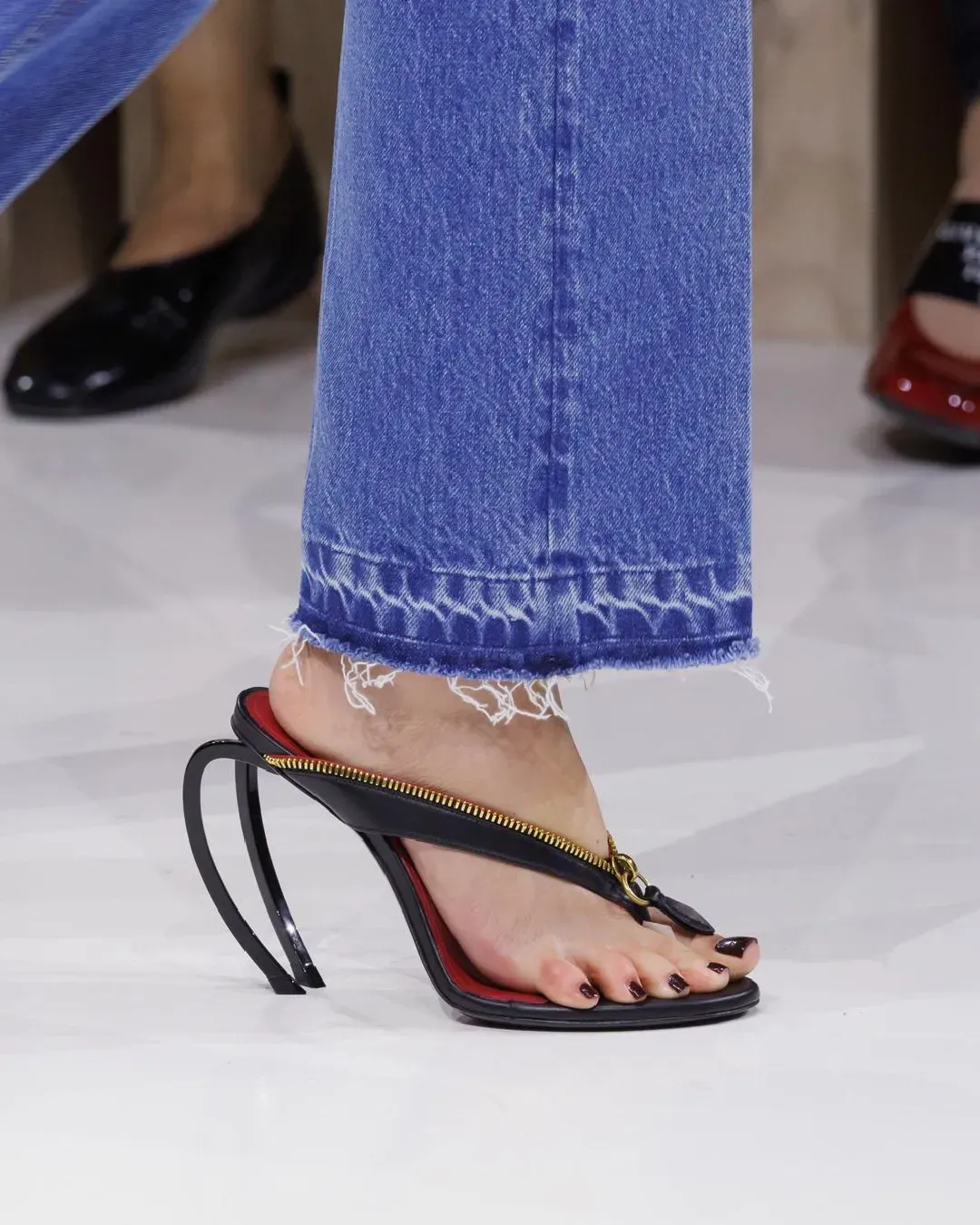
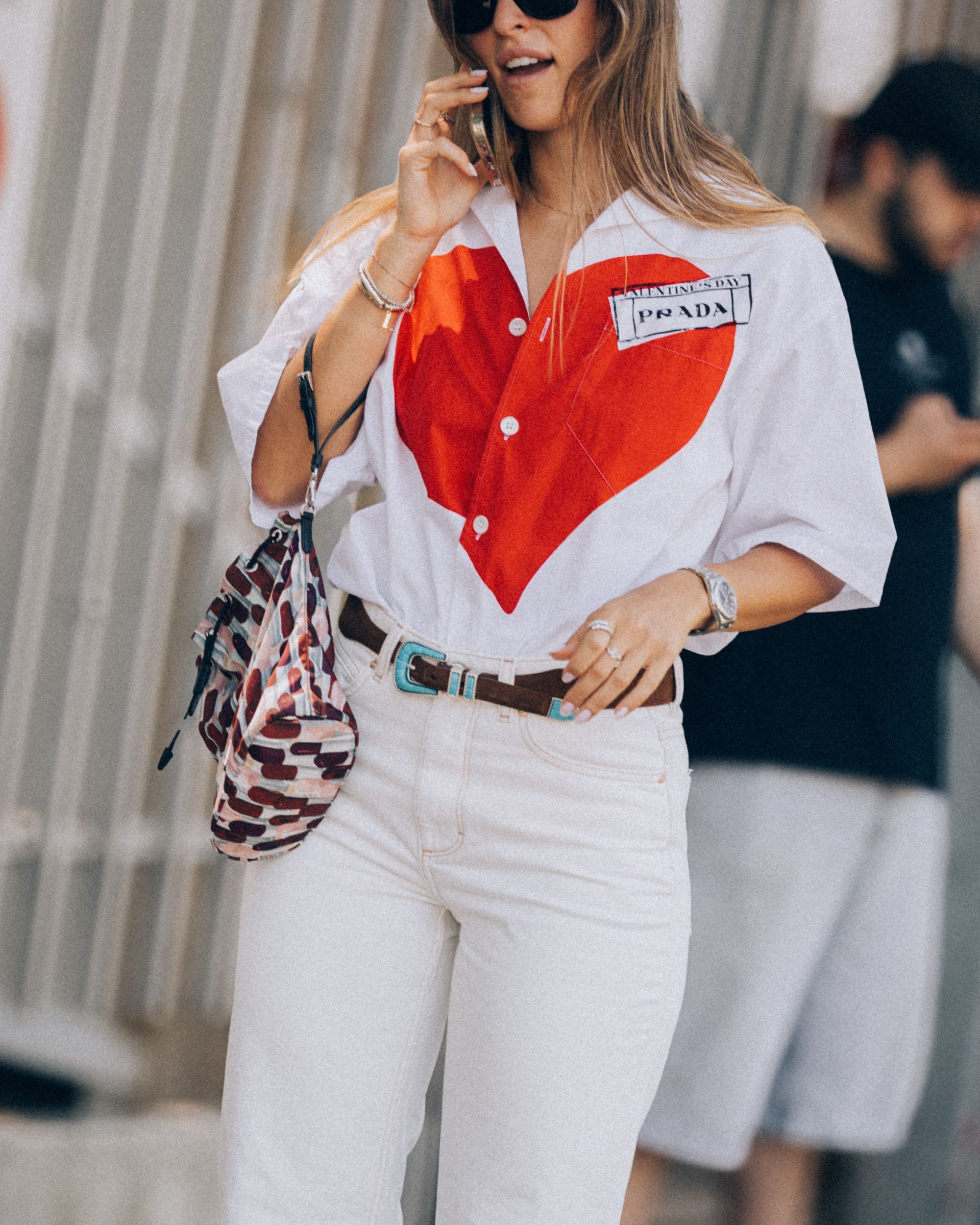
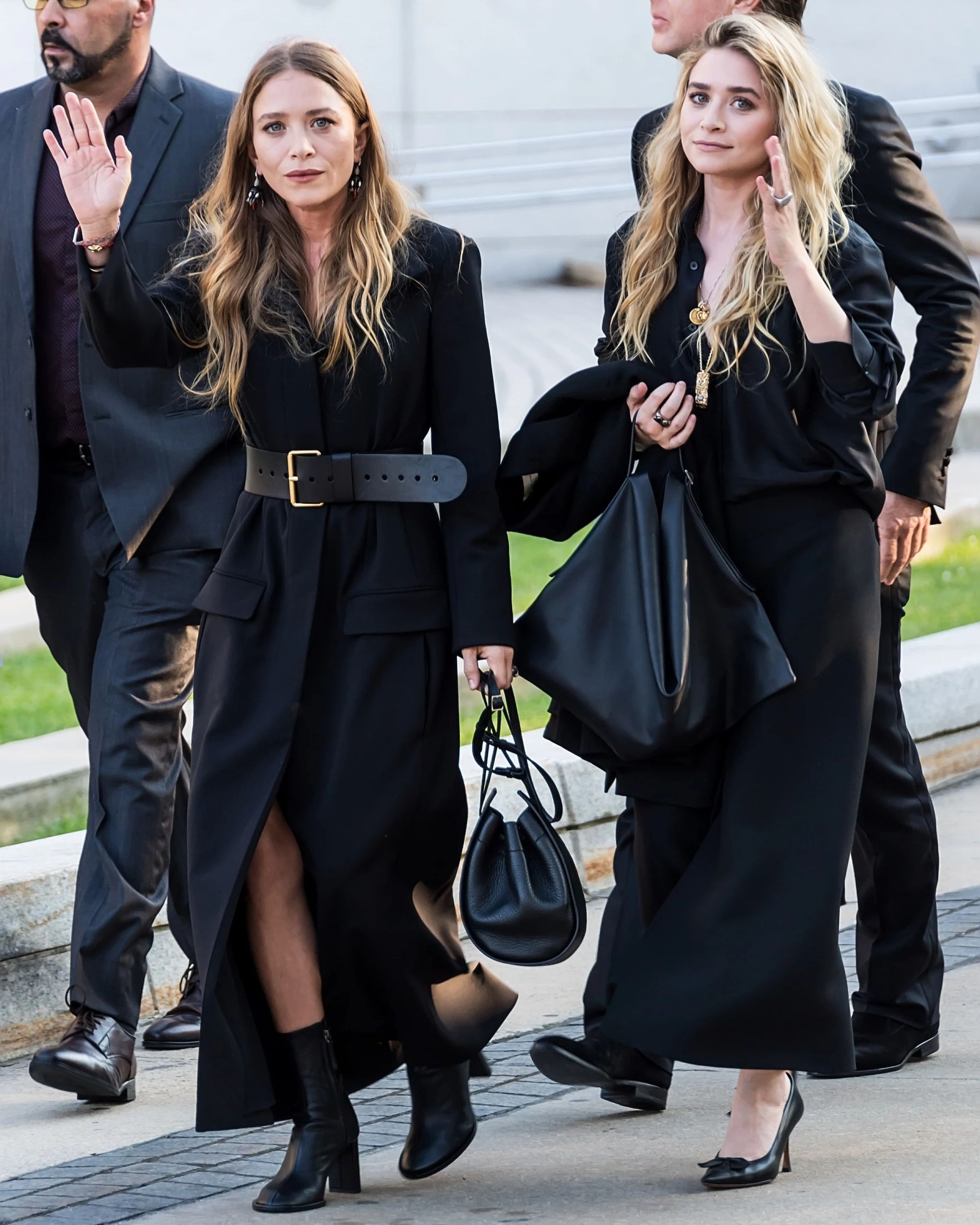
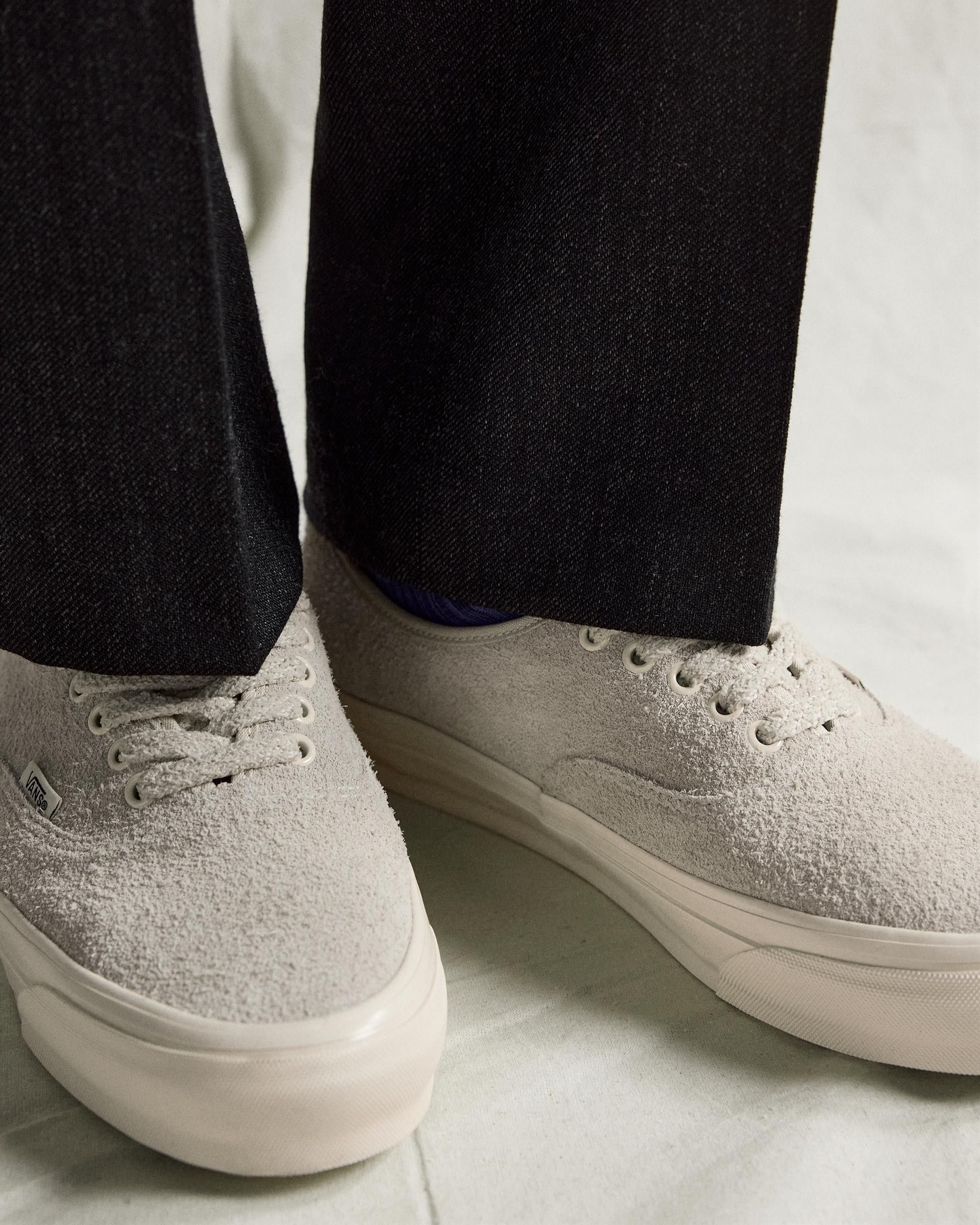
But spending eye-watering sums today means subscribing to the values and imagery put forward by luxury brands, as if these were the only possible framework within which to justify our choices, or our non-choices. For years, elegance was associated with sacrifice: uncomfortable shoes, vertiginous heels, rigid silhouettes. Today, however, the court shoe finds itself competing with the slipper. A type of footwear that until recently belonged exclusively to the domestic sphere and can now be considered appropriate even for a soirée, provided it is reinterpreted by brands such as Gucci, Miu Miu, Prada, or Dolce&Gabbana through sequins, crystals, and precious embellishments. Once again, it is not the object that changes, but the meaning we choose to assign to it — and sometimes we fall right into the economic trap.
Algorithms are not the enemy
@studiotottie So why do billionaires look like they’re off camping for the weekend? From silicone valley fleeces to quiet luxury brands and the rejection of logos. Their clothing is and has always meant to set them apart from the rest of us, so when we’re wearing logos they wear the exact opposite #quietluxury #billionairestyle #fashionhistory #oldmoney #luxuryfashion original sound - Julia
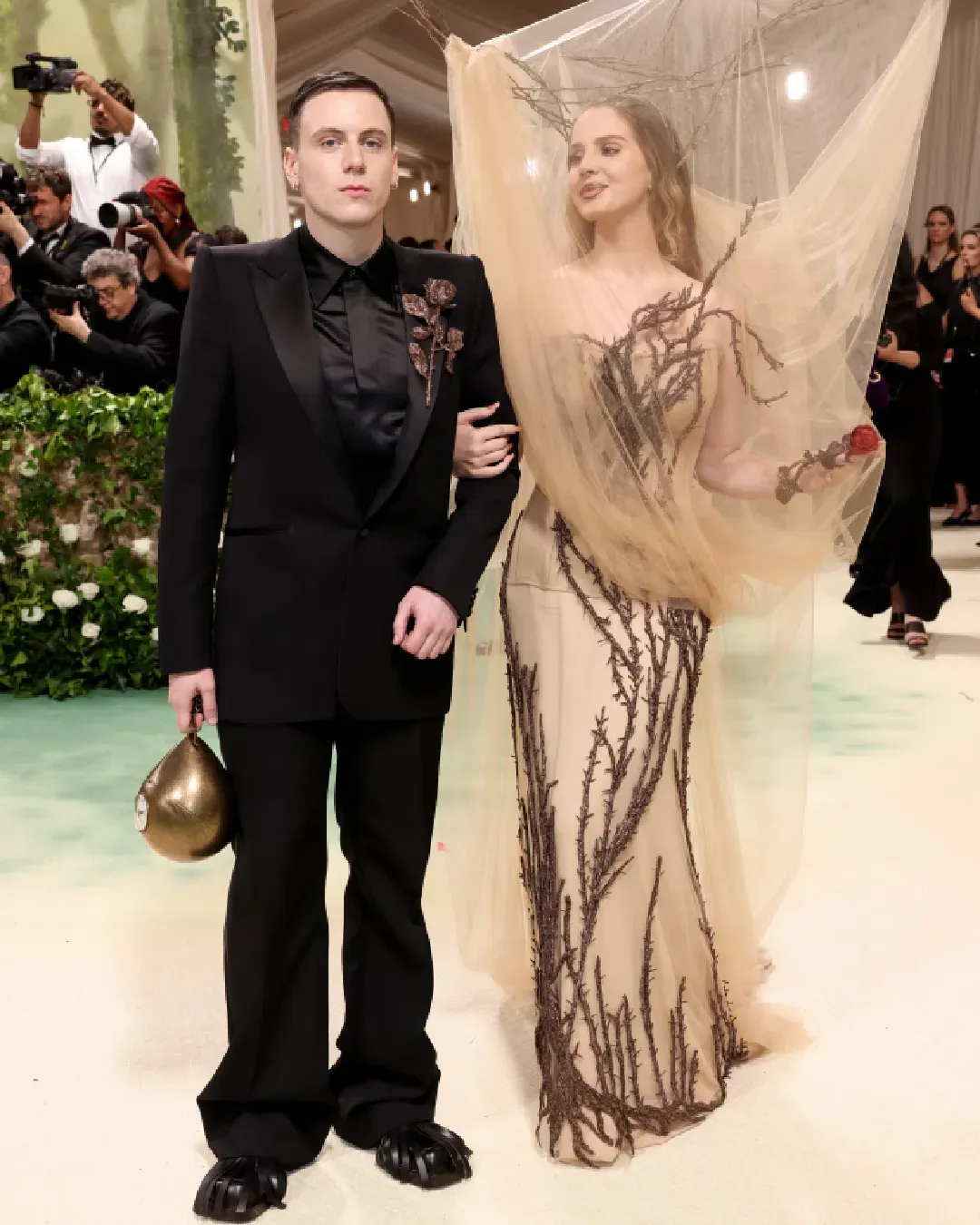
Silicon Valley's interest in taste is telling of how much those who create new technologies are drawing closer to a complex and increasingly perceptible universe. As The Guardian reports, in recent years many technology companies have begun building a recognizable aesthetic around their brands: Palantir launched a blue work jacket, Anthropic produced embroidered caps bearing the word thinking, while OpenAI's merchandise includes sweatshirts and T-shirts that emulate streetwear. The same phenomenon extends to fashion's symbolic venues. The presence of Jeff Bezos at the Met Gala as honorary chair and that of Mark Zuckerberg at Prada's runway shows speak to a gradual convergence between Silicon Valley and the luxury industry.
A marketing operation that Kyle Chayka calls taste-washing: an attempt to make an AI-dominated future more desirable through a curated and culturally recognizable aesthetic. Algorithms and generative models tend to reproduce already existing patterns, favoring what is recognizable and easily consumable. This is what Chayka describes as a continuity with the algorithmic logic of social media: if before, algorithms pushed users to produce content that grew increasingly similar, today it is AI itself that directly generates that same uniformity. Yet algorithms, on their own, are not the problem. Rather, they make our habits visible, reinforce already existing preferences, and continuously reflect back an image of what we choose to look at. The point is not to rid ourselves of them, but to avoid confusing a suggestion with a choice and a recommendation with an imposition.
A meaningful ritual
@catolicks Books I think you should read to change how you think about the world! This is a must read about taste and culture, I took so many notes and when I recently read this again I had the strong urge to write an essay myself If you’ve read this book, what do you think? #bookrecs #booklover #taste #sontag #creatorsearchinsights autumn - Gede Yudis
Whether for a special occasion or the most ordinary of days, getting dressed remains a gesture that retains its own rituality. A rituality that cannot be separated from our relationship with others, since believing one can develop a personal sense of taste in complete isolation is as implausible as imagining living a completely analog life. Getting dressed inevitably means confronting one's own insecurities: a pair of jeans that doesn't flatter us, an uncomfortable shoe, a T-shirt that's too tight, a color we don't feel is ours. Every morning, standing before the wardrobe, we face a choice that says something about us long before it says anything to others.
The point, then, is not to establish whether we dress well or badly. The point is to remember that getting dressed always implies a choice. Even deciding not to follow fashion, to ignore trends, or to dress as anonymously as possible is a statement. As Susan Sontag writes in her celebrated essay Notes on "Camp" (1964), taste permeates every aspect of human experience: "There is a taste in people, visual taste, taste in emotion [...]. And intelligence, as well, is really a kind of taste: taste in ideas." More than something one possesses, taste is a faculty we exercise continuously. It is what governs every free, rather than mechanical, response to the world around us.
Perhaps, then, the problem is not that we no longer know how to dress. The problem is that we are progressively giving up the act of choosing for ourselves. Fashion continues to do what it has always done: it proposes imaginaries, constructs desires, and, at best, sells products. But at a time of profound crisis within the fashion system, perhaps we have forgotten that clothes can still mean something that goes beyond mere taste or monetary value. A slipper can undoubtedly stand in for a court shoe at an important evening event, whether designer or not, but what we should reclaim is the responsibility of choice. Not a moral responsibility toward fashion, algorithms, or trends, but toward ourselves. Because the point is not to decide whether good taste still exists, but to understand whether we are still willing to bear the weight — and the privilege — of choosing how we present ourselves to the world.
What to read next

How Ploom* Flavour Garden Went, Between Ernia's Live Set and Four Immersive Worlds
Music, new talent and immersive installations: on October 15th, Superstudio Milano transformed into a great garden of creativity
5 trends that Trainspotting anticipated Back in 1996
There is much more to the film than the famous Helmut Lang tank top
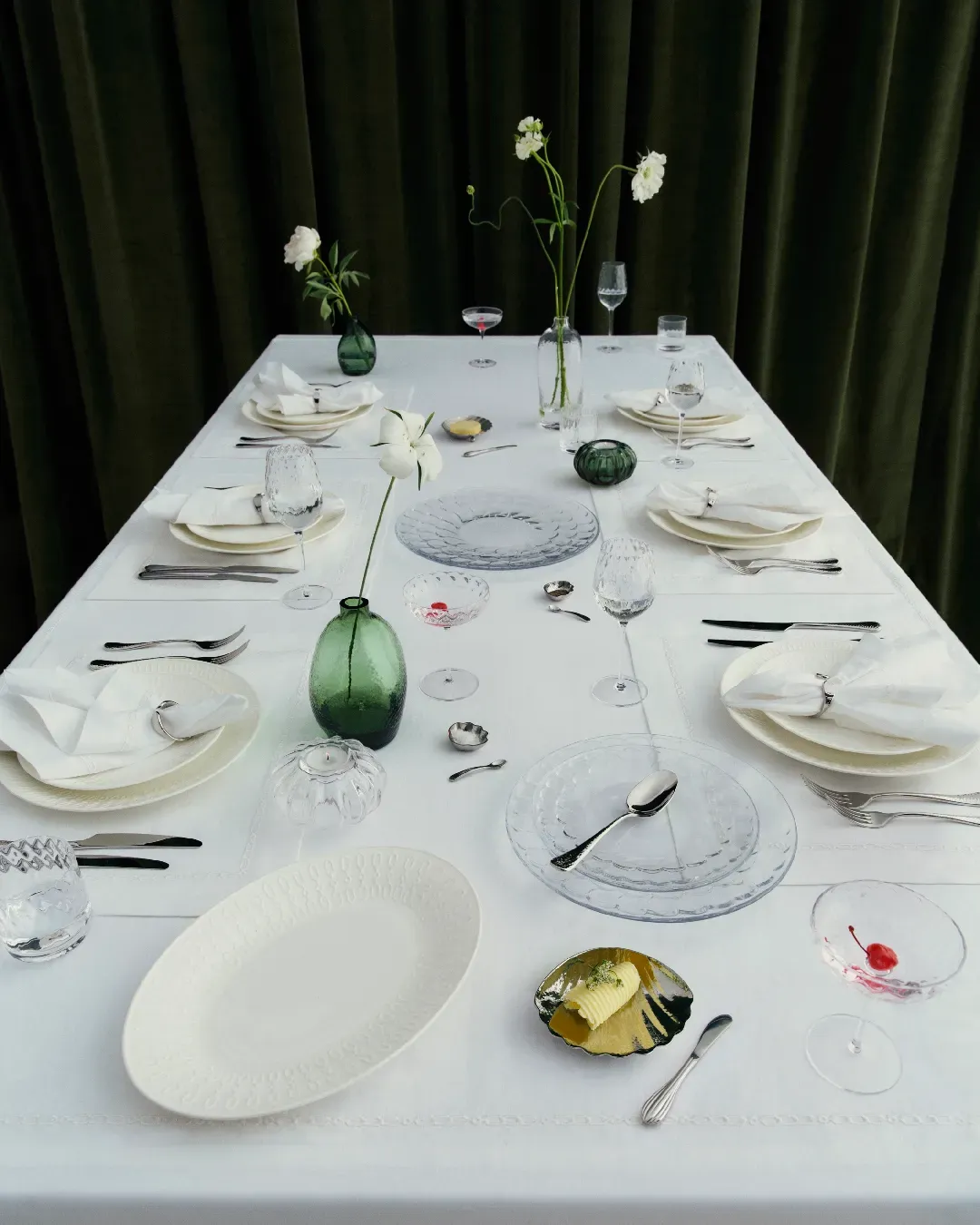
Westwing and Victoria Beckham have collaborated on a tableware line
The English designer explores the world of the table