


« Let us all resist together »
I've known Michèle for years, and yet every conversation with her feels like entering a place I've never been before. There are people who tell stories, and then there are people who embody them. Michèle belongs to the latter category. She doesn't simply talk about resistance, freedom, creativity, love, fashion, music, politics, or beauty; she has lived them all as a single, continuous performance. Her life moves through worlds that most of us only encounter separately: the French Resistance and May ’68, Gilles Deleuze and Jean-Luc Godard, underground Paris, Los Angeles, Rick Owens, punk, techno, contemporary art, craftsmanship, architecture, and fashion. In her universe, none of these things exist in isolation. Everything is connected.
What follows is not an interview in the traditional sense. It is a conversation between friends. A conversation that began with her parents and the legacy of resistance, and gradually unfolded into something much larger: a reflection on how we navigate the world today. We spoke about fashion as a political gesture, about communities and tribes, about the power of aesthetics, about the importance of remaining curious, and about the delicate balance between staying true to oneself and continuing to evolve. We talked about love, too. Not the romanticized version, but the kind of love that survives forty years because it is built on admiration, shared values, music, beauty, and the ability to keep discovering each other. We talked about creation, whether in the form of a garment, a piece of furniture, a blackened fingertip, or an idea that refuses to disappear.
What has always fascinated me about Michèle is that she never separates thought from action. Her philosophy is lived, not theorized. Every object, every gesture, every conversation becomes part of a larger narrative about how to exist in the world with intention. By the end of our conversation, after moving through memories, dreams, politics, art, and cigarettes, we arrived at the same place where we had unknowingly begun. A simple idea that has followed Michèle throughout her life, from her family history to the present day: Resist. Together. And perhaps, now more than ever, that feels like the most important thing she could have said.
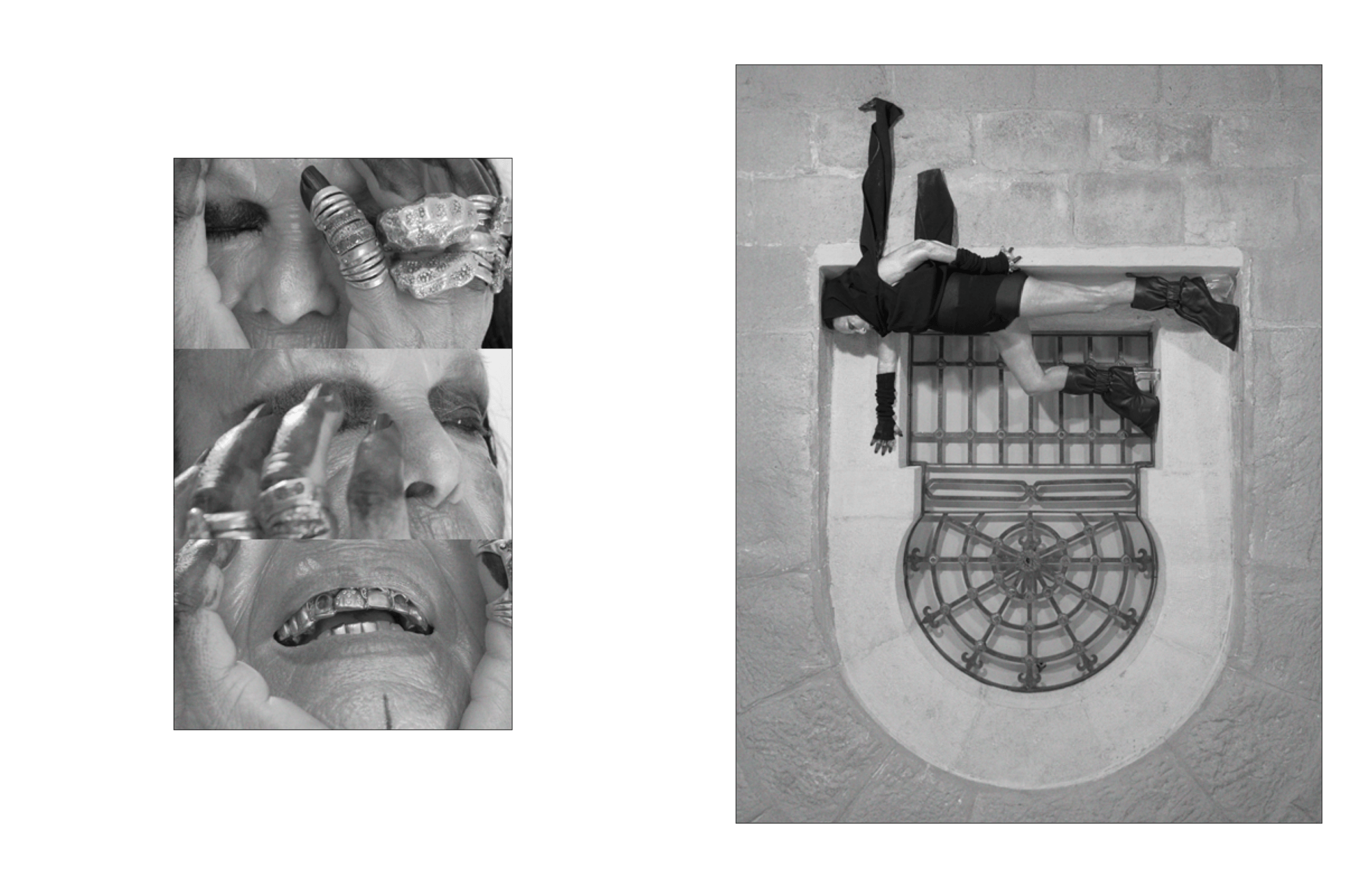
ER: Ho scoperto che i tuoi genitori facevano parte della Resistenza.
ML: Si sono conosciuti proprio perché entrambi facevano parte della Resistenza francese.
ER: Questo ha influenzato la tua vita? Il fatto di sapere che i tuoi genitori erano membri della Resistenza ti ha in qualche modo trasmesso il desiderio di resistere a tua volta? Perché quando ti guardo, vedo una resistente.
ML: Sono sicura di sì. Non ne ho molti ricordi, ma fa sicuramente parte del mio DNA.
ER: Pensi che la moda possa essere politica?
ML: La moda è politica proprio come qualsiasi altra cosa. È un modo per prendere posizione. Gli artisti raccontano storie, creano qualcosa. Siamo sempre da una parte o dall’altra.
ER: Pensi che viviamo in un mondo in cui la resistenza è necessaria? Oggi tutto viene filtrato attraverso il politicamente corretto. Sembra esserci sempre meno libertà. I social media ci hanno dato libertà, ma ci hanno anche esposto alle critiche nel momento stesso in cui usciamo dai sentieri battuti. Pensi che dobbiamo opporci a questo?
ML: Ci sono molti aspetti in questa domanda. Abbiamo Internet, l’intelligenza artificiale, tutte queste innovazioni a cui dobbiamo adattarci e che stanno rendendo ancora più visibile il rapporto tra potere e denaro. Se pensiamo al Maggio ’68, per esempio, credevamo che avremmo cambiato tutto. Eppure, eccoci qui. Tutta la nostra tecnologia e tutto ciò che la circonda stanno creando un mondo in cui alcune persone detengono il potere e altre no. Ma abbiamo anche esempi come Mamdani. È stato eletto, ed è fantastico. Riporta le cose al punto da cui dovrebbero partire: i bambini dovrebbero avere accesso alle scuole e all’assistenza all’infanzia, le persone dovrebbero poter utilizzare i mezzi pubblici. Questo è il nostro modo di resistere oggi. E anche ciò che facciamo è una forma di resistenza.
ER: Ho scoperto anche che Gilles Deleuze e la sua interpretazione di “Alice nel Paese delle Meraviglie” hanno lasciato un segno indelebile in te.
ML: L’ho incontrato mentre insegnava, mentre io avrei dovuto essere nella stanza accanto a studiare giurisprudenza. Mi sono imbattuto per caso nelle sue lezioni senza sapere chi fosse Gilles Deleuze, e sono rimasto affascinato dalla sua voce e da ciò che diceva. Stare lì era un po’ come fare surf. Lui iniziava a parlare ed era come l’arrivo di un’onda: riesci a stare in piedi, non capisci bene cosa stia succedendo, ma sai di esserci dentro e che devi mantenere l’equilibrio.
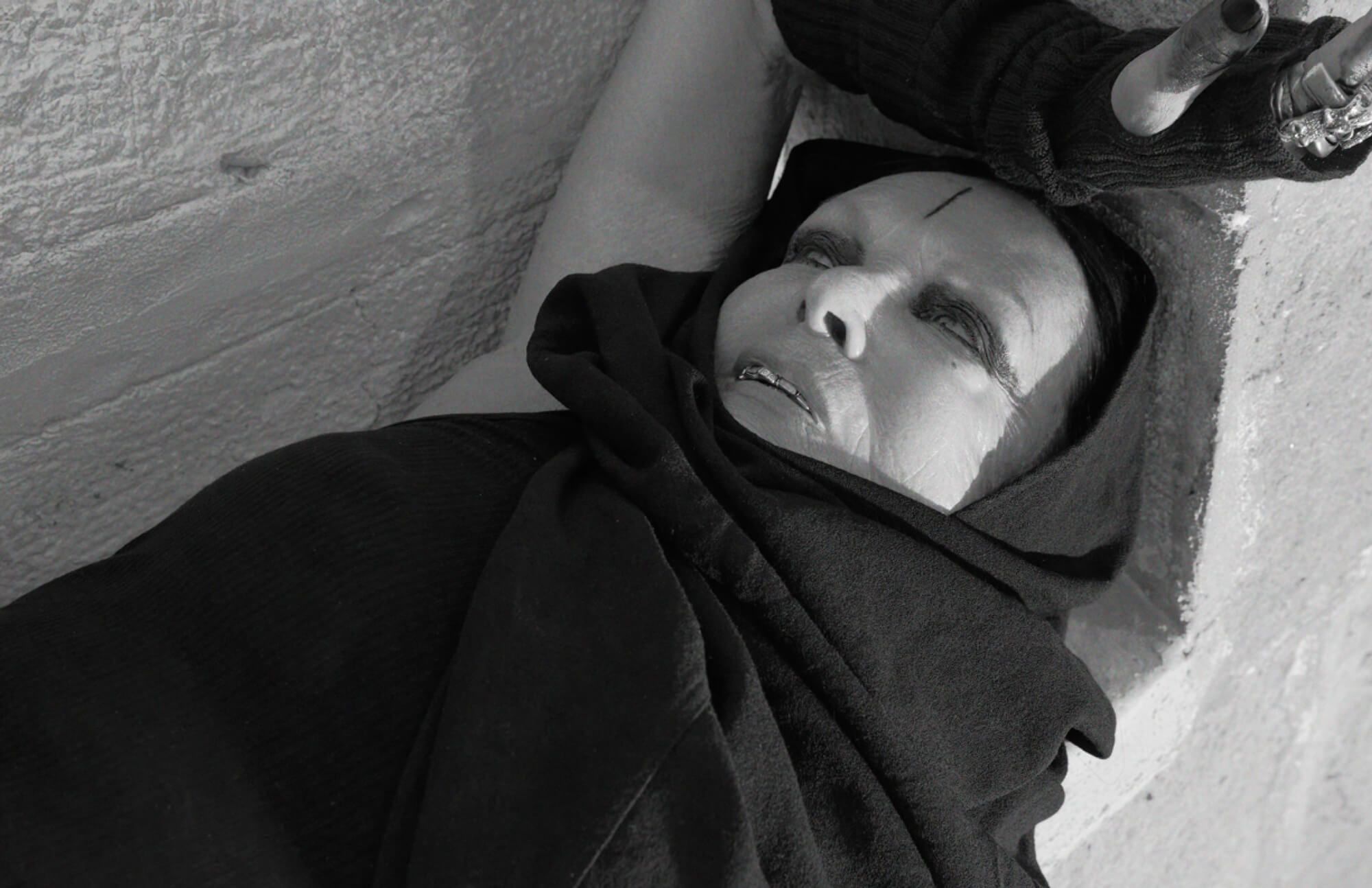
ER: You have an academic background that is completely different from what you do today. And you've always been drawn to performance.
ML: This year I received an award from the House of Performance: “Artist of the Year.”
ER: Personally, I think you're more “Artist of Life”, because your life itself has been a performance - and it still is. That's something I find extraordinary about you. You've done so many different things. At one point you even performed striptease. What was behind that? Was it a desire for freedom? What can you tell me about it?
ML: When I arrived in Paris, I met people who are still my friends today, trans people who were always around me. I've always had a very fluid vision of sexuality, one that never liked categories. We lived almost like a commune. There was certainly a political dimension to it, but also a way of expressing ourselves through everyday life. That's how I met Hélène Zahra, Marie-France, and all the others. It was the world of entertainment. There was Eugénie, there was that whole scene. But there were also the traveling fairs of Pigalle, and we went to those fairs. I was never a Crazy Horse kind of girl, you know? If I had been, I probably never would have ended up in that environment.
ER: You performed at those fairs?
ML: Yes. They were local fairs. There were a lot of soldiers around Paris, in the mountains and elsewhere. You had to attract people. There's even a photograph of us standing at the entrance, drawing the audience in. Then the show would turn into a full striptease. She had her feather boa routine, and I was there taking off my panties. Then the men would come. It was a beautiful time. Everything Paris had in those years - the people, the clubs, the atmosphere. Today, when I hear certain conversations, I feel as if we've gone back fifty years. Maybe it's because of AIDS, as we say in French, or fear, or the rise of the right, or perhaps simply a loss of hope. I've always loved seducing and being seduced. I loved people, performances, everything spontaneous. It was performance.
ER: You're like Obelix: you fell into the magic potion of the underground and performance when you were young, and you never came out of it. Where does that attraction to the underground come from? What happened in your life that made you think, "This is where I belong"? Because I don't think it's really something you choose. Either you're part of that world or you're not. What made you recognize yourself in it?
ML: I probably already recognized myself there, otherwise I wouldn't have gone. And I'm not talking about right or left politically. It's a question of hope, of fascination. I lived through an extraordinary period for women. The birth control pill had arrived. We burned our bras. We were surrounded by extraordinary creatures, and it didn't matter who they were.
ER: Tu es comme Obélix : tu es tombée dans la marmite de l'underground et de la performance quand tu étais jeune, et tu en es jamais sortie. D'où vient cette attraction pour l'underground ? Que s'est-il passé dans ta vie pour que tu te dises : « C'est là que je repars » ? Parce que je ne pense pas que ce soit vraiment quelque chose qu'on choisit. Soit on fait partie de ce monde, soit on n'en fait pas partie. Qu'est-ce qui a fait que tu as été attirée par ce milieu ?
ML: Sûrement parce que je m'y reconnaissais déjà, sinon je n'y serais pas allée. Et je ne parle pas de droite ou de gauche politiquement. C'est une question d'espoir, de fascination. J'ai vécu une période extraordinaire pour les femmes. La pilule contraceptive venait d'arriver. Nous brûlions nos soutiens-gorge. Nous étions entourées de créatures extraordinaires, et peu importait qui elles étaient.
ER: What do you appreciate most about that movement today? Does it still carry the same values? I feel that it does. What do you think?
ML: Today it's even more difficult because we're witnessing the rise of the right. After the war people said, "Never again." Yet we've lived through nothing but cycles of hope followed by disappointment. Take the creation of Israel. It was born out of tremendous hope, but without acknowledging that it came at the expense of a local population. Everywhere we've seen ideals collapse. Young people want to rebuild the world, but look at what's happening in Russia. These are waves of ideals that always seem to end in misery. And yet I've always moved from one hope to another. That's probably what Rick means when he talks about "exhaustive optimism."
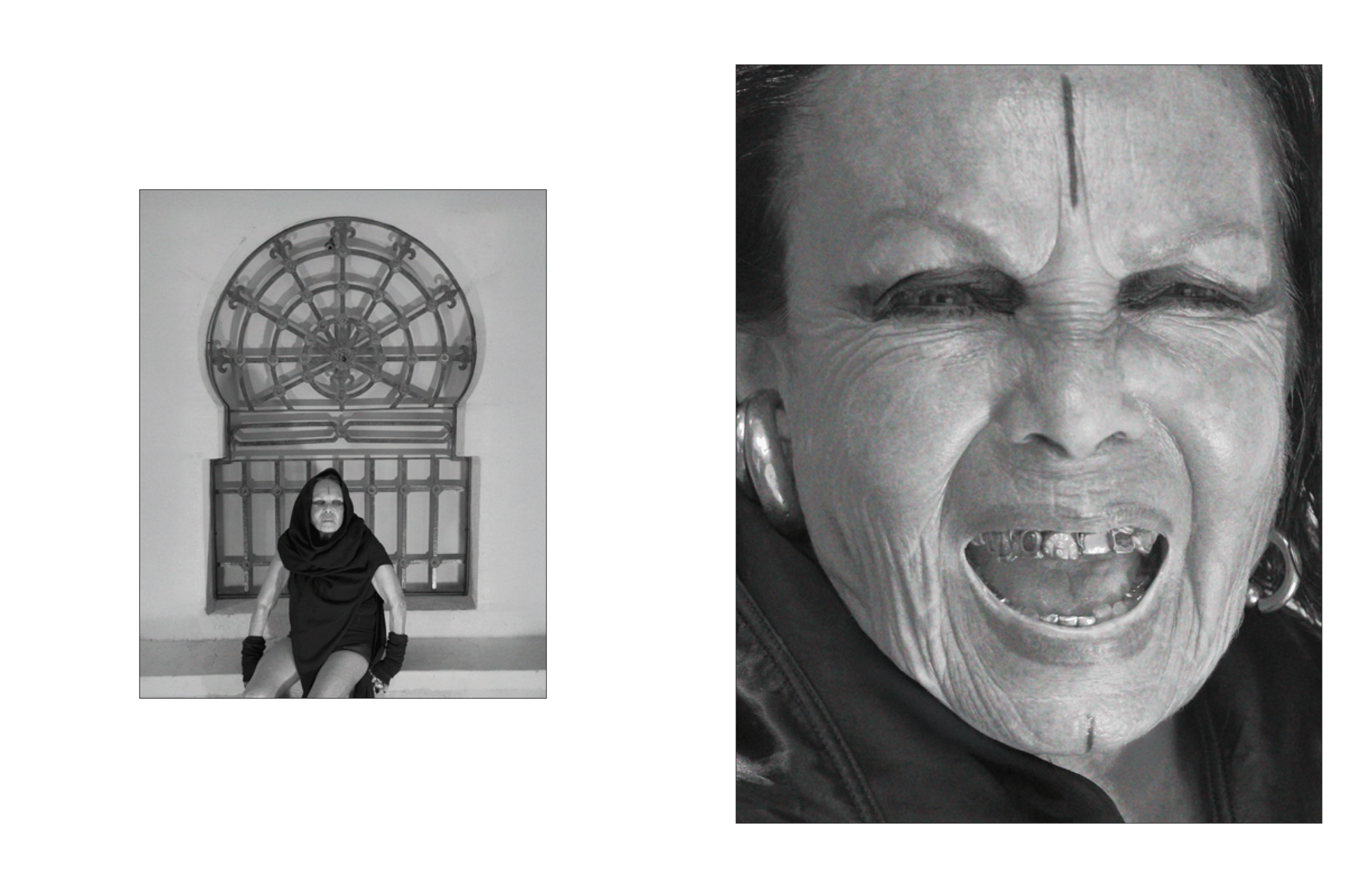
ER: Let's lighten things up a little and talk about fashion. More seriously, I've heard that you became interested in fashion in Los Angeles simply because you had nothing to wear and had to improvise. Tell me about that.
ML: It wasn't so much that I was interested in fashion; it was that I genuinely had nothing to wear. I had come from France during an incredibly creative period. It was the beginning of Sonia Rykiel, Dorothée Bis, Kenzo… There was this huge creative wave sweeping through France, and I left right in the middle of it. It was an incredibly positive time, colorful and joyful. Then I moved to the United States. I arrived with what I knew how to do, carrying ten years of family heritage with me: the bracelets I don't wear today, the eyewear, that whole world. That heritage came from Oyonnax, which people even used to call "Oyonnax City."
Did you know that when I was a child, the dictionary described Oyonnax as the world capital of plastics? Today that's no longer true, but it comes from a long history. The people of the Haut-Jura originally worked wood on lathes. Then they moved on to horn, ivory, galalith, and eventually plastic. That's the history I inherited. I inherited the lives of those people, fascinating lives. They experienced extraordinary economic growth and prosperity. And yet, if you walked into a café back then, you could still sense that generation had known hunger.
ER: What does fashion mean to you today? Or rather, not just today, what does it mean in general?
ML: When you look at the past through magazines, you immediately know what era you're looking at. Whatever people may say, fashion is what marks time. It's part of a movement that says far more than people realize. I've always wondered why, at a certain point, we suddenly become unable to tolerate a skirt that falls mid-calf. There are always creators who move the world forward. Creators are artists, and fashion defines an era. Of course, we can discuss the details or the way things are made, but that's not the essential point. What matters is this constant desire to mark one's time, to be rooted in one's era, and to anticipate what is coming next. That's why fashion matters: it expresses so much more than simply being fashionable or not.
ER: That brings me to my next question. Is fashion the construction of a character? A uniform? A form of self-expression? Or is it all of those things combined?
ML: First and foremost, it's a collective expression. The expression of a tribe, in a way.
Today that may be more difficult because images never stop flowing. Every day it feels as though a new artist appears. There was a time when we eagerly awaited the September issues of magazines to discover what was new. Our relationship with time was slower then, and that slowness gave us room to reflect. Today, with immediacy, everything is more complex, but the principle remains the same. Whether the pace is fast or slow, fashion remains connected to our perception of time. It's a wonderful way of recognizing ourselves: being ourselves while also belonging to a tribe.
ER: What we would call a "community" today.
ML: Exactly. Everyone uses that word now. Everyone is looking for a community. People have a deep, almost visceral need to belong to something, especially those who initially try to carve out their own path alone.
ER: What about your personal style? How has it evolved? Were there major shifts, real turning points? You were telling me that Japanese designers had a huge influence on your style in the late seventies and early eighties. It was a real revolution: that flood of black, those forms that were simultaneously constructed and deconstructed, structured and unstructured.
ML: For me, it was more of a continuity than a rupture. I wasn't in France when they first arrived in force, but when I discovered them I immediately understood that this was the direction we needed to go in. They profoundly changed the way we thought about fashion.
When I arrived in Los Angeles, what struck me was the constant contrast: people spent the day in shorts, and in the evening they dressed for the red carpet. There was nothing in between. That's where the real shift happened.
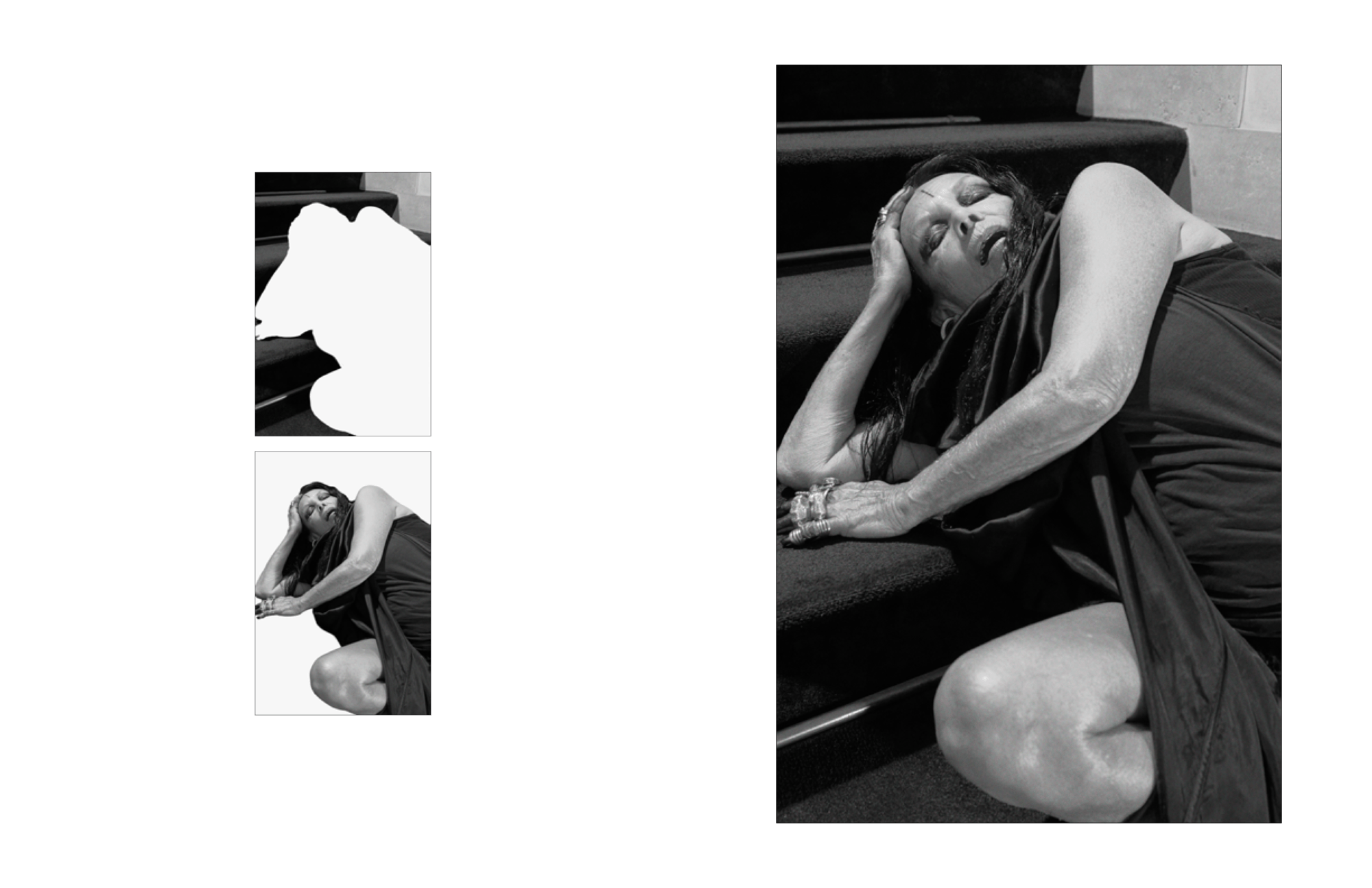
ER: I want to talk about love with you.
ML: Talk to me about love.
ER: Your encounter with Rick was no small thing.
ML: Oh no, absolutely not.
ER: What allows two people to build parallel lives together for so many years?
ML: Forty years… I don't really know how to explain that bond. It's about being very different while sharing the same culture at the same time. But I think the most important thing, beyond any moral framework, is that we shared the same values and the same aesthetic standards.
When you live with someone, the essential thing is knowing that the other person is capable of seeing beauty. Of recognizing what is extraordinary. Of recognizing what helps you move forward. That's what allows a relationship to last. Sharing a value that you recognize in one another.
ER: Did you have the same taste in music?
ML: Very much so. A tremendous amount.
ER: And you still do?
ML: It's essential. The whole punk era, for example, was fundamental for us and still is.
And if we're talking about techno, from its earliest beginnings to what it has become today, I absolutely love it. Right now I'm trying to create a dialogue between techno and rap, a form of rap that has evolved enormously compared to what we originally imagined. Sometimes we disagree. We debate. But in the end we blend all those influences together. Music is everywhere. It sits at the very top. It's probably the most important thing because everything else flows from it. It's what has allowed us to continue moving forward together.
ER: If I asked you to define love, would that be your answer?
ML: Love is loving each other enough to go through an enormous amount together and always find a way to land on your feet, no matter what happens. Our story was extraordinary from the beginning. It remained extraordinary afterward. And it still is today. It continues.
And I'm constantly amazed to see that it all comes from the same place: admiration, tolerance, and excitement. At the end of the day, you can't truly vibrate with someone if you're not moved by the same things.
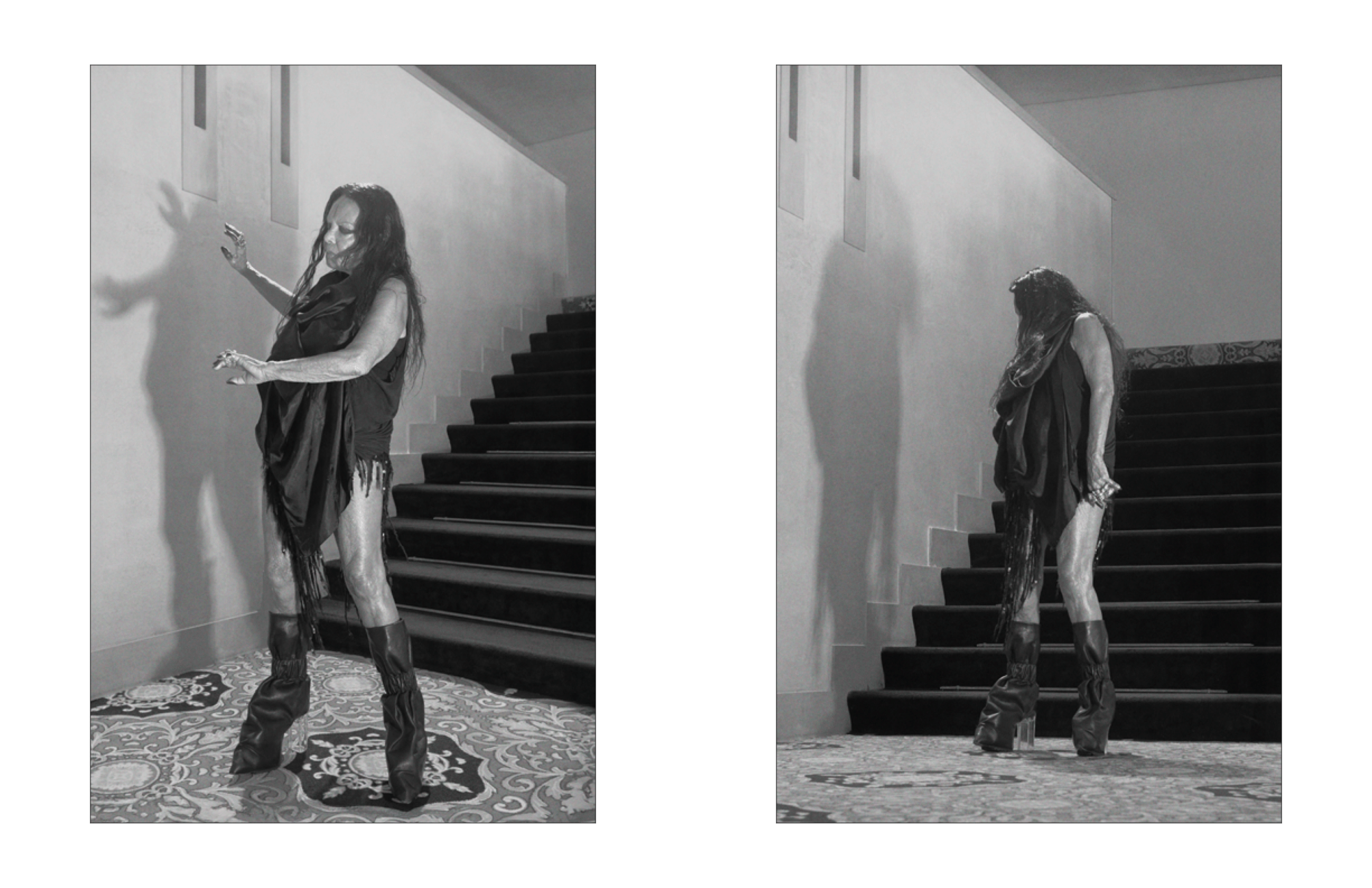
ER: And if aesthetics aren't there, nothing can make up for it?
ML: Nothing.
ER: There is a connection between Anselm Kiefer and your hands, isn't there?
ML: I've had the immense privilege of entering his world. Anselm even created books featuring photographs he had taken of me. I spent a great deal of time in his studio watching him work. But if you're asking how I first discovered him, it was actually in Los Angeles.
His first exhibition there was in 1984. He was showing those monumental books with lead covers. At the time, I had heard that he worked extensively with lead, which is toxic. And do you know what happens when you handle it? It blackens your fingers.
I became obsessed with that image. Only now, looking back, do I make the connection. I like to believe that certain things work unconsciously inside us long before we become aware of them. Anselm is doing very well today, thank God. He still works with lead, carving into it with a knife, although he also works with gold now. As for me, I began dyeing my fingers black.
Perhaps it was inevitable that we would meet. We were meant to understand each other.
ER: You once told me that what you actually use is hair dye.
ML: Yes. I started because I used to dye Rick's hair. At twenty-five he already had grey hair, despite the fact that his natural color was an incredibly deep black. I had always wanted black nails, but I could never stand traditional nail polish. It chips. It's too shiny. It just wasn't for me. So I started applying hair dye to my fingers. I take it up to the first knuckle, extending beyond the nail and onto the skin. It makes my hands appear longer.
ER: So you do this practically every week? It's real work.
ML: It's a habit. A routine. Like brushing your teeth. I take care of my hands. If I don't, the appearance of my fingers bothers me. Even though I wear many rings and constantly move my hands, that black has become a second skin. A protective layer.
ER: Your career in fashion has been incredibly long, but you didn't stop at clothing. You've also worked with furniture, tableware, jewelry...
ML: It all started with a joke I used to make all the time in Los Angeles. Whenever people asked me, "When are you going back to live in Paris?" I would always answer: "The day I live on Place du Palais-Bourbon."
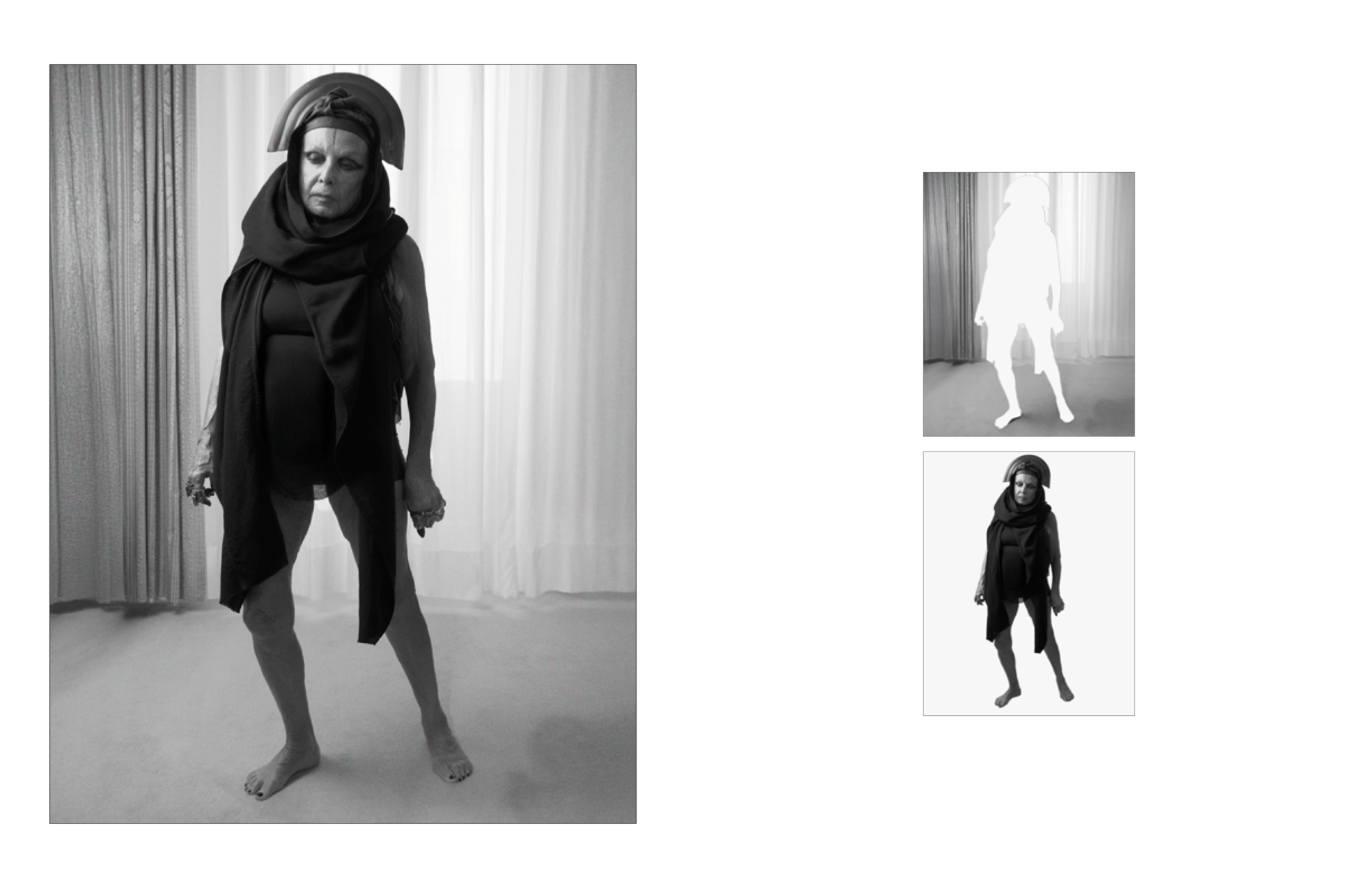
ER: Which basically meant never.
ML: Exactly. And yet we found our place. Our home. We built it ourselves. For me, everything is connected: fashion, the environment you live in, the spaces that surround you. They're all part of the same language. What fascinates me is the relationship with artisans, the dialogue with materials. It's something I feel a visceral need for, constantly. And today I prefer to create these things myself. There's something deeply satisfying about living among objects you've made with your own hands.
ER: What does the creative process behind furniture and jewelry look like? Is it similar to fashion?
ML: Not really. Fashion operates on a relentless cycle. Every three months you're expected to change something, reinvent a detail, introduce a variation. The mindset is completely different. Furniture and objects move at a slower pace, at least for me and for the kind of work I do. We often worked with materials intended for entirely different purposes, but approached them with the same rigor as eighteenth-century cabinetmakers. No nails. No visible joints. Everything fits together through construction and design. There's an entire architectural logic behind it. And, of course, there's the privilege of having found extraordinary artisans with whom we could build this world.
ER: So there isn't the same sense of urgency as there is in fashion. A piece is released when it's ready.
ML: At the beginning there was urgency, simply because we had nothing. But beyond that, yes, it's different. The rhythm is different. The real challenge is staying true to yourself while continuing to evolve. The first thing we ever created was a bed, because we needed one in LA. It’s an urge that comes from real life necessities.
ER: I've heard that you measure time in cigarettes.
ML: Not exactly. But I do use cigarettes as a unit of measurement. When I used to prepare dyes, I'd say, "This takes three cigarettes," or "This one takes five."
ER: So, in a way, you do measure time through cigarettes.
ML: Yes.
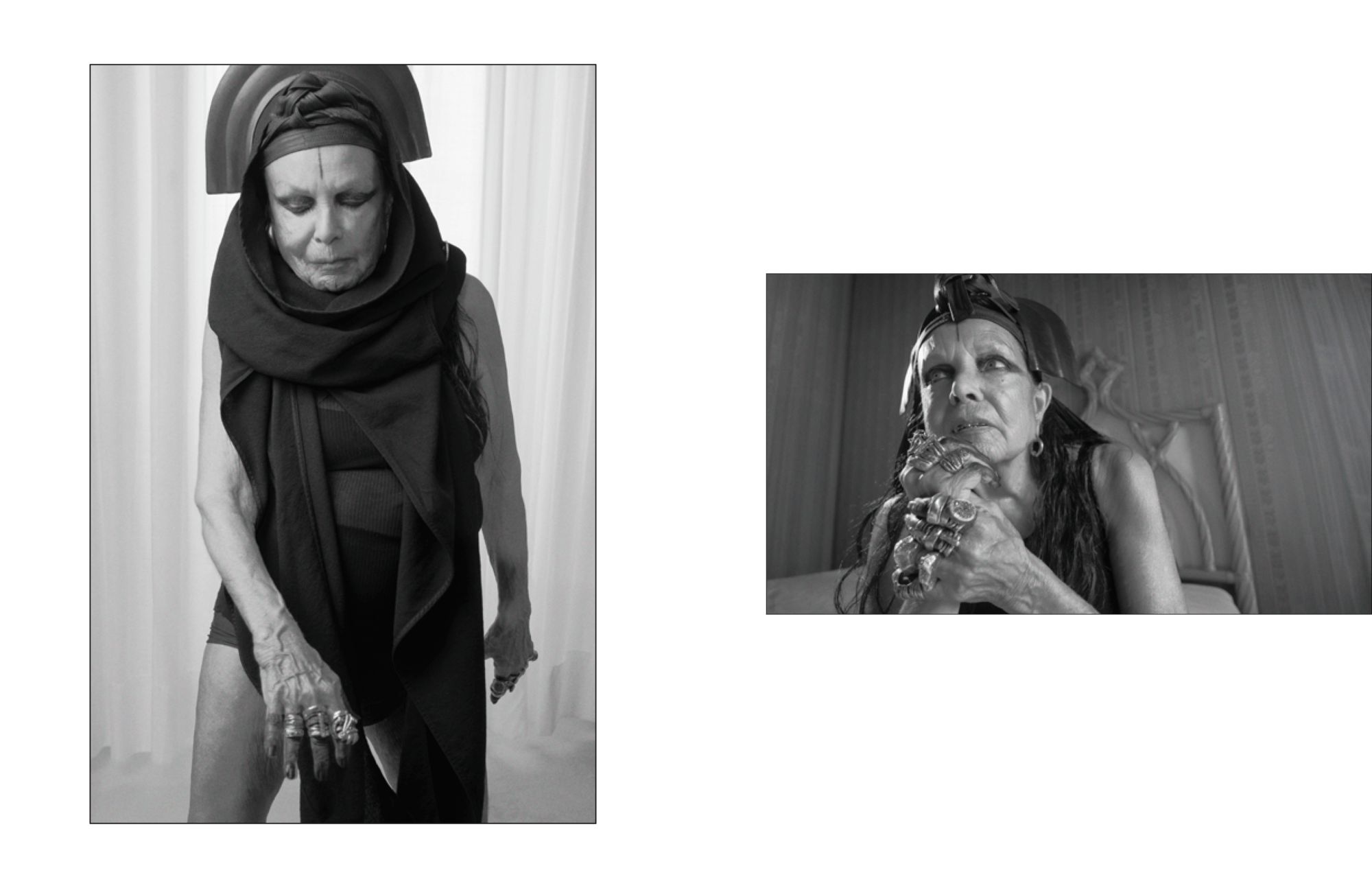
ER: How many cigarettes do you smoke a day?
ML: It depends on how long I'm on my feet. I love smoking in the morning. I can't smoke lying down; I have to be sitting or standing. When I was pregnant, my doctor limited me to six cigarettes a day, so I spent a lot of time lying down just to stay within that limit. And when I gave birth at Cedars-Sinai, the doctor walked in carrying a carton of cigarettes. But beyond the nicotine, there's also the gesture itself. I probably smoke this much because I've watched too many Godard films.
ER: Is there a message you'd like to leave people with? Something you'd like to say, perhaps something that isn't usually said?
ML: Something that isn't usually said?
ER: Or simply something you feel needs to be said.
ML: I like the idea that we can still talk.
ER: With me, you can say anything. You can even be politically incorrect.
ML: But I am profoundly politically correct. I don't think it's possible to be more politically correct than I am. What I'm constantly searching for is a way to be more effective. That's why I almost always agree to interviews and public conversations. Because, in the end, I always find a way to say the same thing.
ER: Which is?
ML: Let us all resist together.