
5 defining facts about Azzedine Alaïa On the occasion of the ninth anniversary of his passing
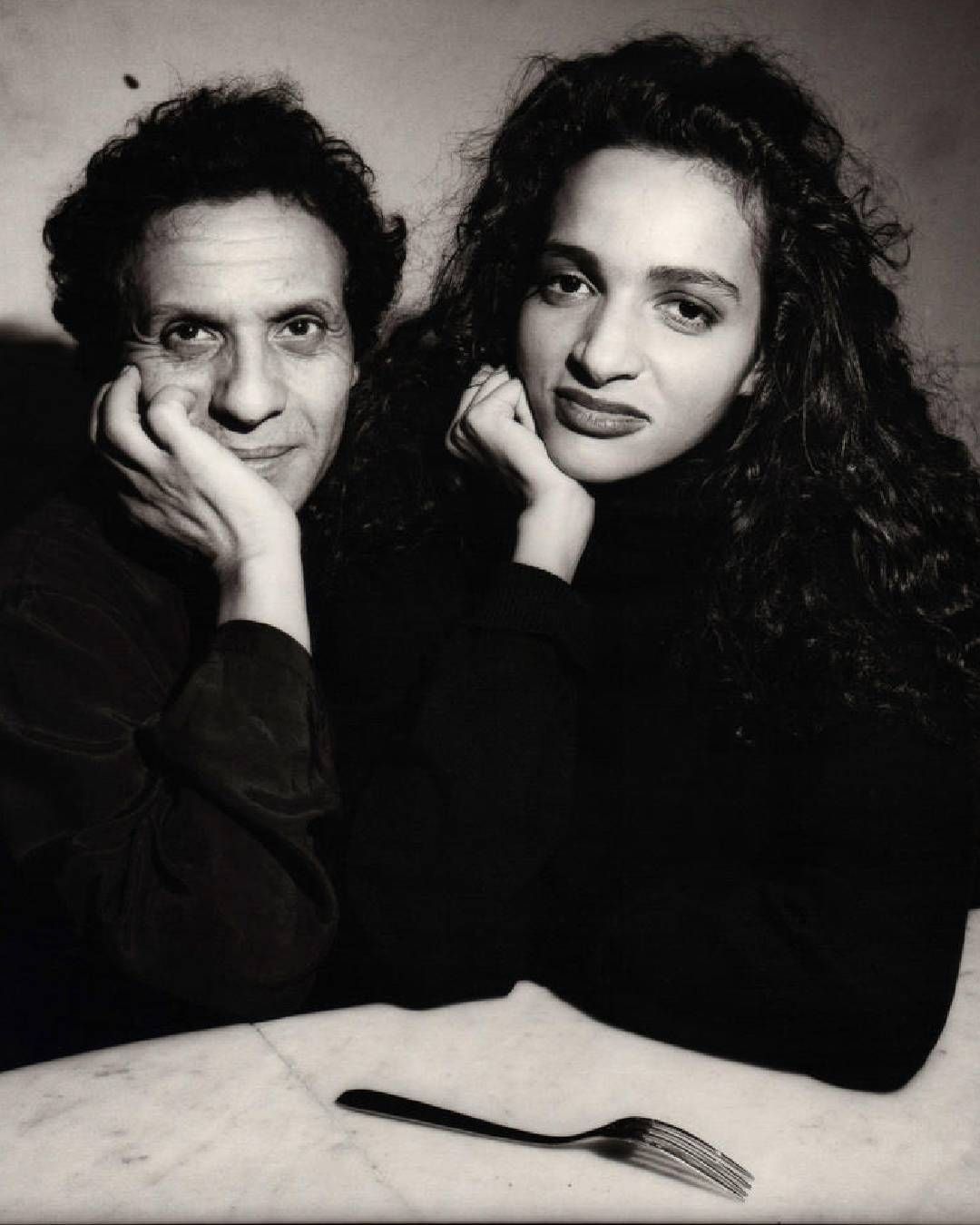
On the ninth anniversary of Azzedine Alaïa’s passing, we look back at the journey of a designer who redefined the contours of haute couture. Nicknamed the "sculptor" for his absolute mastery of the cut and his love of the female form, the Franco-Tunisian couturier always cultivated a fierce independence, far removed from the hustle and bustle of official fashion calendars. From his many collaborations with Jean-Paul Goude to his home in the Marais, here are five stories that reveal the man behind the legend.
He designed the costumes for the bicentennial of the French Revolution
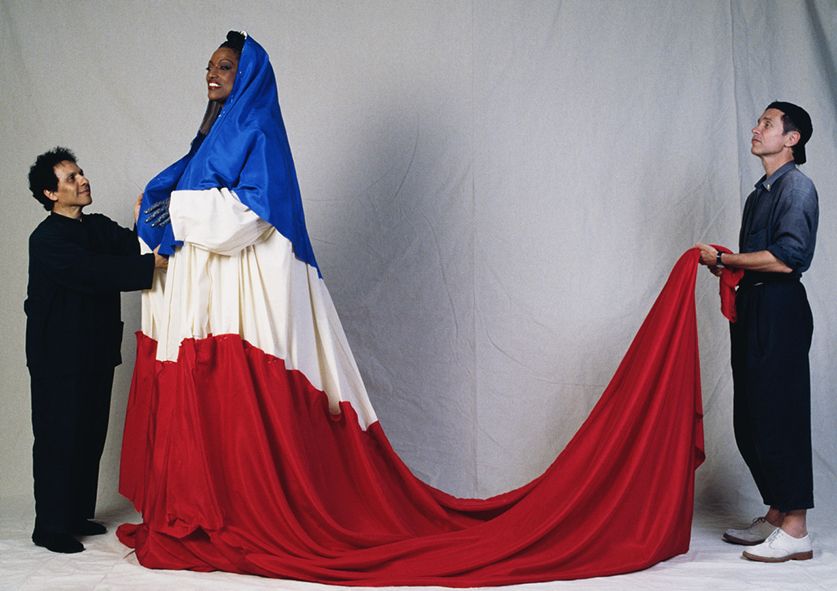
In 1989, to mark the bicentennial of the French Revolution, President François Mitterrand and his Minister of Culture Jack Lang entrusted director Jean-Paul Goude with the conception of a grand commemorative parade on the Champs-Élysées. Strongly solicited by his longtime friend, Azzedine Alaïa became closely involved in this spectacle composed of allegorical tableaux. Widely considered the rightful heir to the greatest couturiers, he crafted black velvet coats enhanced with gold embroidery to dress the dancers and musicians. Yet the highlight of the show was the monumental gown he cut and draped directly from a massive French tricolor flag for opera singer Jessye Norman. Wrapped in this creation - which has since gone down in history - the American soprano performed La Marseillaise at the Place de la Concorde, giving the world one of the most memorable images of the celebration.
His kitchen was open to everyone
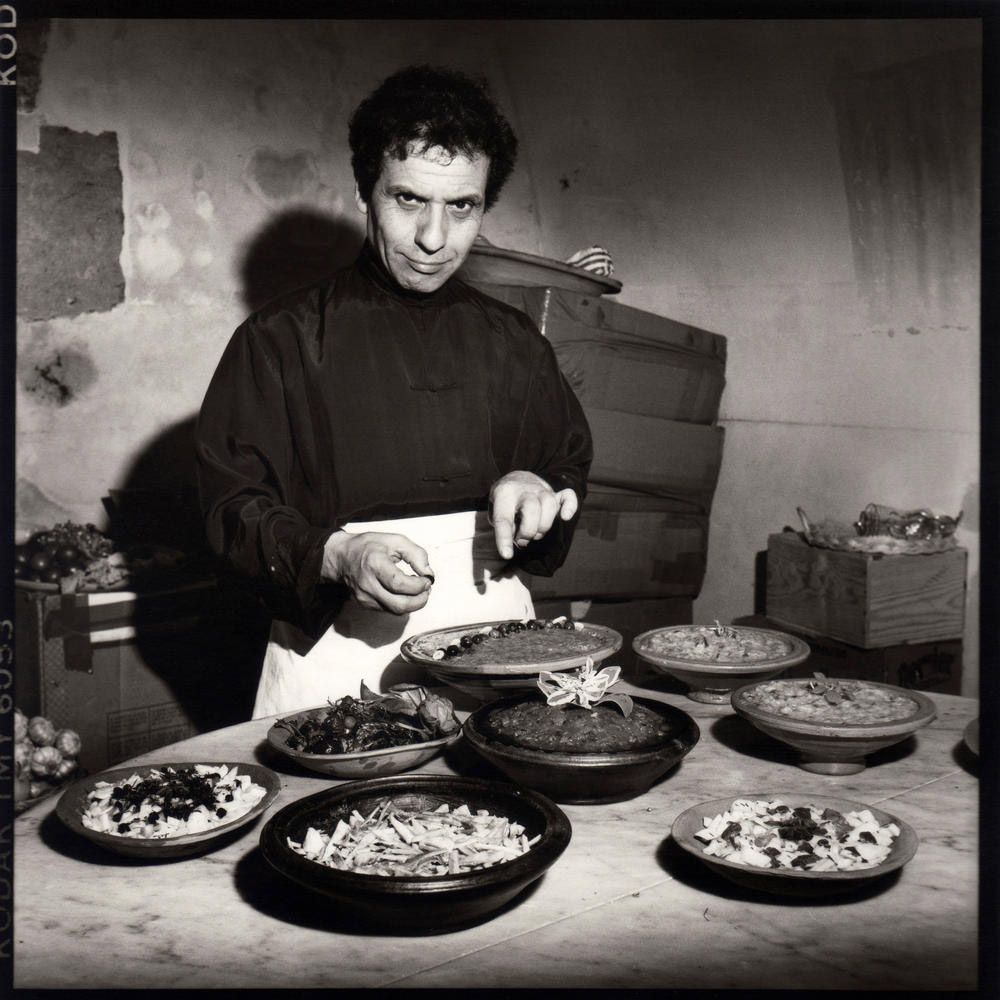
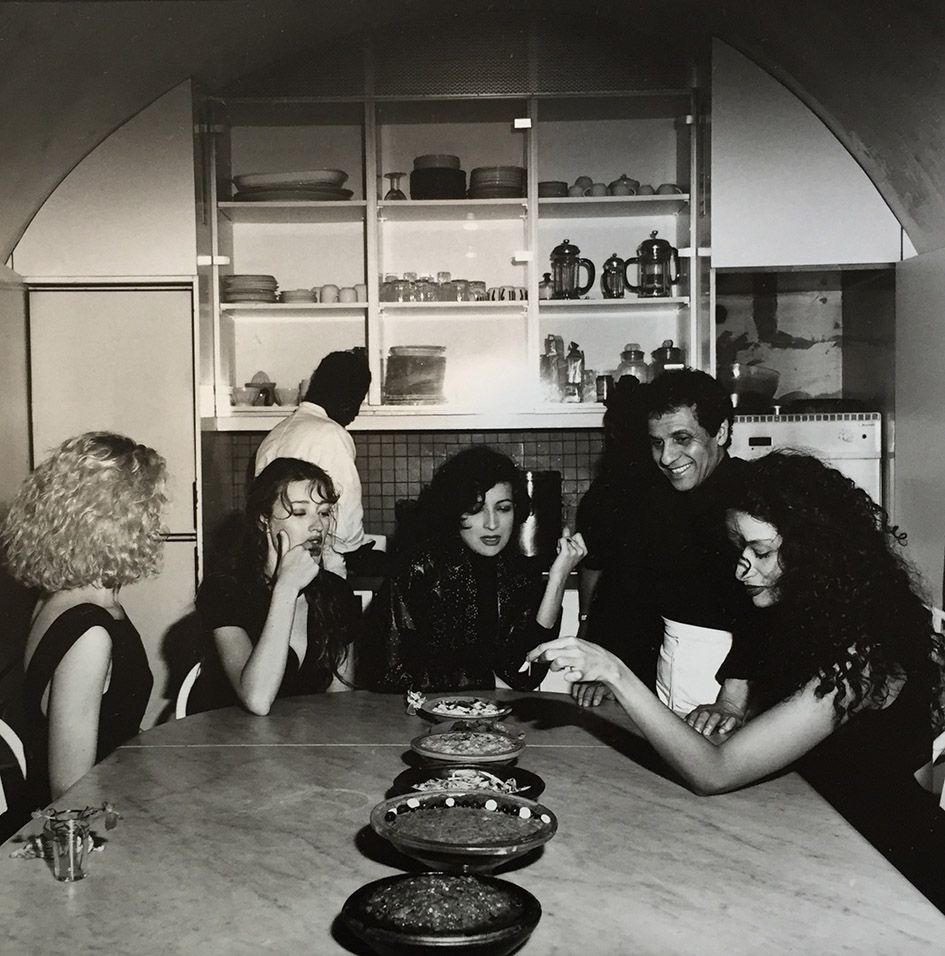
For Azzedine Alaïa, a sense of hospitality was inseparable from his Tunisian roots. At lunchtime, all activity in his studio and ateliers came to a halt to make way for a grand moment of conviviality. Former model and filmmaker Farida Khelfa summed up this unique atmosphere: "At Alaïa's, you could sleep over, drop by to eat, get dressed - it was my family anchor. In fact, there was always an open table at his place. You’d sit down and Tina Turner would be having lunch with the atelier seamstresses. Everyone mixed together; it was real life, and it was so much more fun." In 2000, this welcoming space was expanded to accommodate a vast glass table capable of seating up to thirty guests. Amidst dogs roaming freely, icons such as Naomi Campbell, Grace Jones, Miles Davis, and Serge Gainsbourg rubbed shoulders with seamstresses, fashion editors, and politicians. True to his philosophy that there should always be "an extra place setting in case someone showed up unannounced and hungry," the host stood at the stove to serve his guests himself, always sitting down last.
He turned a New York nightclub into a massive fashion show
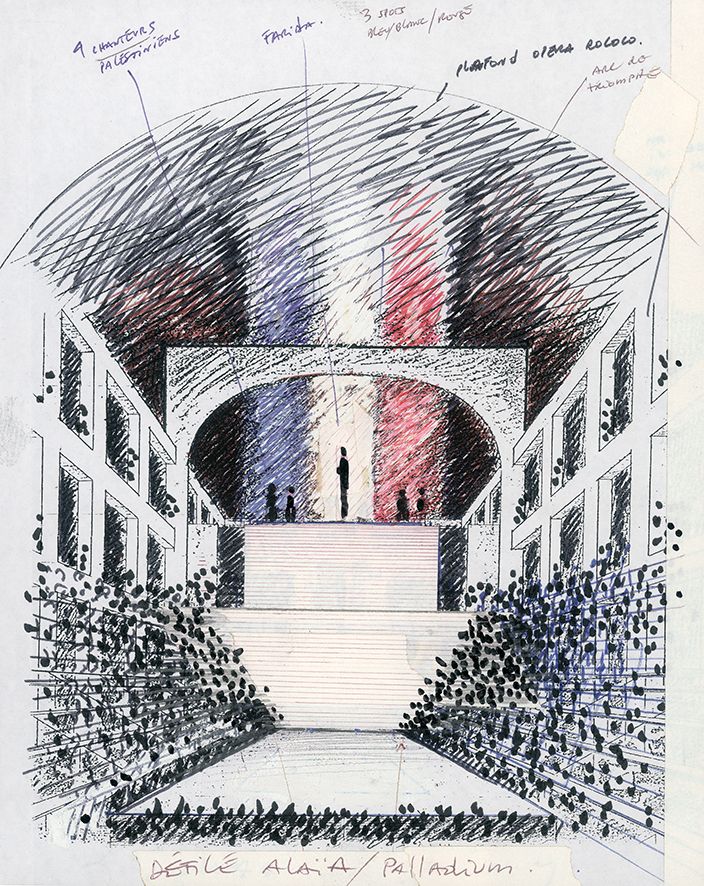
Long before spectacle runway shows became the norm in the luxury industry, Azzedine Alaïa broke the rules by taking over a landmark of New York nightlife. On September 5, 1985, he presented his Fall/Winter collection at the Palladium, an iconic Manhattan club, in a production once again orchestrated by Jean-Paul Goude. On the runway, fifty-two models - including Iman, Farida Khelfa, and Yasmin Le Bon - walked before an electric crowd of over fifteen hundred guests. Respecting the strict dress code printed on the invitation, the entire audience was dressed in black. The event drew New York’s artistic elite, bringing together major figures like Andy Warhol, Keith Haring, and Joan Rivers, thereby sealing the designer's international triumph.
His foundation opened where he lived and worked
Throughout his life, Azzedine Alaïa nurtured a consuming passion not only for fashion, but also for art, design, architecture, music, and theater, amassing a collection of exceptional richness over fifty years. Driven by a desire to pass on this heritage, he confided: "I want to create a foundation in my house, where I live in the Marais, to house my fashion history, art, and design collections alongside my own archives." As early as 2007, he laid the groundwork for this project by creating an association alongside painter Christoph von Weyhe and his friend of forty years, publisher and gallerist Carla Sozzani. Recognized as a public utility by decree on February 28, 2020, the Fondation Azzedine Alaïa now carries out his wishes in the heart of Paris's Marais district. It ensures the preservation and promotion of his heritage collection of over thirty-five thousand pieces, organizes exhibitions, and pursues an educational mission through lectures and research partnerships with fashion schools.
He shared a father-daughter bond with Naomi Campbell, who called him "Papa"
Beyond the runway, Azzedine Alaïa maintained almost familial ties with his muses, starting with Naomi Campbell. When she arrived in Paris from London at the age of sixteen, the young model took her very first steps on the catwalk thanks to the designer. Fascinated by her silhouette - which he described as "a perfect body" capable of elevating his form-fitting creations - Alaïa immediately became her mentor and protector, even letting her stay at his home in her early days. An unbreakable bond formed between them, to the point that the supermodel affectionately nicknamed him "Papa." At the couturier's funeral in Tunis, an emotional Naomi Campbell delivered a moving tribute that spoke to the depth of their attachment: "You fulfilled all the fatherly duties that my unknown father should have fulfilled. You brought happiness to everyone around you […]. You protected me and loved me unconditionally."
Nine years after his passing, Azzedine Alaïa’s legacy remains more alive than ever. He leaves behind the precious memory of a free-spirited creator who placed exacting craftsmanship, love for the female body, and human warmth above all else. More than just a name etched into the history of haute couture, Alaïa is a true lesson in elegance.
What to read next

What if fashion brands gave up having a creative director?
The Alaïa case at Paris Fashion Week has reignited the debate