























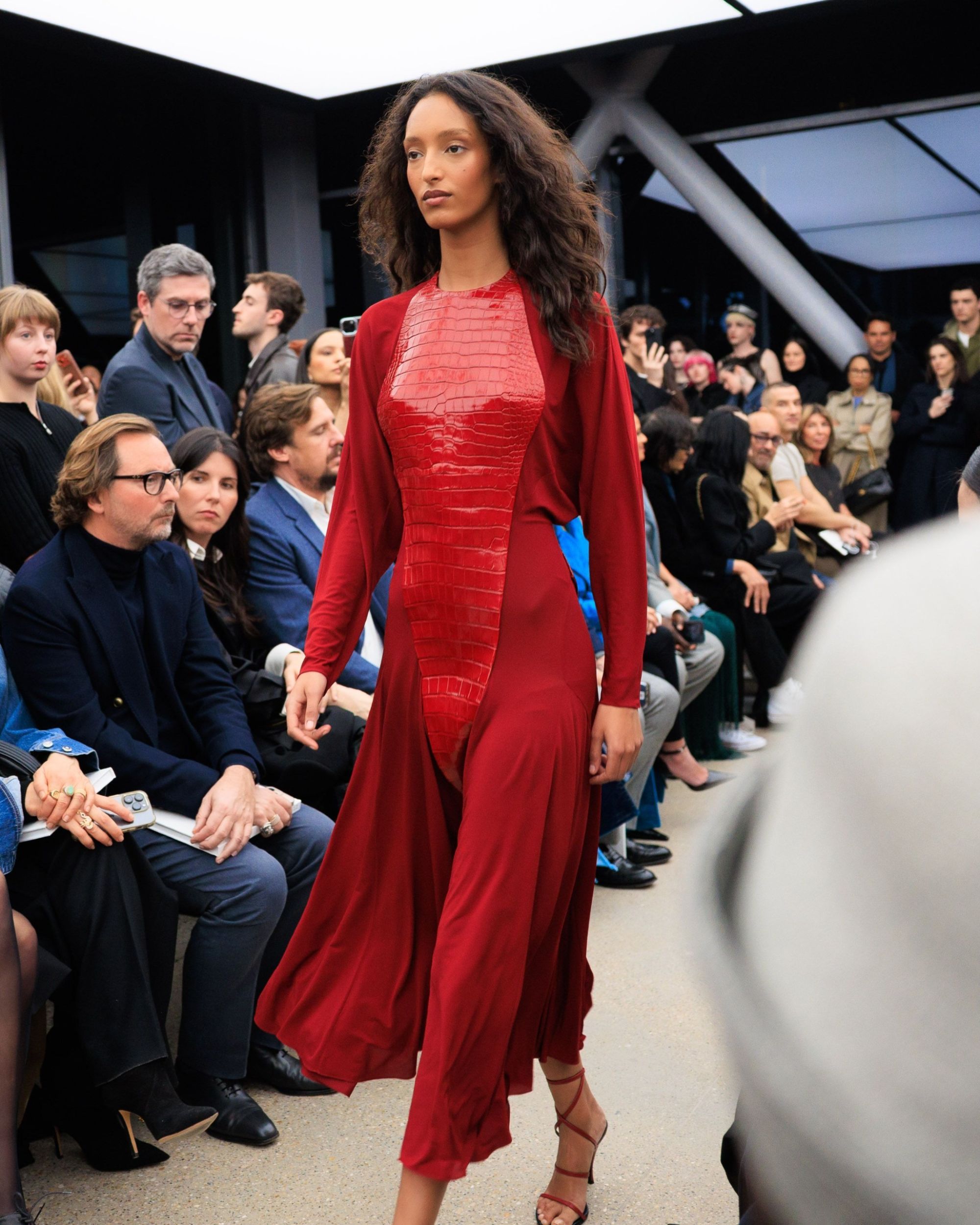
Pieter Mulier's final show for Alaïa moved even Raf Simons The Belgian designer is leaving for Milan, where he will take the reins at Versace
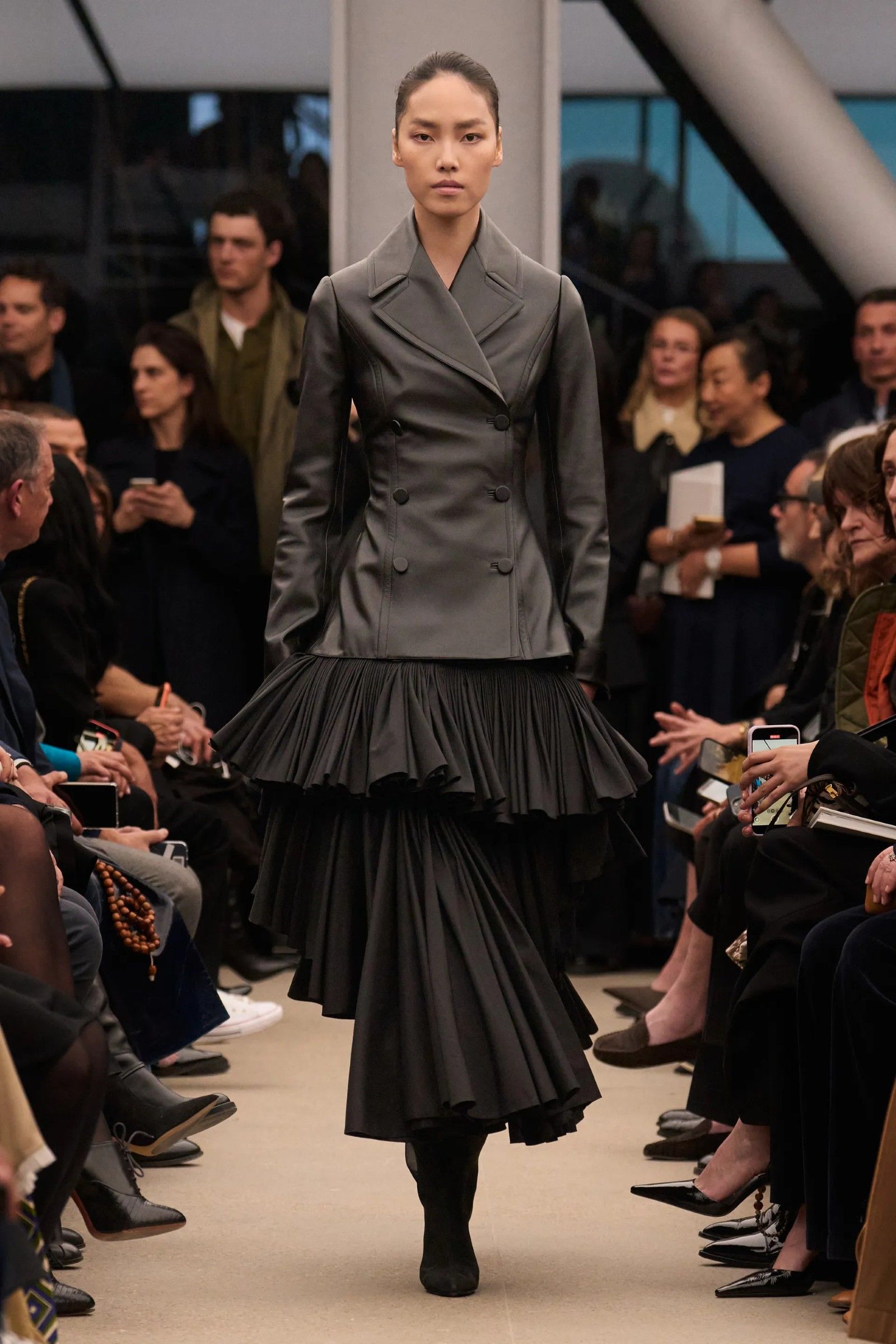
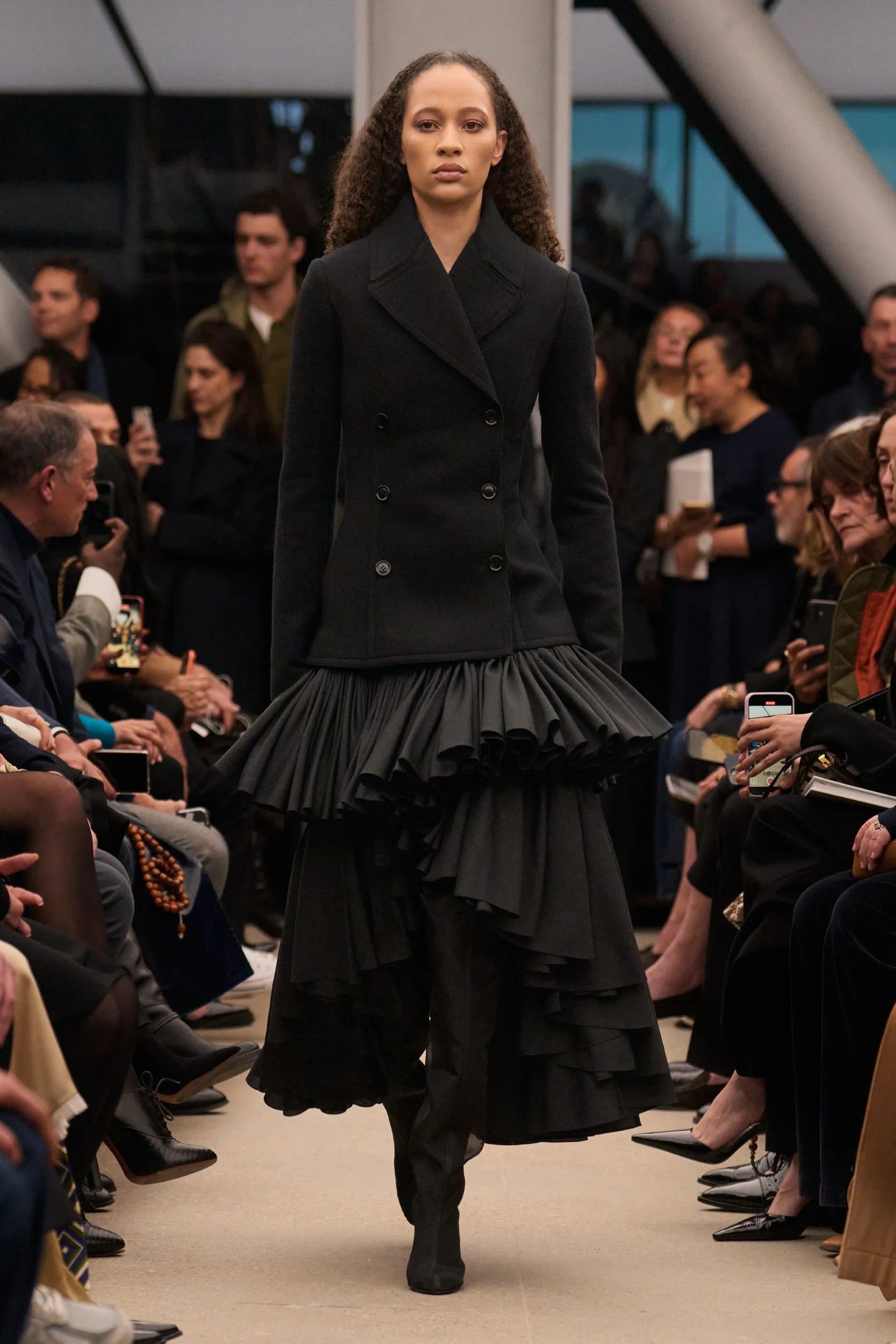
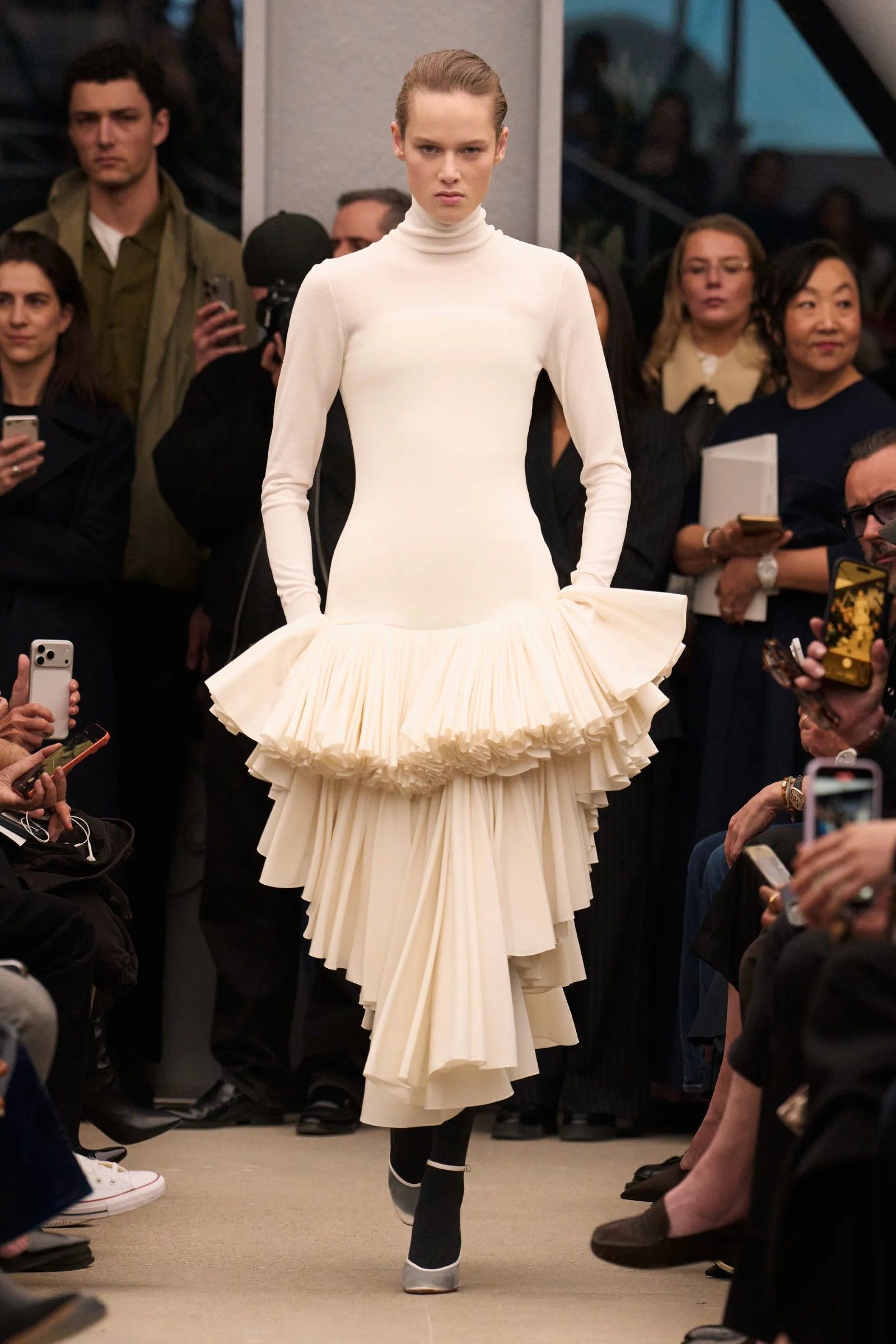
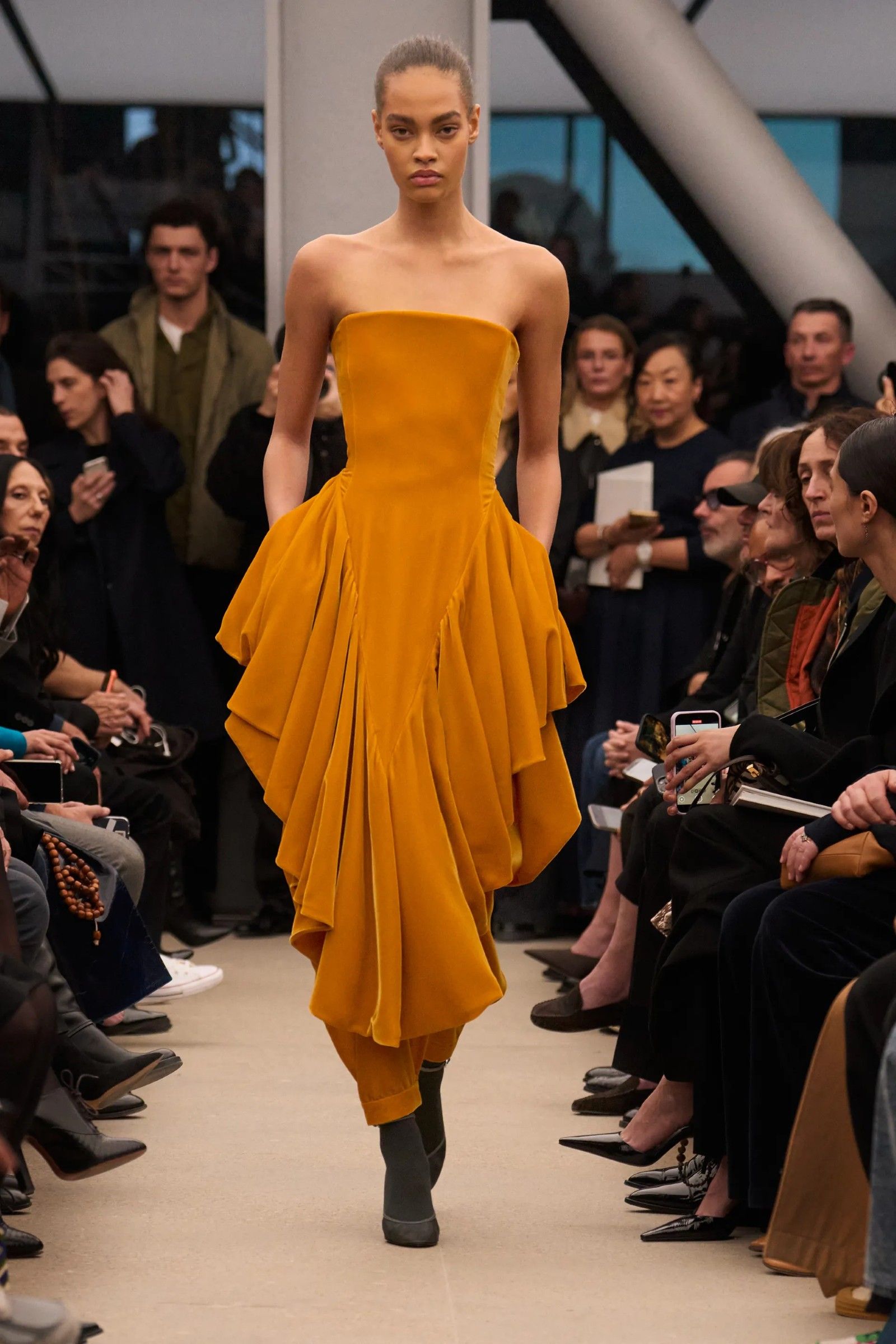
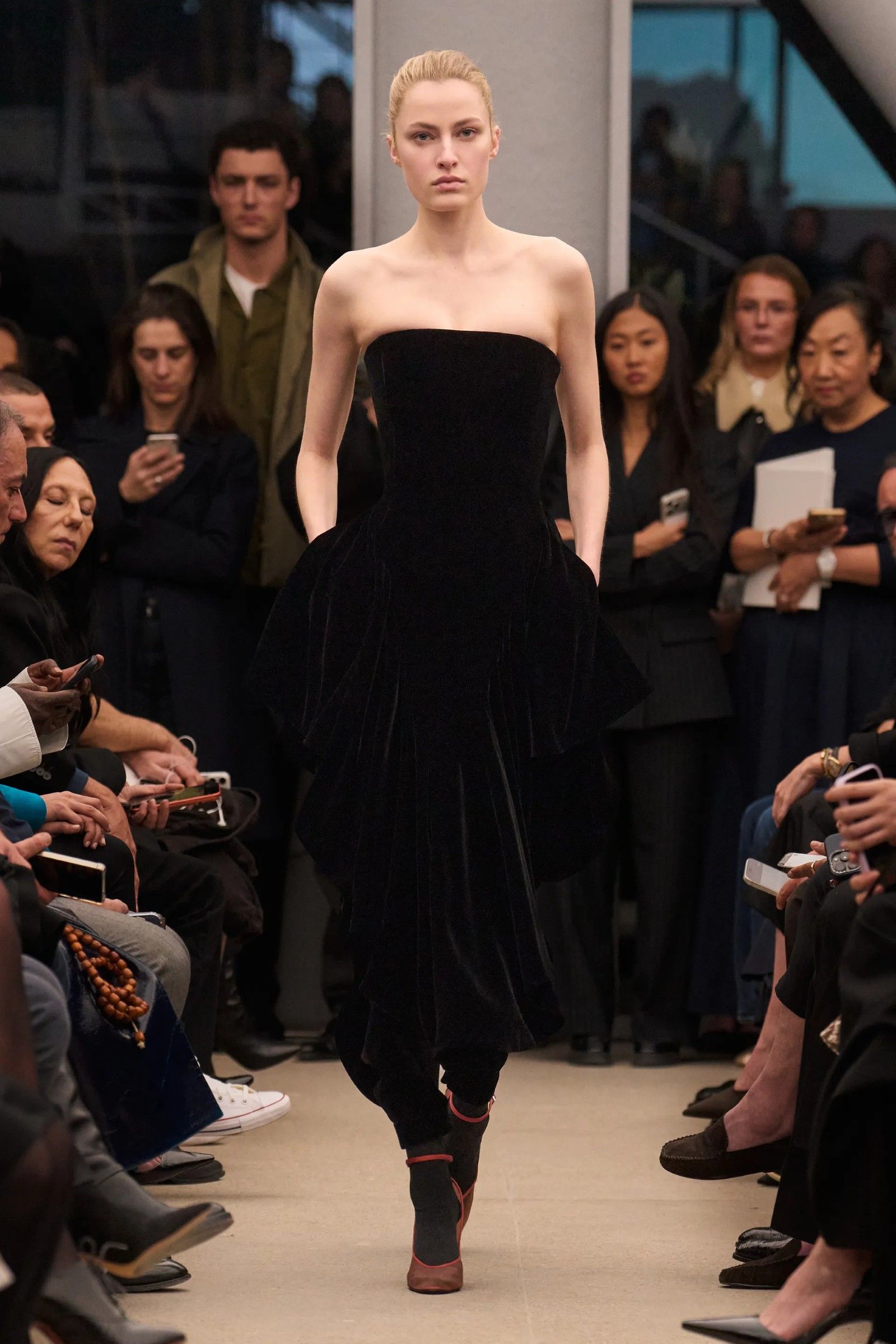
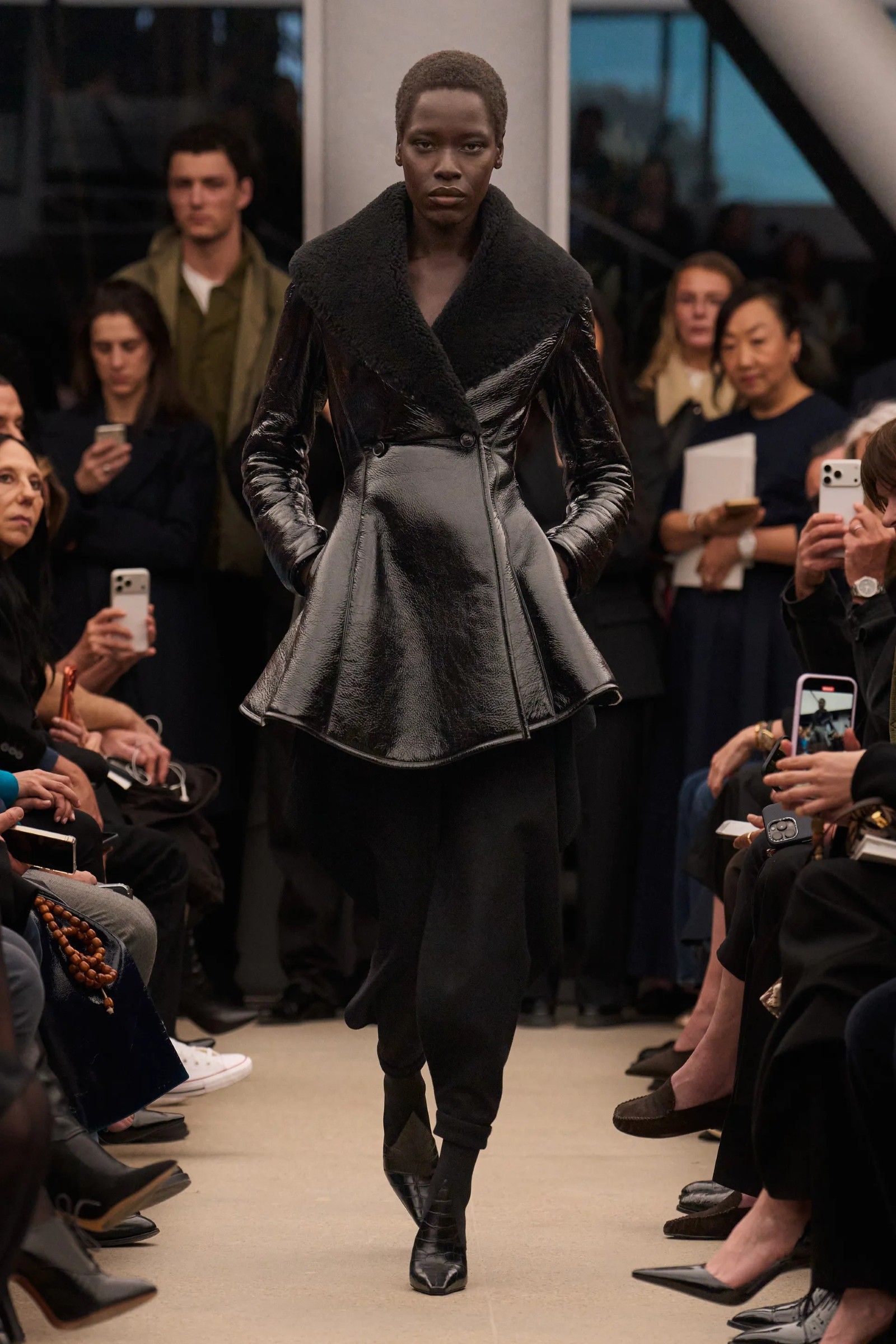
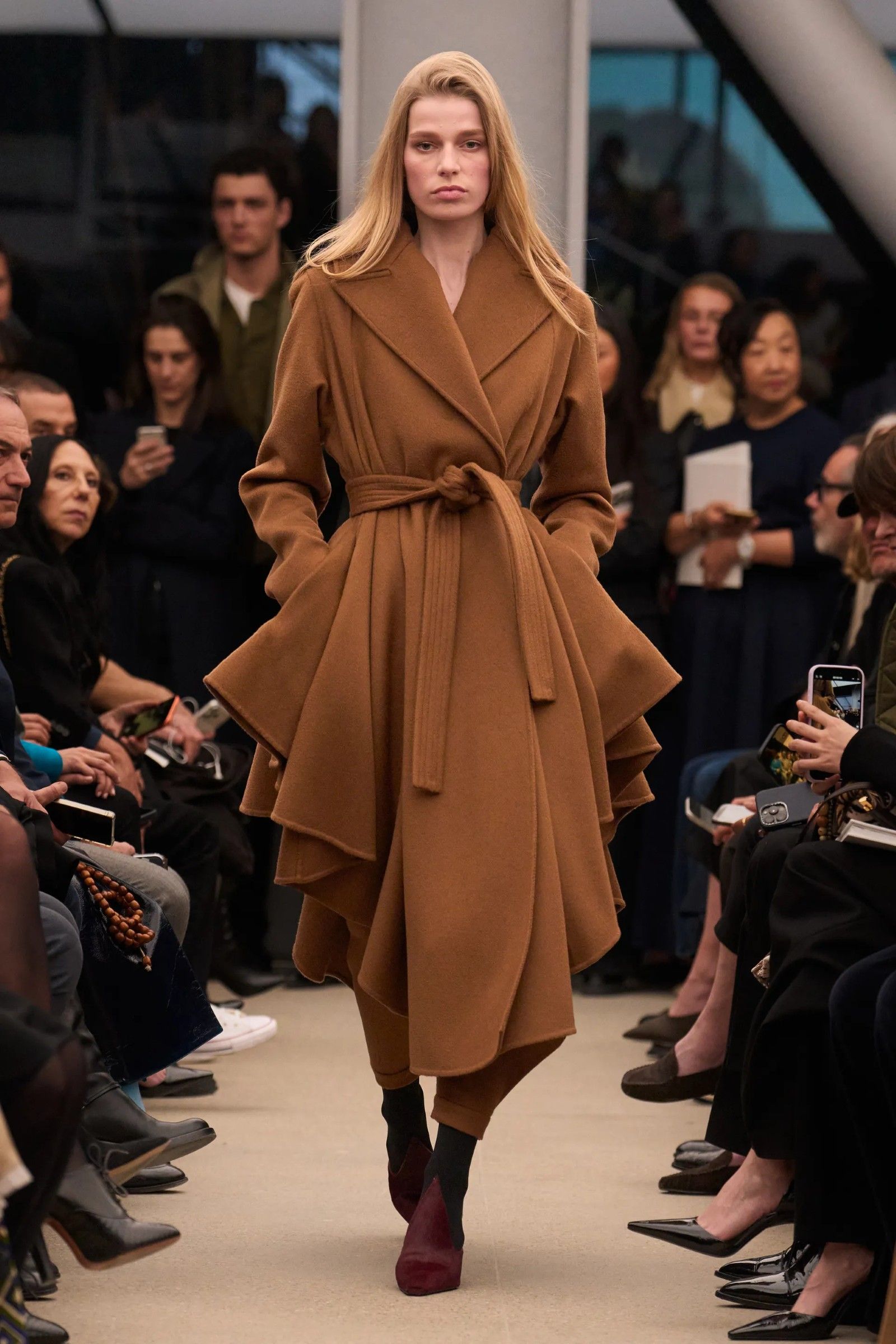
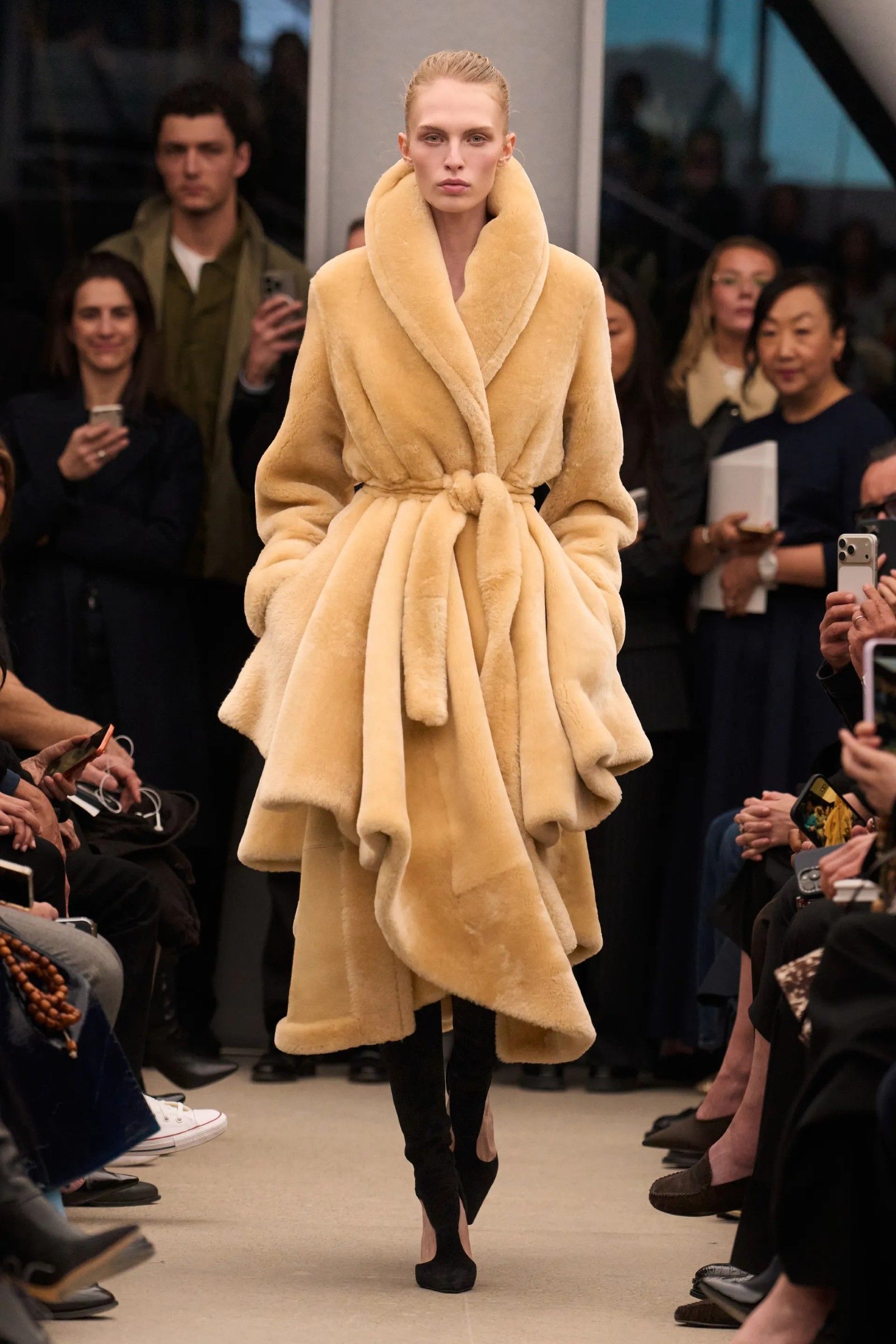
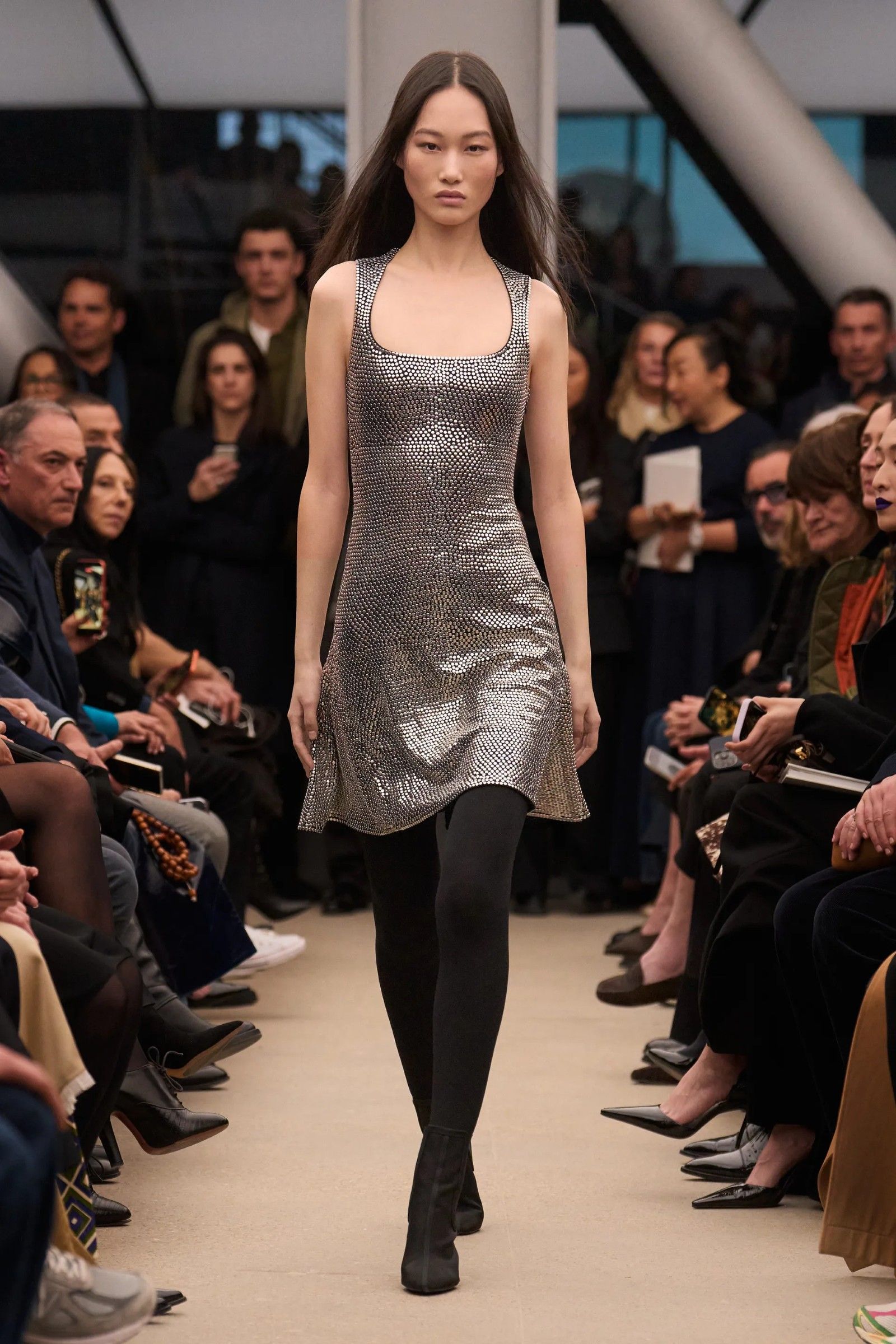
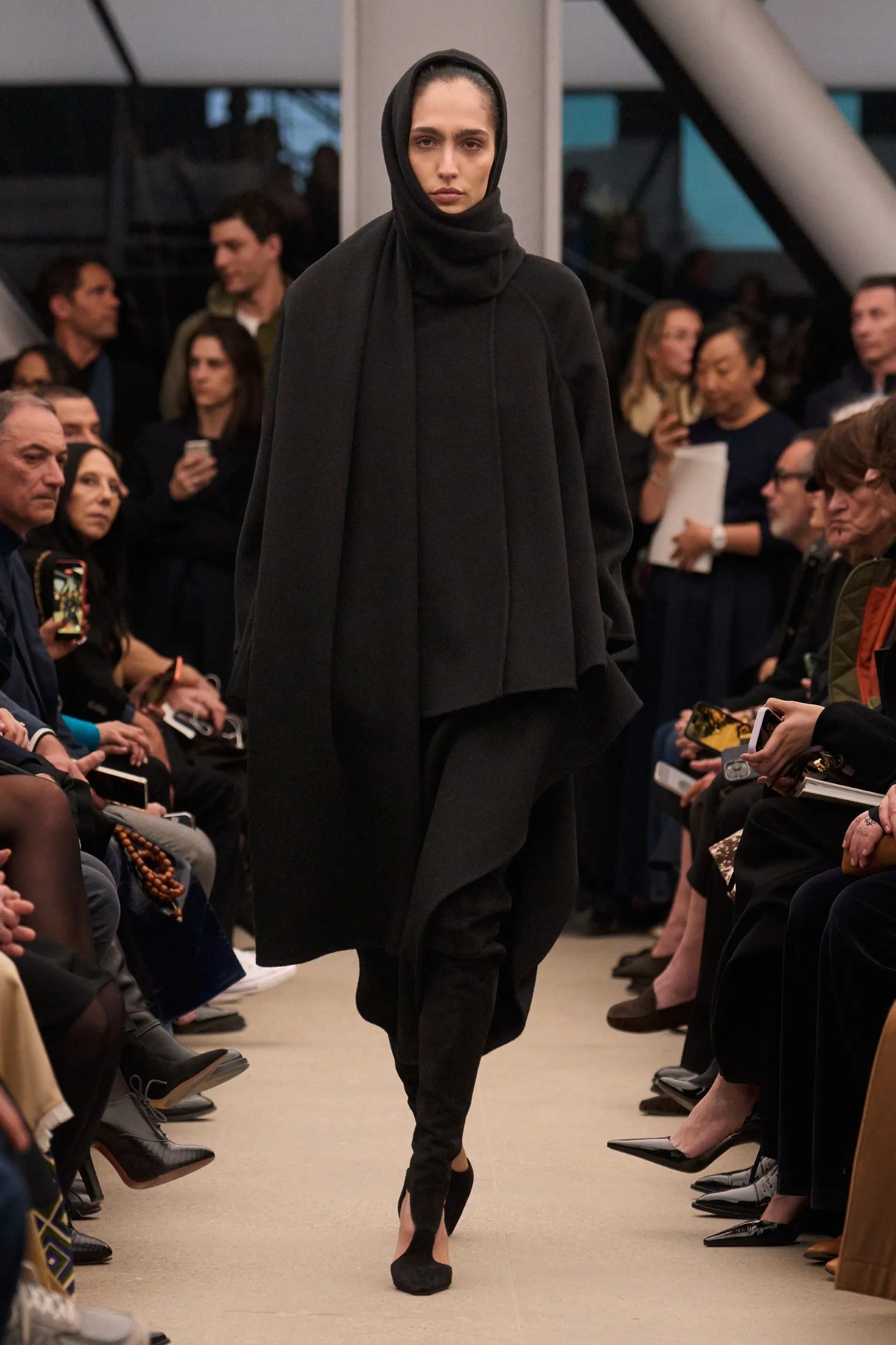
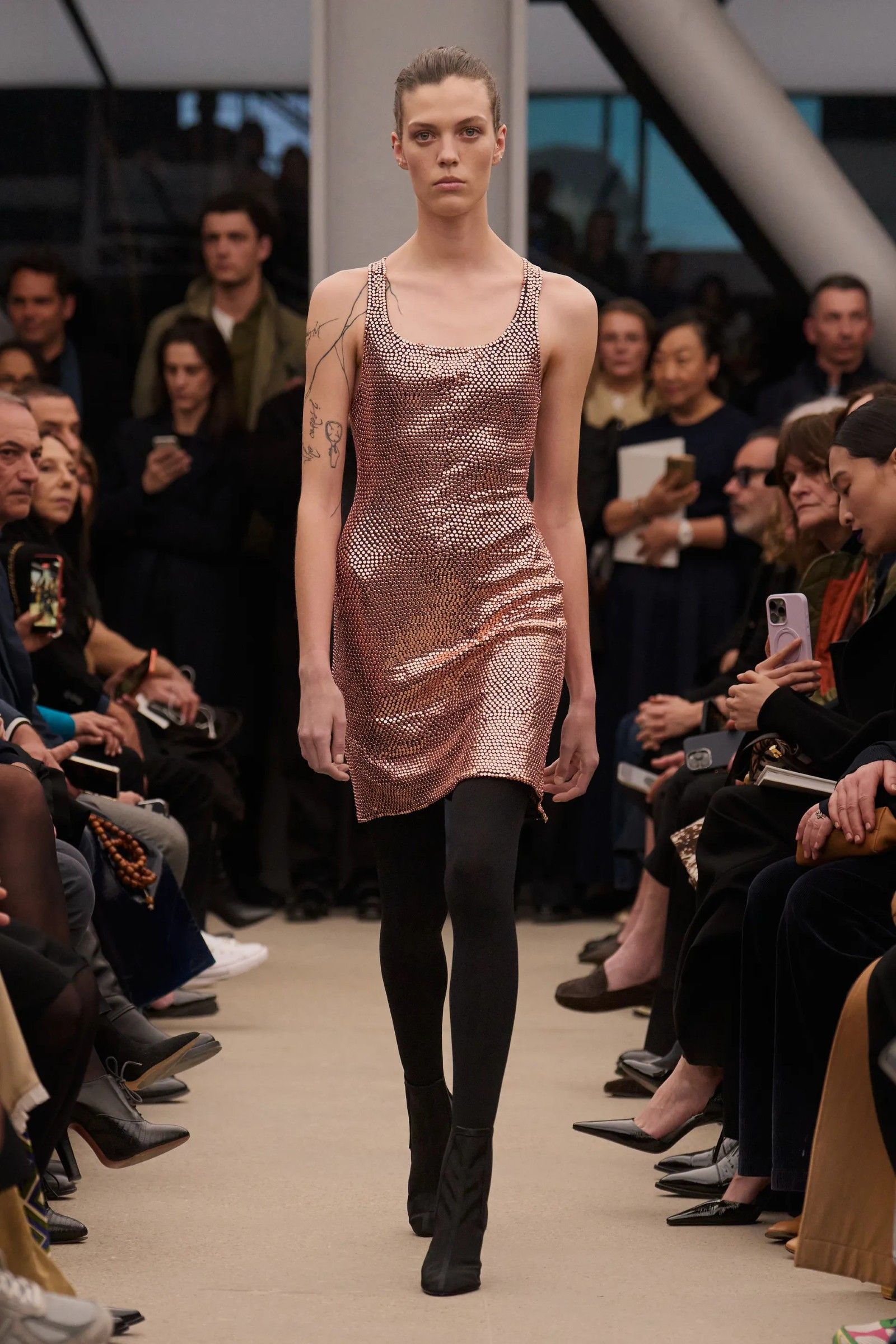
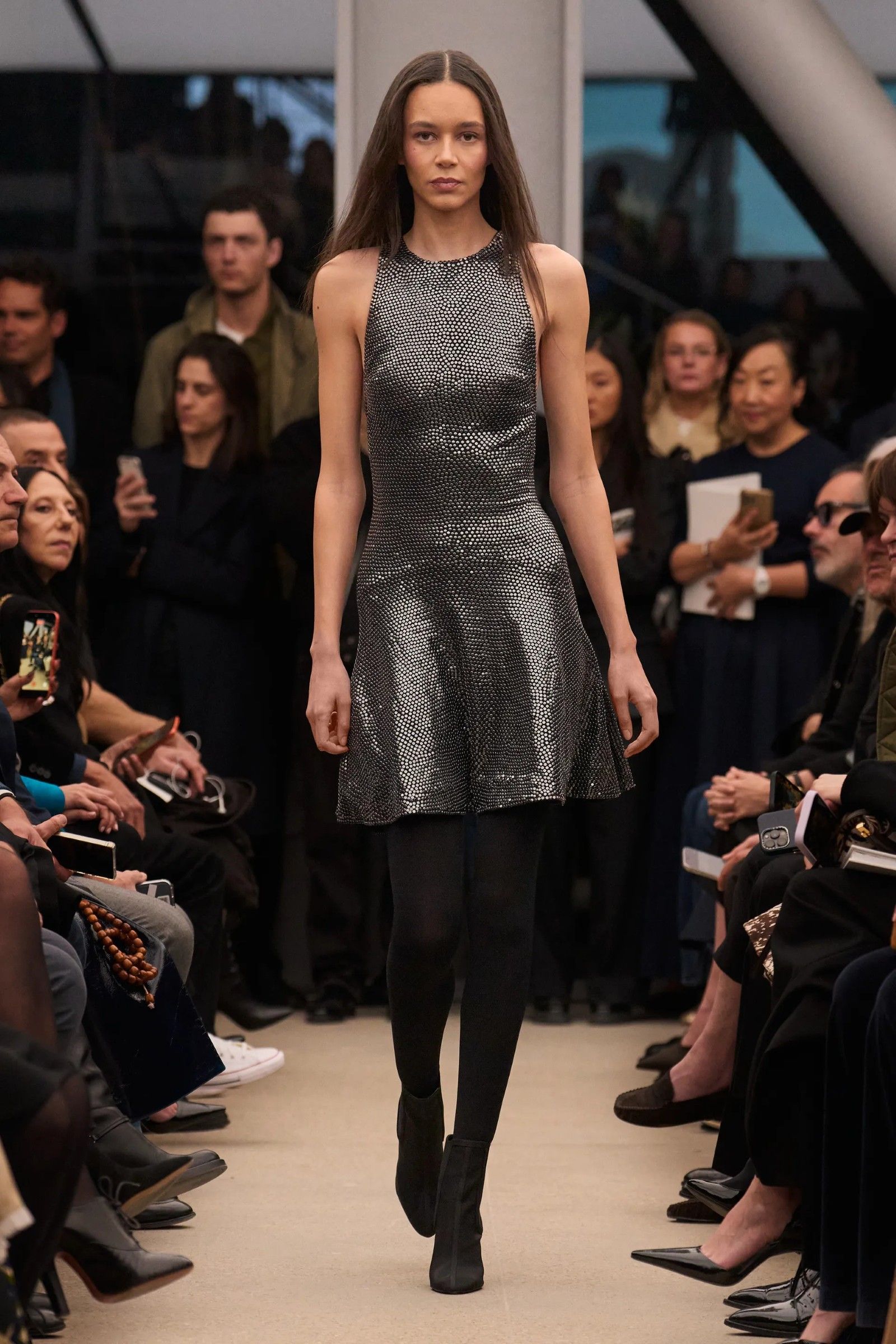
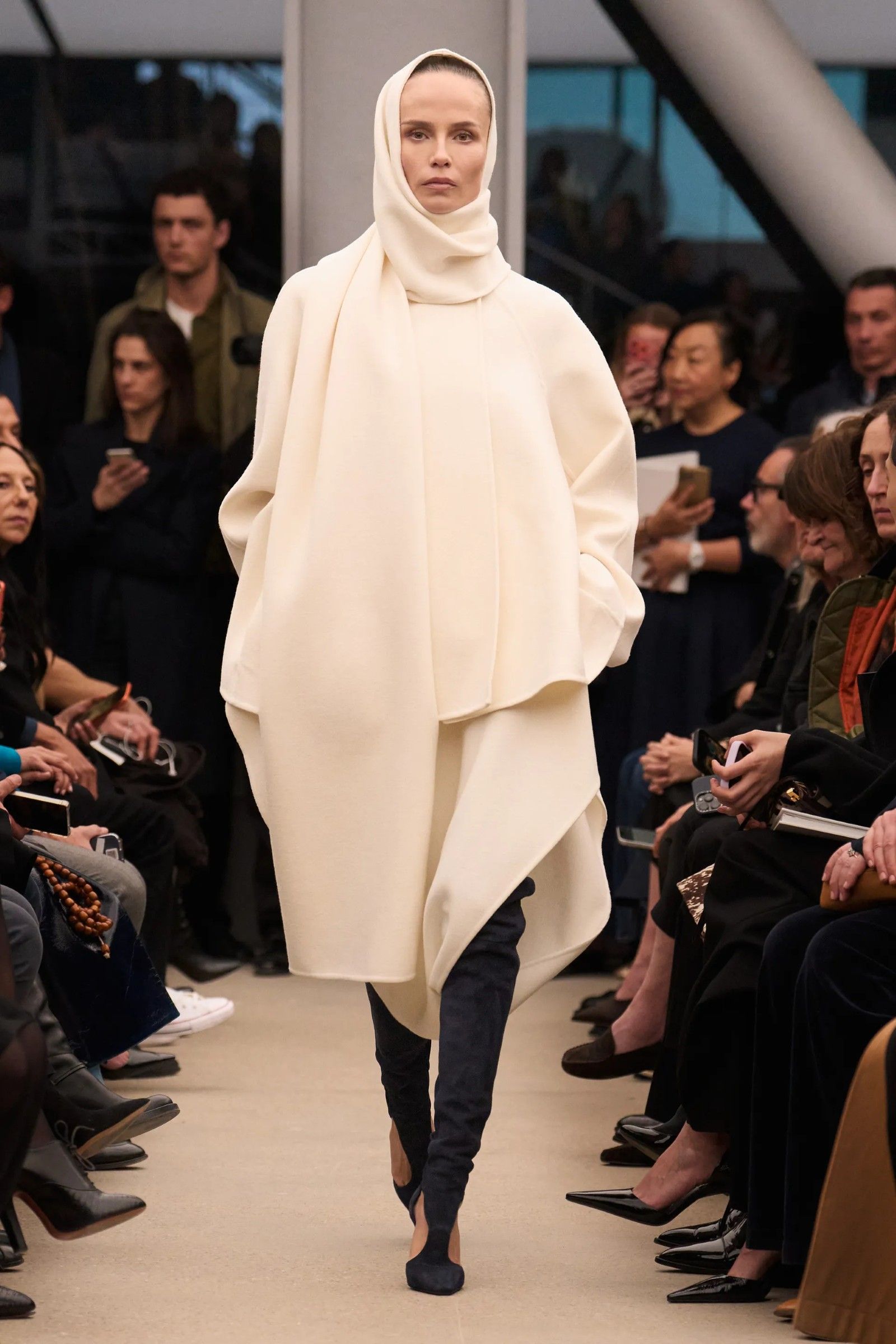
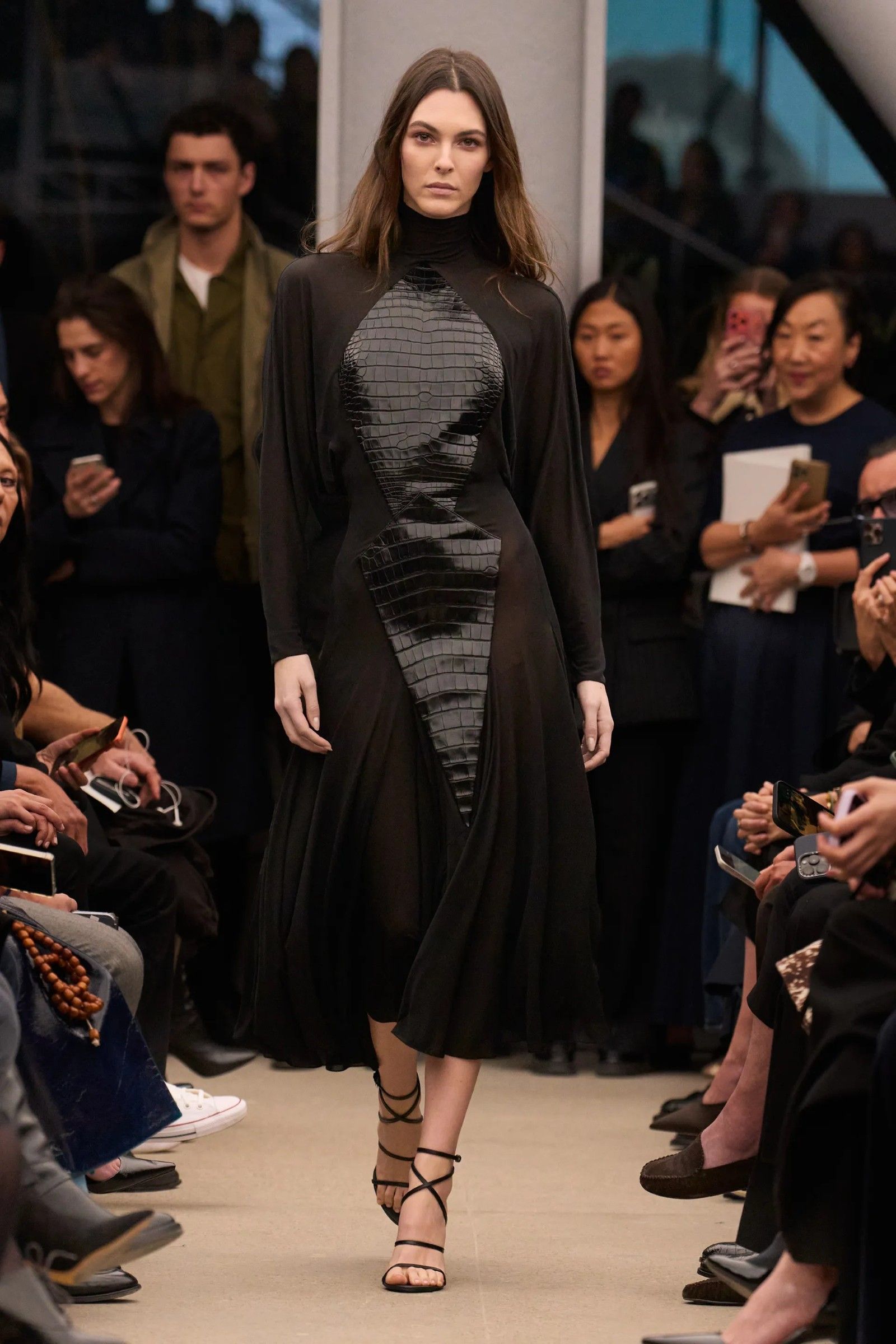
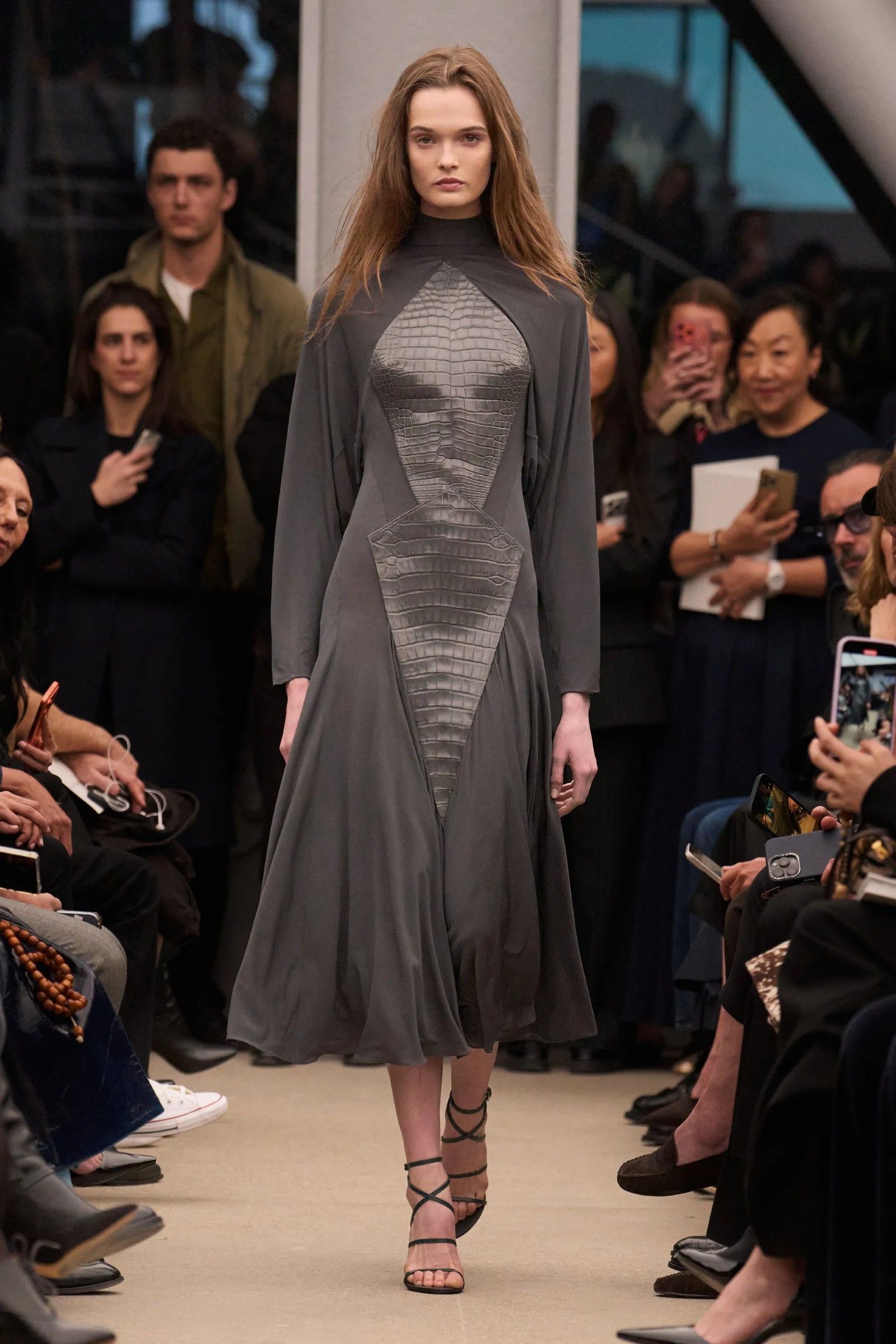
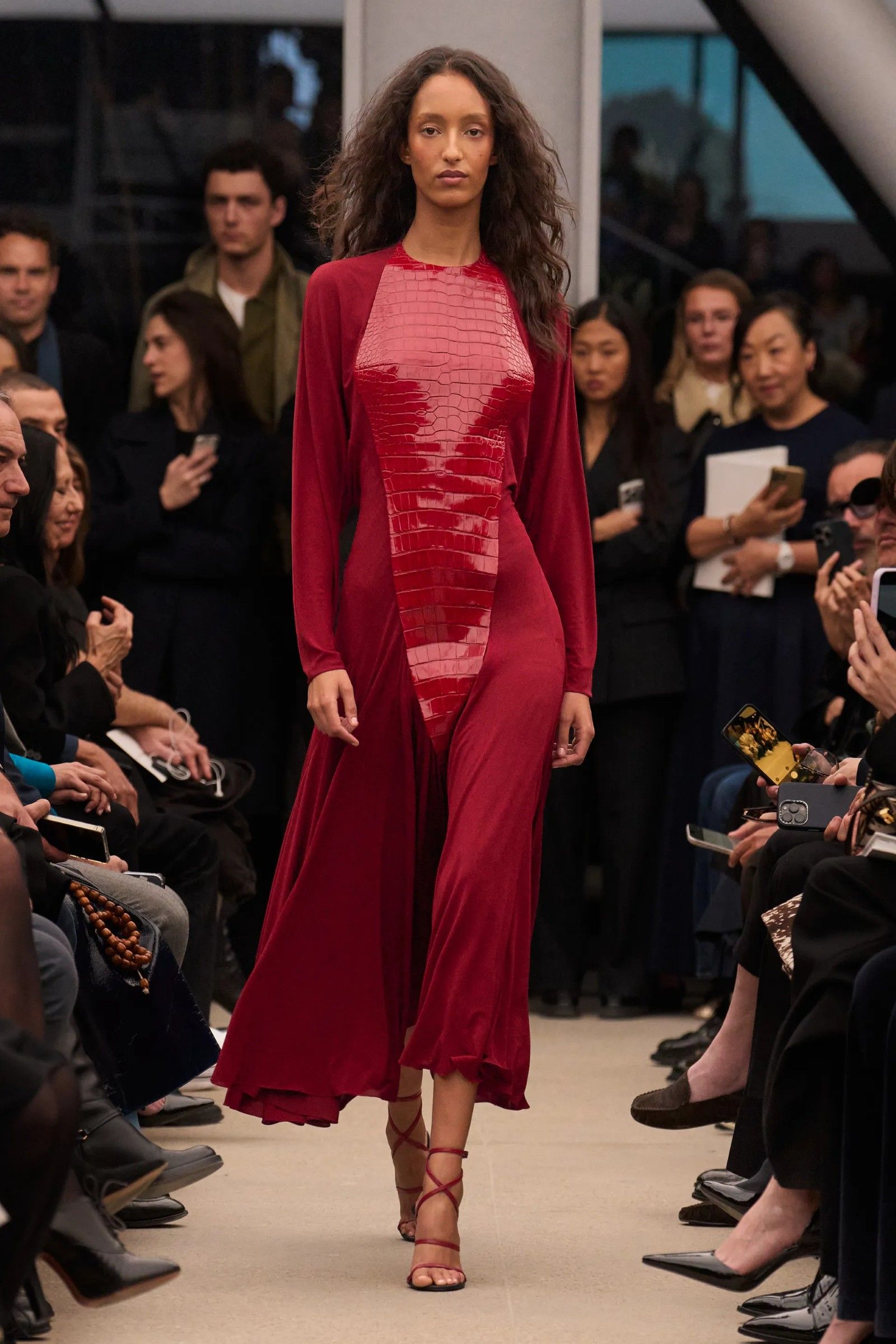
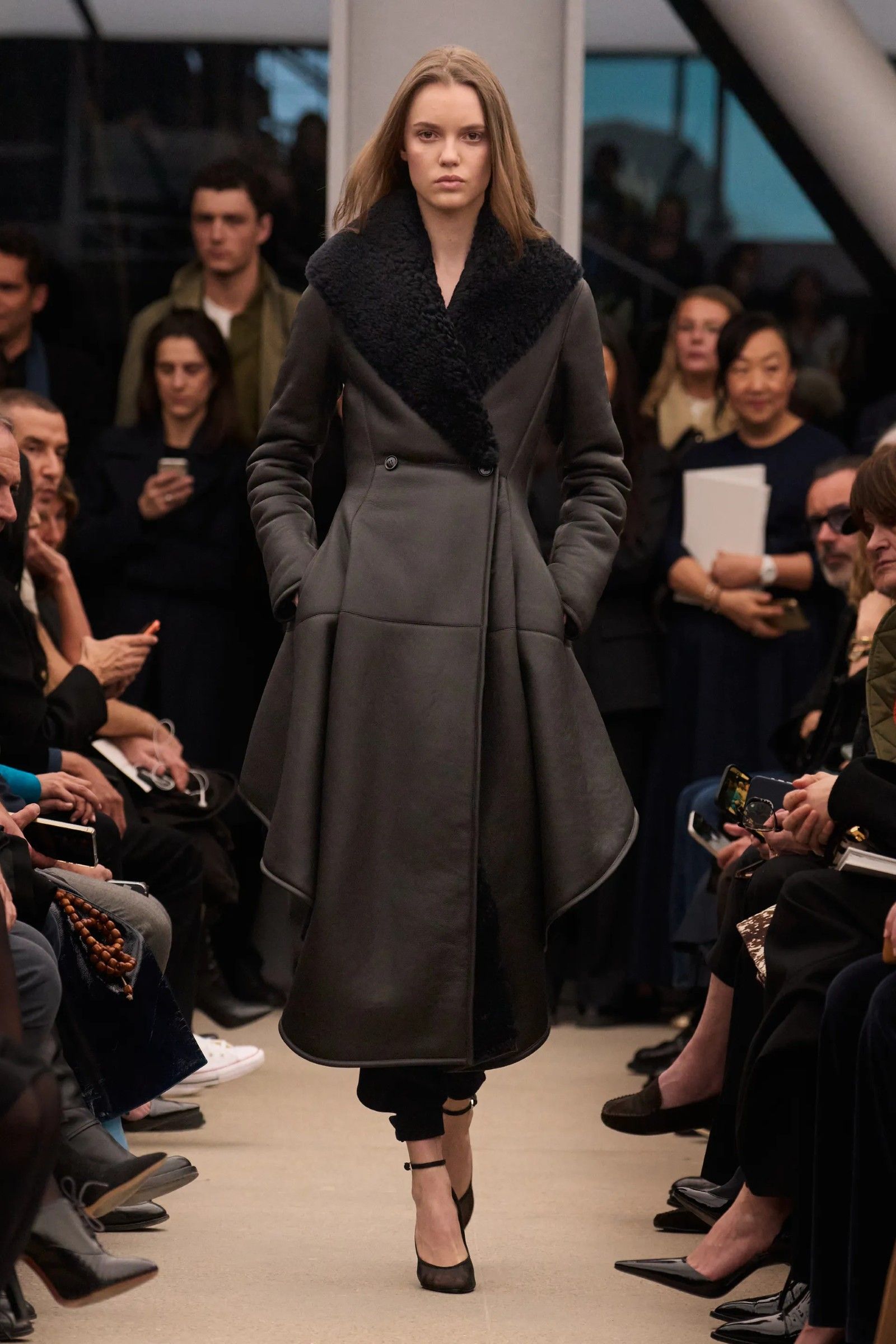
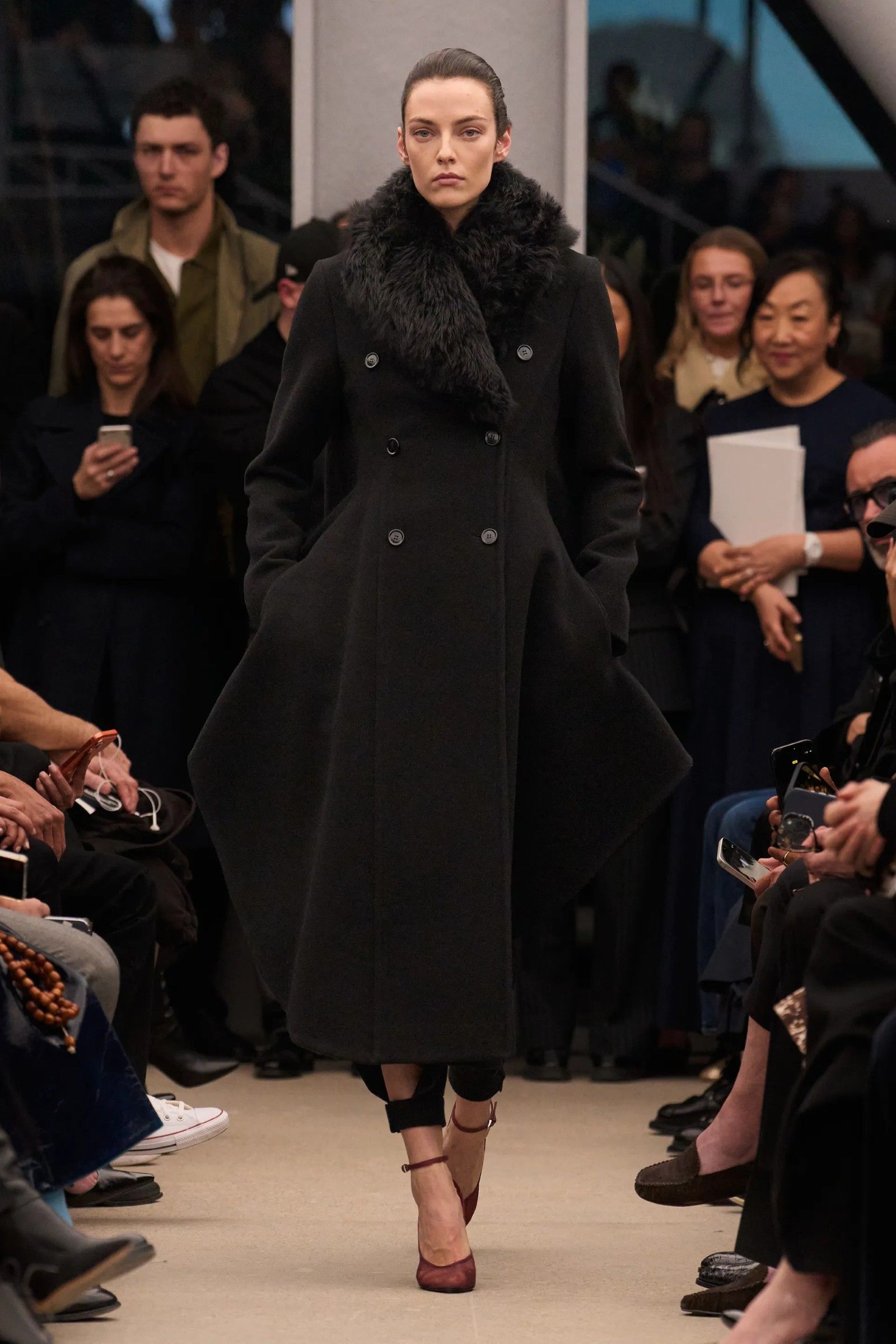
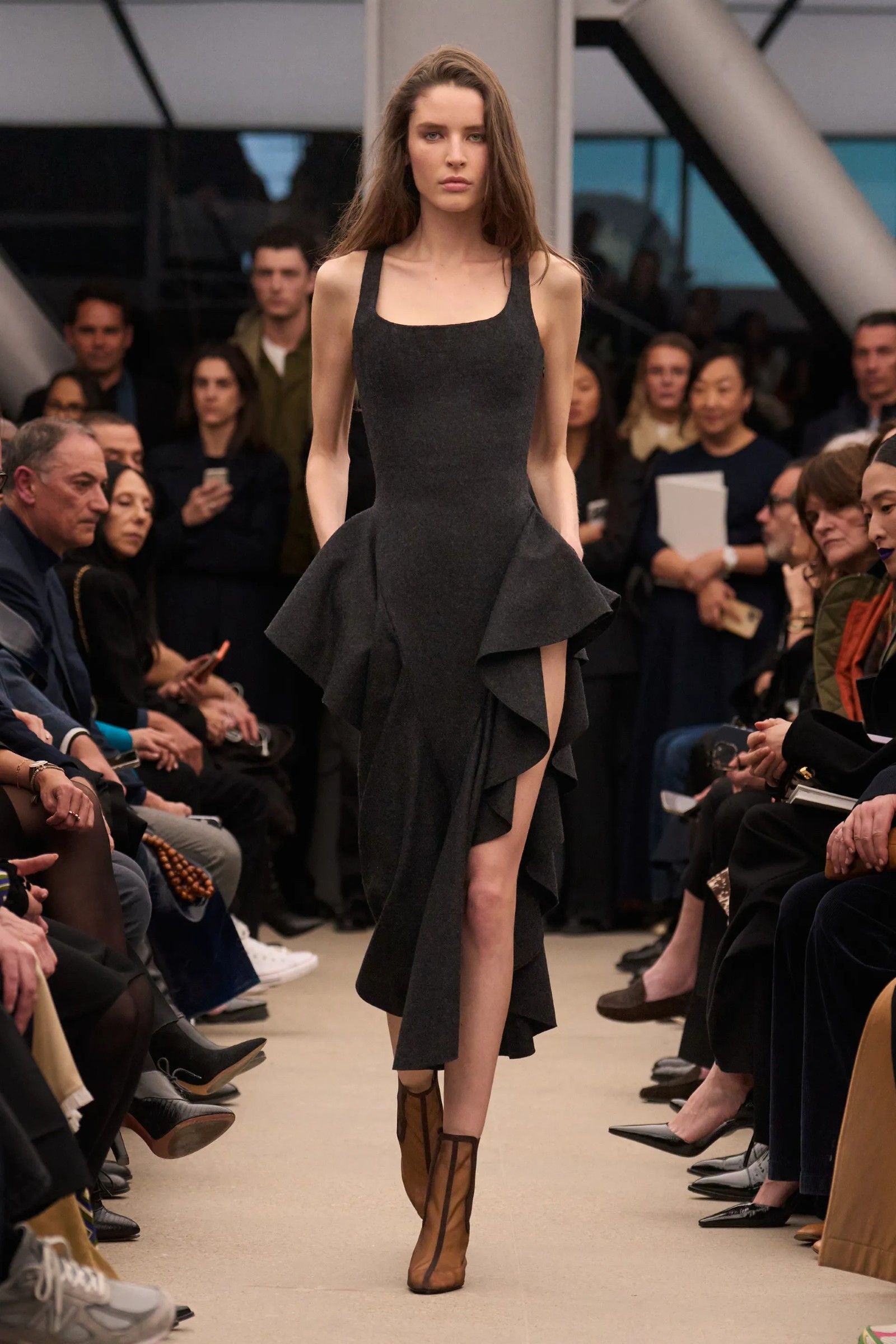
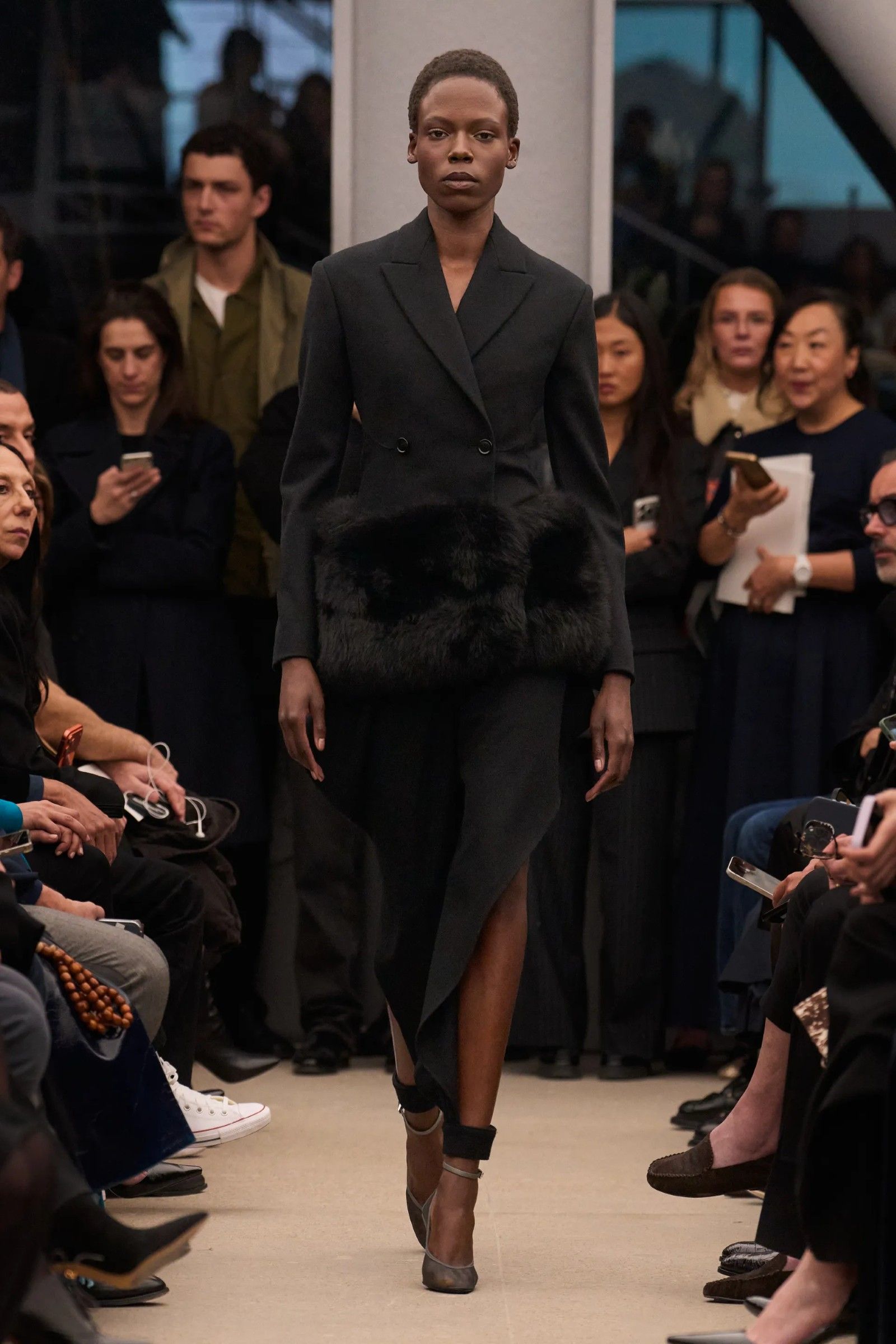
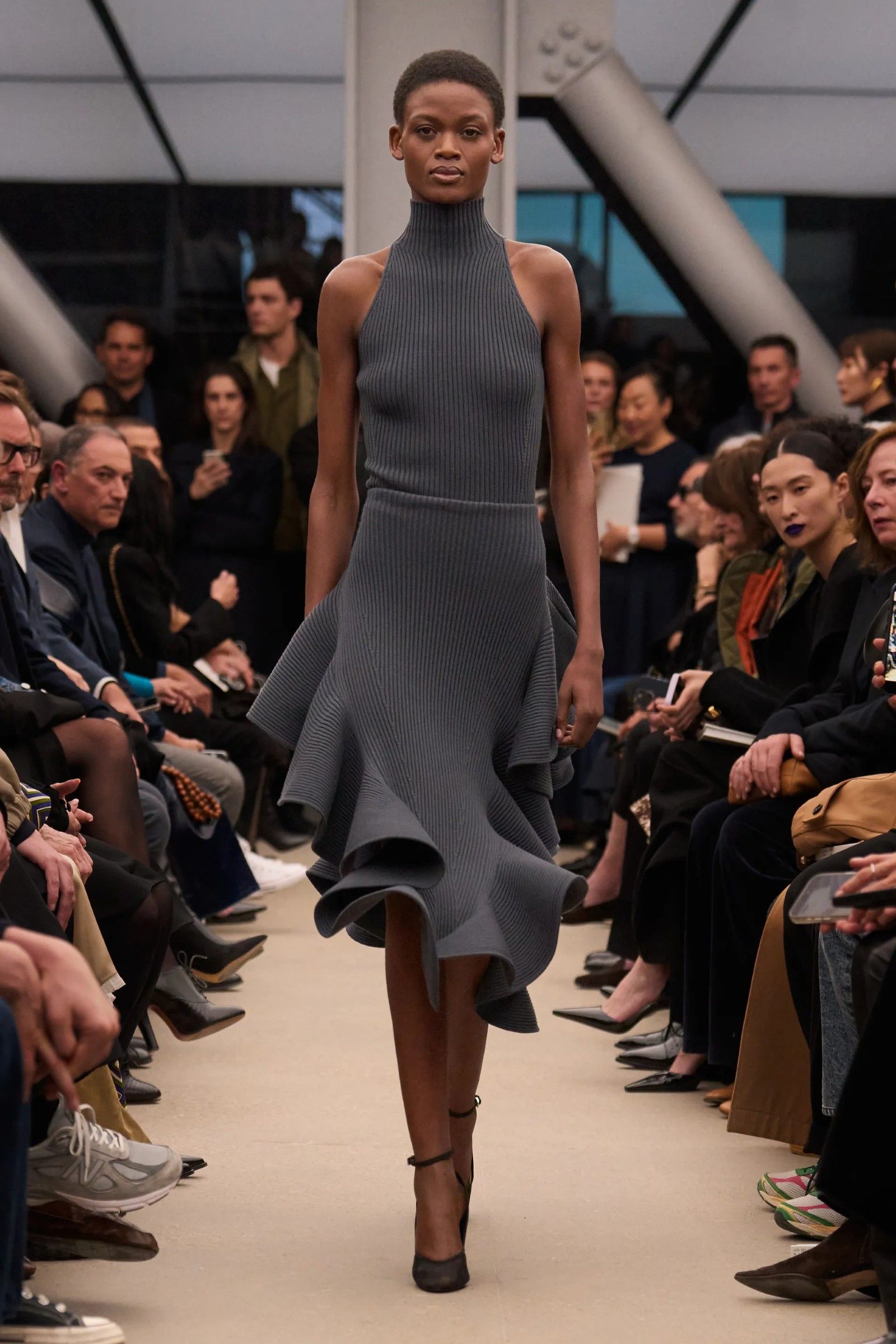
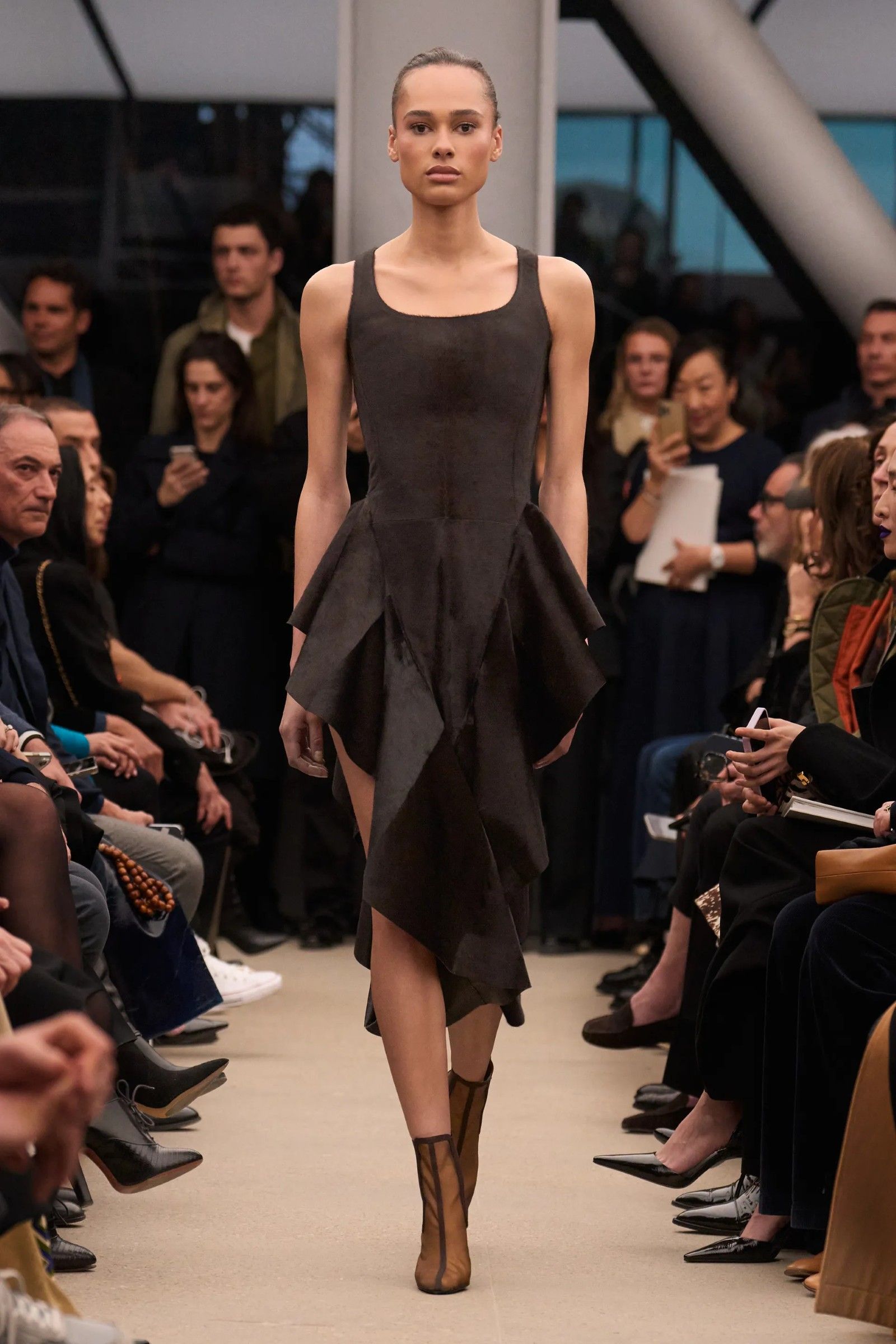
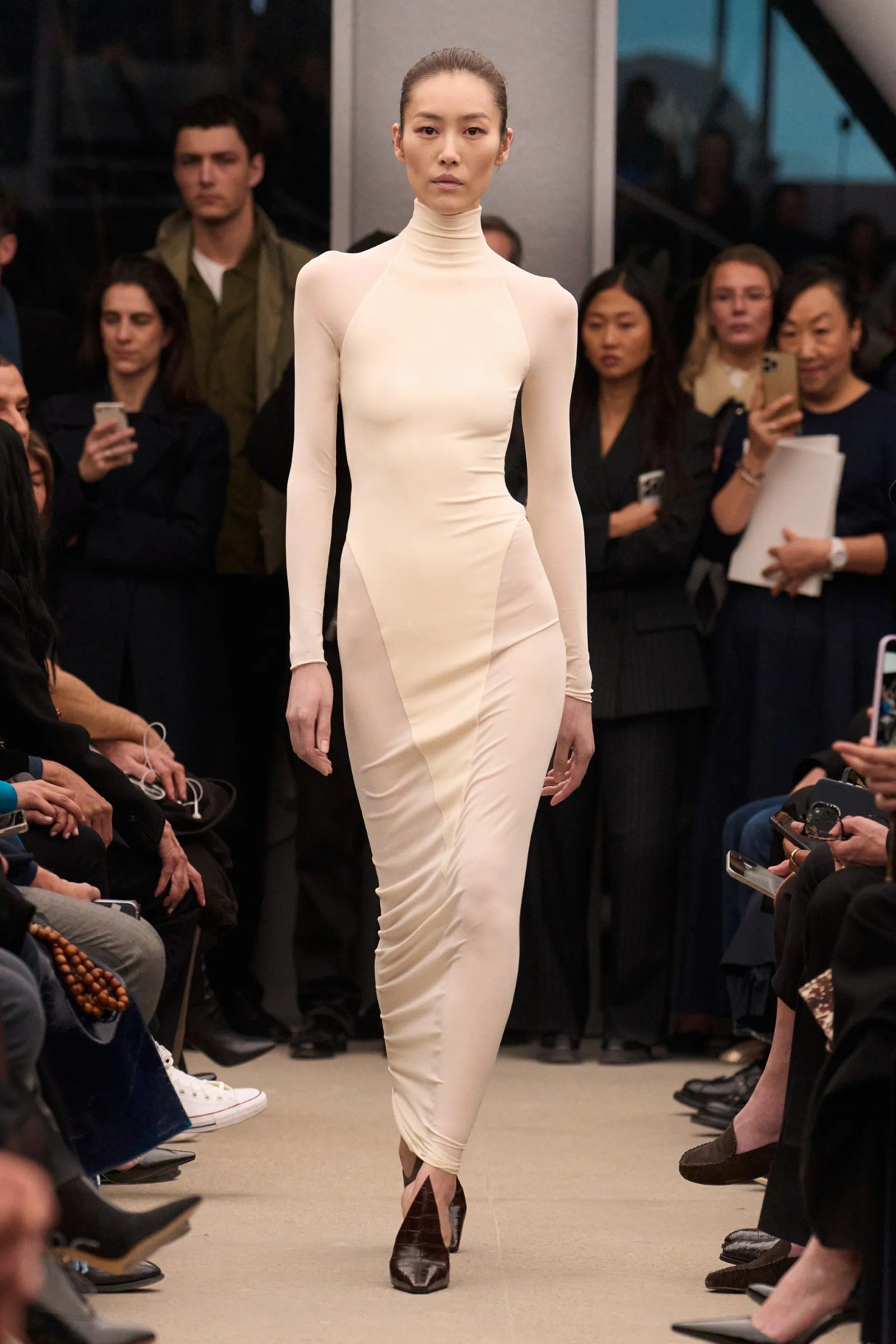
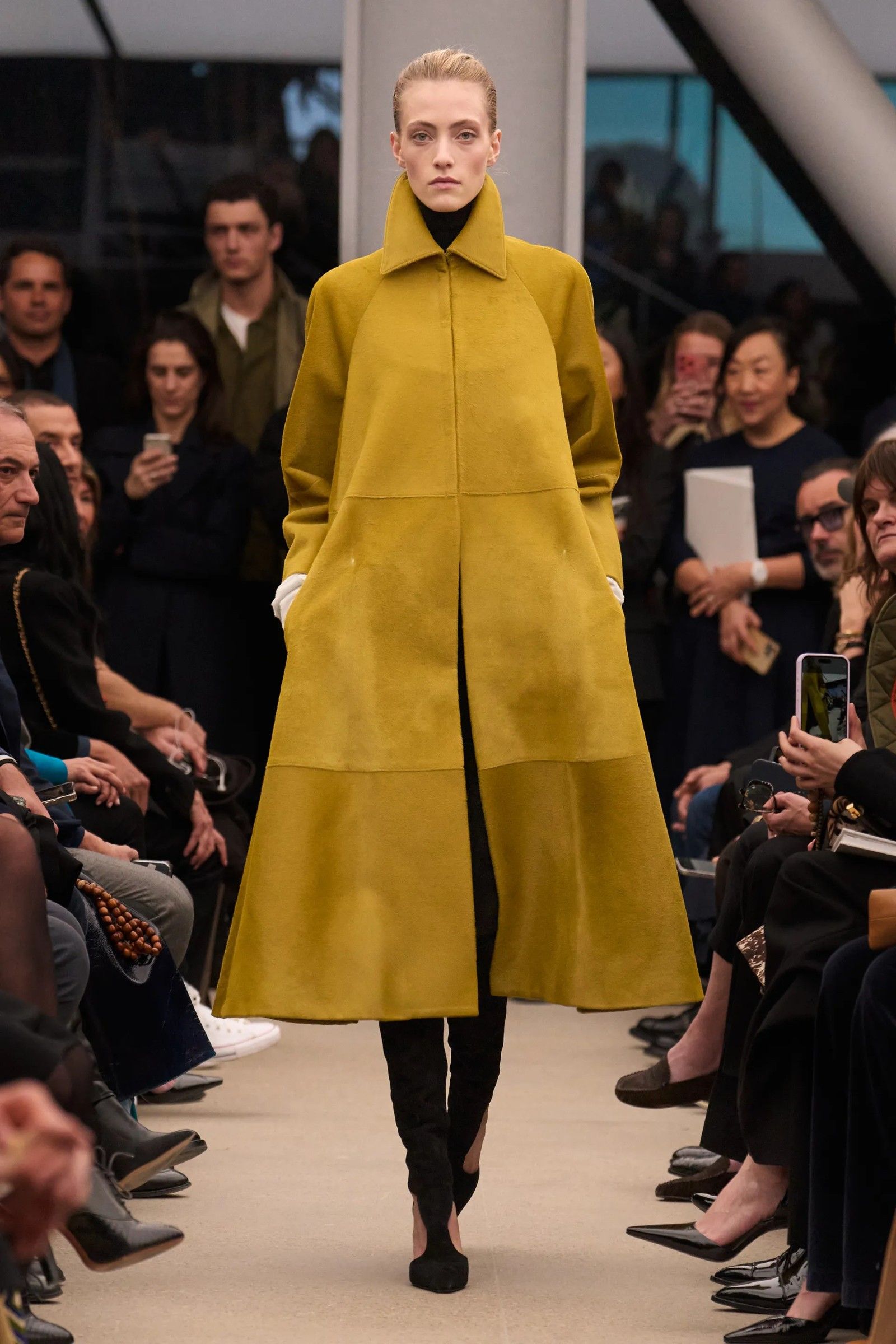
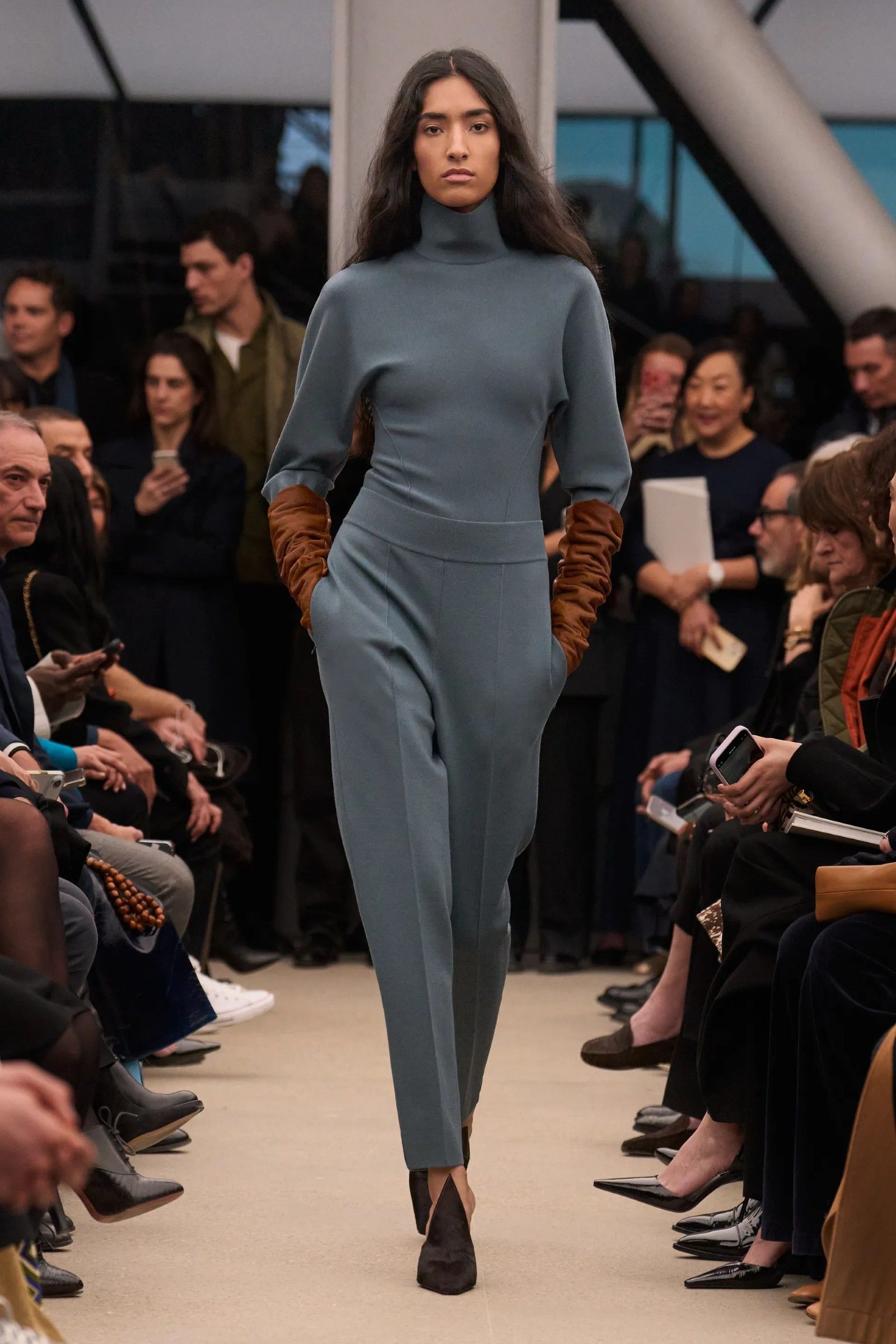
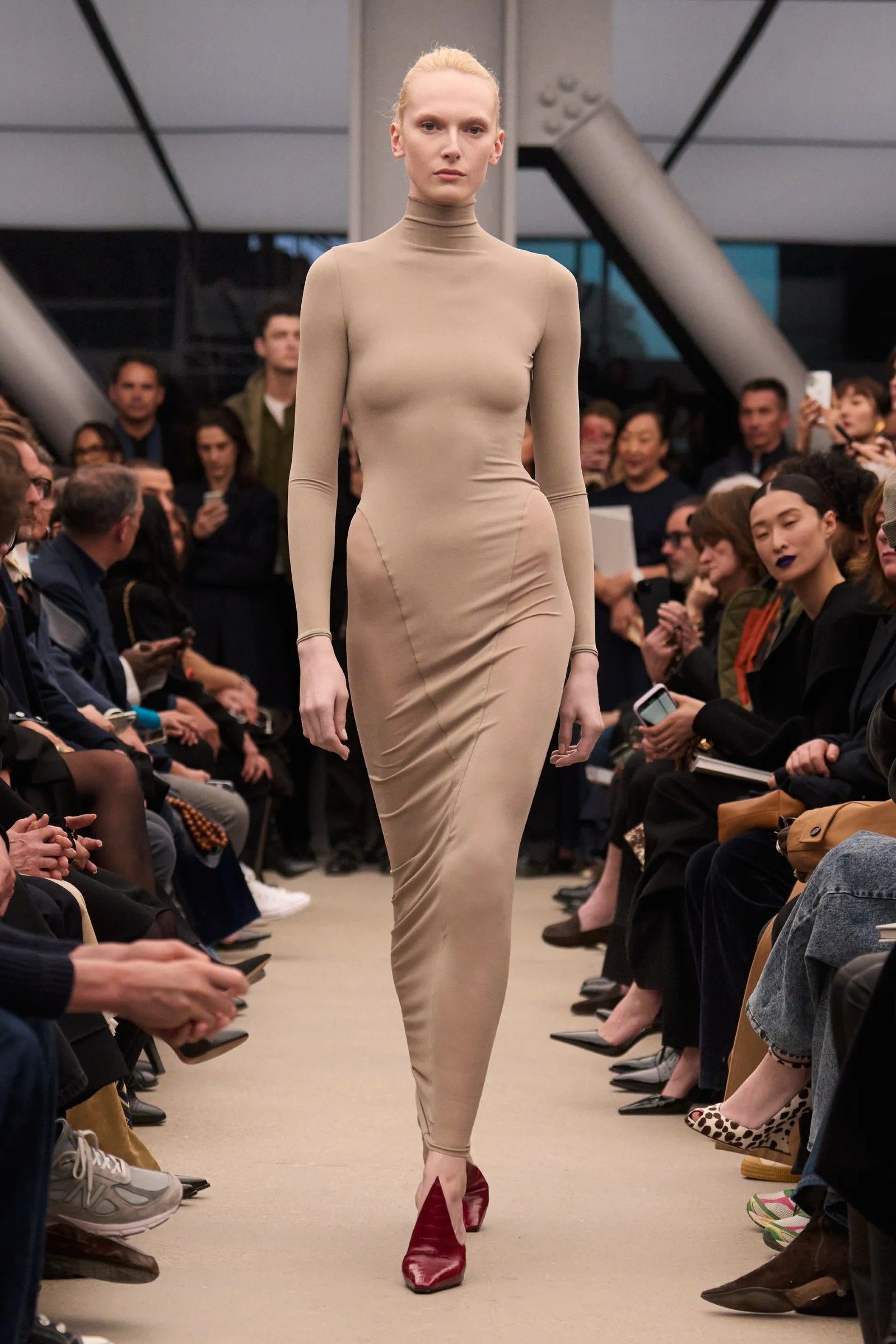
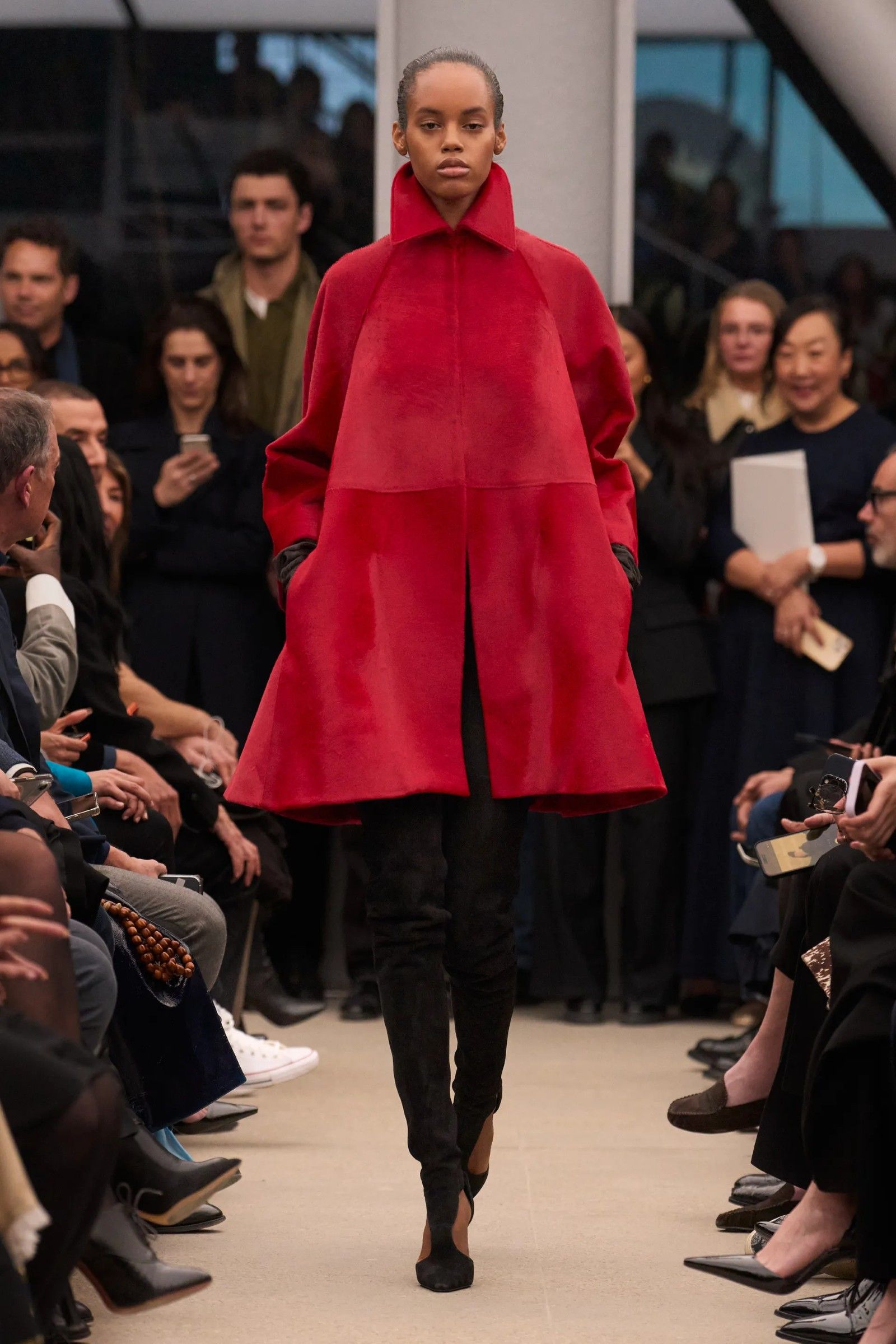
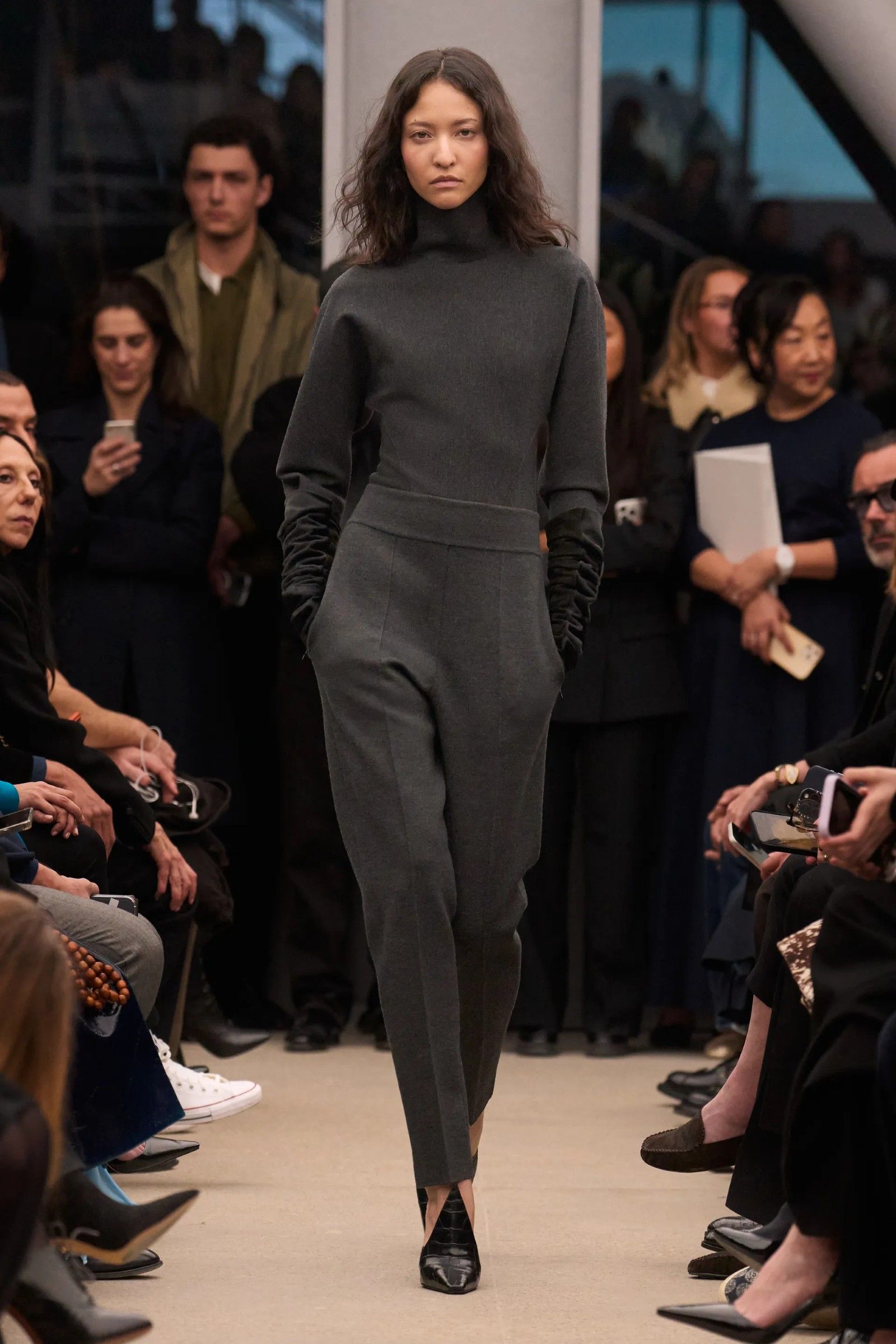
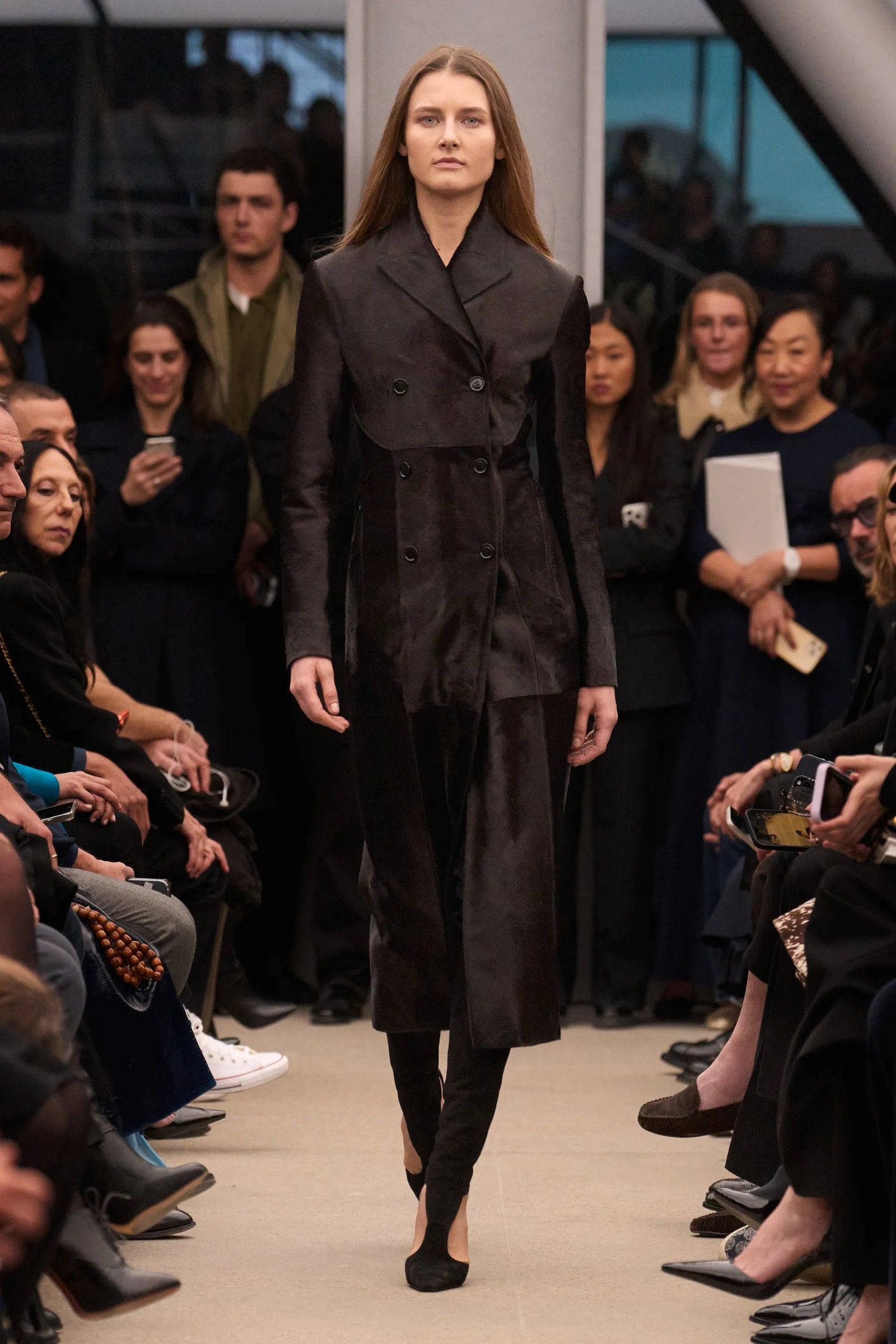
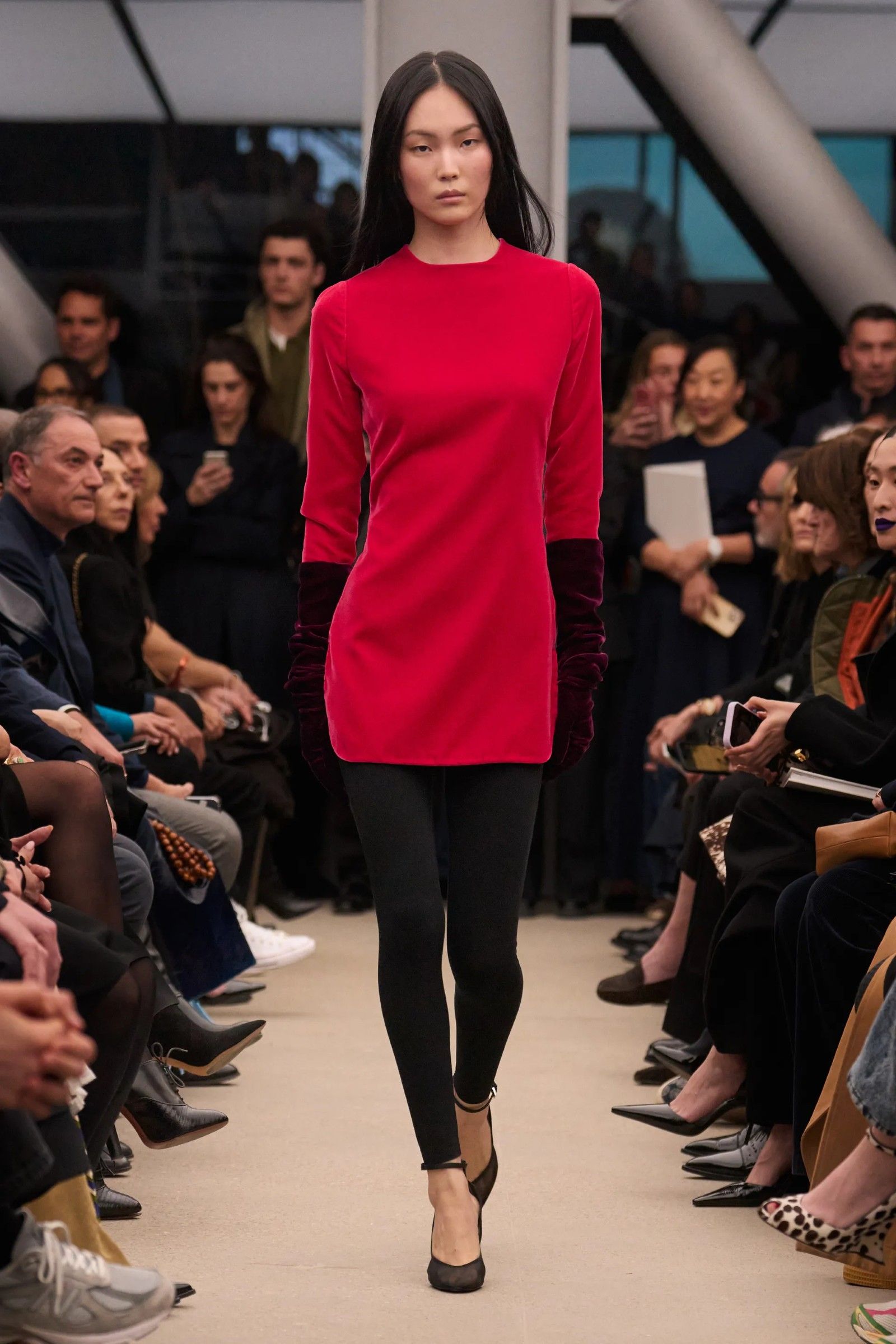
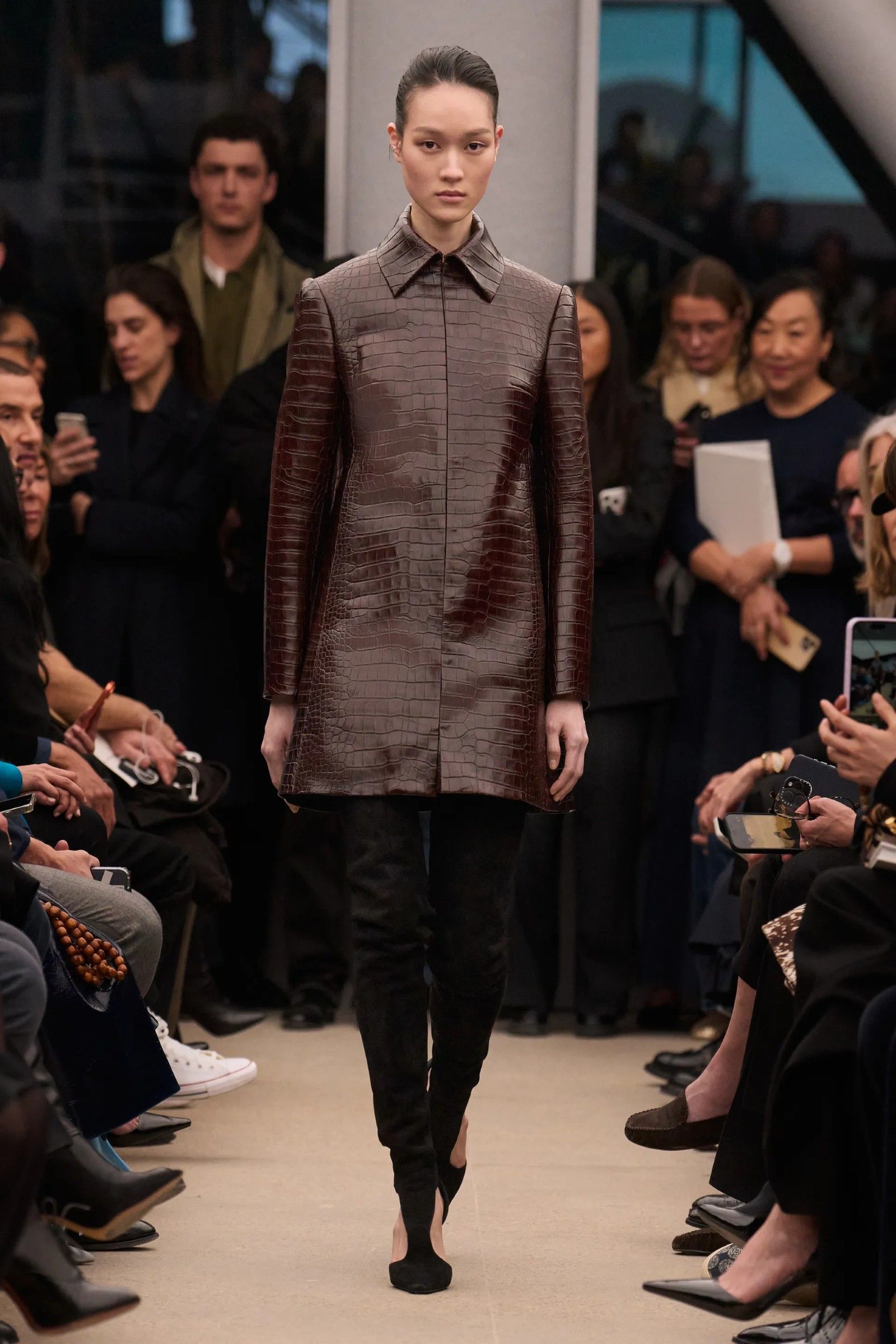
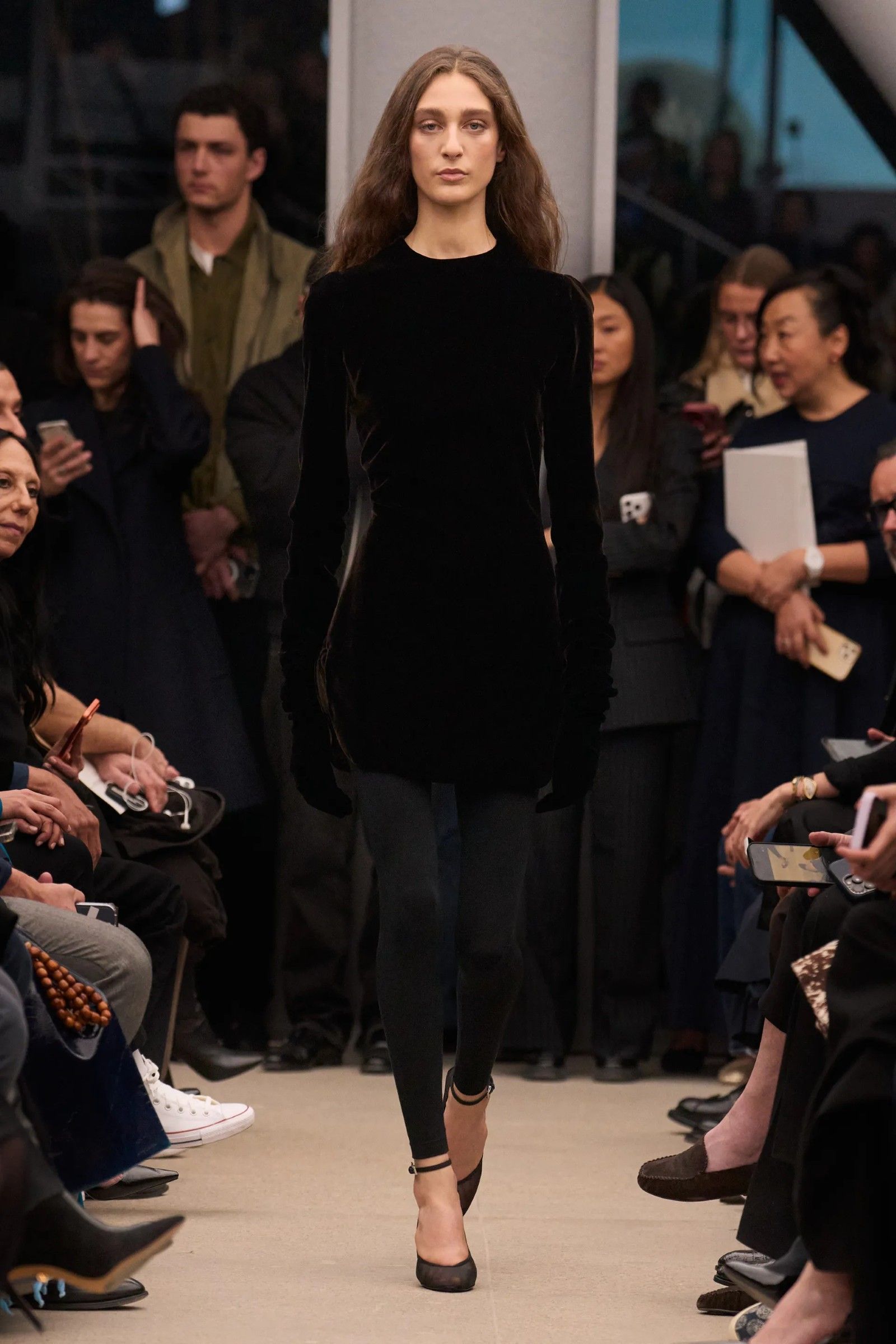
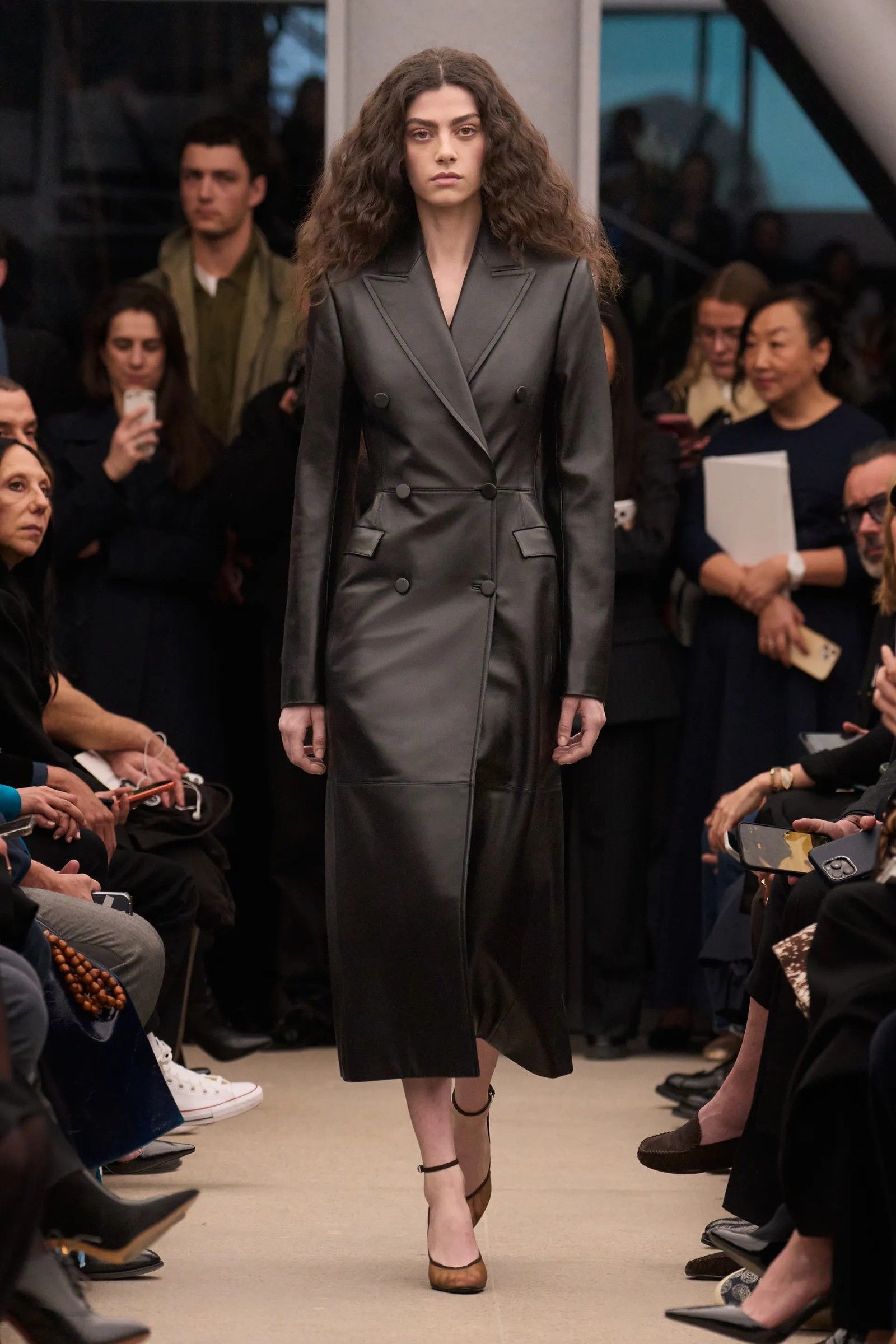
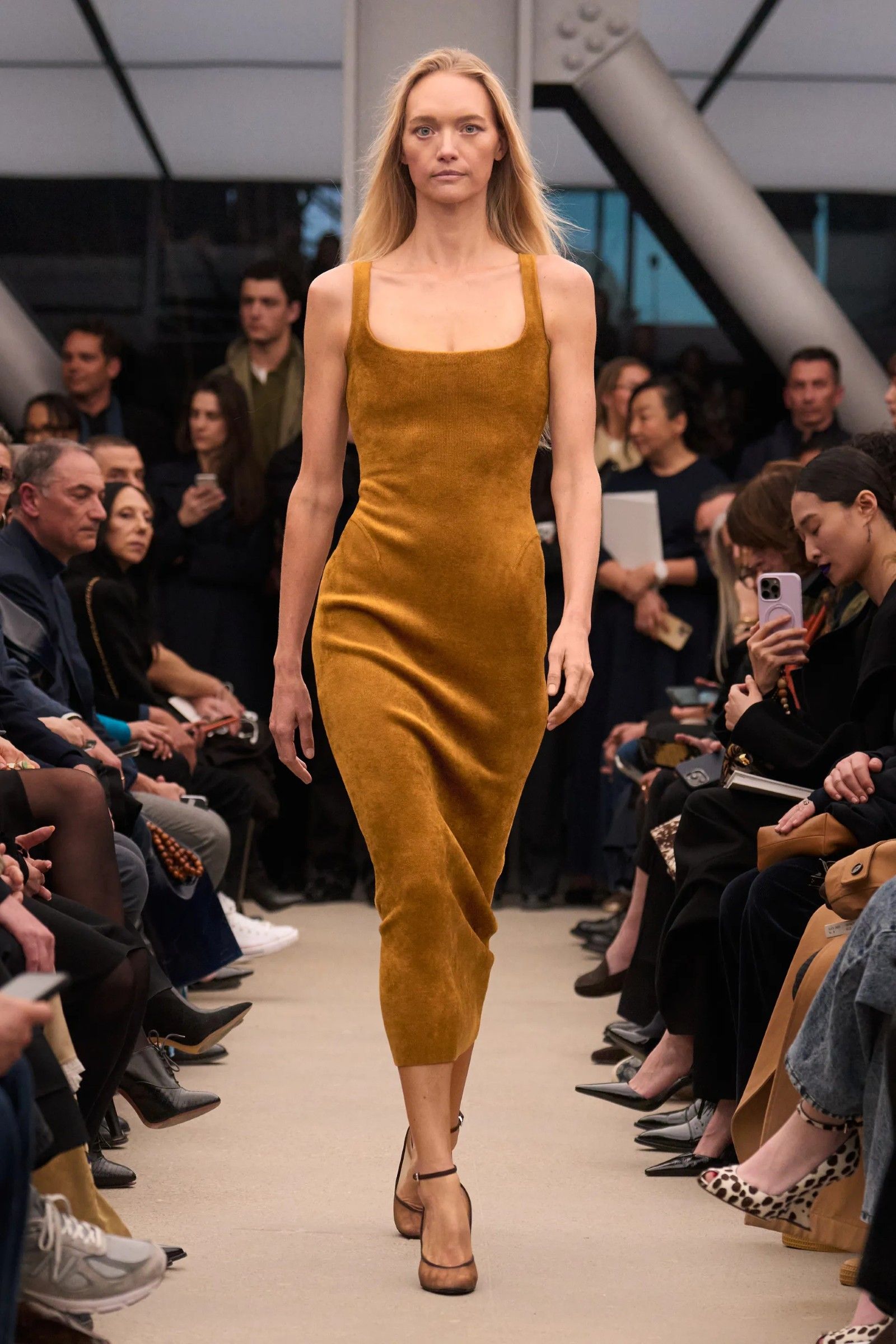
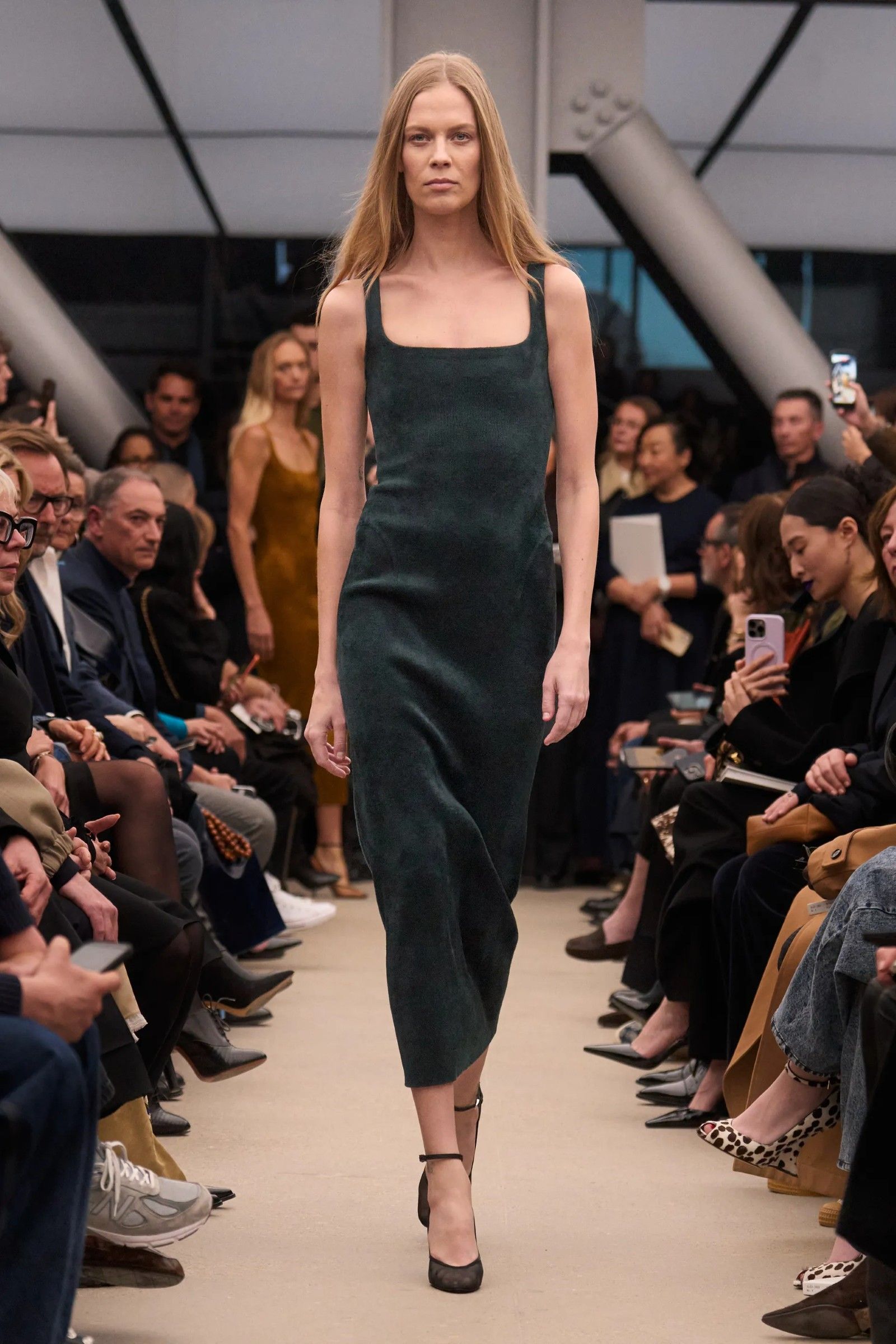
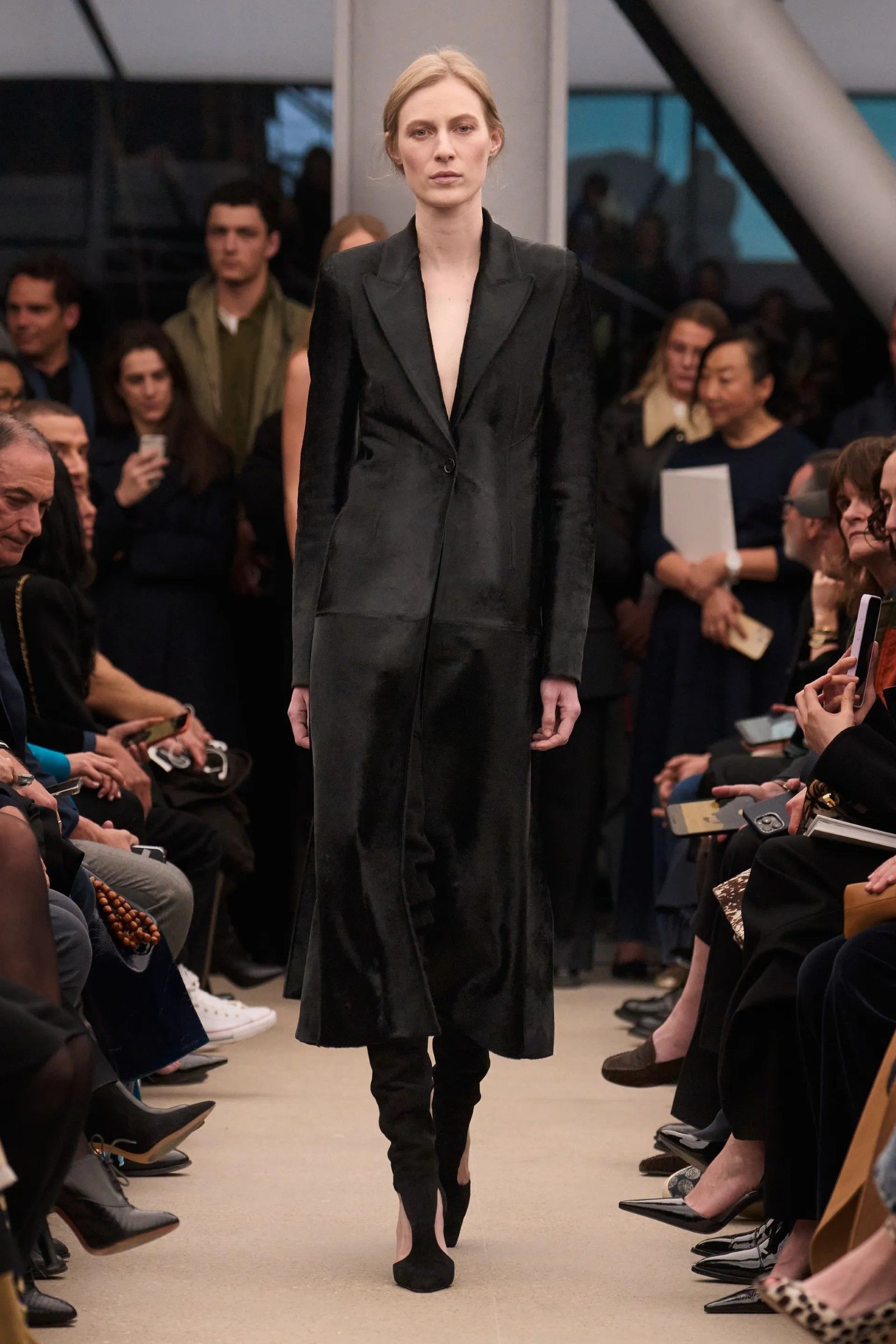
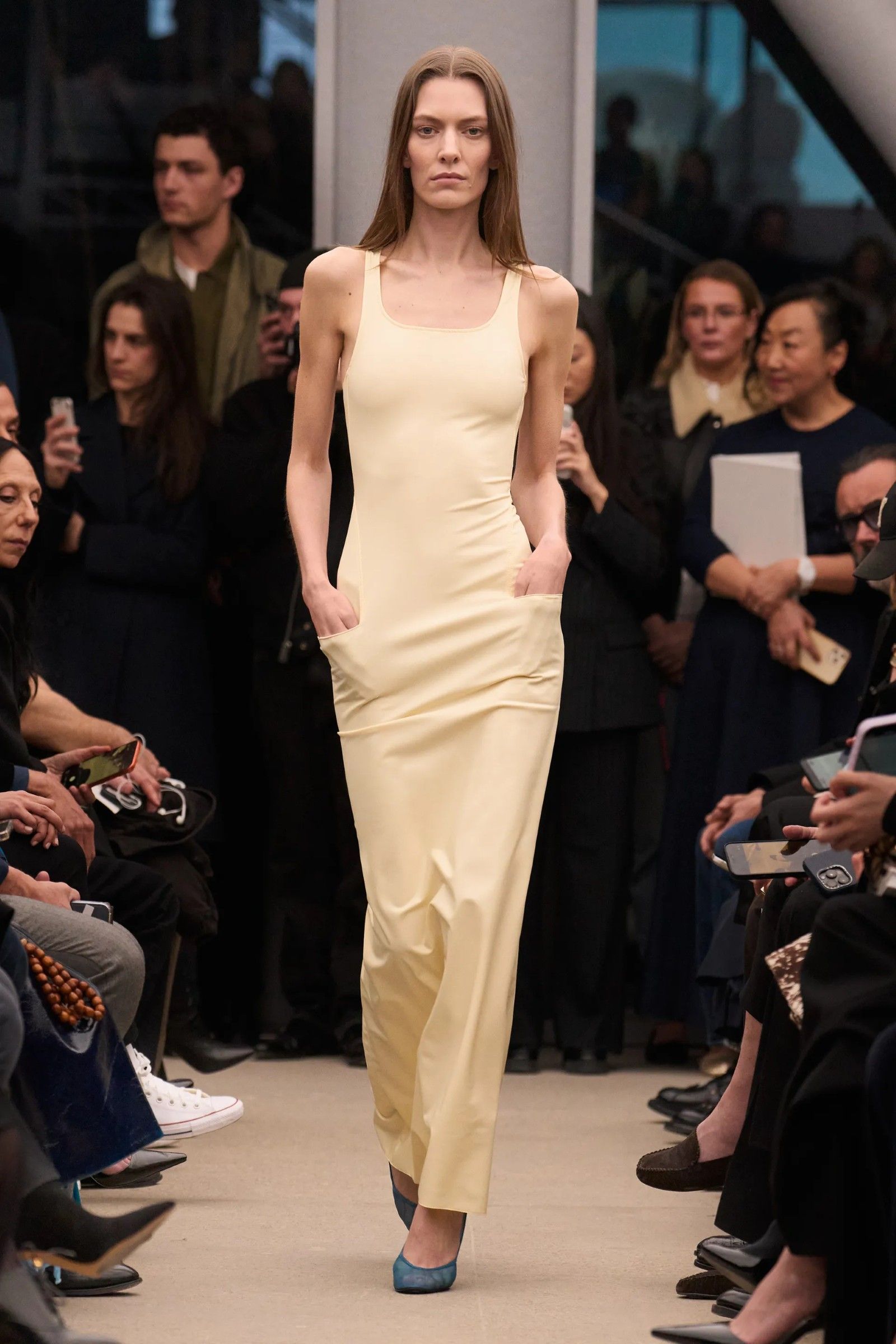
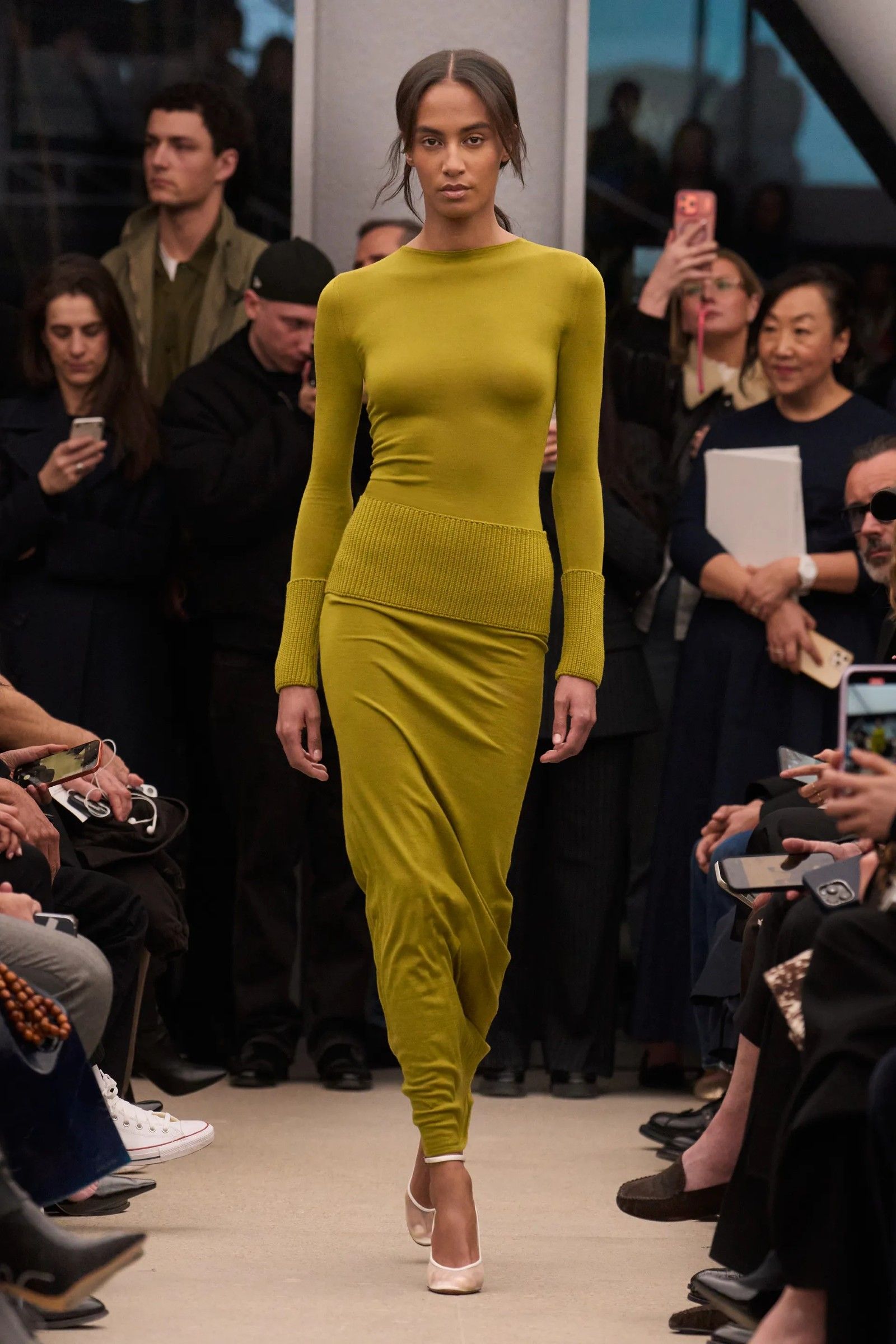
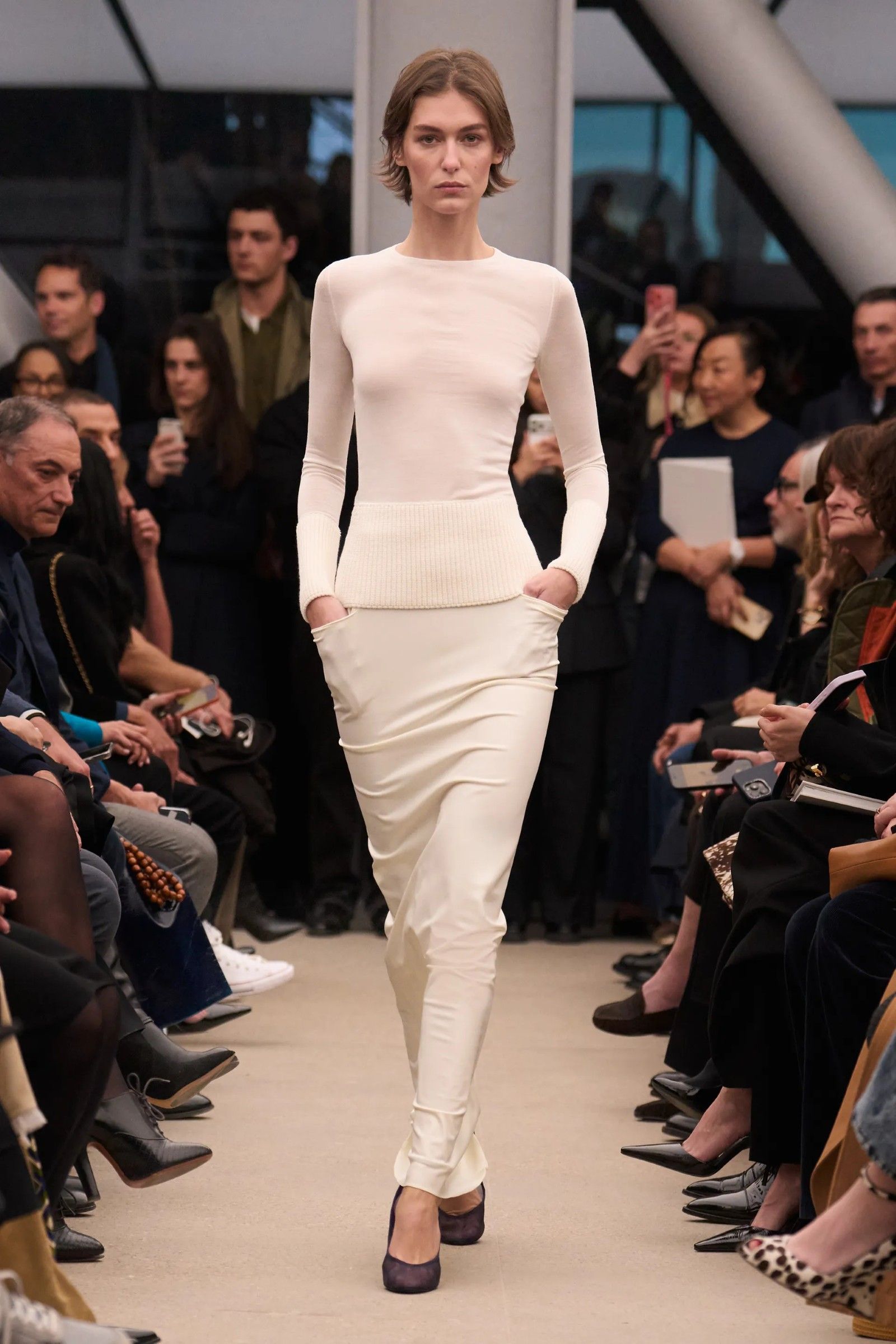
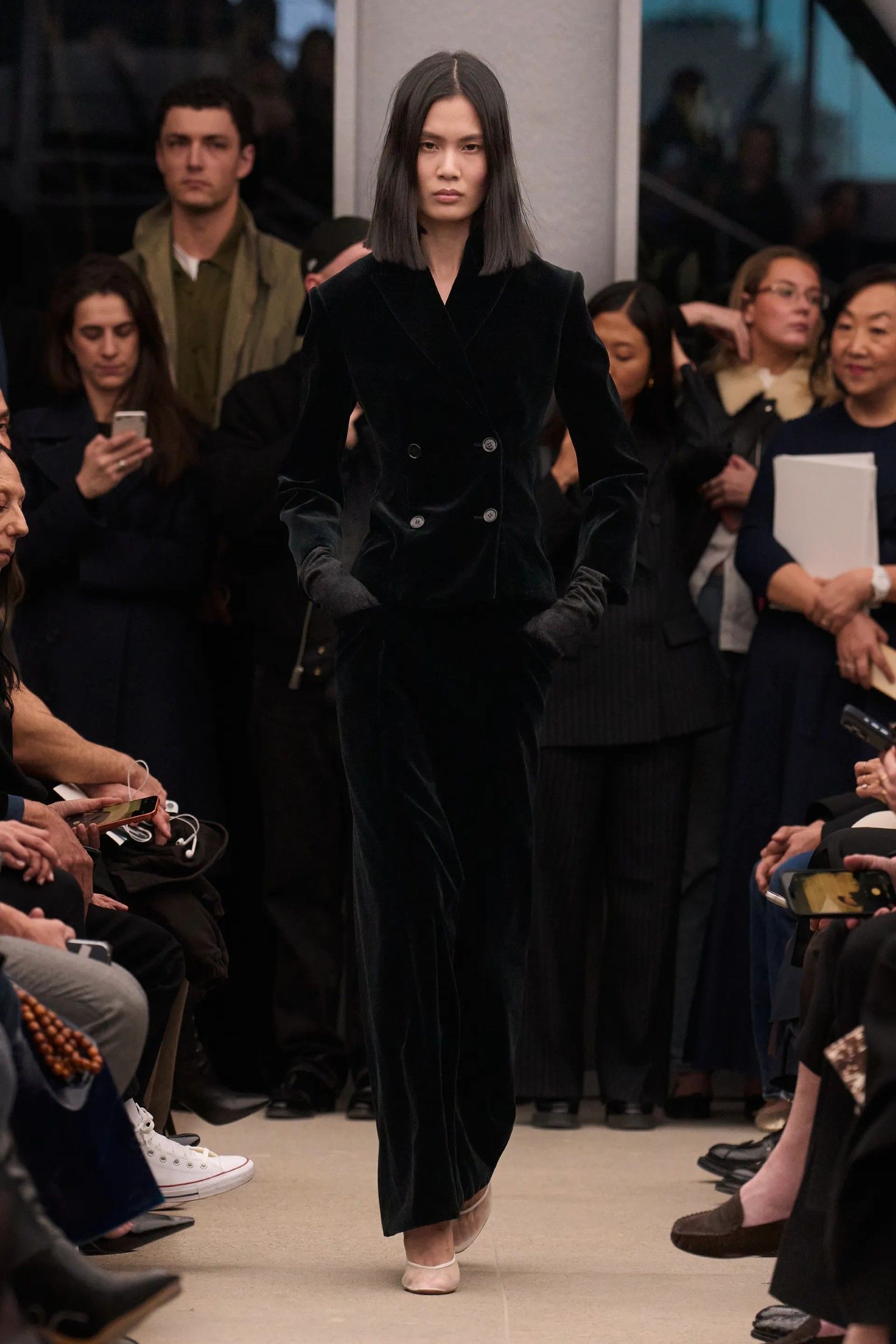
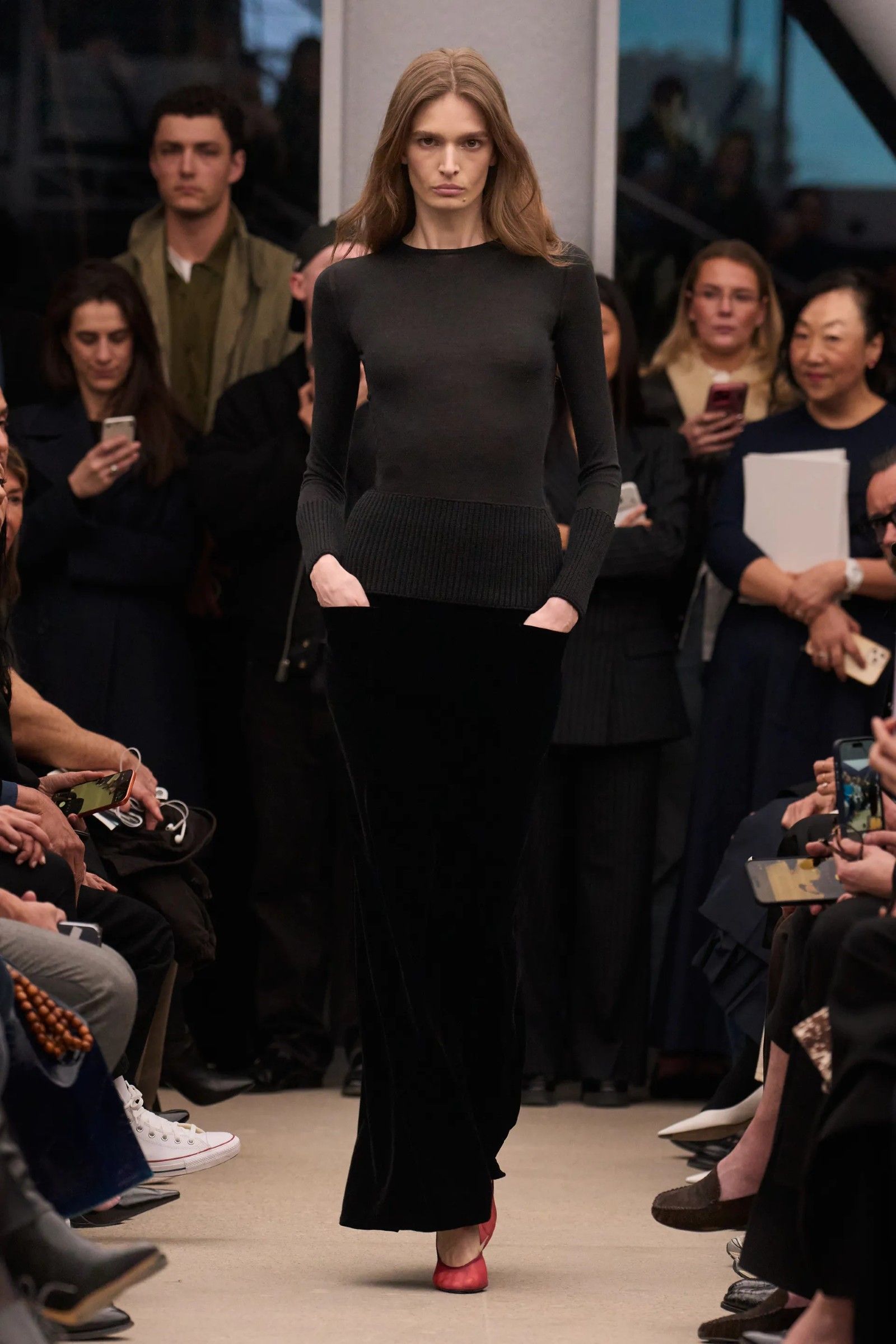
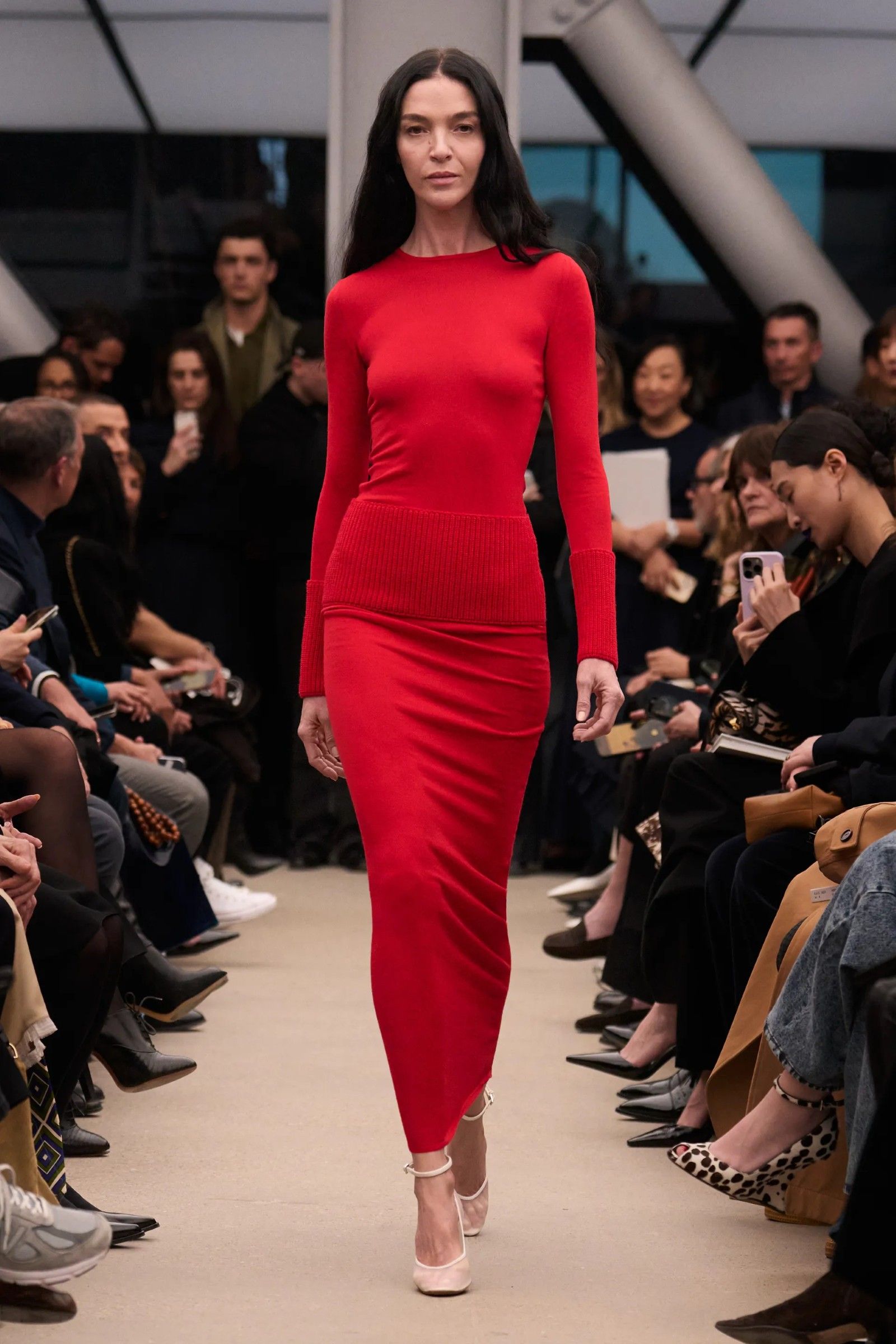
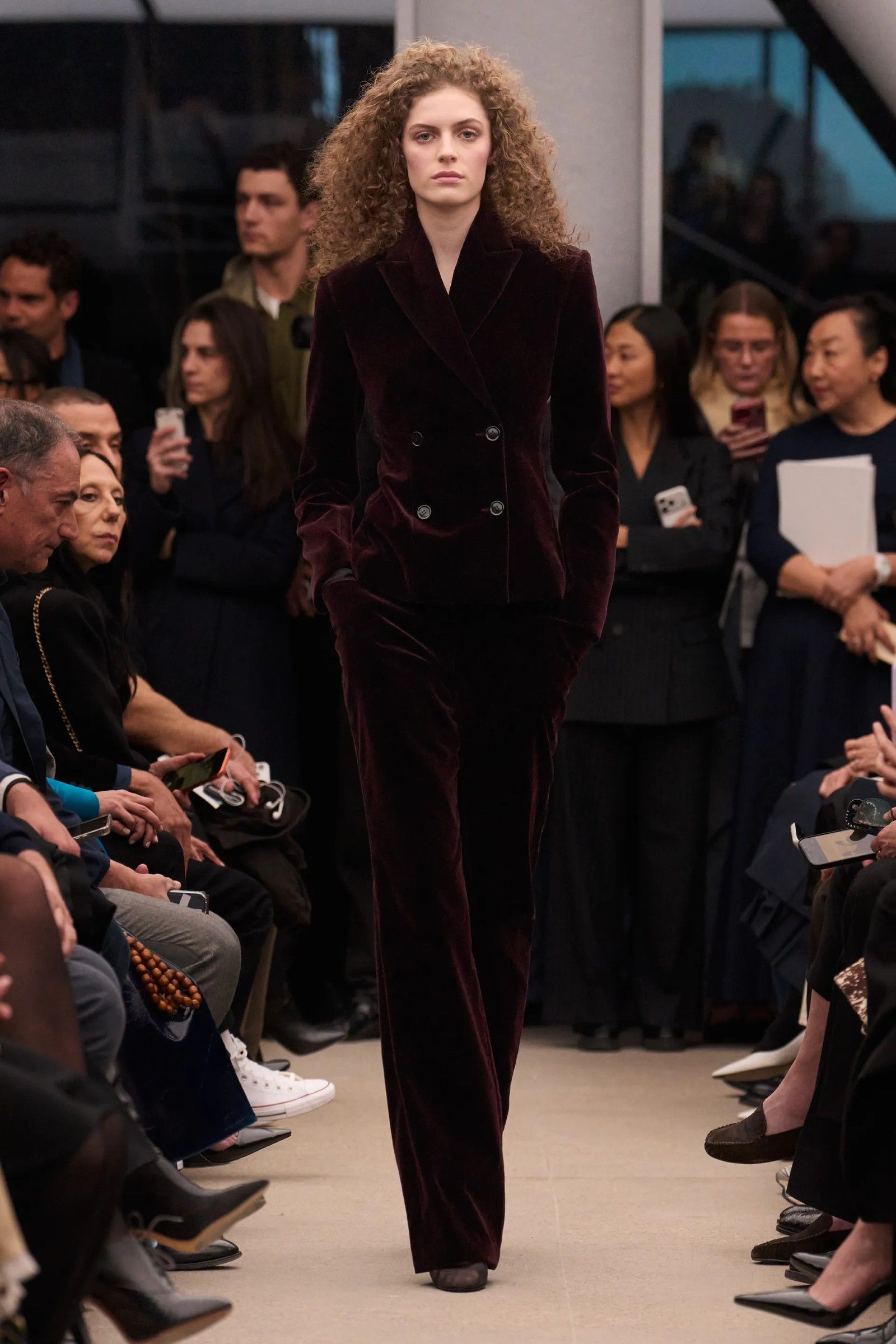
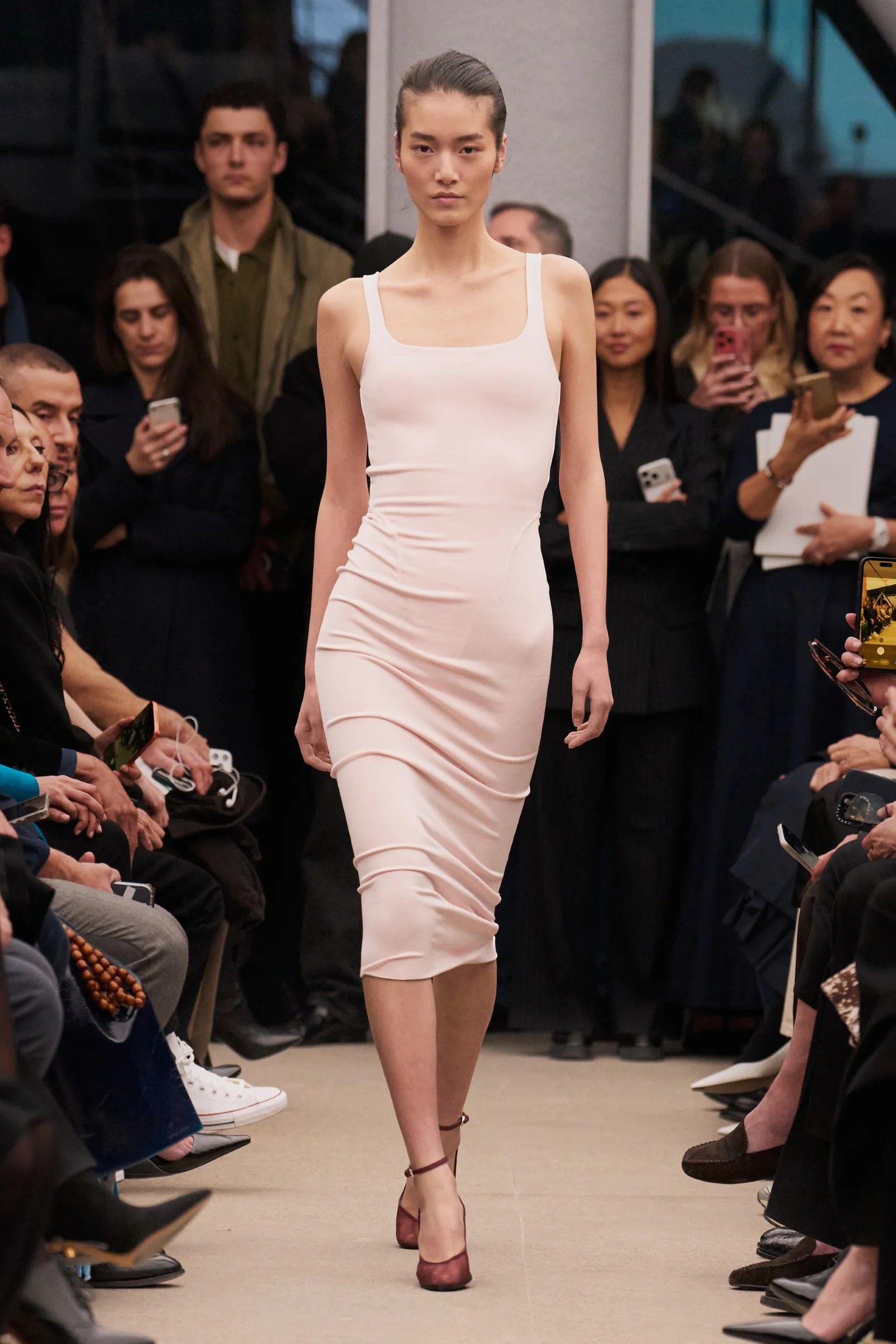
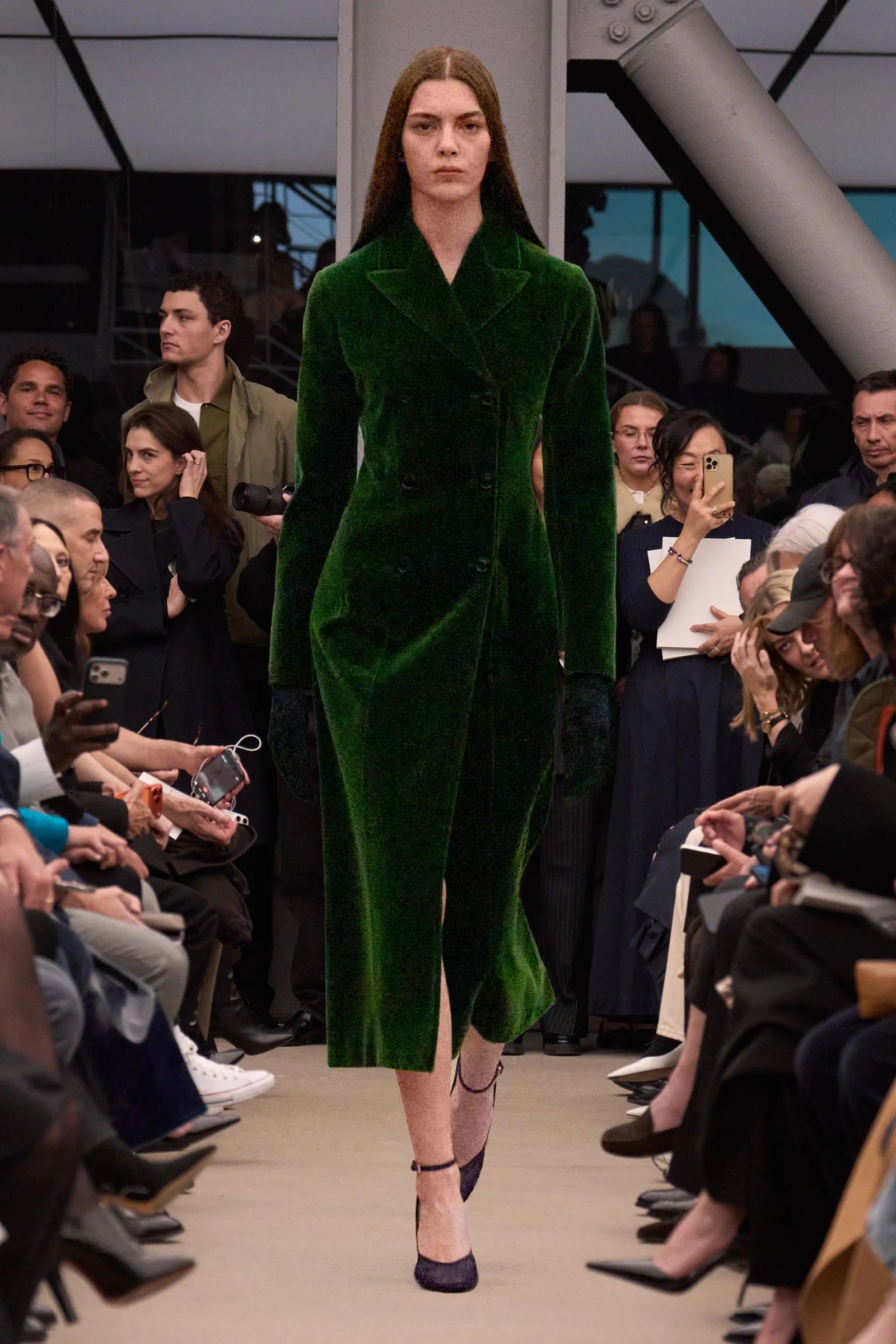
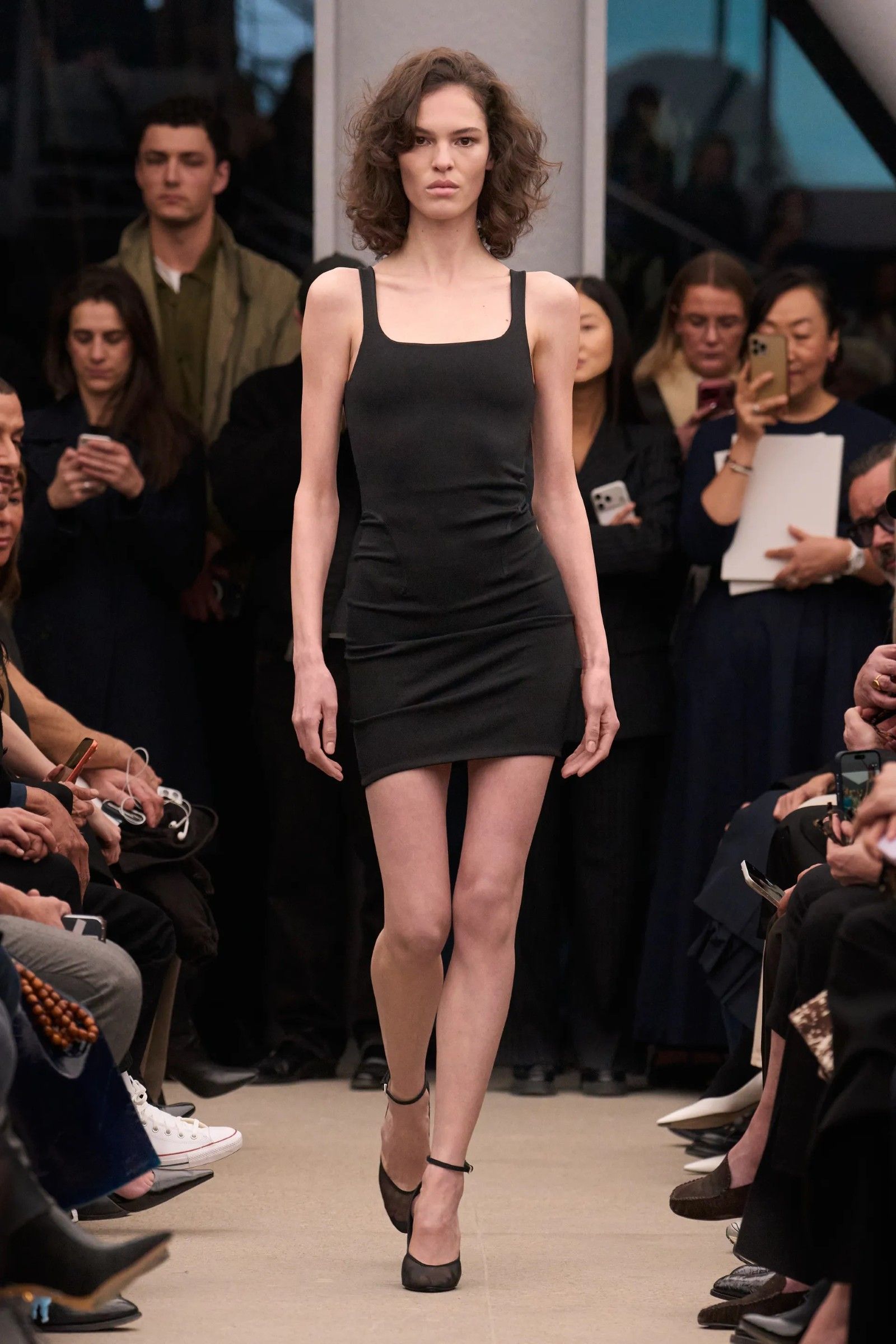
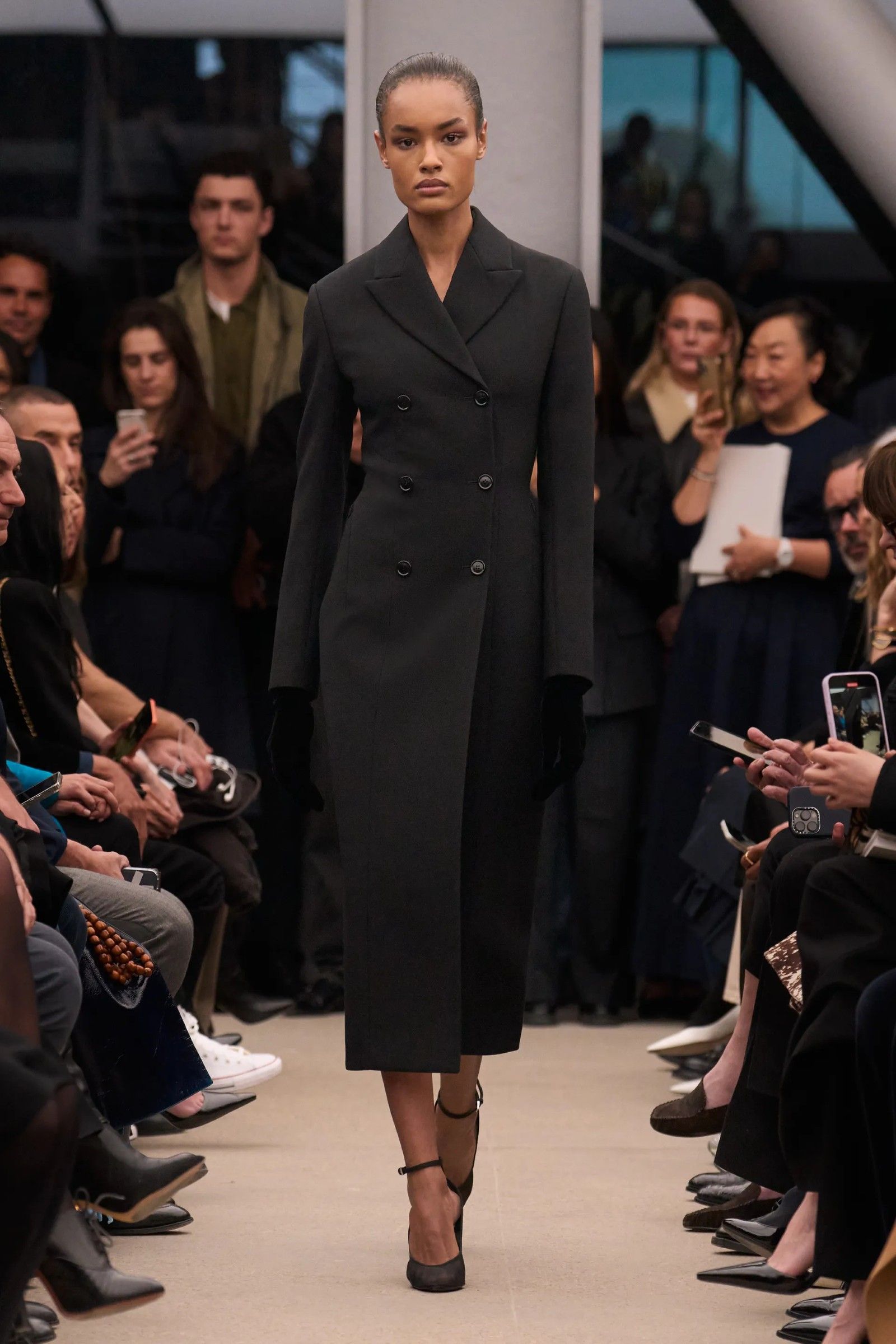
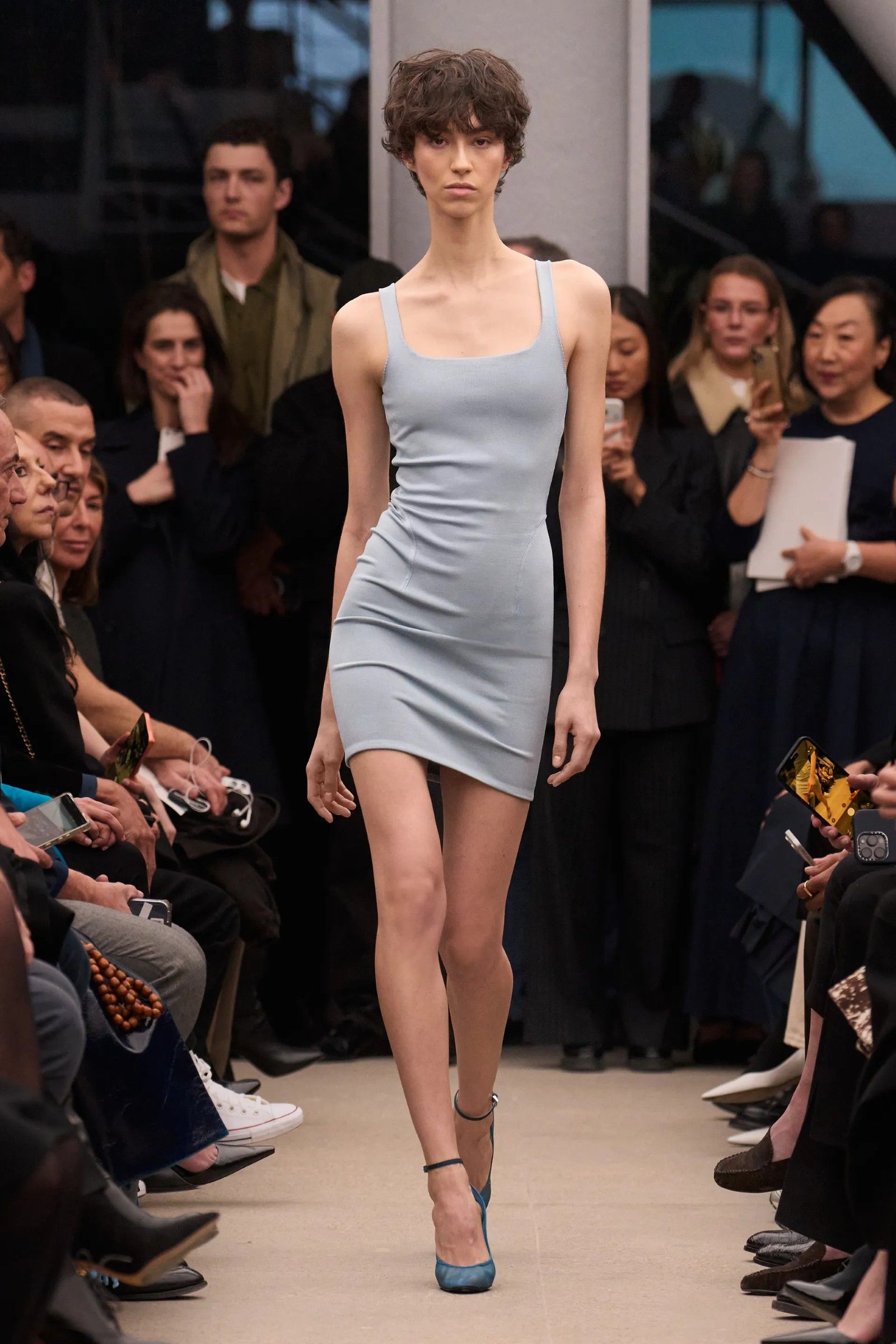
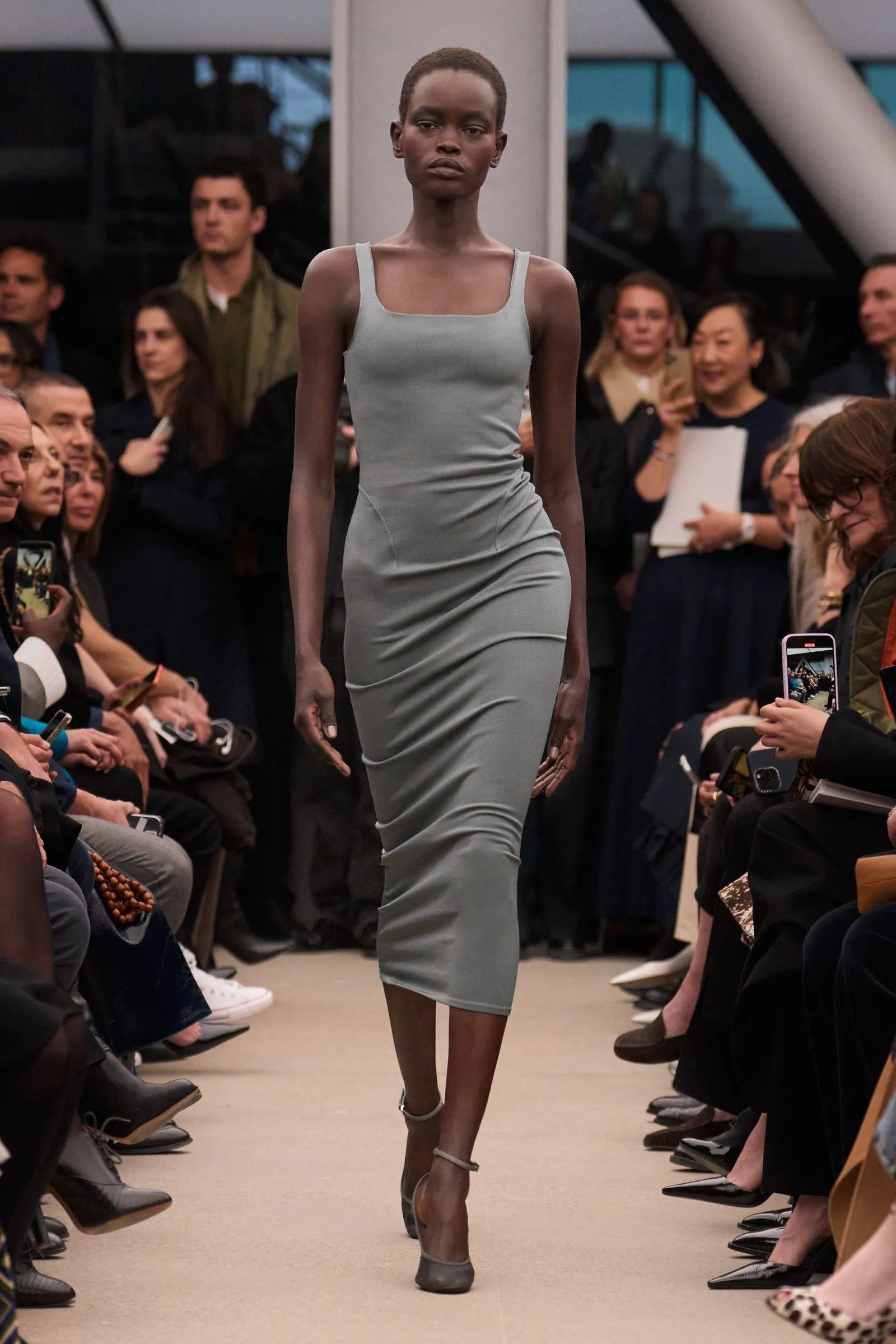
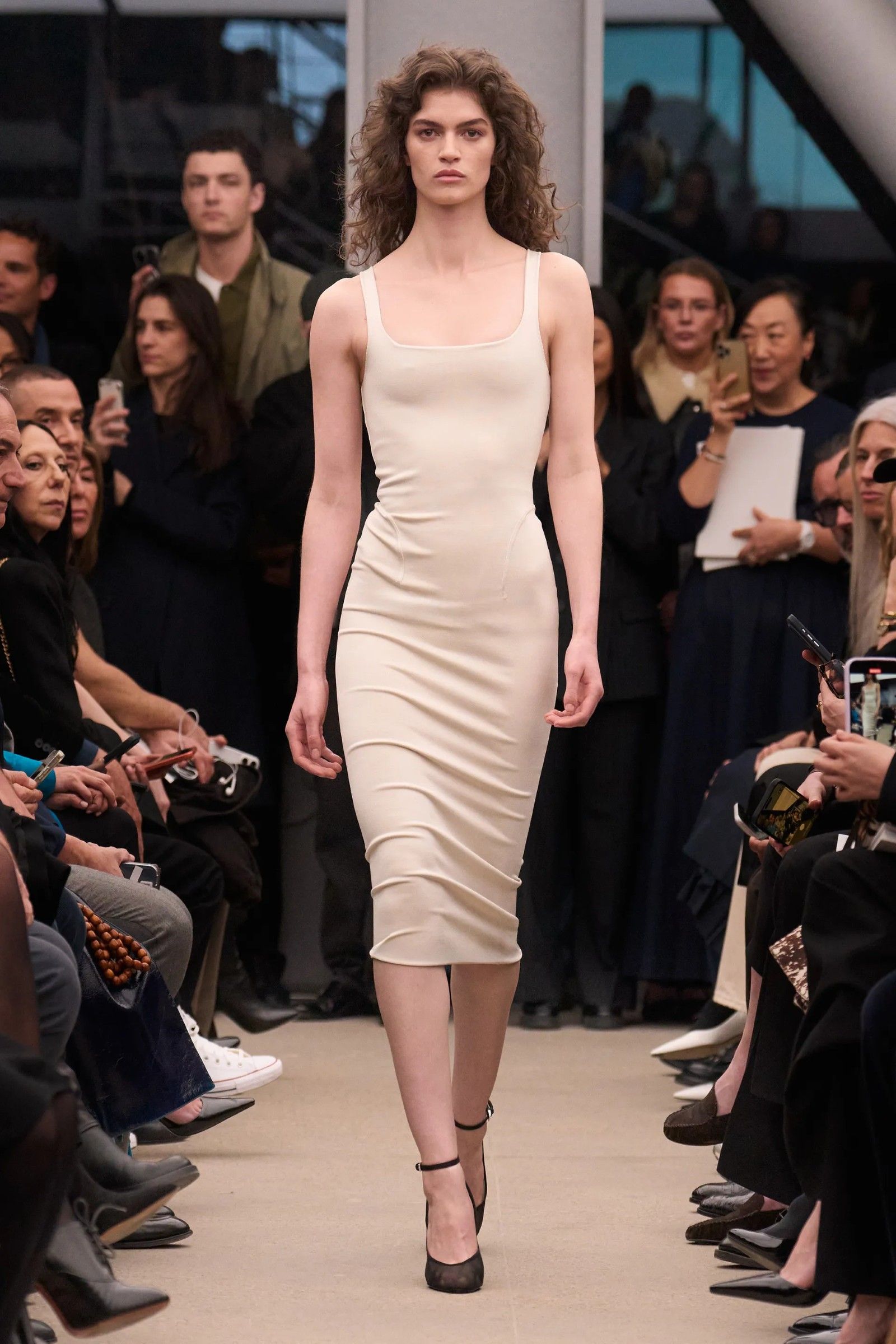
Yesterday afternoon, Alaïa had to say goodbye to the creative director who revitalized the brand in just five years. Pieter Mulier is now ready to leave Paris for Milan, where a new Maison awaits him to restore: Versace. Alongside longtime friends and fashion insiders who have supported him throughout these years, yesterday’s show wonderfully summarized Mulier’s creative journey leading the Maison founded by Azzedine Alaïa in 1964. The Belgian designer has managed to bring modernity and innovation while fully respecting the brand's DNA, a significant challenge that turned the label into a valuable asset for the Richemont group.
The Support of Raf Simons and Matthieu Blazy
Beyond the collection, what surprised everyone most at the Alaïa show was the emotion of two particular people. Sitting in the front row, they quickly stood up at the end of the runway to applaud the creative director and rush to embrace him. Raf Simons and Matthieu Blazy filled the show with a tangible emotion that had been missing, during a period when tension and stress seem to dominate Fashion Weeks.
Alongside Blazy, Pieter Mulier has long been the right-hand man of Raf Simons, working alongside the Belgian designer at both Dior and Jil Sander and Calvin Klein. Today, the two protégés of Raf Simons are credited with redefining some of the world’s most important brands: Blazy, who after illuminating Bottega Veneta is now at the helm of Chanel, and Mulier, who brought Alaïa back into the spotlight. Seeing their mentor and former creative director still moved by their achievements is unusual in fashion and deeply touches the hearts of all Simons fans. Not to mention that, besides being the designer’s last collection for the brand, Mulier’s FW26 for Alaïa was nothing short of celestial.
The Anatomical Minimalism of Pieter Mulier for Alaïa
p>
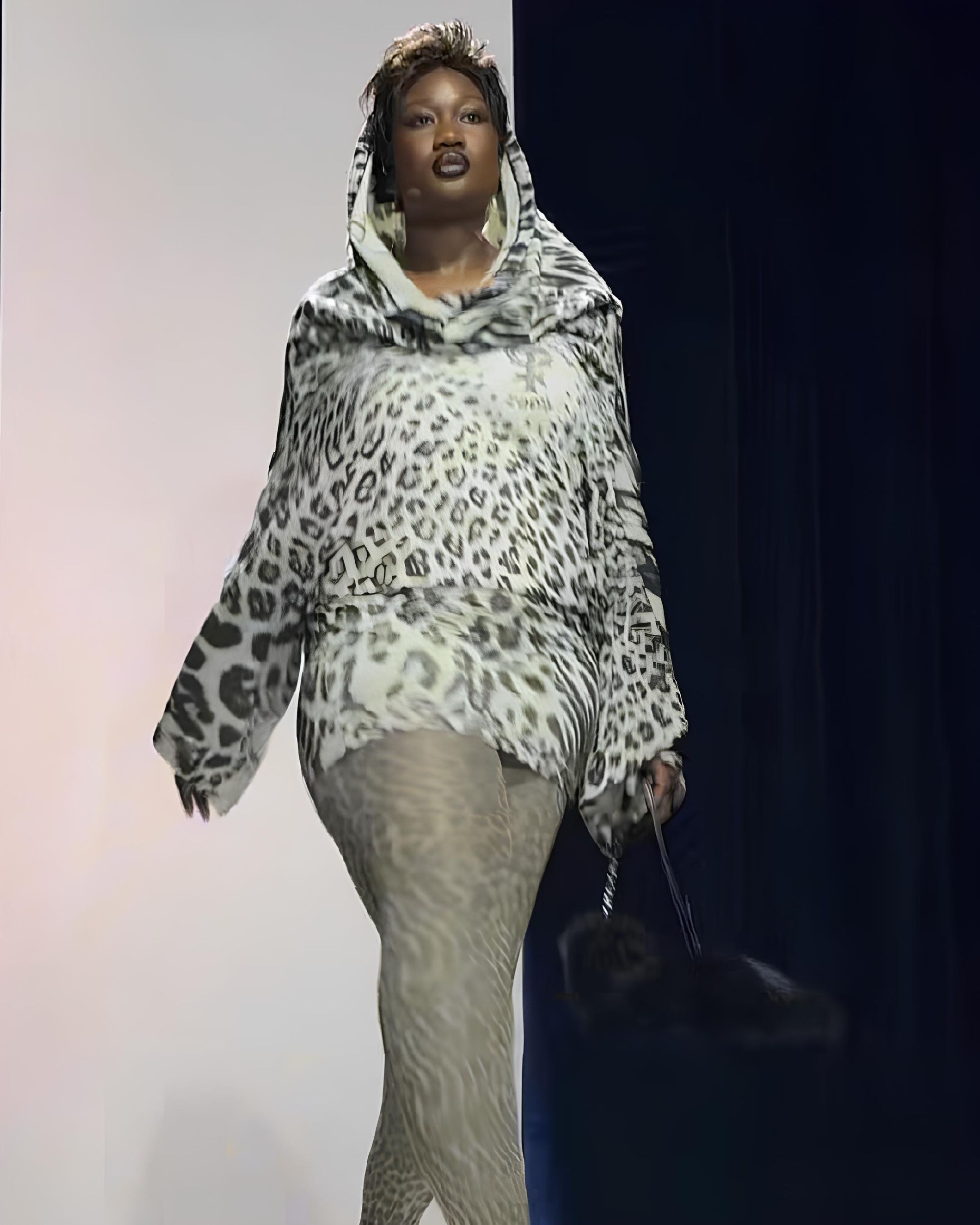
At the helm of Alaïa, Pieter Mulier has always relied on reductionism. Simplicity of forms, color minimalism, and a focus on alternative silhouettes have been the brand’s guiding thread for the past five years. For this reason, in this collection marking the end of his collaboration with the Maison, the designer decided to bring to the runway «the bare minimum», as he stated backstage after the show.
Monochromatic looks, body-hugging dresses that followed every muscle and bone of the models, opened a minimal collection, but one that was far from boring. Despite the absence of accessories and styling - even coats were worn alone, as dresses, occasionally paired with matching leggings - the collection gained appeal thanks to tailoring and striking textures.
Heavy black sheepskin coats draped to the ankles like skirts; brightly colored suede coats (though monochromatic) created geometric silhouettes that structured otherwise simple looks; mini dresses covered in flat studs reminded everyone that fashion can still be for the young.
This «bare minimum» that Mulier spoke of does not in any way reduce the care the designer continues to give to the female body. Alongside body-hugging dresses in classic jersey as well as in creamy mustard or petrol green suede, the designer added inverted triangle-shaped leather panels on the models’ torsos, tracing the female anatomical geometry line by line. As in his previous collections, Mulier demonstrates absolute precision in designing garments that do not merely reveal the body’s shapes but enhance them beneath layers of fabric.
What to read next
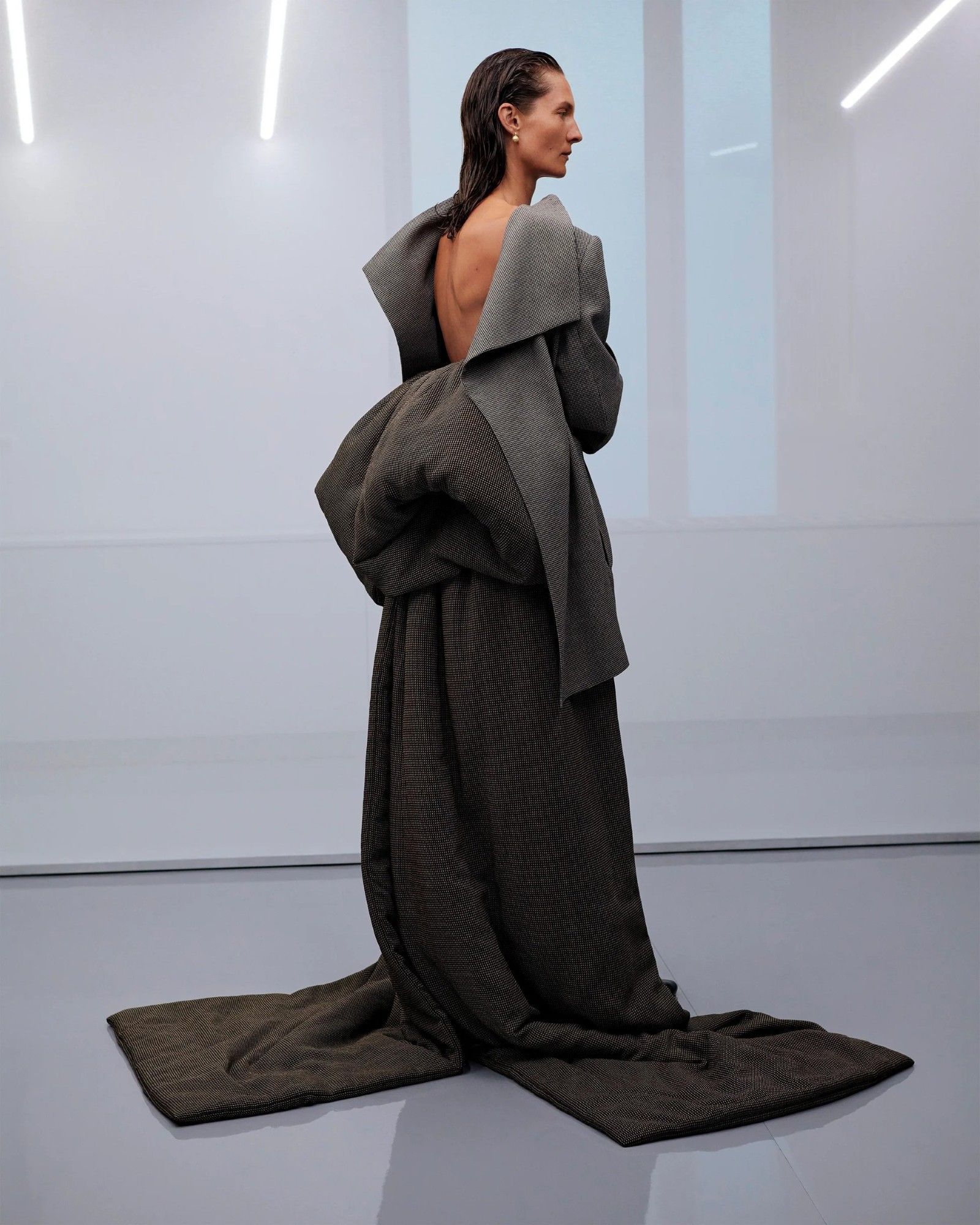
Now Phoebe Philo Wants You to Dress Avant-Garde
With Collection F, the designer plays with silhouettes in an entirely new way