























How worthwhile is it for brands to invest in ultra-expensive fashion shows? Following the Gucci incident in Times Square, the debate has reignited in the industry
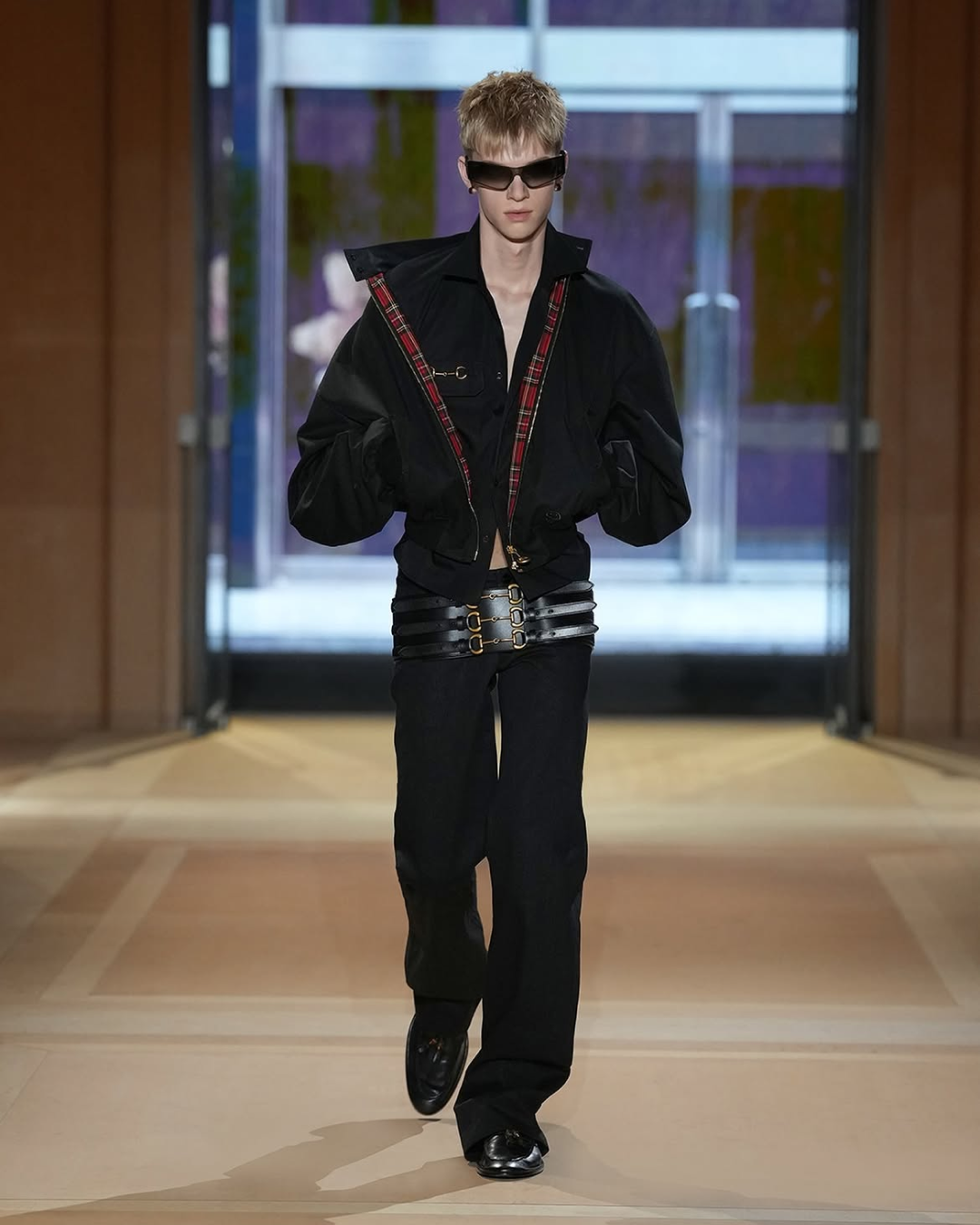
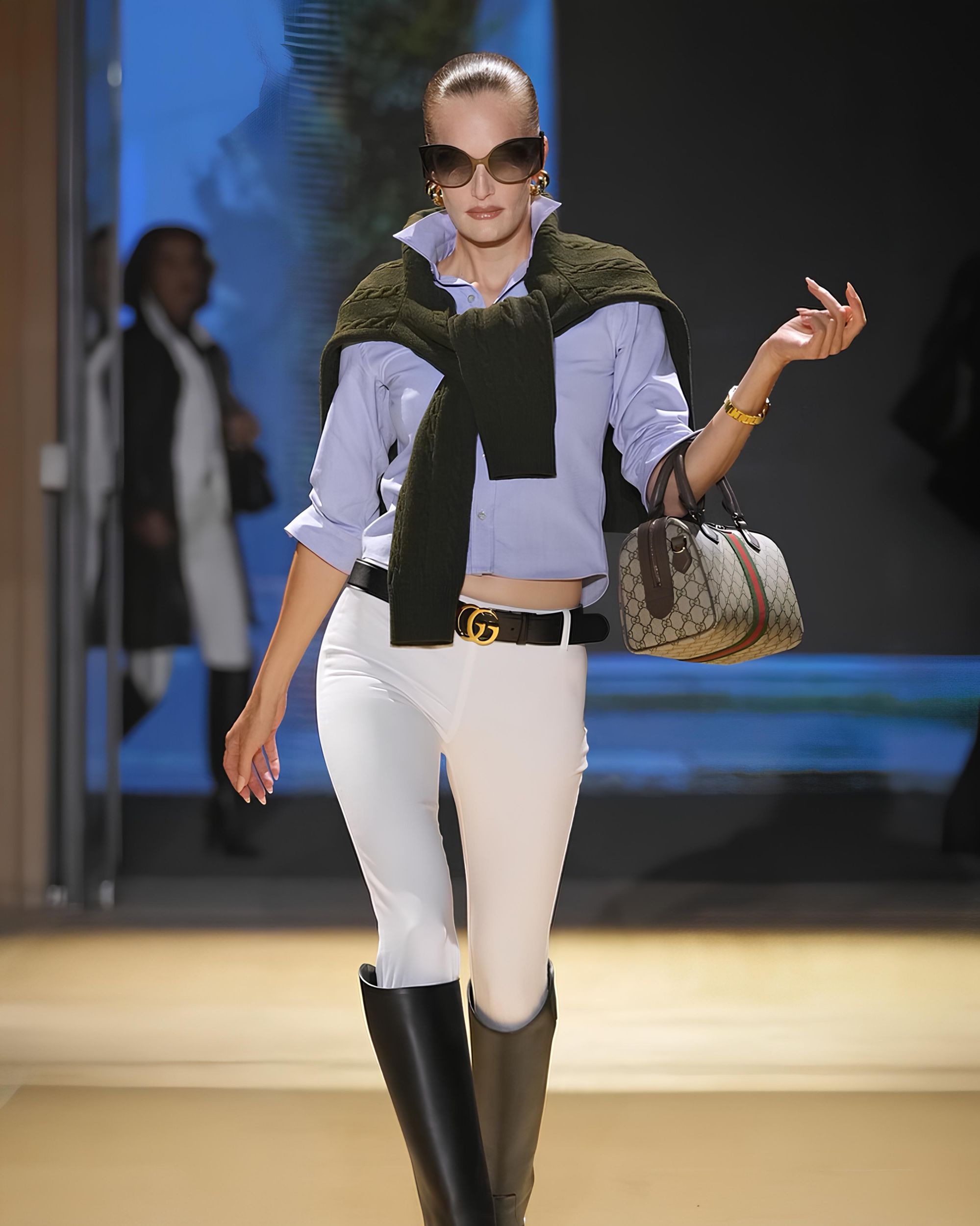
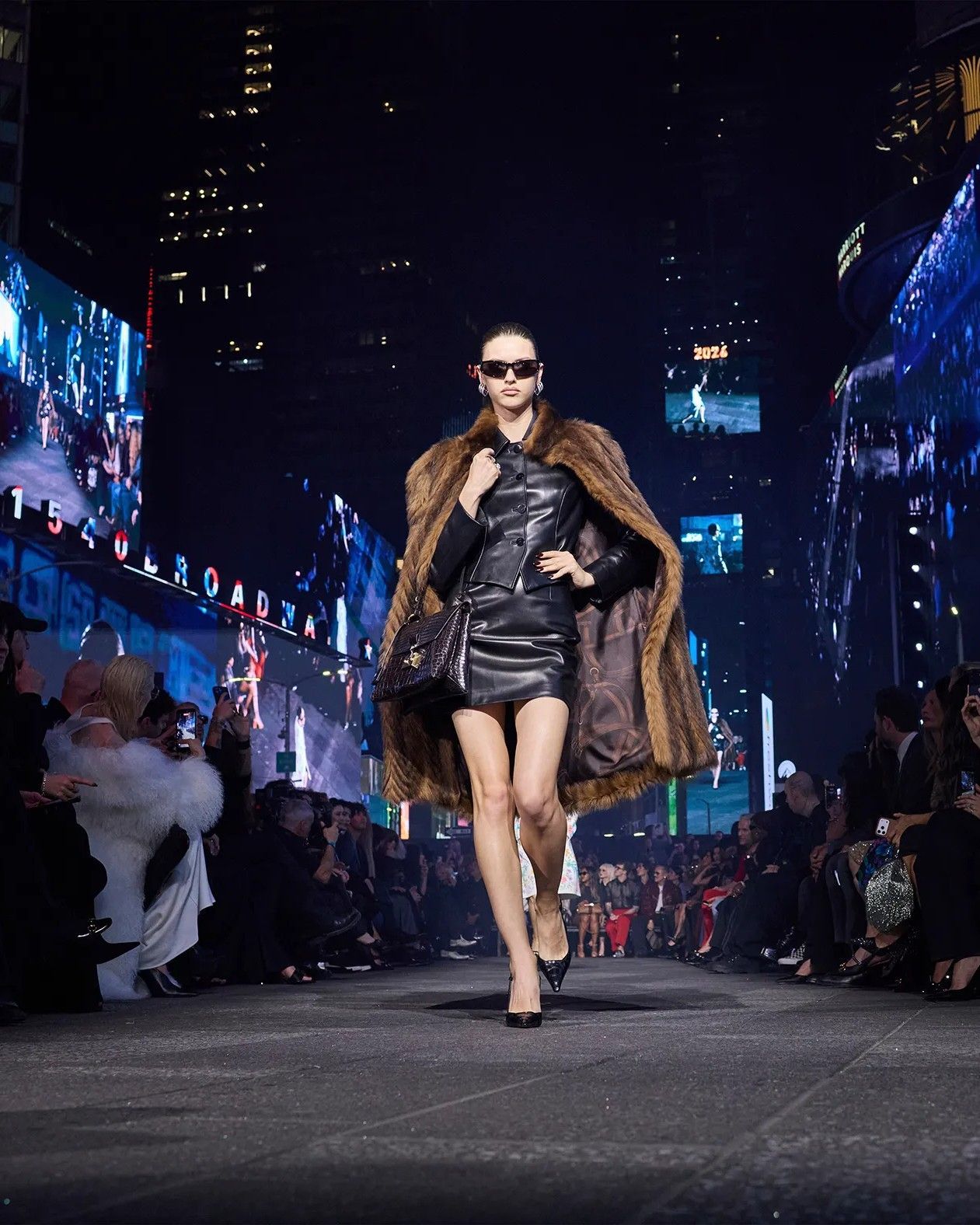
In her review of the Gucci Cruise 2027 show, Cathy Horyn reported that the takeover of Times Square and its dozens of screens, the creation of the fake advertisements projected on them, and the entire show apparatus cost the brand around ten million dollars. Like all news that talks about money, this one also greatly intrigued the public and industry insiders, who may have watched the show on screen without being able to capture the grandeur of the moment reserved for those present.
It was undoubtedly a spectacular show, also thanks to the presence of several stars and top models in the audience, and it served (one hopes) the purpose of imprinting the name of Gucci firmly in the minds of American spectators. However, given that the cost of the entire operation puts it on the same level as some of the most expensive shows ever, one wonders whether such an economic effort represents a sensible investment compared, say, to a show with more contained costs but which manages to go viral or generate buzz for a long time.
How much does it cost to stage a show for big brands and indie designers?
@gorgeoussupermodels Sara Sampaio at the Victoria Secret Fashion Show in Paris (2016) Part 3
original sound - Gorgeous Supermodels
According to the Guinness World Records, the most expensive show ever was that of Victoria's Secret in Paris in 2016 which, with the lineup of top models, the heating of the Grand Palais, the 43 pairs of custom-made wings, a three-million-dollar jewel bra, and performances by Lady Gaga and Bruno Mars, reached an overall cost of about 20 million dollars. According to sources like The New Daily, however, it was the Shanghai show the following year that had an estimated cost of 26.7 million. We do not know how much other equally spectacular shows cost, but in general the price was lower. News is scarce because in fashion money is never discussed openly, but we can try to do some calculations.
We know, for example, that the Fendi show at the Chinese Wall in 2007 cost around 10 million dollars according to Vogue, a figure that rises to 16.1 million dollars when adjusted for inflation. But the price was exceptional given the scale and importance of the location. Looking at another spectacular Chanel show, the Cruise 2015 one which at the time the Independent estimated cost 1.4 million pounds, or 2.3 million dollars, which, adjusted for today's inflation, corresponds to about 3.25 million dollars. For that show, an artificial island was built off the coast of Dubai.
Moving on to independent brands, the information is more fragmented but also more recent and precise. In 2023, speaking with GQ, Peter Do said that a show cost a minimum of 300,000 dollars, while Hillary Taymour of Collina Strada said the figure easily reached 400,000, and Elena Velez had only 40,000 dollars available to produce her FW23 show. As Vogue writes, JordanLuca’s FW21 show in London cost 60,000 pounds, equivalent to 76,700 dollars today, while the following season with its set design it cost much more, 80,000 pounds, which would be just over 107,000 dollars. The price for the SS25 show was the same.
Is scale or impact better?
The expenses for a show are enormous, but sometimes they are worth it. Take the SS26 Dior show, the debut of Jonathan Anderson’s first womenswear collection for the brand. According to data from Lefty x KarlaOtto, that show generated over 90 million dollars in Earned Media Value, meaning that whatever the brand spent (one might guess between 2 and 5 million), the show was “worth” the equivalent of 90 million spent on advertising.
There is, however, an important caveat: this EMV derives largely from the ambassadors. For the Dior show, the mere presence of Jisoo from Blackpink created 10% of the EMV, while the Thai actress Kornnaphat Sethratanapong was responsible for 25% of the show’s EMV. Still in the SS26 season but looking at Prada’s show, the third best performing of the season, we see that the show’s EMV exceeds 45 million dollars, but in reality 39% of that figure is due to the presence of Enhypen at the show.
In London, a show with fewer celebrities, like that of Richard Quinn, generated 2.37 million dollars in EMV, leading us to think that, in the absence of Asian celebrities, the average media value of the “pure” show drops significantly. It therefore seems plausible that even for other high-profile shows the real attention might be lower than it appears: the media value of a show depends less on the scale of the production and more on the ability to activate the right multipliers on social media.
Beyond the concept of celebrity
tacky, incredible Gucci show in Times Square that looks the actual consumers of most luxury fashion square in the eye and says “come on in” pic.twitter.com/slvbd03pa1
— Rachel Tashjian Wise (@theprophetpizza) May 17, 2026
It would therefore seem that the real strategic investment, in Gucci’s case, concerns guests like Tom Brady and Cindy Crawford more than the mere square meters of set design or the screens rented in Times Square. It is these faces and names that truly multiply the reach of the show in key markets. Yet reducing everything to EMV logic would be short-sighted: an iconic cultural moment builds a framework that settles into the collective imagination and continues to work silently for years, well beyond the life cycle of a social media post.
A prime example of how a single viral moment can generate extraordinary impact with contained costs is the SS23 Coperni show, that of the spray dress on Bella Hadid. That single moment generated 26.3 million dollars in Media Impact Value in the first 48 hours, of which over 20 million came from social media. Bella Hadid’s post alone contributed about one million dollars in media value. Thanks to this moment, Coperni gained more than 300,000 followers on Instagram in a very short time, demonstrating that a strong idea and a powerful celebrity can create a media return comparable to shows costing several million dollars, without the need for massive productions.
Along the same lines, Elena Velez has managed to turbo-charge the media value of small shows built on minimal budgets through extreme scenographic moments like the mud fight, or with guests capable of generating conversation such as Clavicular. Another brand like Enfants Riches Déprimés, which structurally feeds on provocation (the brand’s latest viral product is the "Racist Uncle Loafer" that drew disapproval from one of the co-founders), tries to create impact both with narrative and dramatic elements and with guests like Marilyn Manson, both present at the latest FW26 show in Paris. Yet controversy, when consistent with the brand’s identity, can function as a multiplier just as effectively as a ten-million-dollar production.
What these examples suggest is that today’s mega-shows should not be measured only on the quarterly results, but on their ability to crystallize a brand identity in an image that stands the test of time. The enormous budgets these require make sense only when the two planes overlap and thus, regardless of the budget, one manages to create a true memorable moment that the eventual ambassadors then amplify. In the case of Gucci in Times Square, the bet seems to be that the grandeur of the production and the weight of the names present will merge into something more lasting than a single evening. When one of the two elements is missing, the risk is that it remains only an exercise in vanity, as expensive as it is useless.
What to read next
LVMH's fashion division keeps getting worse
Third-quarter results showed a -5% decline driven by the Chinese market
5 key trends from Paris Fashion Week SS27 Women's
What we'll be wearing next summer, according to the fashion of the Ville Lumière
In what sense is blue the Xanax of fashion?
We are so stressed that we have started dressing in blue again