





















The "walk of shame" has become pride History and meanings of the walk of shame
If you've spent the night dancing in a club, racking up one too many drinks and perhaps waking up in a bed that isn't yours, the morning light can be merciless. As you step out onto the street, leaving behind the faded memories of the night before, you'll find yourself dishevelled, wrecked from the hangover, and tempted to call in sick to the office. And yet, by a twist of irony, in that very moment you are unwittingly embodying the latest fashion trend of the moment: "The Walk of Shame." But since when did looking tired and dishevelled become so cool?
The walk of shame in the past
Before conquering TikTok and the runways, "the parade of shame" has medieval origins. Under the laws of the time, the punishment for adultery was carried out through an actual public procession in which the guilty party was paraded through the city in chains, mocked by the crowd — the first documented walk of shame in history was, in every sense, a public execution of one's reputation. From that moment on, and for a long stretch of social history, the act of appearing dishevelled or vulnerable in the light of day was branded as a genuine social sin, a transgression that women in particular were made to atone for unjustly, under the weight of the male gaze.
Over time, however, the walk of shame shed that purely punitive and humiliating meaning, slipping into pop culture to describe an authentic slice of everyday life — a precise and decidedly more carefree image: a woman who, after a party or a night of passion, walks down the street in the early hours of dawn still wearing the clothes from the night before. This aesthetic, redefined over time through the expression the morning after look, completely overturns the moralistic narrative that one should be ashamed of having stayed out late and, above all, of having had fun.
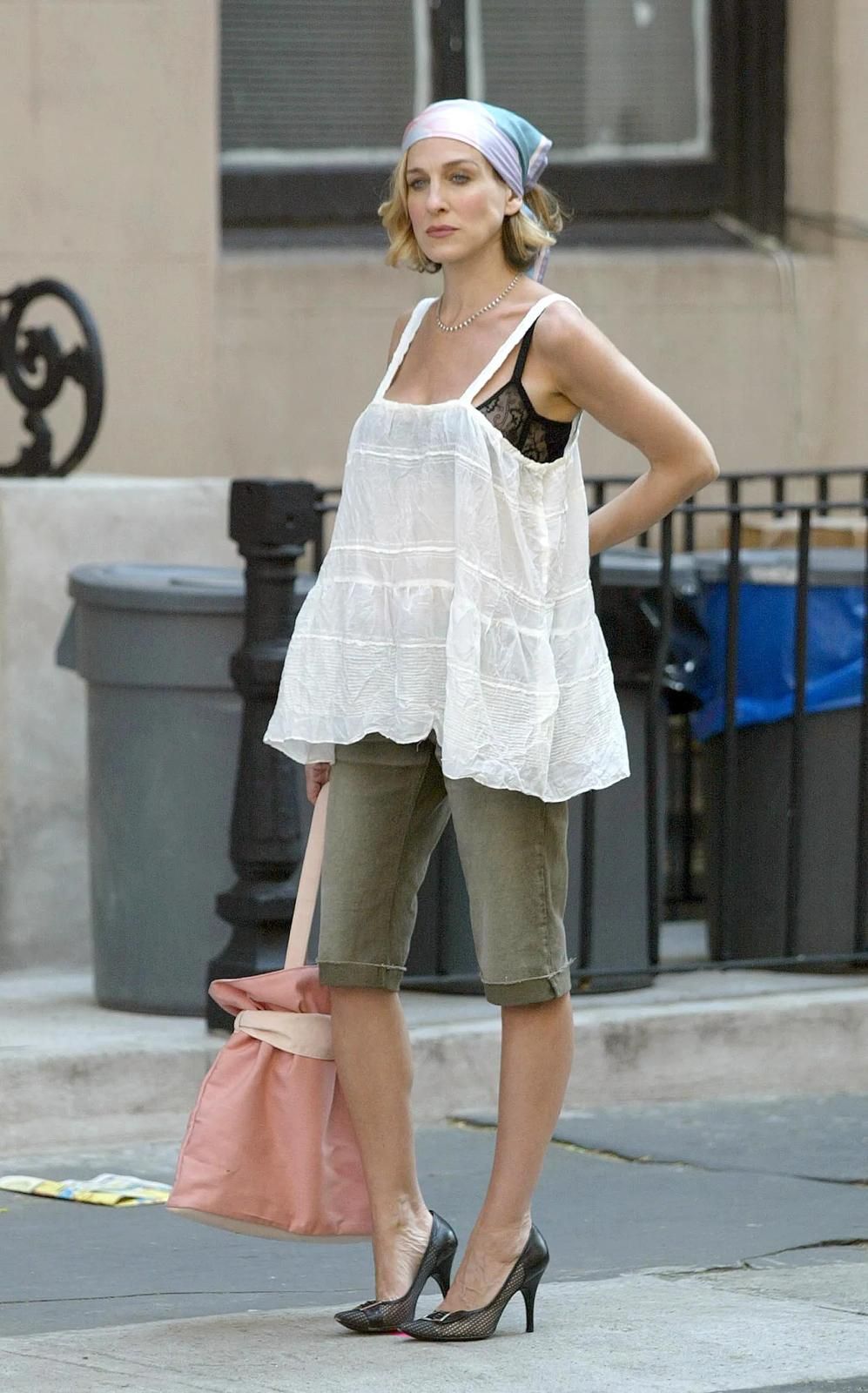
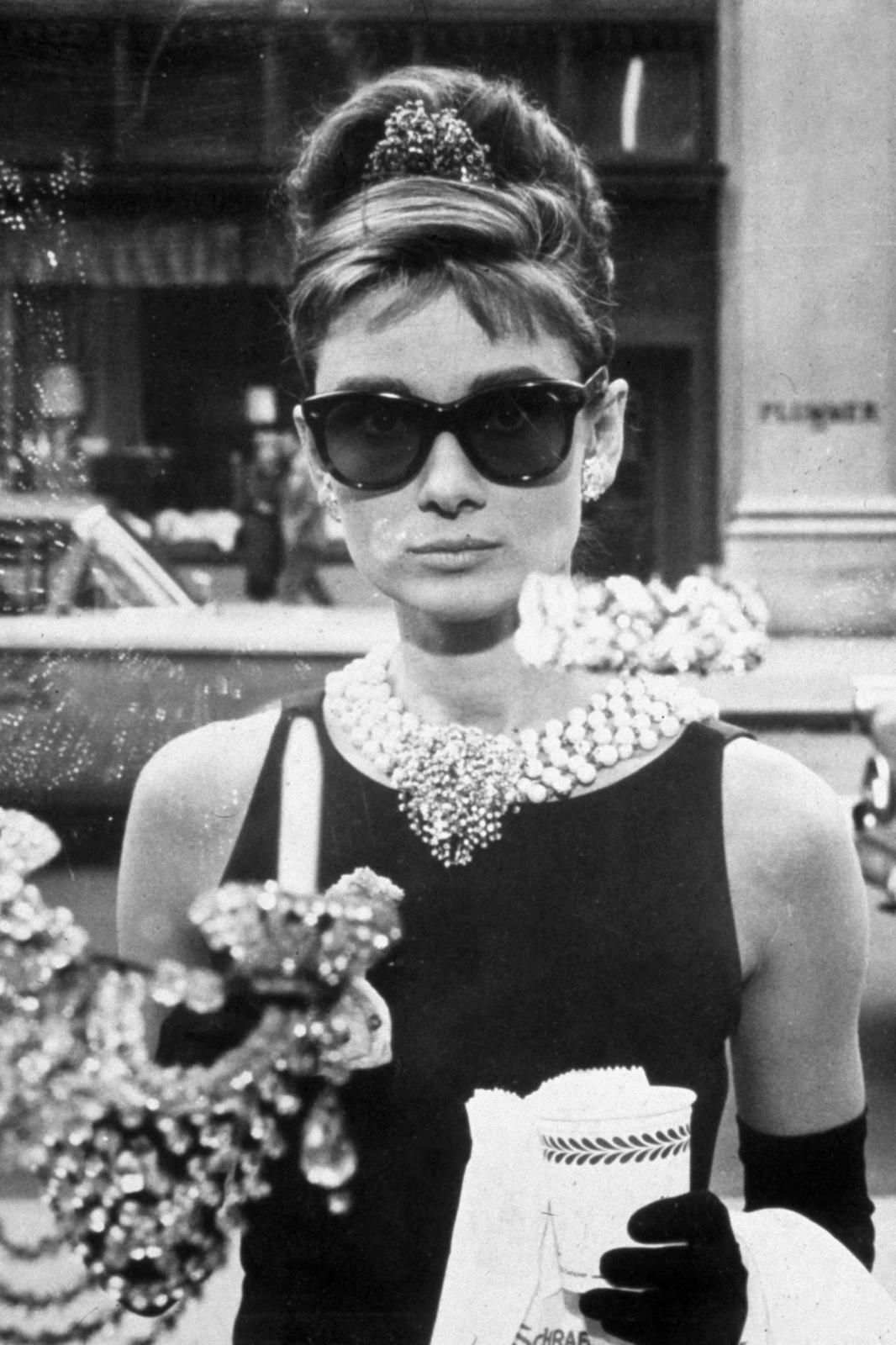
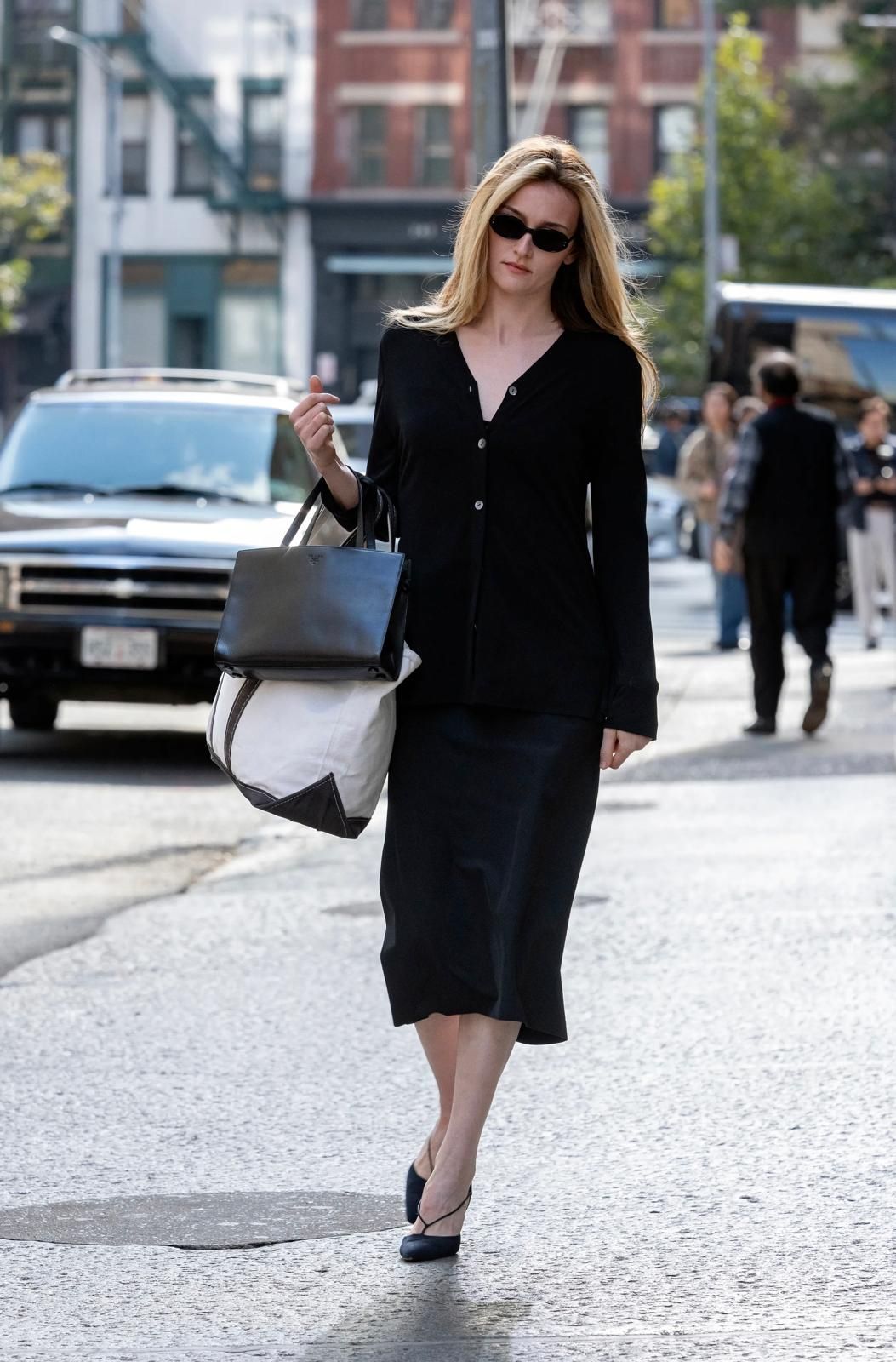
In this sense, the silver screen played a leading role in romanticising the parade of shame and transforming it into a runway of pride: one need only think of the opening scene of Breakfast at Tiffany's, where Audrey Hepburn steps out of a taxi at dawn wrapped in a Givenchy sheath dress, the morning looks of Carrie Bradshaw in Sex and the City, and the recent series Love Story, in which Sarah Pidgeon plays a young Carolyn Bessette who, upon waking, hastily tucks JFK Jr.'s shirt into the skirt she had worn the night before.
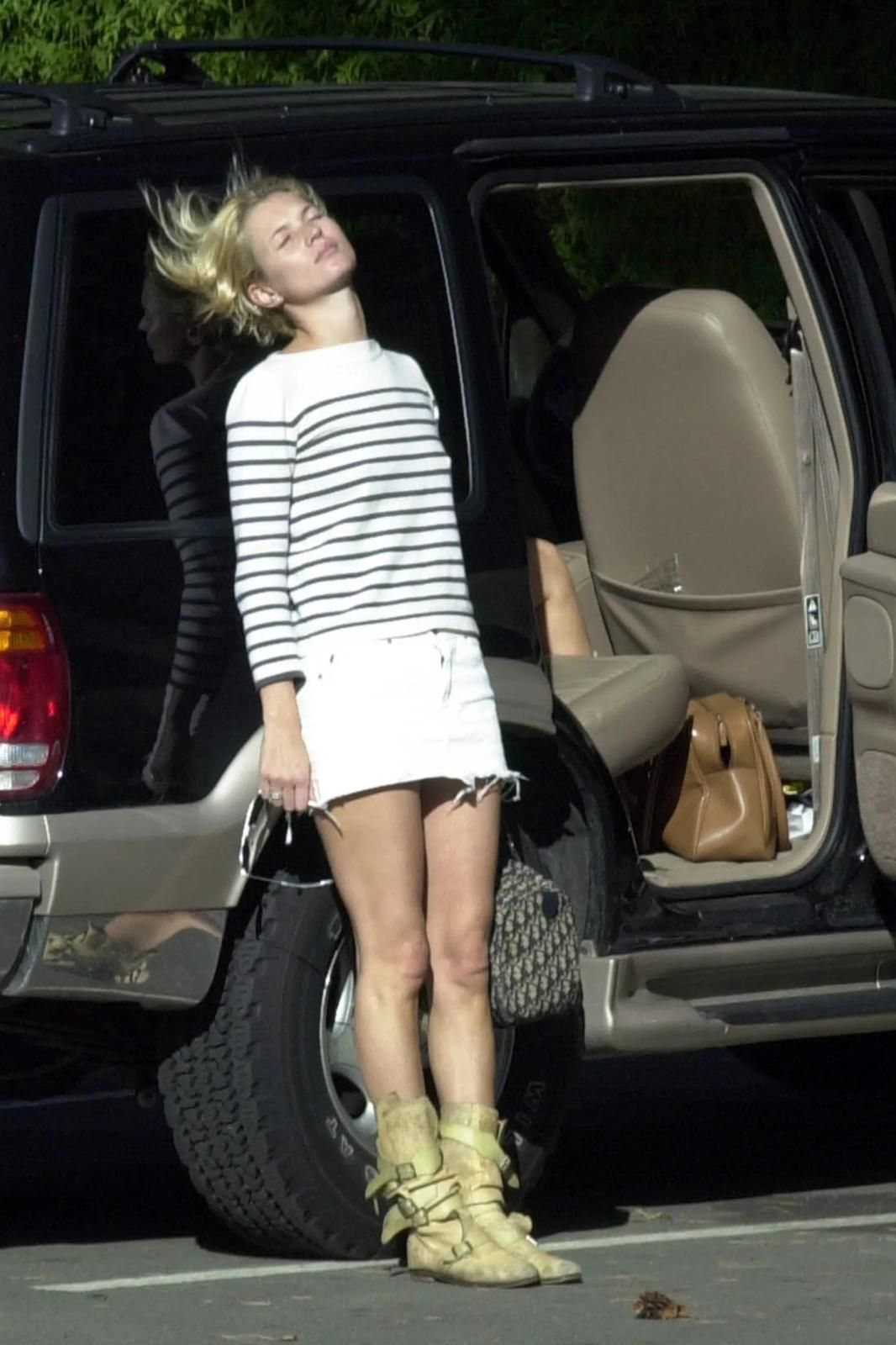
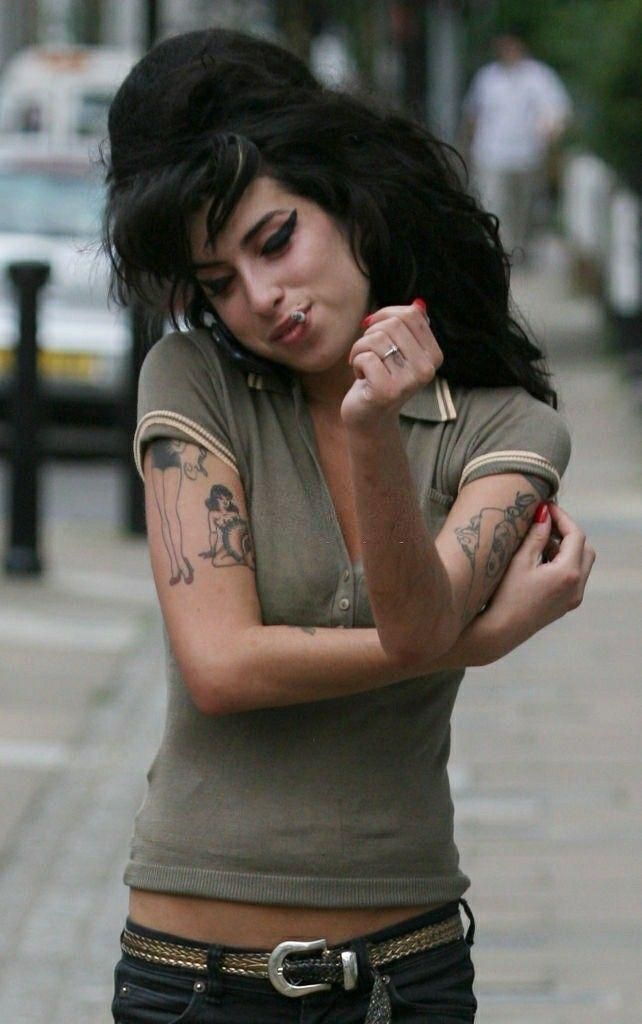
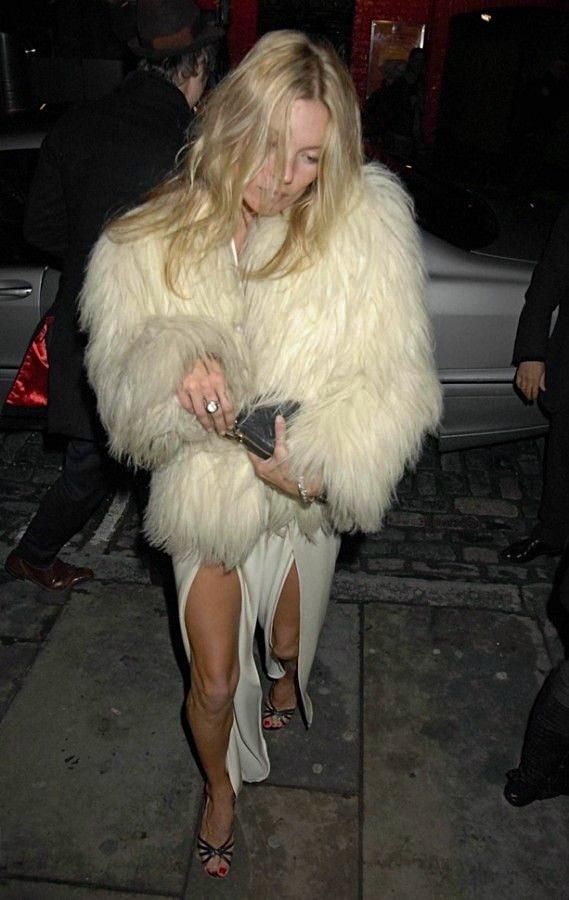
Over time, however, the pendulum swung back, and the walk of shame once again took on a heavy punitive meaning and a sense of social guilt. In the early 2000s, the relentless pursuit by paparazzi and certain ruthless tabloids built a multimillion-dollar business by immortalising celebrities in their most vulnerable everyday moments. The post-night-out awakenings of Kate Moss and Pete Doherty, and the candid dawn shots of a tormented Amy Winehouse, became the manifesto of this aesthetic — only to resurface in FashionTok reels that transformed these images from raw testimonies of personal and media distress into shared aesthetic references.
And on the runway
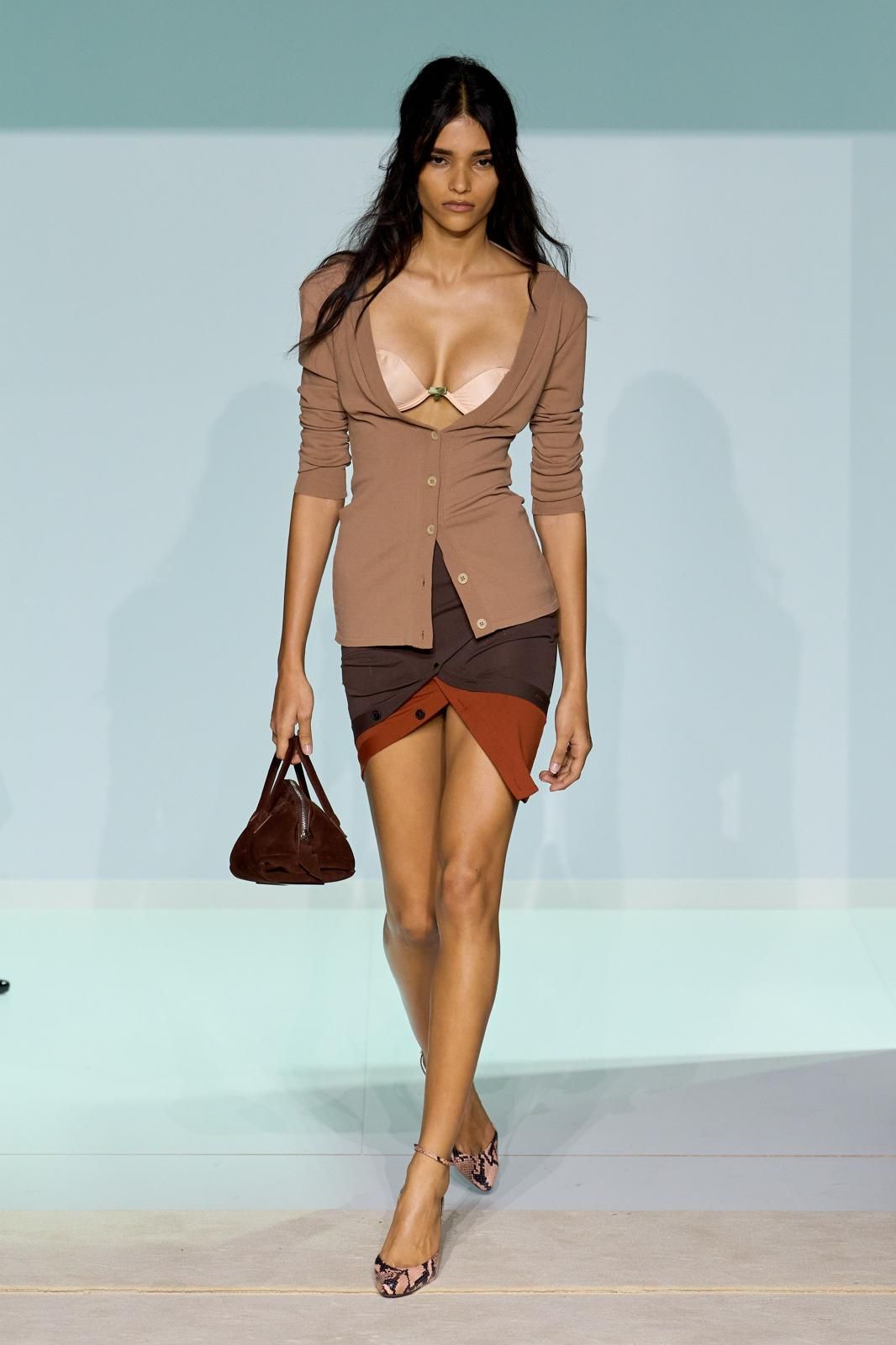
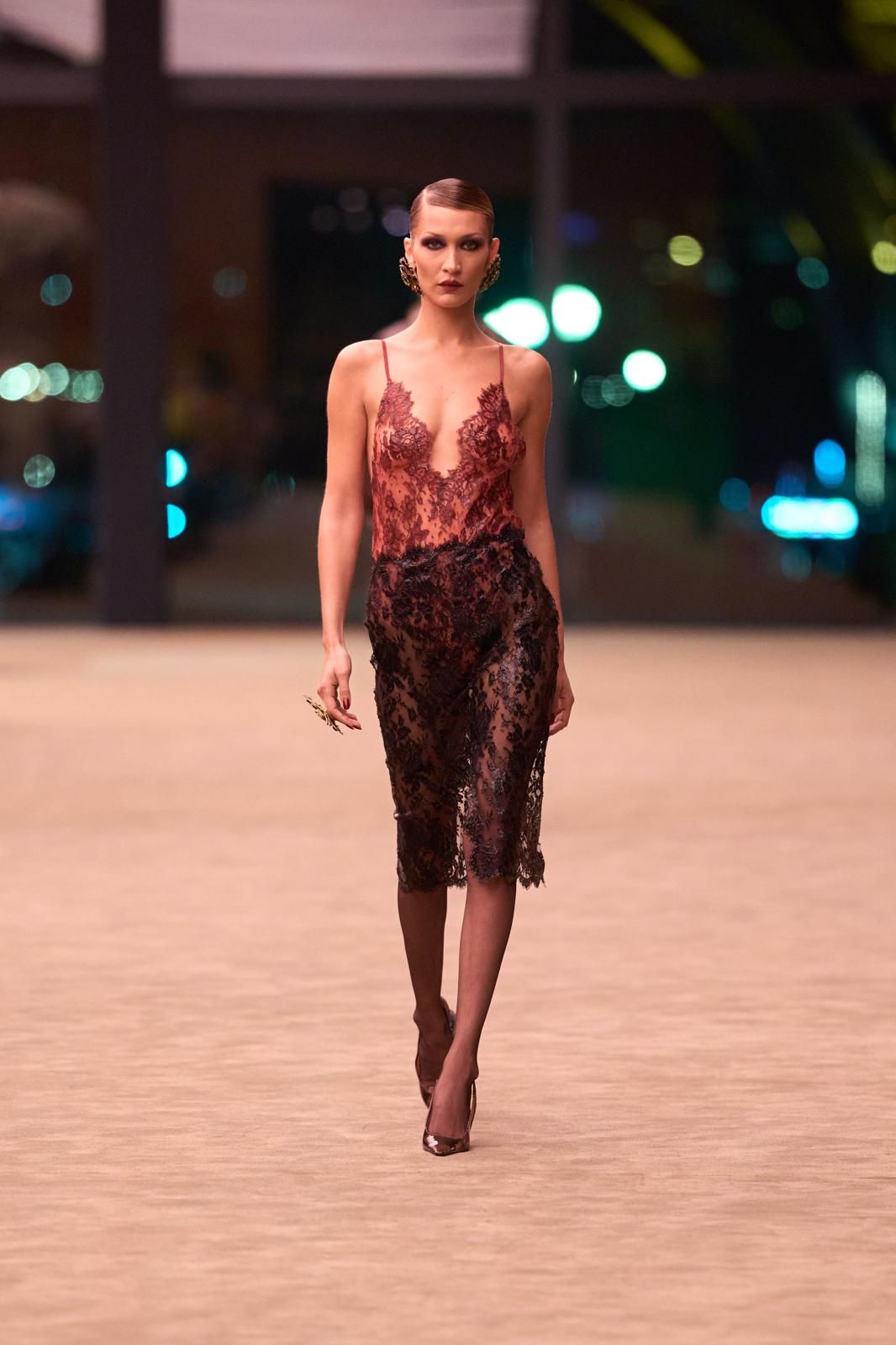
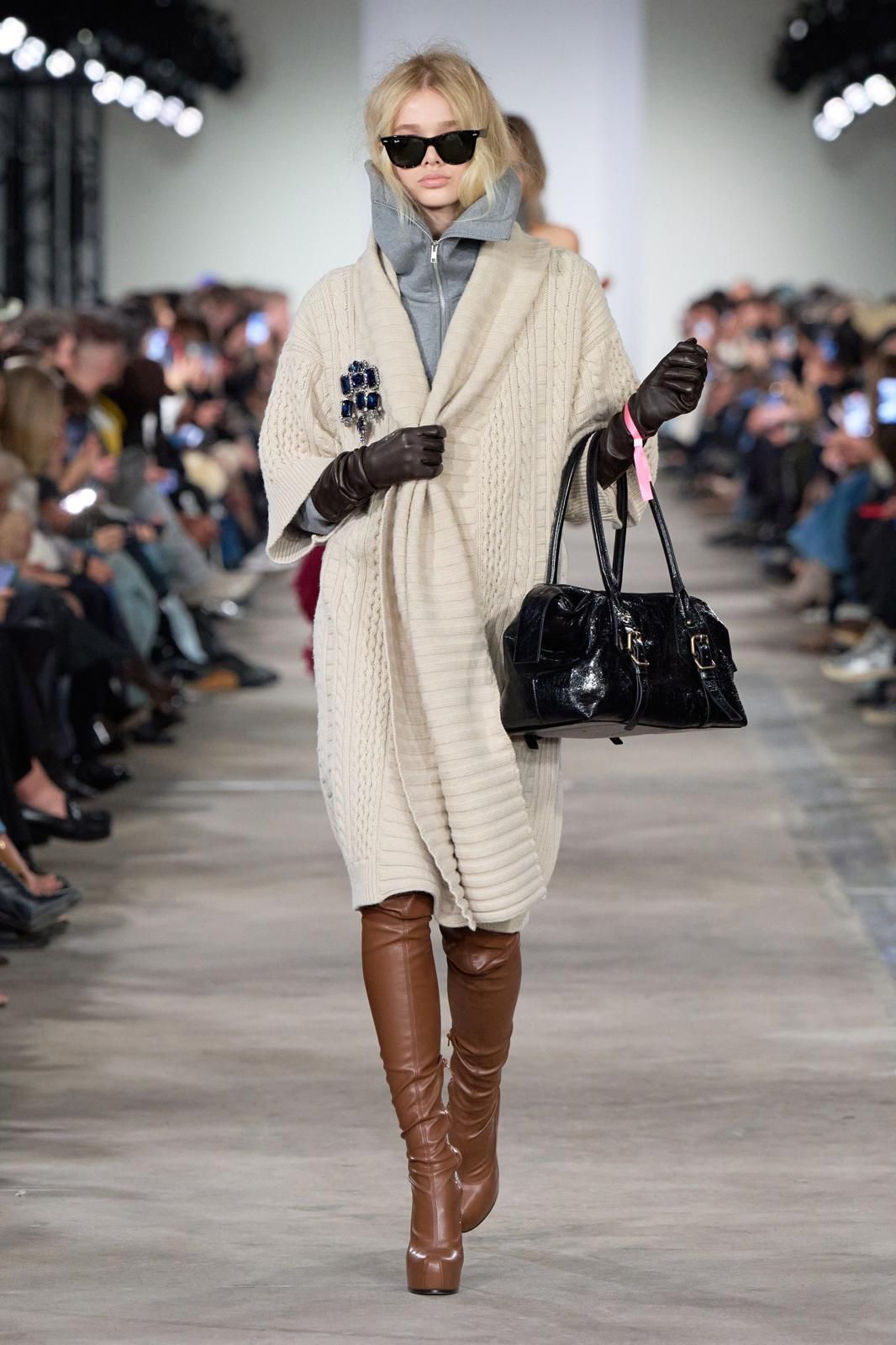
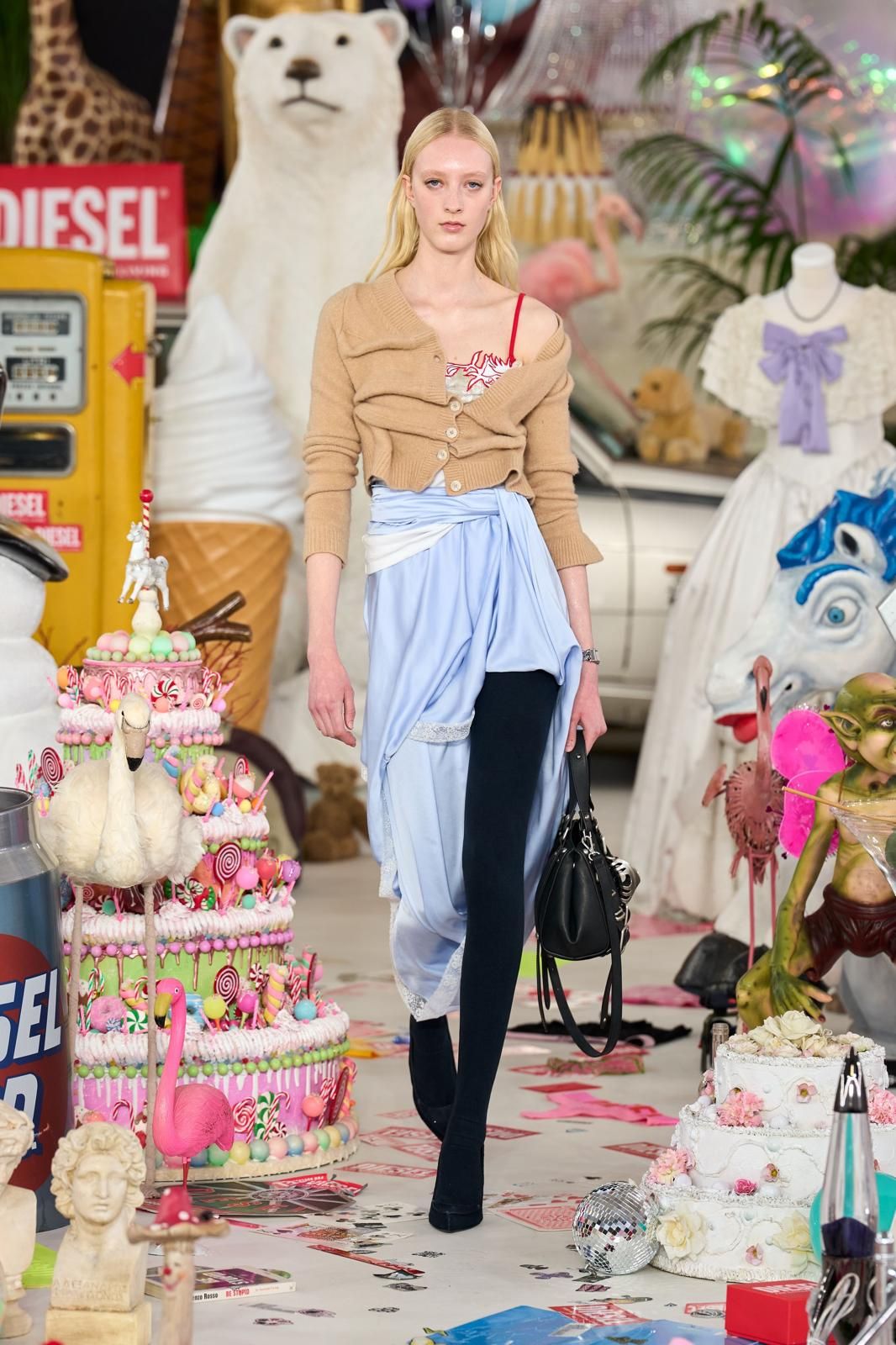
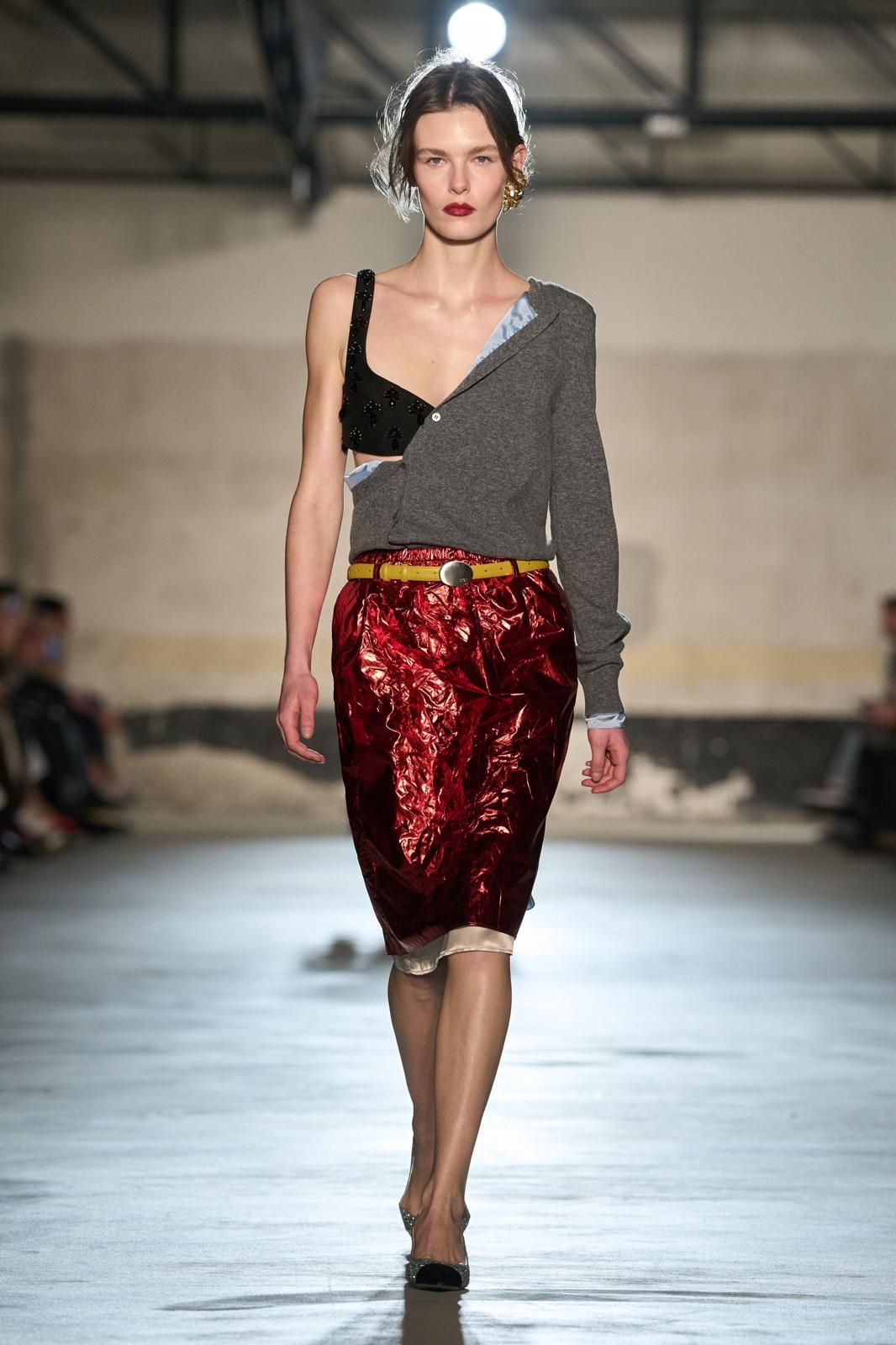
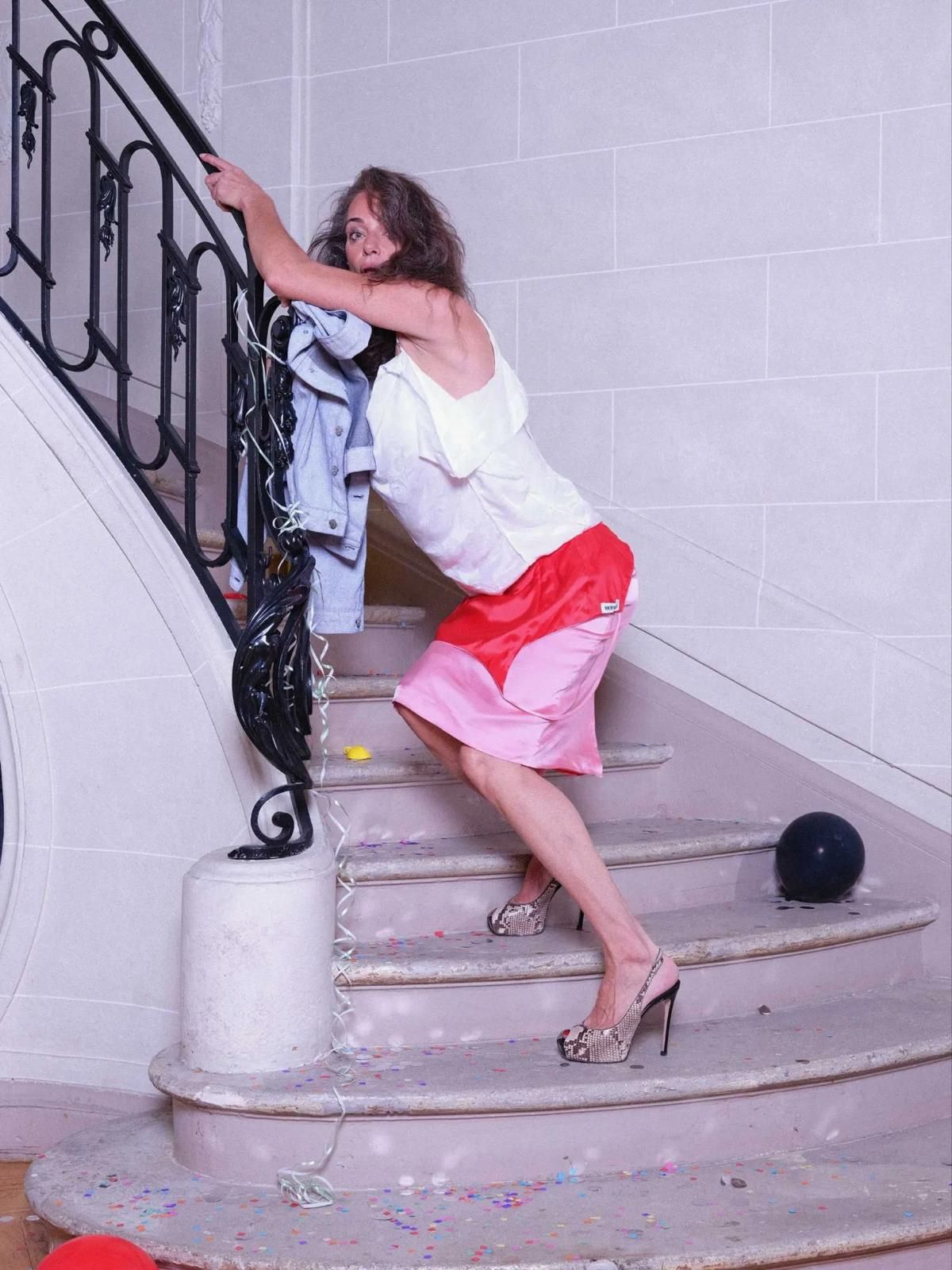
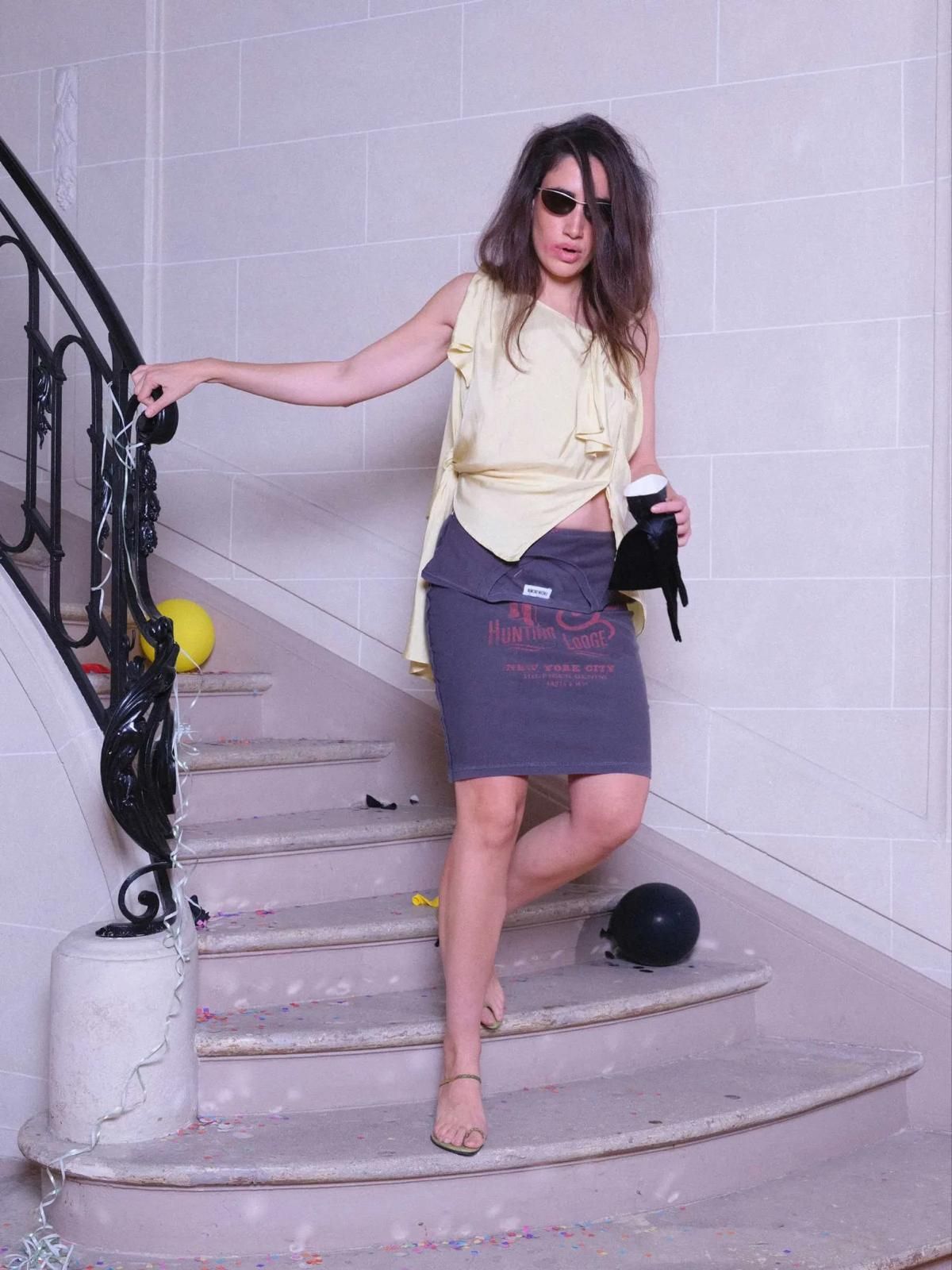
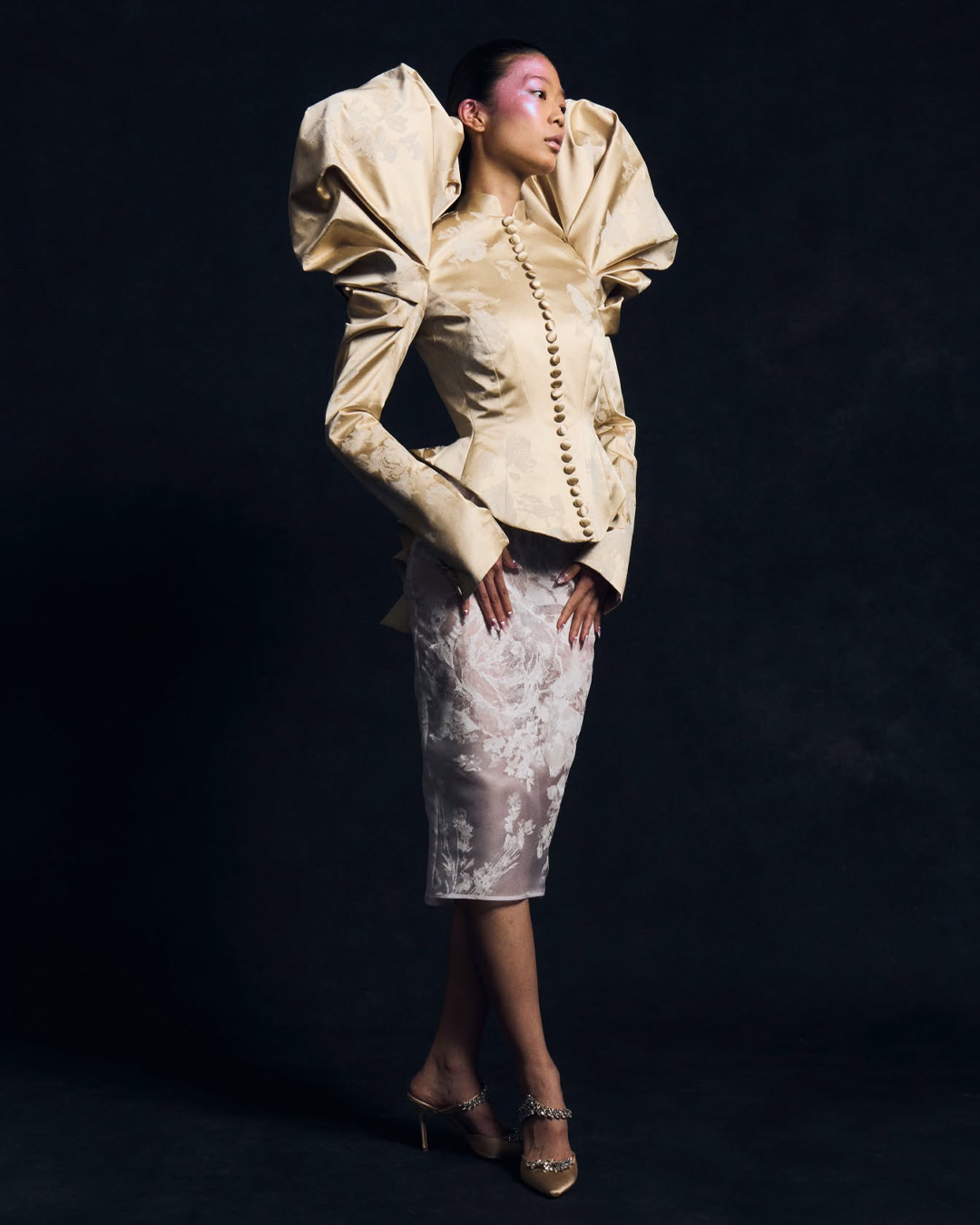
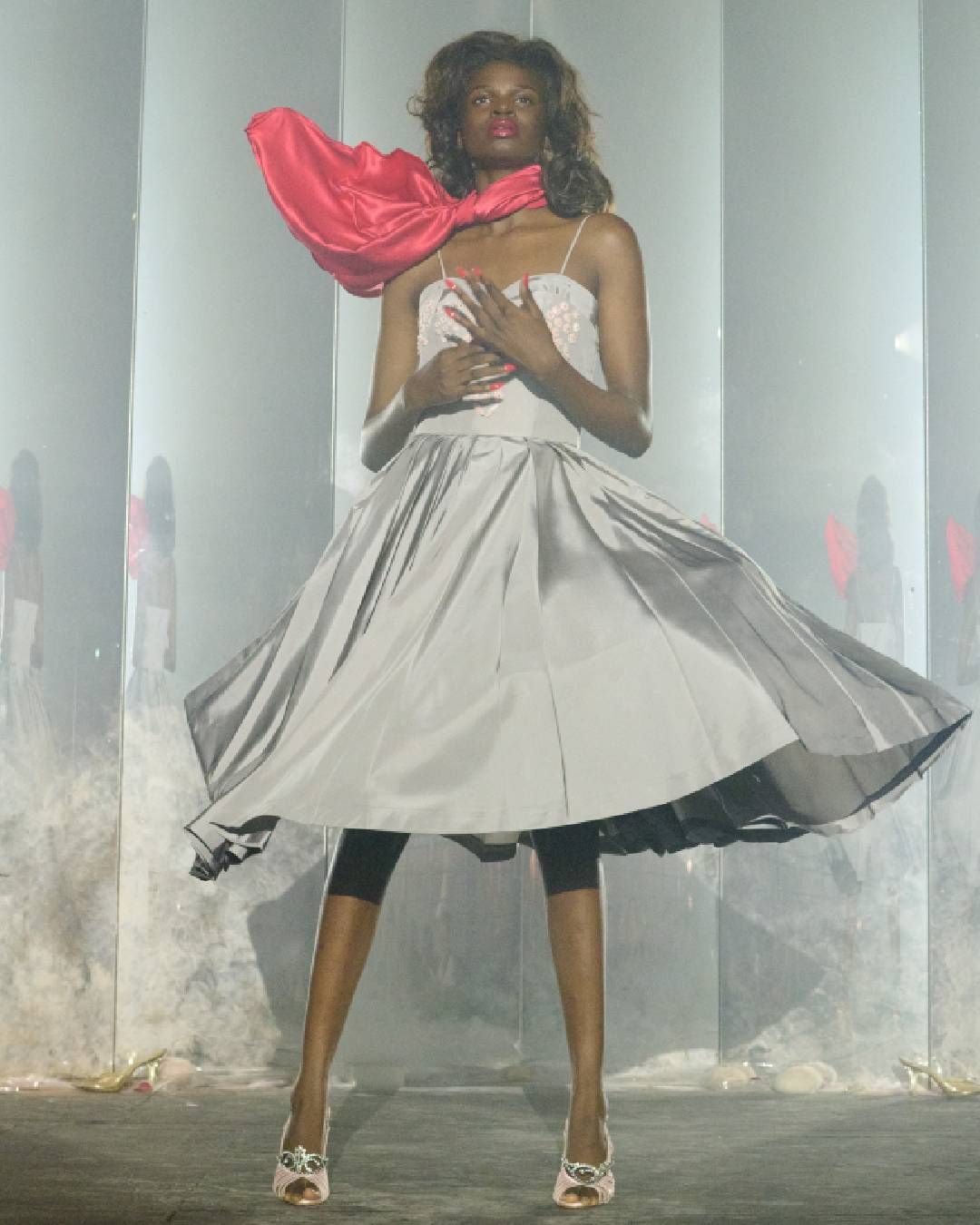
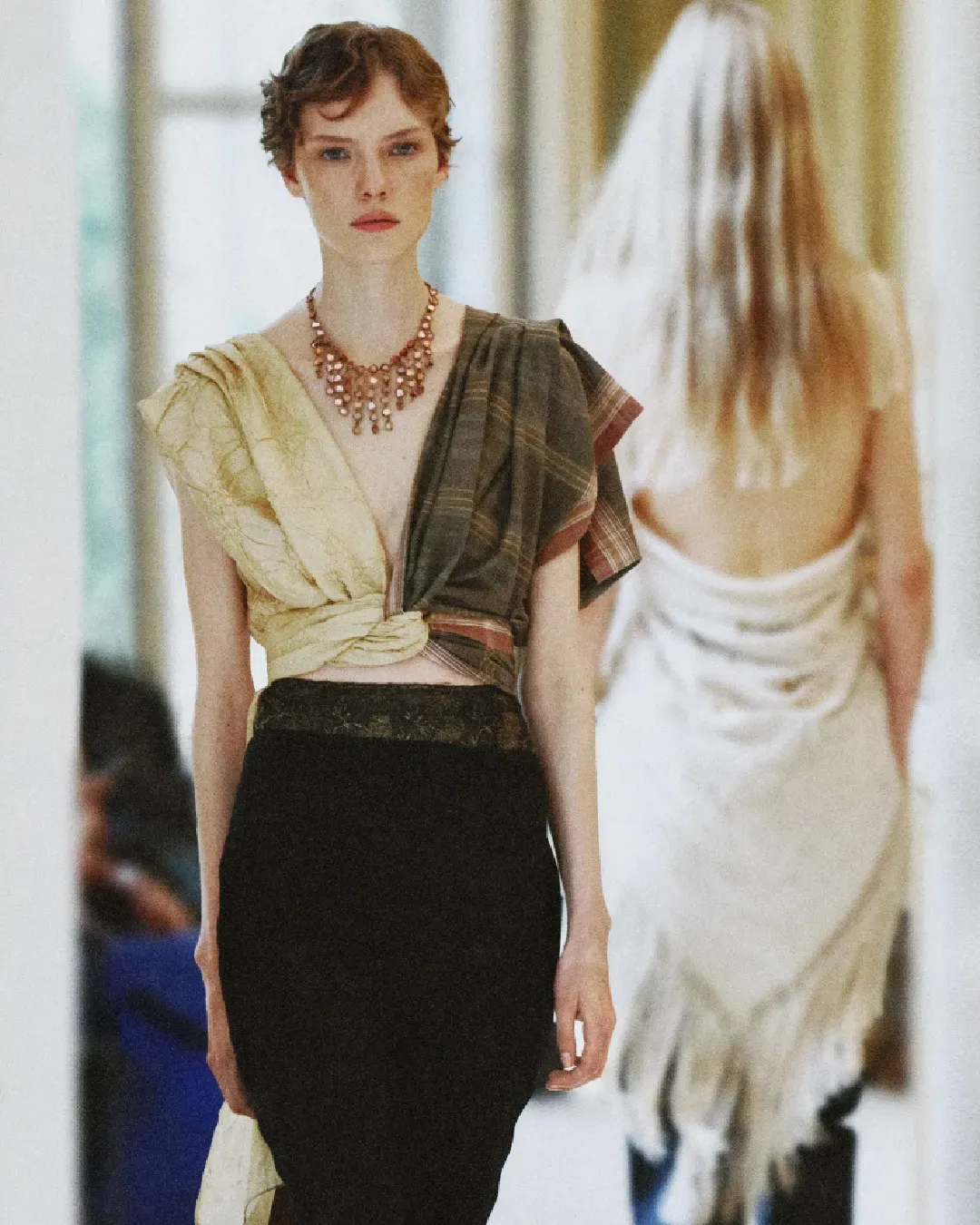
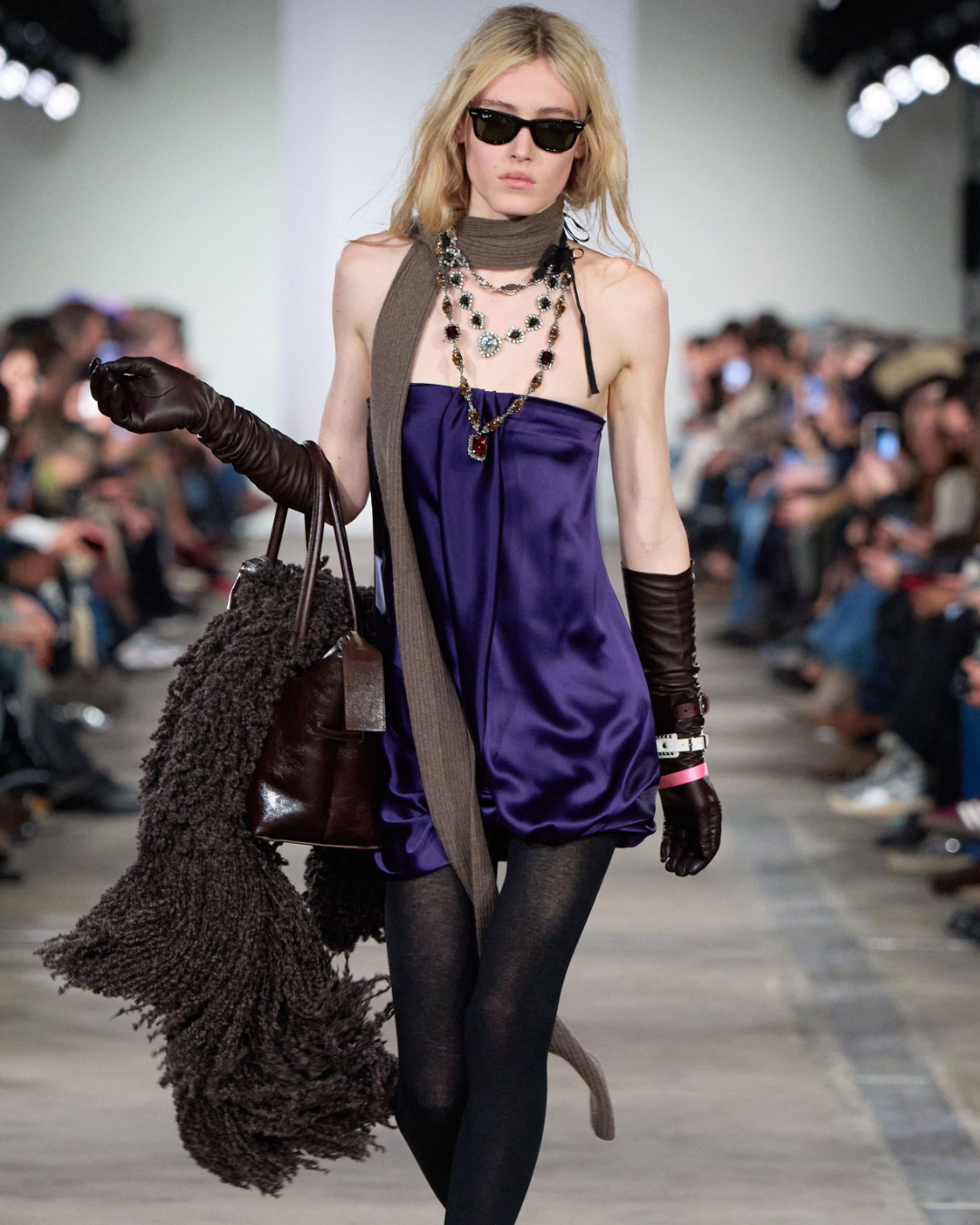
Looking at the latest fashion weeks, it becomes clear how the walk of shame trend manifests through a continuous dialogue between garments from the private and public spheres. On recent runways, there has been a frequent use of visible underwear — as seen with The Attico and N°21 — lace slips for Saint Laurent and Isabel Marant, and lingerie details, artfully concealed or displayed, by Valentino and Andreas Kronthaler for Vivienne Westwood.
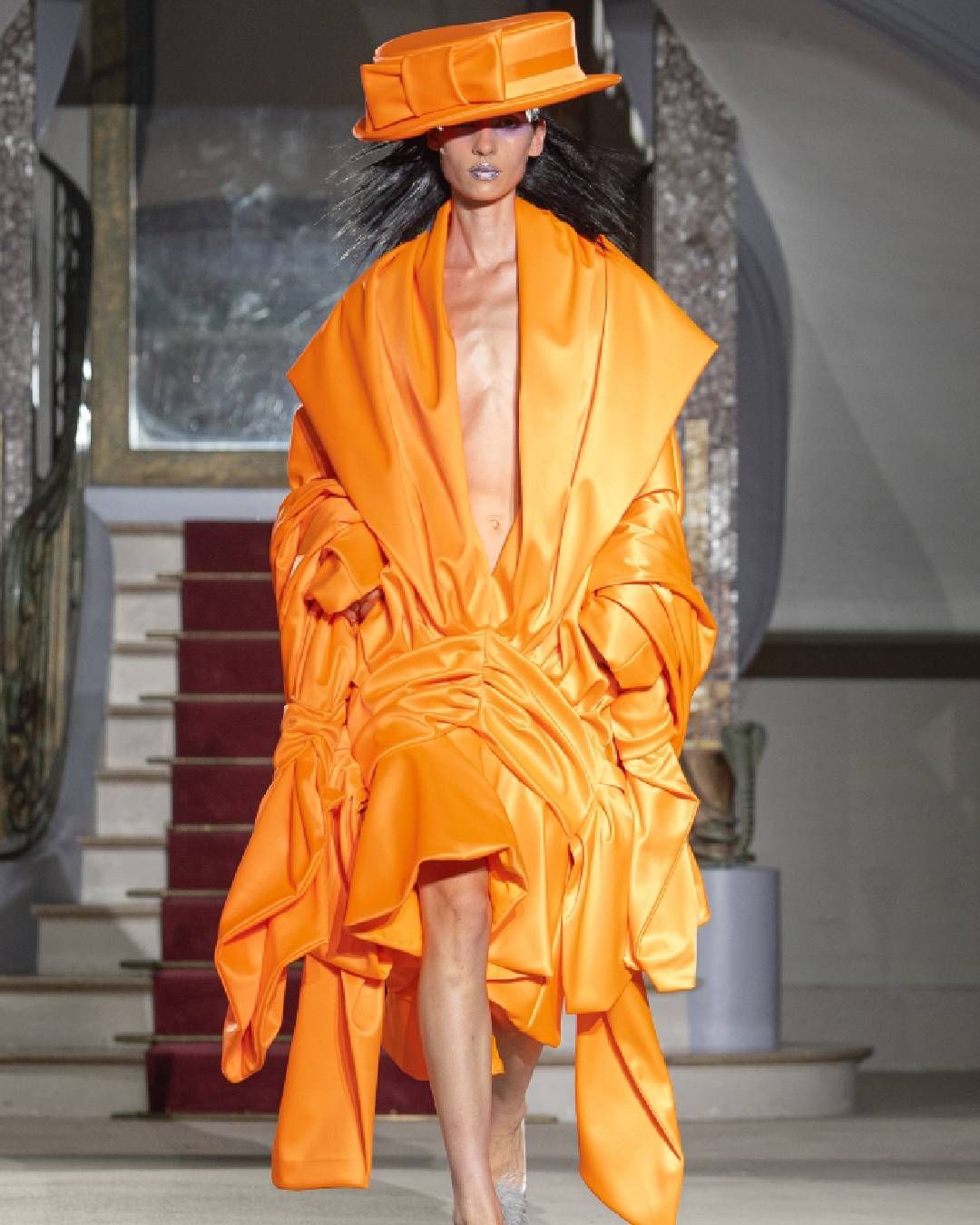
In several cases, this aesthetic has become a kind of narrative thread through which to build the "screenplay" of a show: in Glenn Martens's latest collection for Diesel, the walk of shame becomes a walk of fame within a camp labyrinth of disconnected objects, where crumpled garments parade by in a continuous and playful process of layering. Belgian brand Façon Jacmin also told the story of "the morning-after aesthetic" in its SS26 collection through three acts: the awakening, the getting ready, and the chaos. Here, models struggle up a flight of stairs, recreating the atmosphere typical of someone who has just woken up after an after-party.
Nicola Brognano, meanwhile, in his debut show for 7 For All Mankind, dusted off the celebrity culture of the early 2000s: drawing inspiration from the indie sleaze morning-after looks of Sienna Miller and the Olsen twins, the designer recreated that nonchalant attitude of someone who, wrecked after a night at a club, has no time to change before heading to work. In this show, the styling unfolds as a process of aestheticising disorder, where dishevelled hair wrapped in long scarves, maxi cardigans paired with skinny jeans, and double-platform heels all blend together chaotically.
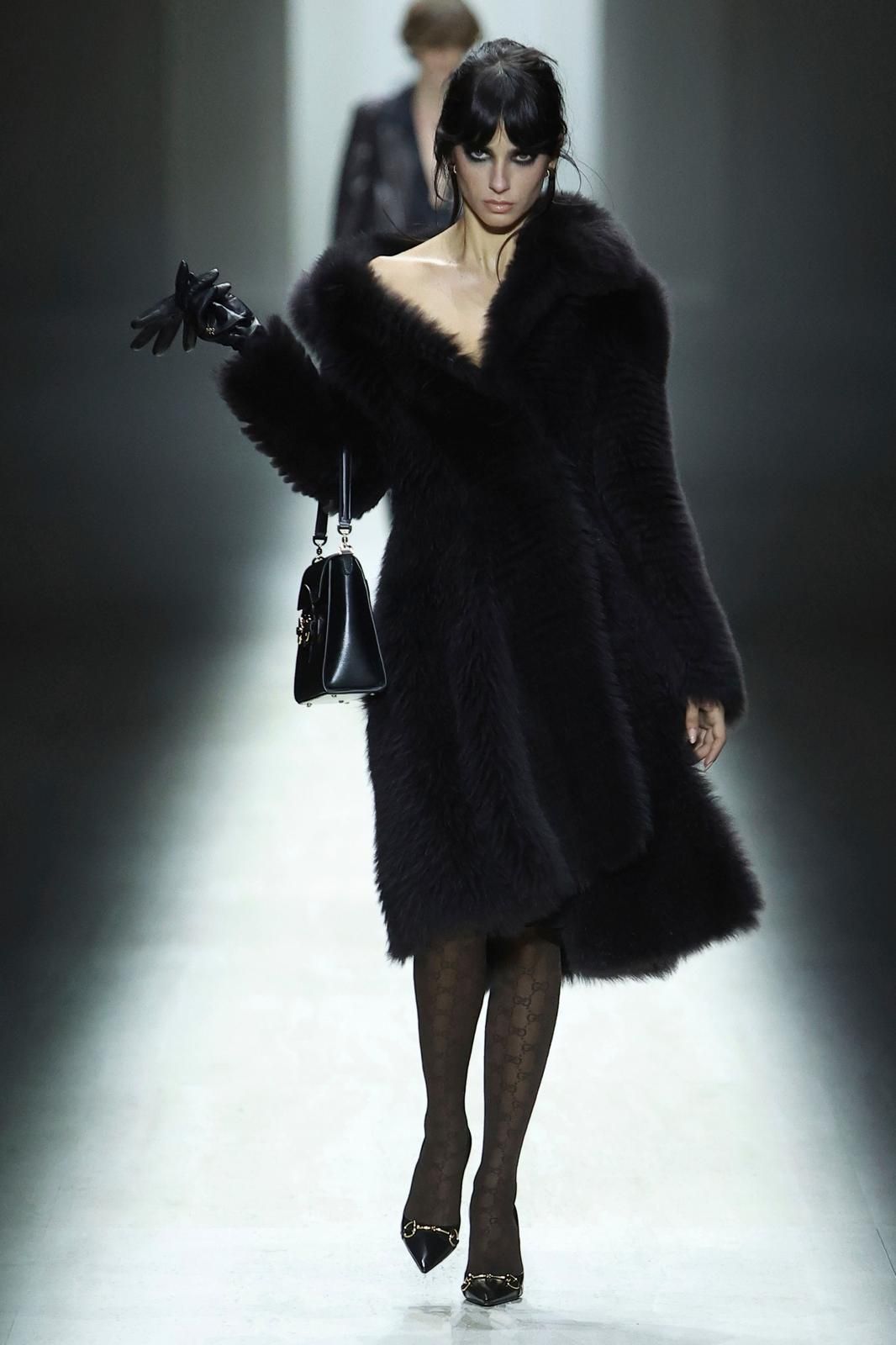
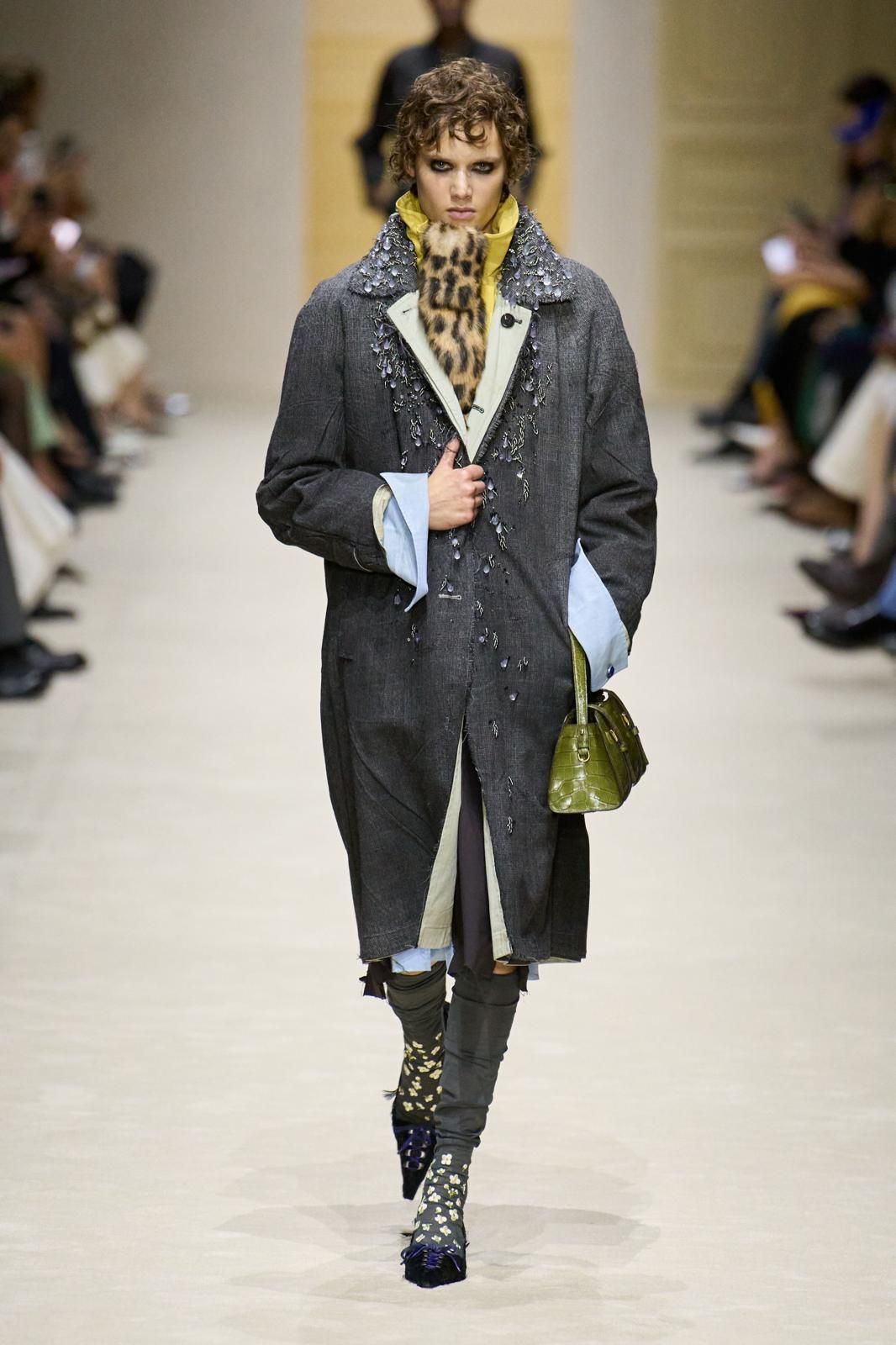
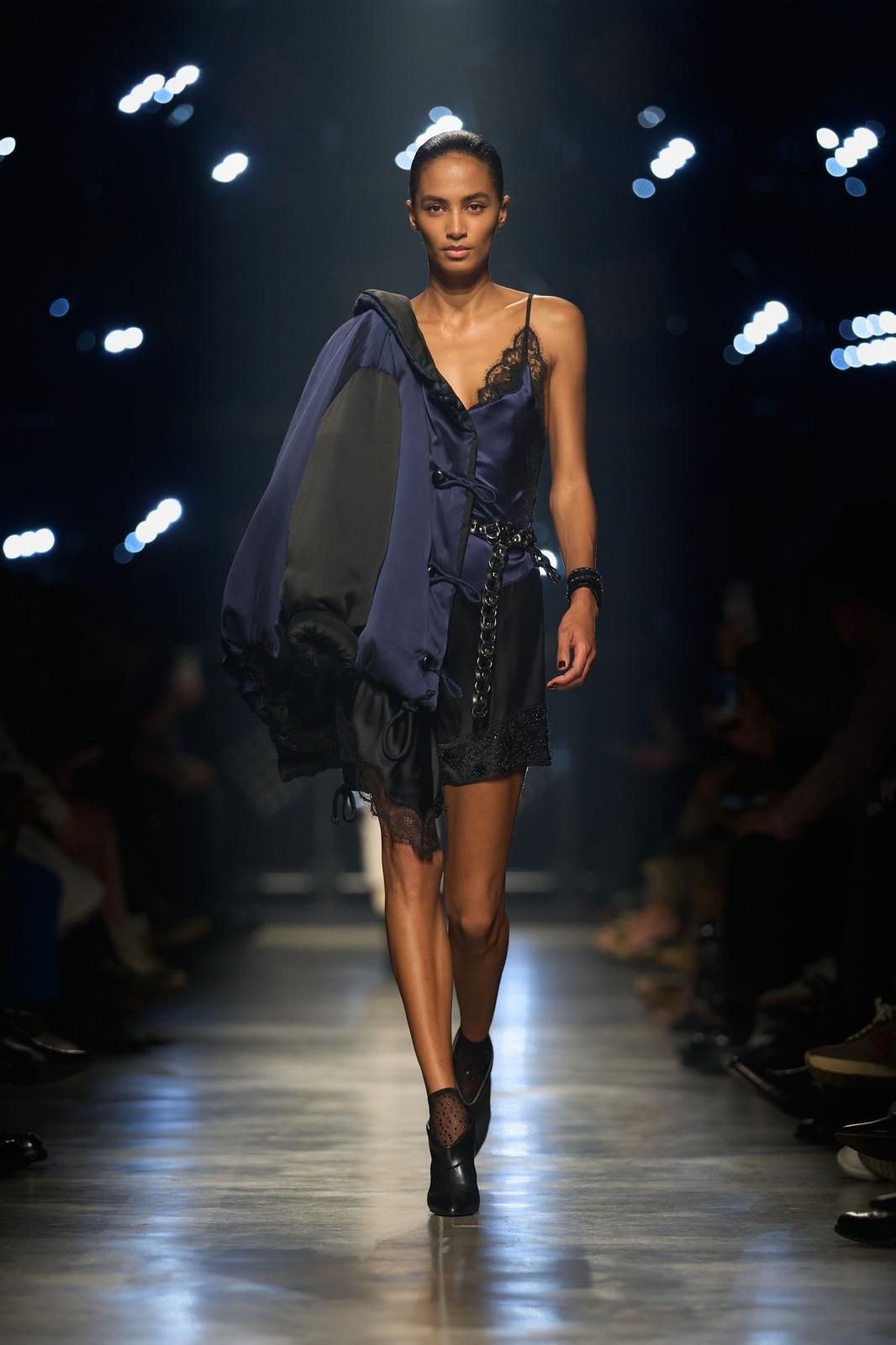
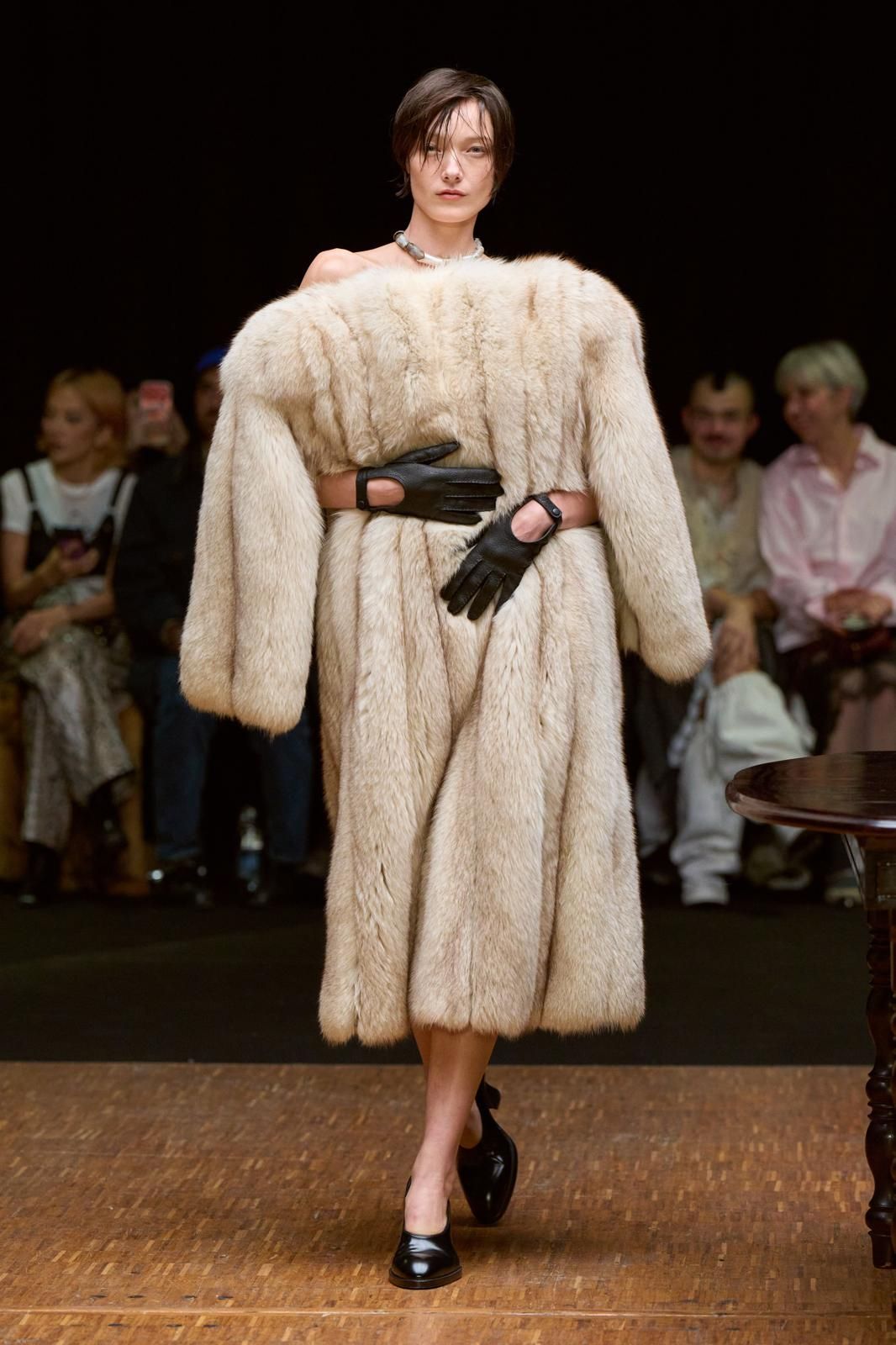
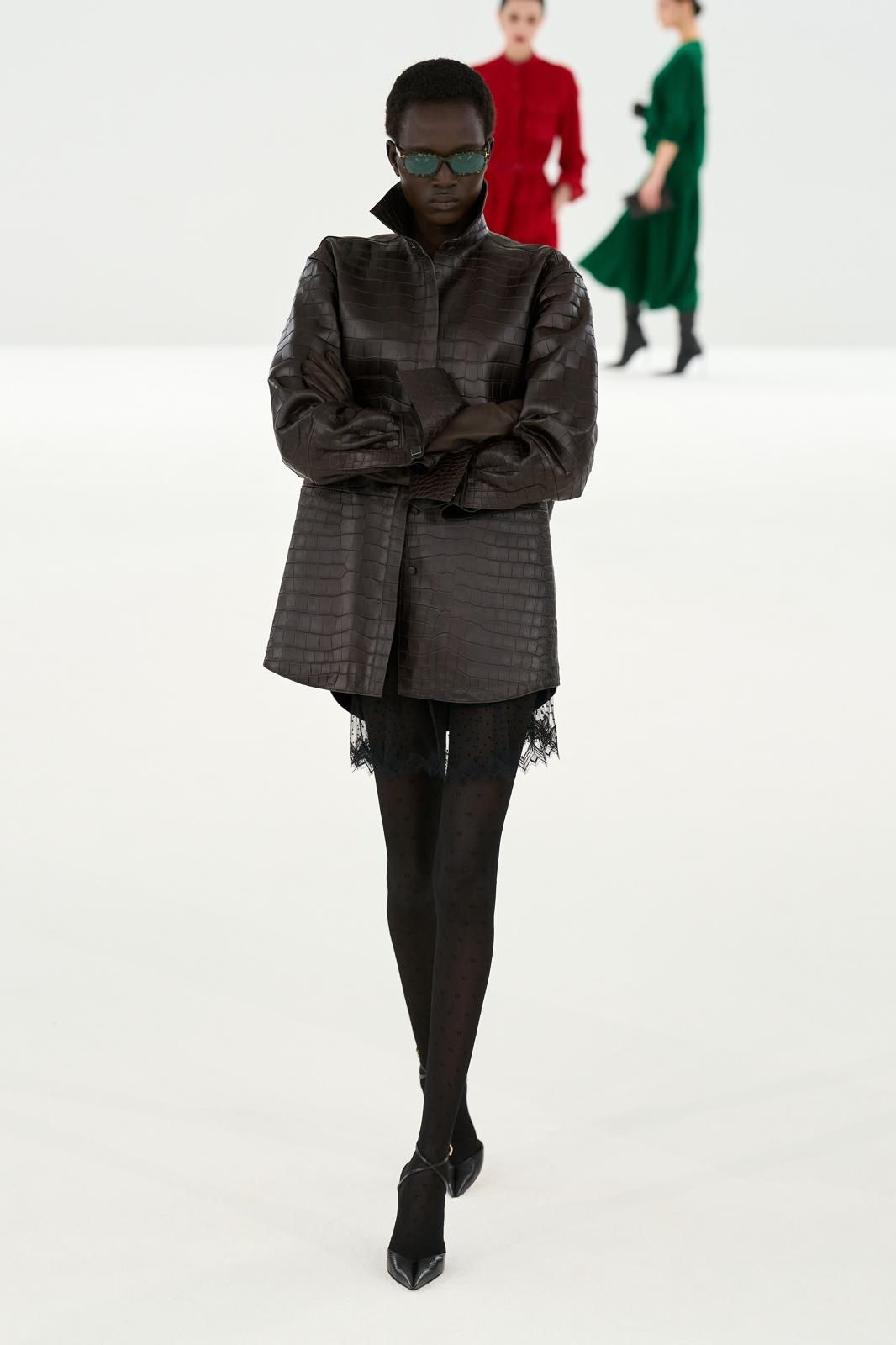
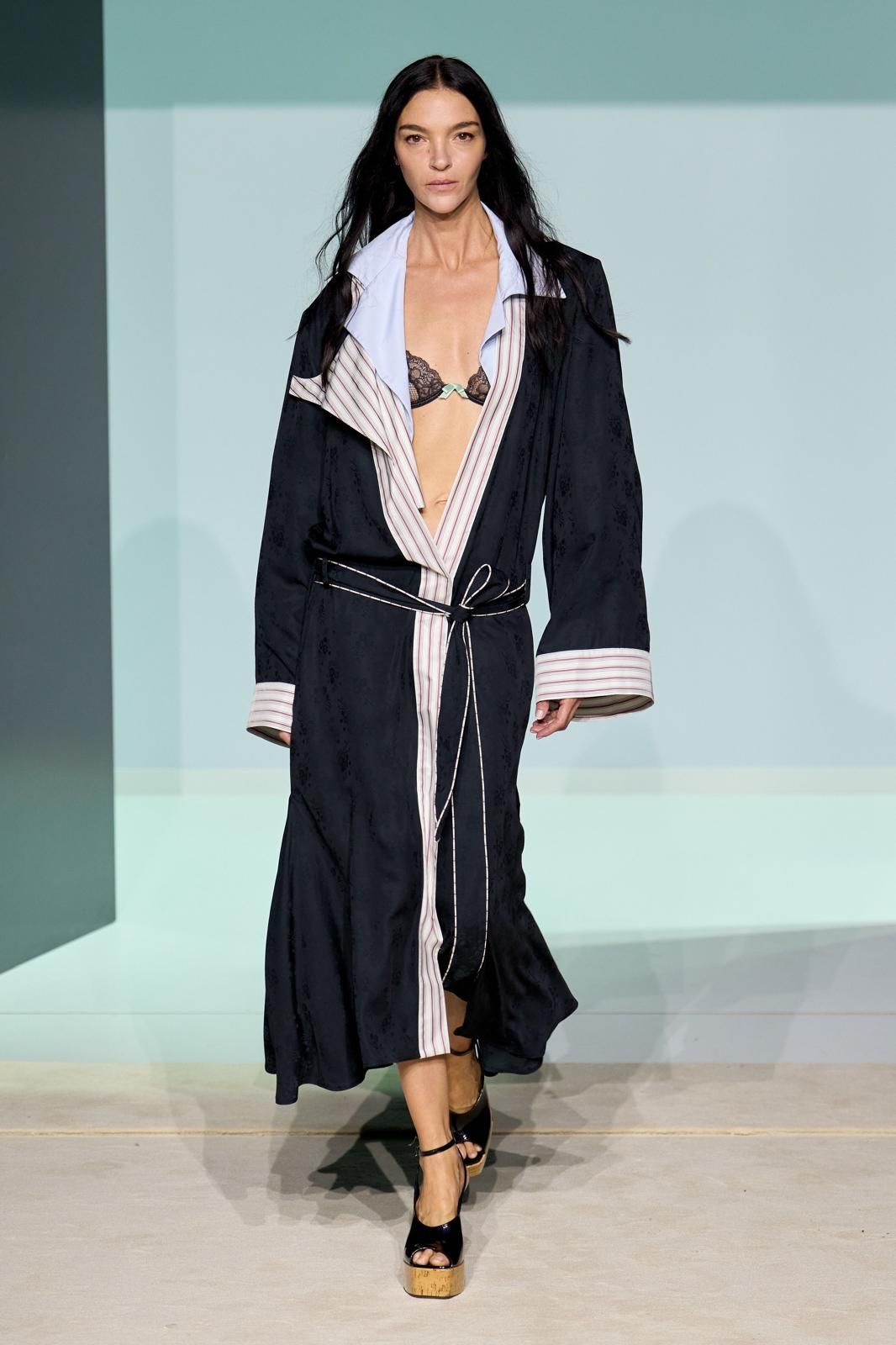
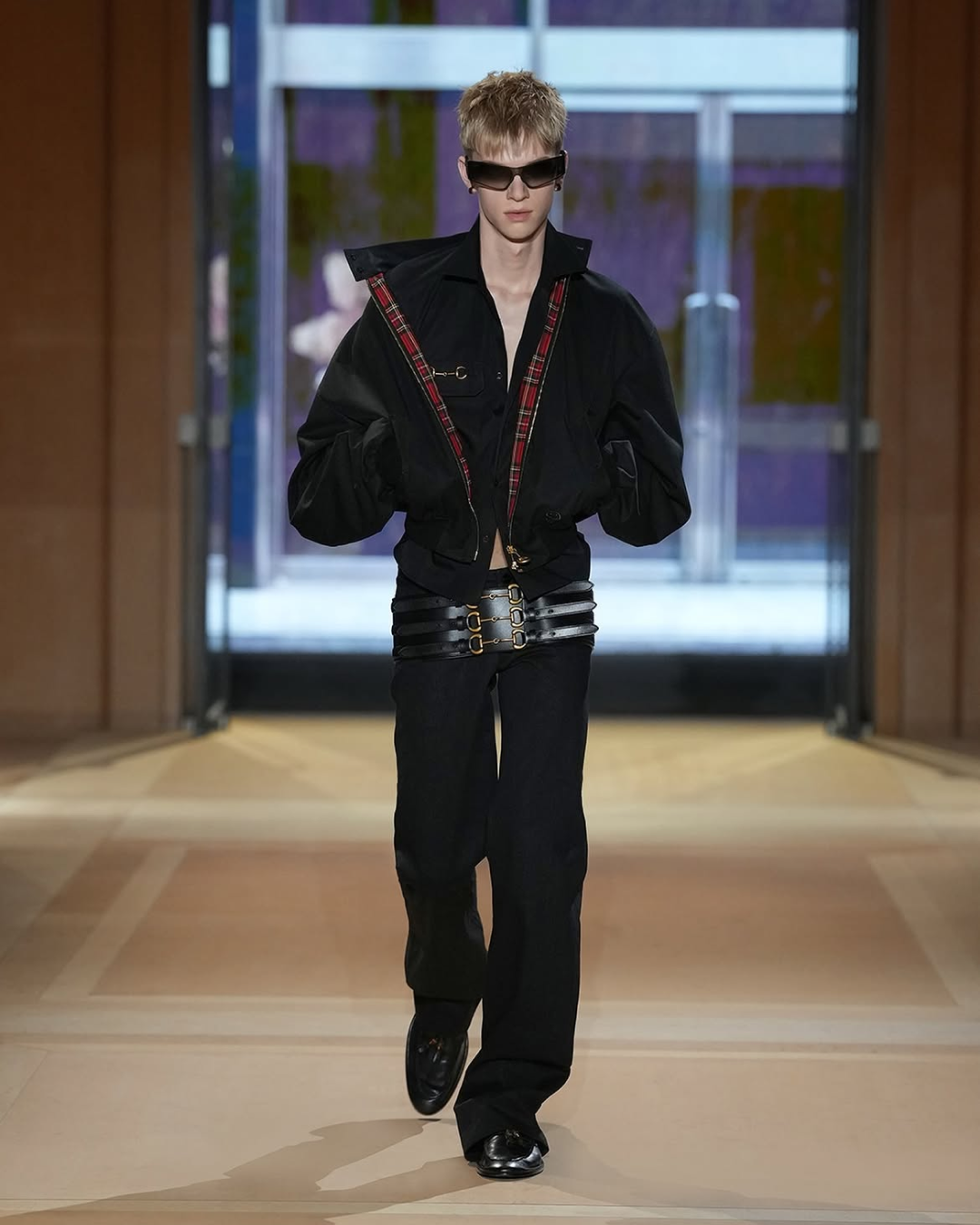
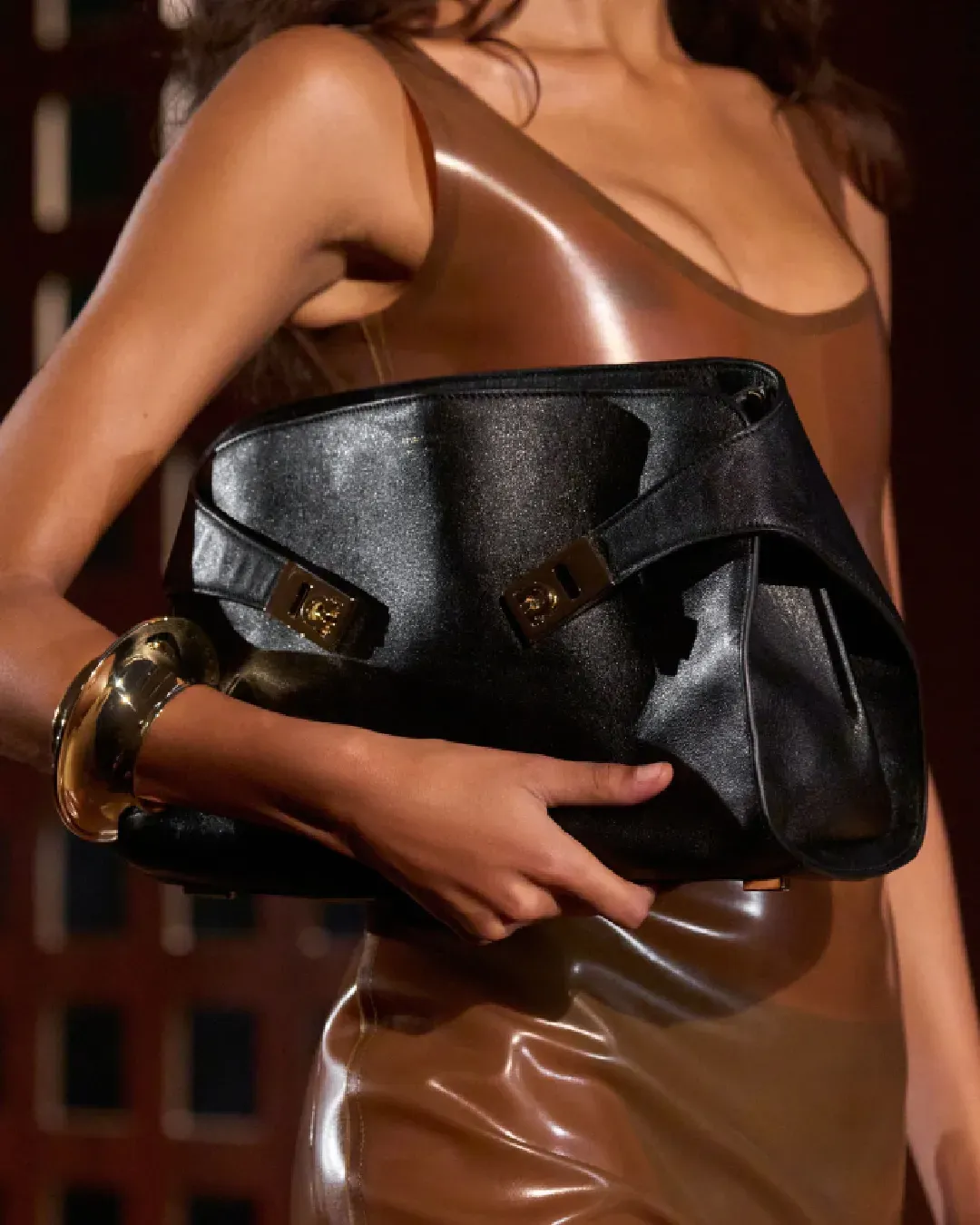
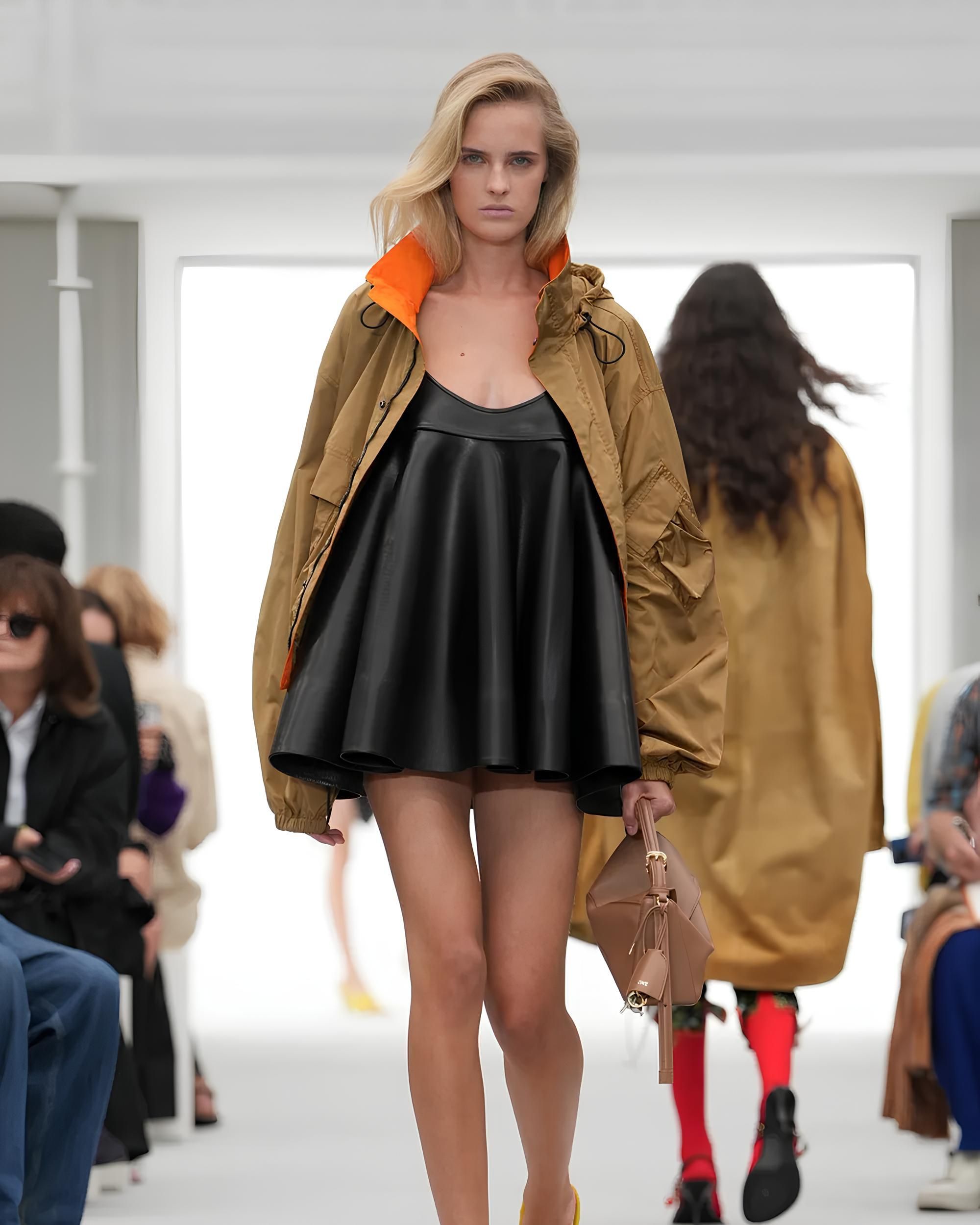
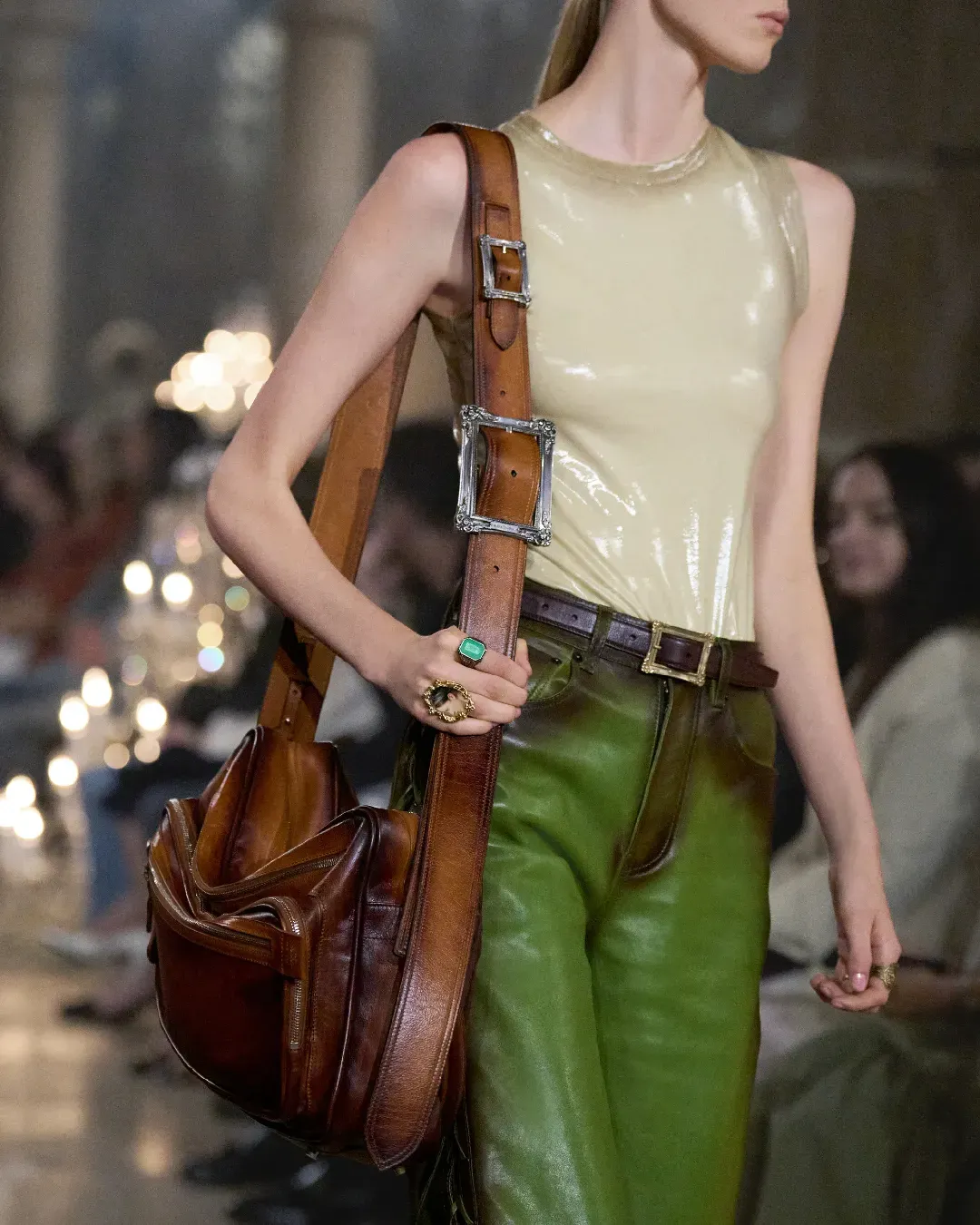
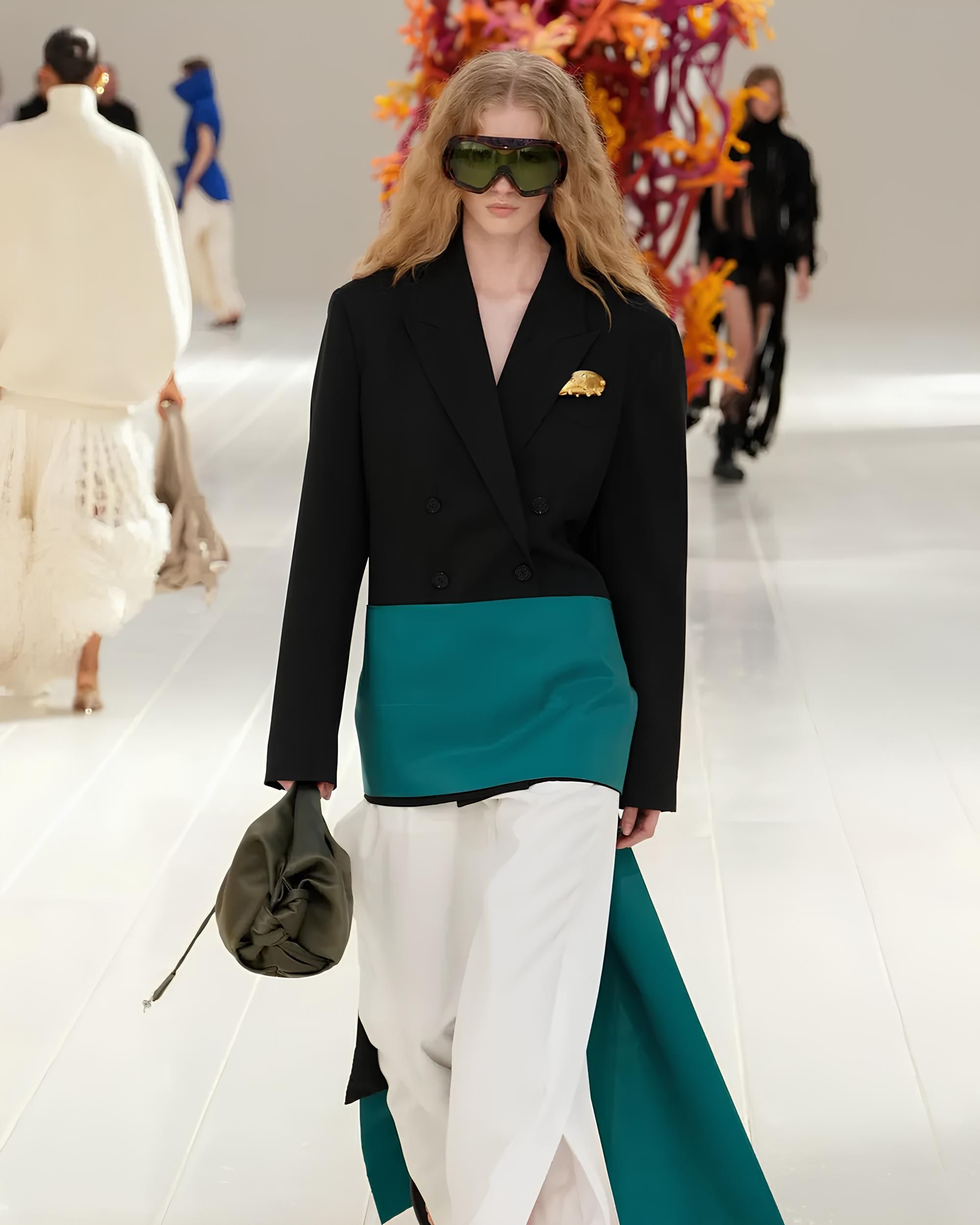
It is interesting to note how the walk of shame often translates into a sequence of signs and gestures that accompany the clothes. For instance, in Gucci's FW26, Demna Gvasalia presents a woman with sunken, smoky-eyed gaze who nervously strides along with a bag on her arm, while at Prada the previous evening's clothes are hidden beneath a rumpled coat clutched tightly to the chest in a protective gesture dear to the Signora. At Tom Ford, meanwhile, Haider Ackermann sends some models down the runway with their arms crossed, almost as if they were jealously concealing the lace sleep dress worn beneath their jacket.
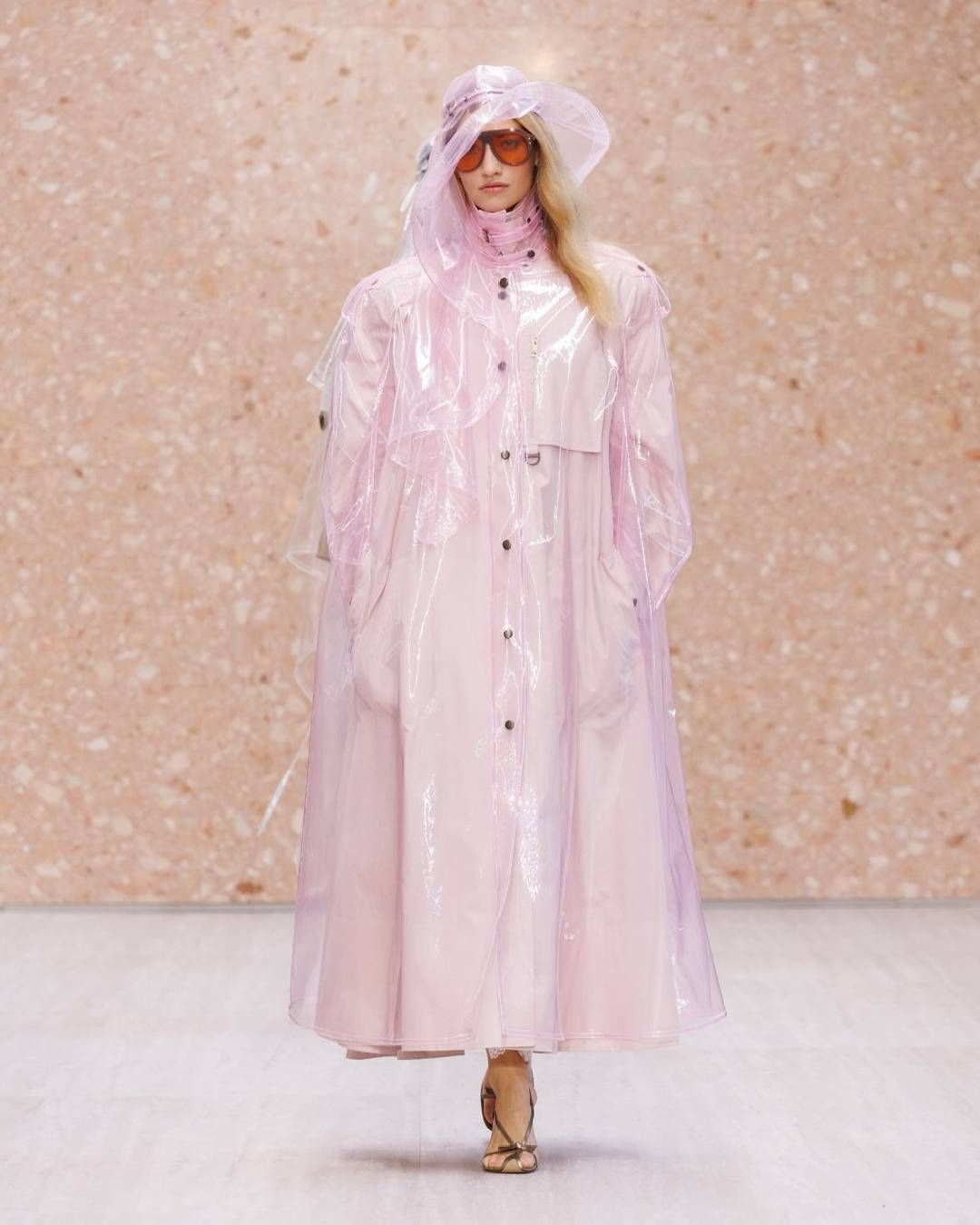
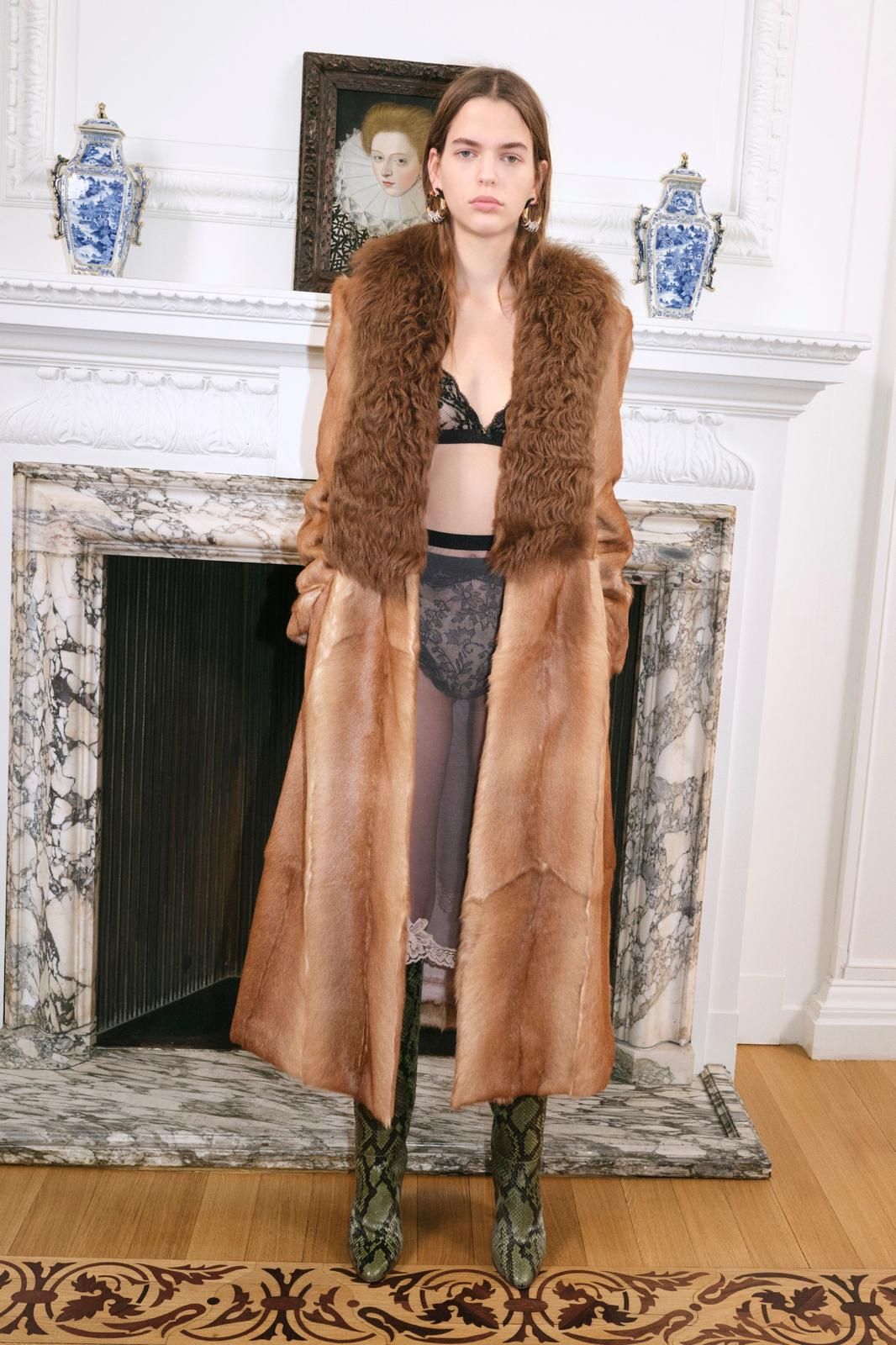
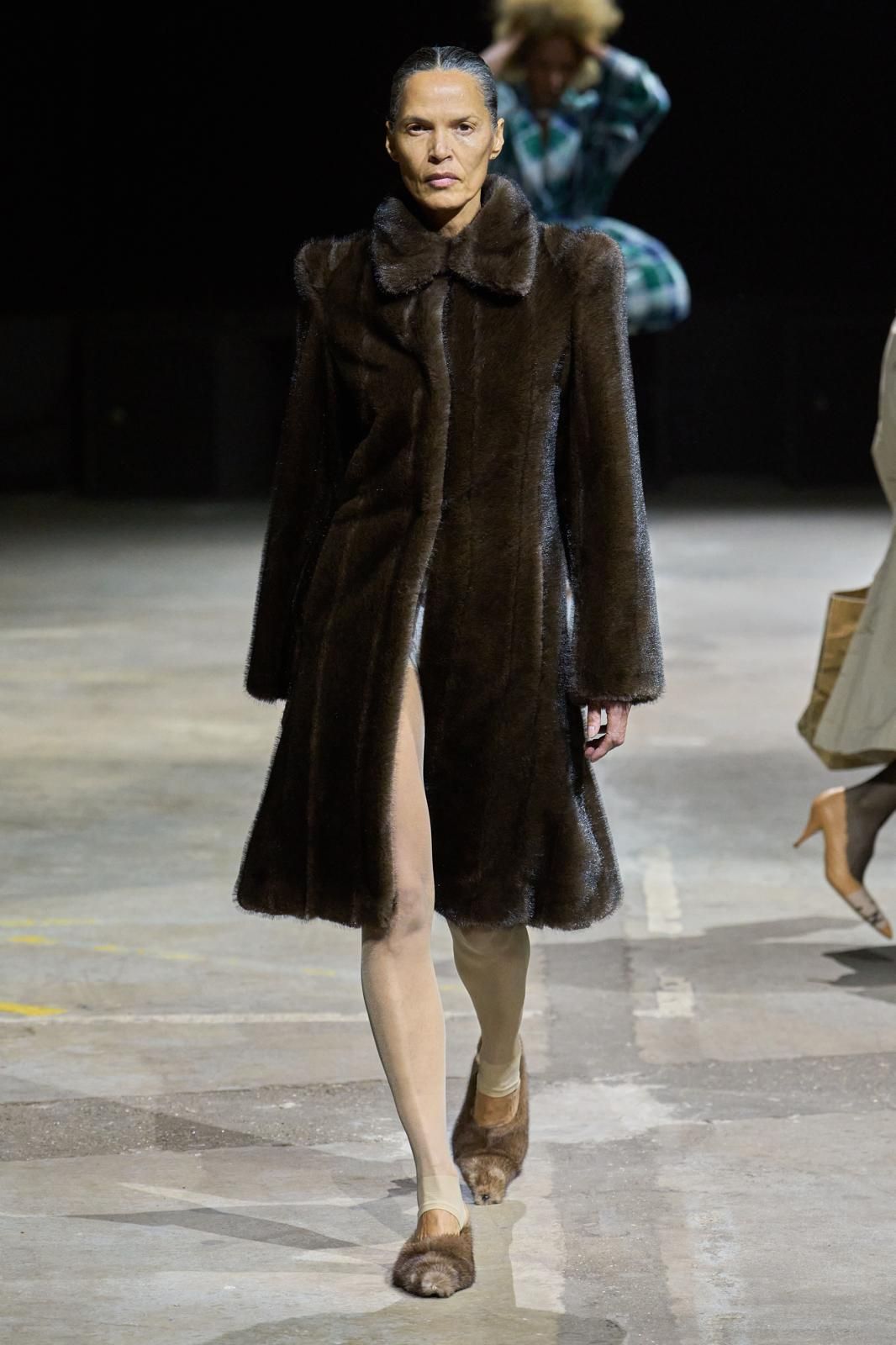
Within this genre, another variation of the trend — which we might describe, borrowing from a famous film, as "Nothing Underneath" — consists of wearing a coat while leaving the imagination to fill in a partial or total state of undress. In this vein, Stella McCartney and Natasha Zinko send vintage-spirited furs down the runway, beneath which sheer stockings are just barely visible, while at Hodakova the same garment is worn back-to-front and clutched in the model's hands, as though she had suddenly fled her lover's apartment.
Yet another performative trend?
@timelesswear Kate Moss’ 2000s paparazzi pics are always iconic #katemoss Selenite - Surreal_dvd
The rise of this trend seems almost inevitable when one observes how, especially on social media, younger generations are rediscovering messy aesthetics such as indie sleaze and grunge. In these subcultures, which share many connections and affinities with our present moment, the walk of shame was a visual manifesto of deep generational unease: a rejection of blind optimism towards progress and a sense of suffocation brought on by the pace of the present — or, in the case of celebrities, by the crushing pressures of fame.
While on one hand this trend presents itself as a celebration of imperfection and vulnerability, on the other it carries with it an intrinsic paradox: the very real risk of becoming yet another performative tendency, in which even the authenticity of disorder must appear impeccably contrived.