





































Is the iPhone Fold already a flop? After some leaks, fans of the Cupertino brand are far from satisfied
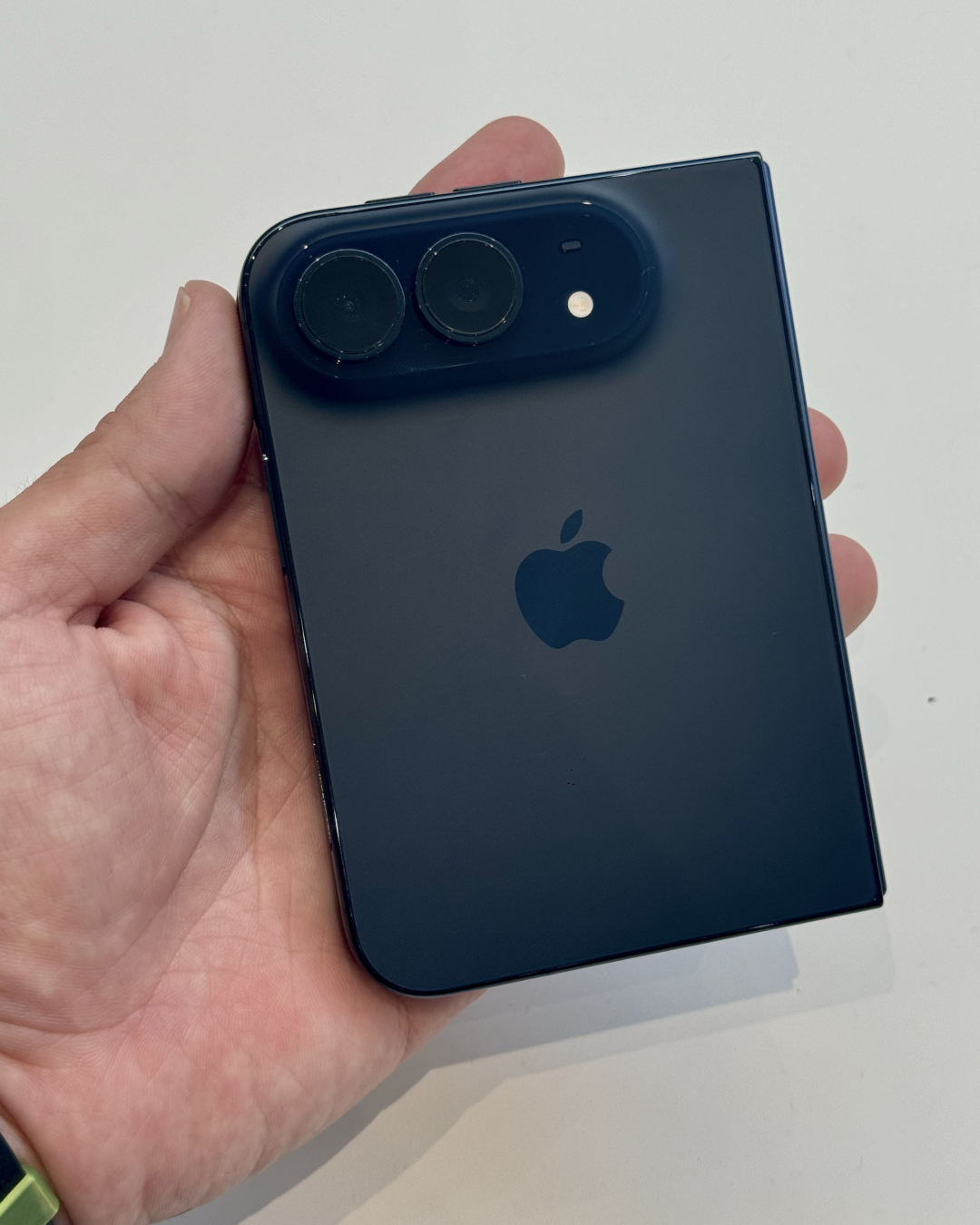
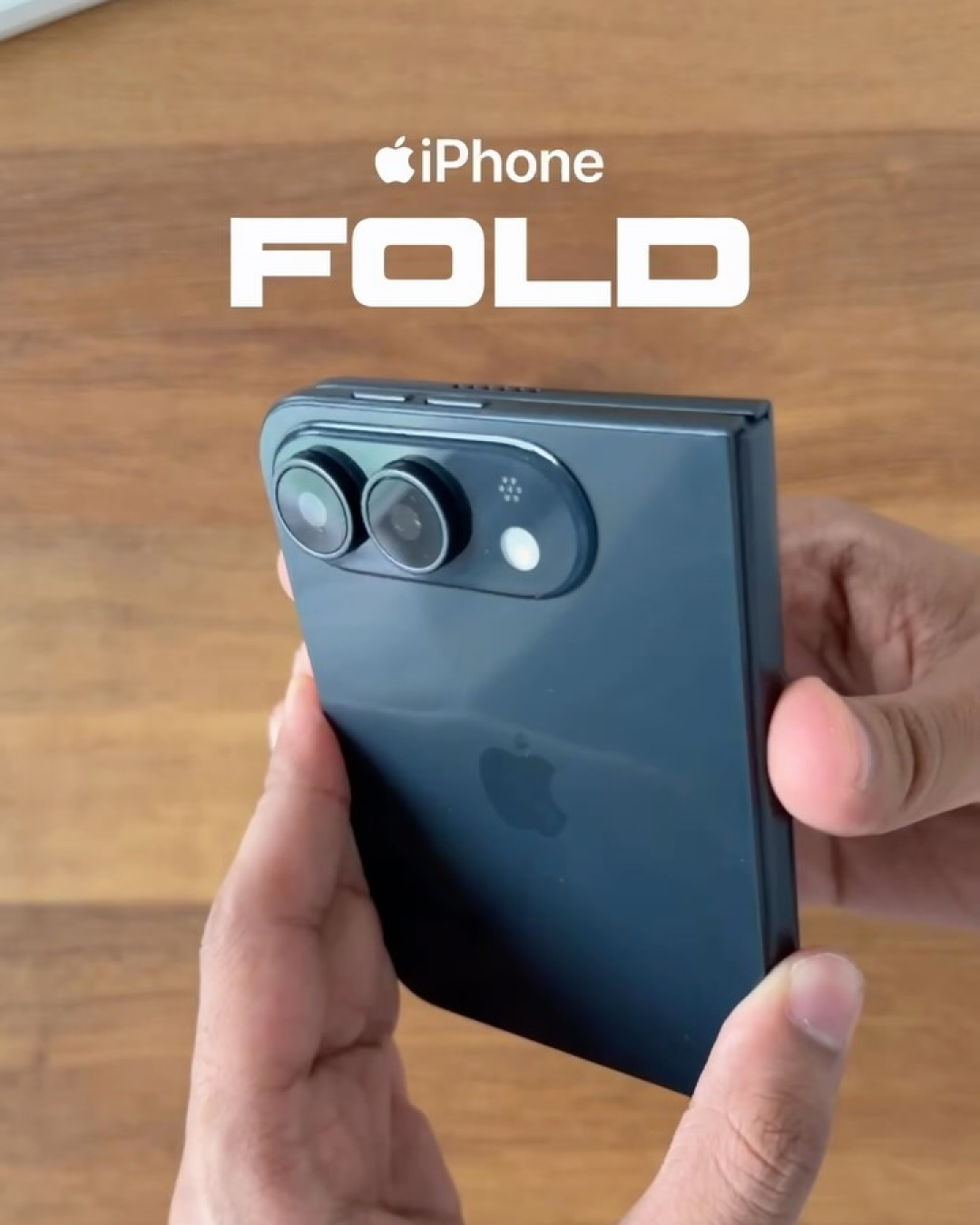
Not even the summer holidays have put a stop to leaks about Apple's upcoming Keynote. Over the past few weeks, several tech outlets have reported rumours about the new iPhones set to launch in September: no base iPhone 18, which according to the rumours isn't expected until spring 2027, while alongside the iPhone 18 Pro and Pro Max, the Cupertino brand is said to be debuting a foldable iPhone for the first time in its history. The name hasn't been confirmed yet — iPhone Fold is the most widely cited option — but the information circulating so far describes a smartphone of around 5.5 inches that, when unfolded, would reach nearly 8 inches, bringing it close to the size of a small tablet. The price would be equally ambitious: according to estimates reported so far, it could exceed $2,000, making it the most expensive iPhone ever.
From the Samsung Galaxy Flip to the Motorola Razr
@hitomidocameraroll Still best Android I’ve used..but don’t do that to yourself #iphone original sound - Tyler Morgan
Apple is, in fact, entering a market that has existed for several years and that Android manufacturers have explored in virtually every form imaginable. Samsung sells both the Galaxy Z Flip, which revives the clamshell mechanism of early 2000s mobile phones, and the Galaxy Z Fold, which opens sideways to transform into a small tablet; Google followed the latter approach with its foldable Pixel devices, while Motorola brought back the Razr at the start of the year — one of the defining phones of the Y2K era — reimagined as a modern smartphone.
These products are very different from the old handsets whose design they borrow, because once opened they do everything any other smartphone does, often on an even larger screen. The success of the foldable format therefore speaks above all to the industry's need to find a new form for an object that, after nearly twenty years of evolution, has started to look more and more like itself: a black rectangle, a few cameras on the back, and a screen that takes up virtually all the available surface area.
Who actually wants the iPhone Fold?
just saw the prototype for the foldable iphone folds horizontally and not vertically pic.twitter.com/ZY5TrtQzrn
— (@ipodmusicxx) August 10, 2026
It is probably here that Apple's arrival becomes more interesting than the phone itself. The company that in 2007 changed the entire tech world is now preparing to enter a category invented by its competitors, offering a smartphone that costs as much as a computer and that, once unfolded, will be almost the size of an iPad mini.
The foldable can certainly be useful for working, watching videos or running multiple apps at the same time, and for some users having a tablet and a phone in a single device is a genuine advantage. Looking at the bigger picture, however, its rise seems to speak above all to how difficult it has become to imagine what the next smartphone will look like.
In the meantime, old flip phones have made a comeback for an almost opposite reason. In recent years, a segment of Gen Z has rediscovered dumbphones. On one hand, the flip phone has become a symbol of a more limited relationship with technology, because it physically allows you to shut out TikTok, Instagram, notifications, emails and hours of scrolling; on the other, the industry has reclaimed the same form to build ever more sophisticated devices, in which the screen doesn't disappear at all but, in the case of Fold models, actually gets even bigger.