
Should you buy the new MacBook Touch? Apple introduces its new multi-function device


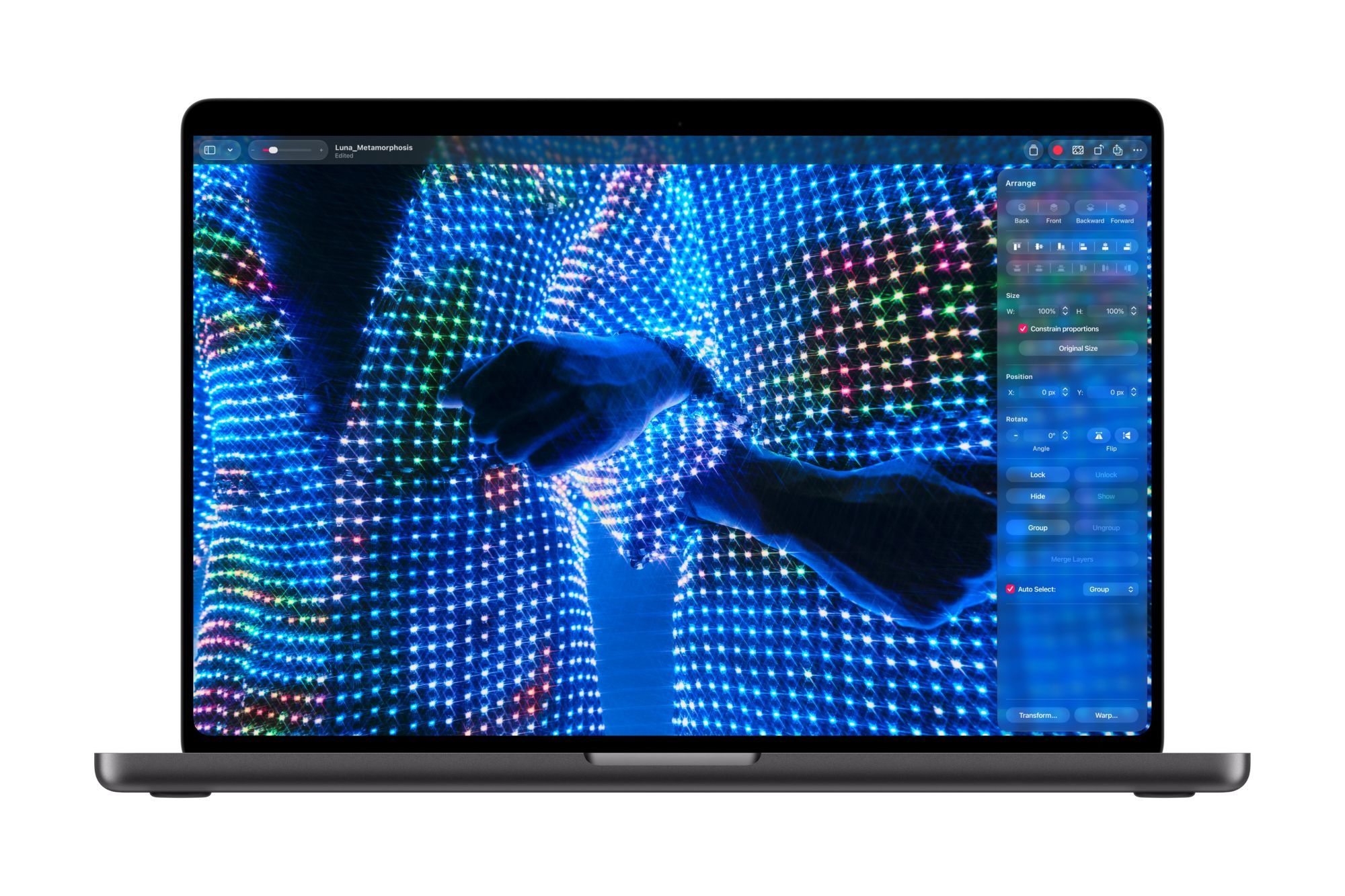
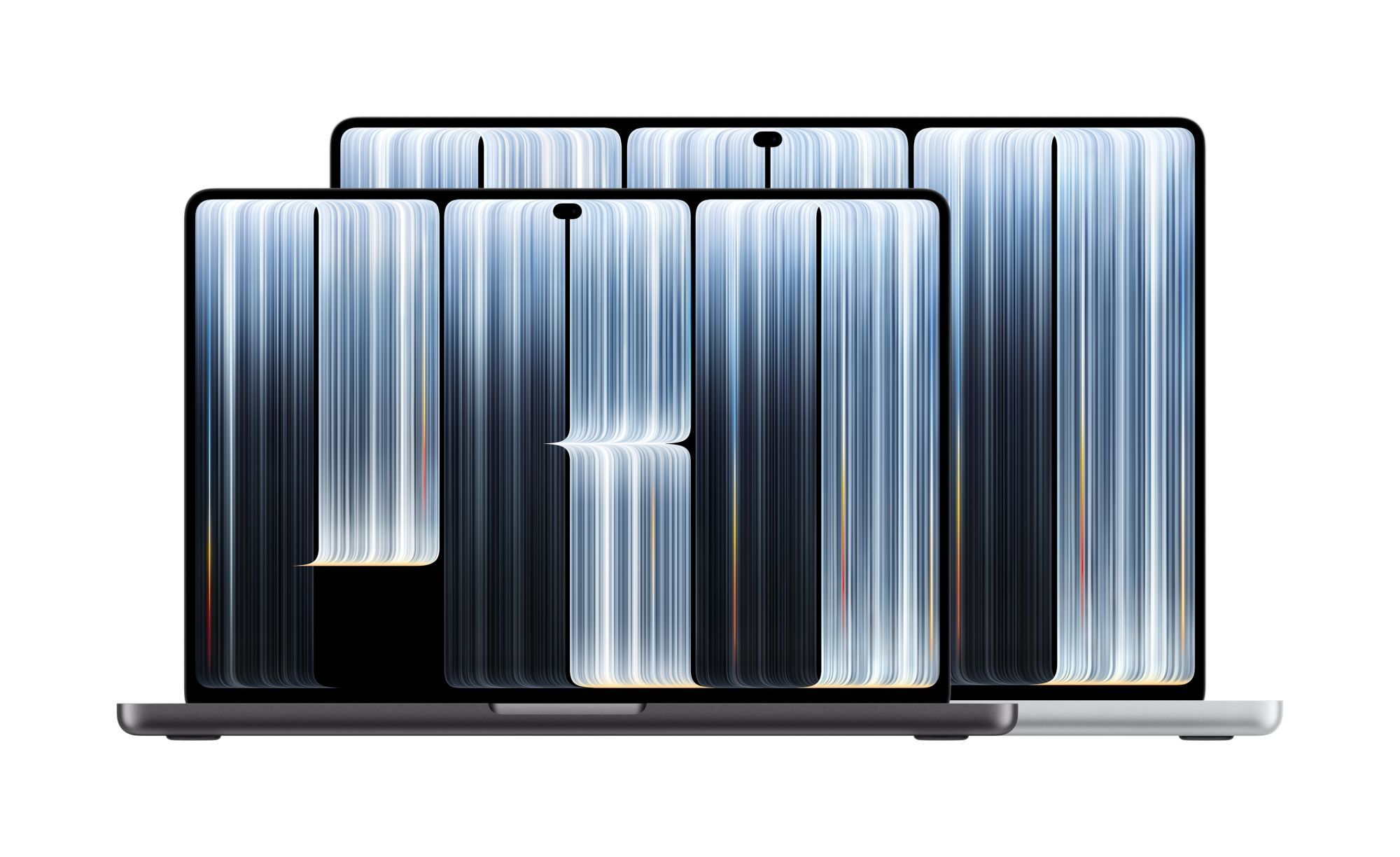
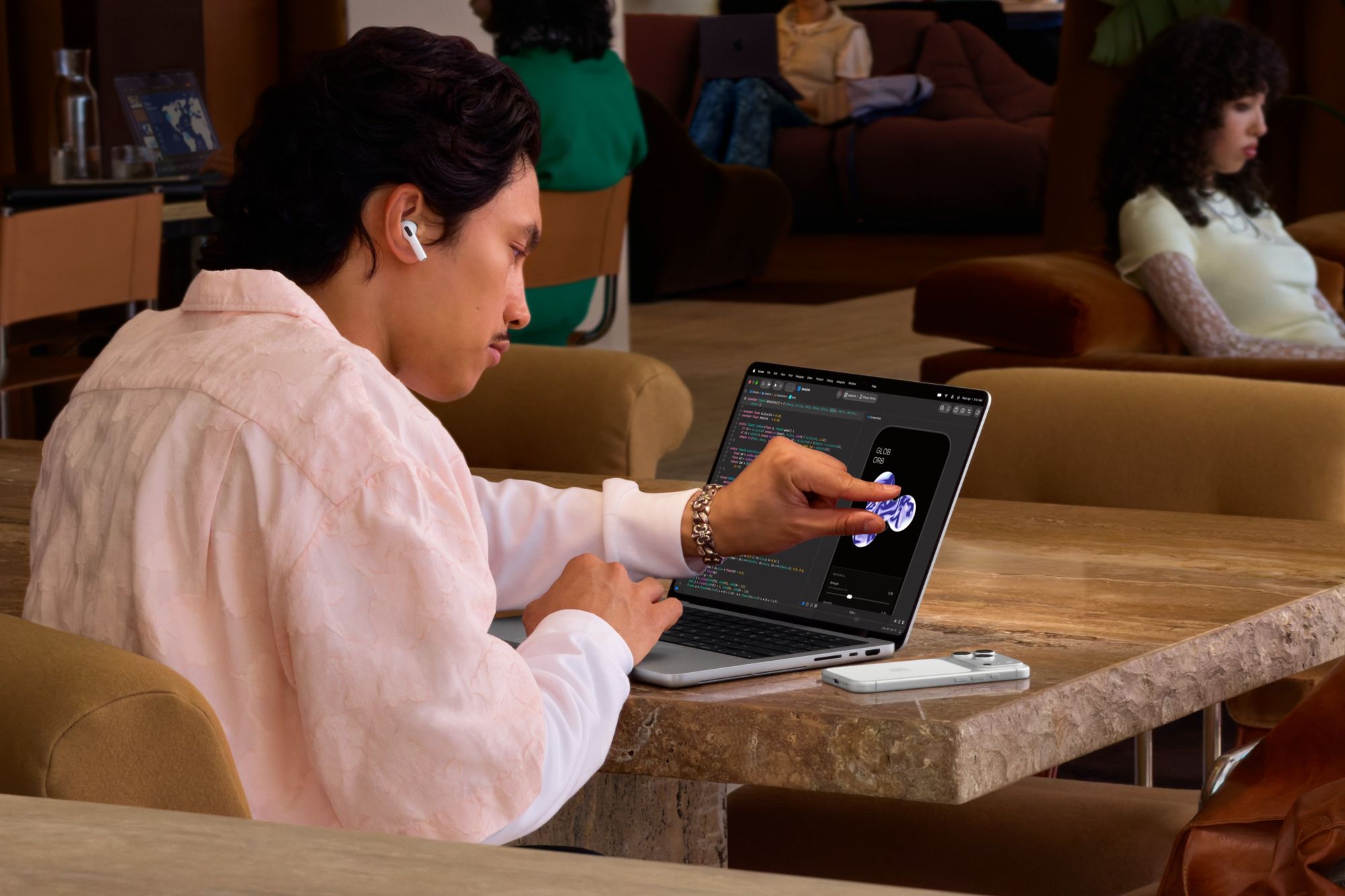
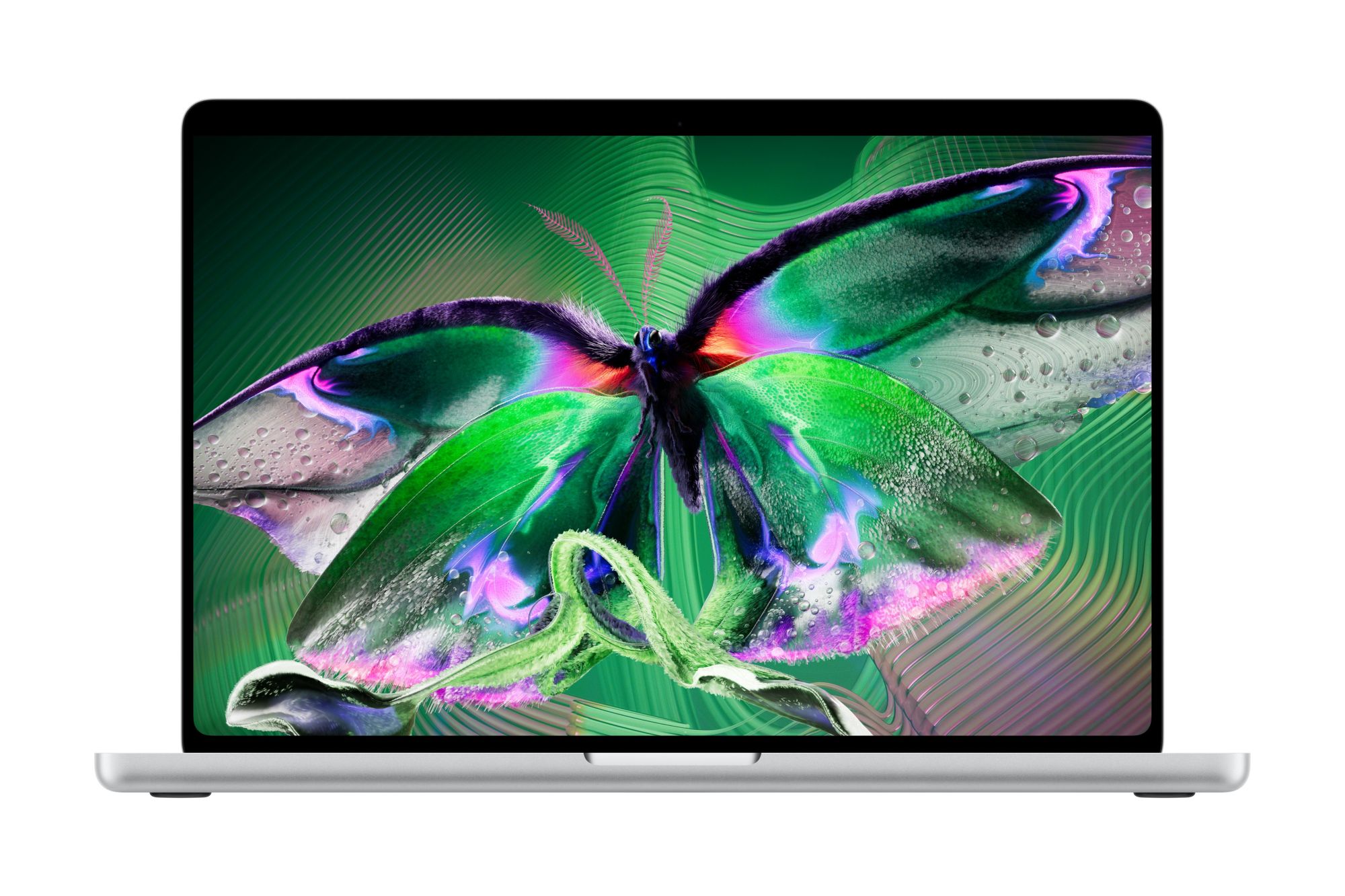
We've just returned from London, where we had the opportunity to get an exclusive preview — ahead of the November 6 market launch — of Apple's new product lineup. Among the many new features: the MacBook Pro with PROLED XDR display, nicknamed the MacBook Touch. Despite the initial memes that flooded social media, referencing words spoken roughly twenty years ago by the company's founder, Steve Jobs, when he explained why we would never see a MacBook with a touchscreen ("Because there's no need for it"), here it is.
Setting aside the technical specs for a moment, the question that naturally arises with the release of a MacBook like this is: is it really worth upgrading just to get a touch screen, similar to a smartphone's? The answer is: it depends.
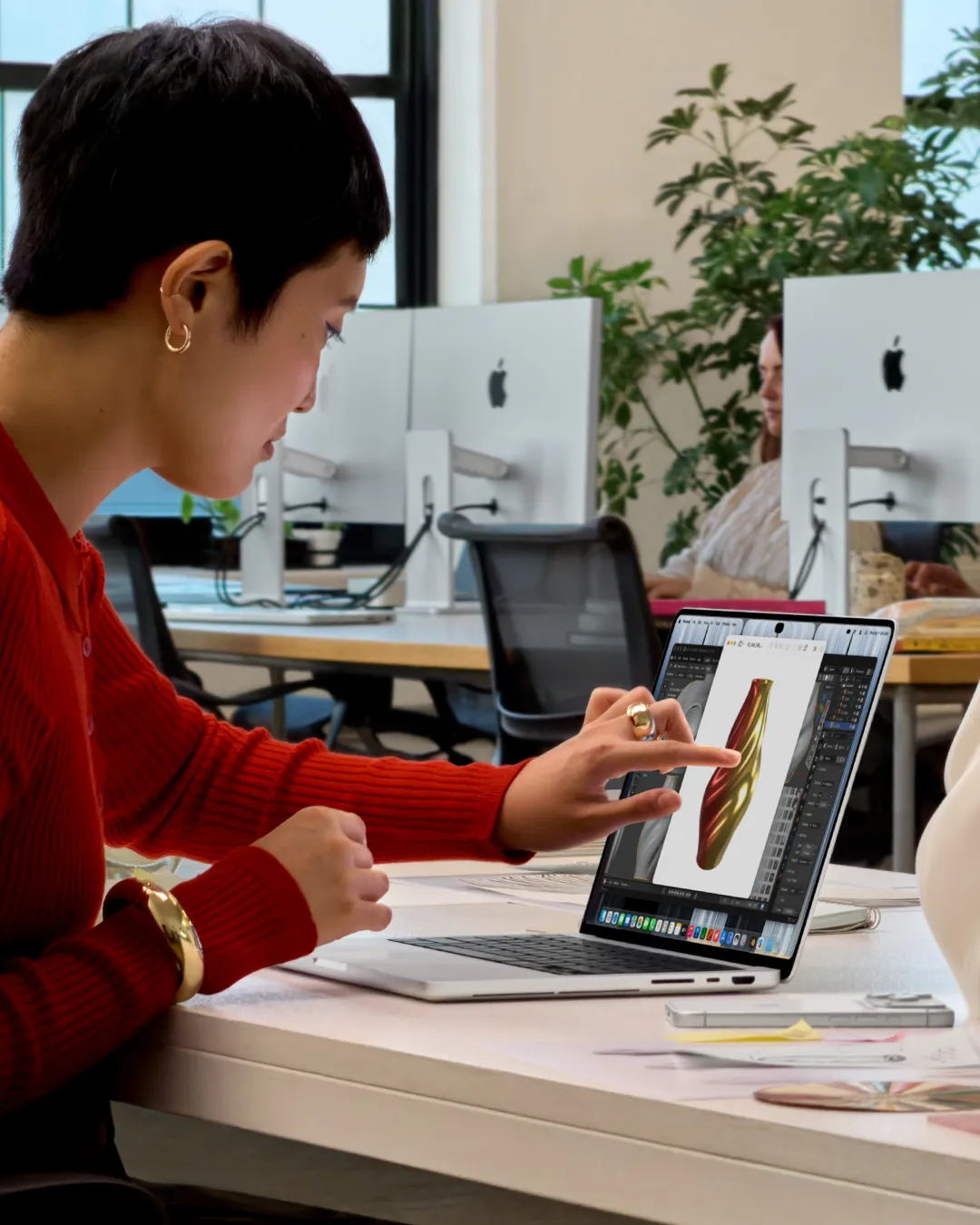
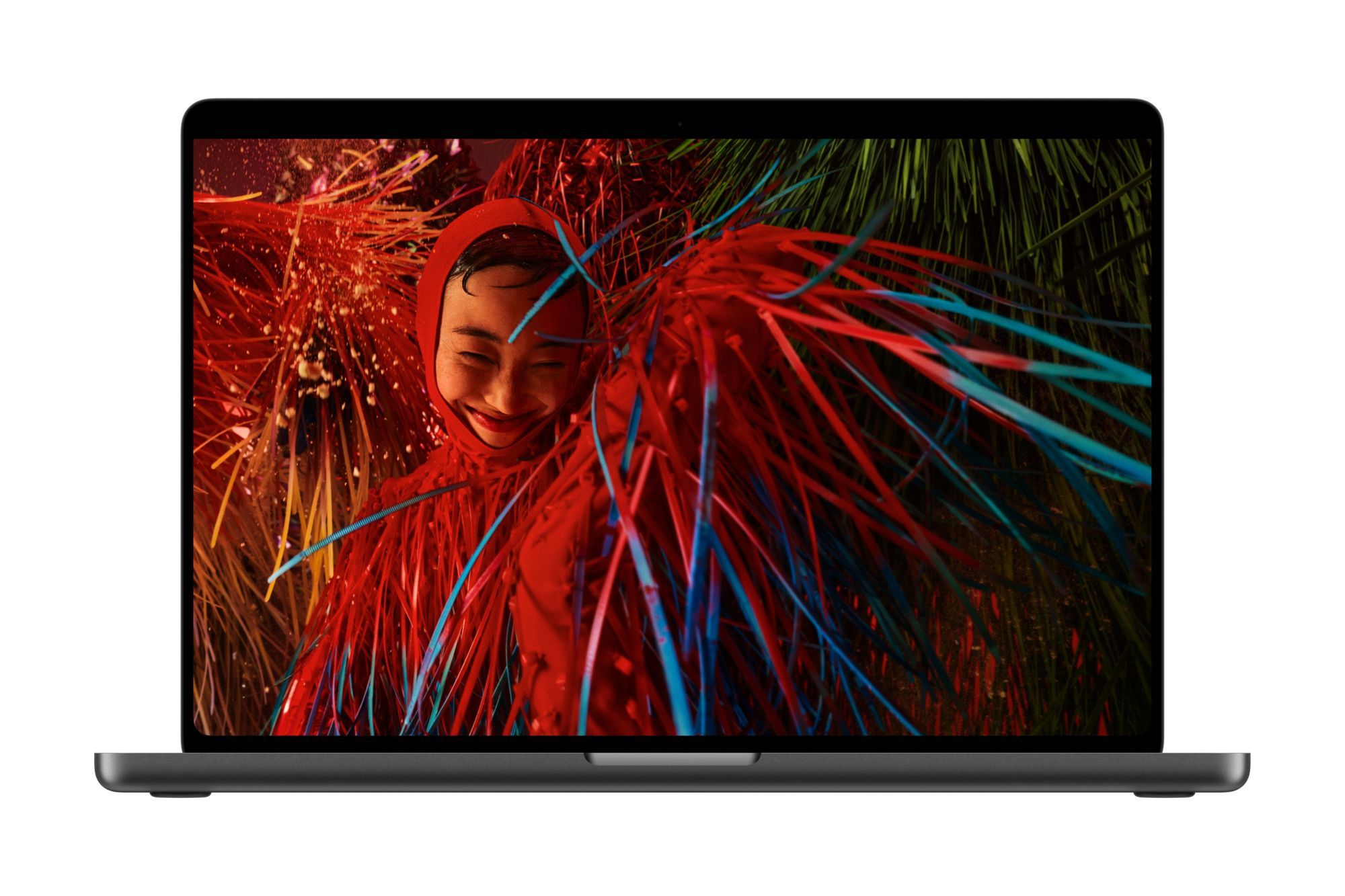
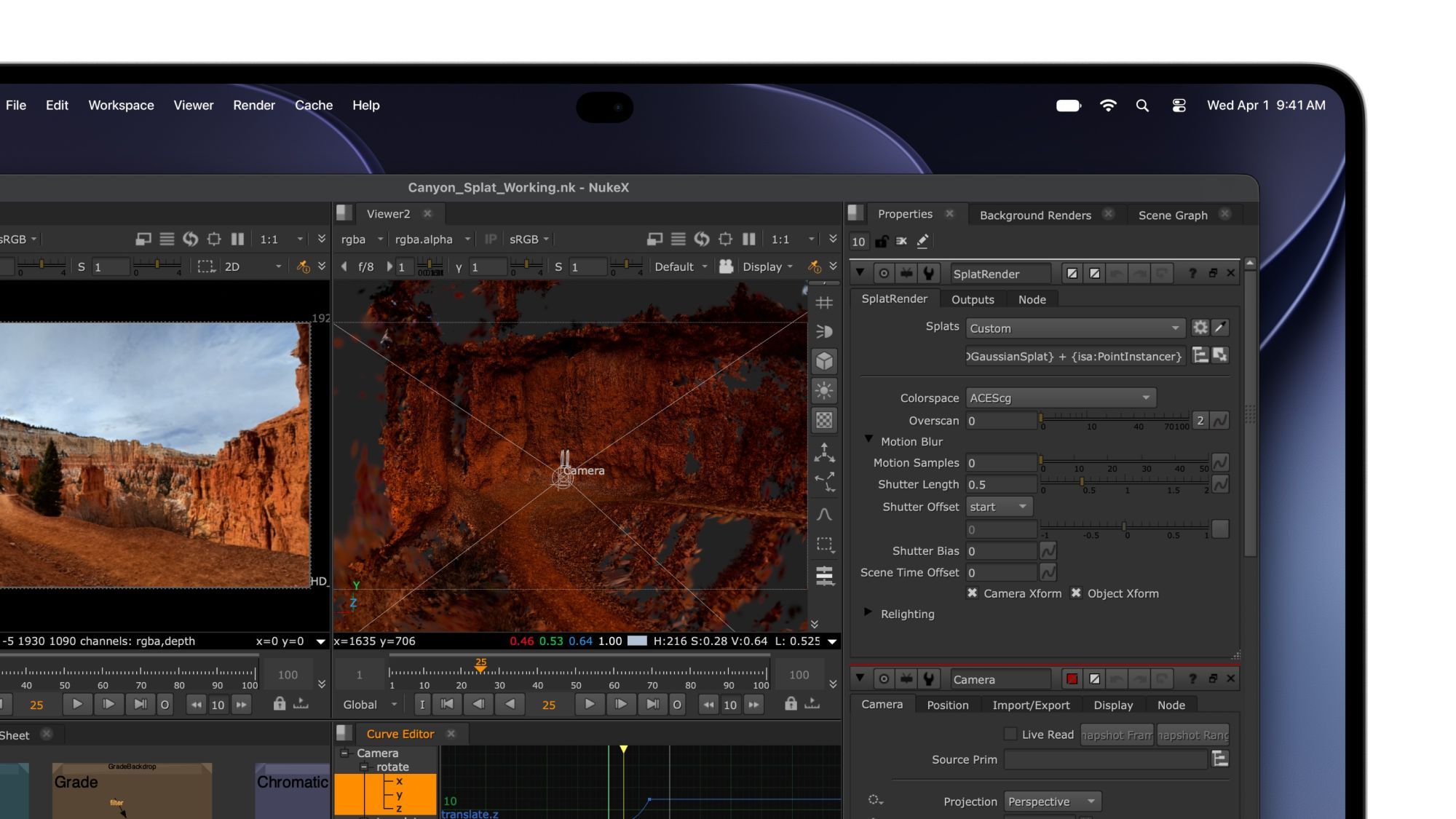
The person writing this spends their days creating graphics, editing videos, and retouching photographs in the most varied of places: sitting in the passenger seat of a van packed with equipment, squeezed into the middle row of a plane, crammed into a corner on set, or even standing up and walking around. Having a MacBook Touch is convenient, especially when you find yourself in tight, uncomfortable spaces where using the trackpad becomes practically impossible. Rather than contorting yourself into awkward positions while simultaneously trying not to bother the people around you, you can simply touch the screen — responsive, bright, rich in color, and exceptionally capable of handling reflections from sunlight and other nearby light sources — and get done what needs to get done.
We also found the new MacBook extremely useful in other hypothetical situations. The first is when working alongside a colleague sitting next to you: it can be awkward for them to use the trackpad to show you what needs changing. And, let's be honest, we've all touched a colleague's screen at least once, hoping to better explain what we'd like to change. Now we can simply do it.
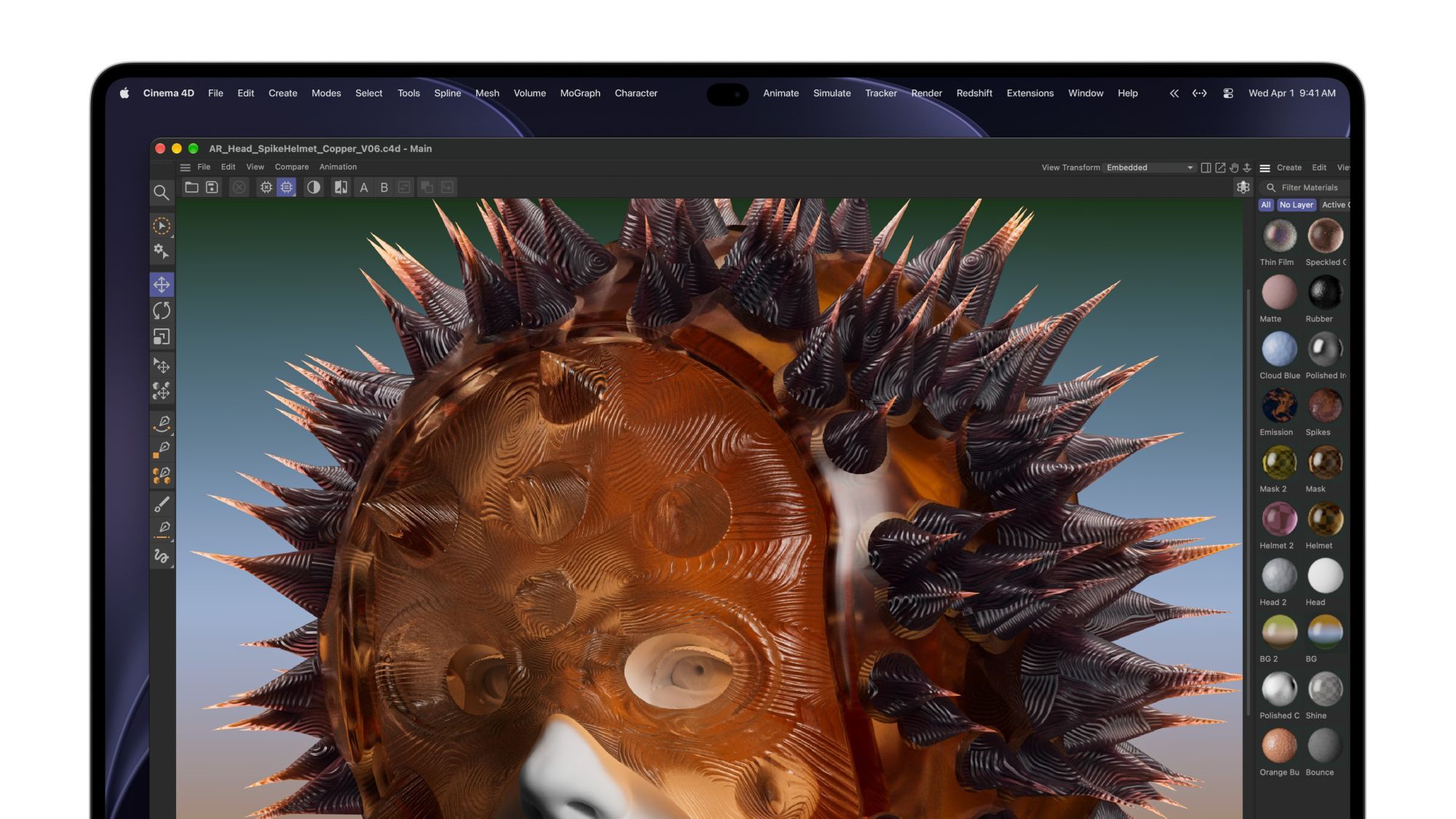
The second situation involves working on renders and 3D projects, where the tactile interaction made possible by the new PROLED XDR display is far more intuitive than anything you could achieve with a mouse. Not just for moving elements around, but especially for zooming in and zooming out, reaching the most remote areas of your project with a completely different sense of naturalness.
This November, Apple also released a new MacBook Pro without a touch screen or Dynamic Island, but with the same performance. It's a powerhouse designed not only for professional creatives who need high performance, but also for students who work daily with rendering, 3D modeling, code, graphics, and all those disciplines that demand a machine capable of handling heavy workloads.
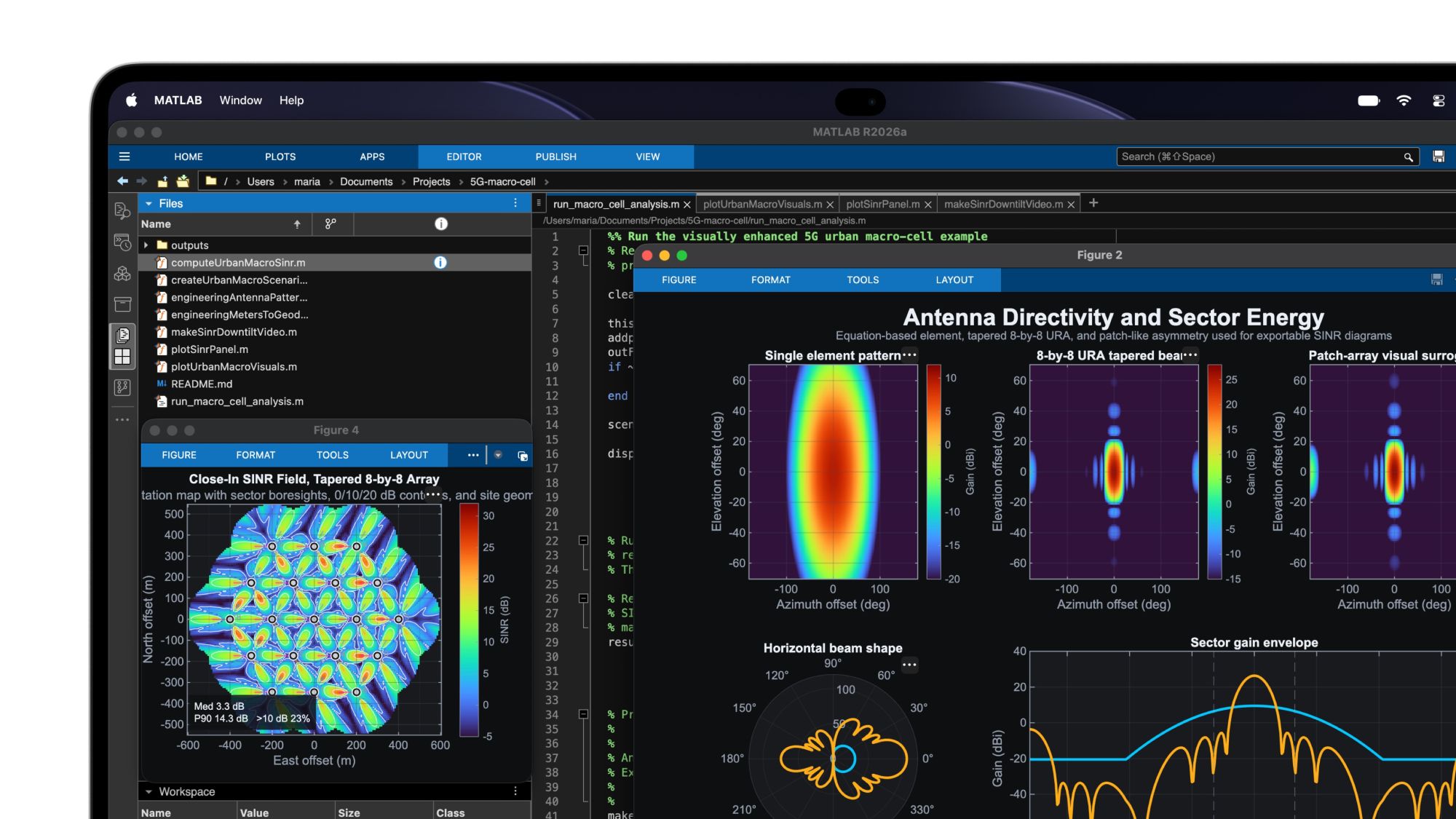
The real innovation of the new MacBook doesn't stop at the display. The new M5 Pro and M5 Max chips are designed to push the boundaries of what a professional laptop can do even further. And this is where things get particularly interesting for those who use their MacBook as their primary work tool. We're talking about performance built to handle complex workflows — from compiling code to editing multiple streams of 8K ProRes video, all the way to AI-related tasks. The M5 Pro is a particularly compelling option for those working across creativity, development, and design, while the M5 Max is aimed at those who need to push even further, especially in fields like visual effects, 3D animation, and ultra-high-resolution content production.
Another interesting aspect of Apple's new release is the ability to run large language models — even those with hundreds of billions of parameters — entirely on the device. This isn't just about having a faster computer; it's about being able to handle increasingly complex operations directly on your own machine. For those working on creative projects, this means having a tool capable of supporting an ever more elaborate production process, cutting down on waiting times and leaving more room for what truly matters: creating.
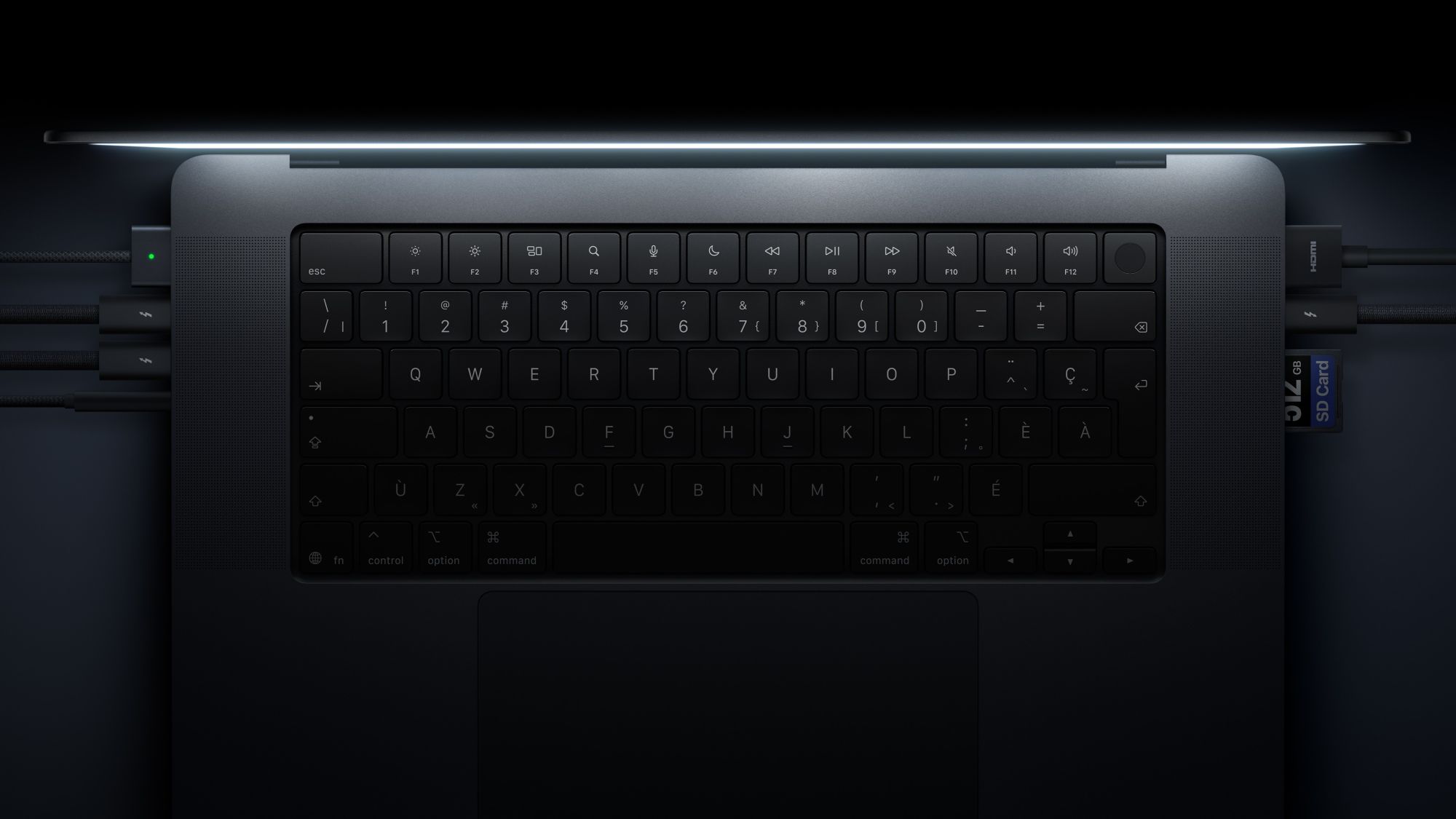
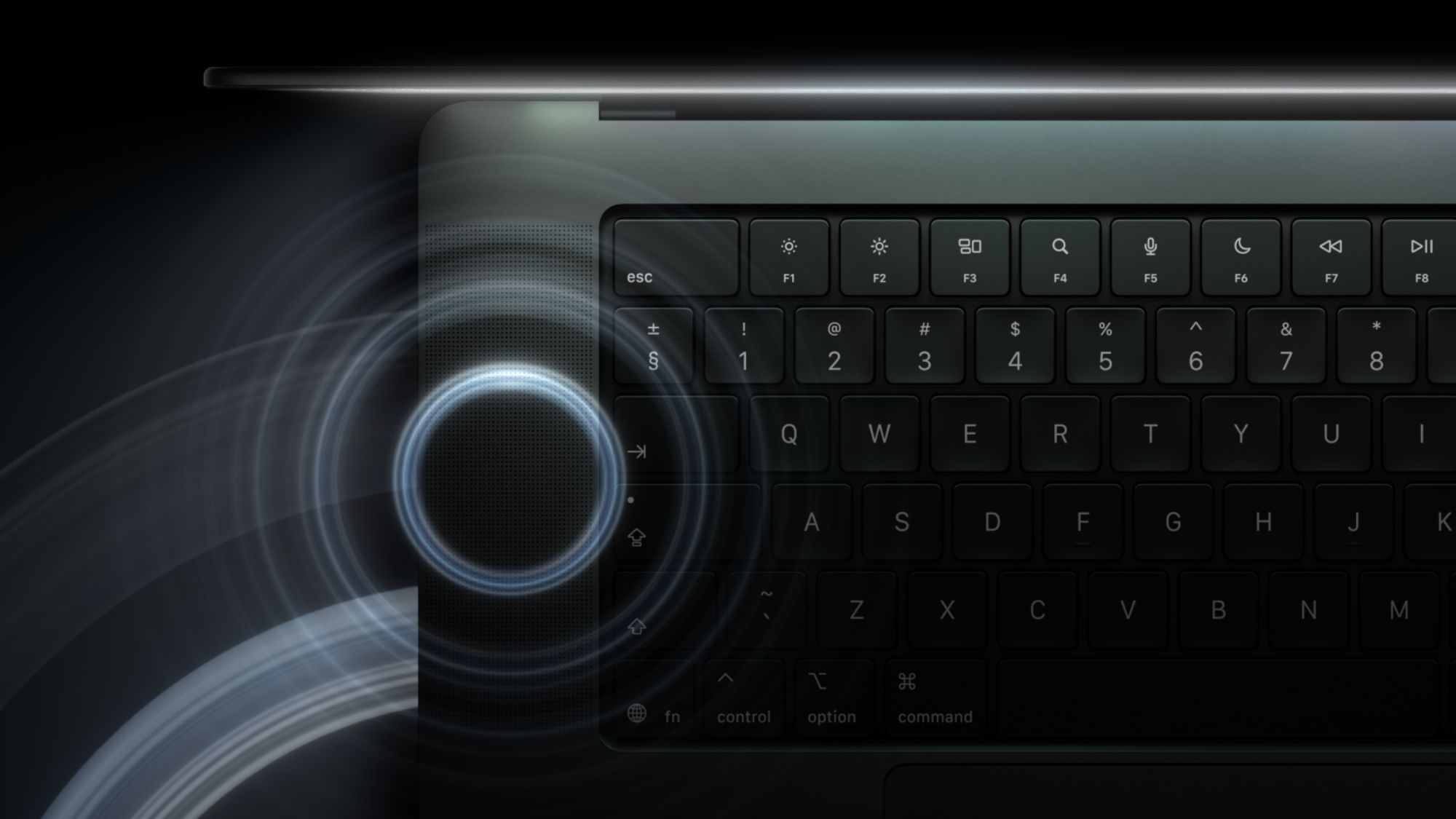
Another feature worth noting is the audio system. The new six-speaker setup introduces a completely redesigned woofer capable of delivering bass that's 50% deeper, along with updated tweeters that improve sound dispersion. The result is a particularly crisp and immersive listening experience, further enhanced by spatial audio support with Dolby Atmos.
Also noteworthy is the work done on the microphones, engineered to deliver cleaner recordings, calls, and voice commands, as well as the new audio optimization designed for use with the lid closed. A solution that allows you to maintain a high-quality audio experience even when the MacBook Pro is connected to an external monitor. The new MacBook Pro with PROLED XDR display isn't necessarily a device for everyone, but it could represent a radical change for anyone who works on the go.
Find all the information about the new MacBook Pro with PROLED XDR display on Apple.com.
What to read next

This holiday season is a gamer's paradise
"Zelda: Ocarina of Time" and "GTA VI" are betting on nostalgia
The "AI panic" triggered one of the worst financial crashes in recent years
Has the financial market placed too much trust in data centers?
Young people made the difference in the American Midterm elections
Far more American under-30s than expected voted for the Democratic Party