


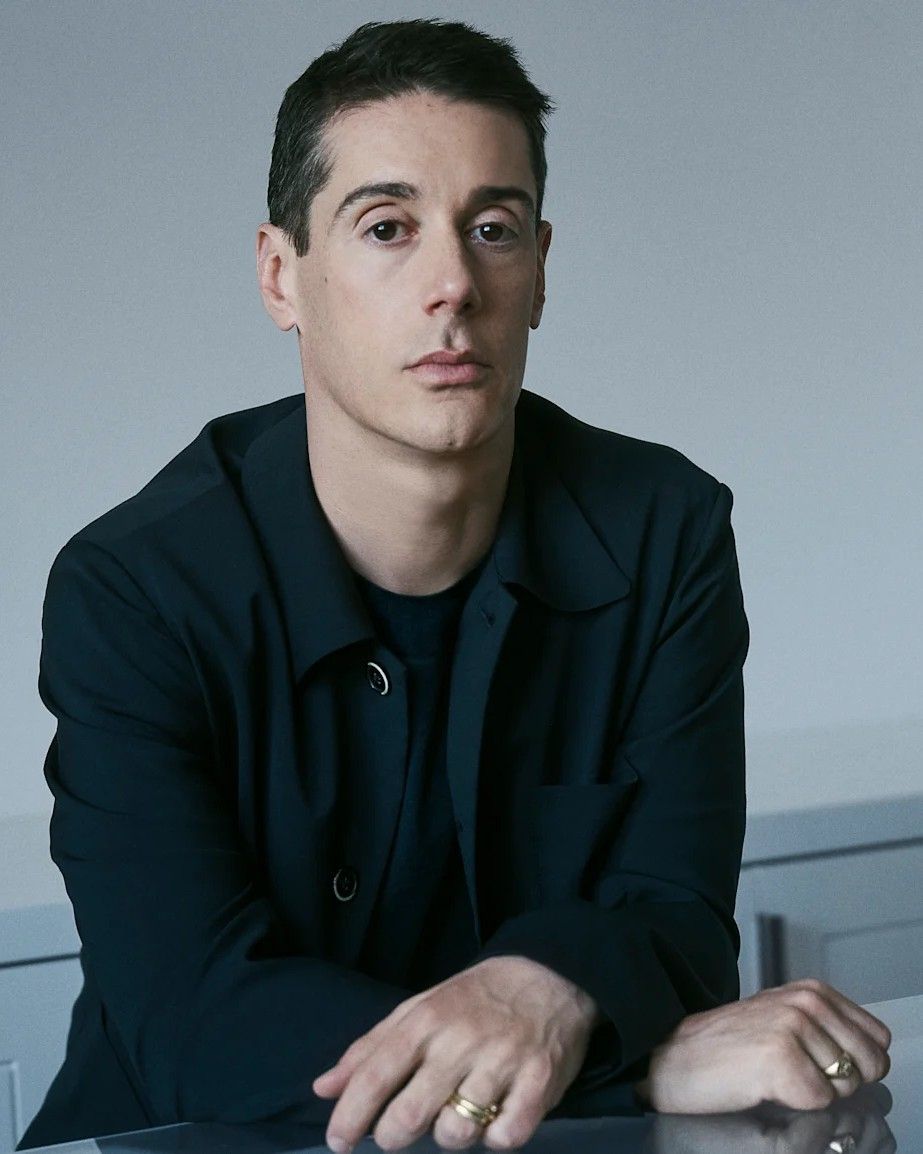




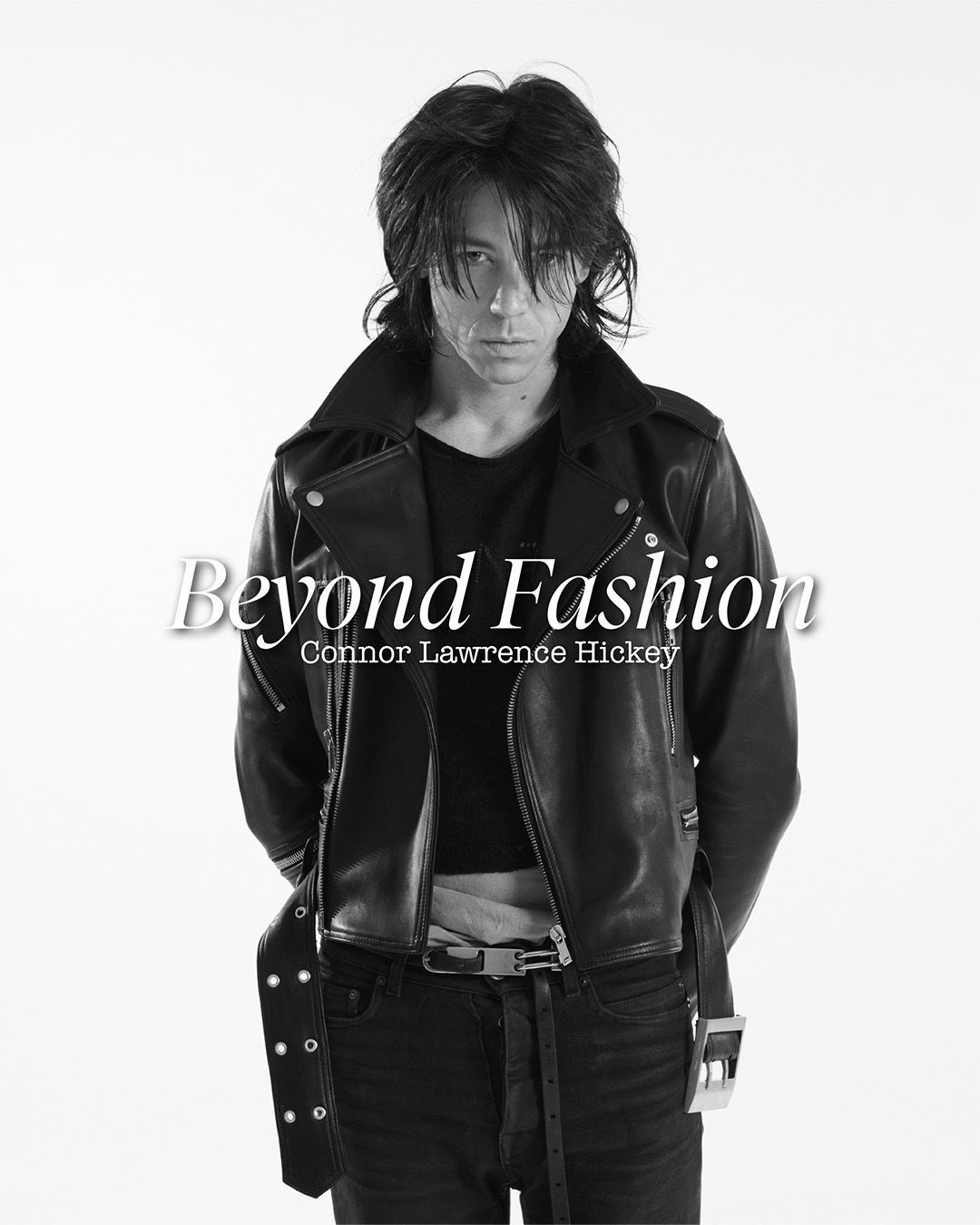


A chat with the Industrial designer, sometimes scenographer, long-time collaborator with Rick Owens and Henry Levy.
The first time I proposed an interview with Connor was about two years ago. Captivated by the “Sleeping Pod” he had worked on for Rick Owens in 2023, I decided to reach out to learn more about the project. In our email exchange, he initially came across as enthusiastic and available; then, after a few weeks, he left for a sailing trip and began to describe himself as very busy. When we eventually met in Paris, under very different contexts, I realized that two distinct sides coexist within him, alternating unpredictably. One emerges during uninhibited nights when he performs music with his friend and colleague at Rick Owens, Luke Mayes; the other reveals itself in moments of intense formal focus. In his design work, a rigorous approach surfaces, influenced by the functional minimalism of Dom Hans van der Laan, the spatial thinking of Adolf Loos, and the repetition of simple forms pushed toward abstraction in the lineage of Avramidis, Brancusi, Judd, and Flavin.
A lanky figure dressed head-to-toe in Rick Owens, he can seamlessly shift between conversations about music, fashion, literature, or that time «on LSD I schemed a plan to plasma-weld-out a section of a Richard Serra monument in New Zealand, like what they did with the Mayan gold.» At first glance, Connor’s brilliance is as striking as his urge to transgress any rule or moral code – a character both defined by and somewhat trapped within his own persona, now one of the most distinctive names in Paris’s underground scene. We spoke about design, Paris, and ultimately his life in an interview that attempts to define what it means to be «not normal in the conventional sense.»
What led you to study industrial design, and how has your field intersected with fashion?
My grandfather was a boat builder. I found the workshop grandiose and intimidating as a child, with the harsh aromas of resin and varnish. Everything in there seemed to give me splinters. Yet, there was some magic in how he could take a few men, sketches, and a maquette and turn that into a fully functional boat. There was a real man’s man attitude on that side of the family, one that made me feel like an outsider, so I think studying industrial design and learning some practical skills over practicing art was a way of proving to them, or to myself, that I was more than a spoiled layabout. Ironically, ending up in fashion is the polar opposite of that goal. Fashion wasn’t a deliberate choice. It started as a general interest in high school and early university, mainly through its cultural branches rather than the clothing itself. I liked Rick, but more for his interdisciplinary approach, furniture, installations, and world-building than for the clothes. I didn’t even own any of his pieces before I started working for him.
How did you meet Rick and how did your collaboration start?
I owe that to Luke [Mayes], who initially brought me in to work on accessories with him over the summer back in 2020. Nothing permanent, but it gave me an in. I met Rick briefly in Venice at a floating cinema event with Luke and Michèle [Lamy]. We spoke about biodegradable confetti options for show installations. I doubt he remembers it. My work with Owenscorp began with basic tasks like creating renders and visualizations for store designs and pop-ups. In parallel, I was working with Luke on developing a lifestyle accessory capsule: lighter holders, portable ashtrays, etc. Small objects that met a lower price point than the bronzes or furniture that people could get their hands on. Many of those ideas sat shelved for a long time, and now pieces from that capsule we designed five years ago are slowly being released.
How did you start making sunglasses for him?
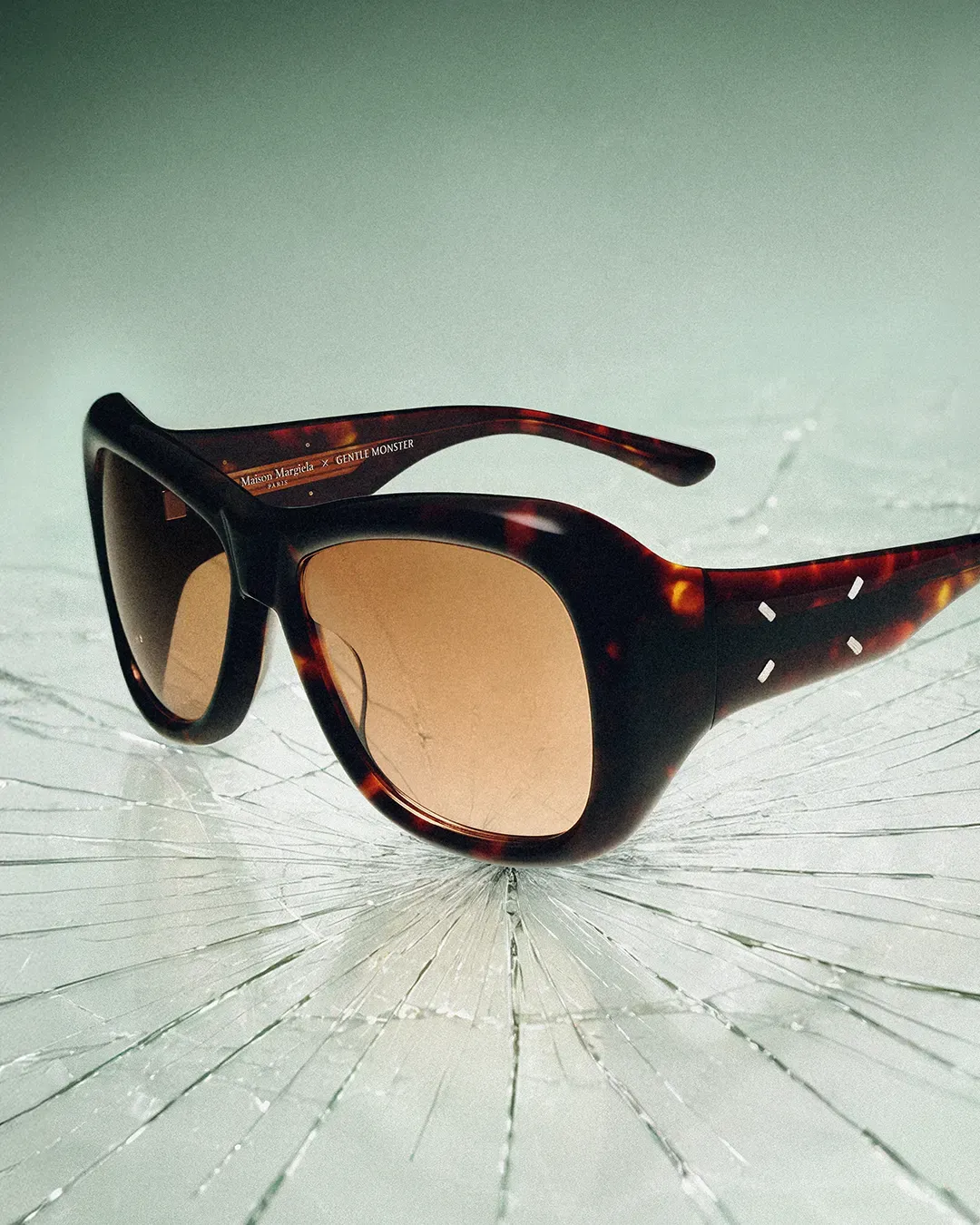
We decided to make a pair of sunglasses to test the process, because at the time everything went through an external company - Rick would send them directions, and they would produce the samples. The process was expensive, slow, and not particularly custom. Being able to 3D print in-house, with someone working directly on the models and adjusting them daily based on Rick’s input and how they fit the face, was incredibly valuable. It ultimately led me to produce more and more pairs.
Which project made with him you remember most fondly?
I think the “Refuge”, presented in 2024 in Shanghai as part of the Moncler collaboration series - within the “City of Genius” project. It was built on a previous collaboration we did with them, “The sleeping pod”, but it was a much more ambitious undertaking. The idea was to create a self-contained shelter that required no landscaping, with adjustable feet and designed specifically for winter conditions. It was a great experience, especially because I was able to involve Hugh Broughton Architects, who design mobile Arctic research centers, the ones that are used to host large teams in extreme cold environments. I had studied their work during university, so collaborating with them was particularly meaningful.
A life lesson he taught you?
The ability to make fast creative decisions by building a strong archive and a clear identity, so choices about shape or material become intuitive. Ideation is only a small part – what really matters is everything around it: building, costing, marketing, imagery, and bringing an idea into the world in the right context. On top of that, the ability to shut the fuck up sometimes is undervalued. You learn so much sitting back and analyzing the masters at work, rather than trying to put your own spin on things all the time.
How’s working with Henri [Alexander Levy]?
There is less of a system already in place, which isn’t necessarily a bad thing. It means there’s room to build and evolve, perhaps also more space for revisions. There’s more room for creativity for sure, but also for mistakes.
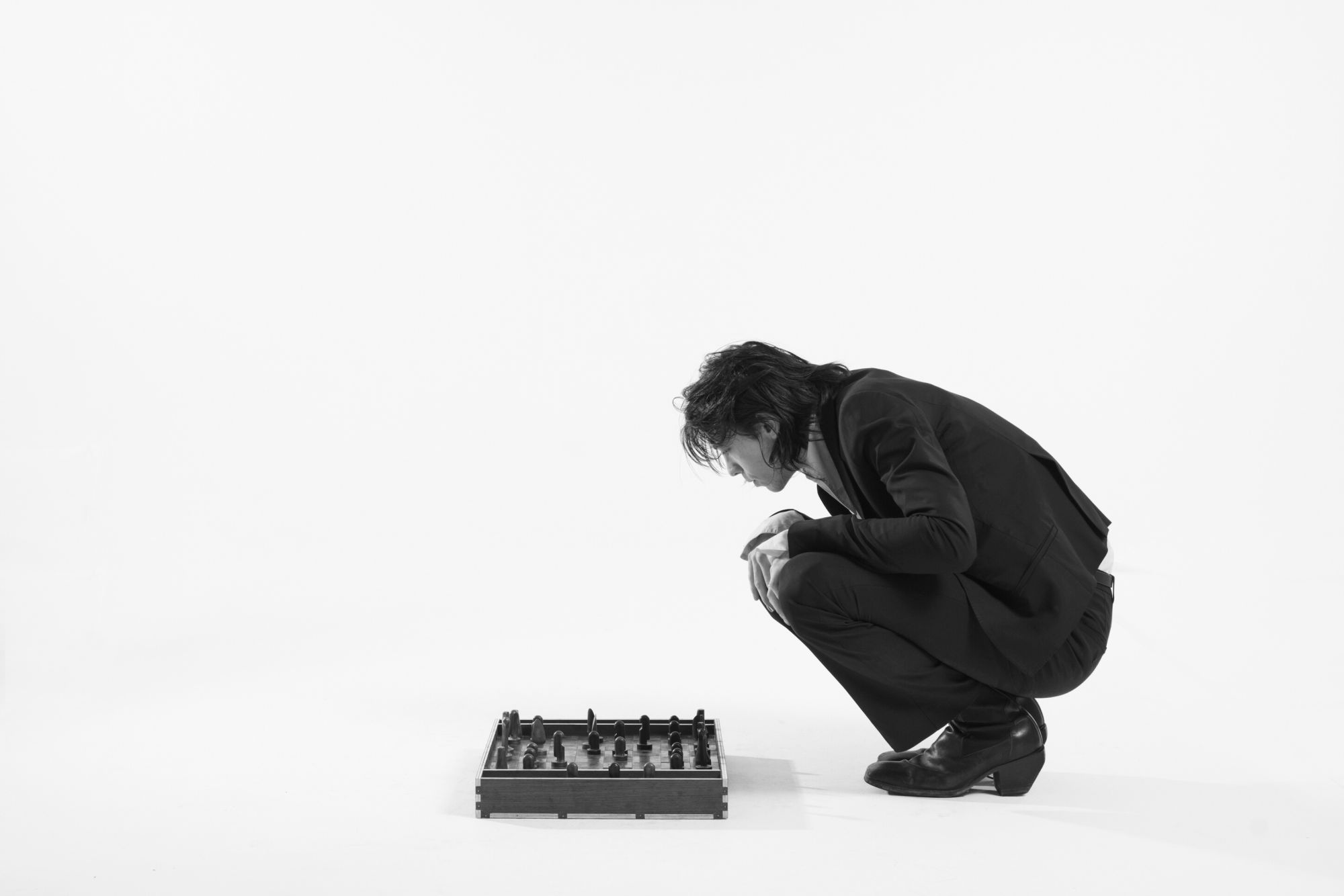
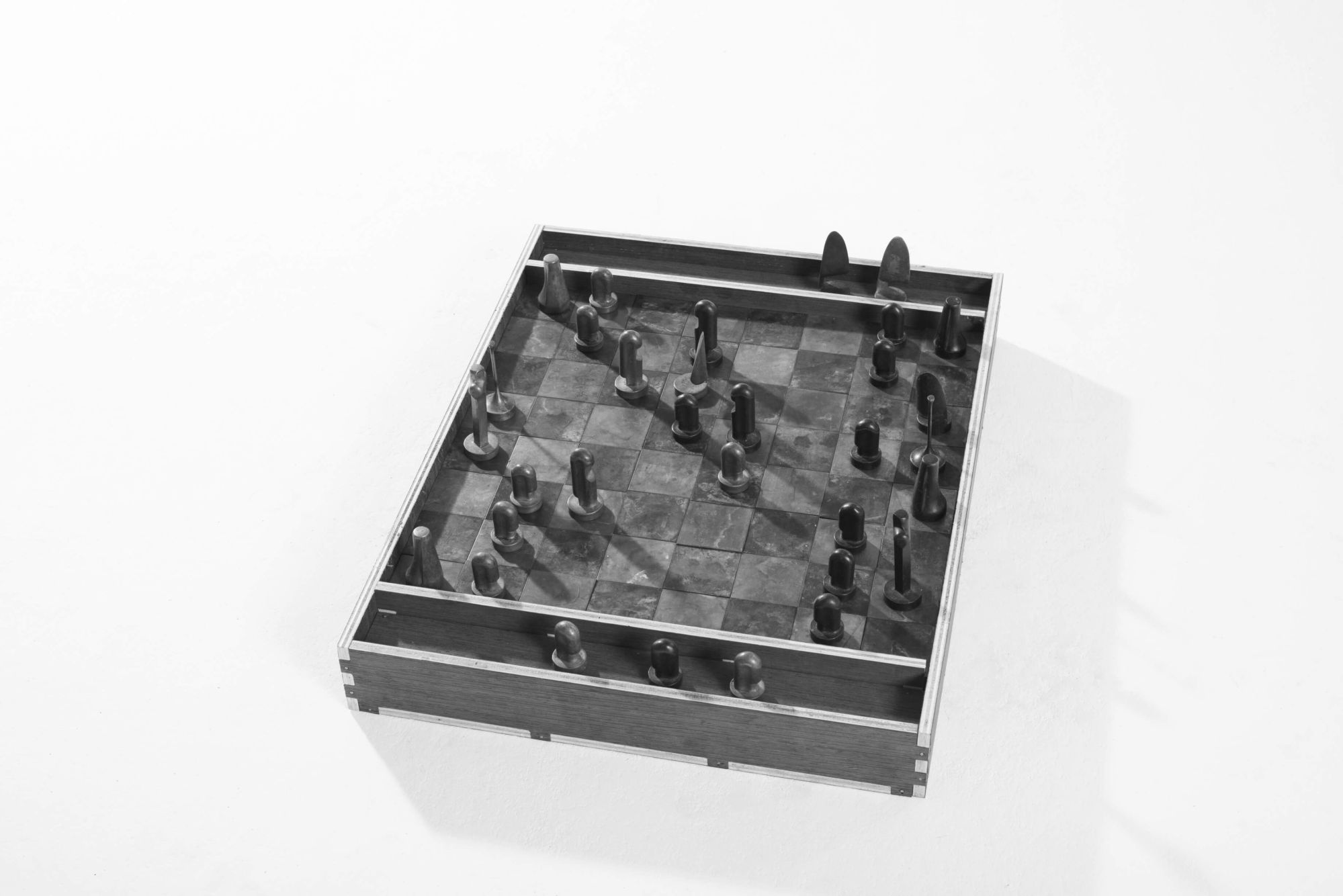
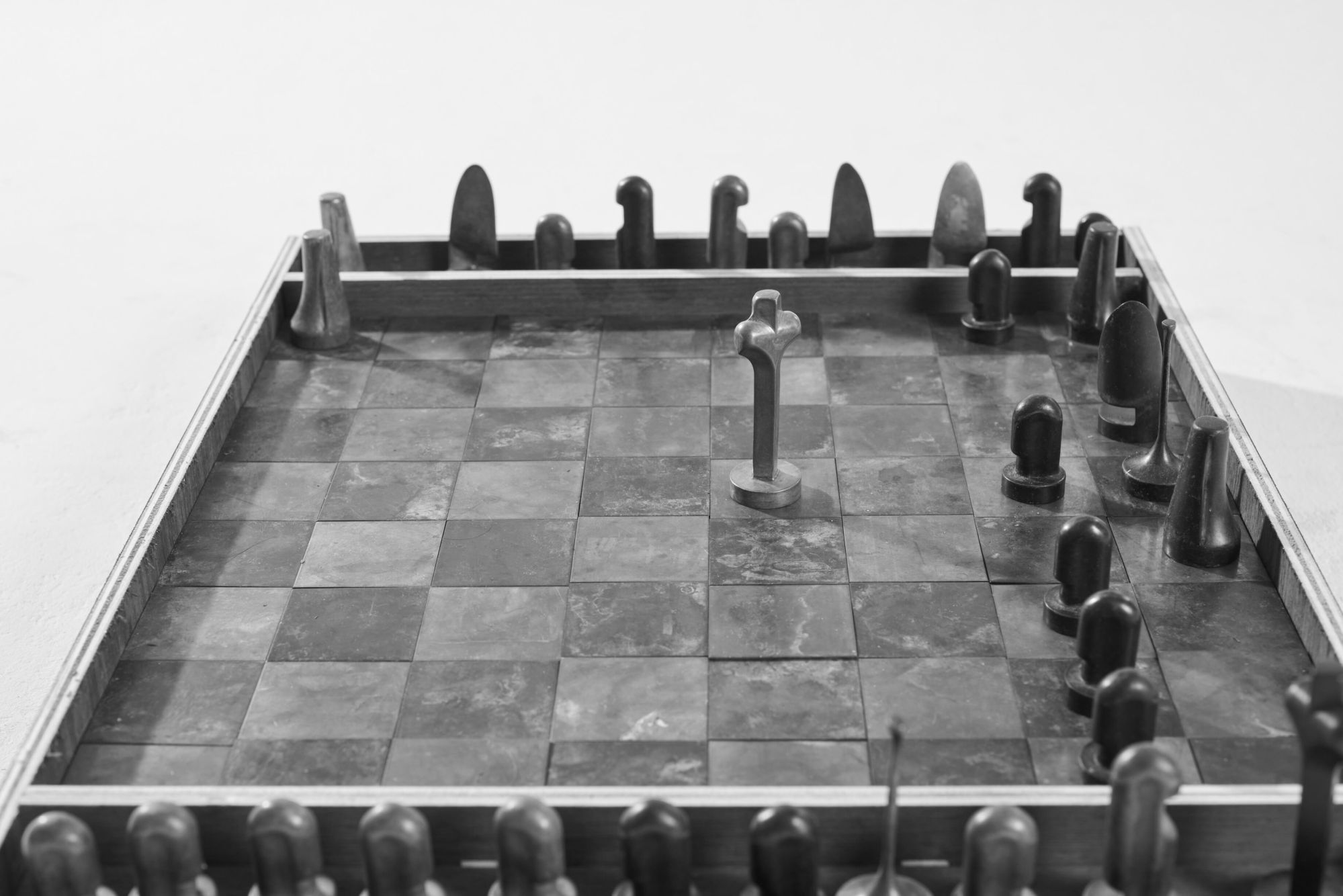
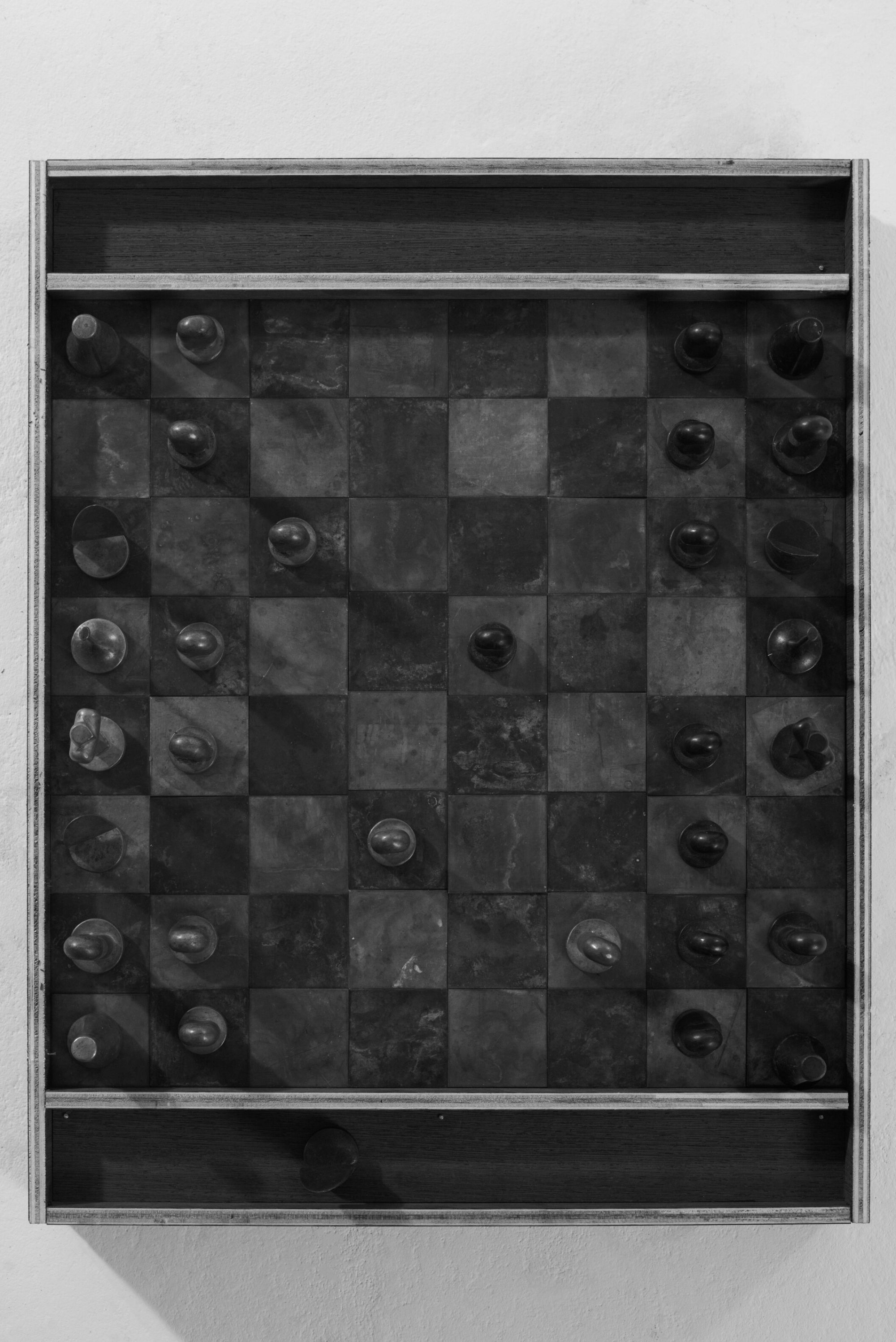
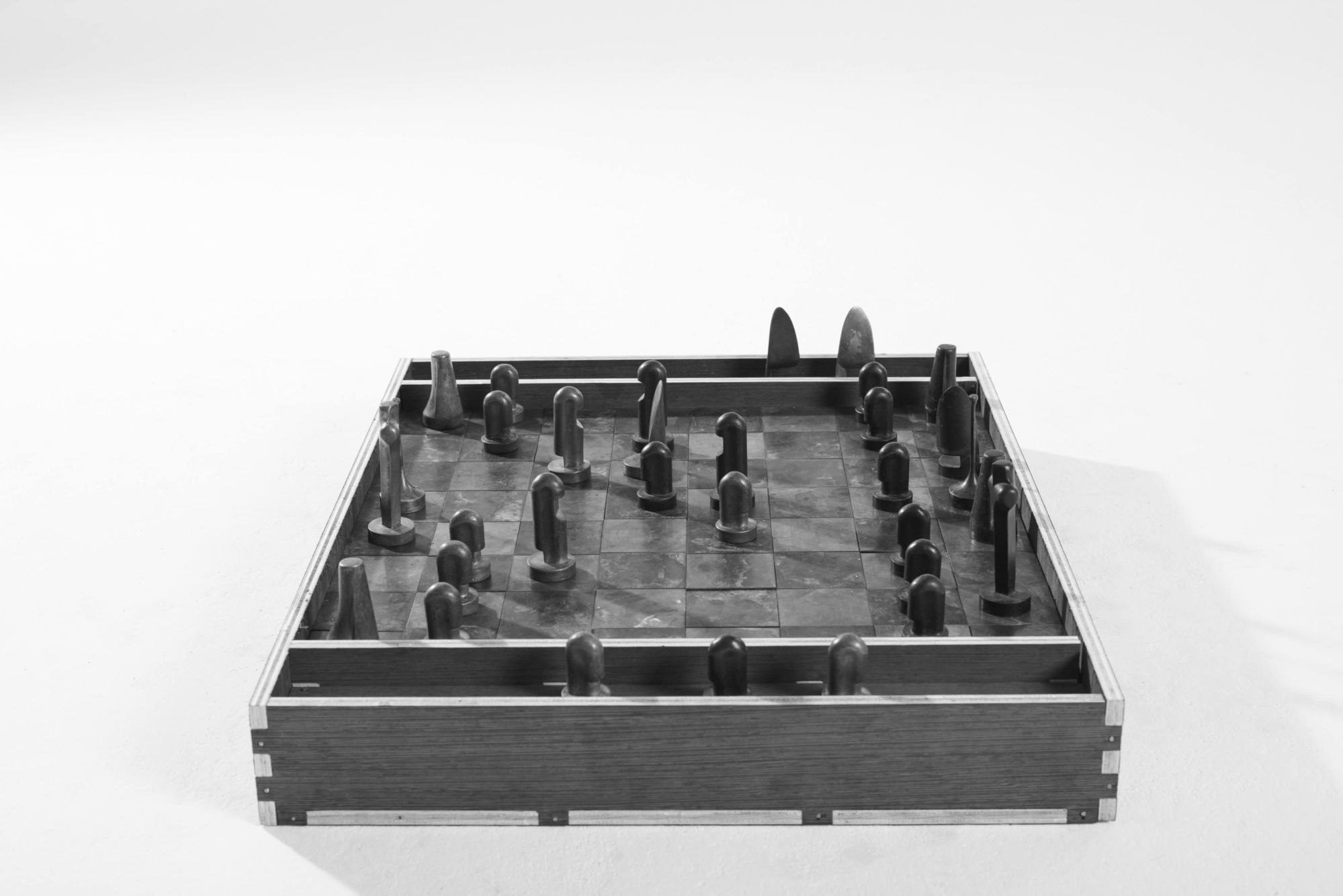
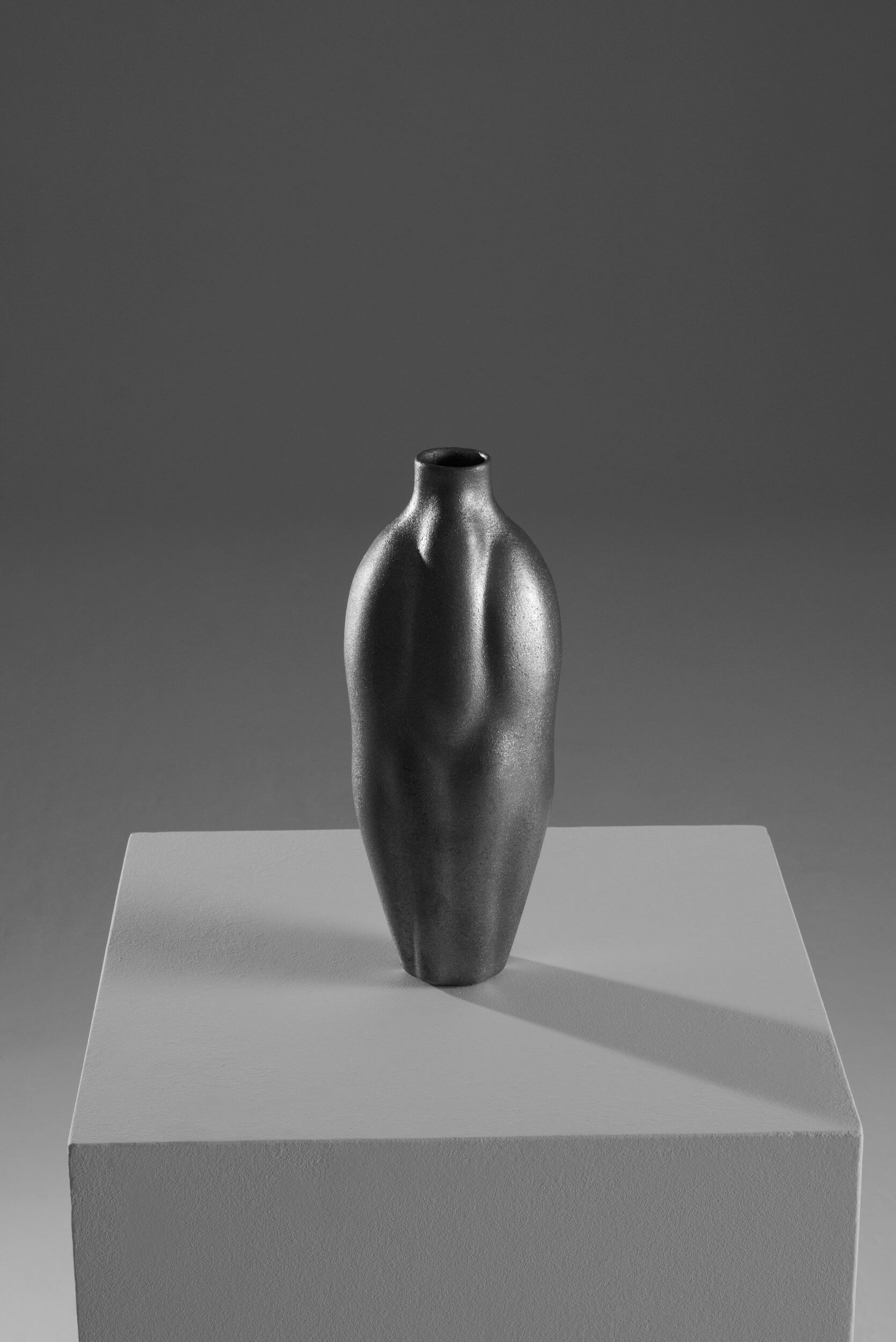
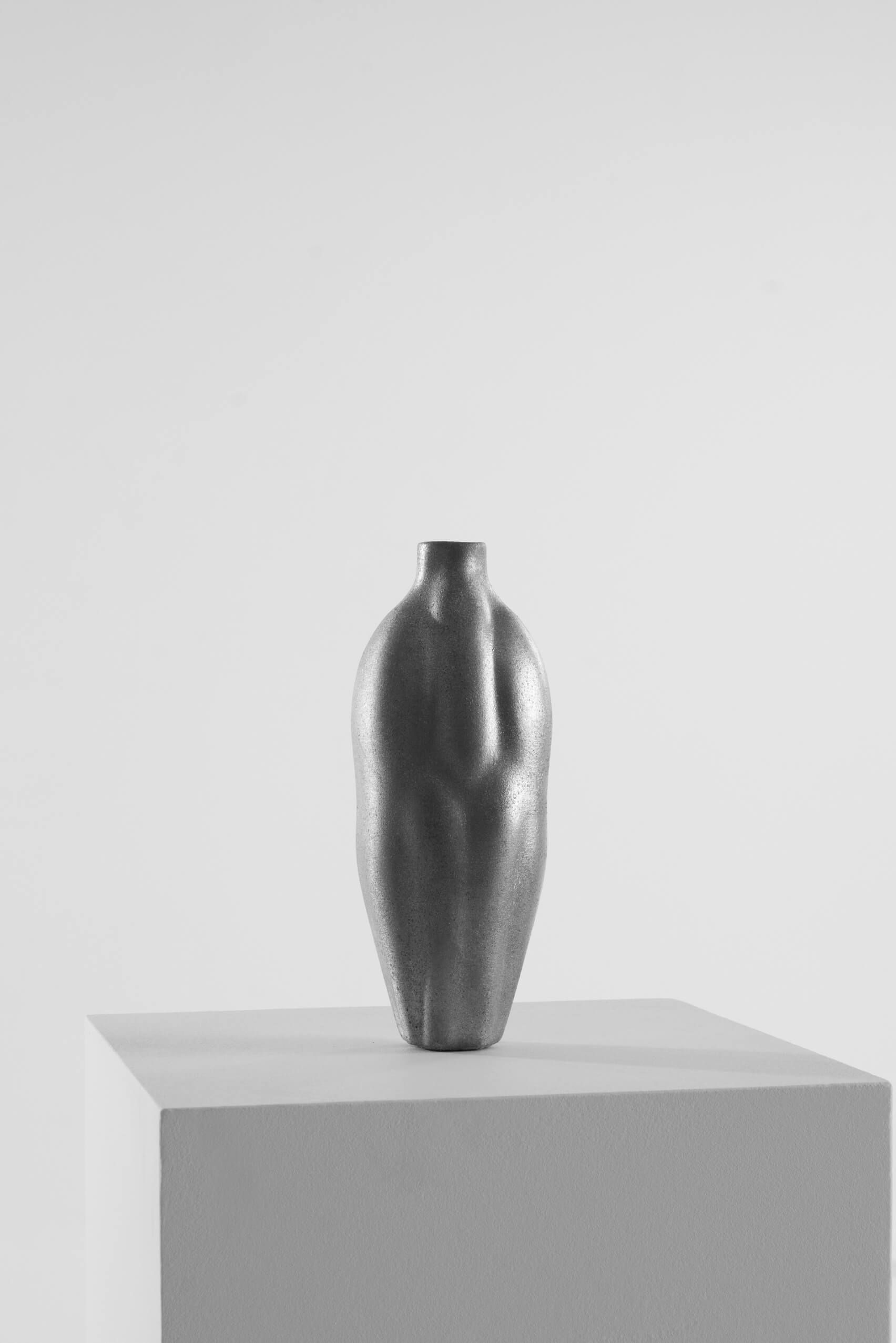
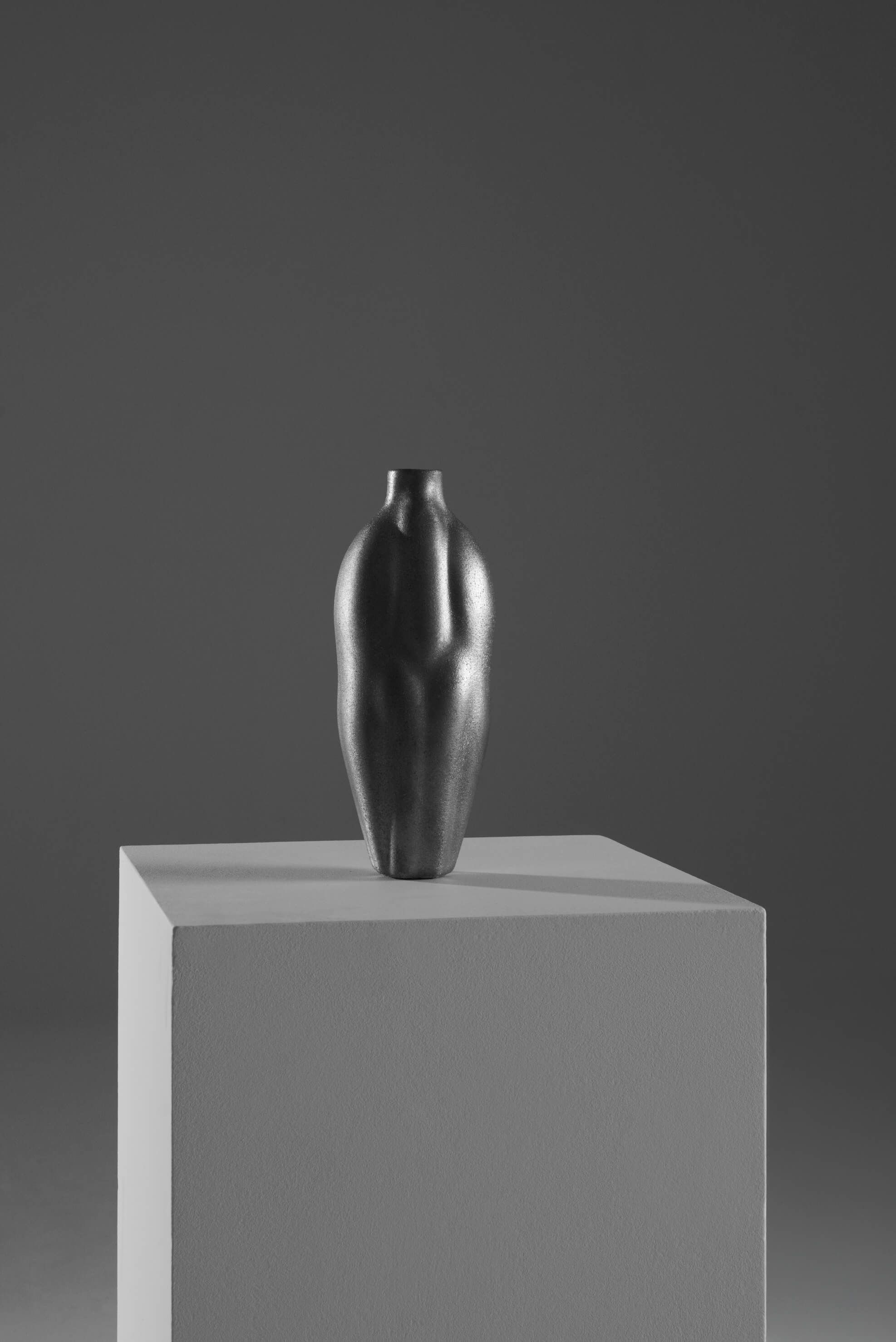
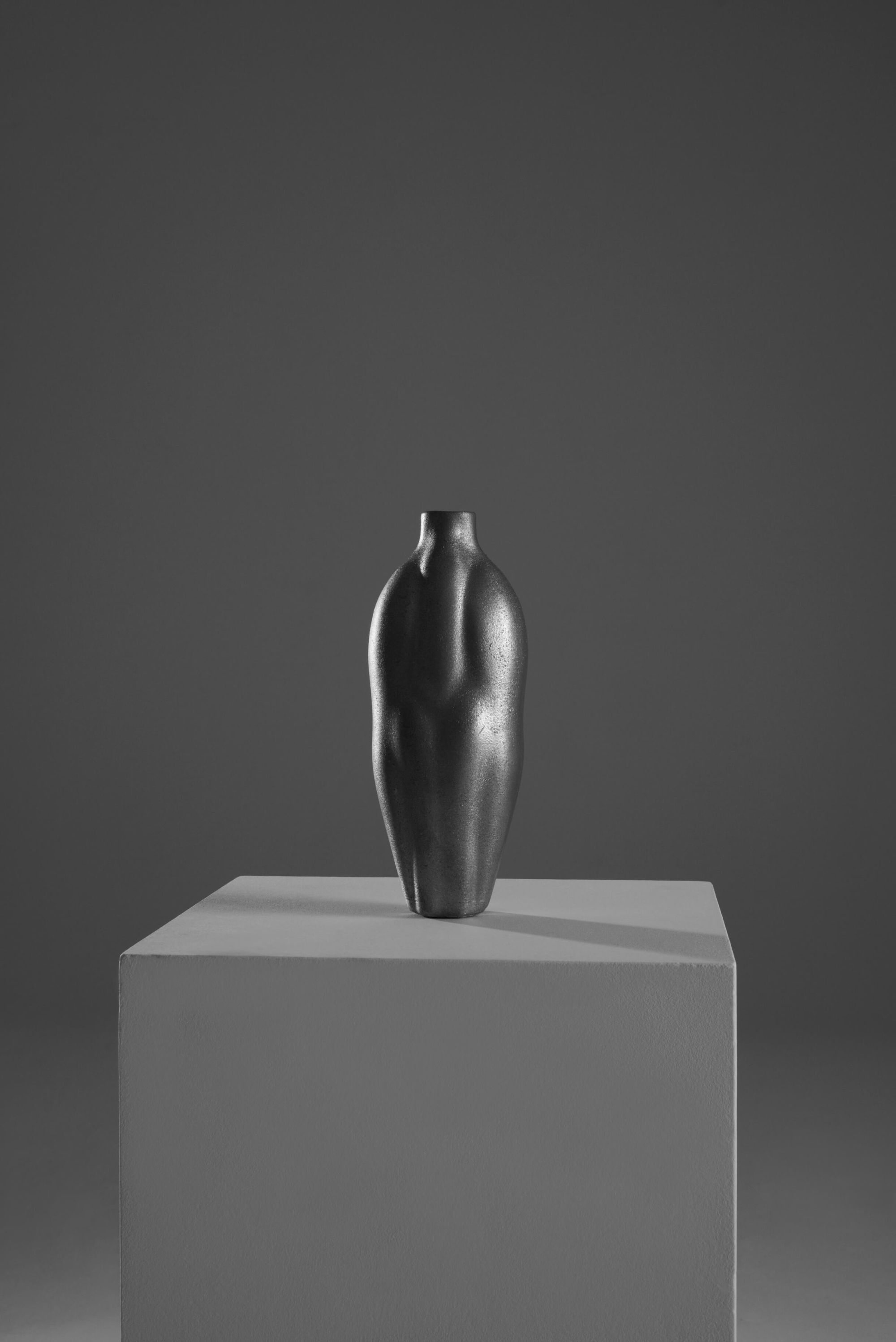
What differentiates your personal work from the rest? What kind of stylistic signature are you trying to convey?
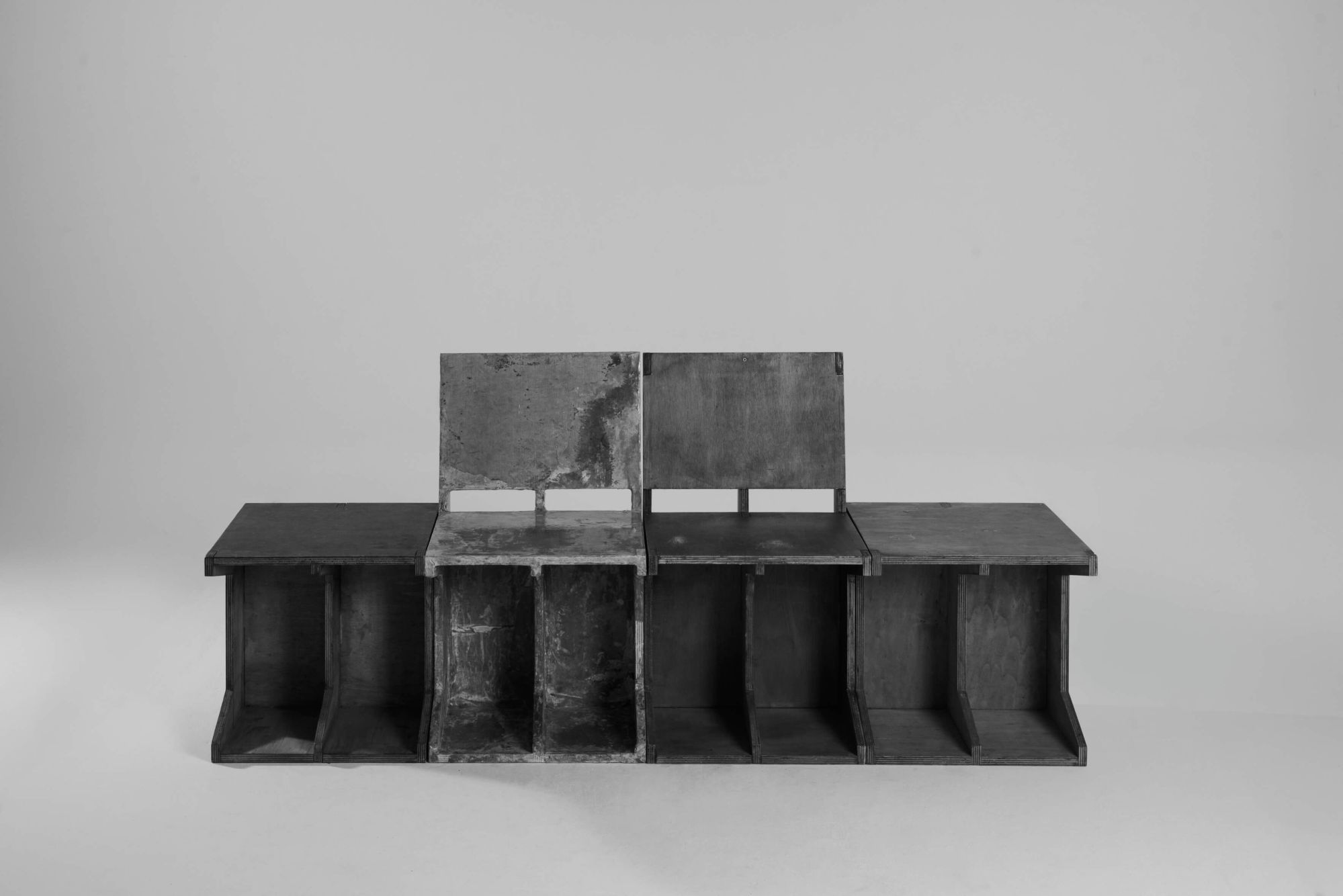
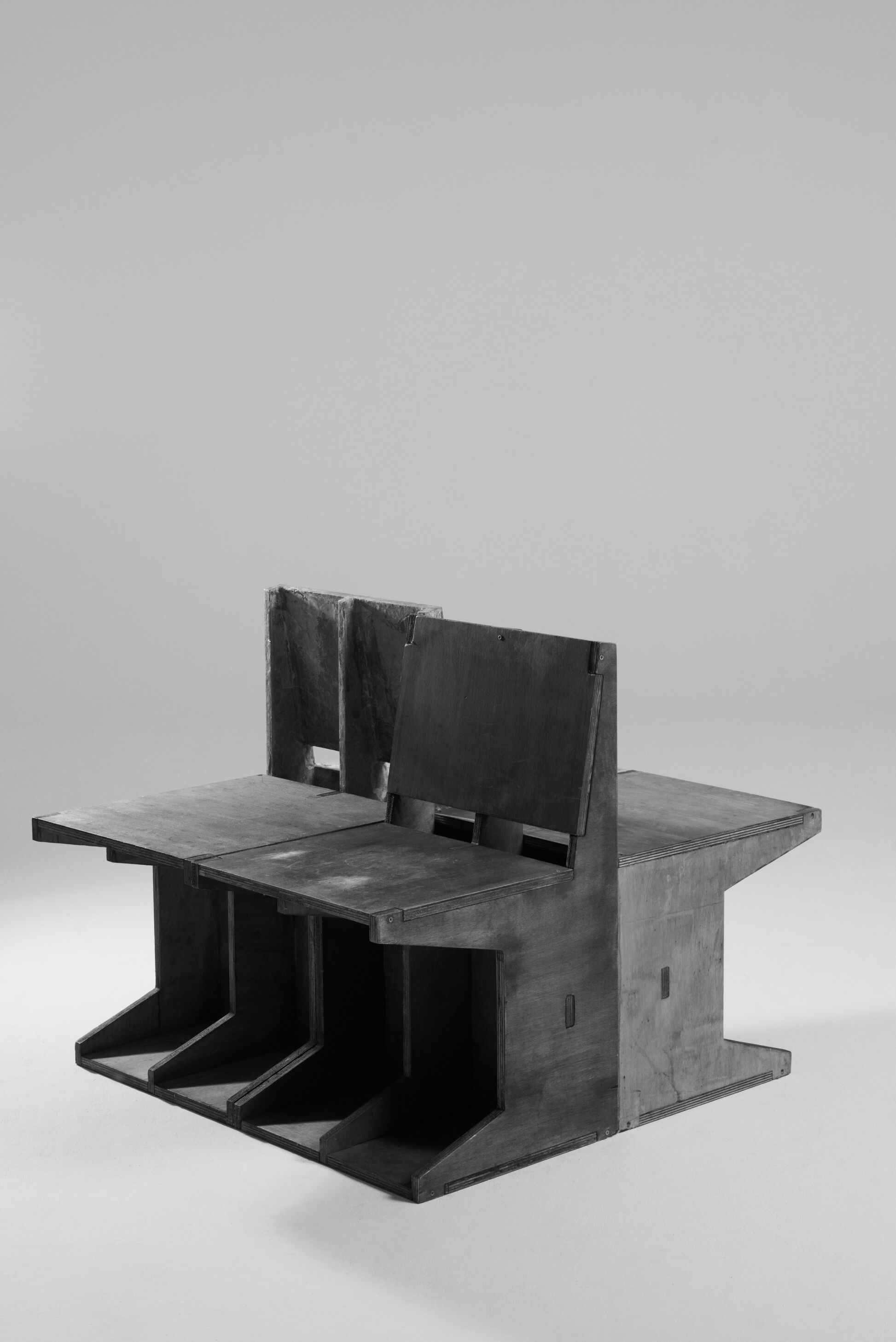
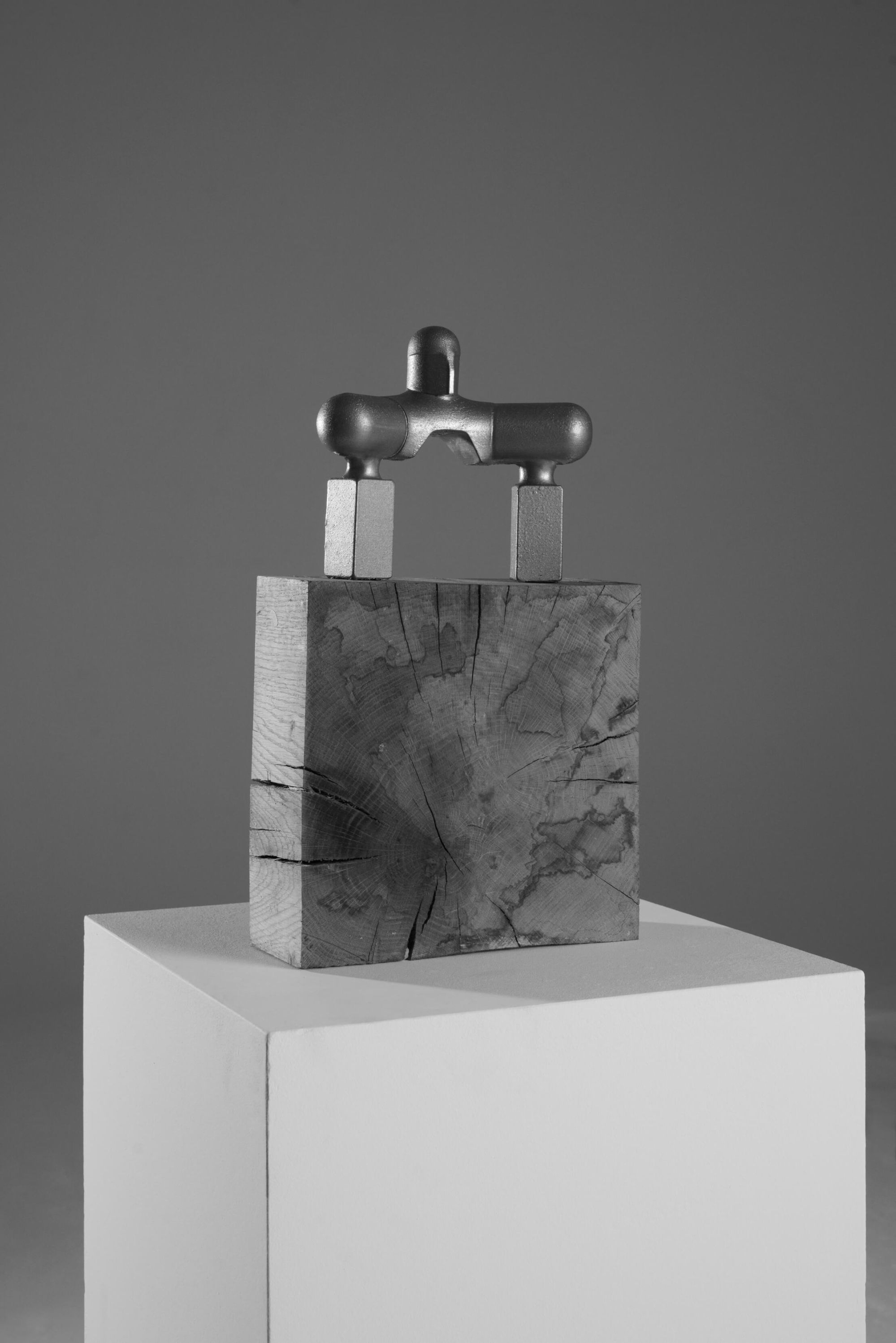
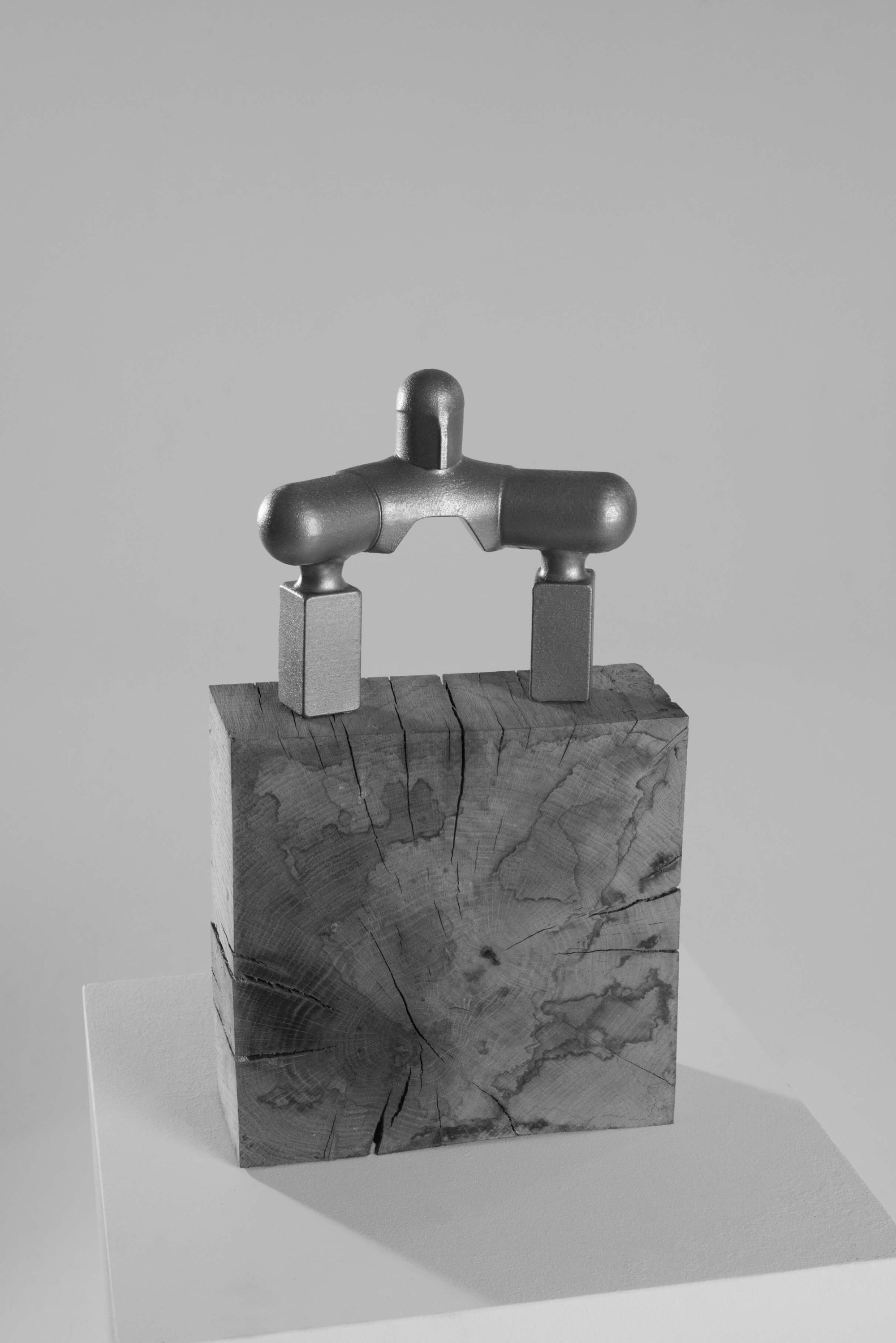
I think I am still defining my language, and with each piece I make, I learn a little more about my own style. With the furniture, I tend to keep things minimal, and the objects themselves are quite static. They feel like small, sober anchors that I have created throughout different, often chaotic moments in my life. The more sculptural works, on the other hand, are like prototypes; tests that gradually move toward something more refined. I am looking for a balance between functionalism and the integration of new technologies and ideas. I sit down to create something I feel I need, and then I keep working on the shapes, the materials, and the details, almost obsessively, until it reaches that point where everything clicks and you know it is right. It’s like when you've got something stuck in your teeth, and you just keep picking until you've got rid of it and hit that satisfying moment.
This actually leads into my next question. Do you believe that your design needs to be functional? What is your perspective on that? And what value do you assign to the objects you create or own? I notice, for example, that you tend to wear the same clothes, not in a careless way, but more like a deliberate uniform, almost a way of building a character. So I am curious about your relationship with objects in general, the ones you keep around you, the ones you collect, and the ones you create.
Yes, I do think they need to be functional. Everything I create usually comes from a need, or from a way of living that I am trying to define for myself. That is the starting point. Some objects are more sporadic or experimental, but I see them as tests, as intermediate steps. Sometimes I do not yet know what they are for, but I trust that the process will become useful later.
What brought you to Paris? How do you see this city fitting into your life?
I used to visit quite often with friends while I was living in London. There was something about the city that really stayed with me. One thing I love in particular is the way older people live here. They are not sidelined or just waiting for things to end, they are still very present. I love seeing these older women who are incredibly elegant, still full of energy, laughing, dancing, arguing, bitching, completely alive. I also like how you constantly meet people who are a bit unusual. No one really feels “normal” in the conventional sense. People are often quite eccentric, and either very content with their path or openly dissatisfied, but even that becomes part of the character of the city.
Like you?
Like me.