

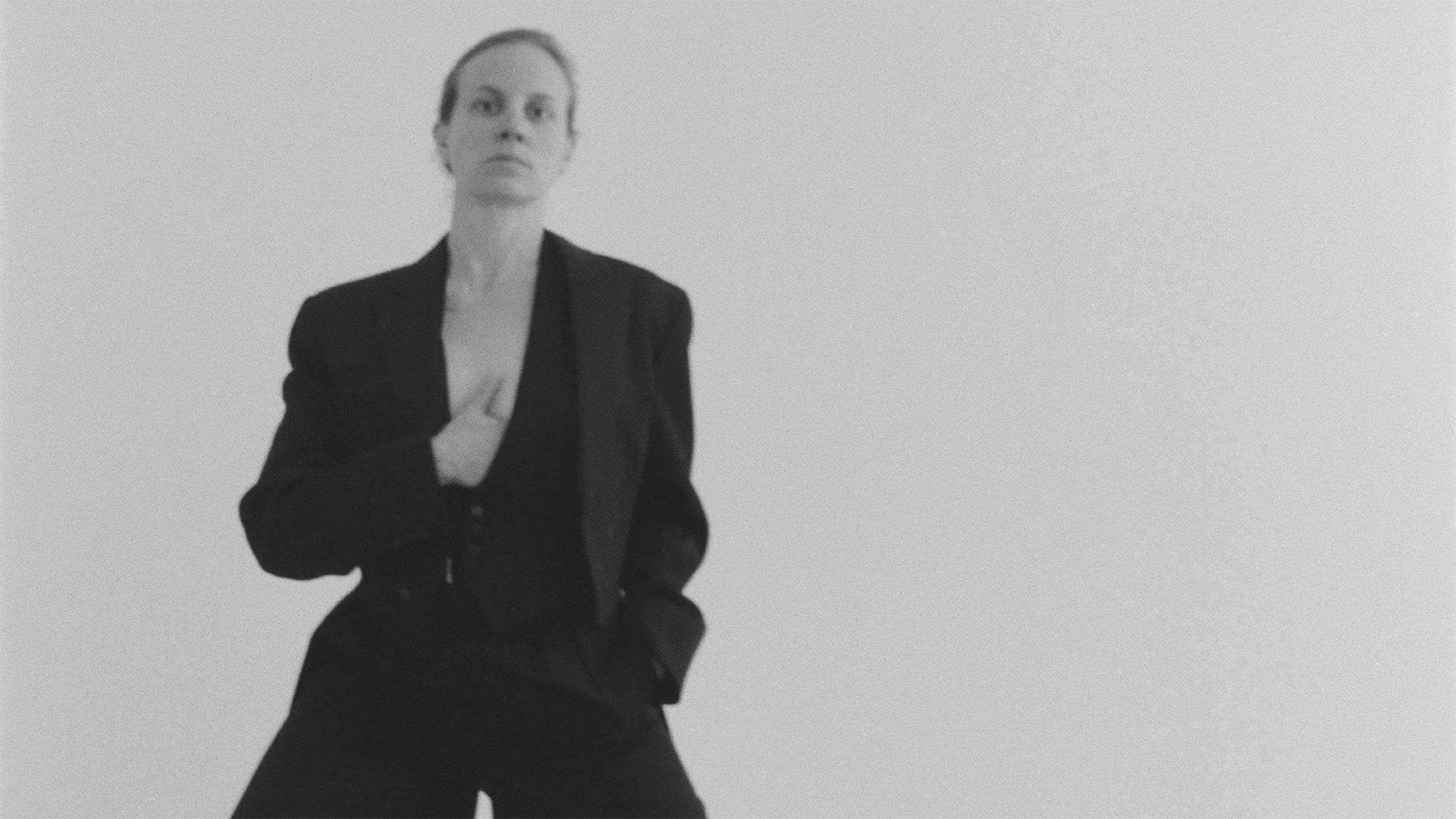
«Nature is the most peculiar place, isn’t it?»
Immersed in the greenery of Stockholm, the surrealist Swedish designer describes curiosity as the greatest force of all.
Porcelain coffee cups used as nipple covers, vintage chairs turned upside down and transformed into shirts, belts into dresses, hair into oversized Elizabethan collars from reclaimed violin bows. The strange and the romantic come together on the catwalk at Hodakova, as if having fun with old houshold items were the sexiest pastime of all. But Ellen Hodakova Larsson’s work is much more than a perverse fantasy turned reality, much more than a love letter to nature: it’s her calling.
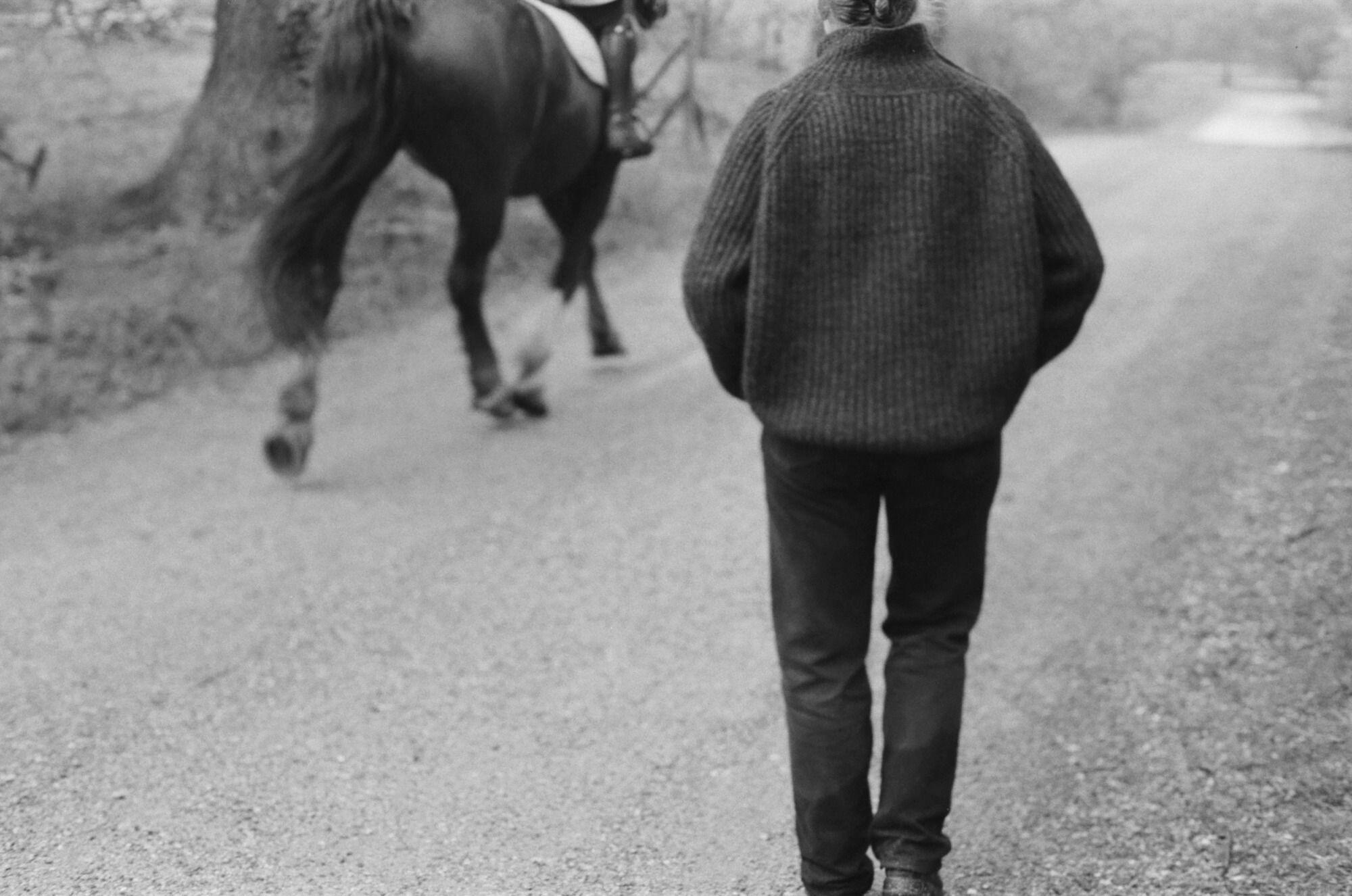
Growing up in the Swedish countryside, surrounded by horses on her family’s farm, she learned how to make and mend clothes from her mother. This upbringing helped Hodakova develop a profound respect for nature and for its undeniable laws of creation and destruction, inspiring her to care for even the simplest objects and transform them into luxury craft projects.
The brand Hodakova was founded in Sweden in 2021, and has since grown into one of Europe's most celebrated emerging fashion houses. Despite international recognition, Hodakova has never strayed from her ethos: demonstrating that production is actually the least interesting aspect of fashion, and that true innovation comes from looking at the world through a different pair of eyes.
And Ellen Hodakova’s eyes are wide open, taking in all that’s beautiful around us and elevating its form so that we, too, can finally notice.
In your work you have used all sorts of things, turning pieces of furniture into dresses and accessories into lingerie. What, in your eyes, makes an object beautiful enough to be transformed into clothing?
When you study something deeply, whatever it is, there are details that are awakened when you pay attention, big or small, complicated or simple.
What does your design process look like, from ideation to creation?
To follow the curiosity to explore, the process is the adventure.
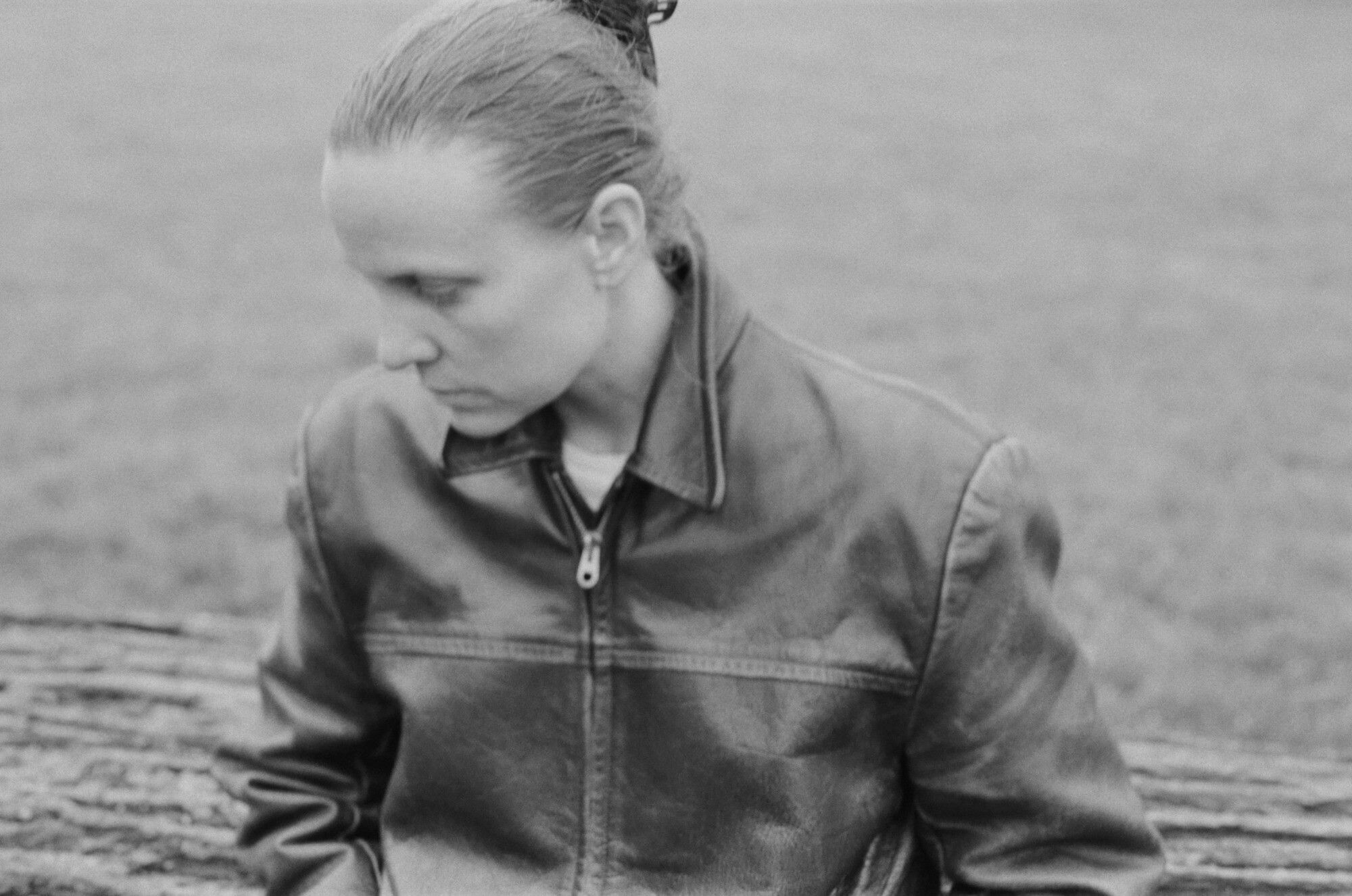
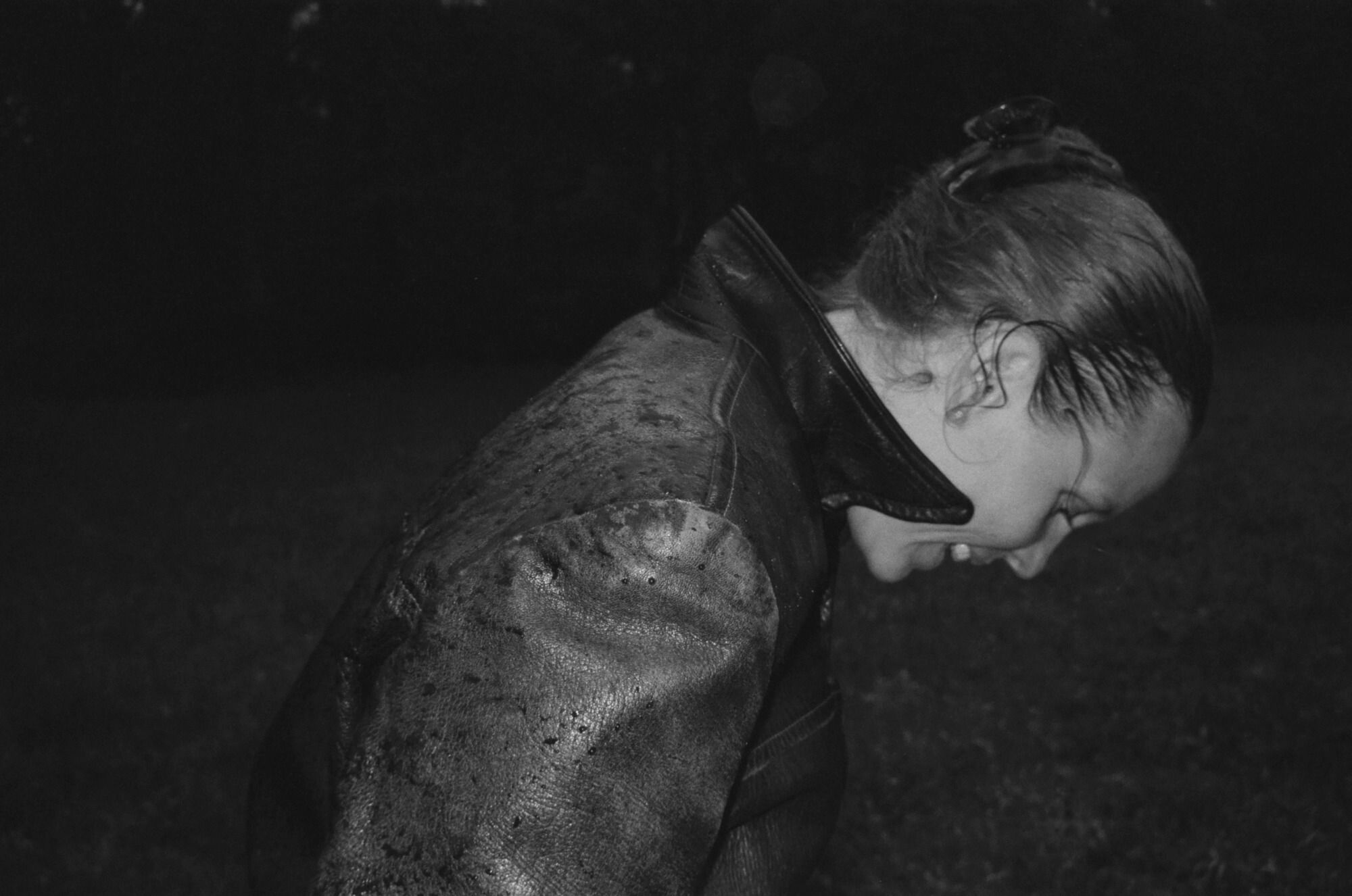
Has your design process led you to discover something new about the female body, maybe even to challenge your own ideas of femininity and feminine dressing?
I explore silhouettes, attributes, and historical references from a broad perspective to better understand the person being portrayed and to accentuate their many layers. In doing so, it awakens a sense of freedom and ease in embracing the different sides of femininity.
Sustainability is at the core of your brand, influencing both the aesthetic and innovation of your design. What do you think is the greatest gift this endeavour has given you and your brand, beyond international recognition?
Restriction, for sure, as it embodies the force of exploration. It is a constant challenge to not give up, leading you into the present moment and the problem-solving it requires, ultimately pushing you to learn, to be able to do better and understand more deeply.
Although rooted in deconstruction and surrealism, your designs exude a certain sense of joy. If sustainability informs the more technical side of your work, where does humour find inspiration?
I believe that humor brings us together. It enhances big questions to become real, it also questions both sides of a coin, if you should or shouldn’t, what it is or isn’t?
I really believe at this moment we should look outwards more than inwards, with gratitude.
Where do you look in search of fantasy?
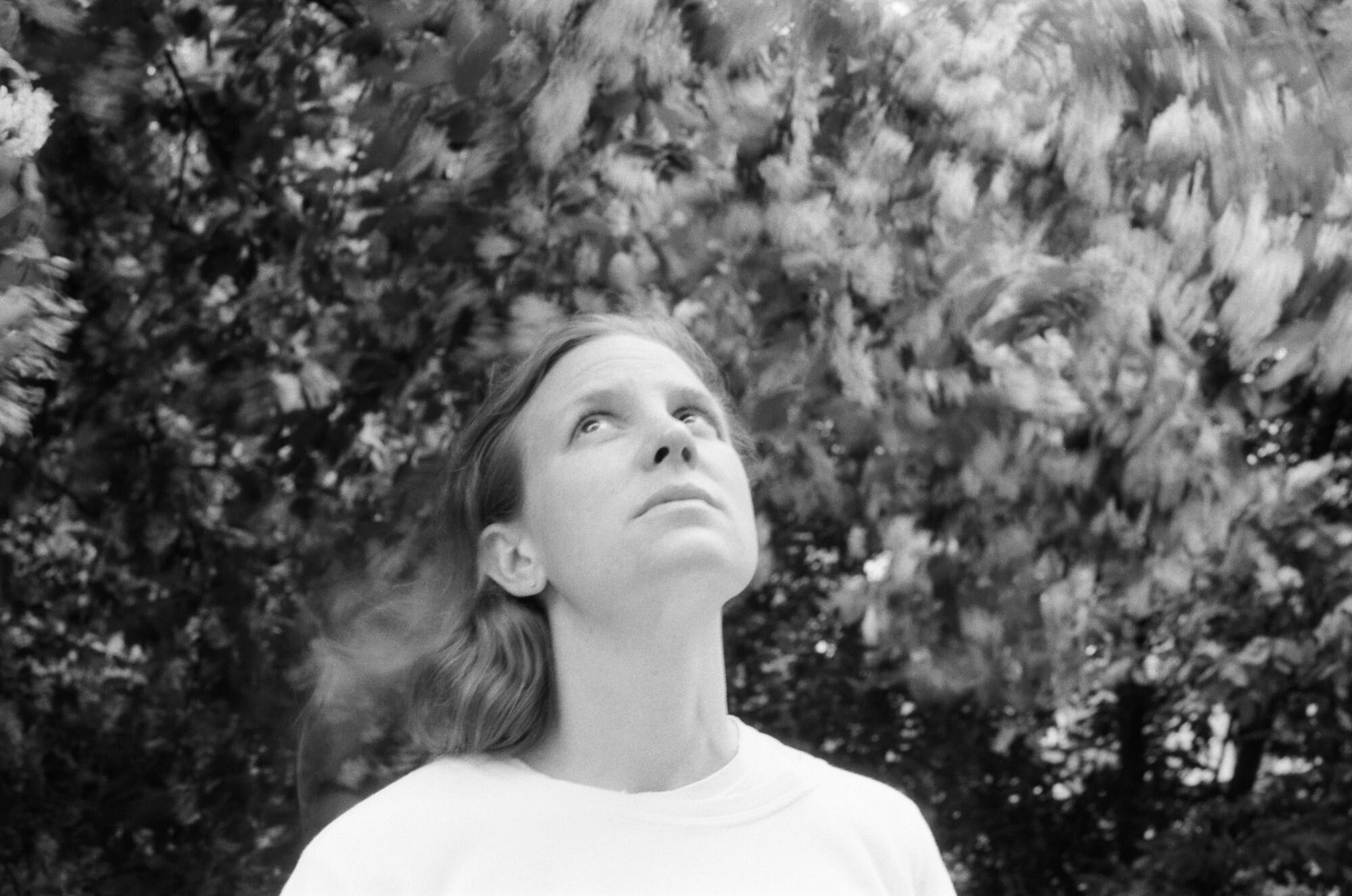
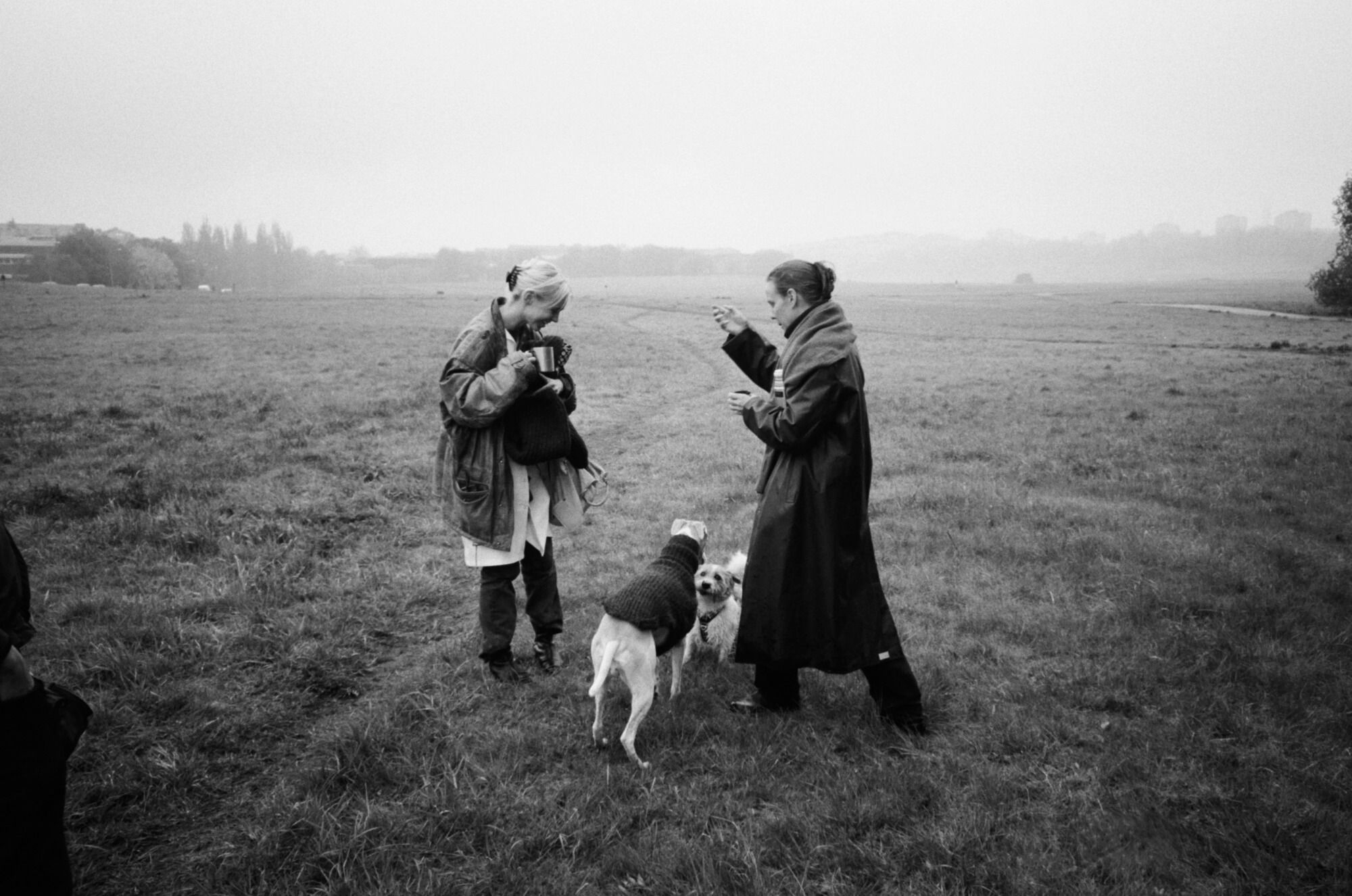
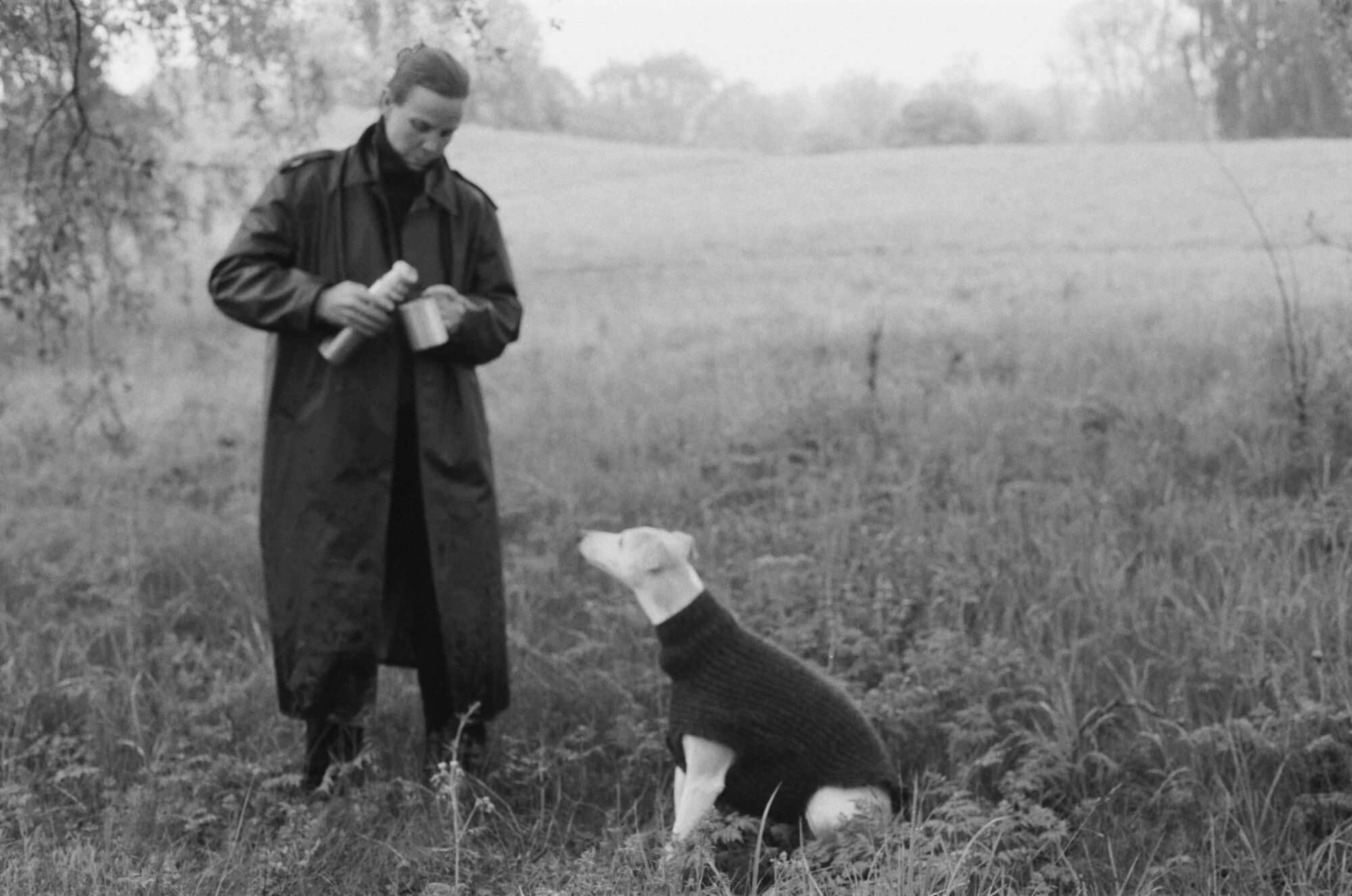
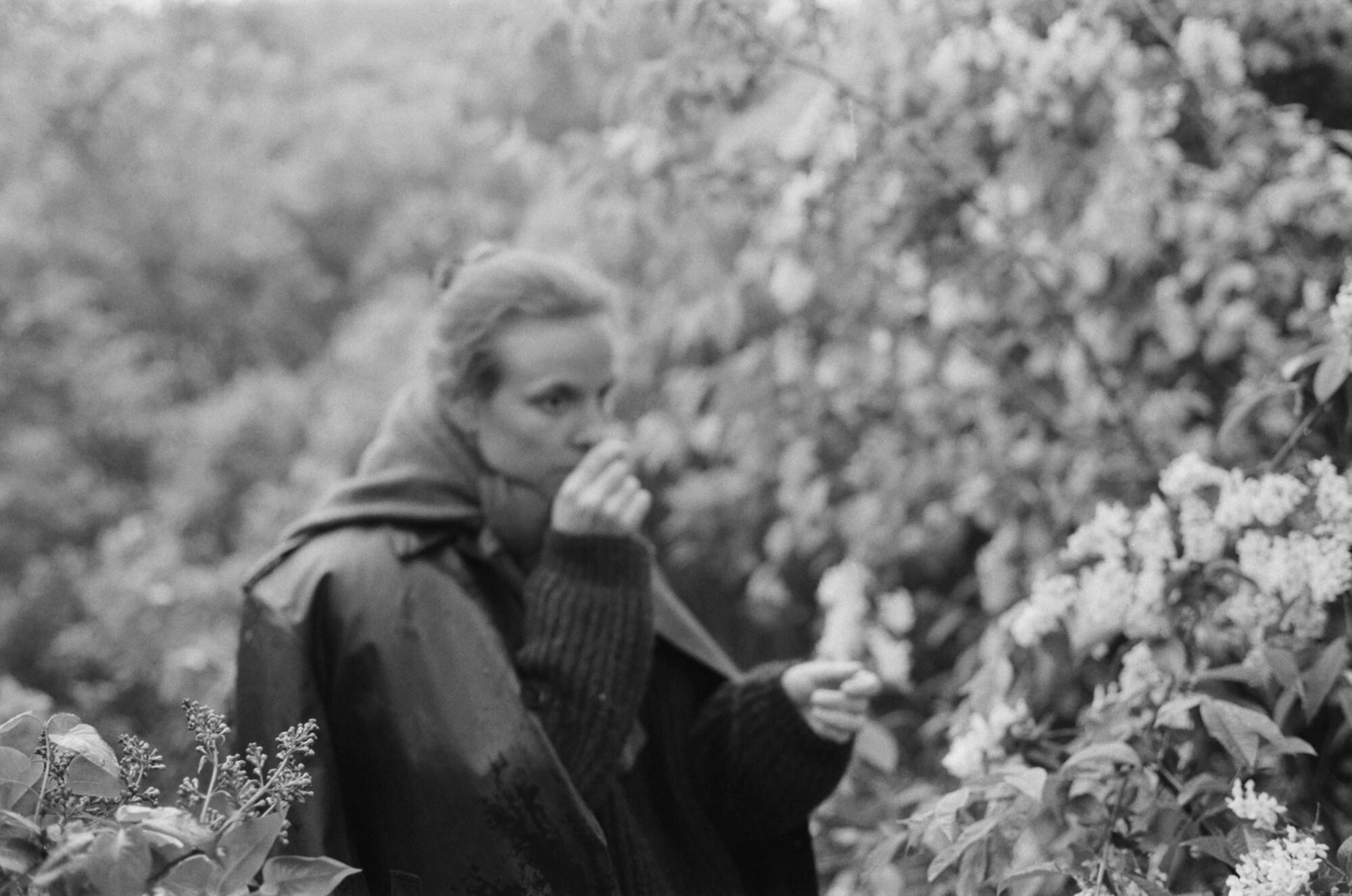
Nature is the most peculiar place, isn’t it?
What does luxury mean to you? And how does Hodakova’s anti-consumeristic ethos inform its business model?
For me luxury is the present time, an easy life full of responsibility, learning and love.
I believe there is more to life than consuming what's in fashion and materials that impoverish us, our magnificent nature and our animals. We all see the fugitive traces and I want us to live with the eco-system and learn from it, not constantly drain it. I believe it is better to create materials with longevity, allowing them to circulate and raise awareness that fosters care for our world, our behavior, and our relationships. Time is now, and as David Attenborough says, ”why would I ever want to live on the dusty moon, when we have earth full of life”? We need to care about it, and together make choices that come from love. The way we still treat animals as slaves and force species to become extinct is an act of ignorance and ego.
At Hodakova every material we use is up-cycled, recycled, or we simply allow it to reveal the beauty that time has encapsulated into it. Sourcing is a vast and evolving industry, and when we can collectively find a good system for sorting waste, it can be transformed into new purposes. This is my purpose.
Hodakova is evolving at a difficult time not just for fashion, but for the society as a whole. What message do you hope the world will take from the brand?
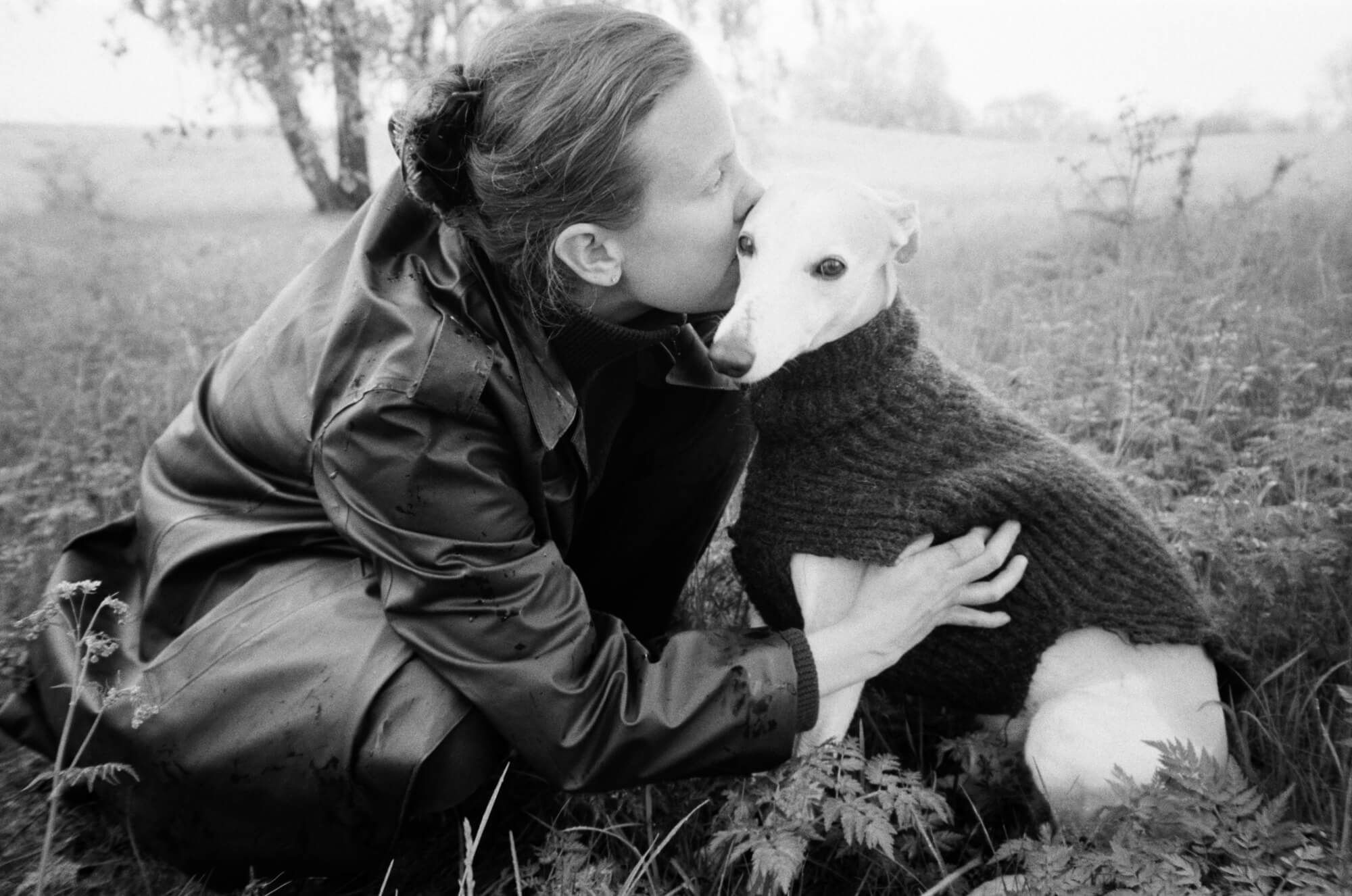
To quote the words of Lord Byron: ”There is a pleasure in the pathless woods, there is a rapture on the lonely shore. There is a society where none intrudes, by the deep sea, and music in its roar: I love not man the less, but Nature more.”
Do you remember your first time in Paris? What feelings did the city evoke in you on your first visit?
The first time I visited Paris I was working as an apprentice for a designer. I remember him taking me to a gorgeous Japanese restaurant in Saint-Germain on my first day, together with his beautiful boyfriend. He wore amazing antique Indian jewelry that left me stunned. It was a small, mystical place, and we were served dishes again and again. I had never tasted Japanese food before, nor had been to France, and I remember feeling so fortunate walking the streets of this new world, filled with an excitement for more.
Are you more inspired by the history of Paris, or the city’s contemporary life?
Both for sure, we should not ignore today, but learn from yesterday. The history of Paris is outstanding!
Can you tell us your favorite Parisian encounter, or perhaps a peculiar experience in the city that has stayed with you?
The first time I went to this fantastic bookshop in the 14th, I met the very loquacious owner. He told me the most amazing autobiographical stories about how his friends had become some of today’s great artists, and how he had kept their early works and never traded them. We laughed, and I left enriched by both his humble persona and his brutal archive.
I remember his rounded glasses very clearly, and his narrow, bony shoulders beneath a thin cotton T-shirt that was once white. It clung to his body like extra skin. He had never washed his jeans, as he should, and his voice was deep and strong, but very gentle at the same time. He was maybe sixty-five years old, a smoker.
I never met him again, the store moved and voila. Paris keeps giving moments to remember.
Paris is love, but what’s love to you?
Love is care, support, laughter, touch, physical proximity, trust, balance and safety.
Having developed your brand as a designer and entrepreneur, do you still believe that fashion is a matter of love? Is your work still as driven by the same passion and dedication as the beginning of your career?
My practice has always been driven by my curiosity to discover and share that research through composition and presentation. Because 'fashion' inherently signifies change, I believe it will inevitably metamorphose with the continuous progression for the change the world will require and so will I.