

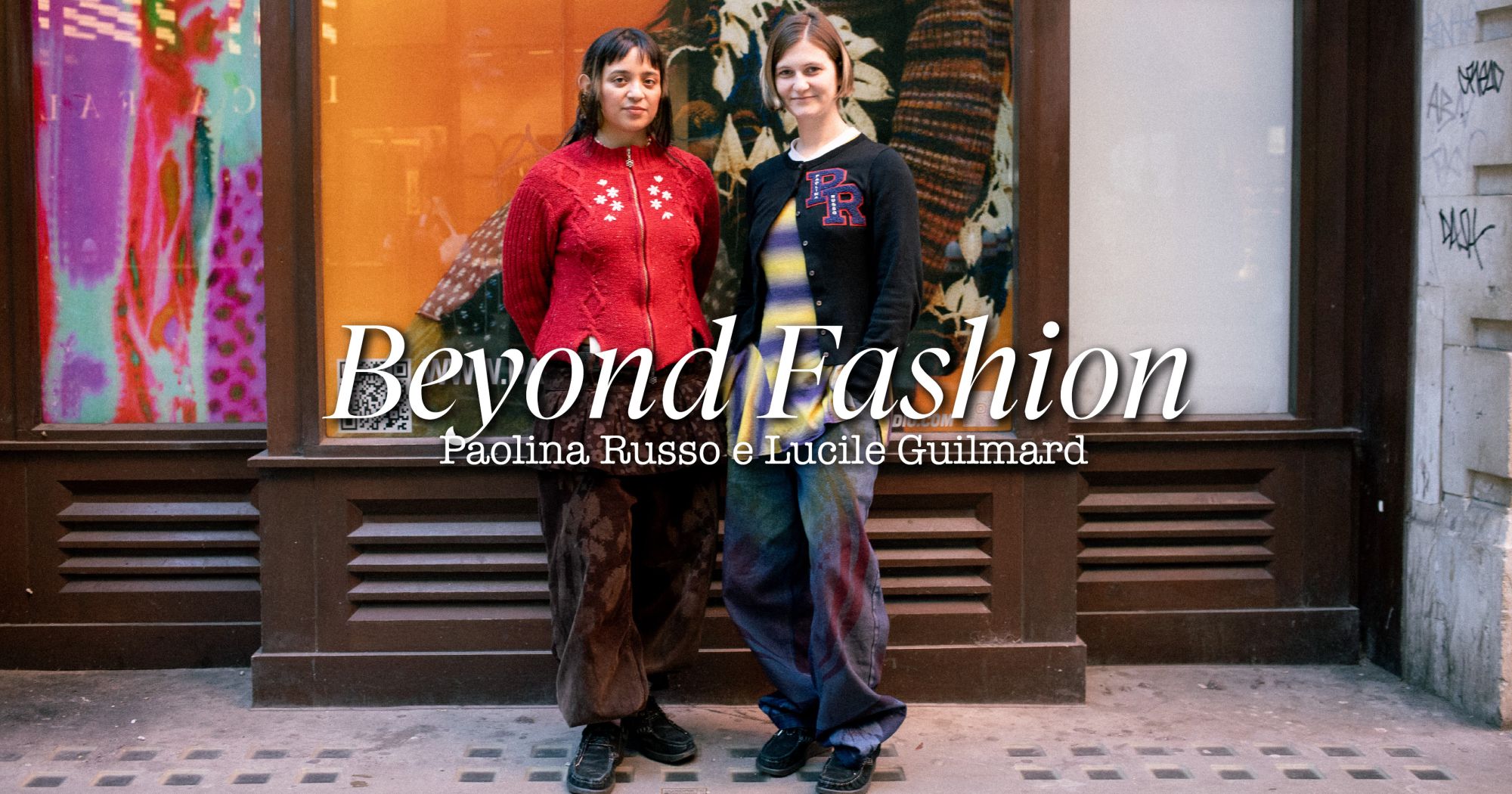
They say dreamers are always sending something flying: castles, their heads, ideas. The talent of Paolina Russo and Lucile Guilmard, dreamers and creative directors, lies precisely in their ability to let their imagination run free while keeping every project firmly grounded in reality. This is why the brand, founded by Russo in 2020 and joined by Guilmard in 2022, continues to grow within the complex and often unpredictable landscape of independent fashion. Between collaborations with established brands such as adidas and Converse, and renewed support from the Paul Smith Foundation, Paolina Russo has found fertile ground to blossom in London, but also in Copenhagen, where the duo presented their Lone Star show-concert this summer, and, as the two designers hope, in Paris in the future.
The brand’s international spirit comes through in every project: Russo is Italian-Filipino, Guilmard is French, while the brand’s knitwear production, the true stars of every collection, takes place in Peru. «I’m always smelling yarns,» says Russo, bringing her hands close to her face as if gathering a handful of wool to take in its scent. Having met at Central Saint Martins while studying, the two designers are knitwear experts, a passion that becomes particularly evident in their tone of voice, which rises slightly whenever the conversation turns to the subject. «We’re two real knitwear nerds,» they both admit.
Ever since its foundation, the Paolina Russo brand has captured the zeitgeist of the generation to which the two designers belong. The brand’s projects bring together everything tomorrow’s creatives love: what they listen to, through niche music collaborations with artists such as Oklou, haloplus+ and NewJeans; what they consume, with campaigns and designs inspired by the worlds of video games and sports; and what they seek, through activations and events that give people the opportunity to meet in person and build connections away from their screens.
The story Russo and Guilmard are developing through each show is that of a «heroine’s journey through adolescence», an endless pilgrimage in which this young woman discovers more about herself through the world around her. Despite the degree of imagination and fantasy that Guilmard and Russo pour into the Paolina Russo universe, the goal the two creative directors have in mind for the brand is very concrete: to consciously produce garments that will be chosen not because they are on trend, but because of personal taste. That of a generation that wants to be seen.
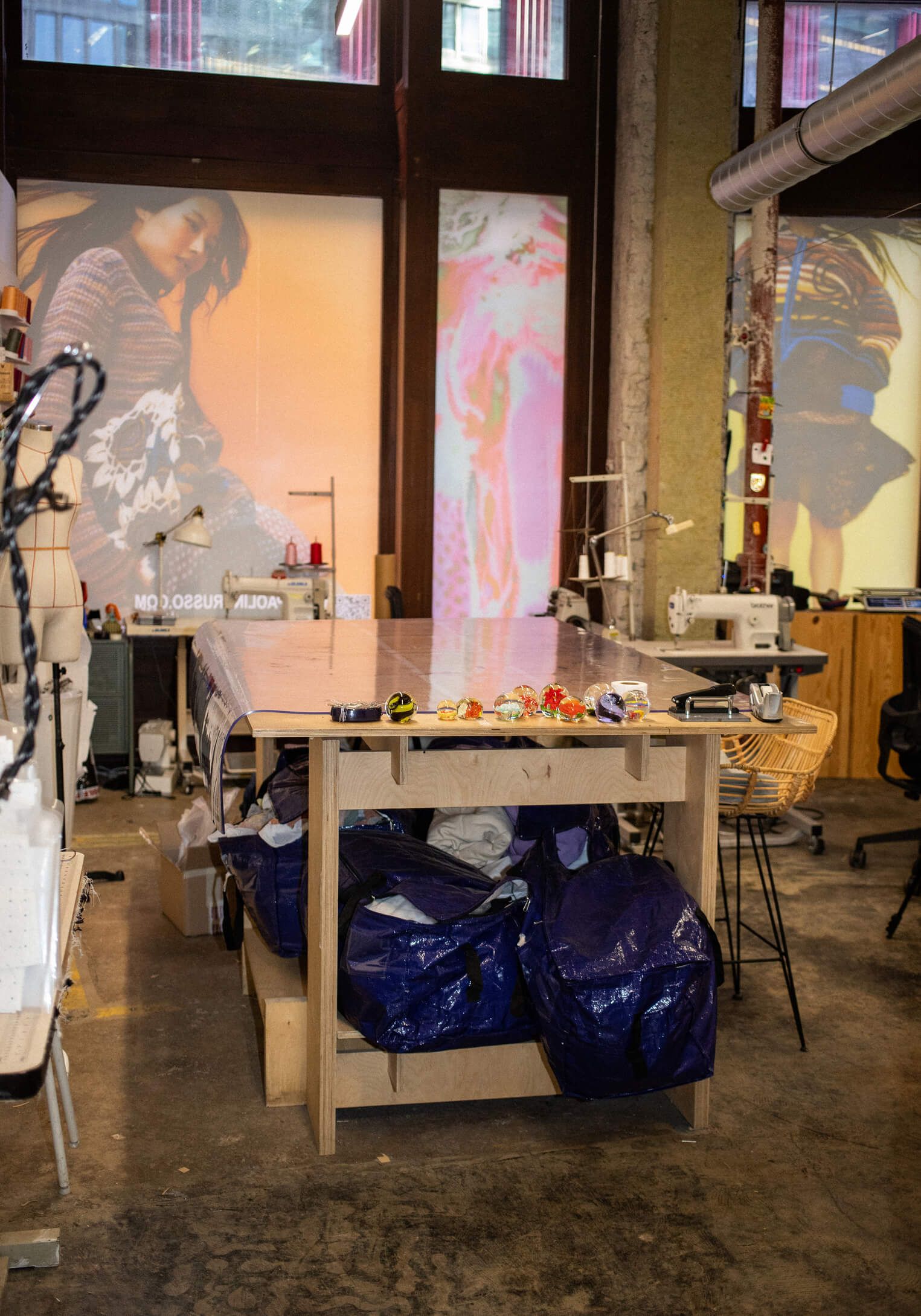
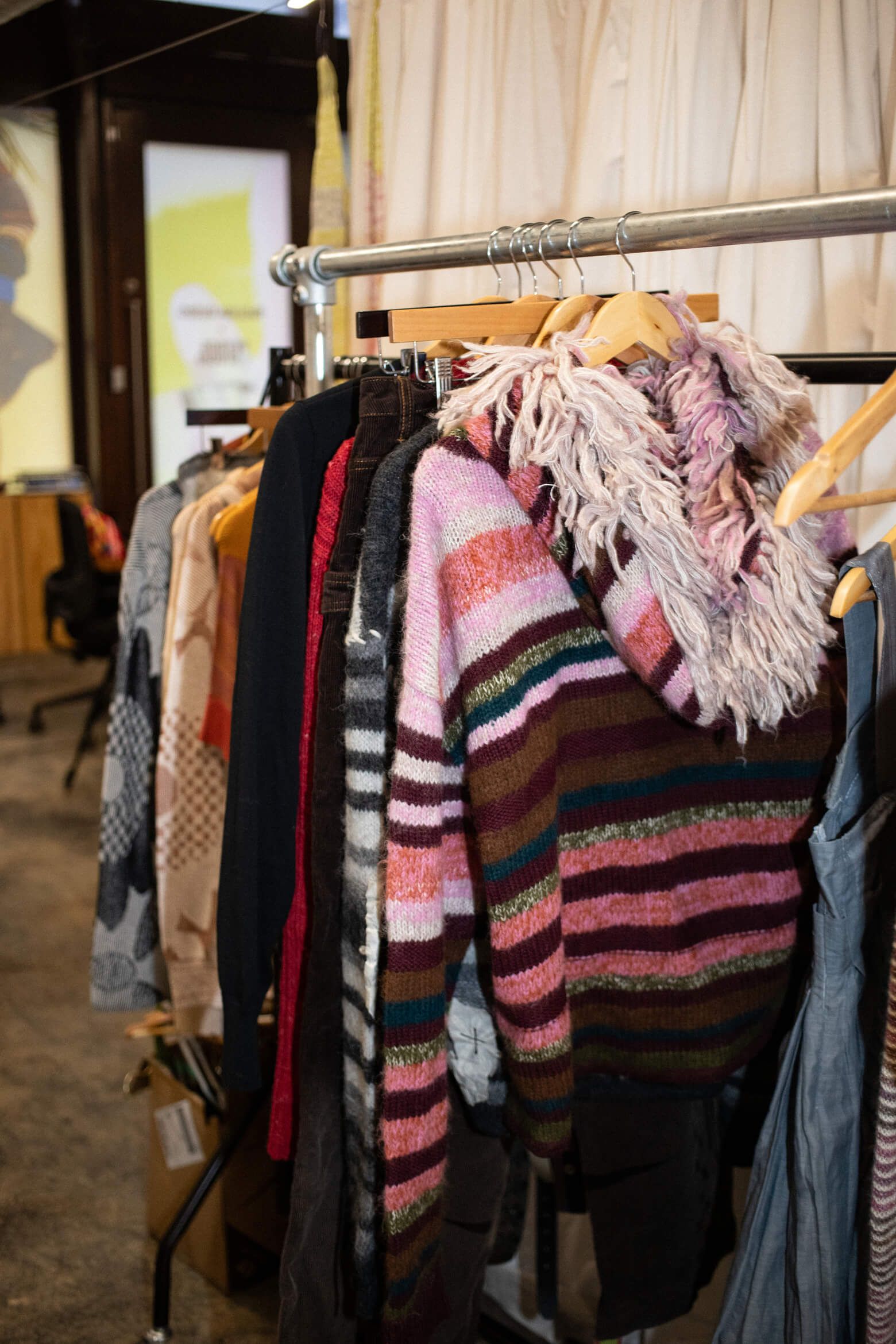
Lonestar, the show you presented in Copenhagen, mixed skate culture and granny hobbies. How did you come up with that idea?
Paolina Russo: One of my best friends had just started making quilts, and I found it to be such a modern thing. There’s this surge in interest in craft within our generation, and I love that people are yearning for tactility and the ability to connect with others through making.
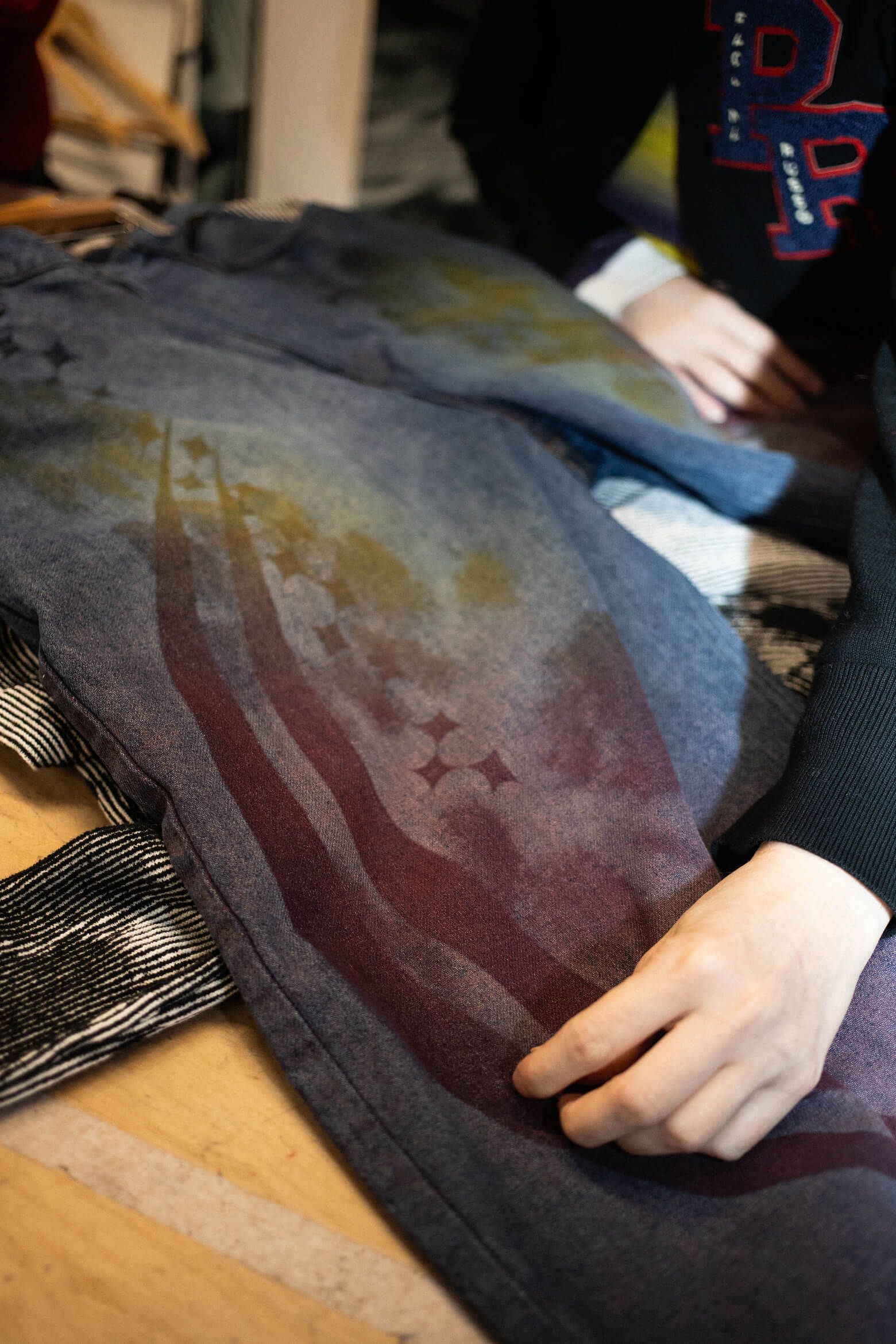
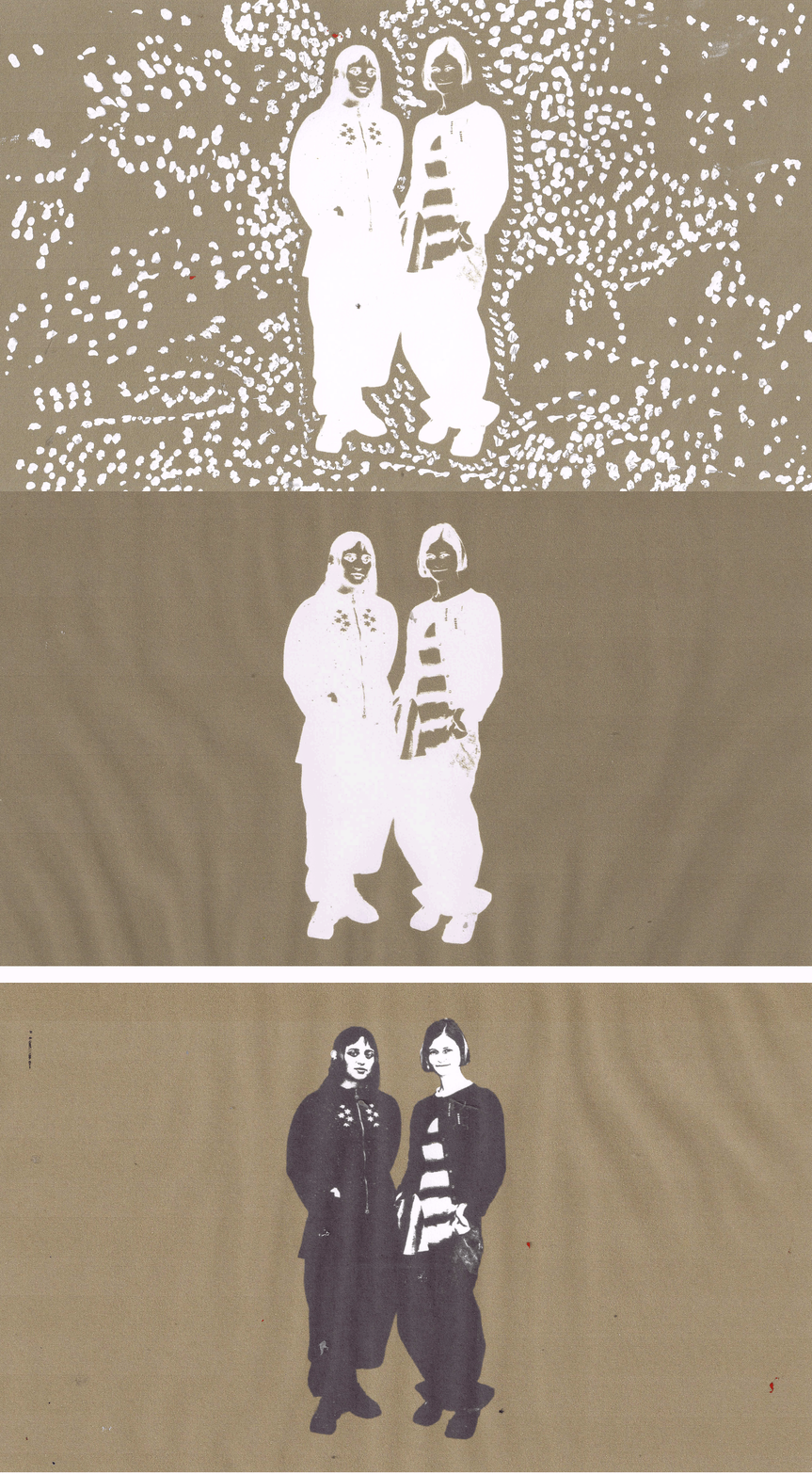
Lucile Guilmard: Quilting used to be an empowering tool for community. The Lonestar quilt, which titled our collection, is a famous motif that appeared in the States. It’s a massive star that's formed of smaller stars made of different fabrics. Since all the stars used to be made of different fabrics, it seemed like a great image to celebrate uniqueness. The stars all look different, however when you look at the quilt from further away, there's a harmony. We ended up making two Lonestar quilts, and they ended up being used as the background for the artists that were invited to play at our show, Grace Ives and haloplus+.
You seem to understand your audience quite well, but it must be hard to design for young and international consumers.
PR: I'm from Canada and I'm half Italian and half Filipino, Lucile's from France, the team is formed by people who come from all over the world, but we connect on this one thing: when people wear our clothes, they have to feel like themselves. We get really inspired by the people who wear the brand. Their styling influences how we design.
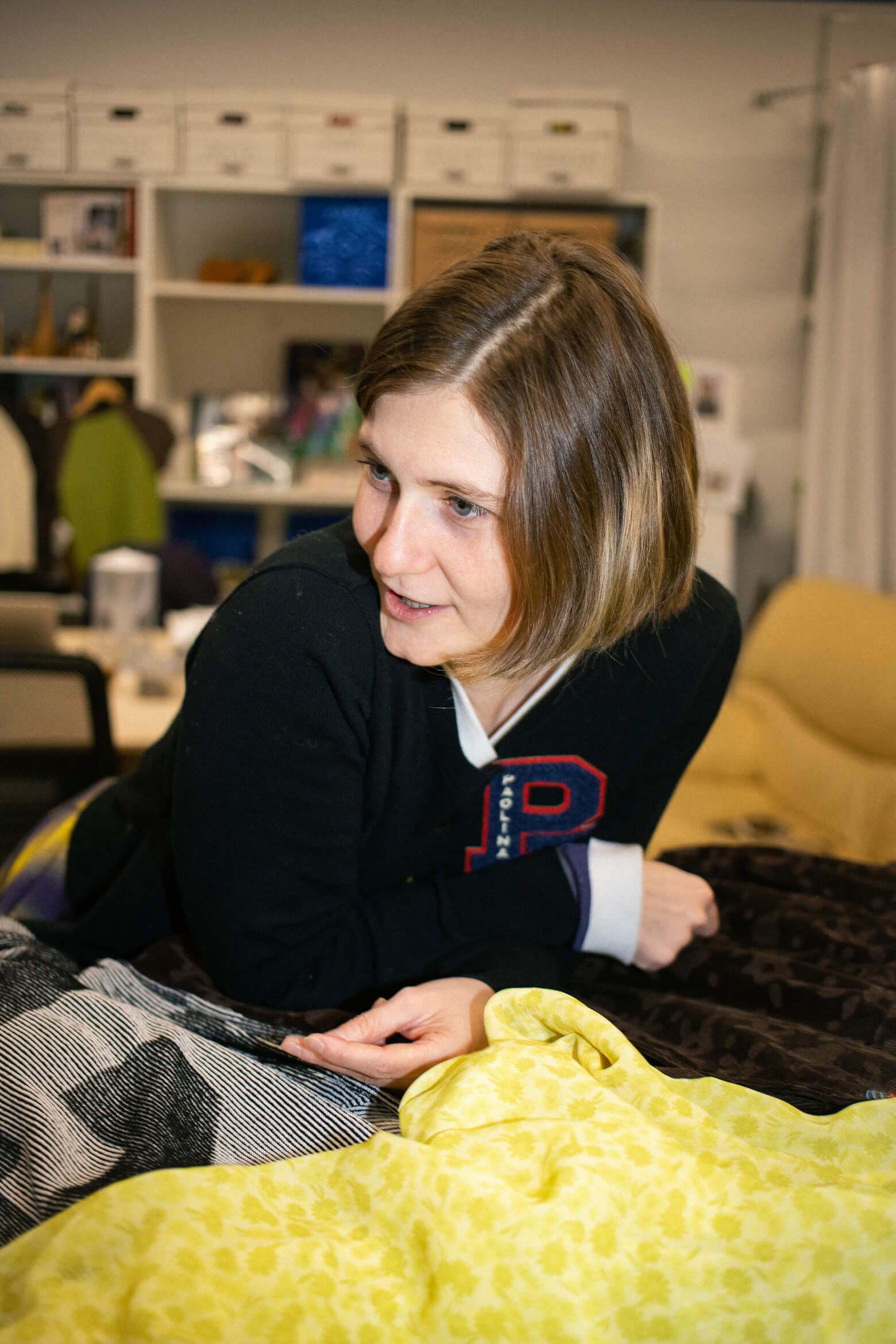
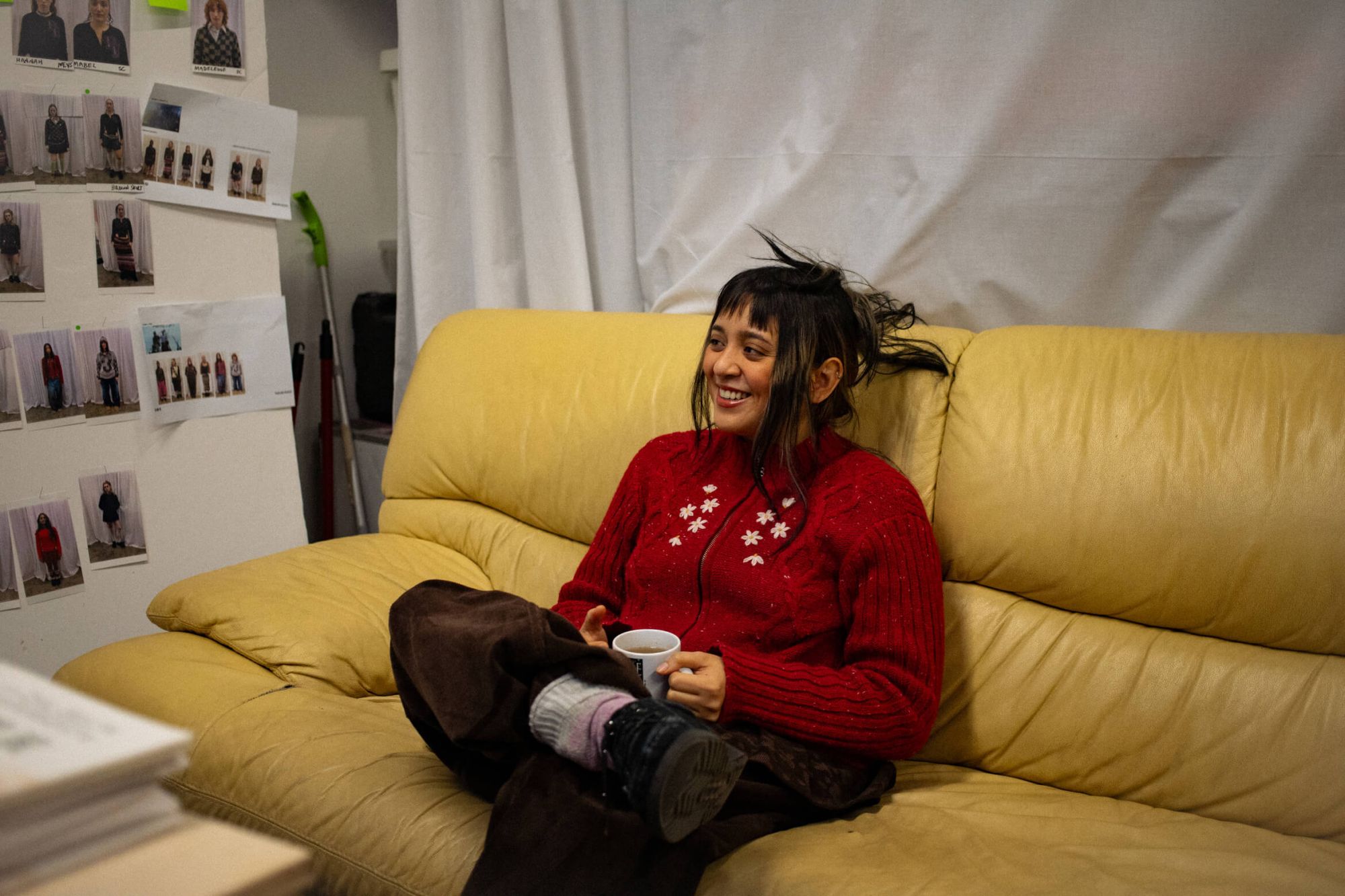
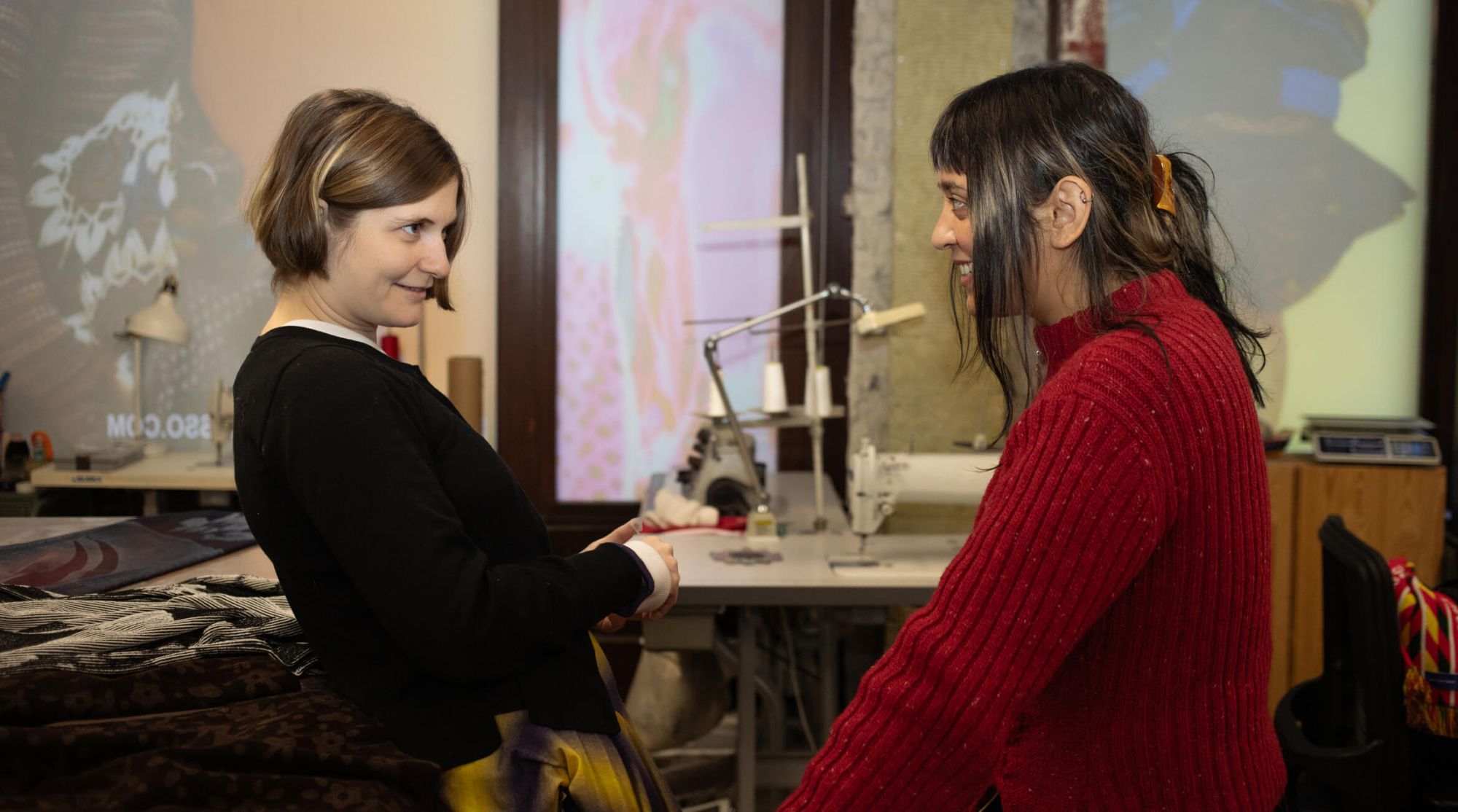
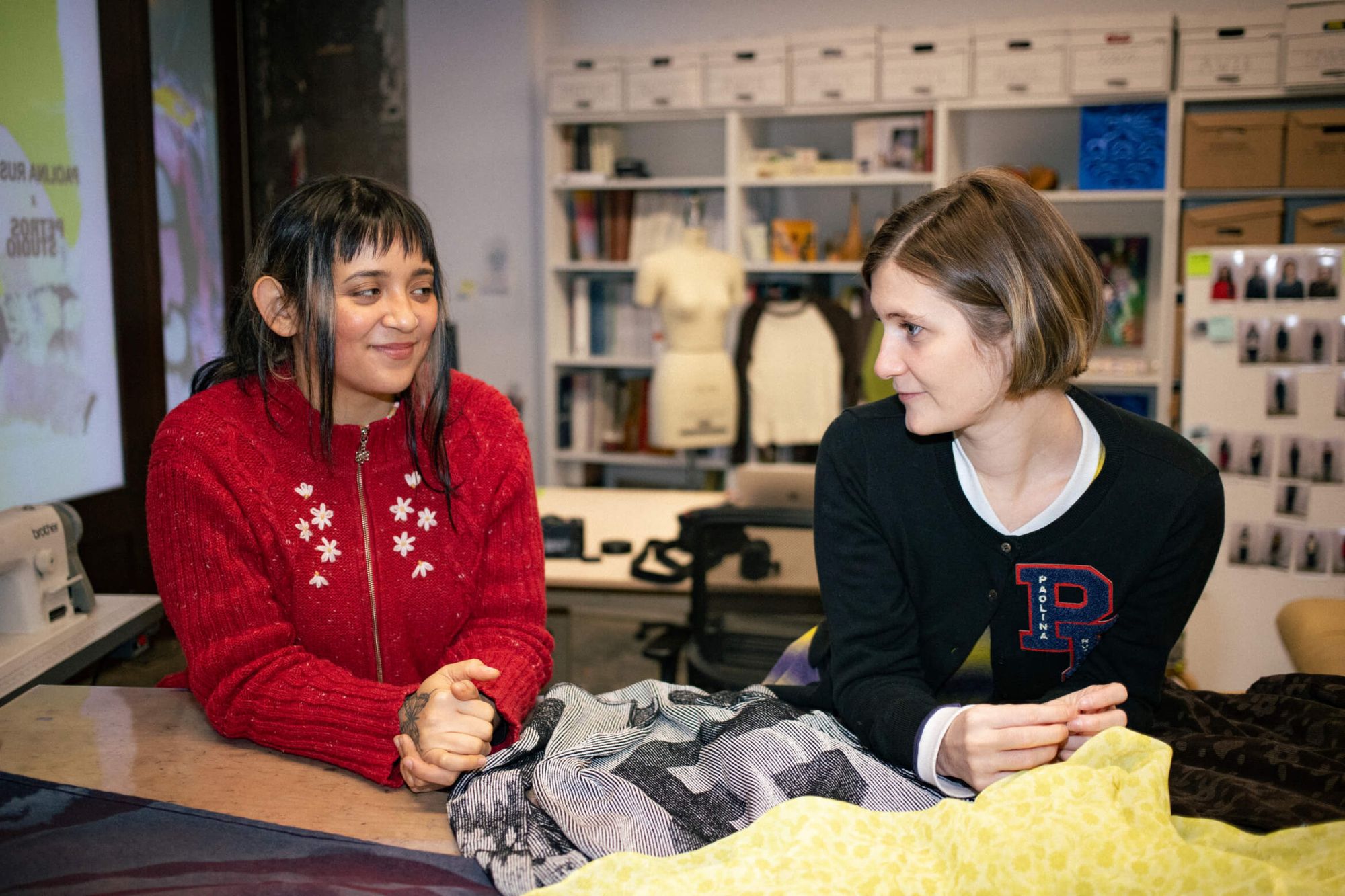
PR: Lucile is wearing a hand-knitted grandma jumper right now that’s been reinterpreted as an armour, but you can actually recognize the stitches and it feels like something that was handed down in the family. The way we work is also very fluid: we come from a design background, so it has always been very intuitive, not traditionally business oriented. We want to be inspired by people, not think about our “target audience”.
LG: Also, youth is a state of mind. Paolina and I come from two small towns, and we’ve noticed that a lot of people that we meet and that love the brand have a similar story to us.
What was it like growing a business as a designer, without any prior business experience?
We're learning on the spot. But running a business is also creative, so it’s fine. It can be fun.
No designer has ever told us that before. Do you have a lot of people that come to you for advice?
PR: We do a lot of teaching, which we really love. And sometimes you'll be surprised by some of the questions you get asked.
LG: Teaching does really enrich our own practice. Sometimes you're telling someone something and you're like “I actually needed to remind myself of that!”
It’s refreshing to hear such a positive outlook on contemporary fashion. Another key aspect of Paolina Russo is your commitment to sustainable production, at a time when the industry seems to be moving away from it. How has that journey been for you?
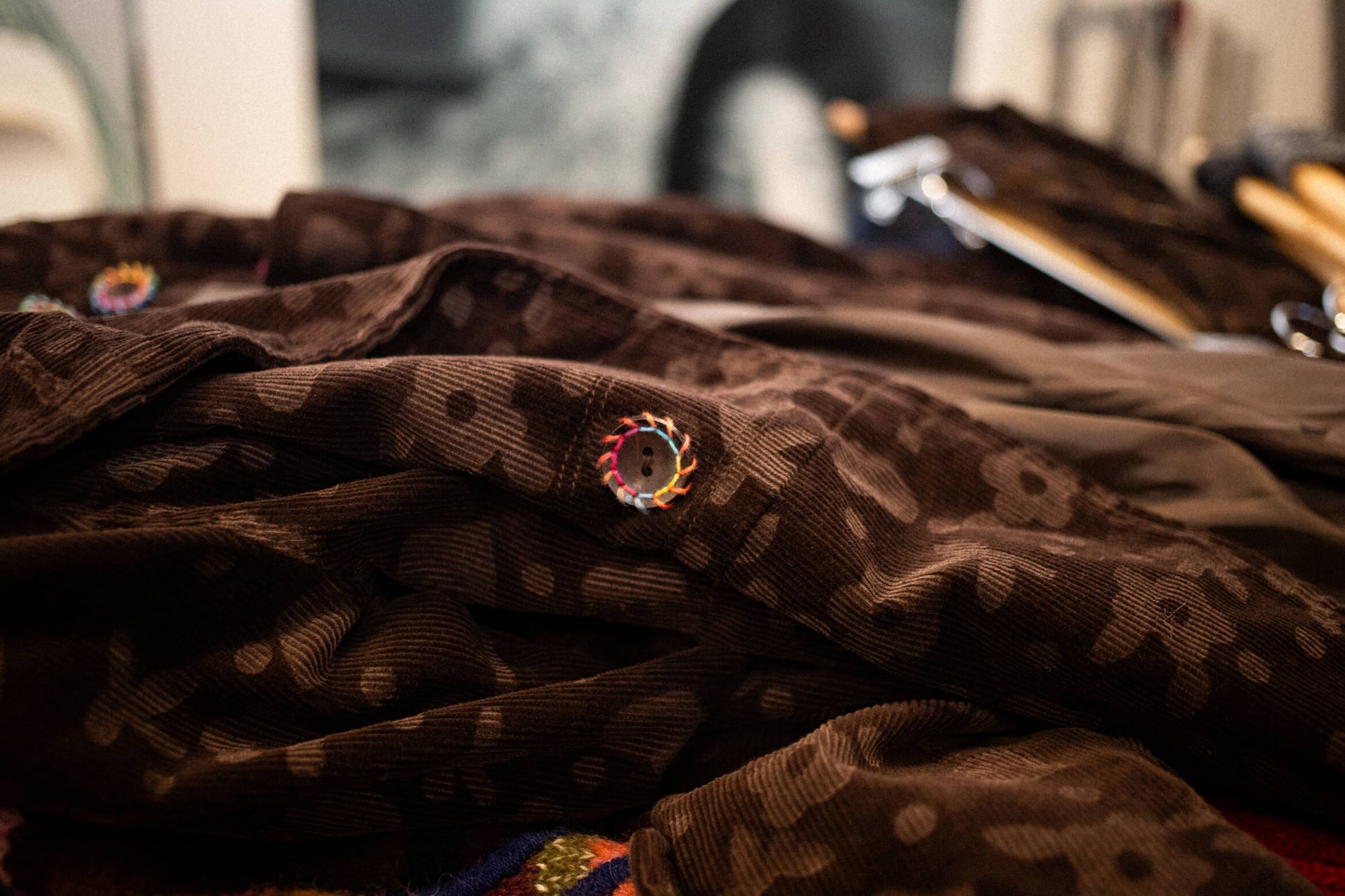
LG: Our generation was born with this issue, so it's integrated in the craft. For us, it starts from choosing the right fiber - wool for winter, cotton for summer, always mono-fiber to make recycling easier - and the people we work with, who also have to care very deeply about improving production. Then it’s about numbers, so we produce on pre-orders to avoid overproduction, and the social aspect, so we work with artisans and a lot of different people from around the world. It takes a village to do anything, and it’s important to shine a light on those who make.
PR: We work very closely with Maison Blanche, which is run by a half Peruvian, half French woman who has been connecting us with a lot of Peruvian artisans around Lima, which is why our collections have such specific colours and they feel amazing. You can really feel it when something is handmade, you can even smell how natural it is.
Has it always been easy for you to access these kinds of sustainable practices?
LG: There’s a strategy in place, of course. We need to find the right third parties for each project, and we need to share the same values. Whether it’s starting a business or improving production, the answer is always community: you have to do it with your friends. Sustainability is no different. To answer your question: yes, there are challenges, but if it’s our goal, we have to work towards it.
PR: It might not be so visible, but there’s a resurgence of interest in creating this way. Smaller, independent production houses are emerging around the world, not just in Europe, but also in Asia and South America.
Not to mention, the made-to-order model can enhance the quality and exclusivity of an item.
LG: Yes, out of stock means out of stock. Even for us.
PR: I couldn’t get Lucile’s jumper on time.
LG: It’s okay, you can borrow mine.