
Did young people make the difference in Lula's re-election? The popularity of certain social media trends certainly did not benefit Bolsonaro
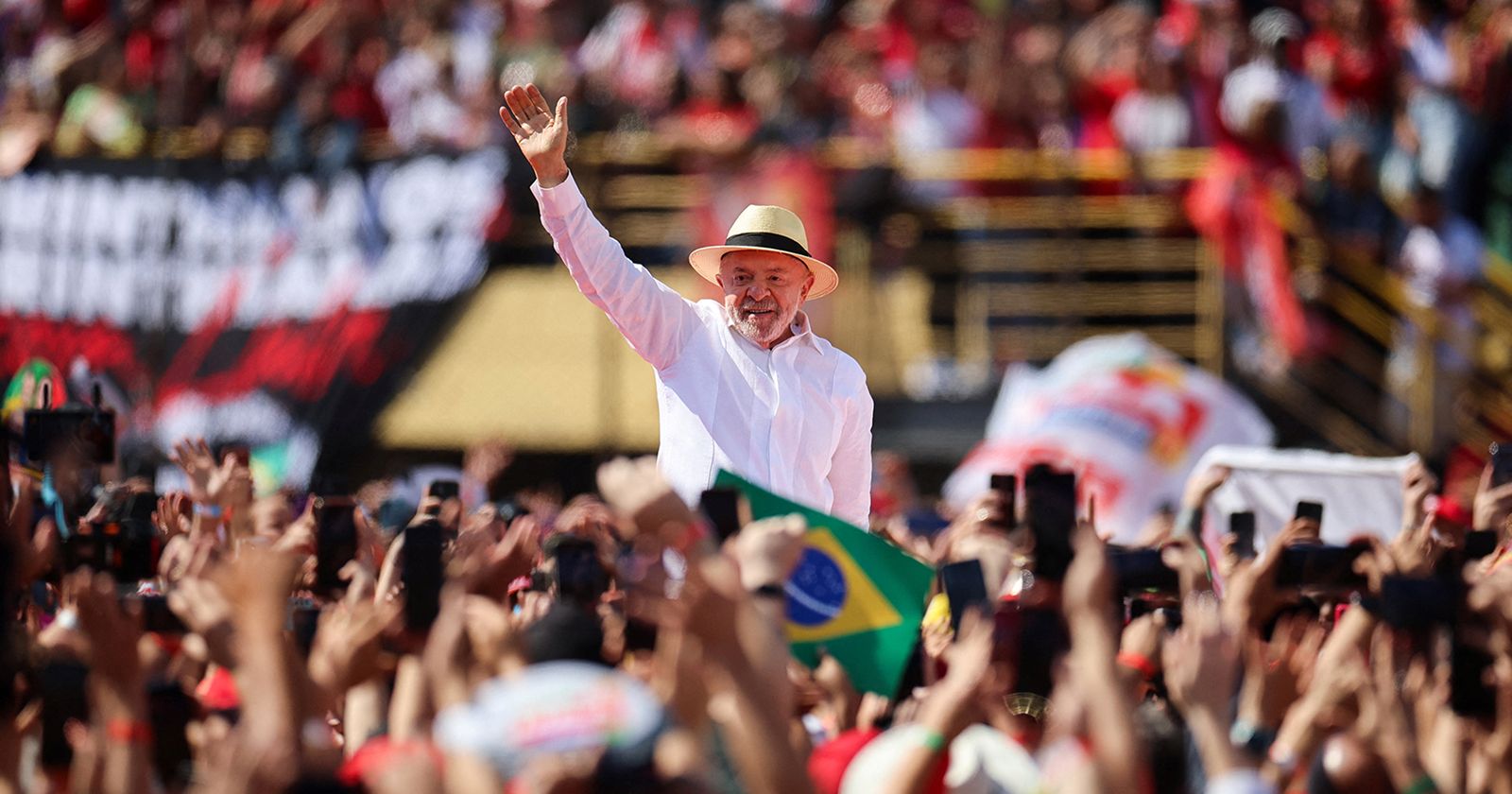
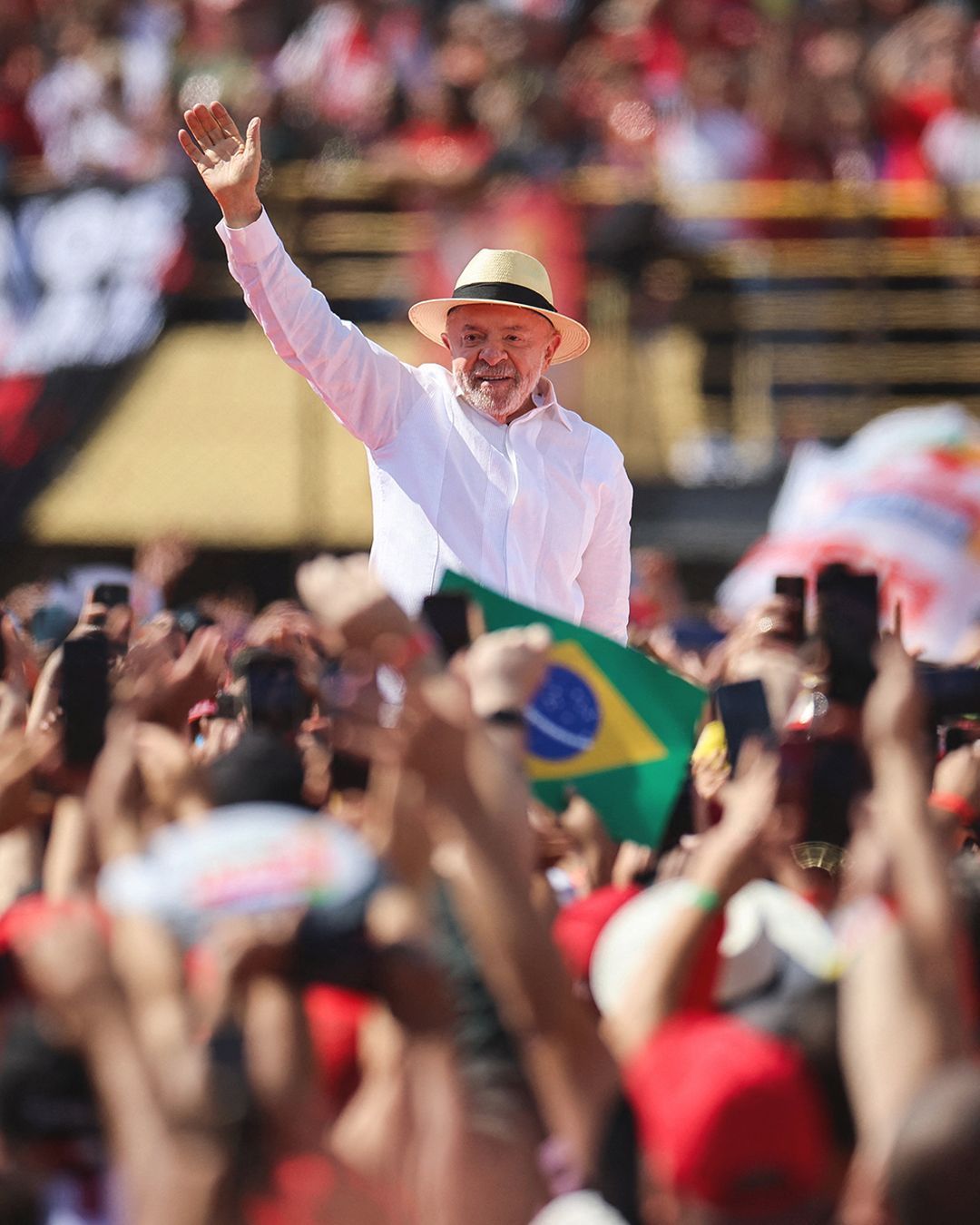
For the first time since the end of the military dictatorship, in Brazil a candidate who came second in the first round of the presidential election managed to reverse the result in the runoff. It happened on Sunday to left-wing Lula, who beat Flávio Bolsonaro by roughly 4 percentage points. The right-wing candidate had been running in place of his father Jair, who was barred from standing following his conviction for the attempted coup of 2022. Lula's victory, at the age of 80, is indeed a surprising result: many observers considered him politically finished, while in several major Latin American countries recent electoral cycles have consistently seen conservative candidates prevail.
Lula's comeback was also influenced by a kind of grassroots mobilisation carried out largely independently by many of the country's young people, who actively campaigned for the left-wing candidate using the tools and language they know best: social media, self-deprecating humour and provocation. In this vein, the most popular trend in the country took the name "Gostosos com Lula" (roughly translatable as "The Hotties for Lula"), in which attractive young people took off their shirts as a show of support for the president-elect. The party did not ride the wave of the phenomenon, but the indirect effect in terms of visibility among the under-30s was potentially significant.
Why the "Gostoso da Paulista" trend mattered for the Brazilian runoff
The "Gostosos com Lula" trend was born thanks to twenty-four-year-old Brazilian Israel Augusto Gomes dos Santos, a resident of São Paulo. During a rally in support of Lula, the young man climbed shirtless onto the roof of a metro station along Avenida Paulista, one of the city's most important boulevards, his face covered by a red T-shirt and waving a pro-Lula flag. Photographs of the scene went viral on social networks, where users began calling him "Gostoso da Paulista" ("The Hottie from Paulista").
Once Gomes dos Santos's identity was traced, his Instagram account, which until shortly before had been private and followed by a few hundred people, surpassed 300,000 followers in a couple of days. Gomes dos Santos then capitalised on the media attention by posting further content in support of Lula.
This way of expressing one's political stance is not entirely new: in recent years, a number of people belonging to Generation Z (born between 1997 and 2012) have blended light-hearted content and pop culture references with political demands. This happened, for example, during the recent protests in France, where some demonstrators showed up dressed as characters such as Spider-Man, among others, while others held up signs featuring specific meme references.
The same phenomenon has occurred with the recent protests in Italy, Serbia, Spain and Albania, among others. According to those who study these forms of mobilisation, the use of light-hearted and ironic language makes demonstrations more accessible and engaging, in some ways lowering the age threshold for participation and drawing in people who might not otherwise take part in protests. Moreover, content of this kind is more easily shareable online and helps reach a wider audience, especially and above all among younger people.
Hailey Bieber's support for Lula also resonated strongly with young people
In the days leading up to the Brazilian runoff, the support for Lula from Hailey Bieber — model, entrepreneur and wife of singer Justin Bieber — also went viral, reaching an international audience. The it girl had reshared on Instagram a post by Brazilian photographer Rafael Pavarotti that explicitly urged people to vote for Lula.
Many users contrasted this form of support, perceived as entirely spontaneous and authentic, with the communication style of the conservative camp, in which artificial intelligence has played a central role. AI-generated videos — almost always cheap-looking, aesthetically sloppy and rather trashy, either glorifying their own leaders or attacking opponents — have become a recurring tool in the communications strategies of numerous right-wing figures, both in Europe and in the Americas, but are often seen as inappropriate and in poor taste by younger audiences.
What to read next

5 moments you missed at Sao Paolo Fashion Week FW24
Delve into the essence of Brazil's fashion scene