














"Cambogia" teaches actors that you have to care about your own characters Valerio Lundini's directorial debut premiered at the Rome Film Festival
There is nothing more understandable, yet at the same time more off-putting, than seeing or hearing an actor or actress disown or show impatience toward a role they have played that has become iconic. One of those parts that allows you to become known to the wider public, to be so famous and admired that you enter the collective imagination. Roles that can be a burden, but whose immense fortune they brought cannot be ignored — and it is truly ungrateful to treat them with disdain or dismissiveness. These are attitudes not all performers have, or at least not necessarily so often, but they do exist, and they take an unexpected turn in Cambodia.
The film is the debut feature of Valerio Lundini, a comedian who moves from television to his first outing as a screenwriter and director, having already appeared in supporting roles in projects such as, among others, La vita da grandi, in which he plays himself, and in leading roles such as Il più bel secolo della mia vita. A personality who, having previously ventured into uncharted territory with Italian television (we recall: Una pezza di Lundini and Faccende complicate), does much the same with a film that is a comedy, a suburban story, a gory crime tale, and a gentle yet pointed — if veiled — send-up of the entertainment industry with all its vices and idiosyncrasies.
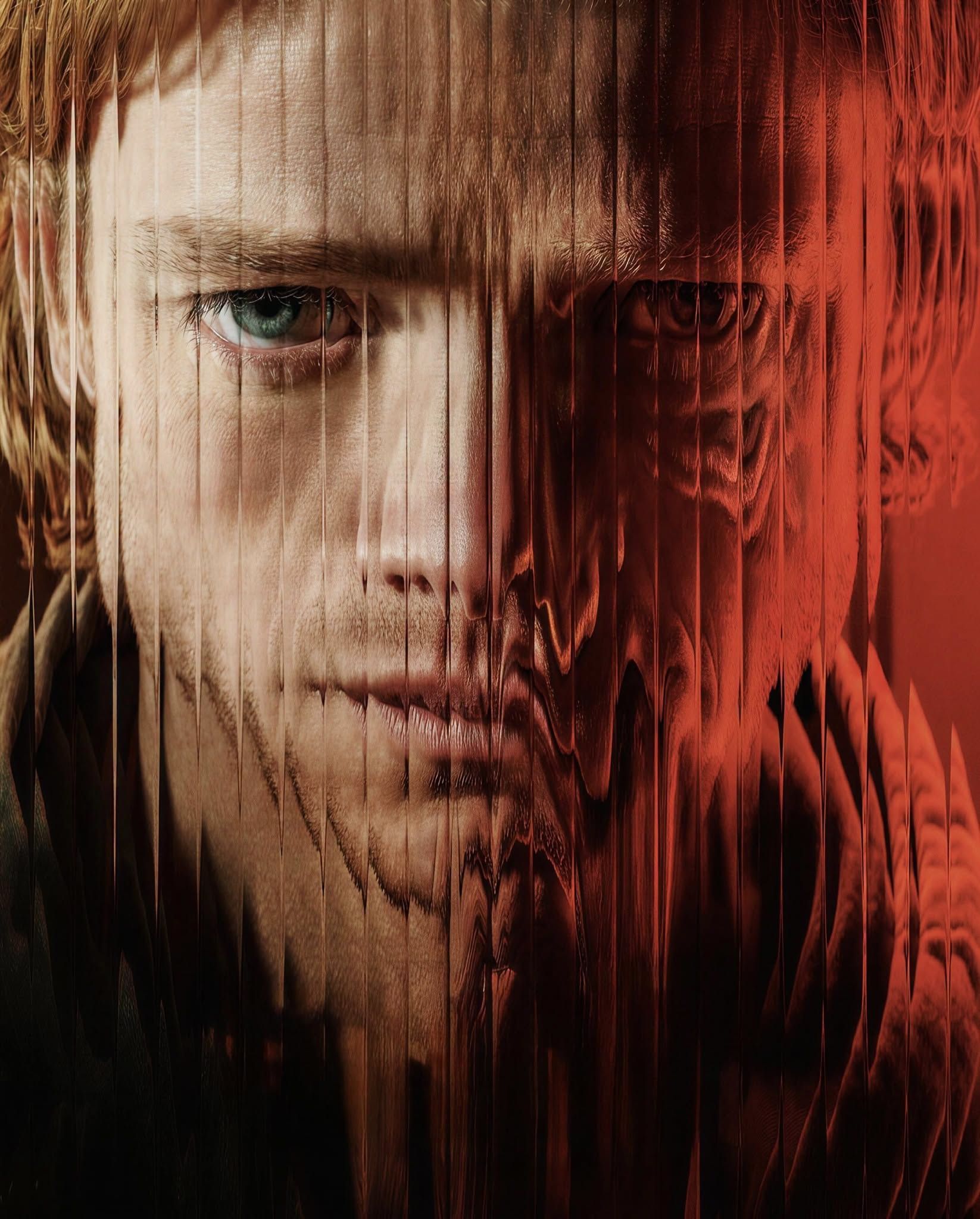
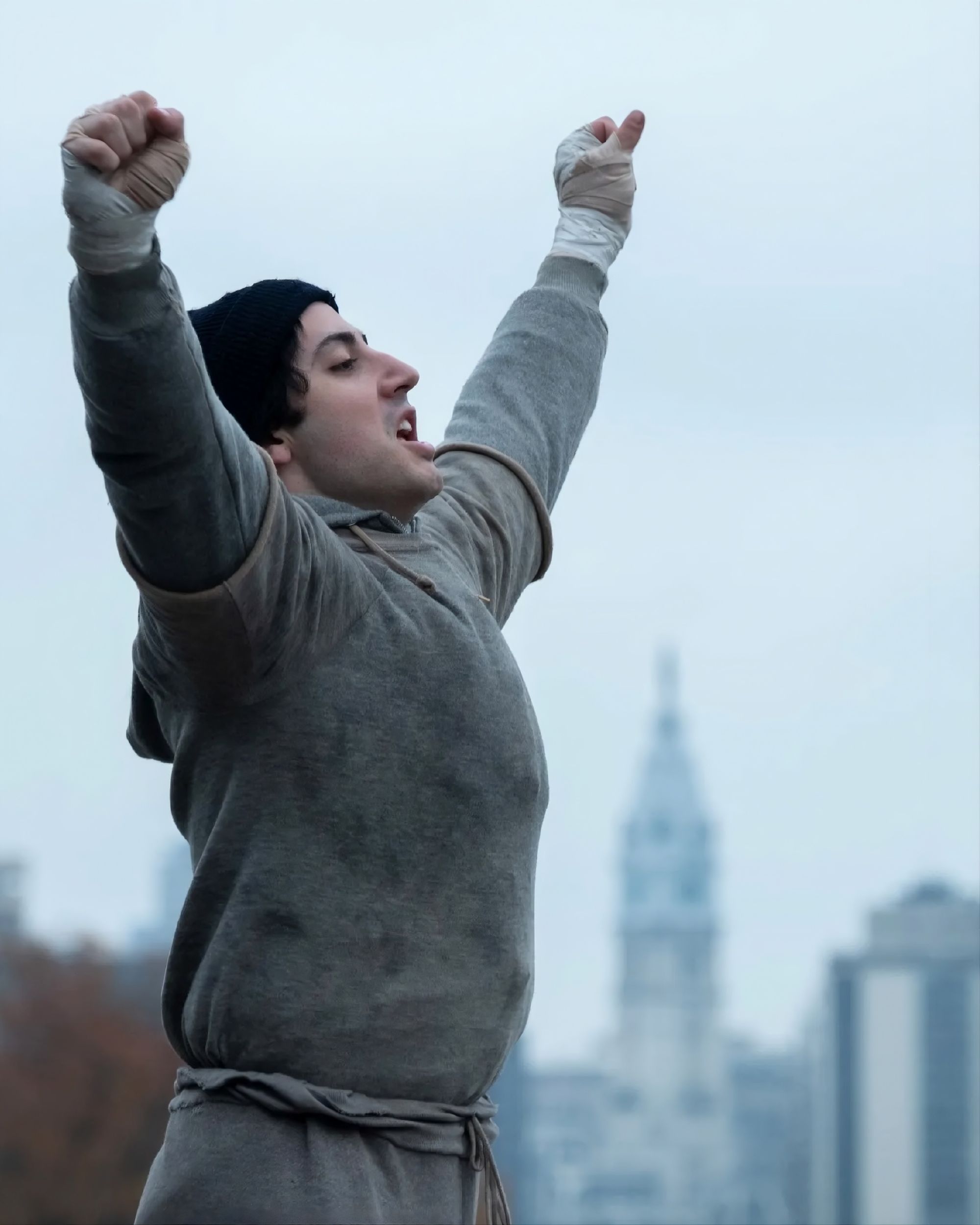
Lundini, who also stars in Cambodia, plays Valerio De Nicolais, a serious actor — as some like to describe themselves or be described — who has grown tired of playing the role of Tramezzino in the show that shares its name with the film's title. A straight-faced parody of successful works like Gomorrah and Romanzo criminale, where every line is emphatic and betrayal lurks around every corner. A hit title that Valerio has nonetheless grown weary of, preferring to have Tramezzino killed off rather than continue with another season. A farewell that would not be so difficult if, suddenly, the actor did not find himself in the real Cambodia — not on the set of the series, but inside the series itself. A mysterious and potentially deadly switch that could bring about the end of Valerio De Nicolais's days. Because, somewhat recalling an object like the almanac from Back to the Future, the actor has a schedule listing all the final scenes yet to be filmed, with the death of his character marked on the last page.
The reference to Robert Zemeckis may not be the only one, because Cambodia, with its propulsive energy, is an example that draws freely from the most madcap, most farcical kind of cinema — the kind that knows perfectly well what a MacGuffin is and has no fear of using one. It envisions two worlds split down the middle, where one is real while in the other anything goes — at least for those who wrote it, namely Lundini alongside co-writers Francesco Agostini and Matteo Tiberia. A cartoonish sensibility reminiscent of the way Zemeckis divided the human world from the animated one in Who Framed Roger Rabbit. And with an inventiveness that is certainly a challenge for the Italian landscape — but a successful and commendable one, above all creative and entertaining, as Lundini has already proven himself to be in television, theatre, and even music with his band the VazzaNikki.
A way of moving in and out of a world instantly recognisable to any viewer — whether or not they have seen the likes of Gomorrah — who is perfectly familiar with the exaggerations and extremes of that universe. All turned on their head in a film that, in the end, speaks of the love one can and must feel for characters, and how essential it is to care for them, because you never know what fate may befall them — or you. A film that is also a game, and can be enjoyed as such, while admiring the sharp writing and letting oneself be swept along by Valerio Lundini's wholly personal brand of humour.
What to read next
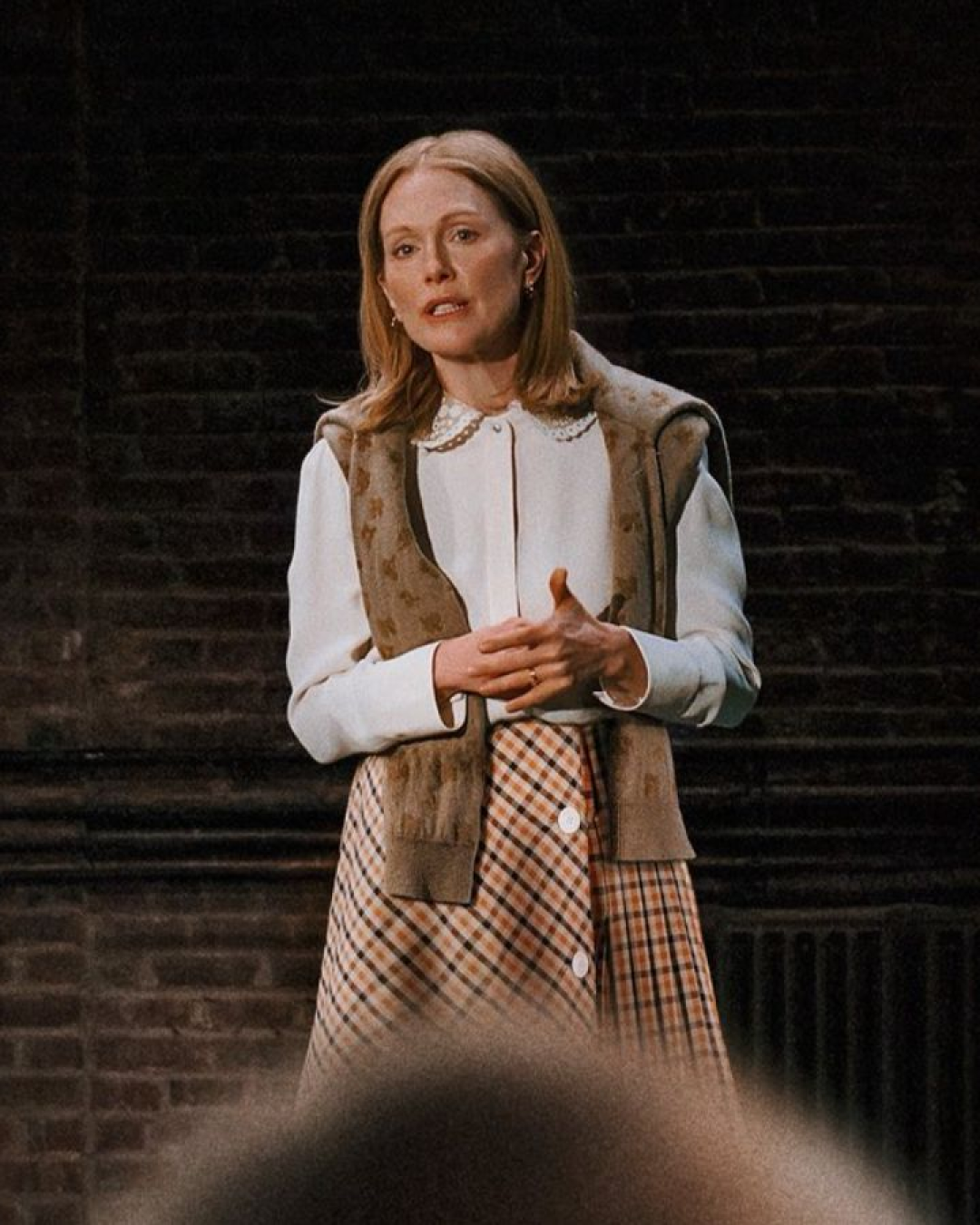
In "The Debut" Julianne Moore gives a masterclass in acting
The film, premiering at the Rome Film Fest, hits theaters on January 1, 2027
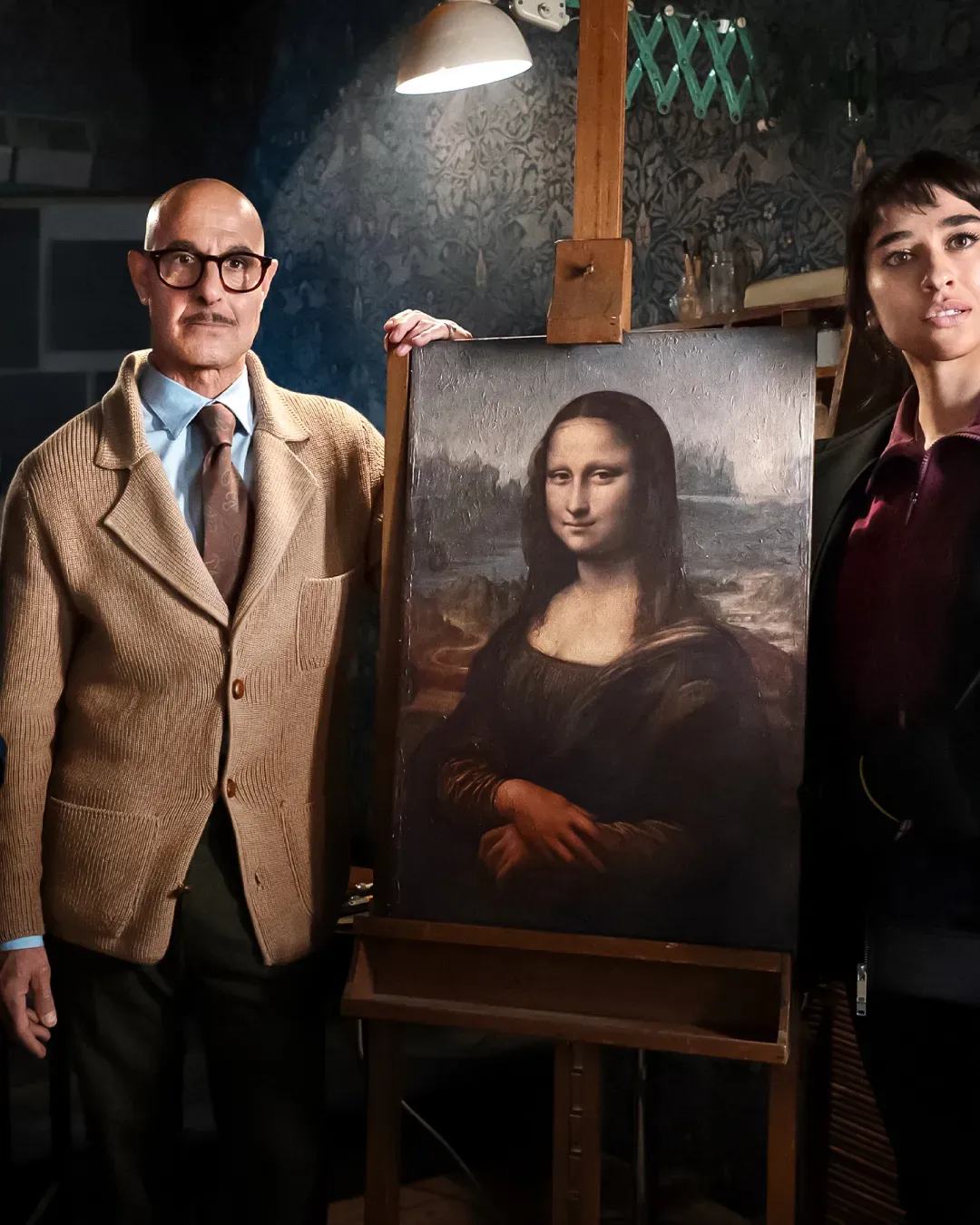
"Masterplan" is everything a heist movie shouldn't be
The film starring Stanley Tucci, Simona Tabasco and Victor Belmondo is available on Prime Video
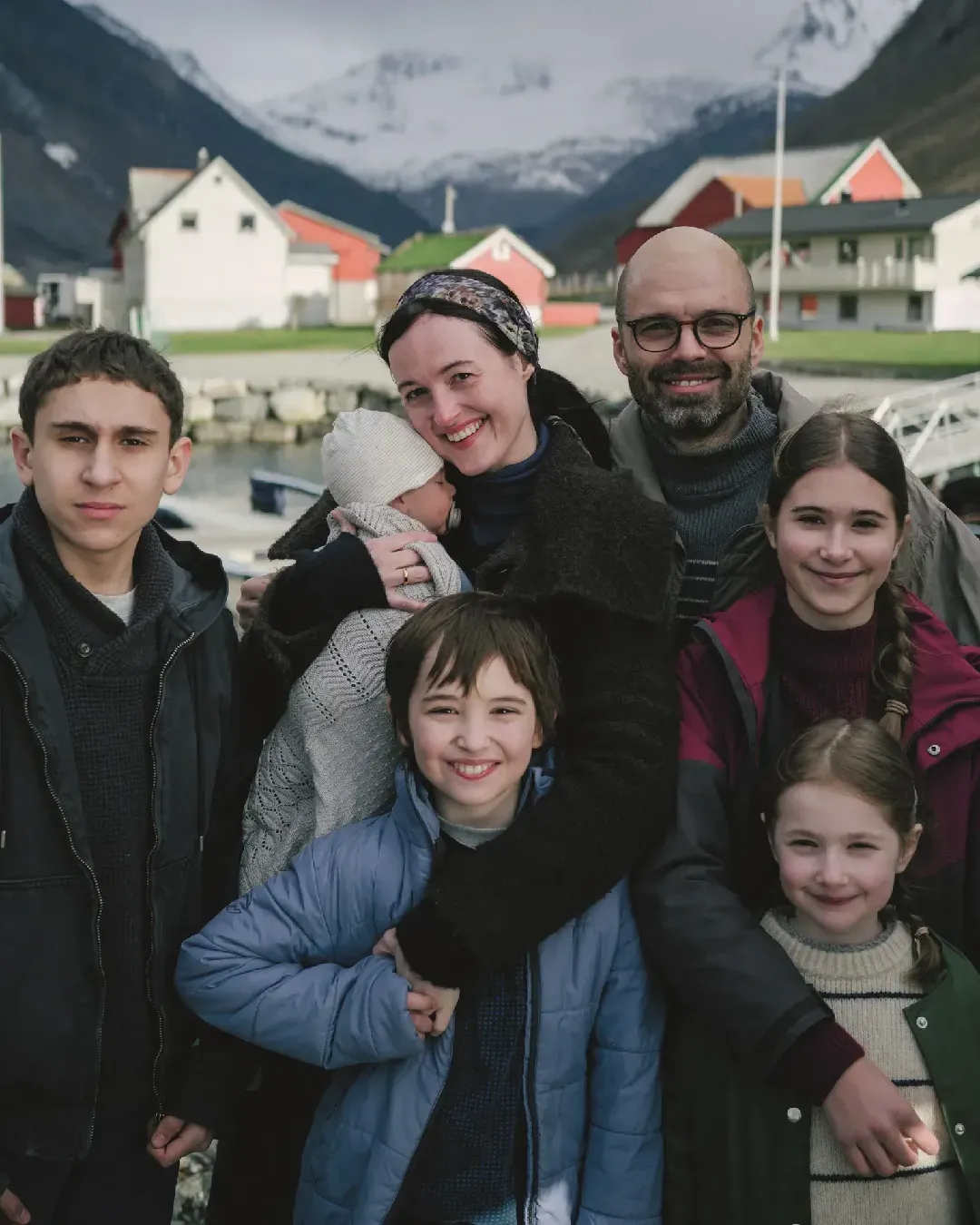
"Fjord" is an impressive piece of writing
Cristian Mungiu's film, winner of the Palme d'Or at Cannes, arrives in cinemas on November 19