




























Clayface is the first truly horror superhero film The lead is Tom Rhys Harries, and the story concept comes from Mike Flanagan of "The Haunting"
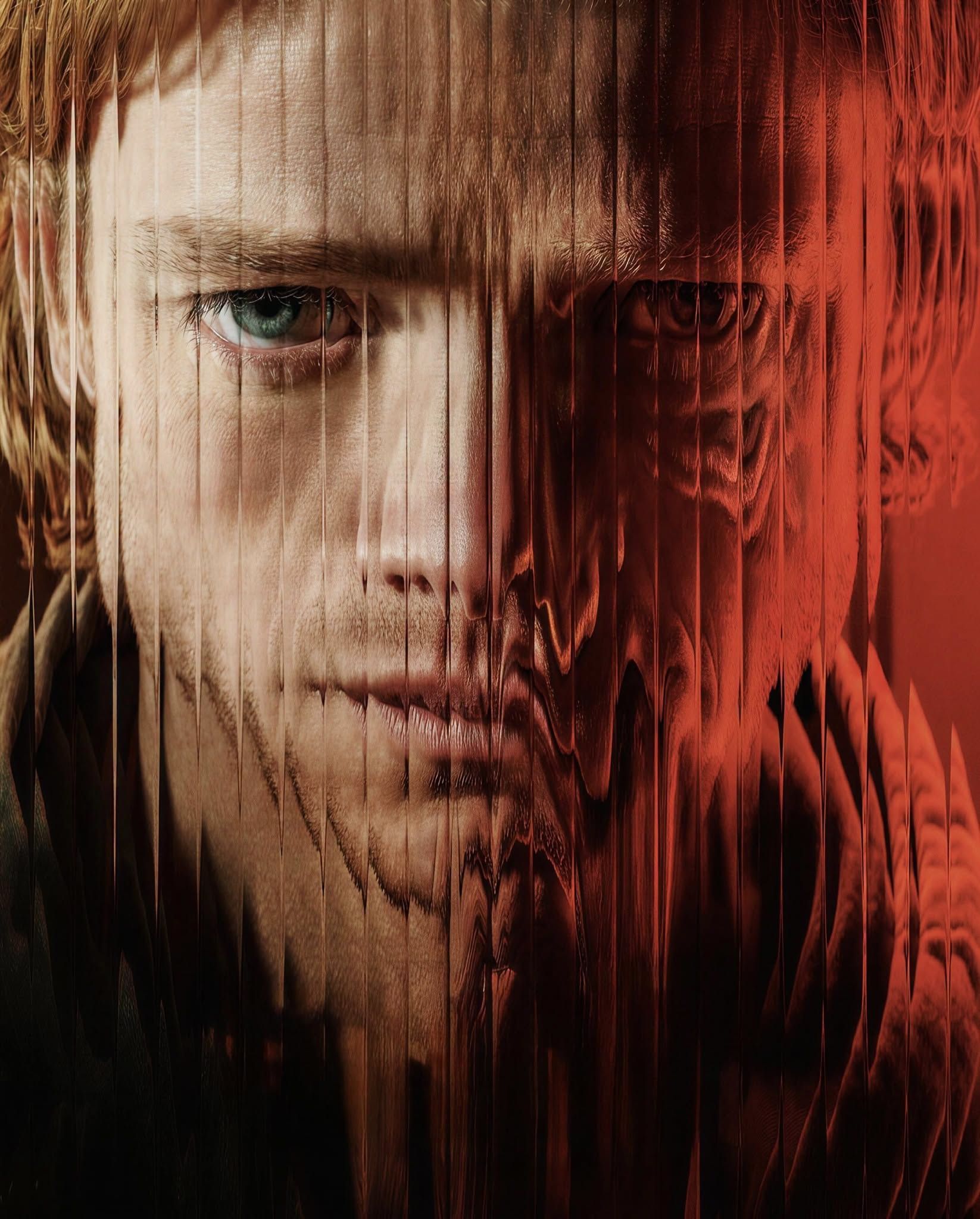
Tom Rhys Harries has the perfect face for Clayface. He's handsome, but also strange. Compelling, even though something seems off. The range of emotions that the plasticity of his face can express is vast, and it's thanks to this DC film that we become even more aware of it. In the role of Matt Hagen, he moves from joy to benevolence, all the way to anguish and loneliness. To the corruption of his features brought about by a reckoning with a Gotham City crime boss whom the character had become entangled with — a man who spent a night with his partner, costing him his reputation and career forever.
Because Matt is an actor, an Oscar nominee, and the wounds the man leaves on his face will be deep and permanent. Scars on a face that will cut just as deeply into his very identity. Going from the spotlight to being dropped by his agency will plunge the protagonist into sudden darkness, a tunnel at the end of which the only light he can see comes from a doctor's potential invention — one she must prove to the world can heal people through her experiments. Neither of them knows, however, that they are about to give life to one of Batman's comic book villains, who in his standalone film is given a backstory that makes him, in every sense, an antihero.
If the DC Universe had come off a box-office failure like Supergirl, only partially recovered (though not from the financial blow) by the release of the series Lanterns, Clayface could be the unexpected surprise capable of getting its comic book universe back on track — marking the first time it has produced a horror film within that landscape. Blending the genre with superheroes doesn't always yield good results. Either you have to break the mold and create something entirely new, as happened in 2019 with Brightburn, or you have to accept working within established frameworks and risk a failure like Morbius.
#Clayface is gnarly as hell. Much like the villain himself the film is part-body horror, part-comic book movie, part-crime drama. It’s messy, but it’s nasty and ambitious as all horror should be. Skin-crawlingly good tension and gore makes up for the lack of jumpscares. pic.twitter.com/7zVfBm51xD
— Eammon Parks Jacobs (@EammonJacobs) October 19, 2026
With Clayface, however, DC Universe co-chairmen and CEOs James Gunn and Peter Safran managed to hit the mark because they trusted the right person — who later had to step away from the project due to other commitments, but whose solid and compelling narrative core remained very much alive. The story of the film starring Tom Rhys Harries originated with horror writer Mike Flanagan, who also drafted the screenplay, later revised by colleague Hossein Amini, and which dives headfirst into the genre, giving full rein to its most horrifying ideas. These turn the film into a mainstream body horror — a fusion drawing inspiration from David Cronenberg's The Fly to more recent examples, culminating in Coralie Fargeat's The Substance.
And the face of Tom Rhys Harries — since faces are very much the subject of Clayface — is perfectly suited to being stretched, shaped, and crumpled for his clay man, for whom the film and his performance inspire an unexpected tenderness, a deep sense of sorrow. A single misstep that determines the rest of one's existence. The story of how a villain is born or, if we choose to look at it another way, of how a good man is lost.
What to read next
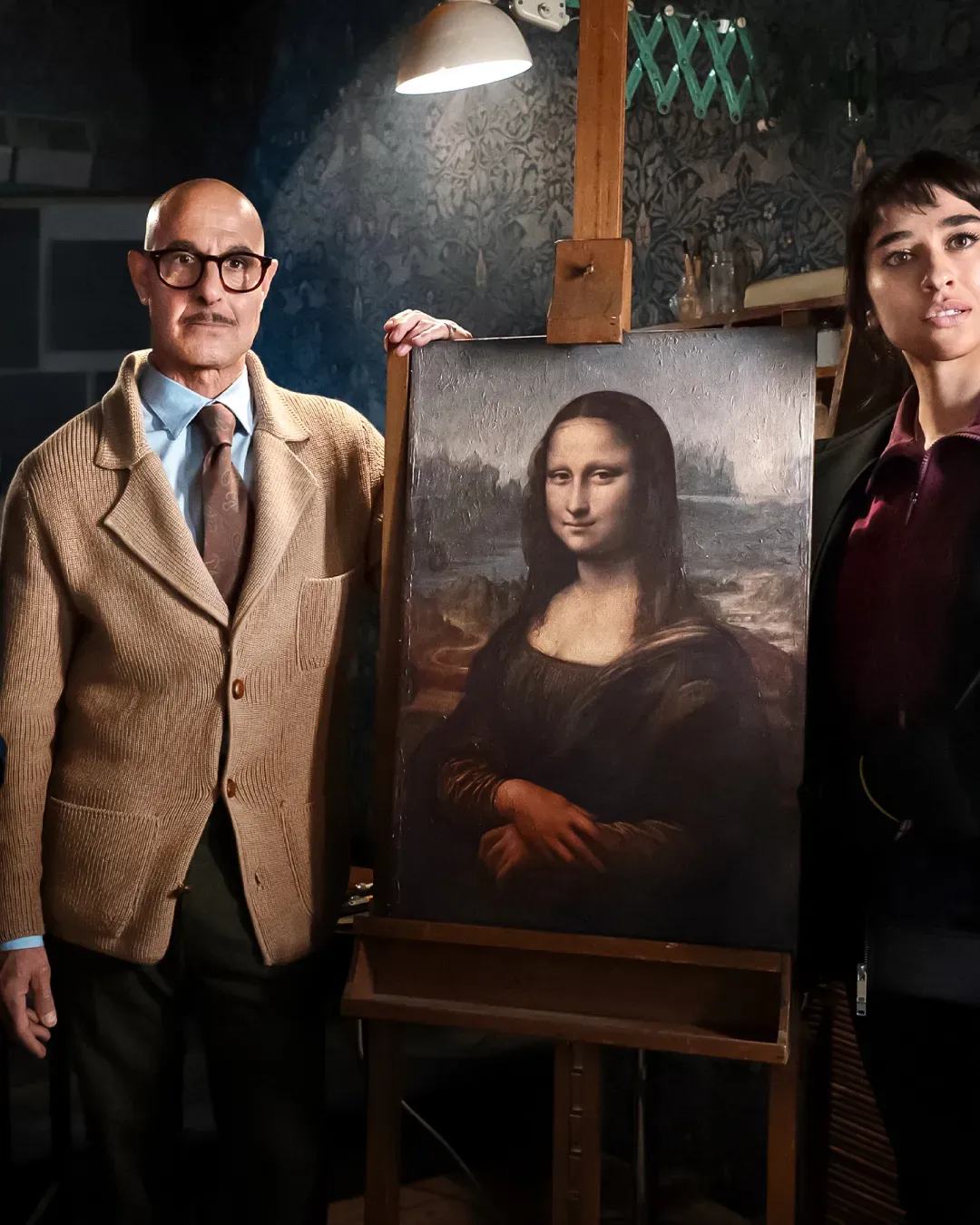
"Masterplan" is everything a heist movie shouldn't be
The film starring Stanley Tucci, Simona Tabasco and Victor Belmondo is available on Prime Video

"Fjord" is an impressive piece of writing
Cristian Mungiu's film, winner of the Palme d'Or at Cannes, arrives in cinemas on November 19

"I Play Rocky" is more than just a film about Sylvester Stallone
Peter Farrelly's work had its premiere at the Rome Film Festival and will be in cinemas from December 31