
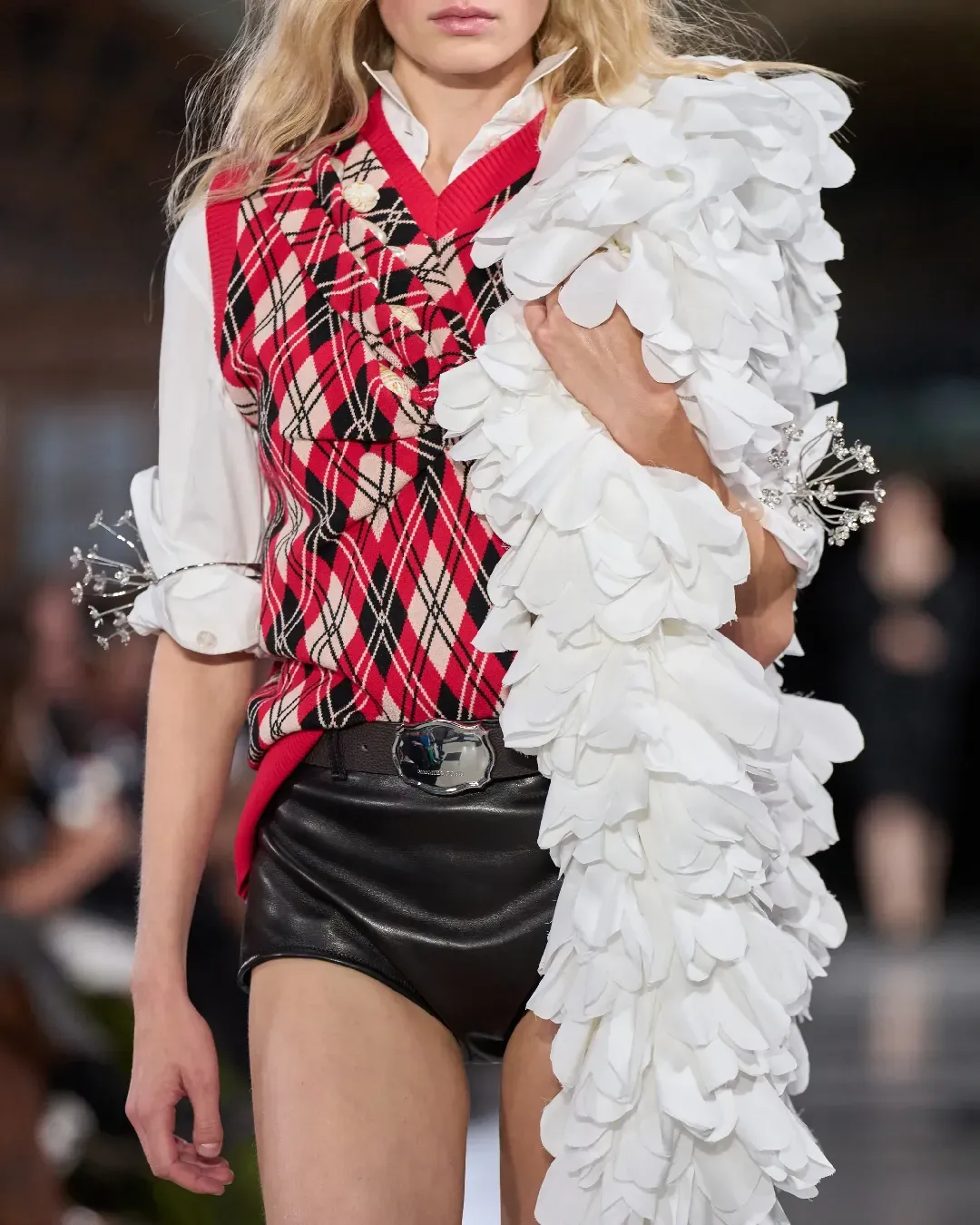
Feathers are the new fur and boas are the new skinny scarves Ready to live your Hollywood diva dream?
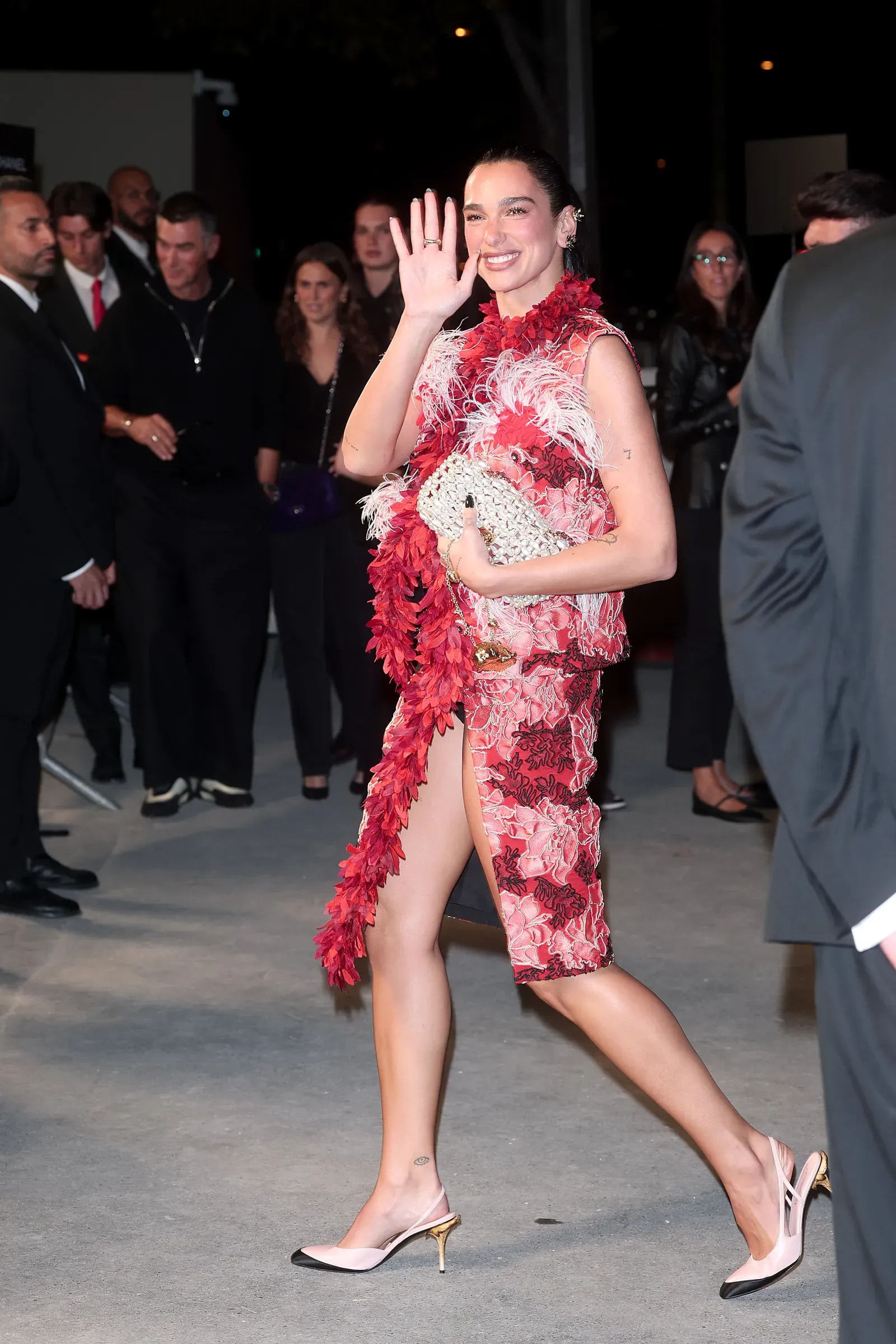
This autumn's fashion is consolidating around a single creed: fur, fur trim everywhere. Whether on shoes, coat collars, or trouser hems, fur has been the undisputed queen of winter fashion for the past two years. In a video posted on TikTok, however, Mandy Lee (known as @oldloserinbrooklyn) observes an amusing trend emerging from the spring/summer 2027 runway season: the feather boa, an accessory once reserved for glamorous events, now reimagined in a lighter form to add touches of color and texture to everyday outfits.
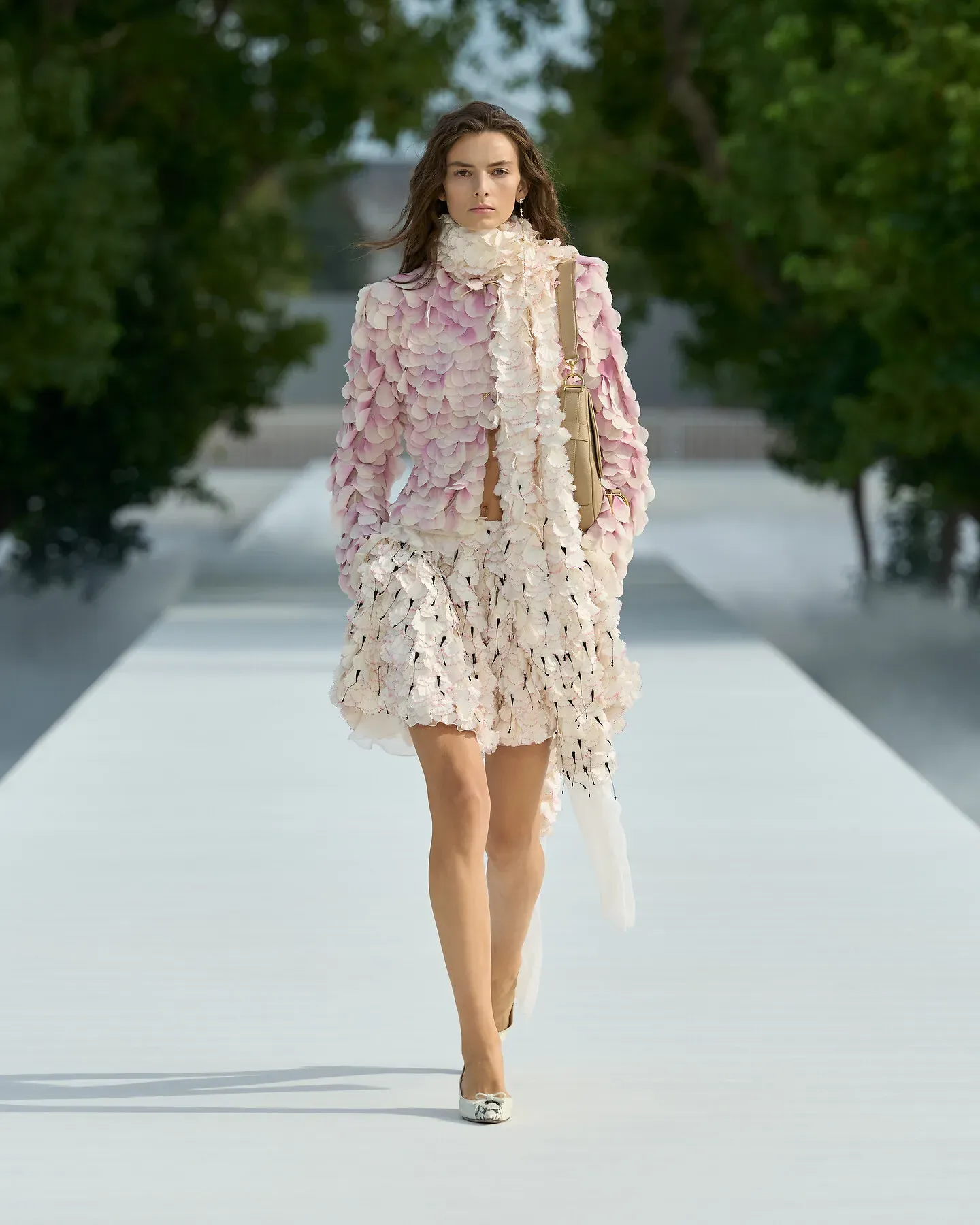
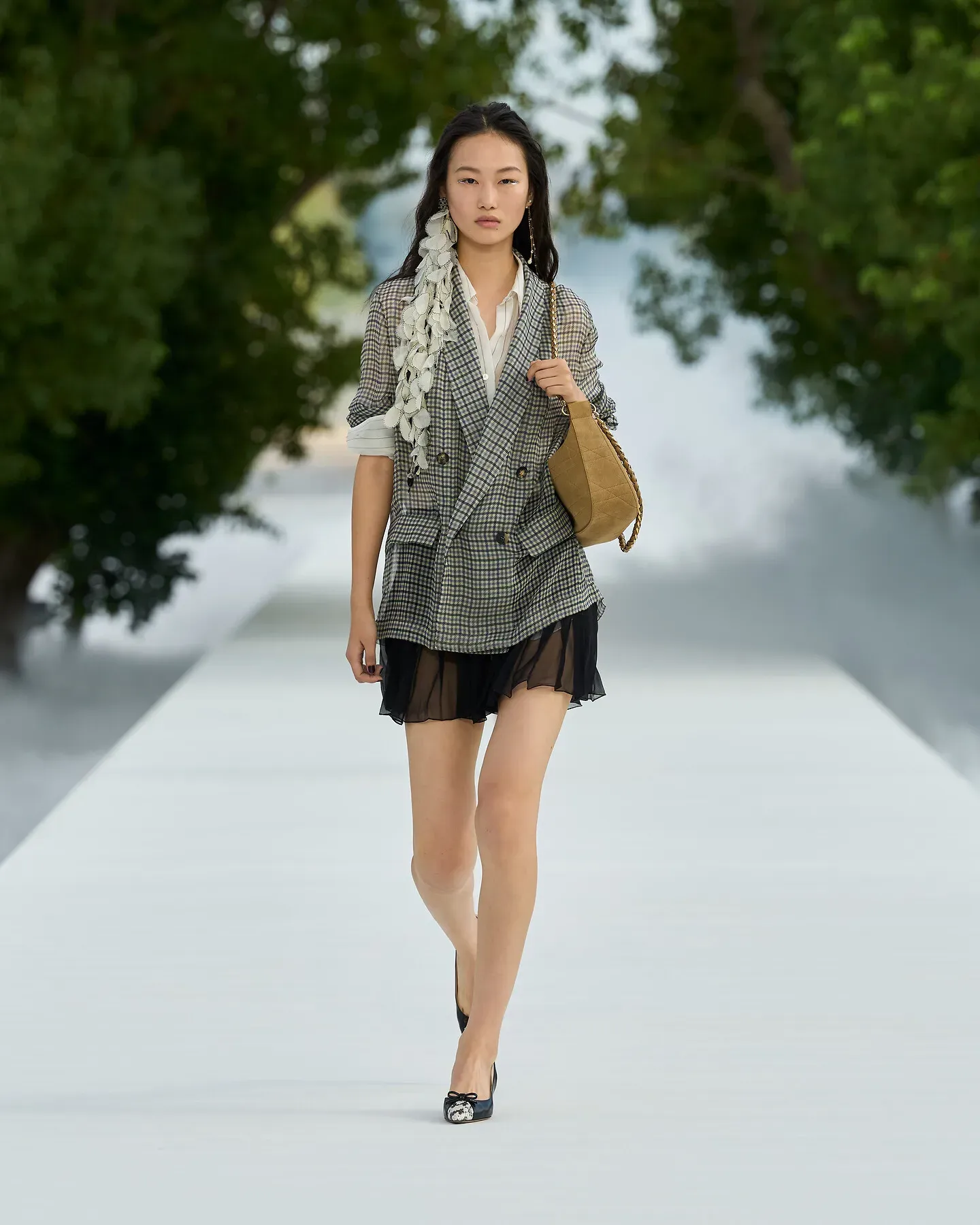
Much like fringe, tassels, printed scarves, and lace trimmings did last year, feather accessories represent an expressive yet not particularly demanding detail. For Tory Burch and Simone Rocha, the "daytime" boa was a key runway accessory; Jonathan Anderson reinterpreted it for Dior as extra-long earrings resembling cascading petals; the Fendi collection by Maria Grazia Chiuri was a celebration of lingerie paired with fluffy boas in pastel colors. In other words, a perfect trick for expressing one's personality without going overboard.
From mob wife aesthetics to Hollywood glamour
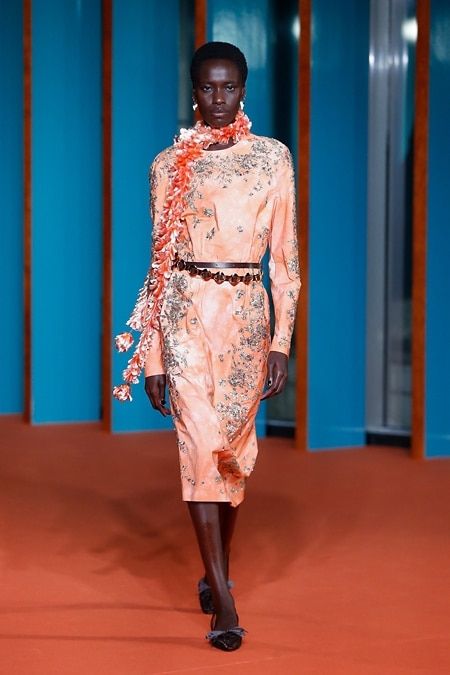
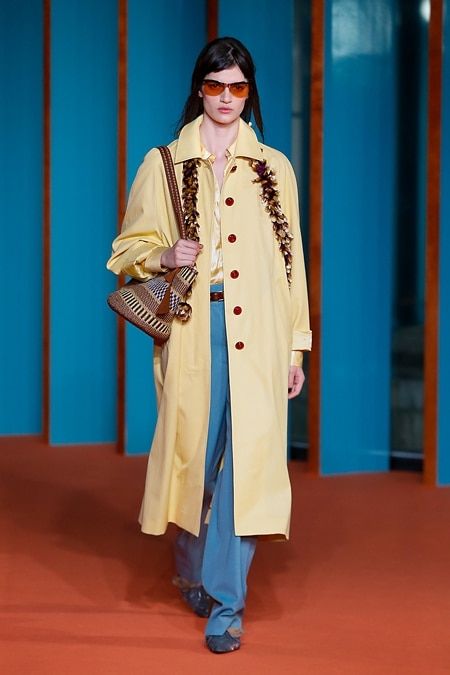
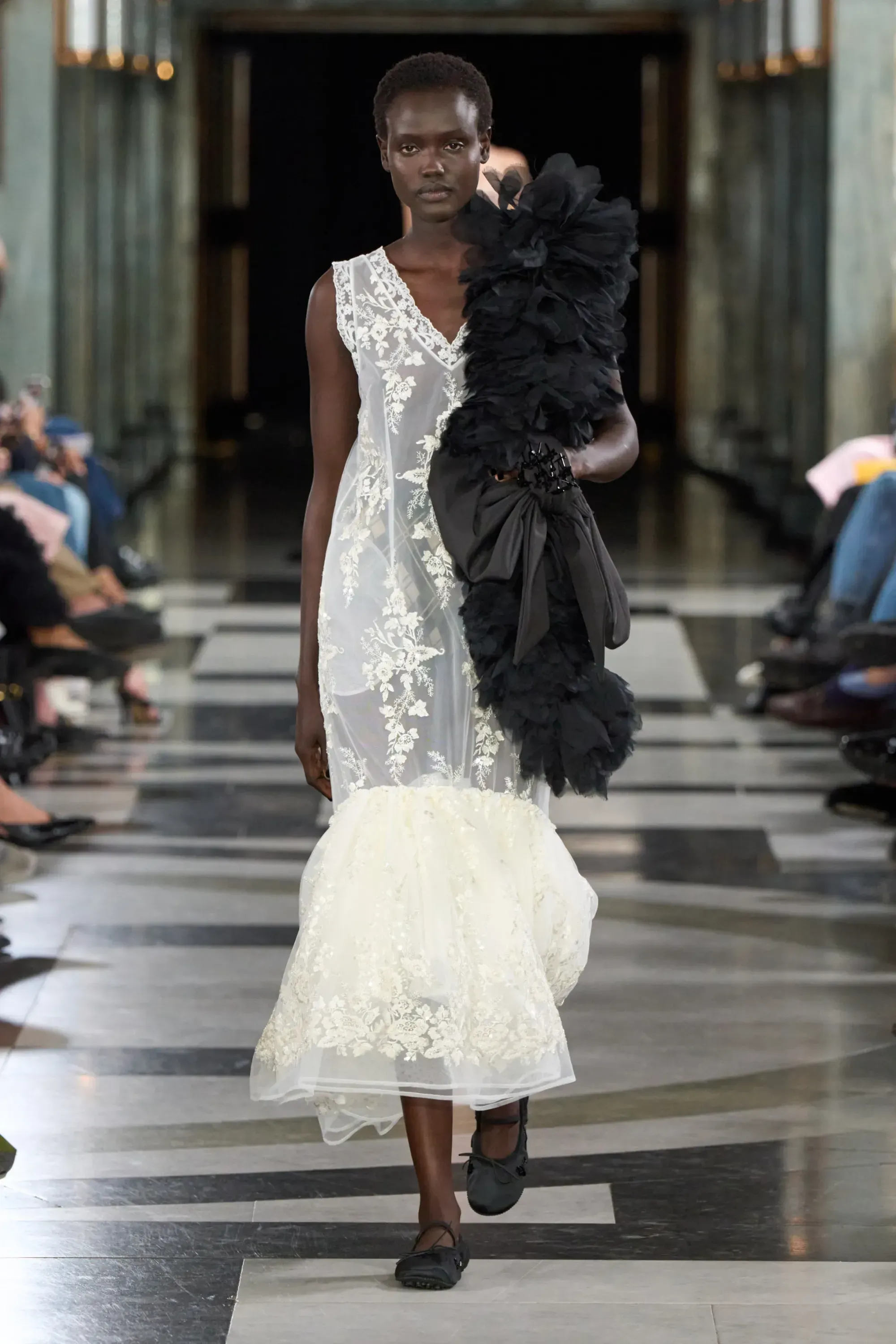
Back in November 2024, we were already documenting the following paradox: fur was everywhere, from the mob wife aesthetic on TikTok to the runways of Diesel and Marni, yet almost no one was buying it new. Searches for "fur coat" had reached a seven-year peak, up 85% from the previous autumn. Yet growing desire wasn't translating into purchases: according to Euromonitor International, the actual fur market had collapsed from $14.7 billion in 2013 to $3.4 billion. Years of animal rights campaigns and bans explained the shift — Fashion Week, groups like Kering, retailers like Selfridges. Meanwhile, LVMH, one of the few groups not to have abandoned fur, was funding the Furmark standard to rehabilitate its image. Essentially, everyone wanted fur, as long as it wasn't real.
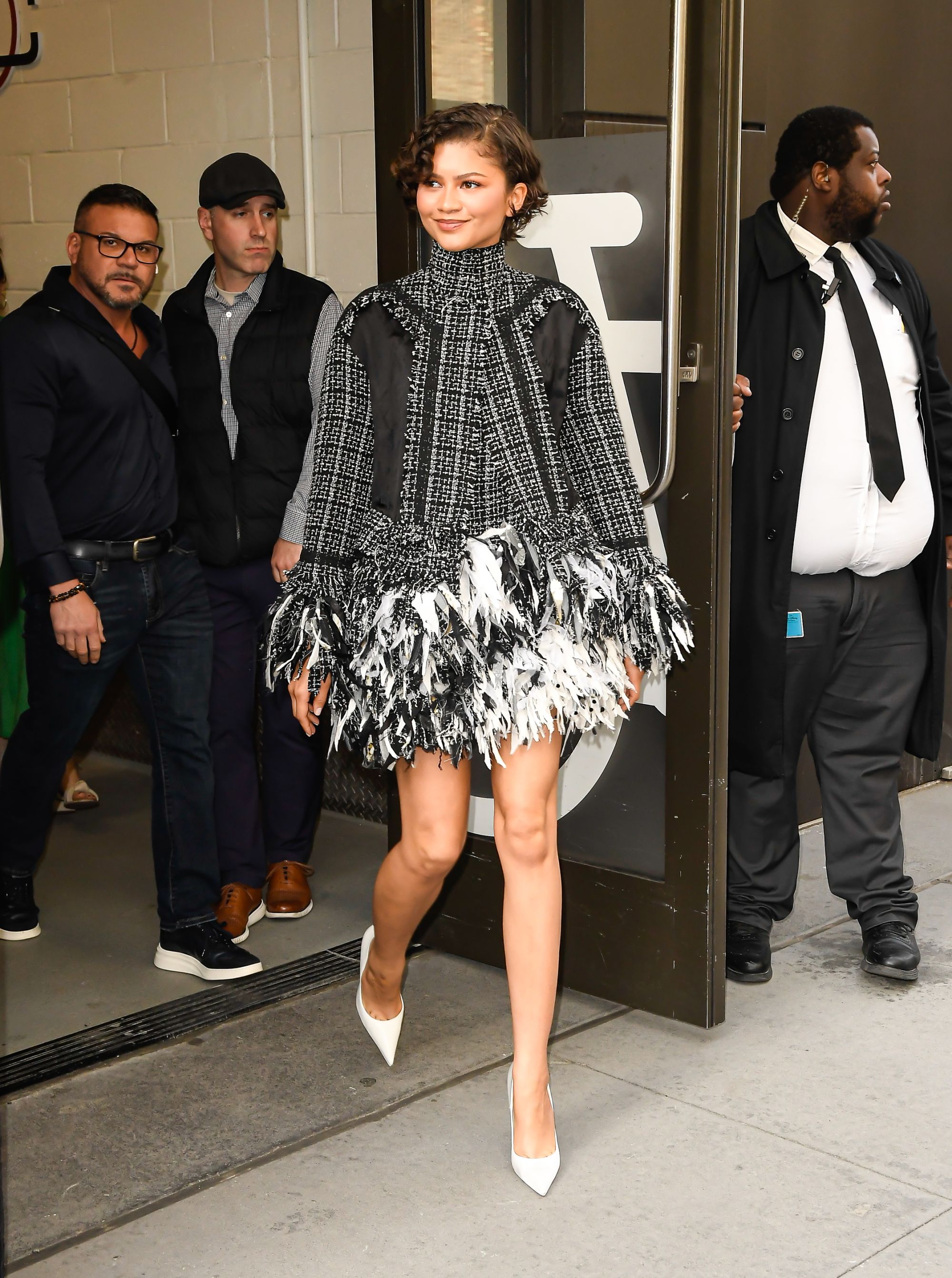
A year and a half later, fur has become a "post-status symbol": the rise of secondhand platforms has consecrated the wearing of fur inherited from one's grandmother; new fur remains a taboo, and designers have explored alternative routes, mostly manipulating various fabrics and yarns (including wool, cashmere, and organza) to achieve a "fur effect." There are also research-driven approaches pointing toward innovative materials and techniques, such as Bottega Veneta's fiberglass presented by Louise Trotter, the vegan feathers by Fevvers championed by Stella McCartney, and the BioFluff fur used by Louis Vuitton, Martine Rose, and Collina Strada. Amid the debates, the fur trend has fragmented into details, ending up as trim on cuffs, hems, and hoods.
It is in this context that feathers come into play — already a star of the autumn/winter 2025 season — their strategic advantage lying in evoking the same opulent softness as fur, but conjuring a very different imagery: feathers are synonymous with theatricality, fantasy, and romantic escapism. Unlike fur, they carry no associations with mistreated animals, nor do they necessarily suggest plastic, since they can be more easily recreated using different fabrics while retaining their volume and movement.
The pull of the theatrical, far from the fanfare
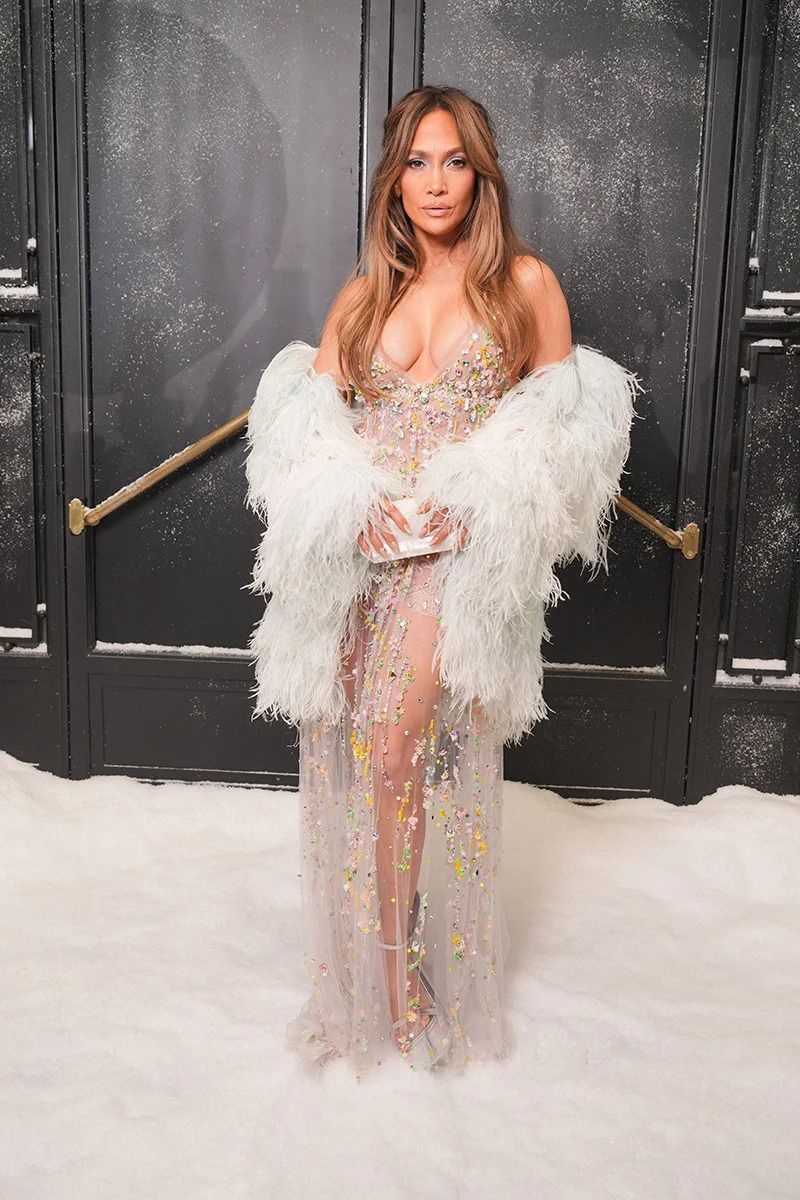
The fact that feathers have taken the form of boas is no coincidence. First, one must acknowledge a certain resemblance between the 2027 runway boas and the skinny scarf — the long, slender scarves that dominated the 2000s. An early revival of this accessory was spotted with the return of the indie sleaze aesthetic, which culminated last winter in the widespread adoption of said scarf: not particularly warm, it was clearly being worn for its styling function. Timothée Chalamet knows this well — last January, he wore a small pink scarf with a leather jacket and a classic white T-shirt at the Paris premiere of A Complete Unknown. Sabrina Carpenter also succumbed to the temptation, hosting Saturday Night Live in November 2025 wearing a leather jacket and a small red scarf.
Secondly, there is the pull of theatrical aesthetics. During Paris Haute Couture, talk of an opera aesthetic was everywhere, referring to the spread of theatrical fashion codes including capes, satin opera coats, velvets, and long gloves. The spring/summer 2027 collections still show its lingering influence (most notably the Schiaparelli show, which took place amid chandeliers and cabaret tables). In recent months, social media has embraced this tendency, turning the cummerbund — the formal sash traditionally inseparable from the bow tie and dark suit — into a unisex accessory to be worn over oversized jackets and shirts.
So boas, long gloves, and cummerbunds are all accessories that fashion wants to wear outside the occasions and contexts for which they were created, preserving the ritual while leaving the pretext at home. Such an attitude inevitably raises a question: how will we wear by day an accessory designed to come alive at night?
What to read next

Xueling Chen Wins the First Pull&Bear Fashion Photography Prize at Hyères
A prize of 20,000 euros and a project with the brand up for grabs
Timberland and Slam Jam Rewrite the History of the World's Most Famous Boot
From the Paninari to New York's hip-hop scene, a collaboration that celebrates the cultural legacy of the iconic Timbs
How Ploom* Flavour Garden Went, Between Ernia's Live Set and Four Immersive Worlds
Music, new talent and immersive installations: on October 15th, Superstudio Milano transformed into a great garden of creativity