
Now Phoebe Philo Wants You to Dress Avant-Garde With Collection F, the designer plays with silhouettes in an entirely new way
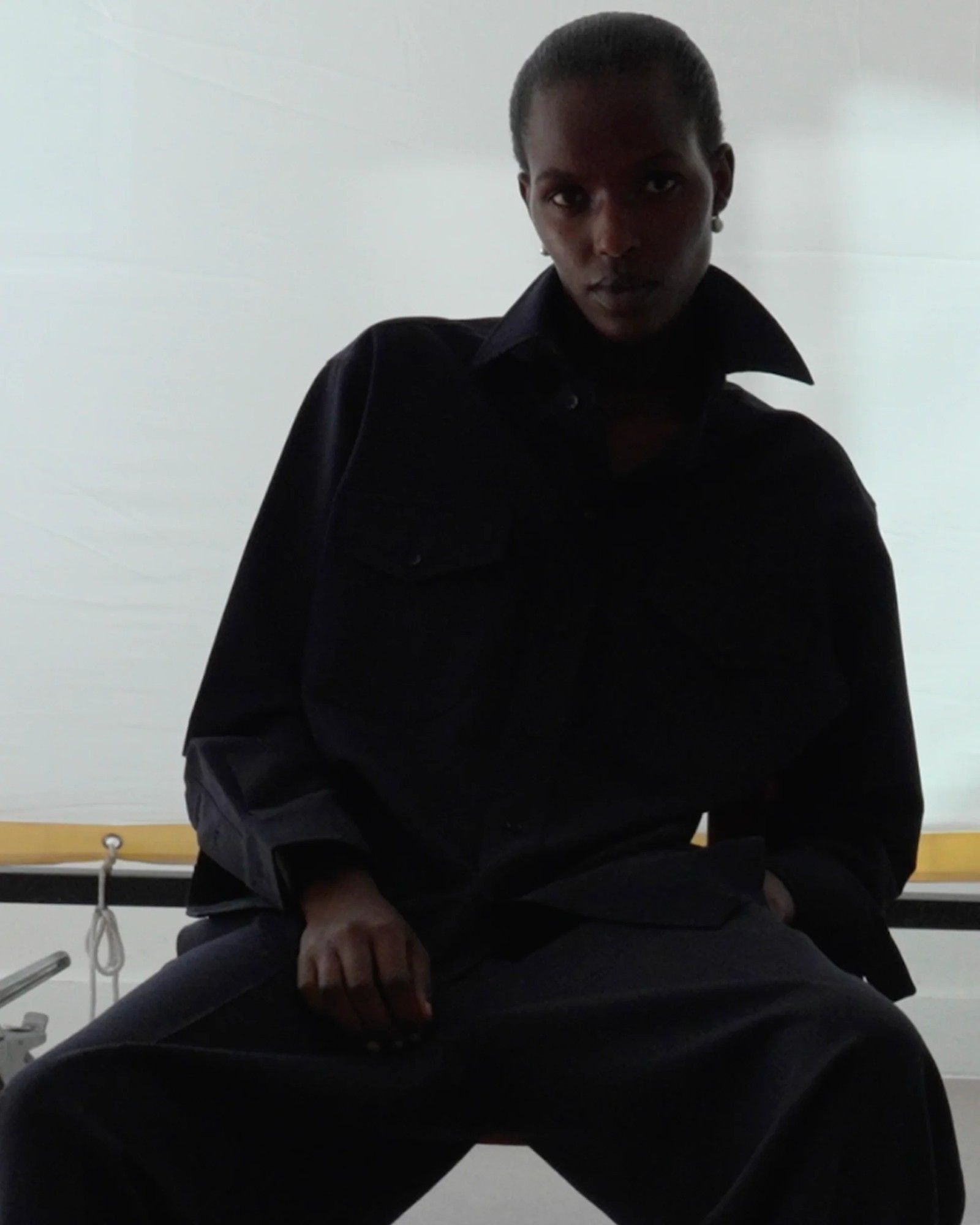
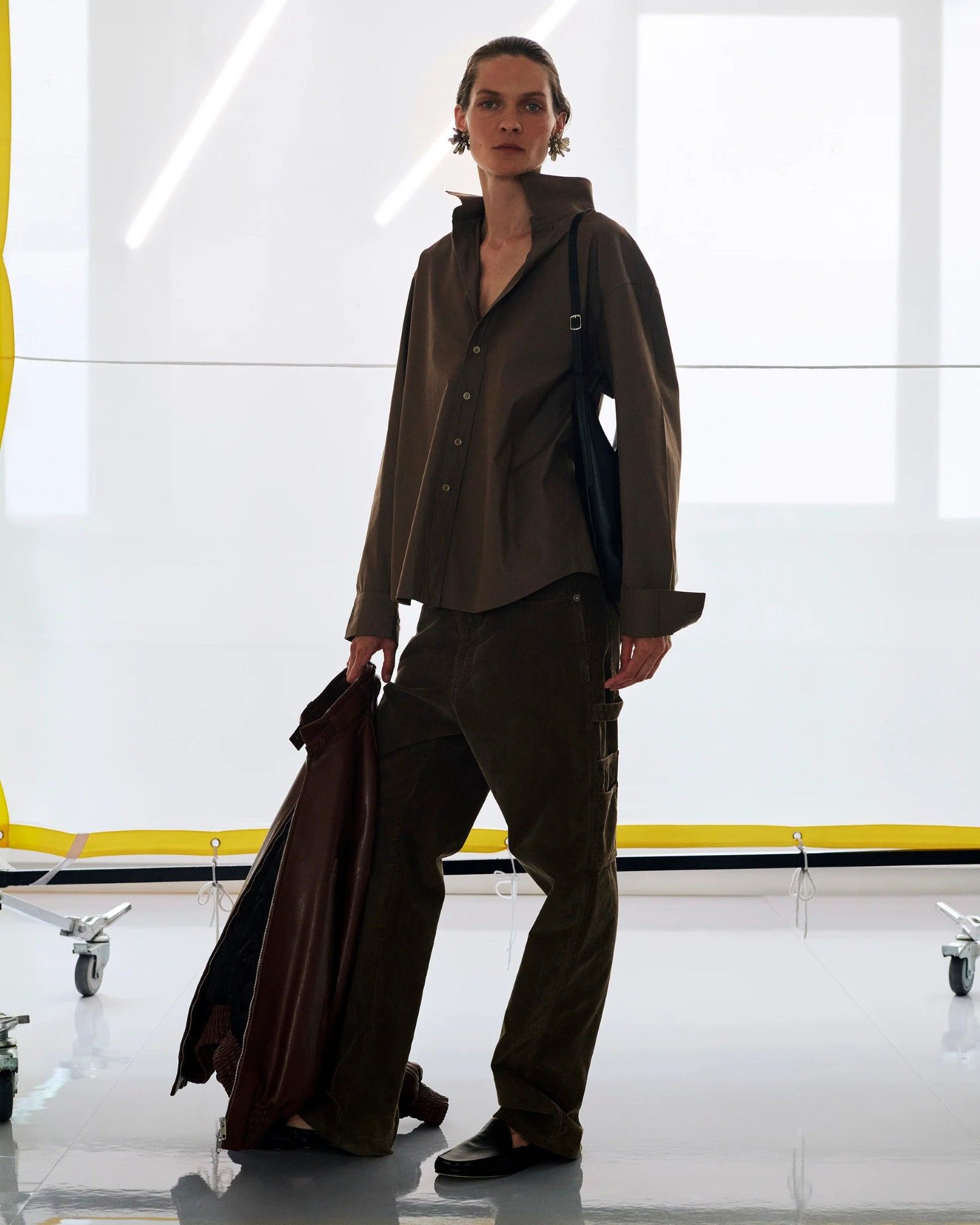
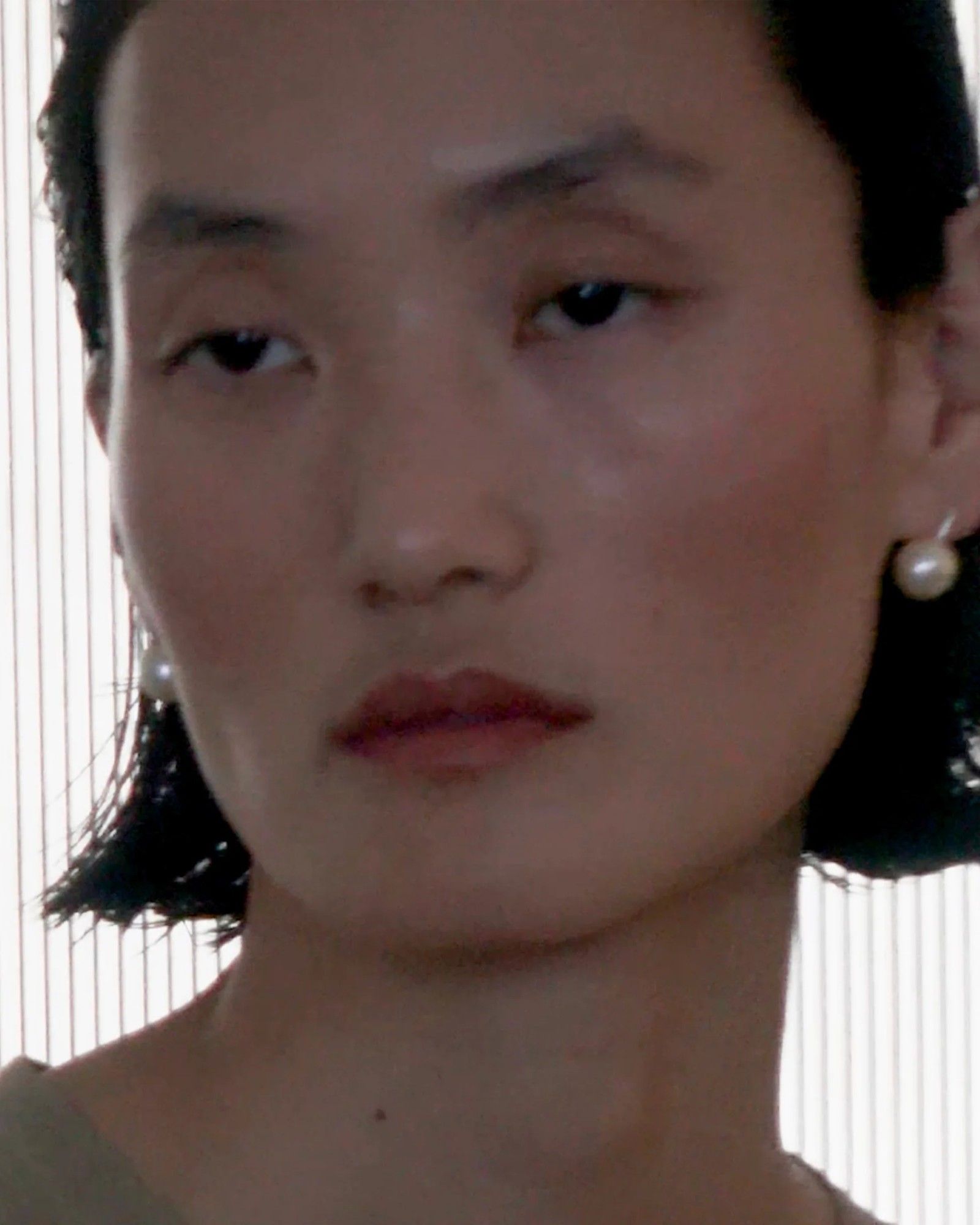
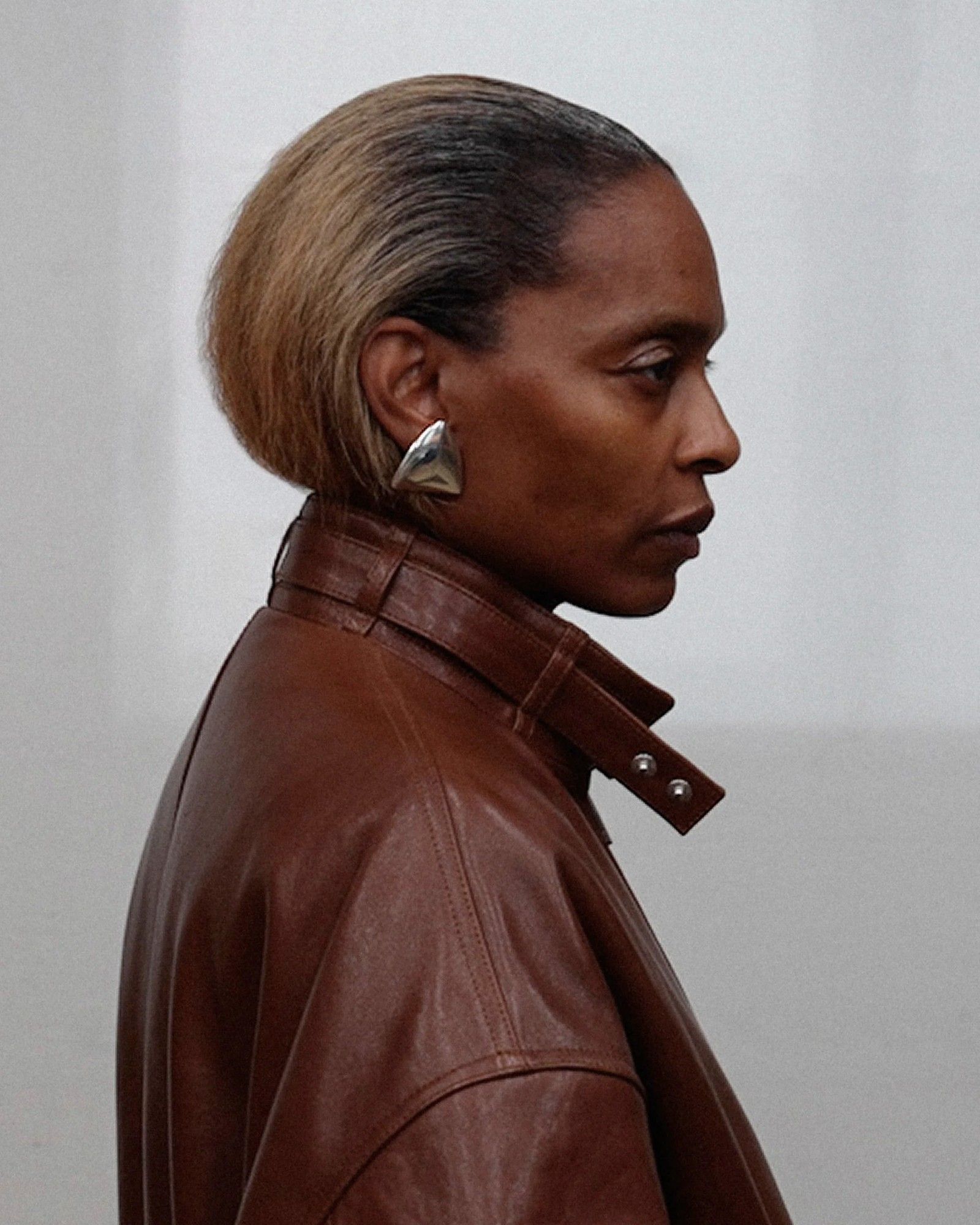
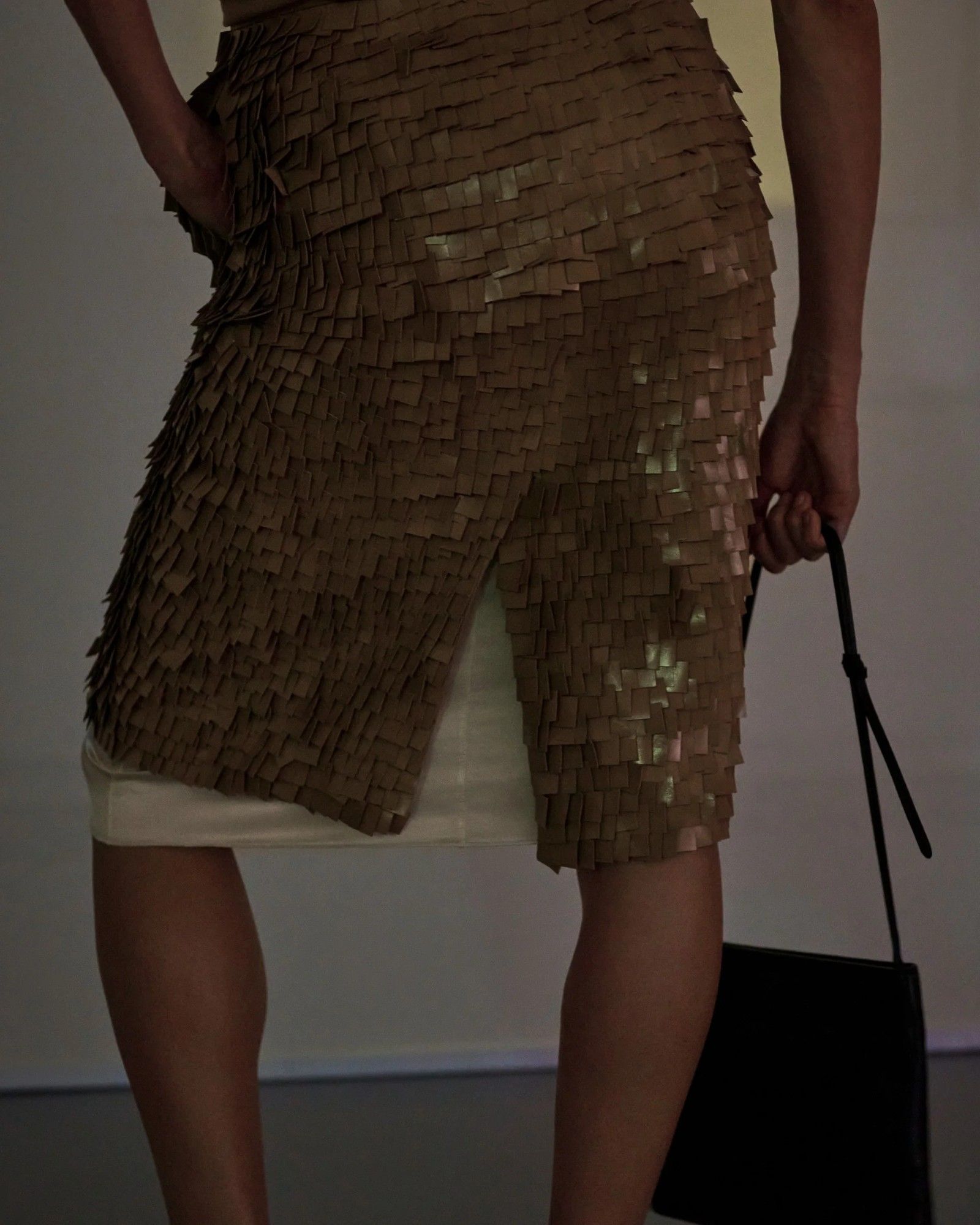
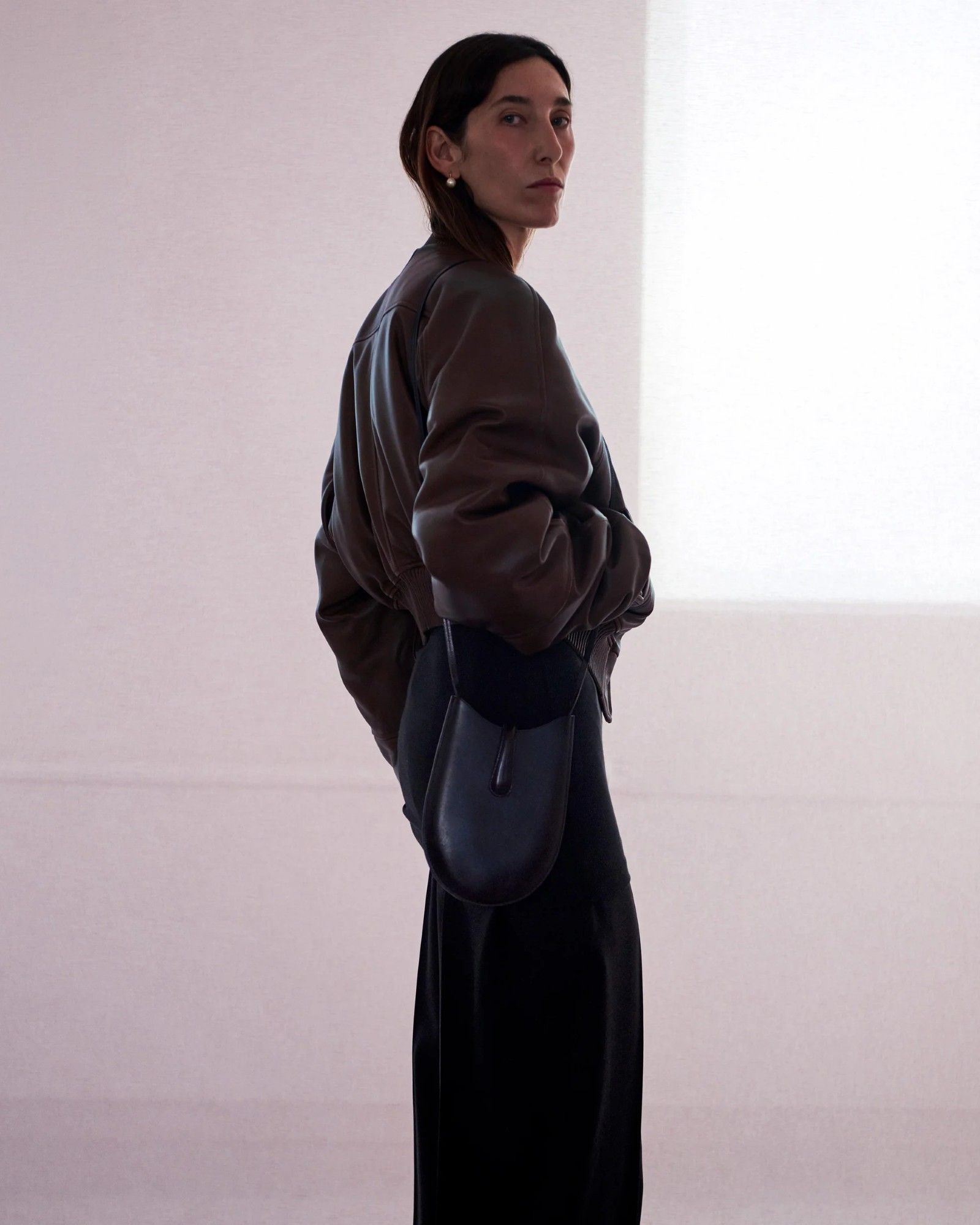
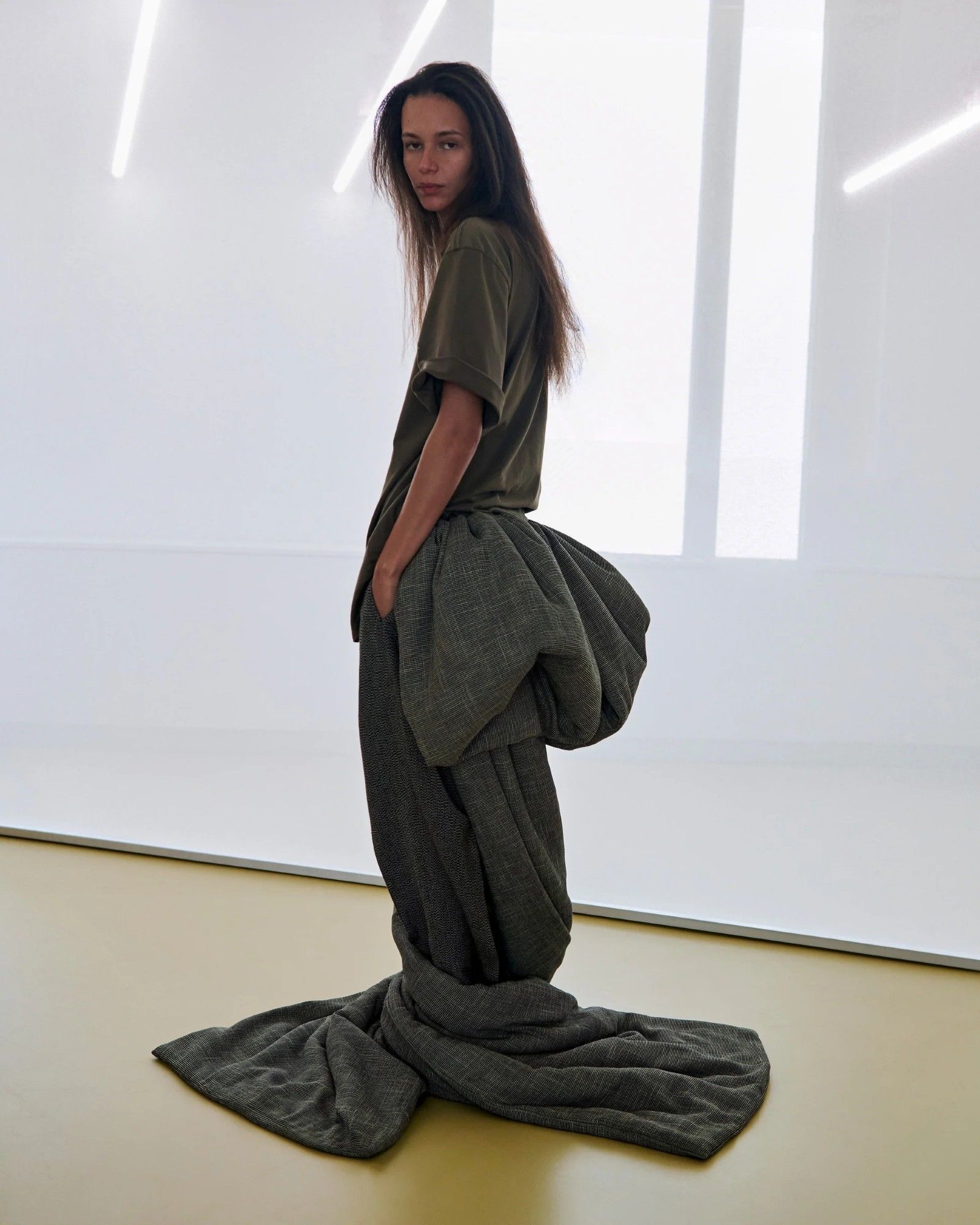
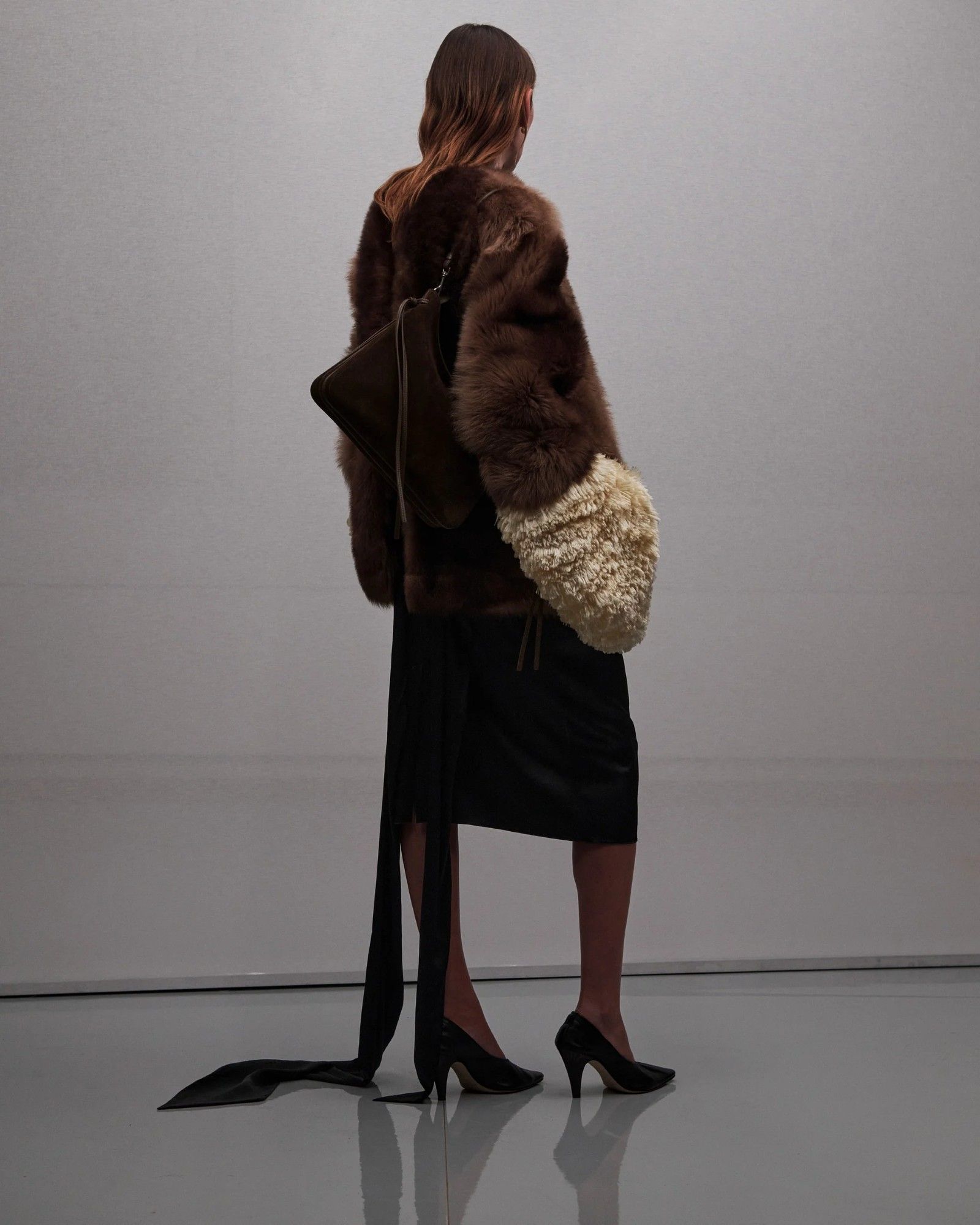
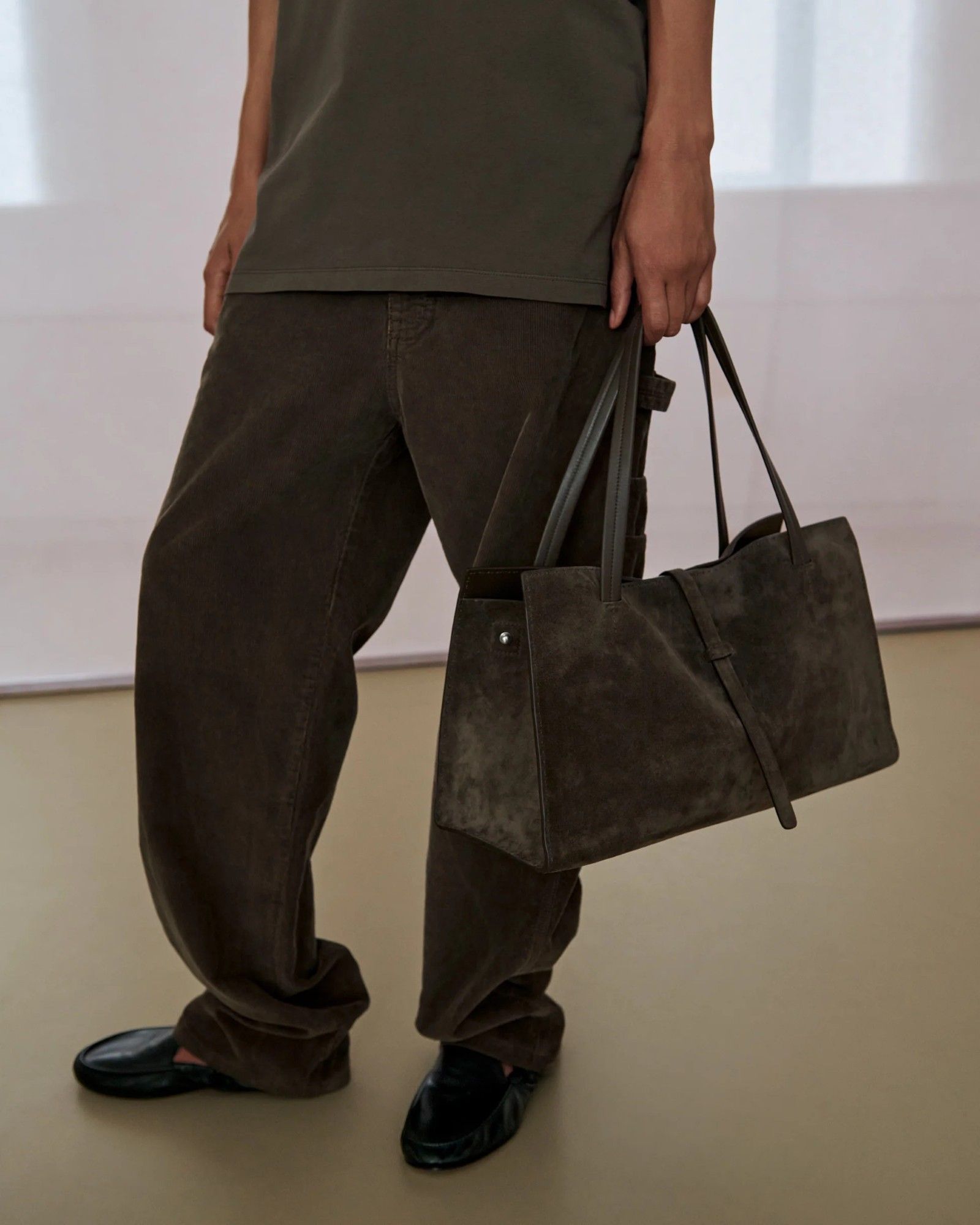
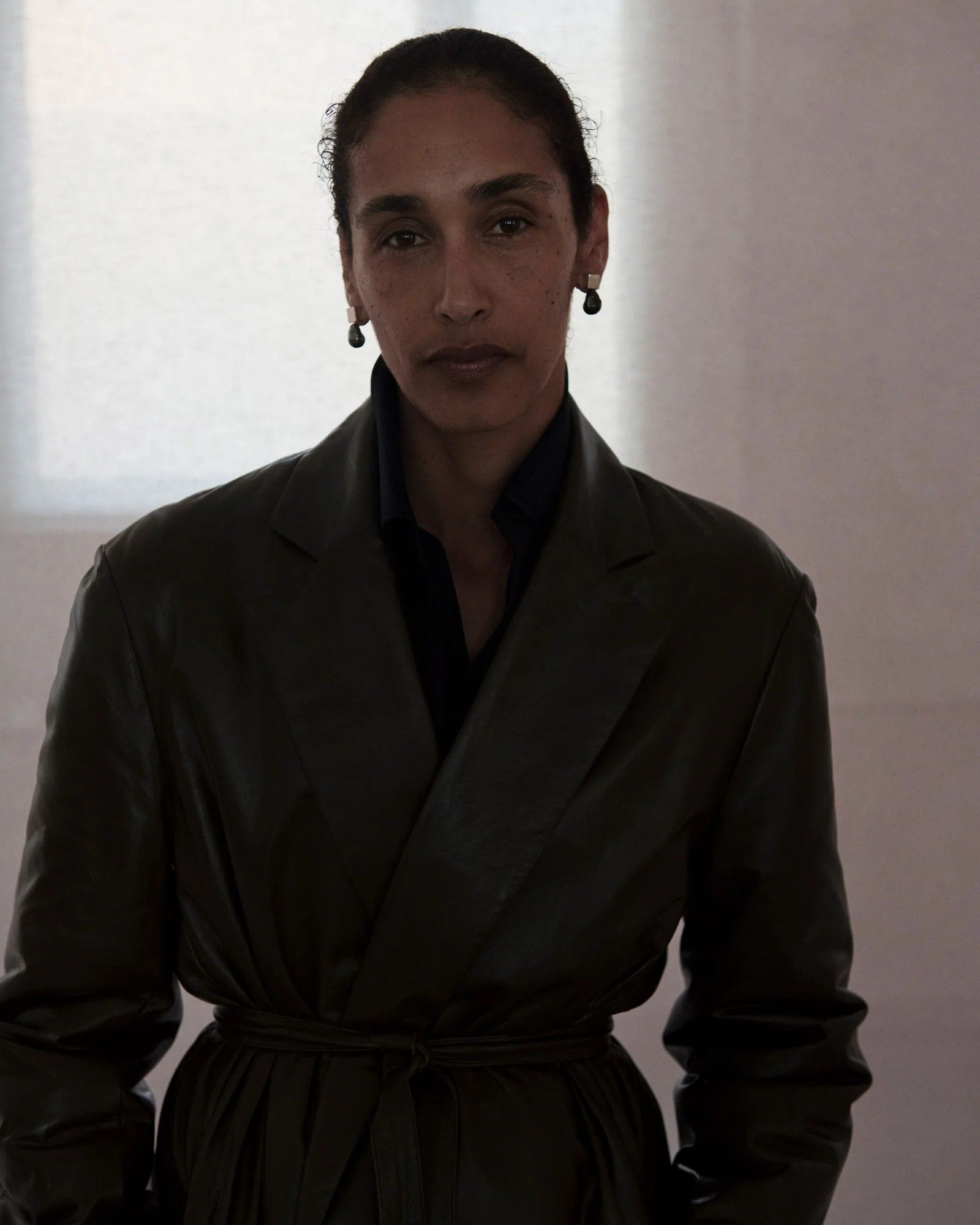
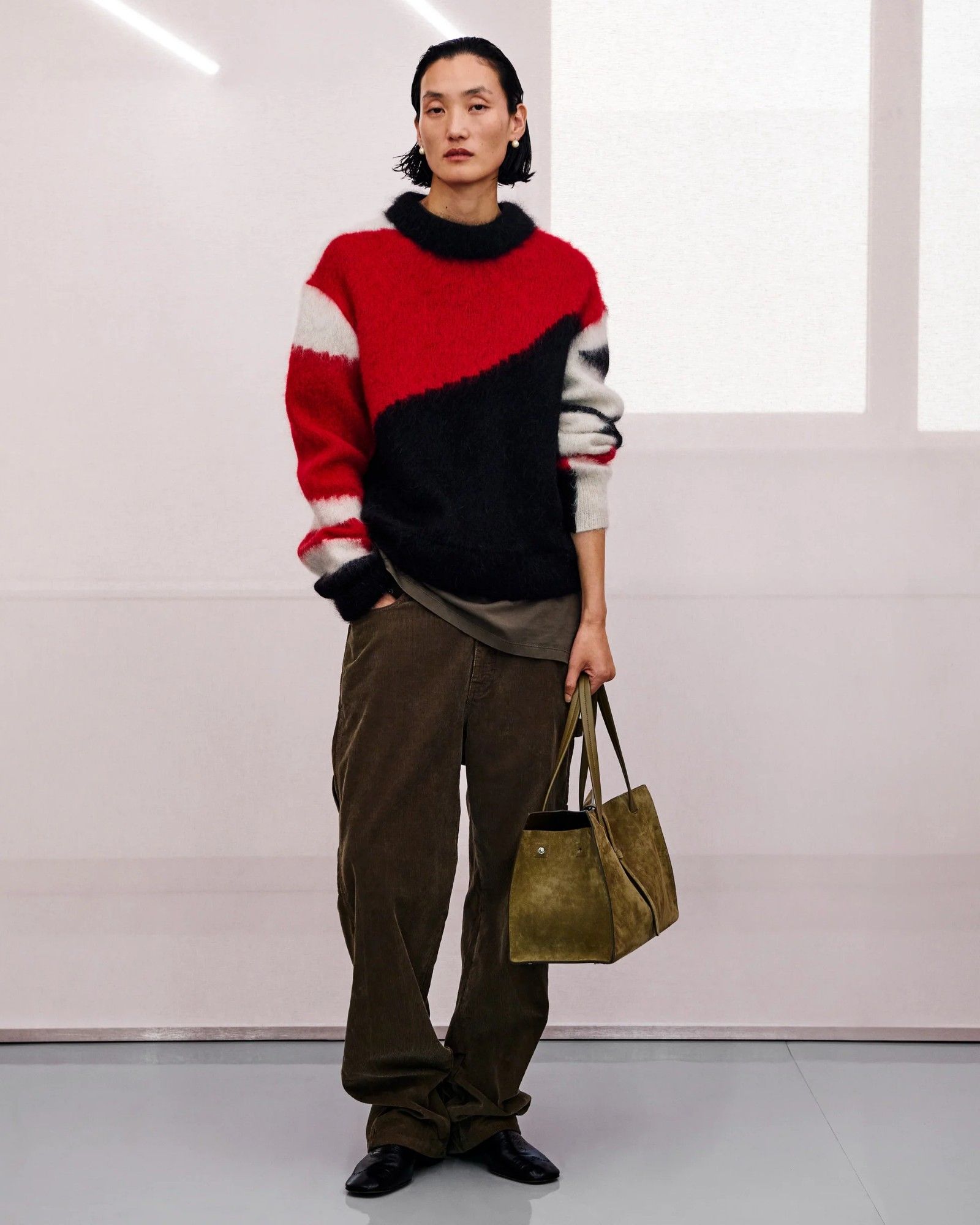
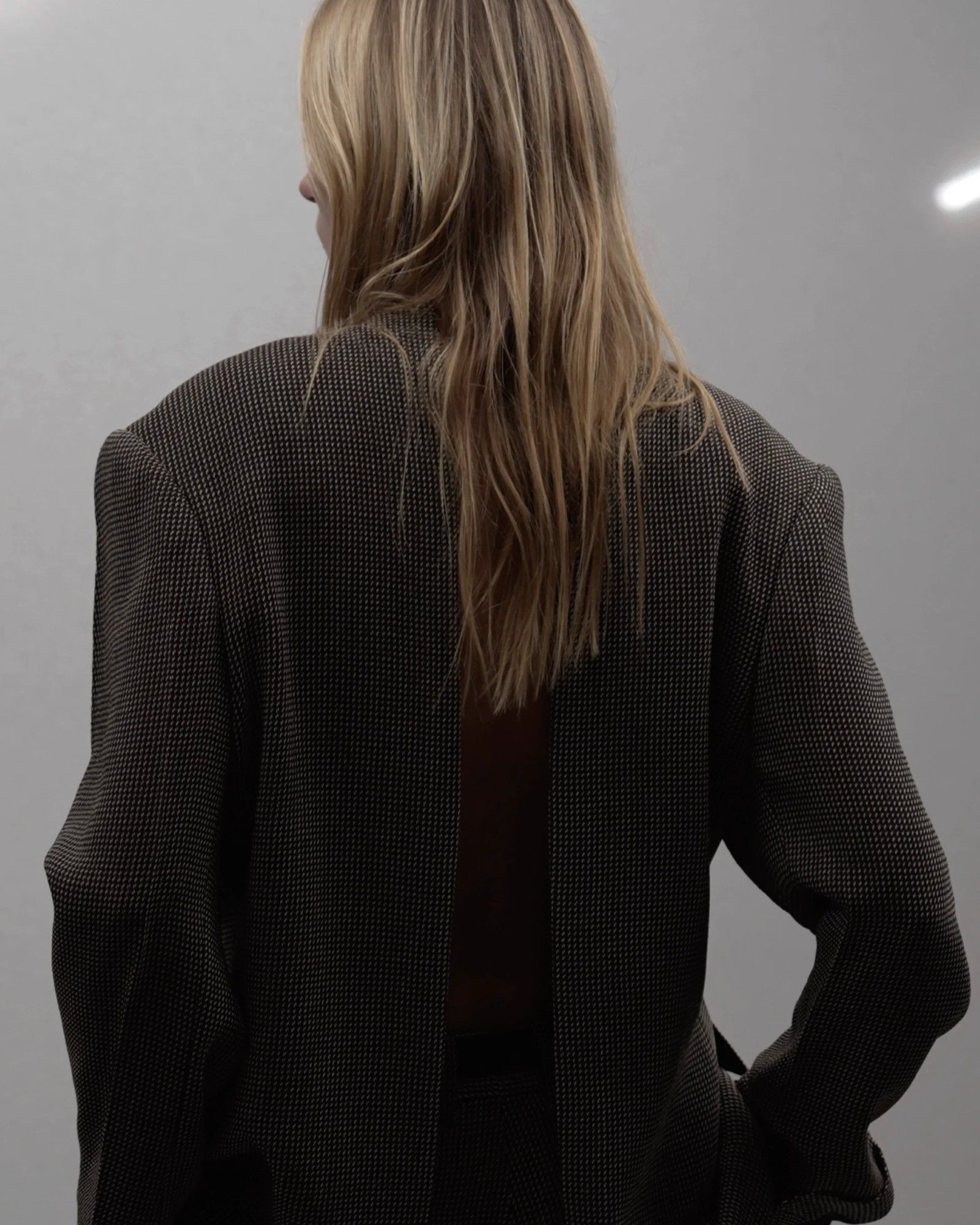
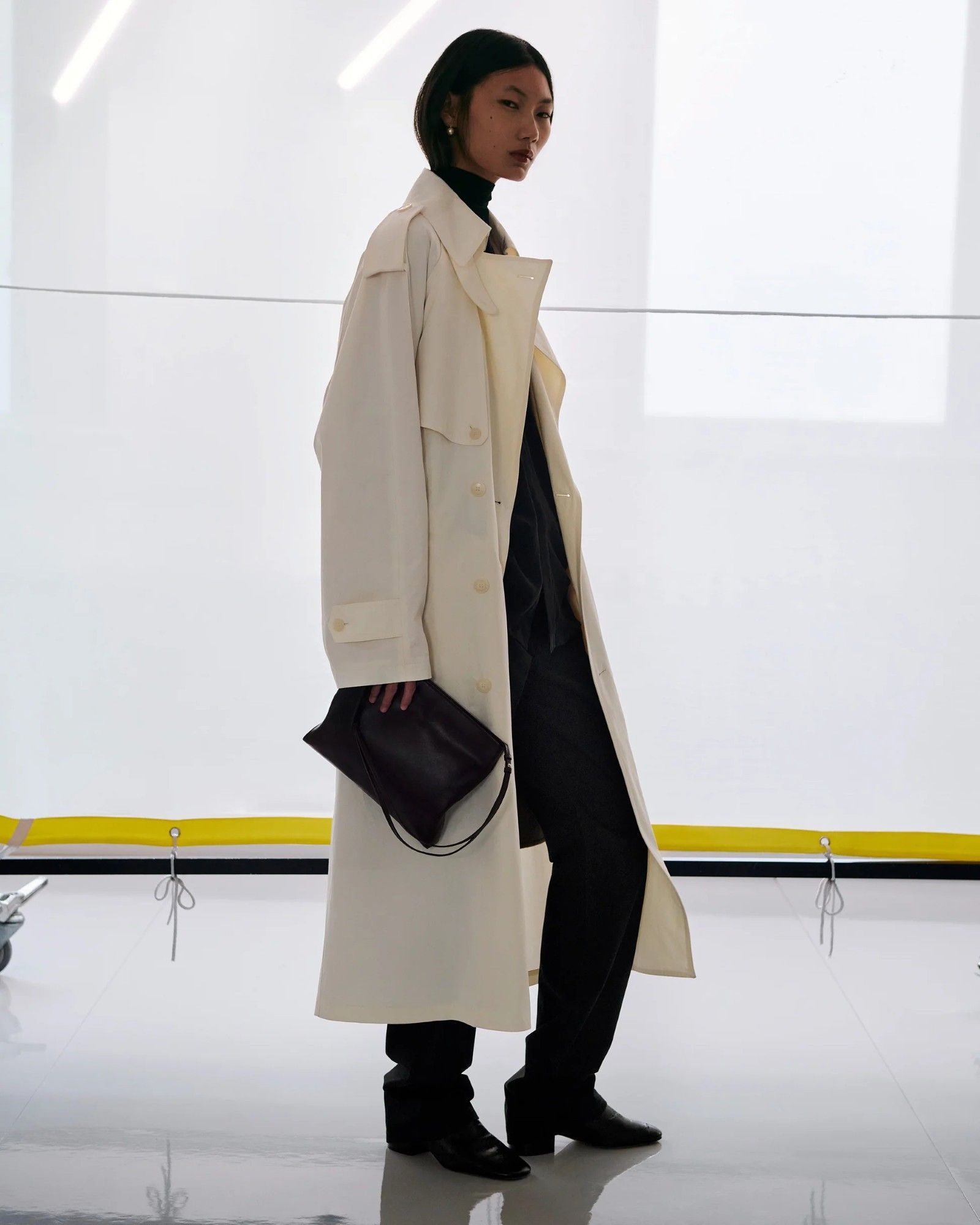
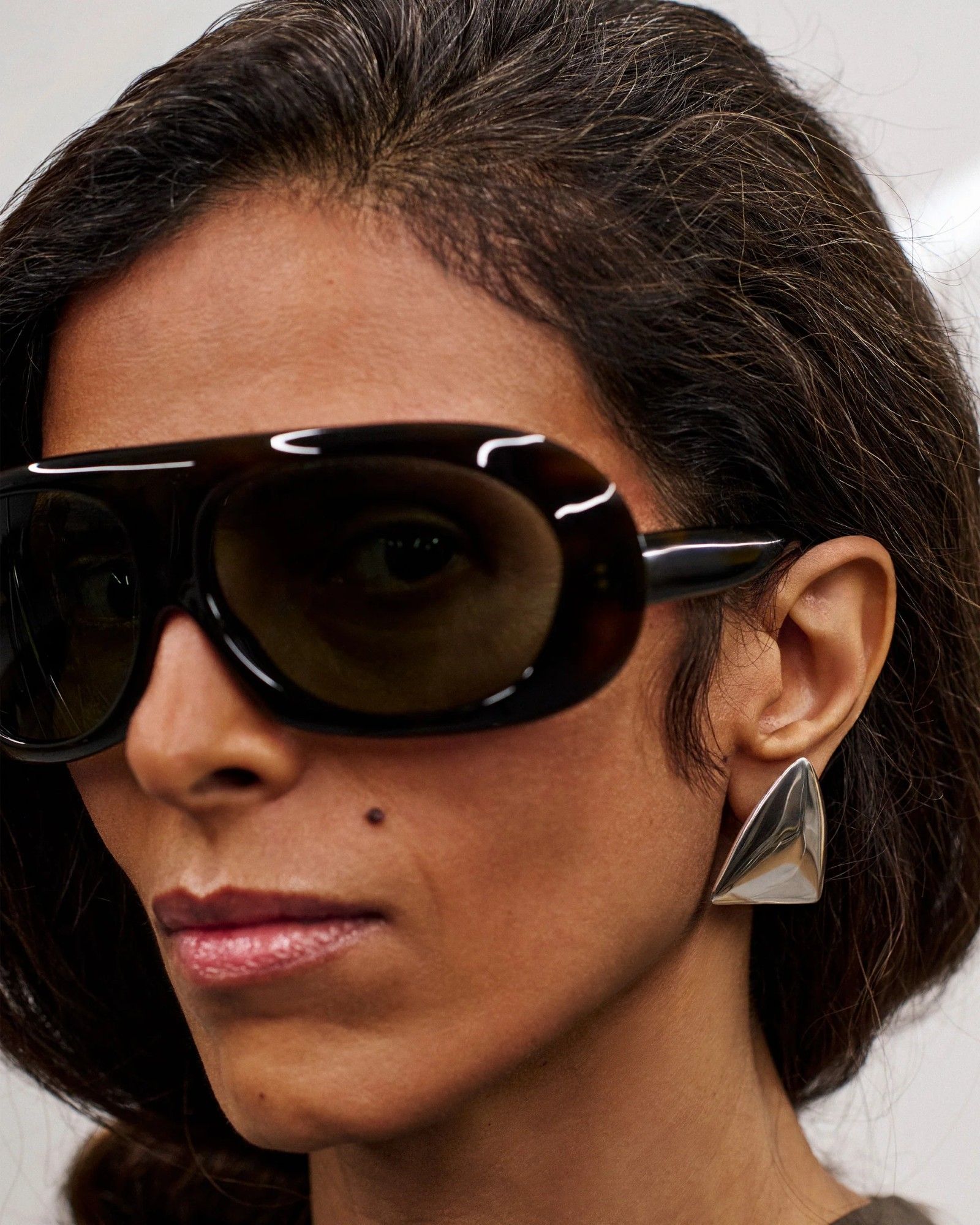
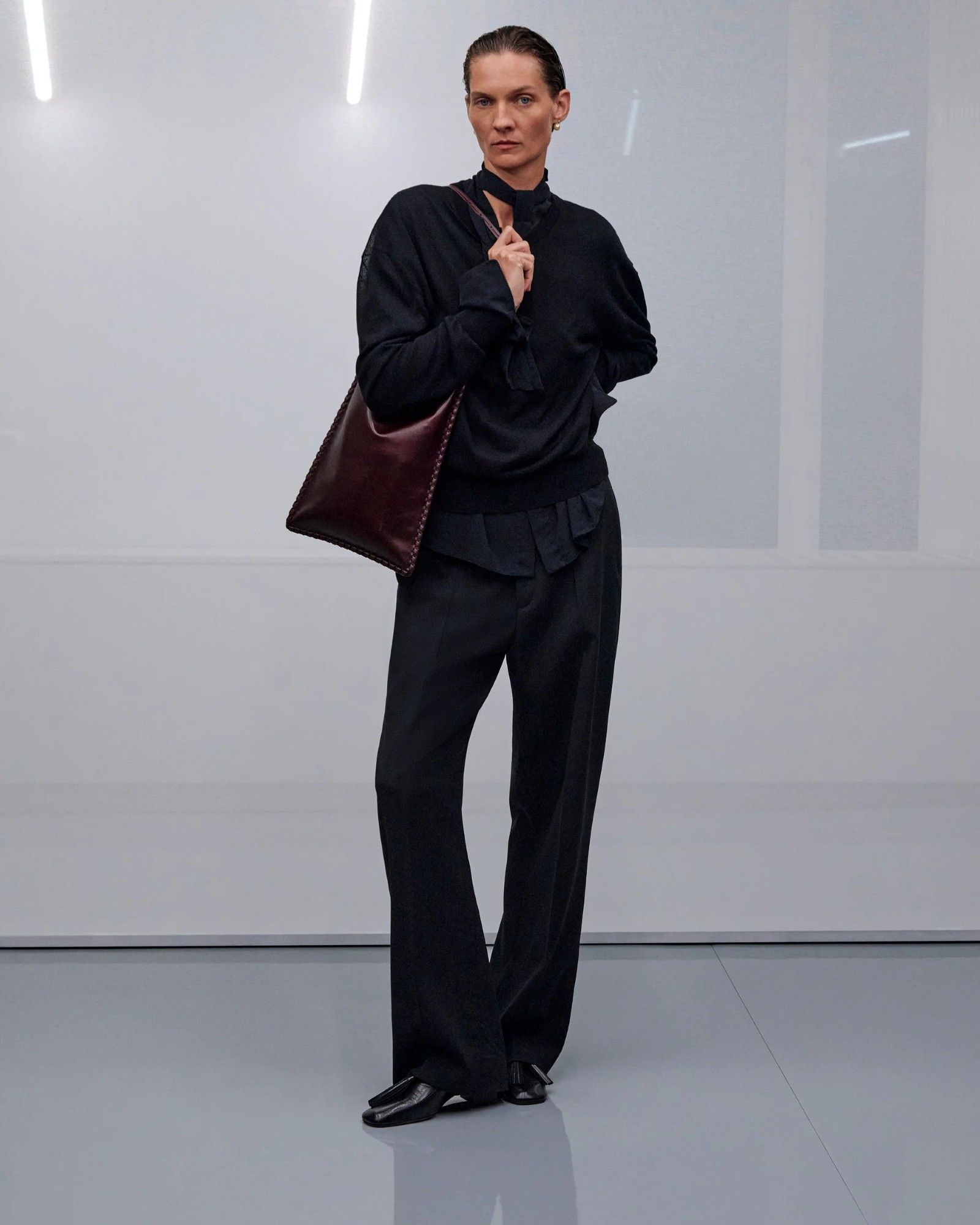
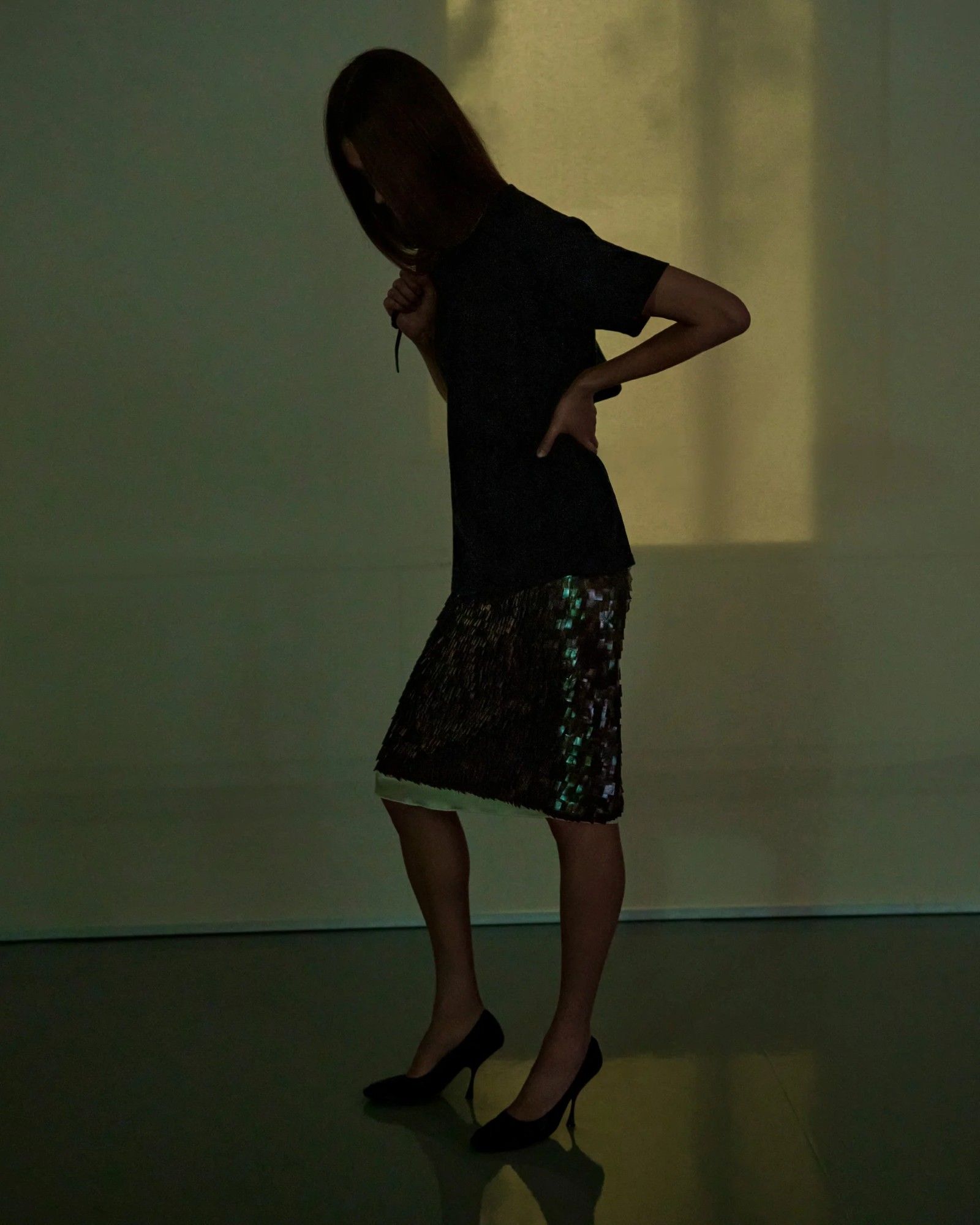
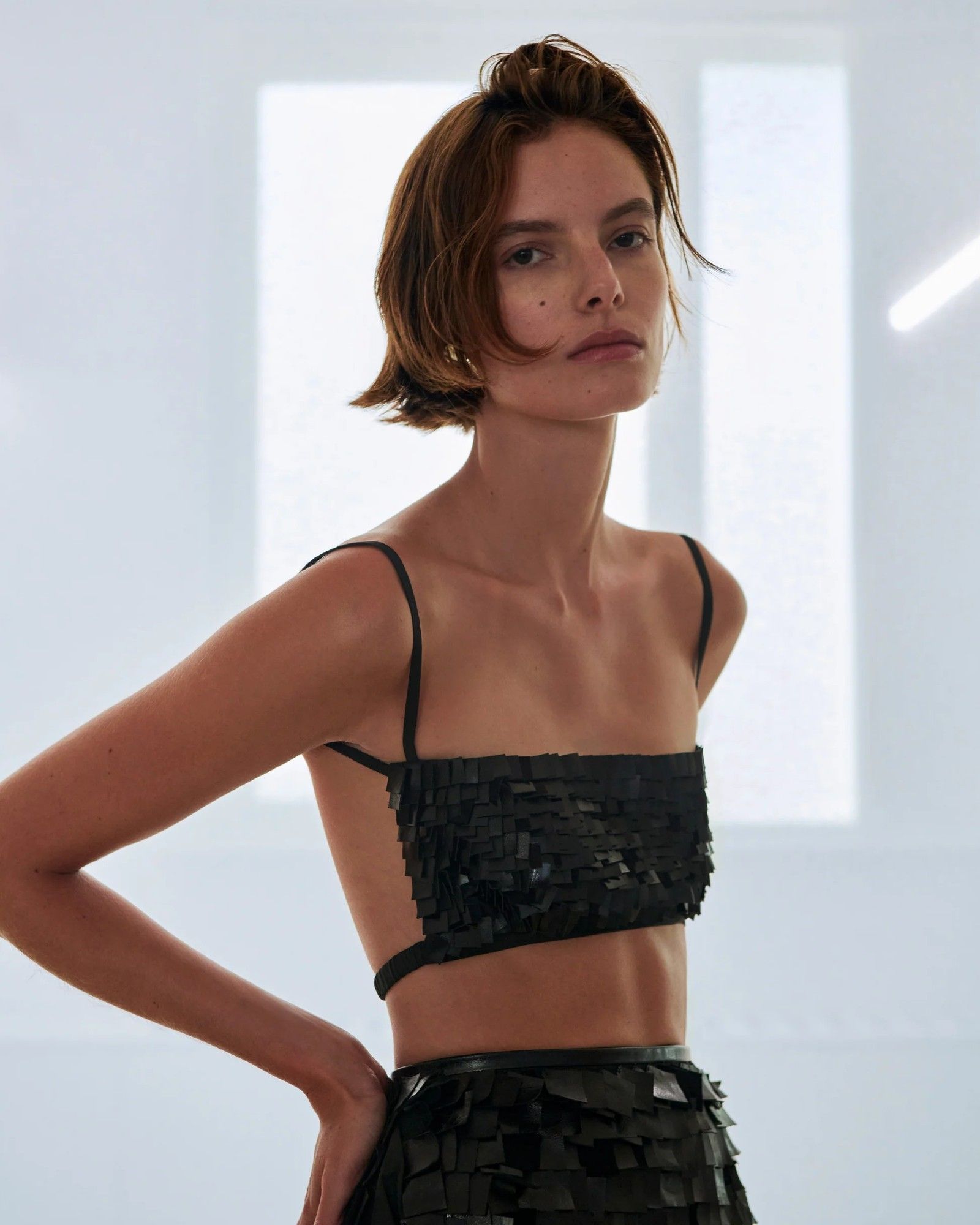
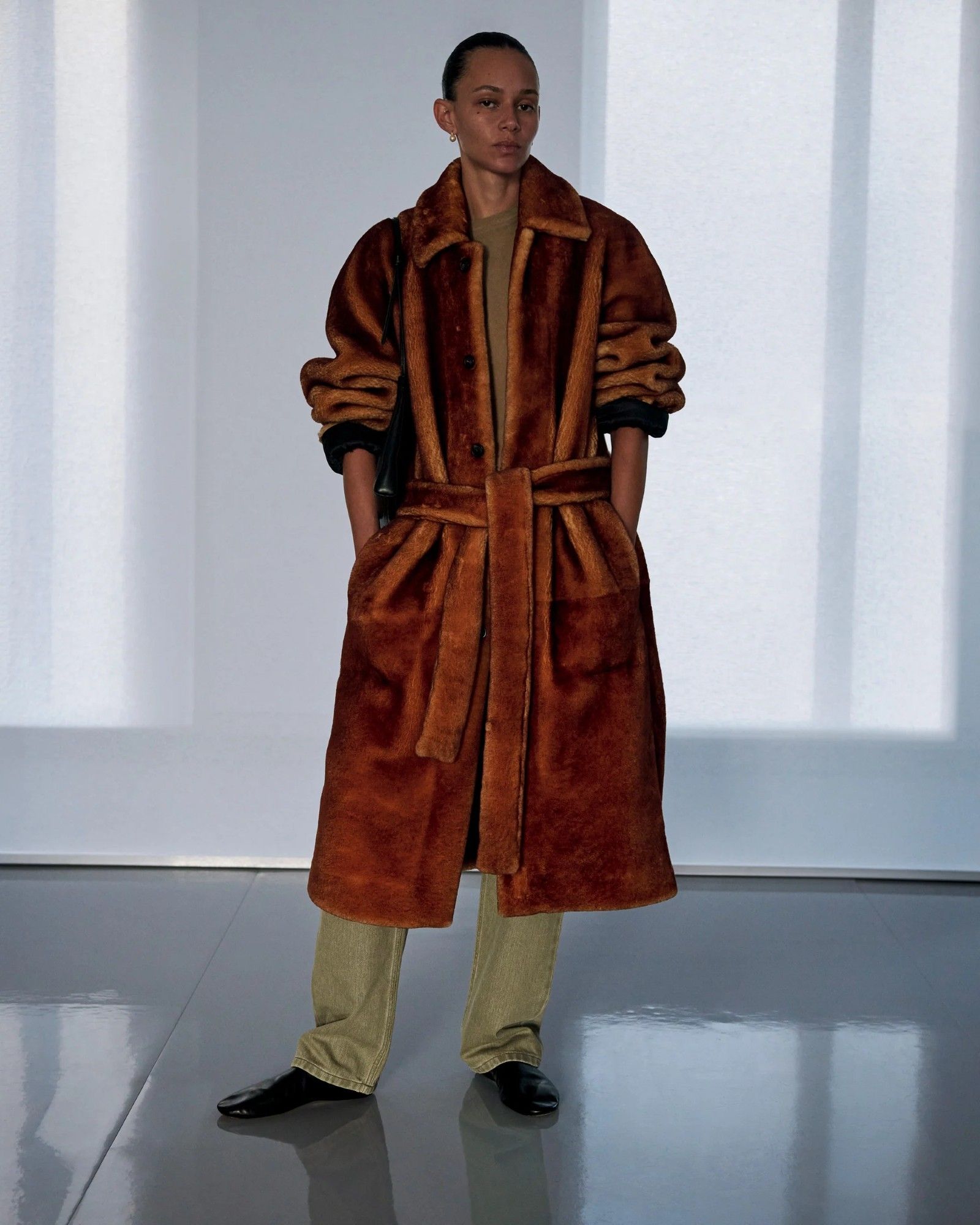
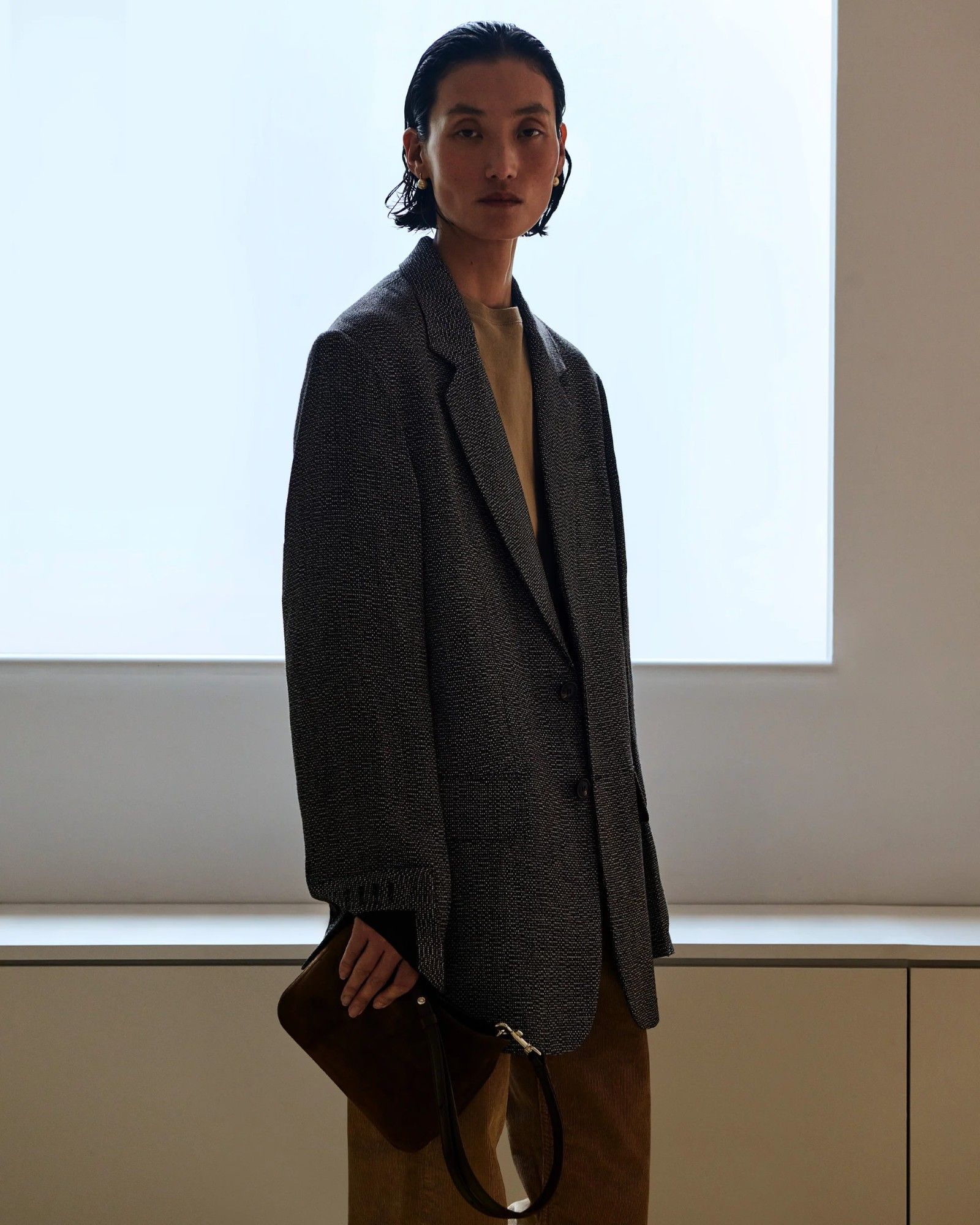
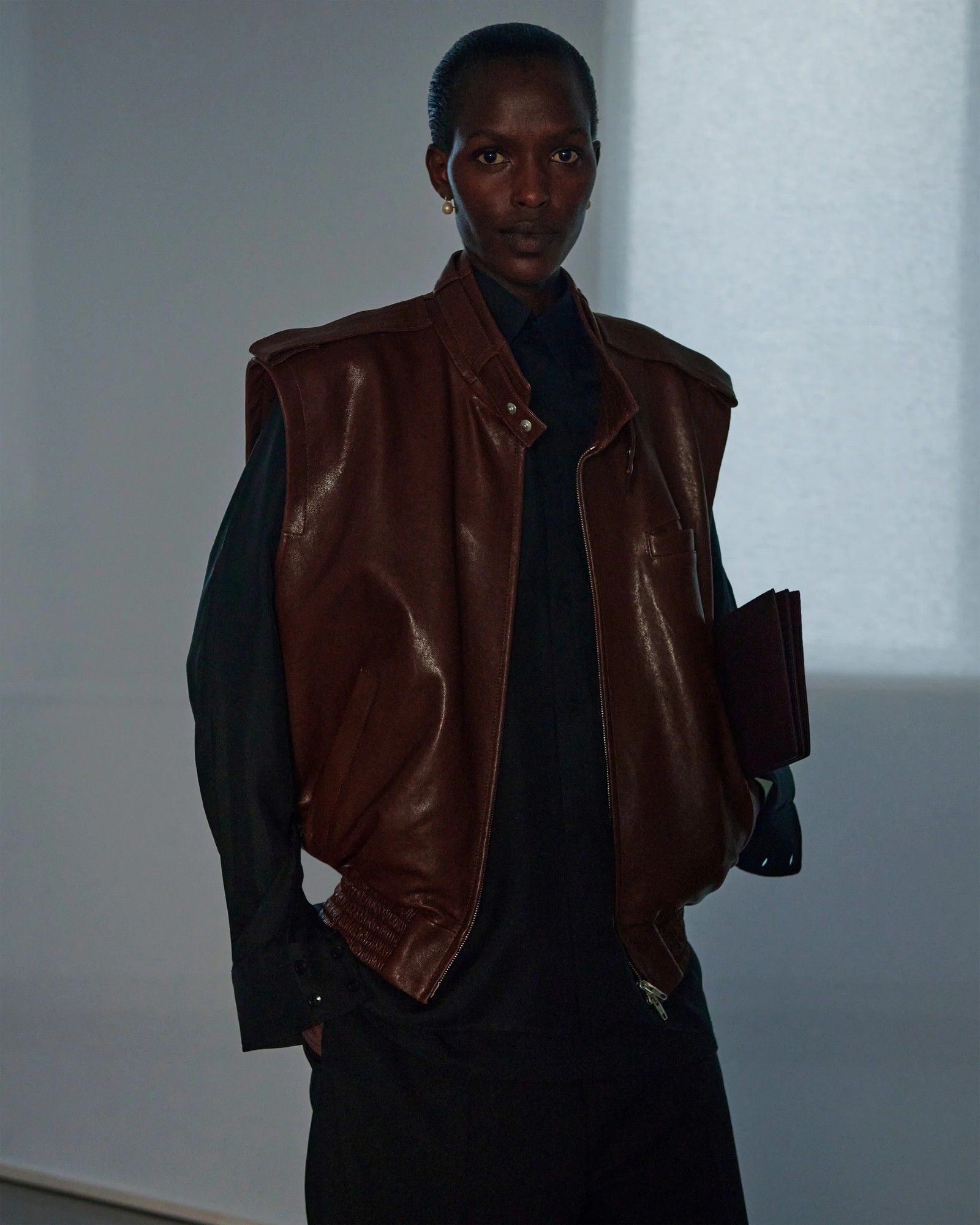
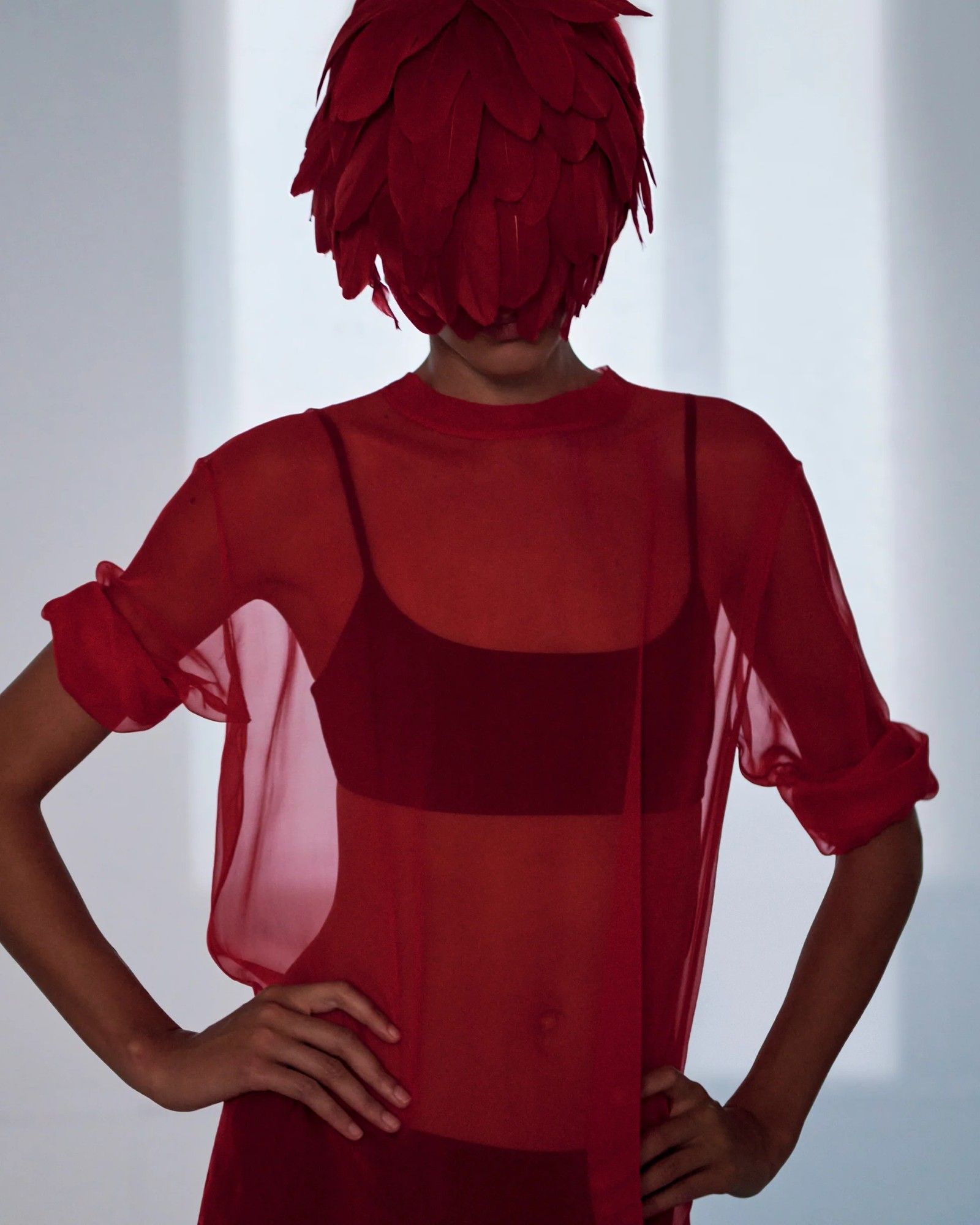
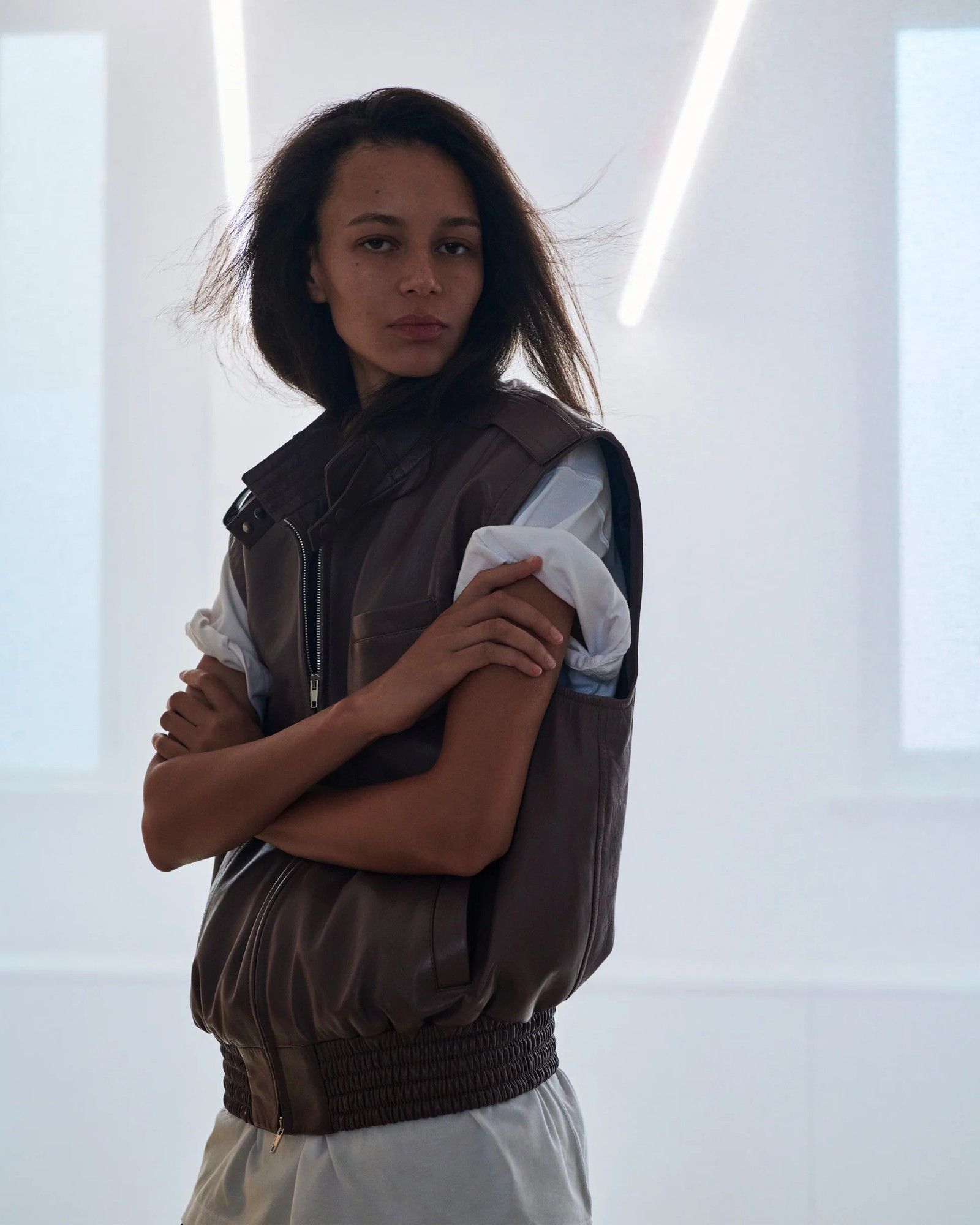
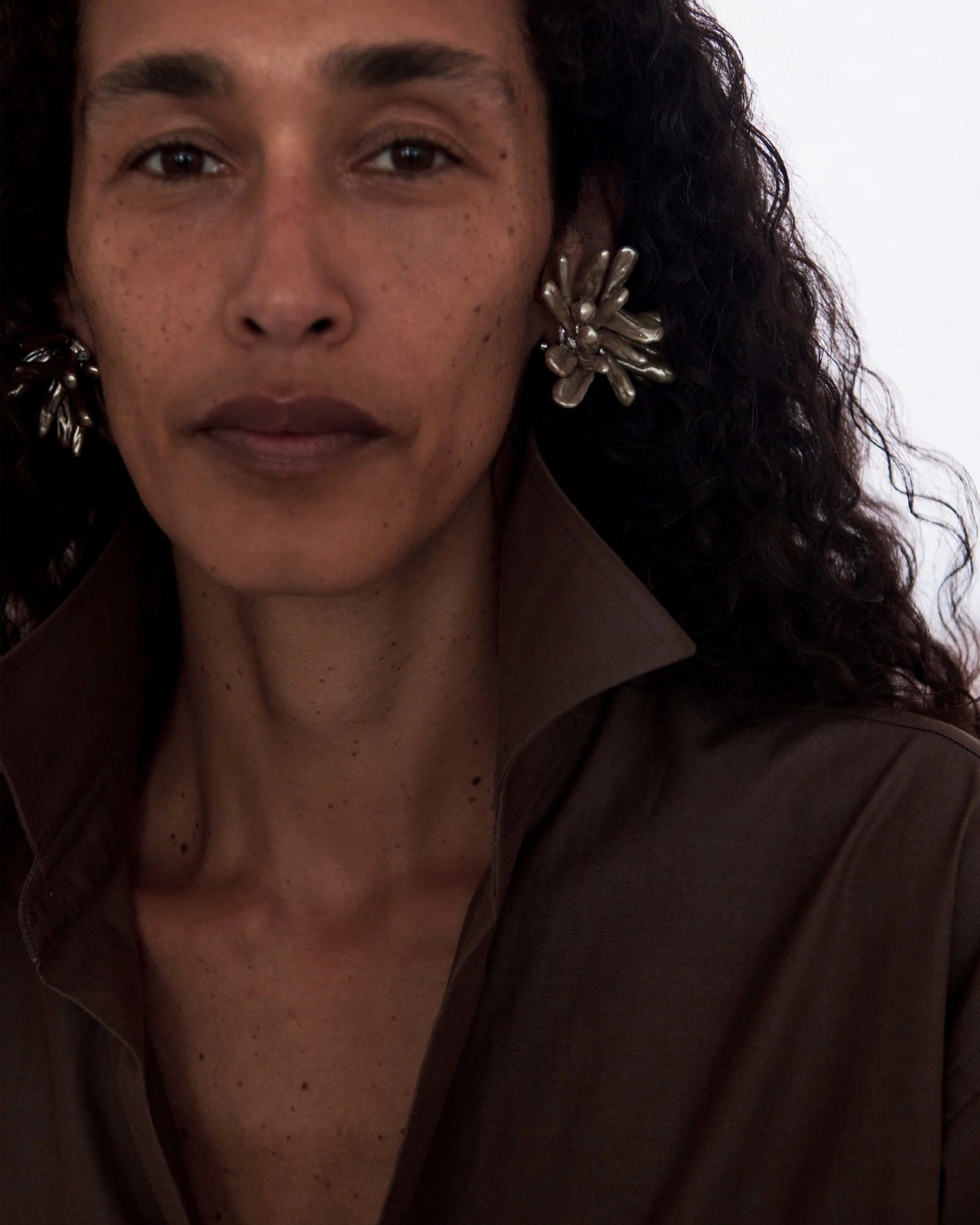
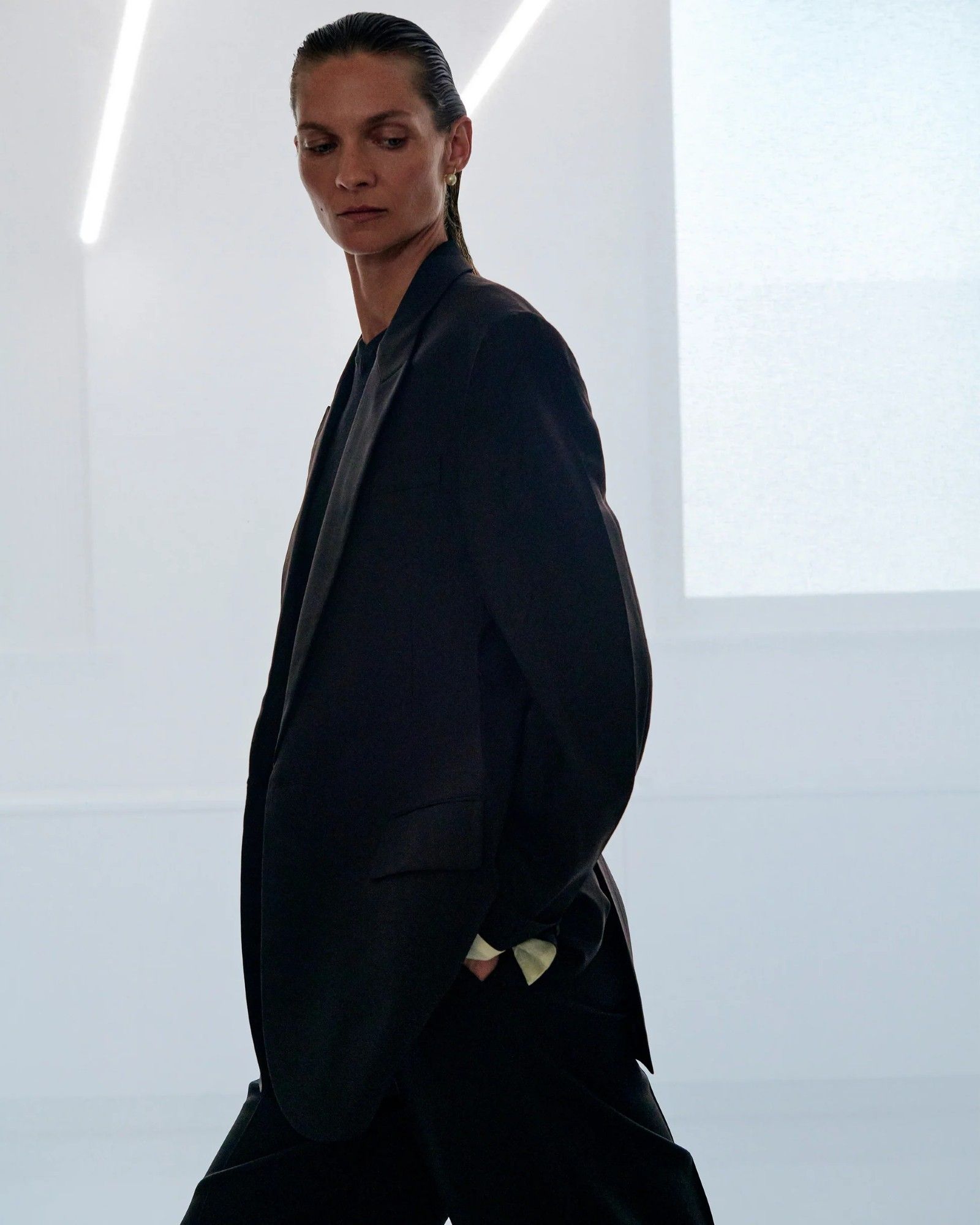
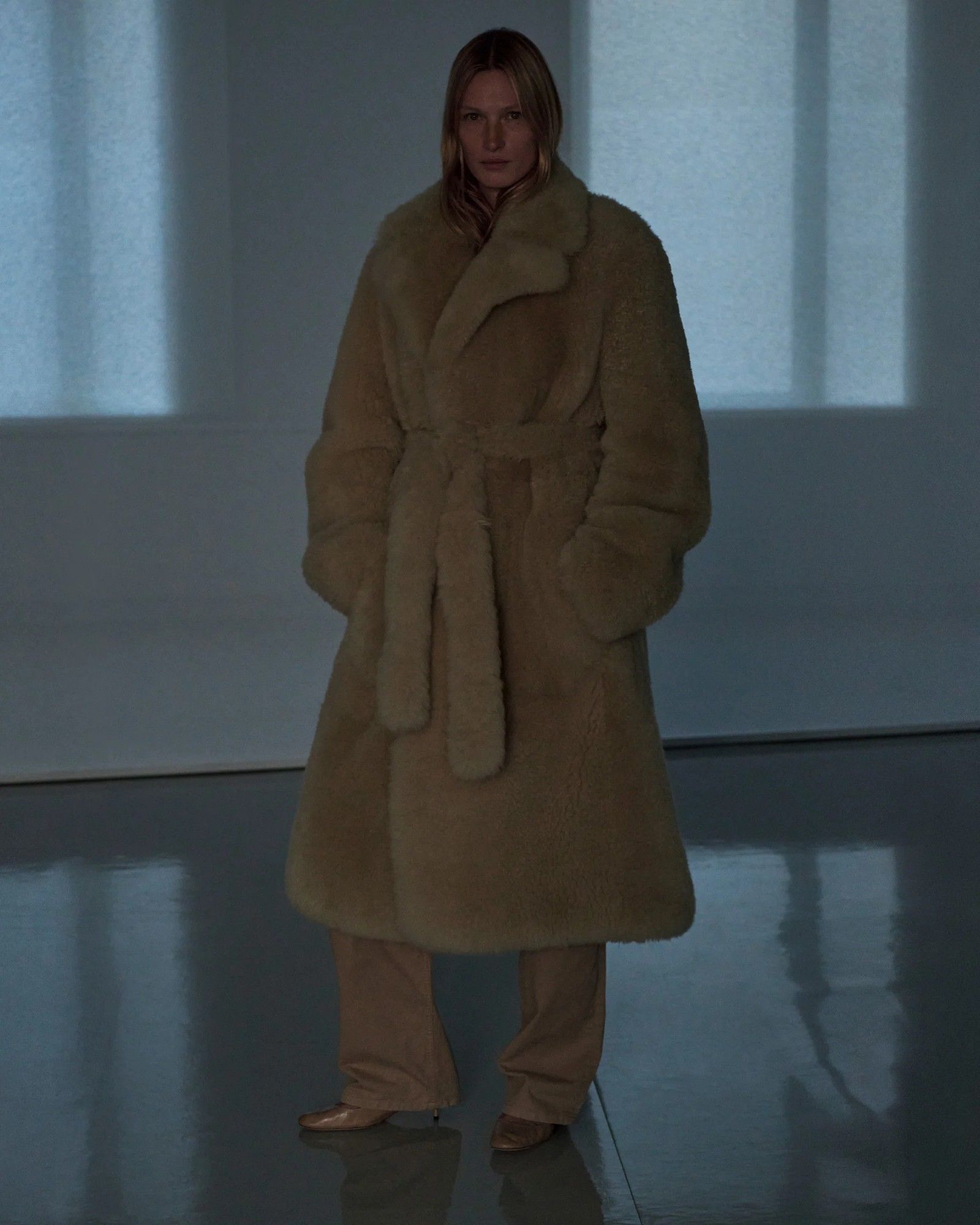
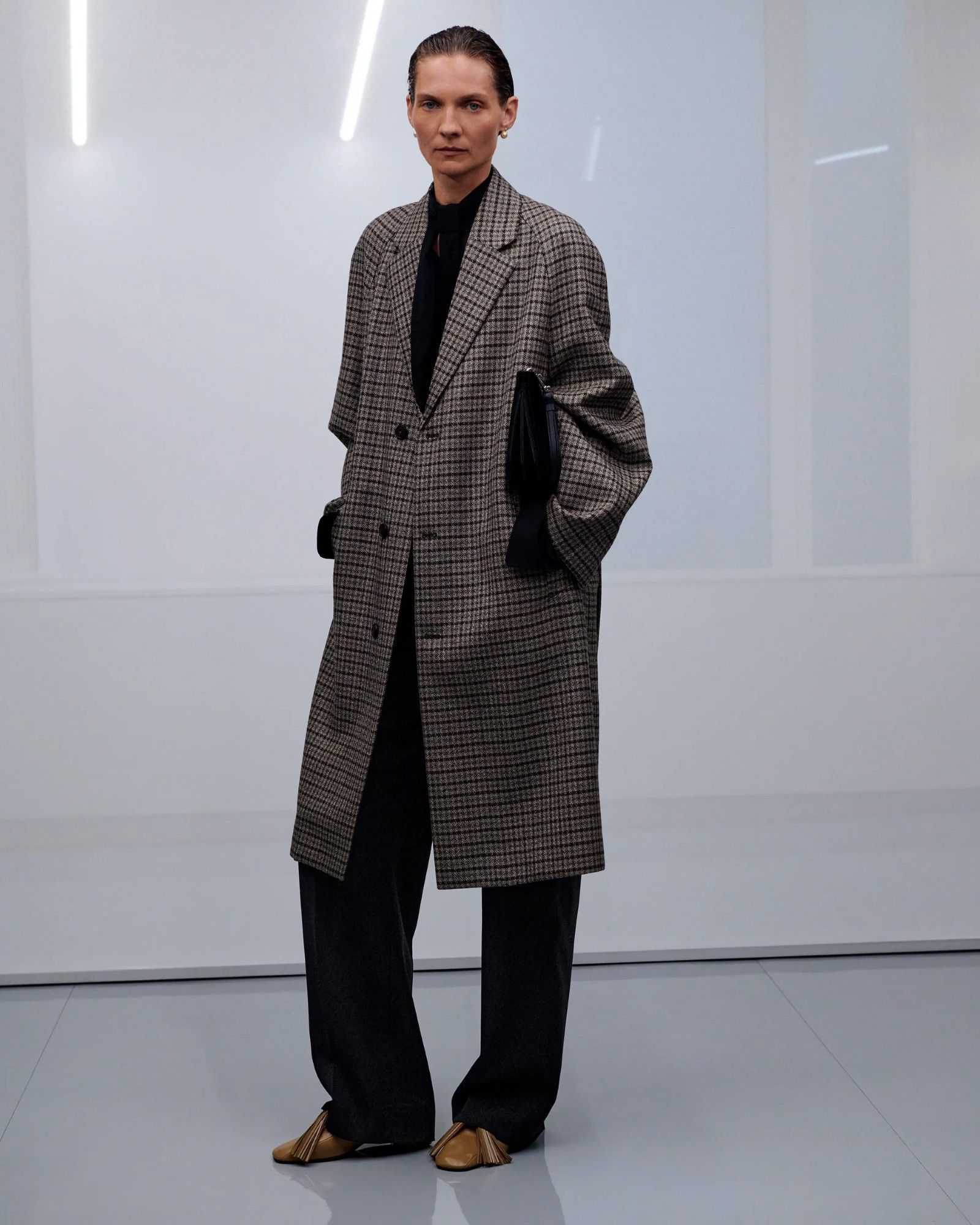
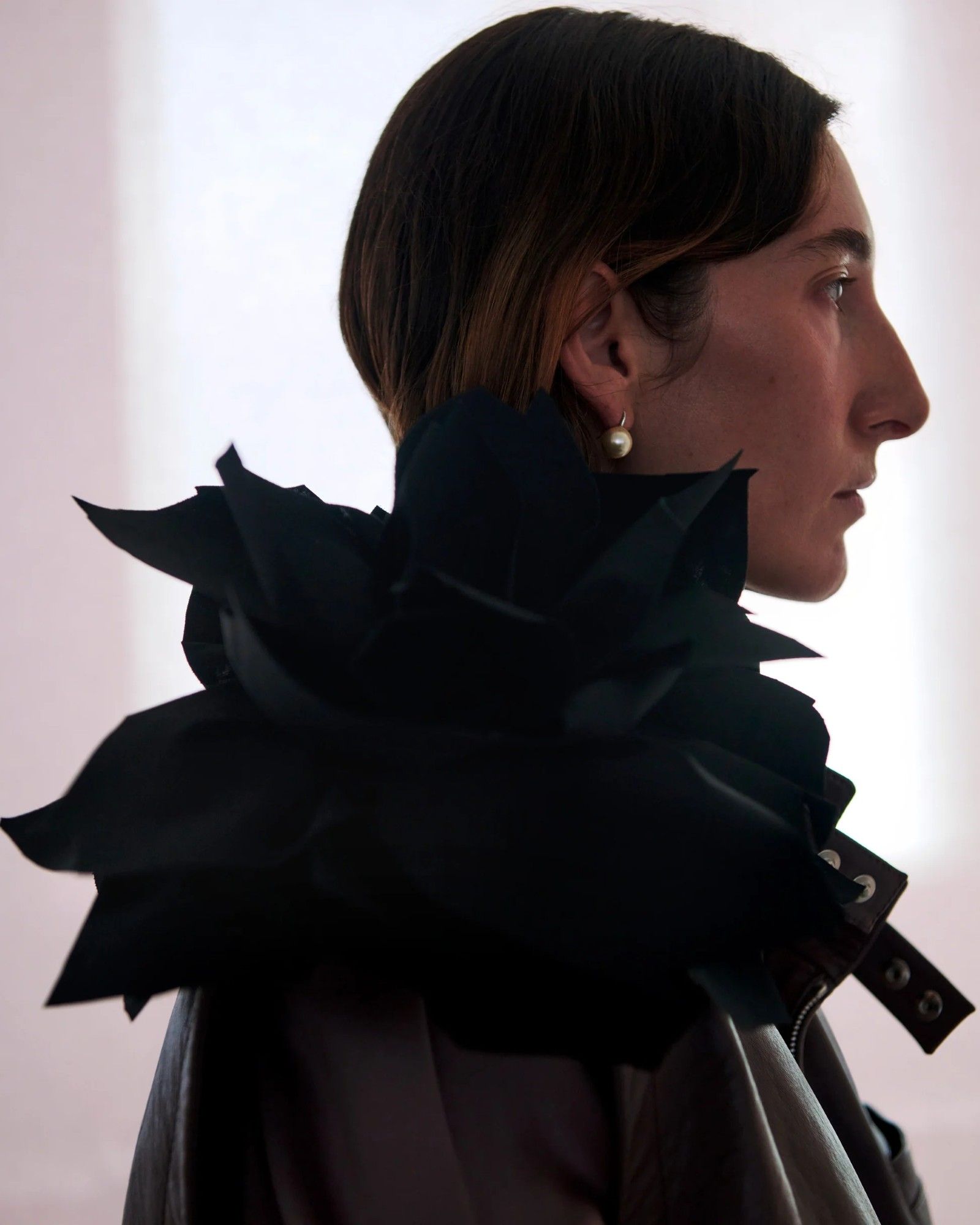
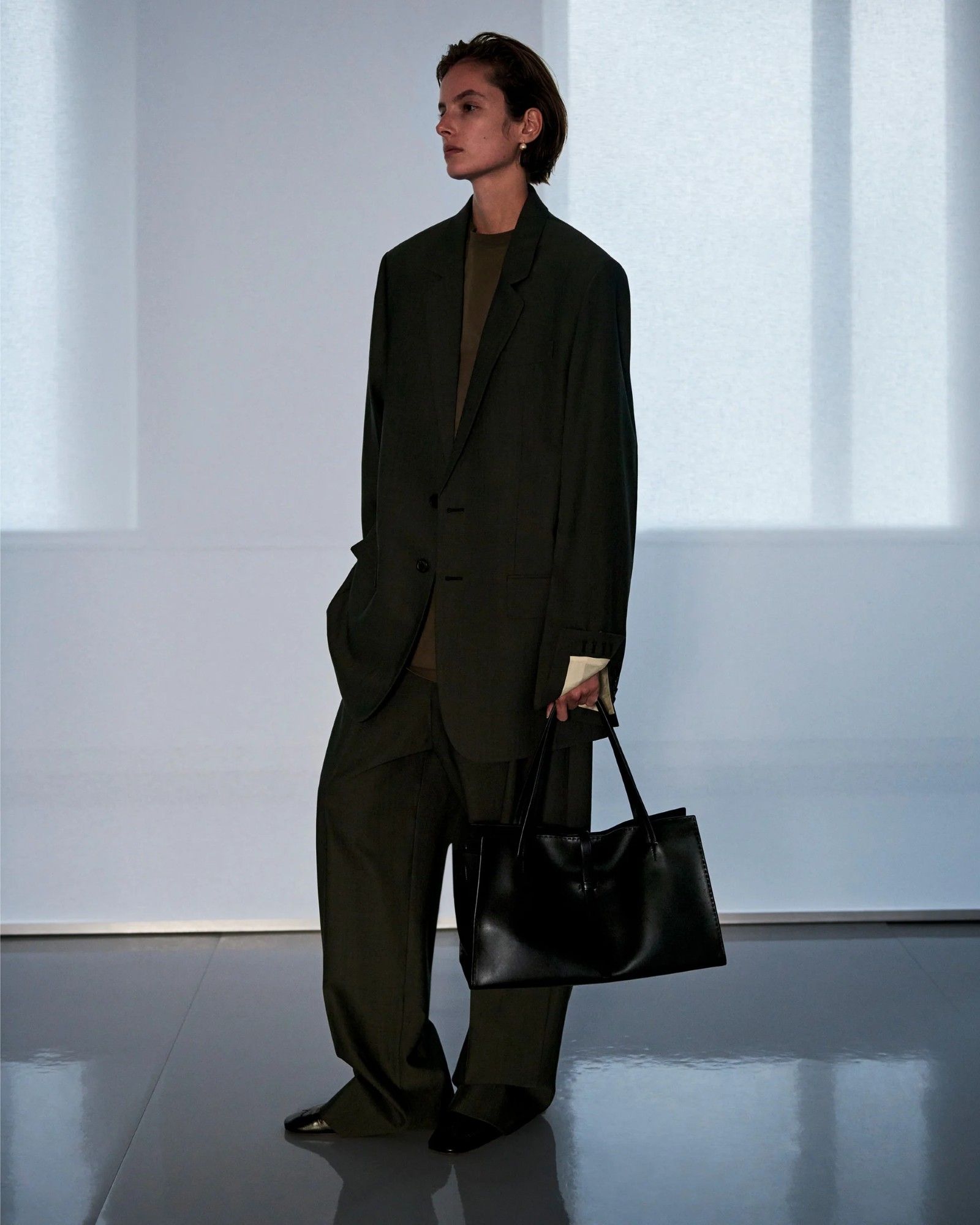
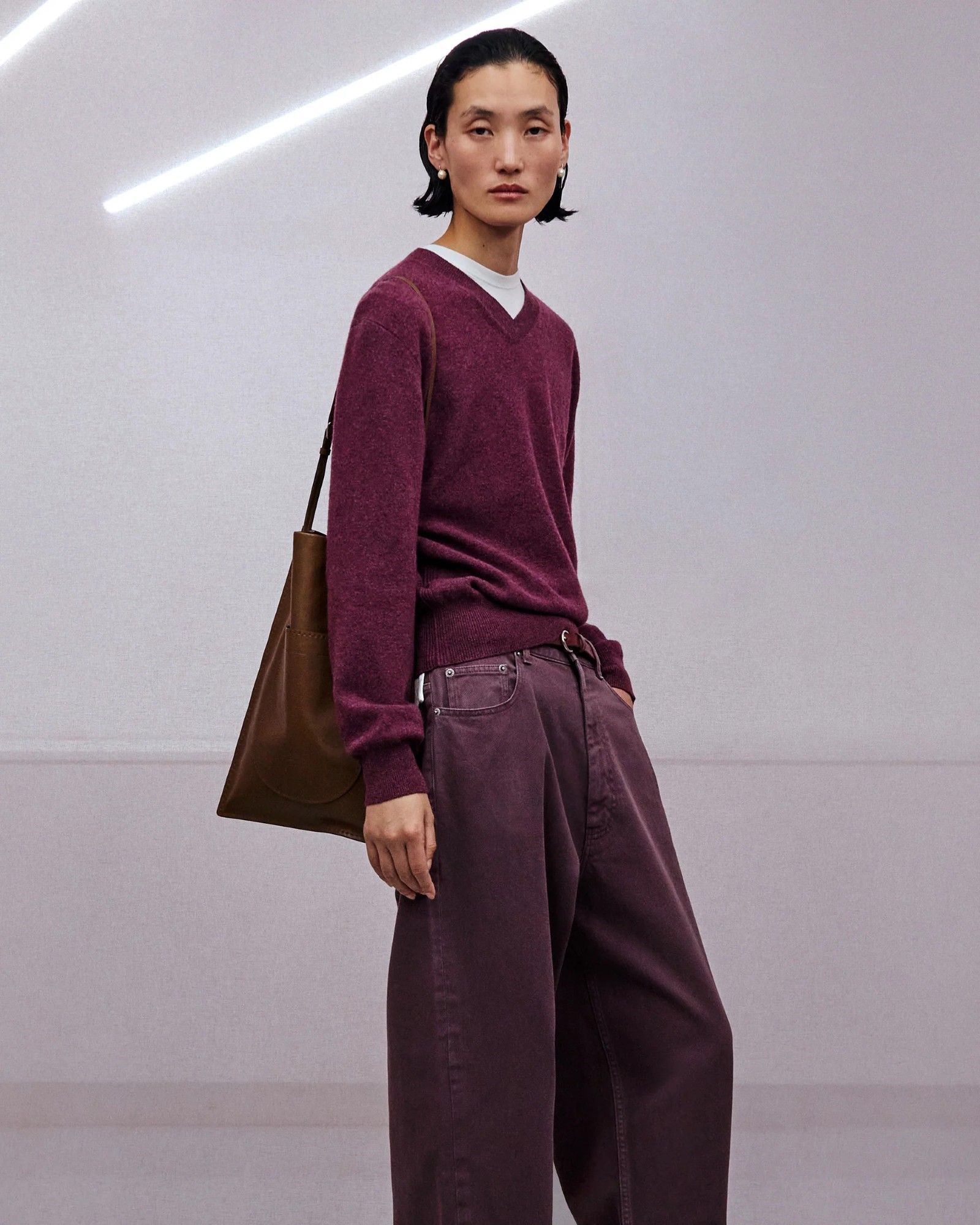
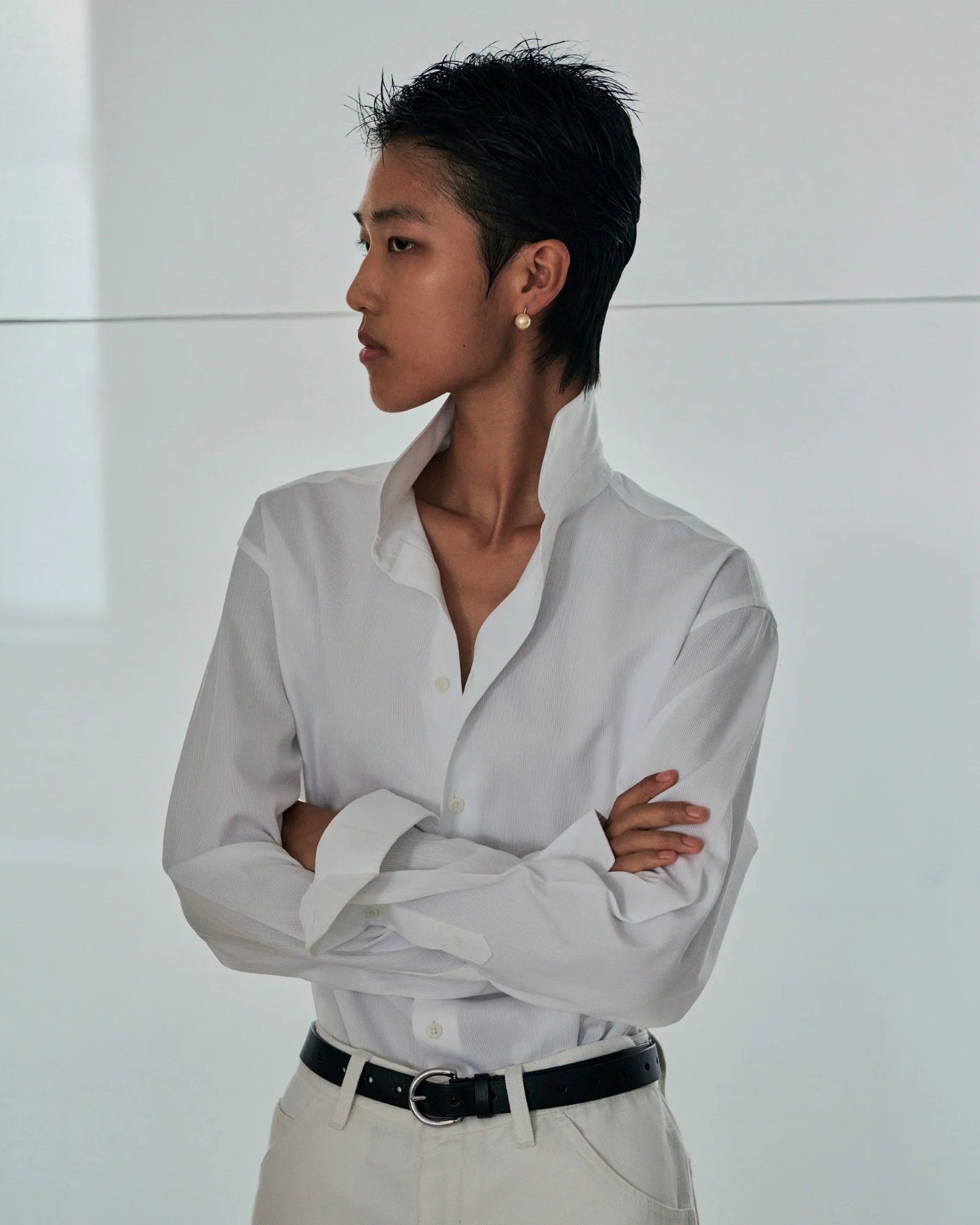
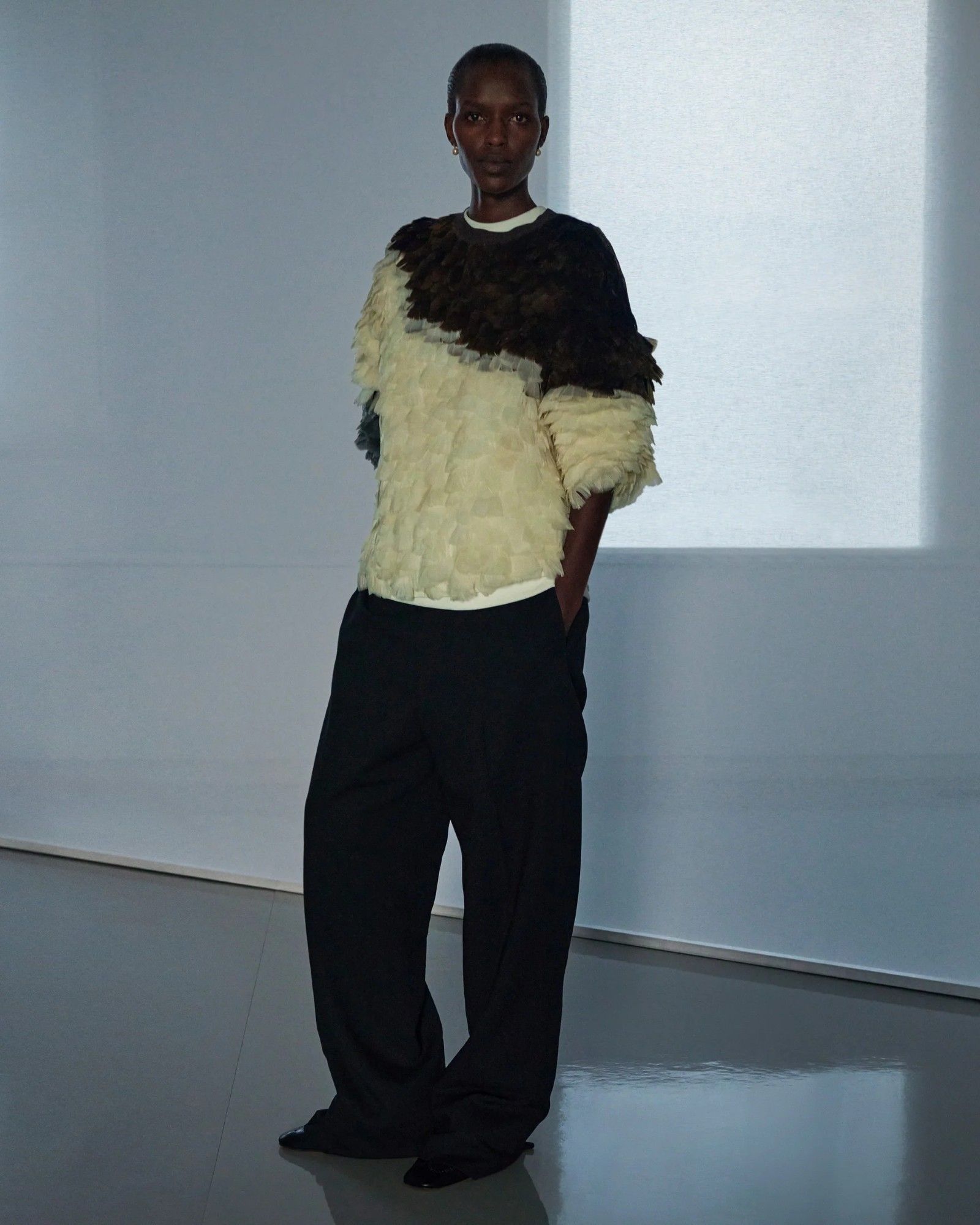

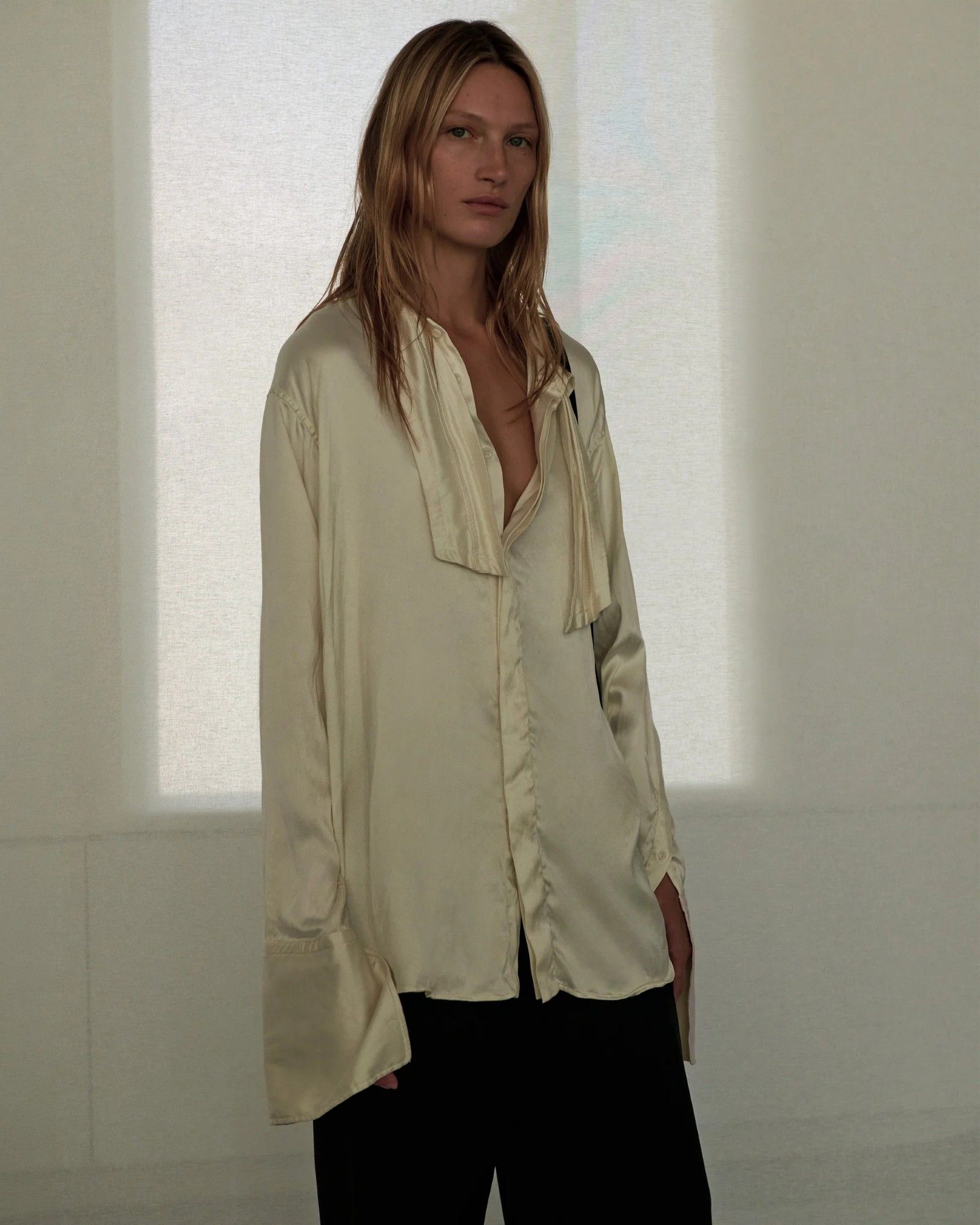
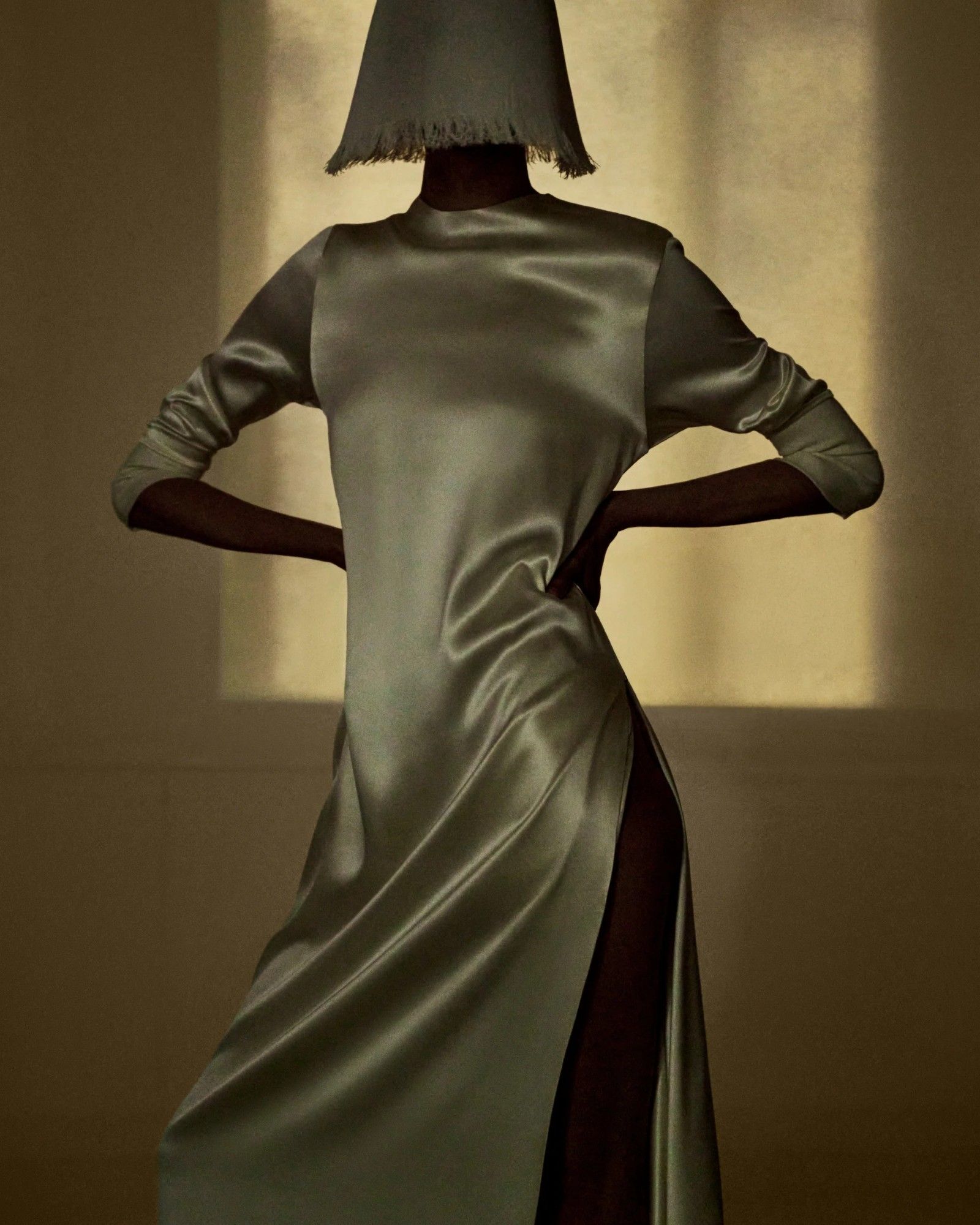
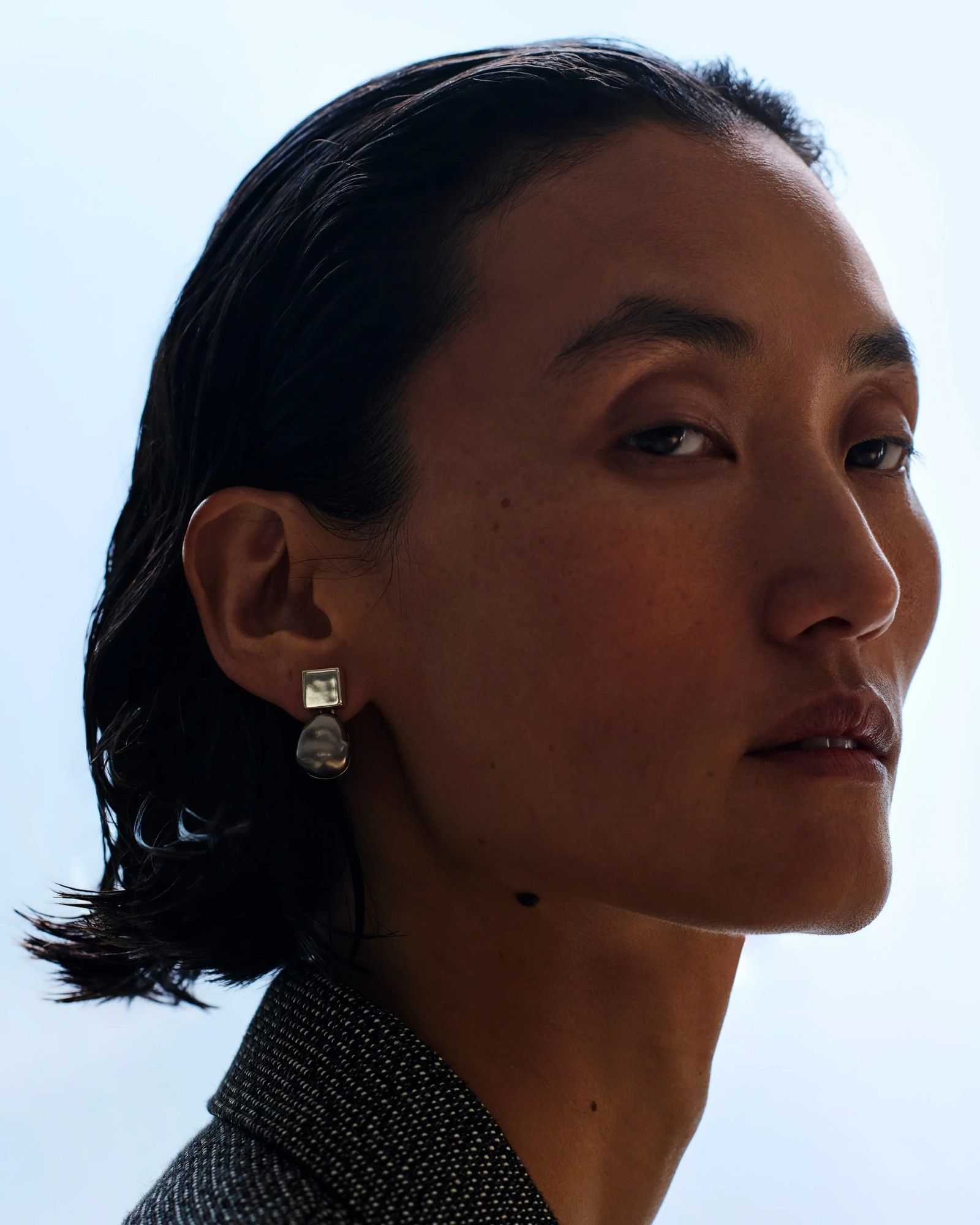
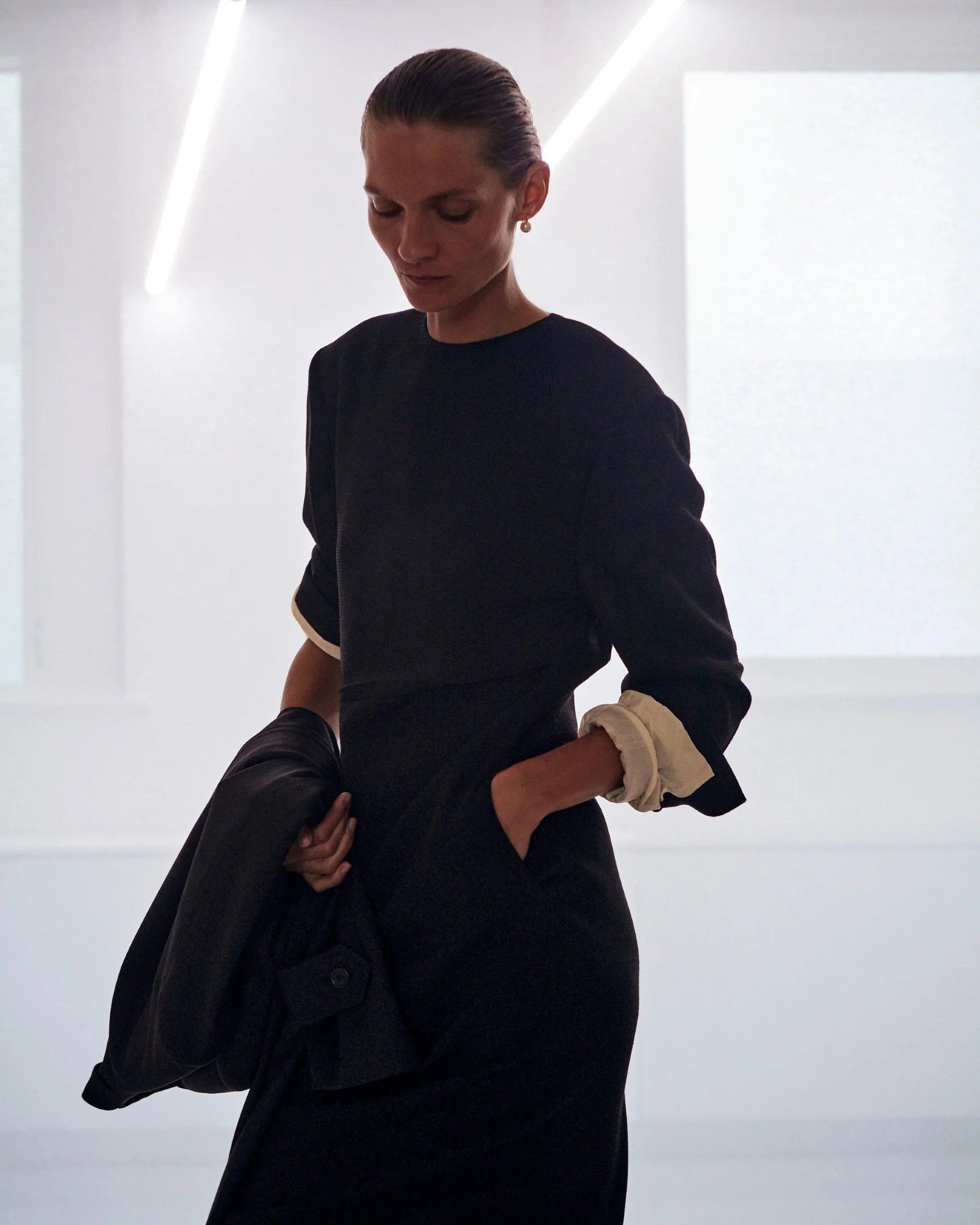
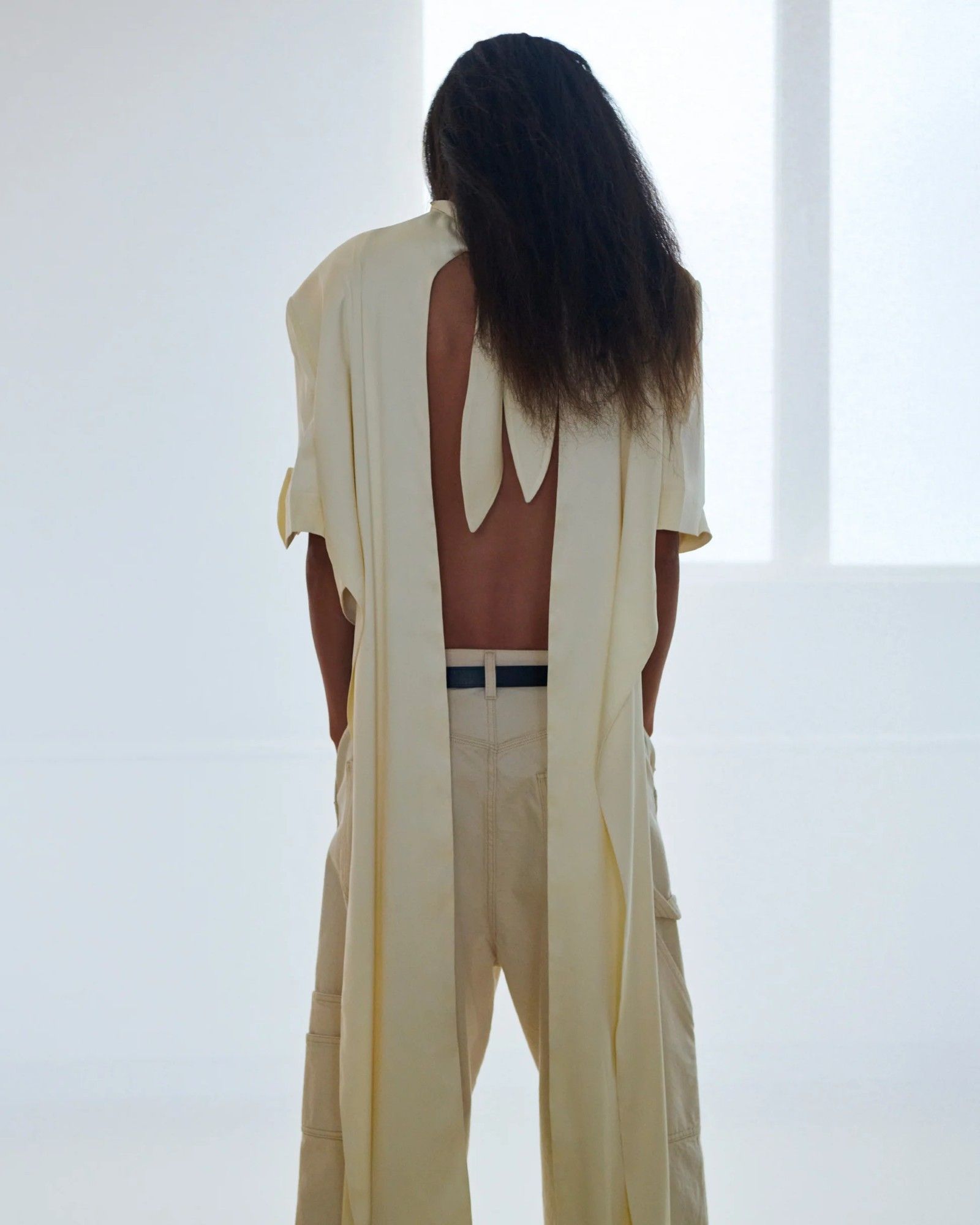
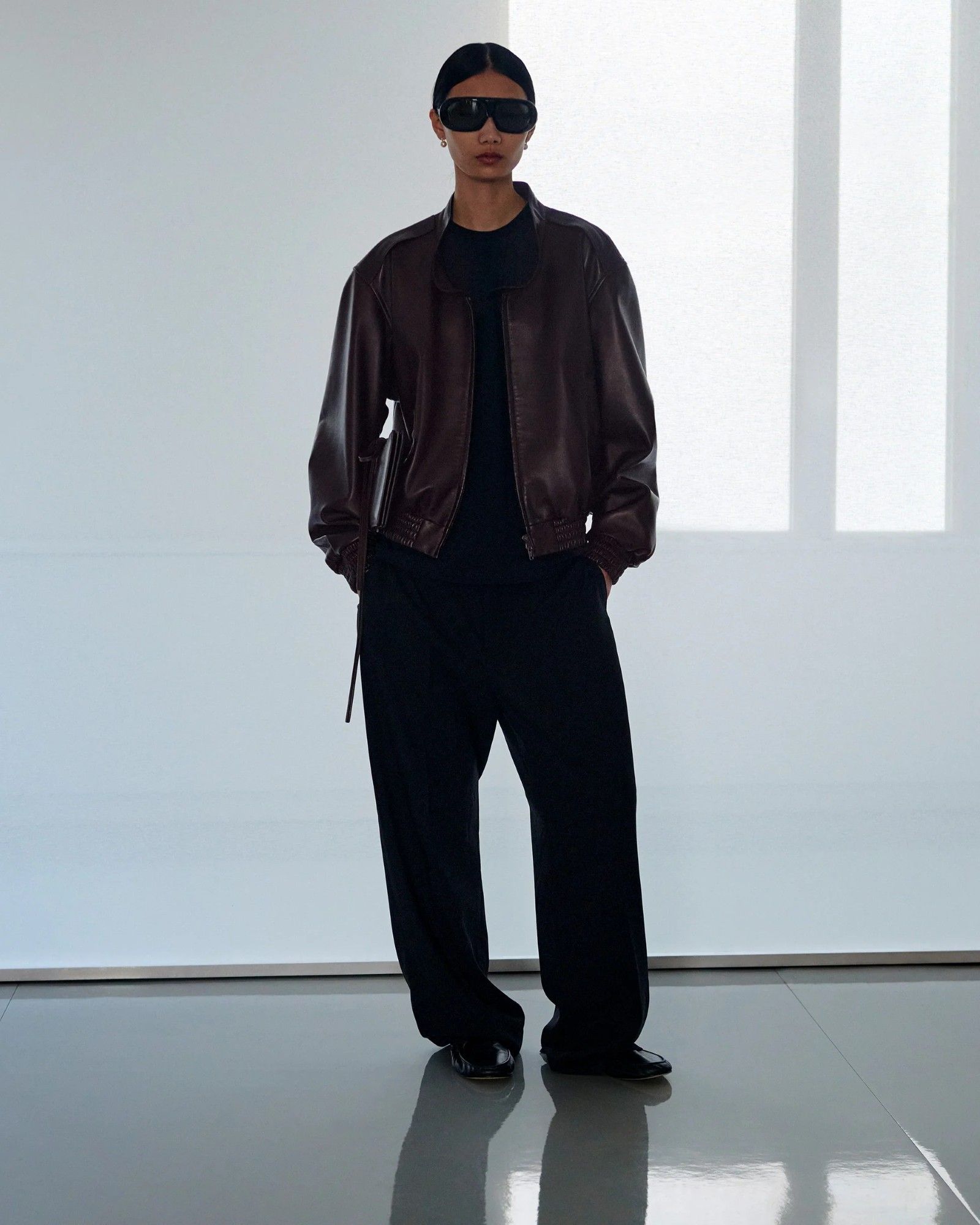
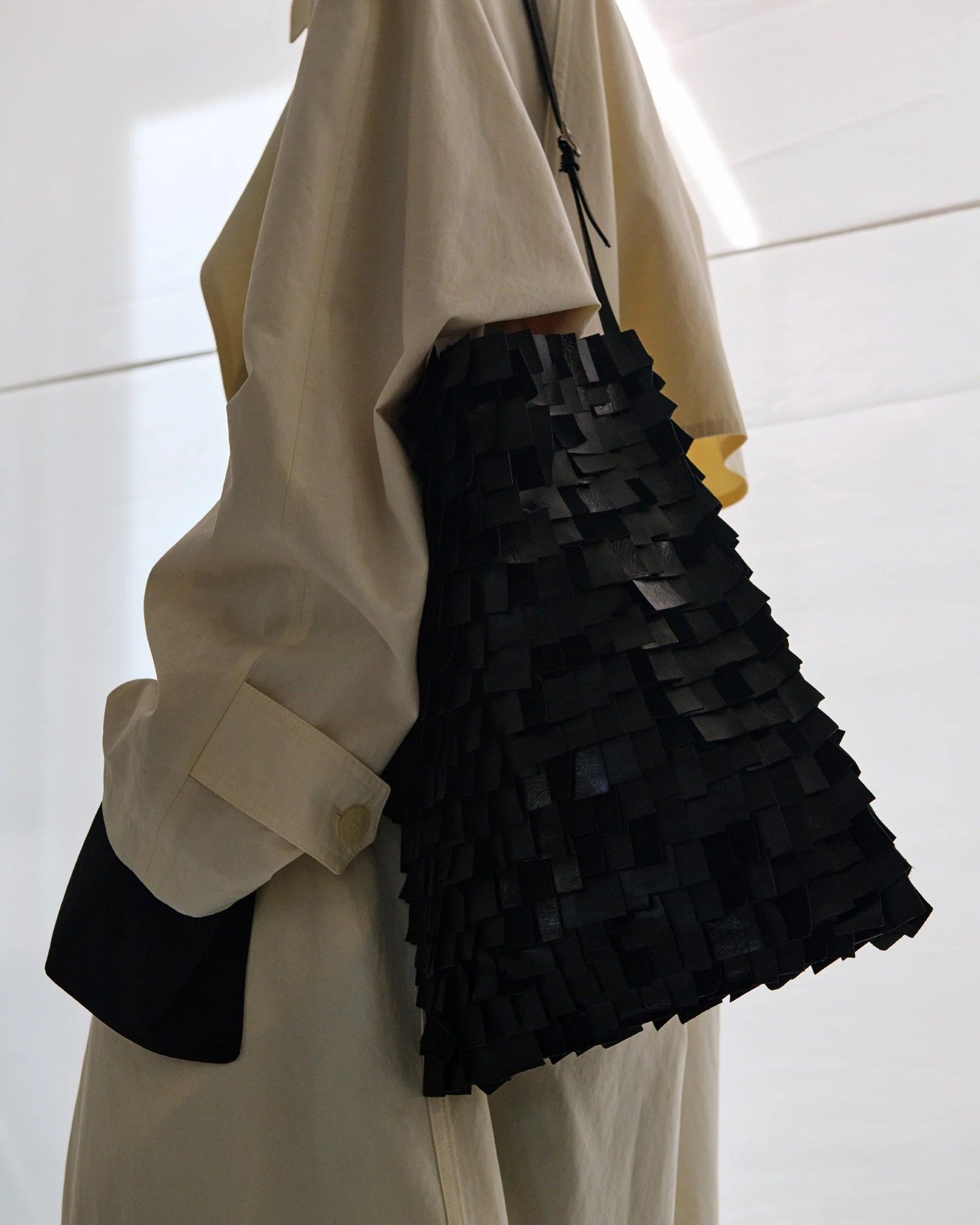
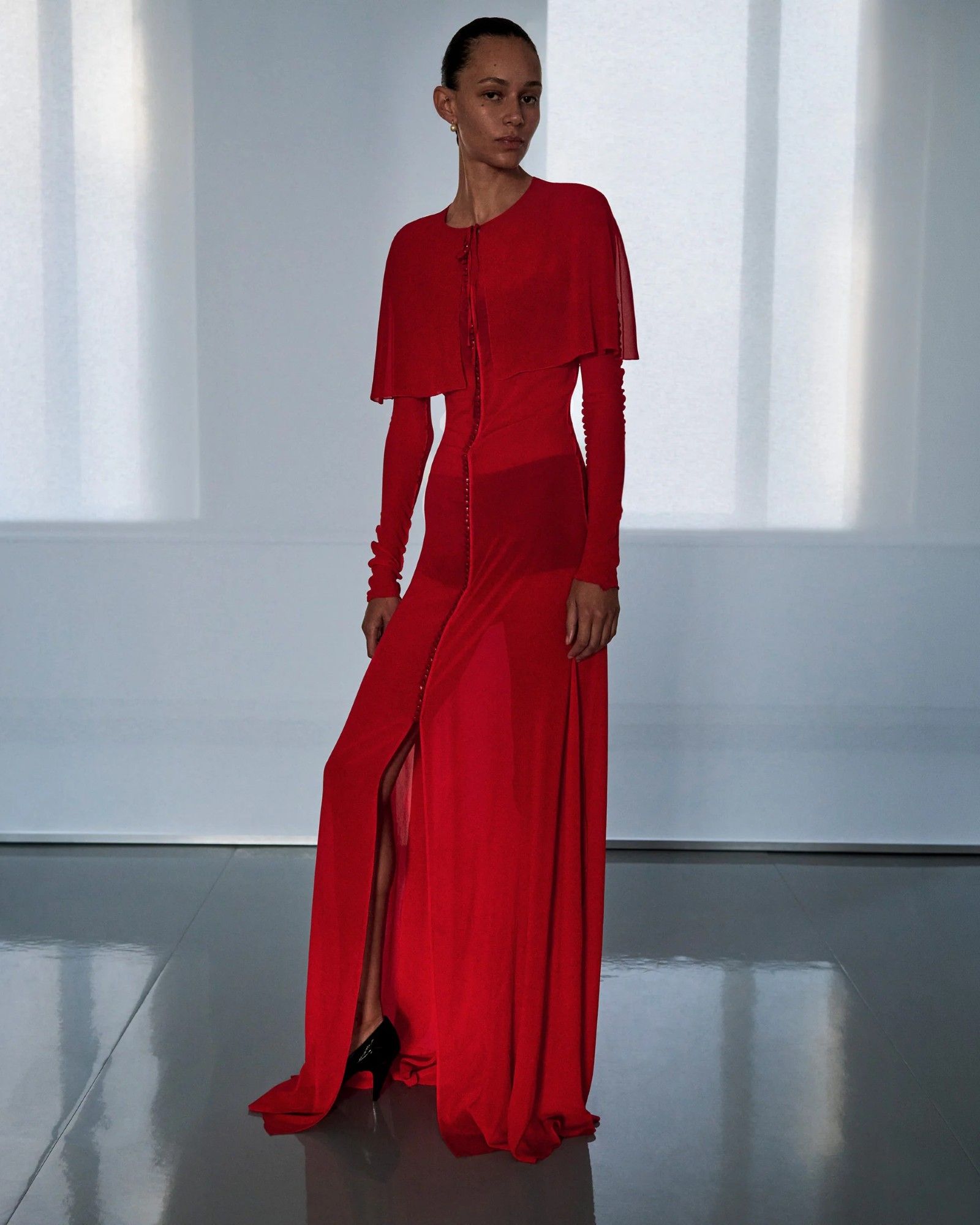
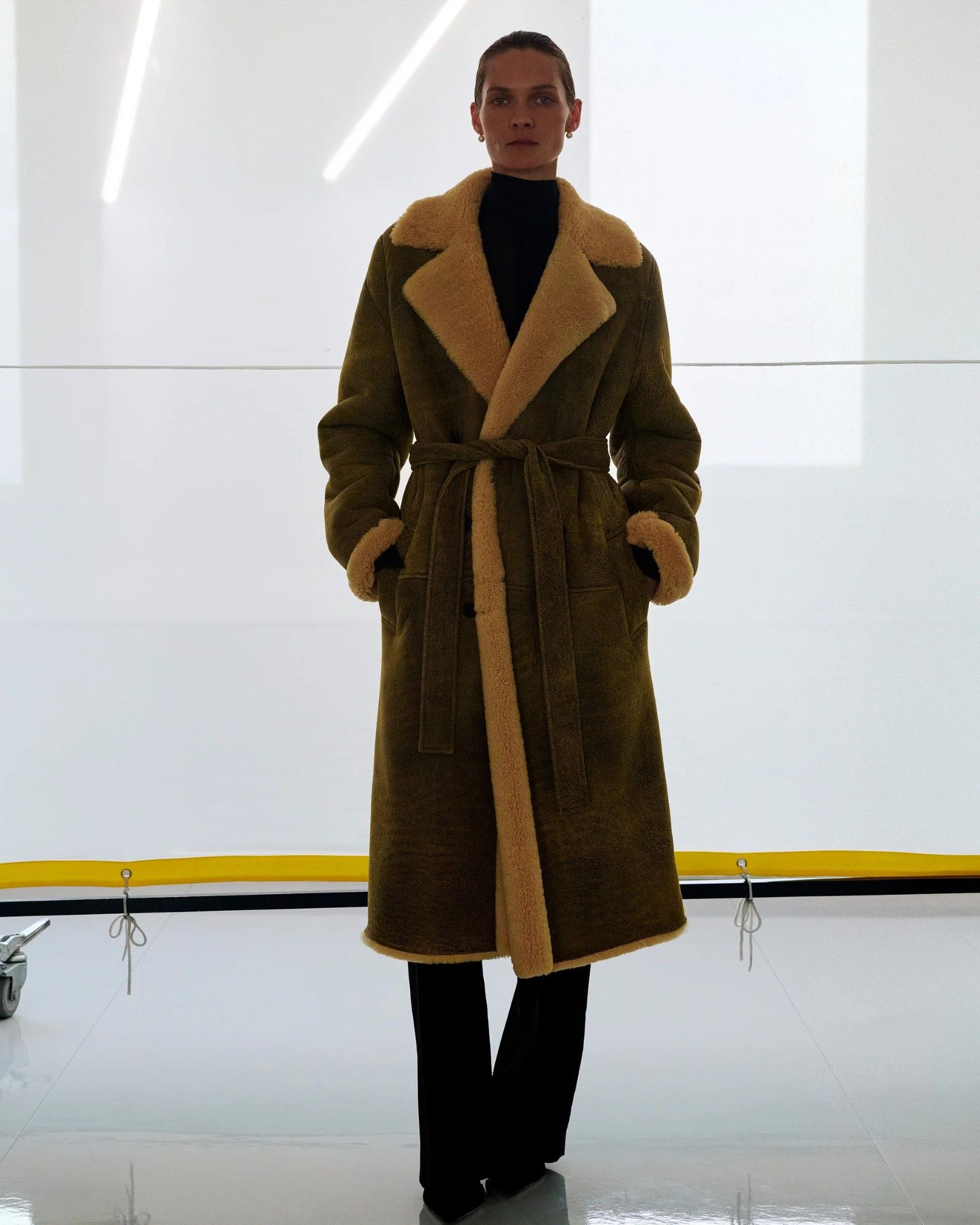
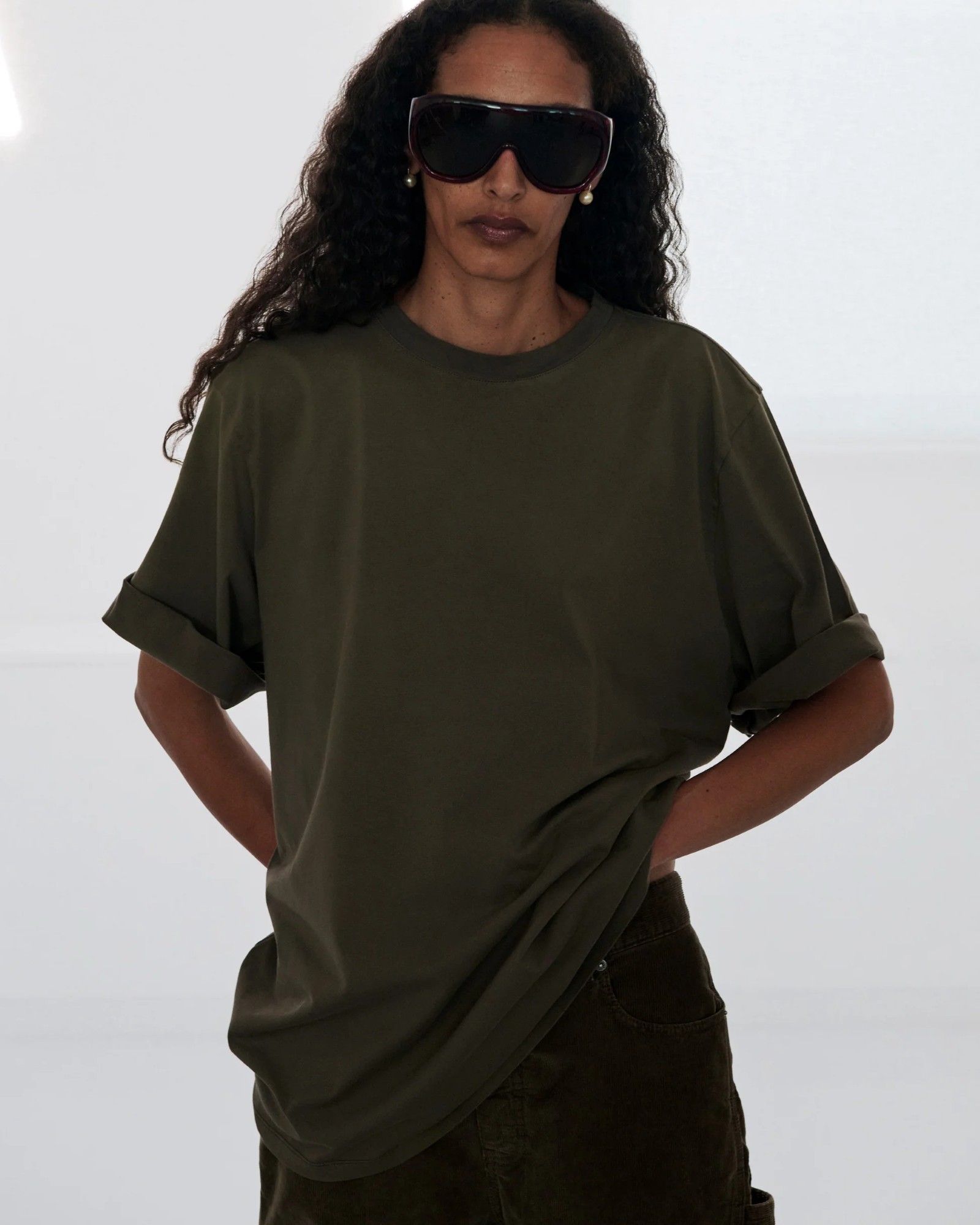
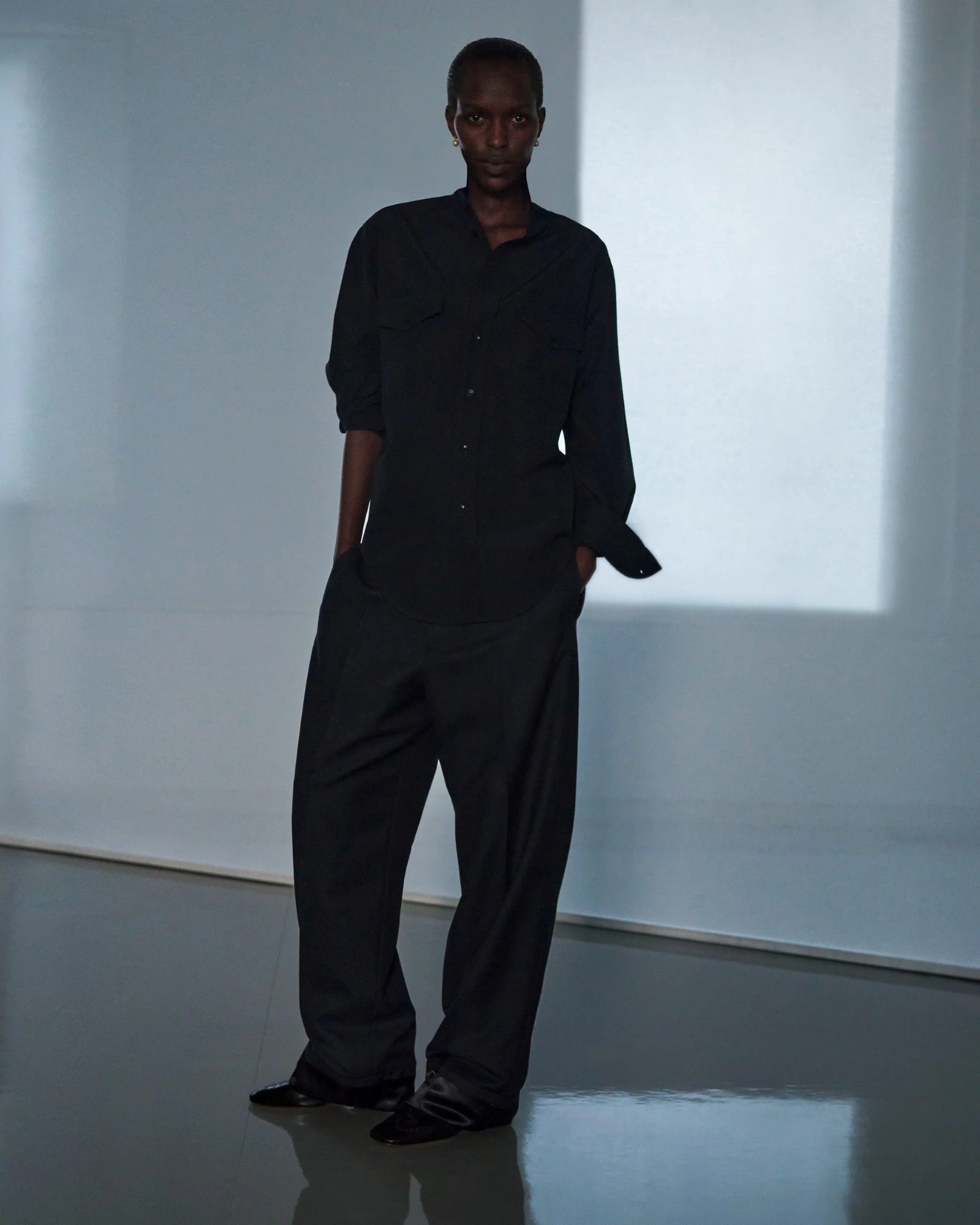
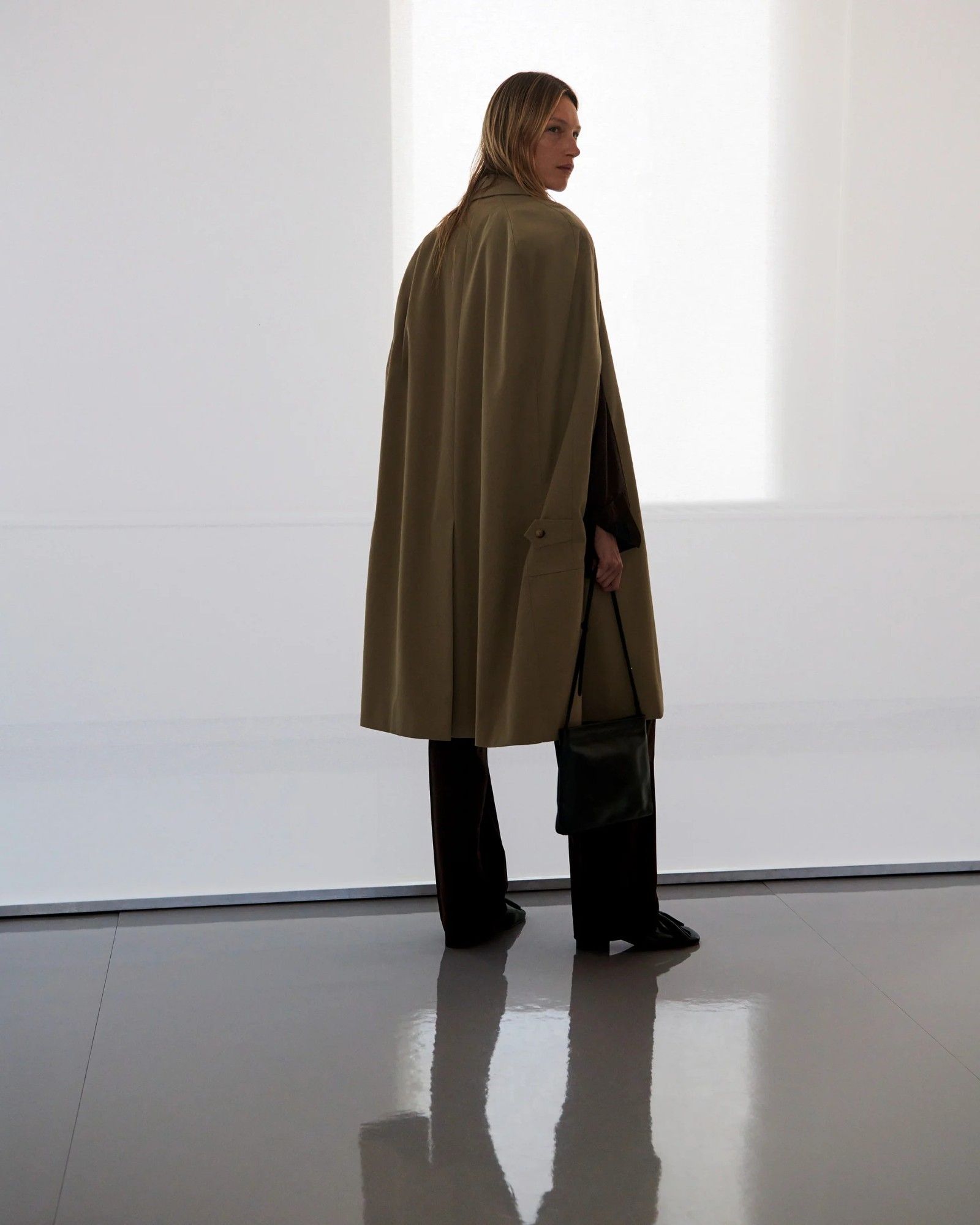
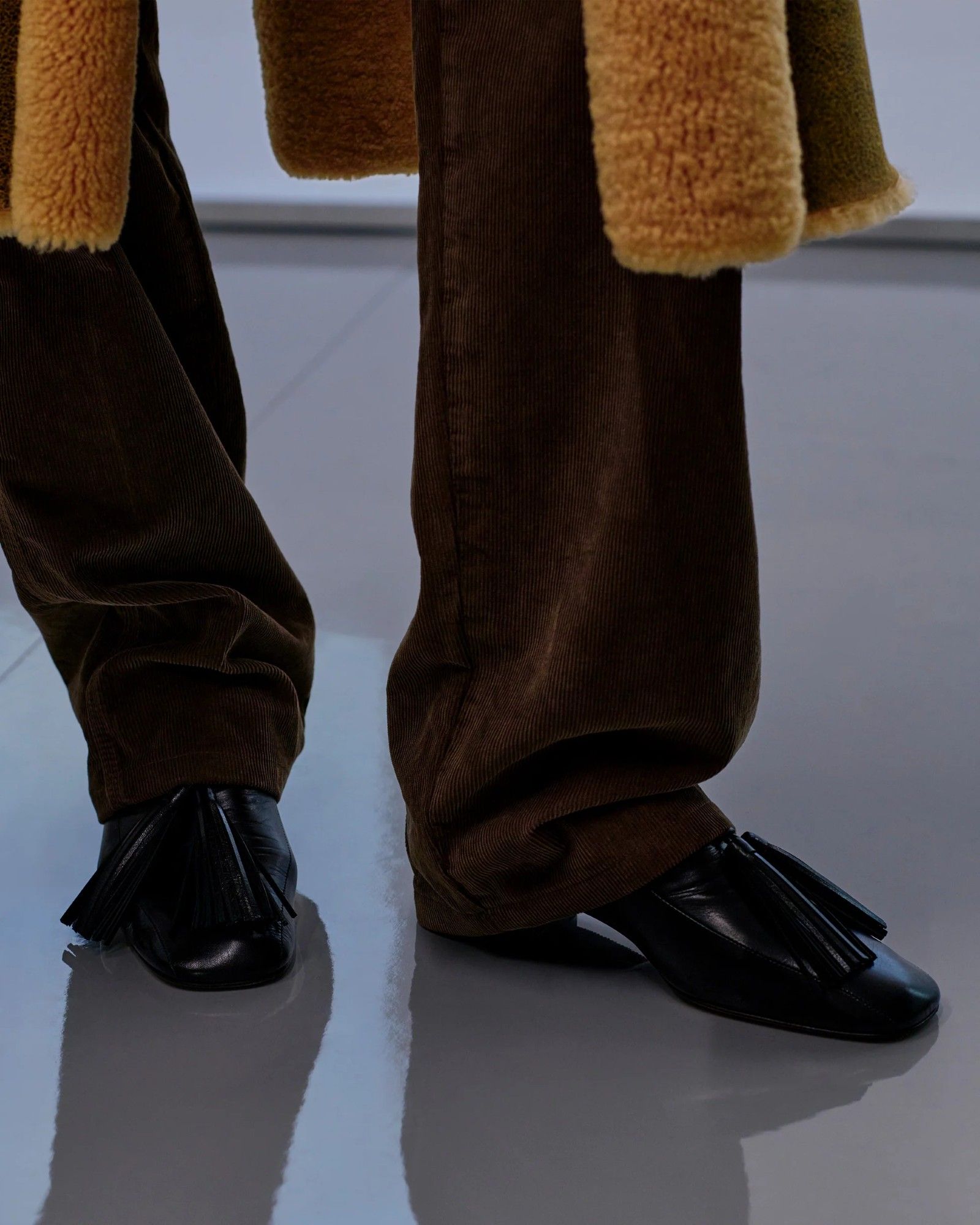
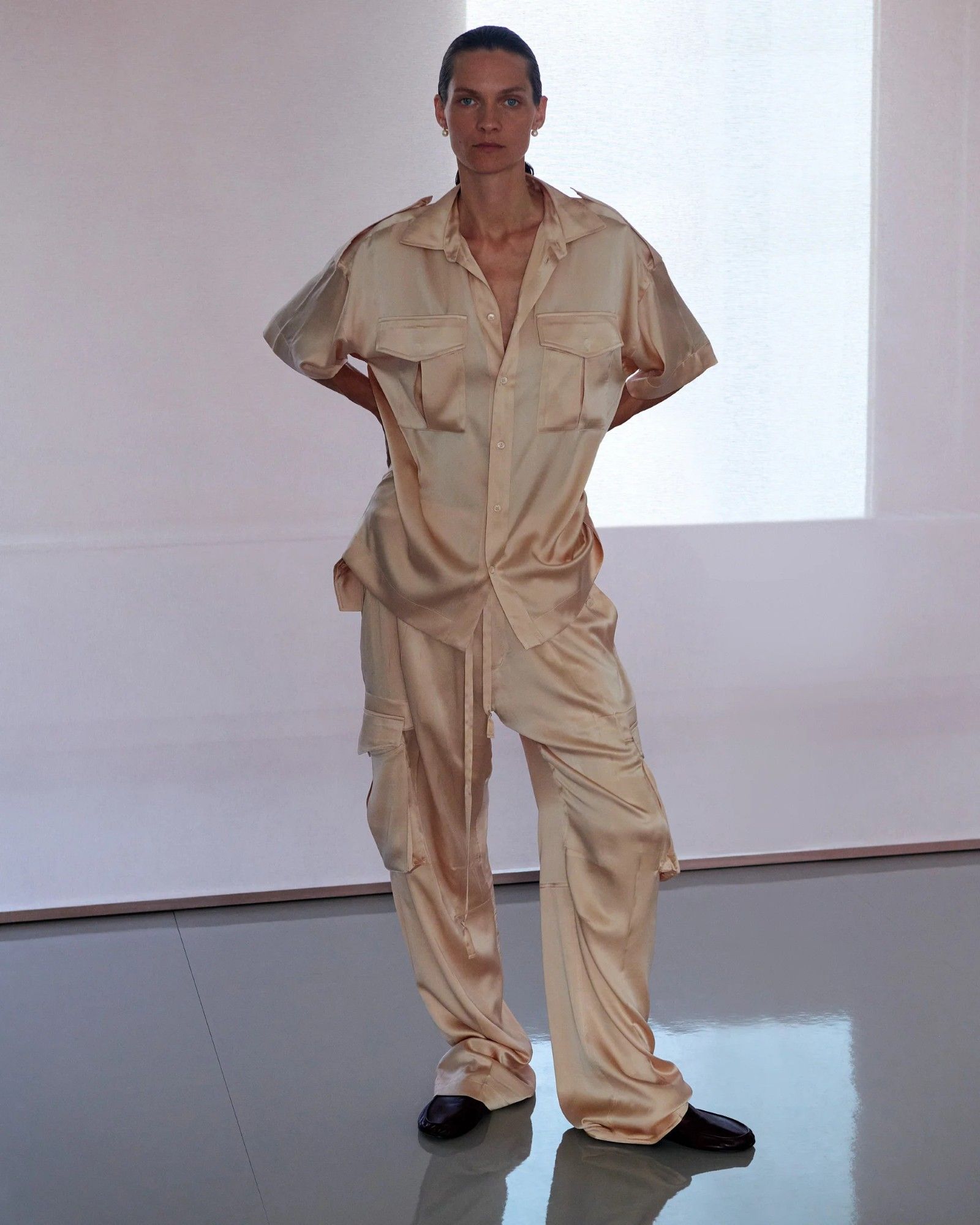
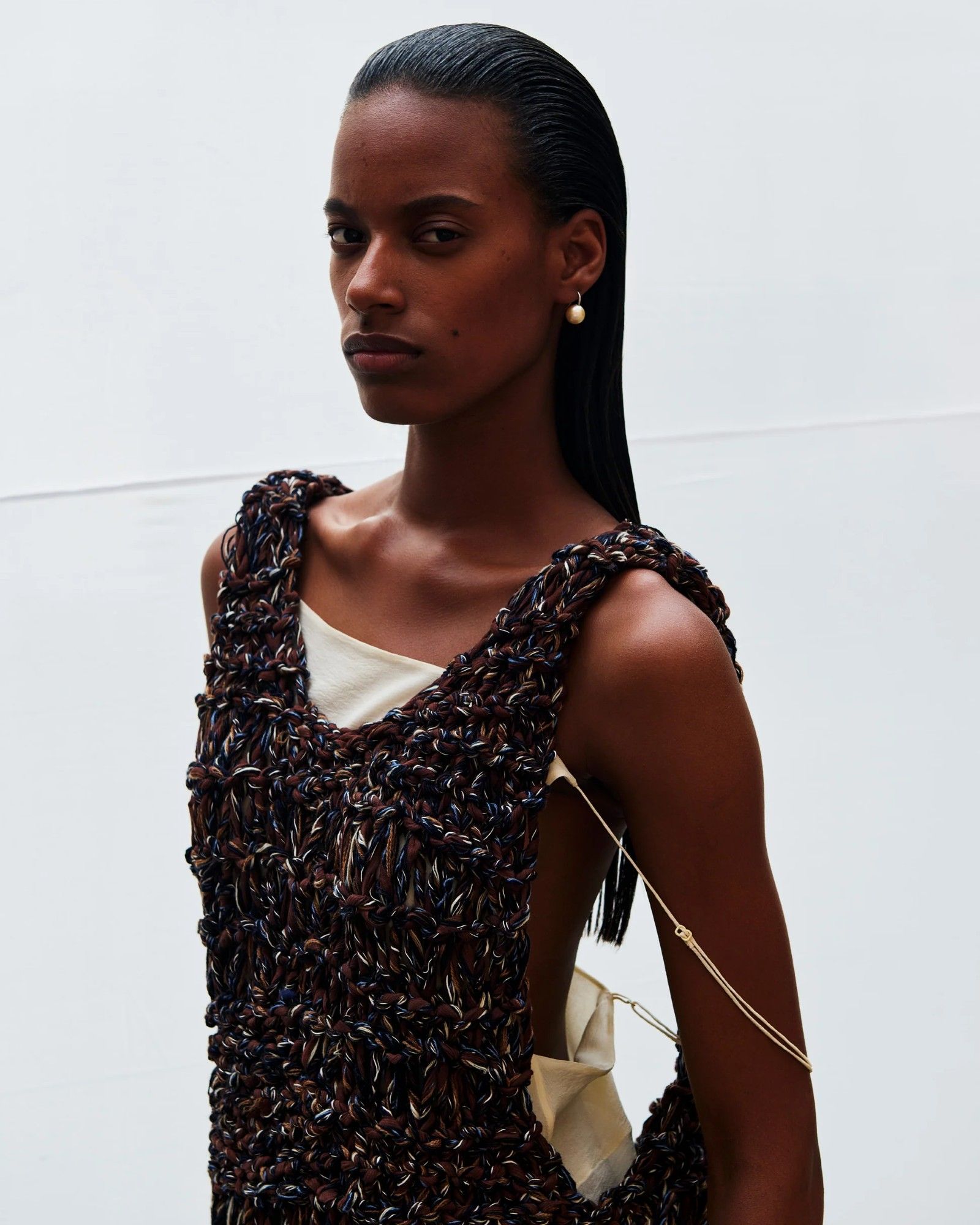
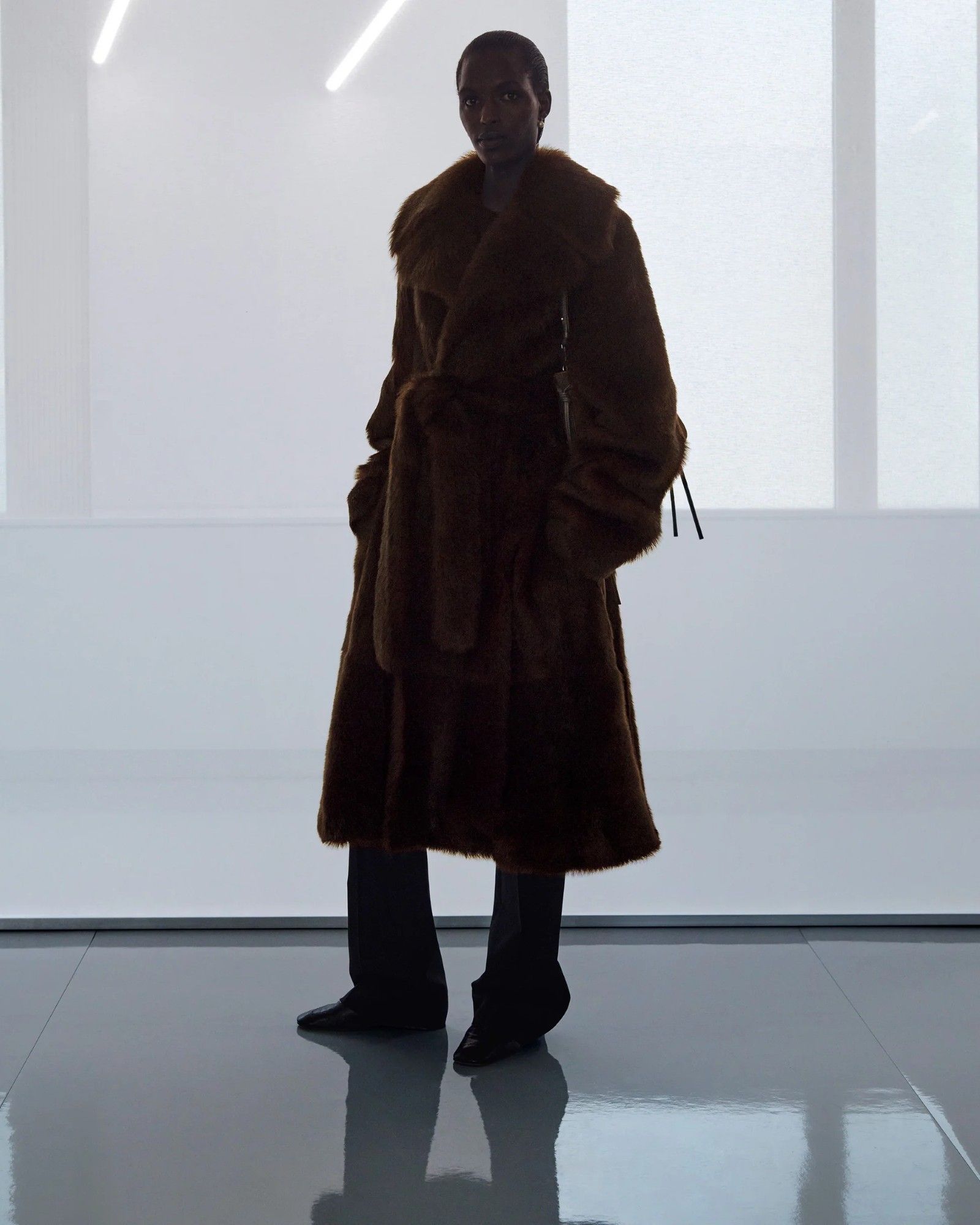
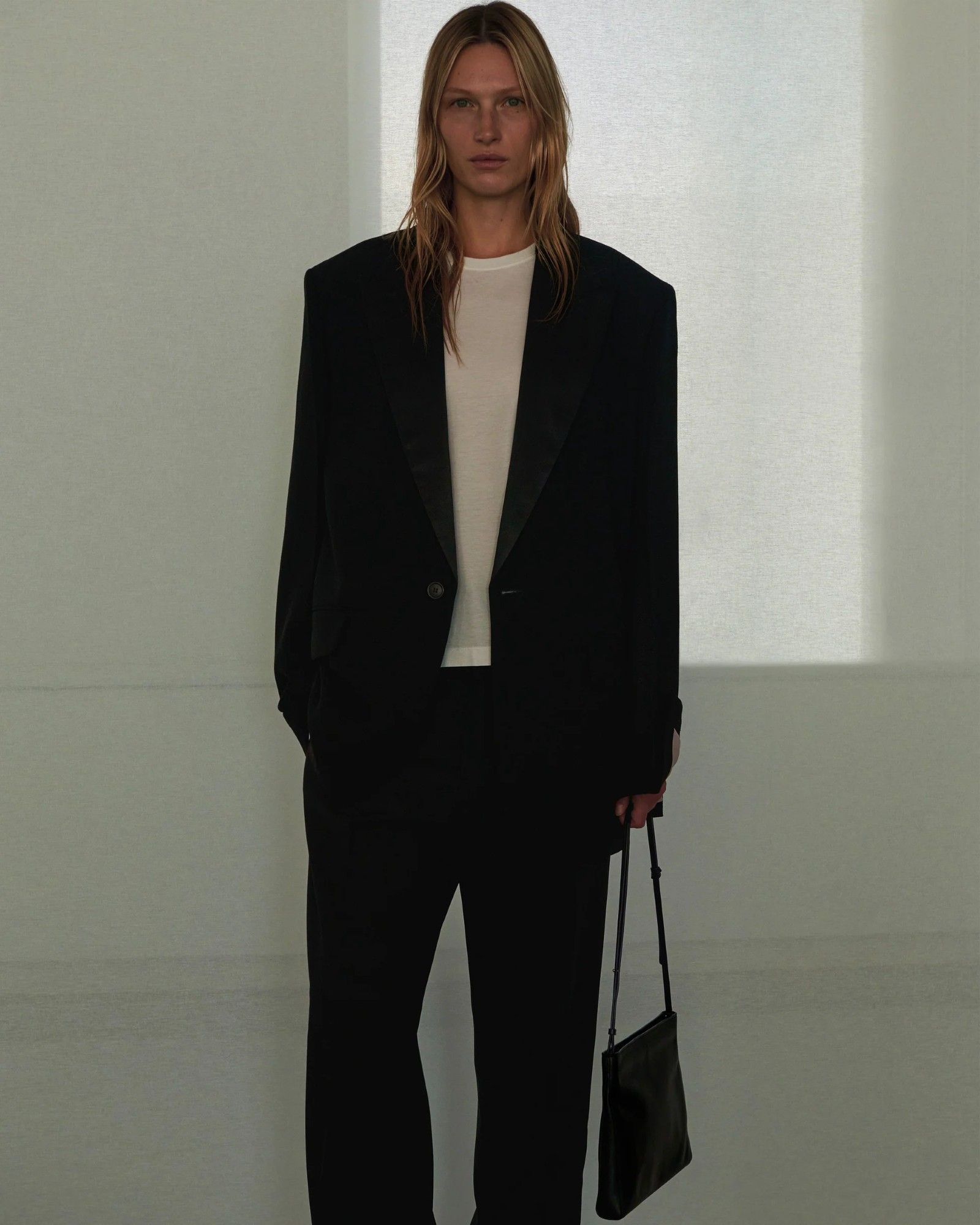
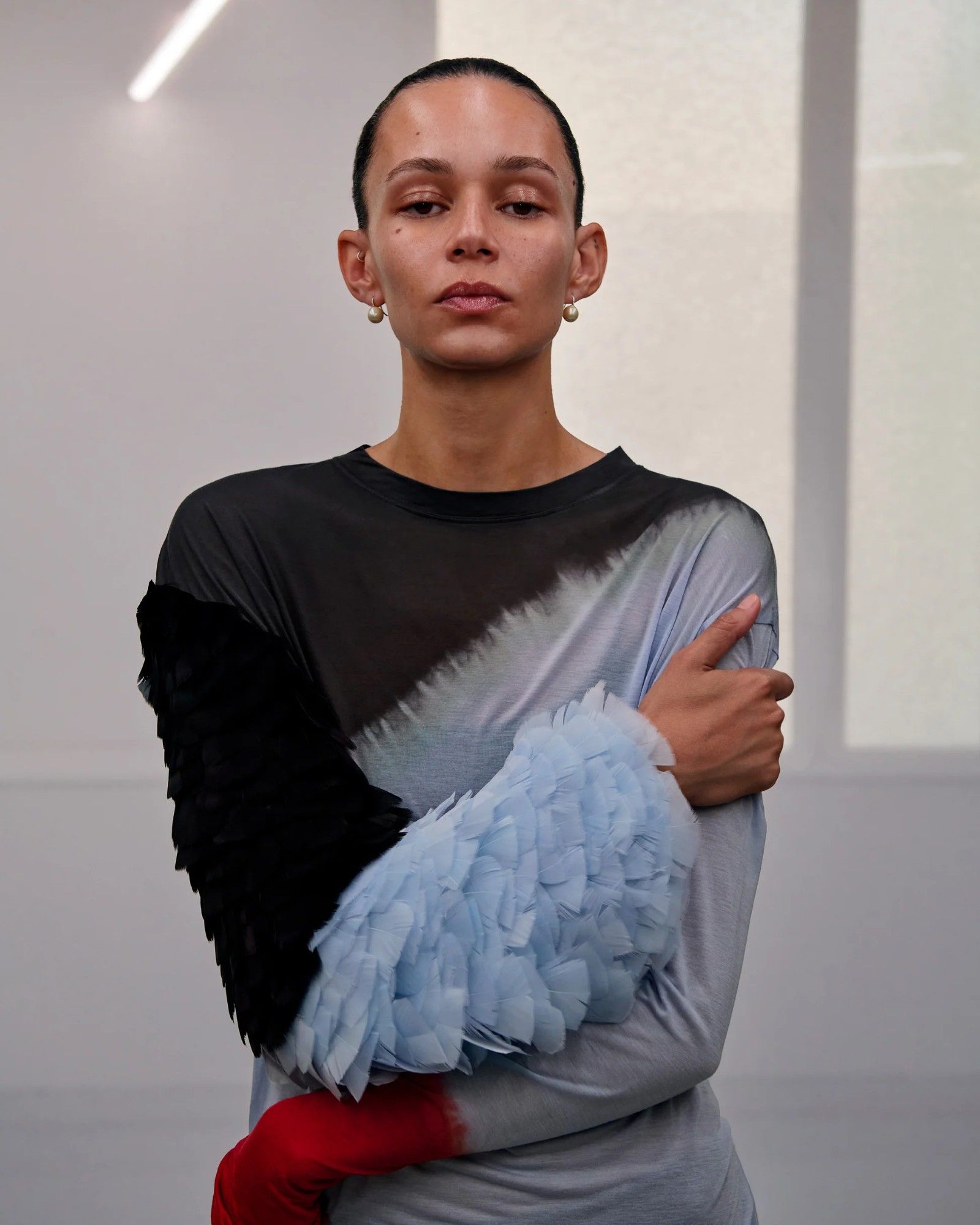
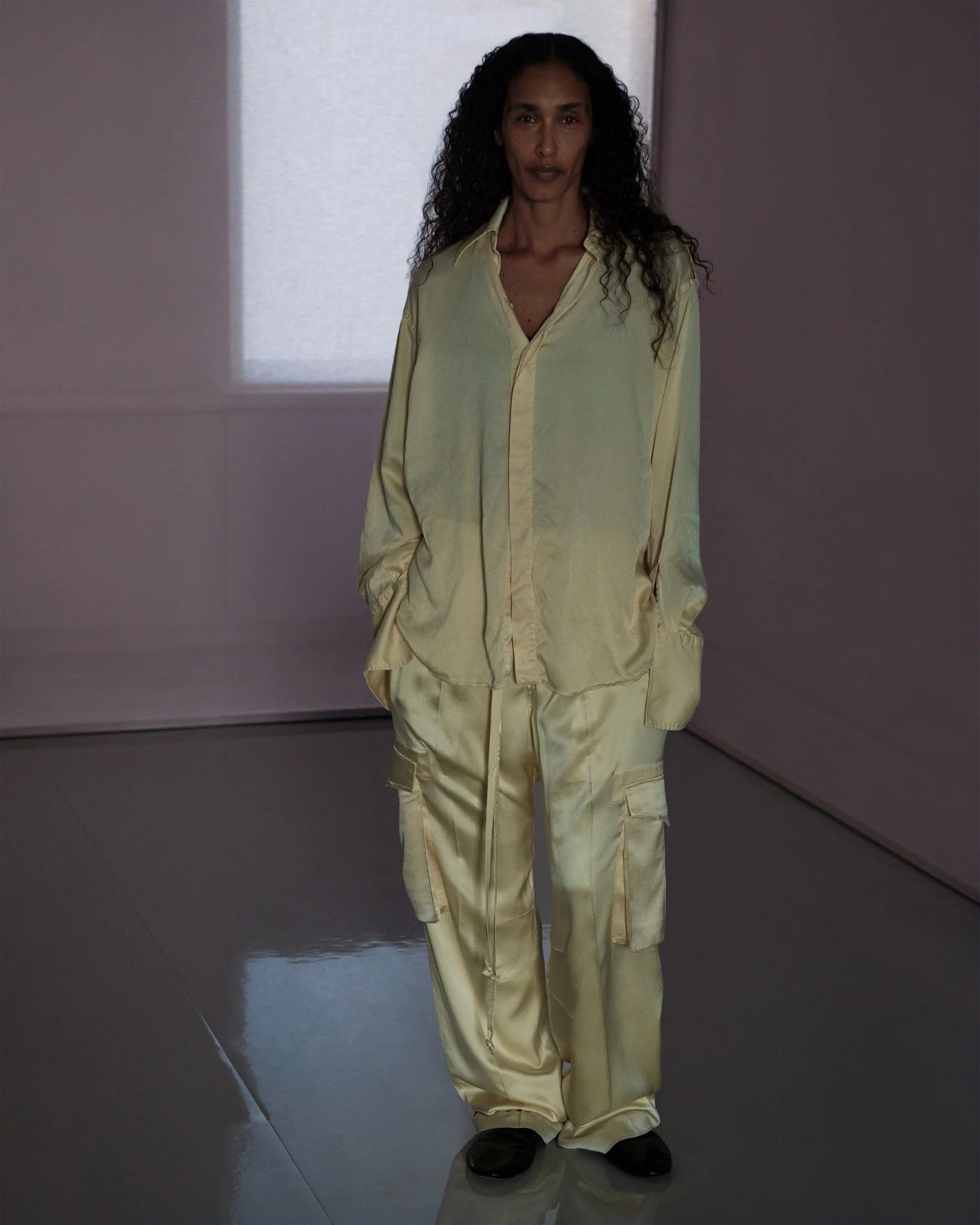
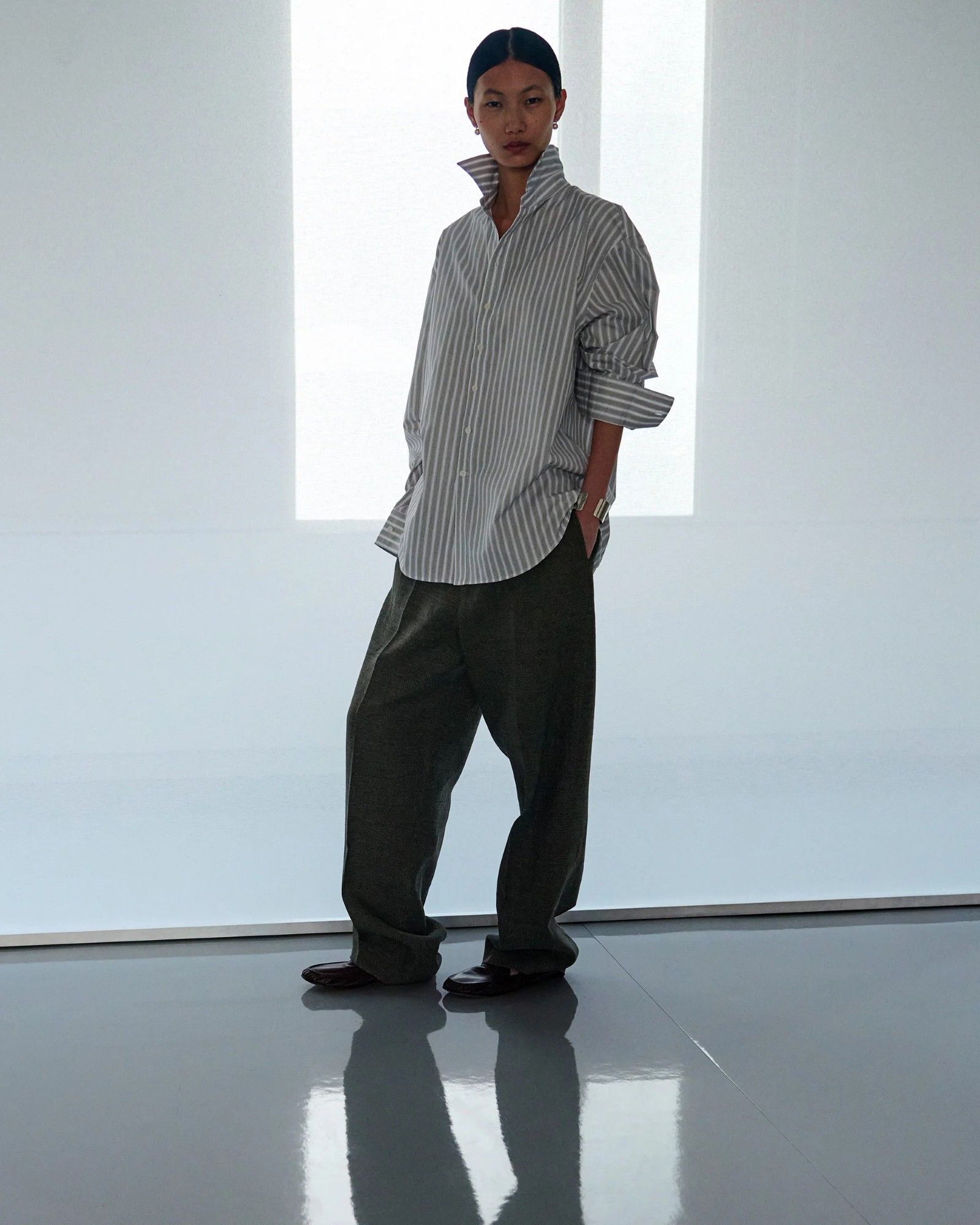
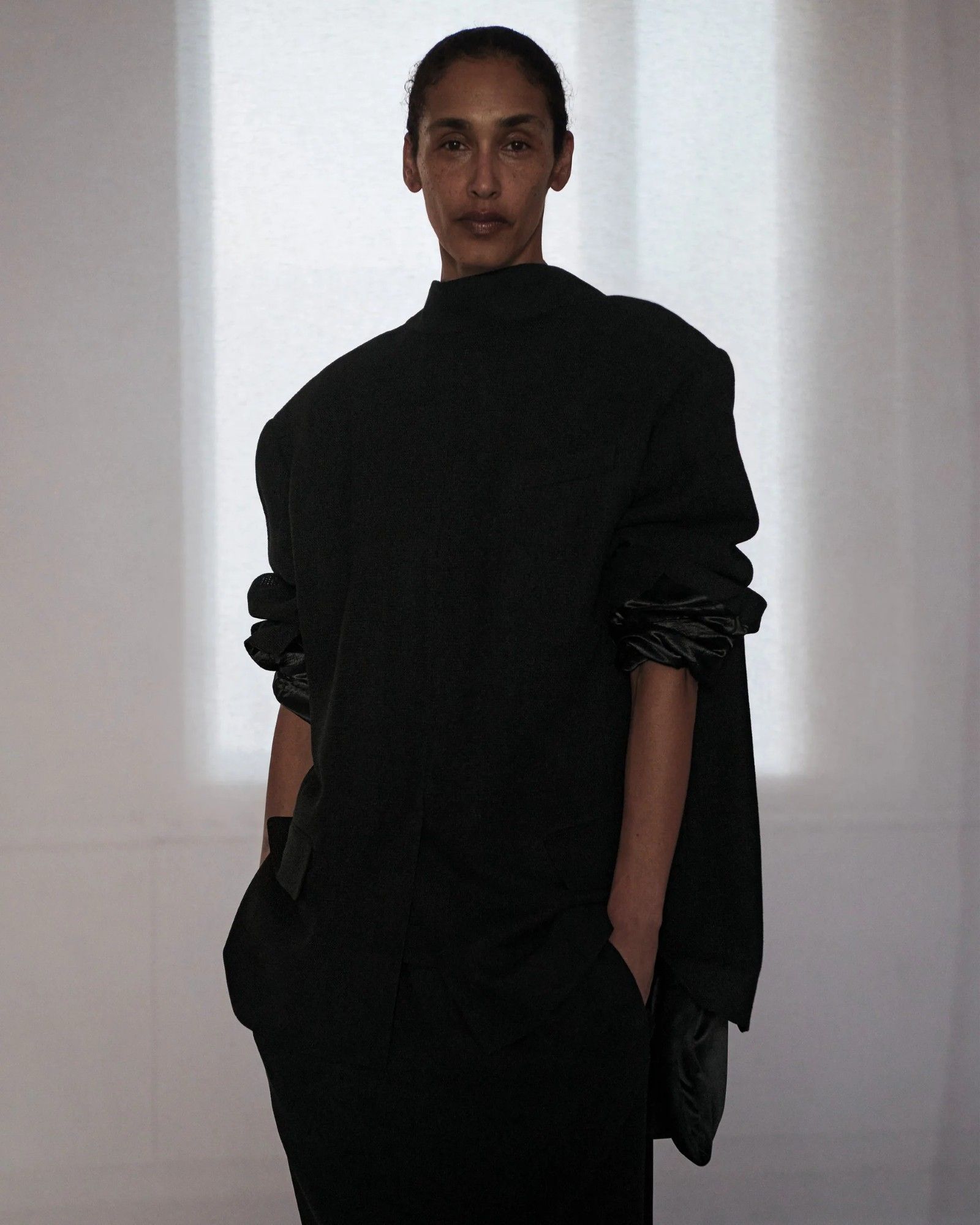
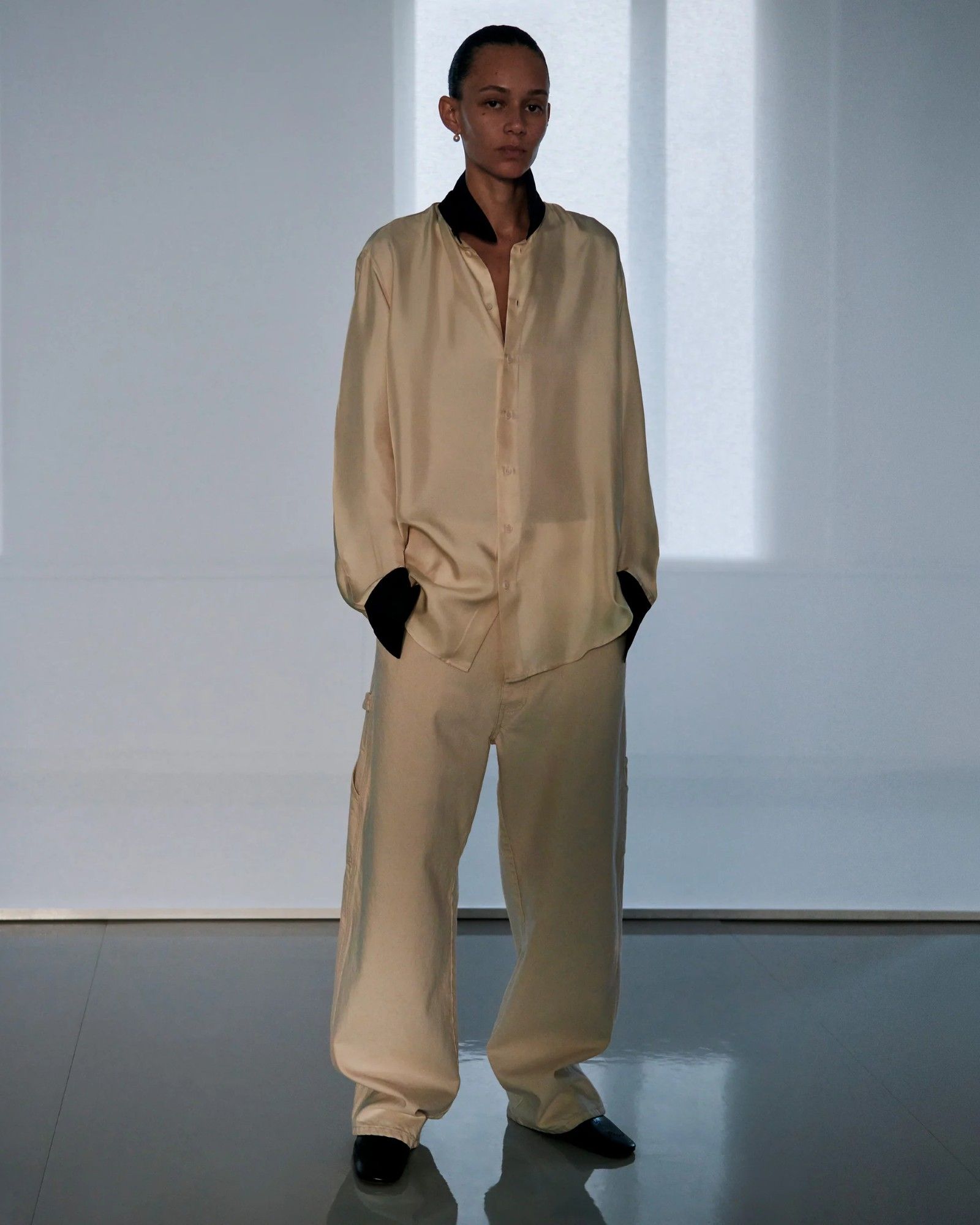
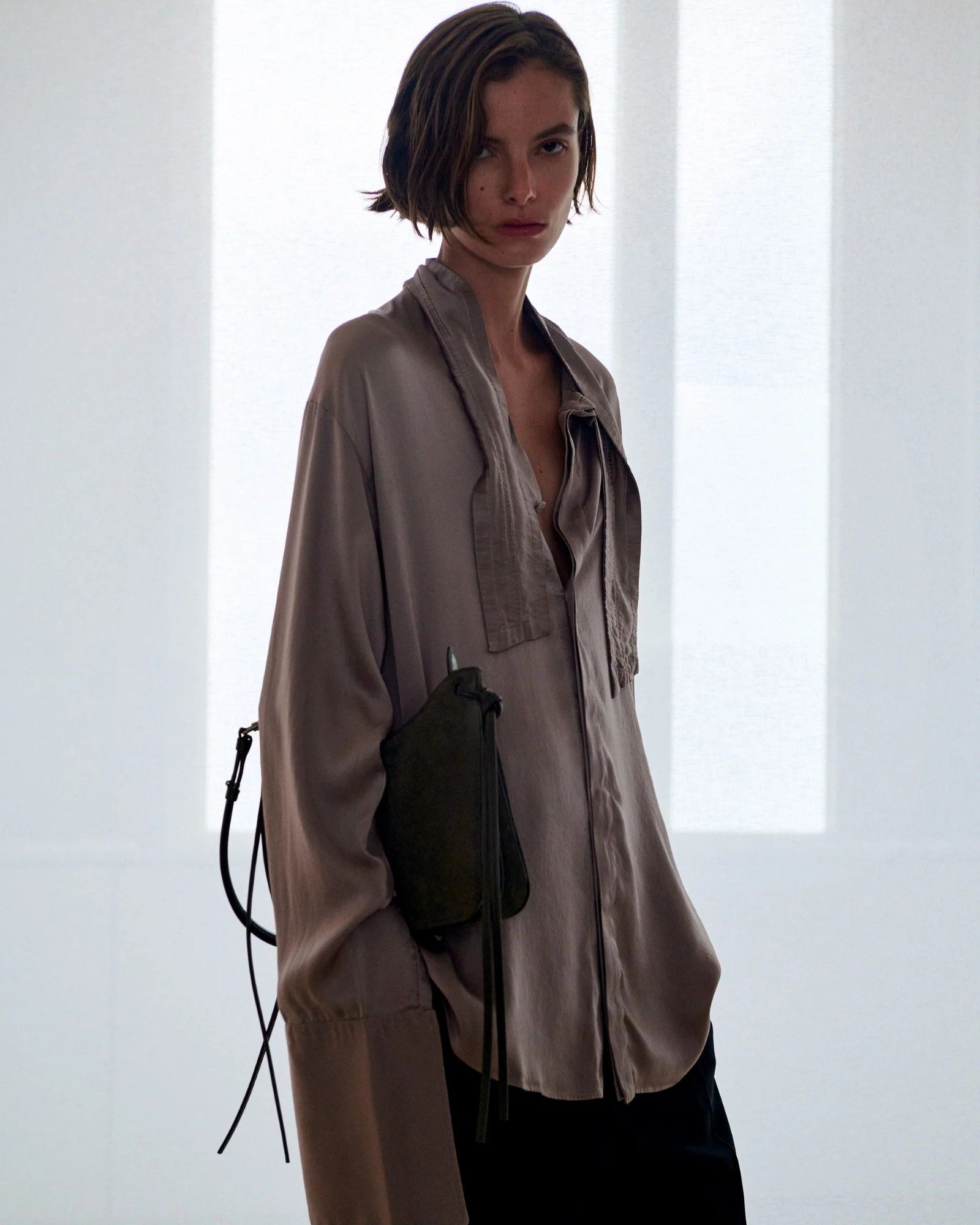
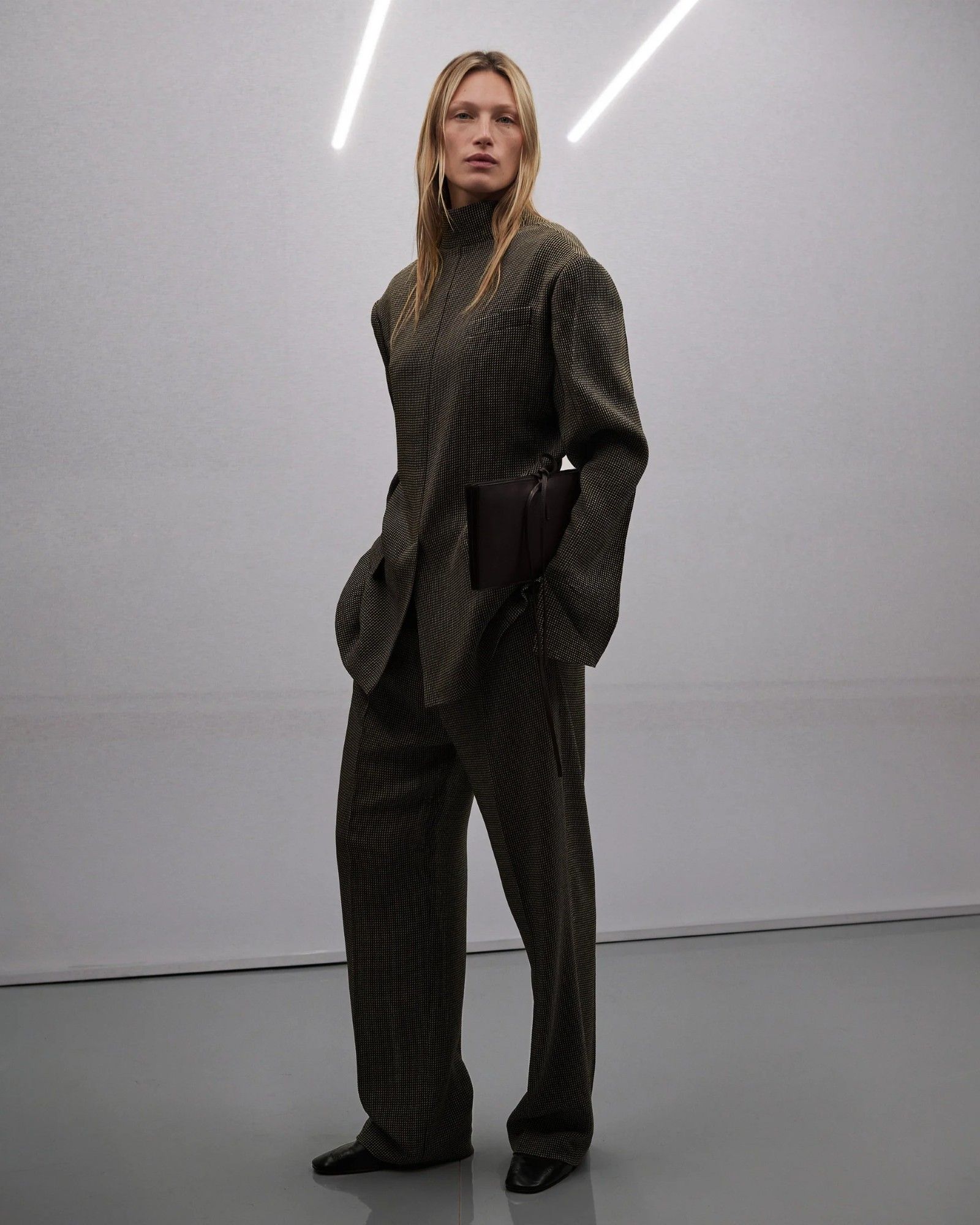
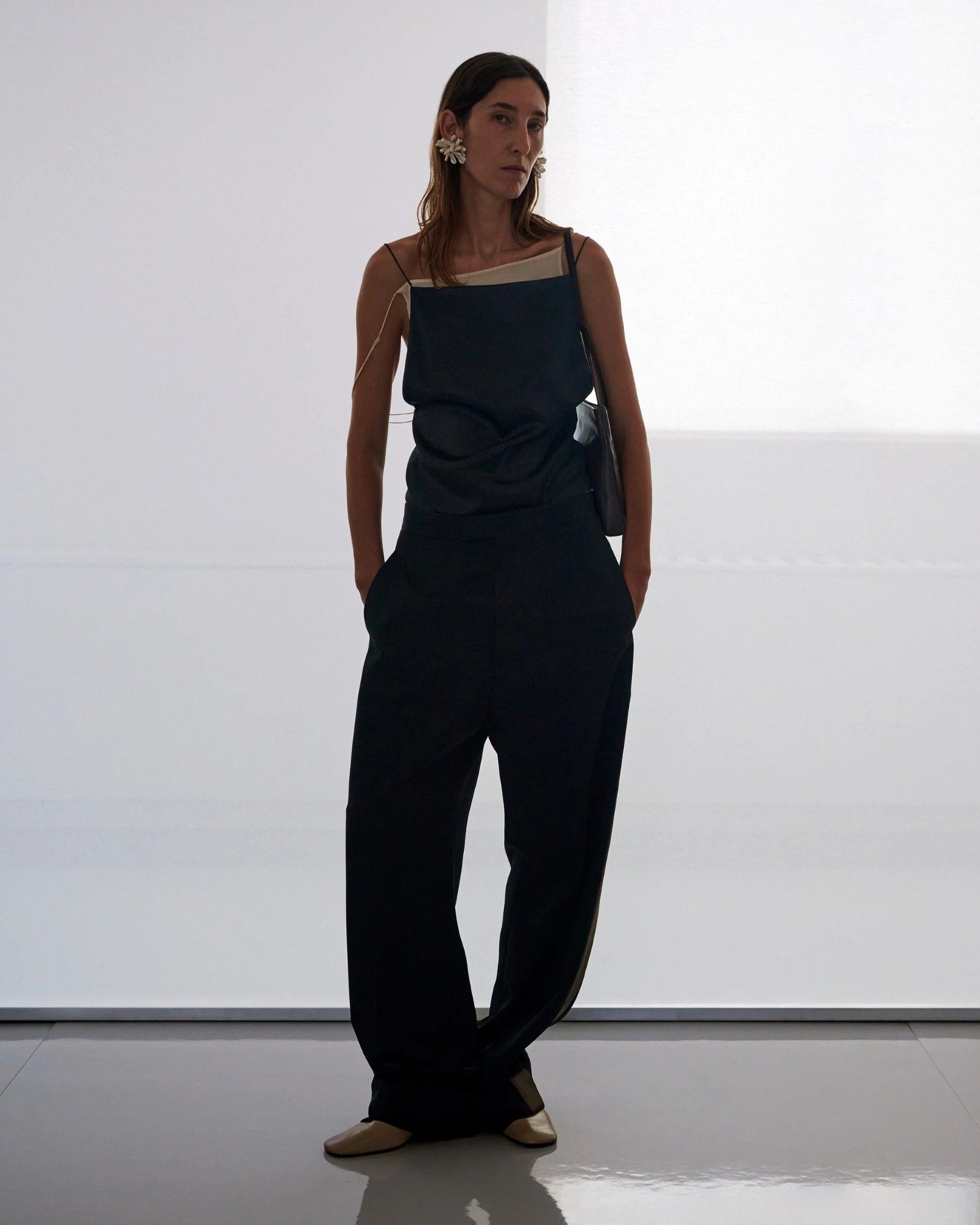
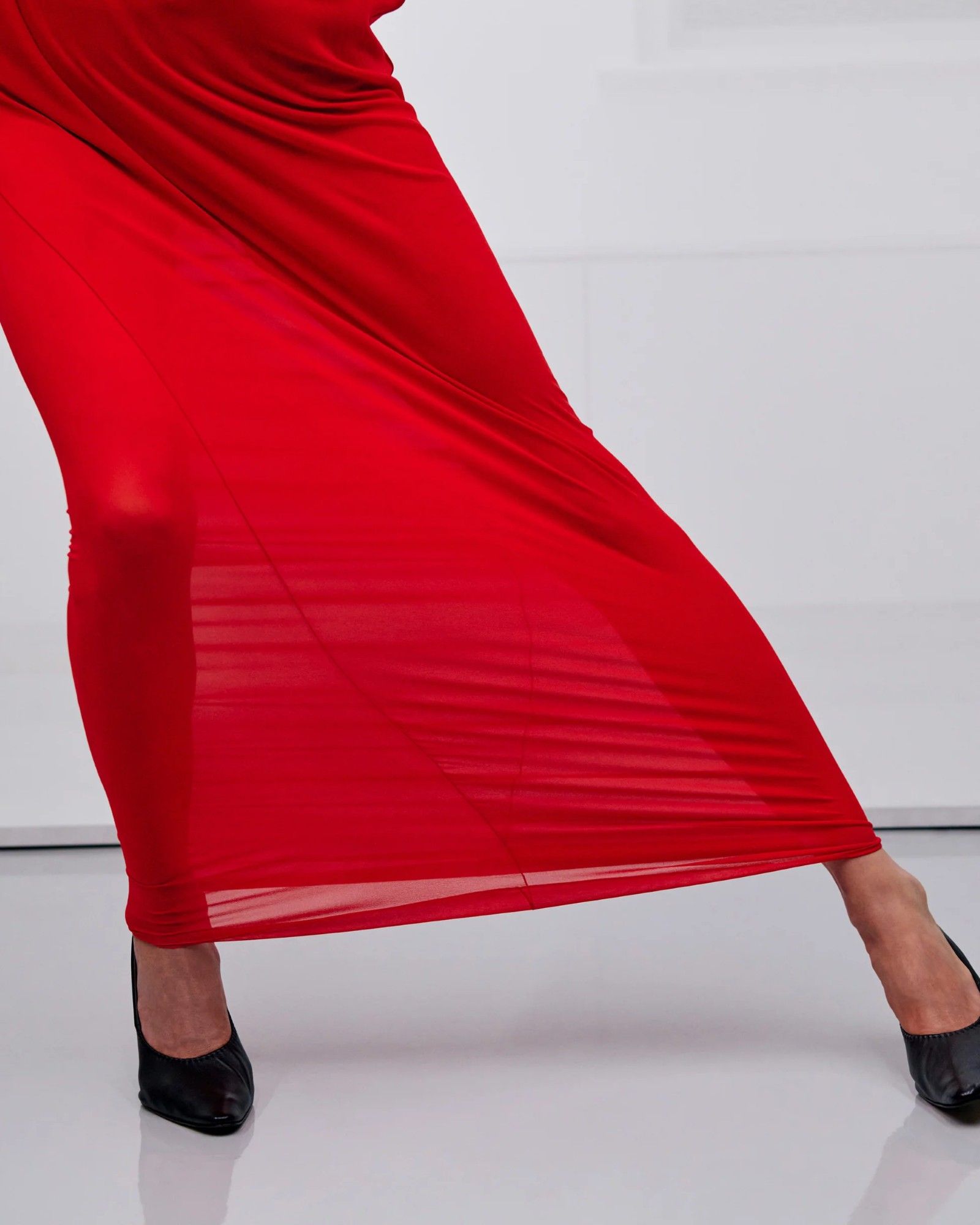
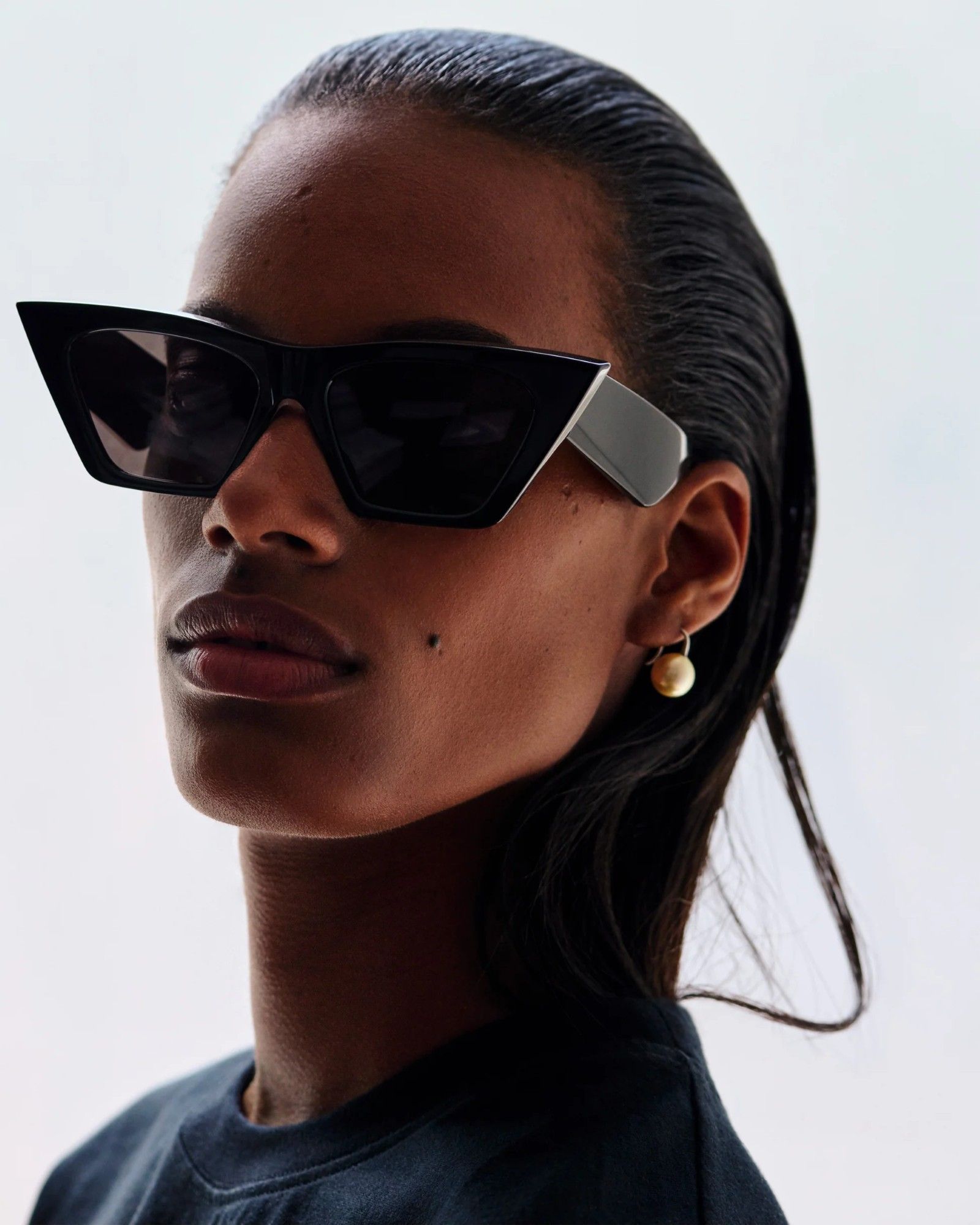
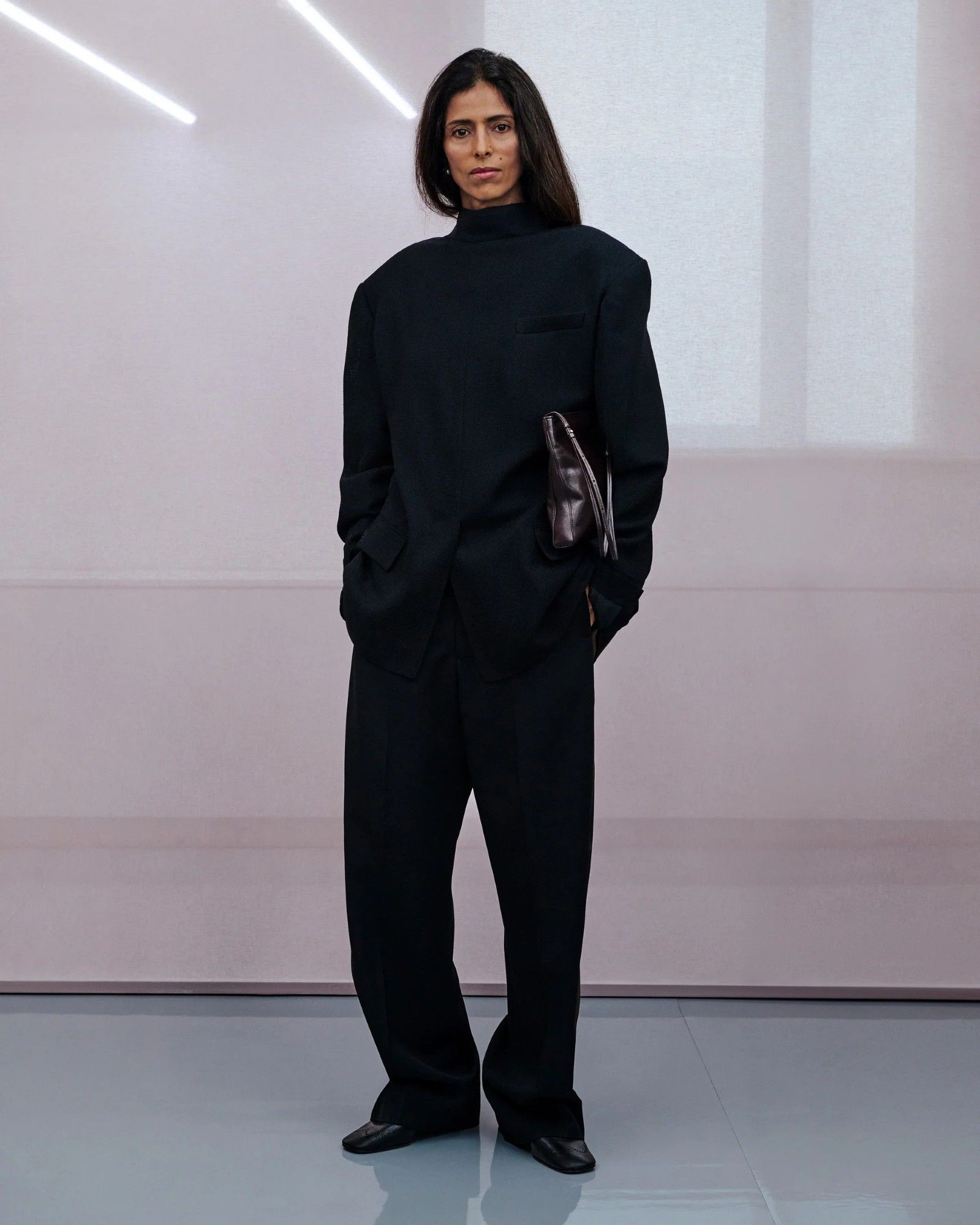
There is something different about Phoebe Philo's latest collection, Collection F, unveiled to the public last Friday. Since launching her own brand, partly financed by LVMH, the British designer has eschewed seasonal calendars in favour of the "edit" format — successive collections released without a fixed schedule and labelled alphabetically. This very alphabetical system, progressing letter by letter, transforms the cyclical structure of the traditional calendar into an accretive one, in which each season is added to the last. And it is with Collection F, which will not physically arrive until 2027, that Philo has chosen to do something different and experiment with avant-garde silhouettes.
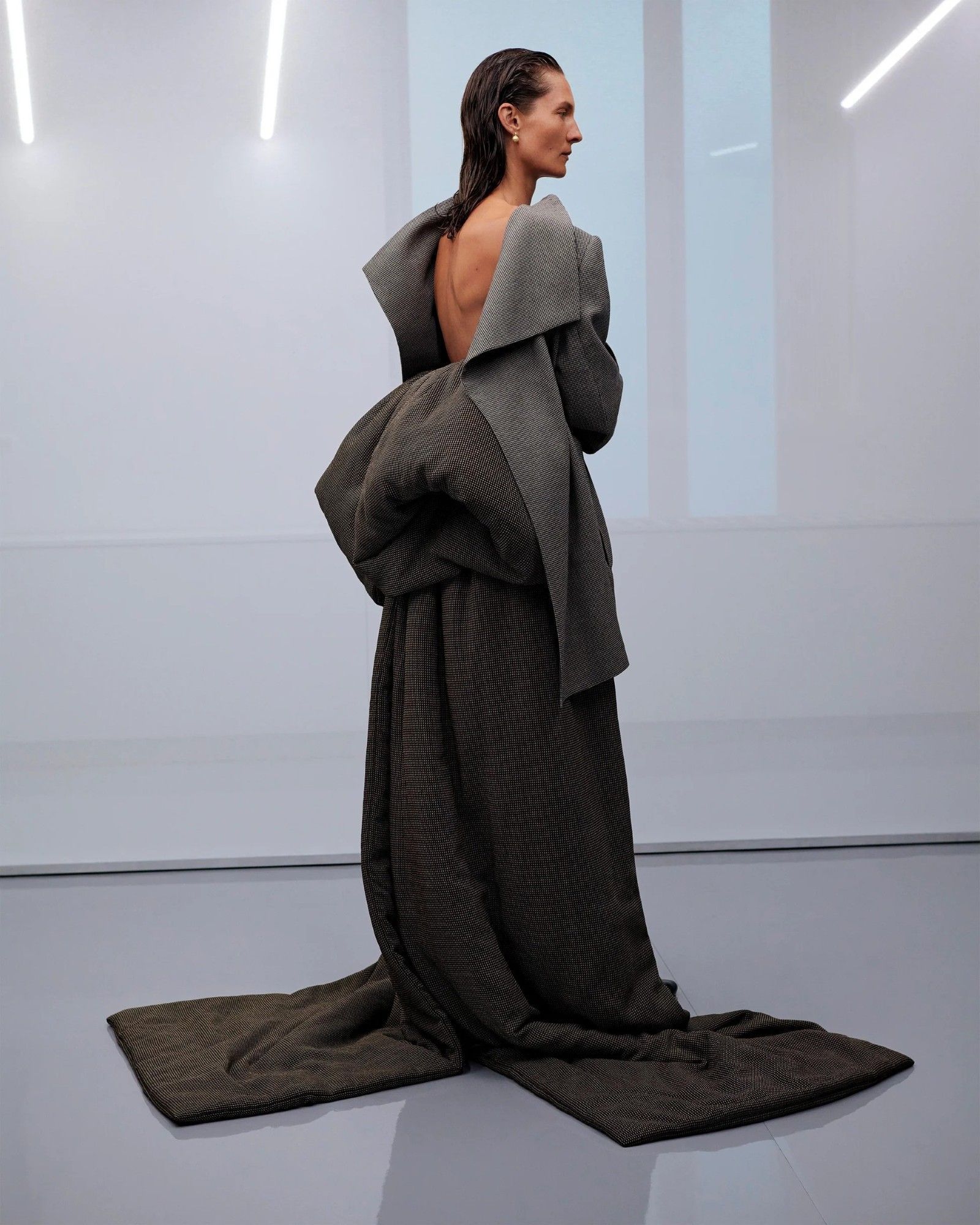
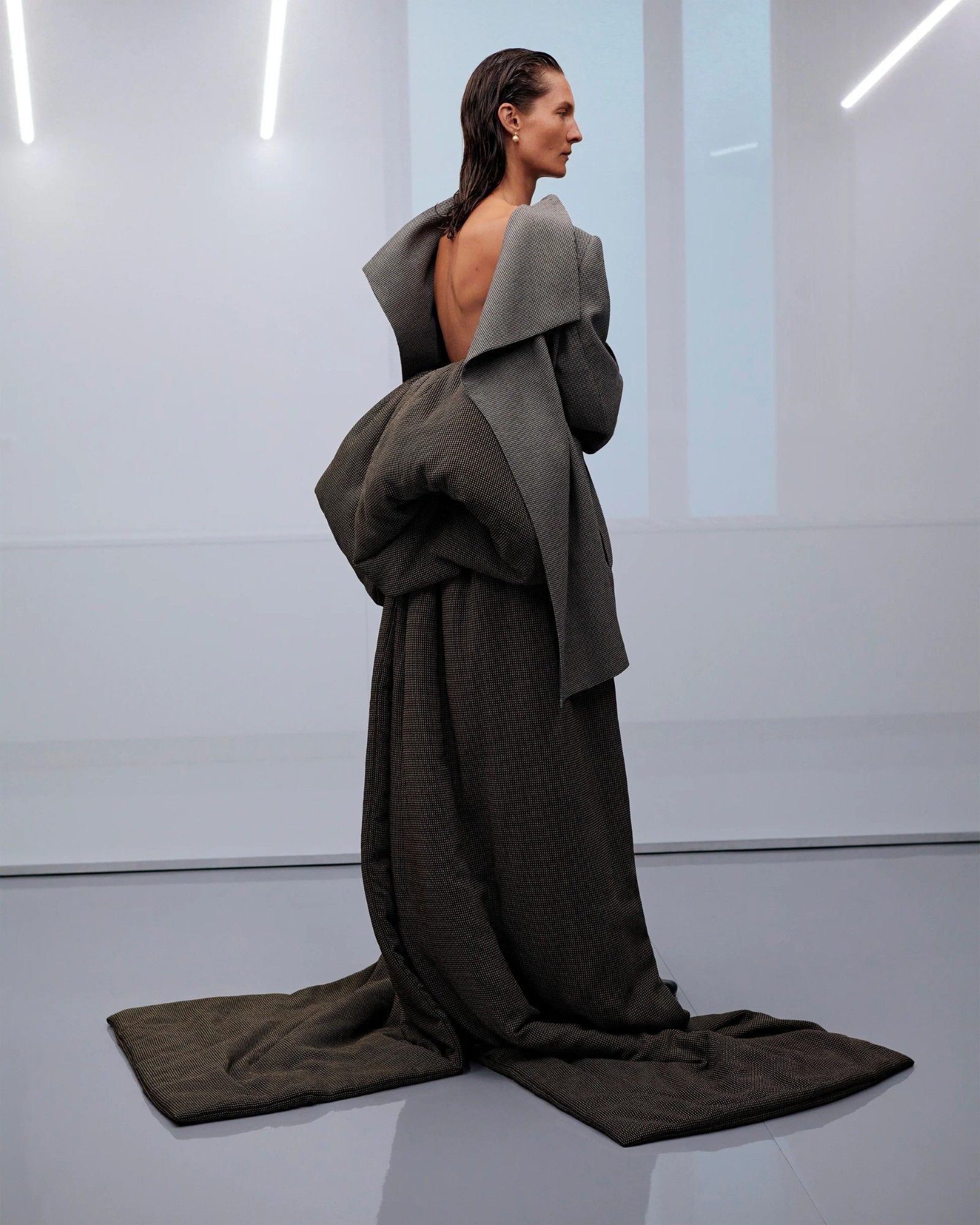
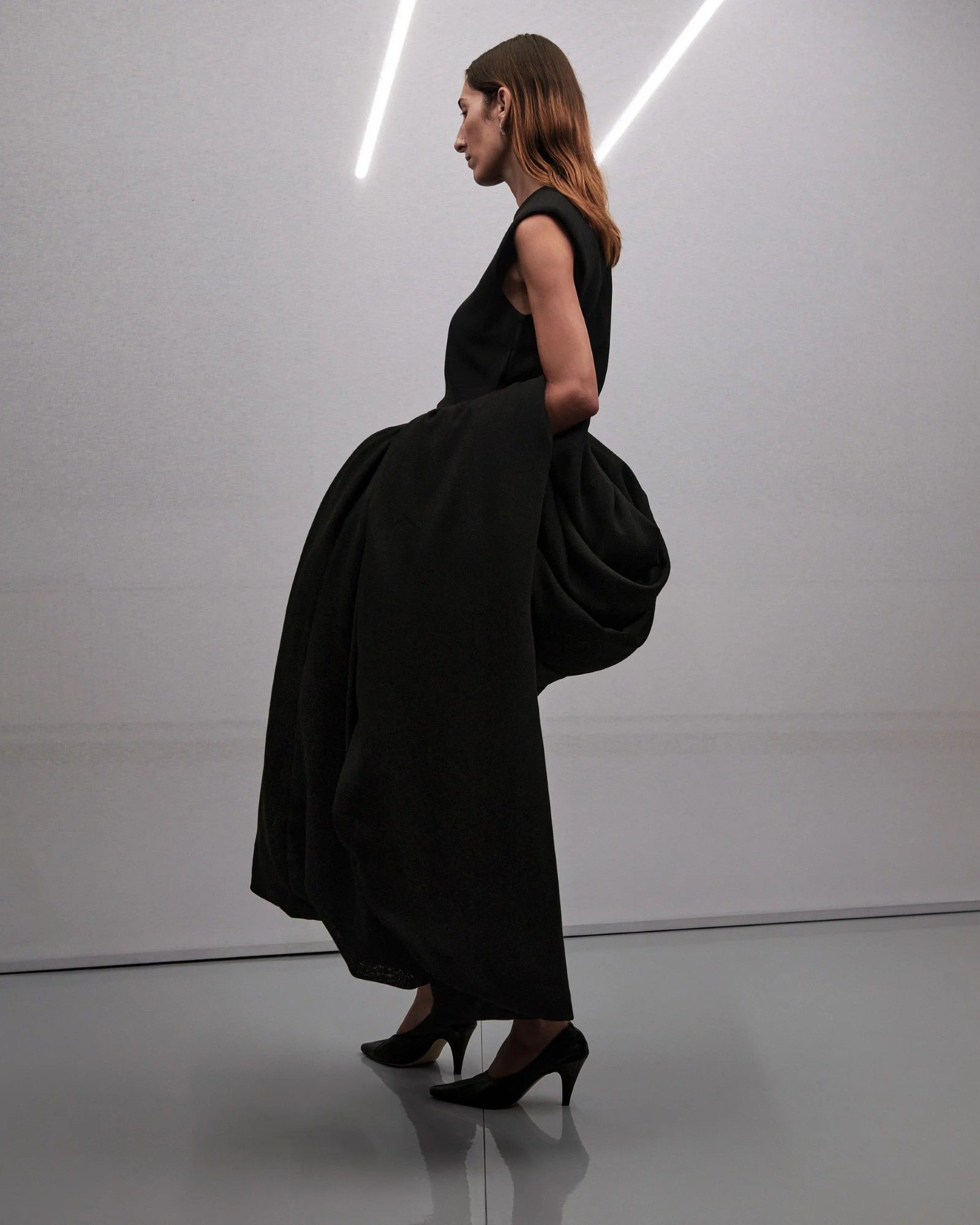
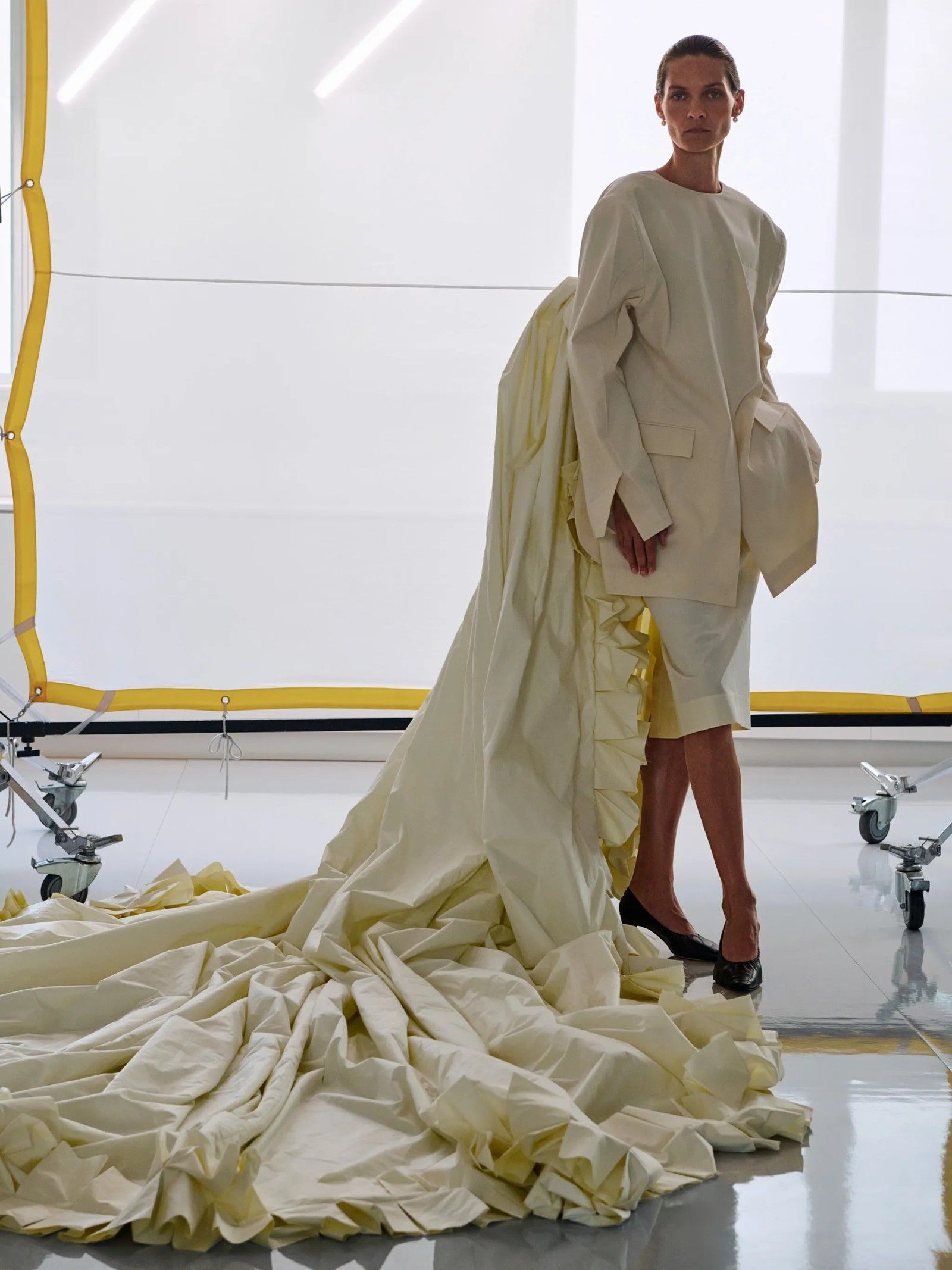
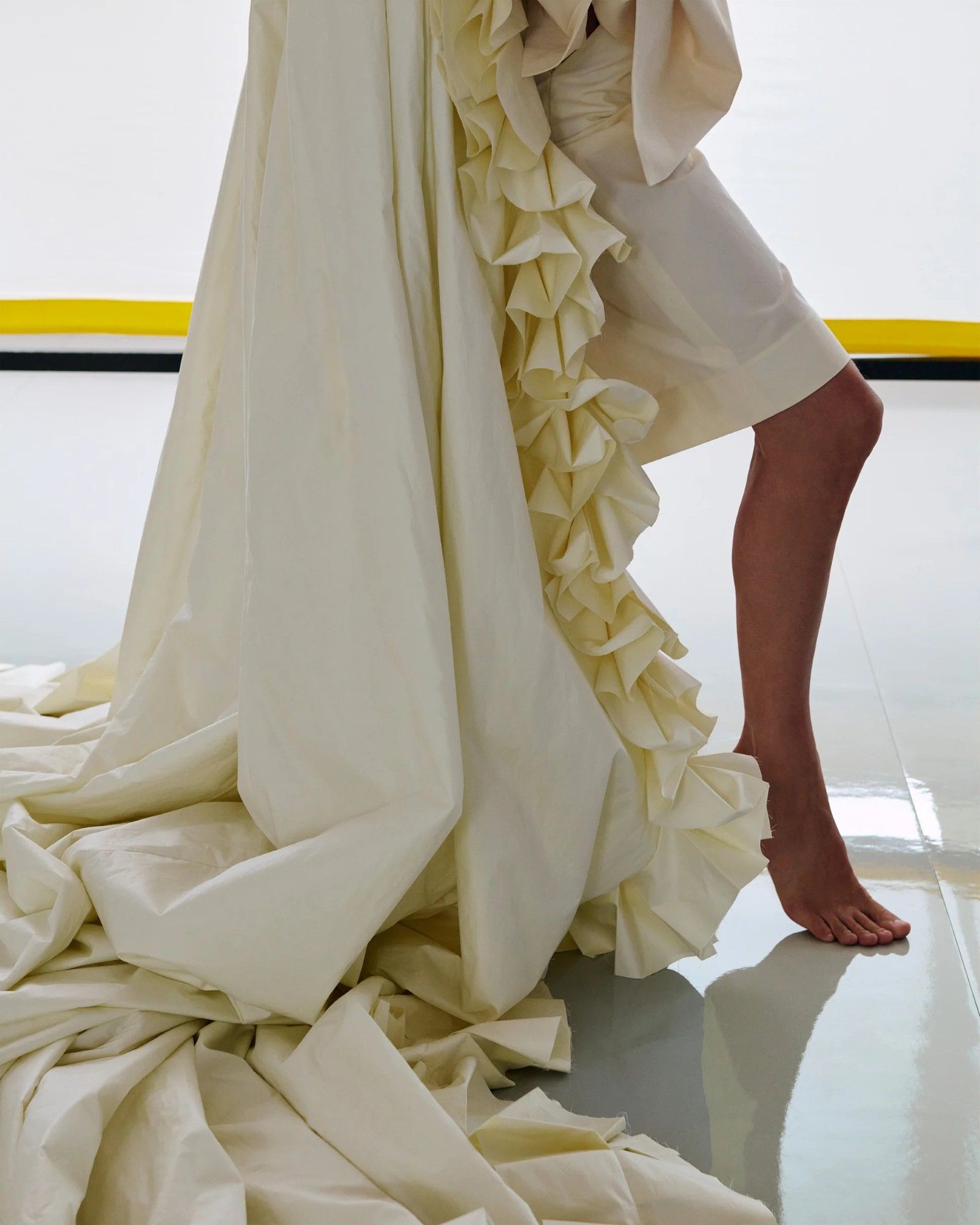
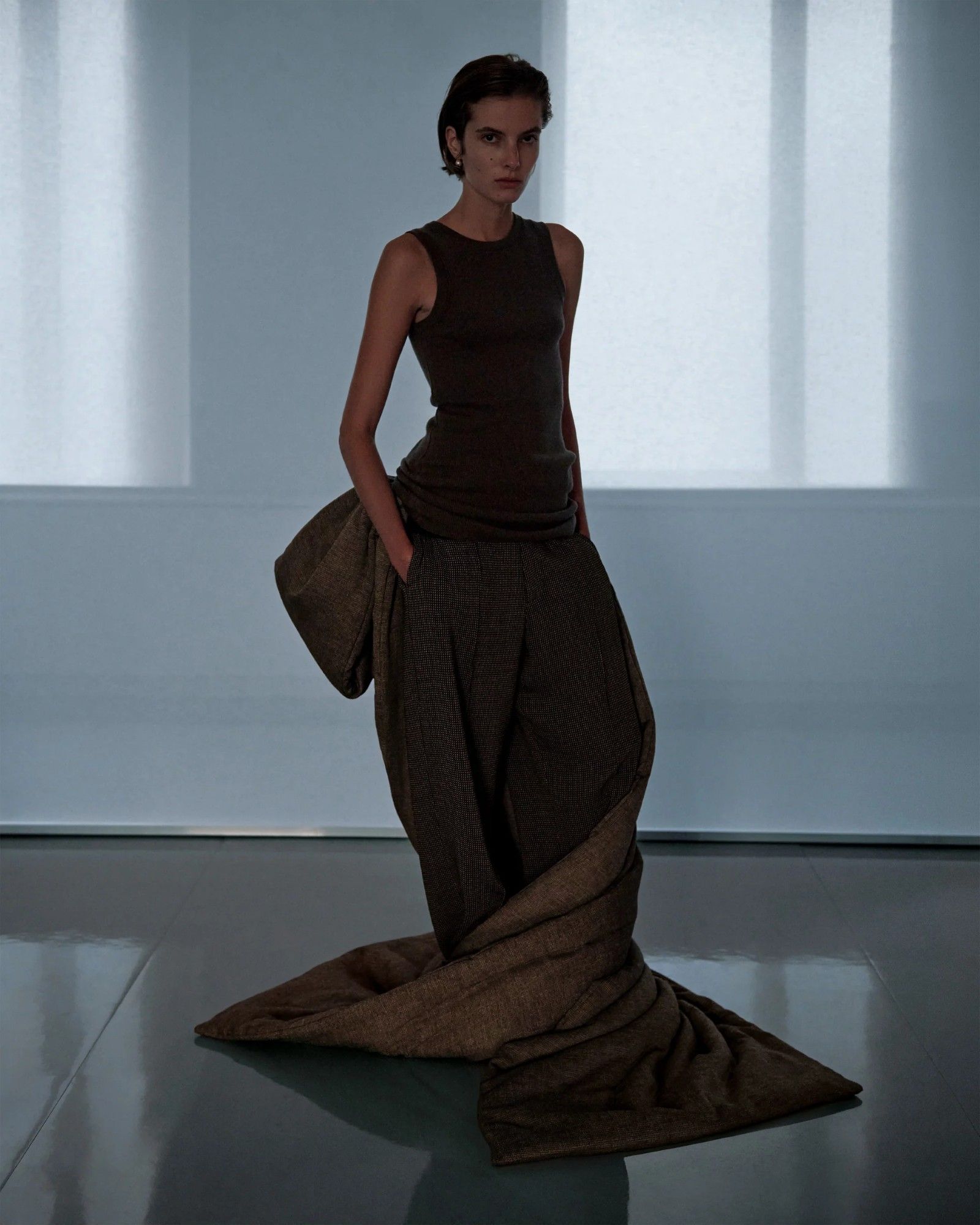
Where previous collections saw Philo affirm the continuity of her own taste — playing with proportions, colours and materials in her characteristically tactile and intellectual manner — Collection F weaves an entirely new category of reinventions into the designer's greatest signatures: bustle skirts puffed at the back and trailing behind, yet crafted in contemporary materials; a top constructed like a men's blazer but worn in reverse, opening at the back; a tie-dye printed dress with a "feathered" sleeve, flat leather shoes adorned with oversized tassels, and a double-layered skirt covered in three-dimensional "scales" on a white fabric base.
Beyond the structural novelties and this new sense of drama implicit in the silhouettes, what strikes most is Philo's approach: the collection is not a sharp break from the past but rather blends seamlessly familiar designs, ideas and looks with something radically new. The elements of novelty — such as the decorated single sleeves or the volumetric fabric draping — have precedents in Philo's vocabulary, particularly in her experimentation with texture, and so they do not feel arbitrary; rather, it seems as though the designer has crossed a kind of critical mass beyond which her work has simply begun to evolve.
The more exaggerated silhouettes — particularly those of the skirts whose trains can be worn as a stole over the arms — revisit a historical silhouette, the Victorian one, in a fresh way, and thus possess their own recognisability that does not stop at mere quotation but departs from it. Without, moreover, feeling strange simply for the sake of it. As already noted, Philo's previous proposals in terms of trailing hems contextualise this new design within a progressive evolution. And her practical approach to fabrics ensures that the offering remains highly conceptual yet still wearable. The coexistence of these pieces with more carry-over designs also immediately signals that even the most cerebral creations can find their place within the wardrobe the brand has conceived.
Making avant-garde silhouettes so assimilable while preserving their intellectual charge and without a trace of performativity is no small feat. And even if it comes as no surprise that Phoebe Philo is the one to have pulled it off, Collection F stands as concrete proof that when a designer has the freedom and the time to build and advance their own language, within a business model better calibrated to market dynamics and free from top-down constraints, making real fashion is still possible.
What to read next

Designers are tired of working for others
From Kim Jones to Phoebe Philo, fashion’s new wave of independence
5 key trends from Paris Fashion Week SS27 Women's
What we'll be wearing next summer, according to the fashion of the Ville Lumière
The best street style looks from Paris Fashion Week SS27 Women's
La Ville Lumière steps back into the spotlight