
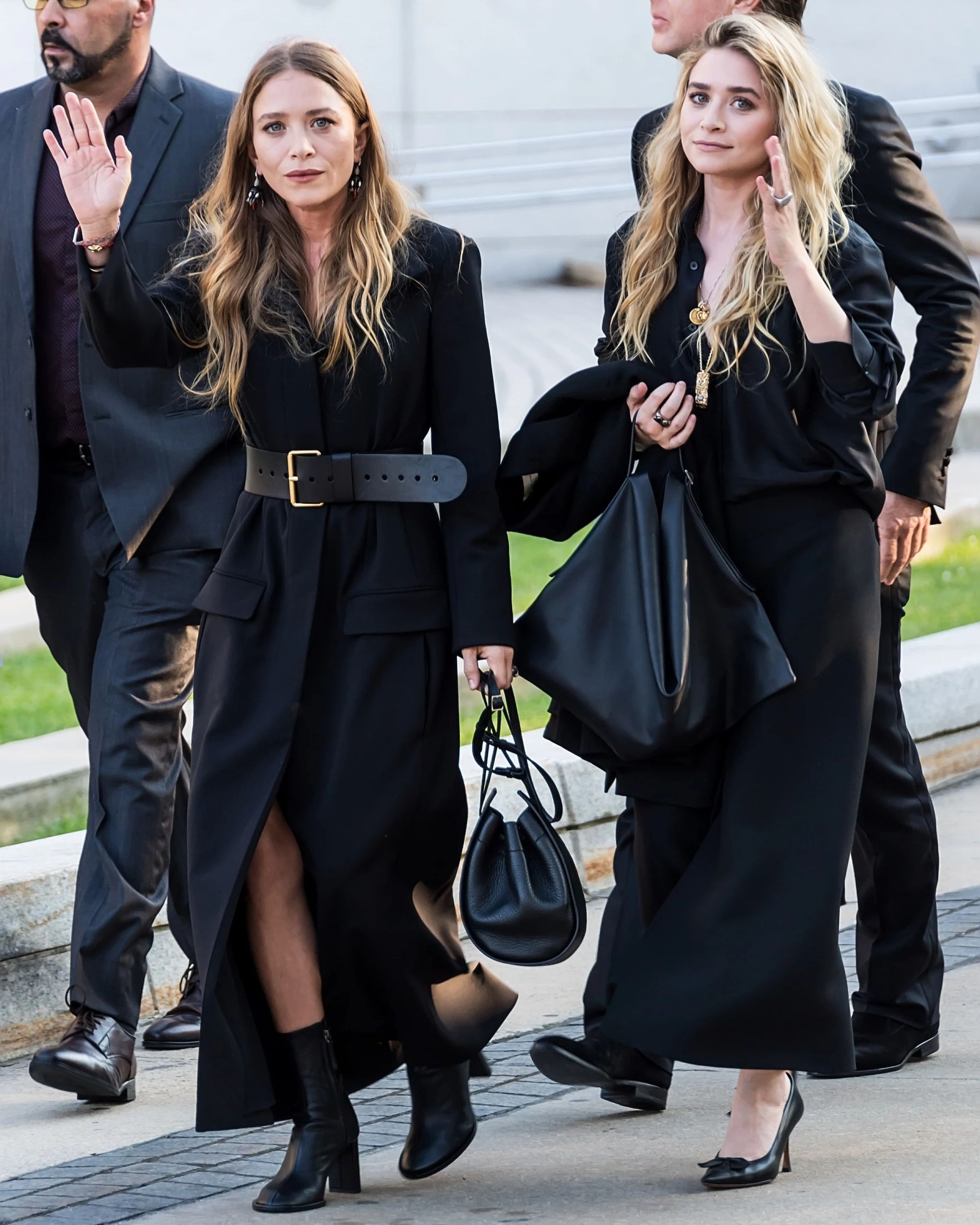
The Row is now selling vintage Yohji Yamamoto and High Fashion Twitter is outraged A long-running debate has flared up again on X
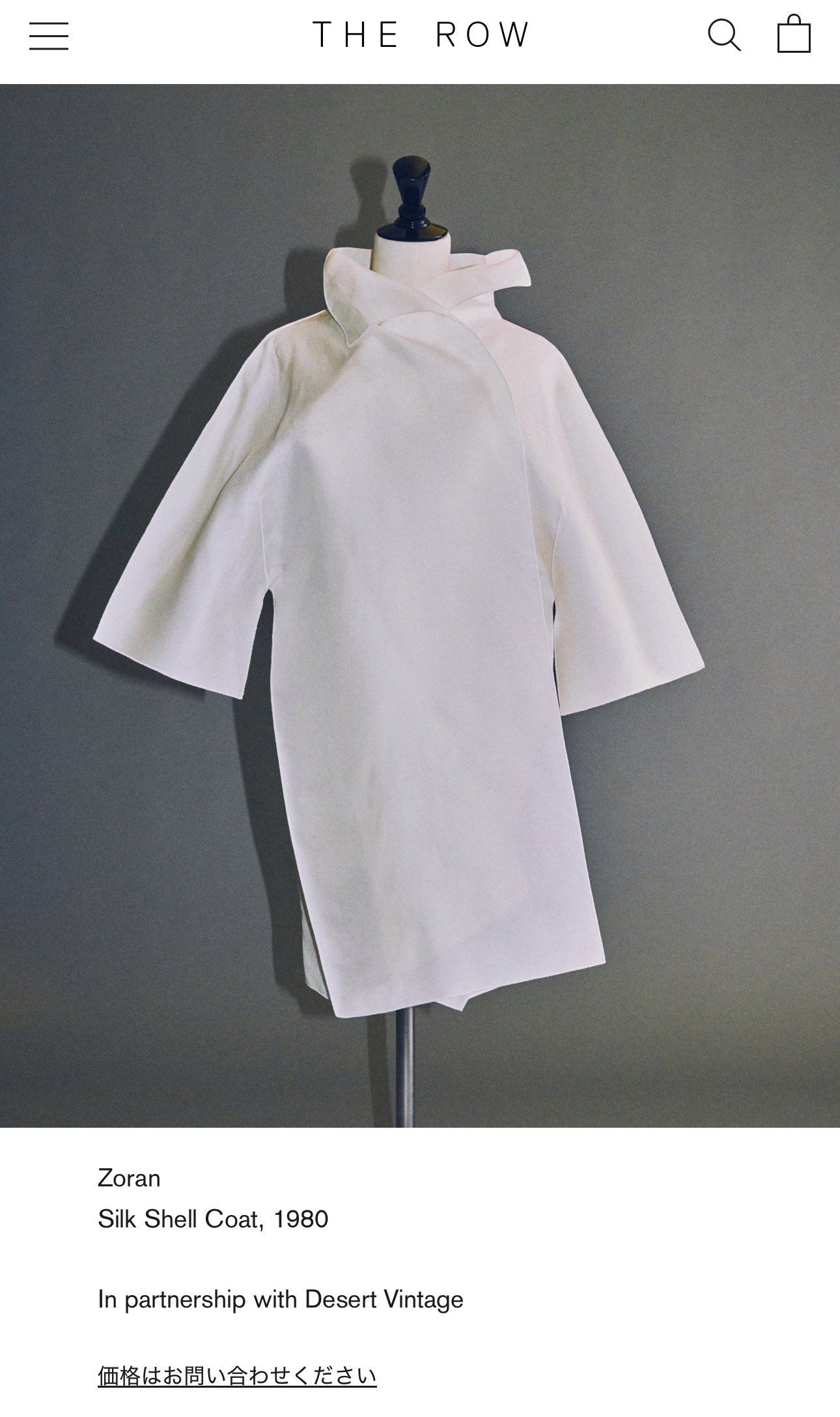
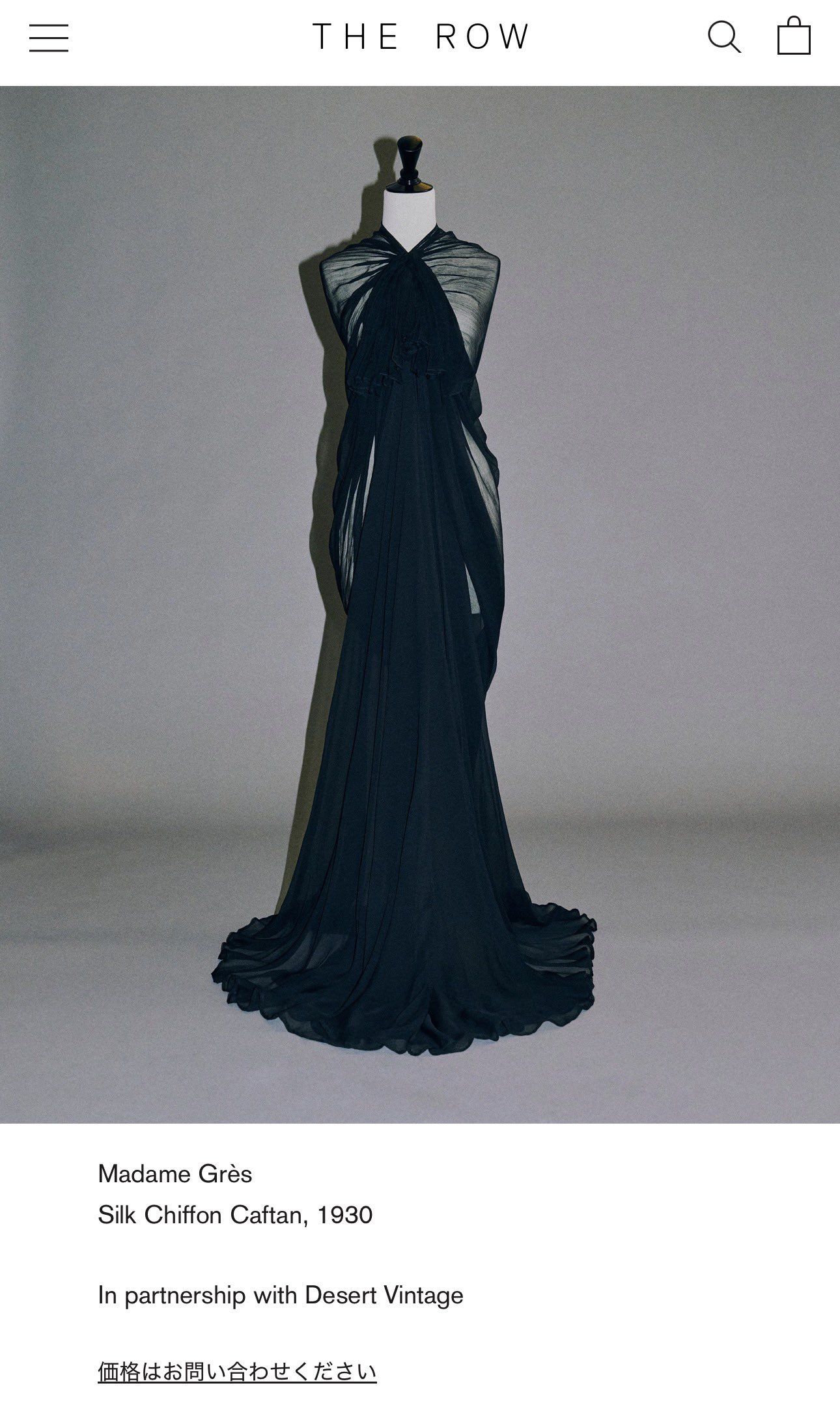
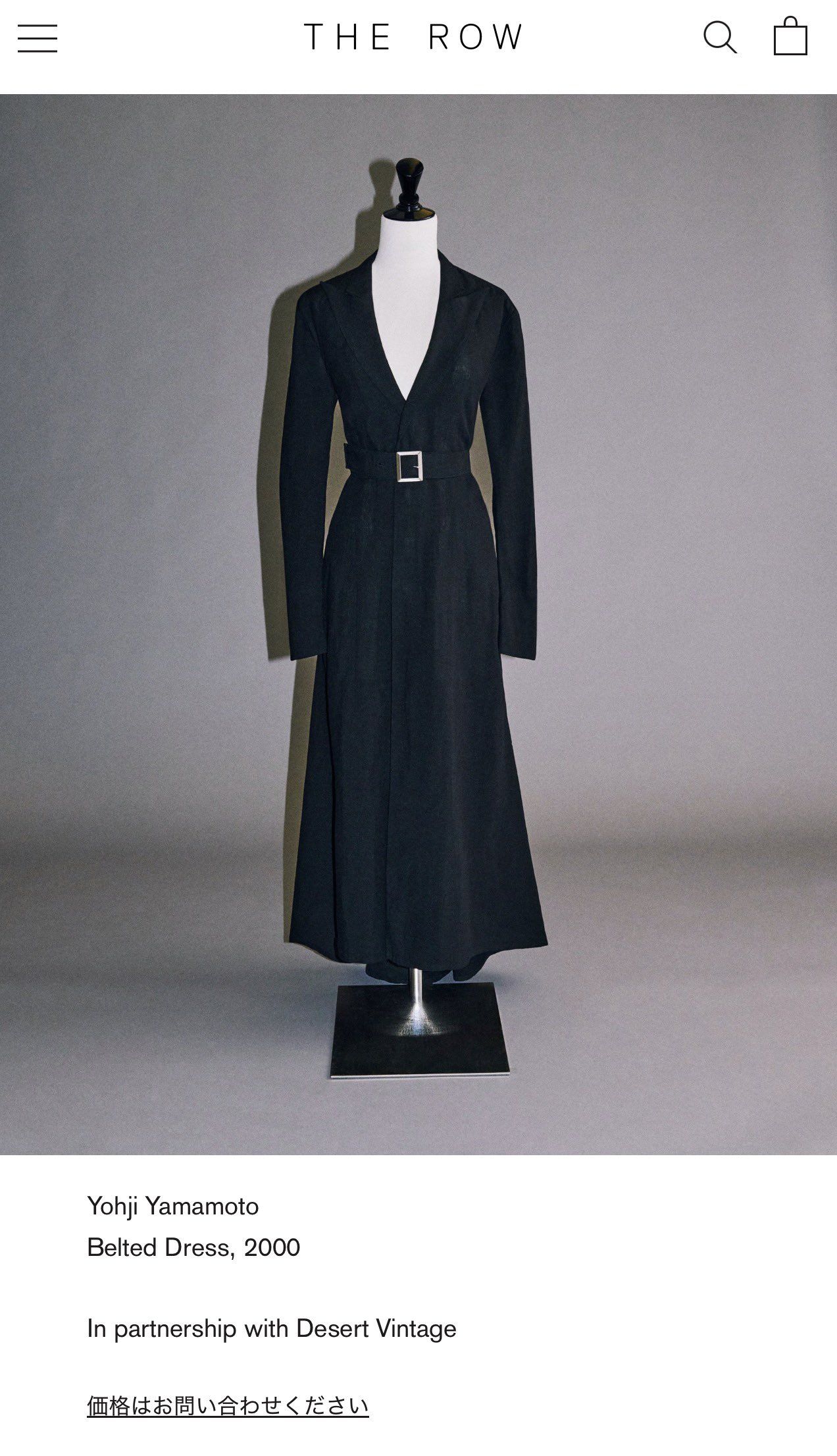
The Row has long tried to stay under the radar, but it just can't manage it. The brand founded by the Olsen twins in 2006 has, over the past two years, been consistently landing at the center of fashion criticism: once when the creative directors began banning phones at their shows, another time when dozens of celebrities were photographed wearing the Margaux, and yet again when the rest of the world discovered that bag costs over €5,000. This week, The Row found itself at the center of debate after it emerged that its stores sell not only vintage furniture — as it has done for some time through the Galerie project (which also has an e-commerce component) — but clothing as well. Among the offerings appearing on The Row's website are pieces signed by Yohji Yamamoto, one of the Olsen twins' primary inspirations.
For High Fashion Twitter, which has for years maintained that The Row copies the work of Yamamoto and Jil Sander, the decision to sell vintage pieces by the Japanese designer is seen as reprehensible.
The Row's website specifies that the vintage clothing selection is part of a collaboration with Desert Vintage, one of the most celebrated and exclusive stores in Manhattan. Prices are not listed and are available only upon request, but judging by the items on offer — a Yohji Yamamoto dress from 2000, a white silk shoulder wrap from 1980, and a 1930s caftan by Madame Grès — it's safe to assume the price tags contain a fair number of zeros.
very well known that the row is inspired by yohji yamamoto. also visually discernible in their work but here is them saying it verbatim. https://t.co/n9tVMfK2oy
— thatadult (@rianphin) October 29, 2025
On X (formerly Twitter), the conversation about the creative bond linking the Olsen twins to their idol Yohji Yamamoto has grown heated. Some argue that the two openly acknowledge drawing inspiration from the Japanese designer and therefore cannot be faulted, while others point out that their transparency does not justify the way they have managed to copy and resell Yamamoto's aesthetic at a steep price.
Some claim that The Row also copies the work of Jil Sander — a view many disagree with, including this writer and Maya Kotomori of Highsnobiety — while others add, once again, that even though the brand pretends it wants to stay safe from media chaos, it actually very much enjoys ending up under social media scrutiny. The decision to sell vintage Yamamoto, then, could be nothing more than The Row's way of taking a jab at its High Fashion Twitter critics.
Whether this is about needling critics, offering customers a more complete shopping experience, or simply welcoming and giving visibility to beautiful garments, what remains clear from this whole affair is that The Row, however hard it may try, can no longer be considered quiet luxury. Its aesthetic is certainly quiet, understated, captivating, and timeless, but its actions are far more loud than it would have us believe. And given how much the brand's Instagram page is changing — shifting from posting faceless paintings and sculptures to sharing campaign images of a smiling Gemma Ward with pastel pink hair — it seems the Olsen twins no longer have much interest in keeping up the pretense.