
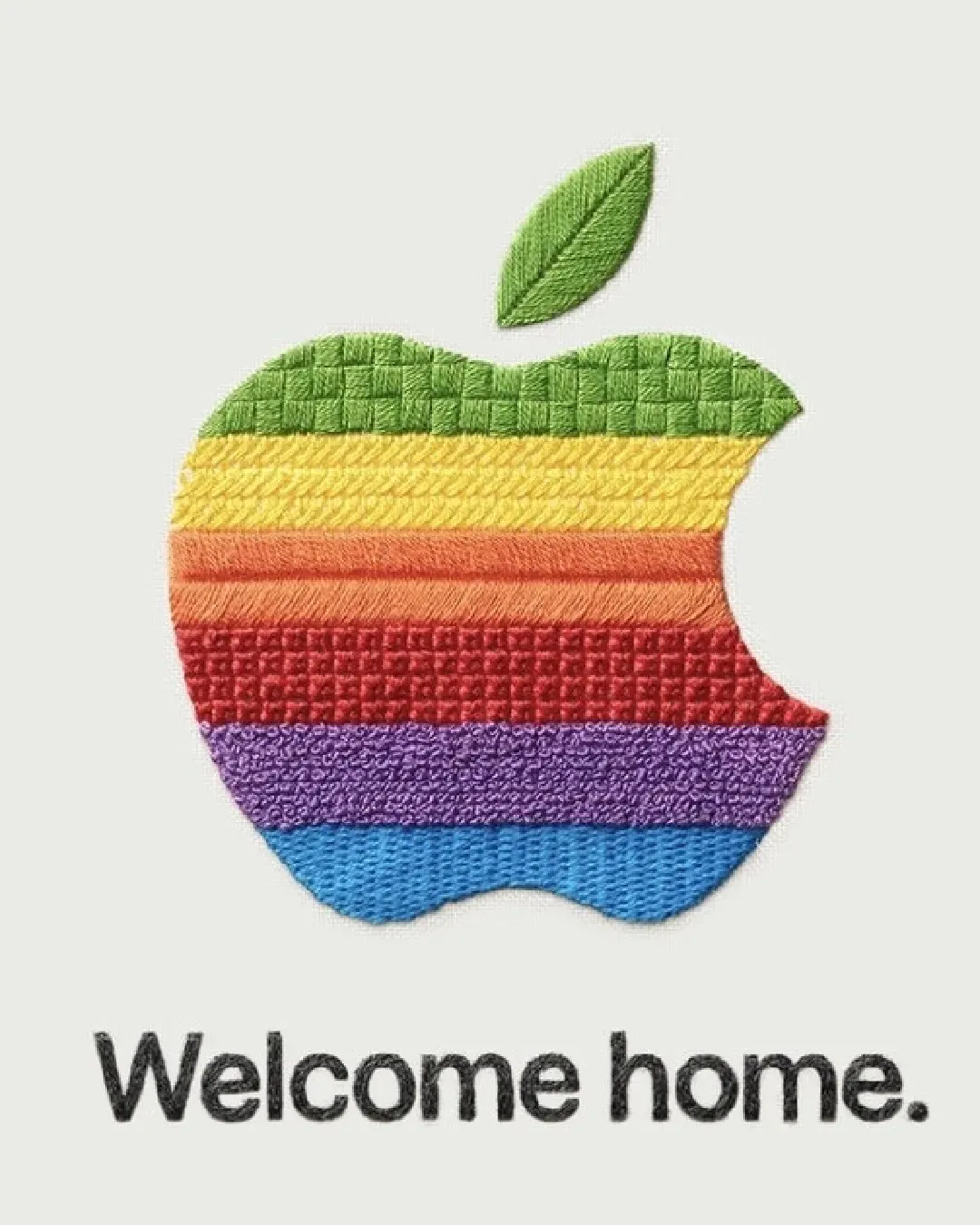
What to expect from Apple Home's new solutions Everything you need to know about the tech giant's new home initiatives
On October 13, 2026, Apple will unveil a number of new developments in the smart home space — that is, the ecosystem of devices and services that allow users to control and automate various household functions, from lighting and temperature regulation to security systems. The event, called "Welcome Home", will be held in New York: for the occasion, the Cupertino-based company has invited journalists and content creators to what it describes as an "Apple Experience" — an event at which attendees will be able to try out the new products firsthand and explore their features, rather than simply watching a presentation.
Apple has been present in the smart home market for years, with devices and services that allow users to manage a range of household activities. These include HomePod and HomePod mini, speakers that let users listen to music, interact with the Siri voice assistant, and control compatible accessories via voice commands. There is also Apple TV 4K, which provides access to streaming services on the television and can serve as a hub for certain home automation devices. Finally, Apple Home is the platform that allows users to control compatible products — including smart bulbs, smart plugs, thermostats, and sensors — from a single app.
How Apple is moving in the smart home sector
@saif_ashraf11 Everything in Apples Welcome Home Event #tech #techtok #saifashraf #apple original sound - Saif | Tech + Lifestyle
Interest in Apple's announcement also stems from the possibility that the company will make it easier for its smart home devices to interact with one another. According to reports, the launch of a new product could bring together in a single interface some of the functions currently spread across HomePod, Apple TV 4K, and Apple Home, offering a centralized access point for managing compatible accessories and interacting with Siri. This would mean, for example, being able to control the lights, play multimedia content, and ask questions through the same device, without having to switch between different applications.
According to Bloomberg, Apple may also expand its offering with a range of smart home accessories, including thermostats, electronic locks, sensors, and cameras. These products would extend Apple Home control to a greater number of household functions, from temperature regulation to access security. Any such launch would come at a time when technology companies are seeking to make digital assistants more useful in everyday life, leveraging artificial intelligence to interpret complex requests and coordinate different operations through a single interface.
Where does Apple stand on AI?
Welcome home. October 13. https://t.co/ChelGSDOTI
— Greg Joswiak (@gregjoz) October 8, 2026
While the major technology groups have directed growing resources toward the development of artificial intelligence and the construction of data centers, Apple has pursued a more cautious strategy, keeping investment in dedicated infrastructure in check and placing less emphasis on developing proprietary language models. This approach has led the company to partner with Google to integrate Gemini, Google's artificial intelligence model, into its own services: the technology is expected to contribute to the evolution of Siri and other functions within the Apple ecosystem.
This strategy is also tied, above all, to Apple's business model, which derives the bulk of its revenue from the sale of devices such as the iPhone and Mac. Apple can therefore afford not to invest directly in developing all AI technologies itself, relying instead on those built by other companies and integrating them into its own devices. This approach could also reduce its exposure to the financial risks associated with heavy AI investment — a phenomenon that some analysts believe is fueling a potential financial bubble.
The effects of Apple's strategy will be easier to assess in the coming years, when the impact of new CEO John Ternus's leadership will be clearer. In the meantime, however, some analysts consider the approach taken by the Cupertino company to be risky: having allocated fewer resources than competitors to AI development could limit its ability to compete in the future. The concern is that artificial intelligence will bring about a transformation of the technology market comparable to the one triggered by the smartphone. With the iPhone, Apple did more than anyone to redefine consumer habits and reshape the balance of power in the mobile device sector. Today, according to some analysts, the risk is that the company may miss a similarly defining opportunity in the field of AI.