
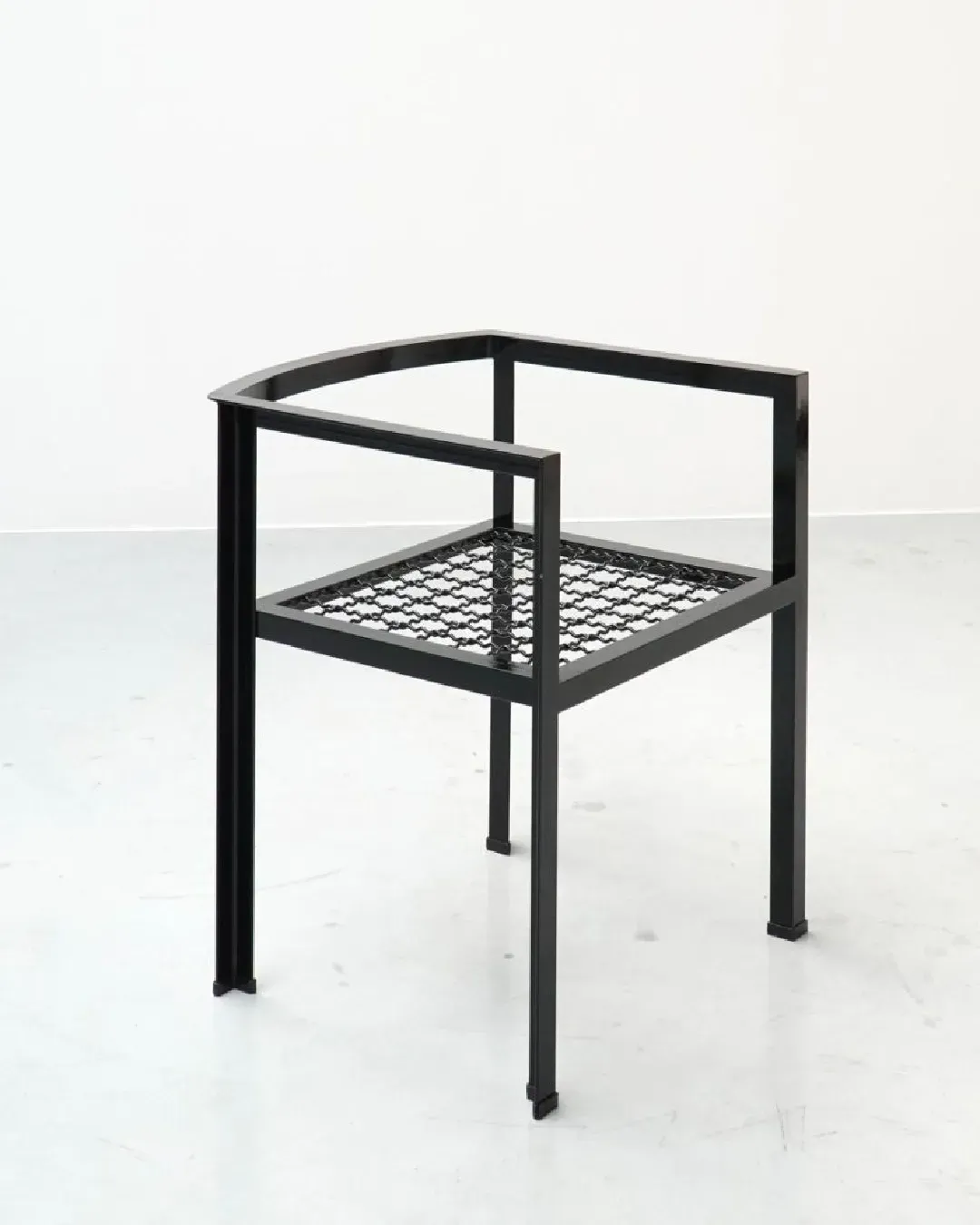
When Rei Kawakubo designed a furniture line An experimental collection created by the designer in the 1980s for Comme des Garçons
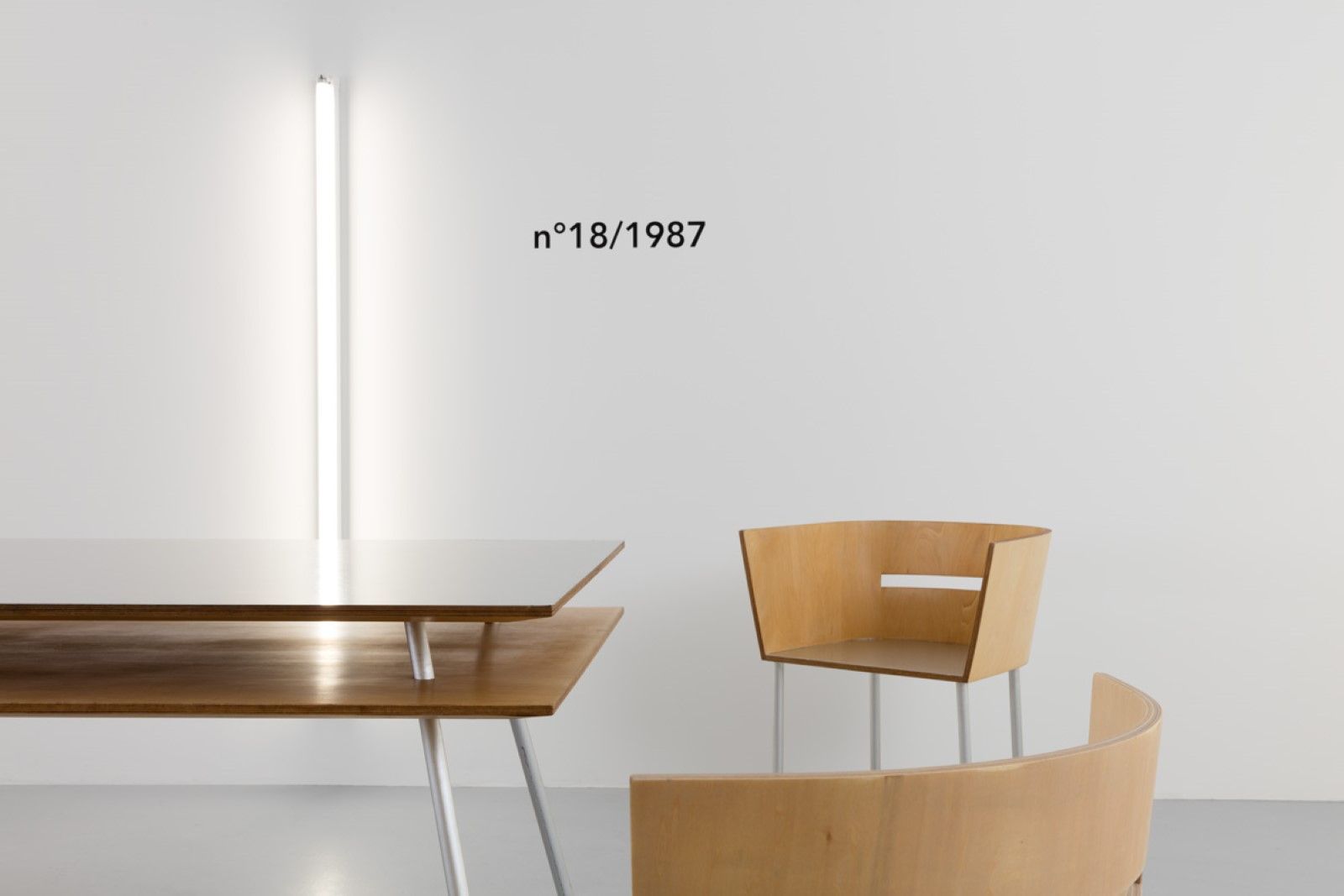
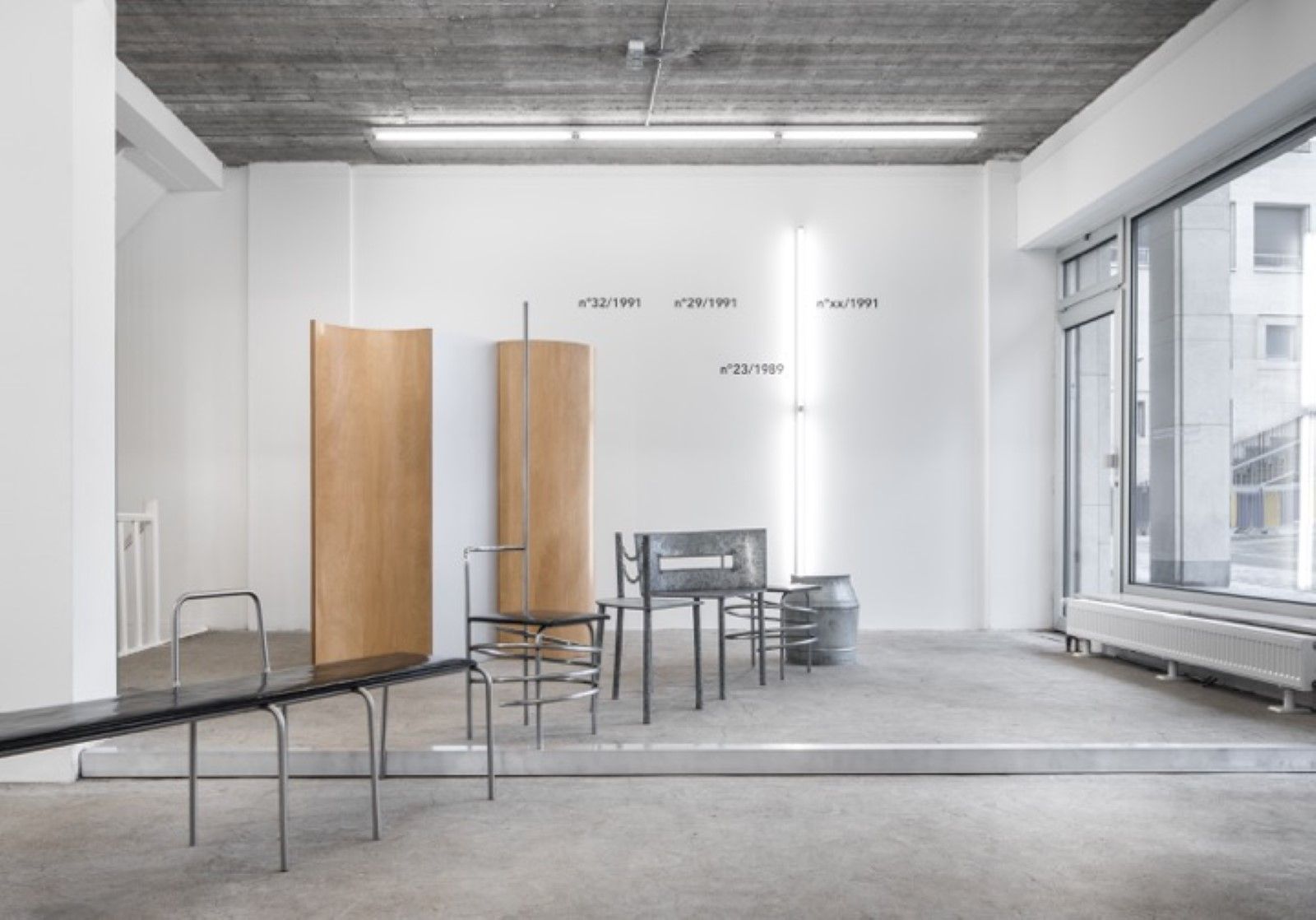
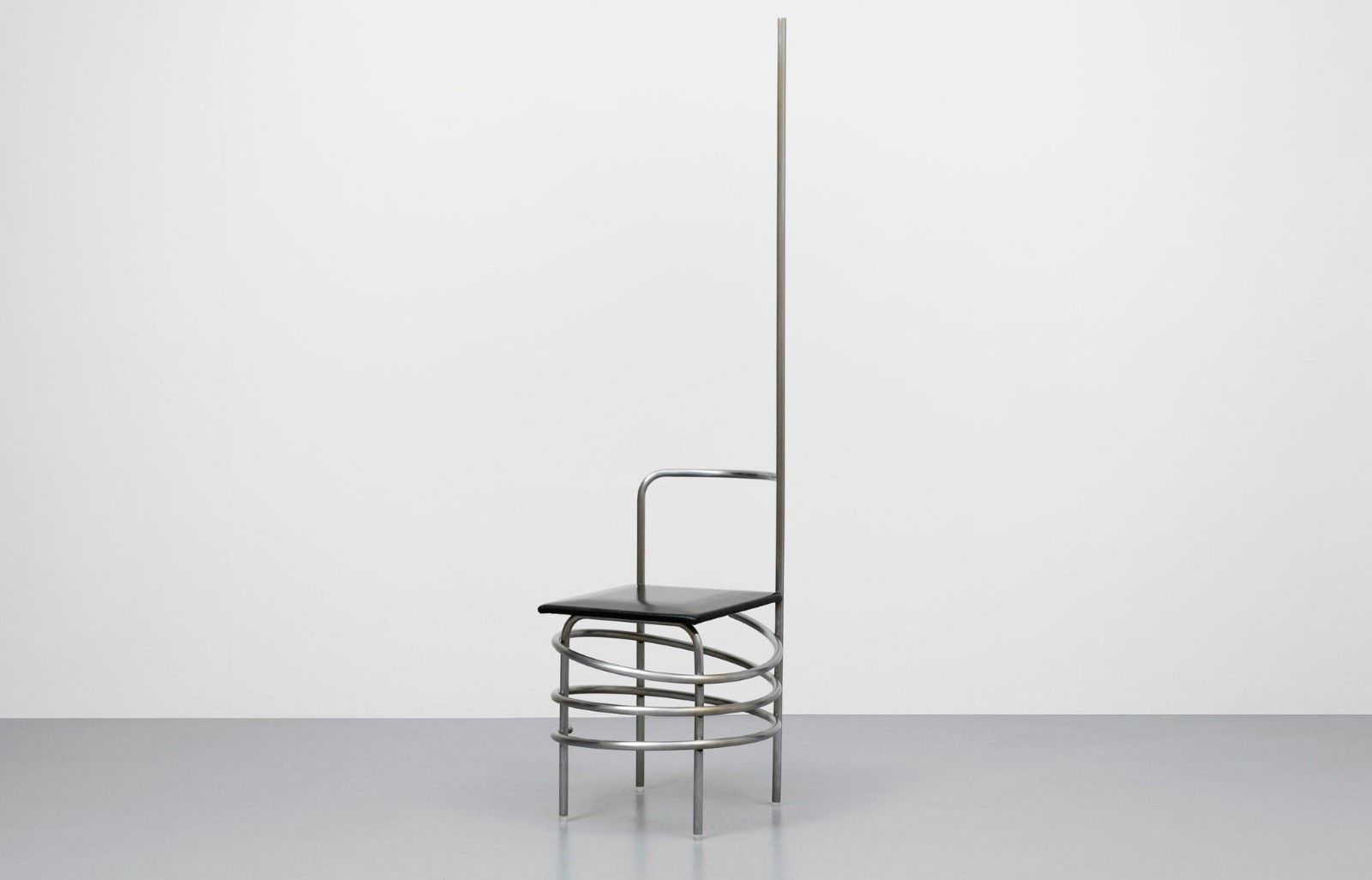
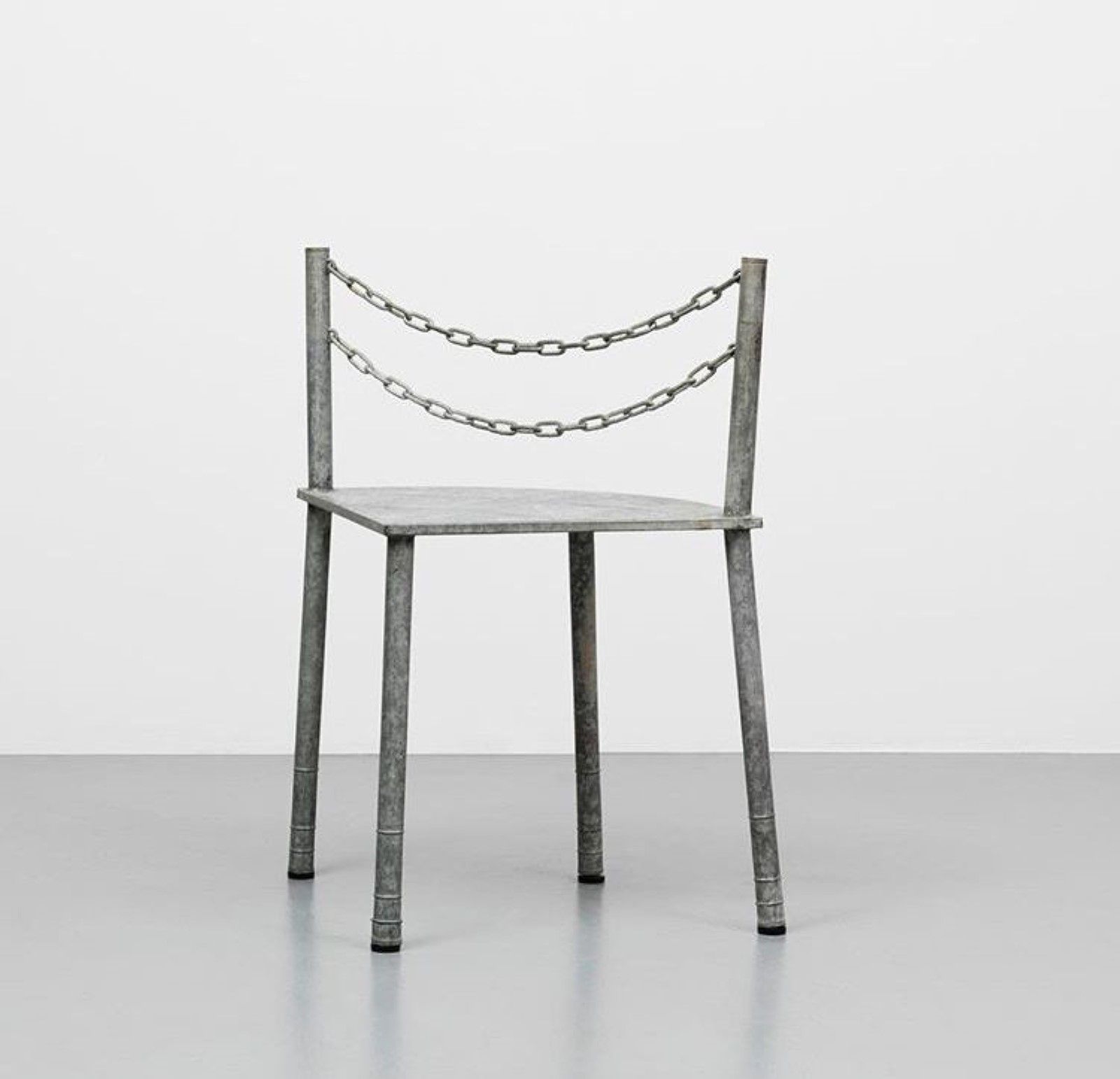
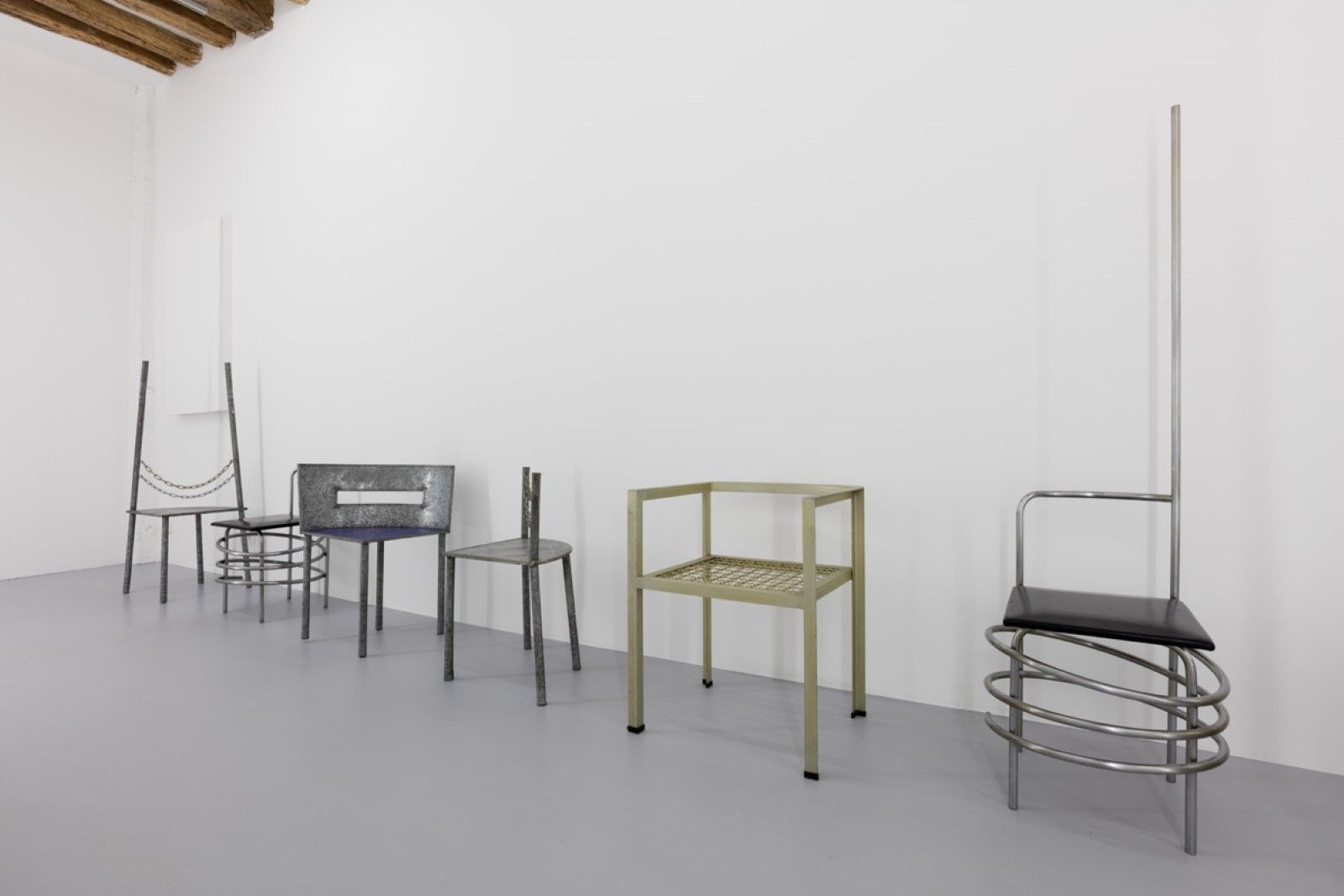
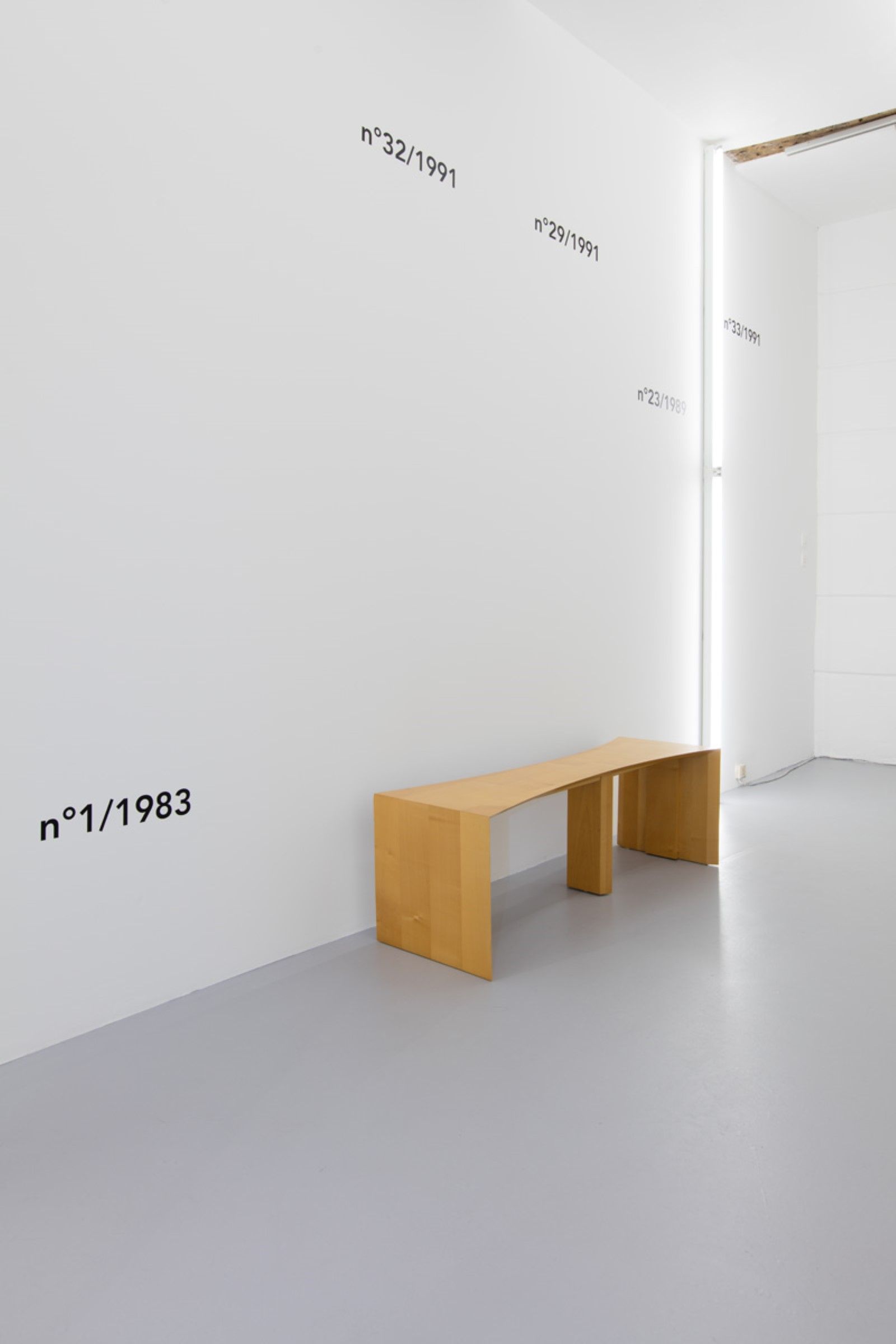
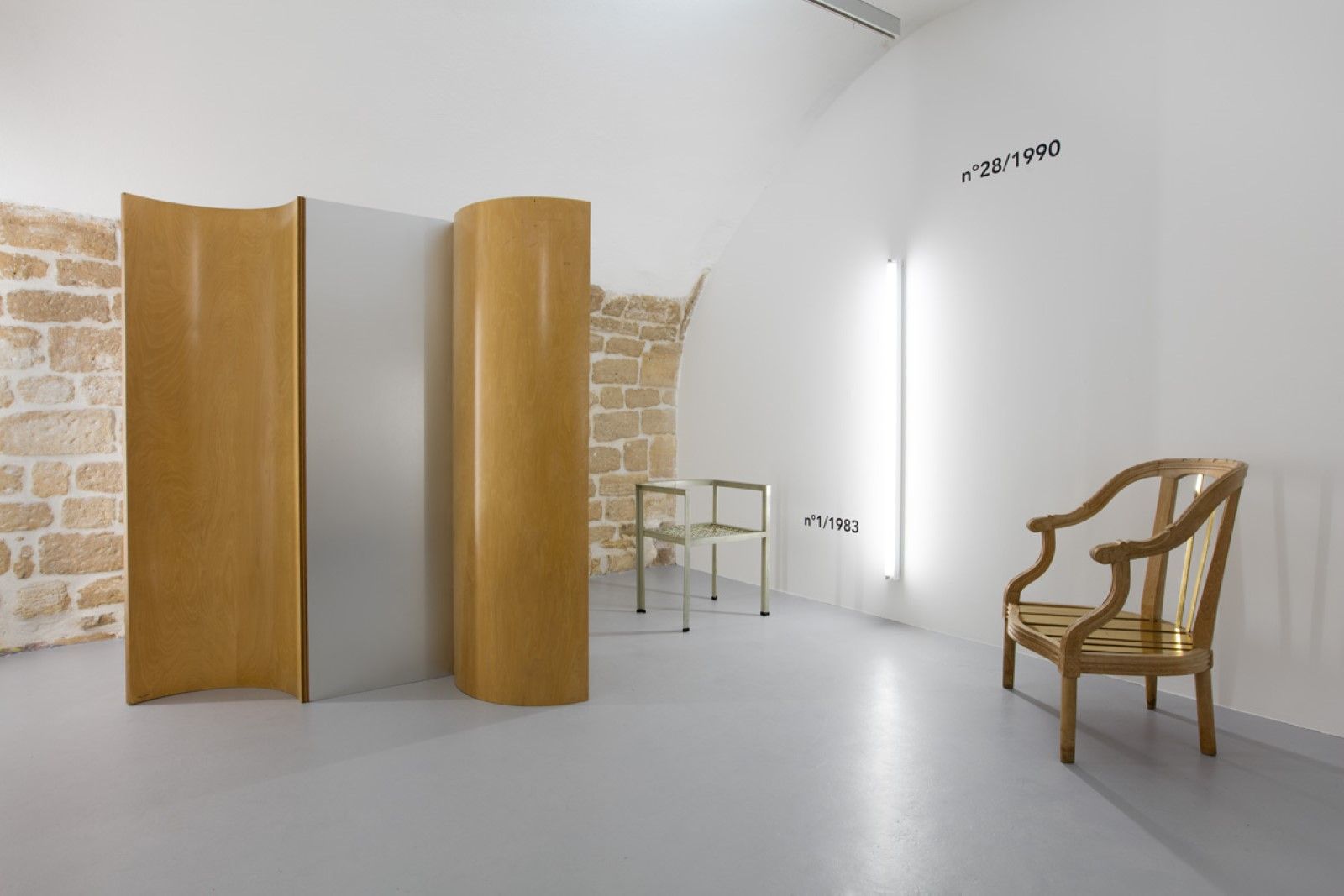
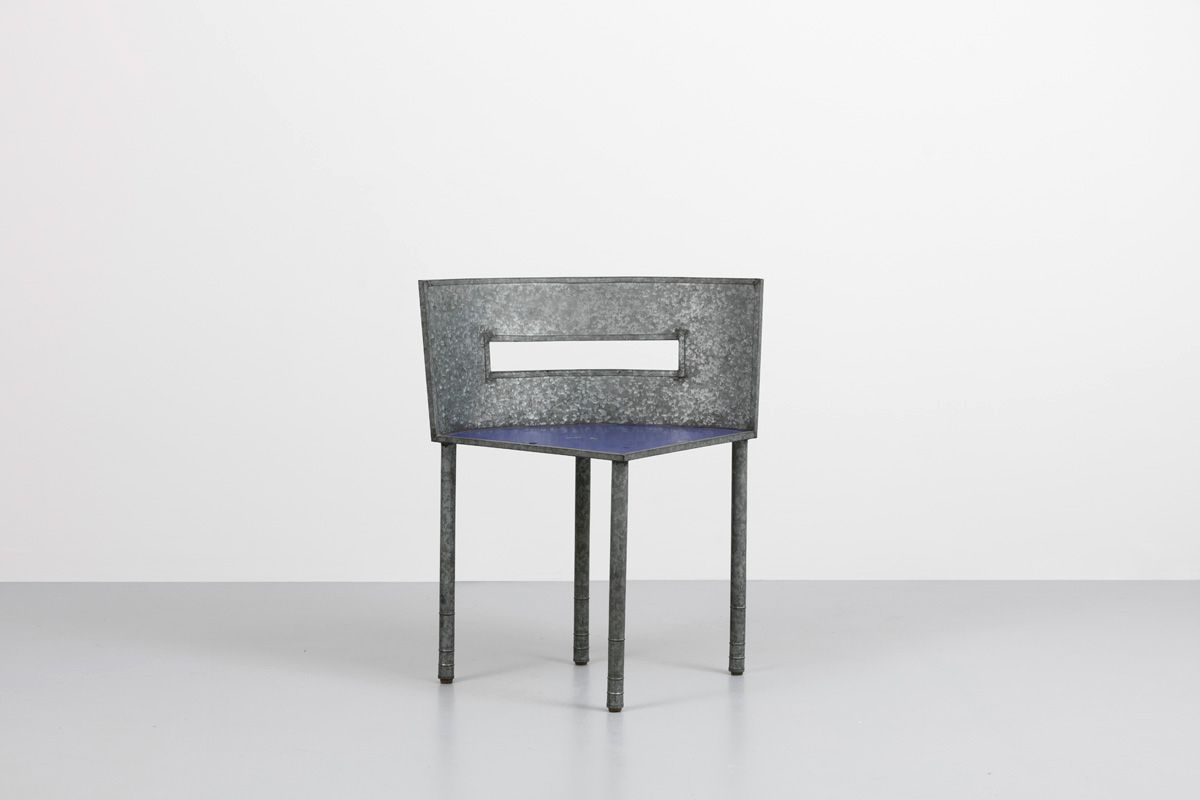
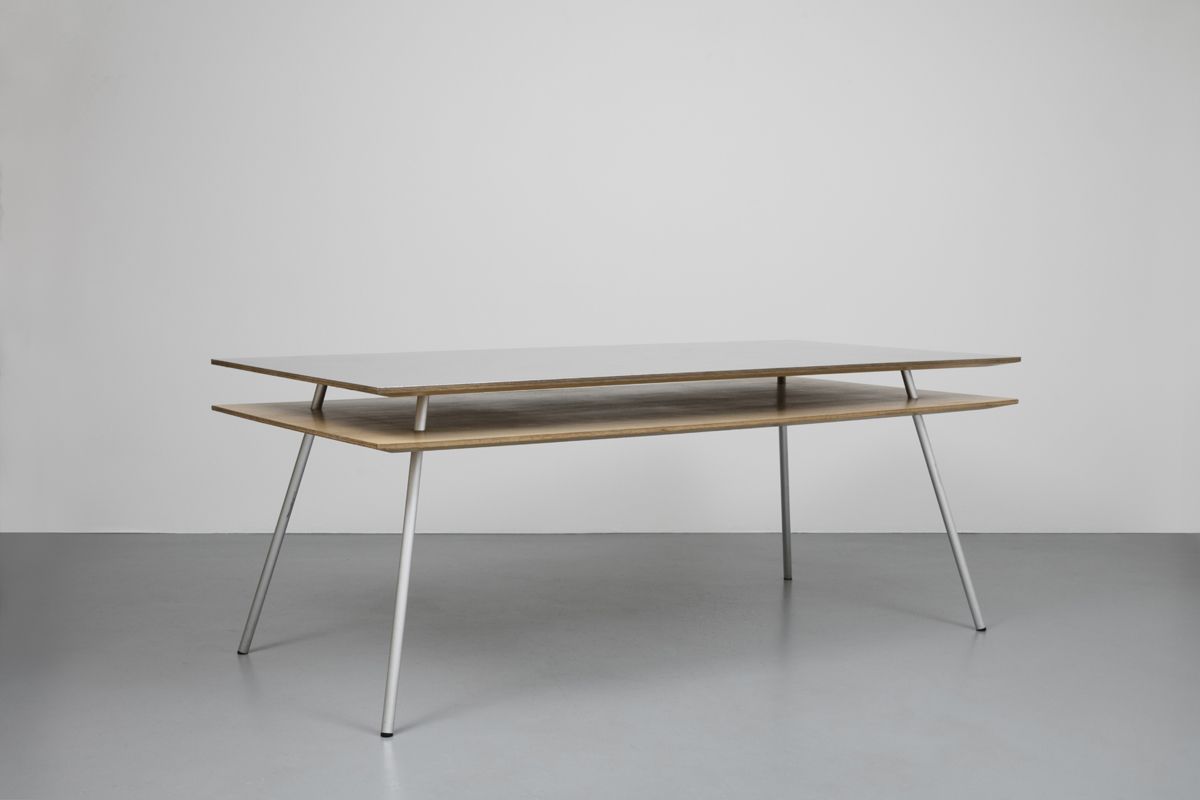
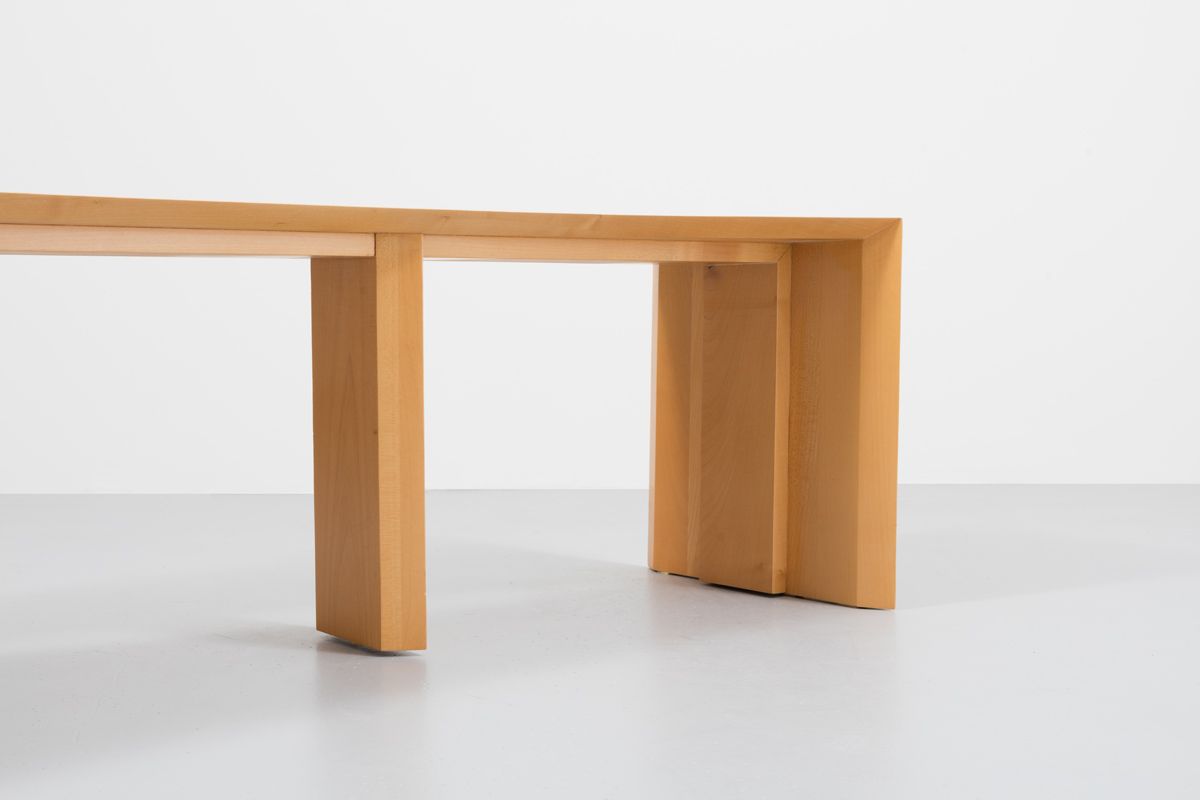
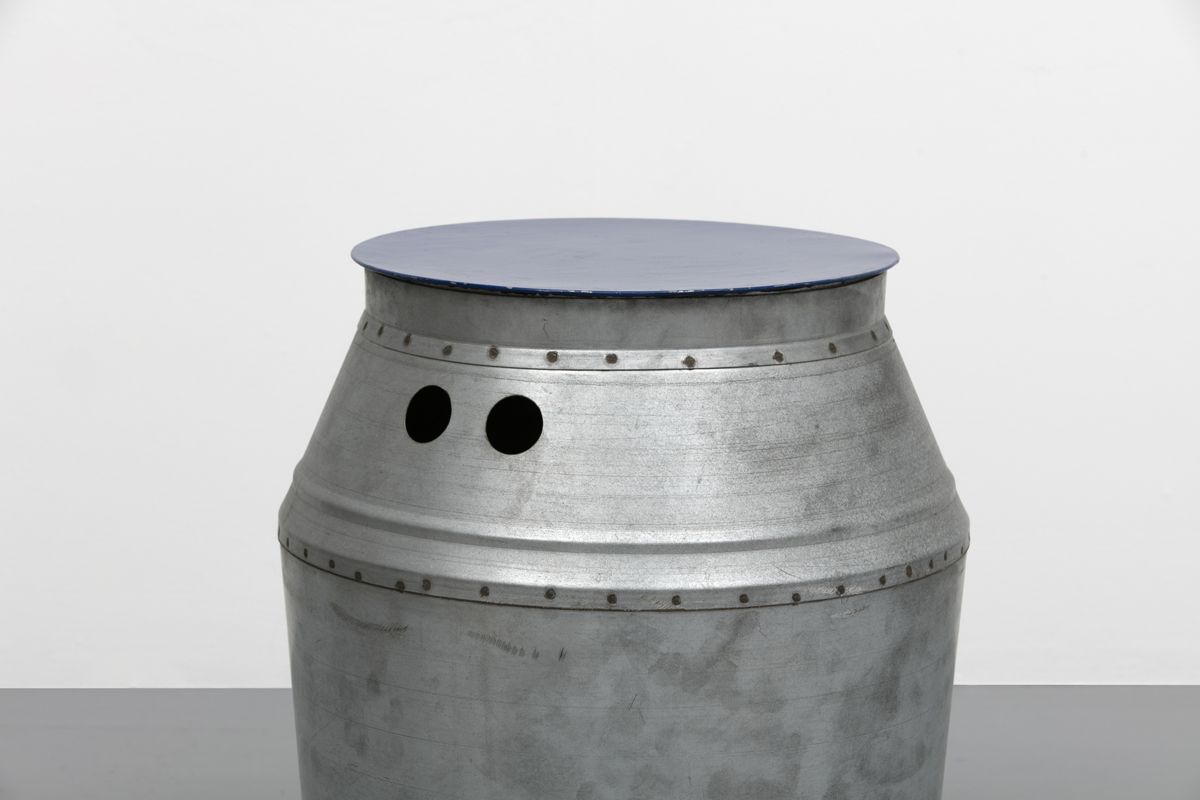
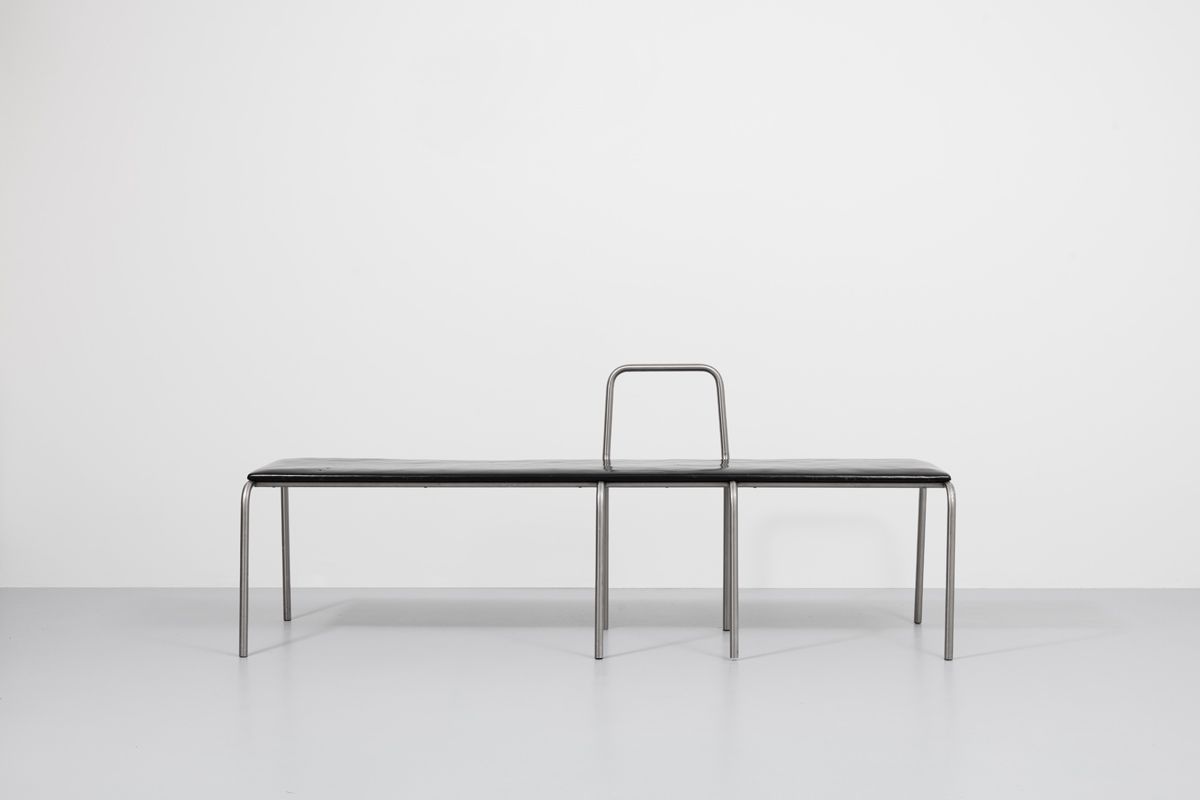
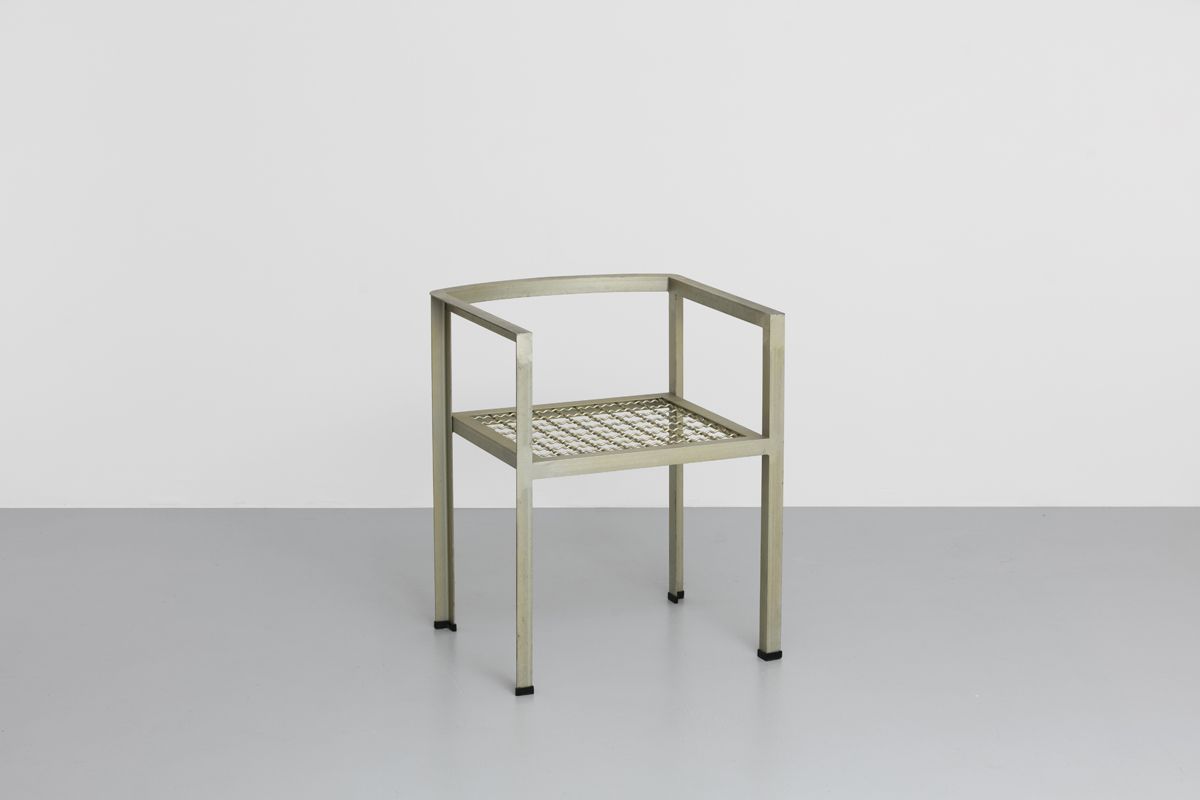
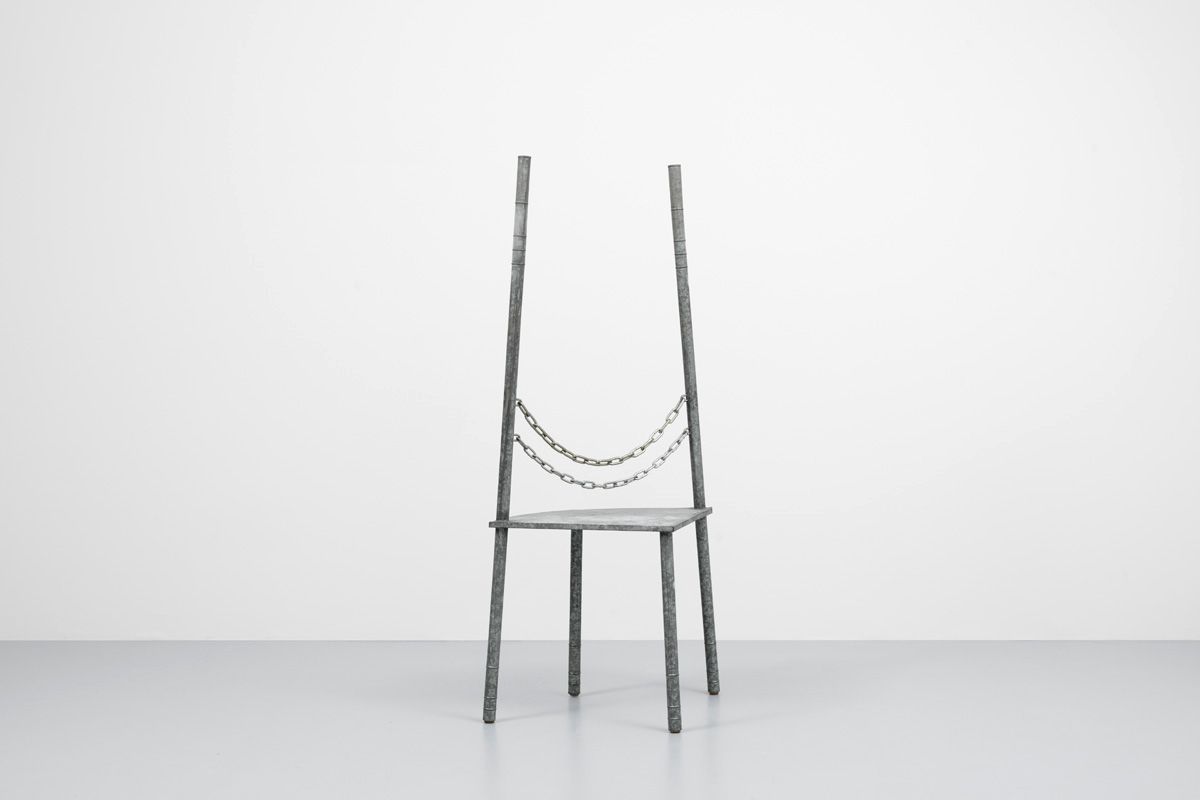
With Comme des Garçons, Japanese designer Rei Kawakubo has left an indelible mark on fashion since the 1980s, becoming a landmark figure in the industry despite nearly four decades of activity and almost eighty years of age. The most famous shows and collections by Comme des Garçons are already the subject of numerous essays — such as Andrew Bolton's volume Rei Kawakubo/Comme des Garçons: Art of the In-Between, drawn from the major retrospective exhibition dedicated to her by the Metropolitan Museum of Art in 2017 — yet there is another aspect of Rei Kawakubo's work that doesn't receive enough attention: her furniture collection.
Essential Materials, Sculptural Forms
The furniture line designed by Rei Kawakubo had a brief lifespan of just ten years, between 1983 and 1993, with limited distribution and only a single physical store in the entire world, in Paris. It was not conceived as an independent entity, but as a complement to the experience customers were meant to have upon entering the boutique.
Viewing her stores as an extension of her runways, Rei Kawakubo felt it was essential that the point of purchase be a place of experience — one that confirmed and amplified her vision. The project, starting from the stores themselves, evolved into a very limited series of creations, including chairs, tables, and room dividers for the home.
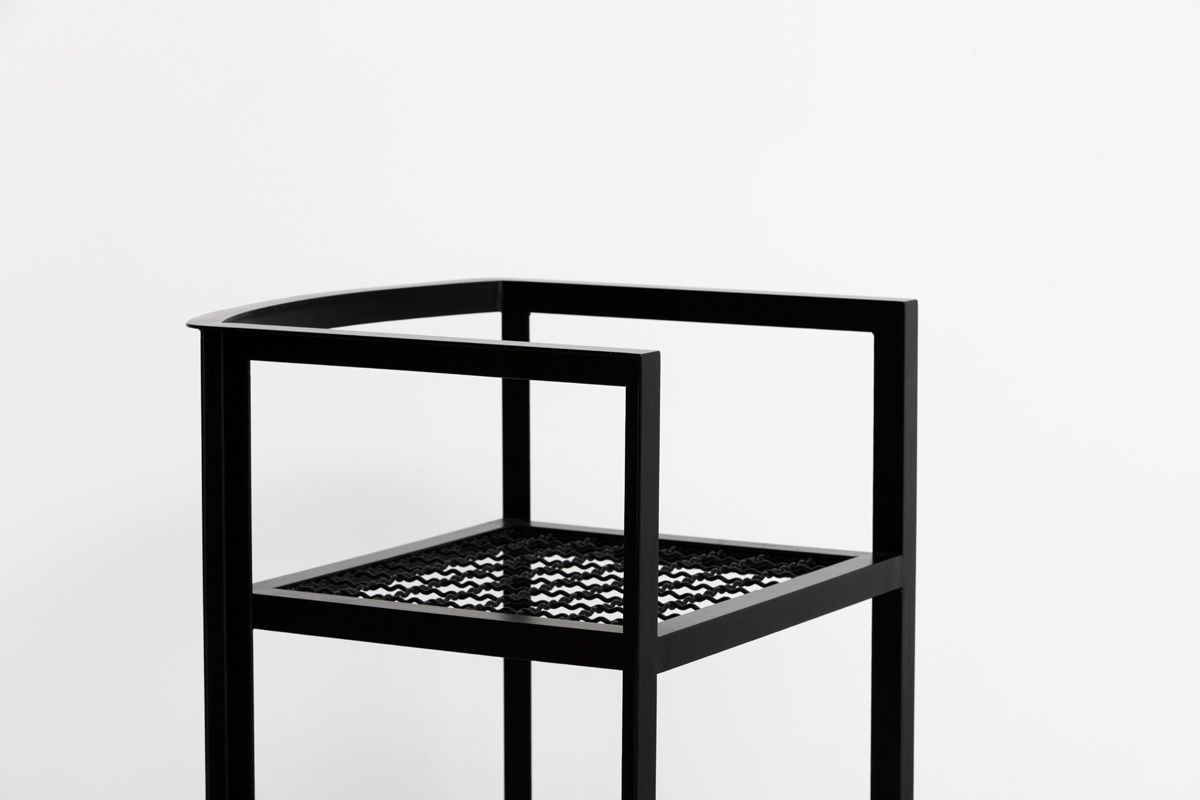
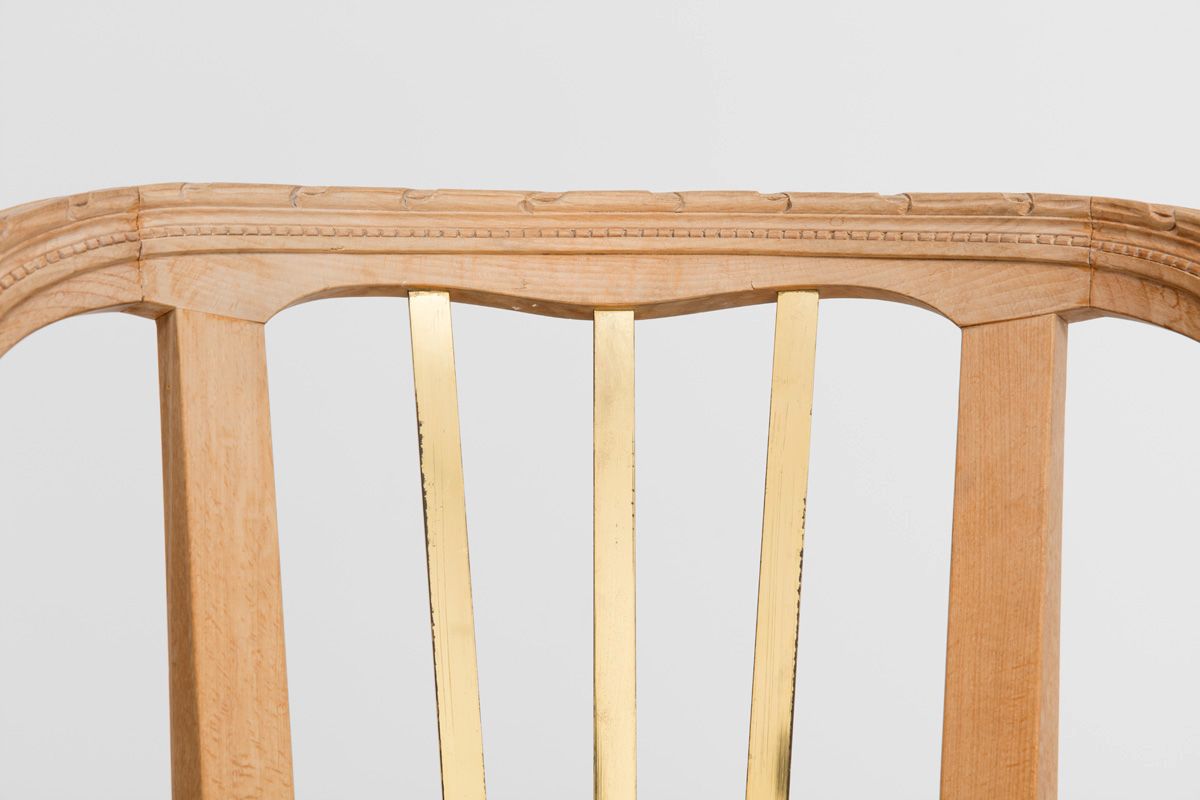
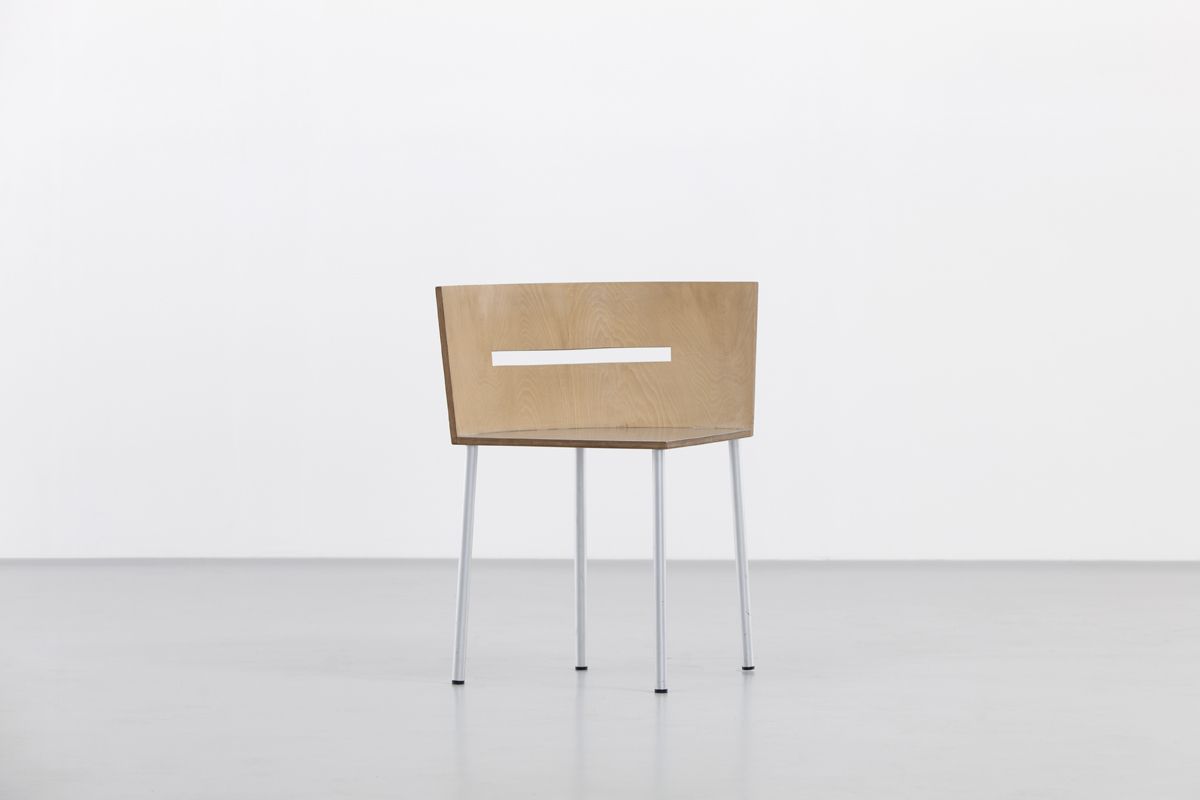
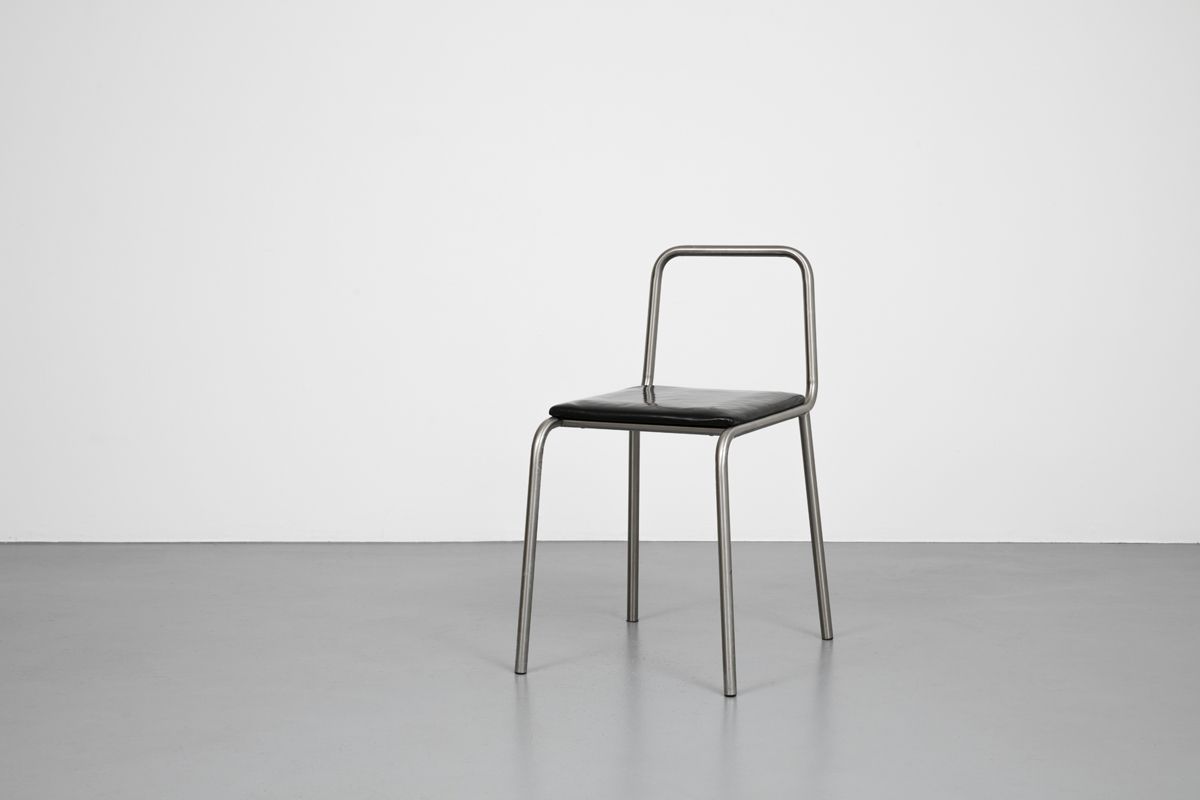
All the pieces were made from simple, unrefined, and unremarkable materials — metal and wood above all — and were conceived by Rei Kawakubo herself almost as sculptures. Despite the apparent simplicity of the materials, the objects display their own distinctive originality or, at the very least, a personal approach in their stylistic choices: the wood is sanded and left unvarnished, the metal sandblasted and then galvanized, while aluminum is mounted on wood.
A Forgotten Collection
All the pieces have an aesthetic that leans toward brutalism and minimalism, and they play with several key terms from the Japanese designer's aesthetic vocabulary: asymmetry, deconstructivism, and the unfinished. These concepts, within the interior design project, are used to work on the boundary between furniture and sculpture — which is why the pieces are also indifferent to aspects we normally take for granted in furnishings, such as comfort or even structural solidity.
According to accounts from those who have studied these works, if a particularly heavy person had sat in one of the chairs, it would not have held. Initially, these pieces were not intended for home use, but as store furnishings, to the point of being described as transitory objects. And even when they were made available commercially, it was a small-scale production that took place over barely a decade — so much so that, even today, many Comme des Garçons fans are unaware of their existence.
As one might imagine, this was a wholly experimental project, which is precisely why it never took off from a commercial standpoint either. This, presumably, led to the decision to discontinue production — a decision that left the collection in obscurity for a long time.
Until 2017
Didier Courbot, a Comme des Garçons scholar and owner of the a1043 Gallery in Paris, decided in 2017 to dedicate an exhibition to this very collection. His work was instrumental in bringing these pieces back to light — both in terms of recovering the original works, around forty of which were displayed in the gallery, and in terms of their historical and conceptual documentation. It was precisely thanks to that exhibition that it became possible to give due prominence to a story that would otherwise have been lost to the void. Didier Courbot's endeavor served as a trailblazer for the rediscovery of Rei Kawakubo's furniture work, on which a body of literature — however sparse — now exists.
The furniture project is certainly not what will keep Rei Kawakubo's name in the history books, but it represents another lens through which to read the designer's work. Looking at how she approached this project gives a sense of her multifaceted and multidimensional talent, and of how she managed to maintain a personal and original aesthetic regardless of the medium.