























5 emerging women-led brands to follow closely Five proposals redefining fashion in Paris
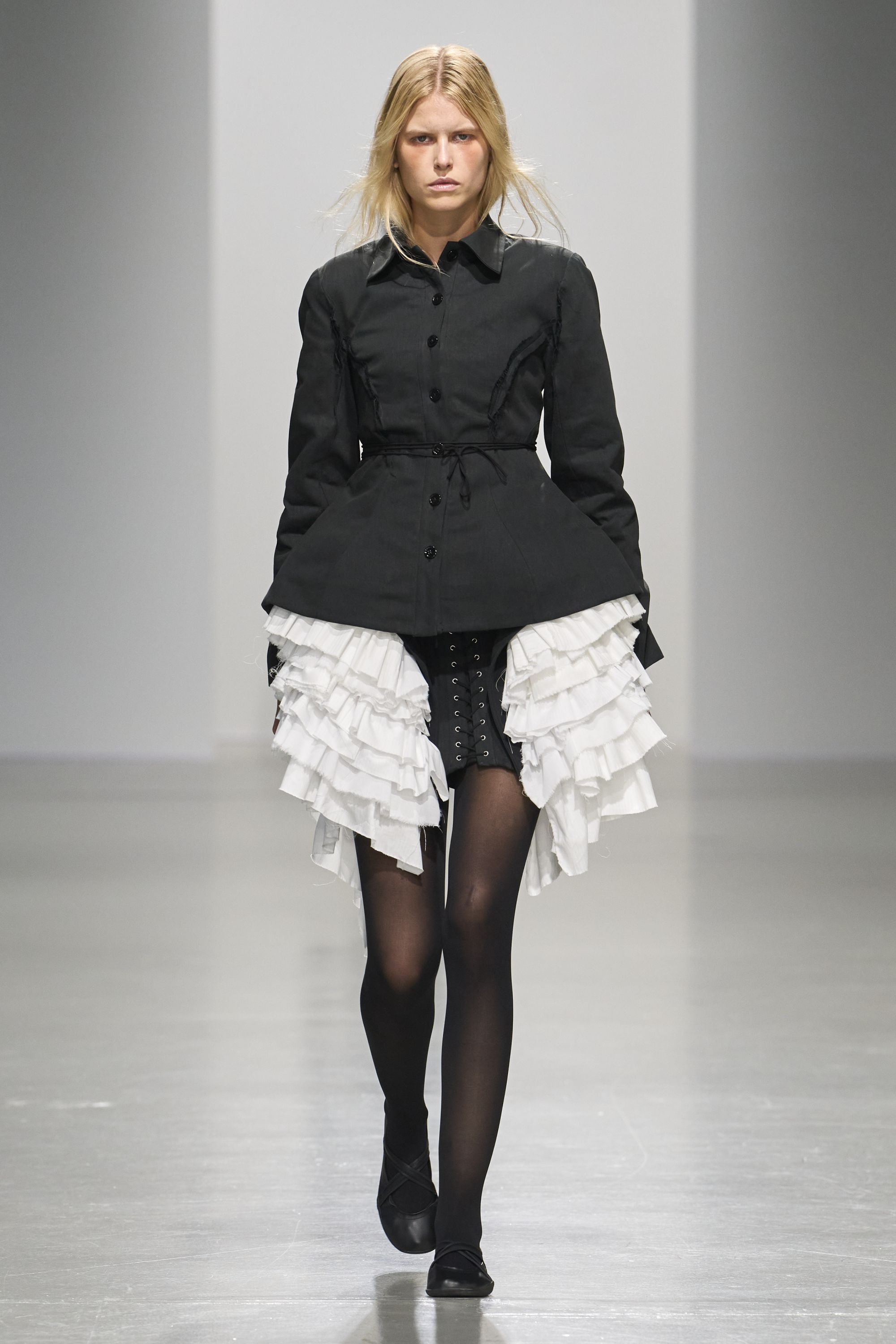
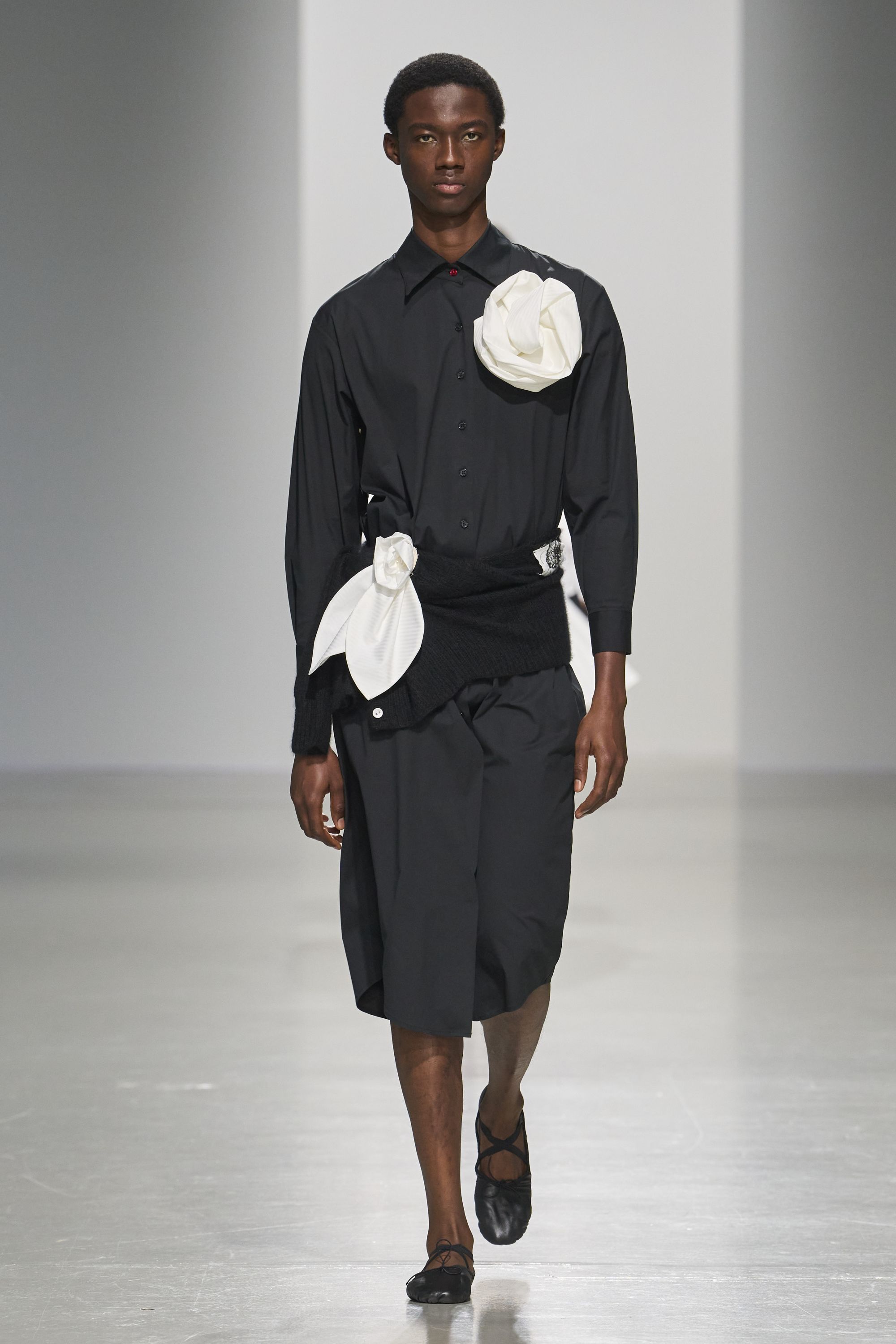
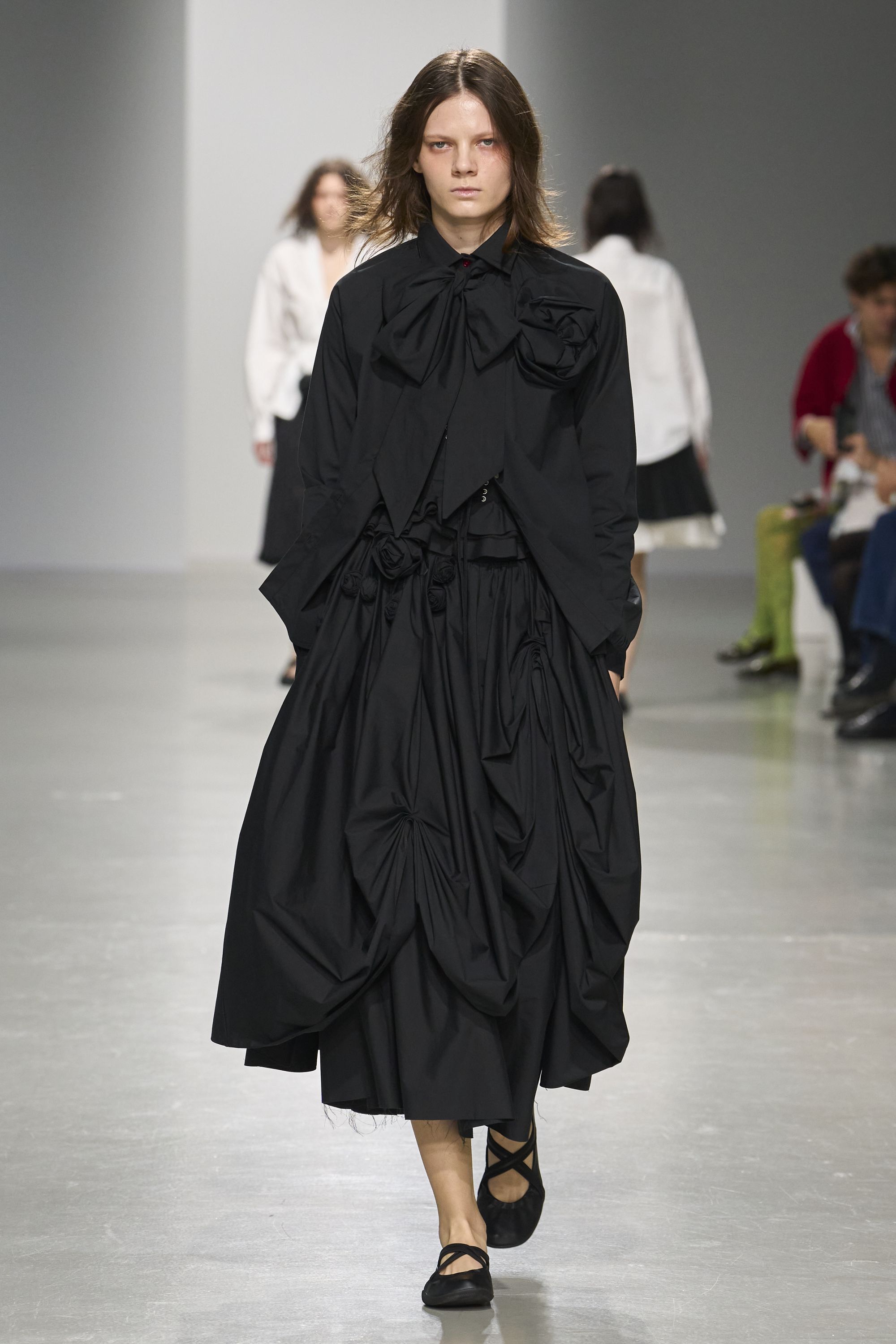
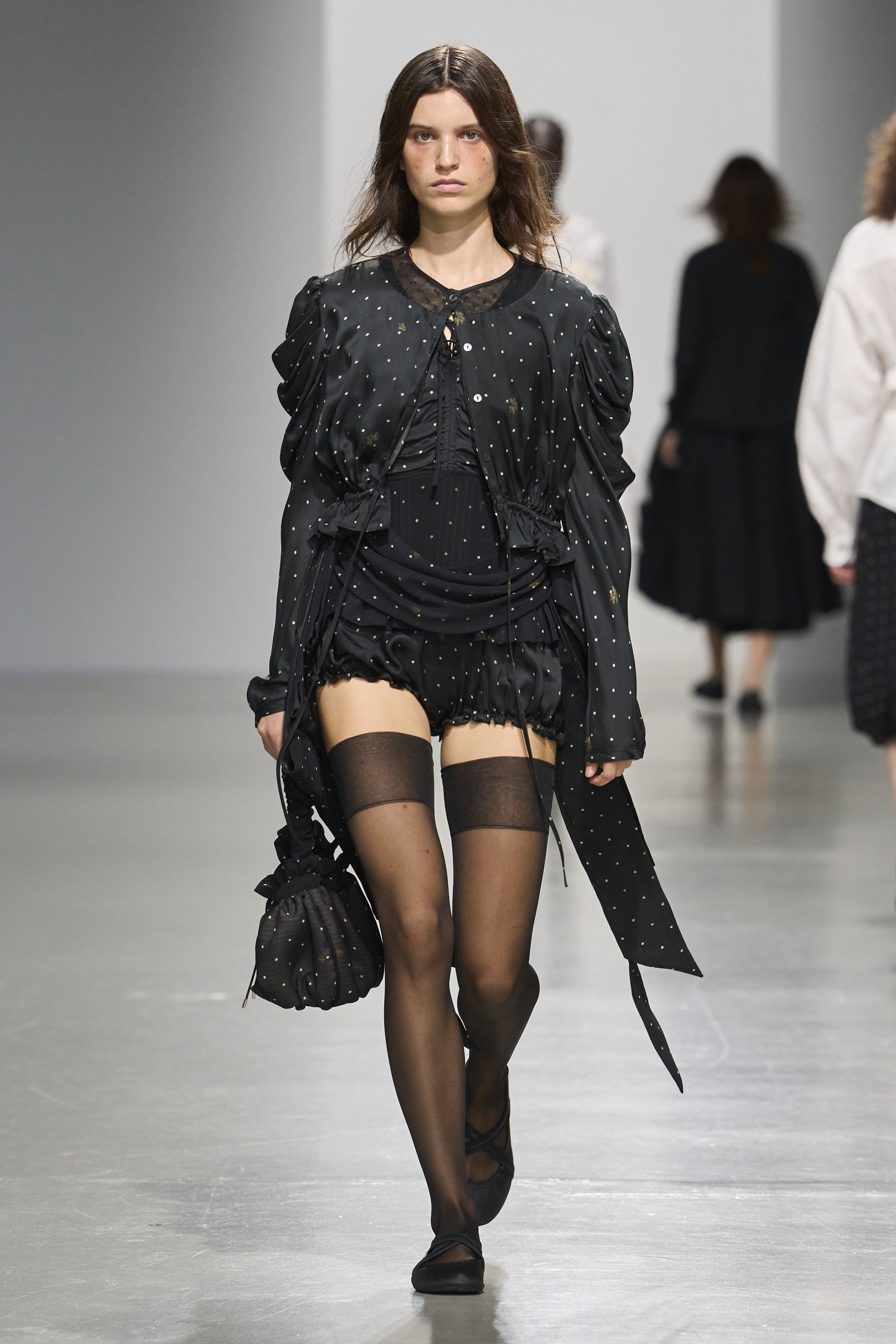
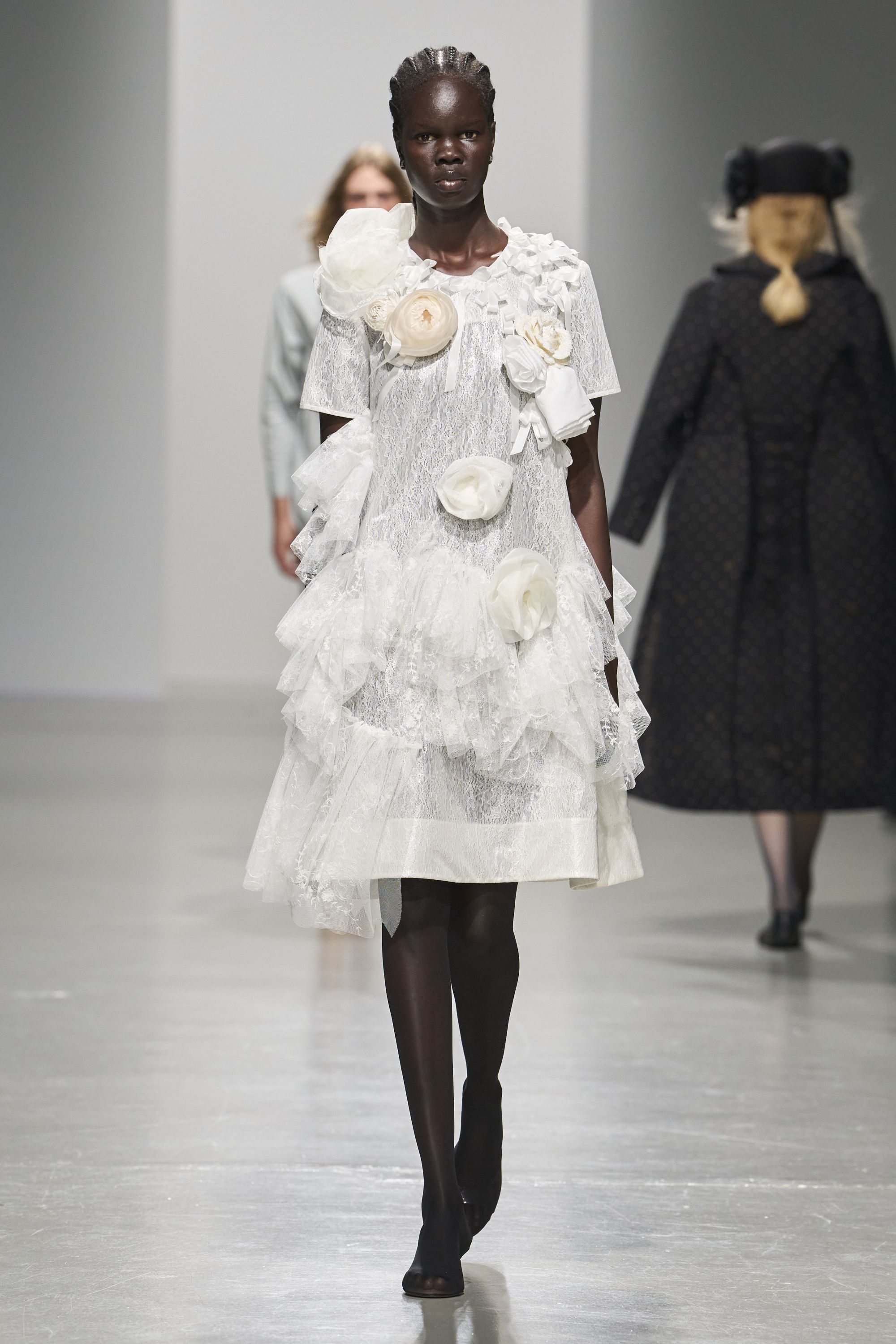
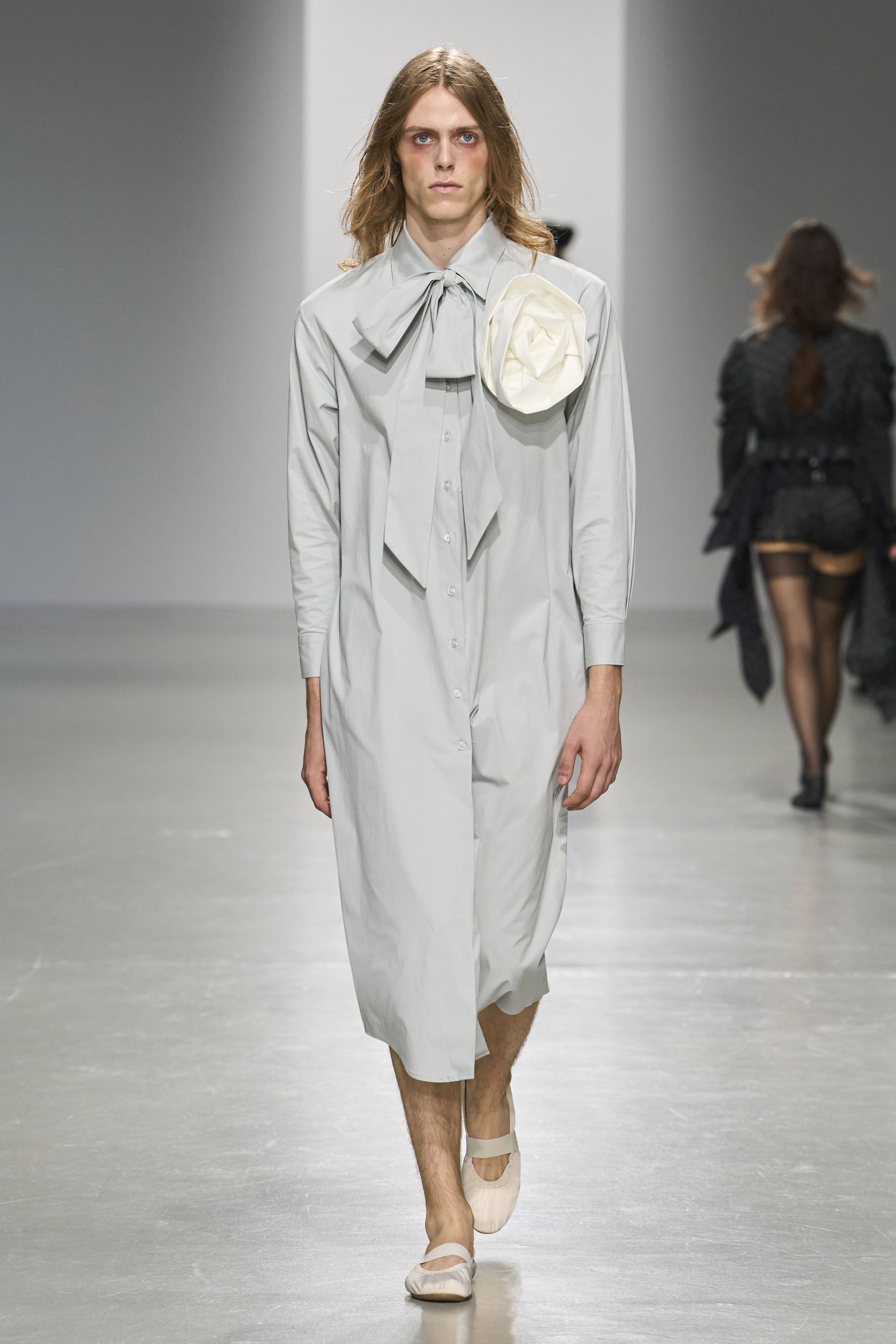
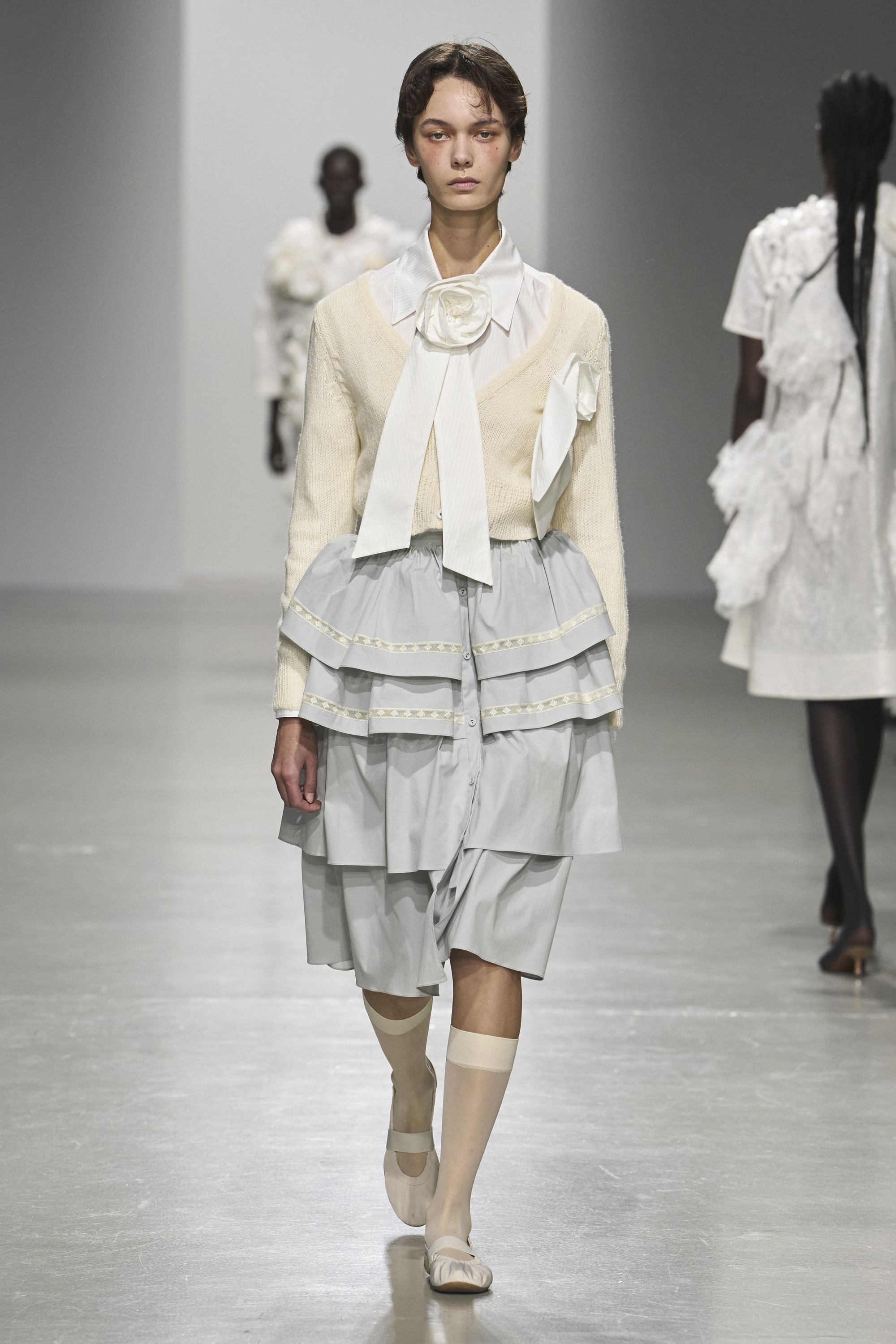
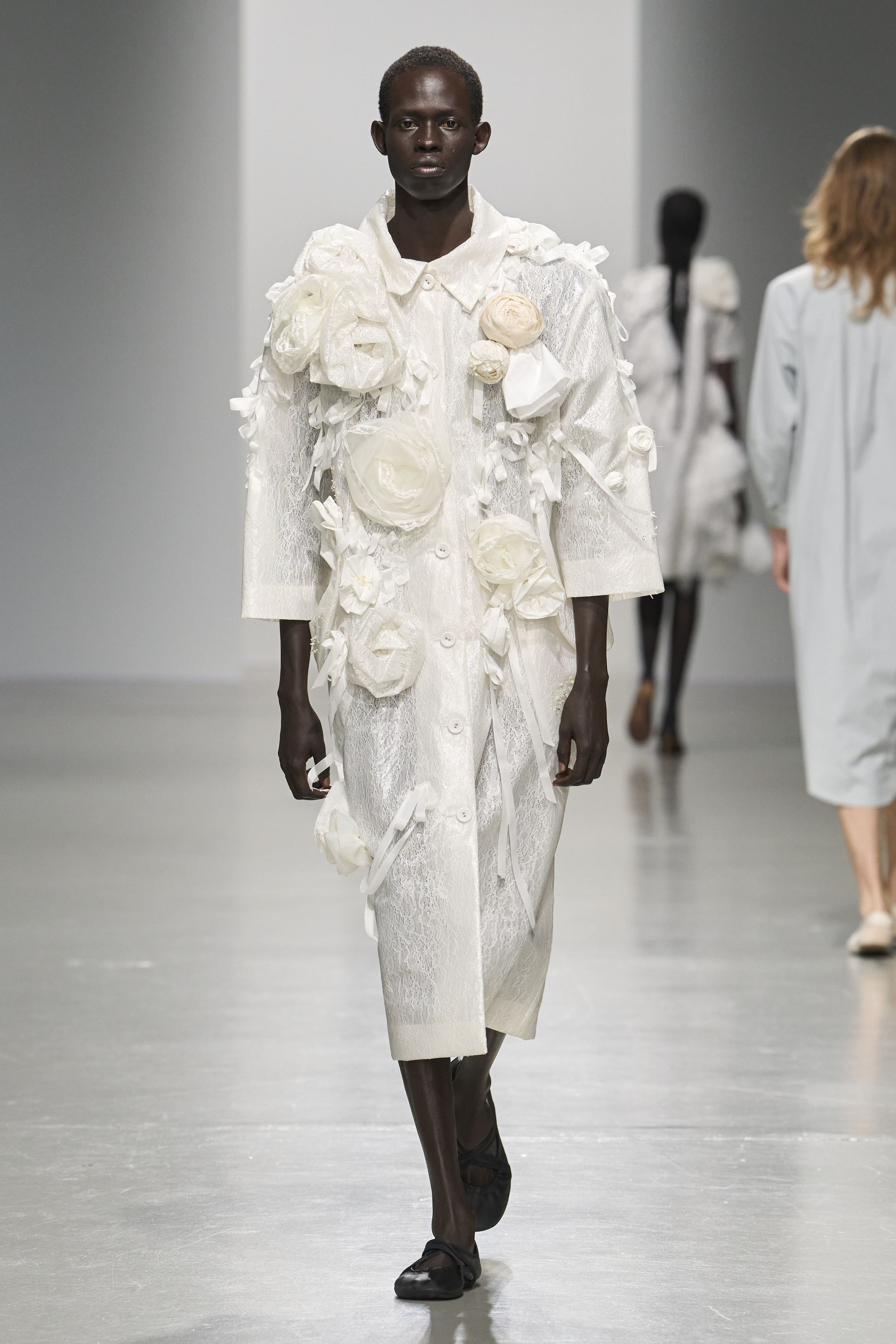
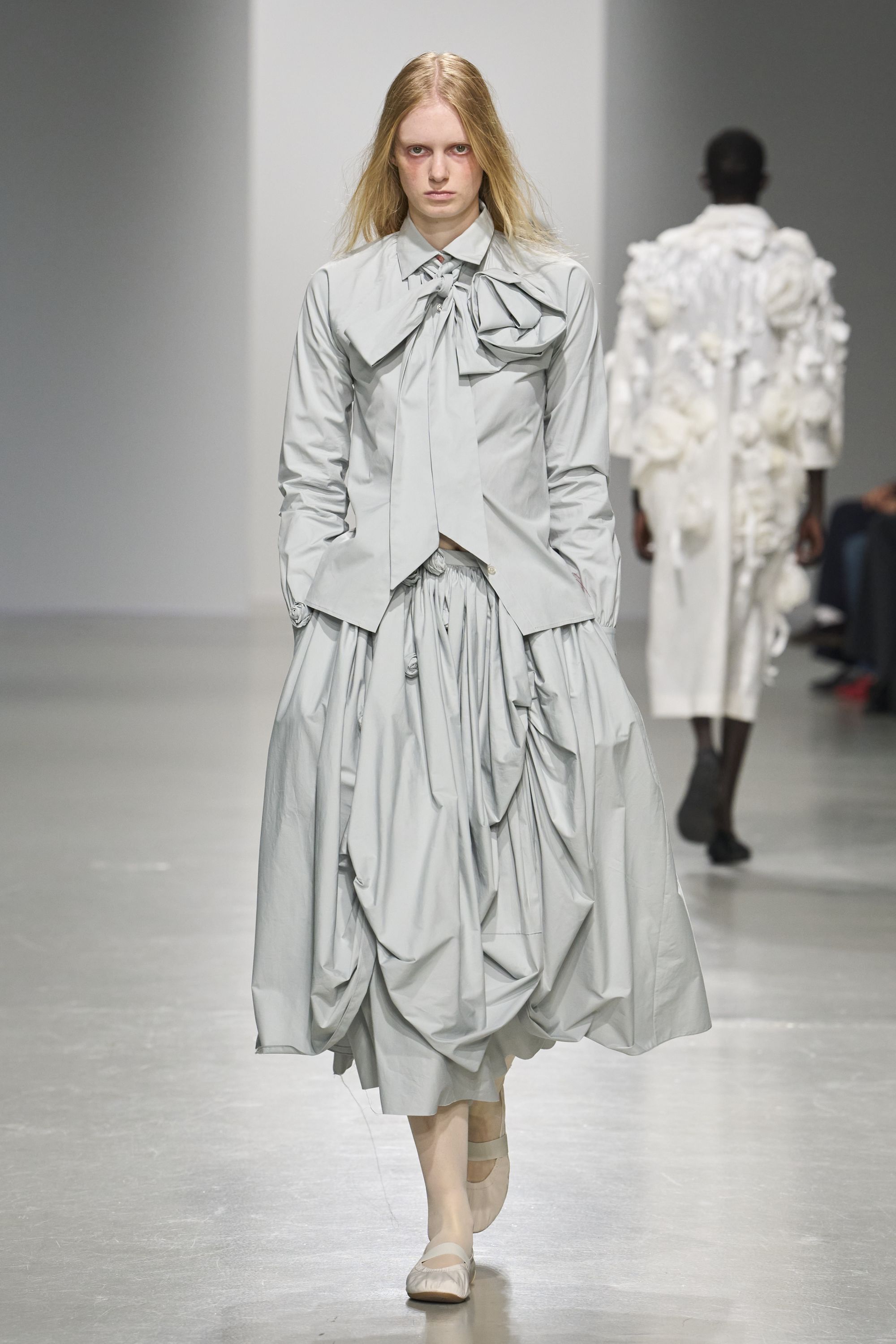
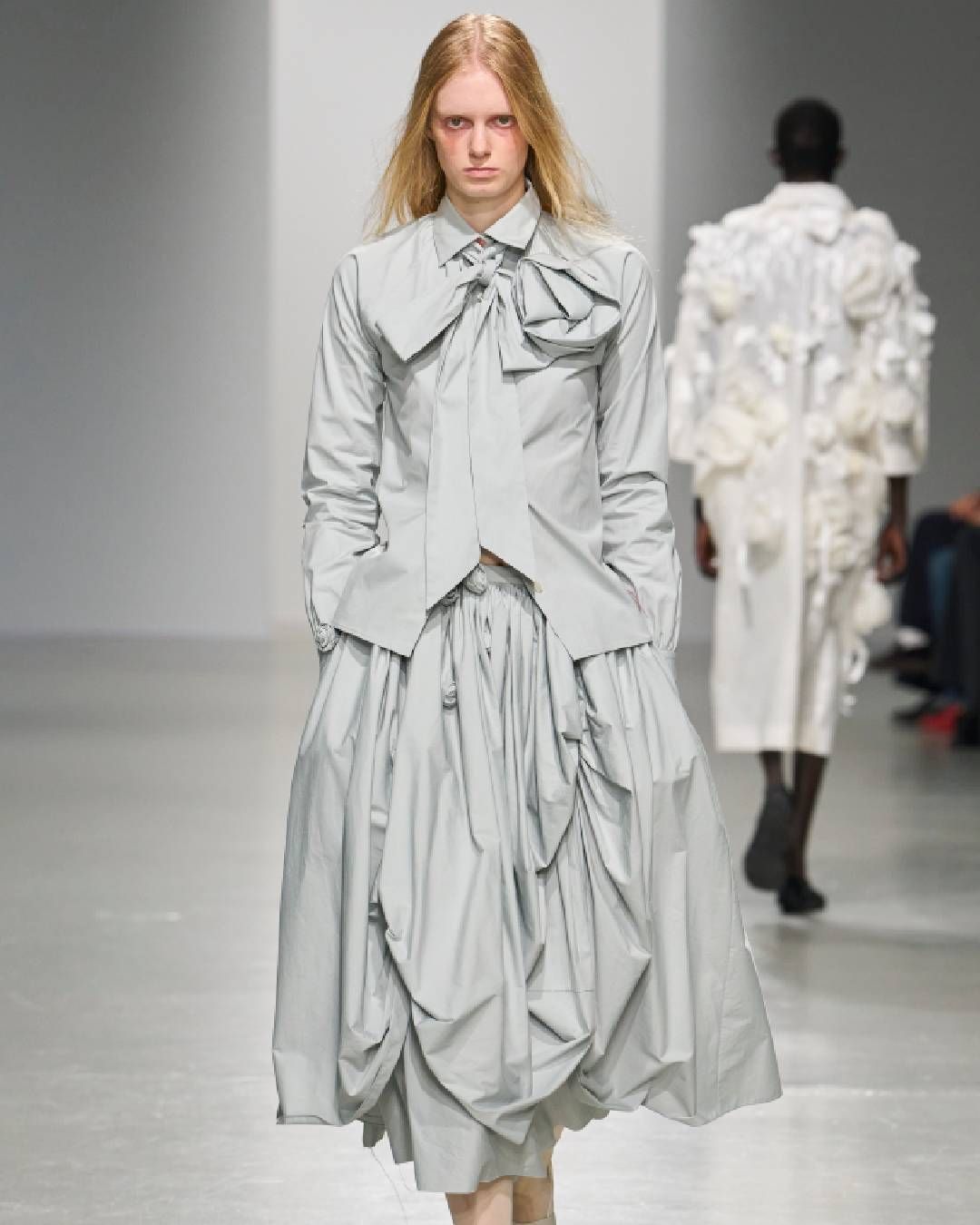
While luxury juggernauts continue to dominate the Paris schedule with viral superproductions and creative directions monopolized by a handful of men, creative resistance is taking place elsewhere. Intimate, radical, and unyielding, it is spearheaded by women who care neither about pleasing algorithms nor satisfying immediate profit margins. These designers are reinventing contemporary allure by tackling inherently political themes: genuine inclusivity, the preservation of regional craftsmanship against market standardization, the nuance of intimate storytelling, and body emancipation. Following this Paris Fashion Week, here are five singular voices demanding our full attention.
Adelina Bernard, or the phantasmagoric elegance of Hotel Arcidel
Based in the heart of Paris, the duo behind Adelina Bernard - Alice Adelina Lindvall and Menno Bernard Idink - craft garments designed as immersive narrative vignettes. For this collection, the discreet label dives into 1920s and post-war aesthetics through the lens of an imaginary establishment: Hotel Arcidel.
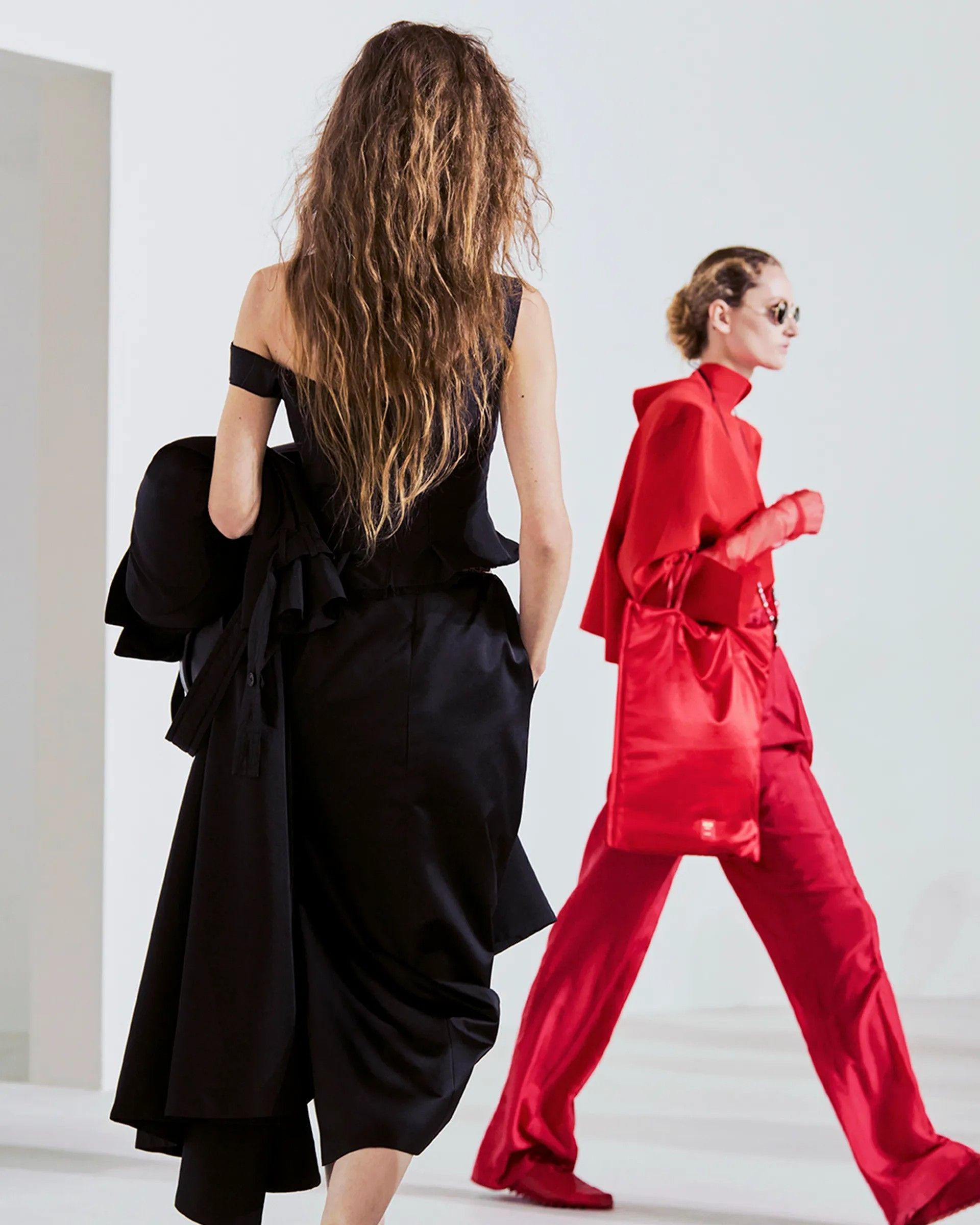
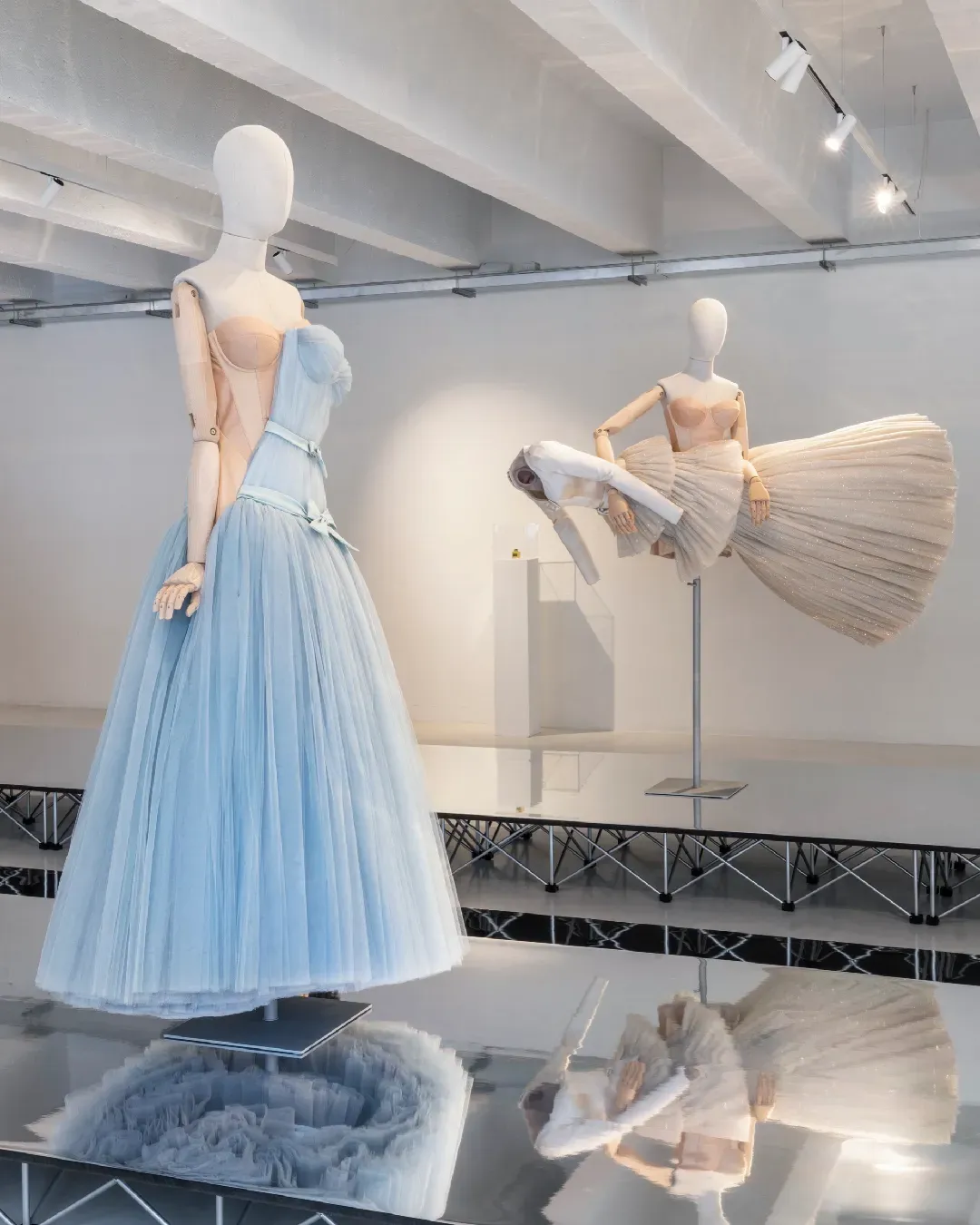
The collection unfolds like a cast of characters, ranging from wealthy guests to hotel staff. The opening silhouette sets the tone, drawing inspiration from a bellboy uniform structured by a detachable chest piece. The narrative then shifts into the intimacy of a room with a corset dress evocative of a lampshade - crafted in hand-dyed fabric reminiscent of period wallpaper - and a jacquard smoking jacket styled like a dressing gown. While the textiles echo a bygone era, the cuts feel distinctly modern, notably the dropped waistlines of a trench coat and a hand-pleated silk dress. A glass bead harness - the brand’s debut accessory - embellishes a silk jacquard kimono, highlighting the artisanal expertise of Adelina Bernard’s ateliers located steps away from Rue Quincampoix. The presentation is accompanied by a short film following models wandering through the labyrinthine halls of this fictional hotel. Striking.
Ester Manas takes on lingerie
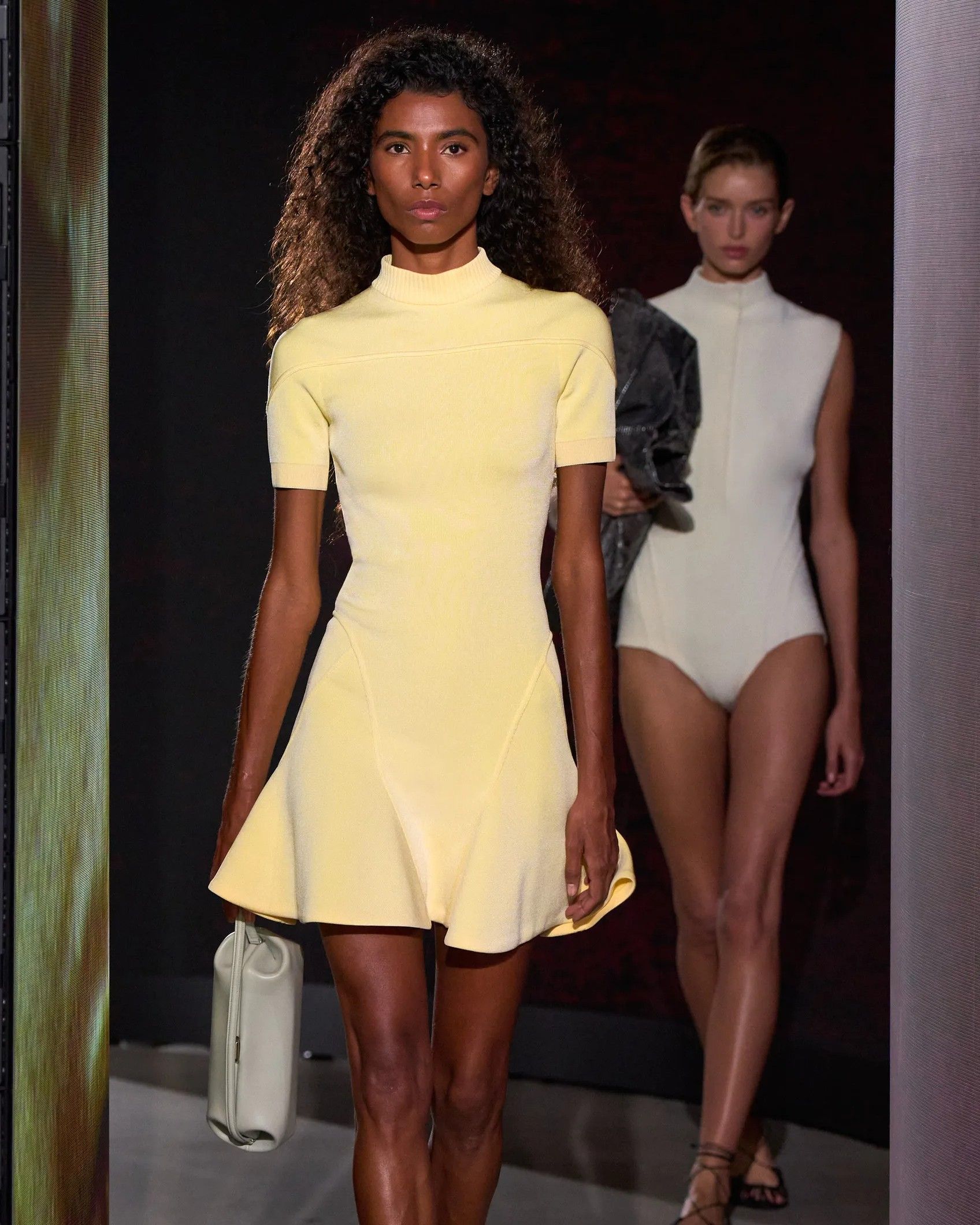
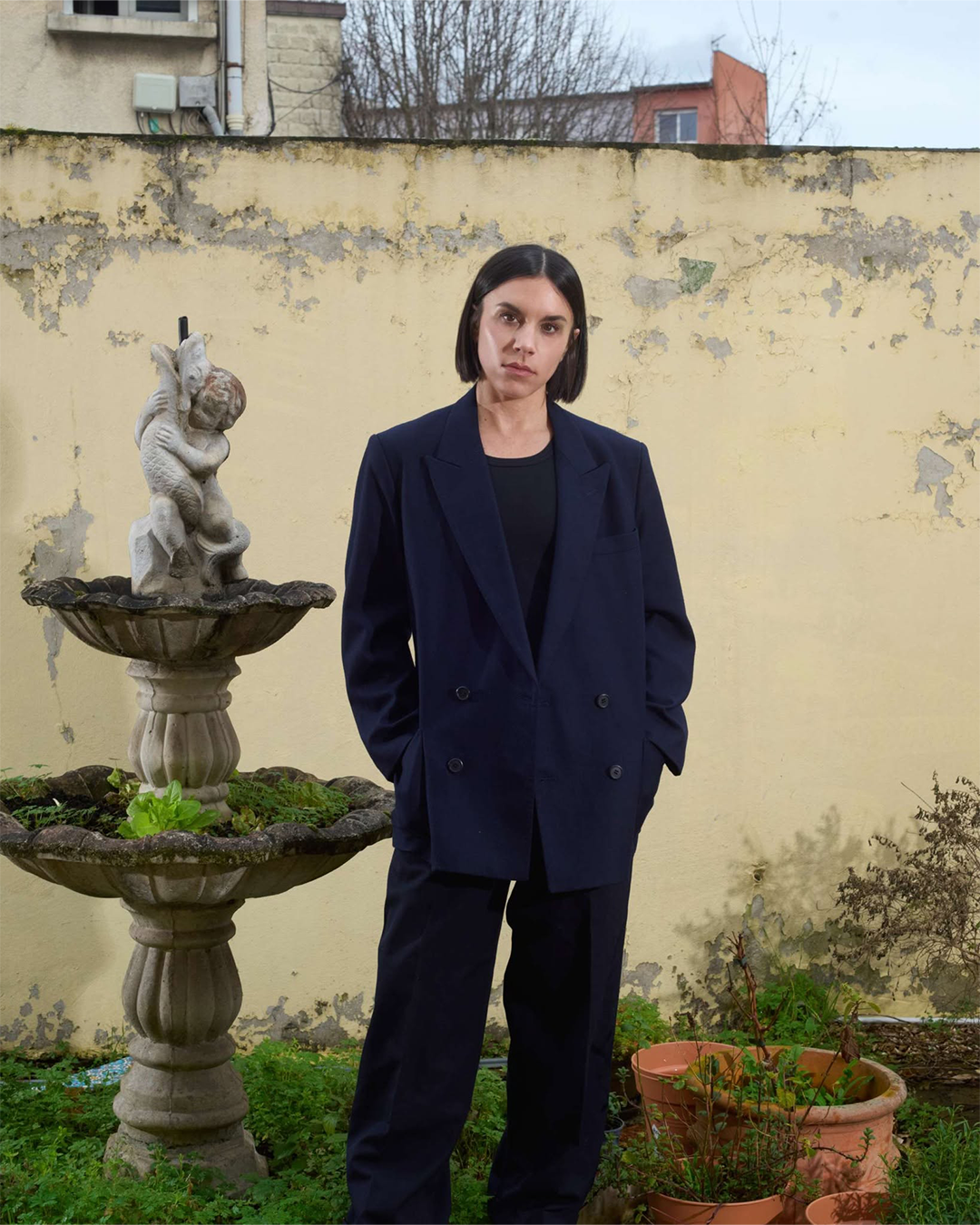
After a two-year hiatus from the Paris calendar dedicated to motherhood, Ester Manas made a triumphant return by opening the second day of Paris Fashion Week with her collection “Somehow I Manage.” Known for her manifesto “For Every Body, Literally,” the label shifts toward a more pragmatic approach. As the designer shared with Vogue France: “Today, we just want to make clothes. We don’t feel the need to shout anymore.”
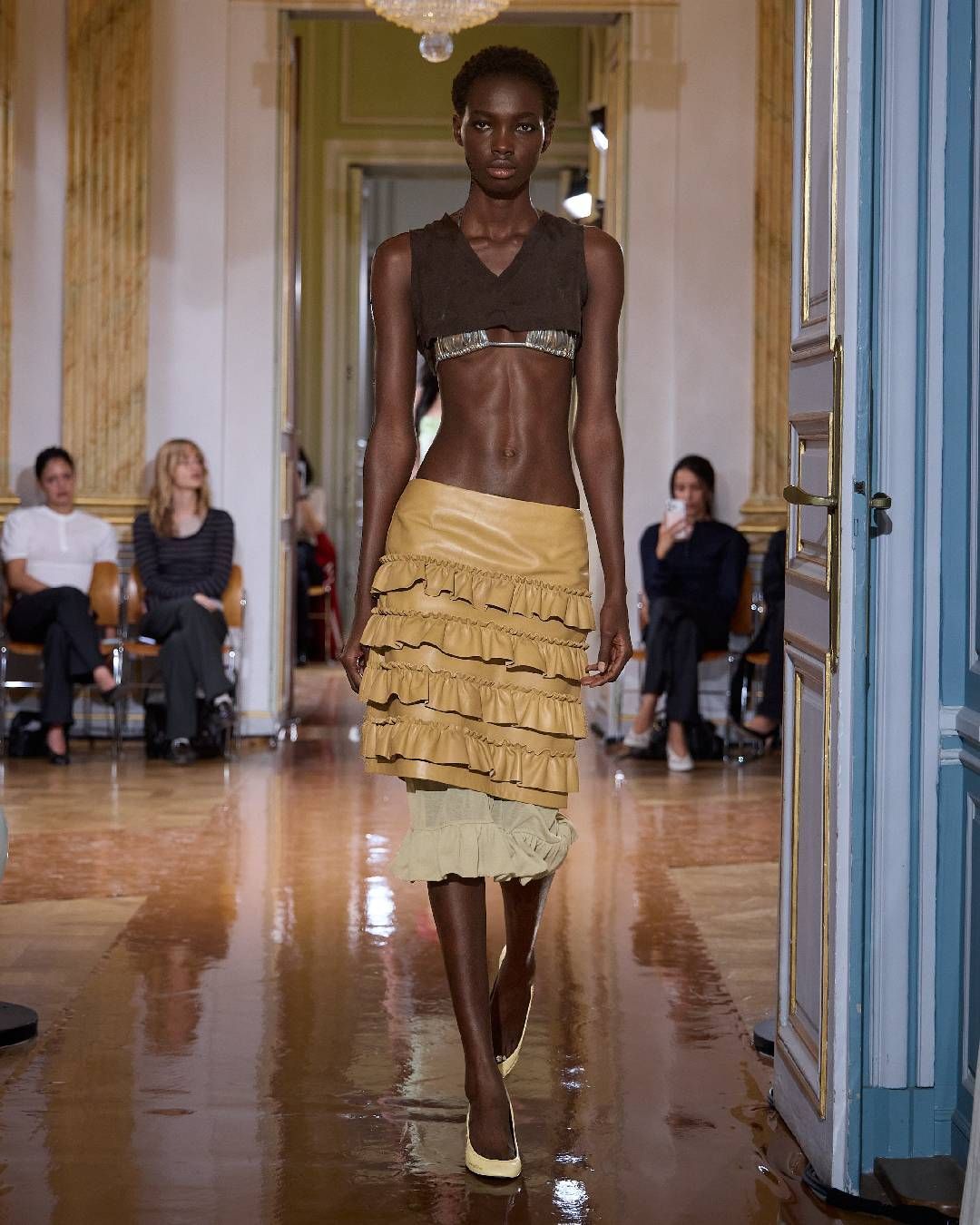
Inspired by real life and spontaneous daily styling, the collection blends body-con bodysuits, fluid skirts, and utilitarian staples like lumberjack shirts. The highlight of the show was the launch of a long-term partnership with Belgian lingerie specialist Prima Donna. Crafted from deadstock fabrics and released under a “see now, buy now” model, these hyper-inclusive intimate pieces are no longer meant to be hidden - they are proudly displayed alongside ready-to-wear. A collection to secure immediately.
The disturbing beauty of Jenny Fax’s childhood memories
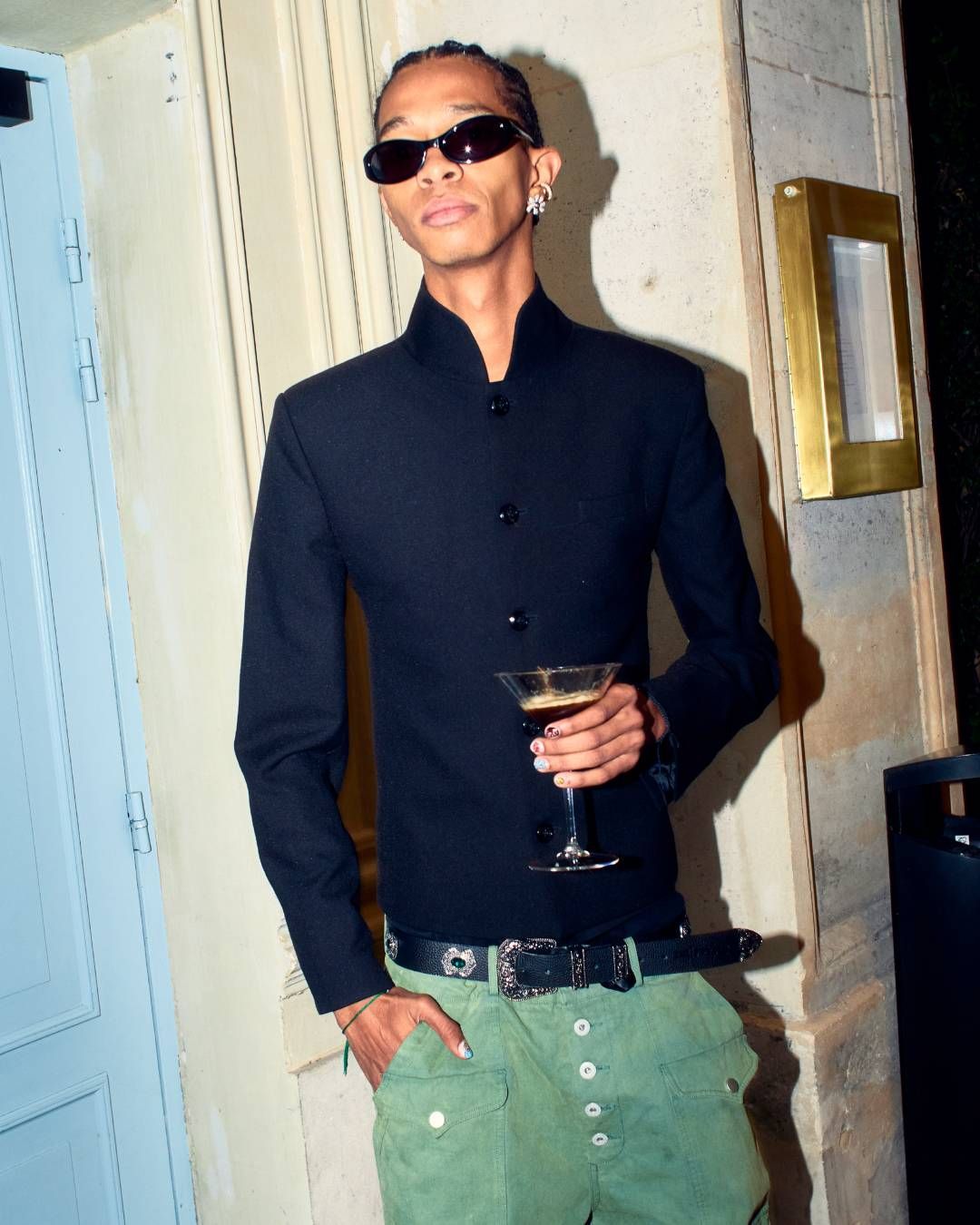
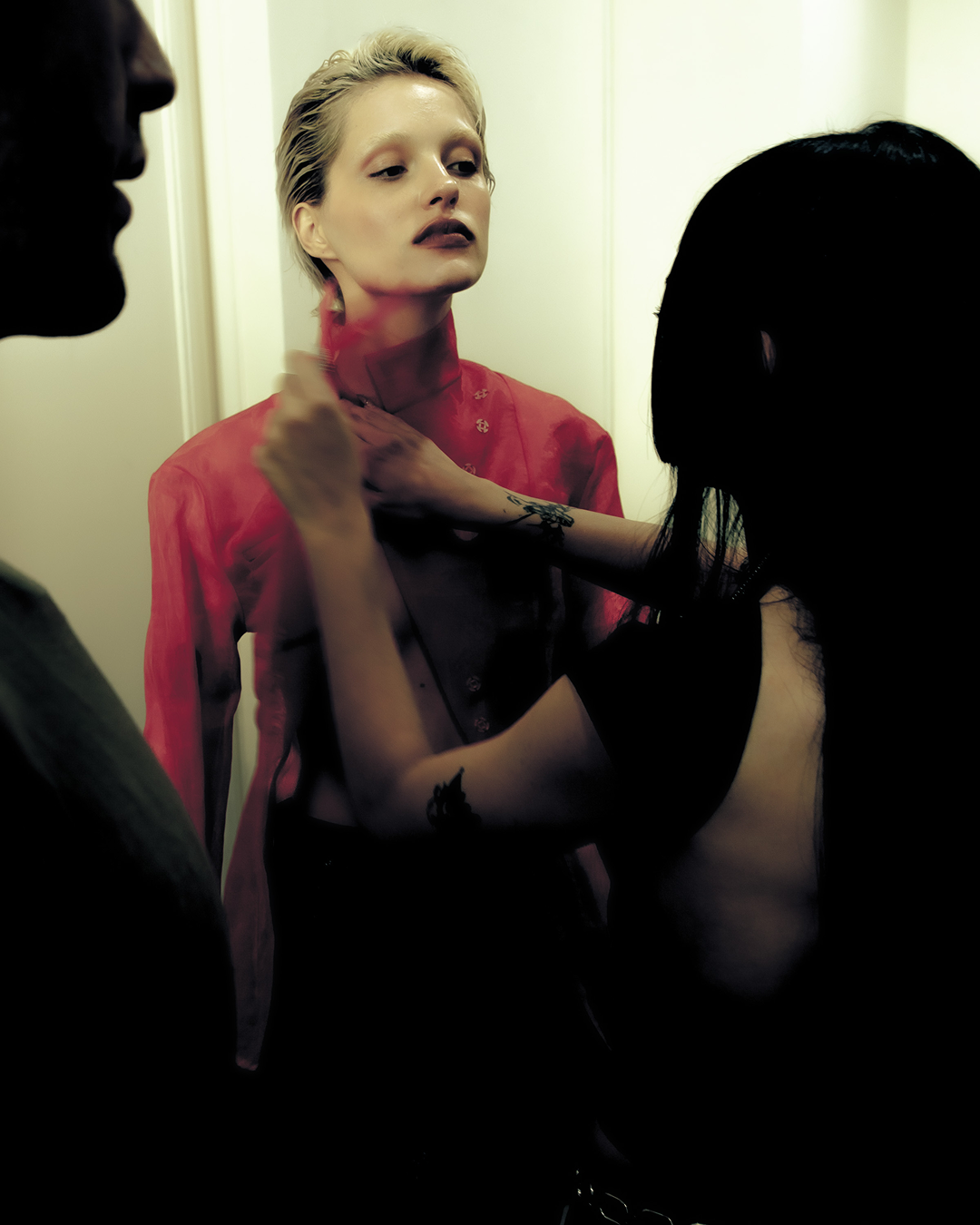
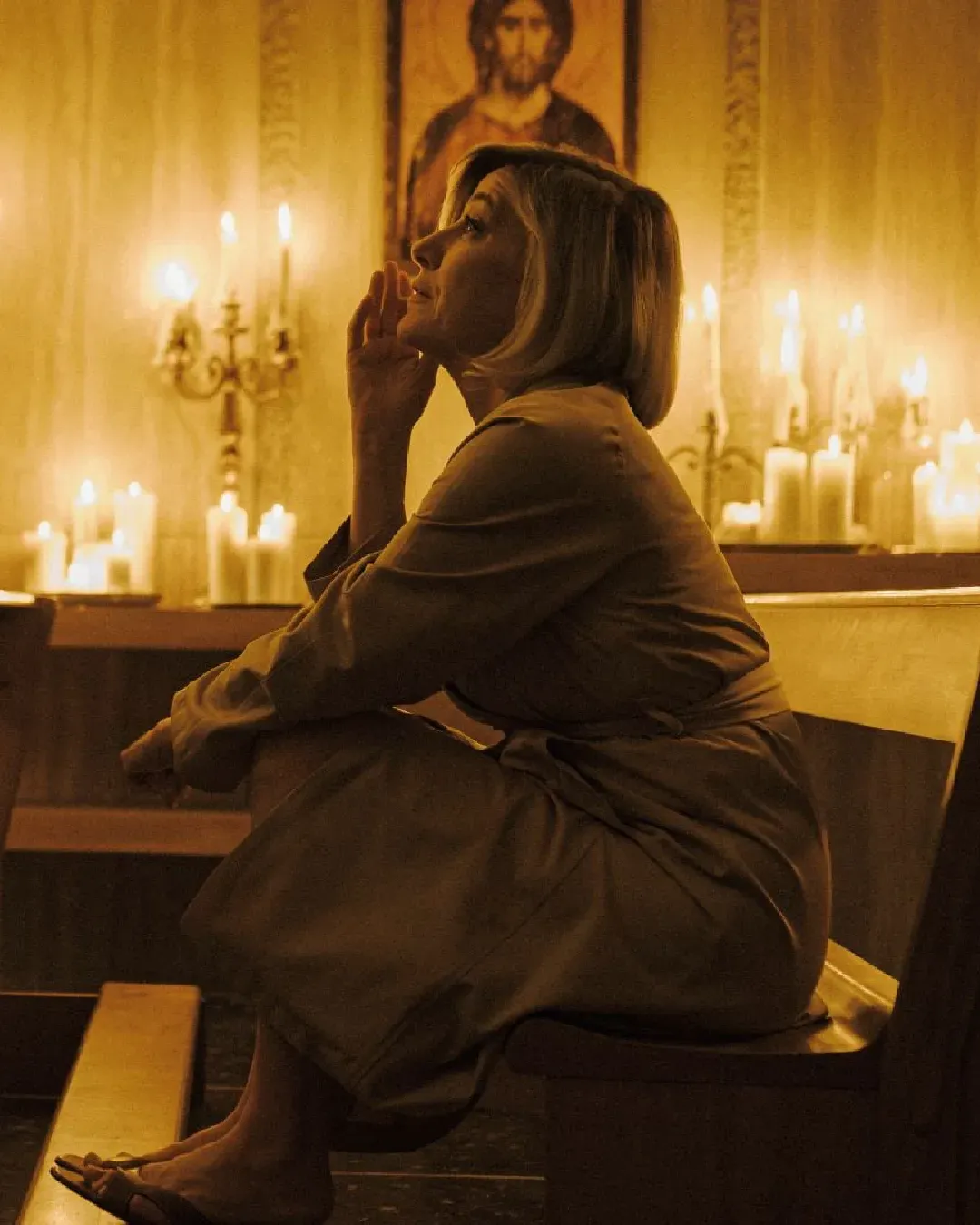
Titled “just don’t be happy, don’t be happy,” Jenny Fax’s SS27 collection draws its power from the cultural and personal paradoxes of its founder. Raised in Asia by parents fascinated by European courtly aesthetics, then educated at a rigid Christian school, the designer revives childhood memories within a set reimagining a family living room and garden table. The audience is immersed in domestic scenes where models reenact everyday moments. The styling collides a coy traditionalism - buttoned-up shirts and oversized floral pyjama dresses - with subversive reveals, such as slip dresses exposing delicate lingerie.
The Christian cross appears as a recurring motif: printed on a skirt, built into a book-shaped crochet handbag, or suspended like a floating necklace, evoking horror movie imagery. Bicolor tights and shoes visually reinforce the ongoing duality between Asia and Europe, the sacred and the profane. A high-wire act where domestic nostalgia offers no comfort, proving as haunting as it is fascinating.
Scientific precision and artisanal poetry at MERUERTTOLEGEN
A scientist by training before embracing fashion design, Meruert Tolegen - a 2025 LVMH Prize semifinalist and CFDA/Vogue Fashion Fund finalist - demonstrates the growing maturity of her eponymous label. Since her Paris debut in 2022, the Kazakh-born, US-based designer has crafted a design language rooted in the tension between femininity and masculinity.
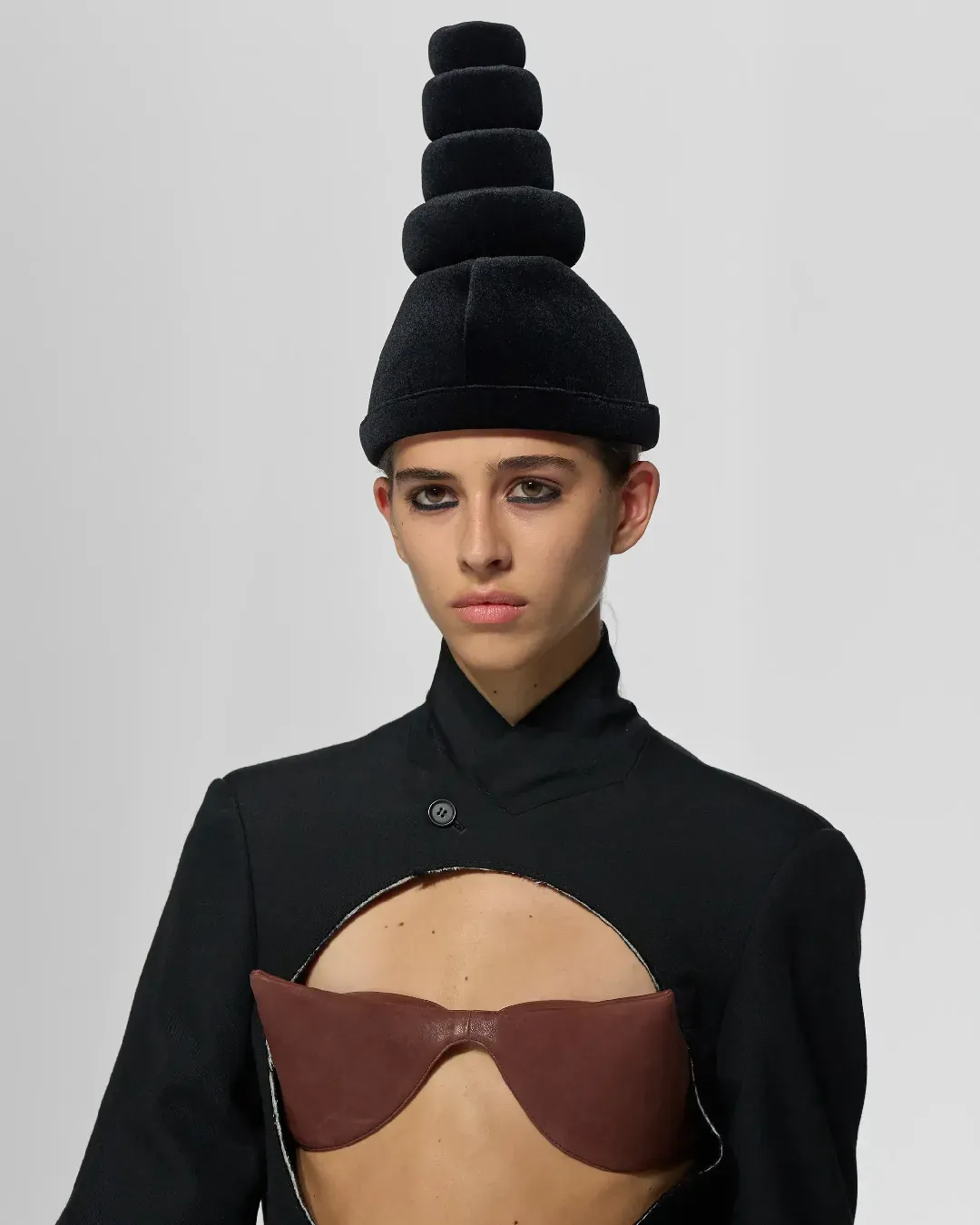
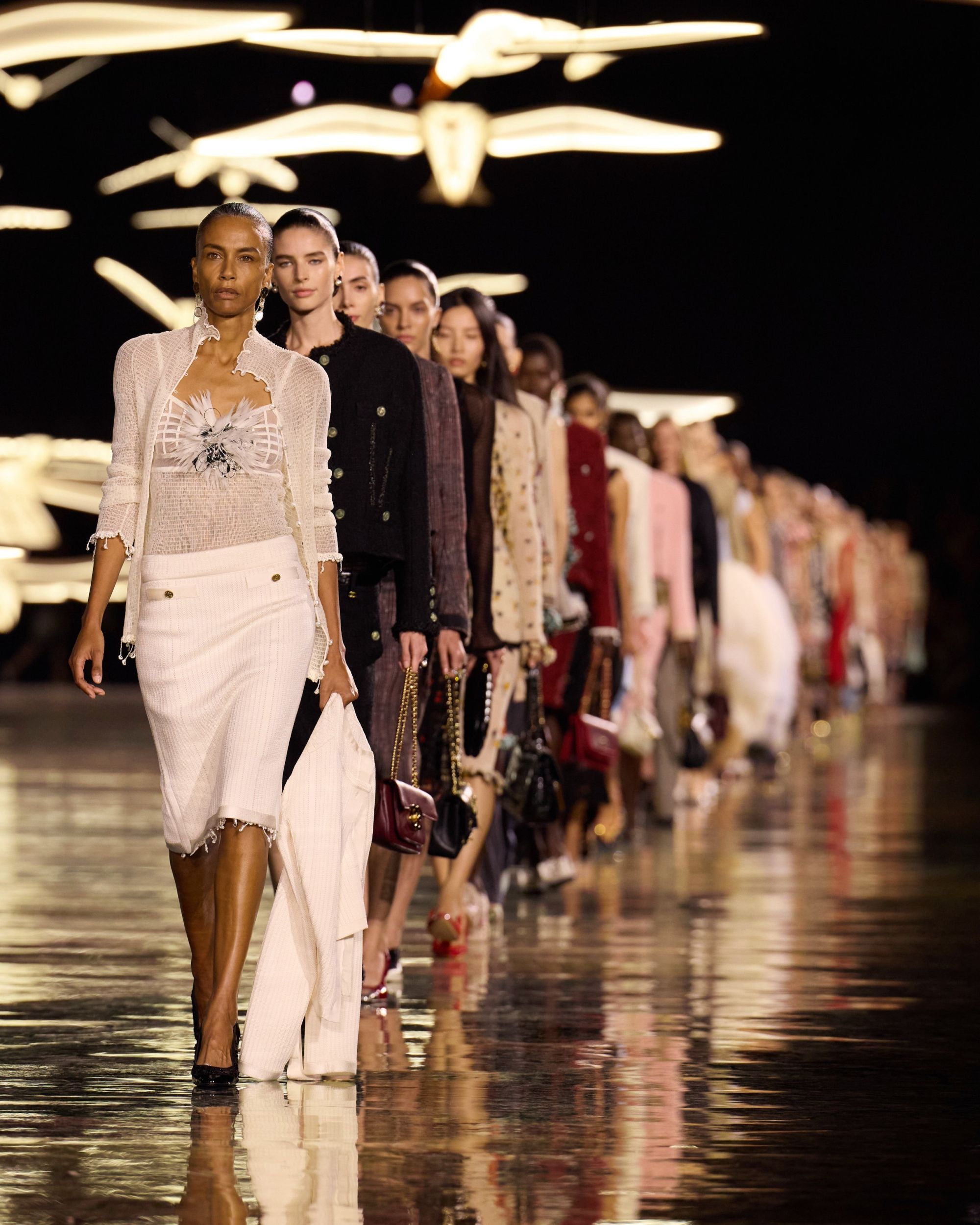
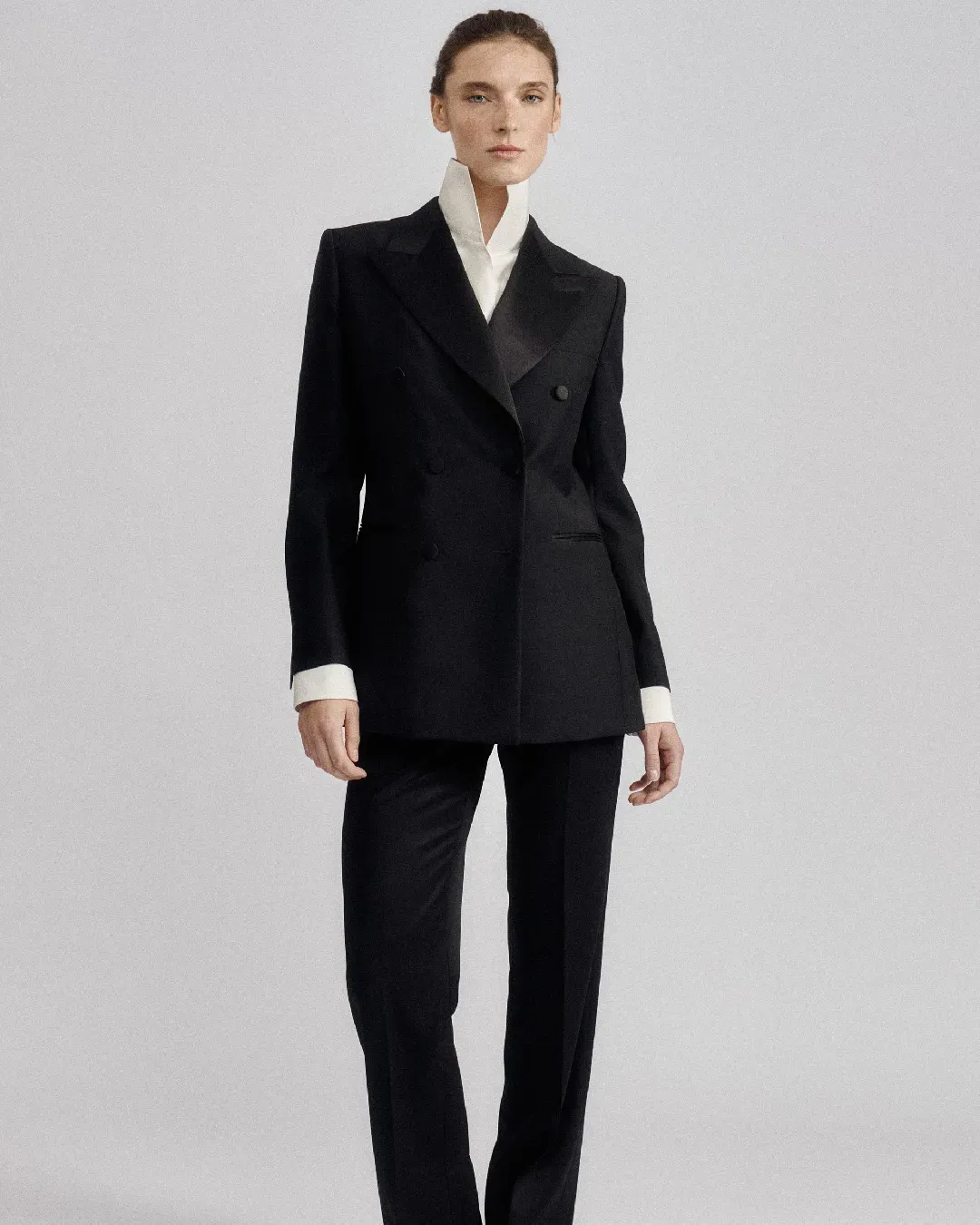
For this collection, the textile selection establishes a delicate dialogue between fluidity (silk chiffon, cupro, lace, mesh) and structure (denim, silk organza). Two original prints - an embroidered cross-stitch floral motif and a blurred field of flowers - bring a fresh, pictorial depth to the garments. The commitment to craftsmanship peaks in the hand-executed embroideries and floral appliqués, crowned by sculptural headpieces created in collaboration with milliner Gigi Burris. Proof that technical precision goes hand in hand with poetic vision.
Metamorphosis according to Tala Barbotin
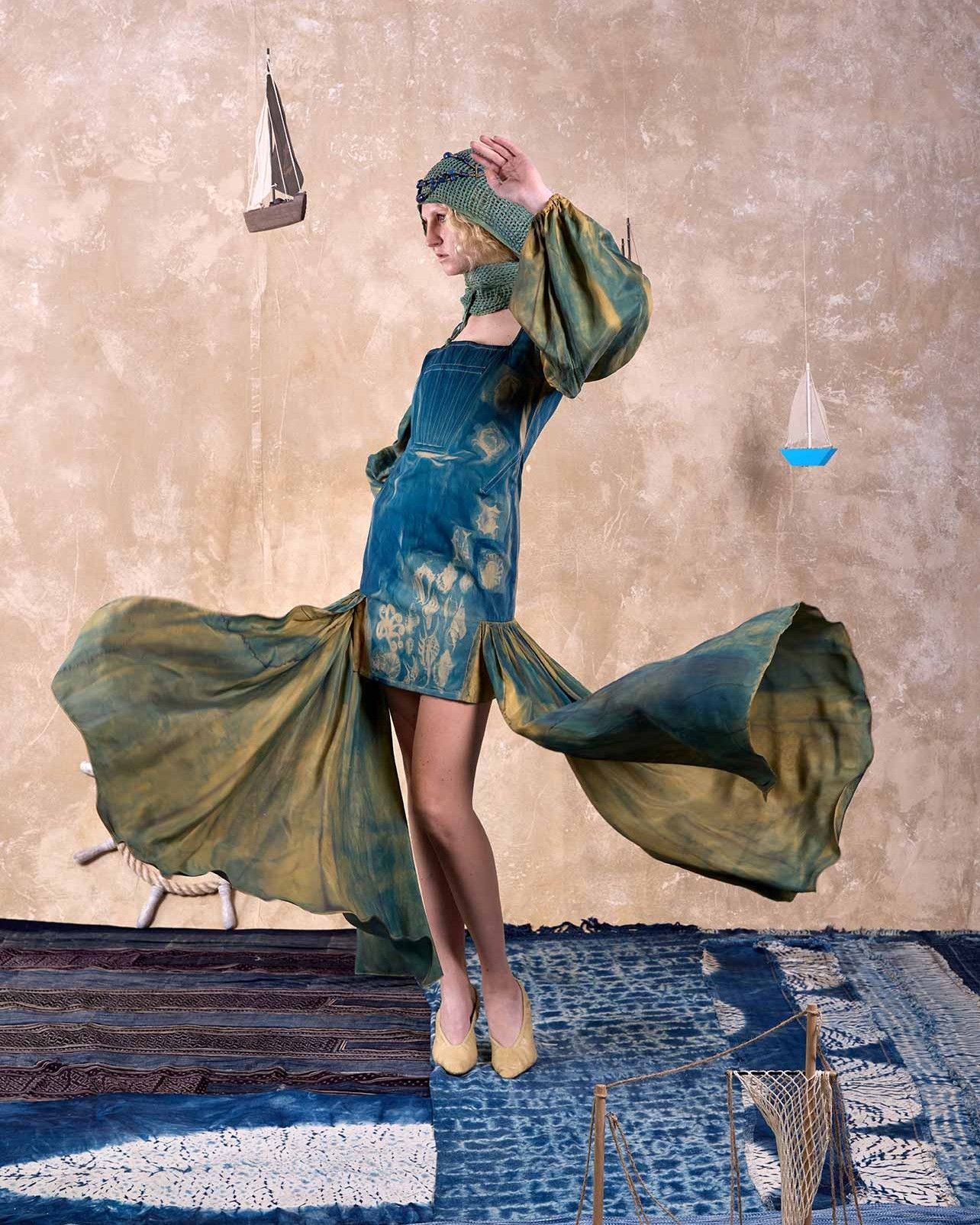
With her collection “The Moths,” Tala Barbotin delivers a poetic meditation on metamorphosis, taking inspiration from silkworms transforming into moths. The designer weaves a heartfelt homage to her native Lebanon and the traditional craftsmanship of the Levant region.
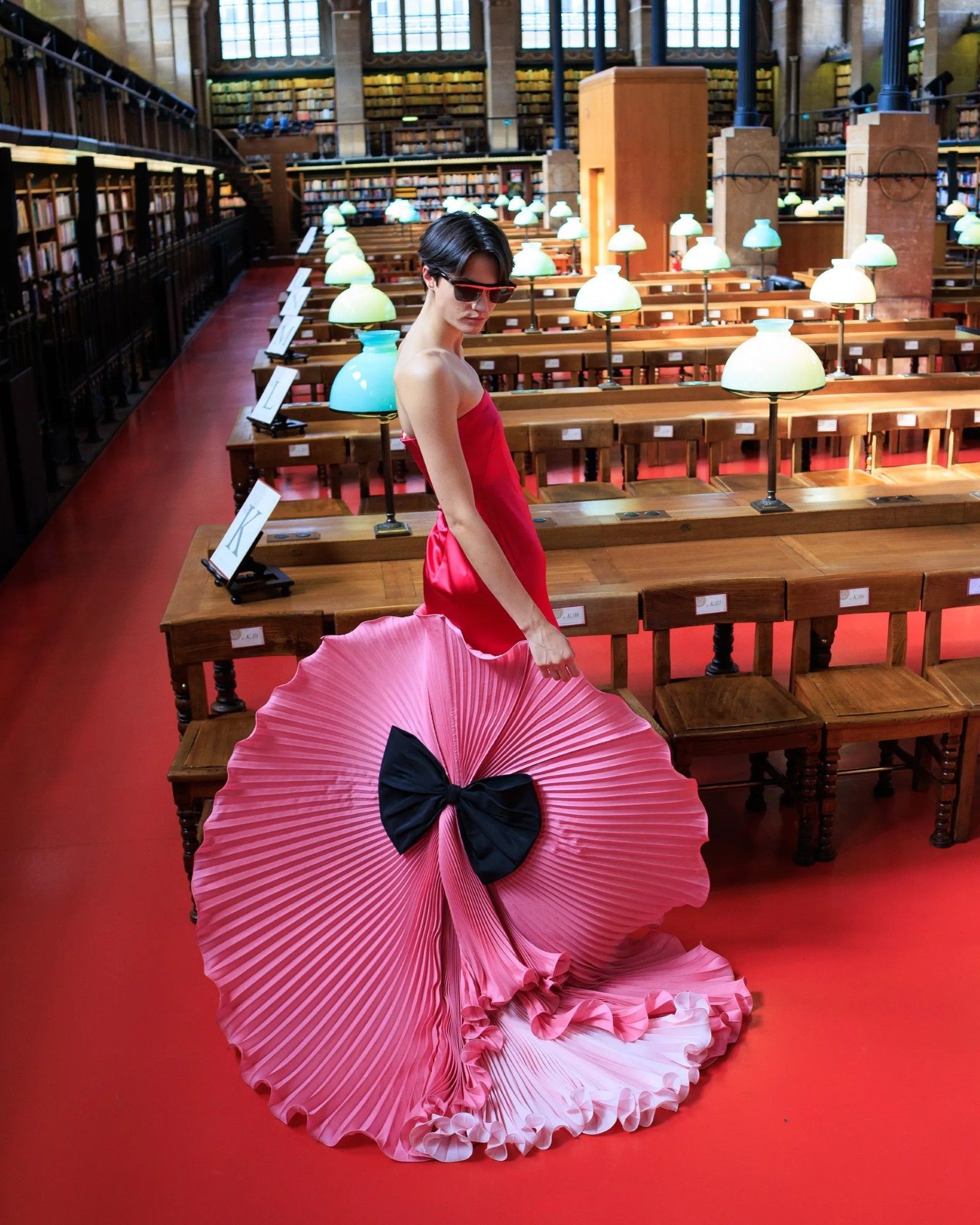
Blending noble textiles with contemporary elements (silk, silk-cotton blends, denim, tulle, alongside an unexpected collaboration with Asics), the collection breathes new life into deadstock fabrics sourced from Lebanon and Syria. Ancestral techniques - mulberry tree embroidery (a nod to the silkworm’s diet), trimmings, beadwork, and crochet - find a modern home in wearable silhouettes, including silk jackets reinterpreting the traditional abaya and maxi dresses utilizing sunray pleating for effortless, unrestrictive movement.
The color palette, mirrored after the iridescent tones of moth wings, unfolds deep blues, earthy greens, rich burgundy, and hints of gold, drawing the audience into a dark, mesmerizing universe.
Whether deconstructing body size stereotypes, honoring the memory of a threatened territory, or questioning complex cultural inheritances, these designers remind us of a fundamental truth: the most compelling garments are those that carry a genuine worldview. By creating fashion designed by women for women, they strip the wardrobe of the male gaze, reclaiming functionality, real bodies, and political resonance at the core of design.