
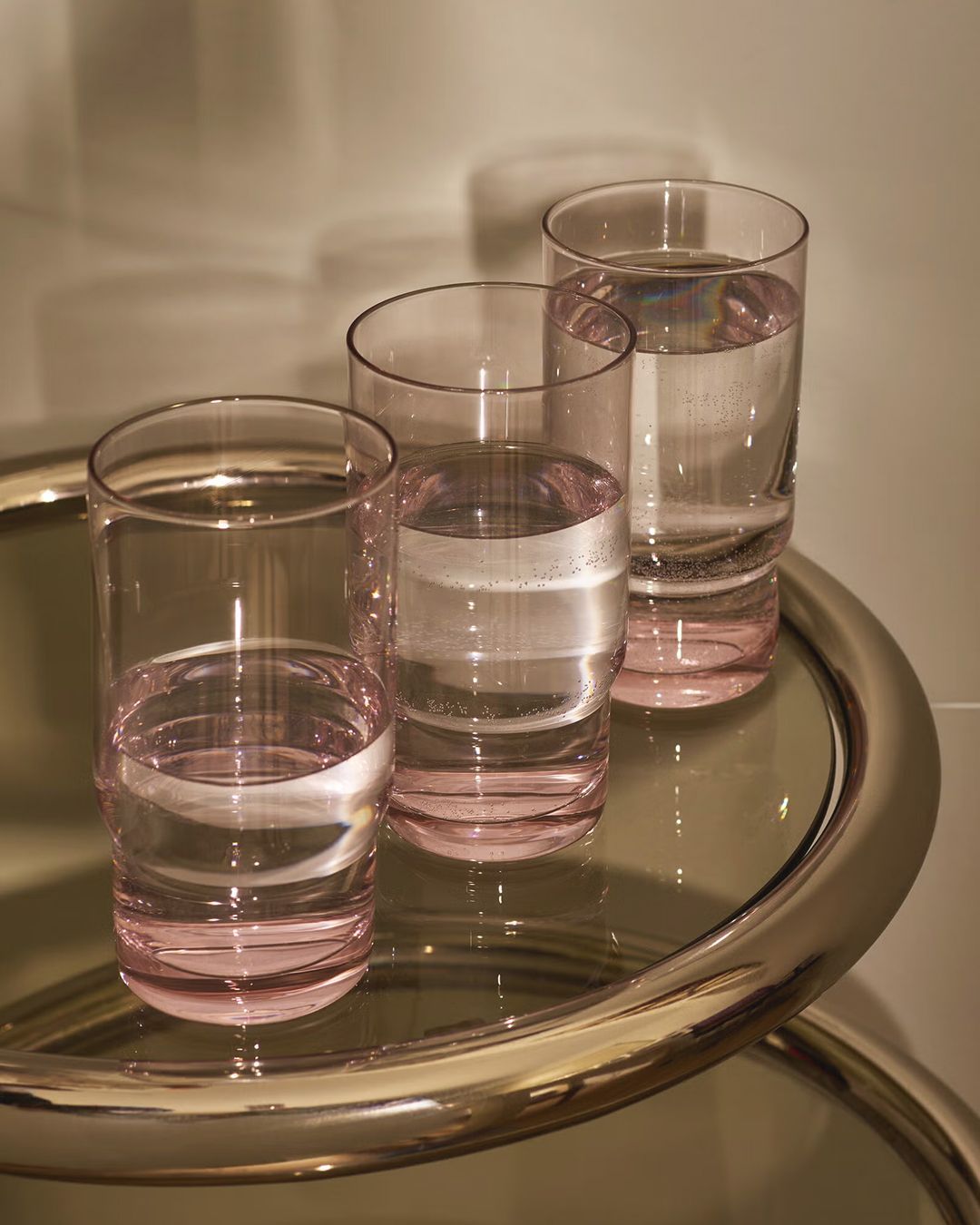
What is luxury water? The wellness craze is giving rise to strange trends among the wealthy
While remaining a niche market, in recent years the so-called fine waters segment has grown. These are waters that, owing to their subtle flavor nuances, are considered particularly sophisticated. For those who move in this world, water in certain cases is not simply meant to quench thirst: on the contrary, it can become a genuine beverage in its own right, with a well-defined flavor — determined, for example, by its mineral content or its origin, among other things.
What is behind the popularity of premium waters?
throwback to when beyoncé taught us about water bending in japan 2008 for a crystal geyser water commercial https://t.co/eRwwnTHqcs
— (@beynoir) September 22, 2025
Fine waters are generally found in high-end restaurants or luxury hotels, but they can also be purchased — as enthusiasts and collectors typically do — at dedicated retailers, both online and offline. In some cases, the price of a single bottle can reach thousands of euros, determined by a combination of factors, including bottle design.
The fine waters market is particularly well developed in the United States, where the sale of purified water is widespread — water that has undergone processes to remove impurities, bacteria, and heavy metals, and which may also reduce its mineral content. In this context, waters that are naturally sourced, boast a particular provenance, or have a specific mineral composition can more easily gain value and popularity. In central Europe and beyond, on the other hand, the widespread presence of natural springs and mountain waters means that bottles with specific characteristics are far more common even in mainstream retail.
Why luxury waters are booming
@morganchompz Trying different kinds of water Who has the best bottled water? Perfect time for Dry January for those who drink? #water #colddrink #icewater #watertok #drinkreview original sound - Morgan Chomps
The fine waters phenomenon began to take hold as far back as the 1970s, when brands such as France's Perrier and Italy's San Pellegrino helped lend mineral water a certain prestige. Since then, the market has expanded with a growing number of waters sold as exclusive products, including Fiji Water, Breeze, Balbin, Pure Mist, and Svalbardi — the latter, when it was still in production, cost around 100 euros a bottle, while today some packages can exceed 5,000 euros.
Among the factors that have driven the success of premium waters is the growing centrality attributed to personal wellbeing — especially in countries like the United States, where self-care has become almost a trend: in this light, the habit of staying hydrated is considered even more important, alongside a balanced diet and regular physical activity.
This trend has also been reinforced by the growing association of water with a genuine lifestyle product: from water bottles that have become cult objects on social media to premium waters themselves, right through to water tastings and dedicated content on TikTok — in this sense, water can even become a means of expressing one's personal style and identity. Furthermore, at a time when freshwater is regarded as an increasingly precious and strategic resource, what one drinks can thus become yet another way of signaling one's social status.