
































Trump wants to fight «fake Made in America products» But is his policy really nationalist?
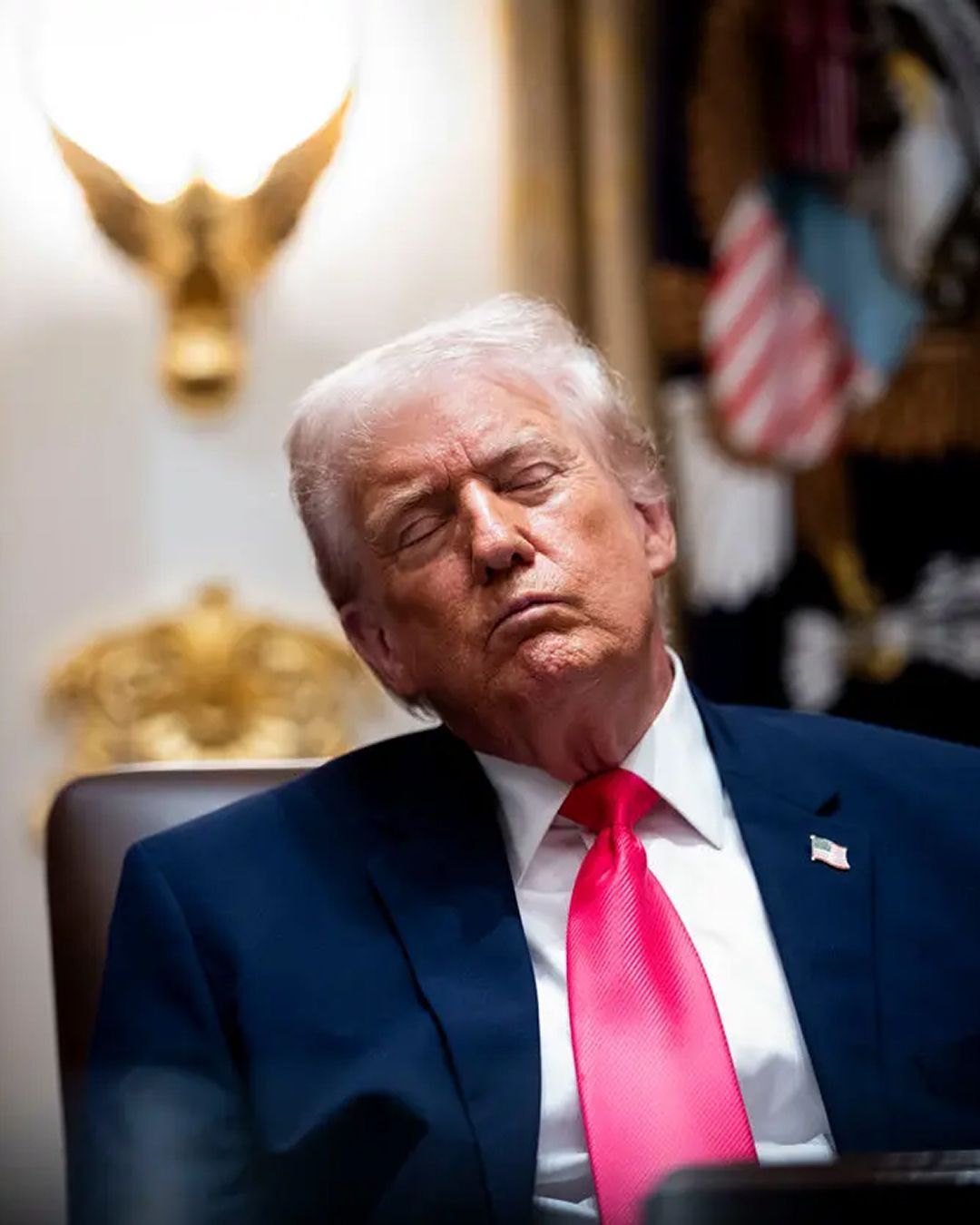
Recently, Trump signed an executive order - a legal instrument through which the President of the United States can issue operational directives to federal agencies without going through Congress - with the stated goal of combating the improper use of the Made in America label. According to statements from White House spokespersons, the measure aims to target manufacturers and sellers, including foreign ones, who present products as American even though they are not.
The decree assigns a central role to the Federal Trade Commission (FTC), the independent authority that in the United States protects consumers and monitors unfair commercial practices: according to Trump’s decision, the institution will have to prioritize investigations and sanctions against companies that falsify the American origin of their products, or that use misleading advertising messages in this regard.
The rhetoric behind "America First"
@kaitlynhennessy America First is America Alone #americafirst #unitedkingdom #australia #japan #france original sound - Kaitlyn Hennessy
Trump’s measure is part of the broader strategy of the Republican administration to strengthen domestic manufacturing and ensure greater transparency regarding the origin of goods produced in the country. For this reason, the executive order also introduces periodic checks on sales. In the most serious cases of violation, the companies involved may be referred to the Department of Justice, the body in the United States that has the authority to initiate legal proceedings.
All of this, however, is not surprising: since the beginning of his political career, Trump has built his political message around a nationalist rhetoric summarized in the slogan America First. Trump has often argued that U.S. trade policy should primarily focus on the country’s internal problems, rather than on strong international engagement. In this perspective, Trump has frequently accused the traditional political establishment of being «globalist»: a term used in a derogatory way, originating in American right-wing circles, to describe a political and economic elite considered too favorable to globalization and international cooperation, and therefore insufficiently attentive to the country’s internal social and productive difficulties.
Is Trump’s political approach contradictory?
@mattandjustusofficial The Gulf of America @Timmy Josten #funny #comedy #america #usa #mexico #us original sound - mattandjustusofficial
However, despite his rhetoric, Trump’s actions have never been based on a coherent and systematic doctrine. Unlike many of his predecessors, who tended to justify their decisions with relatively stable ideological principles, Trump has often adopted a more personal approach - probably deriving from the fact that he is first of all an entrepreneur who grew up in the real estate sector. In essence, his choices seem to be driven mainly by considerations of immediate political or economic opportunity, rather than by a long-term strategy.
This way of acting has generated a series of measures often perceived as contradictory. For example, Trump announced the introduction of tariffs - the well-known taxes on imported goods designed to protect national industries - only to later reduce or suspend them; he initiated trade tensions with China and subsequently sought agreements with the country; he criticized U.S. military interventionism abroad, only to later support several international initiatives. It is no coincidence that, in this regard, Trump has made extensive use of executive orders, which are precisely instruments for relatively rapid political intervention. But when faced with criticism about the consistency of his line, Trump has repeatedly responded that the concrete meaning of America First is for him - and him alone - to define from time to time.