



























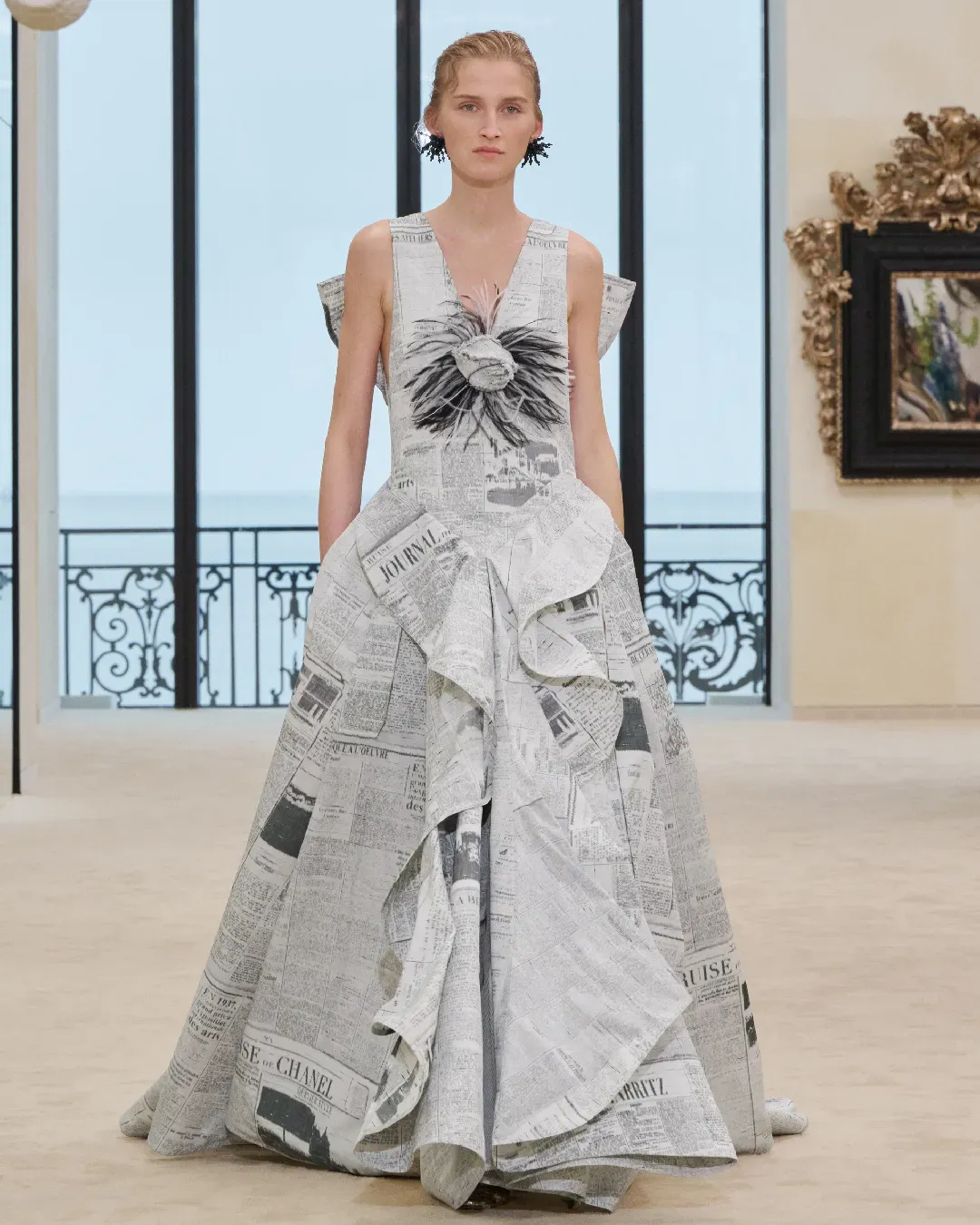
The Newspaper Dress is more controversial than you might think From Schiaparelli to Galliano, the dress on Chanel’s runway brings old concerns back to the surface
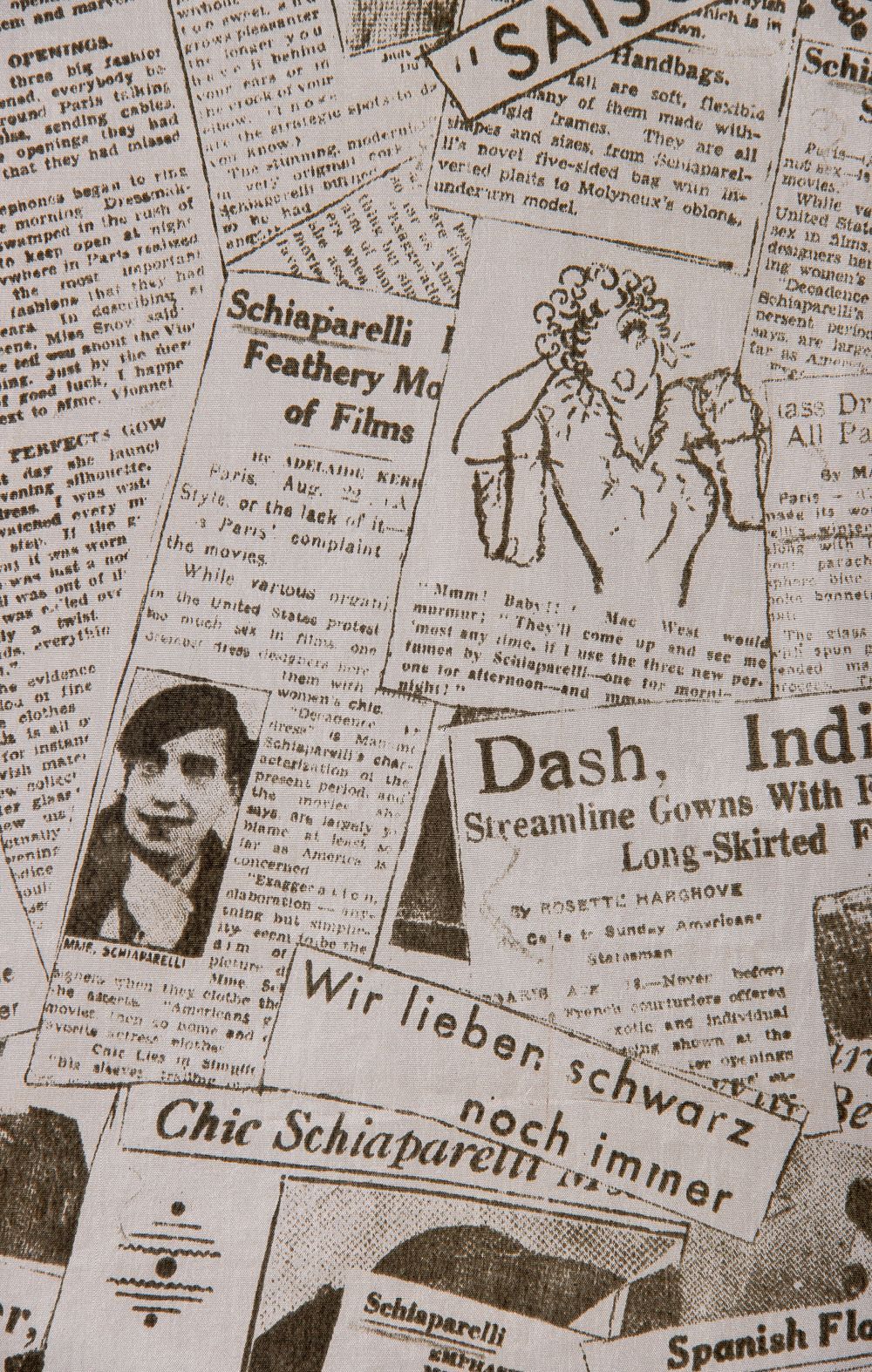
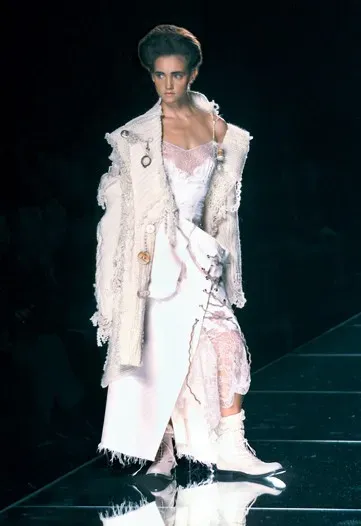
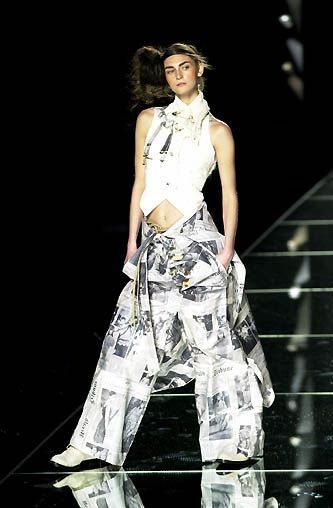
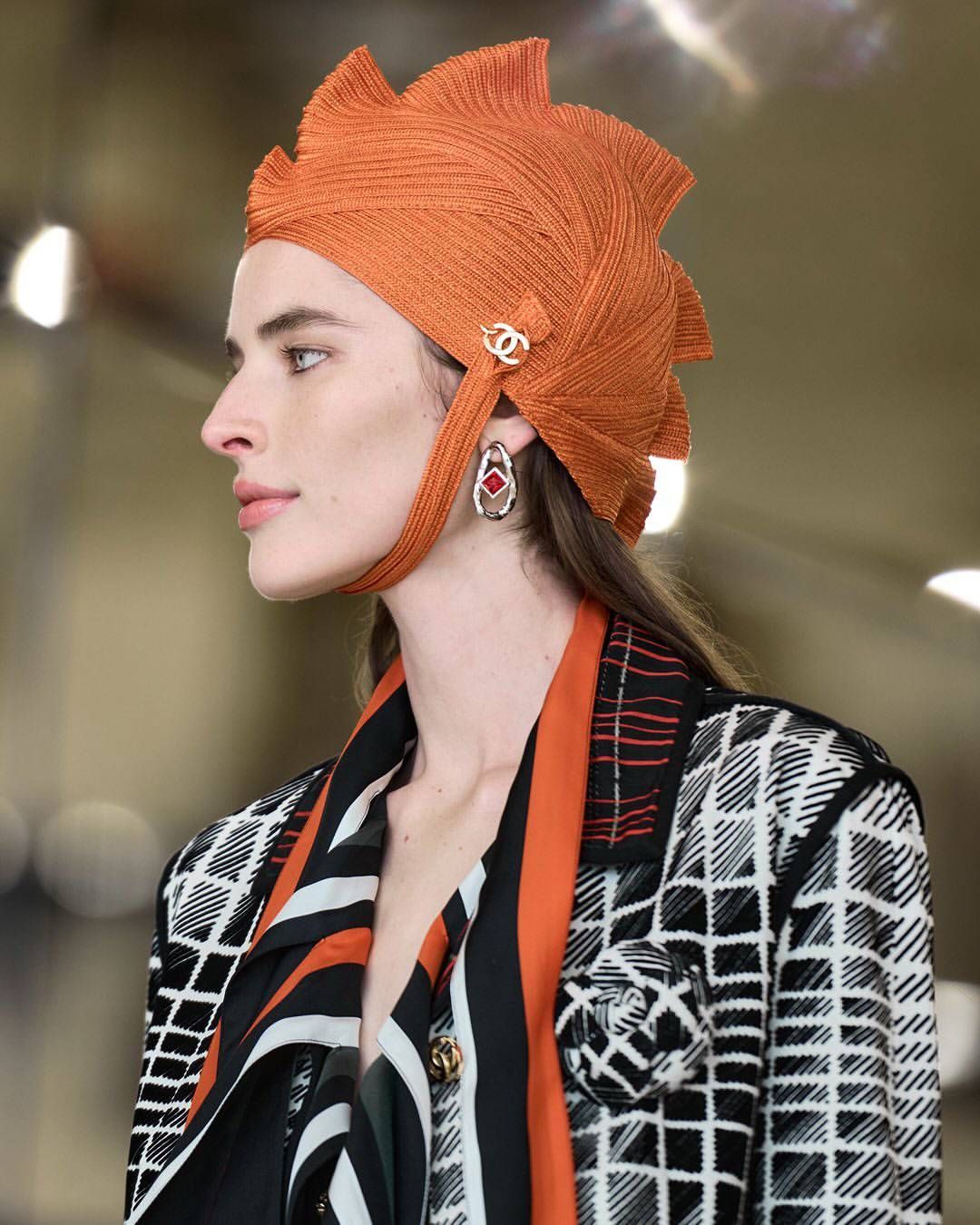
Yesterday afternoon, in the charming seaside town of Biarritz, France, Chanel presented its new Cruise 2027. Among endless references to the nautical world and oversized colorful accessories, creative director Matthieu Blazy signed his fifth collection for the brand, focusing entirely on the roaring 1920s. But among the prints explored in this collection, there is one surprising element that took shape in the 1930s not from the mind of Coco Chanel, but from her most famous rival, Elsa Schiaparelli.
Some of the looks from Chanel’s Cruise 2027 were Newspaper Dresses, a garment with a history nearly a hundred years long that has never stopped being controversial. Blazy explained the looks to the press, saying they were playful nods to the idea of eating fish and chips by the sea, as well as to a famous quote by Gabrielle Chanel – «I like to read the newspaper, like men». But perhaps there is more to it than that.
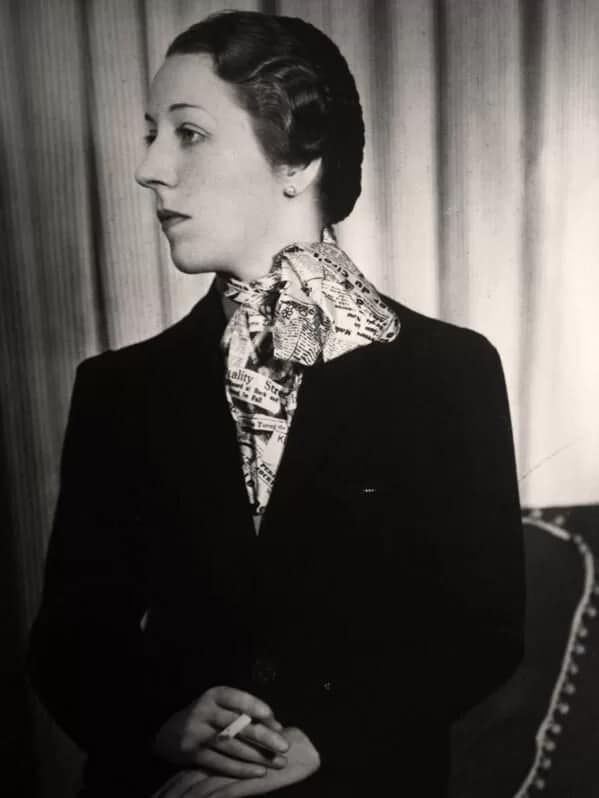
Elsa Schiaparelli in the 1930s
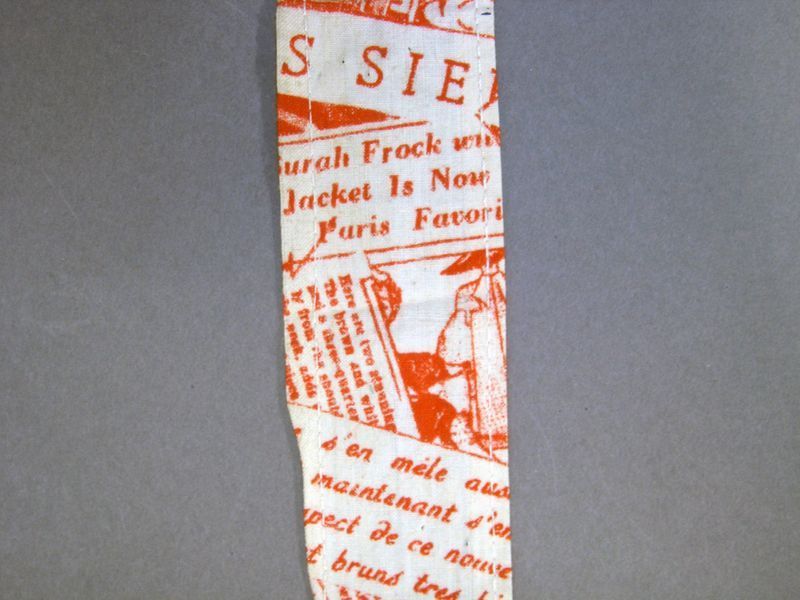
The idea of presenting the new collection in Biarritz represents a direct tribute to Gabrielle Chanel, who in 1919 decided to create looks specifically for clients spending the summer in the French resort (thus inventing the entire Cruise show format), the Newspaper Dress designed by Blazy has little to do with the double C. In her autobiography Shocking Life, surrealist designer Elsa Schiaparelli recounts the invention of the print as the result of combining two sources of inspiration: articles written about her and the paper hats she had seen worn by fishmongers at the market in Copenhagen in 1935.
«These women wore newspapers twisted into strange hats on their heads,» reads the autobiography, which gave Schiaparelli the idea to cover yards and yards of silk with newspaper articles to be used for creating all kinds of garments - «blouses, scarves, hats, and every sort of beach extravagance.» The fabric featured articles printed in English, Swedish, German, and French recounting the opening of the new Schiaparelli atelier at Place Vendôme, reviews of her latest collections, and the launch of perfumes and new looks. The designer often commissioned unusual prints: alongside the newspaper print, there was also a pattern featuring the French regimental flag, as well as one with postage stamps, created for a shirt intended for aviator Amy Johnson.
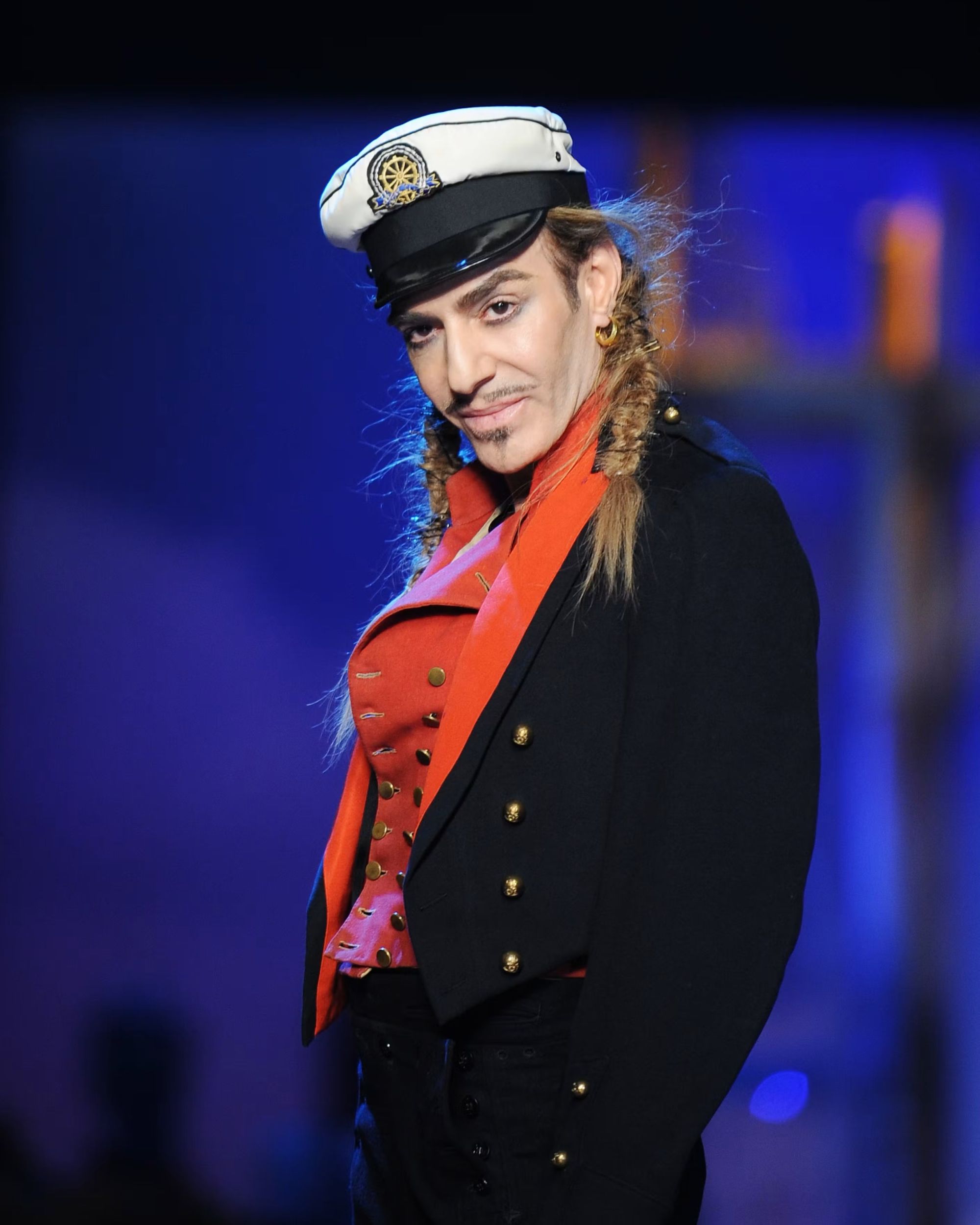
John Galliano 60 years later
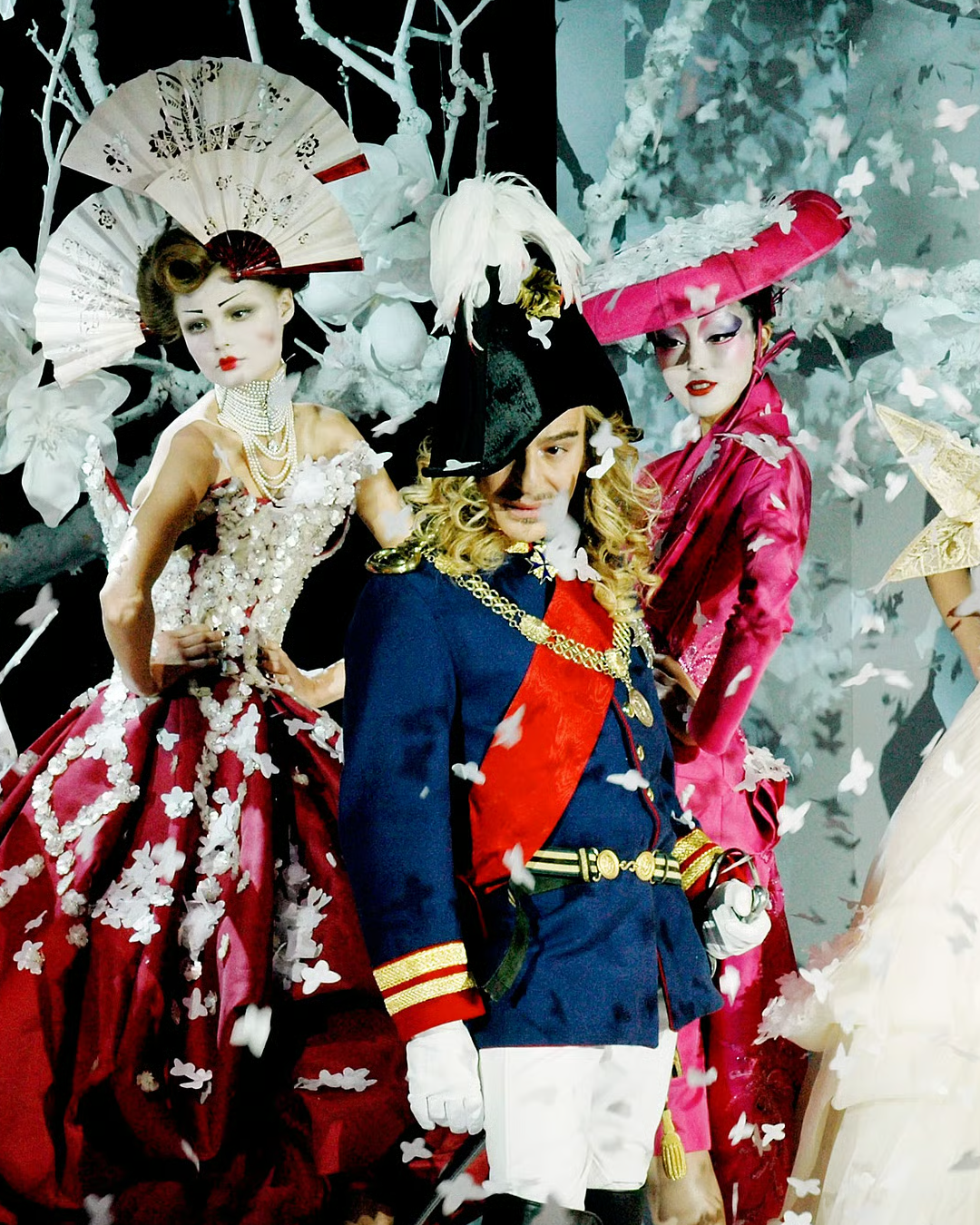
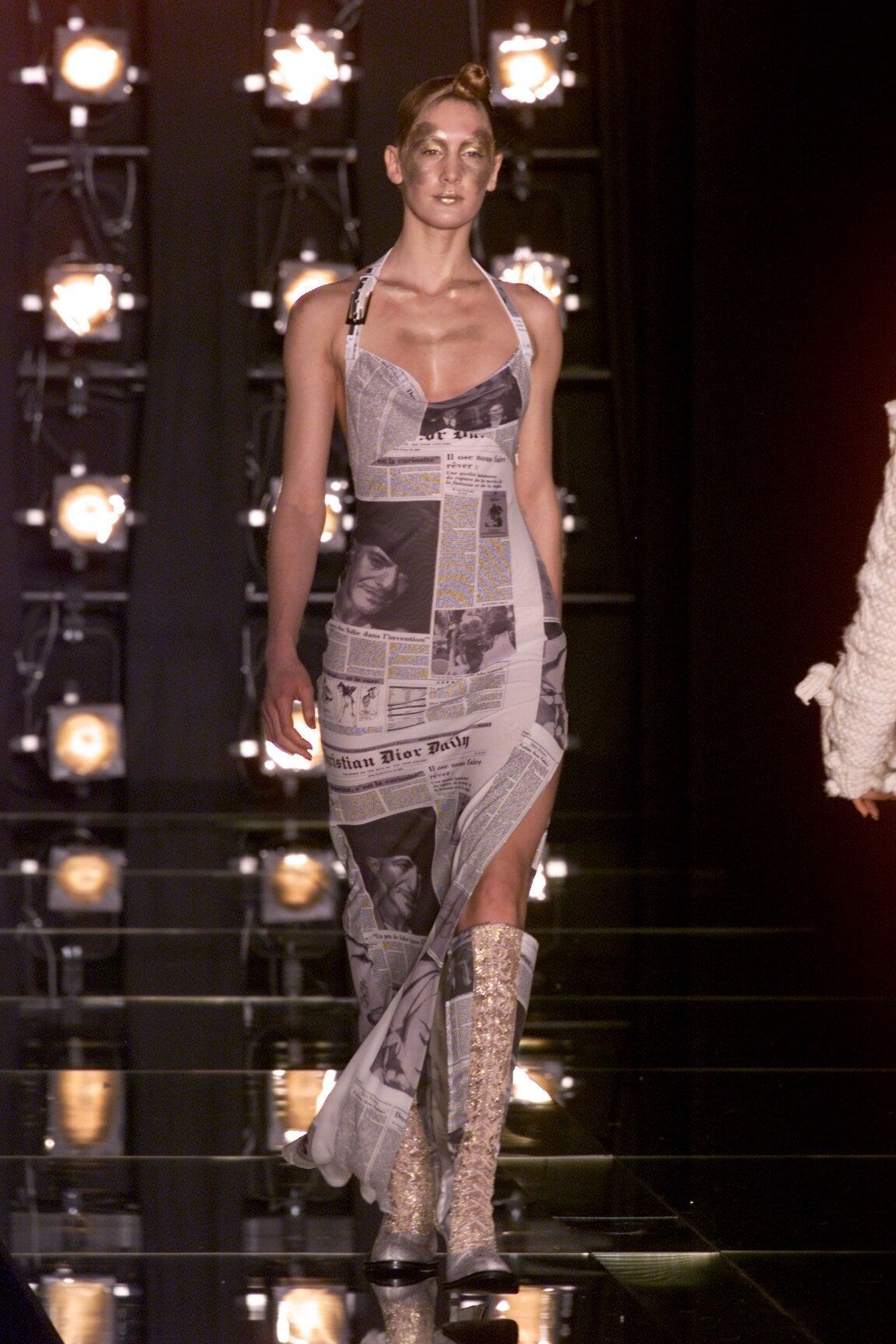
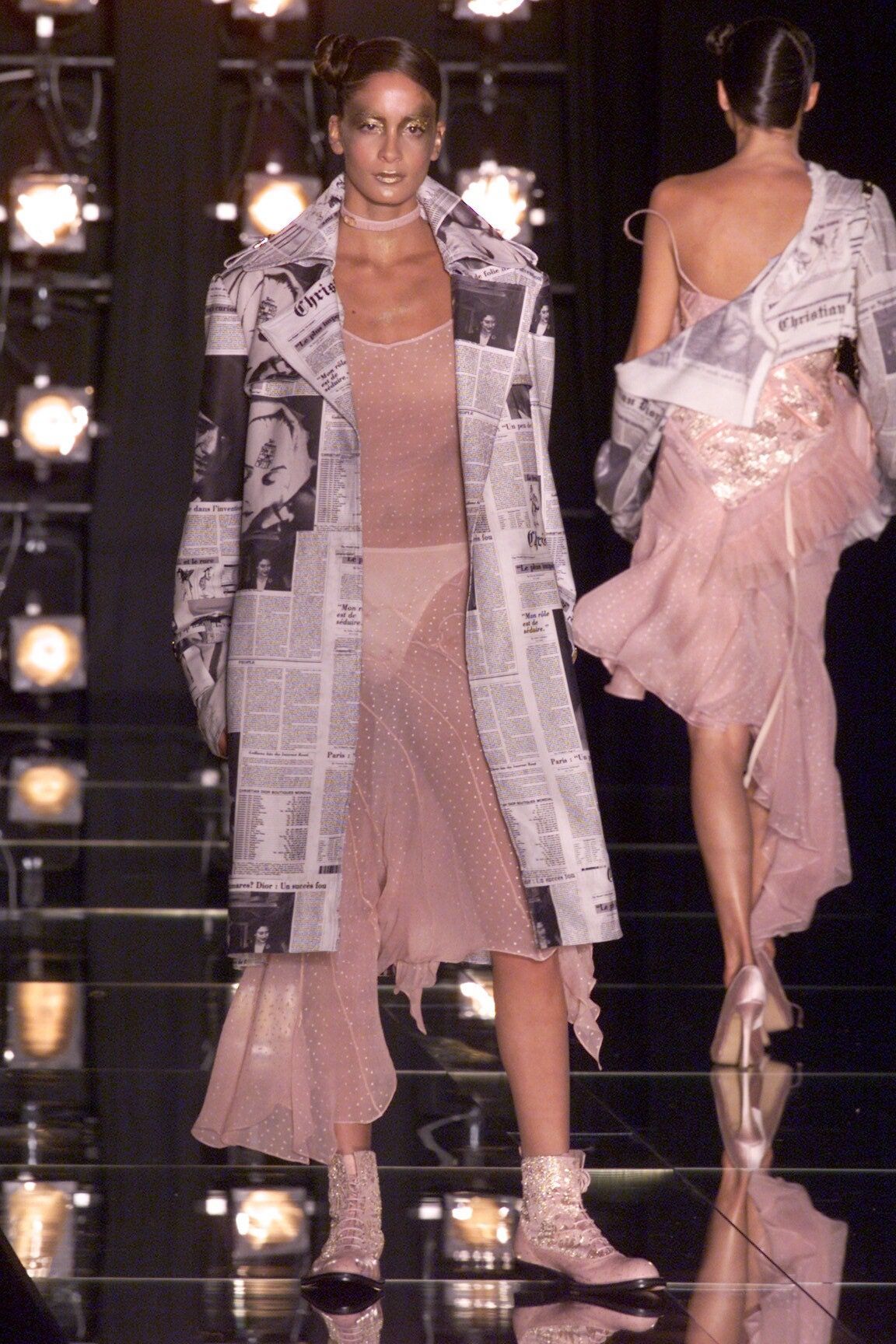
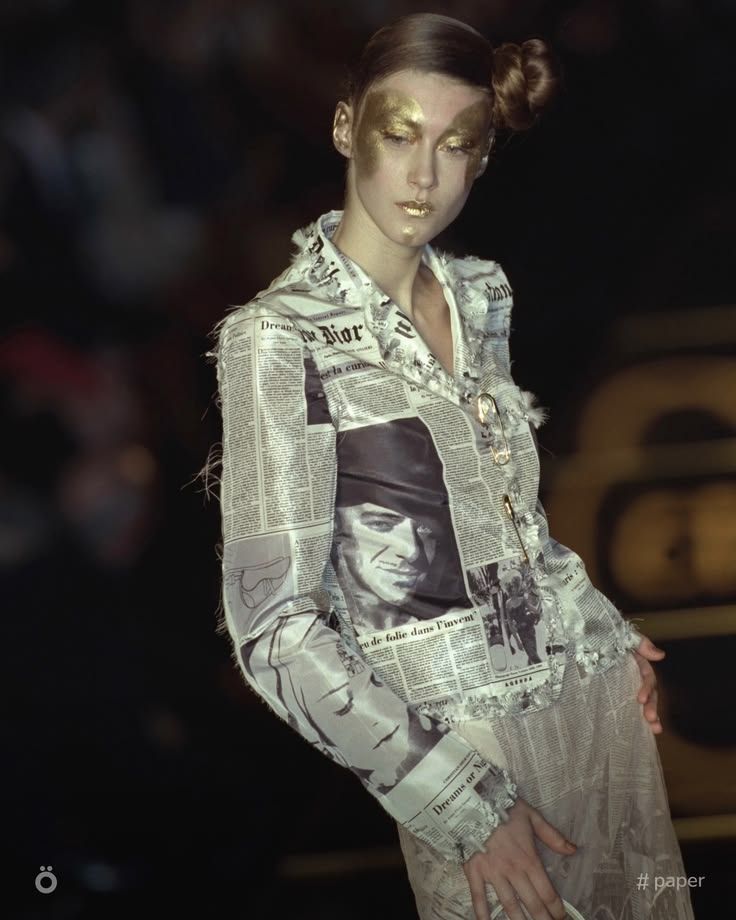
Setting aside for a moment the paper dresses that were fashionable in the 1950s and 1960s, created during the World Wars and later revived thanks to artists and designers such as Andy Warhol, Ossie Clark, Hussein Chalayan and Yves Saint Laurent, let’s jump forward in time to the new millennium. It was early 2000 when John Galliano, then creative director of Dior, sent Hobo Chic down the runway, stirring critics and sparking controversies that still echo today, decades later.
For the Haute Couture collection, Galliano chose to create garments featuring the fashion pages of the International Herald Tribune. Setting aside opulence, the designer took luxurious fabrics like chiffon and silk and distressed and tore them to create looks with a disheveled aesthetic, complete with uneven hems, unusual accessories such as a fork-shaped brooch, and models walking in combat boots.
Galliano did not hide that the inspiration behind the collection was the homeless of Paris, the drifters of the 1920s and 1930s who pretended to be poor despite being wealthy, as well as the photographs of American photographer Diane Arbus. A New York Times article titled Liberties; Haute Homeless dated January 23, 2000, includes a quote from Galliano: «Some of these people are like impresarios, with coats worn over their shoulders and hats tilted in a certain way. It’s fantastic.»
The controversy repeats itself
Matthieu Blazy told Vogue’s Sarah Mower that Gabrielle Chanel’s quote, “I love to read newspapers, like men.” inspired these Chanel Resort 2027 looks! pic.twitter.com/T8aibwgXbe
— LEGENDARY LADE! (@LegendaryLade) April 29, 2026
It’s not the fact that Chanel brought a print invented for haute couture by Elsa Schiaparelli onto the runway that creates controversy around Blazy’s Cruise 2027 look, but rather what the print itself represents. Just as 26 years ago Galliano’s Newspaper Dress caused a stir for romanticizing poverty and turning it into a high-priced aesthetic, Chanel’s newspaper print dress addresses the theme of exclusivity so beloved by the upper classes, as well as their nostalgia for “the good old days,” within a highly selective context.
It is interesting that Blazy chose to present this print not in a regular Ready-to-Wear collection - his, always viral - but in a Cruise show, which carries a lower profile media-wise and is primarily organised by luxury maisons for high-ranking clients and VIP friends of the brand. Seeing this dress during Fashion Week might seem like an attempt to reflect times of crisis (as Nathalie Khan writes in Catwalk Politics, «fashion can only reflect society, but it cannot renew it»), but its appearance in such a selective show suggests its purpose is purely aesthetic: from the rich, for the rich.
When Elsa Schiaparelli commissioned the print in 1935, social media did not exist, hostility toward those who were different was almost seen as a virtue rather than ignorance, and fashion was still a matter for the few - people who, if alive today, would likely struggle under the effects of woke culture. When John Galliano revived it for Dior’s Haute Couture, he was harshly criticised for glamorising poverty (successfully, since Hobo Chic is still discussed today), but above all for trying to sell it to wealthy clients of the maison: the SS00 collection was deemed tasteless and vulgar. «Of course, it's hard to imagine a couture client shelling out $25,000 for a dress just so she can look like a bum» (Certo, è difficile immaginare che una cliente di alta moda sborsi 25mila dollari per un abito solo per sembrare una barbona), said Cathy Horyn.
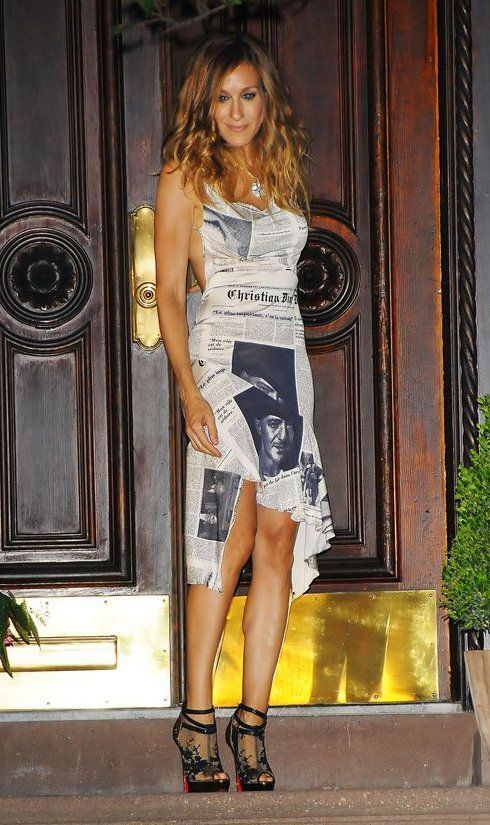
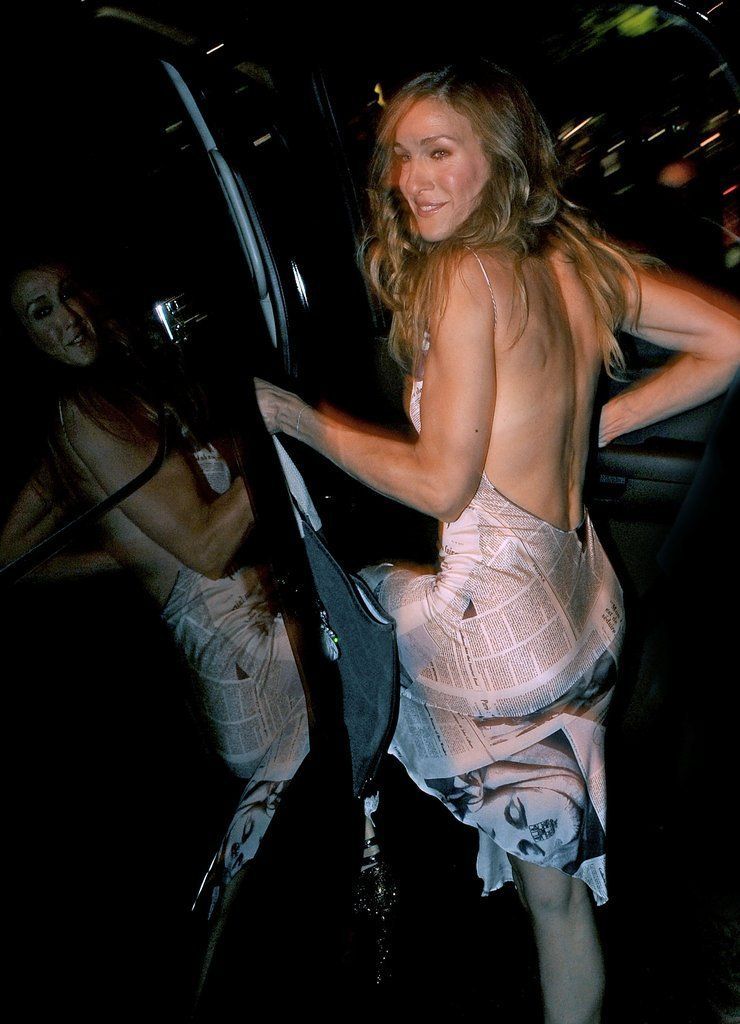
Sarah Jessica Parker in the legendary John Galliano for Dior newspaper dress — forever cemented in pop culture by Carrie Bradshaw in Sex and the City pic.twitter.com/WHQw9RM4Yz
— (@heelsculture) August 9, 2025
It is strange to see one of the most controversial prints in history reappear in 2026, but even stranger to see it used by Matthieu Blazy, the king of quiet luxury and textile innovation. From one perspective, the look could have represented support from Blazy and Chanel for the publishing world, which is going through one of its most difficult periods ever (from increasing intervention by American tech entrepreneurs to the closure of some of the most famous fashion magazines).
But we won’t go that far with speculation, we’ll settle for believing it is yet another nostalgia-driven strategy. After all, Carrie Bradshaw looked so astonishing in Galliano’s Newspaper Dress in Sex and the City.