























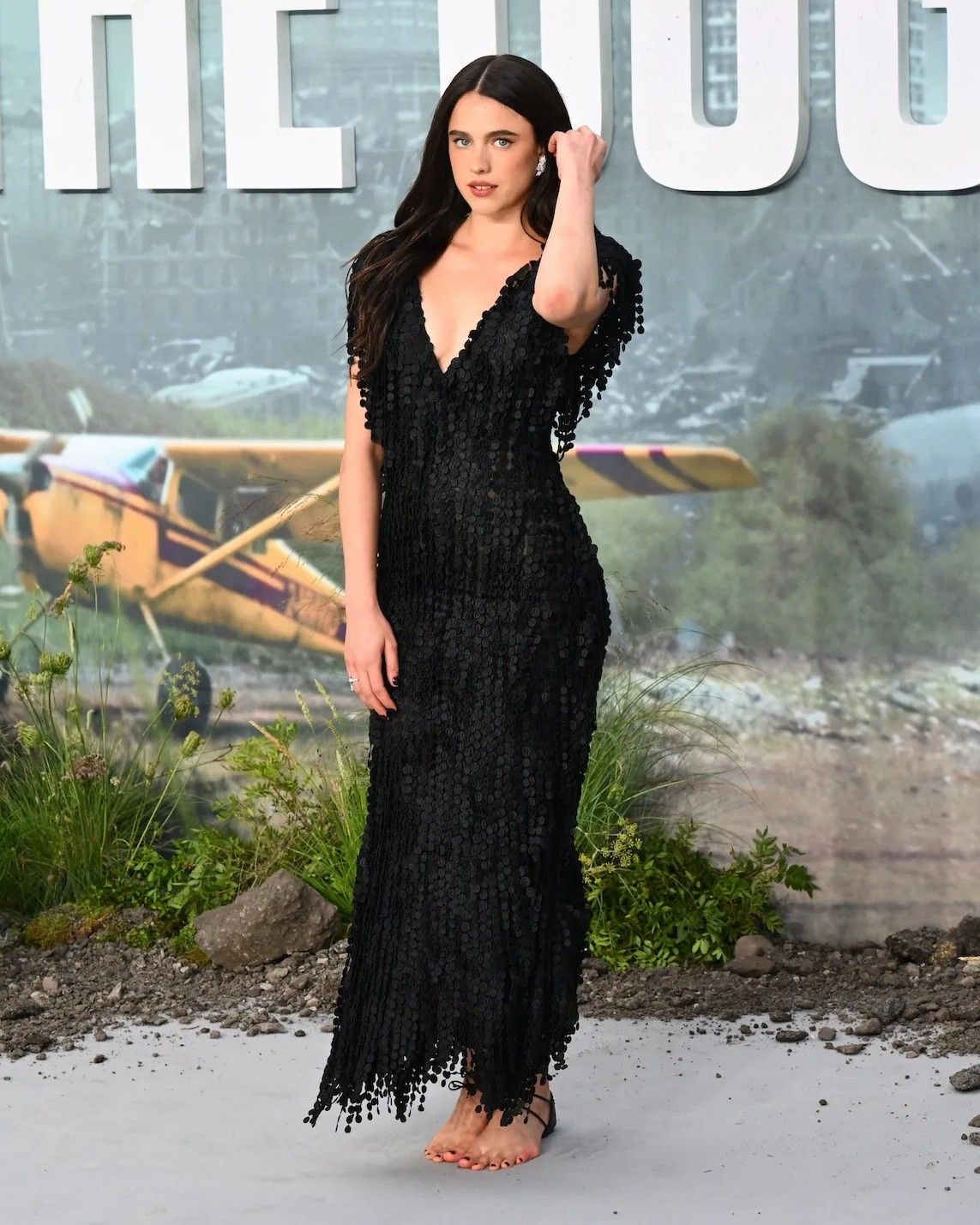
Will Chanel’s sandals worn by Margaret Qualley kick off the “shoes-without-shoes” trend? They're weird, we know, but at least they'll get people talking
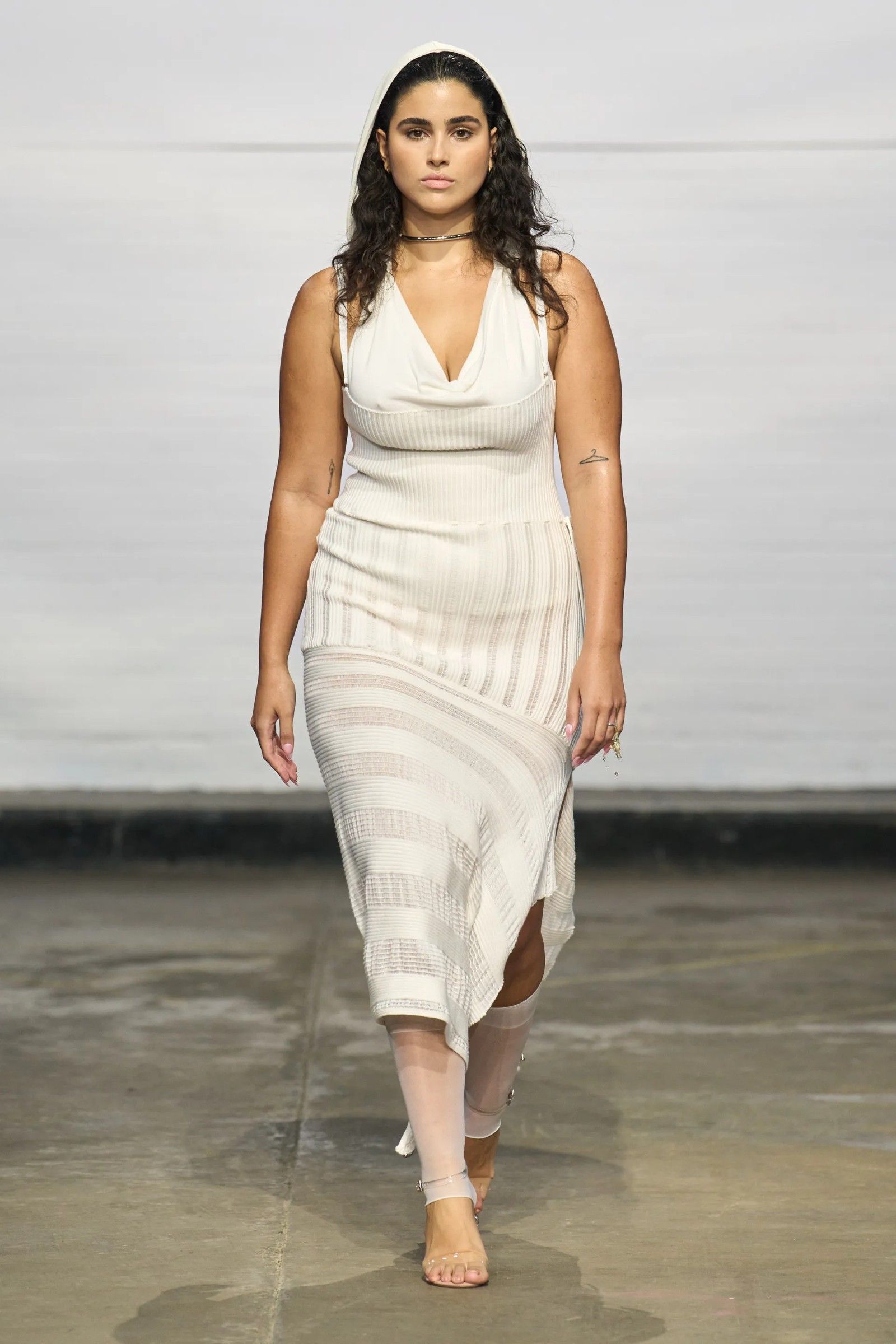
Karoline Vitto FW26
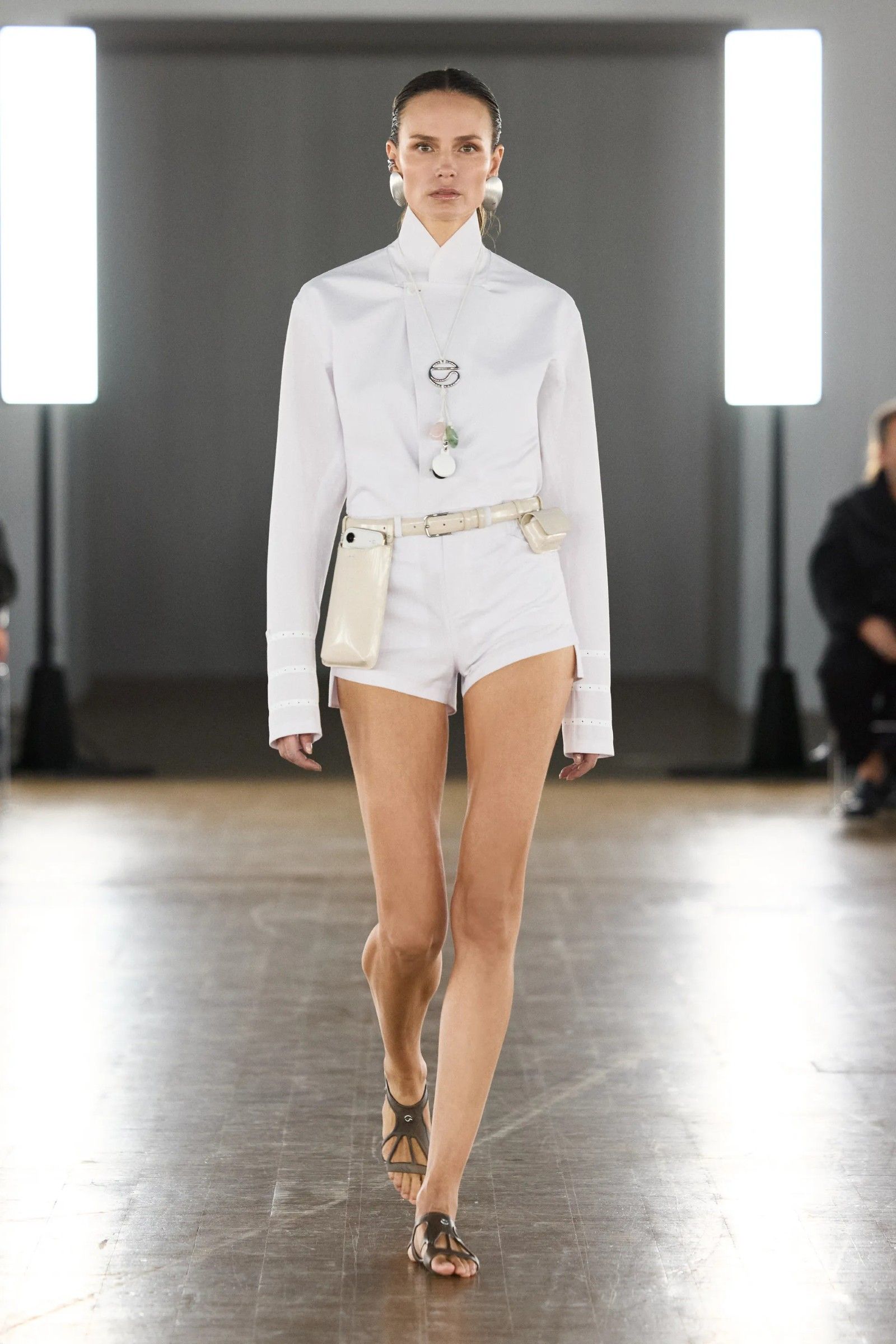
Coperni SS26
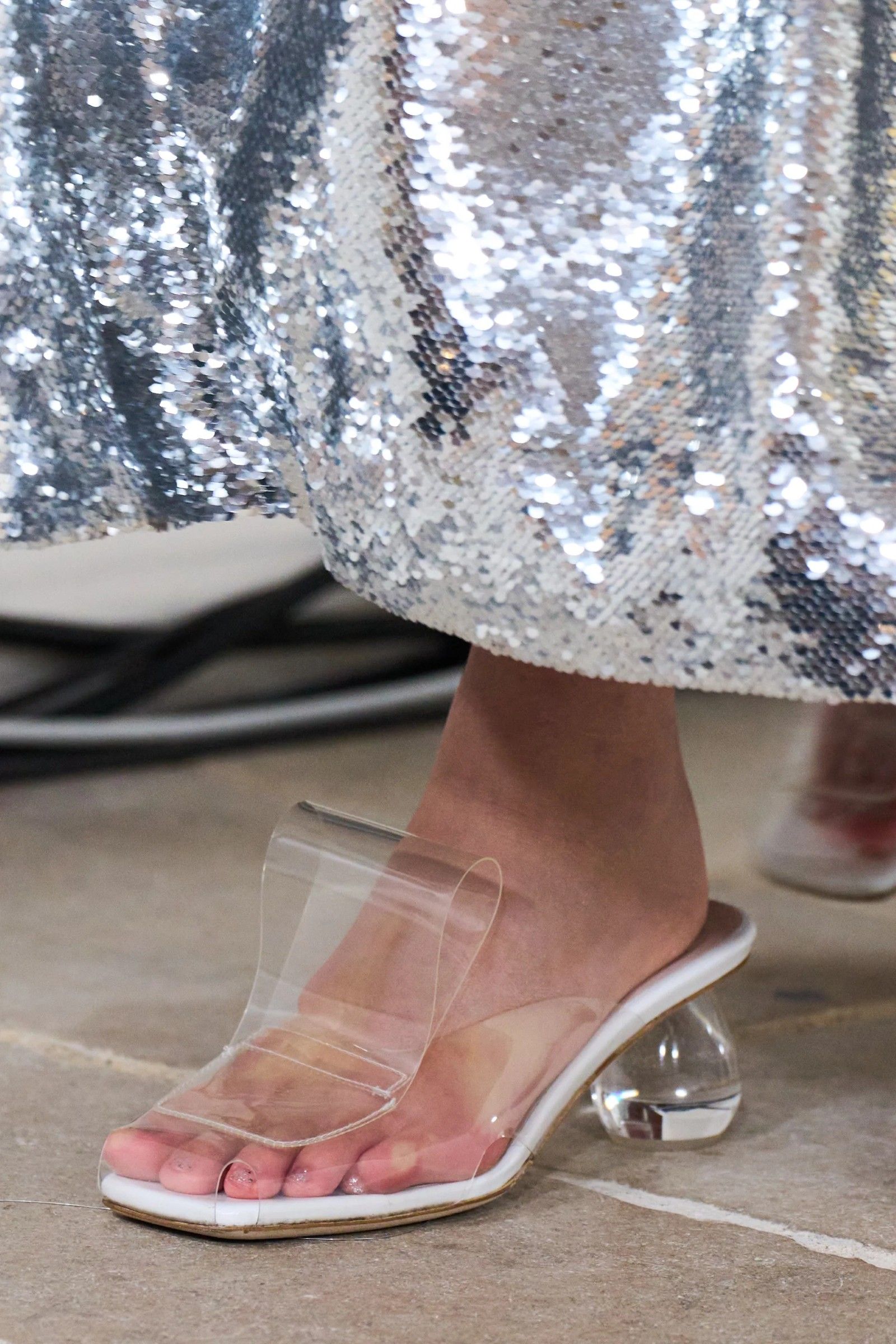
Simone Rocha SS26
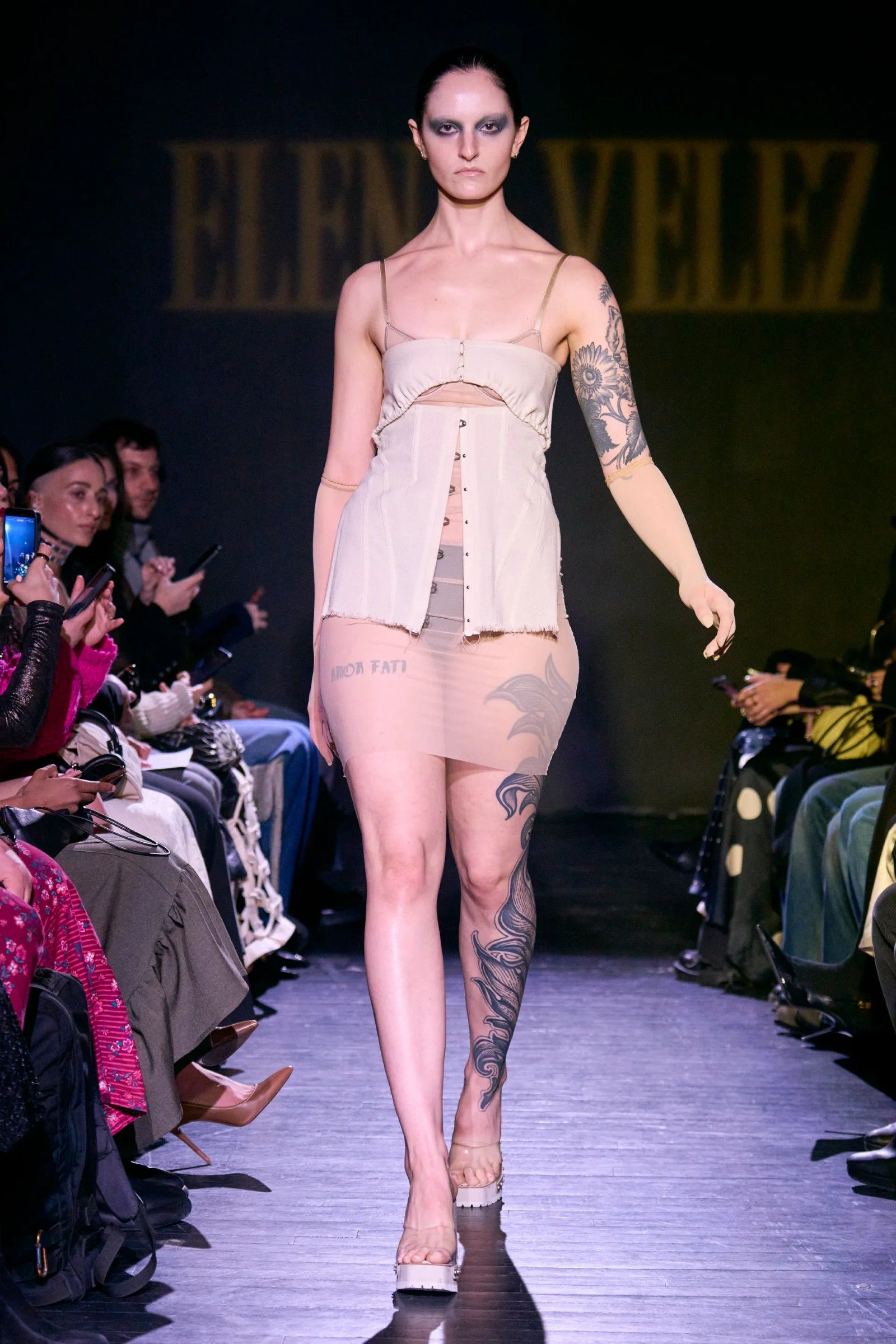
Elena Velez FW26
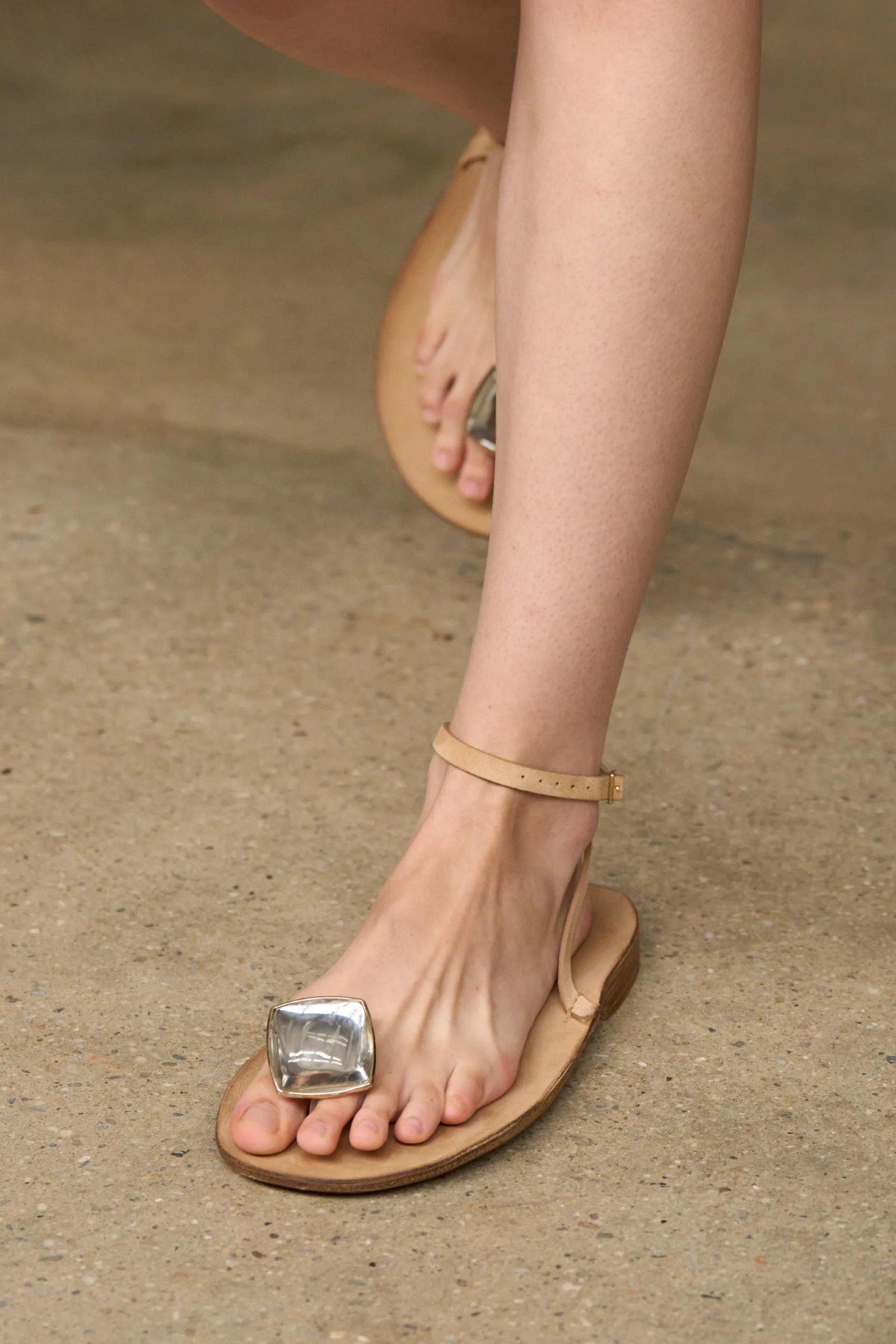
Calvin Klein Collection SS26
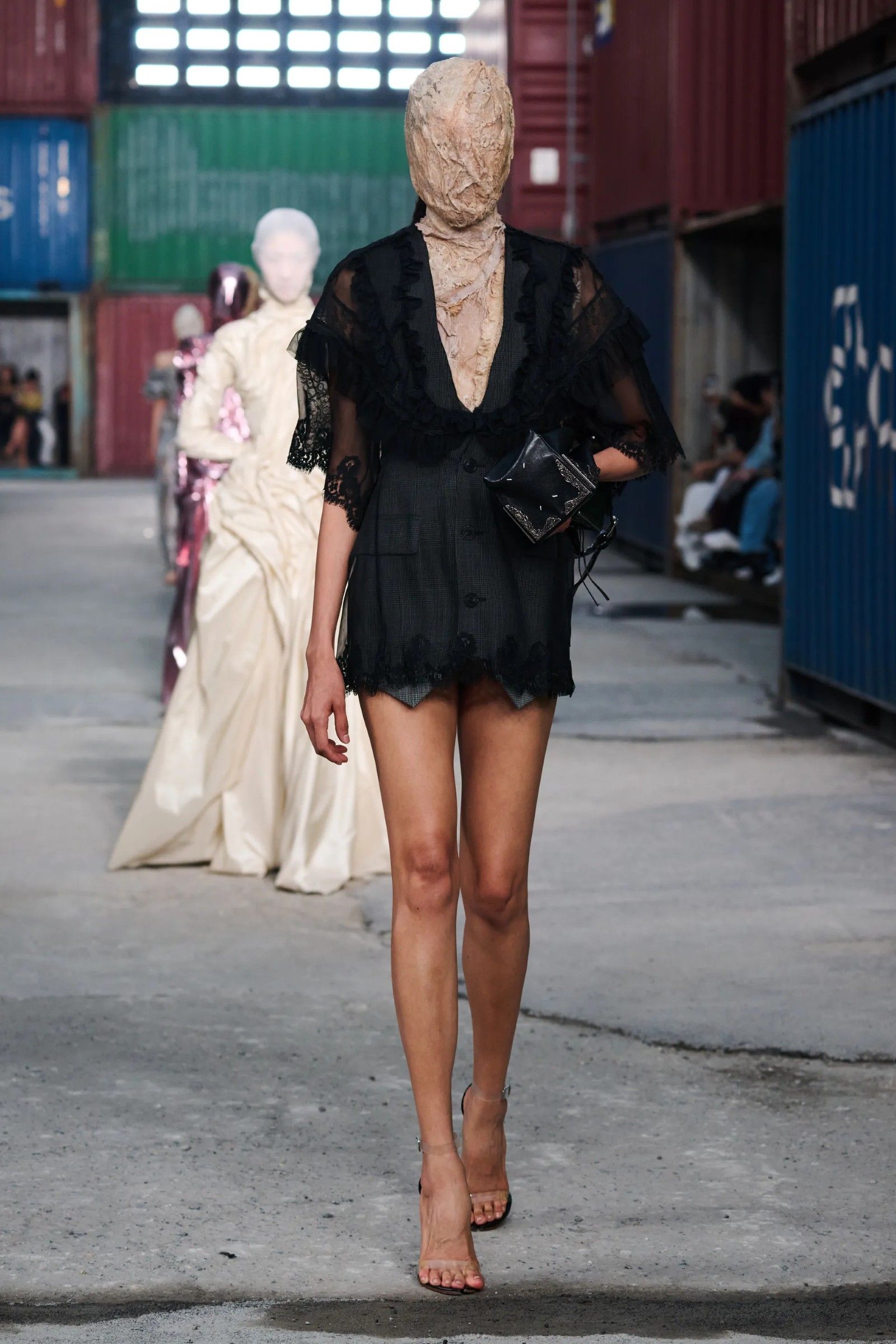
Maison Margiela FW26
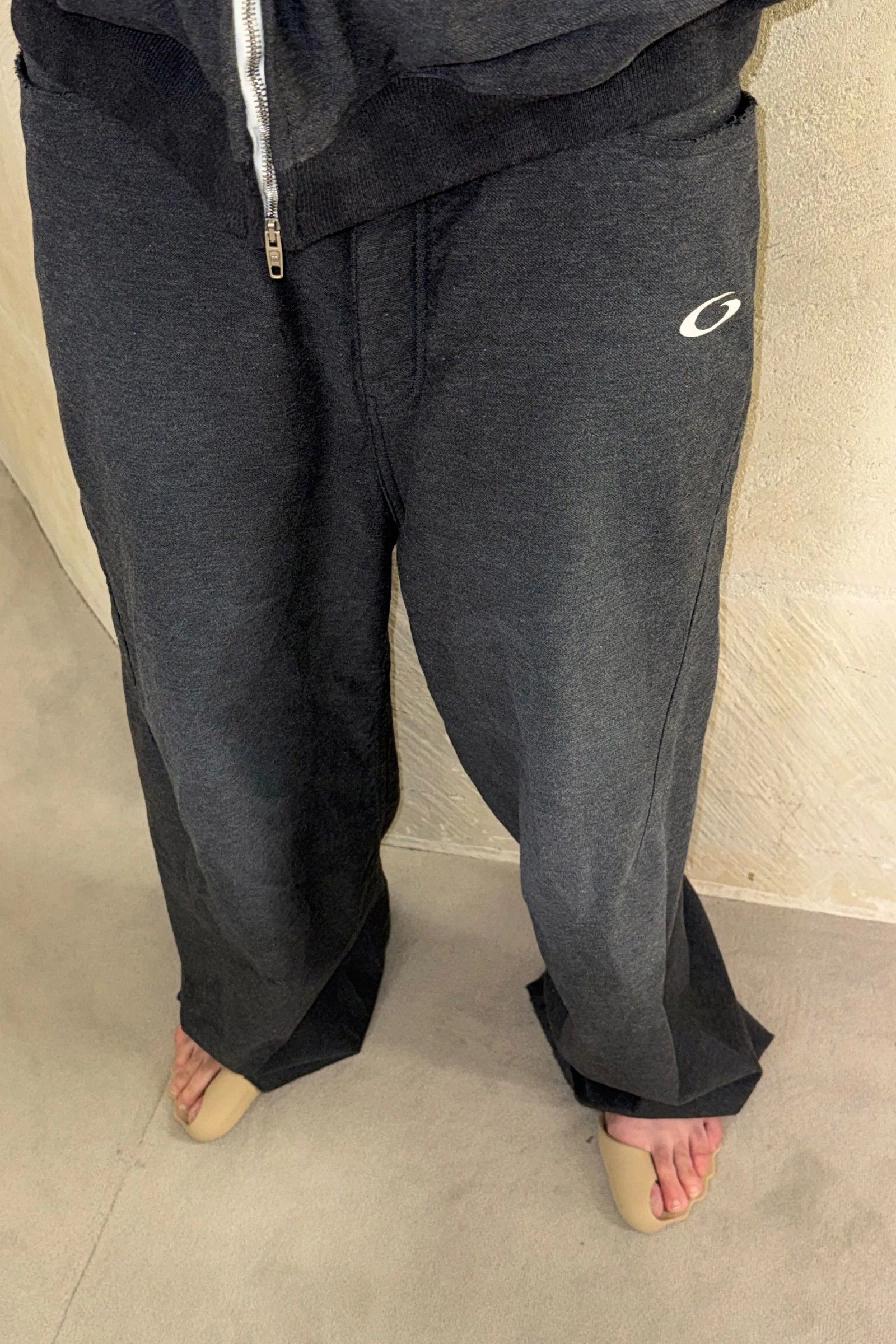
Balenciaga Pre-Fall 2025
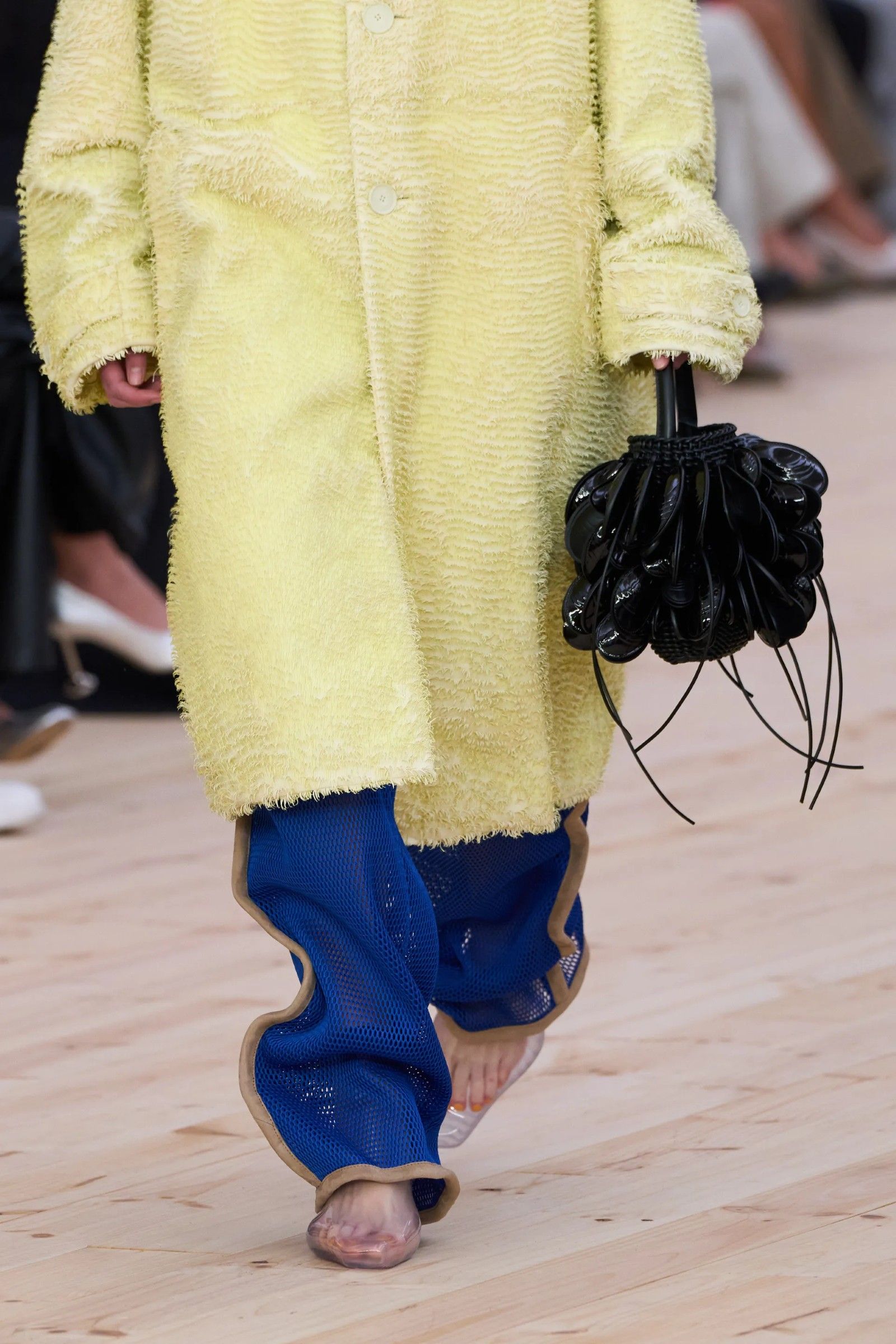
Loewe SS26
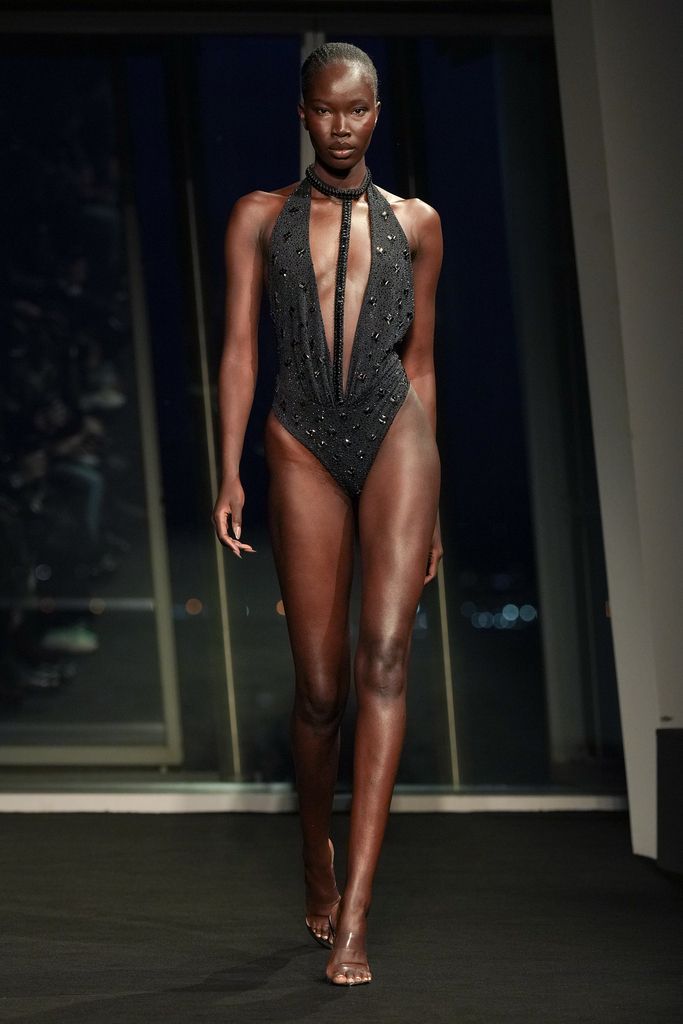
Julien MacDonald FW26
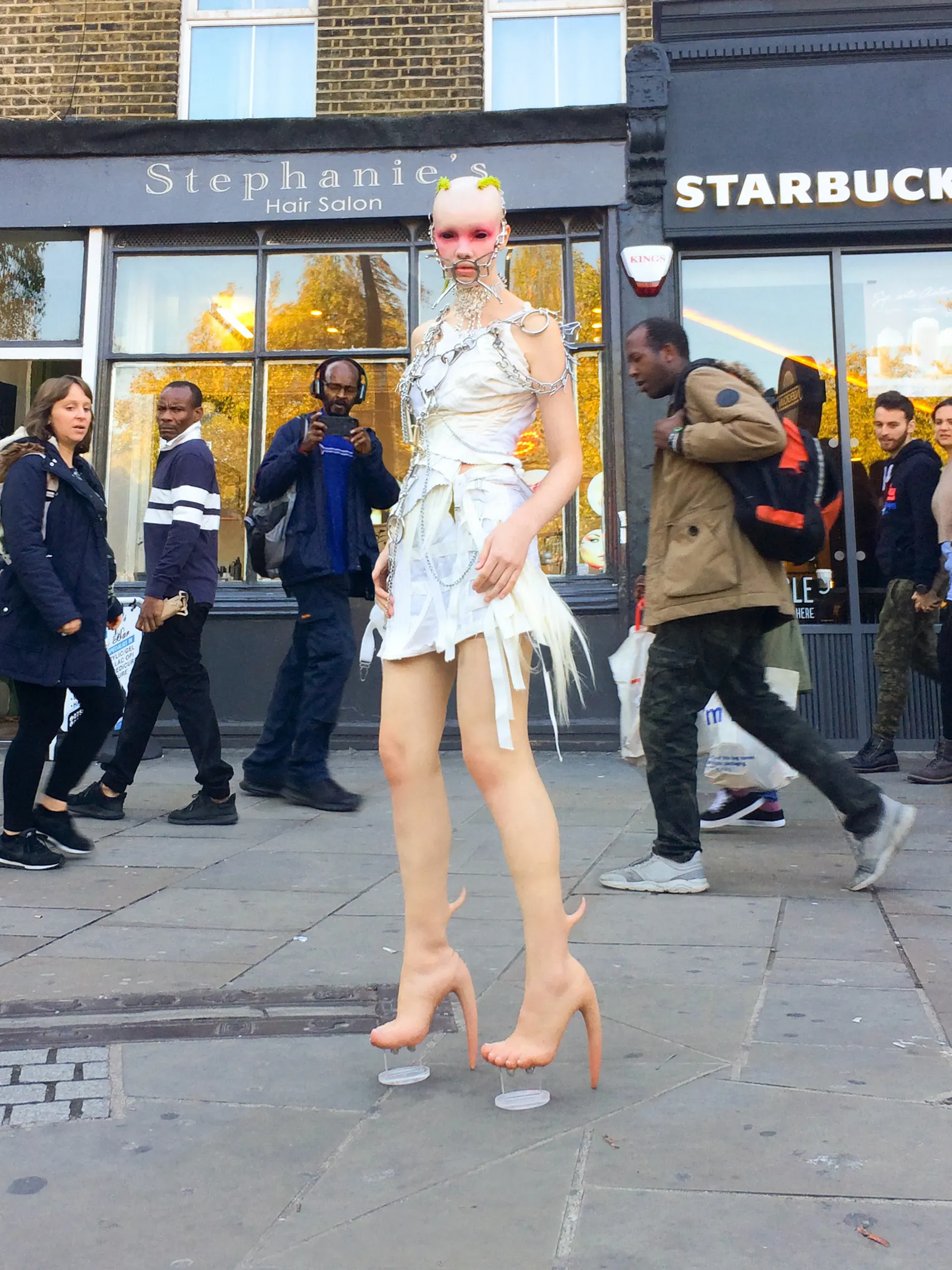
Skin Heel Boots by Matières Fécales (2018)
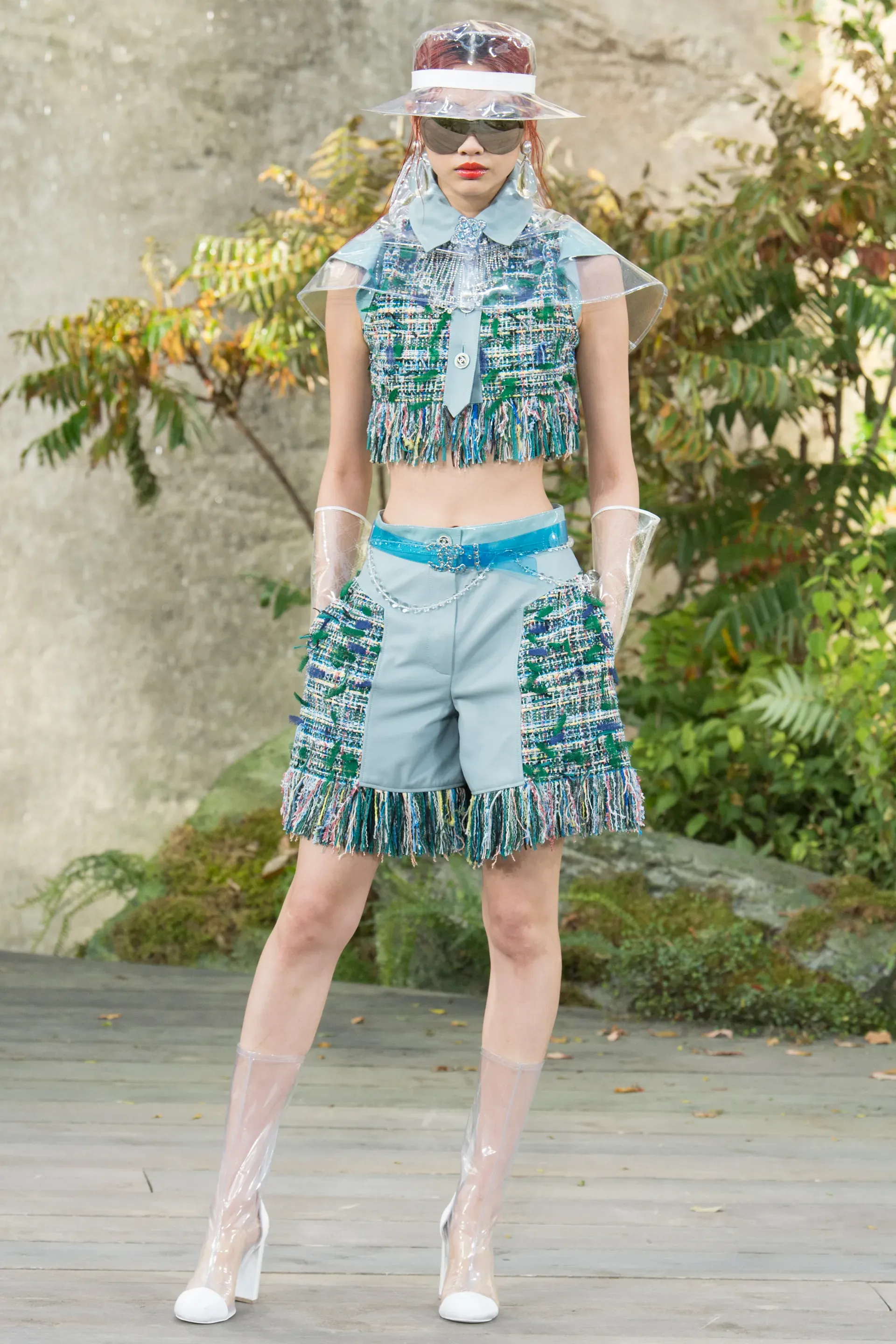
Chanel SS18 by Karl Lagerfeld
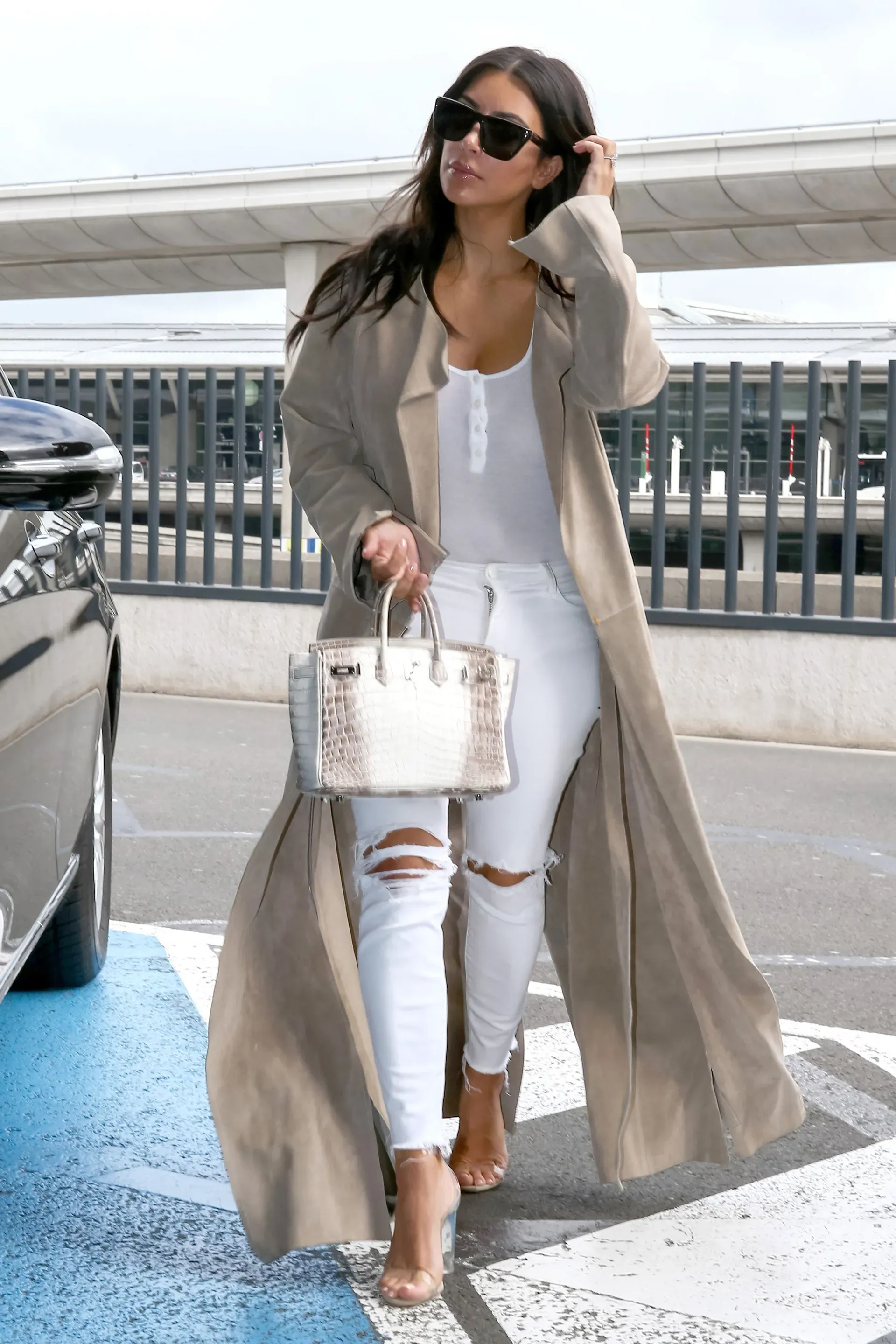
Kim Kardashian in Yeezy Season 2 (2016)
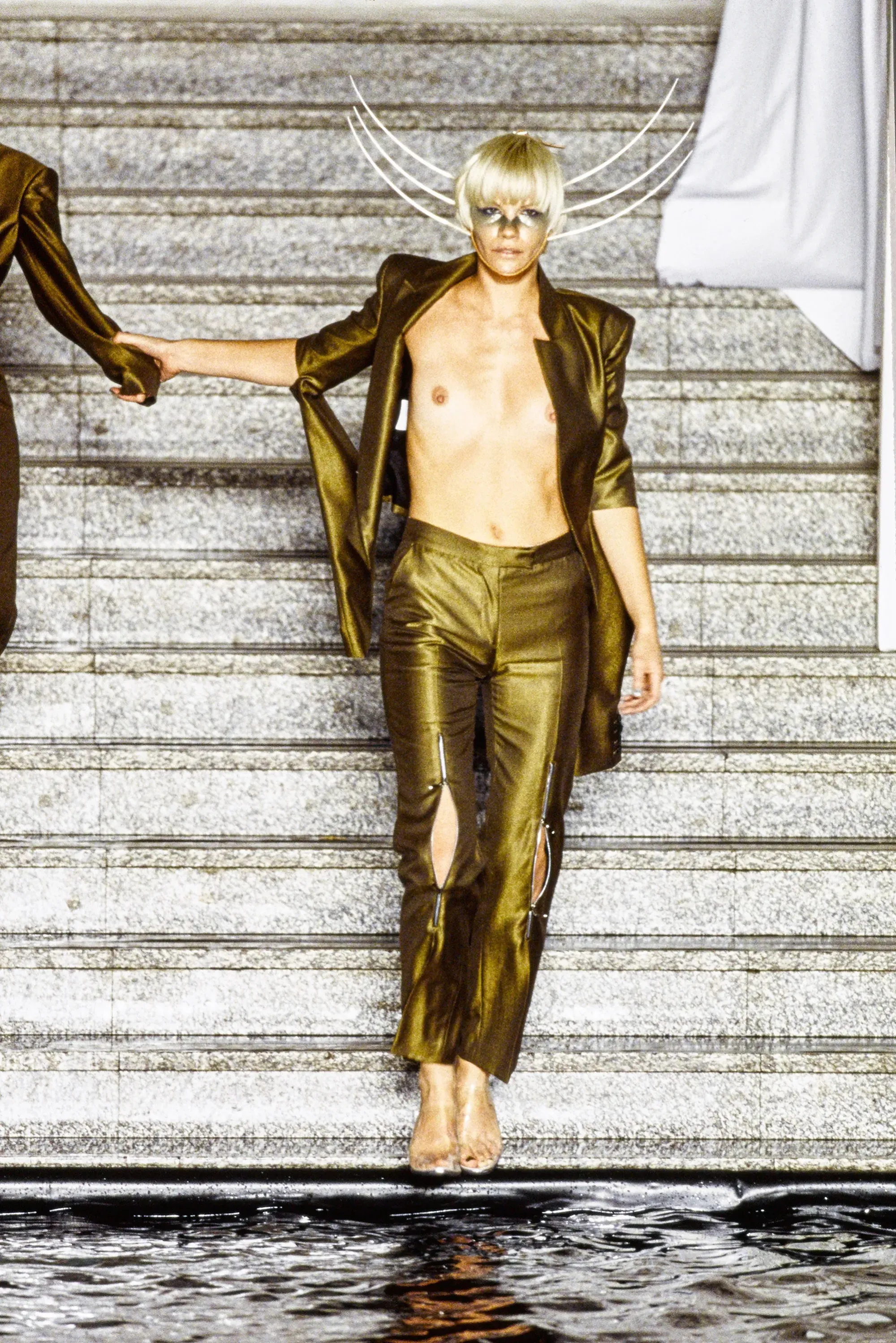
Alexander McQueen SS97
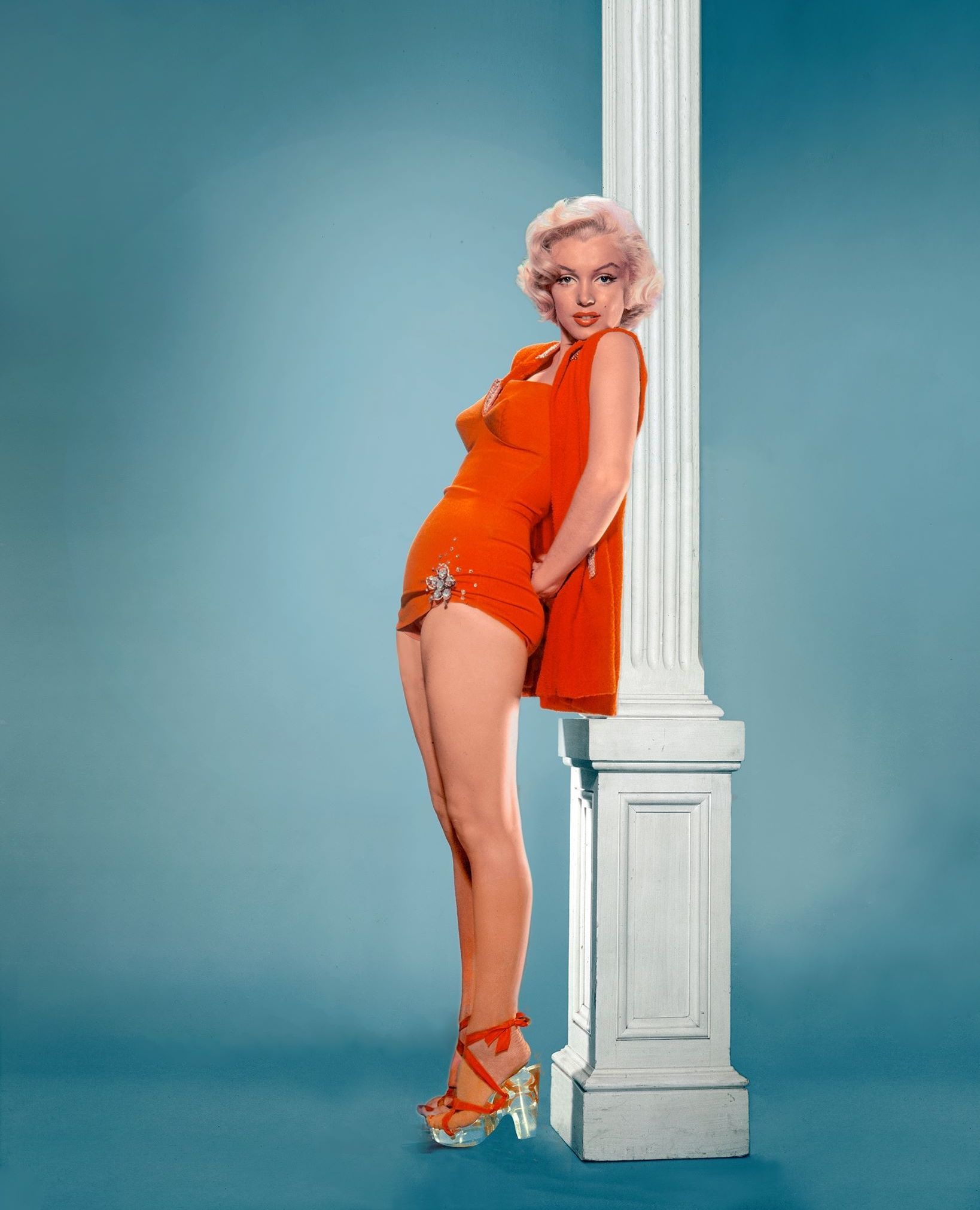
Marilyn Monroe in "How to Marry a Millionaire" (1953)
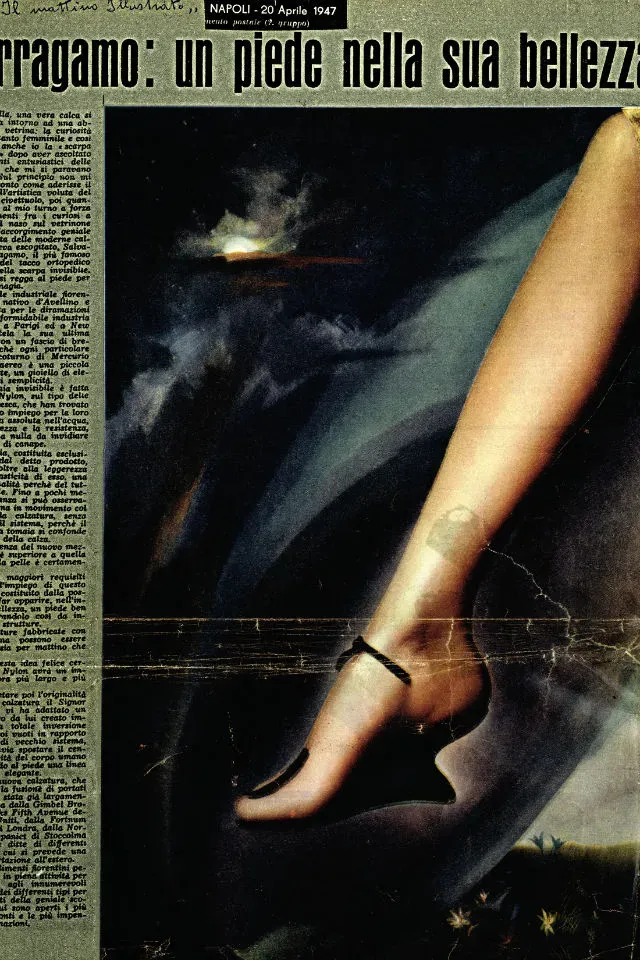
Salvatore Ferragamo - Sandal "Invisibile" in Il Mattino di Napoli (April 1947)
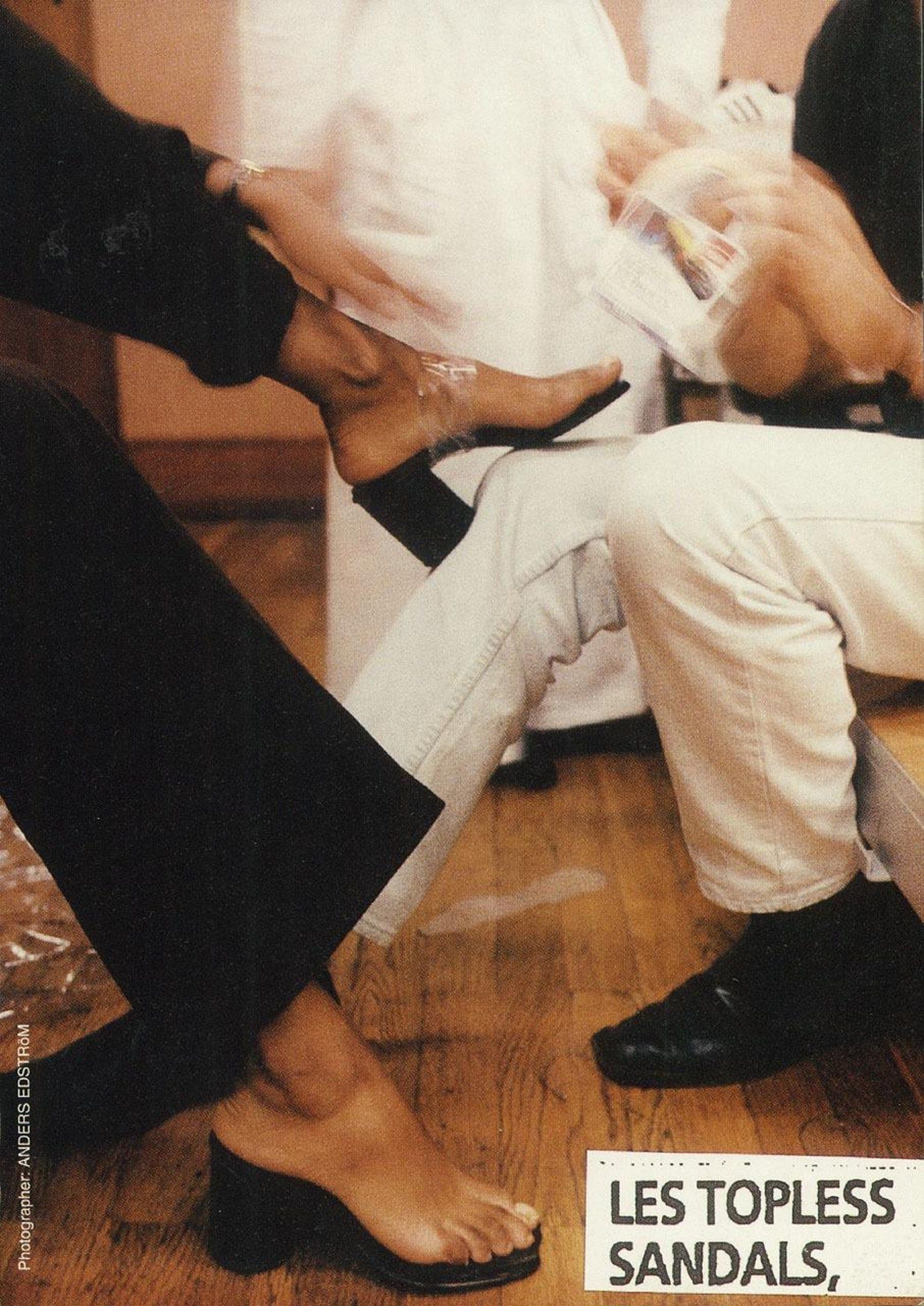
Martin Margiela - "Le Topless" Tabi (1996)
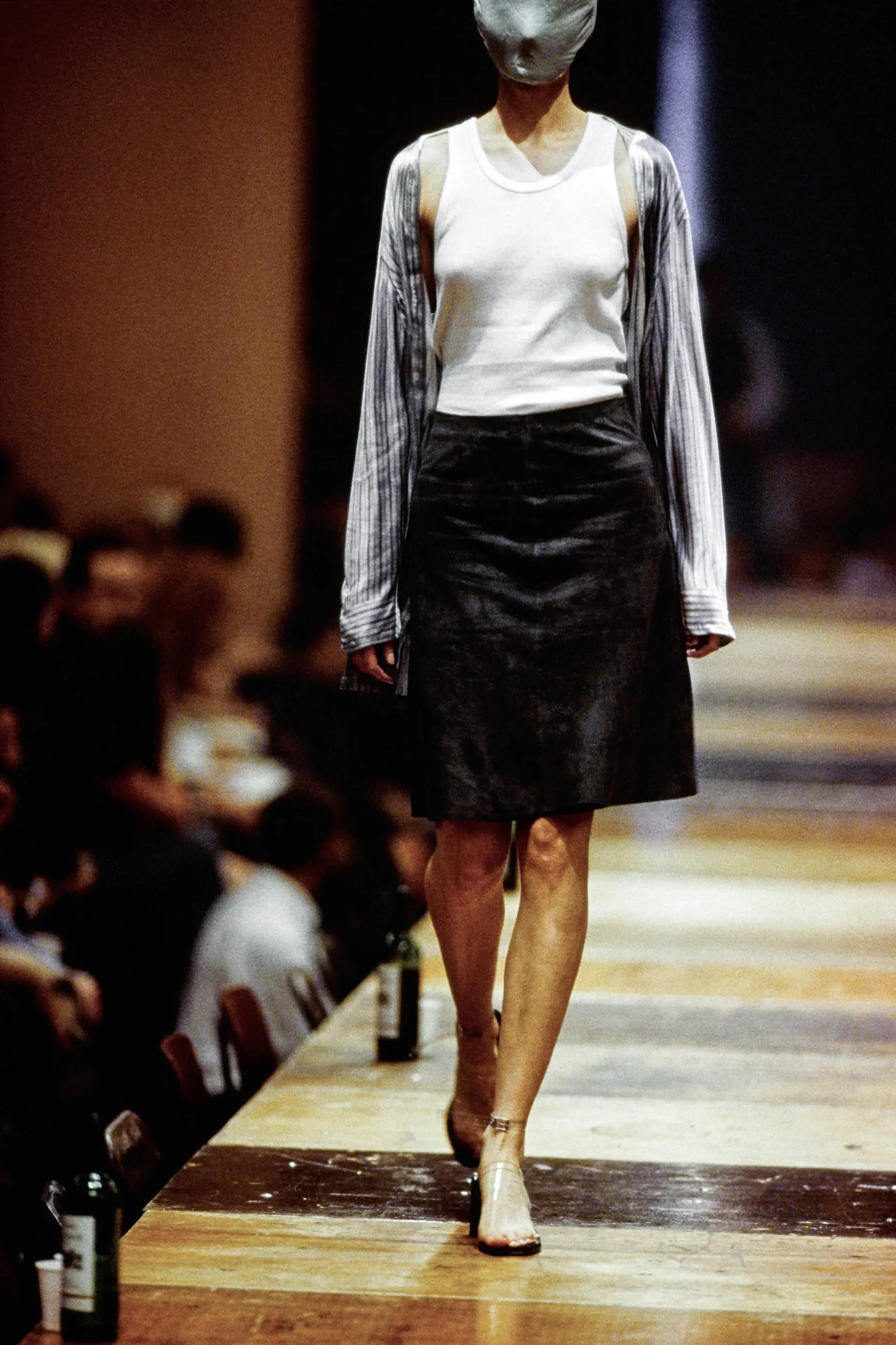
Martin Margiela SS96
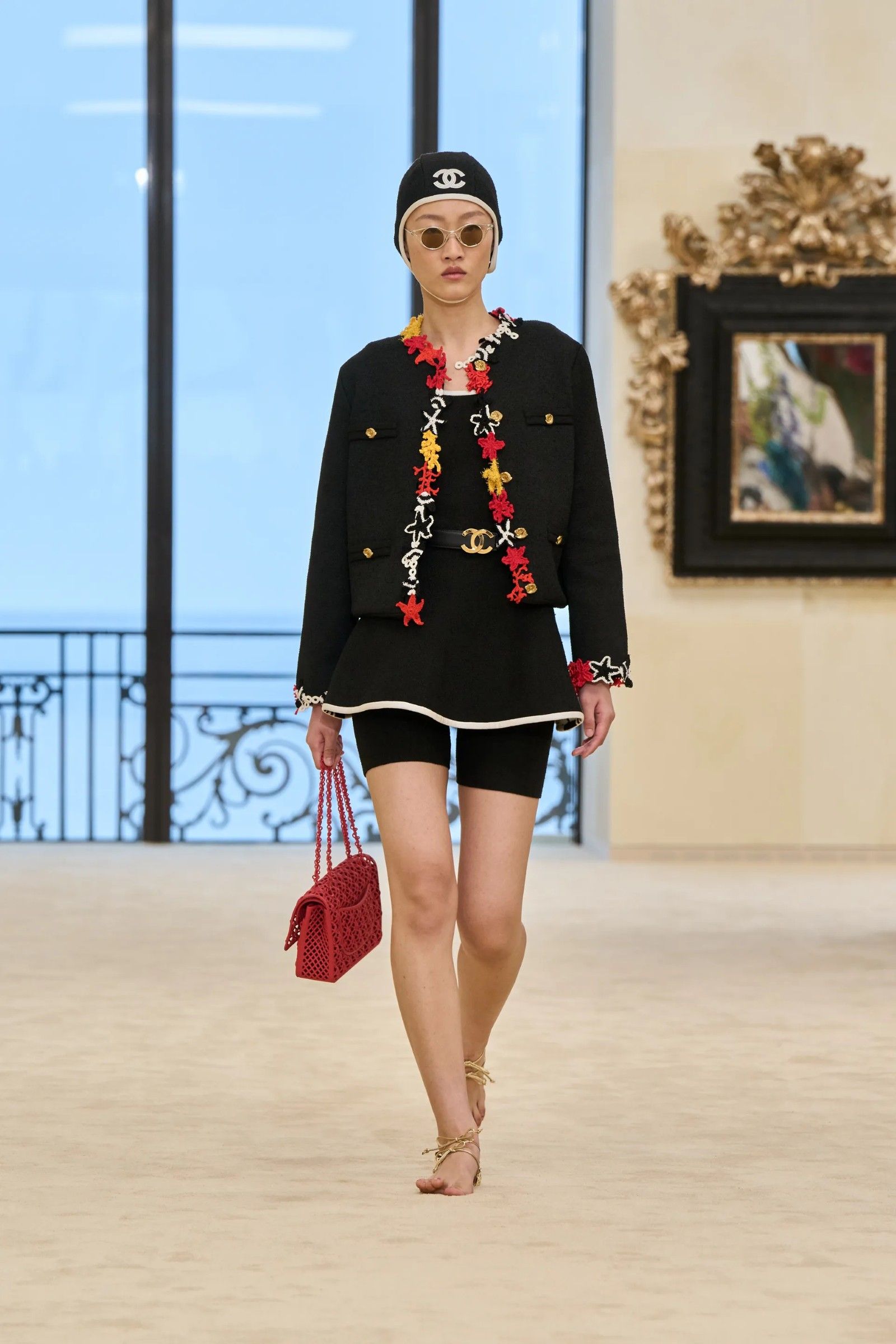
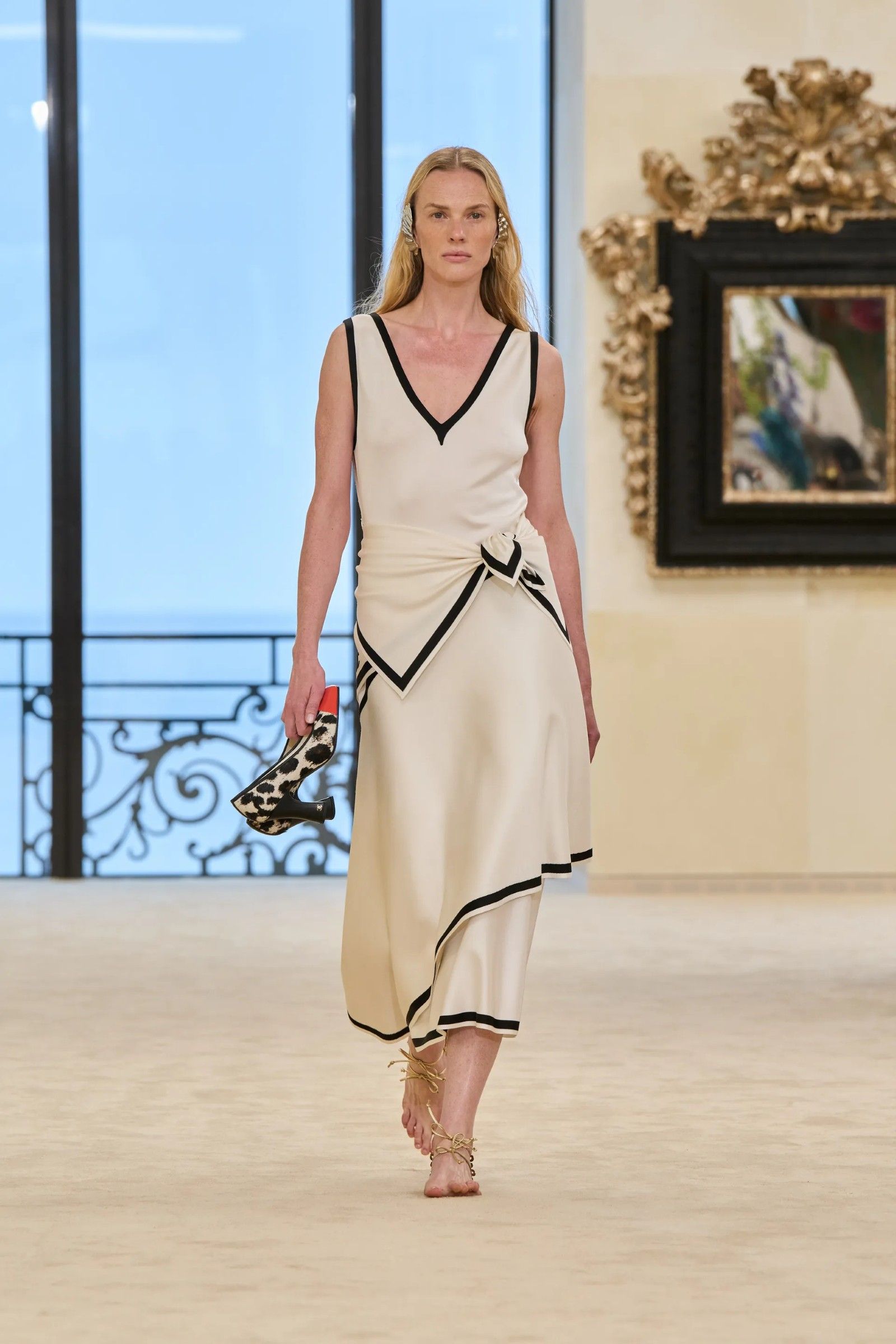
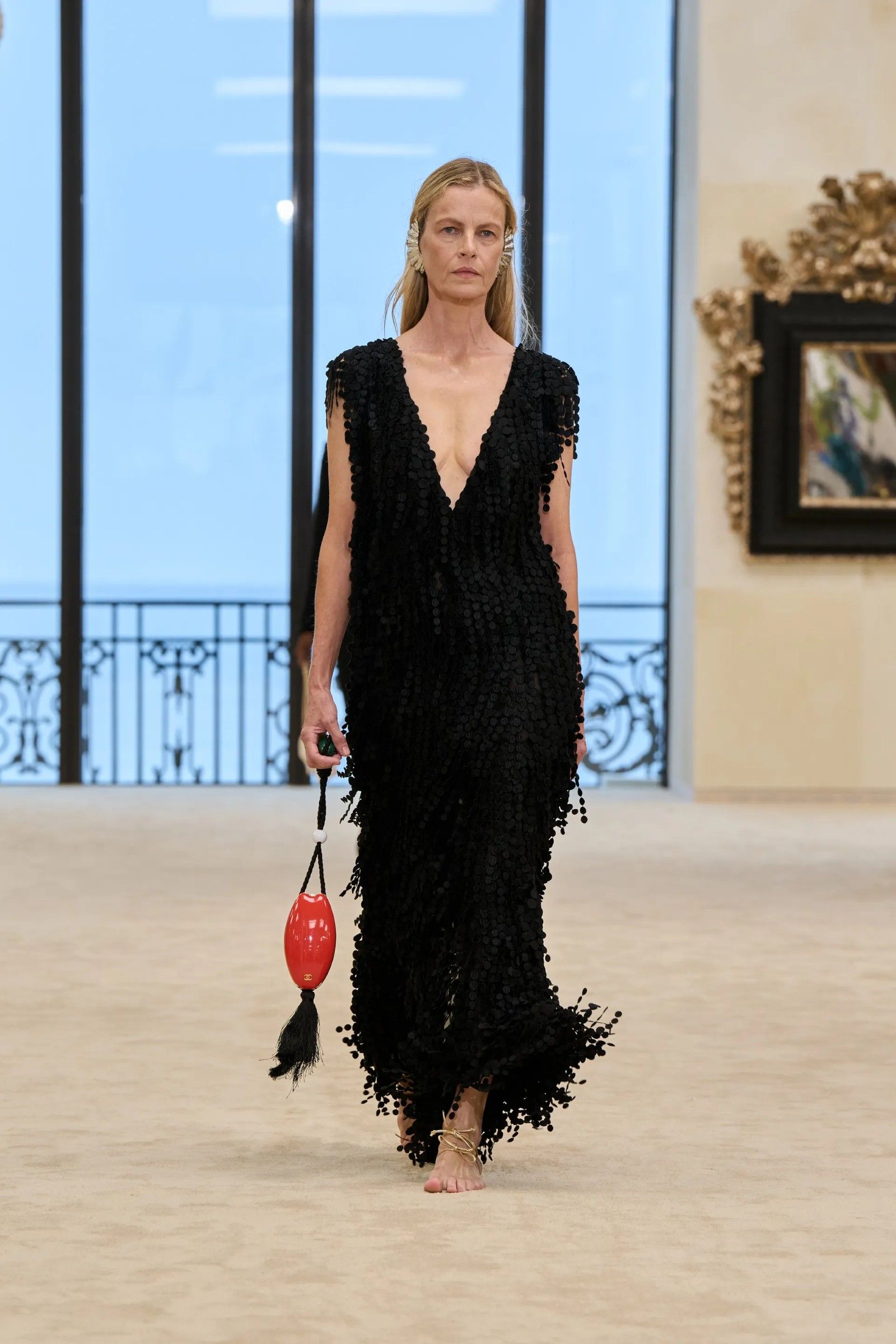
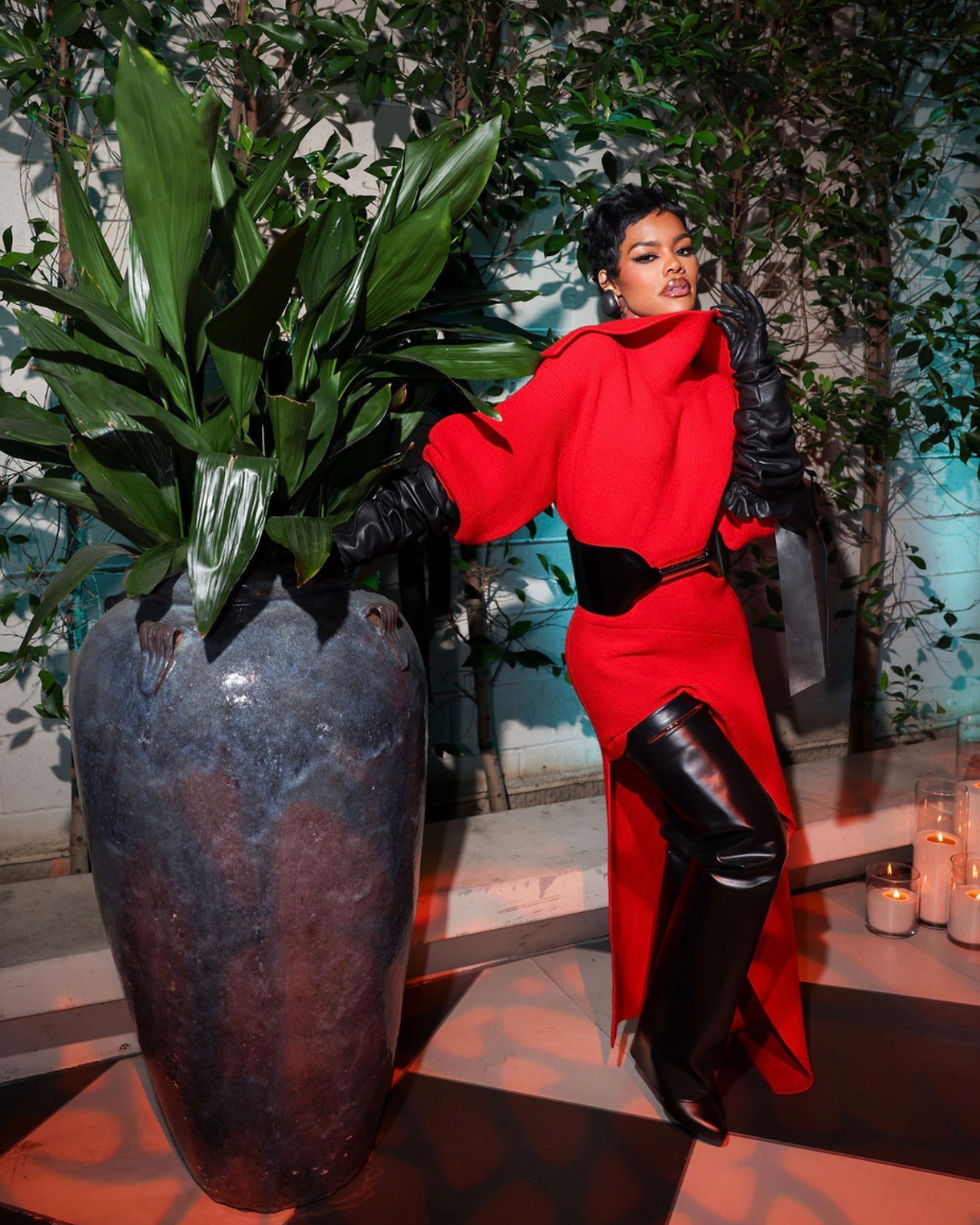
It really happened: the shoes-without-shoes from Chanel’s Cruise 2027 collection have been spotted on the red carpet. Wearing them was Margaret Qualley, for some time now one of Chanel’s most highly regarded ambassadors, and the occasion was the London premiere of the film The Dog Stars, Ridley Scott’s new post-apocalyptic film starring Jacob Elordi and Josh Brolin. The appearance seems to have been calculated for maximum virality, but Chanel’s Cap Heel sandal, its more institutional name, had already struck the fashion public’s imagination with enormous force when it was presented. But why?
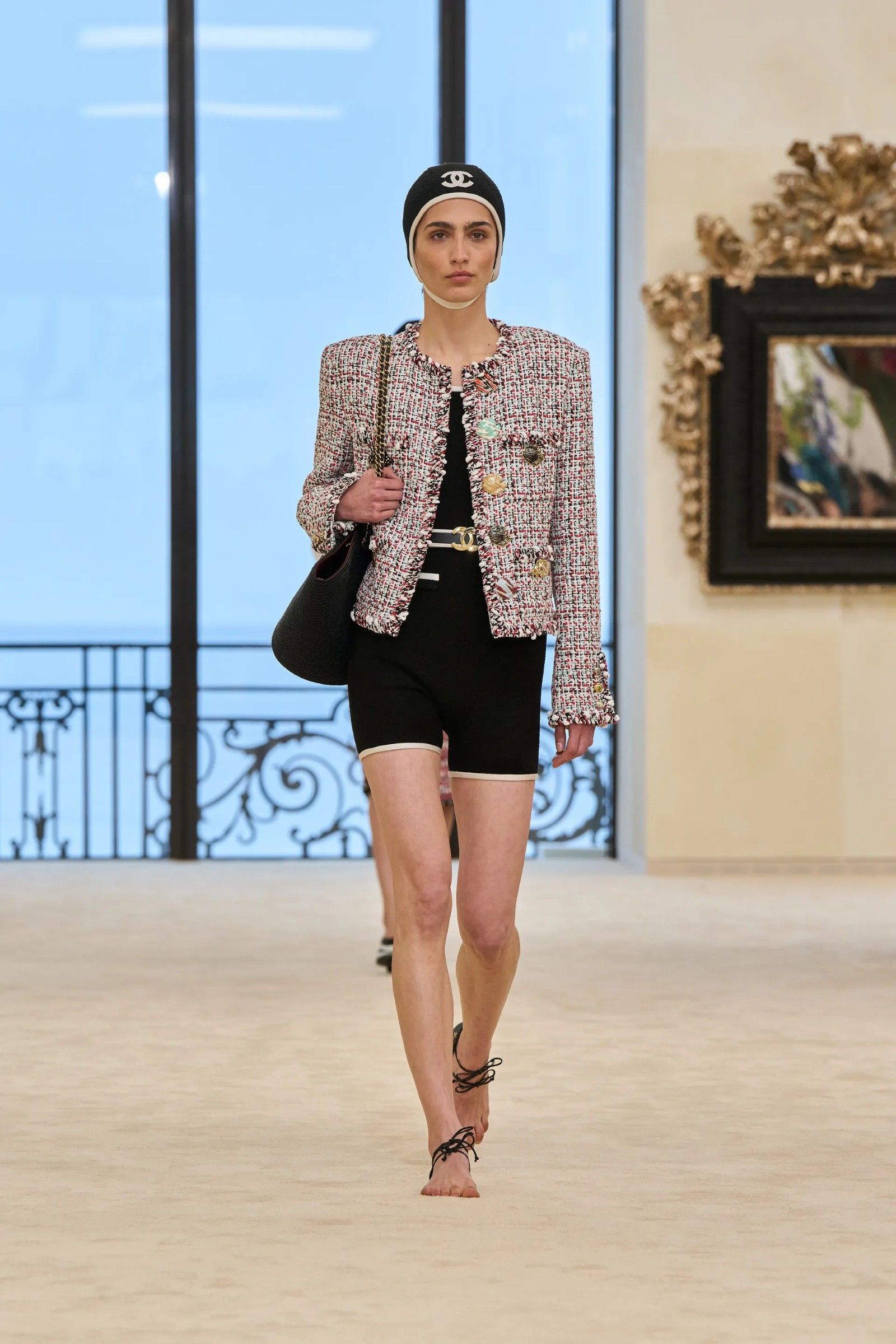
We could try to explain it in a thousand different ways, but the barefoot trend that has taken foot (pun intended) in recent fashion seasons shows no sign of going anywhere. In a world of normalized fetishes, adult “models” who do occult fanservice on social media and even recent summer campaigns and lookbooks where going barefoot is a sign of noble insouciance, certain extremities of the body seem more exhibited than fitted into actual shoes as in the past. Yet the model presented at the Chanel Cruise 2027 show in Biarritz has pushed into new territory: that of the shoes-without-shoes.
Chanel’s Cap-Heel Sandal
As mentioned, Chanel Cruise 2027 show sparked a lot of discussion around a sandal we could define as Cap-Heel: a simple heel covering in the shape of a small block, tied around the ankle with a knotted string. Perhaps the best example of a shoe-that-is-not-a-shoe we have seen in years. As some have already pointed out, the commercial version of this non-sandal will likely include a sole, because it is impossible to imagine wearing it exactly as shown outside the house.
The design, clearly more oriented toward sparking social media conversation, is conceptually curious for two reasons. The first is that, in its bizarreness, it still respects Chanel’s “code” of two-tone shoes, even though in this case the second colour is the wearer’s own skin. The second is a somewhat historical factor: throughout the centuries, from antiquity to the modern age, nobles and aristocrats wore impractical clothing to indirectly demonstrate that they were not engaged in manual labour. Perhaps buying and wearing the runway version of this shoe will signal the same thing — that one can afford a life in which the wearer never has to touch a sidewalk or public floor, not even for a second.
Other Shoes-Without-Shoes in Fashion
Martin Margiela - "Le Topless" Tabi (1996)
Salvatore Ferragamo - Sandal "Invisibile" in Il Mattino di Napoli (April 1947)
Marilyn Monroe in "How to Marry a Millionaire" (1953)
This type of deconstructed shoe can be considered the latest descendant of a family tree whose roots go back to the archive of Martin Margiela — the very same archive that Matthieu Blazy worked on during the 2010s. One of the most legendary designs by the brilliant Belgian deconstructor is the “Le Topless” Tabi sandal presented in the brand’s SS96 collection: it consisted of a simple sole with a heel that was fixed to the foot using literal adhesive tape. The idea, beyond mere deconstruction, was to allow a different and casual styling of the shoe every time it was worn. Margiela has always explored, in one way or another, a certain philosophical sense of impermanence.
Martin Margiela SS96
Alexander McQueen SS97
Around the same period, it is worth mentioning the shoes that Alexander McQueen created for the legendary SS97 show La Poupée. The models wore completely transparent platform shoes that left the entire foot visible and, when walking on the water-covered runway, gave the impression that they were almost floating on the surface. But perhaps the true ancestor of all these shoes is the Invisible Sandal (that’s its actual name) created by Salvatore Ferragamo in 1947, inspired by fishermen on the Arno river. The upper of this heel was made of a transparent nylon thread that bound the bare foot to the heel — a more couture version of what Margiela later did with adhesive tape.
In the 1950s, Marilyn Monroe made the Cinderella Slippers famous: they were made of a transparent material called lucite and consisted of a simple one-piece transparent sole with holes through which ribbons passed, then tied around the foot. This paved the way for PVC shoes in the 1960s which, by the 1990s, became associated with strippers and drag queens due to their success in the clubbing subculture. But that’s another story.
Shoes-Without-Shoes Today
Chanel SS18 by Karl Lagerfeld
Kim Kardashian in Yeezy Season 2 (2016)
Skin Heel Boots by Matières Fécales (2018)
Over the years, shoes-without-shoes and the illusion of bare feet have largely moved through the use of PVC: from the famous Pump Plexi by Gianvito Rossi, a bestseller for over a decade, to the thong wedges created by Kanye West for Yeezy Season 2 and then replicated in several subsequent collections. In 2017 it was Karl Lagerfeld for Chanel who made a series of transparent PVC go-go boots that recreated the naked effect. A tradition continued in recent collections by Loewe with its transparent Emily shoes. The following year came the most unsettling shoes-without-shoes of all: the Skin Heels by Matières Fécales, which used transparent platforms and a material identical to human skin to create the illusion of a mutant foot, with a “flesh” heel not unlike the ones welded to Angelina Jolie’s feet in the film Beowulf.
Balenciaga Pre-Fall 2025
Loewe SS26
Calvin Klein Collection SS26
Simone Rocha SS26
Transparent shoes as such had a moment in the SS23 season thanks to Jonathan Anderson at Loewe, who created ballerinas that looked like glass, and to Simone Rocha, who greatly expanded the world of transparent shoes up to her latest SS26 show. But the real shoe-without-shoe that comes closest to Margiela’s experiments and to the Chanel sandal is the Barefoot Zero that Demna created for Balenciaga Pre-Fall 2025: it consisted of a simple sole that wrapped around the big toe, leaving the foot completely exposed. More recently, for the SS26 collection, Coperni collaborated with Barreletics on the Grip Sock — a sort of rubber sheath used in pilates, transformed here into a curious bio-mechanical version of a sandal.
Maison Margiela FW26
Coperni SS26
Elena Velez FW26
Karoline Vitto FW26
Julien MacDonald FW26
Another similar shoe was seen, in a much more traditional key, in the SS26 Calvin Klein Collection: a leather sole tied to the ankle with a tiny strap, leaving the foot completely exposed and held on the sole by a metal thong element with no other attachment. Other brands that recreated the impression of a bare foot in the FW26 season were Maison Margiela, which brought a pair to its Shanghai show, along with independent brands such as Elena Velez, Karoline Vitto, and Julien McDonald.