






































How is the cryptocurrency market doing? After months of great enthusiasm, the war in Iran has changed the cards on the table
To assess the performance of cryptocurrencies, attention is paid to the value of Bitcoin, which has recently experienced a significant decline. Last October, the world’s most widely used cryptocurrency had reached its all-time high of 126,000 dollars, before falling to around 50,000 euros per unit in February: the lowest figure since October 2024. Currently, the value of Bitcoin stands just above 65,000 dollars, a decrease due to investors’ lower willingness to take risks in financial markets.
The situation of international economic and political uncertainty, caused by the conflict in the Middle East, has pushed investors to prefer more reliable types of investment such as precious metals or European stocks. In the early days of the war, the US Secretary of Energy, Christopher Wright, had tried to downplay the severity of the situation, arguing that the problems would be temporary, but now the energy crisis risks lasting a long time; oil and natural gas trade, in fact, cannot restart overnight, which causes repercussions on numerous financial assets, especially more speculative and volatile ones, such as certain cryptocurrencies.
Cryptocurrencies integrated into traditional payment systems
@bitcoincapitalist Buying McDonald’s with Bitcoin in Lugano, Switzerland #bitcoin #btc #tether #usdt #bitcoinlugano #bitcoinswitzerland #switzerland #lakelugano #mcdonalds #crypto #cryptoswitzerland #cryptolugano Real Steel - Paul Velchev
On the one hand, cryptocurrencies remain instruments at the margins of traditional finance, but some industry companies are promoting them as an alternative payment system. One of the shared goals among industry professionals is precisely to make cryptocurrencies the new preferred payment method for everyday activities. In this direction goes the Bybit card, the world’s second-largest cryptocurrency exchange by trading volume, which with 3 million users is now used across a wide range of categories, such as booking trips, grocery shopping, or paying at restaurants.
One of the clearest examples of integration of digital assets into traditional economic systems is Lugano, where it is possible to pay in Bitcoin and USDT (a stablecoin pegged to the dollar), as well as with LVGA, a city digital currency. In the Swiss city, hundreds of shops, venues, and businesses have long accepted alternative digital payments - recently joined, for example, by the local store of Rocca, a luxury jewelry and watchmaking chain, demonstrating that even the luxury sector can potentially benefit from innovations in digital payments.
The consequences of the war in Iran on the cryptocurrency market
@johnkiriakouclips John Kiriakou on Bitcoin #cia #johnkiriakou #niche #viral #fyp original sound - John Kiriakou
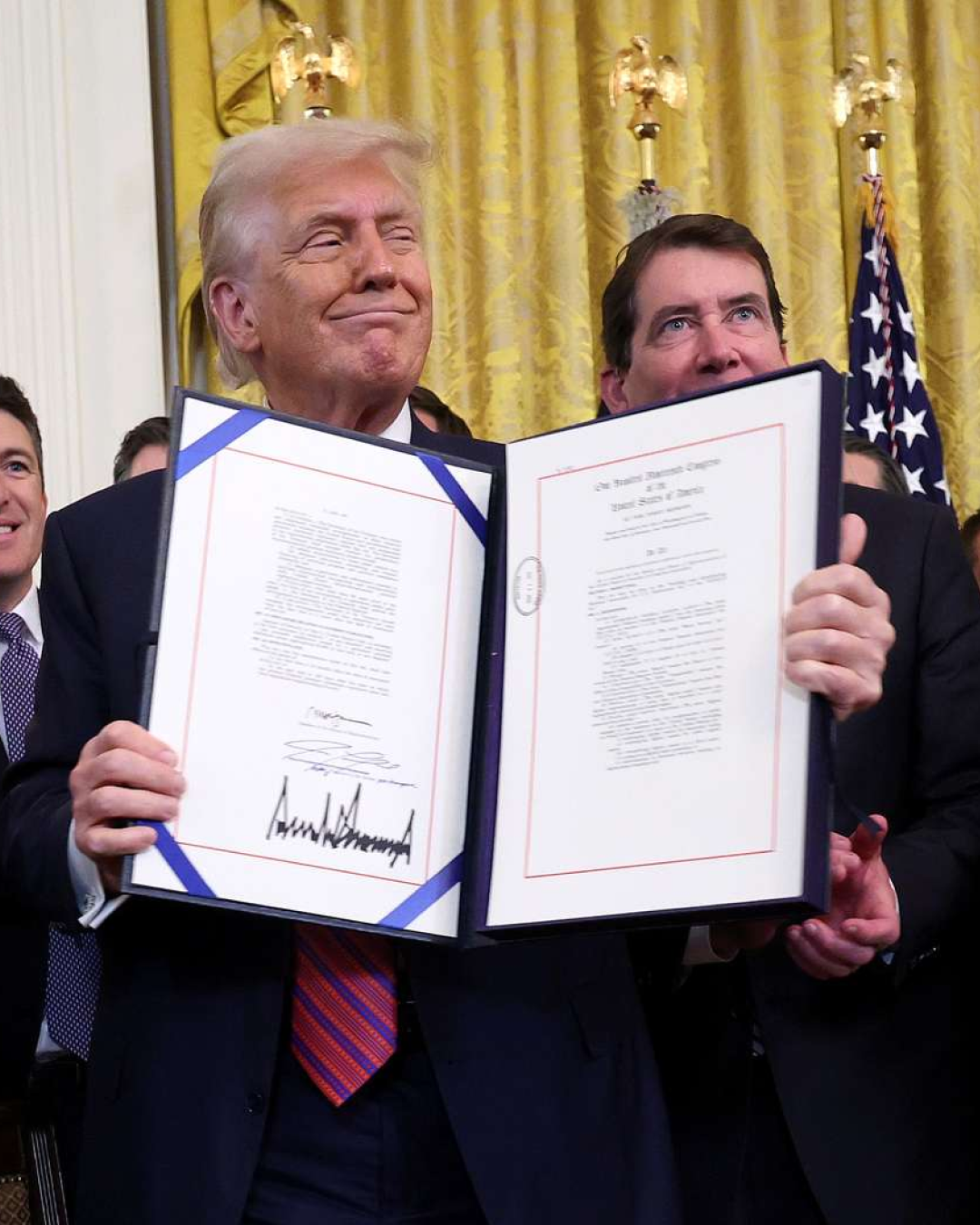
With the election of Donald Trump, the US administration adopted a much more favorable stance toward cryptocurrencies. Not only did the so-called “Genius Act” come into force, a controversial law aimed at recognizing stablecoins (a specific type of digital currency) as a payment instrument equivalent to traditional ones, but pardons were also granted to individuals involved in financial crimes related to the sector. Among them is Changpeng Zhao, founder and former CEO of Binance, one of the world’s largest cryptocurrency exchange platforms, who in 2024 had been convicted of money laundering.
However, the war in the Middle East is changing the situation. Trump’s success in Venezuela, with the rapid military operation that led to the capture of Nicolás Maduro, had fueled the idea that a similar approach could work in Iran as well. That was not the case: the regime has much stronger military capabilities and power structures, the conflict has expanded, and the impact on the global energy market has been enormous. The crisis has also affected the stability of smaller financial markets, including the one linked to cryptocurrencies.
And NFTs?
In this context, the growing influence of artificial intelligence has also impacted the cryptocurrency sector, drawing away a significant share of capital. This phenomenon has been particularly evident in the case of NFTs: the launch of ChatGPT contributed to shifting investor attention away from the metaverse and Web3, reducing interest in digital ownership certificates. After more than a year of strong enthusiasm, starting from the end of 2022, demand for NFTs began to decline significantly.
Initially, NFT supporters believed these certificates could foster the emergence of a new art market, comparable in scale to the traditional one. That did not happen. Although the NFT market is now much smaller, according to some supporters it has recently been maturing, leaving behind its riskier and more controversial aspects. Today, the same speculative and volatile dynamics are concentrated mainly in the meme coin sector, meaning cryptocurrencies tied to viral trends or celebrities, where hype is driven in a way not too different from what happened with NFTs, with considerable risks for investors.