







































How are places that have adopted cryptocurrencies doing? With ups and downs, as in the cases of Lugano and El Salvador
In recent years, cryptocurrencies have established themselves as one of the most popular investment instruments. In recent months, however, the international economic and political context, marked by strong instability, has changed the choices of many investors. Tensions linked to the trade policies announced by Trump, his interventions in the Venezuelan political scenario, and an increasingly confrontational stance toward European countries have helped strengthen a climate of uncertainty, pushing part of investment capital toward assets considered safer, such as gold and other precious metals.
@andrewchanvc Venture tends to run in repeat cycles I think the crypto winter that’s started the last couple weeks leads to the next crypto bubble just as the climate tech winter many startups in that sector are facing will lead to another bubble there. these sectors often rely on hype more than substance and as a venture capitalist it’s often tough to avoid that, hence why it keeps happening. think pendulum, not fads for most of these trends #venturecapital #startuptiktok #siliconvalley original sound - Andrew | VC and Startups
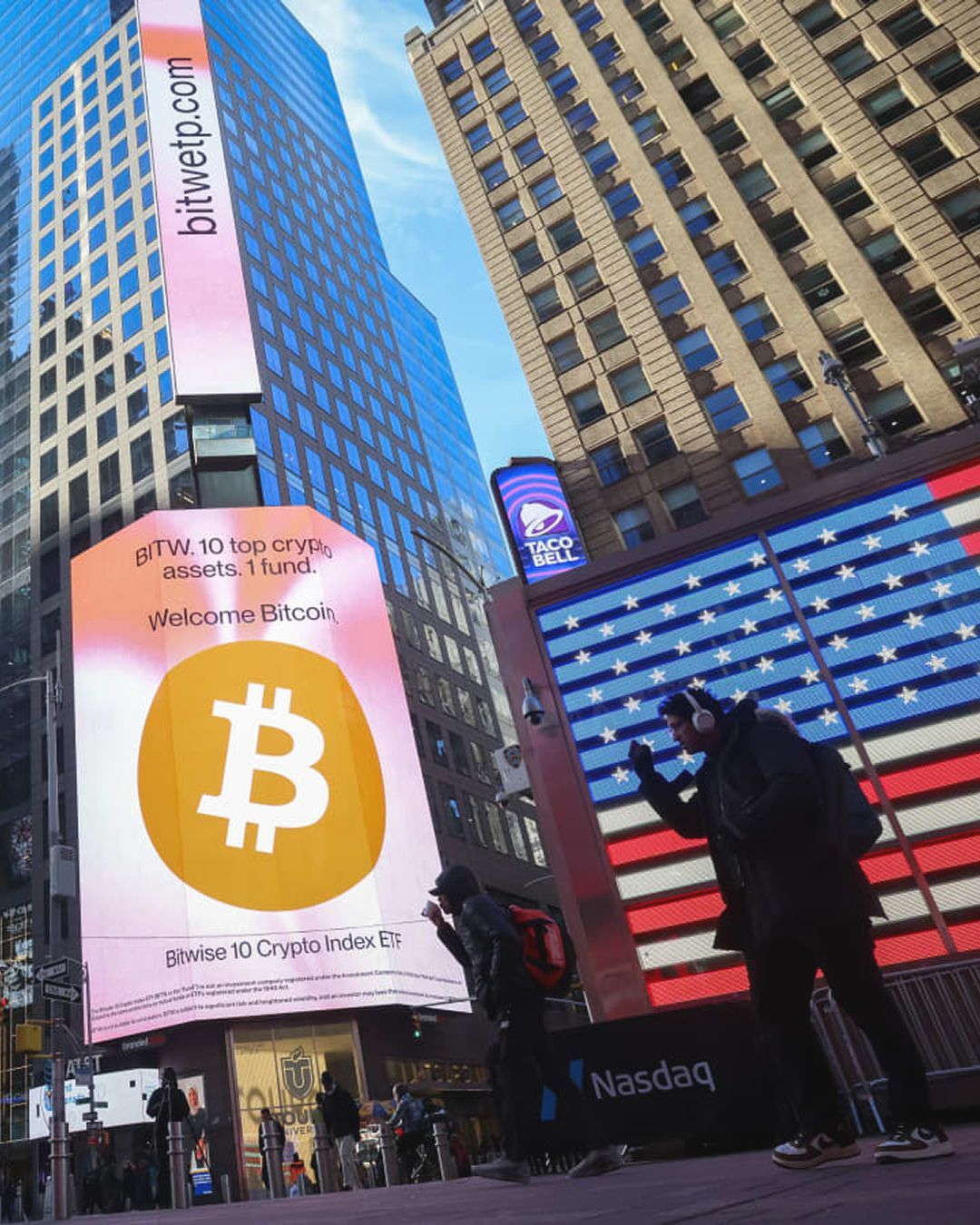
In this scenario, Bitcoin too—the most widespread cryptocurrency and the one used as an indicator for the entire sector—has undergone a sharp downturn. After reaching its all-time high in October 2025, when it surpassed €105,000, its value quickly fell to around €52,000 in February 2026. Fluctuations of this kind are nothing new for the cryptocurrency market, which has always been subject to phases of sudden growth followed by equally rapid crashes. These prolonged downturns are commonly referred to as "crypto winters". According to some observers, however, this phase could have a selective effect, favoring more solid projects in the long term while penalizing those based on purely speculative dynamics.
What does Lugano have to do with cryptocurrencies
One of the goals shared by operators, industry professionals, and enthusiasts is for cryptocurrencies to be used more and more often as traditional payment instruments. For example, in Europe, one of the most interesting case studies in this regard is Lugano, which is trying to integrate cryptocurrencies into local economic systems. In the Swiss city, it is possible to pay with Bitcoin and USDT (a stablecoin pegged to the dollar), as well as with LVGA, a local digital currency. The latter is a token designed for everyday payments and is accepted by numerous commercial activities, as well as by several public services.
The alternative payment system has transformed Lugano, which has just over 60,000 inhabitants, into a point of reference for the cryptocurrency sector, not only in Europe. Today, the Swiss city attracts start-ups, entrepreneurs, and researchers from all over the world interested in digital payments, thanks to the technological ecosystem developed around these solutions and the funds available to finance research projects and new jobs. The goal of the local administration is to consolidate the rise of this sector in the city by creating a sort of specialized district. The project has also sparked interest from other Swiss municipalities, which are asking Lugano to replicate the LVGA model and share its technology.
El Salvador and bitcoin
NEW: El Salvador featured in the New York Times as one of the top 52 places to visit in 2024 (at number 33).
— Bitcoin Archive (@BitcoinArchive) January 9, 2024
Unthinkable before Bukele and #Bitcoin pic.twitter.com/Cw1lXaNYwu
Another location closely watched by those involved in cryptocurrencies is El Salvador, a small Central American country where bitcoin is more widespread than in other nations and where, until last year, its use was fully legal. The country later decided to strip bitcoin of its status as legal tender, once again making its acceptance in shops optional and banning its use for the payment of taxes, following lengthy negotiations with the International Monetary Fund, which granted a $1.4 billion loan only on the condition that risks linked to the use of the cryptocurrency be reduced. Bitcoin had been recognized as legal tender in 2021, strongly backed by President Nayib Bukele, despite opposition from the majority of the population.
Bukele’s reform aimed to reduce dependence on the US dollar, facilitate the sending of remittances from abroad, and attract investment in the cryptocurrency sector. However, the experiment did not produce the hoped-for results: despite substantial public investment in infrastructure and cryptocurrency-related incentives, the use of digital wallets by citizens has remained very limited—an indication that this type of payment is still a niche phenomenon and does not work everywhere. In addition, issues related to fraud and non-compliance with anti-money laundering regulations have emerged. Despite the regulatory step back, the Salvadoran government continues to support the cause and hold a significant bitcoin reserve, which according to official sources is worth about $610 million, and has continued to purchase more even recently.