























Is Kering starting to stabilize? Gucci contributed 59% of the Group's profits.
The long saga of Kering's recovery is keeping fashion insiders (and the group's shareholders) on tenterhooks. The conglomerate, under the surgical scalpel of the new CEO Luca De Meo, is beginning to change and while a full recovery is not yet in sight, at least it seems that the containment measures are starting to bear fruit.
The group is indeed still in the red, mainly due to the extraordinary costs incurred for operational optimizations and reorganizations prescribed by De Meo, and therefore reported for the entire past year a loss of 29 million euros which is in stark contrast to the profit of 1.02 billion euros recorded in 2024. Yet the organic decline in sales, down overall by 3% on a comparable basis (i.e. without considering distortions from exchange rates, acquisitions or disposals and other extra costs), is slightly less severe than the 5% expected by analysts and therefore the fourth quarter of 2025 closed with revenue of 3.91 billion euros. But how are the brands performing?
A glimmer of hope?
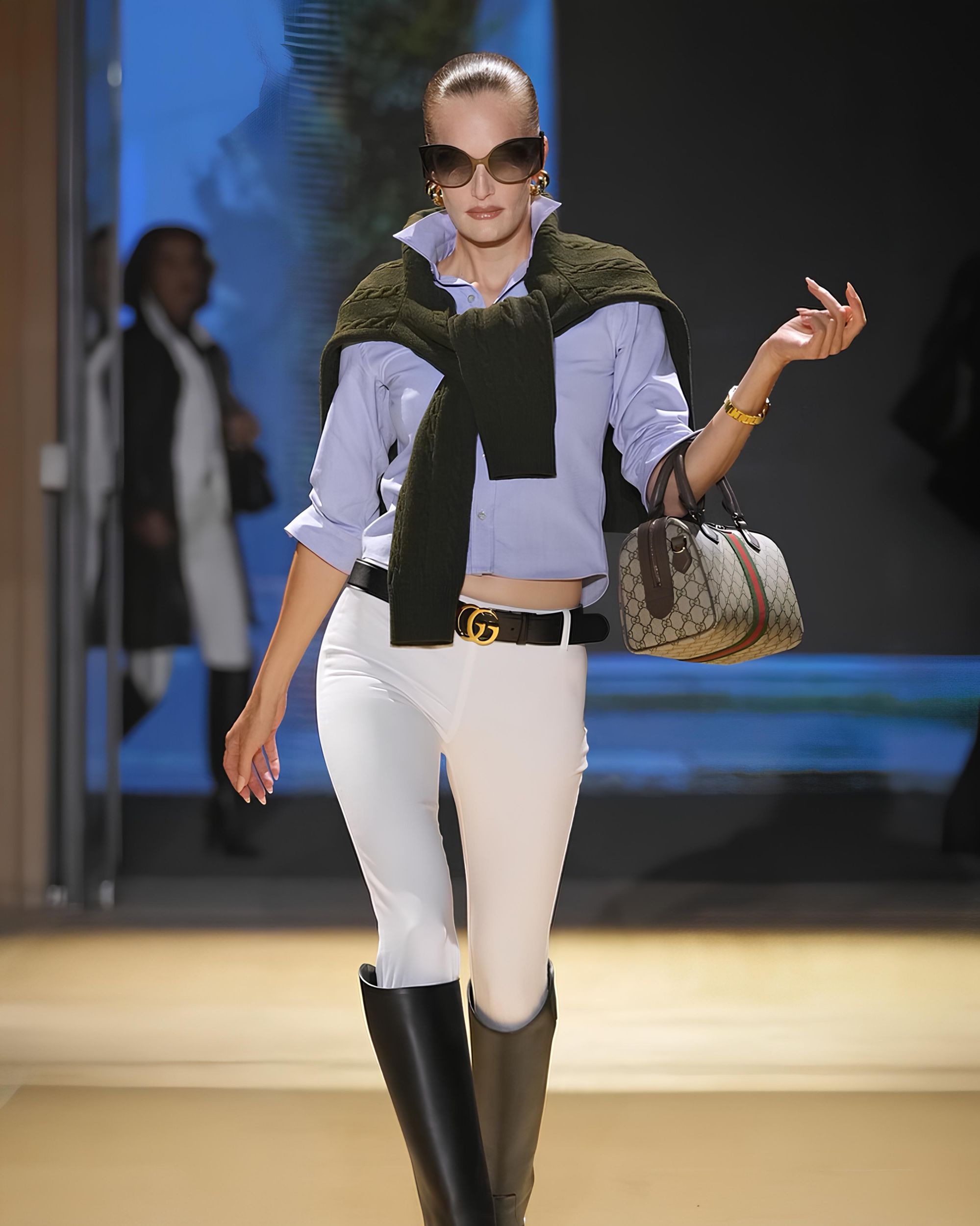
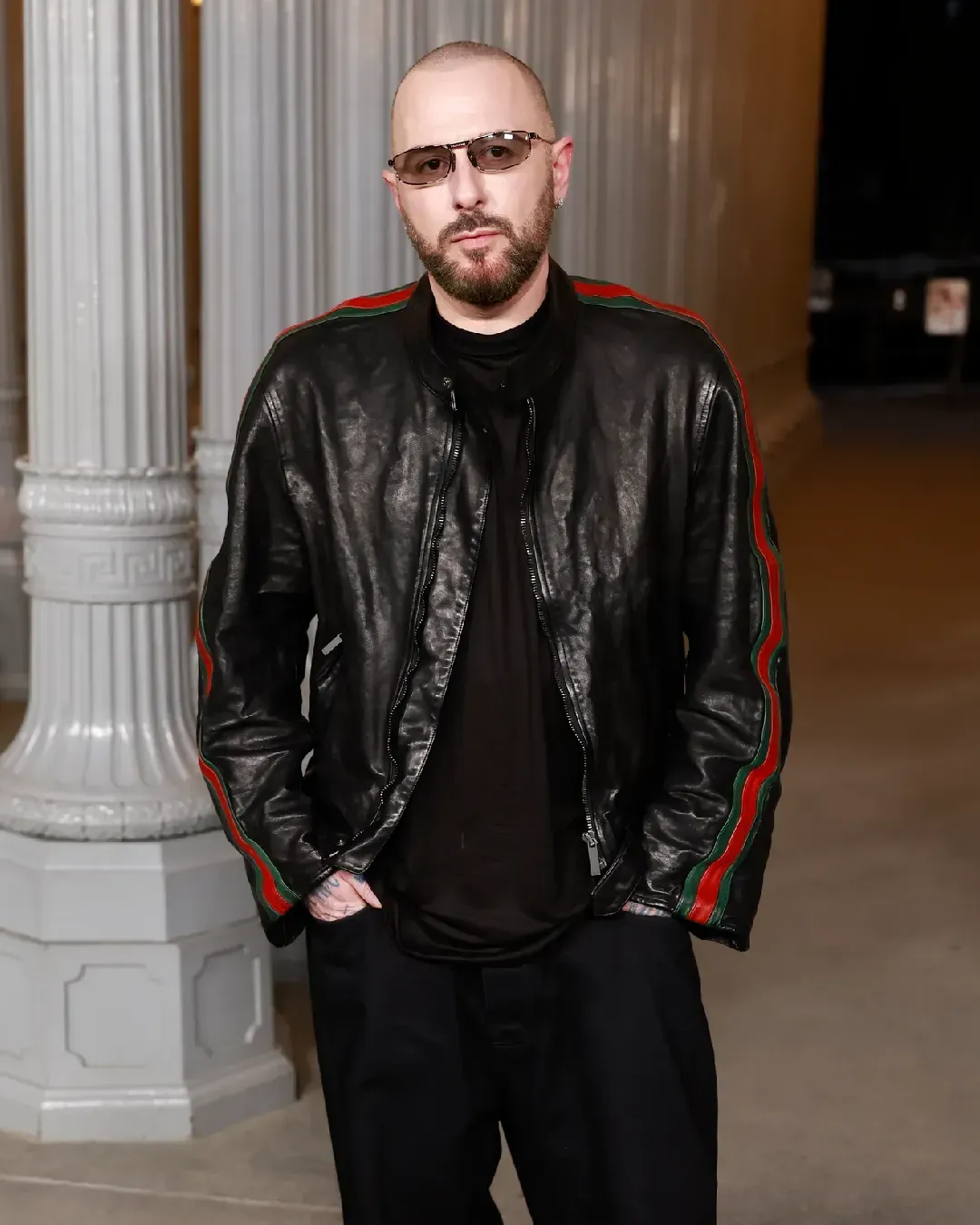
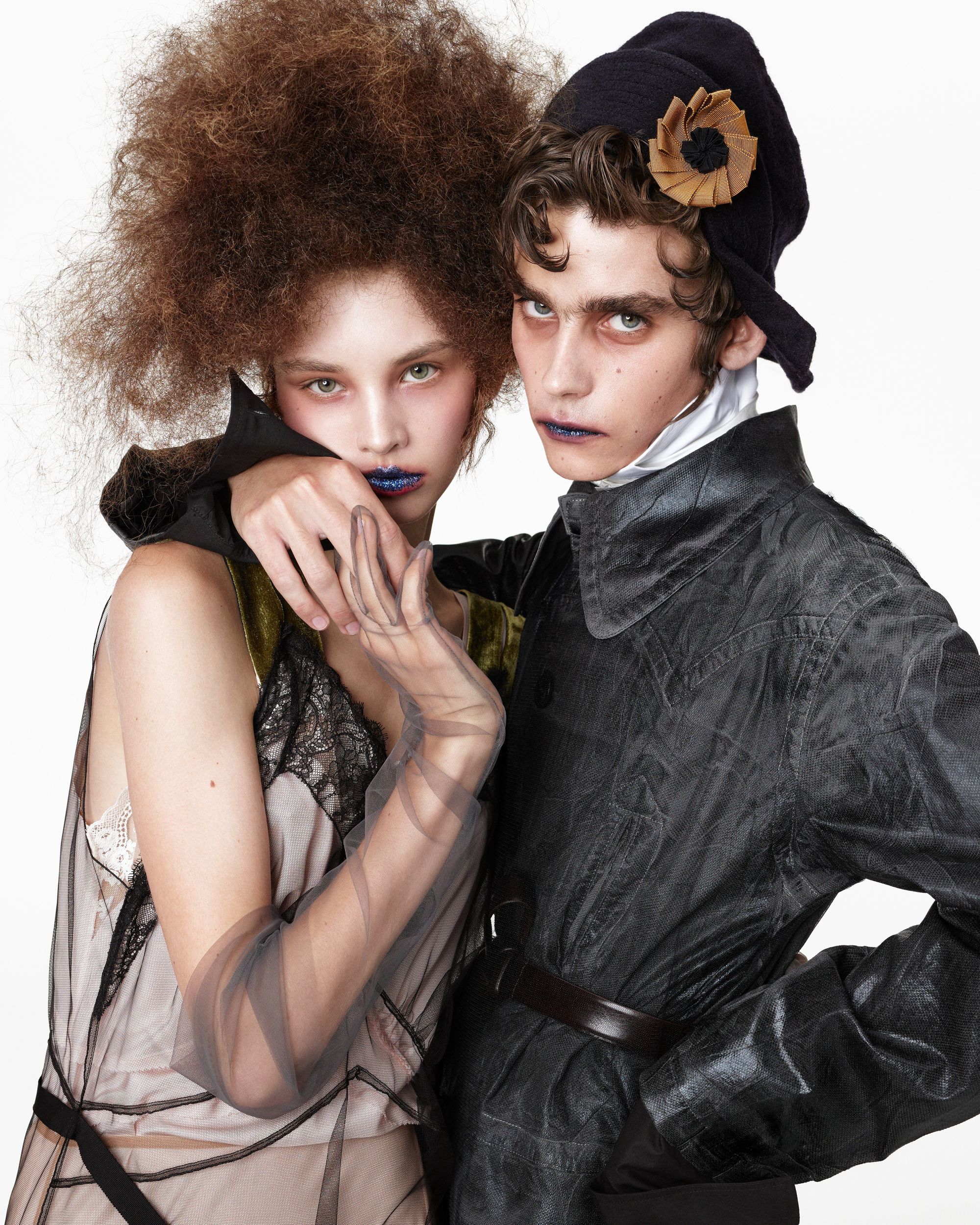
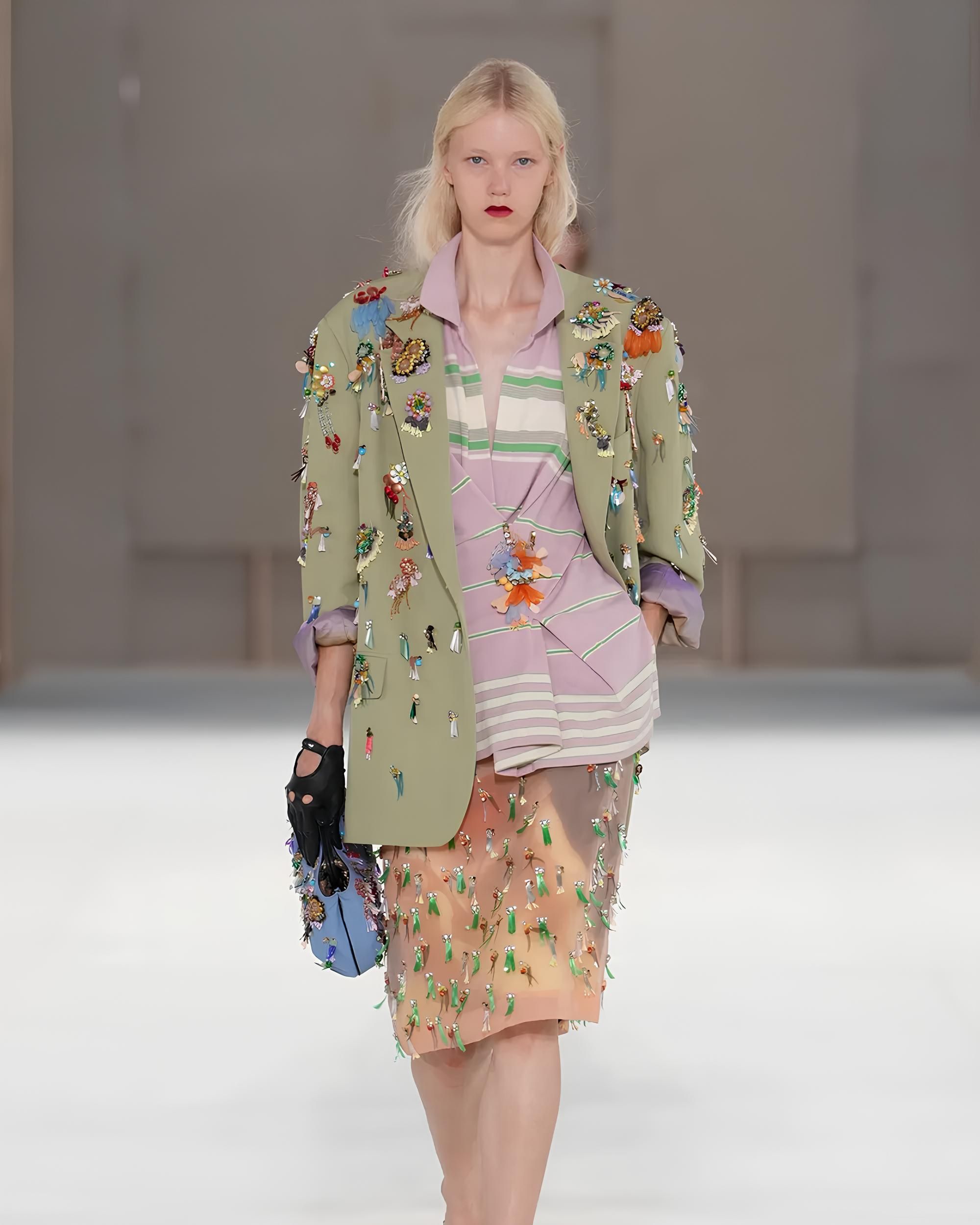
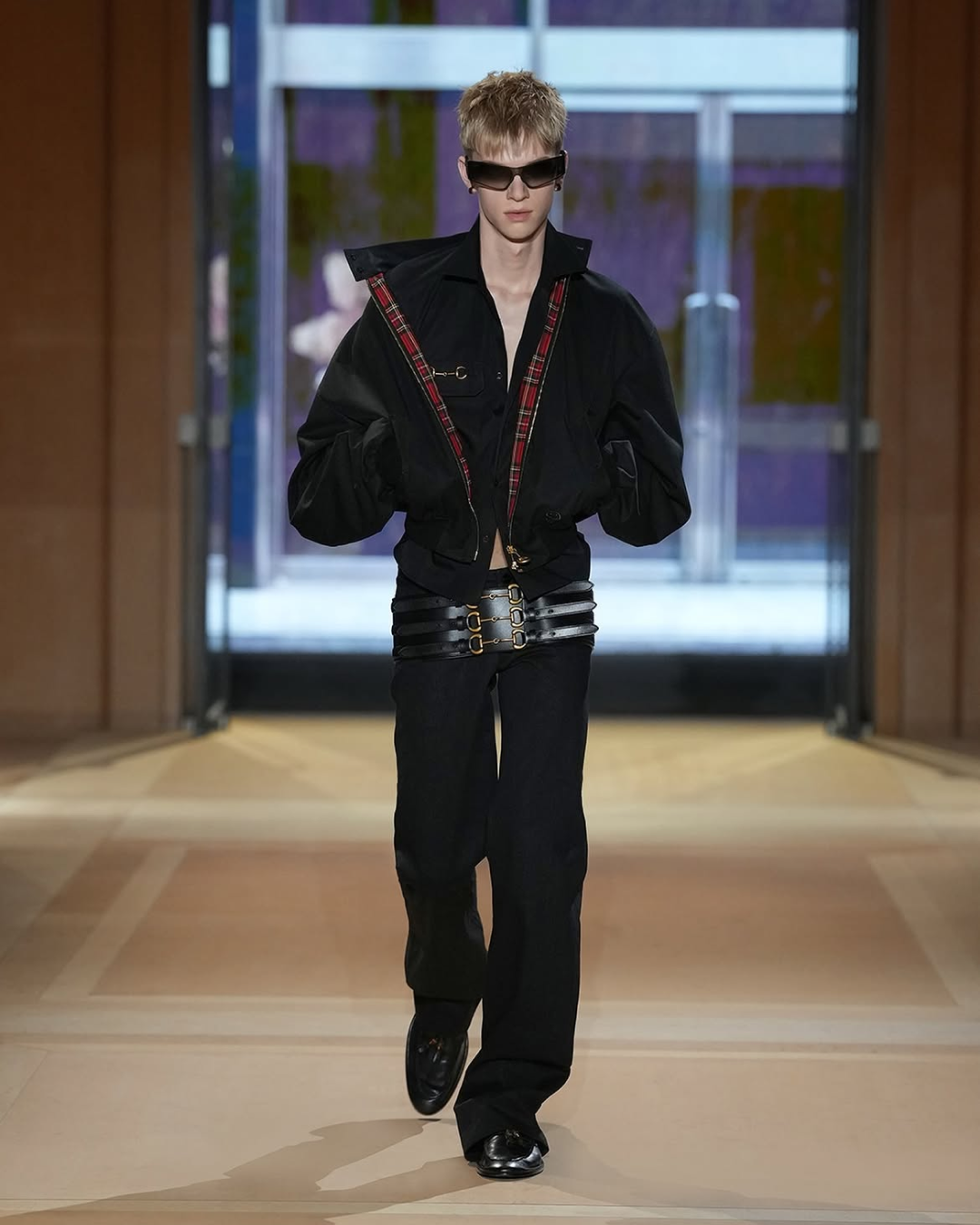
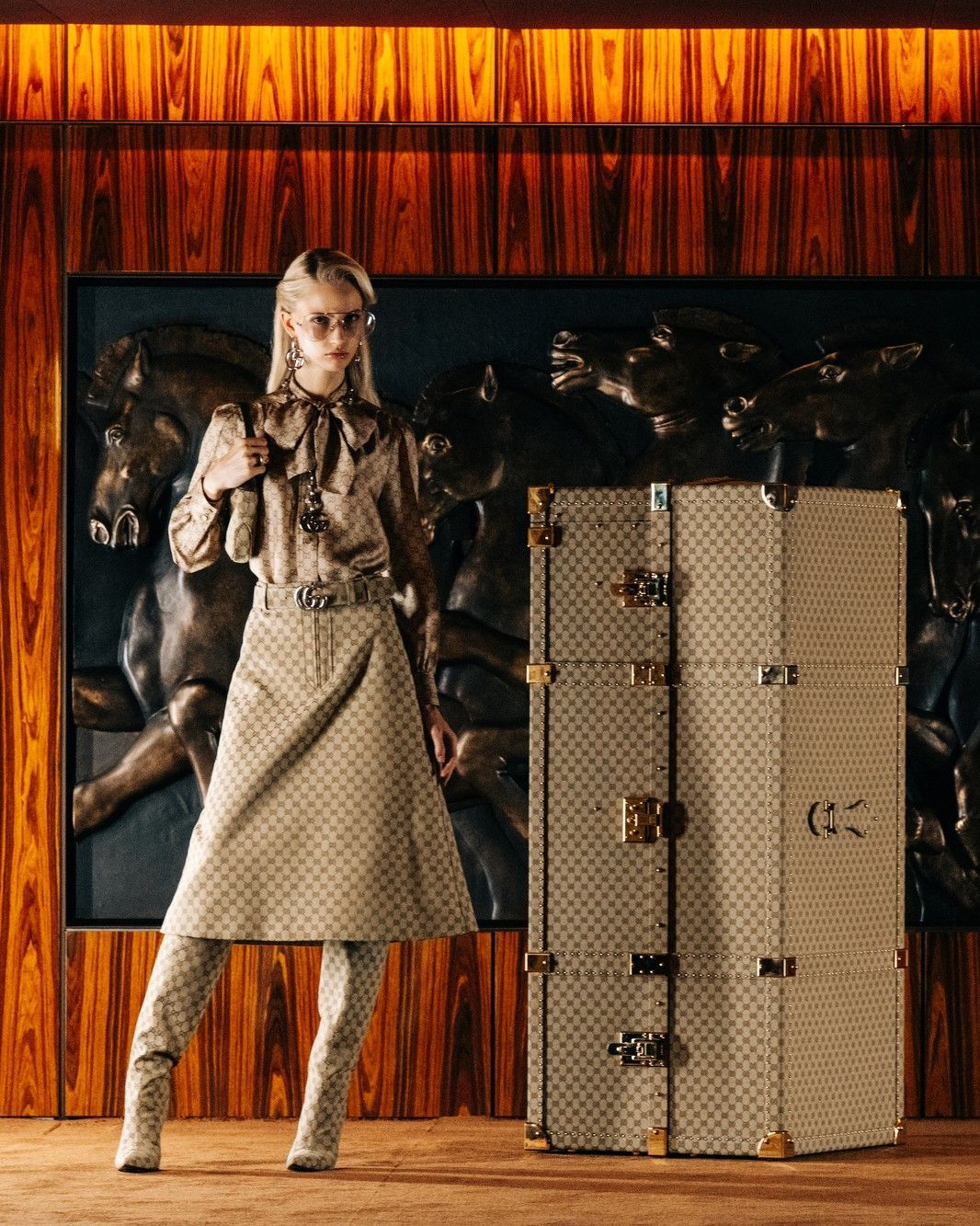
Gucci, the group's flagship brand, contributed 59% of the total operating profit in 2025. Here, organic revenues decreased by 10%, a result slightly better than the -11% estimated by experts. The figure is overall positive both because it shows a slowdown (albeit slight) in the decline, and because the positive impact of the new creative direction of Demna promises even better for the future given that Demna's first full collection for the brand has yet to arrive in stores in its entirety.
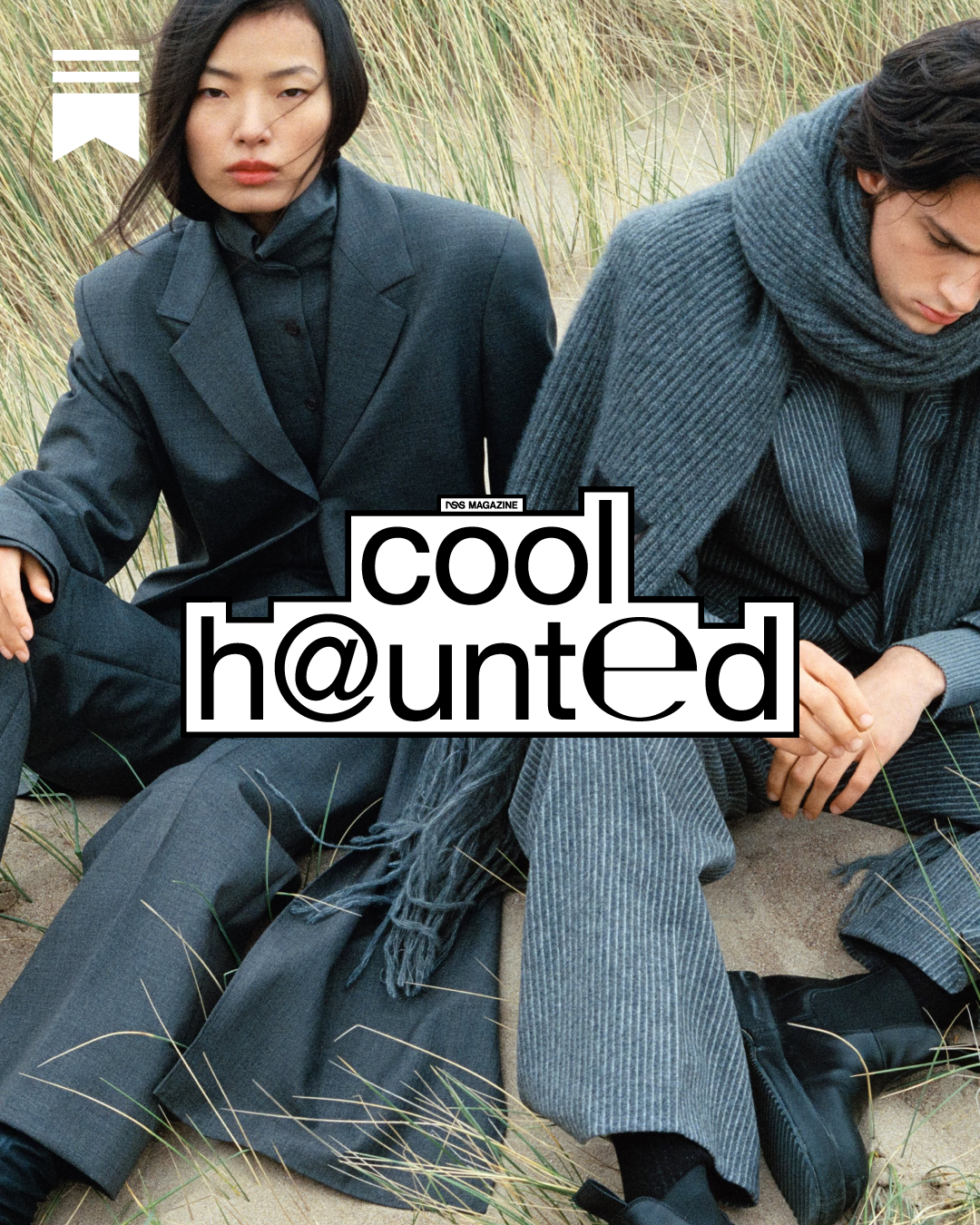
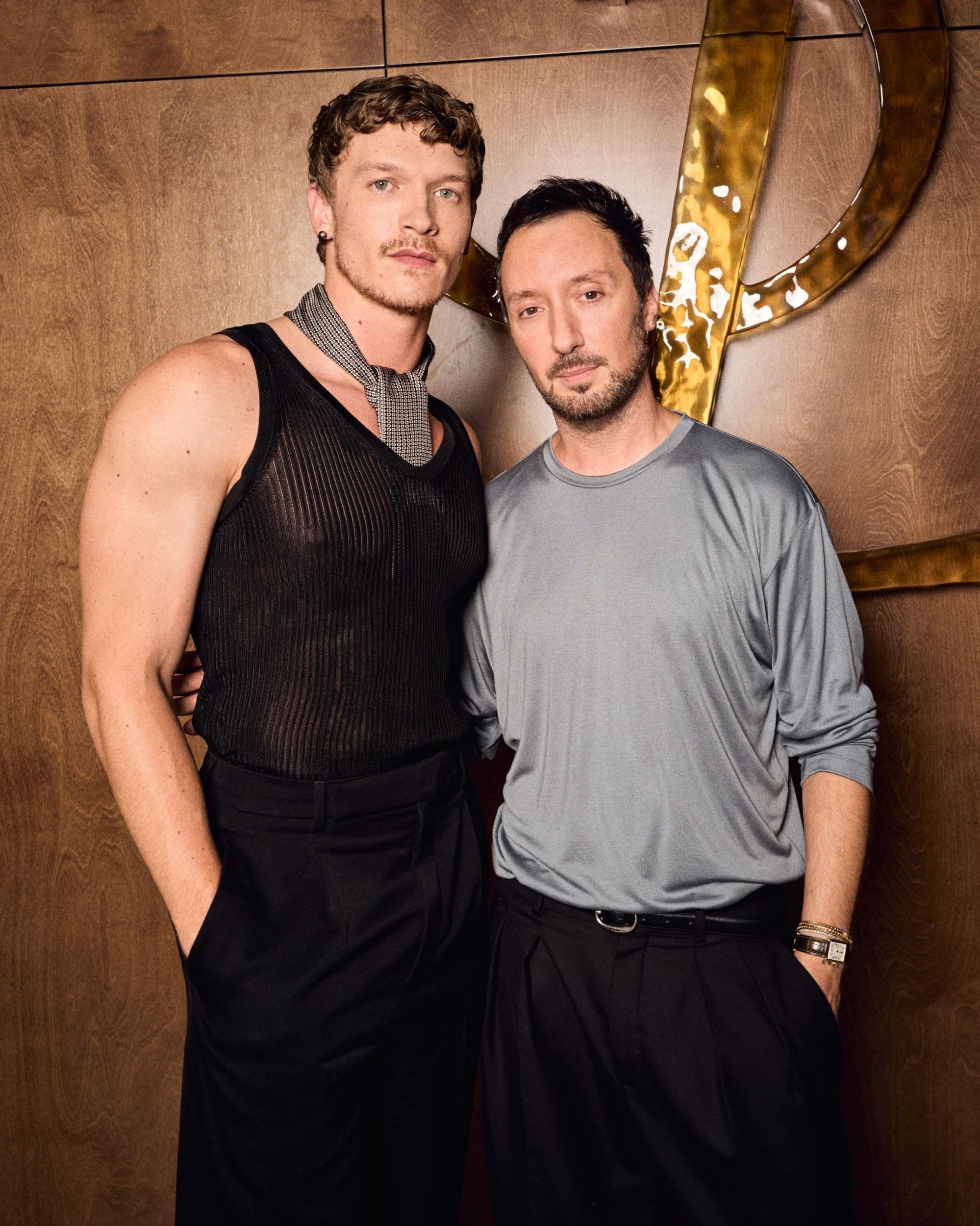
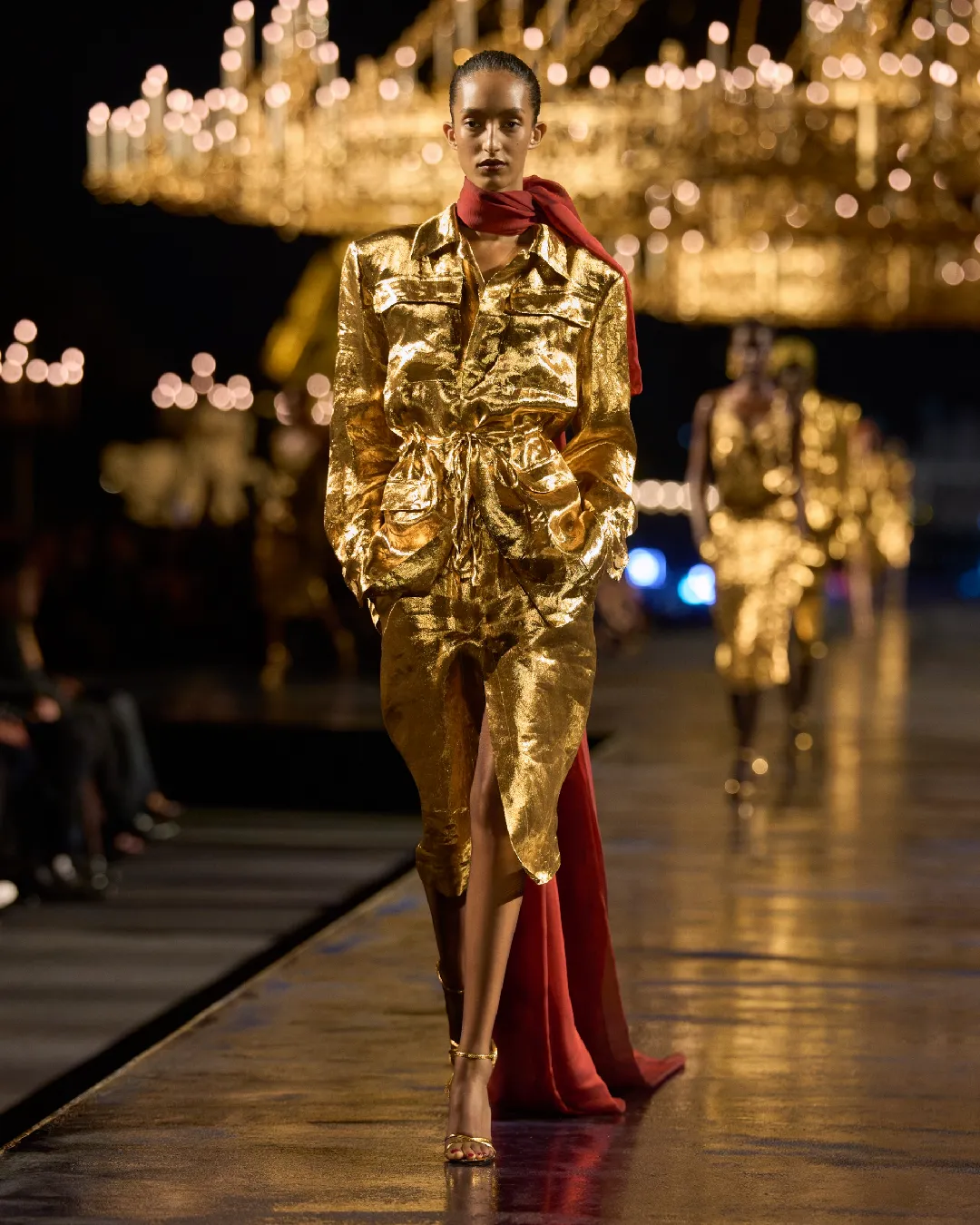
The other brands also show encouraging but not triumphant signs. Saint Laurent remained stable, Bottega Veneta continued to grow by 3%, while the "other houses" segment, which includes Balenciaga and Alexander McQueen, also recorded a 3% increase. Kering Eyewear instead, the group's eyewear division, reported a +2% on a comparable basis.
The figures in this report still reflect a transitional phase related to the multi-billion sale of the Kering Beauté business to L’Oréal. The agreement has been reached but in reality it will be definitively concluded only in the first half of 2026 and therefore the activities of the division dedicated to cosmetics and perfumes, now considered discontinued with respect to the rest of the business, have not been included in the overall revenue computation which at least now reflect the more or less “pure” performance of the luxury brands.
The overall results
@jalil_talks_fashion Luxury doesn’t move in straight lines. Kering is cycling not collapsing. #Kering #LuxuryBusiness #FashionCycles #Gucci #BrandStrategy original sound - jalil_talks_fashion
So, after deducting direct production costs, operating expenses such as salaries, rents, marketing; and excluding extraordinary items due to various operational restructurings, Kering saw a 33% drop in profits, with operating profit standing at 1.63 billion euros. Consequently, the recurring operating margin also fell to 11.1%, compared to 14.5% the previous year. For De Meo, however, these results do not show the group's true and full potential.
Since his arrival, important operations have been carried out including balance sheet strengthening, tighter cost controls and strategic choices that in general have led to an improvement compared to the third quarter, when revenues fell by 10% at reported rates and by 6% on an underlying basis, i.e. double the decline in the last quarter. But soon, on April 16, De Meo will present on the occasion of the shareholders' meeting his complete strategy to definitively restructure Kering. One of these, recently announced, concerns renewed attention to designers and brands in China.
The new “Craft” project in China
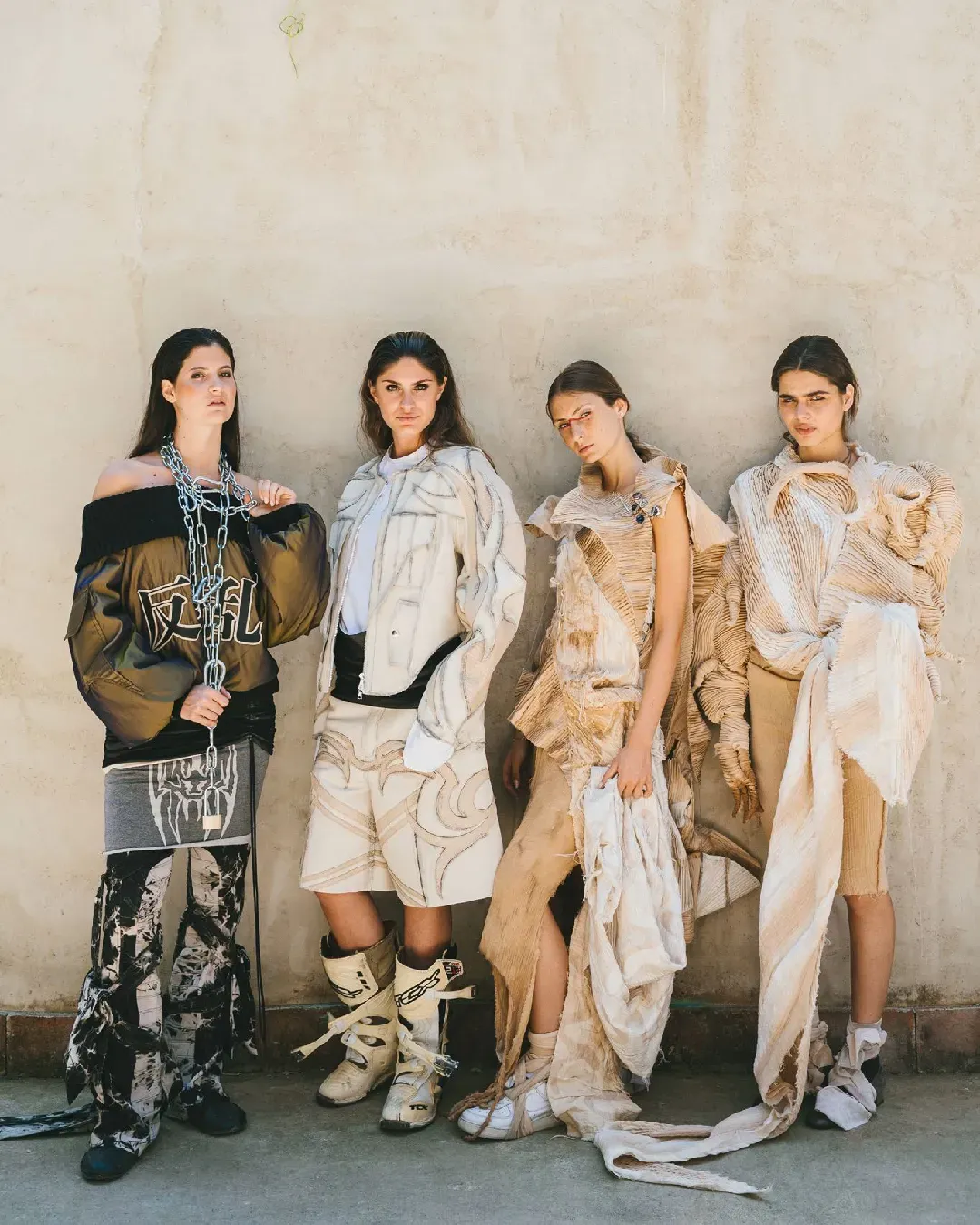
After the investment that Kering made in the Chinese jewelry brands Qeelin and Borland, a sign of interest in the native ecosystem of Chinese brands, which are growing decidedly healthier than their European counterparts in the country, the group has decided to bet on emerging Chinese designers. It will do so through a project called Craft – Creative Residency for Artisanship, Fashion and Technology, of which we will see the first concrete results straddling March and April, during the Shanghai Fashion Week.
The goal of Craft is to establish a communication channel between China and Europe, through training residencies, mentorship programs and cultural initiatives that will involve a series of designers and creatives between Shanghai, Milan and Paris. The participants will be chosen by a committee composed of Demna, the designer Guo Pei, the Italians Carla Sozzani and Simone Marchetti, Camille Charrière, Miranda Qu (i.e. the co-founder and CEO of Xiaohongshu, known as Little Red Book, one of the main Chinese social media platforms along with Weibo) and other figures from the world of business and culture.
The idea is to create a cultural and industrial platform to incubate new Chinese brands that can then be expanded globally, as well as a way for Kering to get ahead and position itself in a Chinese market that promises increasing relevance assigned to local designers and brands. A game that will bear fruit in the long term, of course, but which demonstrates how the Chinese luxury scene, more or less still unknown in Europe, now possesses its own independence and stature that calls into question the global hegemony of Western luxury.
Takeaways
- - Kering is still posting a net loss of 29 million euros in 2025 due to restructuring costs, but the organic sales decline (-3%) outperformed analysts' expectations (-5%).
- - Gucci, which accounts for 59% of the group's recurring operating profit, limited its organic decline to 10% (better than the forecasted -11%), thanks to the positive impact of Demna's creative direction.
- - The other brands show mixed but encouraging signals: Saint Laurent stable, Bottega Veneta and “other houses” (Balenciaga, Alexander McQueen) up 3%, Kering Eyewear +2% on a comparable basis.
- - The results reflect the transition related to the sale of Kering Beauté to L’Oréal (expected closure in H1 2026), with “pure” luxury figures highlighting a sequential improvement compared to the third quarter.
- - Luca de Meo is focusing on a lean and targeted turnaround strategy, with the Capital Markets Day on April 16, 2026, and initiatives like “Craft” to capture emerging Chinese talent and strengthen the group's presence in the Asian market.