


















According to Lyst, fast fashion is overtaking luxury brands In the latest quarter, Ralph Lauren shares the ranking with COS and Massimo Dutti
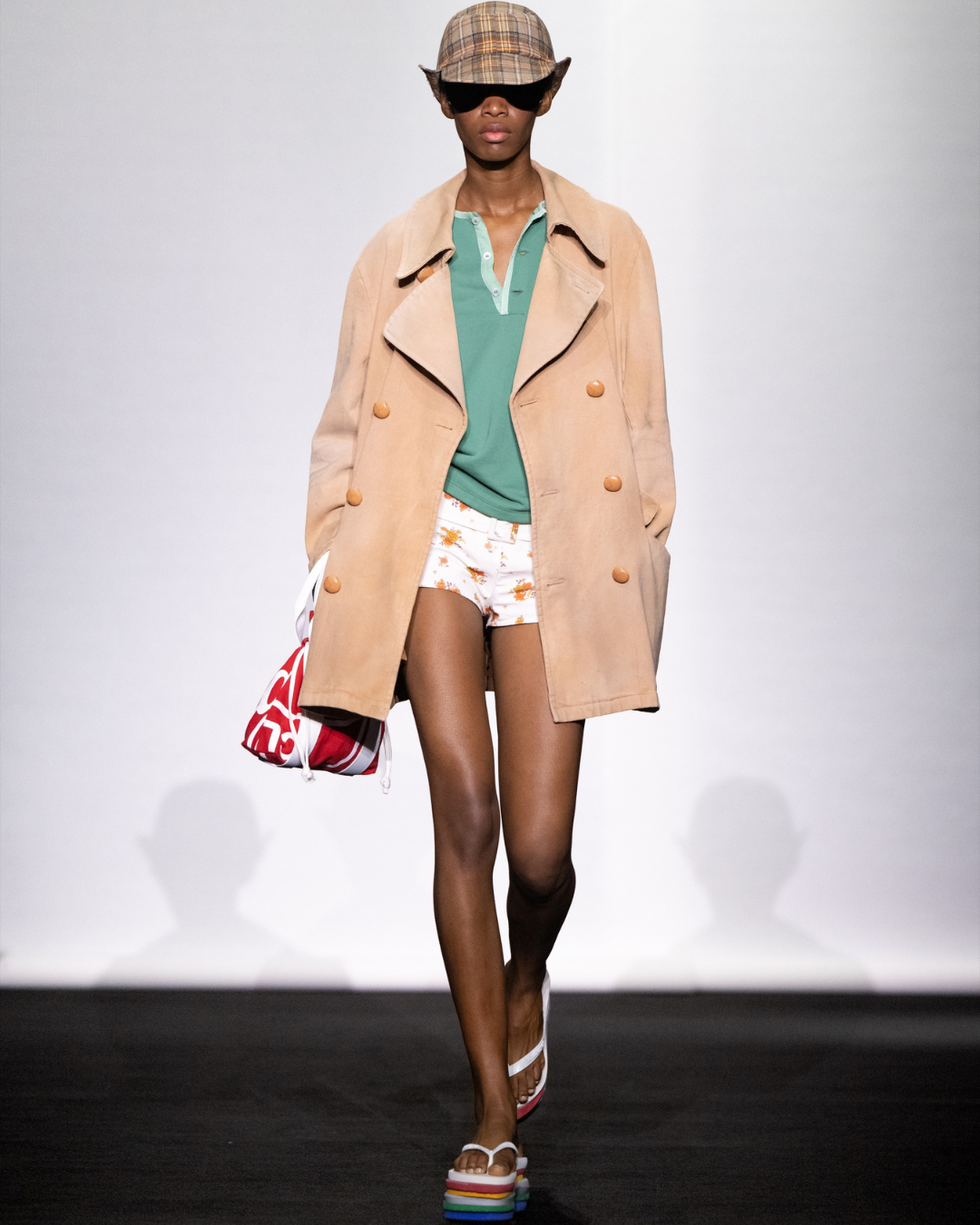
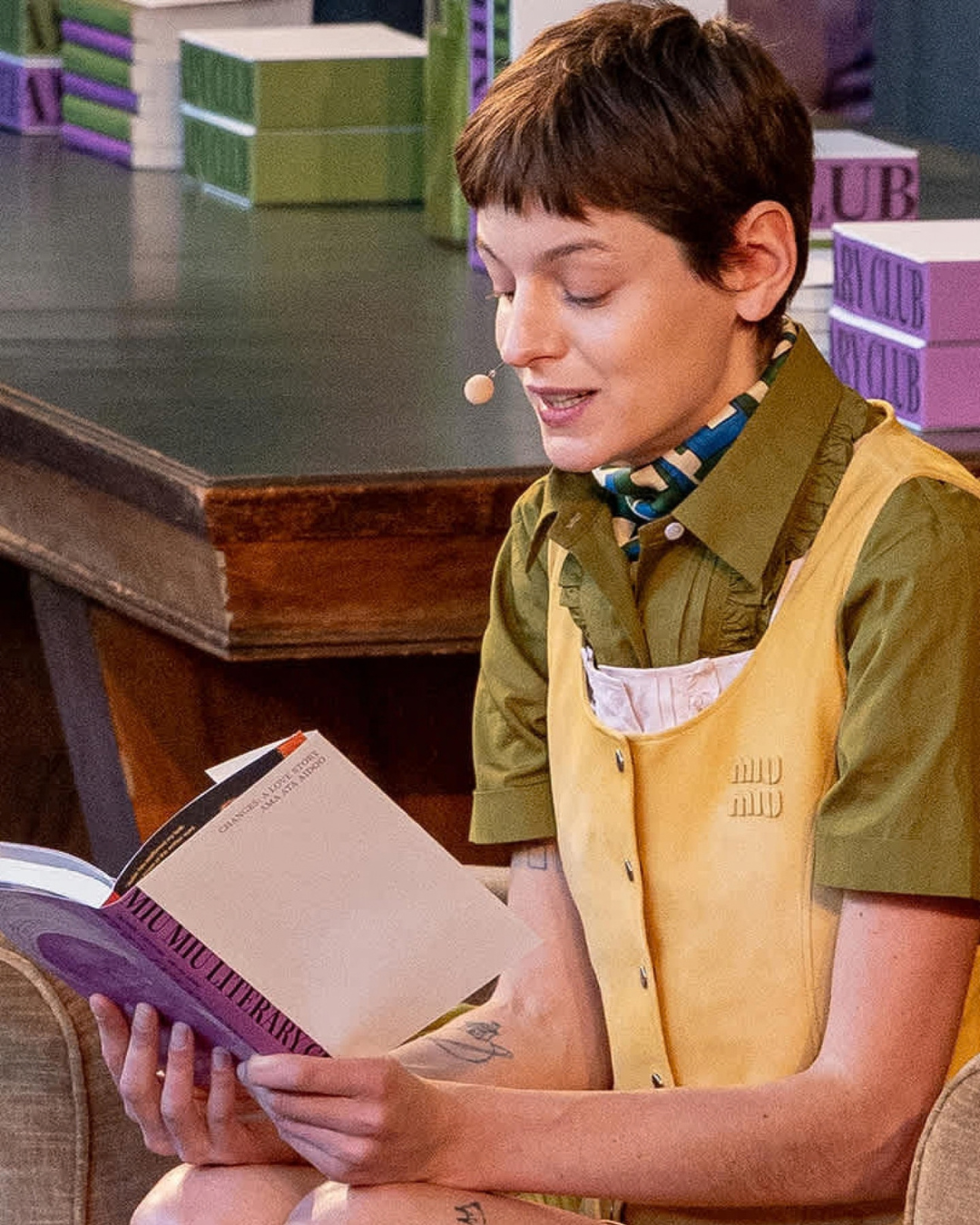
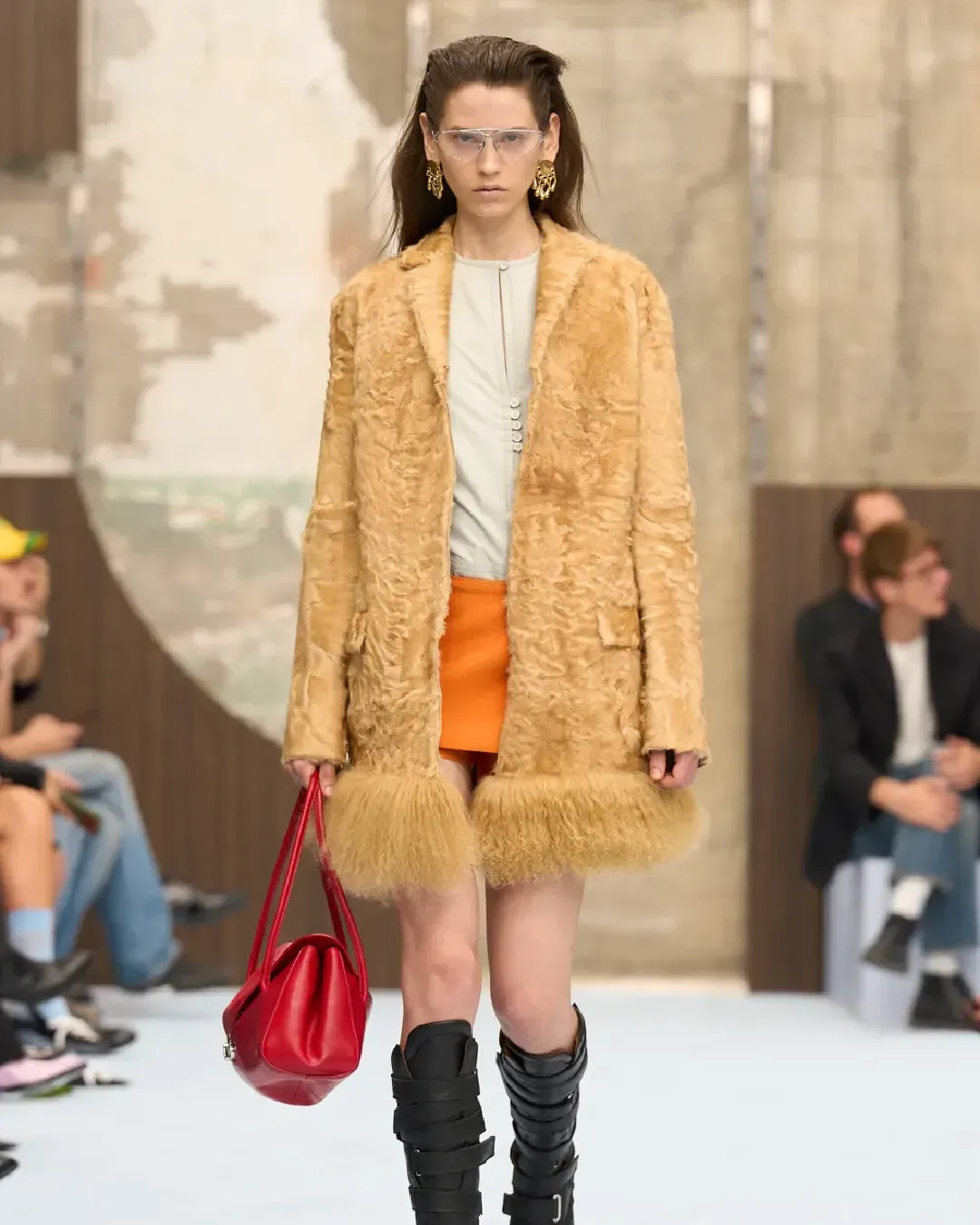
The latest The Lyst Index has just been released and in the ranking of the last quarter of 2025 we once again see the affirmation of the fast fashion hegemony over traditional luxury. COS, the high-street brand of the H&M group, holds the third place and continues to record significant growth in demand on Lyst, with a +60% quarter-over-quarter increase, sharing the podium with Miu Miu and Saint Laurent. Massimo Dutti, part of the Spanish group Inditex, ranks sixteenth and surpasses Balenciaga, proving the growing demand for accessible brands that wink at quiet luxury competitors such as The Row, which dropped three positions.
The rise of Ralph Lauren
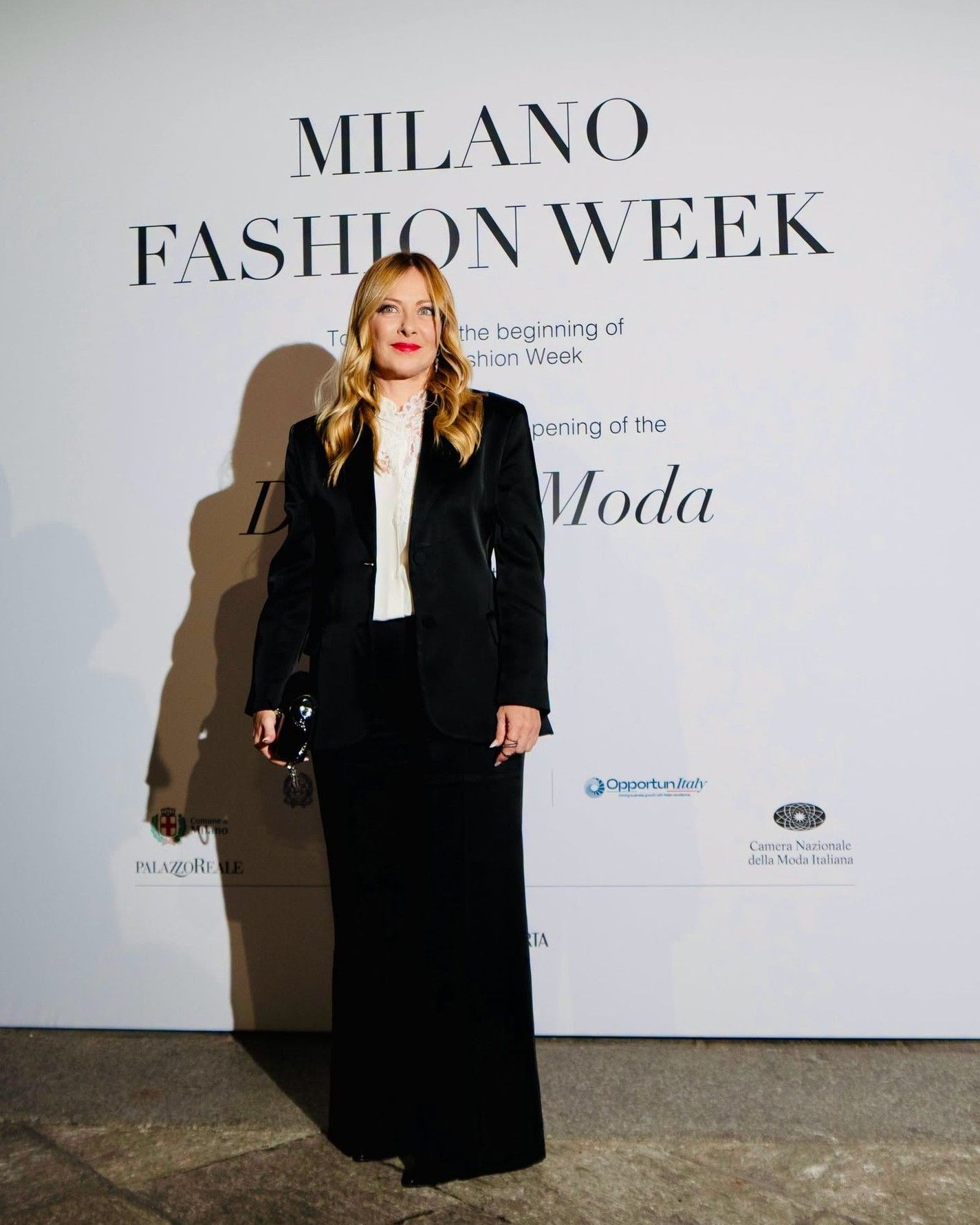
Ralph Lauren emerges as one of the strongest contenders of this quarter’s Index, climbing five positions with a +24% demand on Lyst. This significant momentum is driven by the brand’s participation in the collective imagination and its lifestyle, which is finding global resonance: starting from the creation of the Team USA uniforms for the Milan Cortina 2026 Winter Olympic Games, to the return to Milan Fashion Week, interrupting its long-standing tradition of New York-based shows.
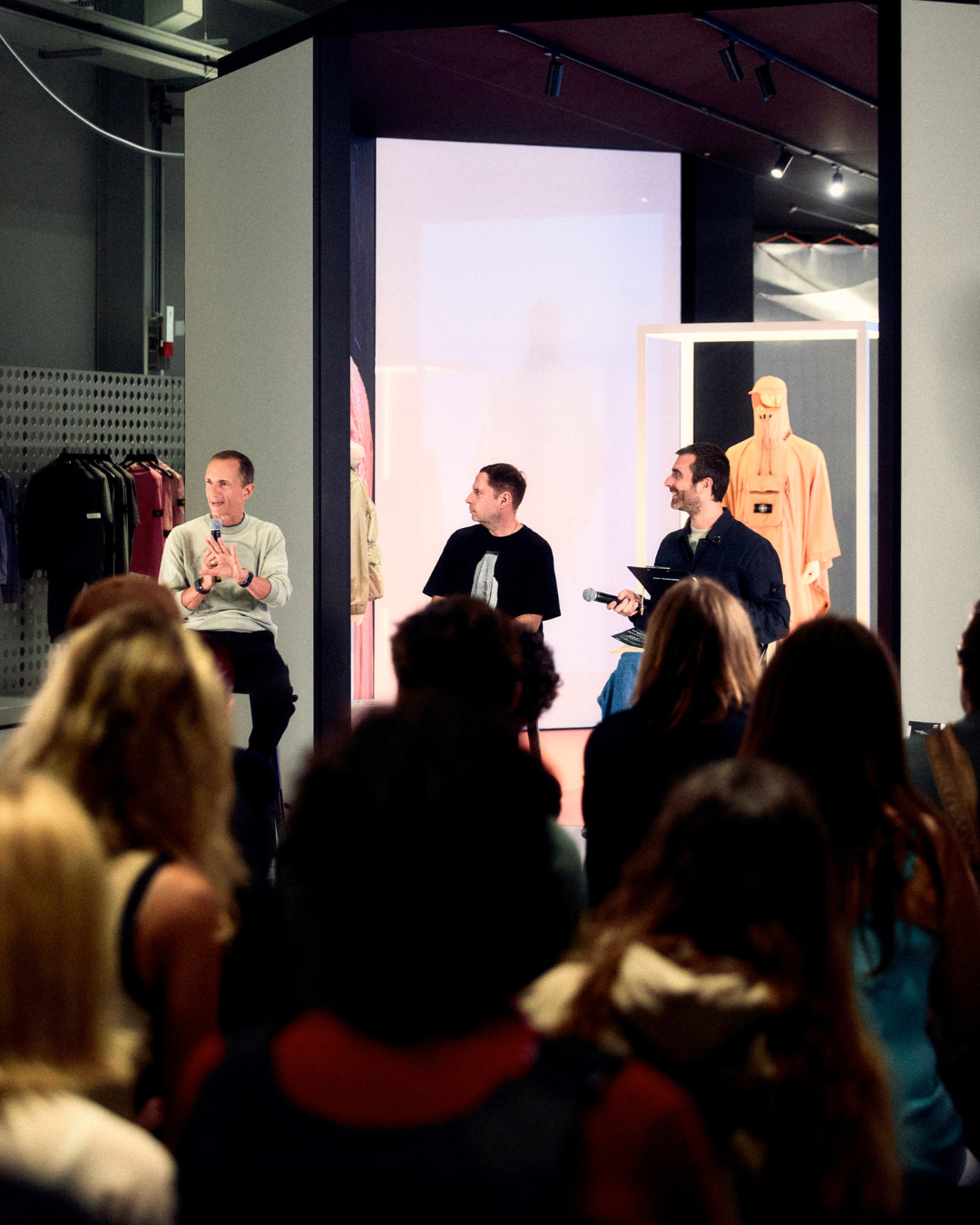
Confirming this, “Ralph Lauren Christmas” reached 16.8 thousand posts with the official hashtag on social media and 33.3 thousand posts with #ralphlaurenaesthetic across Instagram and TikTok. Burberry and Gucci (both up five positions in Q4), together with Stone Island (up four positions, with a +62% increase in searches), demonstrate that brands capable of intervening in their own identity—either through their heritage codes or through a defined creative direction—manage to gain new market relevance.
The influence of normcore
The latest Lyst Index shows how the most desired products are moving toward what we could define as modern classics, evoking a sort of normcore aesthetic: garments that are immediately wearable and familiar. The Arc’teryx toque hat, now omnipresent, is the most searched beanie of the moment, with a 1058% increase in searches on Lyst in Q4. The historic brand Charvet (demand +128% in Q4) is experiencing renewed attention thanks to its role in the debut collection of Matthieu Blazy for Chanel, offering a new perspective on the maison’s shirting in what has more commonly been called a collaboration, but which the creative director defined as a “Conversation”.
Blazy himself also helped consolidate the quarter-zip sweater trend — the Polo Ralph Lauren one is the most desired product of Q4. Searches for this type of sweater increased by 132% in the last three months, with the hero item driving the global spike in demand. In fifth place we find the ultimate accessory: the Paddington Bag, the iconic Chloé model designed by Phoebe Philo, reintroduced for SS26 under the creative direction of Chemena Kamali. Among the most searched items of the quarter, shoes could not be missing, especially the UGG Zora Ballet Flats, in sixth place, whose ambiguous design seems to be the perfect compromise between aesthetics and comfort.
What is luxury fashion missing?
@notsoquietluxury these are the hottest brands of q4 2025 @Lyst #fashiontiktok #fashionnews #miumiu #saintlaurent #cos original sound - notsoquietluxury
In a year marked by debuts and creative direction changes, the Lyst Index shows that there is still room, in fashion’s Olympus, for fast fashion and for luxury brands considered accessible. The growth of Ralph Lauren, for example, can also be read as a signal of a return to a conservative aesthetic: classic lines, recognizable codes, reassuring elegance. What stands out instead is the marginal position — or absence — of maisons leading the most anticipated creative debuts, such as Dior with Jonathan Anderson or Chanel with Matthieu Blazy, highlighting a concrete distance between the fashion system and the general public.
If new creative directors architect suggestive imaginaries, these do not always coincide with consumer possibilities or priorities. It is therefore not surprising that among the most desired products we find functional and familiar items such as a Polo Ralph Lauren sweater, UGG ballet flats, the Arc’teryx toque and a Massimo Dutti puffer jacket. More than a rejection of luxury fashion, what emerges seems to be a choice: between imagination and functionality, today the public privileges what it can actually wear in everyday life.