.gif 2000w)





































Even politicians need to be social media-savy in 2026 Spontaneity, combined with the ability not to take oneself too seriously, seems to be the key
For some time now, social networks have played a central role even in political communication. Despite this, many still struggle to use them effectively without appearing forced or out of context. Those who succeed, on the other hand, share the ability to communicate in a credible and spontaneous way, maintaining consistency between the image built online and their identity in everyday life.
In essence, when the narrative on social networks is consistent with the speaker's personal story, career path, and political positions, the communication is often more appreciated by users. In short, authenticity has become a central value in political communication, especially at a time when users tend to reward content that is less artificial and more amateurish, perceived as reliable and close to people's real-life experiences.
The Case of Zohran Mamdani
@zohran_k_mamdani Every politician says New York is the greatest city in the world. But what good is that if no one can afford to live here? I’m running for Mayor to lower the cost of living for working class New Yorkers. Join the fight. zohranfornyc.com/donate #nyc #nycmayor #queens #bk #bronx #statenisland #manhattan #politics #elections #socialism #ericadams #democrats #democraticsocialism original sound - Zohran Mamdani
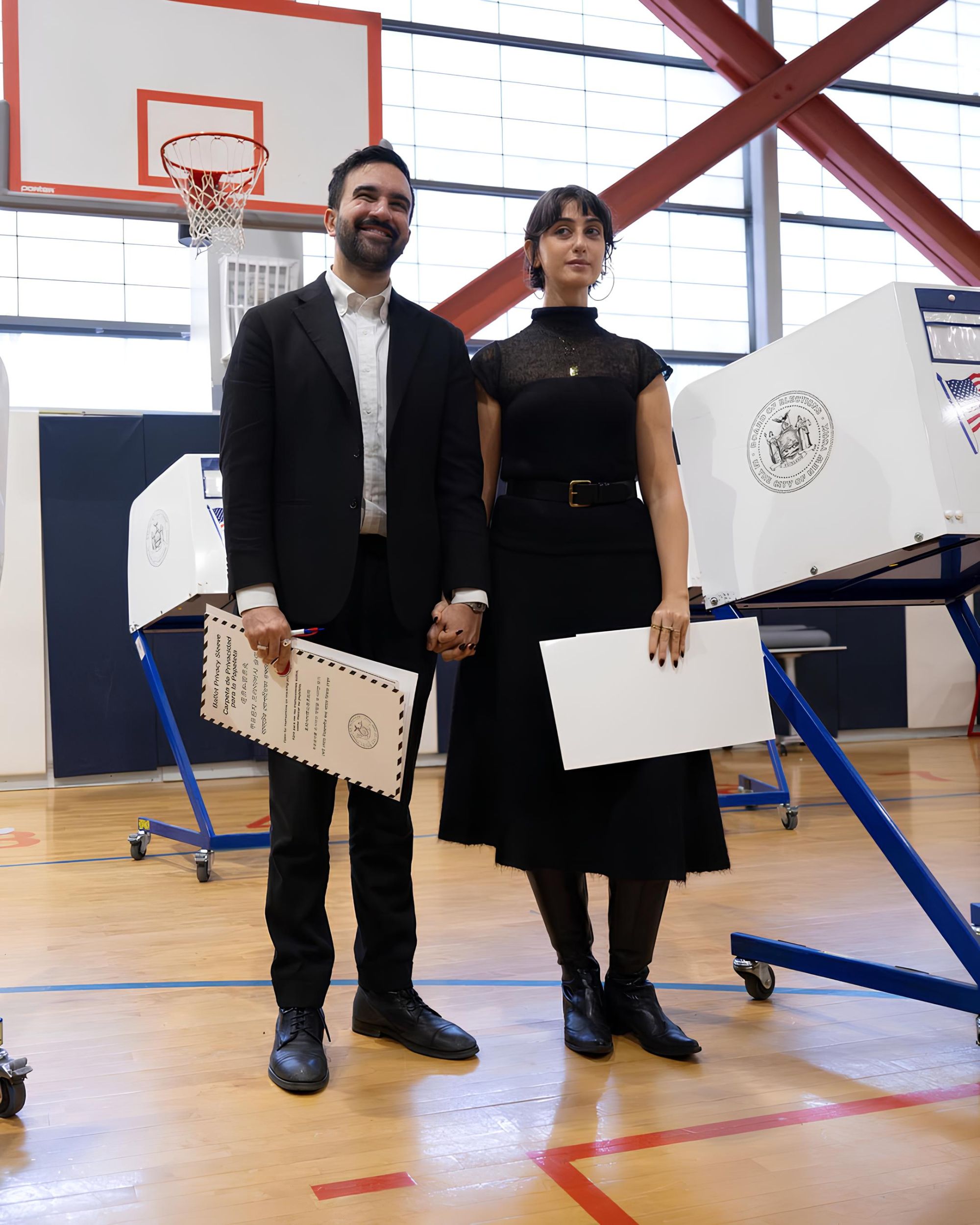
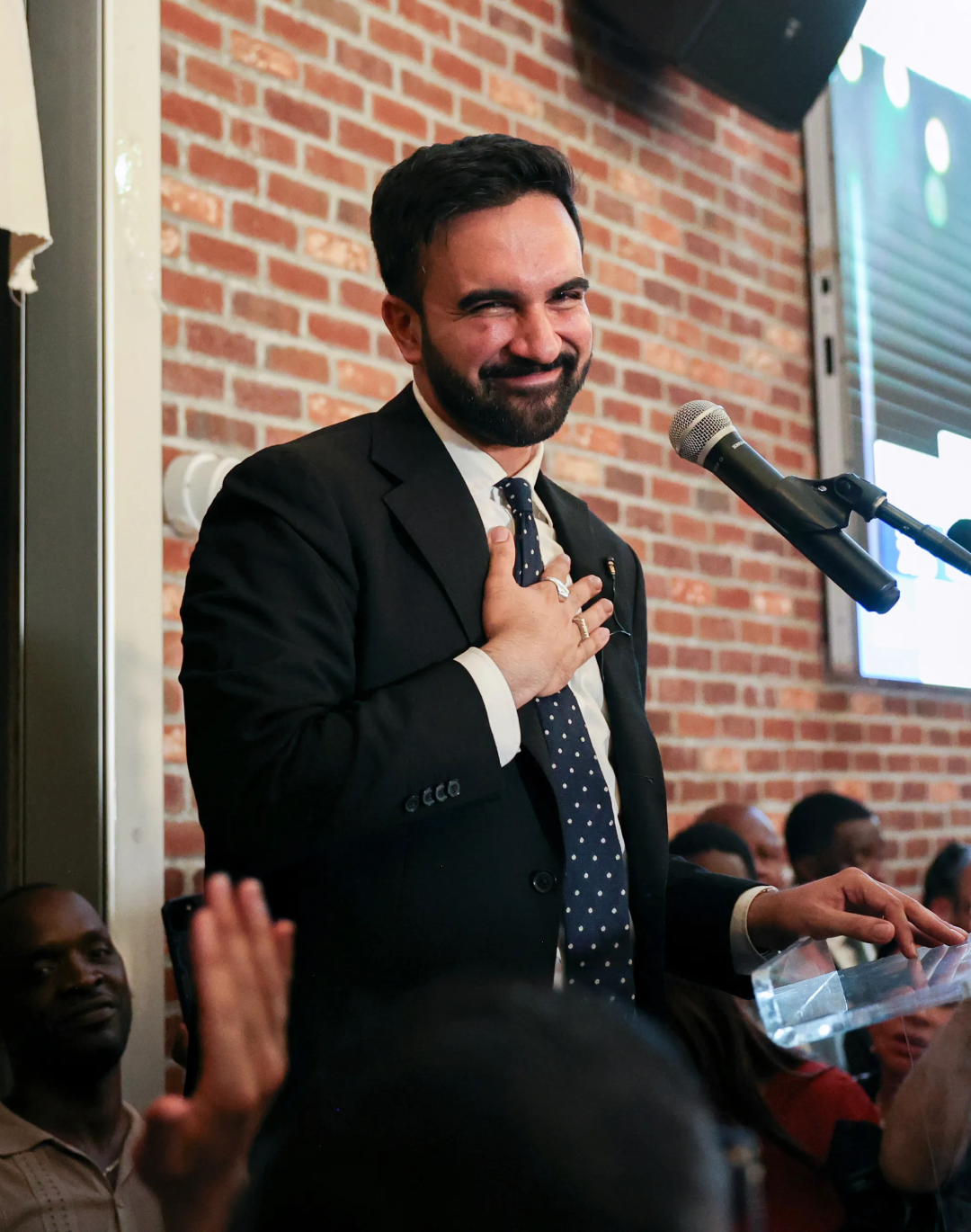
An example of effective political communication is Zohran Mamdani, who within a year went from being a largely unknown member of the New York State Assembly to becoming mayor of the city, which has over eight million inhabitants. At the same time, he established himself as a true social media celebrity, where thousands of users from around the world regularly comment on his posts, often saying that if they had the chance, they would vote for him too.
The direct communication style—sometimes ironic, but always precise and timely—that Mamdani adopted from the beginning of his election campaign is considered by many experts as one of the key factors in his rise. In the videos he publishes, he often engages with ordinary New Yorkers, discussing everyday problems; at the same time, he also uses more personal aspects, such as his passion for soccer (particularly for Arsenal), turning them into tools for political communication: for example, during the campaign, while his rival Andrew Cuomo held a rather formal meeting about his candidacy for New York mayor, Mamdani organized a soccer tournament at Coney Island with his voters.
Before Mamdani, Alexandria Ocasio-Cortez had already become one of the most prominent figures in the U.S. Democratic Party, thanks in part to her social media presence, perceived as fresh and spontaneous. In Italy, a certain curiosity was sparked by the approach of Roberto Gualtieri, the current mayor of Rome, who has long used platforms to publish videos—now highly recognizable—in which he narrates and shows the changes underway in the city.
Is French Response the Future of Political Communication?
Panicked EU bureaucrats right now. https://t.co/qa0wE2c25X pic.twitter.com/xPT1wvc8rE
— French Response (@FrenchResponse) January 27, 2026
The fact remains that social networks have long been spaces where disinformation and aggressive content circulate, such as those spread by Trump or representatives of the Russian regime, just to cite a few examples, especially since the new global order seems to be based more on the law of the strongest than on diplomacy. In recent months, however, the French government has found an original way to respond to this situation: through memes and jokes posted on the X account @FrenchResponse, which has perhaps become the clearest example of how political communication is changing.
Specifically, French Response combines sarcasm and irony with informative content. Among its main activities is verifying and debunking false content, spread both by famous figures, such as Elon Musk, and by lesser-known profiles, whose posts still end up going viral. The tone of the posts is much more informal than other institutional accounts, but is still approved by the government of Macron: the page is in fact managed by a team of French officials experienced in political communication, who select the content to address and study the best way to respond to those who engage in rhetoric in an easy but intelligent manner.
Takeaways
- Social networks have become central to political communication, but many politicians still struggle to use them effectively, often appearing forced or out of context.
- Success depends on authenticity: when the online narrative is consistent with one’s personal story, professional background, and political positions, the communication is more appreciated and perceived as credible and close to everyday reality.
- Zohran Mamdani is a virtuous example: thanks to a direct, ironic, and engaging style — featuring videos on daily issues and personal initiatives like soccer tournaments — he went from an obscure assemblyman to mayor of New York in 2025, becoming a global social media celebrity.
- The French government’s @FrenchResponse account demonstrates an evolution in political communication: it combines sarcasm, memes, and irony to debunk disinformation and aggressive rhetoric in an informal yet approved manner, possibly marking the future of more agile and viral institutional responses.