




















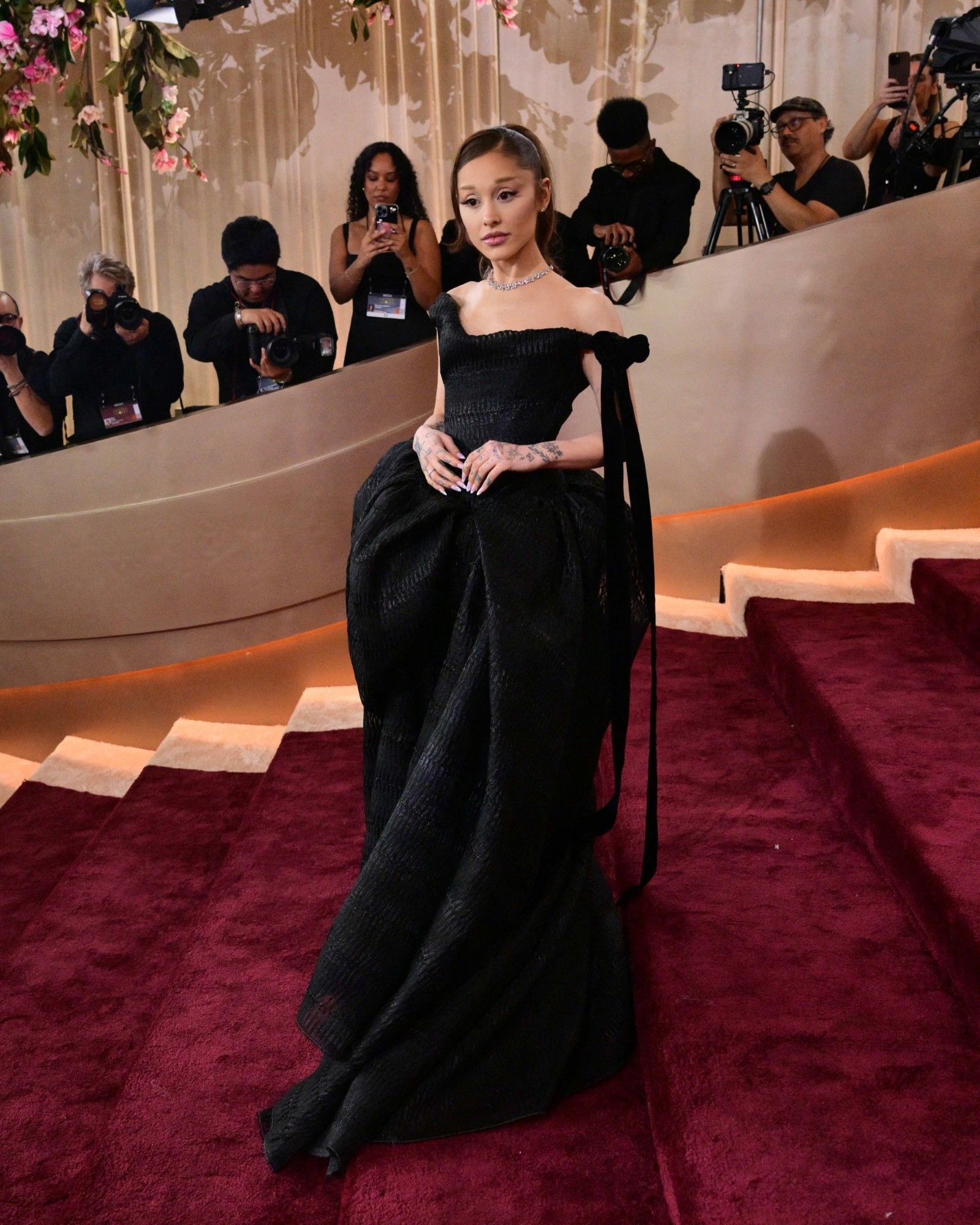
Not even Ozempic can stop the panier dress It's everywhere on the red carpet, but it's hard to imagine it in real life
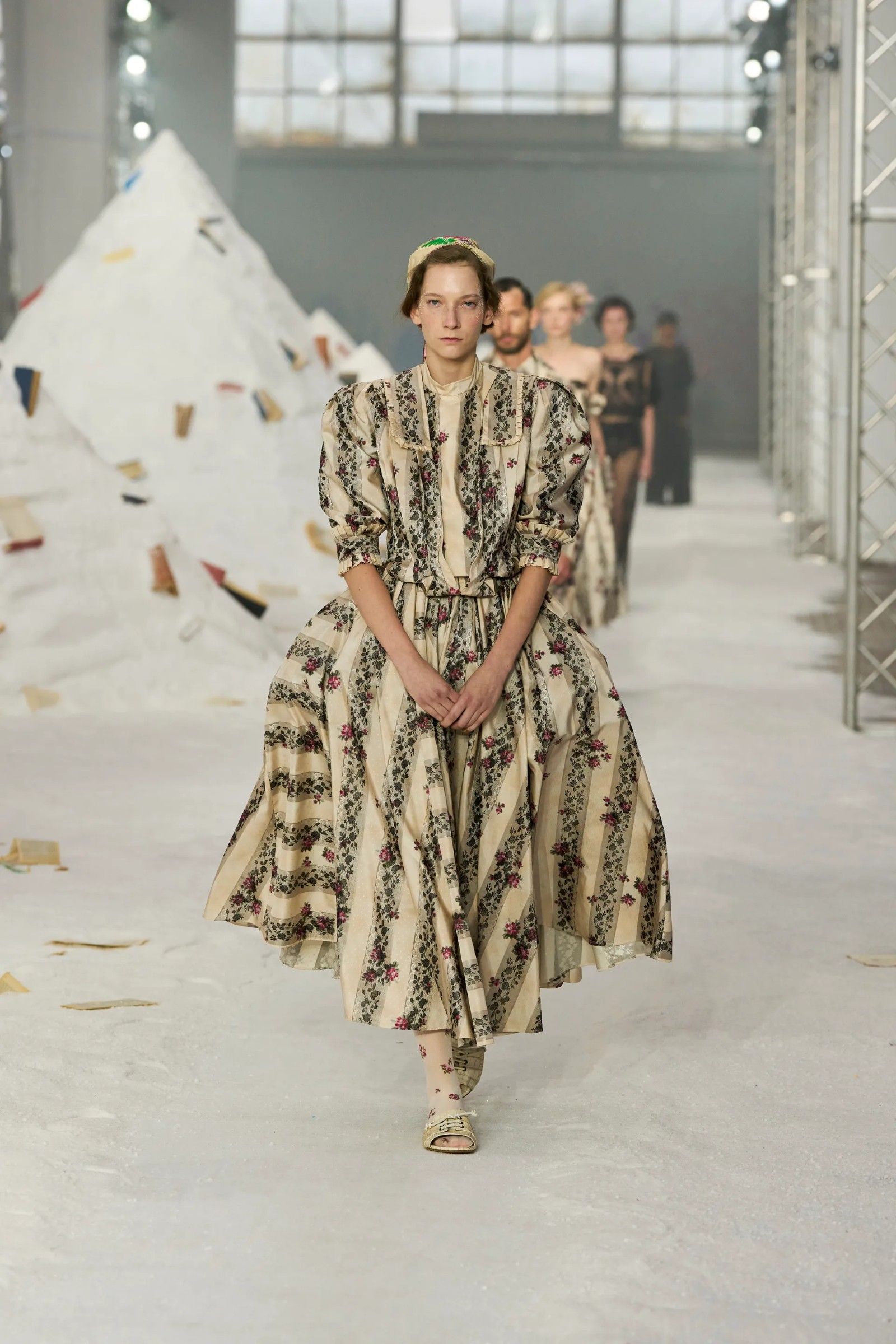
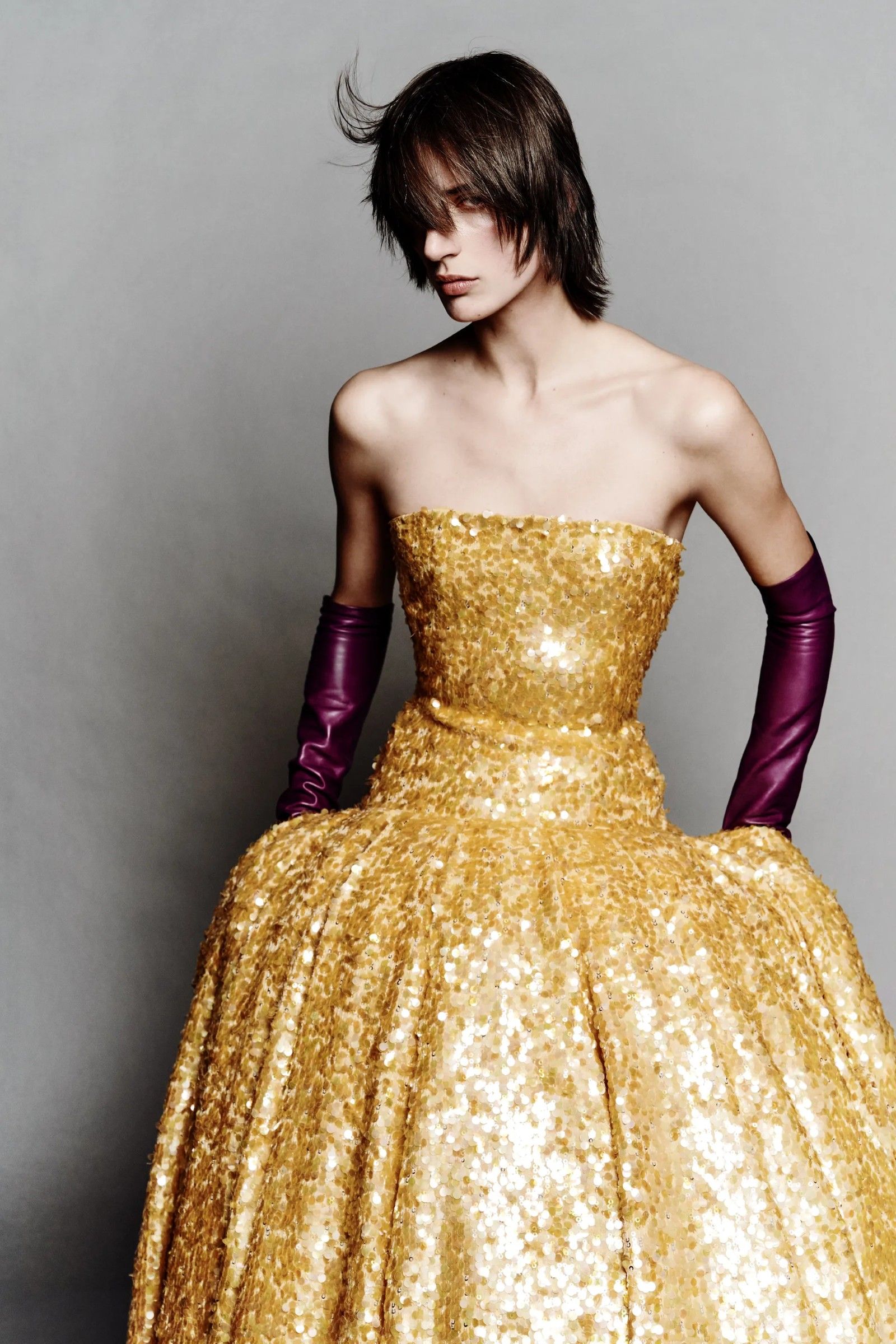
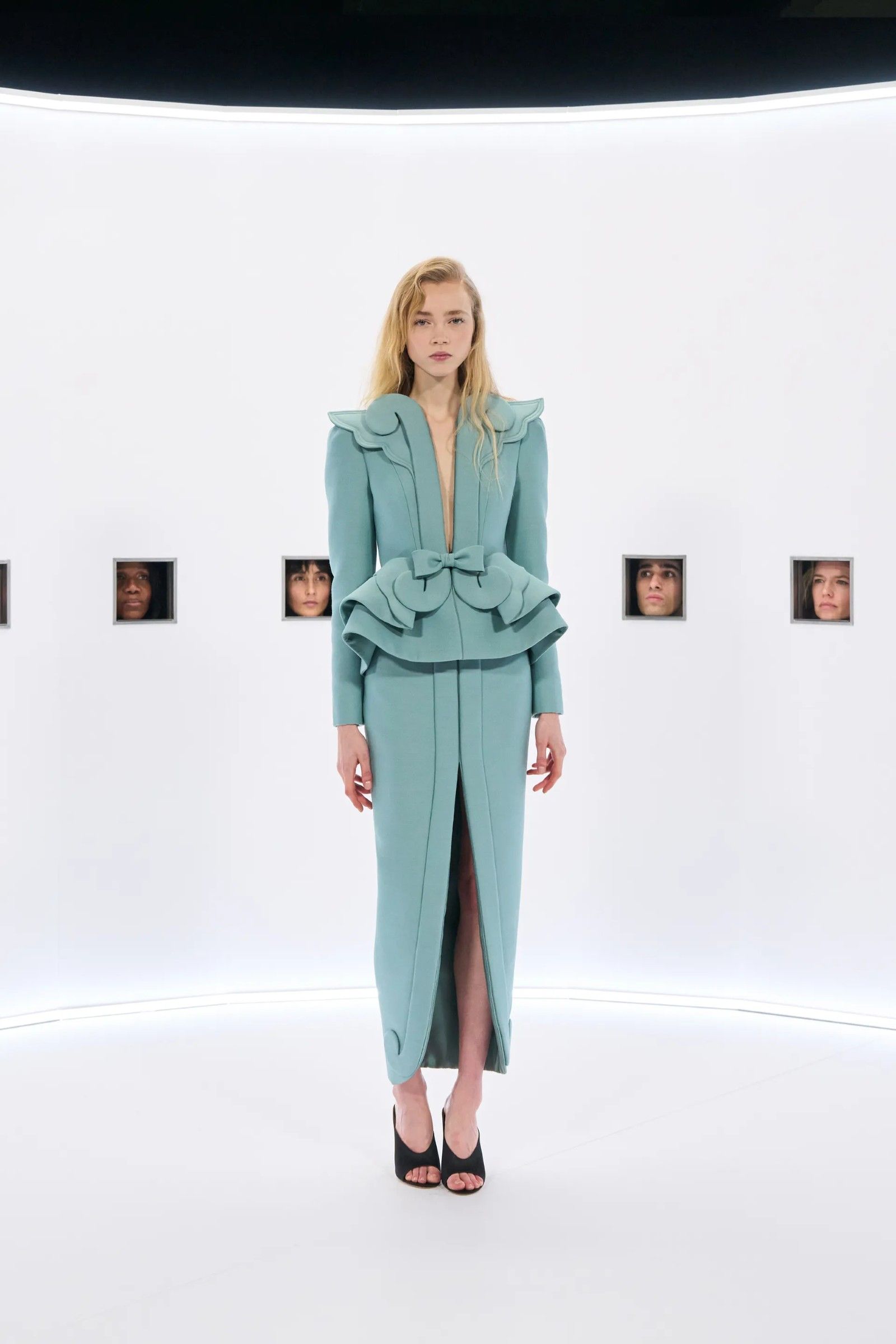
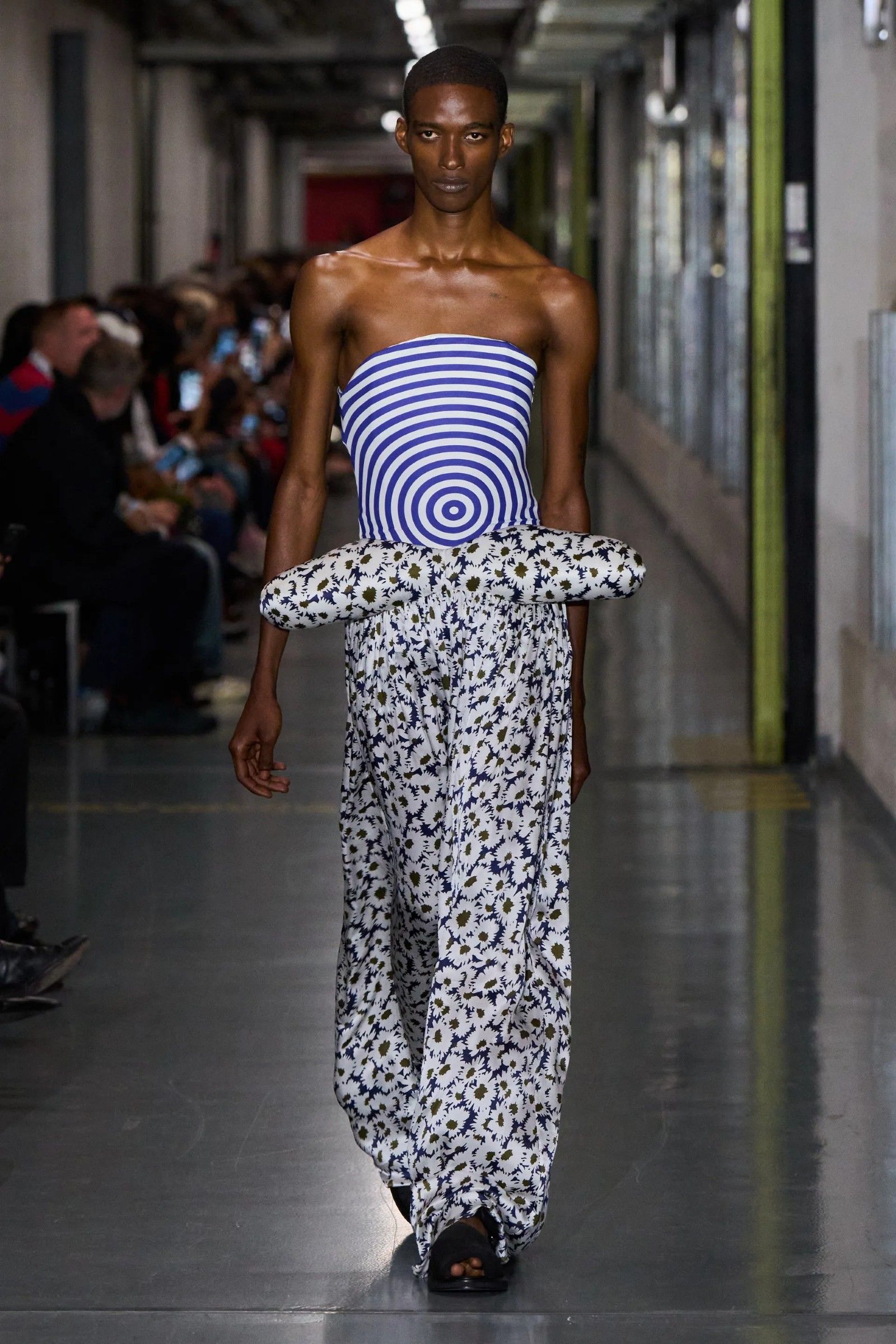
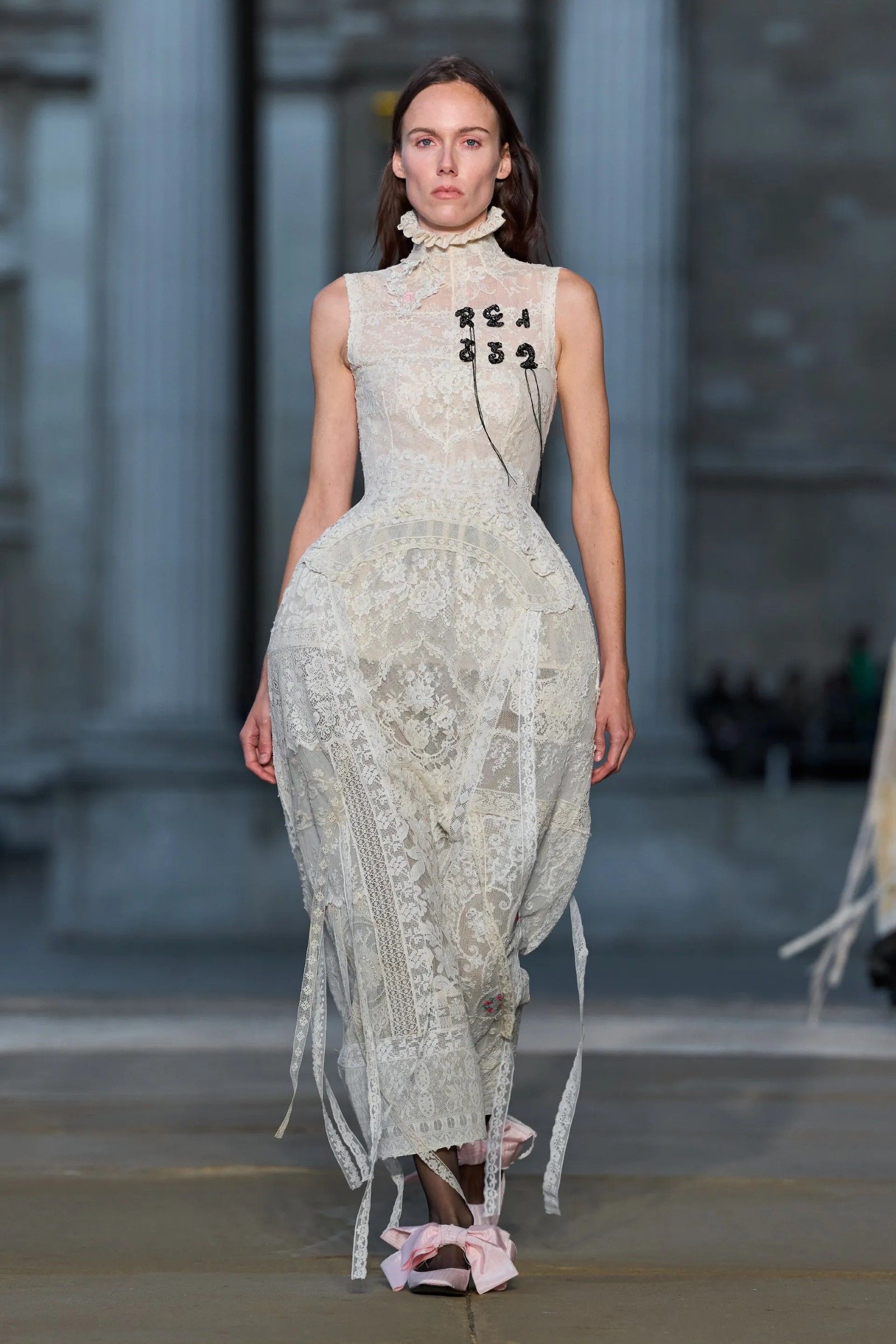
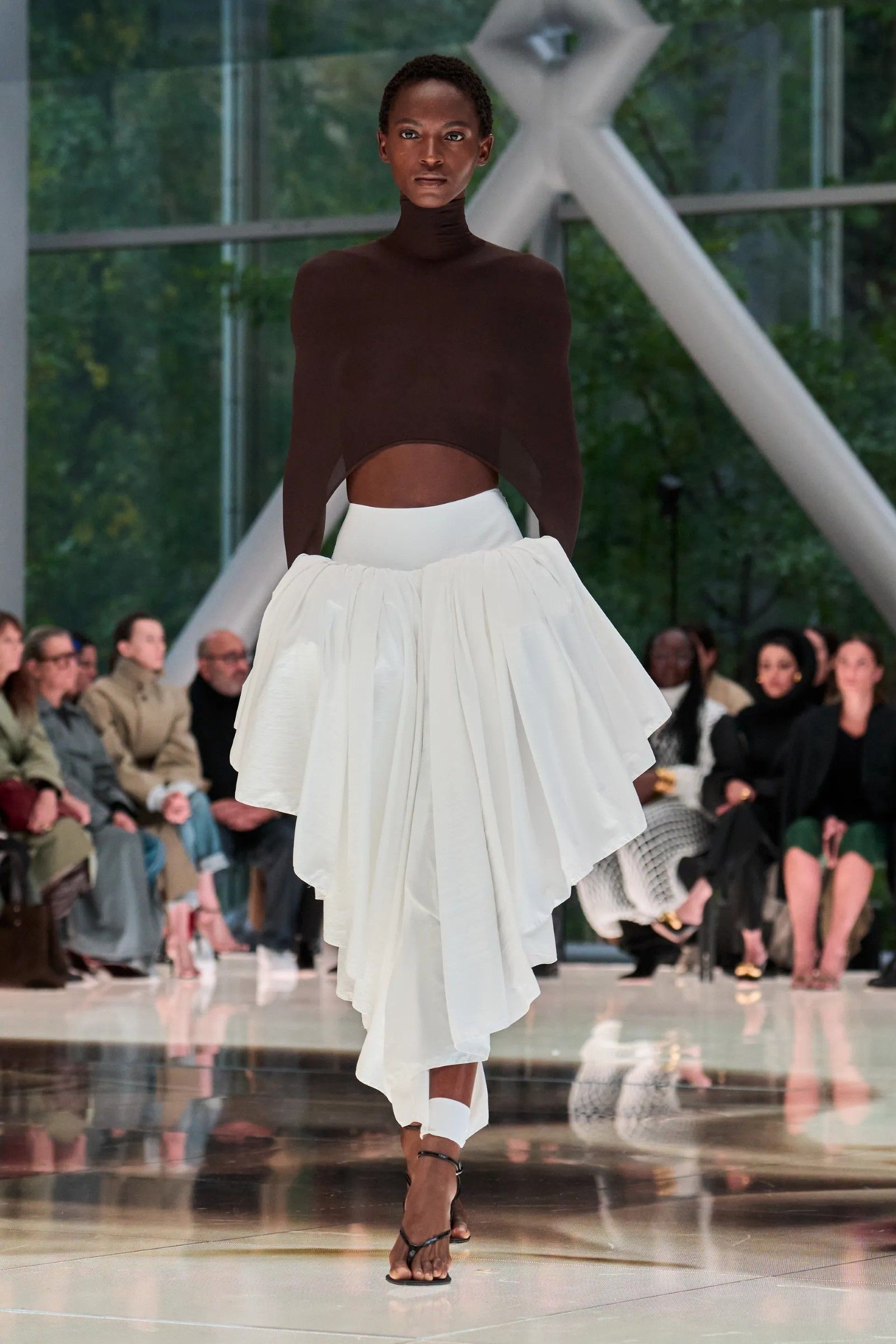
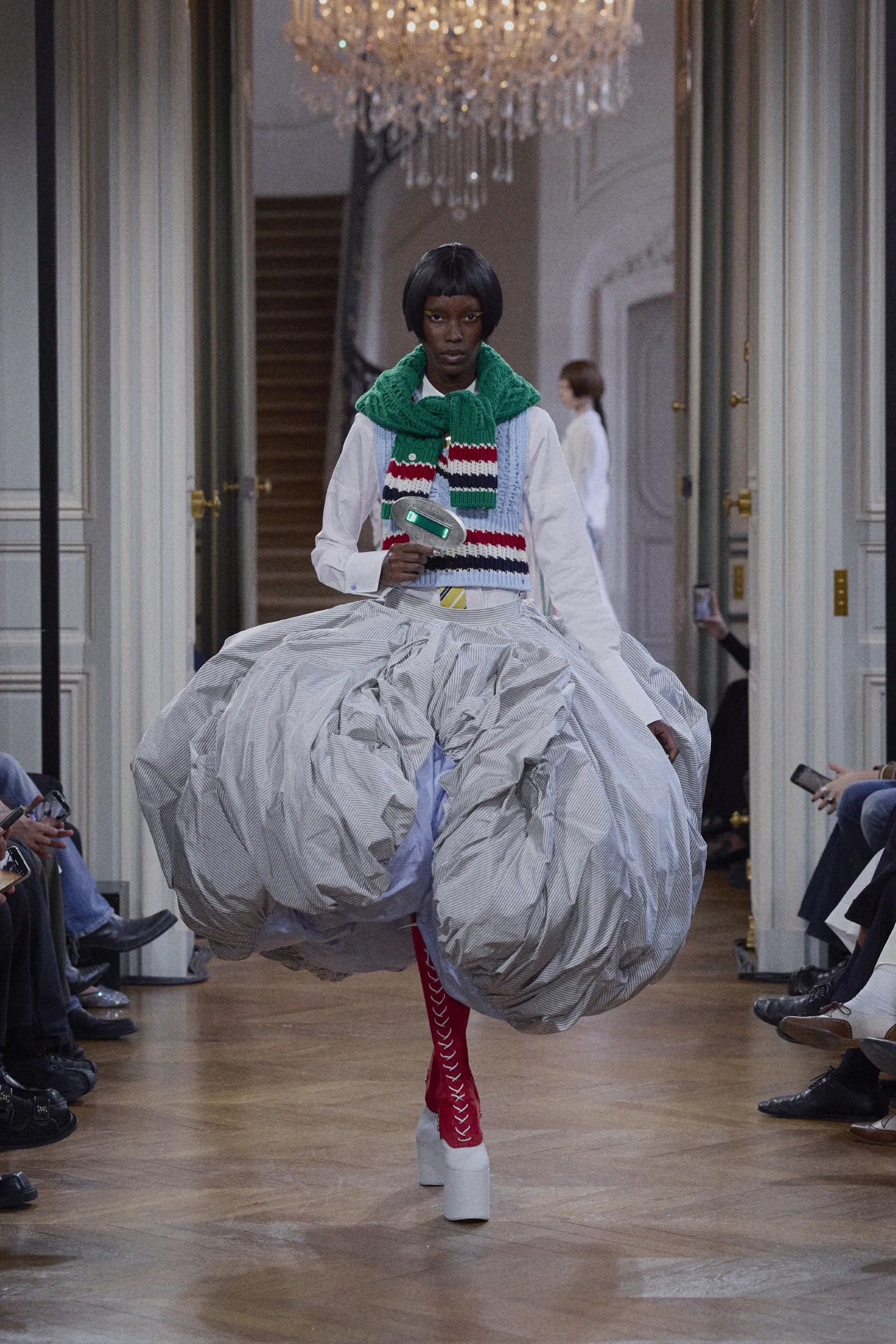
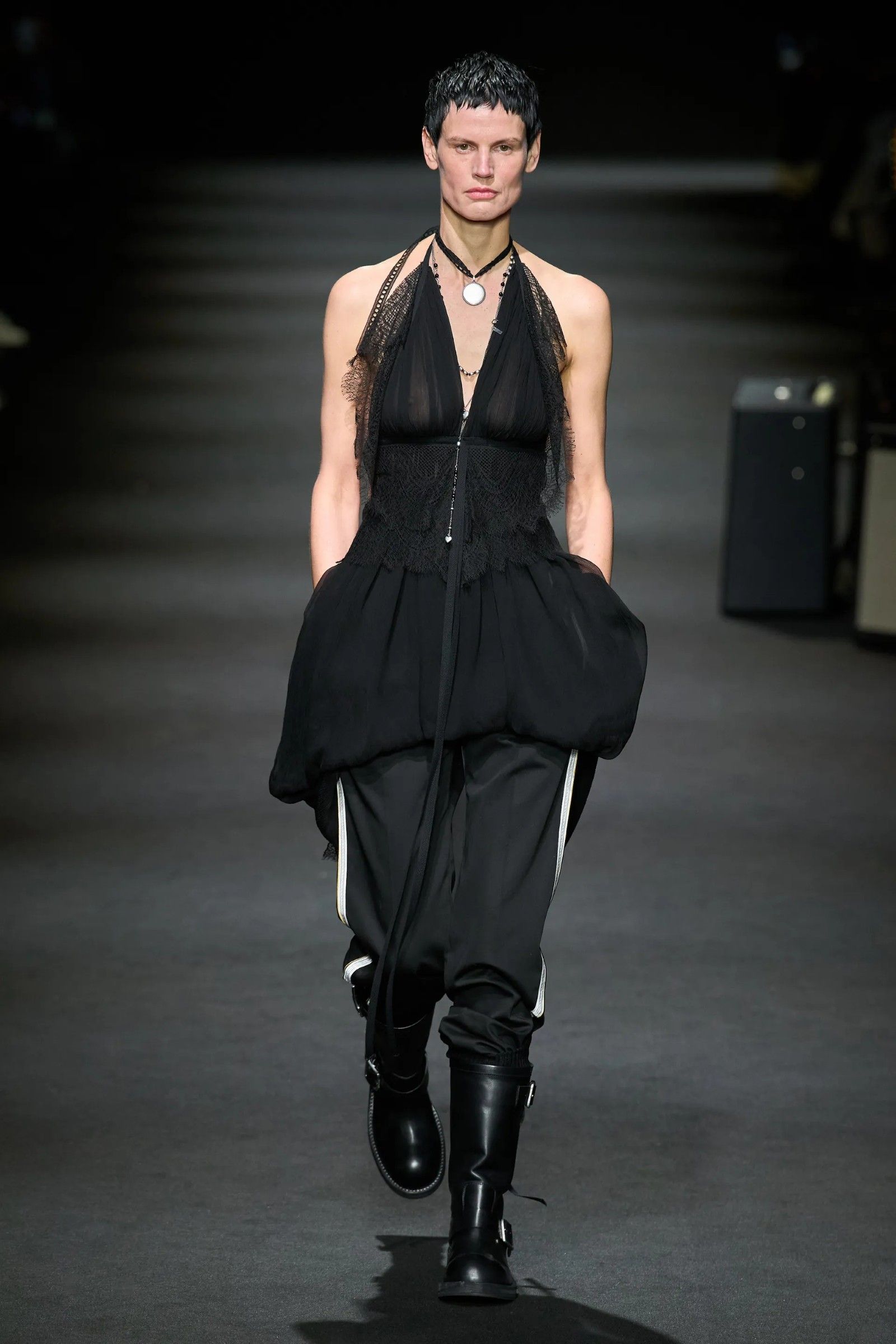
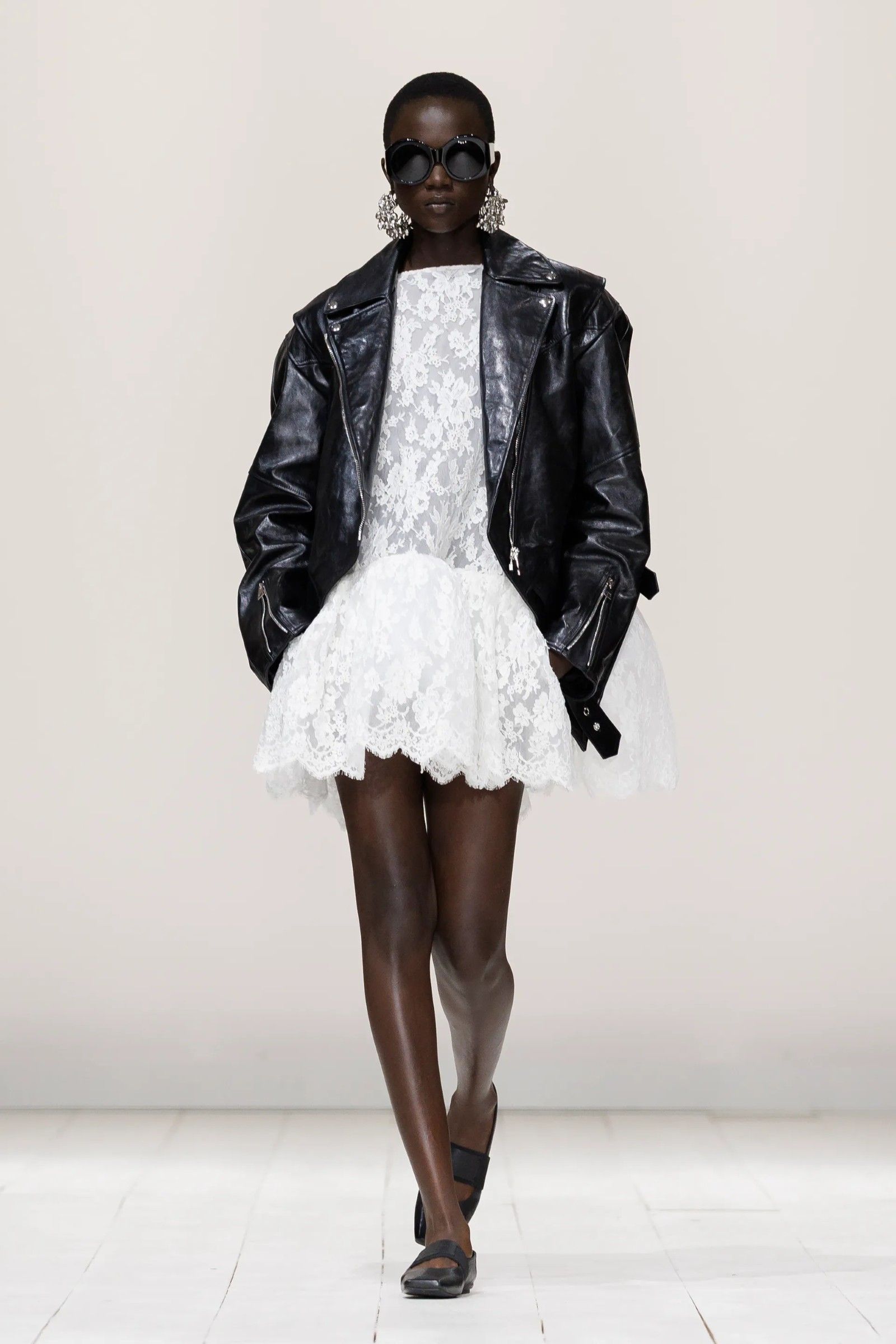
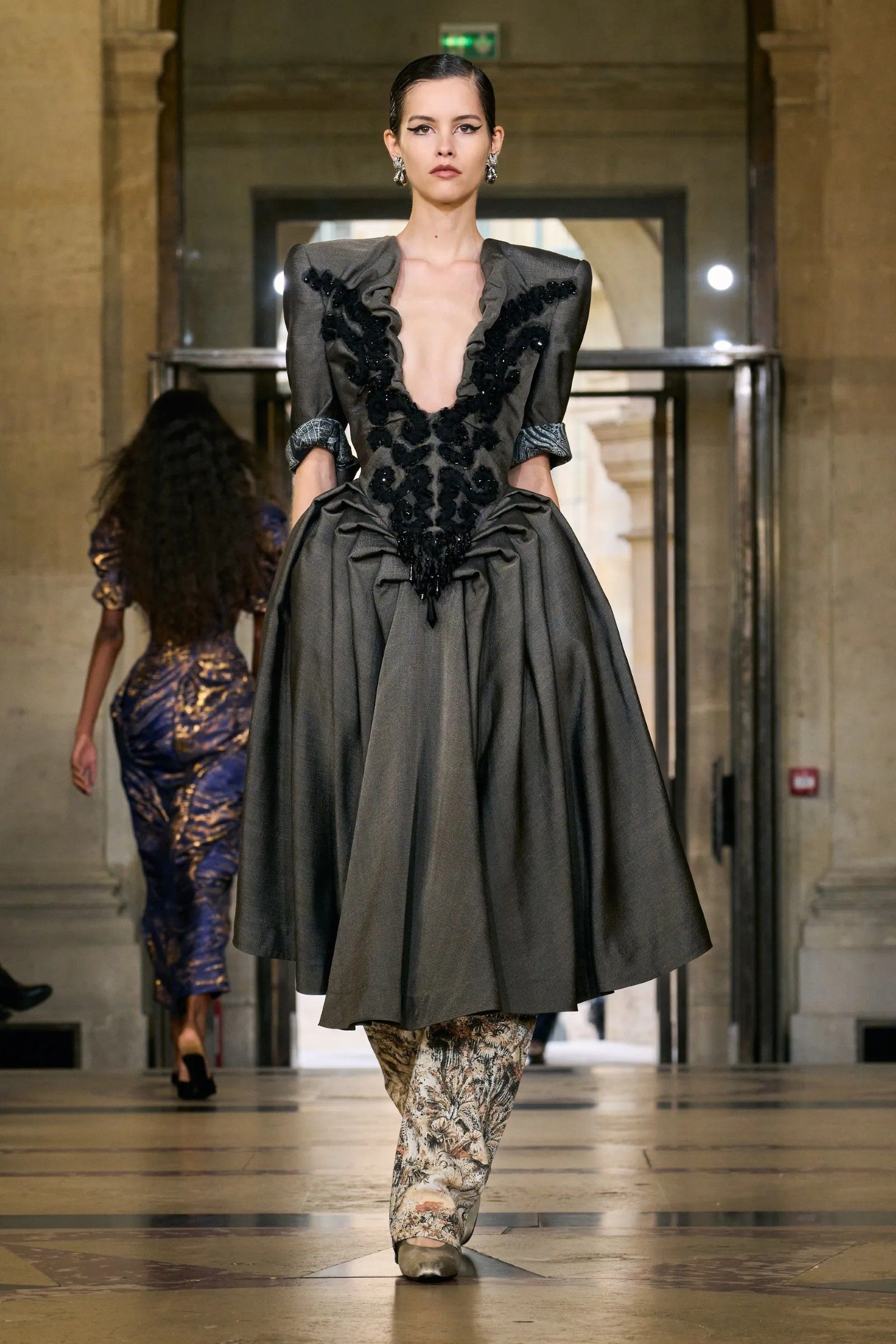
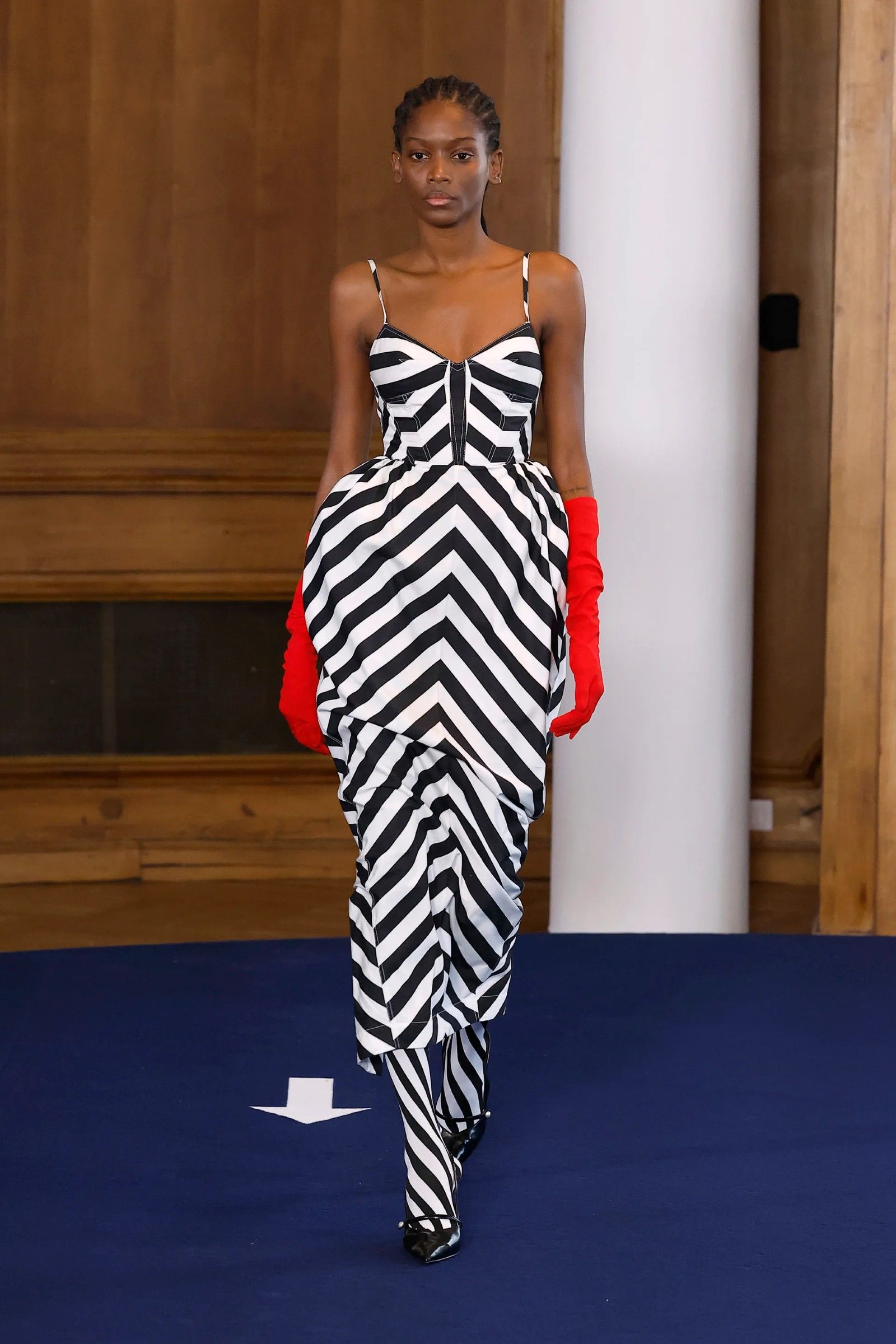
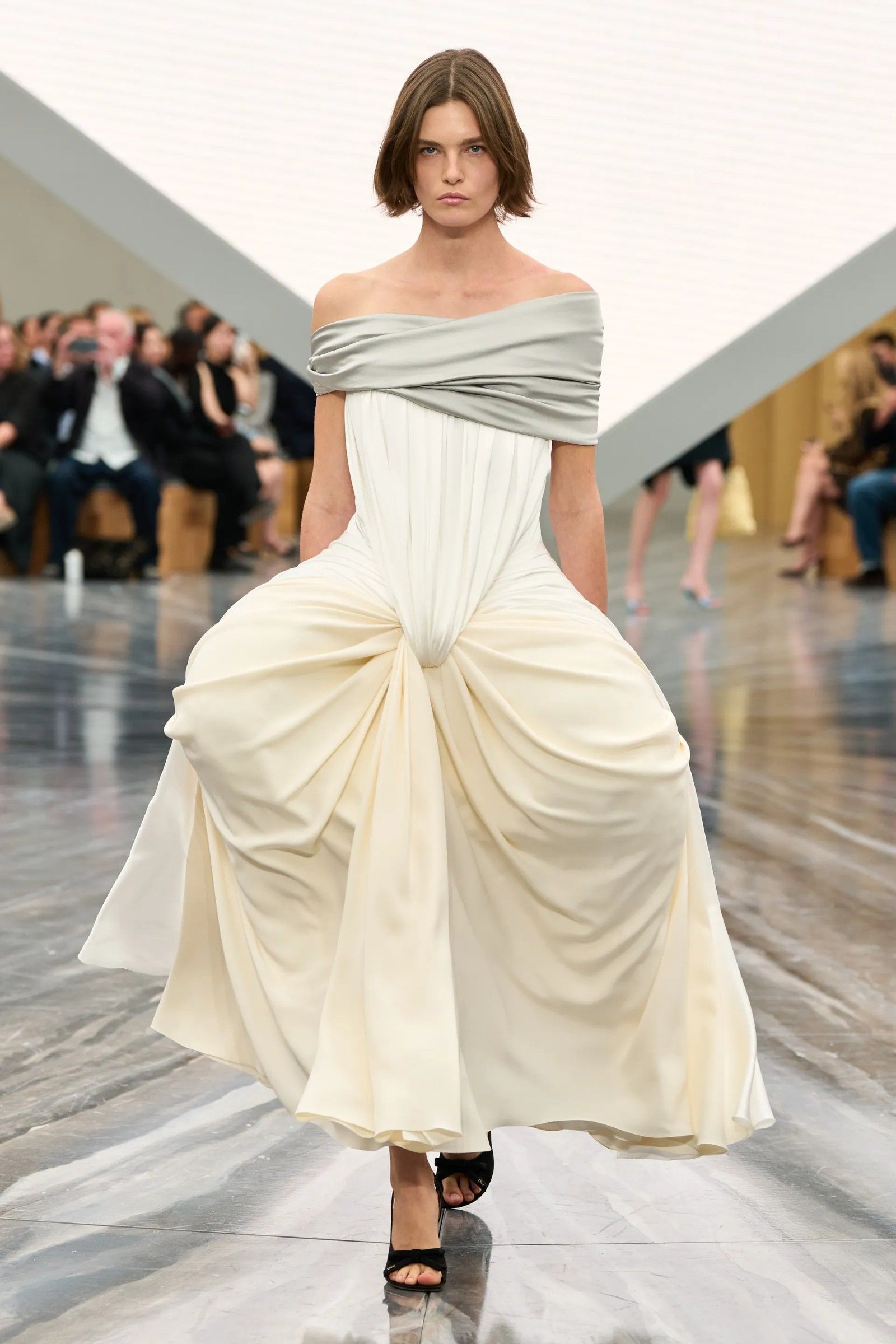
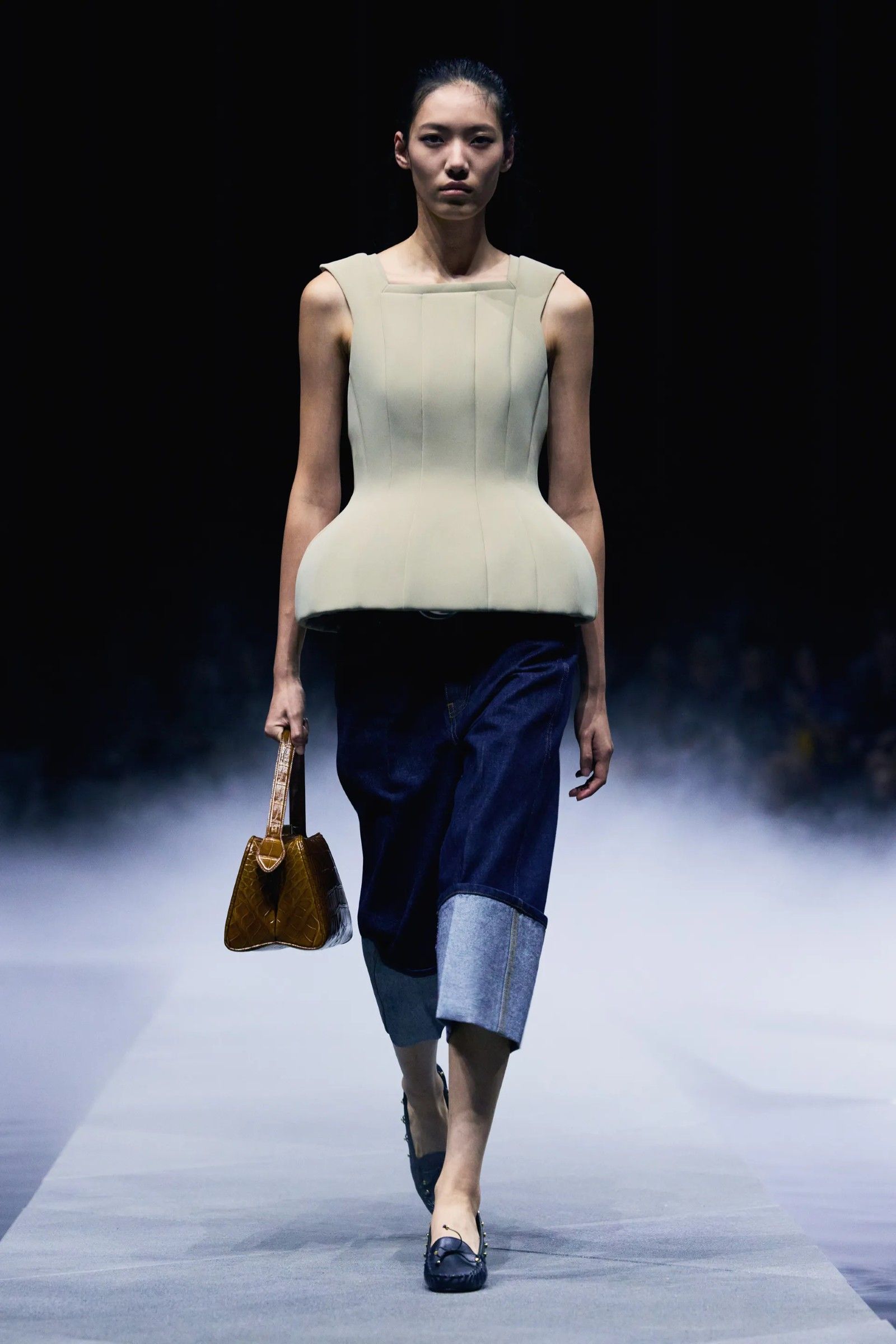
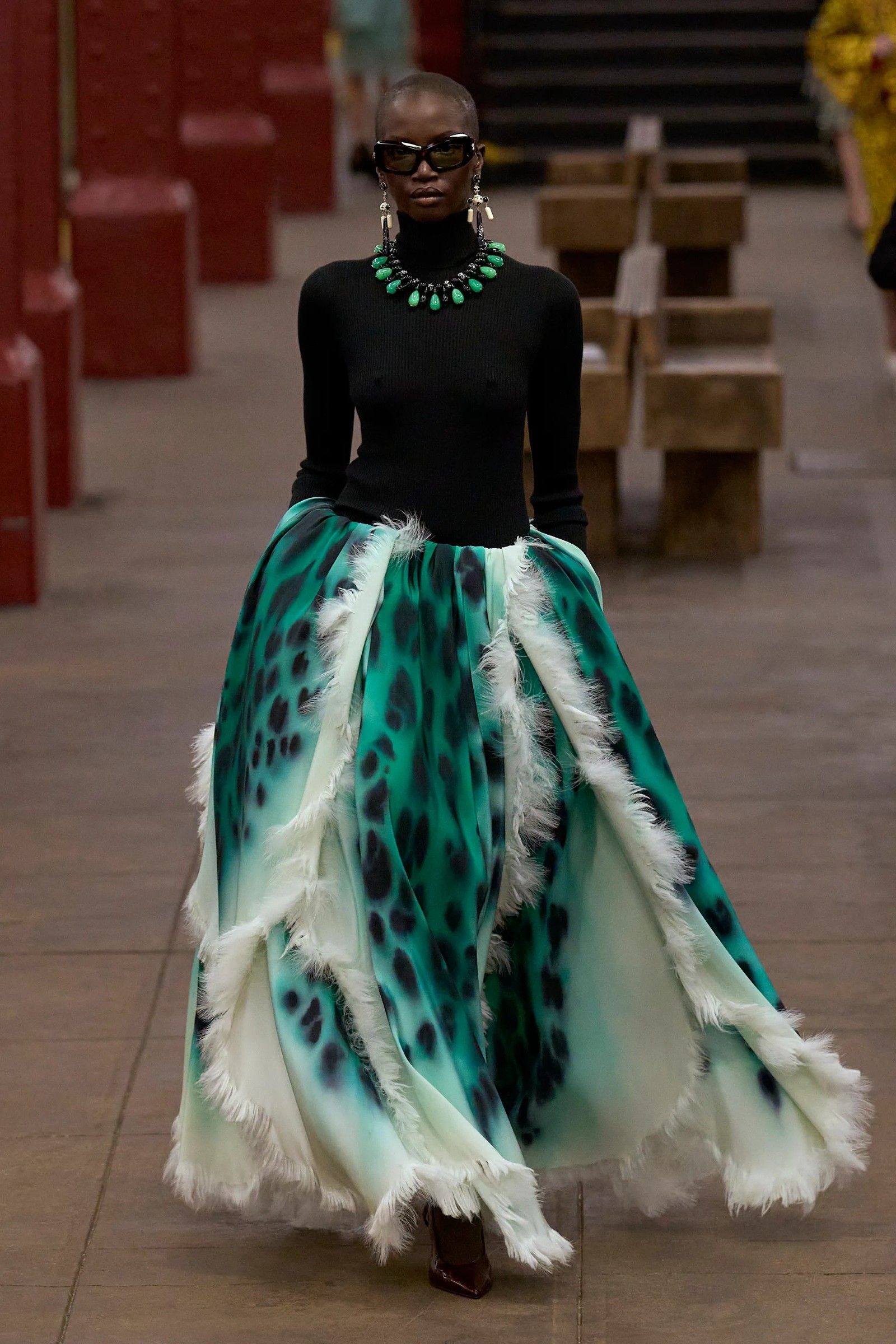
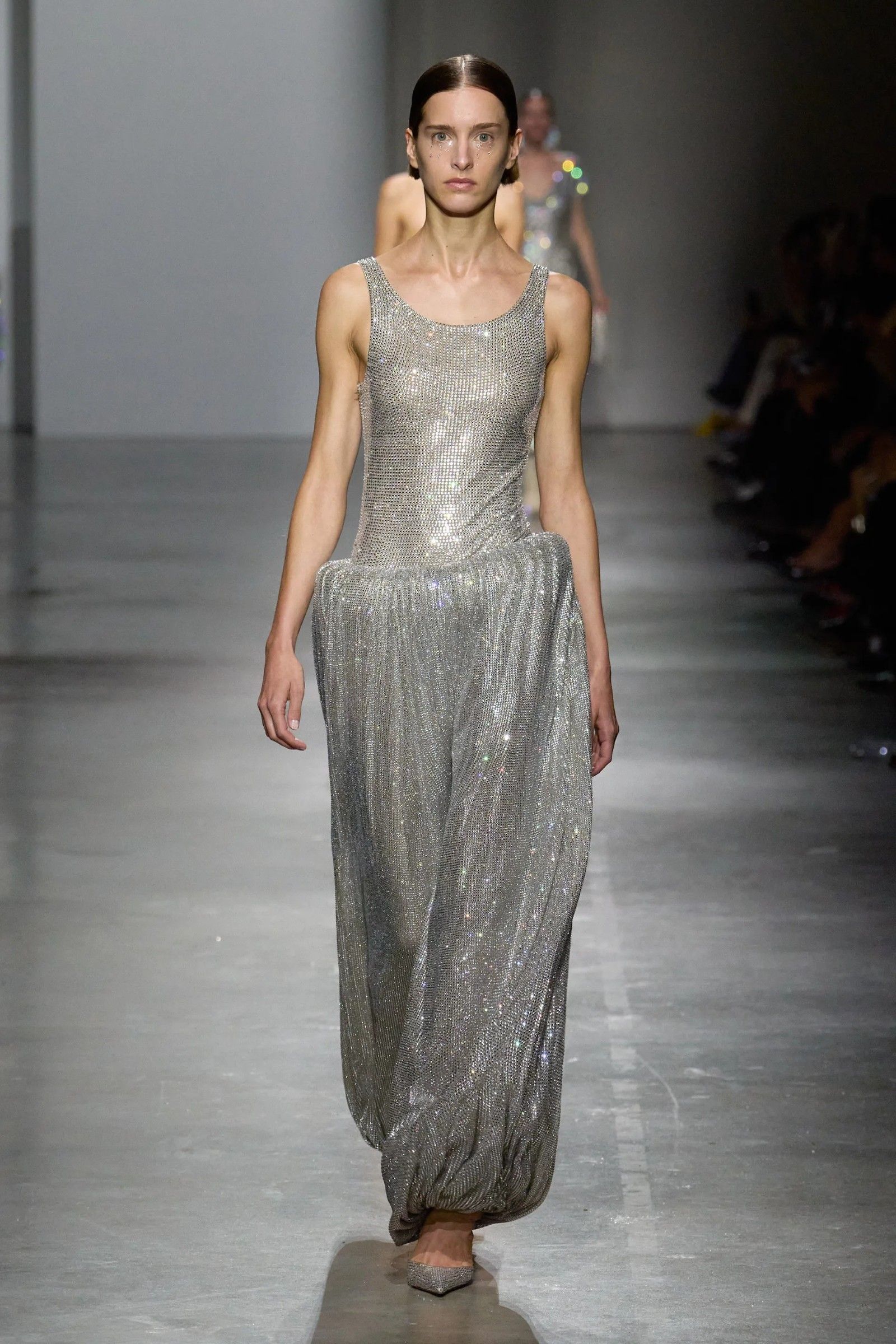
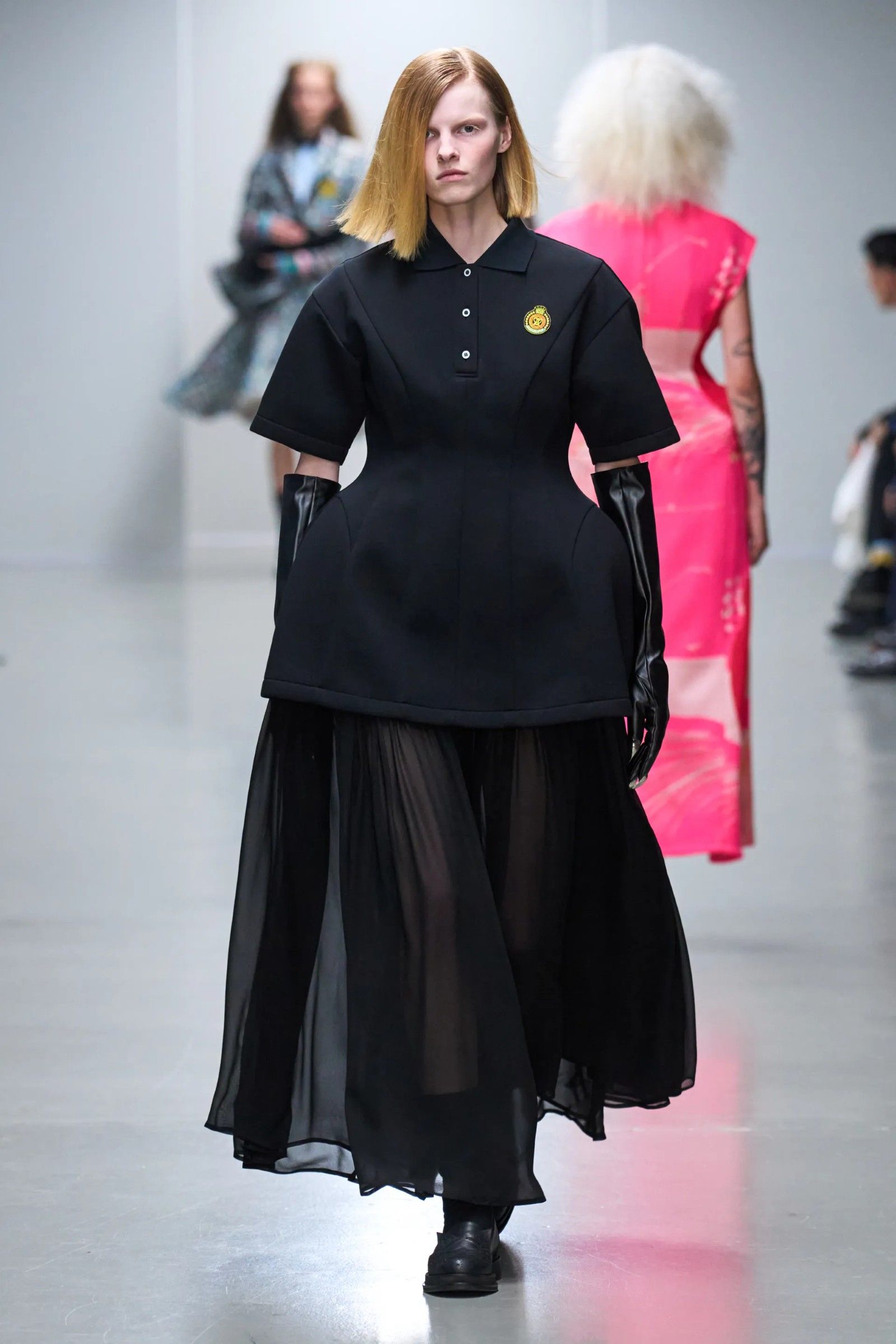
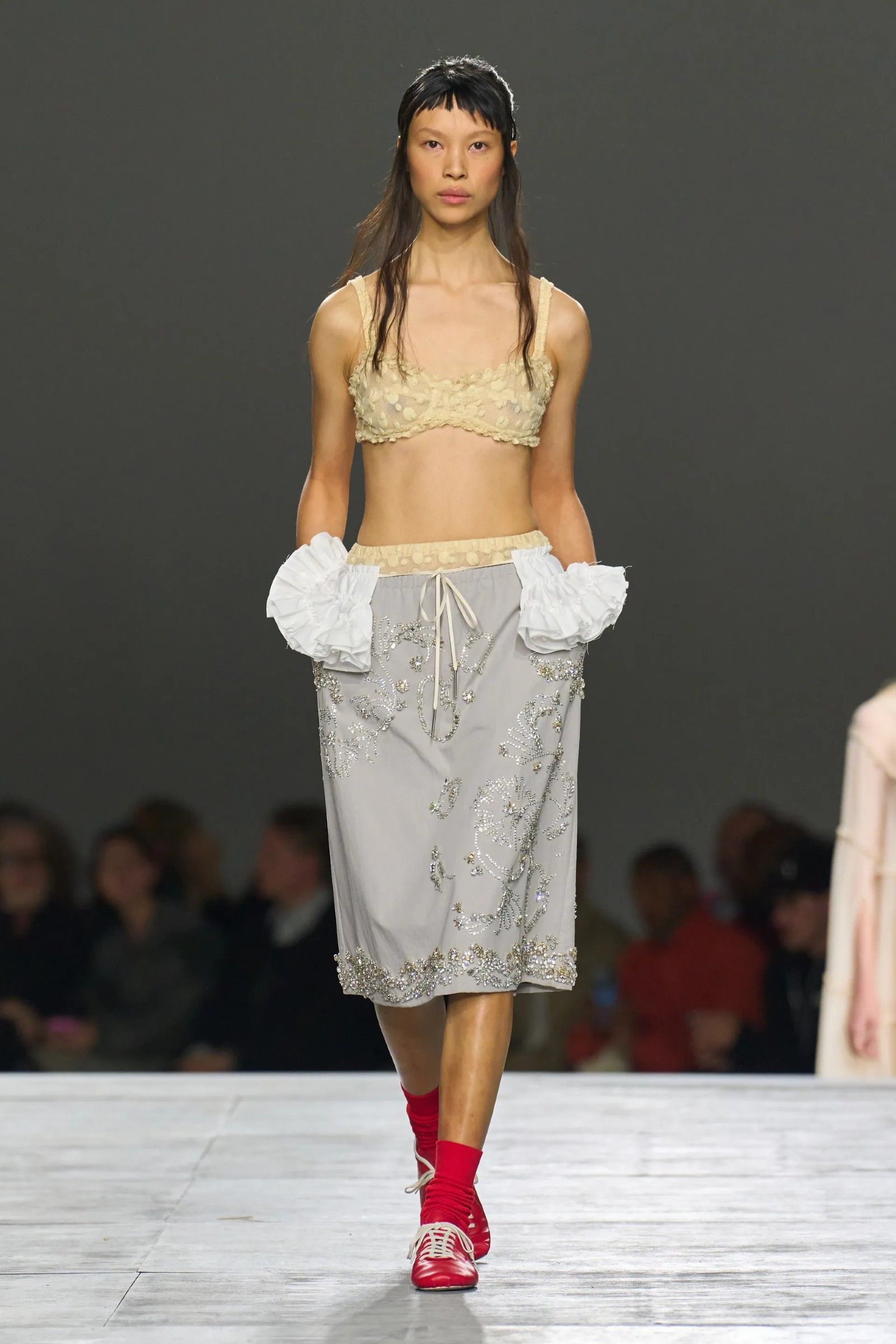
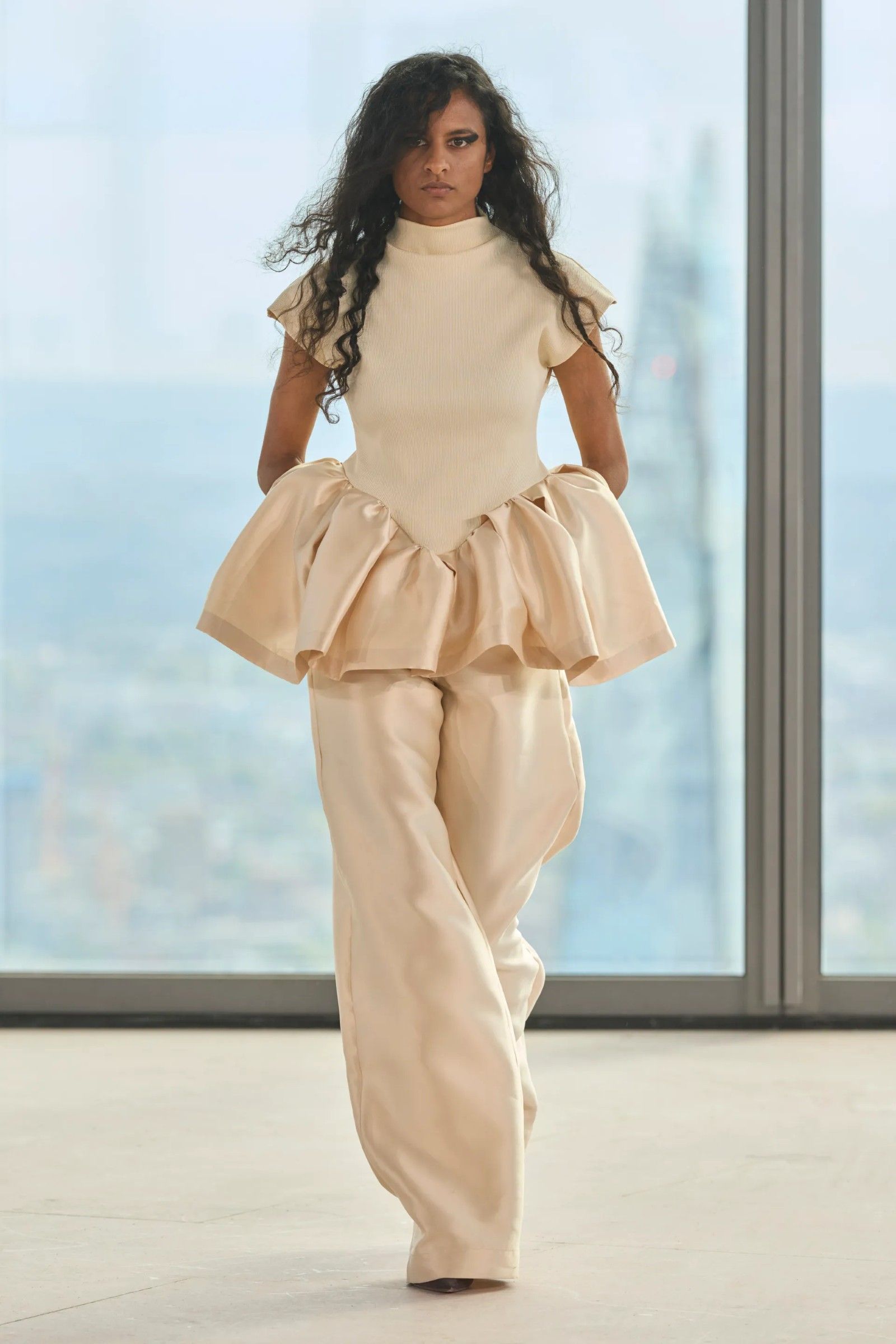
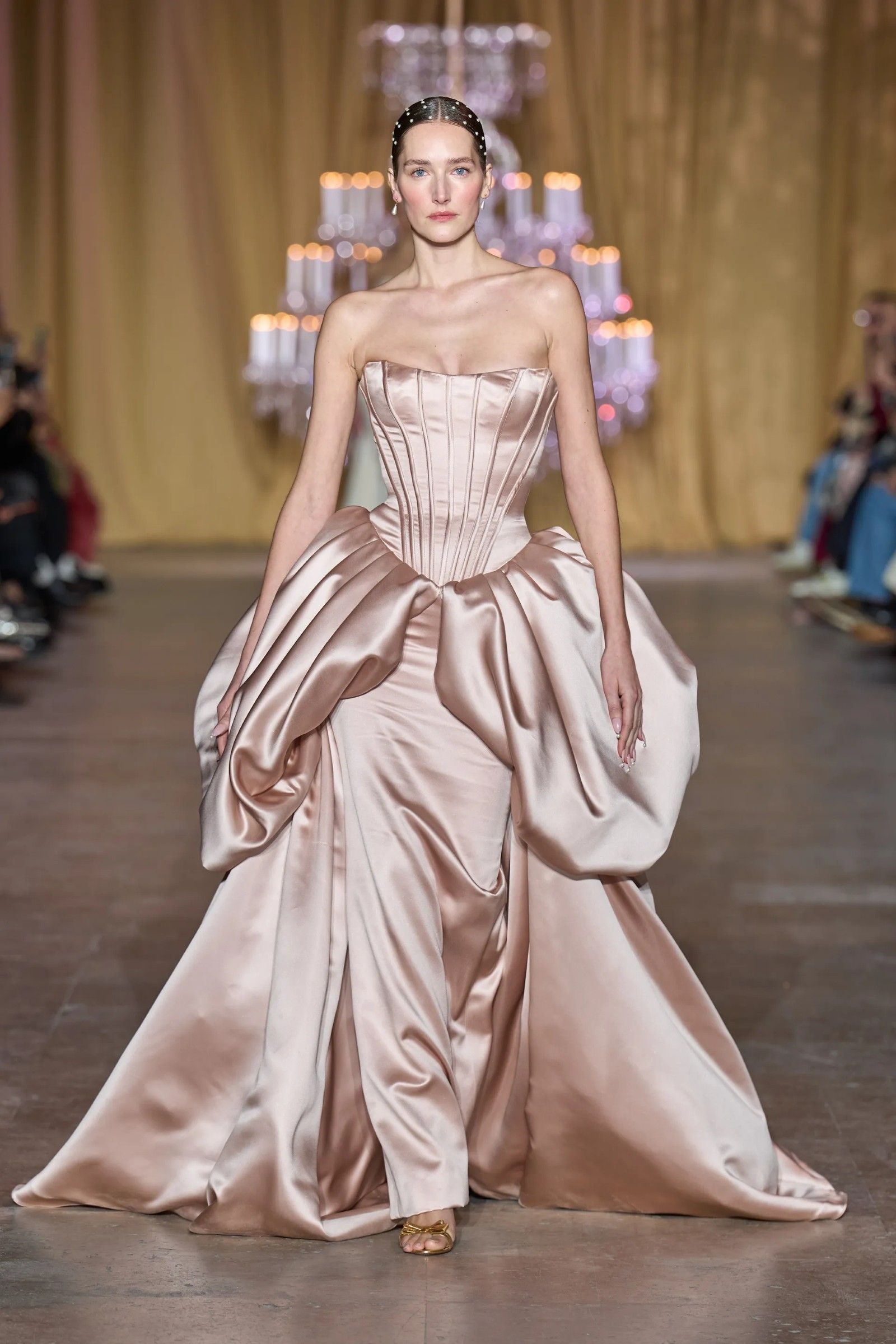
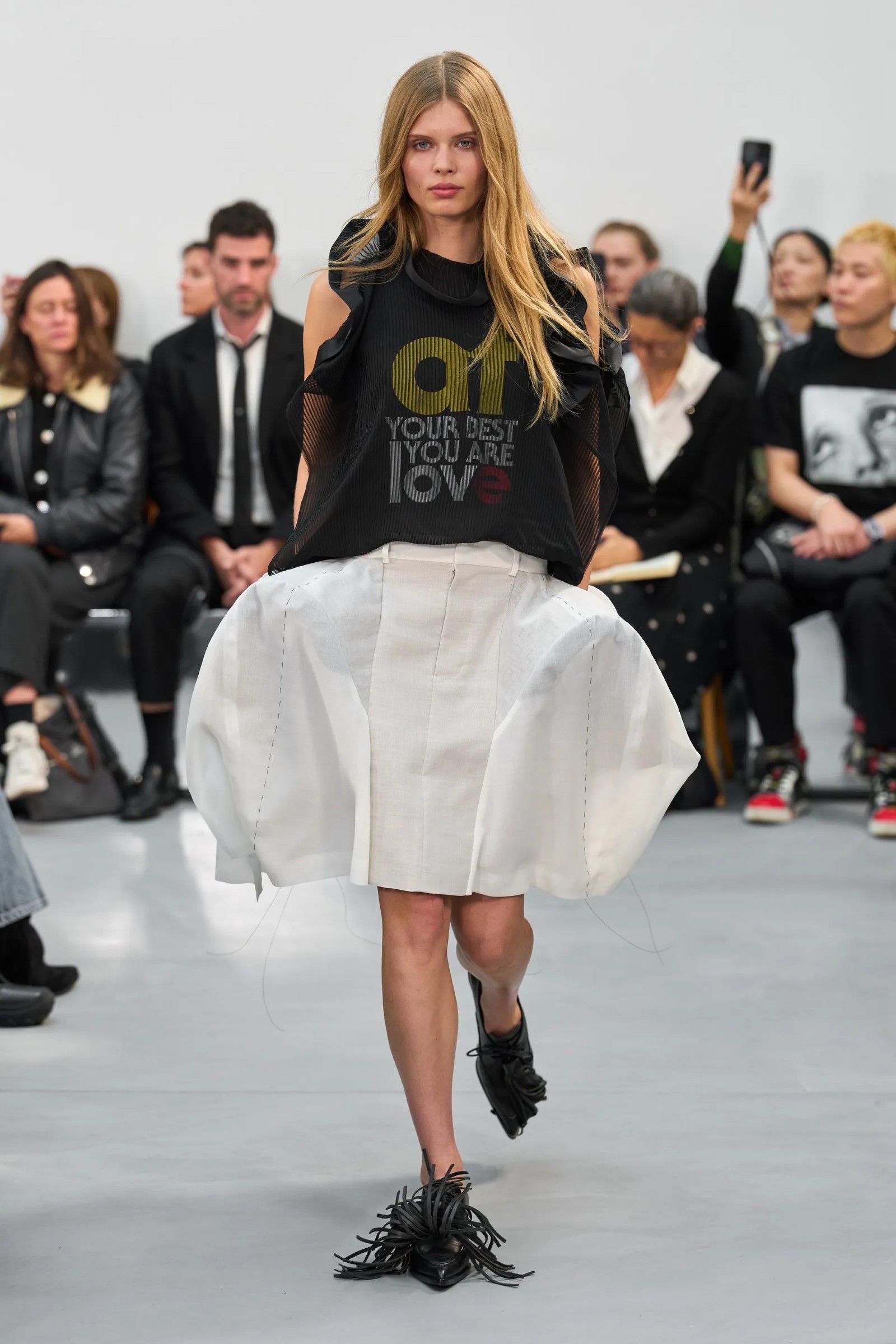
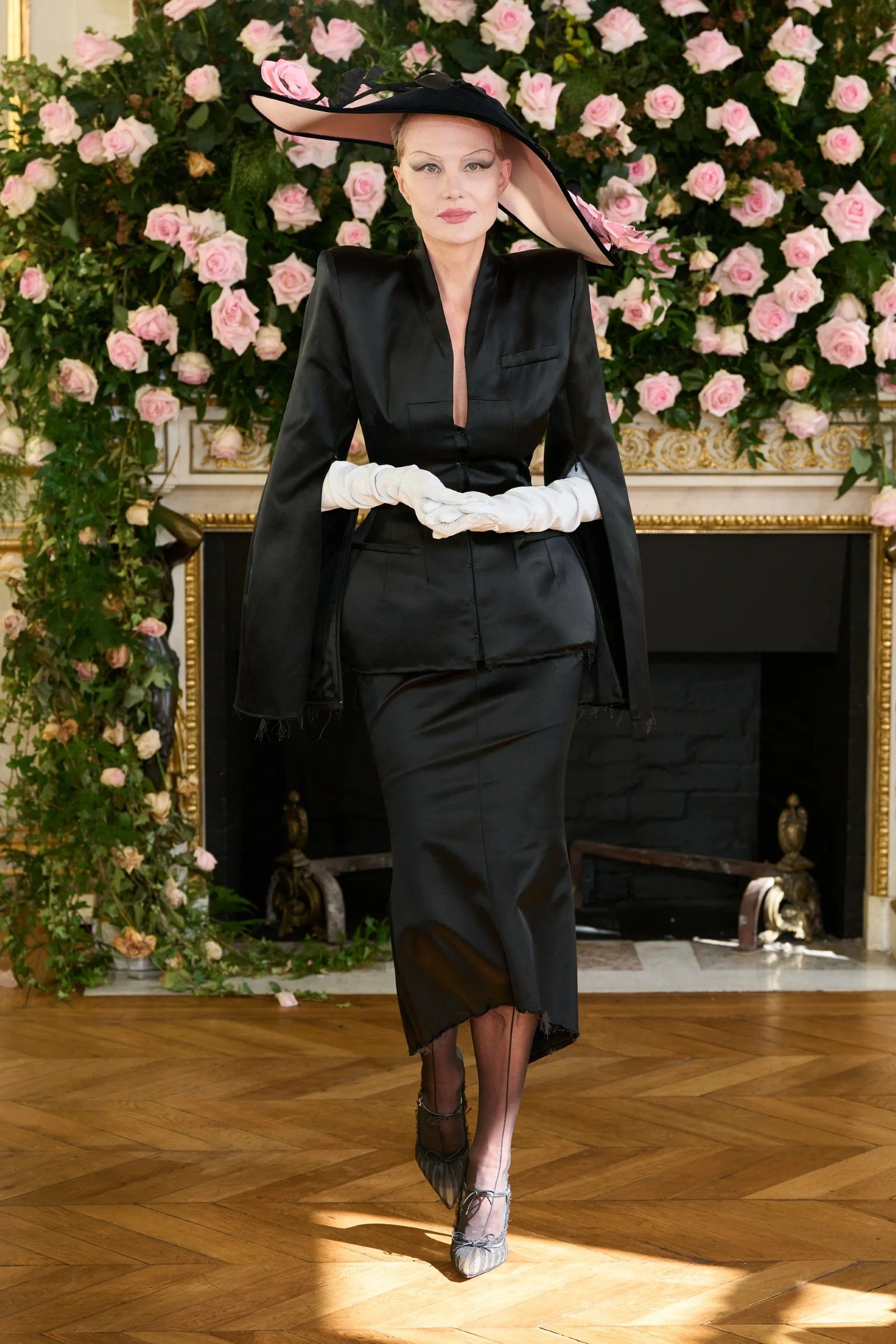
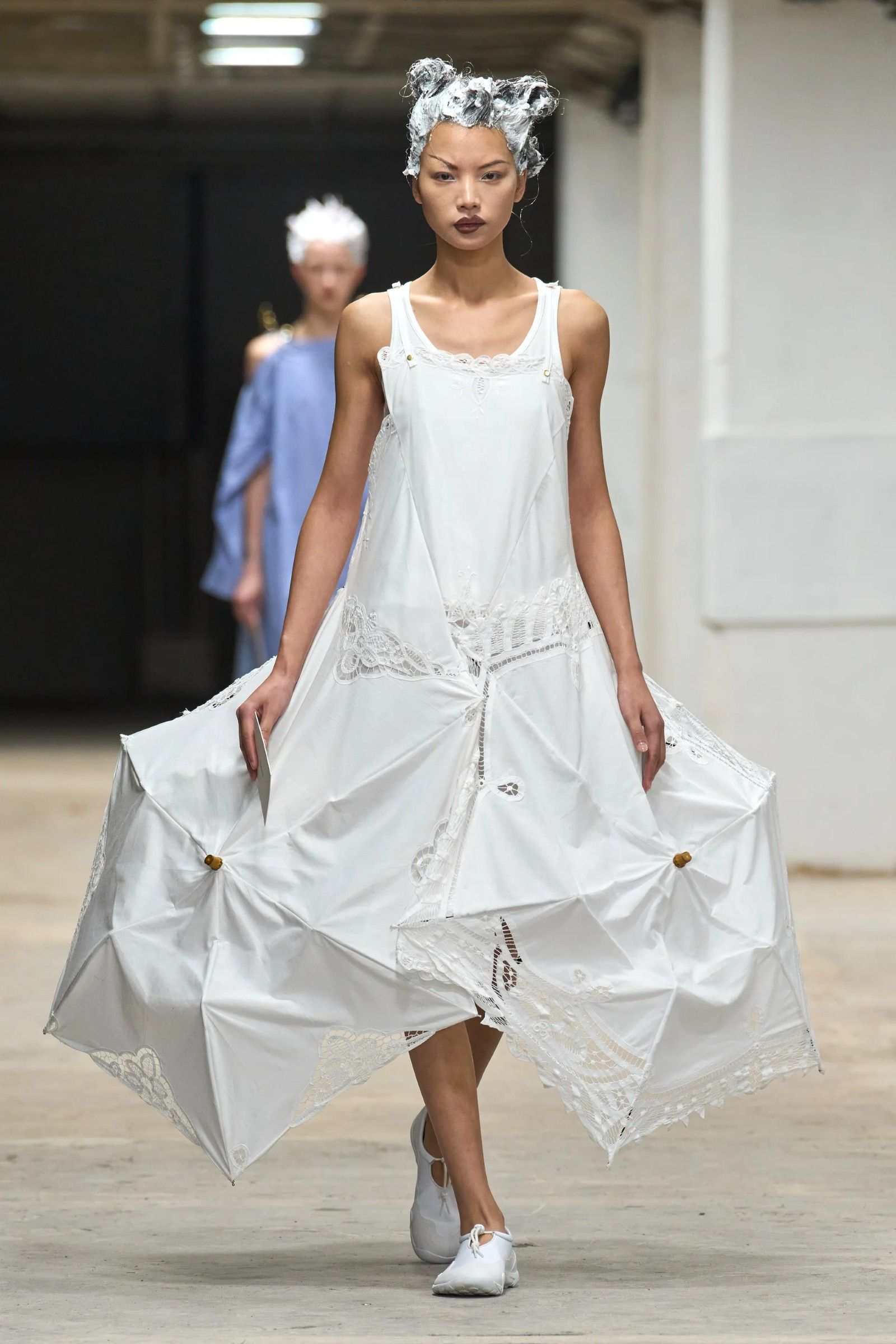
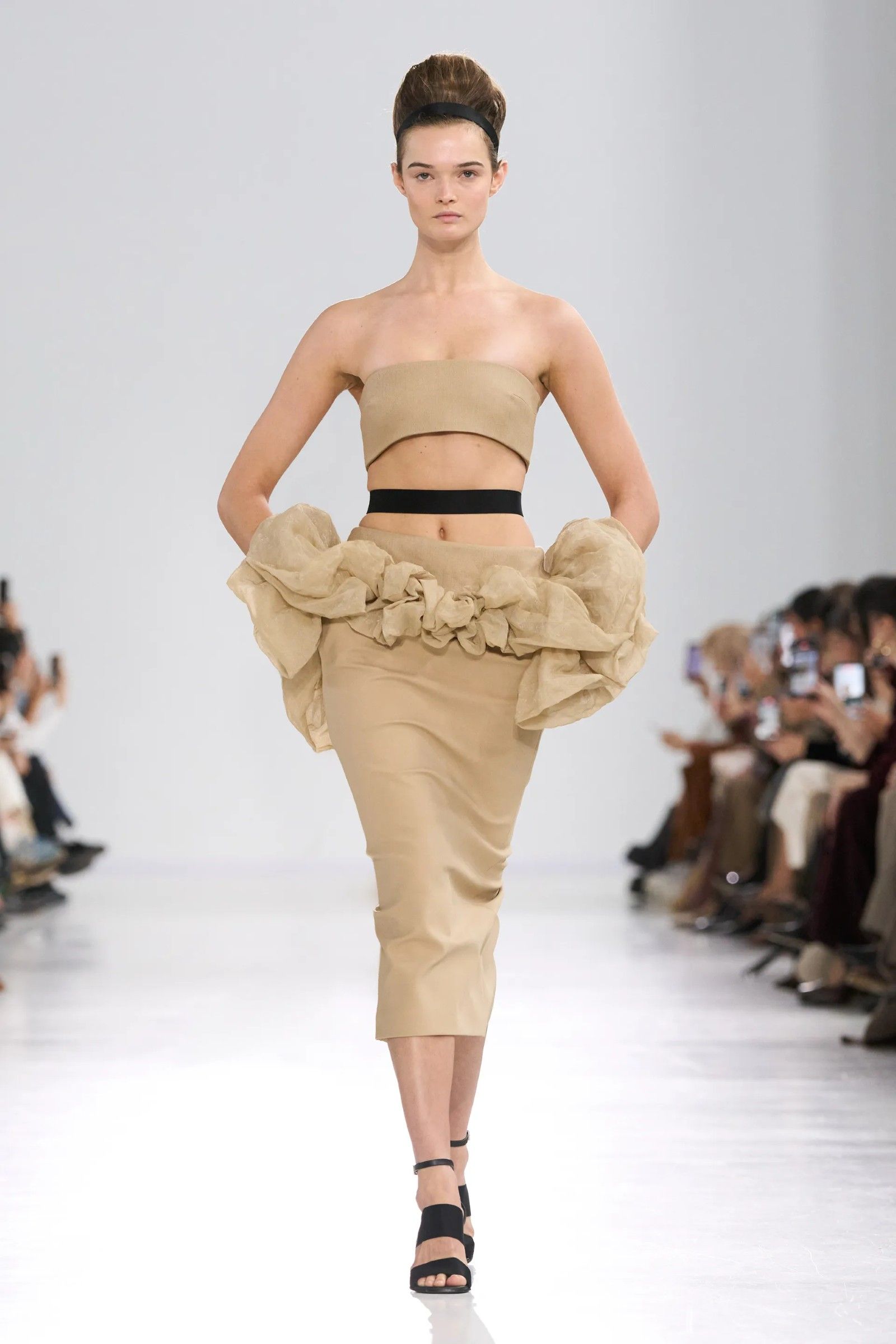
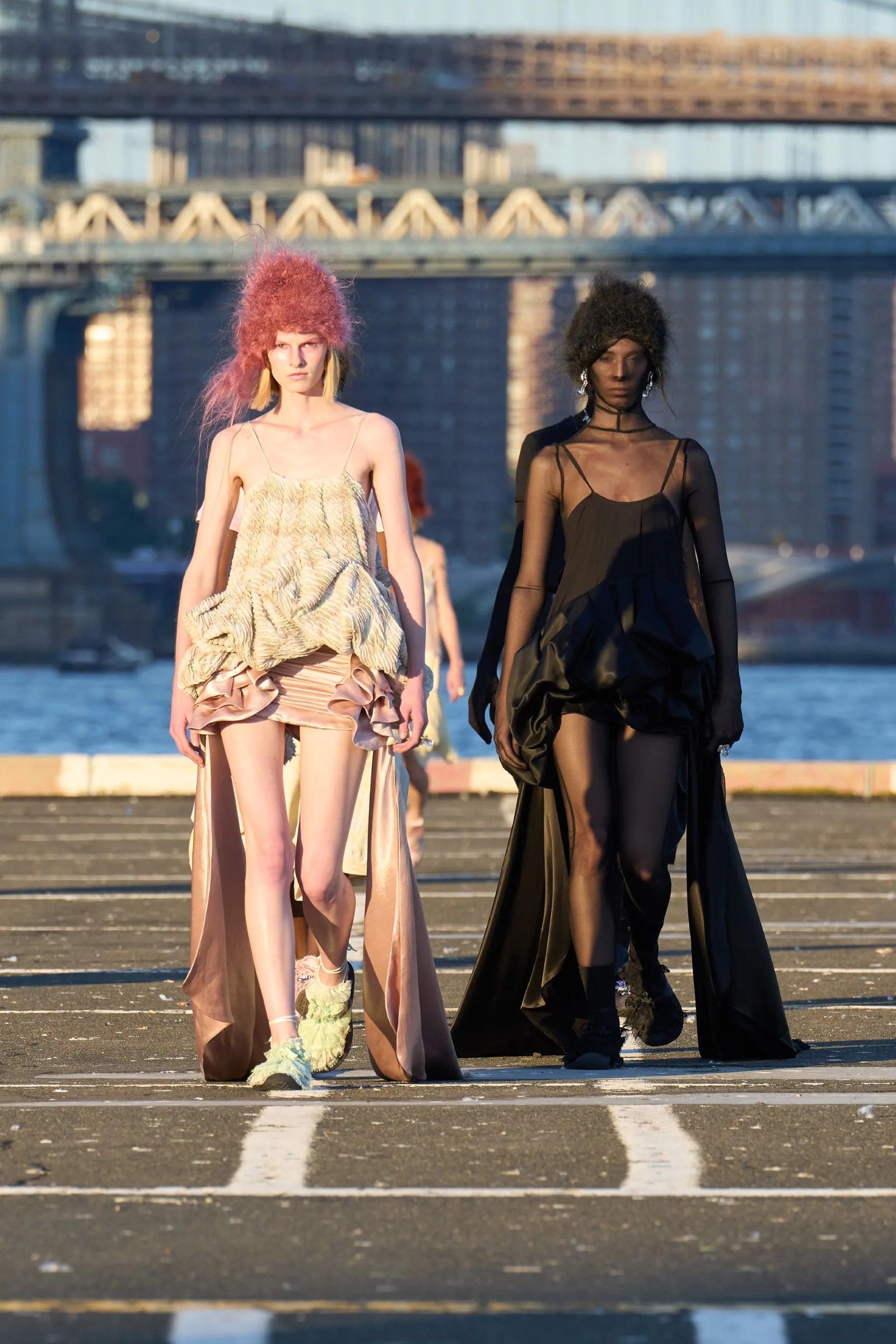
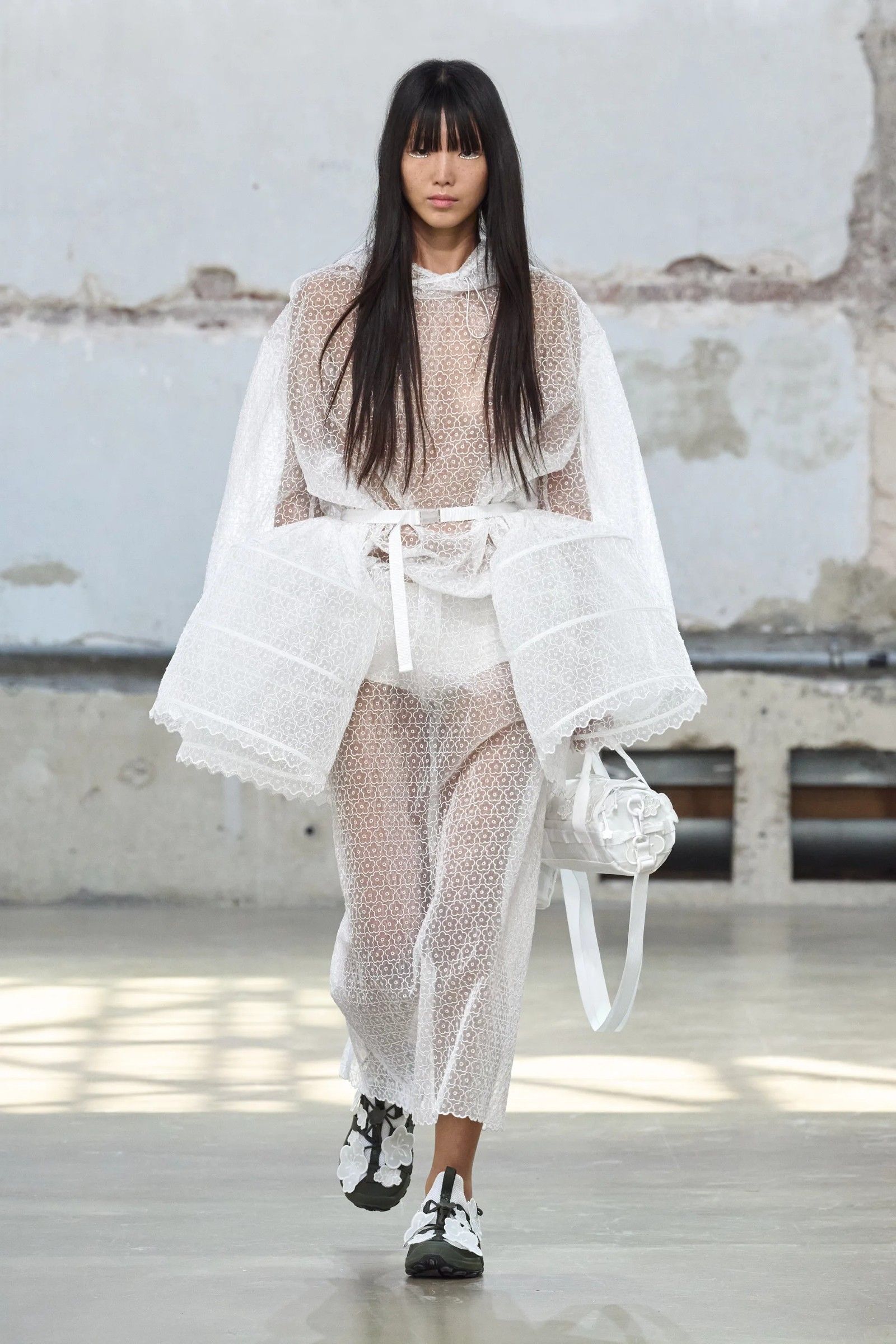
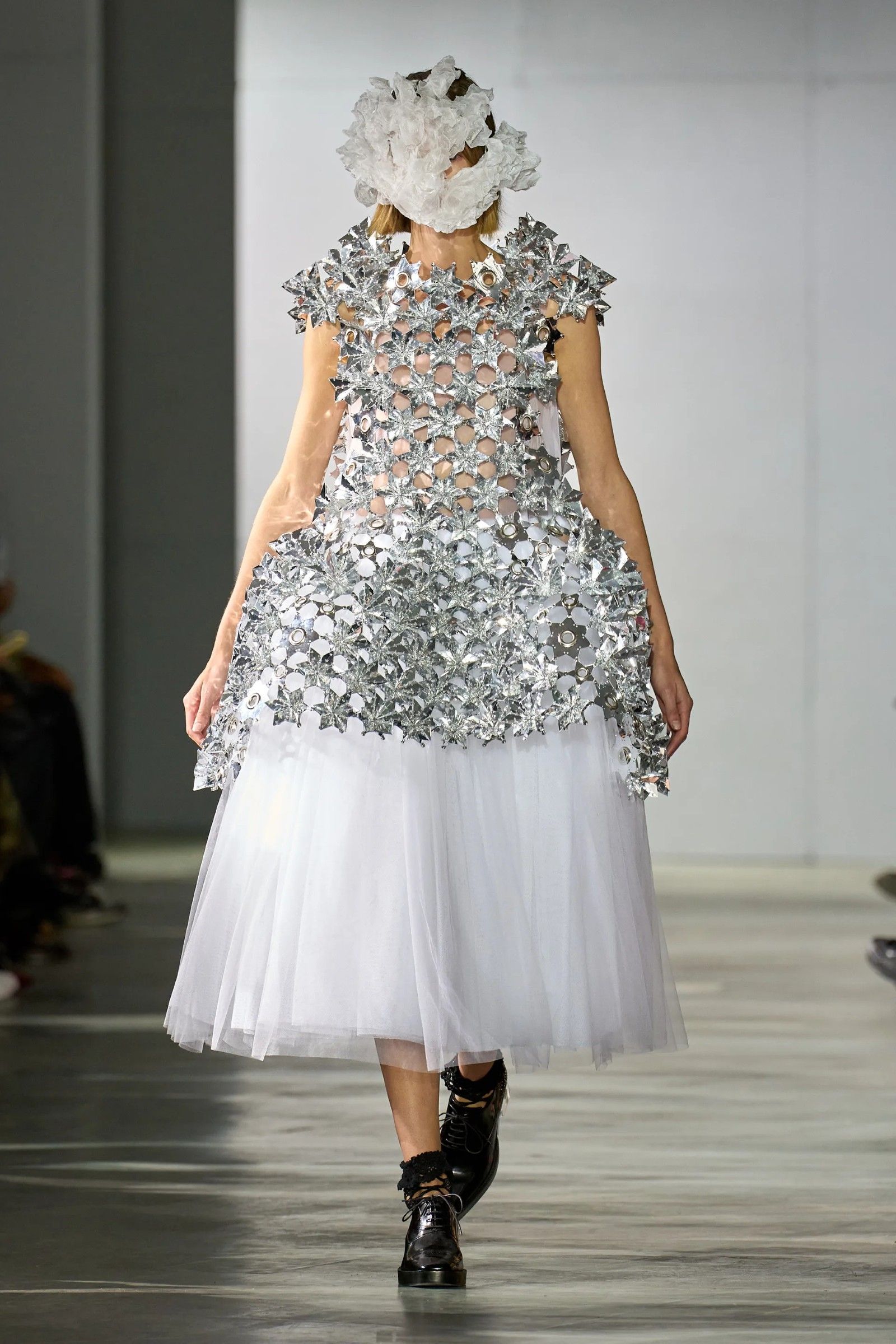
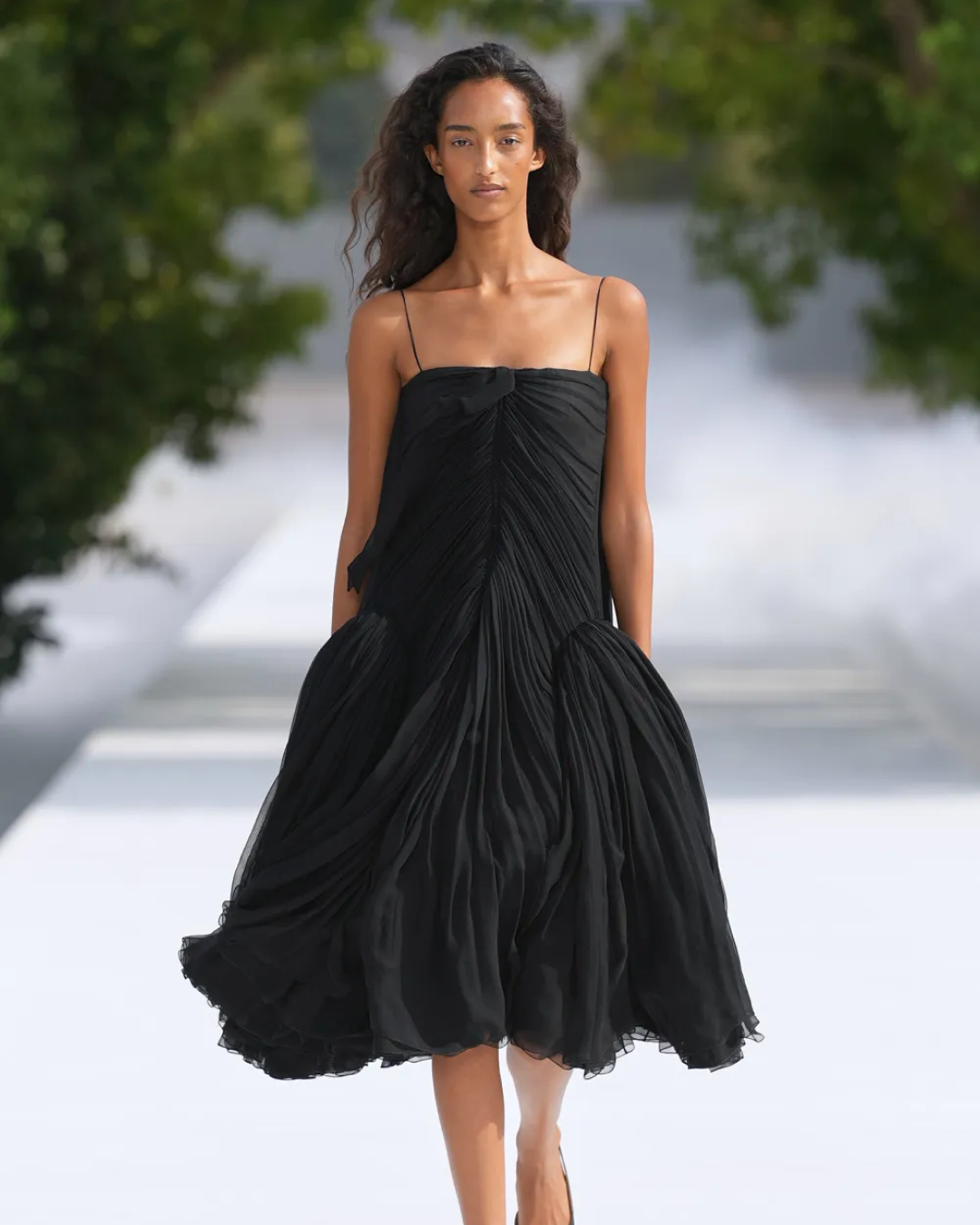
Are we on the verge of a return of romanticism in fashion? By romanticism, to be clear, we do not mean an attitude toward the sentimental, but rather the literal silhouette of the late 18th-century Romantic era. Jonathan Anderson, in his ready-to-wear for Dior, proposed a panier dress with a silhouette straight out of Barry Lyndon for both men and women, and many were seen in the SS26 collections last September.
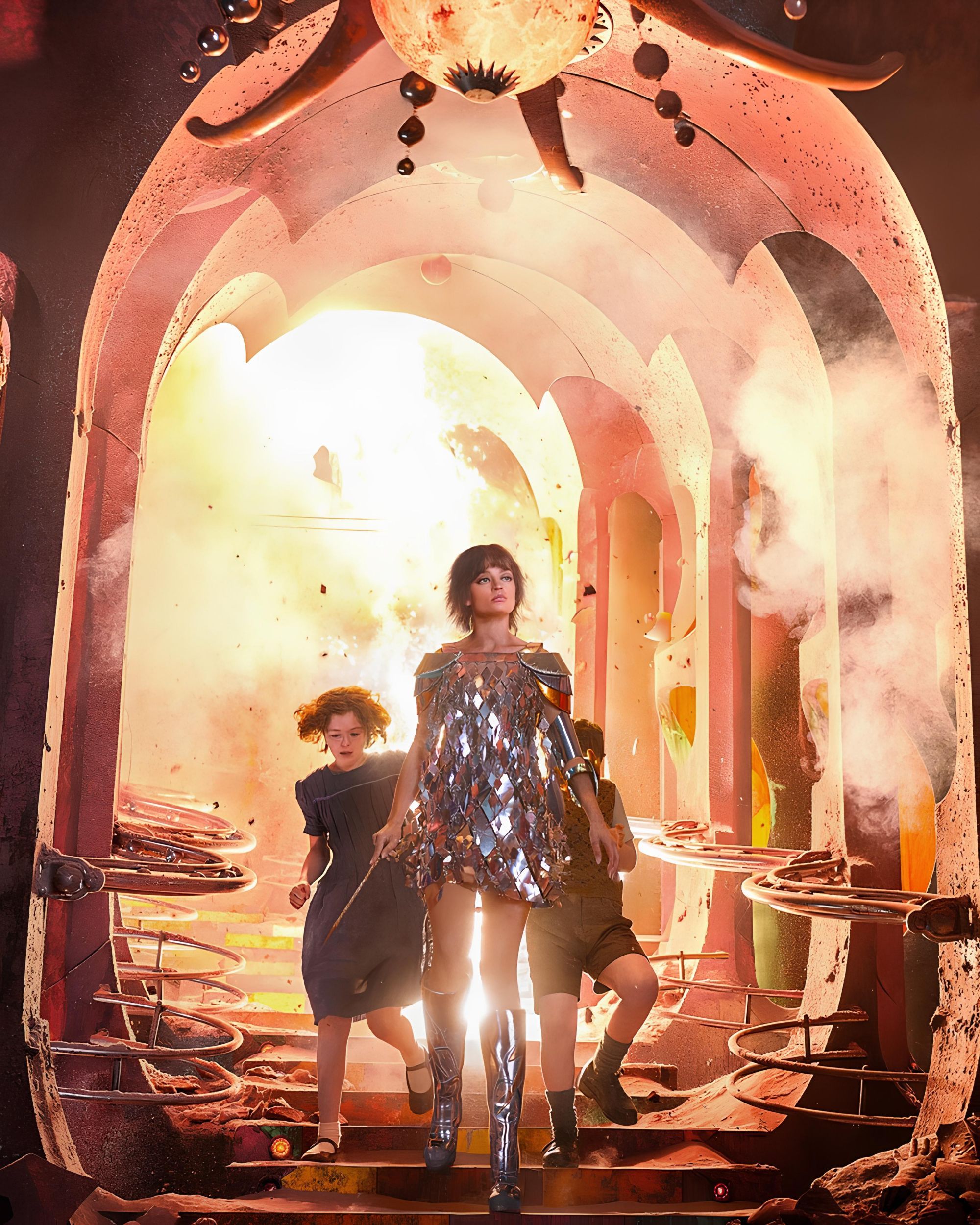
But recently on red carpets, both Ariana Grande, Charli XCX, and Teyana Taylor have worn dresses with a curious 18th-century shape. In reality, the panier dress trend is more varied than one might think. While the imminent arrival of Wuthering Heights in theaters and of Bridgerton on screens, as well as a series of annual releases with gothic tones (Anne Hathaway wears a panier dress in Mother Mary, for example) promise to bring back onto the many screens around us images of dresses that, if not reproducing those of past times, at least echo them in modern tones.
But why?
Watch out for those hips
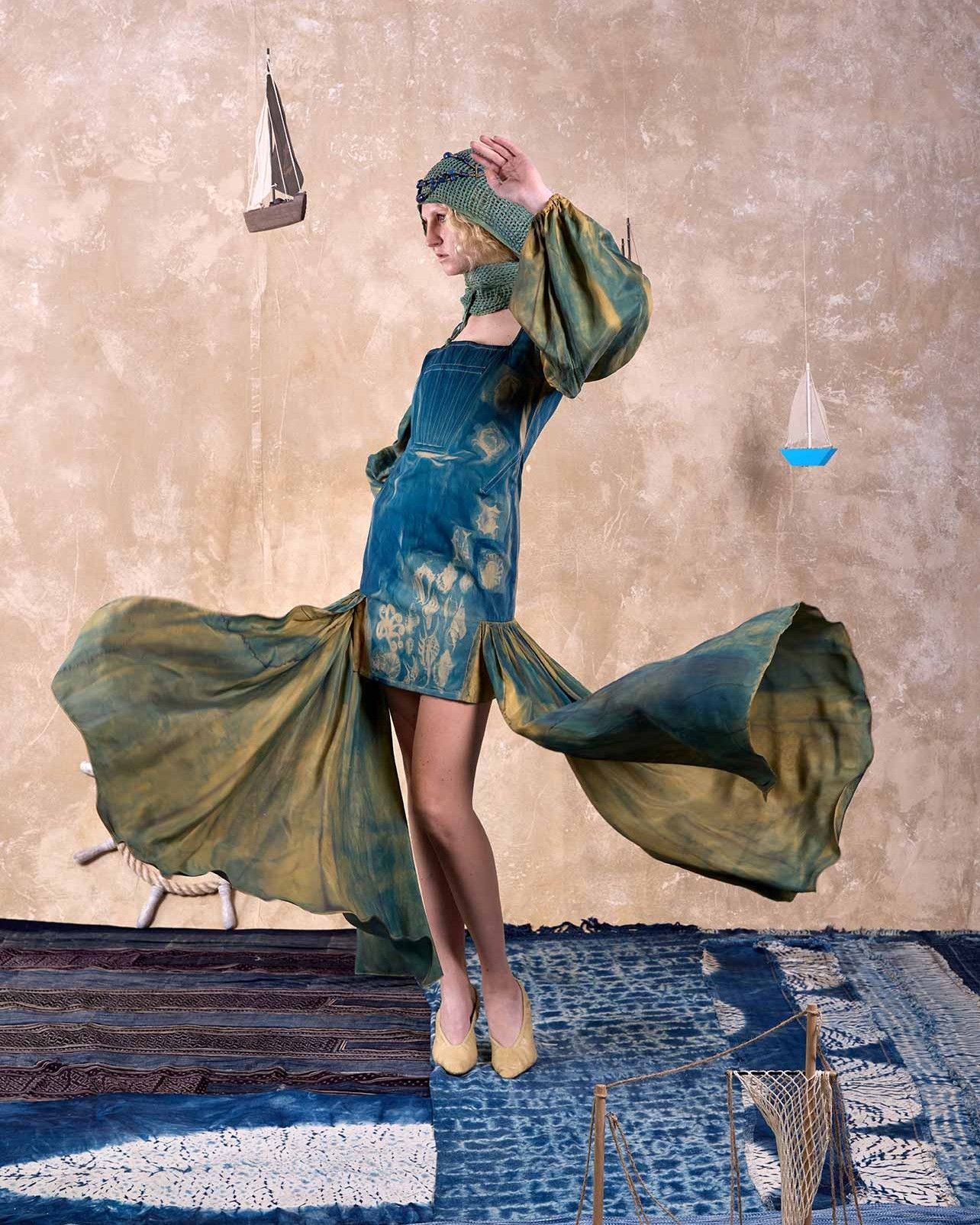
Now, a pannier (or panier) in the historical sense is a structure of reeds, metal, or bamboo worn at the waist under the skirt, creating an illusory and striking widening of the hips, with a consequent narrowing of the waist and a bidirectional enlargement of the silhouette. The two “points” of the thus amplified hips were often decorated with the most diverse elements such as bows and cockades, fabric flowers, various types of knots, and so on.
It is clear that today no woman wants to wear the equivalent of a wicker basket under her skirt, and therefore the effect is achieved or evoked in very different ways. But what matters is that it is evoked: from the pants by Jean Paul Gaultier that horizontally widen the hips, to the puffed skirts of the suits by Matières Fécales, passing through the long dresses with pronounced hips by Chanel and Balenciaga, and arriving at the literal modernized paniers brought to the runway by sacai, Junya Watanabe, Erdem, and even Cecilie Bahnsen, the silhouette holds its own relevance.
Even Vanessa Friedman, analyzing not so much the paniers but the new fashion of garments that overwrite with their own the silhouette of the wearer's body, noted this tendency to rewrite and modify the boundaries of the body. A curious ambition indeed, full of implications in a world where the celebration of body diversity, Ozempic, BBL, the fitness obsession, and every possible trend related to body modification coexist in a state of perpetual and noisy clash. And perhaps that's exactly the point.
The silhouette as a statement
More and more in recent years, throughout the fashion world, the silhouette has become synonymous with a certain identity. Think of the dominant macro-trend of recent years: a tight, short top and gigantic pants, often curved at the sides like the balloon pants famous on TikTok or even Lemaire's Twisted model. Think of Skims products that widen and shape the butt or hips, corset trends or mega-shoulders, or how a wide and short silhouette on the legs is synonymous with lovers of a certain Japanese avant-garde fashion promoted by the likes of Comme des Garçons, Yohji Yamamoto, and so on.
A silhouette, today, equals a point of view, a declaration of intent. The world (and our perception) is full of generic and normal silhouettes that we wear more or less every day, of absolutely normal jeans and sweatshirts. Character comes from shapes that widen or lengthen, that follow or deny the curves of the body. And descending into the womanswear field, we see this push declined on various levels: the panier and puffed skirts of occasion dresses, the rigid width of shorter casual skirts, but also decorative elements like ruffles or rouches that Dries Van Noten or Max Mara add to pants to prevent a certain skirt from being “just” itself.
But why now?
The advantage of a panier construction or anyway the presence of an element that widens the hips also has the effect of presenting, almost like on a pedestal, the upper part of the body, creating a caesura element that signals an exit from the ordinary and habitual field of life. A dream, perhaps. It also helps a lot that this type of dresses (Dazed with its usual elegance defines them “penis dresses” but we all have to click) are immediately connected to a very precise historical memory, to a very precise social environment, and to a defined sense of occasion.
Their presence, however, does not appear immediately nostalgic. These dresses do not seem to want to remake costumes from other eras but to recover their recognizable formula to take the design of a certain dress or skirt out of a normal ordinary occasion, thus endowing it with a defined point of view, an aesthetic direction. The point, however, is: who, in today's life, finds themselves in such out-of-the-ordinary situations? Or is this search for maximalism nothing more than a form of escapism that in turn represents an indicator of the impending recession?
According to the Pinterest Predicts 2026 report, the maximalism of silhouettes, the literary influences of English classics, and the taste for theatricality should return in a maelstrom of trends that will interest pretty much all areas of culture. After all, we live in very interesting times, so we might as well dress for the part.