





























We spoke with the founders of Shakers About freelance work, AI and new business models
The European labour market is undergoing a profound transformation, driven by the growth of independent professionals and the spread of more flexible collaboration models. In Italy the phenomenon is particularly evident: according to the most recent estimates, freelancers now exceed 5 million, making it one of the largest communities of self-employed workers in Europe.
Despite this wide availability of talent, many companies still struggle to find the right skills. This is the so-called skill mismatch, the misalignment between the skills available on the market and those required by companies, a phenomenon that slows down innovation processes and digital transformation.
The role of Shakers
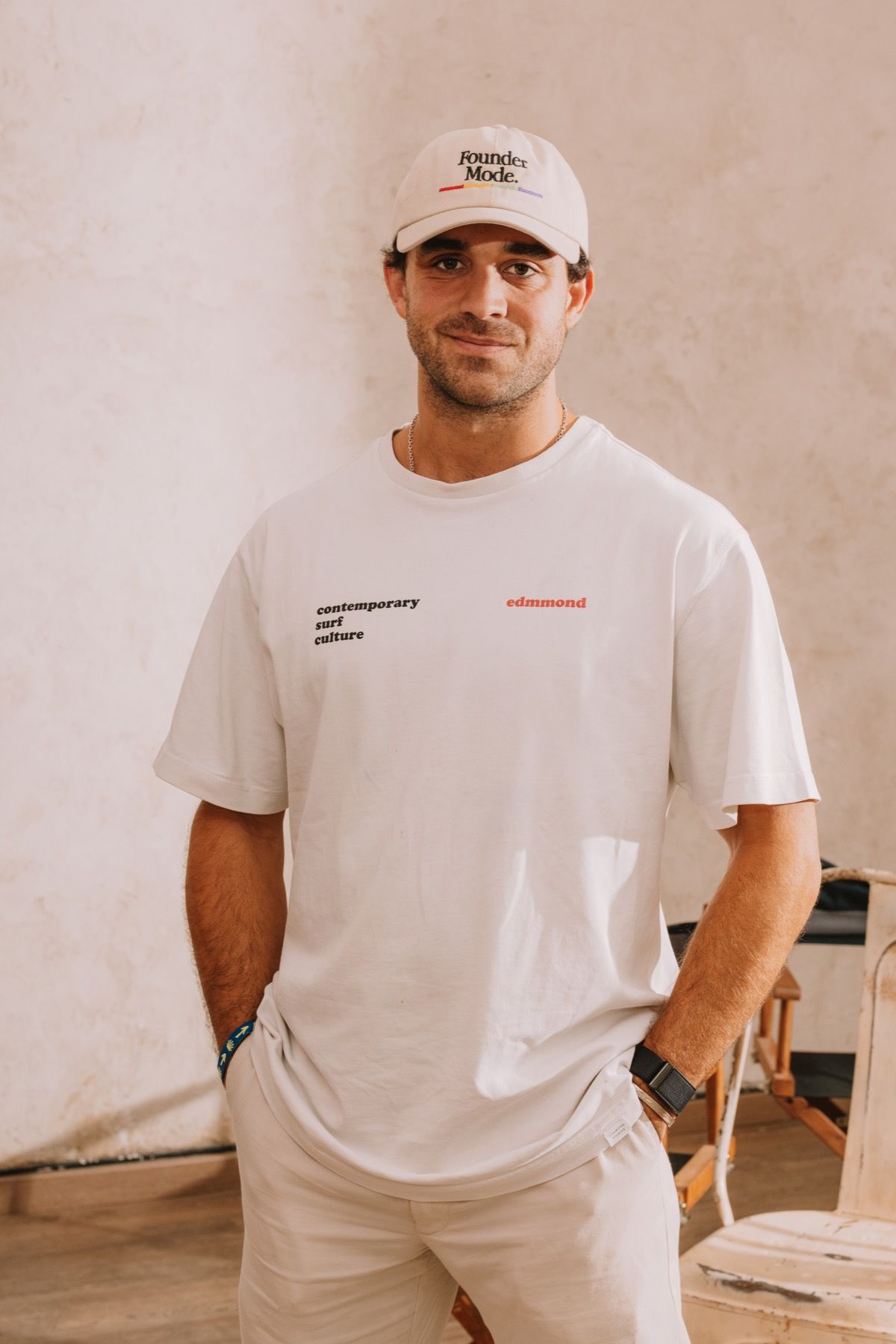
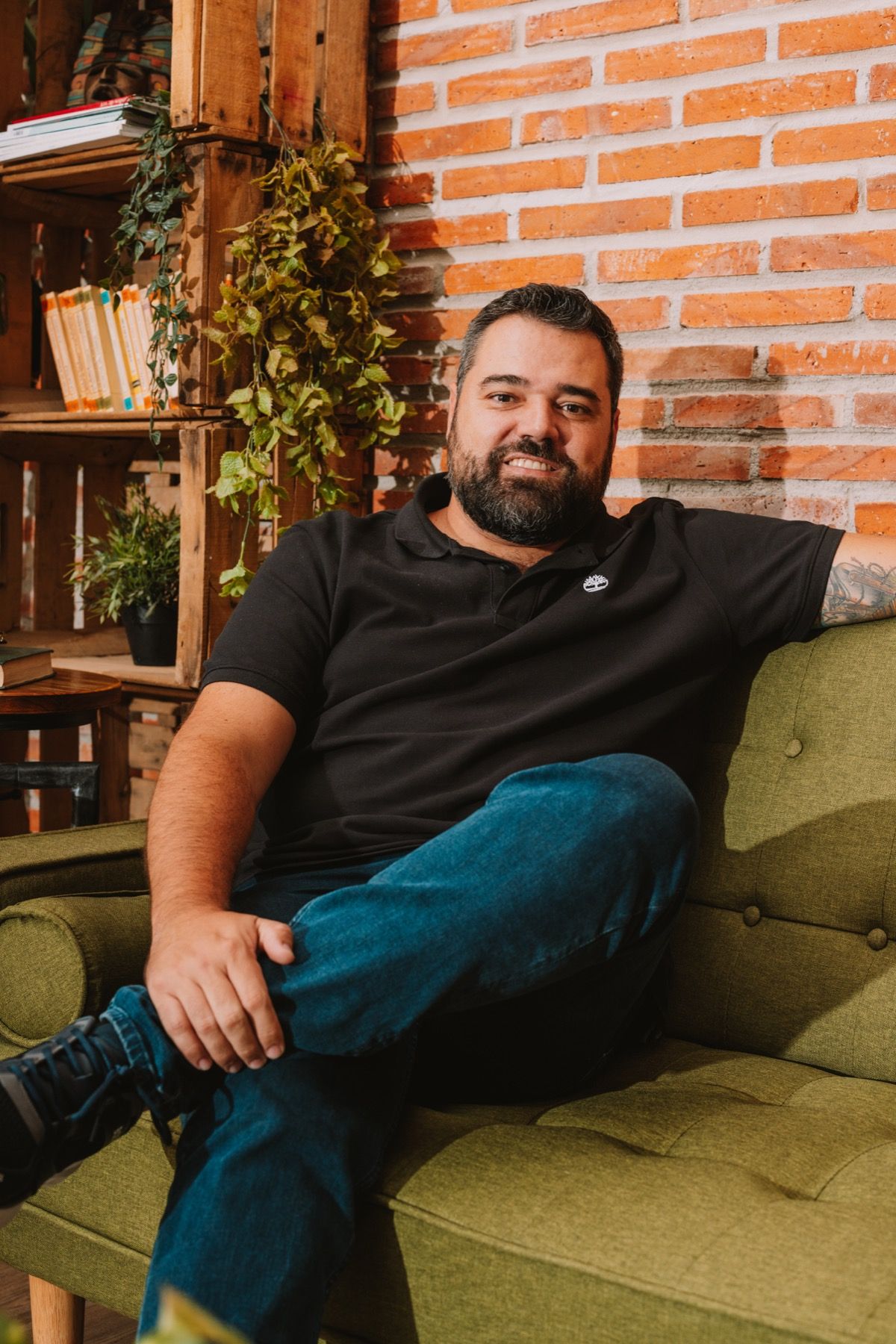
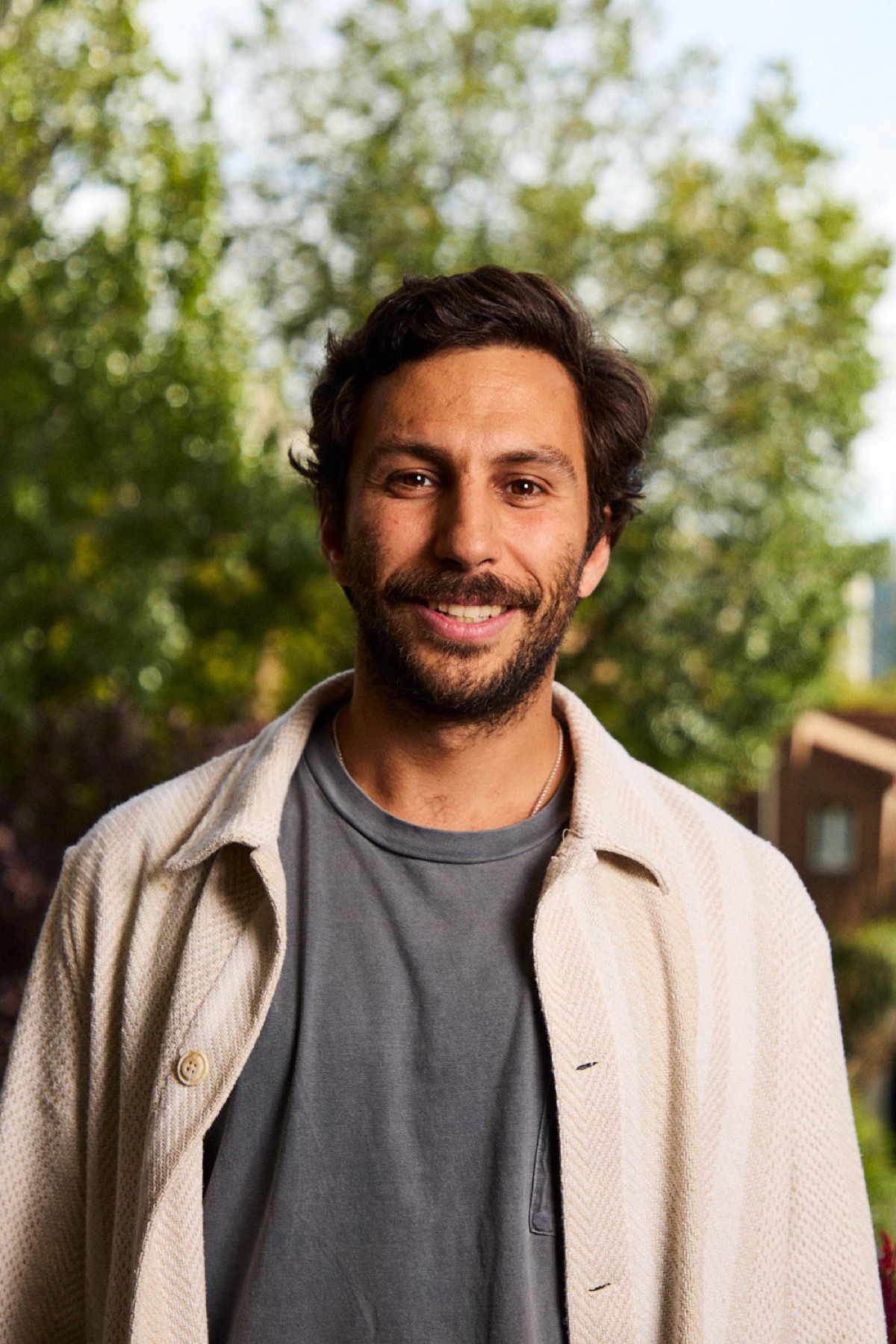
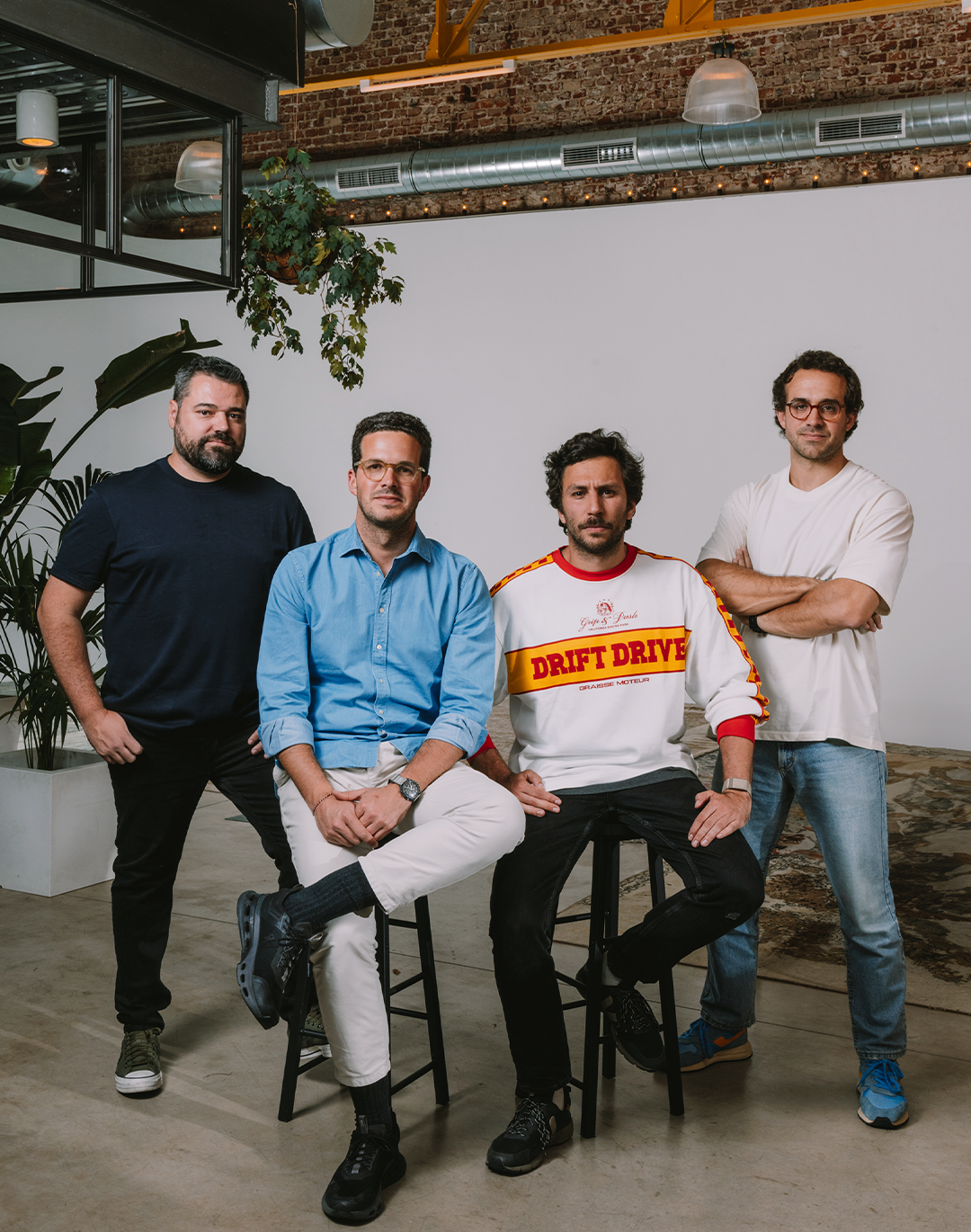
Within this context operates Shakers, a technology scaleup founded in Madrid in 2021 by Héctor Mata (CEO), Nico de Luis (COO), Jaime Castillo (CRO) and Adrián de Pedro (CPO). The platform connects companies with highly specialised freelance professionals through matching systems based on artificial intelligence, allowing project teams to be assembled in a very short time. In recent years the company has experienced significant growth. Shakers now works with more than 450 companies globally, including Microsoft, Inditex, Accenture, Deloitte and IBM, and has completed thousands of projects with a community of over 15,000 verified professionals.
In 2025 the scaleup also closed a Series A funding round of 14 million euros led by Partech and KFund, with the aim of accelerating the platform’s technological development and its international expansion, which now also includes Italy, Portugal and the United Kingdom. Entering the Italian market therefore represents a strategic step for the company, which aims to position itself as a technological infrastructure for freelance work and for the creation of hybrid teams made up of professionals and artificial intelligence systems.
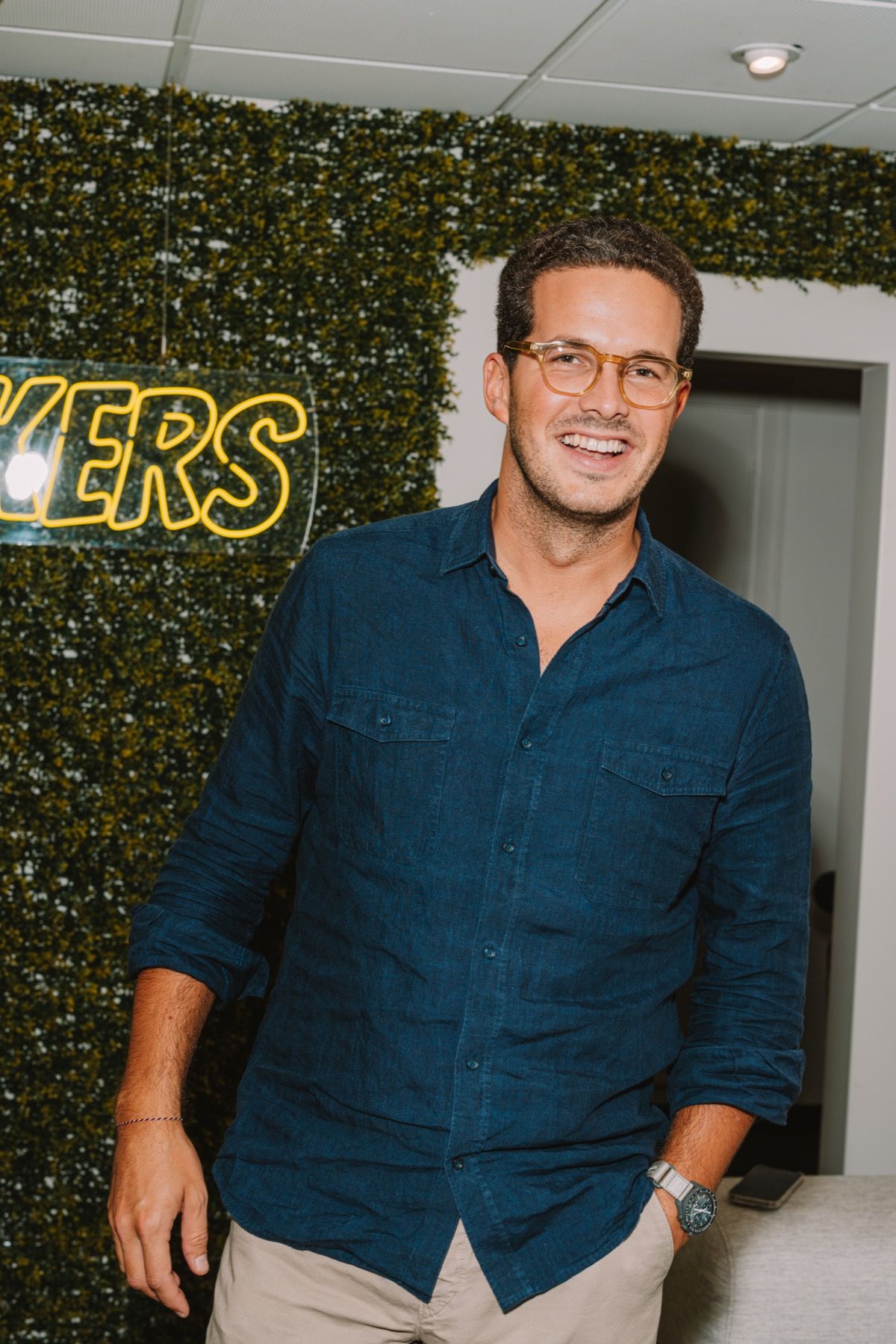
To better understand how the relationship between companies, freelancers and AI is evolving we spoke with Héctor Mata, CEO of Shakers, and Nico de Luis, COO and co-founder of the platform.
In Italy freelancers exceed 5 million, but the mismatch between skills and companies continues to grow. Is it a problem of education, system structure or cultural models of work?
Nico de Luis:
It is all three, but at the root there is a model problem. The traditional employment system was designed for an industrial economy in which companies hired generalists for long periods. Today companies need hyper-specialised talent, an AI engineer, a data architect, a growth product manager, for specific projects that may last three months or a year. The education system is often five or ten years behind market needs and culturally, in many European countries, freelance work is still seen as a “plan B” rather than a strategic professional choice.
What we see on Shakers is that the talent exists: in Europe there are thousands of extraordinary independent professionals. The problem is discovery and trust. Companies do not know where to find the right person and when they do the process can take weeks. With our AI-based matching we have reduced this time from weeks to a few days. The mismatch is not a lack of talent, it is an infrastructure problem.
Shakers speaks about “Agentic AI” and hybrid human-machine teams. In practical terms, is AI an operational support or is it redefining the very concept of talent?
Héctor Mata:
Both, and that is the most honest answer. Today AI on Shakers is deeply operational: our algorithms analyse thousands of profiles, connect skills with project requirements and automate selection processes that previously required days of human work. But the biggest change is deeper. AI is redefining what a team really means. We are moving towards hybrid teams in which an AI agent manages data extraction, a freelance data scientist builds the model and the company’s internal team focuses on strategic decisions.
Talent is no longer just “a person with skills”. It is the optimal combination between human expertise and the capabilities of artificial intelligence assembled to achieve a result. Our platform is evolving toward what we call a Talent Operating System, in which companies do not simply hire people but orchestrate the ideal mix of human and AI resources.
The freelancer today is no longer only an independent figure but part of temporary high performance micro teams. Are we moving toward the end of the traditional concept of the company?
Héctor Mata:
Not toward the end, but certainly toward a profound transformation. The traditional company will not disappear, but its boundaries are becoming increasingly porous. What we observe among our clients, medium sized companies and large corporations across Europe, is that the most competitive organisations maintain an internal core of strategic roles and build around it an elastic structure of external talent for execution and specialised projects.
It is the transition from a fixed structure to a network structure. A company with 200 employees can simultaneously work with 50 freelancers organised in project teams that form, work and then dissolve. This is exactly the model we manage every month on our platform. In this sense Italy, with more than 5 million freelancers, is perfectly positioned for this transformation. The challenge is building the technological and operational infrastructure that makes this system truly fluid.
Hybrid teams are the future
If until a few years ago freelance work was considered a marginal choice, today it is becoming one of the main architectures of the digital economy. Platforms like Shakers emerge precisely within this transformation not only to facilitate the meeting between companies and talent but to redefine the way work itself is organised.
In a scenario where skills, technology and professional autonomy increasingly intertwine, the real change does not concern freelance work alone. It concerns the way companies build their teams, make decisions and approach complex projects. Whether this model will truly become the standard in the coming years will be decided by the market. But one thing is already clear: the work of the future will be less and less tied to a permanent job and increasingly to the ability to connect skills, technology and people at the right moment.