
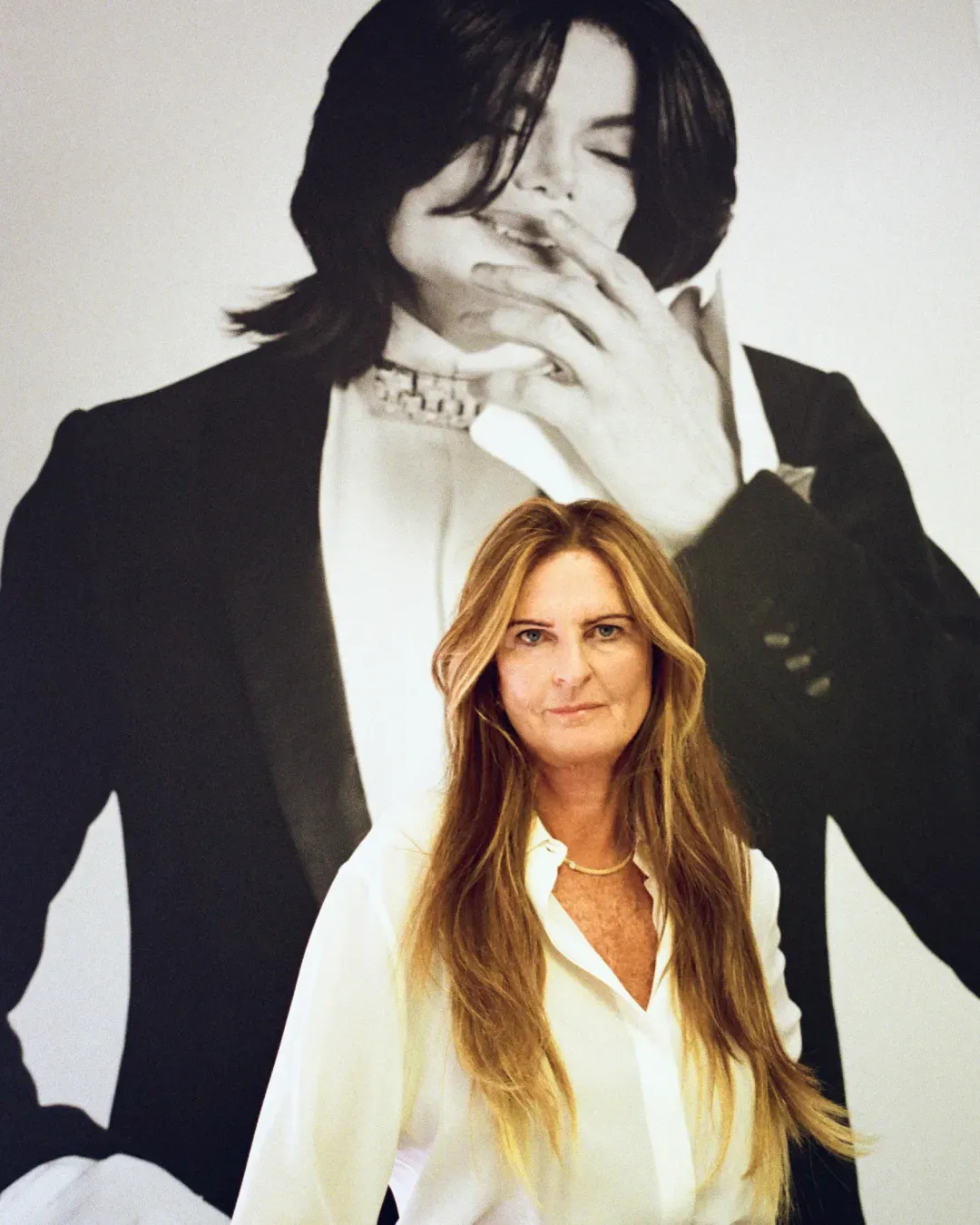
«Amplification is everything today,» interview with Emanuela Schmeidler The founder of ES_PR shares her vision of fashion and the challenges that new talents are facing
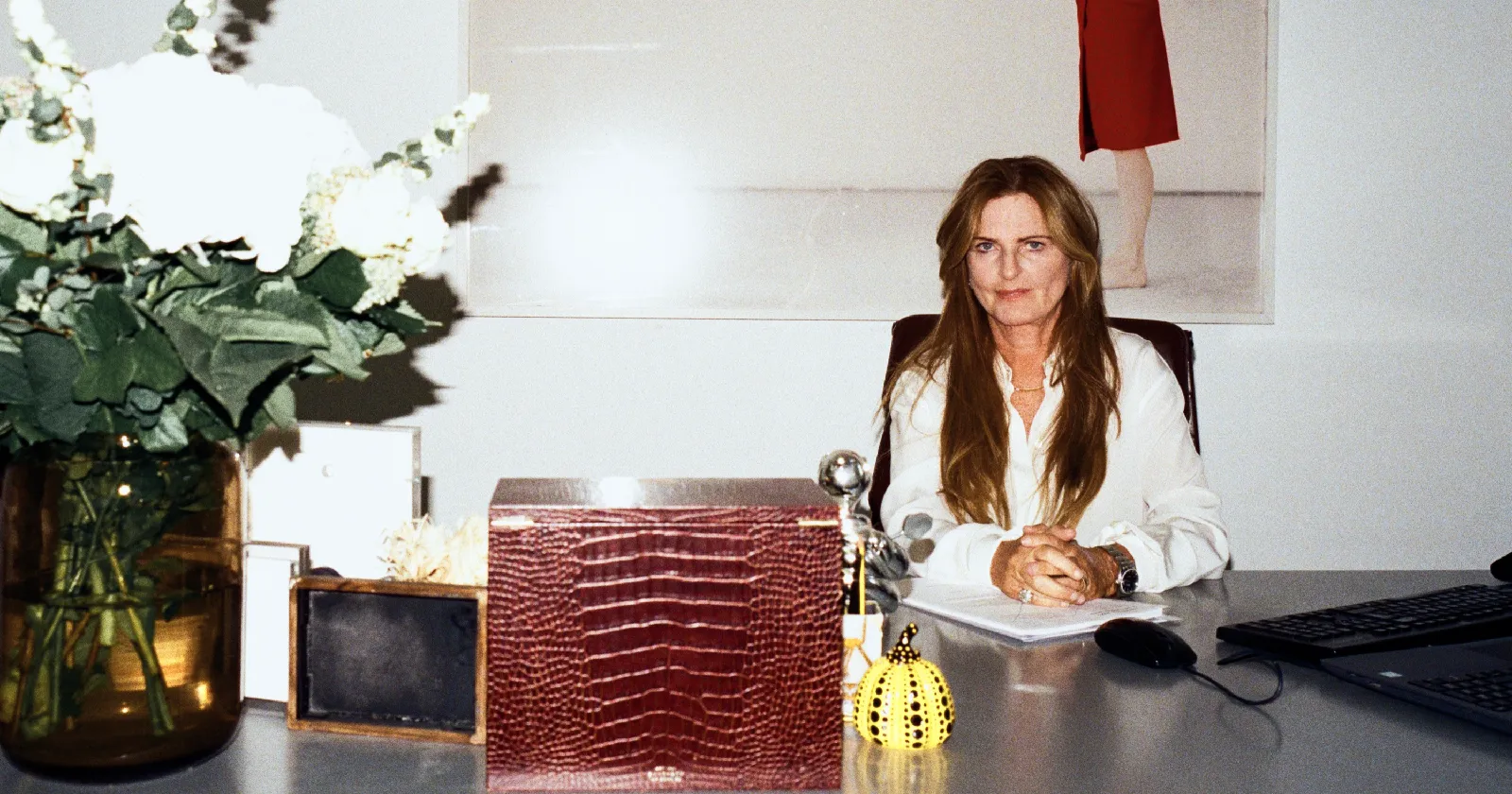
In the heart of Milan operates one of the most influential communication agencies in the sector. ES_PR, founded by Emanuela Schmeidler, manages luxury, fashion, beauty, design, art, and lifestyle brands that want to stand out in the contemporary creative landscape. With a resume that includes prestigious positions such as Head of PR for the Versace Group alongside Gianni Versace and PR & Special Events at Vogue Italia with Franca Sozzani, Schmeidler cultivated years of experience before opening the agency, which even collaborates with the National Chamber of Italian Fashion.
Over the years, Schmeidler and the agency have witnessed fashion grow and expand, and in the past month, they have welcomed significant changes. In addition to expanding their scope with services in digital PR, e-commerce, performance marketing, and community building, Ludovica Tiso recently joined the team as Talent & Celebrity Relations Manager; Laura Lombardo took on the role of Chief Creative, while Verde Castelbarco strengthened her position as Head of the Clienteling Department & VIC Experiences, an area in which the agency is investing to enhance relationships with the most loyal and exclusive clients.
But what experiences led Schmeidler to establish her agency in Italian fashion? What lessons should young industry talents learn from her success? We asked this directly to Emanuela Schmeidler.
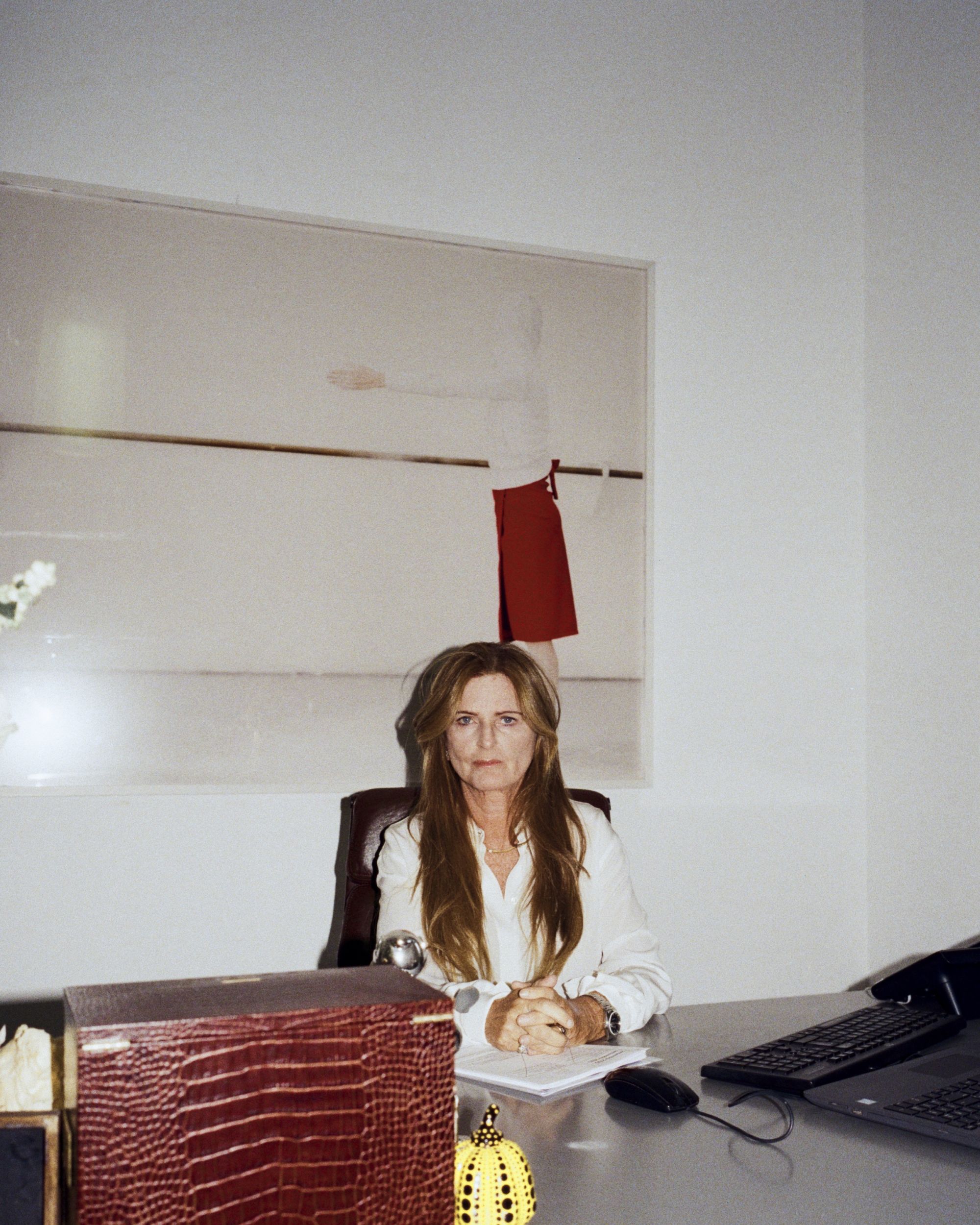
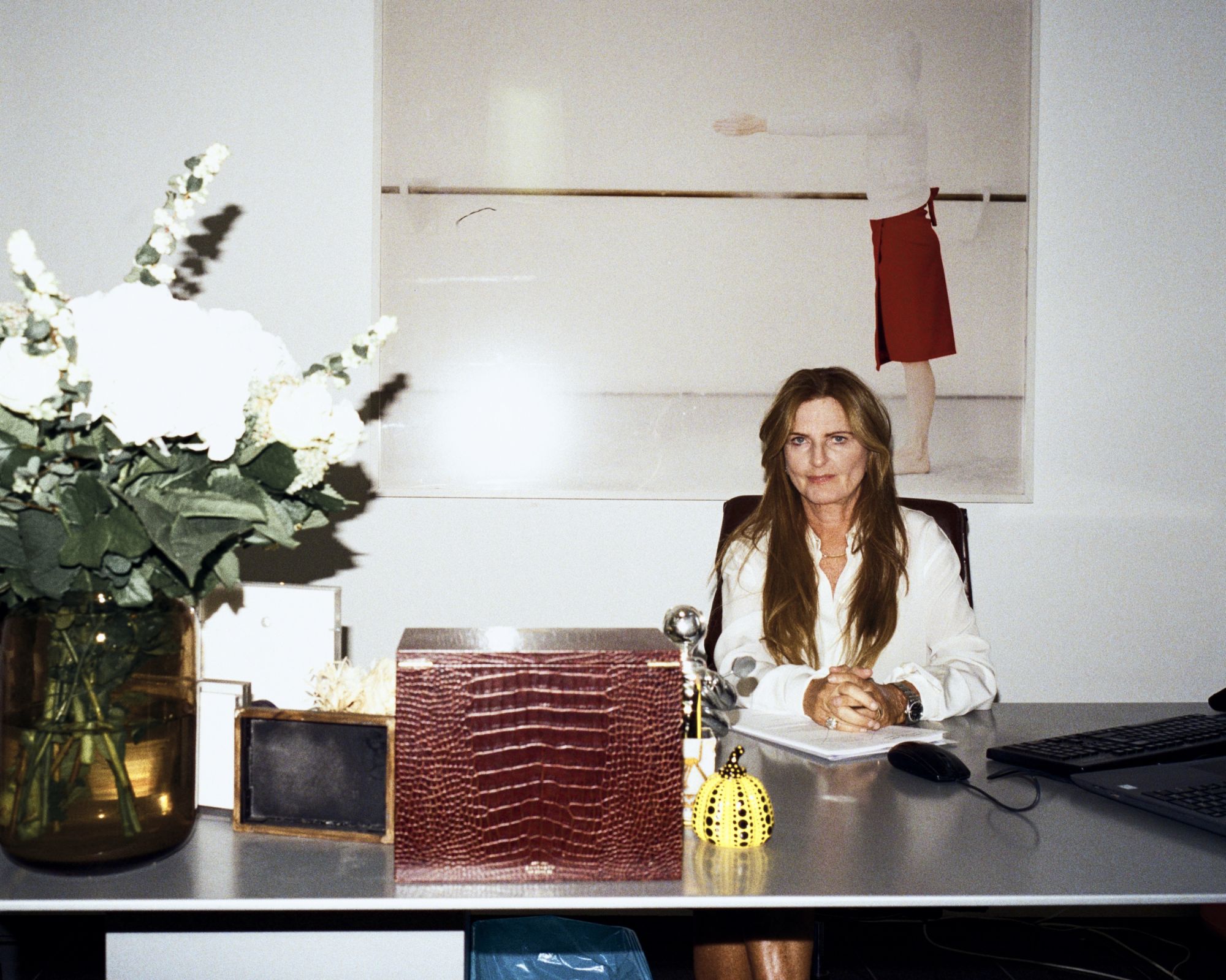
What do you remember about working at Versace? What was the biggest change the maison brought to the world of image communication?
Working at Versace was a privilege and an unrepeatable experience. What I remember most vividly is the enthusiasm: the shared will to create something important, not only for the maison but for the entire fashion system. Gianni had a unique creative charisma, an always visionary approach, he knew how to anticipate the times. Versace’s revolution in image communication was visionary: the idea that a brand should be a universe, not just a garment. He introduced a language in which fashion, pop culture, photography, and celebrities intertwined like never before. It was an epoch-making change that still profoundly influences the industry today.
How was Made in Italy perceived during your years at Versace, and how has this perception changed today?
At that time, Made in Italy was synonymous with absolute excellence, and Versace together with other major maisons like Prada, Armani, Ferrè, and Valentino perfectly represented this prestige. Today the perception is more complex: the value of Made in Italy is our real strength. But we live in an era of simplifications and media scandals that risk distorting its image. For this reason, trying to protect it is a collective duty. Italian quality, craftsmanship, and creativity remain a model recognized worldwide. Moreover, the work of the entire fashion system gives dignity to the rest of the country.
How has fashion event planning changed, both during Fashion Week and outside of it?
Everything has changed: when I started my career, events were concentrated during fashion periods, more focused and less conditioned by the speed we live in today. Today every project requires complex and integrated planning that brings together physical, digital, community, analytics, and performance. There are no longer seasonalities, and we no longer reason in separate compartments. Fashion Weeks remain central, but there is a world of off-calendar activations that can be just as strategic if built with coherence and intellectual interplay. With ES_PR we see this every day: creativity must be supported by a much more articulated ecosystem than in the past. Fashion in the past belonged to a sector; today fashion is part of our culture and life.
Do you think Fashion Week is still as important as it used to be?
Absolutely yes. Fashion Week is a moment of work, gathering, cultural exchange, and creativity. You sow throughout the year and reap during the shows: it’s there that you present your project in the correct context. There are also strategic operations that differ from the canonical Fashion Weeks, such as Moncler in Shanghai, Zegna in Dubai, and Armani in New York. These operations are all one-offs that should not be interpreted as a rejection of the canonical Fashion Week system. Being flexible is useful, but Fashion Week remains an essential stage for those who truly want to be part of the industry.
What are the most important steps an emerging brand should take to develop its image? What really matters in communication?
It’s fundamental to have a clear concept and a vision of your identity. Being excellent designers is not enough: having a brand means being investors, entrepreneurs, communicators. Amplification and execution today are everything: a beautiful idea without execution or amplification becomes nothing. This is why I always advise young people to build a competent team, expand ideas, and not close themselves within their own circle. You need to cross-pollinate, give chances to others, enrich yourself with experiences. Communication works when it is coherent, when it tells a recognizable identity, not when it chases every trend and fad.
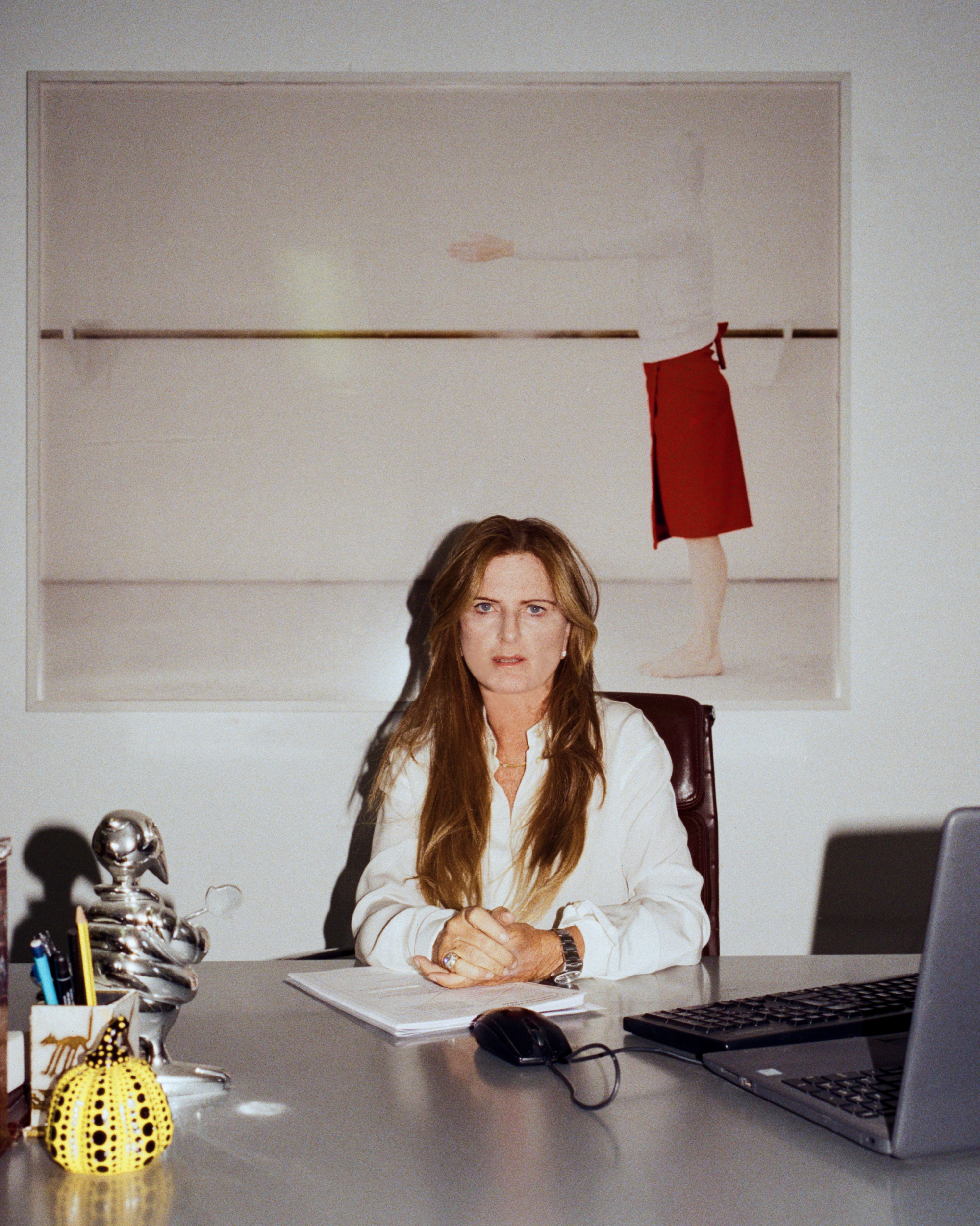
Which brands do you think today have succeeded in imposing a new language in fashion communication?
There are realities like Skims or Rhode that have introduced a new language, creative processes without a “classic” creative director but with extremely clear ideas that speak directly to consumers. They built communities and understood that today’s image is made of voice and authentic life. On the opposite side, there are historic maisons that have maintained extraordinary consistency, such as Valentino, Versace, Prada, Armani. It is precisely this variety that shows that there is no longer a single rule but that everyone builds their own rules: we need to rediscover fresh and objectively coherent creativity. The customer is central but has changed; they are no longer monobrand.
What no longer works in fashion today? What missteps do you think have led to this general crisis?
What doesn’t work is the idea that everything must be immediate. Fashion is not a machine that produces content on a continuous cycle because to create desire you need to give time to metabolize. Without a recognizable guide, a brand loses identity, and identity is everything. The current crisis also stems from this: too much pressure, too much speed, too much frenzy. Sometimes contact with reality is lost.
How are new Italian brands perceived by Camera Moda and by agencies like yours? How do you view the decision of many brands not to participate in the official calendar, or even to leave Italy?
From the side of Camera Nazionale della Moda Italiana, there is great attention toward new brands: it is part of its mission to support them, integrate them, and help the system grow. There is daily work that helps them because they will be our future. As for the choice to stay off-calendar or to move abroad, I respect it if it is part of a coherent path, but it should not be a rejection of one's roots. Italy remains a central place in global fashion. I strongly believe in openness: working as if we were Europe, not only Italy. Competition is not a danger; it is a stimulus. But giving up the system that helped you grow is a risk, not an opportunity. On a personal level, I respect the work that Sara Sozzani Maino is doing internationally for young talents. Hers is a work that began many years ago with Franca and is being carried forward with great respect.
What to read next

adidas Originals opens a new store in Rome on Via del Babuino
Here's what went down at the opening event
Miu Miu's commercial boom is coming to a halt
The rest of the Prada Group, however, is holding up well
5 Style Lessons We Can Learn from Jeff Goldblum
How to put together a look inspired by the iconic actor