How brands advertise during the Sanremo Music Festival And why Italy's favourite week is the Super Bowl equivalent
Nothing changes the morphology of a city like an event as large as the Sanremo Festival. Contracting and stretching, compressing yet at the same time branching out through all the streets of the city center, the Ariston Theatre becomes the base camp for an event that simultaneously lives ten, fifteen, fifty different lives, each distinct from the other, with the evenings dedicated to Italian song as the only common denominator. The citizens know it, the artists and journalists ready to spend the holy week of music know it, and brands know it too, as they can no longer refrain from converging in the same place at the same time, giving life to situations and appointments that are also extra-Sanremo.
Sanremo Is Not Just Music
Everything the Sanremo Festival feeds on is not only the festival itself understood as the evening live broadcast, the press conferences or the backstage of the singers. The event has become a huge open-air pop-up made up of many smaller pop-ups that punctuate the occasion and compose the urban geography of those days of music and leisure activities. If the Ariston is the showcase for the competing singers, Via Matteotti is the showcase for all those brands that manage to secure a plot of land and build their prefabricated structures and temporary installations where they welcome everyone, from the most talked-about guest of the moment to curious passersby who can return home with a small gift.
An enormous advertising machine that no longer passes through traditional channels, in this case the stage performance, but instead shares interviews, activities and viral stunts with the world of social media, communication tools that are certainly no longer marginal when it comes to competing with public broadcasting, and that can reach a remarkable number of people. During these days of Sanremo 2026, for example, there have been numerous interviews hosted by the well known online sex toy store My Secret Case, a way for the brand to expand its festival coverage by inviting contestants into its space, while also stepping outside to involve the public on the street and letting them try its products.
Advertising Activations with the Artists
Some of these spaces work closely with the festival’s leading artists, in collaboration with brands willing to offer exclusive experiences to the public. Tommaso Paradiso signed a collaboration with LEGO and together they created The Romantics Club, a location immersed in greenery made of 350,000 bricks where guests could create their own botanical compositions and meet the singer every day for free, simply by booking in advance.
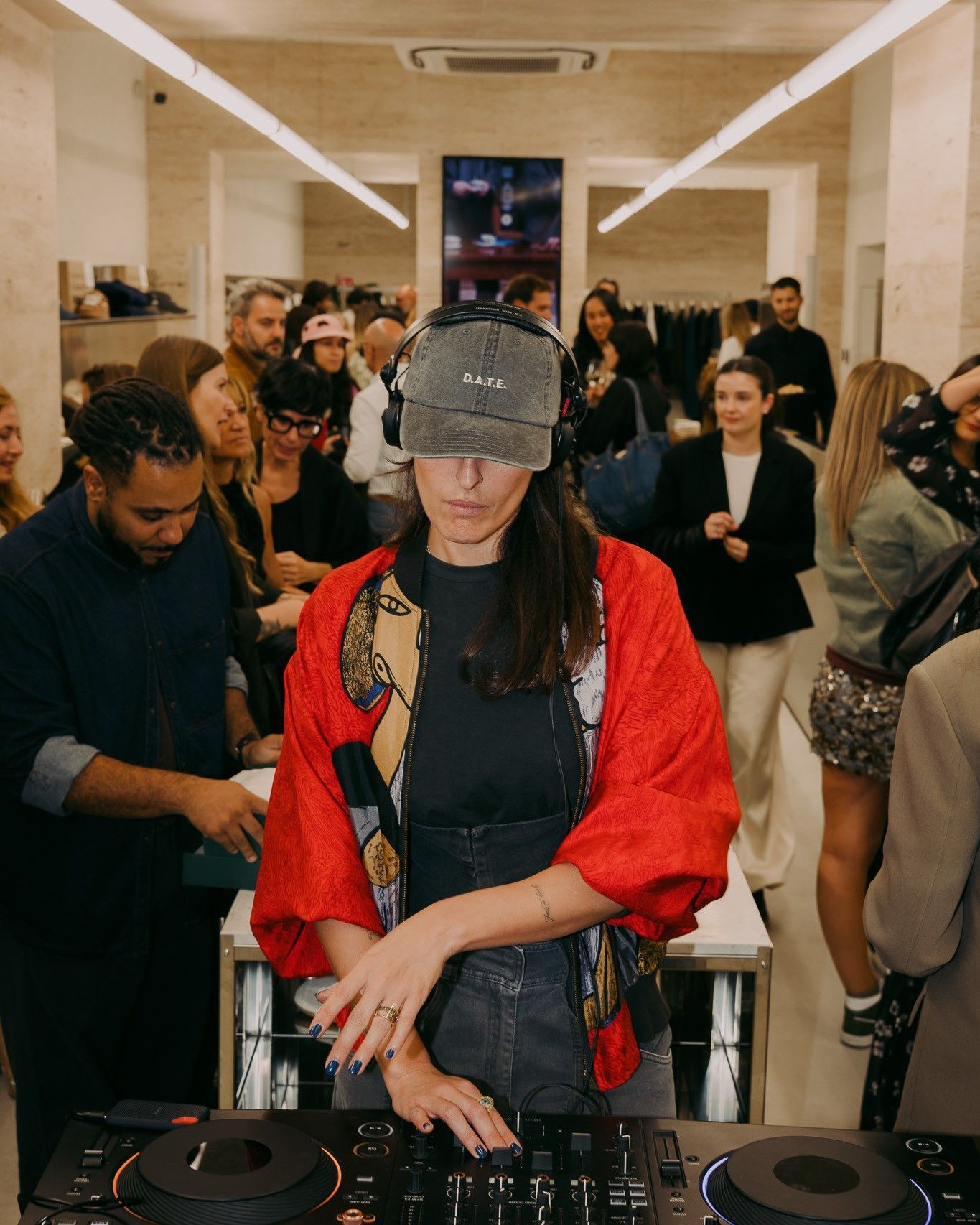
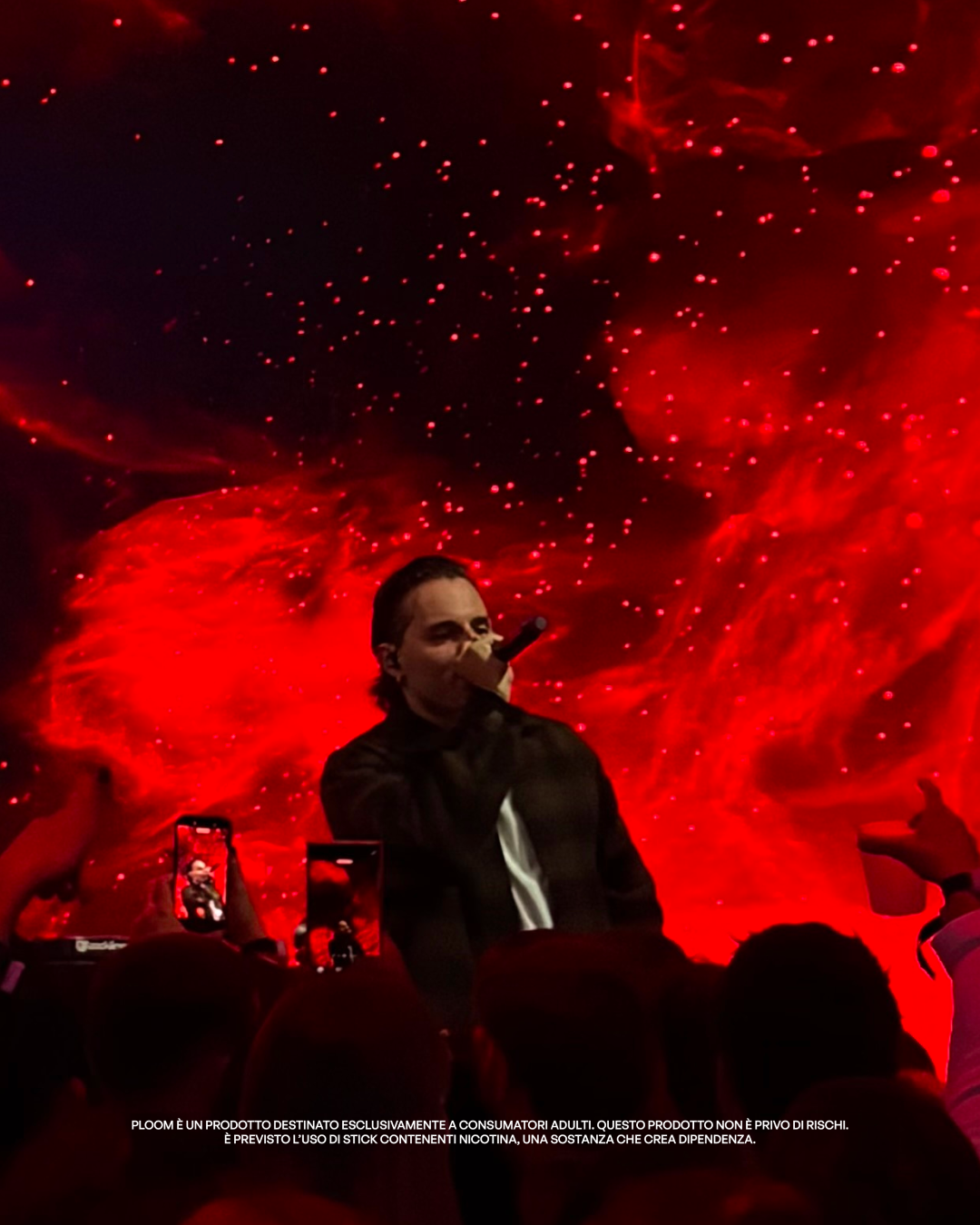
Sayf, who placed second on the podium alongside Sal Da Vinci and Ditonellapiaga, acted as master of ceremonies at Bar Santissimo, a venue inspired by his song Tu mi piaci tanto, which in Piazza San Siro enhanced its imagery through exclusive capsule collections, DJ sets by 2Club powered by Red Bull and Covim coffee. Ploom instead hosted an exclusive meet and greet with Fedez at Bagni Tahiti, where the keyword was lifestyle, a moment of distance from the media rollercoaster of the festival to reconnect with the audience and speak more freely about music.
The Issue of Hidden Advertising
Rai, the Agcom fine for hidden advertising in Sanremo: "An Instagram spot of Chiara Ferragni and Amadeus"https://t.co/g4mNxPrADs#EntertainmentNews pic.twitter.com/cUtcgBcqvj
— NowMyNews (@NowMyNews) March 17, 2023
The expansion of activities outside the Ariston proves a rule older than the festival itself: what matters is being there. And if a brand cannot physically be on stage, it sets up and directs the spotlight on its own. There are official partners such as L’Oréal Paris, those who build the Rowenta Village, and those who, like Casa Kiss Kiss, host the Kidult Infinity Collection.
Being outside is also a solution given the increasingly strict rules of the festival, which in recent years has received fines from Agcom following cases of hidden advertising, from the 175,000 euro paid by Rai after Chiara Ferragni created an Instagram profile for Amadeus on the Sanremo stage to the 206,000 euro paid after the John Travolta affair involving U-Power sneakers. Cases that have made the event’s policies even stricter, with contracts now shifting the consequences from the broadcaster to the teams of singers and artists themselves.
@mariachiaramarongiu Stupenda @Laura Pausini con questa collana di @pomellato prima serata di @SanremoRai teva scegliere di meglio Cosa ne pensate? #gioielli #sanremo #laurapausini #pomellato #sanremo2026 audio originale - Mariachiara Marongiu
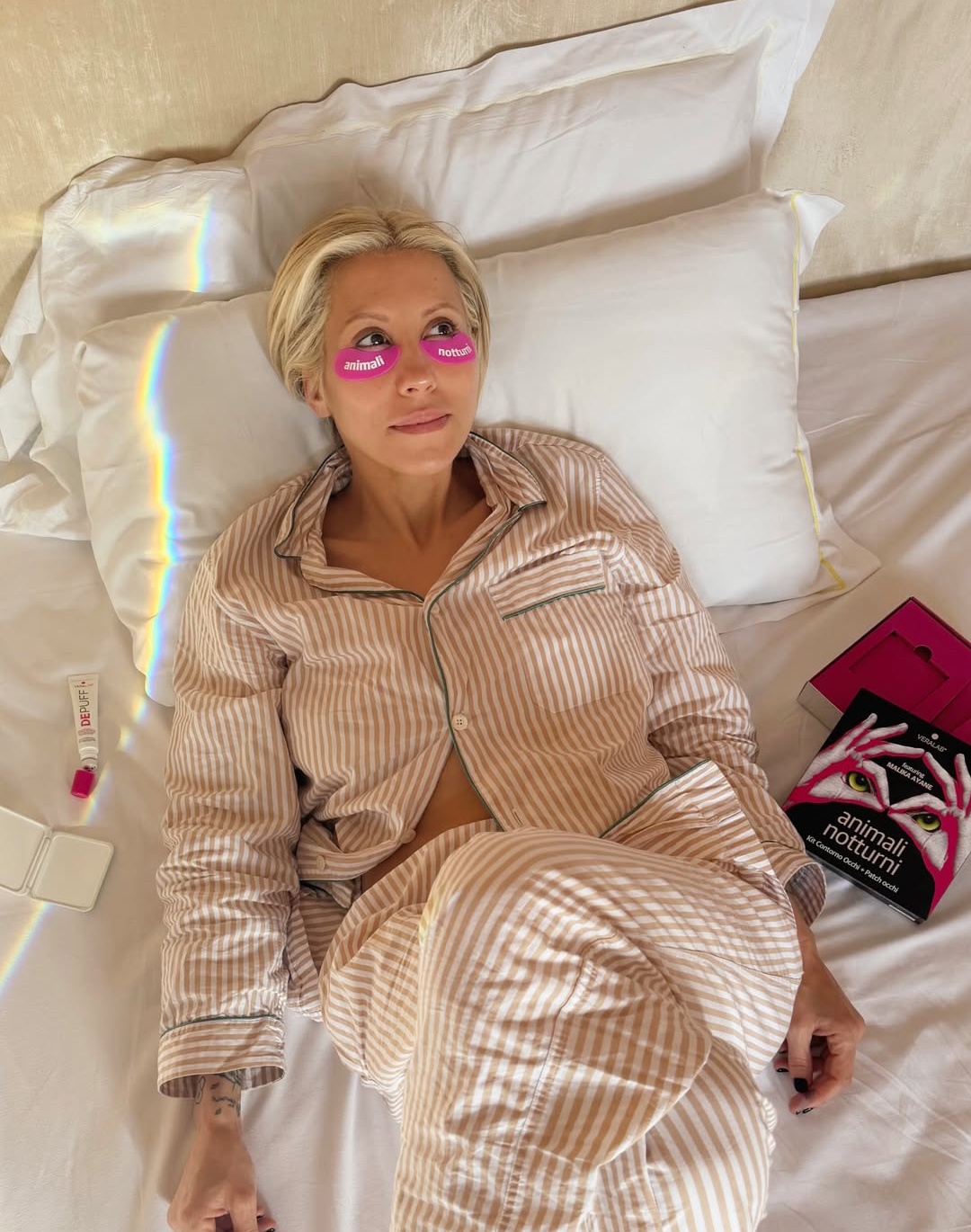
The fight against hidden advertising has not stopped this year either, from the jewelry worn by Laura Pausini and Sayf to the VeraLab products in collaboration with Malika Ayan, who lends the title of her song Animali Notturni to a kit composed of eye contour cream and silicone patches. Beyond the doors of the Ariston, however, there is the freedom to present oneself as much and however one wants, to organize events and bilateral parties, proving that Sanremo is a stage even when it is not strictly the one at the Ariston, and that brands know it to the point of positioning themselves right beside it, then pouring their content onto the social media wave.
Extra Sanremo Appointments
@raiplayhighlights Ci è sembrato di vedere 3 medaglie d’oro a Sanremo Francesca Lollobrigida e Lisa Vittozzi ospiti della seconda serata del Festival dopo le imprese olimpiche ORGOGLIO #Sanremo2026 #MilanoCortina2026 #Sport #DaVedere #RaiPlayHighLights audio originale - RaiPlayHighLights
Sanremo is not an isolated case. Film festivals such as Cannes and Venice also live through activities that take place outside theaters, even beyond the perimeter of their traditional venues. Among countless collateral awards and glamour that does not unfold only on the red carpet, these cinematic moments are punctuated or experienced simultaneously by an infinity of peripheral stories that can also involve brands, such as the space reserved every year for Miu Miu Women’s Tales and its collaboration since 2012 with Giornate degli Autori, a festival within the festival during the Lido event.
This has also happened with the most recent major event on Italian soil with global resonance, the Milan Cortina 2026 Winter Olympics, with events such as the exhibition on the history of Olympic uniforms by EA7 Emporio Armani, as Armani designed this year’s athletes’ uniforms, or the FilaHub at Bagni Misteriosi, where the brand revived for the public its relationship between sport and fashion.
Sanremo’s Side Effects
IN CHE SENSO È USCITO UNO SPOT DI ELODIE PER L'OREAL DURANTE LA PUBBLICITA DI SANREMO SONO SALTATO pic.twitter.com/FsdSxFdZsI
— riluttante (@maniconio) February 24, 2026
The remaining question about Sanremo, its celebrations and moments of collective spectacle, is how much everything that lives and pulses around these events actually reaches the audience, which in market logic becomes a consumer of the products displayed by brands during the festival. Is there a specific target for each brand? Does overexposure produce a concrete return? Or are these simply fleeting experiences that enrich the carousel represented by these festivals? What is certain is that the greatest awareness is that a stage like Sanremo is no longer necessary to advertise, it is enough to live in its reflected light.
What to read next
“The road we believed was a straight line had been drawing a circle”: ANREALAGE celebrates 25 collections in Paris
Sarah Andelman collaborates with Kunihiko Morinaga
Balenciaga Opens a Smoothie Bar on Place des Vosges to Launch Its "TechWear" Line
To mark Men's Fashion Week, the couture house is setting up camp in the heart of the Marais