




















The financial crisis may actually be good for Design Week Economic challenges, paradoxically, could restore the event's authenticity
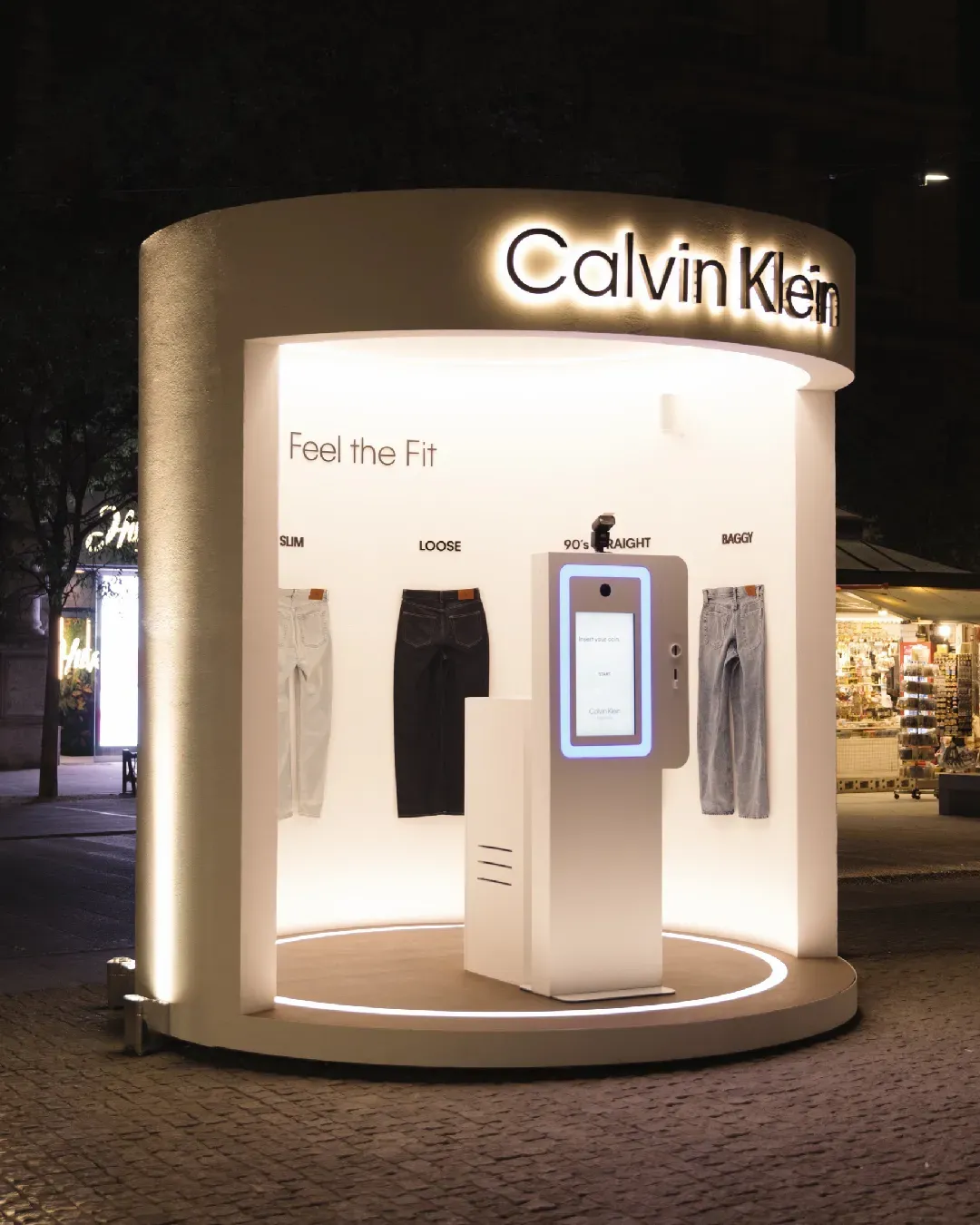
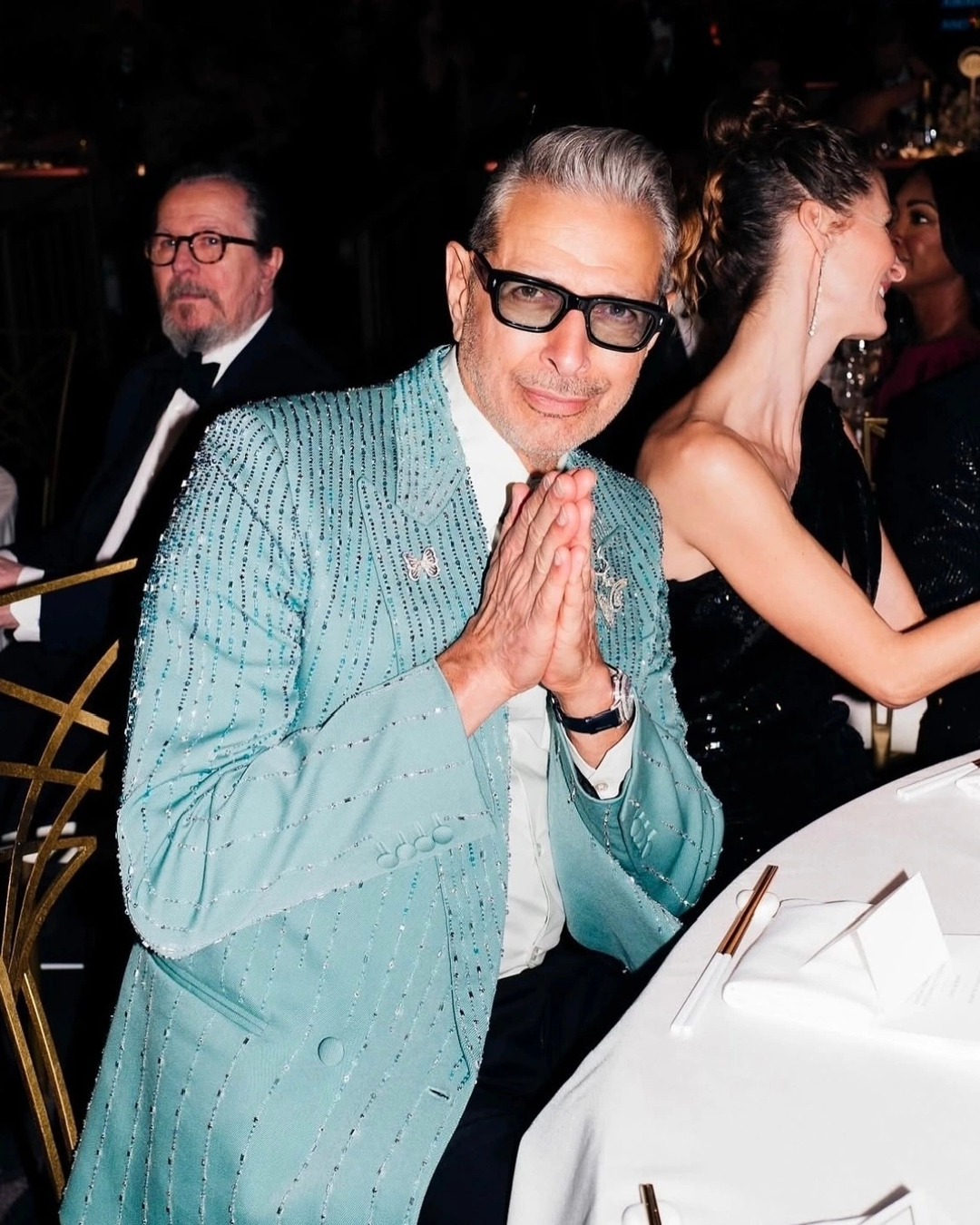
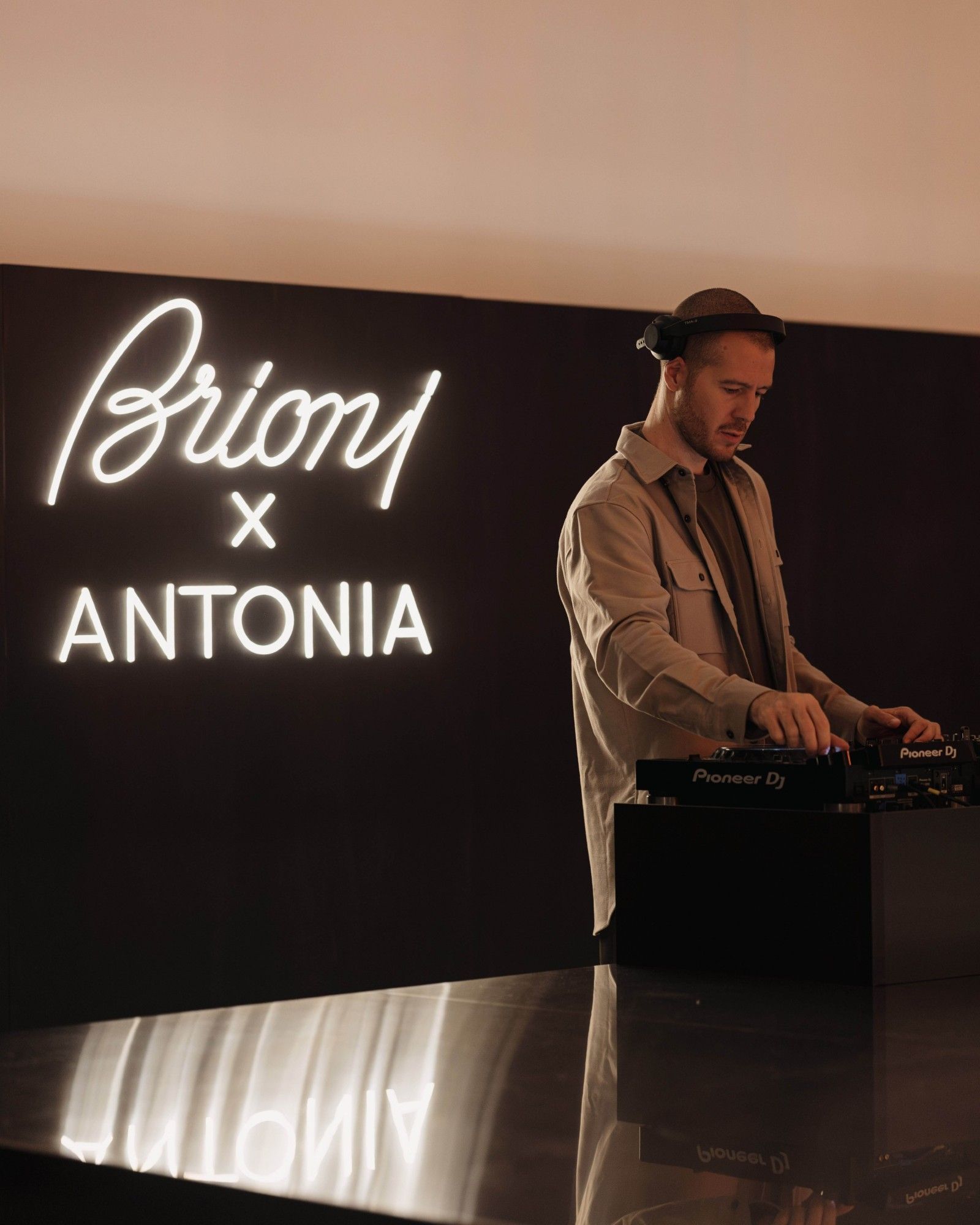
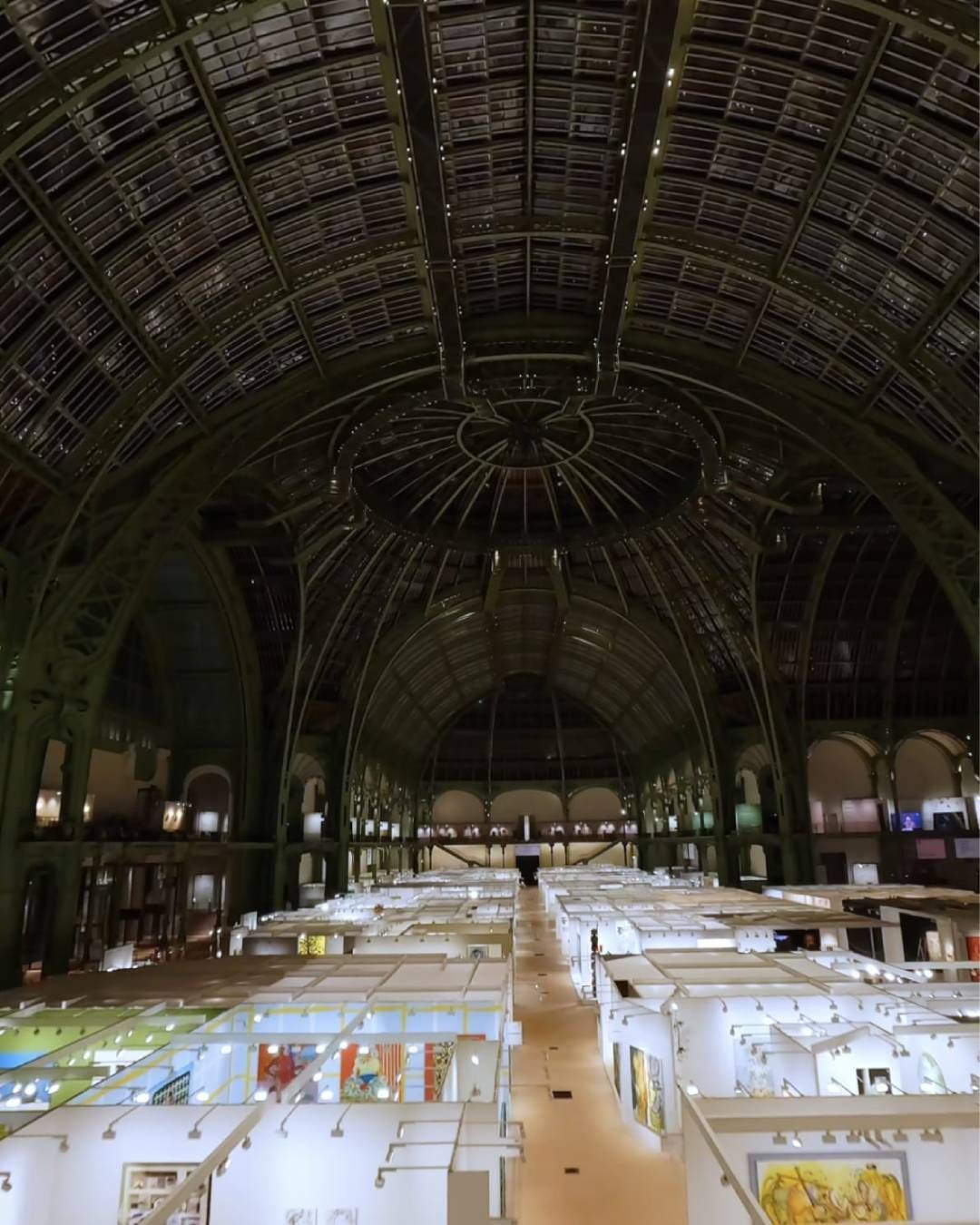
Installations, pop-ups, 7 a.m. breakfasts with Maurizio Cattelan, and launch parties around newsstands capable of blocking an entire neighborhood: Design Week has begun, and in Milan the atmosphere is electric. As every year since the Salone del Mobile moved into the city center and became Fuorisalone, there have been countless criticisms surrounding the event and the people who populate it. These mainly concern the ephemeral nature of Design Week, its lack of dialogue with the times we live in, and the persistent interference of brands that, in pursuit of a bit of publicity, come up with themed parties that have very little to do with design. This edition, however, seems slightly different from usual: less overwhelming than in recent years, more measured and therefore more enjoyable. A glimmer of hope seems to have made its way among industry insiders, paradoxically driven by the crisis currently affecting the creative industry and beyond.
Just twelve months ago, limited-edition design objects handed out during Design Week to a few brave individuals willing to wait in line for hours to get them ended up being sold at sky-high prices on the second-hand platform Vinted. Dozens of luxury brands had taken part in the event, distributing stools, cosmetics, tote bags, flowers, books, sweets: a phenomenon that, in a short time and for obvious reasons, created a feedback loop that permanently damaged the desirability of giveaways, along with visitors’ interest in branded activations. The participation of major fashion houses and the virality of their respective gadgets somewhat exposed the true intentions of the fashion industry during Design Week: if it has always aimed to be exclusive, why try to be for everyone for just one week?
Fashion retreats into stores
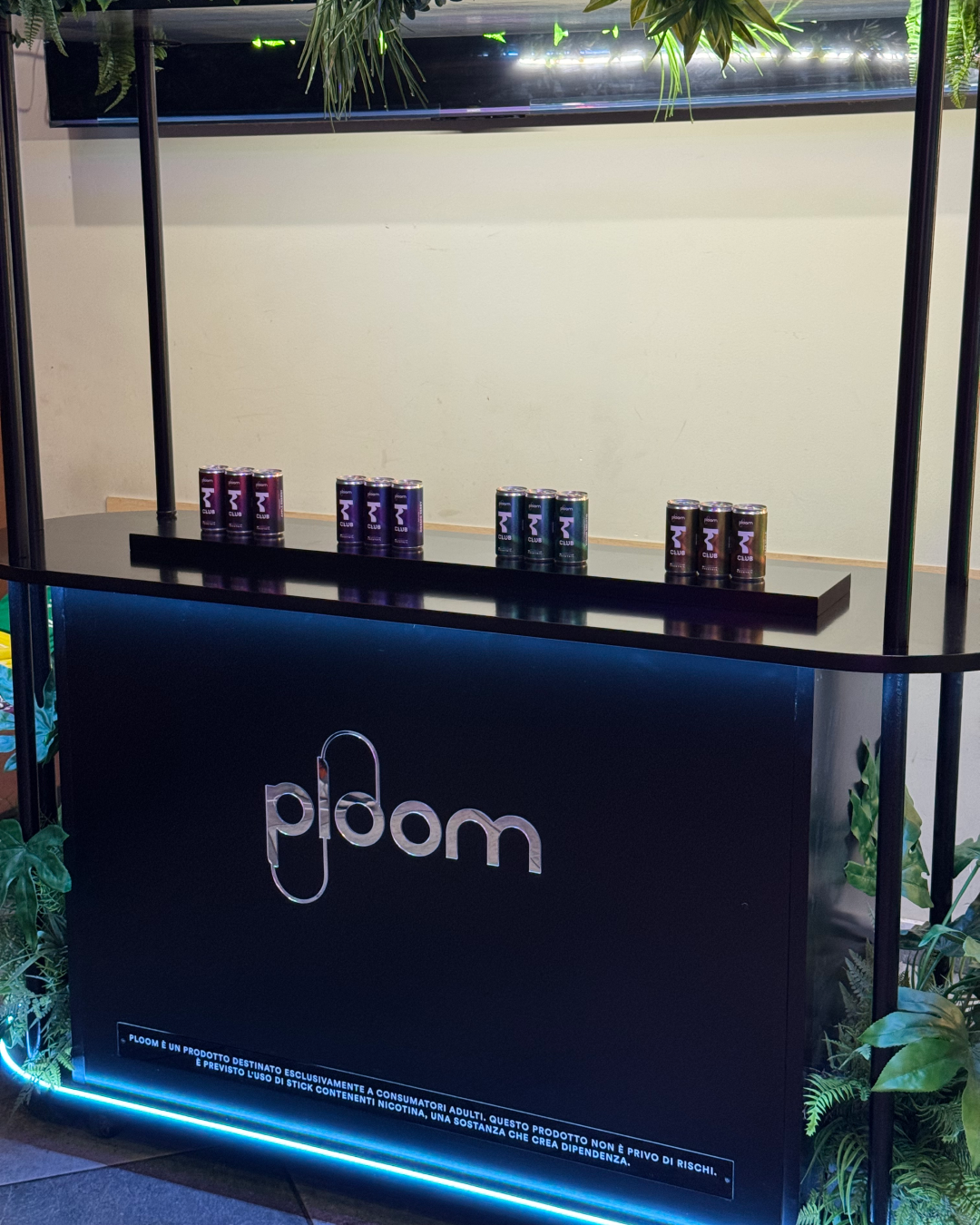
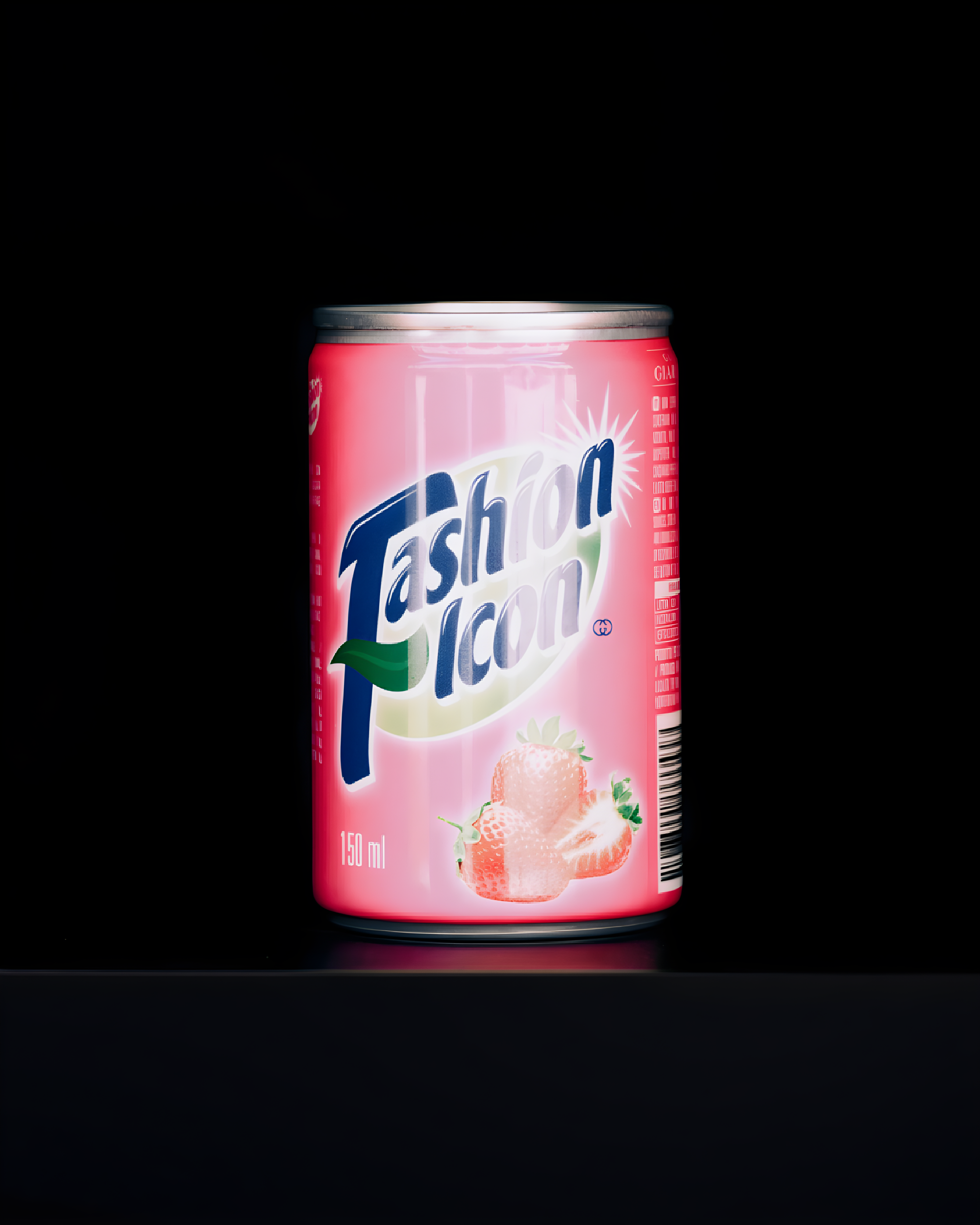
Circumstances - or rather the crisis - meant that, after an edition flooded with pop-ups and gifts resold online for hundreds of euros, Design Week scaled back. In this new chapter of Fuorisalone, fashion has managed to insert itself into the dialogue between the city and design without flaunting its wealth, without pretending to be accessible for the sake of the masses: installations are elegantly restrained, like the all-black dispensers by Gucci offering drinks inspired by the latest collection; events are numerous and scattered, yet contained within the safe walls of stores, such as the immersive setup that Fendi unveiled in its Via Montenapoleone spaces to celebrate the re-edition of the Baguette.
If last year the Maisons seemed to be addressing the entire audience of Design Week, this time they have chosen to speak only to “their people,” through exclusive in-store cocktails and a greater focus on the product rather than the brand. Of course, the cans distributed at Gucci’s installation have already appeared on Vinted, selling for dozens of euros, but compared to last year the resale phenomenon seems less aggressive than usual - after all, how many people are really willing to spend €80 on a soda?
Whether it is due to the crisis or an attempt to recalibrate priorities remains unclear, but the shift of major Italian brands from public squares to stores offers an interesting reflection on the current moment. In the first quarter of 2026, the main French luxury conglomerates reported significant financial setbacks: LVMH saw its revenue drop by 6% compared to the same period last year, as did Kering; meanwhile, Hermès, which has traditionally maintained stability, saw its shares fall by 14% following disappointing sales results in the Middle East. With these figures in mind, it becomes clear that this is a critical moment for luxury houses, making it more sensible to focus on self-referential projects that bring clients into stores, rather than on social media virality - which, just to generate high MIV (Media Impact Value), drains budgets.
Milan against gadgets
In truth, it wasn’t only the sales crisis that hindered fashion brands’ activities during Design Week. After the explosion of pop-ups and events during Fuorisalone week - often unrelated to the theme of the event, if not entirely detached from design - the Municipality of Milan tightened regulations prohibiting unapproved initiatives from using the Milano Design Week brand and from obtaining financial benefits for advertising and public space occupancy. This change, in effect since 2024, aims to enhance the most authentic projects of the event while also countering the unsustainability of mass distribution of gadgets and other polluting objects.
Despite increasingly strict rules, this year 293 initiatives responded to the Municipality’s call during Milano Design Week, 13% more than the previous edition, for a total of over 1,850 events across the city, 10% more than in 2026. Proof that Fuorisalone and the fashion brands that want to take part in Milan’s most vibrant week can do just fine even without trinkets.
What to read next
Even Hermès has been hit by the luxury crisis
Growth over the past few months is slightly below expectations, but the real issue is the stock
Did the clothes stolen during the riots in Milan and Paris really end up on Vinted?
The platform has removed several suspicious listings linked to looting during the riots in France
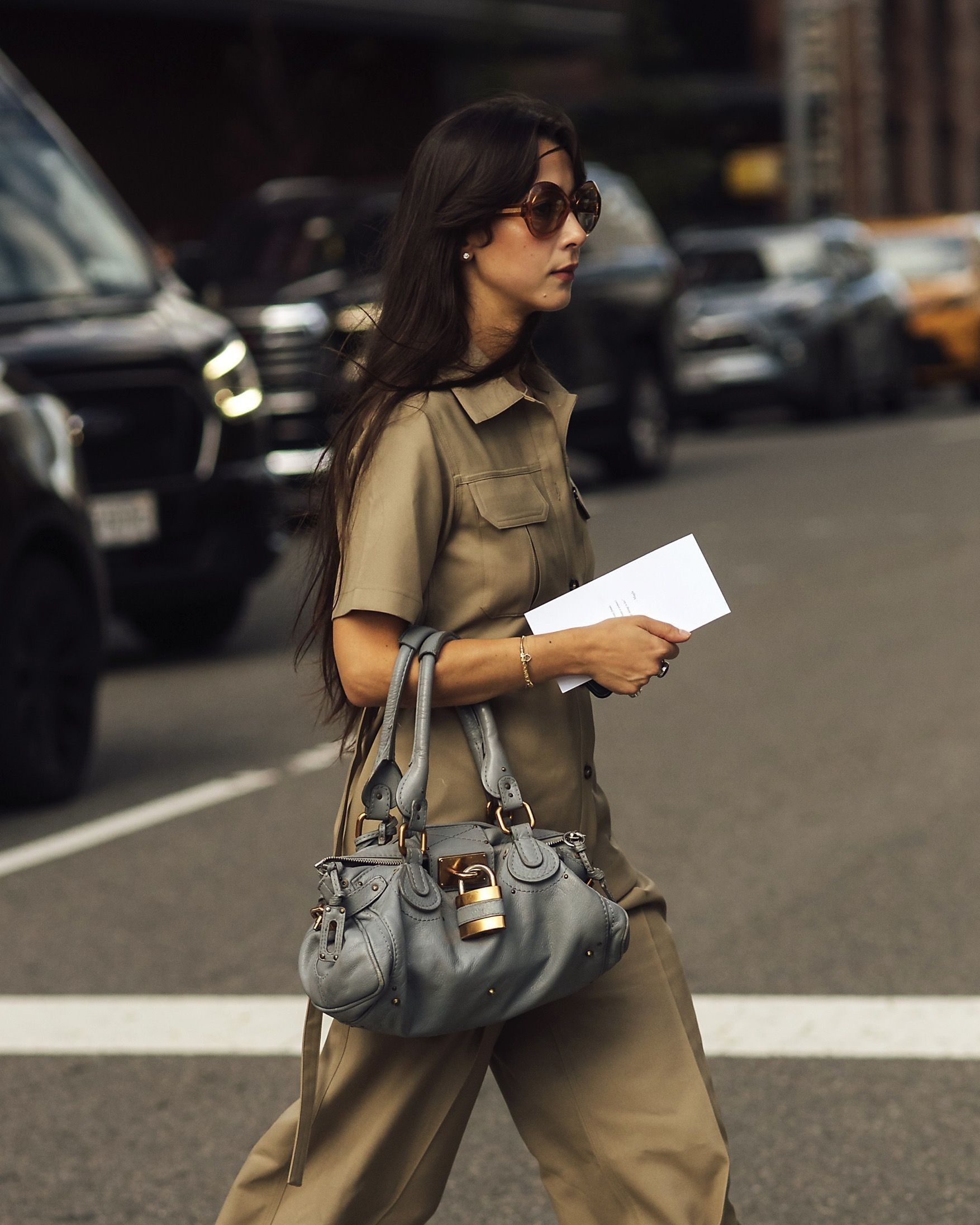
These are the secondhand handbags that are worth the most in 2026
Searches for the Chloé Paddington have risen by 610%, but the real star of the secondhand market is Chanel