























European luxury has finally made a strong comeback in China For now
For over a decade, the meteoric growth of European luxury has been fueled by the spending of the wealthy Chinese middle class. Yet after the post-lockdown spending boom, Chinese customers had stopped buying fashion as they once did: this was due to economic pressures, a struggling real estate market, but also the rise of nationalist currents and luxury shame in fashion, the passion of the ultra-rich for jewelry and travel, and the preference given by the same to ultra-luxury brands, seen as a more lasting investment. But now things seem to be improving.
As BoF explains, affluent Chinese consumers are beginning to show a renewed interest in luxury products, including beauty. This is a fairly important signal for the industry, which has seen its margins under pressure and for which China remains an essential goldmine. The latest quarterly results from groups such as L’Oréal, LVMH and Ralph Lauren, along with market data processed by various research firms, suggest that wealthy Chinese customers have returned to shopping, also thanks to the good health of the local stock market which, with the value of many Chinese stocks rising, has created the “wealth effect” that was driving the sales engine. But what has changed?
A favorable wind
@storiesbystella genuinely the prettiest stores i’ve ever seen. so crazy, bc lv’s chinese ambassadors were in that store a while ago! like song yuqi, jackson wang, xu minghao/the8, and others! taikooli beijing #beijing #luxury #luxurylife #shopping #chinatiktok About You - The 1975
The mega-stores in Shanghai of brands like Louis Vuitton and Burberry have seen sales return to growth in the first quarter, Gucci has reduced its losses and Coach has accelerated gains. In the beauty sector, especially on e-commerce platforms like Tmall and Taobao, the top ten high-end brands recorded a 39% increase in sales in the first four months of the year, compared to a slight decline for lower-priced products. It is not a sudden return to life, but a gradual improvement that, as BoF notes, is taking place despite the difficulties of the real estate market, and that is precisely the point.
As the magazine explains, based on McKinsey data, it was the crisis itself that pushed many Chinese families to change the allocation of their resources: if ten years ago everyone invested in bricks and mortar, which is now in crisis, this year has seen many citizens invest in the stock market and financial assets. This shift has been greatly favored by the strong performance of the Chinese tech industry, represented by the ChiNext index, which has brought not only real wealth but also a “wealth effect” that has fueled spending on personal luxury goods.
The most surprising fact, however, is that this “spending spring” is happening amid a very tense geopolitical situation in the Middle East. And it is perhaps for this reason too that analysts remain cautious: one swallow does not make a summer, as they say in Italy. Chinese economic growth slowed more than expected in April, investments are still declining, and many doubt that the government intends to stimulate the economy at the moment. This “wealth effect” is therefore as volatile as the performance of the markets to which it is linked. One could thus speak of a favorable wind. But brands are taking advantage of it.
Interesting changes of course
While the favorable financial context has encouraged wealthy Chinese to spend, brands are also reviewing their strategies to retain and generate value in a market that remains fundamental. The most interesting change, as Jing Daily explains, is that European luxury is increasing its investments but at the same time reducing its stores. Specifically, many brands are economizing by closing boutiques opened in “minor” cities and therefore those less efficient in terms of profits.
Already at the beginning of the crisis, the OTB group had reduced its presence in the market. But in the last year Cartier has closed five stores, Tiffany has left Kunming and Harbin, Loewe has done the same, while Kering has already cut stores globally and plans further rationalizations in 2026, especially starting from McQueen, which will likely also deeply involve China. But reducing presence does not mean reducing investments (especially in the jewelry sector), only optimizing them.
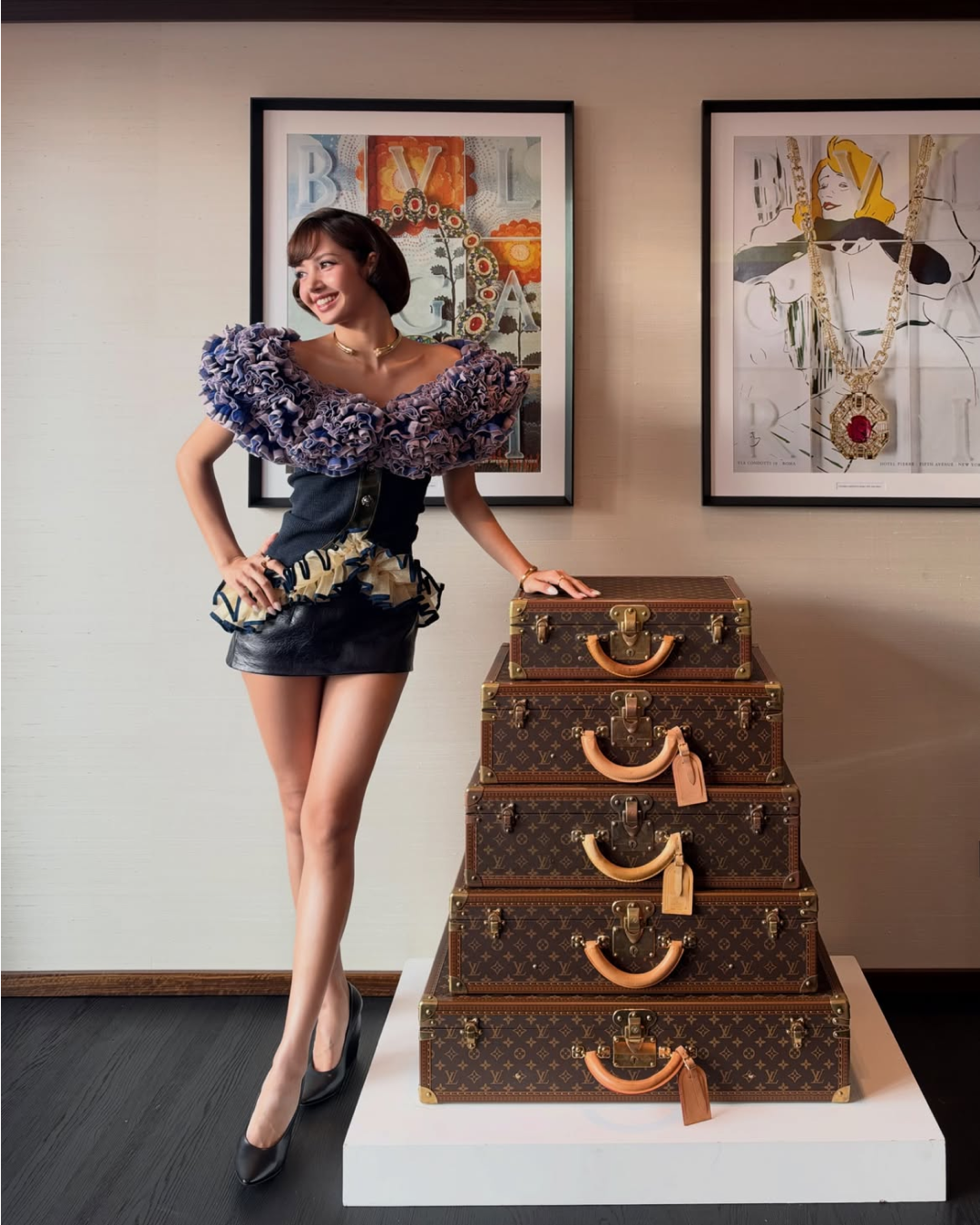
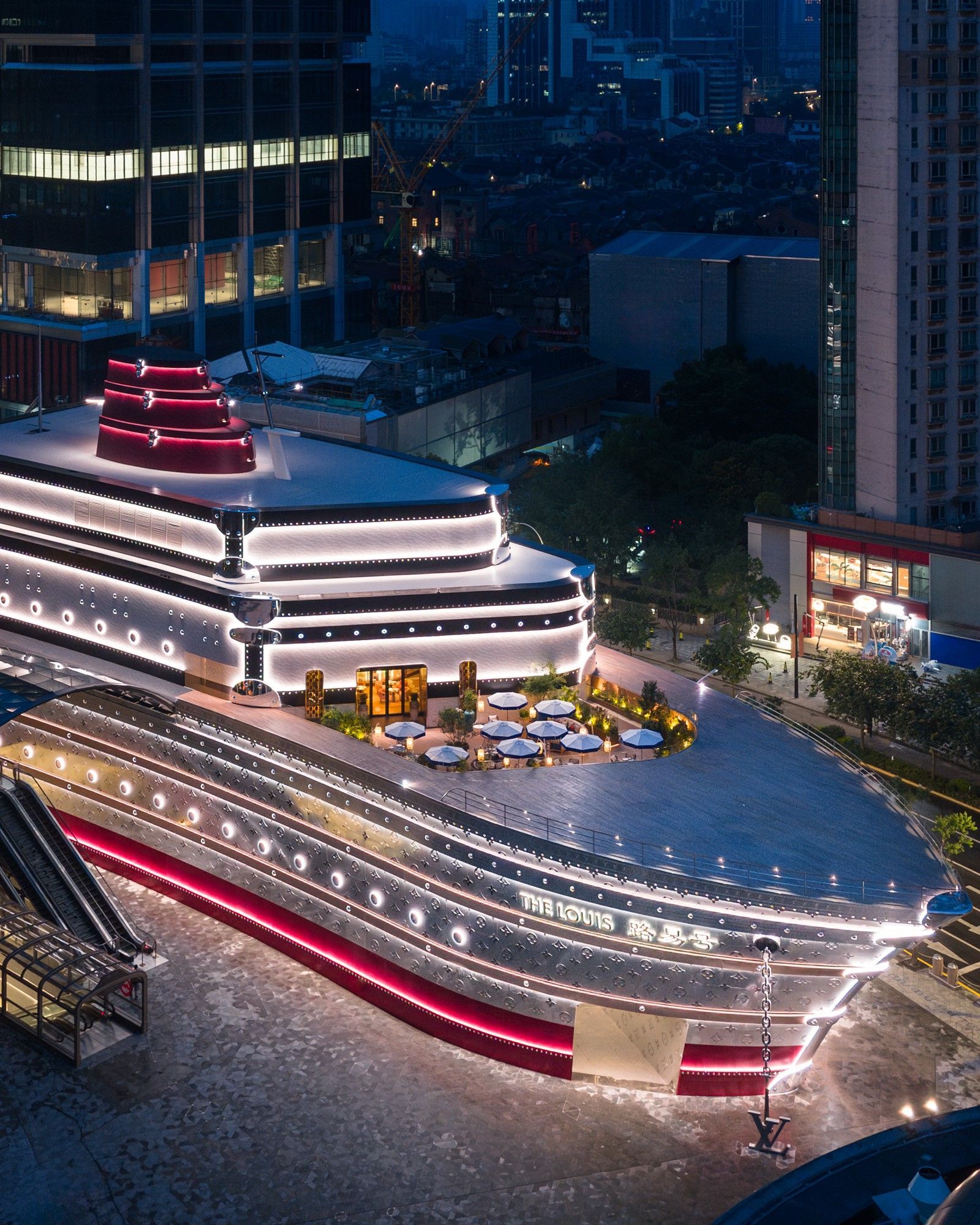
A perfect example would be the “ship” that Louis Vuitton created for its Visionary Journeys exhibition on the Bund in Shanghai, the largest investment followed by the new openings of mega-flagships by many brands in the country’s main metropolises such as Guangzhou, Chengdu and Shenzhen, where private spaces for VIP clients, areas dedicated to events, dining and cultural programming have also multiplied. This corresponds with the transition of classic boutique shopping towards a layered and transversal experiential dimension that contrasts with the ubiquitous possibility of buying any imaginable product online.
For luxury, in short, China remains extremely important but the new strategies are recalibrated on an audience of ultra-rich individuals and people linked to the world of finance who are far fewer in number but spend much more. And so investments are redirected towards physical and “unique” services in terms of non-replicability online, such as limited editions, made-to-measure products, invitations to events and activations, and personalized assistance. A strategy that is certainly more prudent compared to the avid expansion of past years but which bets heavily on an economic recovery that is still uncertain.
What to read next
5 trends that Trainspotting anticipated Back in 1996
There is much more to the film than the famous Helmut Lang tank top
These are the secondhand handbags that are worth the most in 2026
Searches for the Chloé Paddington have risen by 610%, but the real star of the secondhand market is Chanel
Will the new EU regulations on unsold goods really help independent brands?
Yes, but there's a catch