


























Fashion is getting ready for its own "Odyssey" From Jonathan Anderson to Zendaya, sculptures are everywhere
For those with a good memory, back in 2022 critics had turned on Kim Jones for presenting, at his first Fendi Haute Couture show, a collection inspired by Rome and the Galleria Borghese, filled with marble-toned palettes and statue prints that felt decidedly didactic. We could hardly have imagined, back then, that many years later — perhaps spurred by the release of Odyssey by Christopher Nolan — statues would be having their absolute moment of glory across runways and red carpets. And what's interesting is that, from Greek mythology to southern India, no one has been left out.
Zendaya and the "Odyssey" press tour
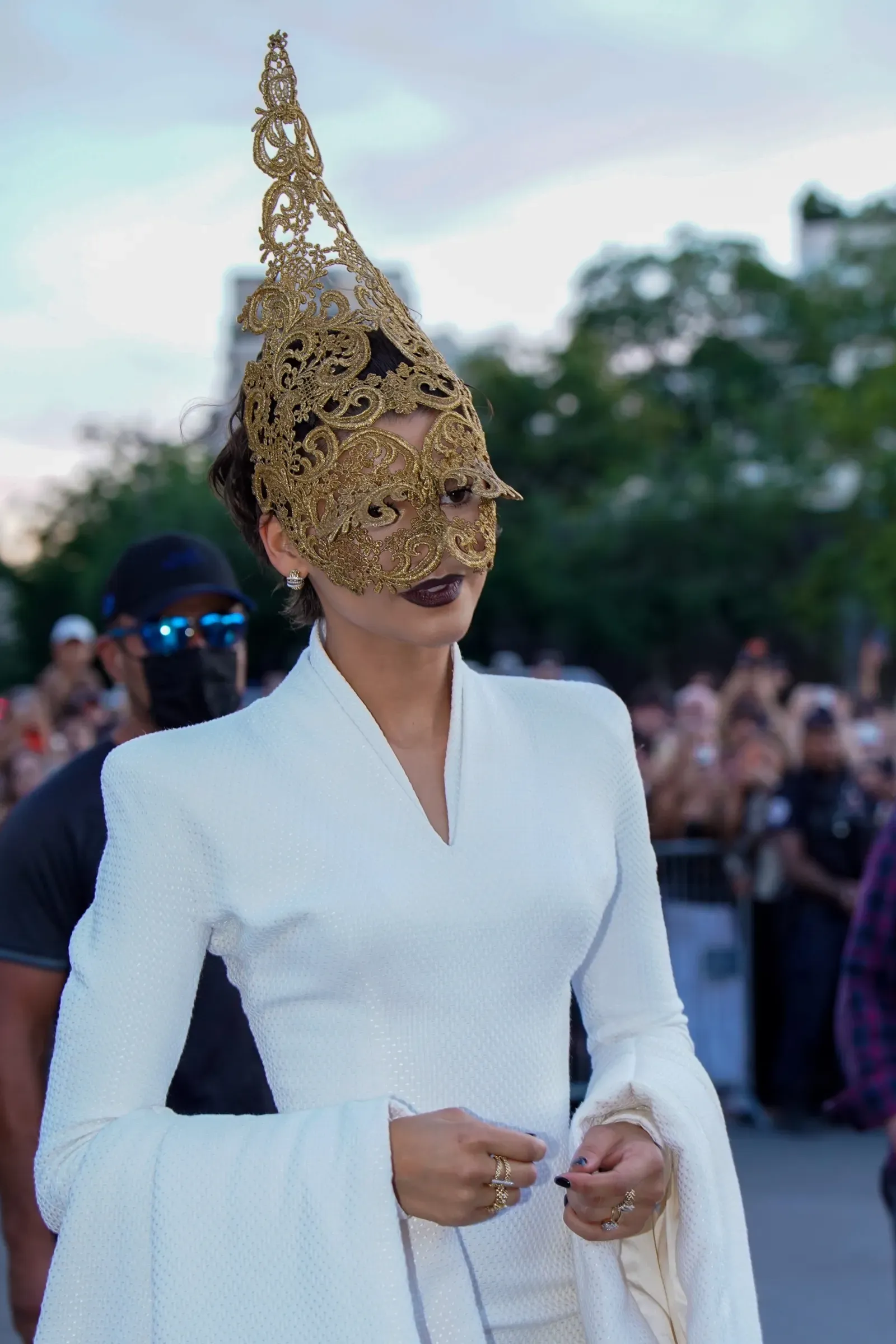
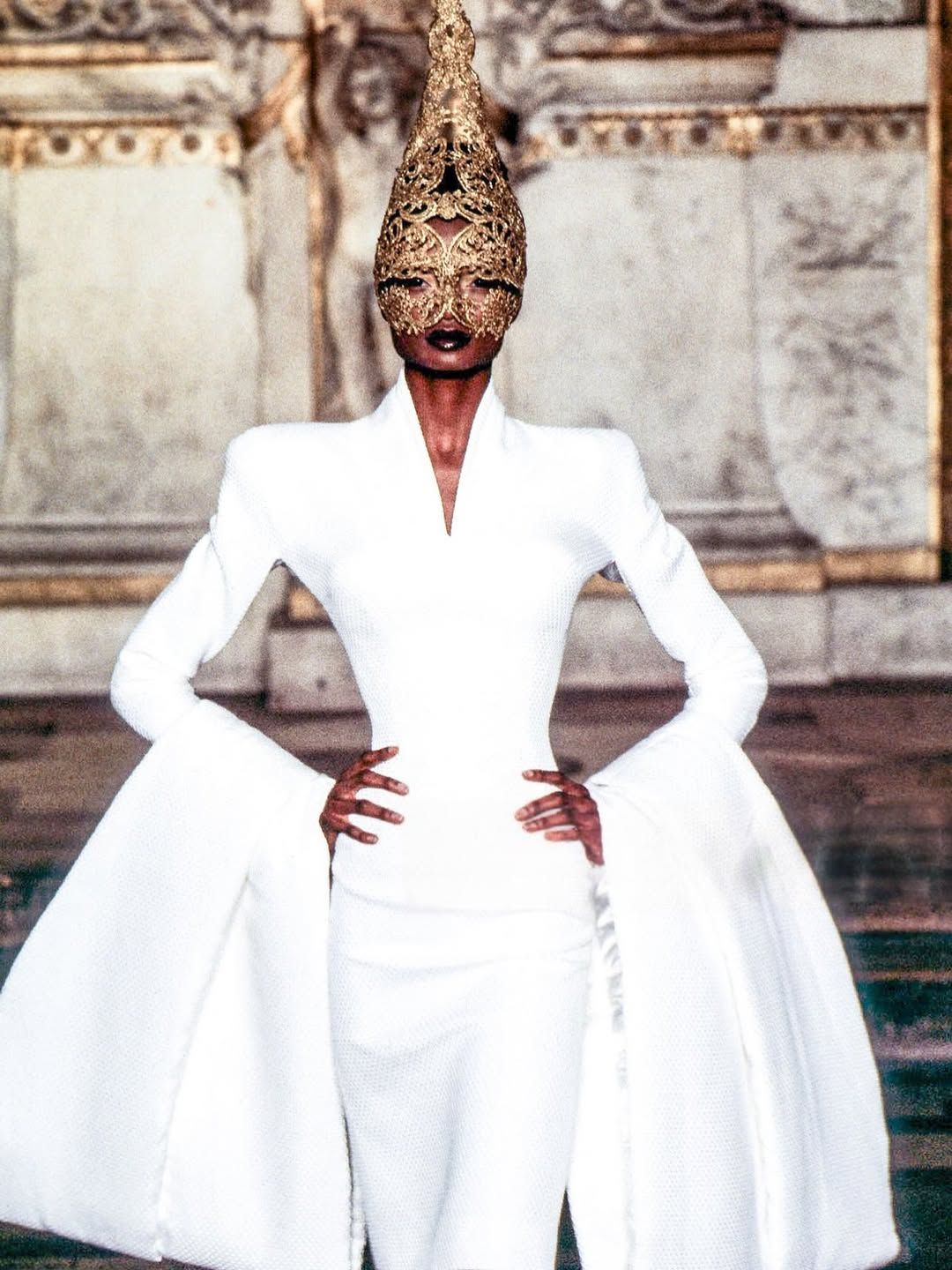
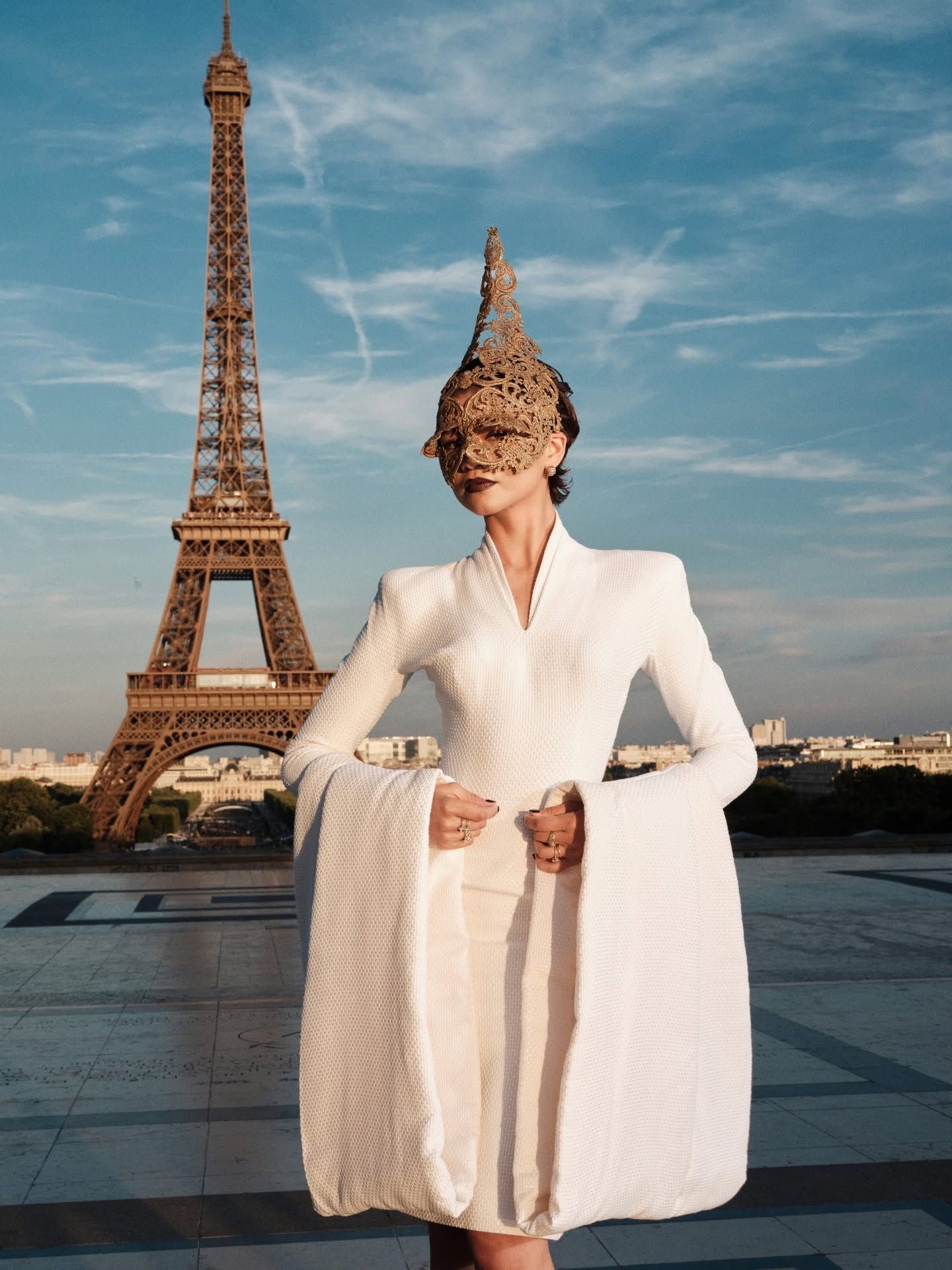
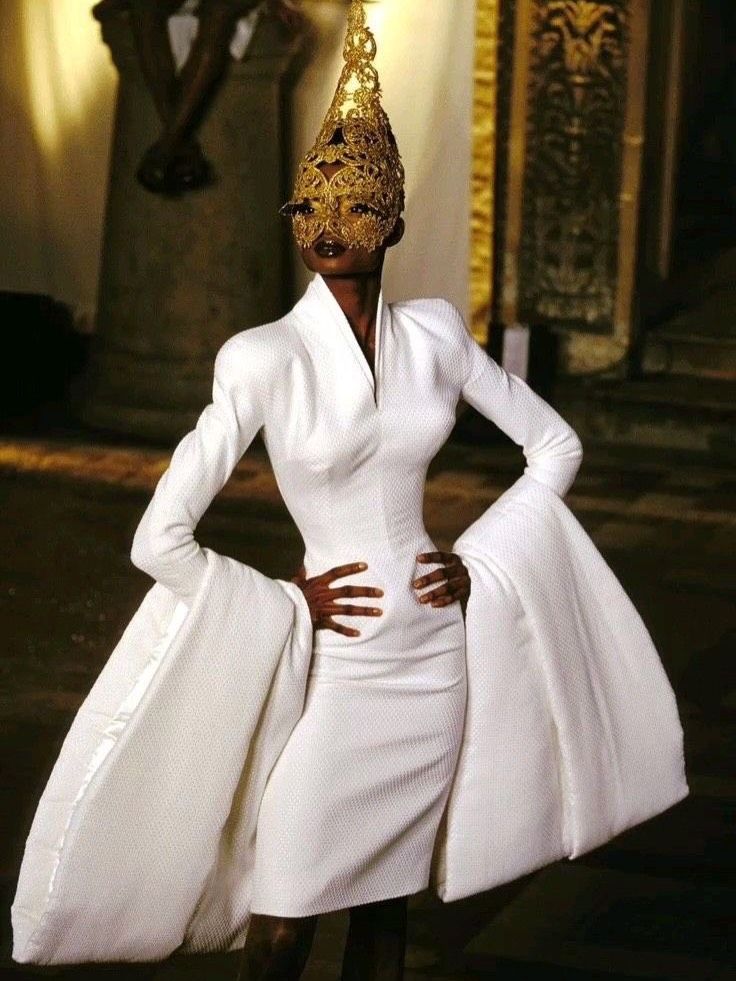
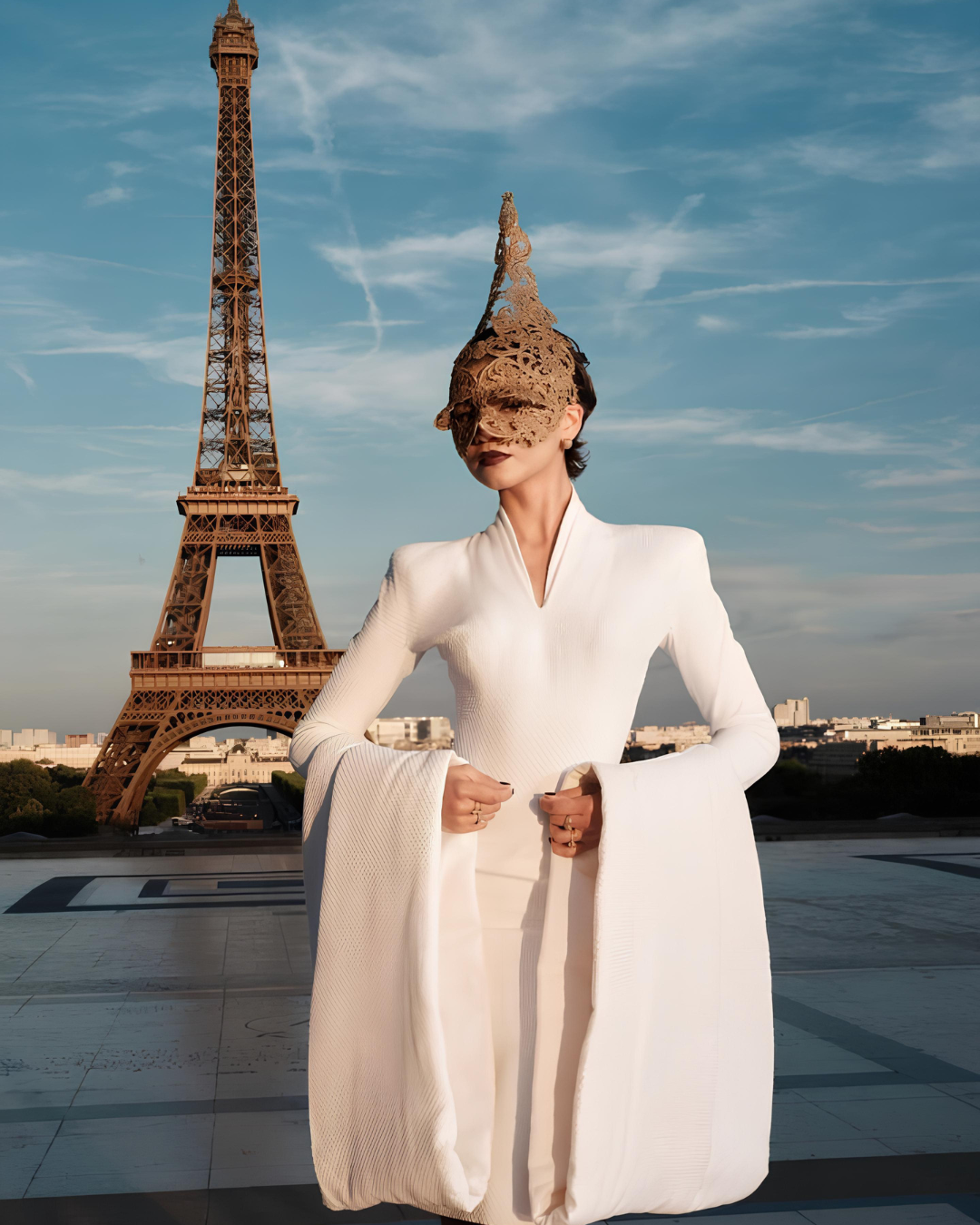
If there is one person who has mainstreamed "statue-core" (if we can call it that), it is Zendaya who, together with Law Roach, is turning the Odyssey press tour into a travelling gallery of living sculptures. The piece that broke the internet is the ensemble from Givenchy's Haute Couture Spring 1997 collection designed by McQueen, which also includes a headpiece-mask by Phillip Treacy evoking ancient bronze helmets.
That same headpiece was worn by model Debra Shaw in 1997 on the occasion of her wedding. The dress, meanwhile, is white and draped, and naturally comes from a collection entirely rooted in Greek mythology, whose title, Search for the Golden Fleece, references the myth of the Argonauts.
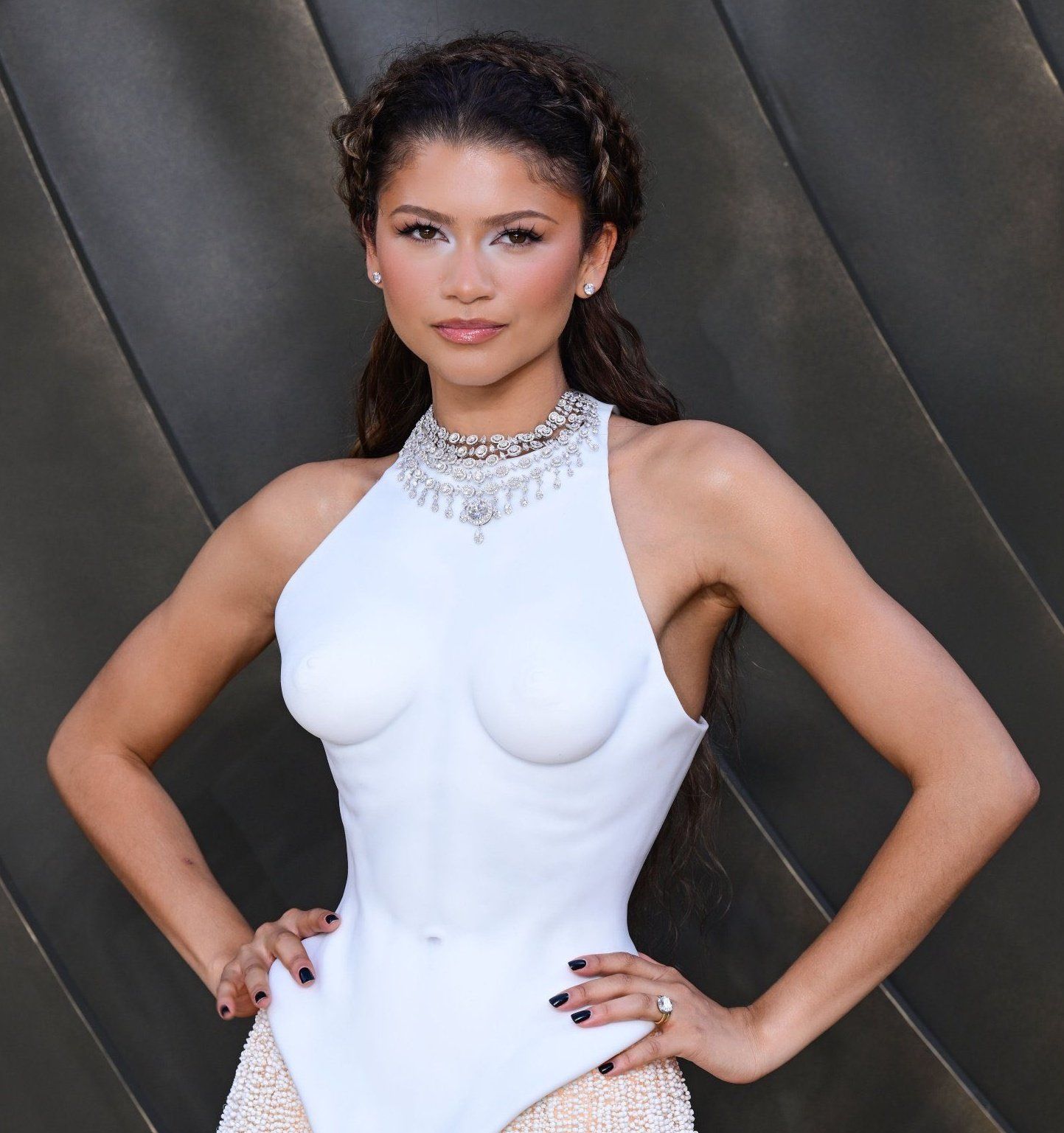
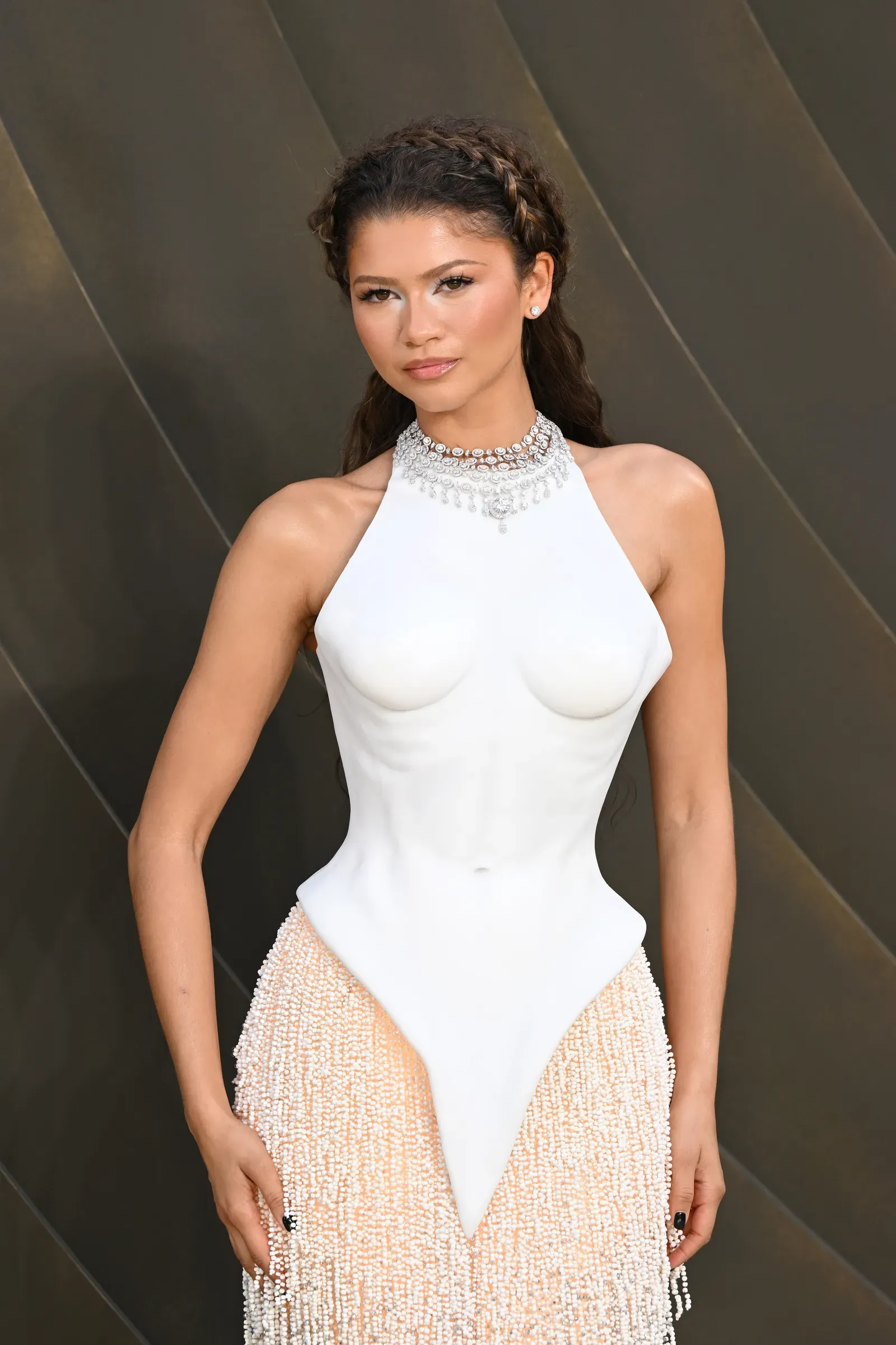
There was also another Schiaparelli gown fresh off the runway, literally taken from the model in the studio and put on a private jet just to arrive in time for the London red carpet — its bodice appears to be of sculpted marble and is completed by a fringed skirt that fades from pearl white to silver.
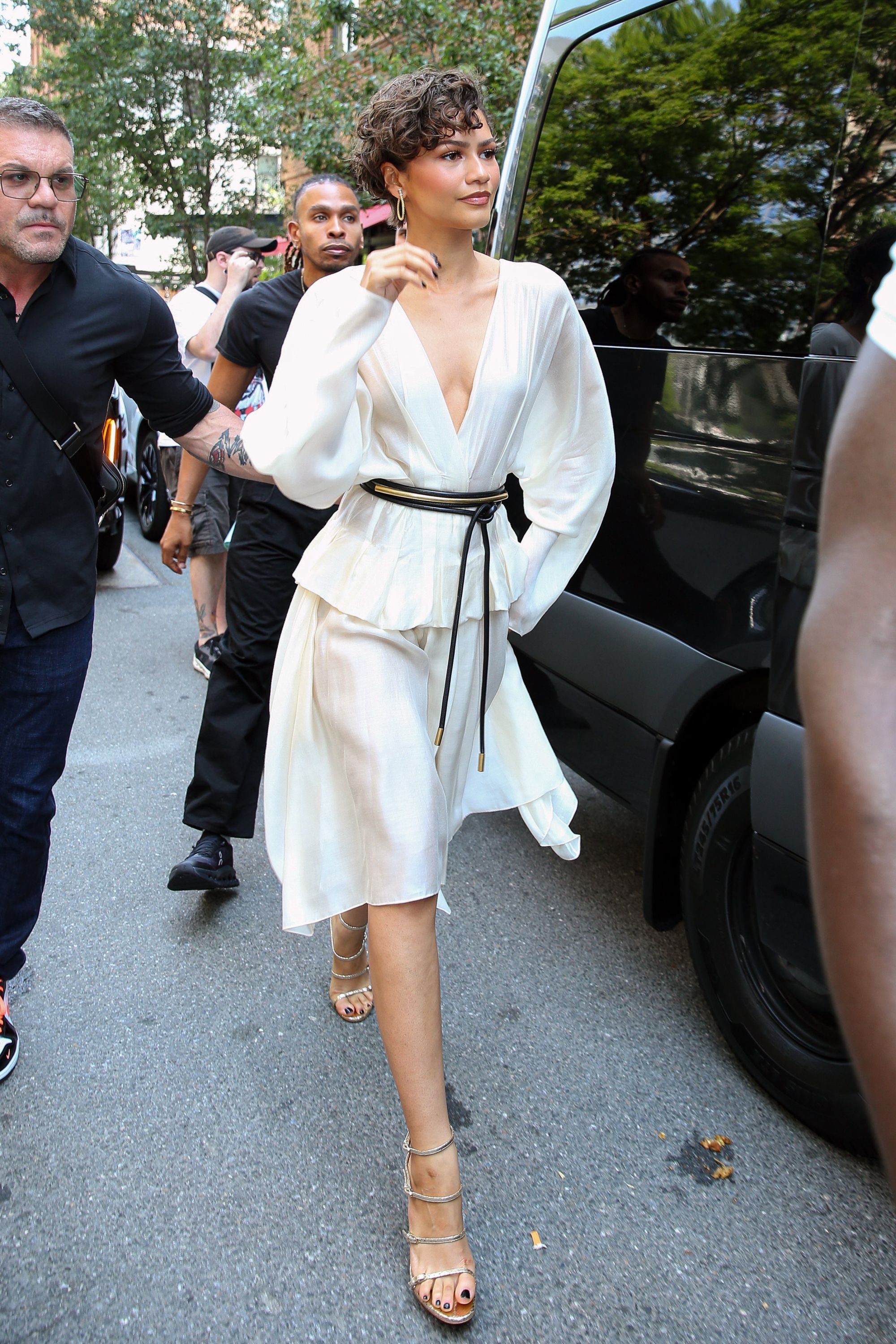
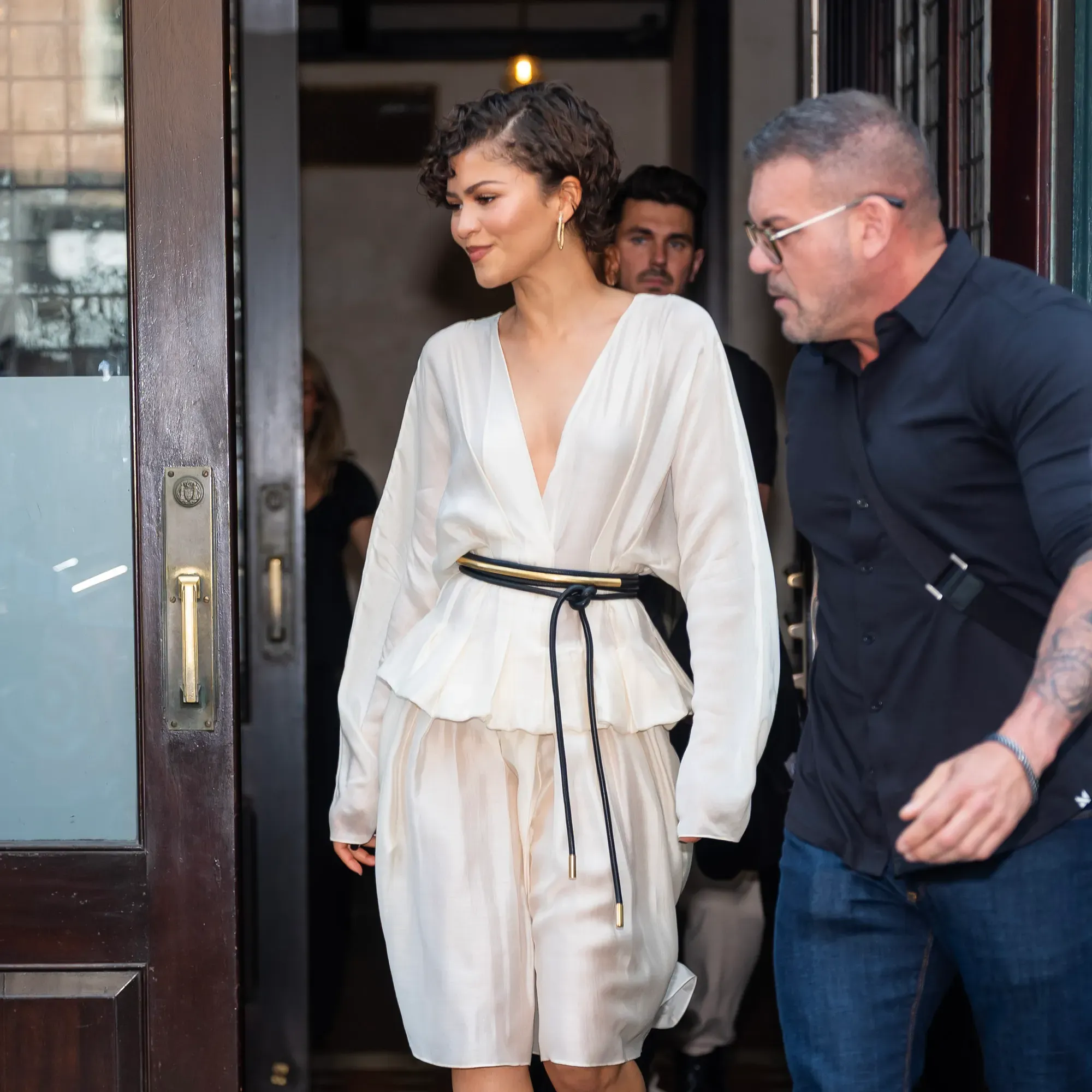
Even before landing in Europe, however, Zendaya had already set the tone for the tour, arriving at the film's New York premiere in a white silk look from Khaité's Resort 2027 collection, cinched at the waist with a braided leather belt featuring gold details. A piece that nonetheless plays with the same "sculptural" vocabulary: the fluid draping that slides along the body recalls the chiton of Greek statues — what art history has taught us to call the "wet drapery" technique, which defines the body through the folds of the fabric.
The sculpture of Haute Couture
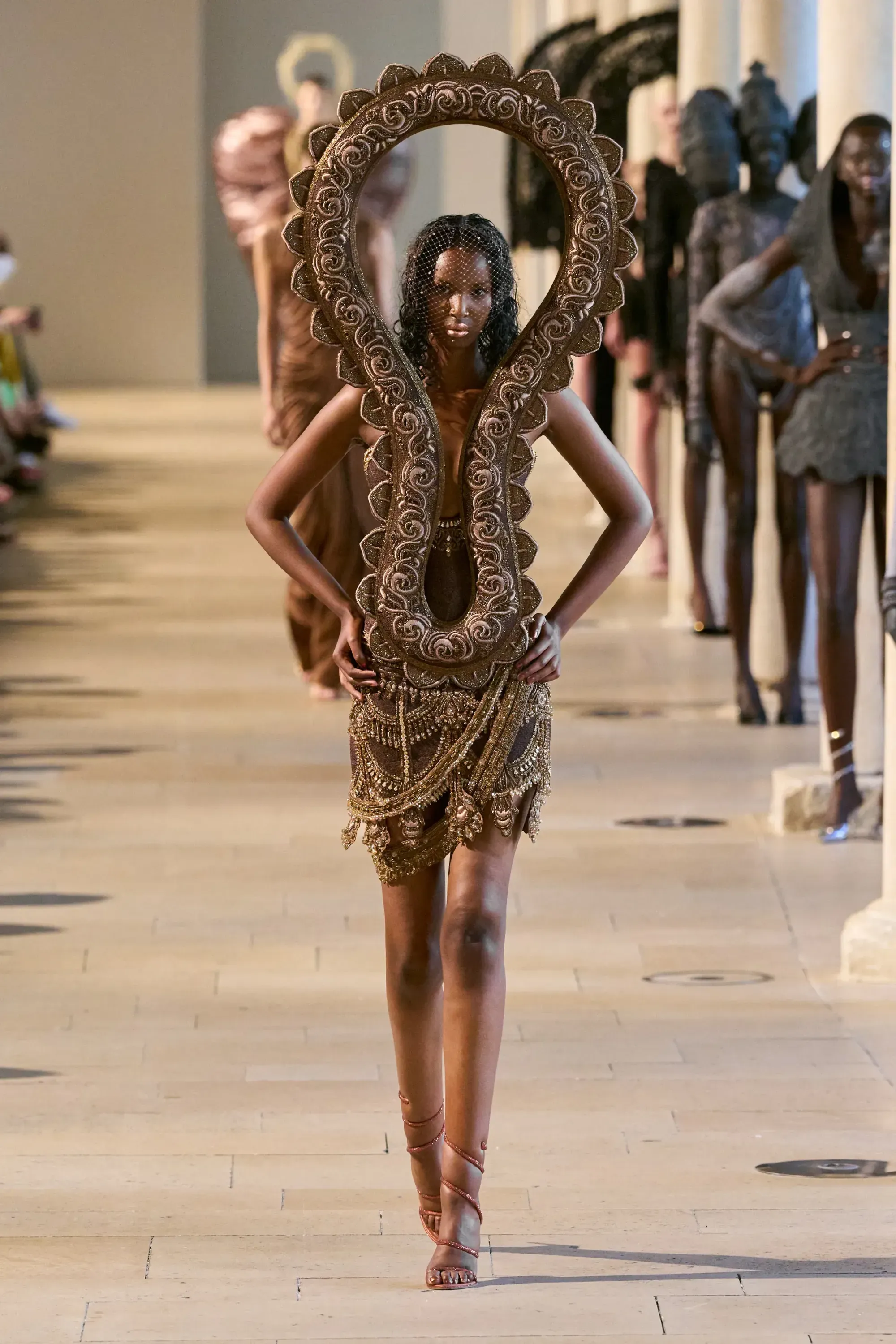
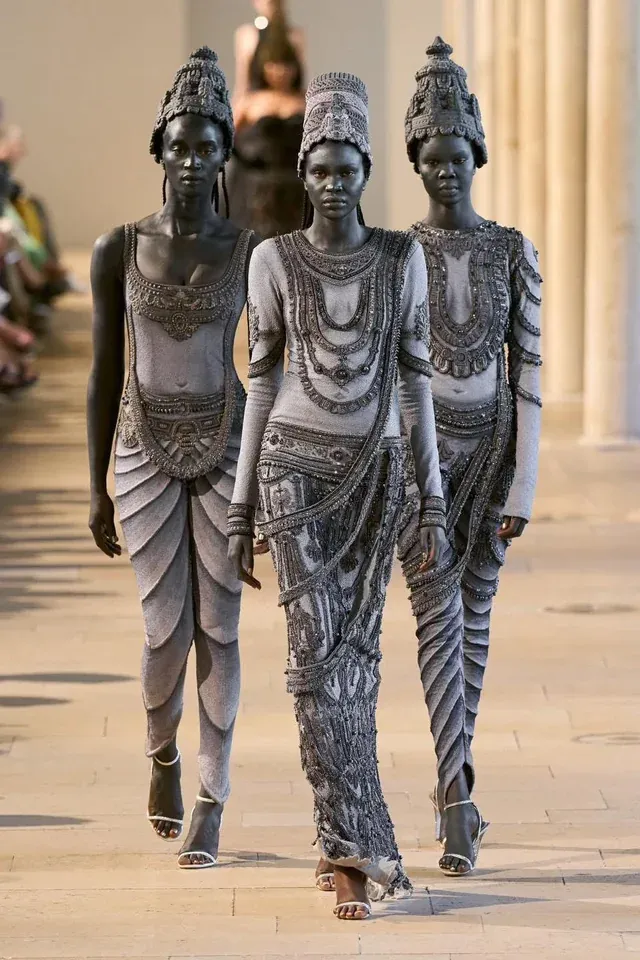
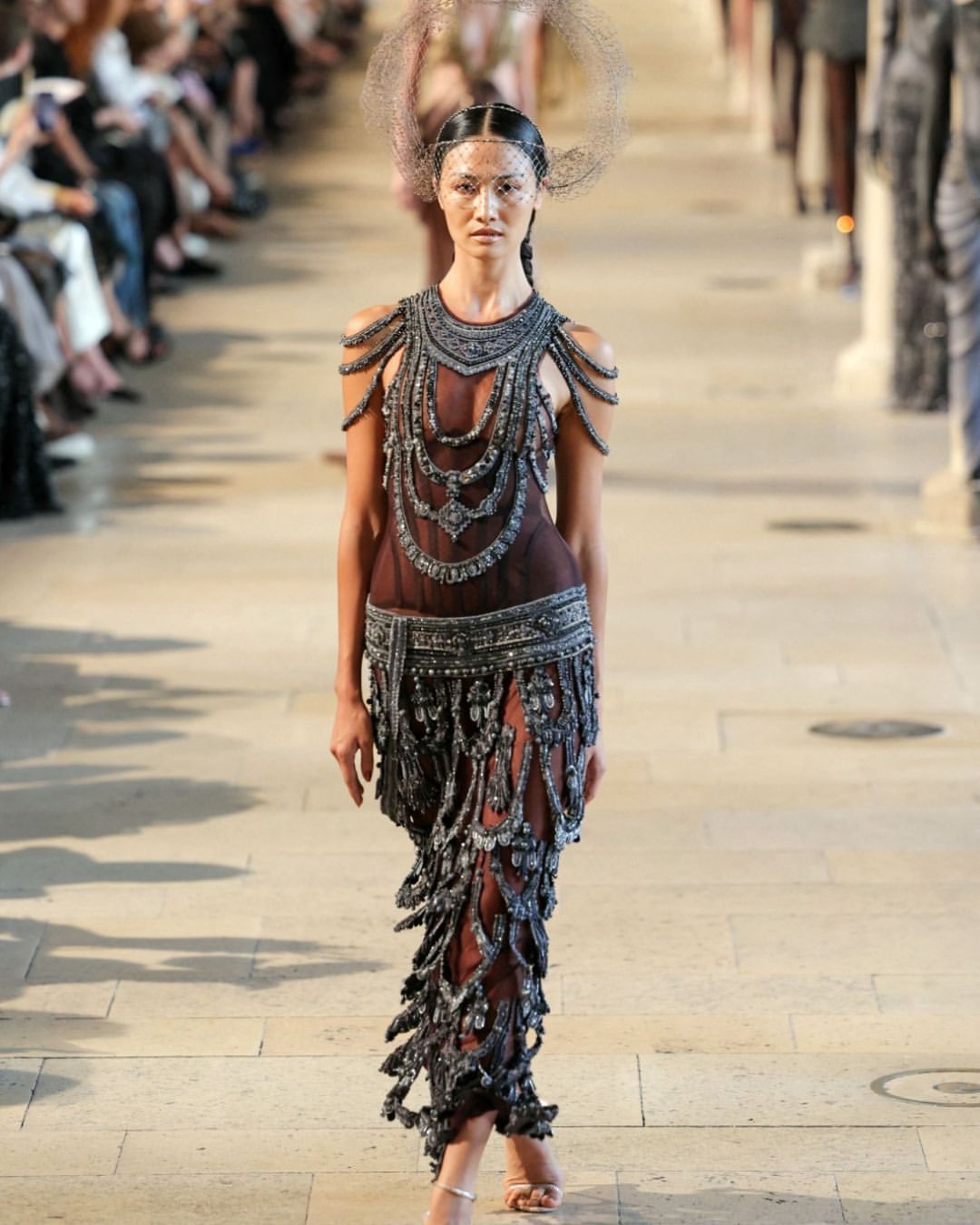
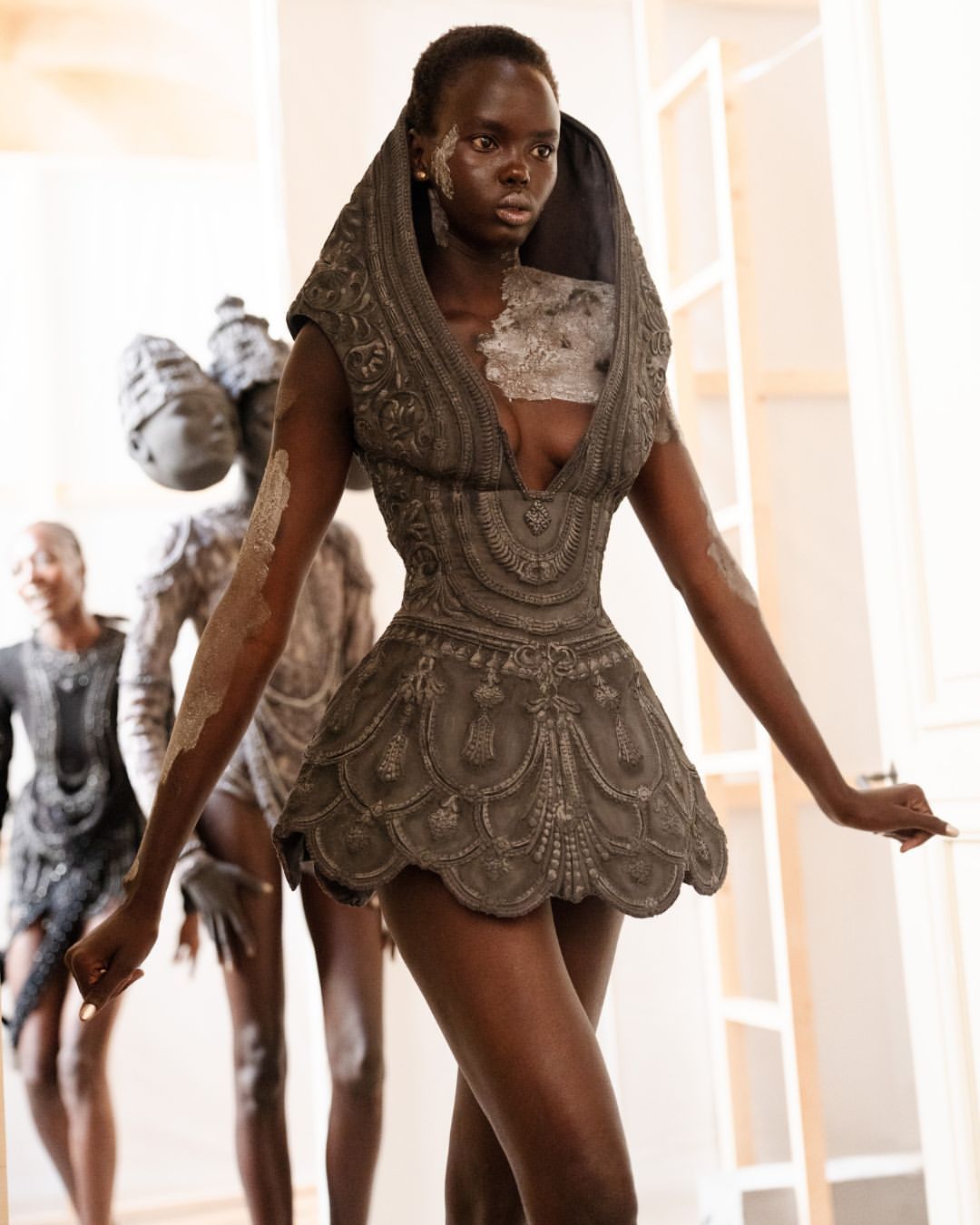
At this season's Paris Haute Couture Week, the theme of statues was taken almost literally. Rahul Mishra, for the Devi: The Eternal Muse collection, drew inspiration from the bas-reliefs of southern Indian sculpture: skin-toned pieces to create a trompe-l'œil effect, hand embroidery imitating the texture of stone, dramatic draping, and headdresses that seem to have stepped out of an ancient Eastern temple.
The result is a series of looks that transform the models into stone deities, dressing them in the colours of basalt, bronze, sandstone and soapstone, with zardozi embroidery rich in stones and beads. Indian craftsmanship was honoured through a collaboration with Sumant Kumar, a master clay worker, with whom the brand created headdresses inspired by the ceremonial crowns worn by ancient Indian sculptures.
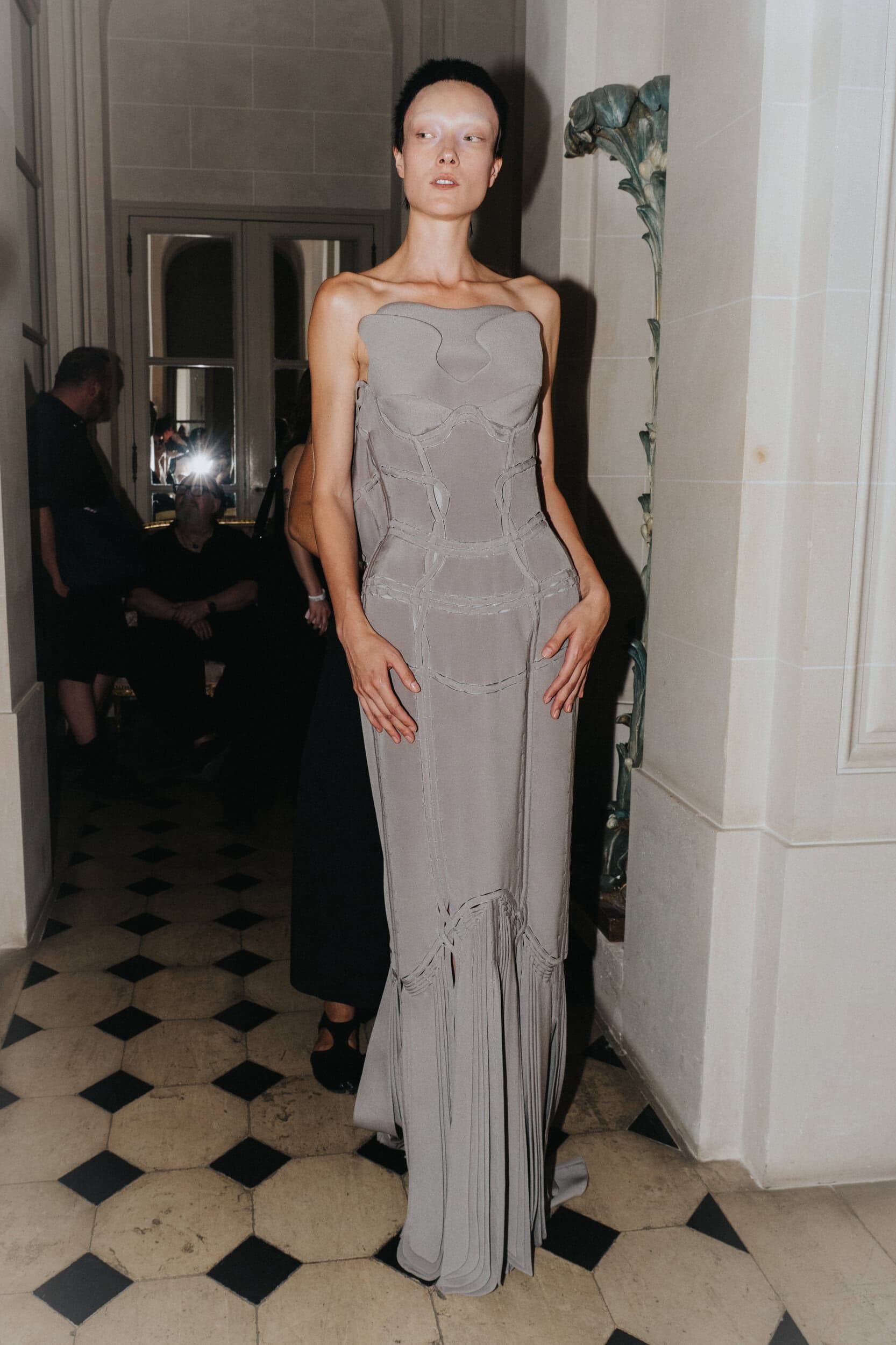
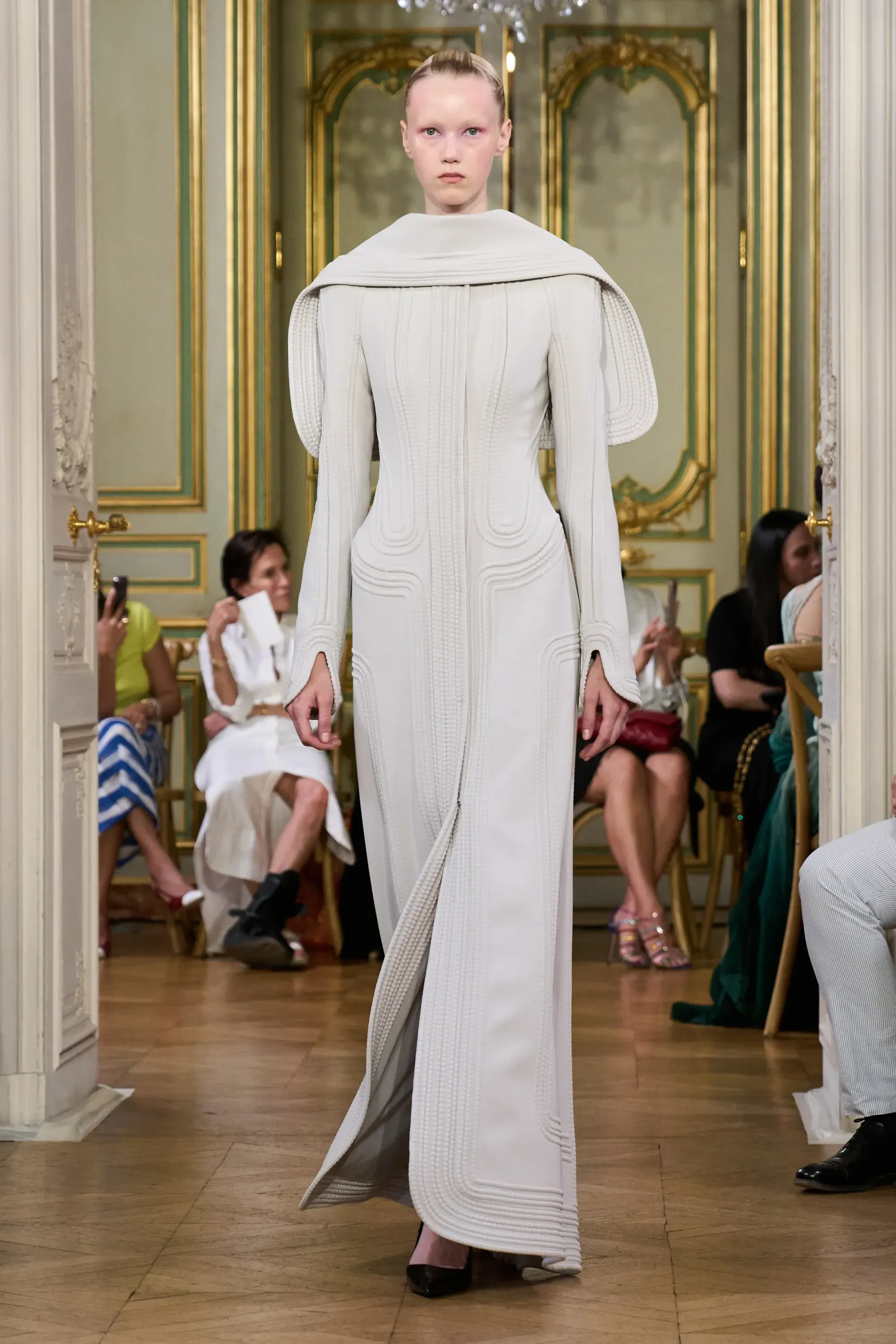
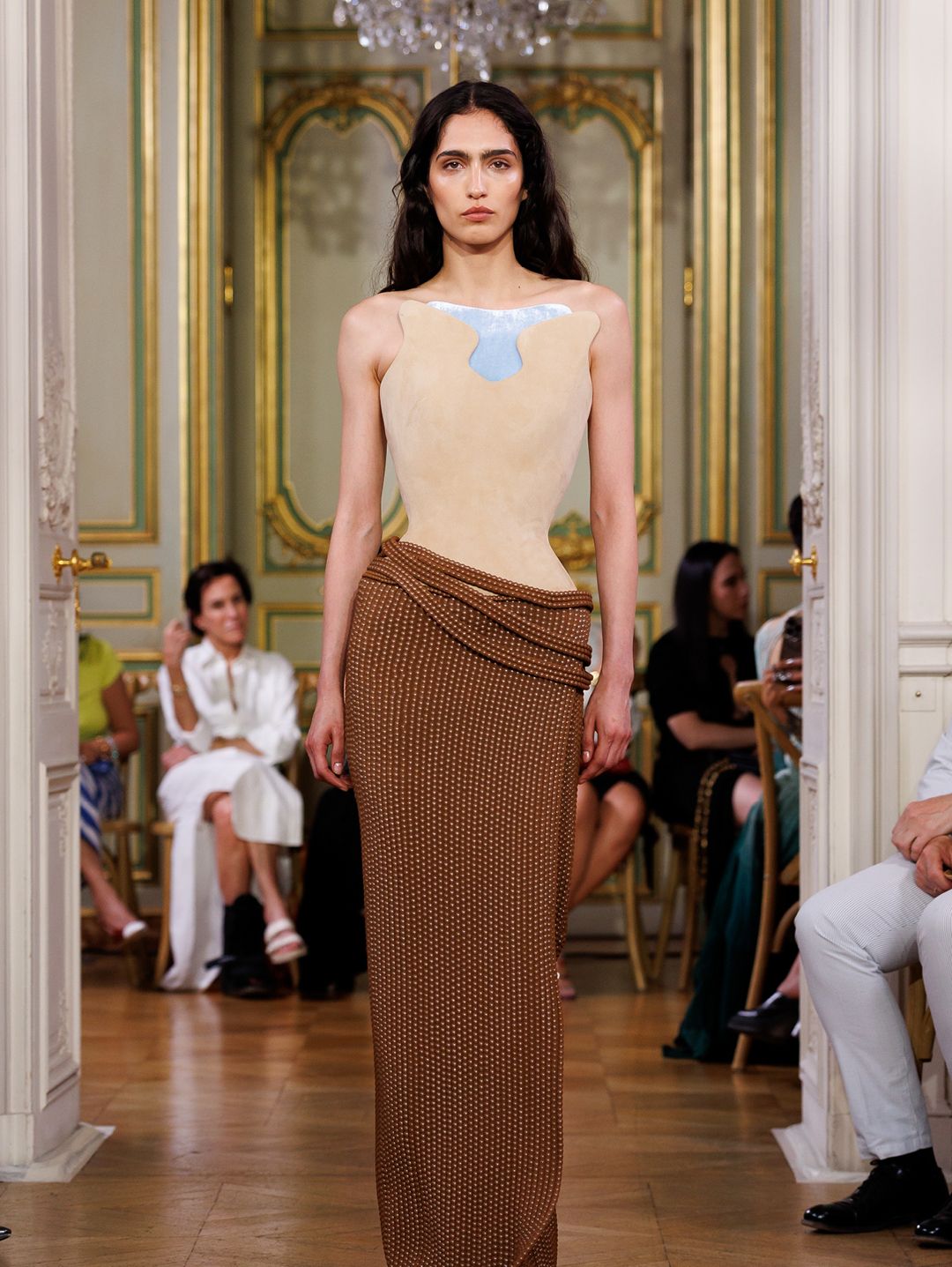
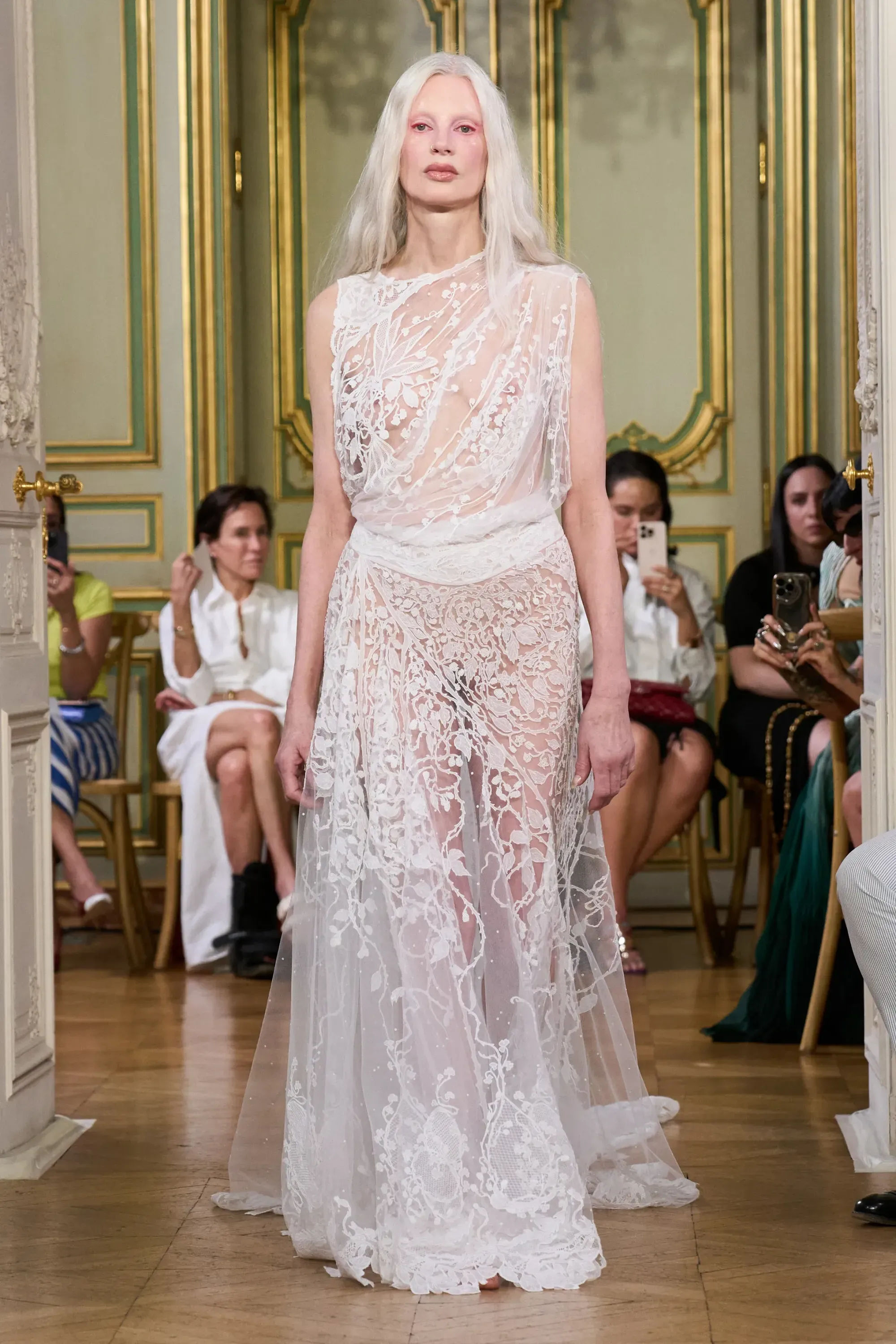
At Standing Ground, the brand founded in 2022 by Irish designer Michael Stewart, the couture debut brought with it the same obsession with the sculpted body, but from a completely different perspective. Stewart's sculptural references are closer to a modern studio; the drapery, achieved with an almost scientific precision, wraps the body to deliver the same plasticity of a sculpture.
Yet he does not sacrifice lightness or tactile comfort. A velvet bodice in compact sand tones echoes the texture of a petrified dune, while a canary-yellow dress features a relief structure on the front, made of fabric-covered beads, that mimics the skeleton of a fossilised fish.
Lynda Benglis's frozen gestures, as seen through Dior
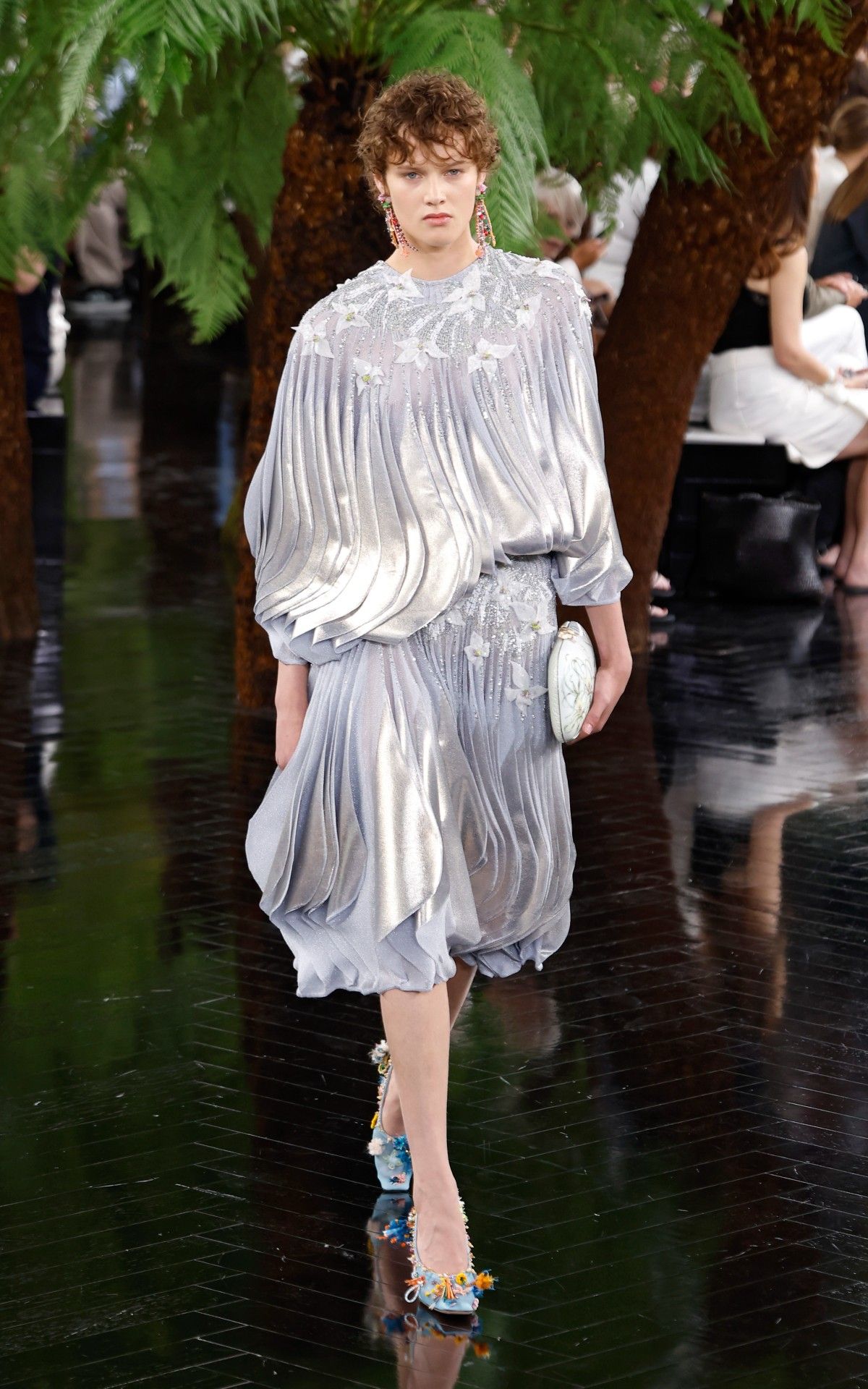
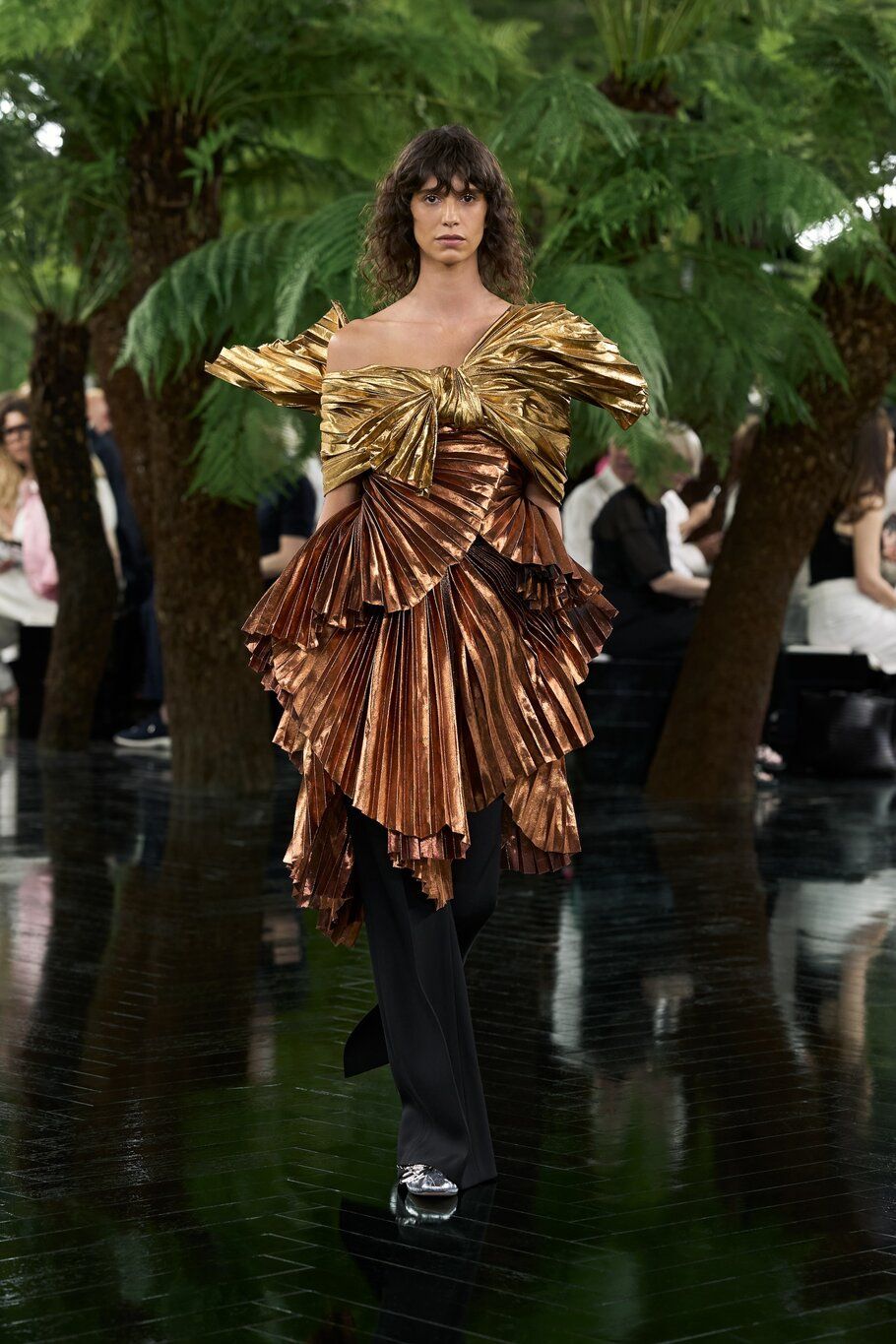
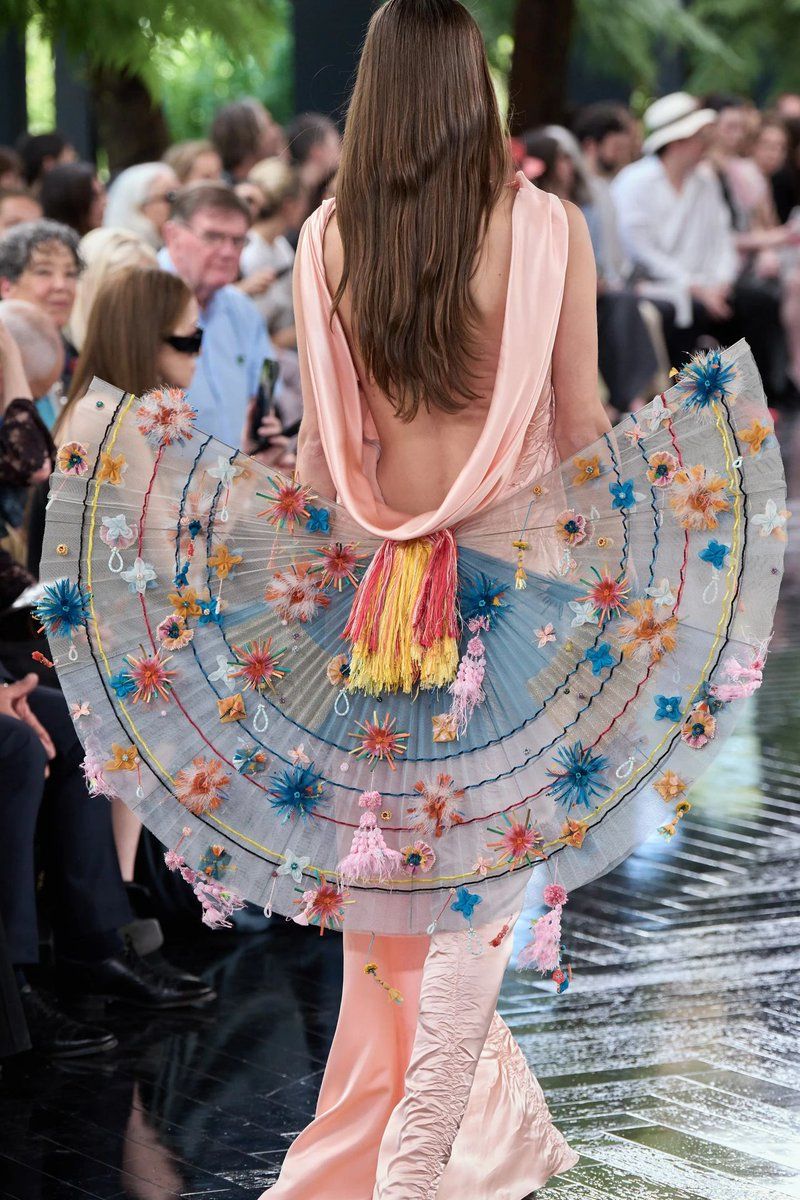
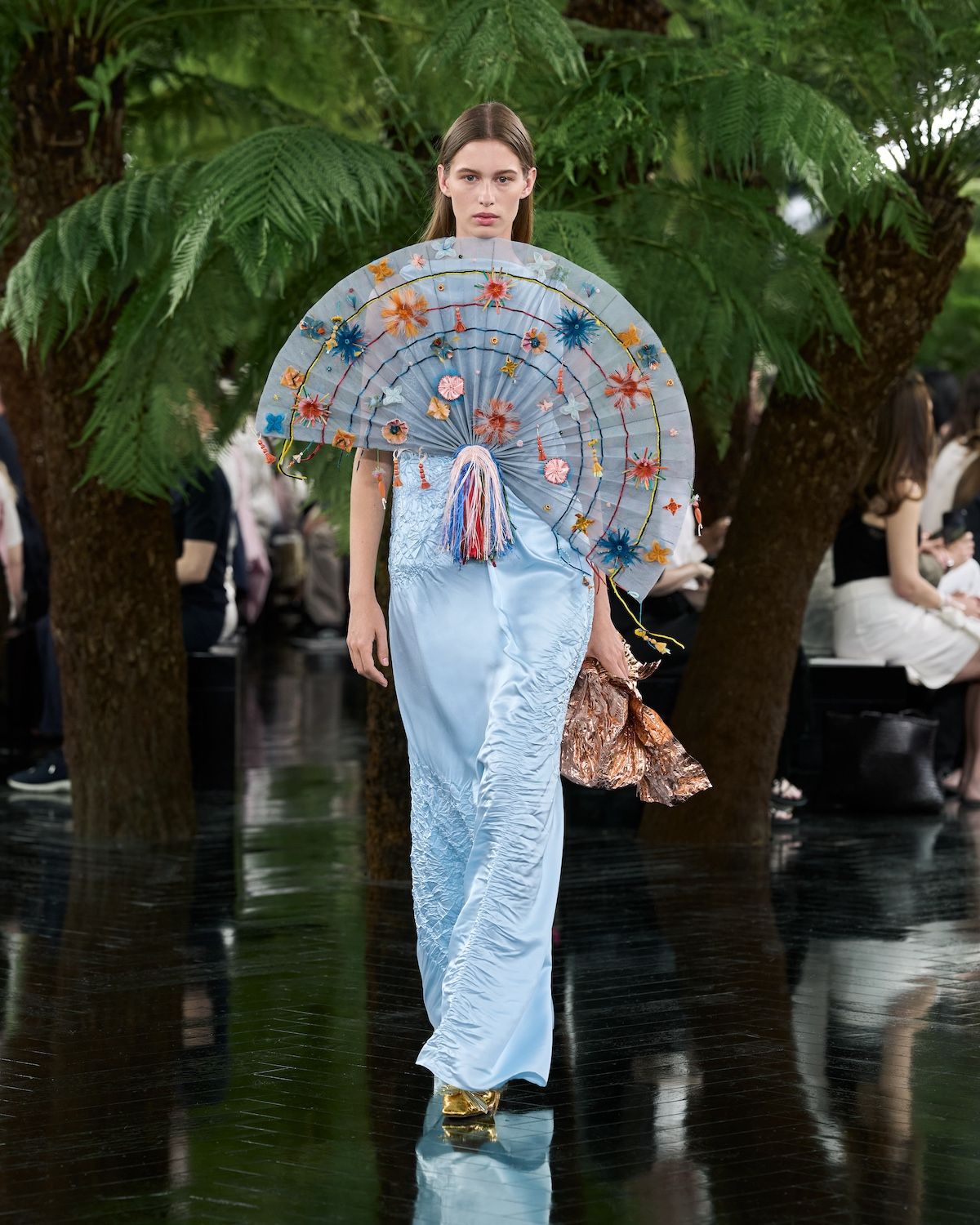
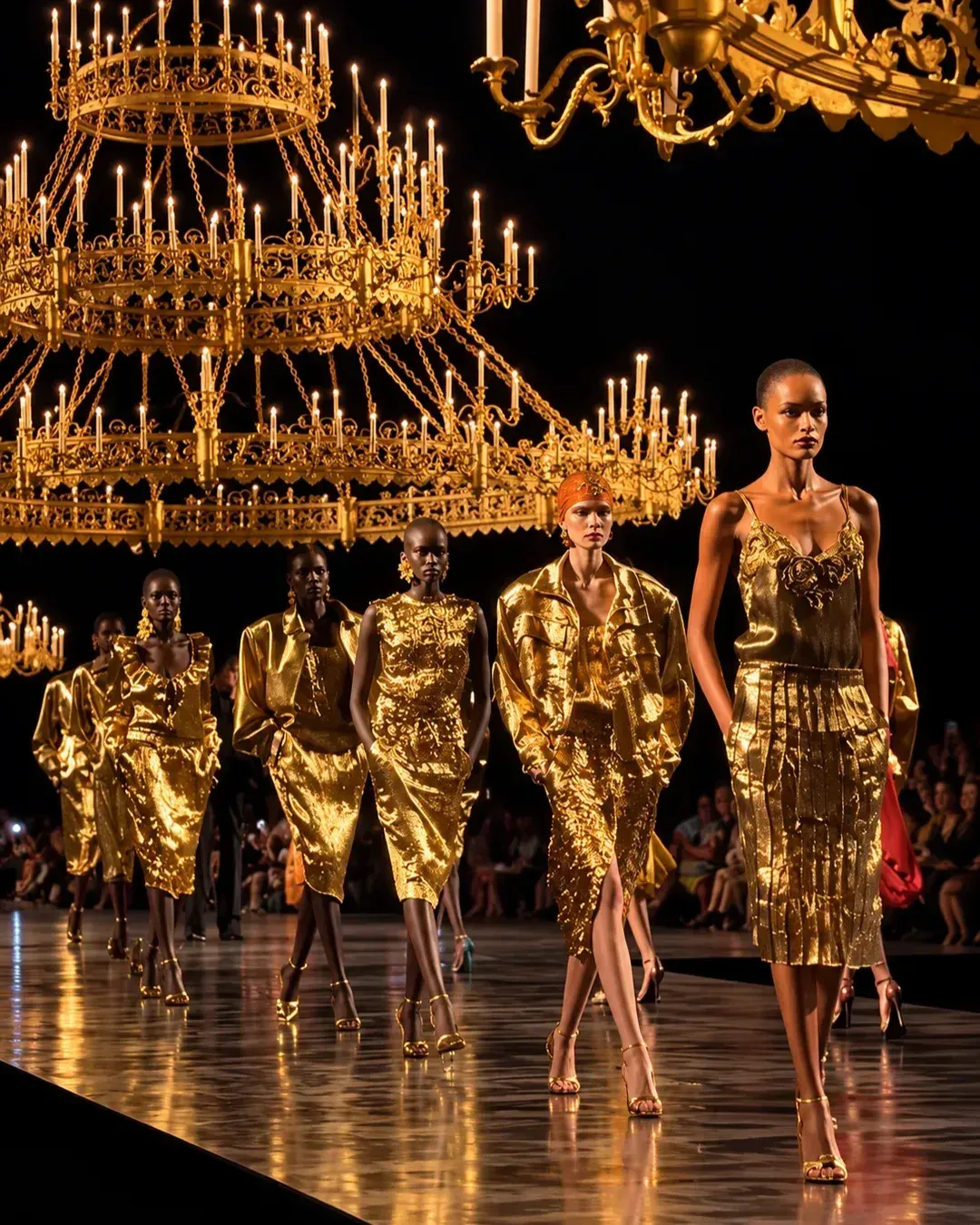
Finally, at Dior's latest Haute Couture show, Jonathan Anderson presented a collection that responds directly to the work of American sculptor Lynda Benglis. Her works, often described as "frozen gestures", seem to arrest matter mid-movement, and this is precisely the effect that the Dior atelier sought to recreate through pleating, knotting and draping that make the fabrics look like freshly folded paper or plaster poured in mid-air.
Iridescent, glittering metallic fabrics imitate the painterly effects characteristic of Benglis, while her Peacock series, inspired by Indian craftsmanship, translates into floral embroidery and beading that evoke peacock plumage. The collection thus celebrates, simultaneously, Ahmedabad in India and Santa Fe in New Mexico, the two cities that most shaped the artist's journey, while bags such as the Petit Dîner and the Lady Dior are decorated with fragments of eighteenth-century chintz and indiennes, and the jewellery — featuring mother-of-pearl, rock crystal and carved green onyx — evokes the emeralds of Rajasthan.