
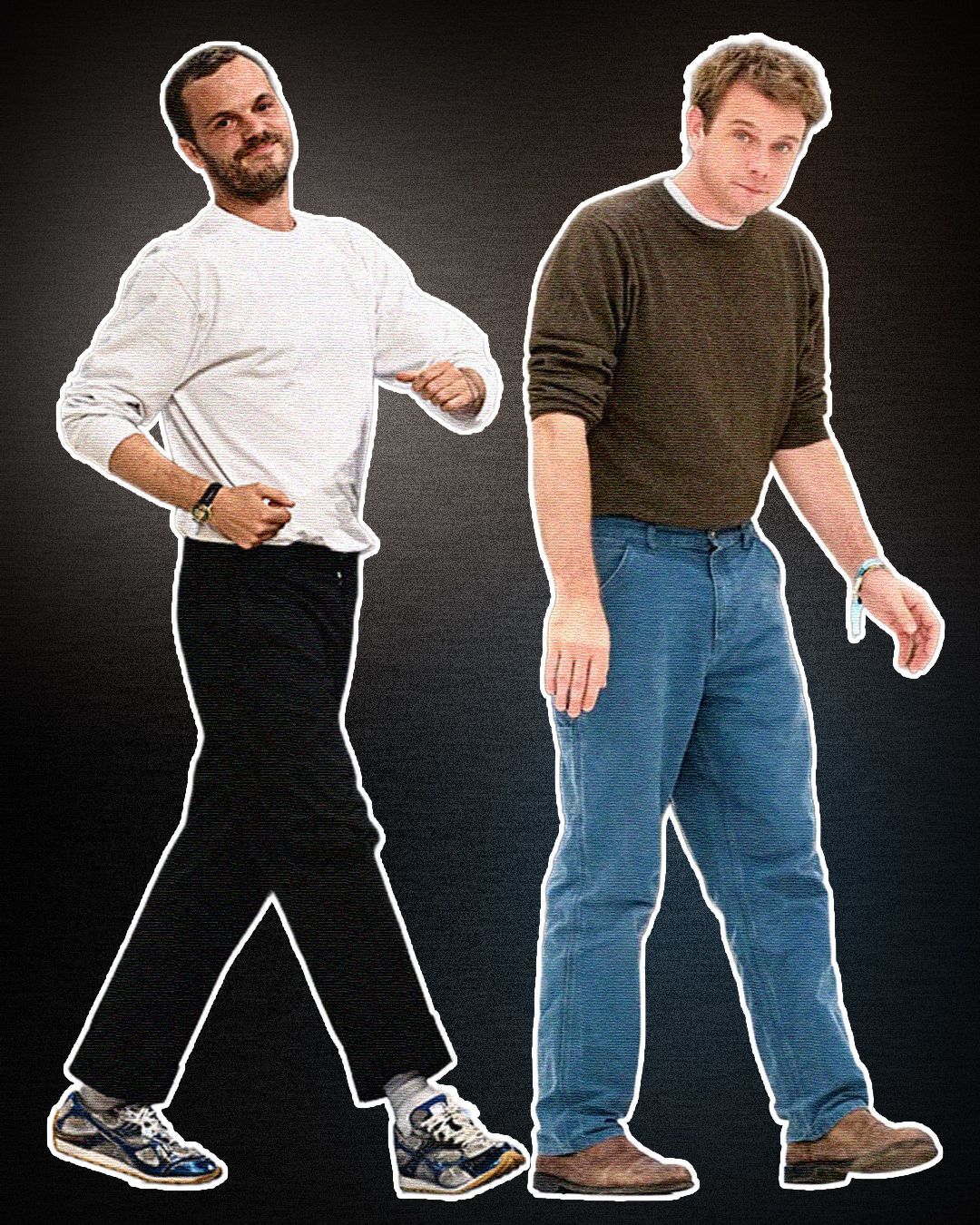
Are Matthieu Blazy and Jonathan Anderson rivals, or something else? Two careers and two minds, compared
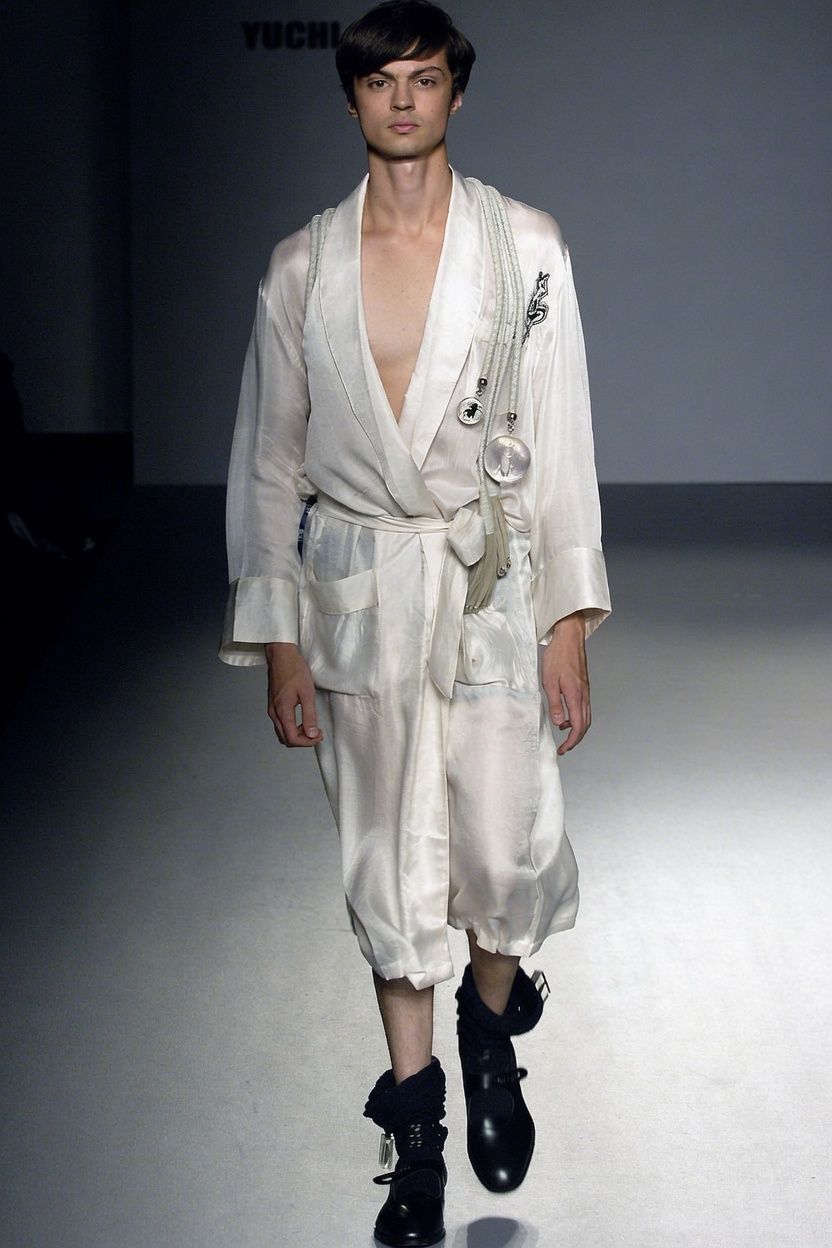
JW Anderson SS08
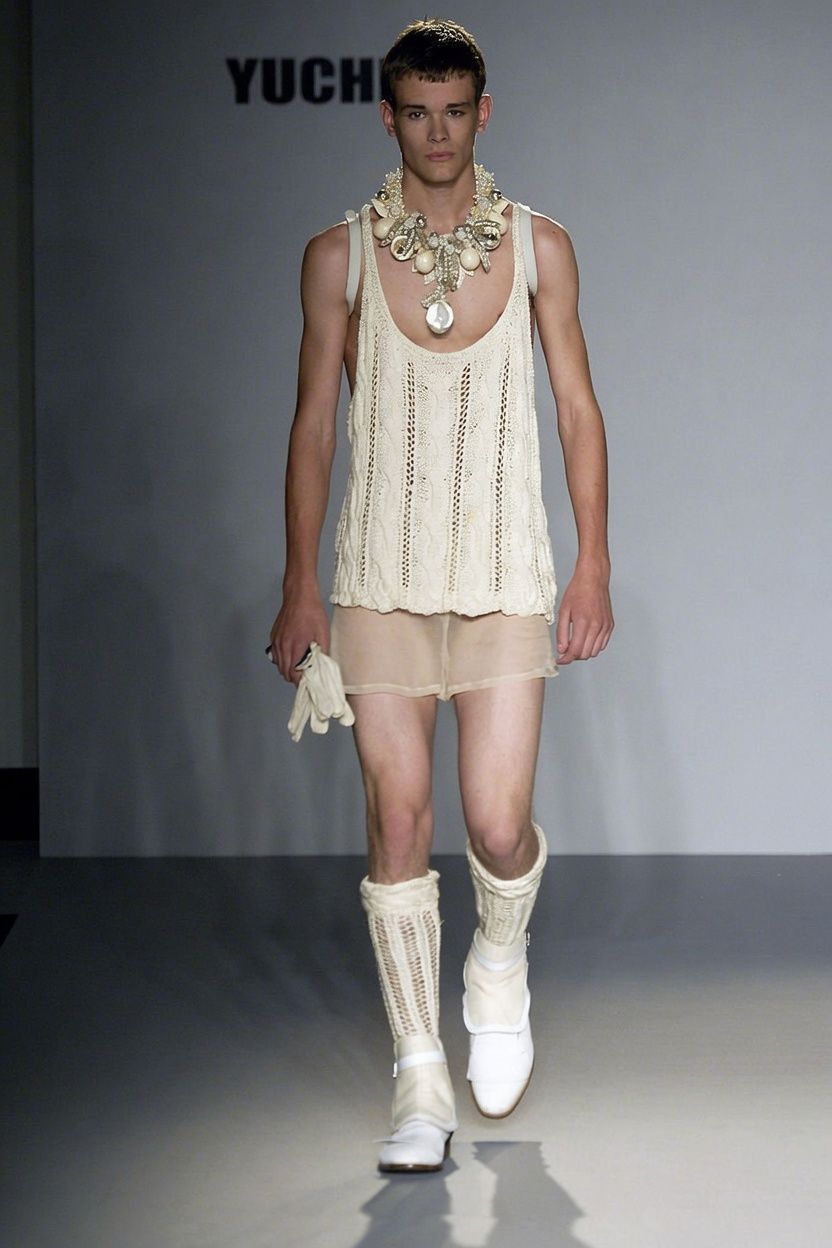
JW Anderson SS08
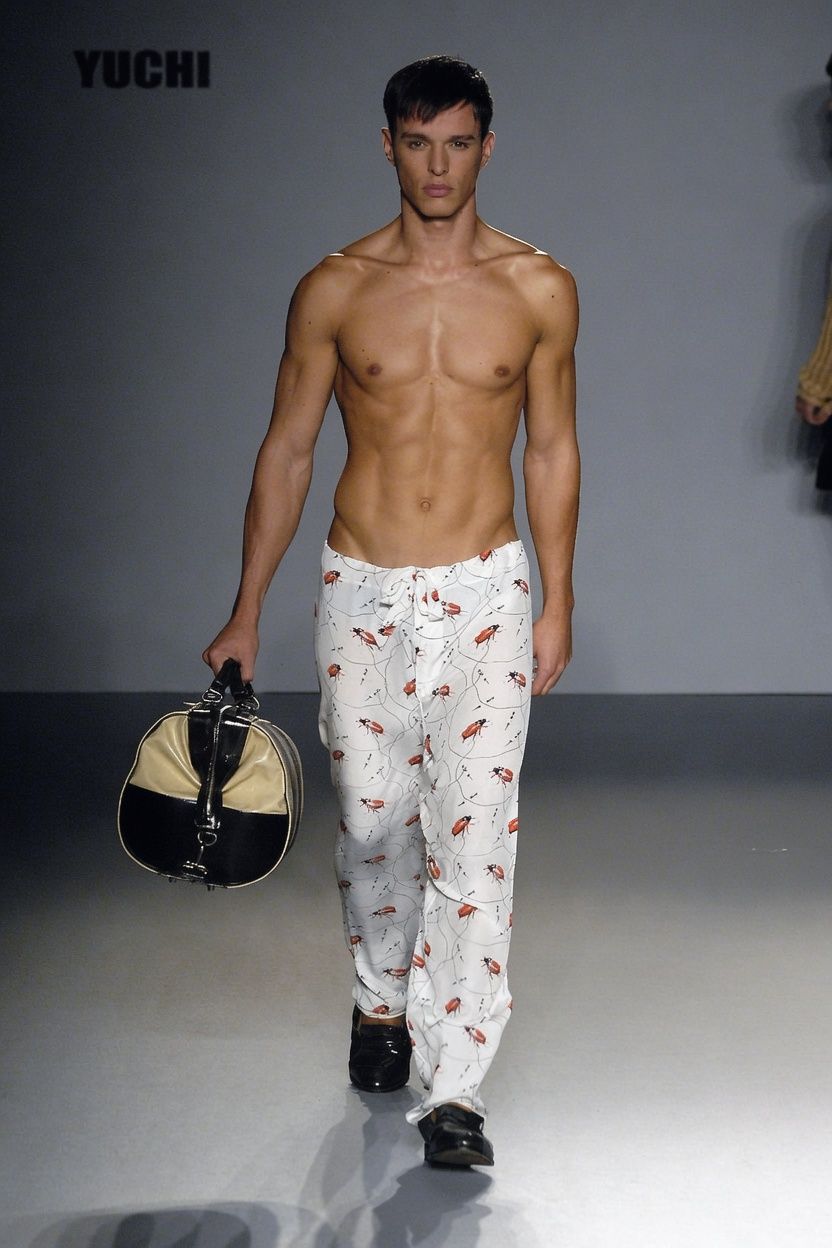
JW Anderson SS08
JW Anderson SS08
Maison Margiela Artisanal FW13
Maison Margiela Artisanal FW13
Maison Margiela Artisanal FW13
Maison Margiela Artisanal FW13
Maison Margiela Artisanal FW13
Maison Margiela Artisanal FW13
Maison Margiela Artisanal FW13
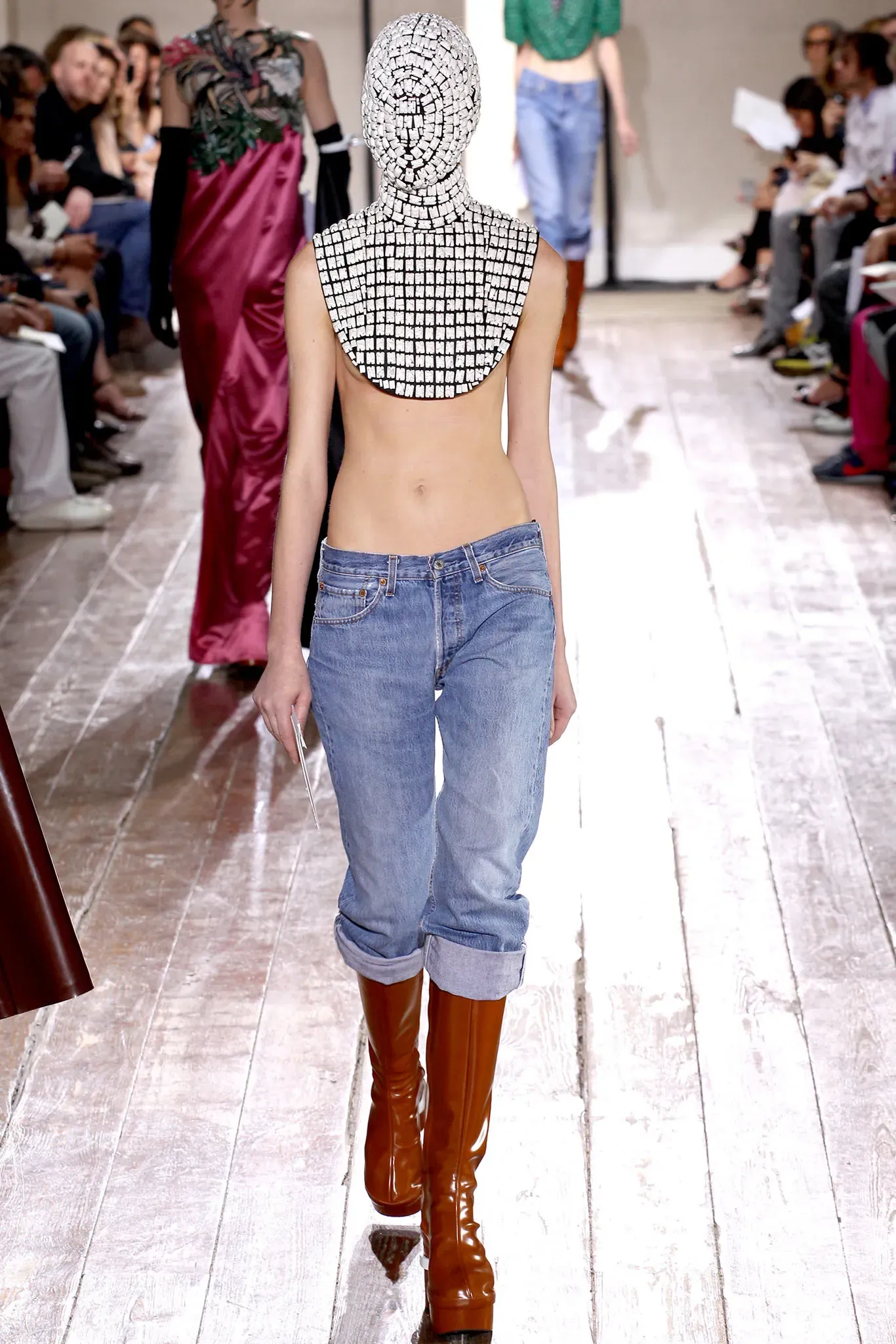
Maison Margiela Artisanal FW13
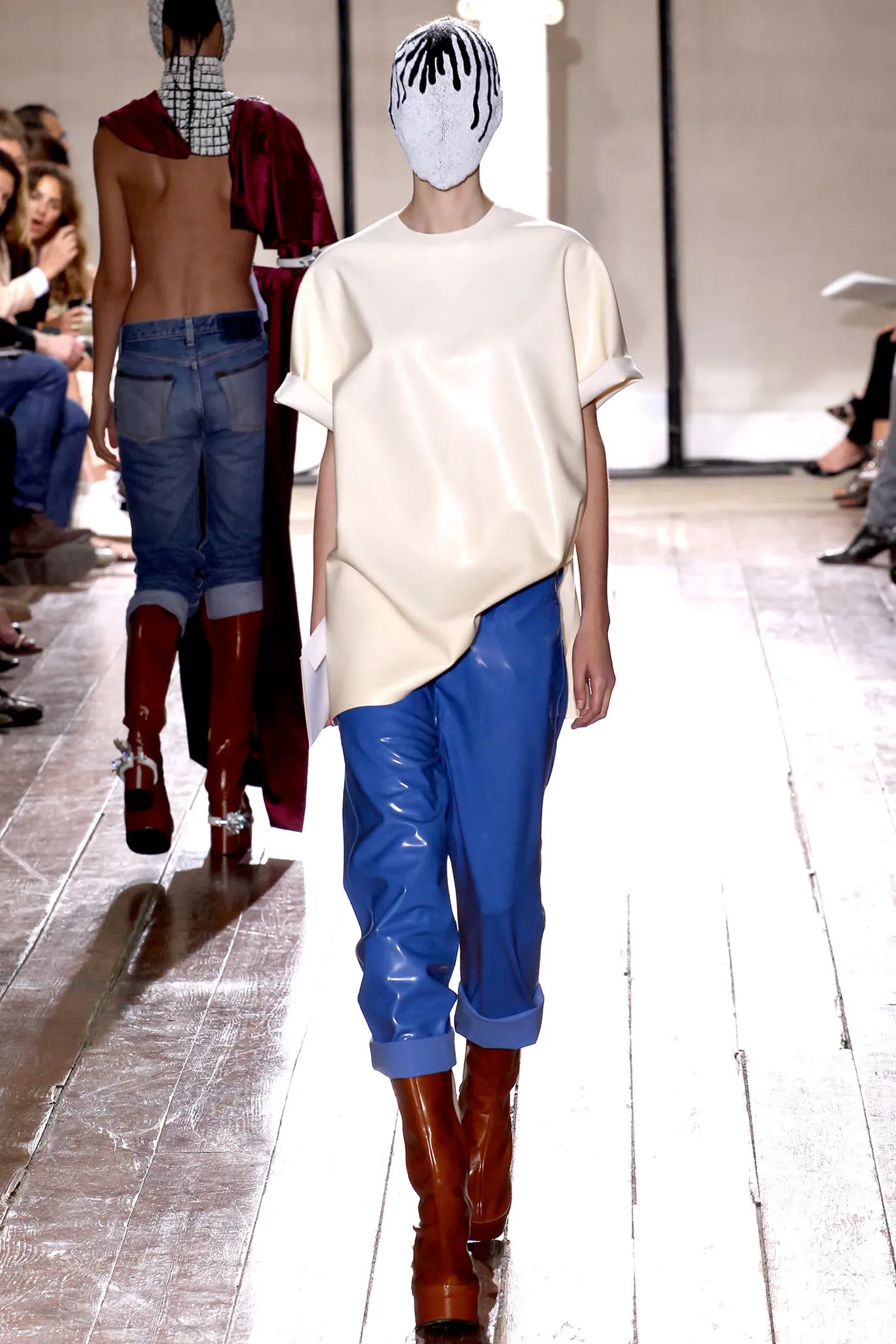
Maison Margiela Artisanal FW13
After the great reset of 2025 two creative directors have emerged as the new champions of fashion: Matthieu Blazy and Jonathan Anderson. Same age (class of ‘84), same long experience within the system, same top position in brands that generate billions of euros in revenue and that, above all, represent the core of French fashion identity: Chanel and Dior. Precisely for this reason, the two are often compared and considered each other’s benchmark. And given the frequency of their shows, almost always concurrent, as well as the floral and botanical themes they often share, many online commentators have also enjoyed finding correspondences and points of contact between their collections.
And while reading their paths through the lens of rivalry is tempting, it is perhaps more interesting to understand why those who talk about fashion love to invent rivalries between historic designers, which then remain imprinted in the public mind like the one between Gianni Versace and Giorgio Armani, between Yves Saint Laurent and Karl Lagerfeld or between John Galliano and Lee McQueen. But before reasoning about this, it is essential to compare the paths of both Anderson and Blazy to grasp their affinities and differences.
The beginnings
JW Anderson SS08
JW Anderson SS08
JW Anderson SS08
JW Anderson SS08
Matthieu Blazy was born in Paris in 1984 to a French father, an art expert, and a Belgian mother, a historian and researcher: a family context steeped in visual and material culture that the designer has often cited as the root of his almost anthropological approach to design. He studied fashion at La Cambre, where in 2006 he presented a graduation collection inspired by the French astronaut Claudie Haigneré. In that show, among the jury members, was Raf Simons, who was impressed by Blazy and hired him on the spot. Before landing stably at Simons, however, Blazy gained experience as an intern at Balenciaga under Nicolas Ghesquière, and at John Galliano.
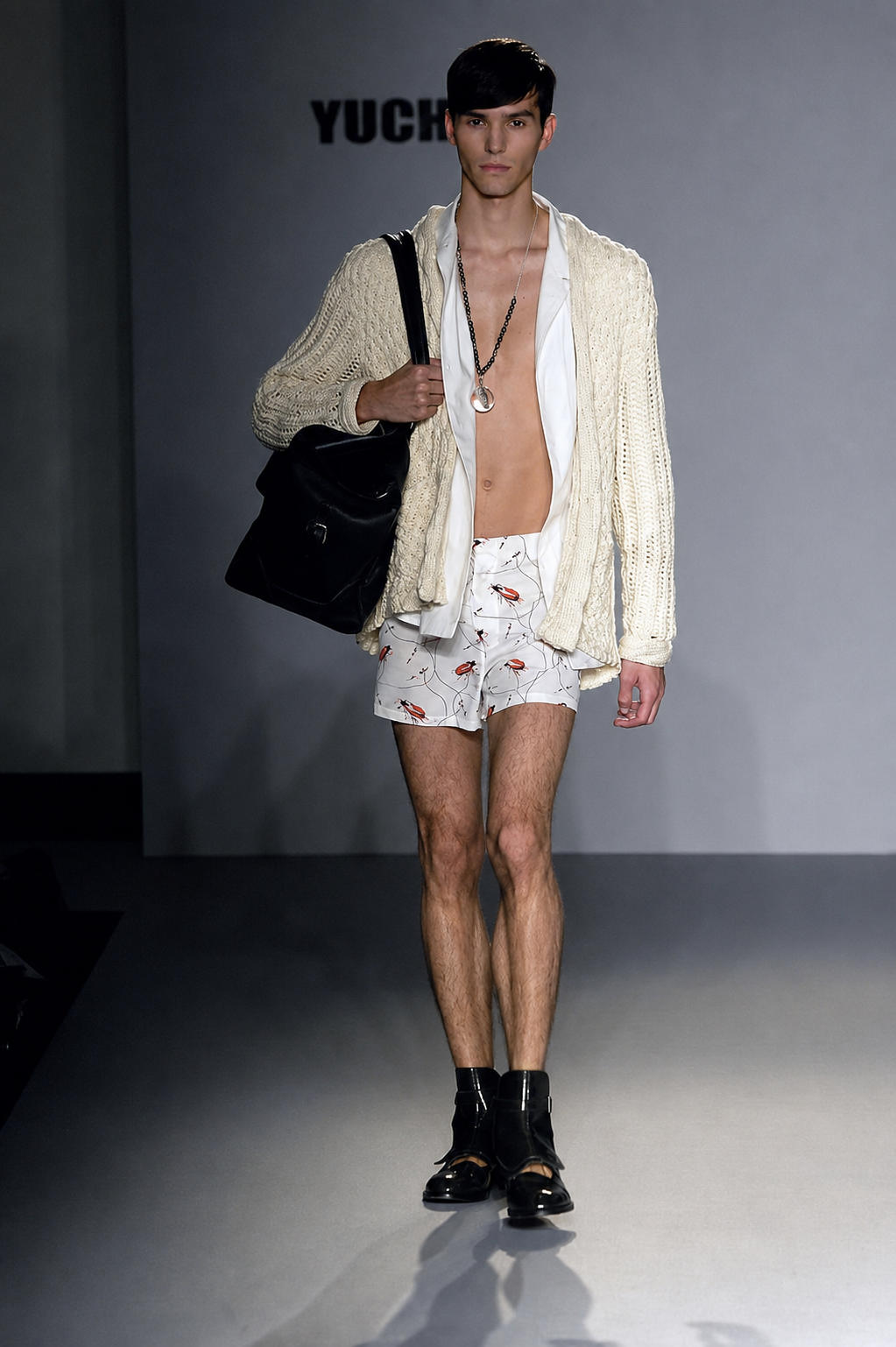
Jonathan Anderson was also born in 1984, in Magherafelt, Northern Ireland, son of a former Irish national rugby player and an English teacher. His arrival in fashion was less direct than Blazy’s: as a young man he moved to the United States to study at the Studio Theatre in Washington where, working behind the scenes, he discovered a passion for stage costumes. Back in Europe, he enrolled at the London College of Fashion, where he graduated in 2005. He started working as a visual merchandiser at Prada, under the guidance of Manuela Pavesi, a longtime collaborator of Miuccia Prada. In 2008, at only twenty-four years old, he founded his own brand JW Anderson with a first men’s collection that immediately attracted the attention of critics.
A long career
Maison Margiela Artisanal FW13
Maison Margiela Artisanal FW13
Maison Margiela Artisanal FW13
Maison Margiela Artisanal FW13
Maison Margiela Artisanal FW13
Maison Margiela Artisanal FW13
Maison Margiela Artisanal FW13
Maison Margiela Artisanal FW13
Maison Margiela Artisanal FW13
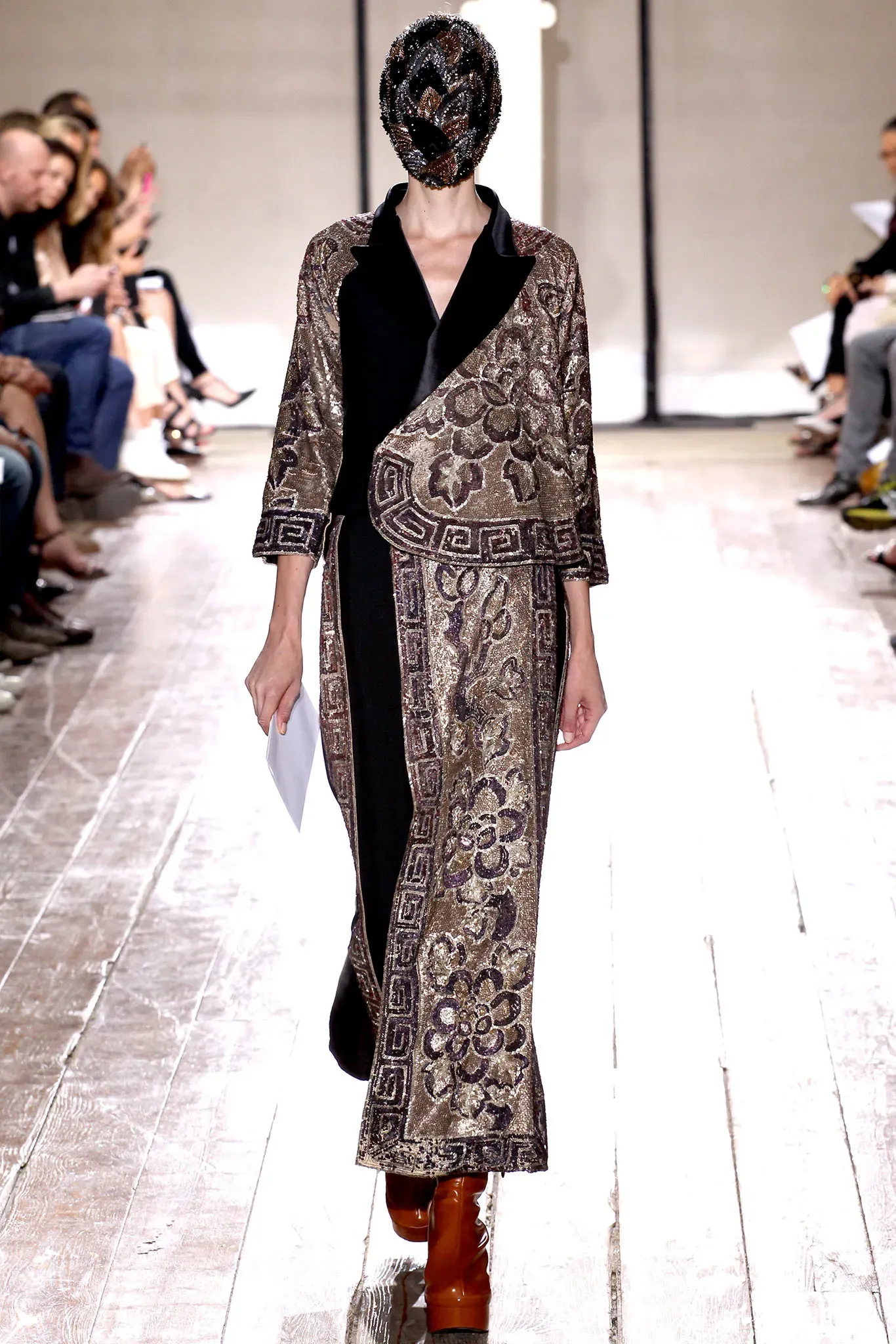
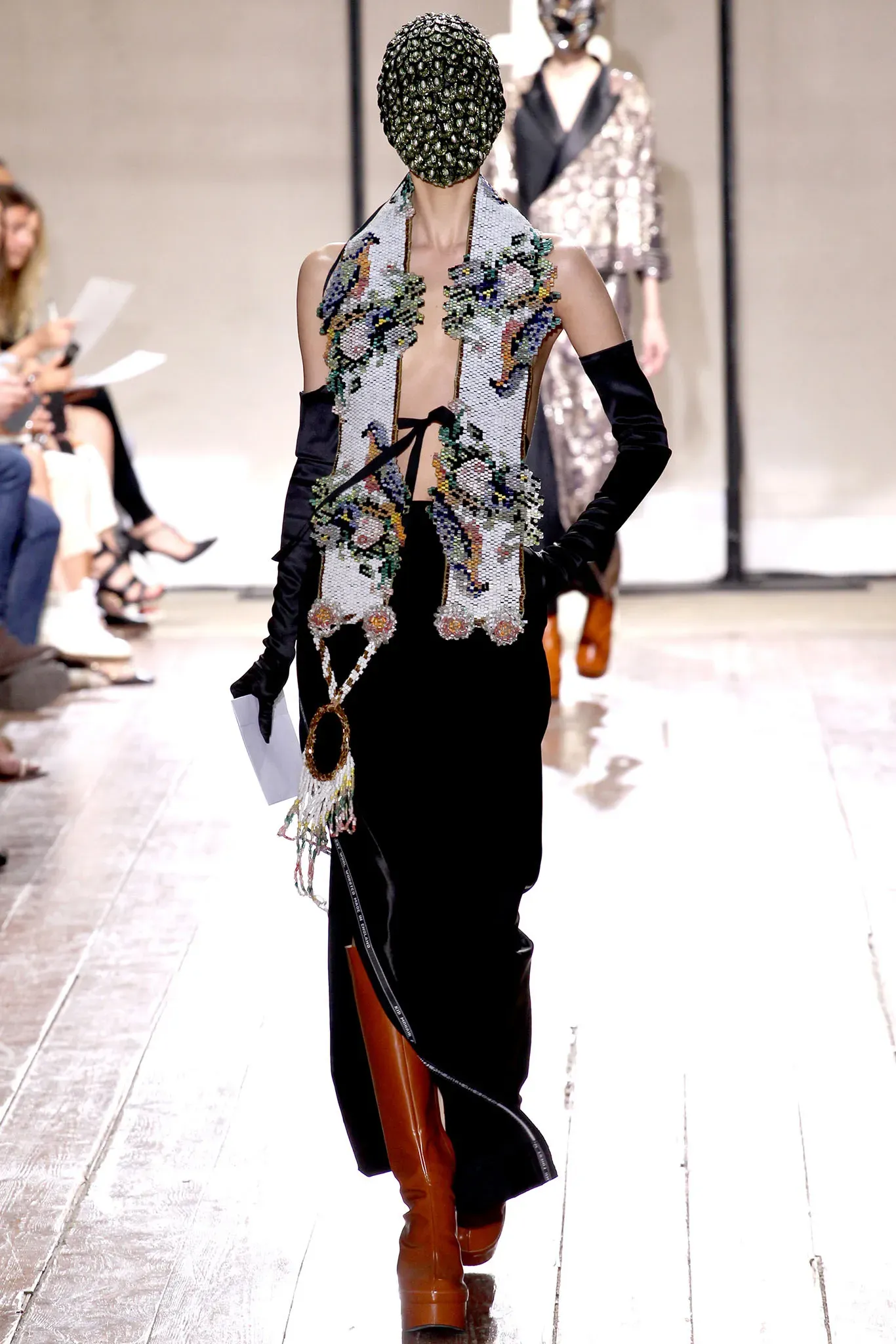
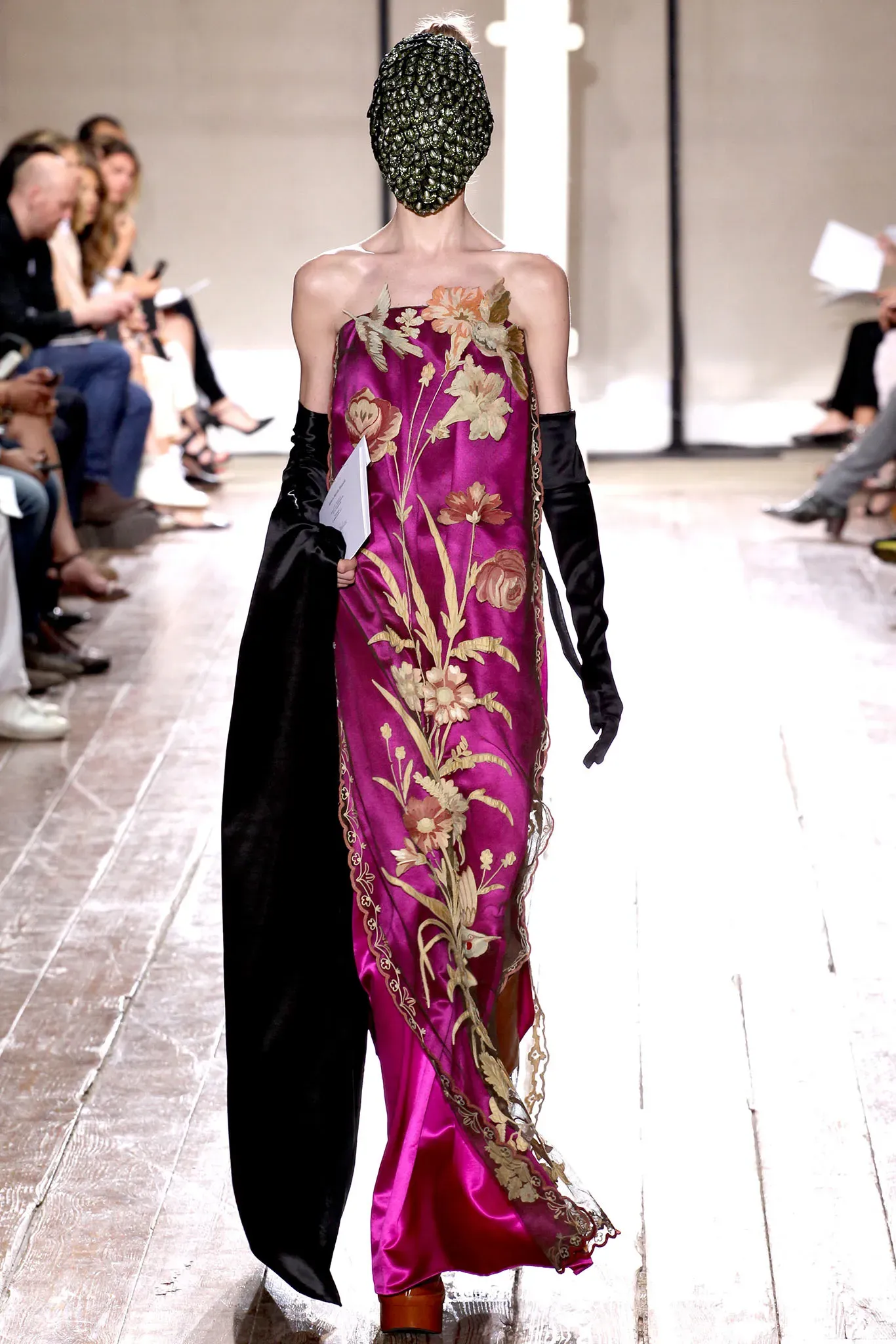
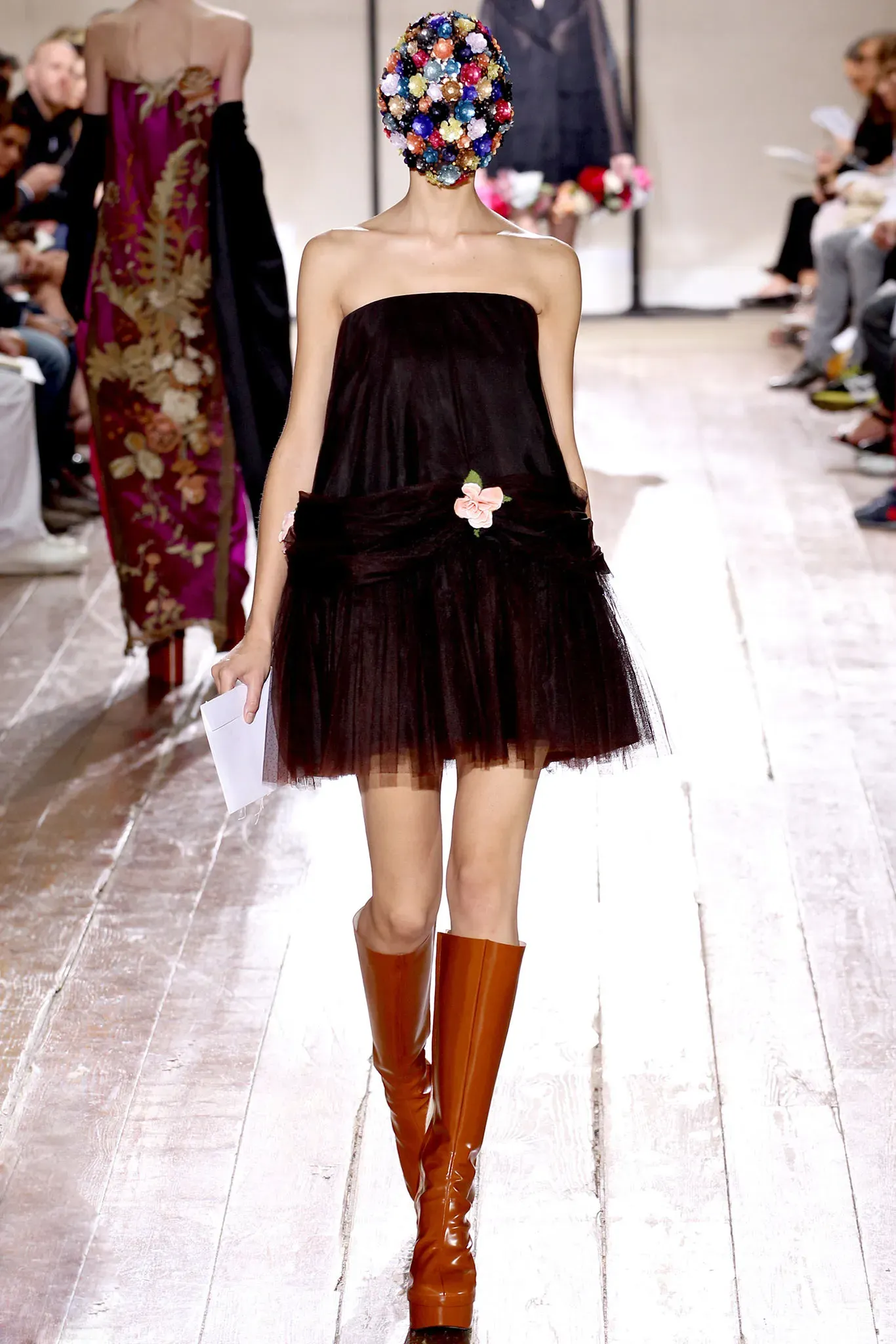
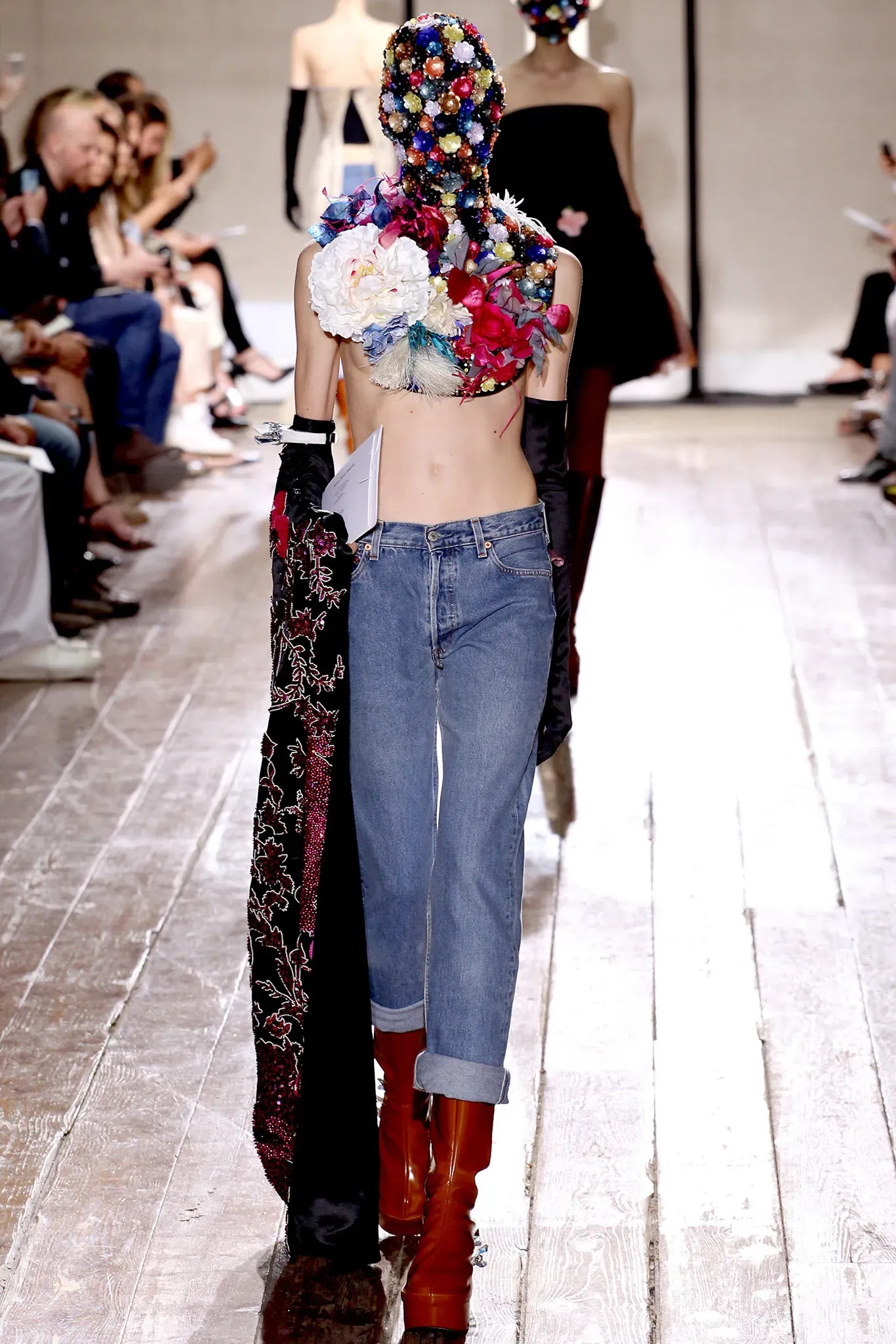
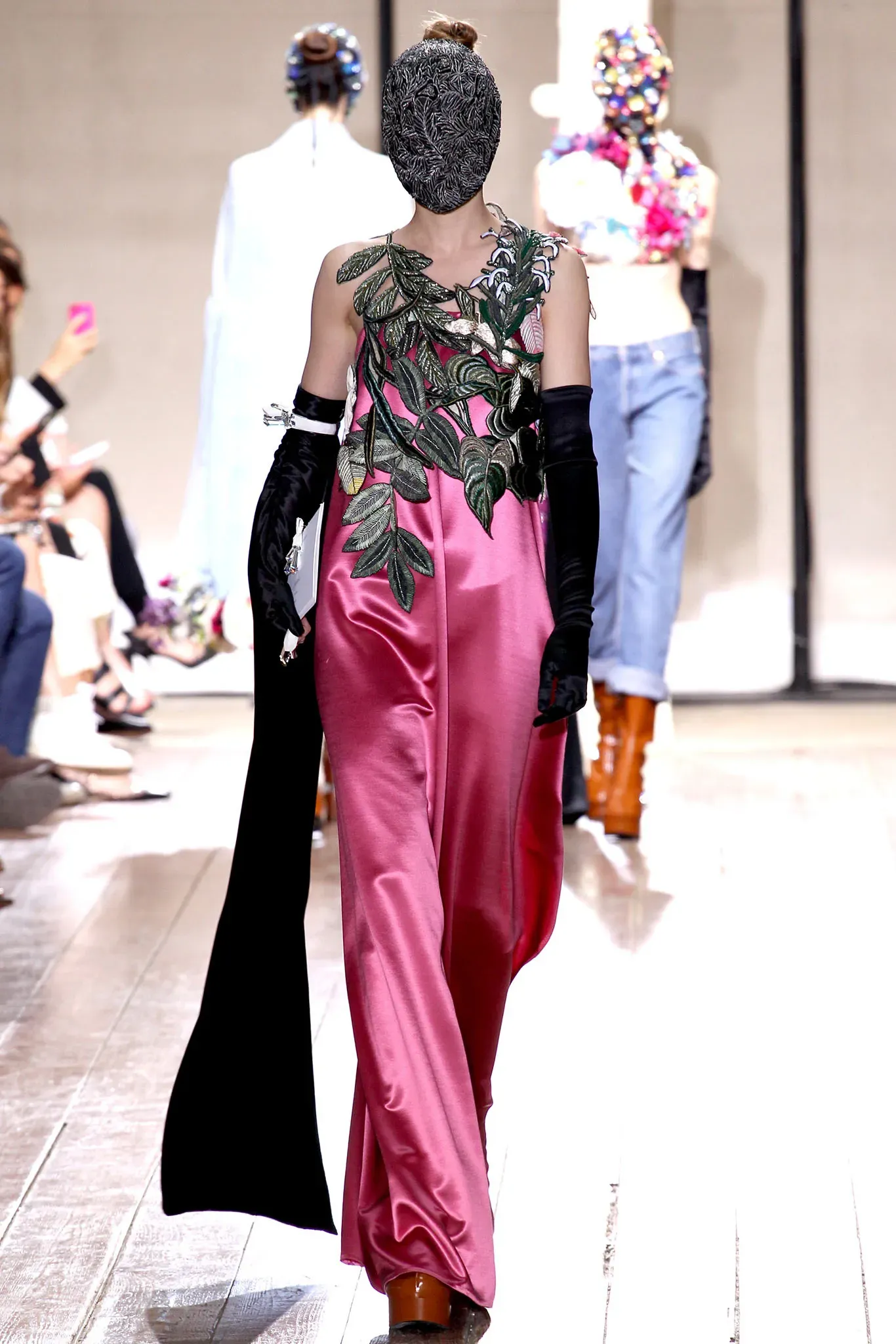
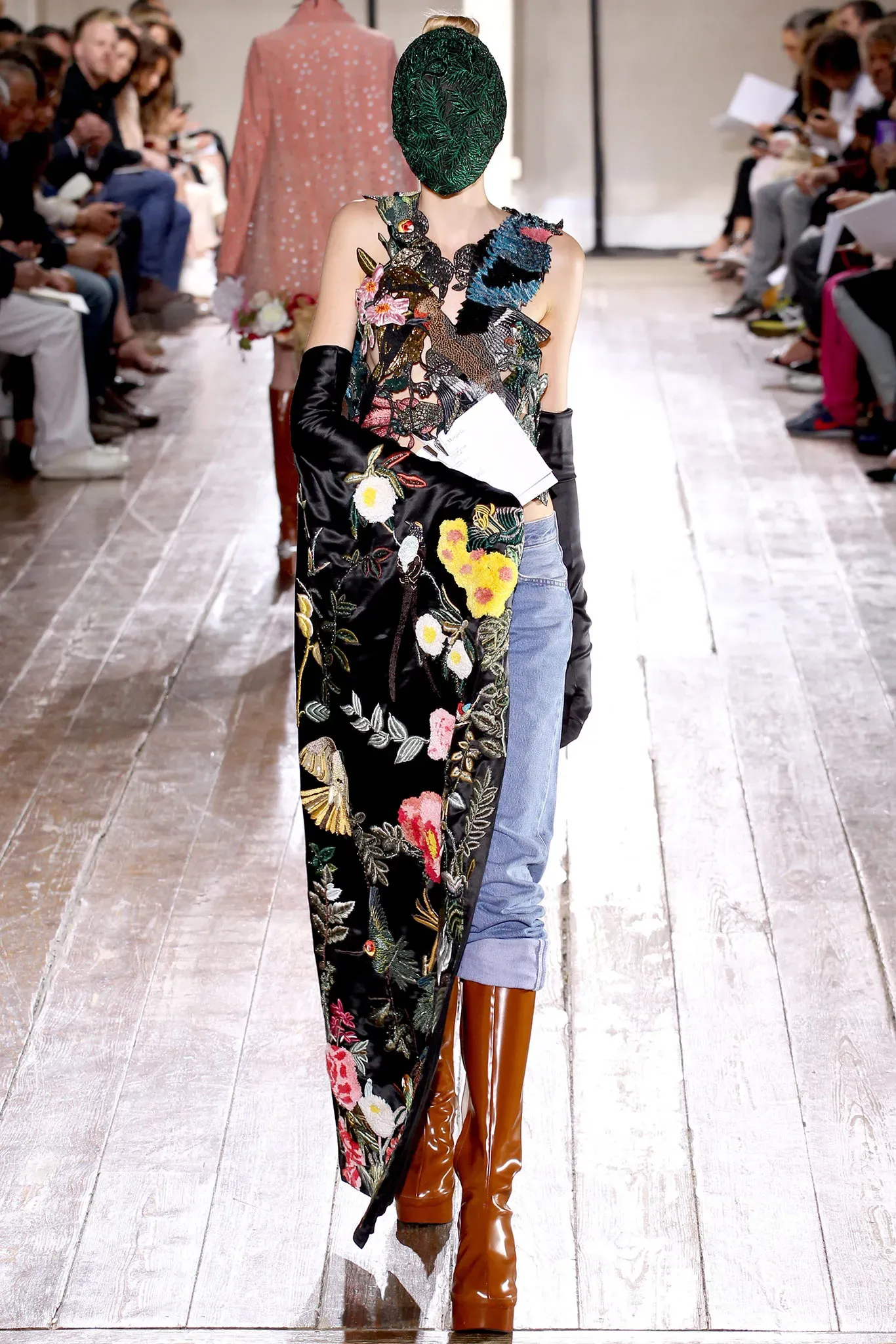
Blazy’s path continued in 2011 with his entry into Maison Martin Margiela, then directed by an anonymous design team. Here Blazy worked on the Artisanal line and ready-to-wear, experimenting with materials and creating the first cult piece attributed to him, namely the jewel-masks that appeared on the Artisanal runway from FW13 and later transformed into those worn by Kanye West during his Yeezus Tour. Impressed by his talent, it was the English journalist and critic Suzy Menkes who revealed Blazy’s talent to the world on the pages of Vogue. The designer’s next career step came in 2014, when Phoebe Philo called him to Céline as senior women’s designer, where he stayed for two years.
In 2016, Blazy returned to work alongside Raf Simons, this time at Calvin Klein, where he held the role of design director of ready-to-wear until 2019. They must not have been easy times: Simons’ line was adored by critics, but very expensive for a popular brand like Calvin Klein, and was soon discontinued. Meanwhile the pandemic broke out and, right in 2020, Blazy joined Bottega Veneta as design director of ready-to-wear, under Daniel Lee’s guidance, before being promoted to creative director of the maison in November 2021, after Daniel Lee’s dramatic and mysterious departure.
Anderson, meanwhile, saw his JW Anderson brand grow rapidly. Women’s line in 2010, first hugely successful collaboration with Topshop in 2012. In the same period, Donatella Versace called him to relaunch Versace’s Versus line, but already in September 2013, LVMH acquired a minority stake in JW Anderson and appointed him creative director of Loewe, a centuries-old but little-known brand at the time where Anderson could reinvent everything he wanted.
From that moment and for the following eleven years, Anderson directed two brands that ran like a locomotive, signing up to eighteen collections a year, six for JW Anderson and ten for Loewe, while also signing a continuous collaboration contract with Uniqlo that brought his name to every conceivable level of the market. This is where the multi-dimensional nature of Anderson’s work began to emerge, as he managed his work and his brand in a truly entrepreneurial way.
Delayed consecrations
@nssmagazine Matthieu Blazy backstage after the Bottega Veneta SS24 show
Blazy debuted in February 2022 at the helm of Bottega Veneta and shook everyone up a bit with a tank top and jeans look that was actually entirely made of painted leather: his authorial nature is based on technical innovation and an almost obsessive attention to artisanal detail, as well as a certain oblique humor. Under his creative direction, it-bags such as the Sardine, Andiamo and Kalimero were born, and the brand also began collaborating with artists and designers of the caliber of Gaetano Pesce, Cassina, Flos. Blazy also supported the maison’s cultural activities, such as the reopening of Butt Magazine and the Bottega for Bottegas initiative. In 2024 the perfumes arrived, driving further growth in the brand’s revenue.
Blazy rose to the headlines in just three years at the helm of Bottega Veneta. Anderson, on the other hand, became a true star much later in his abundant decade at Loewe during which he completely restructured the brand, equipping it with its it-bag, the Puzzle, and an aesthetic that exploded into the mainstream only after 2020. Meanwhile Loewe’s collections became increasingly conceptual, culminating in a stunning series of hit shows that began with SS22 and closed with the FW25 presentation. No misses. In the meantime, the designer began collaborating with Luca Guadagnino as costume designer for Challengers and Queer.
At this point the delayed consecrations arrived: on December 12, 2024 Chanel announced the appointment of Matthieu Blazy as the new creative director, the first designer external to the maison since the times of Karl Lagerfeld. He began his actual work in April 2025, presented his first ready-to-wear collection in October 2025 and debuted in haute couture on January 27, 2026 at the Grand Palais, with a very positive critical reception and a first collection rollout in stores that literally drove customers around the world crazy. A phenomenon known for some months as Blazy-mania.
@nssmagazine Thoughts on Jonathan Anderson’s latest Couture collection? #jonathananderson #couture #hautecouture #dior #tiktokfashion Glory Box - Portishead
Anderson arrived at Dior a few months later: he left Loewe on March 17 and on April 17 his entry to Dior was announced, first as Kim Jones’ successor at Dior Homme and later, on June 2, after Maria Grazia Chiuri’s departure, as the first single creative director of all lines. At the end of June came the first men’s show, in September the first women’s, at the end of January 2026 there was the couture debut on the same day as Blazy’s couture debut at Chanel.
It is precisely this coincidence that created the narrative of rivalry between the designers: both born in 1984, both raised in the orbit of great masters, both called to reinterpret the heritage of two of the most important French fashion houses on the exact same day. Both, moreover, became famous by directing brands with a focus on leather goods, and share a certain taste for bulbous shoes, for details halfway between coy and humorous, for the abstract reinterpretation and elevation of wardrobe classics.
Similarities and differences
There are 3 TYPES of fashion people at the moment: first likes Chanel by Matthieu Blazy, second prefers Dior by Jonathan Anderson and 3rd says they COPY EACH OTHER.
— La Mode Unknown (@LaModeUnknown) July 7, 2026
PS: choose your fighter pic.twitter.com/cEQCoW0fqT
Observing both careers, it is easy to find affinities. Both, before being at their current brands, had gone through major luxury groups in their training, and for both the appointment came after the end of commercially successful creative directions that had lost creative bite: Chanel was coming out of the five-year period of Virginie Viard; Dior from the double reign of Maria Grazia Chiuri and Kim Jones, which had split the brand in two.
There are also differences. Blazy built his career within other people’s creative teams, becoming a sort of grey eminence of design before obtaining his first true creative direction relatively late, at 37 years old. Anderson, on the other hand, has always been more of a protagonist and an entrepreneur of himself, splitting his time between his own work, roles for large groups and collaborations aimed at the mass market, reaching the direction of Loewe at 29 years old. Their backgrounds are also different: Blazy comes from a classical training, specialized schools and technical apprenticeships; Anderson’s background is first of all more eclectic but above all more experimental, which explains his more narrative, conceptual and sometimes ironic approach to fashion.
Finally, both Blazy and Anderson reached the top of the two most legendary French brands at a time of crisis for the luxury industry, becoming the symbol of a generation of designers called, more than to build from scratch, to renew the historical language of a brand without betraying its foundations, working on craftsmanship, on material and on a close relationship with the maison’s archive, rather than on a radical break with the past.
Why do we want to pin them as rivals?
Fashion is a multifaceted and chaotic world: it is art, it is also gossip and fierce business. Much of the more creatively oriented public knows or wants little about the business machinations of CEOs and boards of directors, and the traditional magazines themselves do not dwell on the more petty details of commerce to avoid disenchanting readers. Generalizations are thus made and designers’ stories are told through narrative frames and devices. Rivalry is one of these, the most elementary form of drama.
And when Chanel and Dior are involved, high-profile shows every two months, a sales crisis that may or may not be overcome, and two approaches to the craft that are indeed different but not without points of contact, portraying these two creatives as opponents in an imaginary challenge helps journalists and the public create more easily readable and interpretable categories and stories.
And considering that the vast majority of the public follows fashion from screens, it is even simpler (not to say tempting) to turn everything into a contest of who does better and who does worse, into who wins and who loses, as well as cheering for one faction or another. But fashion is more like an open sea than a racetrack. Many different creatures, with different shapes, functions and appetites live in it and at the end of the day what matters is doing good business.
What to read next

Margot Robbie Discovers the Secrets of CHANEL Fragrances
In a new short film, the actress meets Olivier Polge among the jasmine fields of Grasse
These are the secondhand handbags that are worth the most in 2026
Searches for the Chloé Paddington have risen by 610%, but the real star of the secondhand market is Chanel