




















5 highlights from Paris Couture Week FW26 Young talents make their mark in the ateliers of the French capital
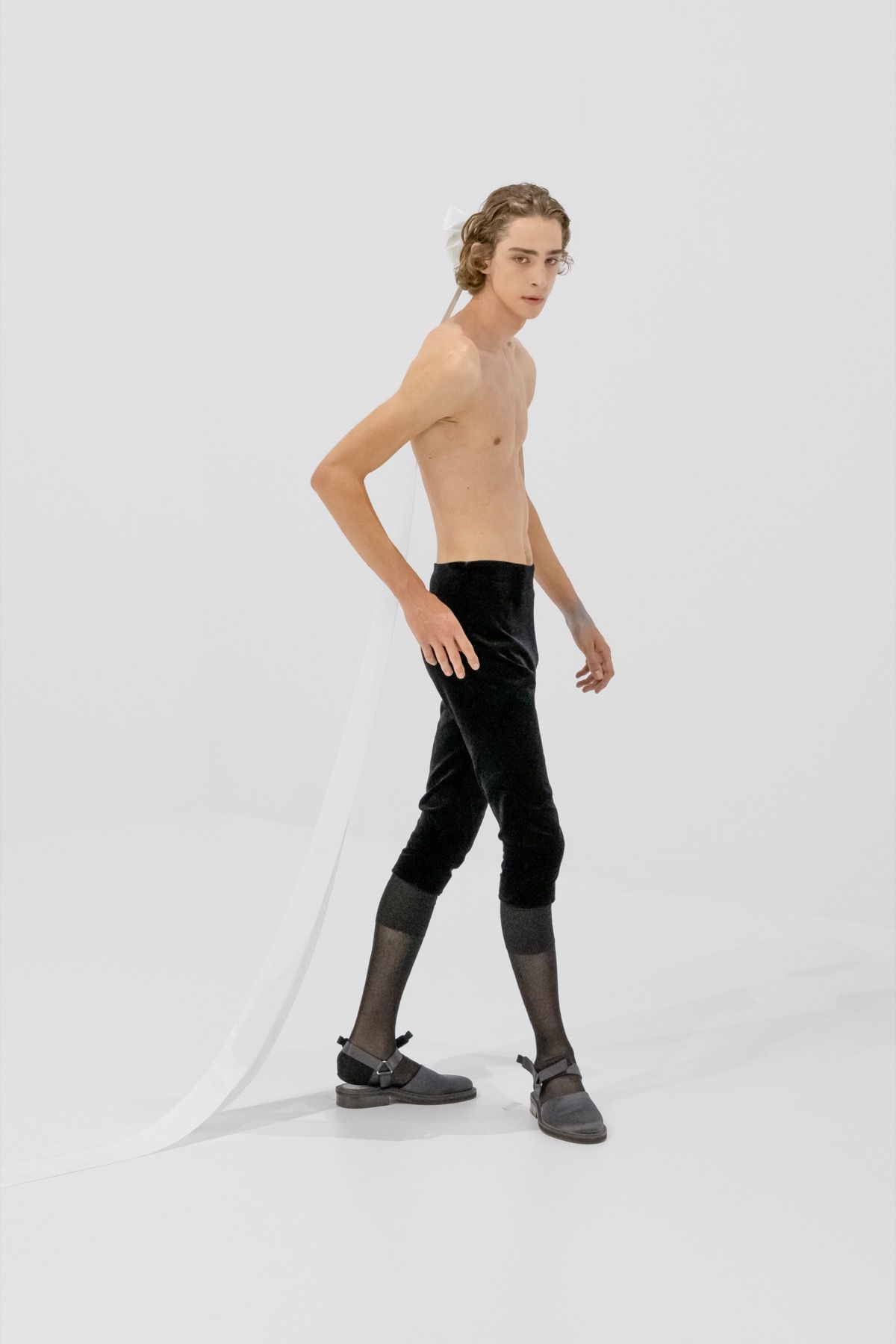
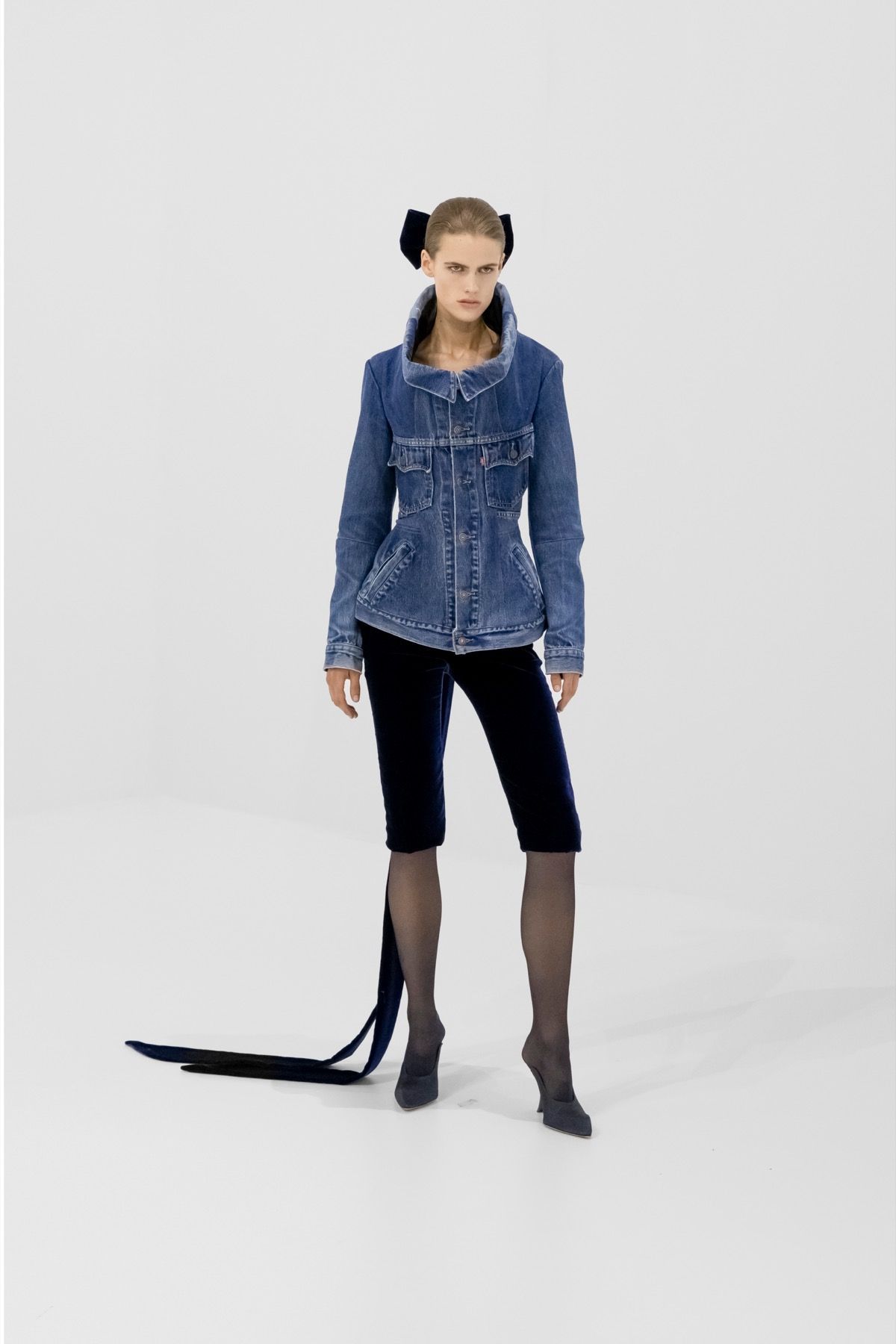
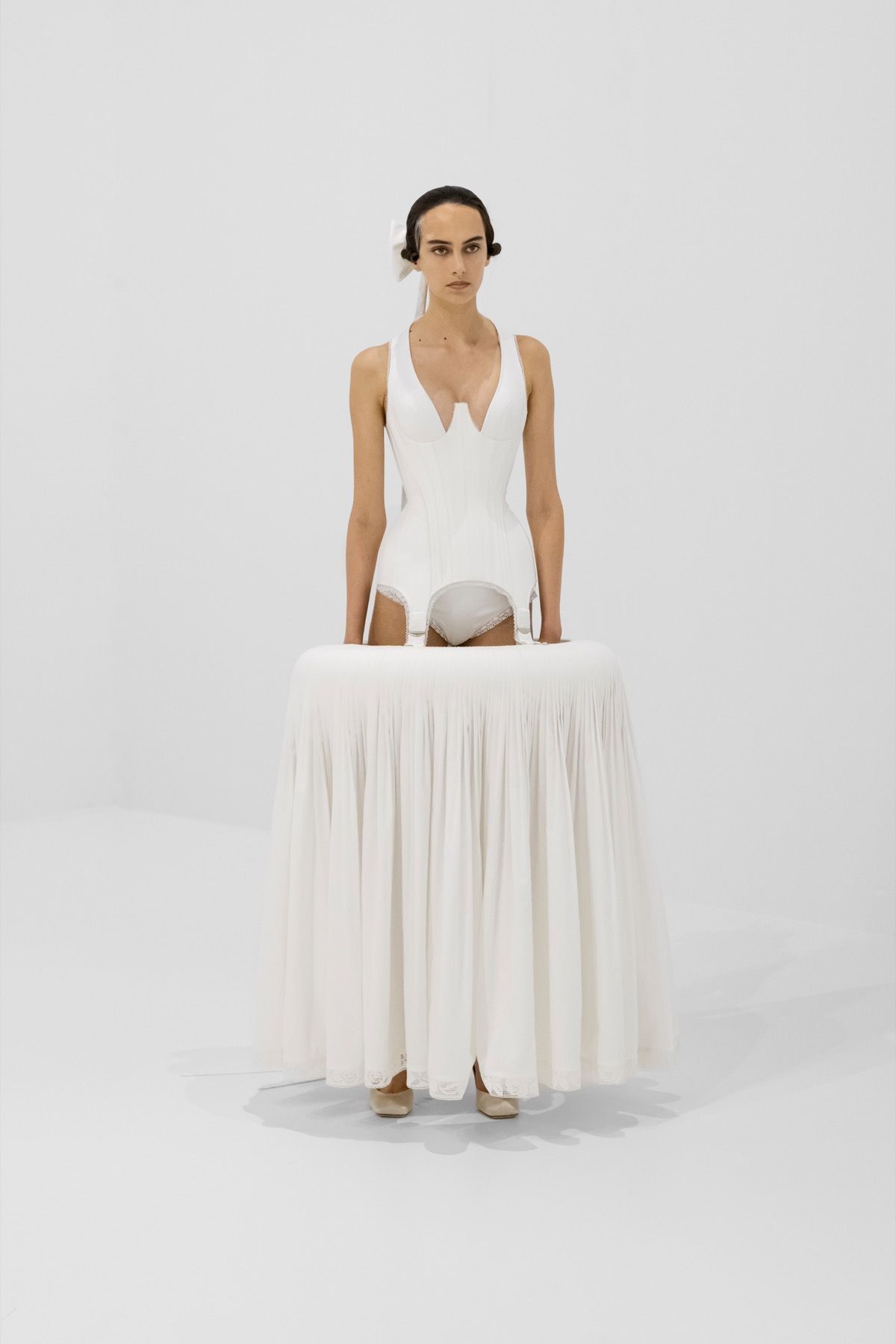
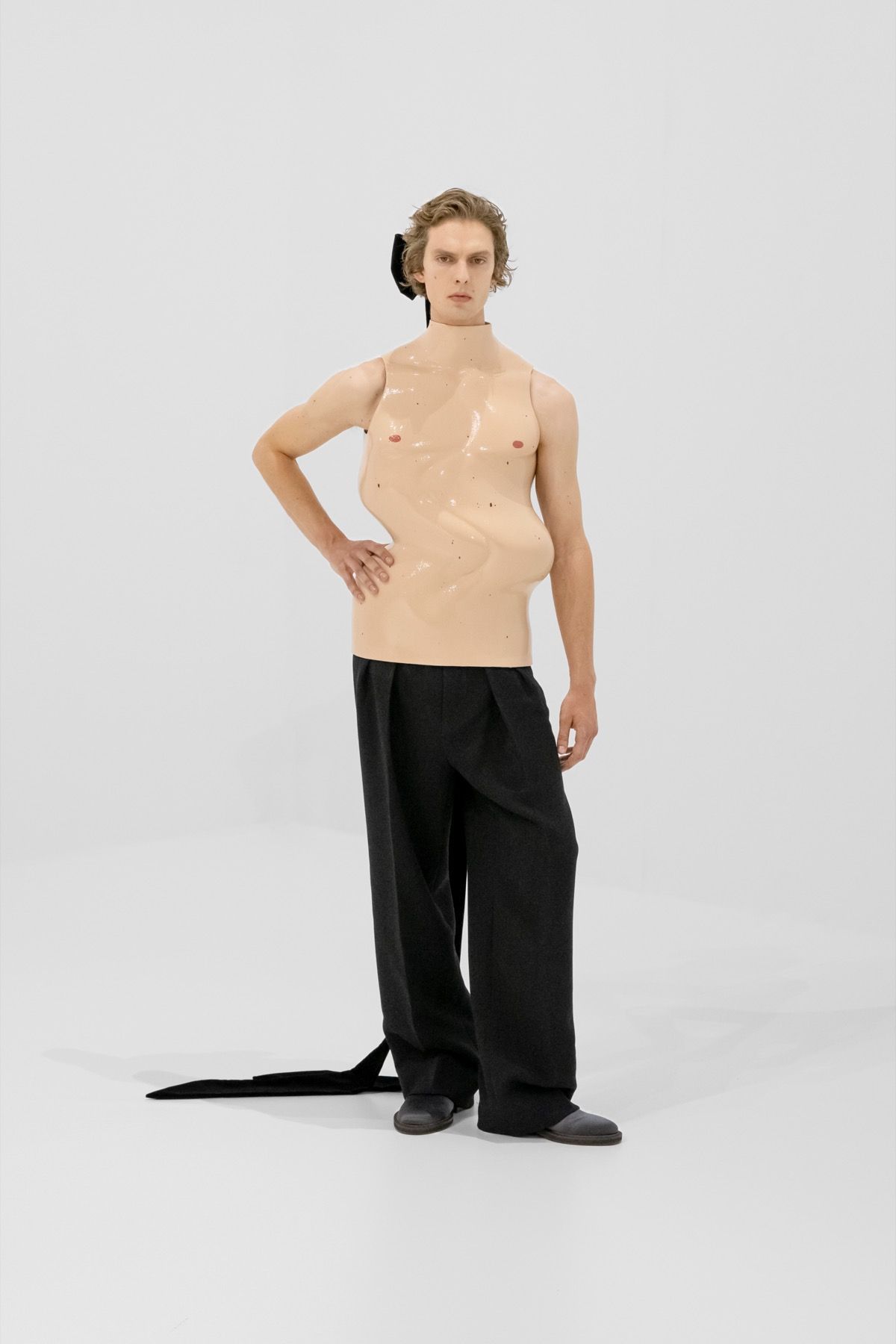
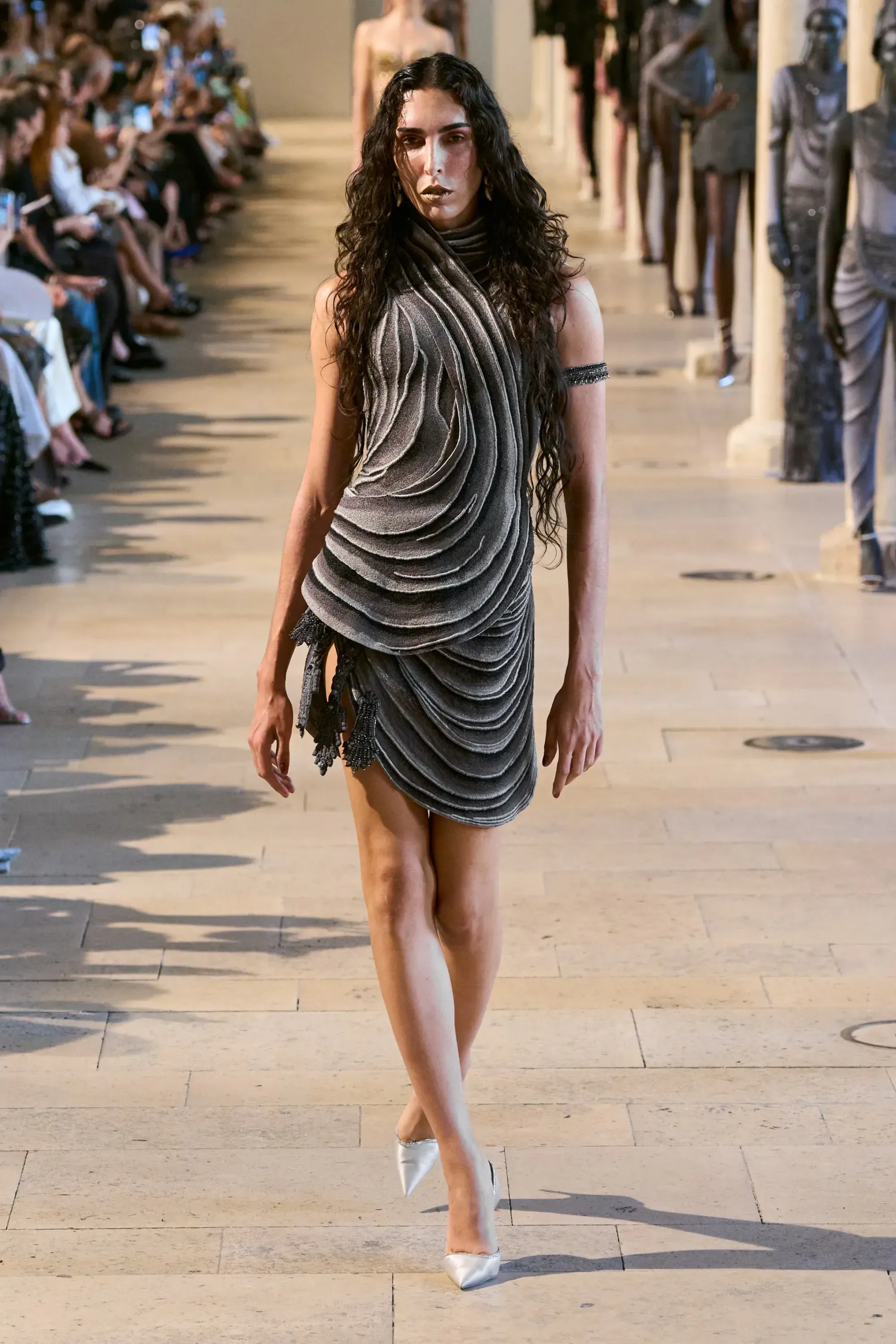
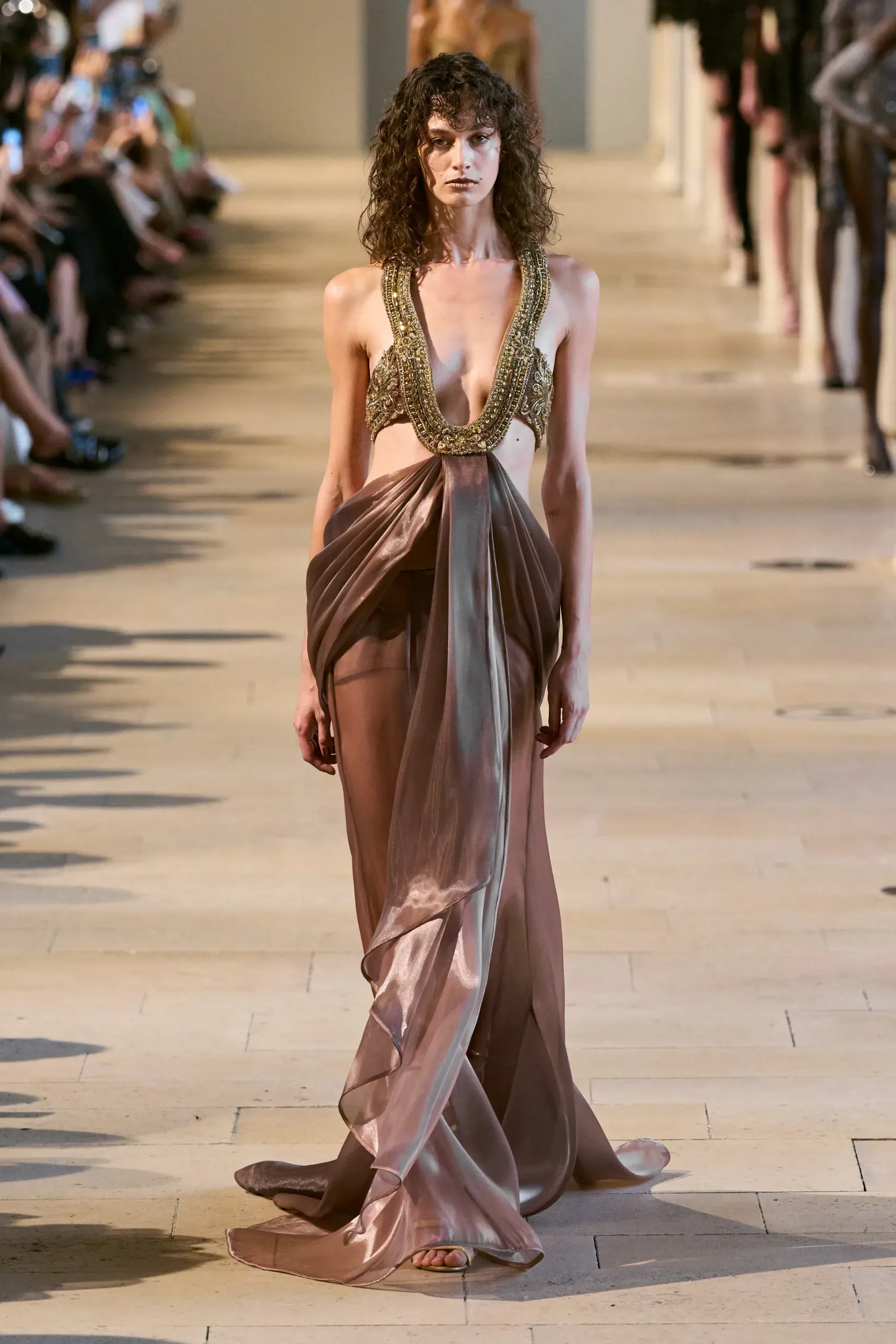
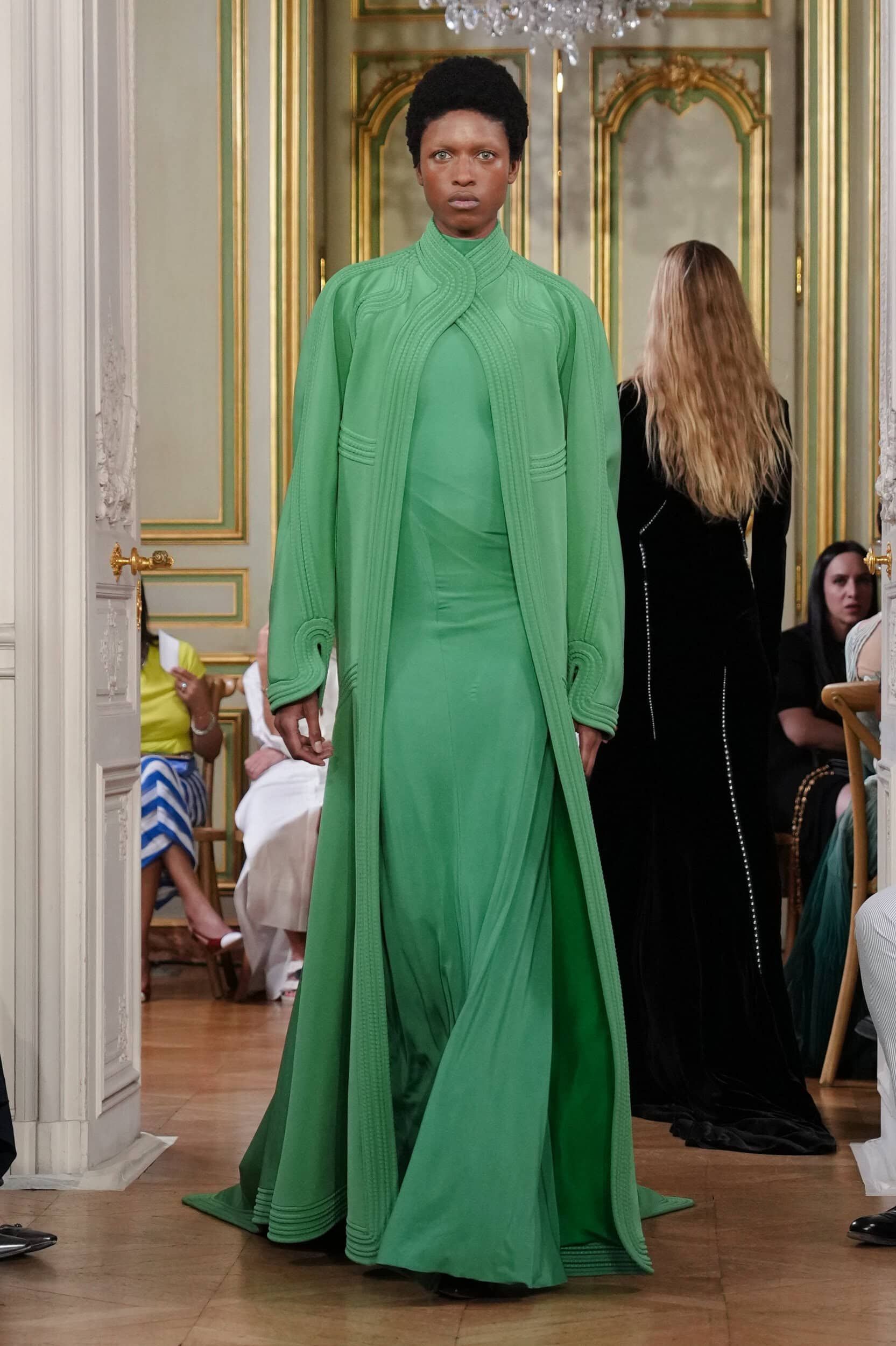
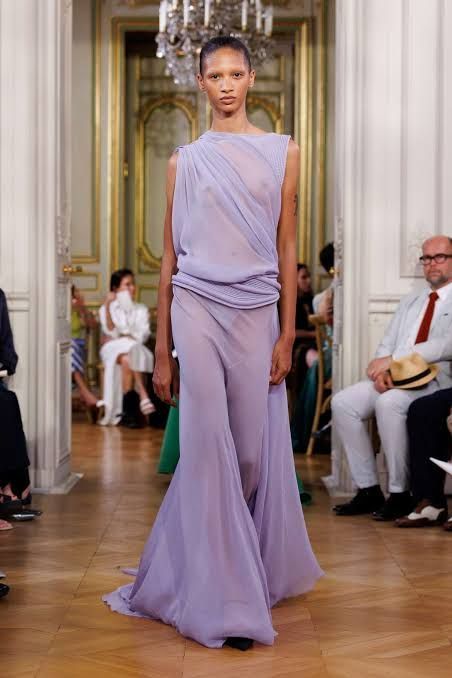
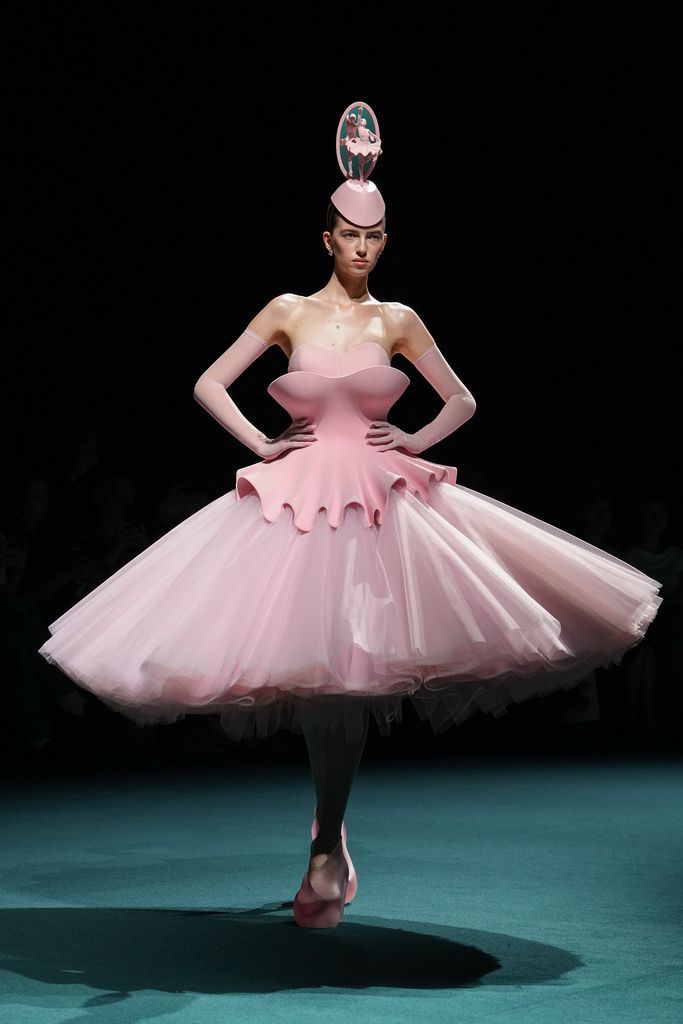
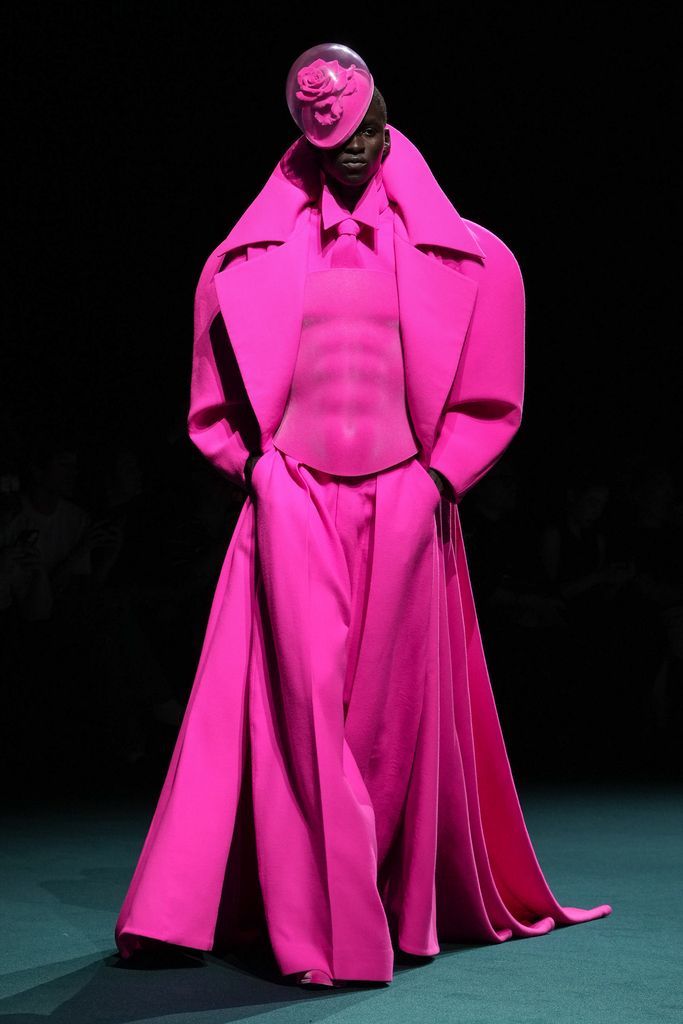
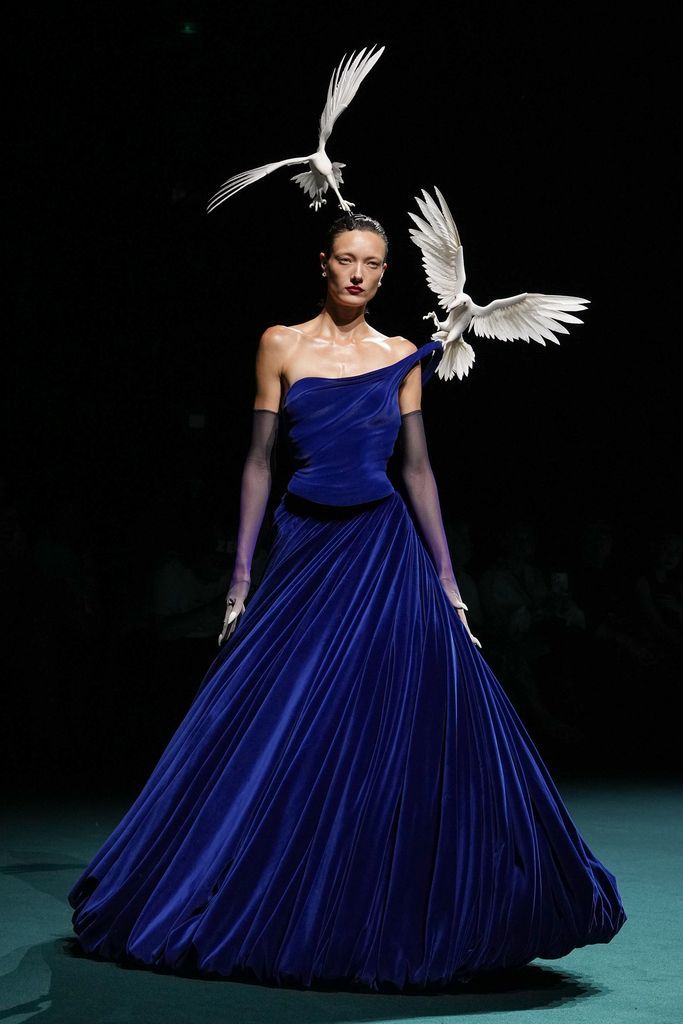
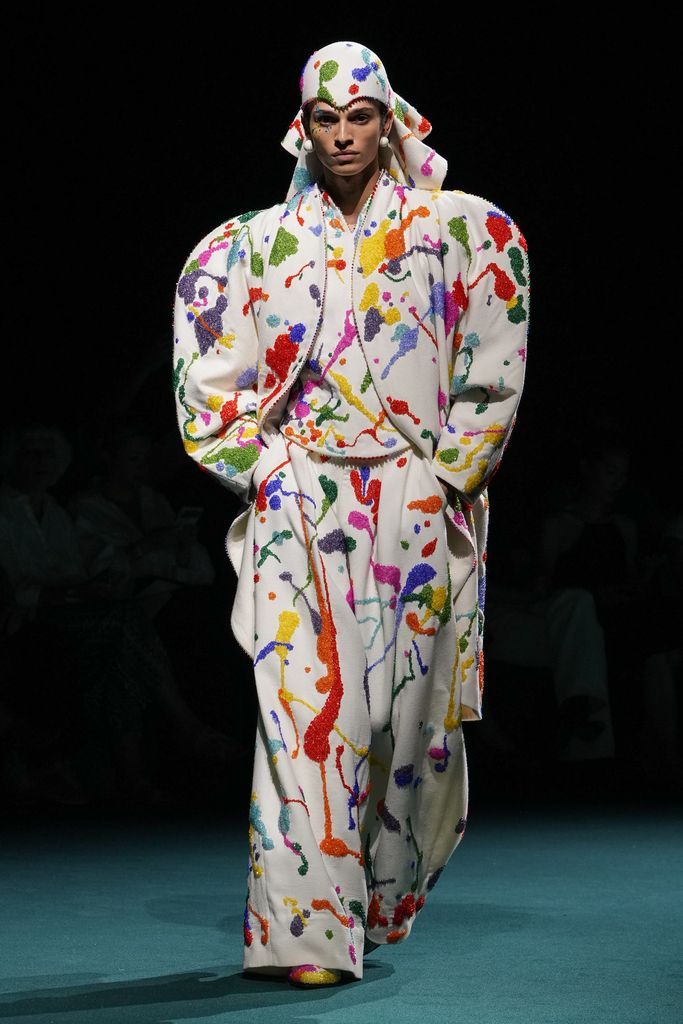
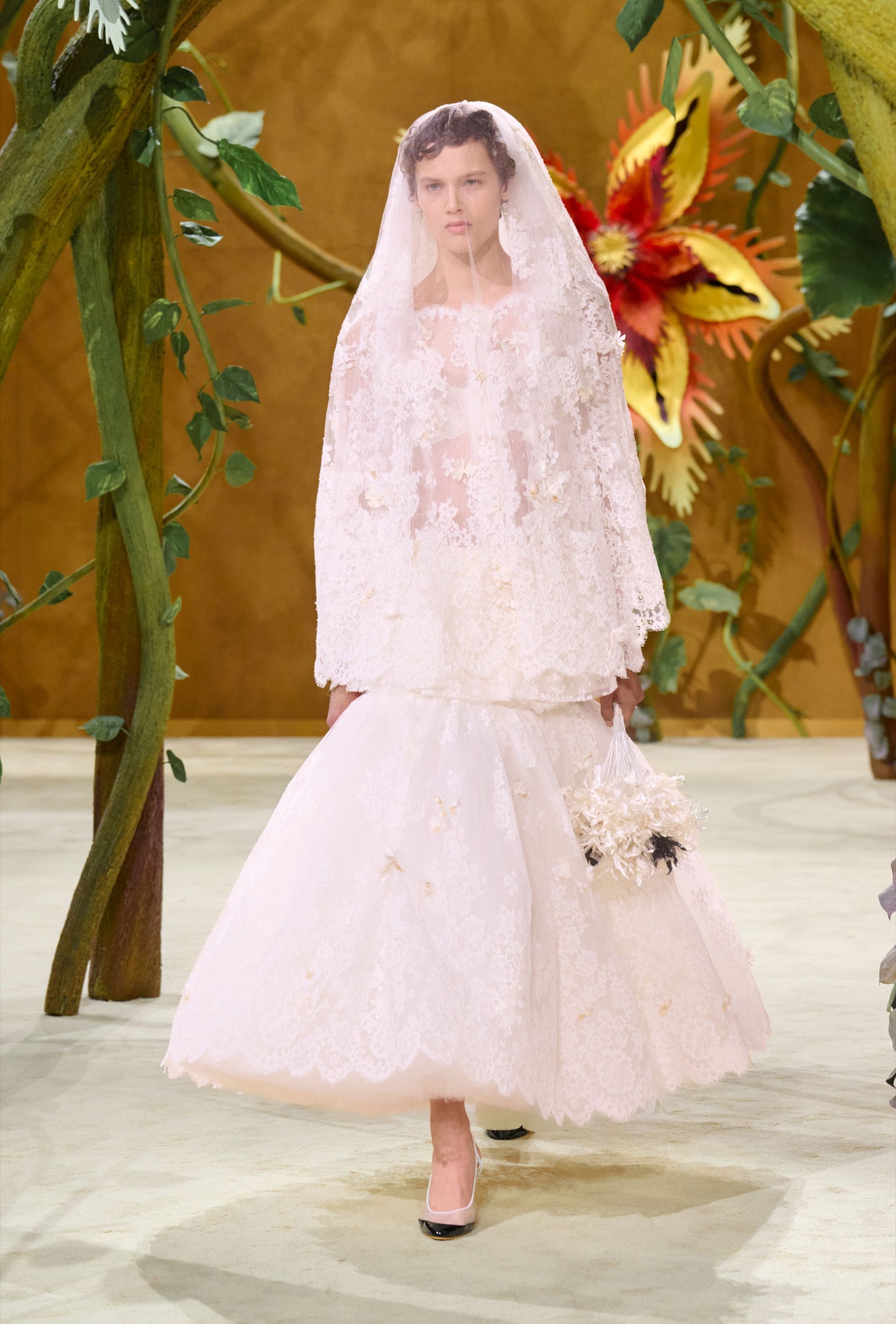
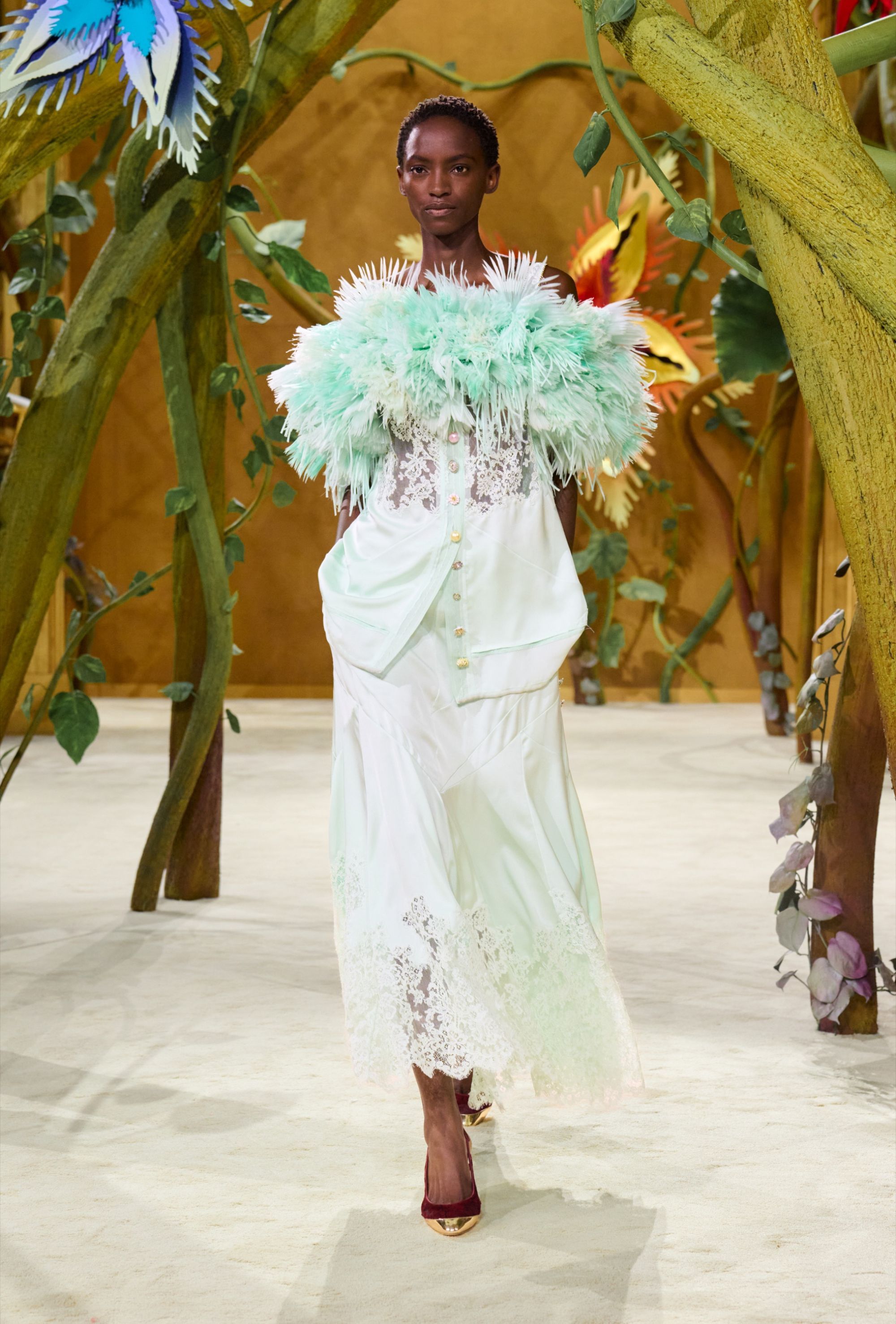
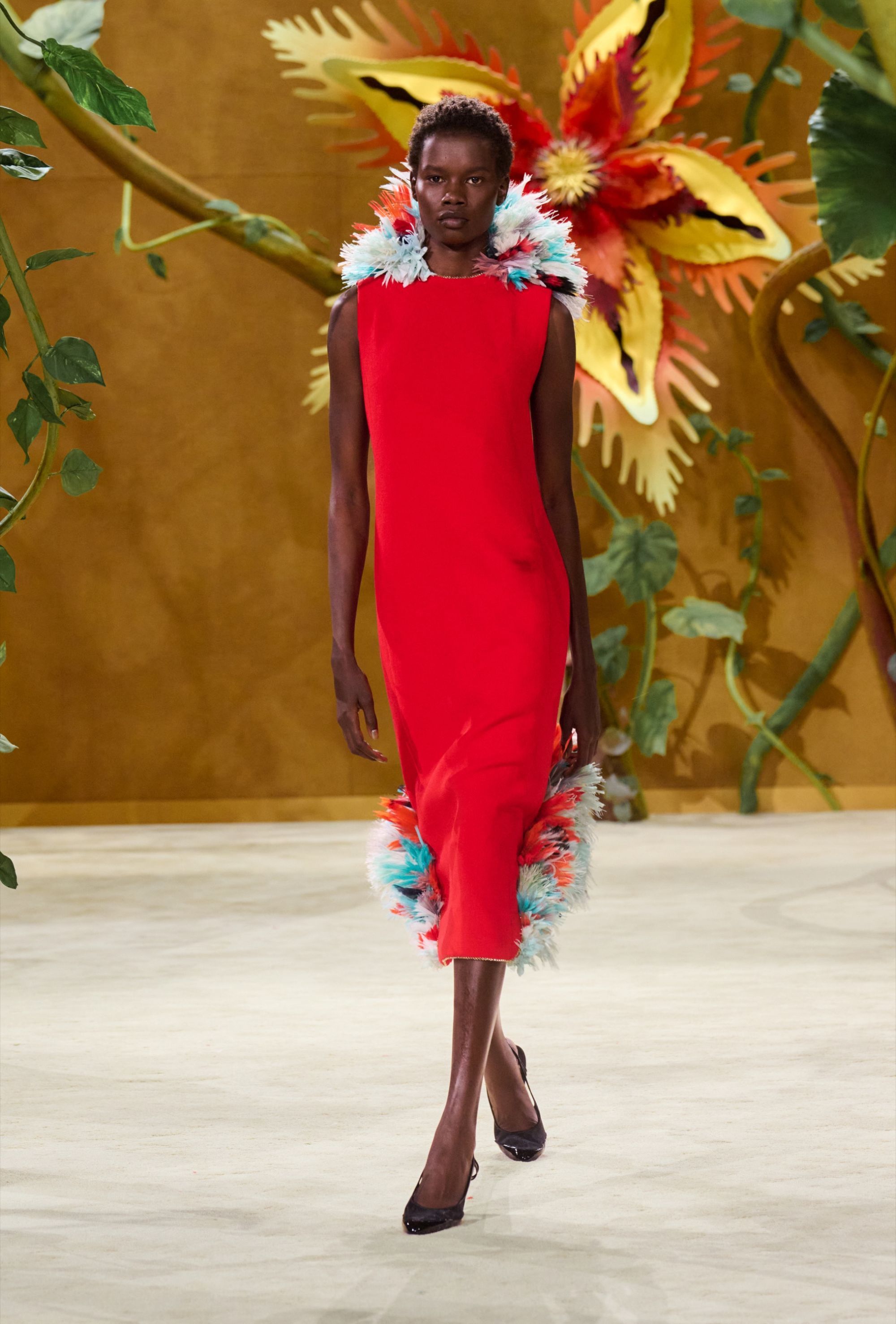
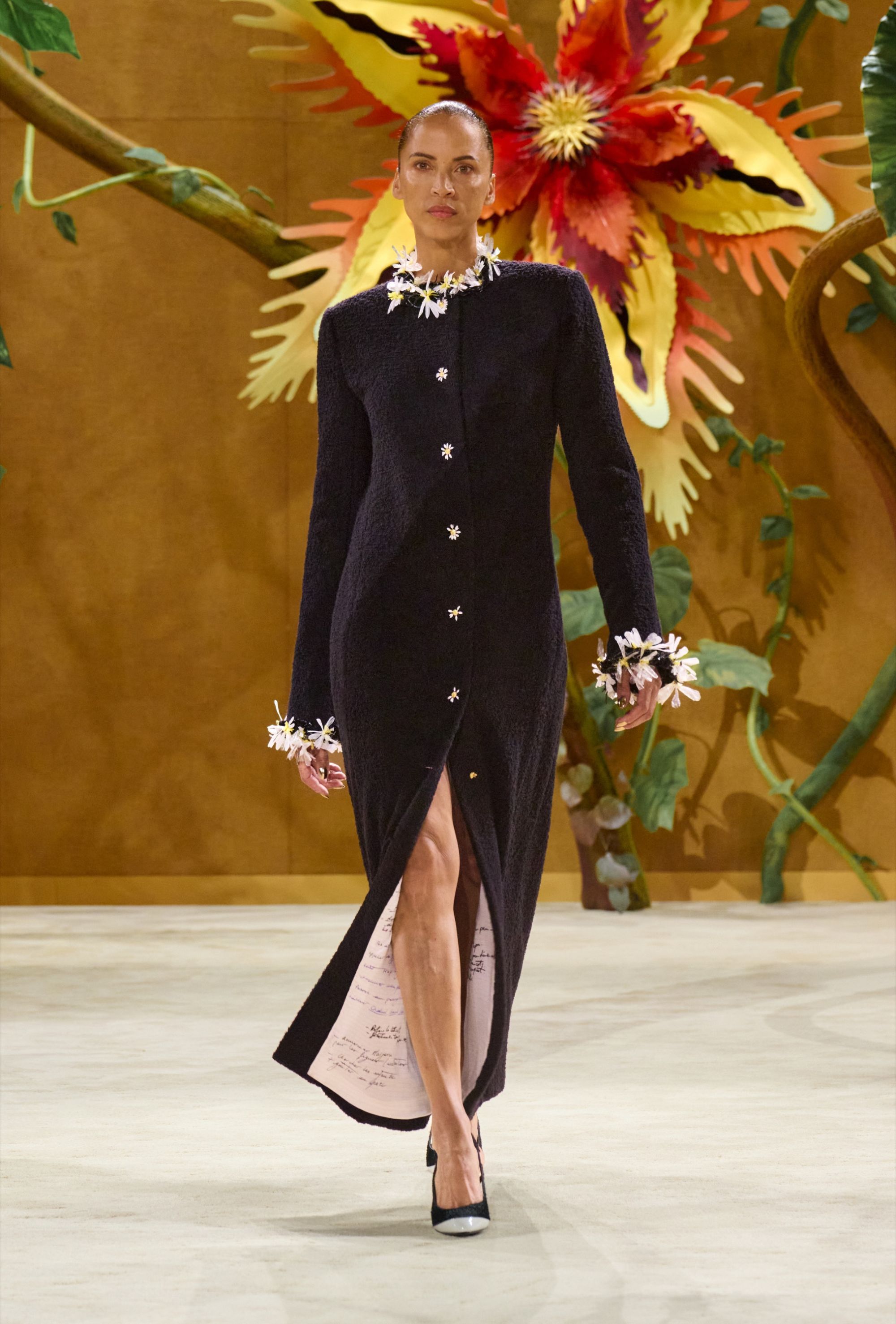
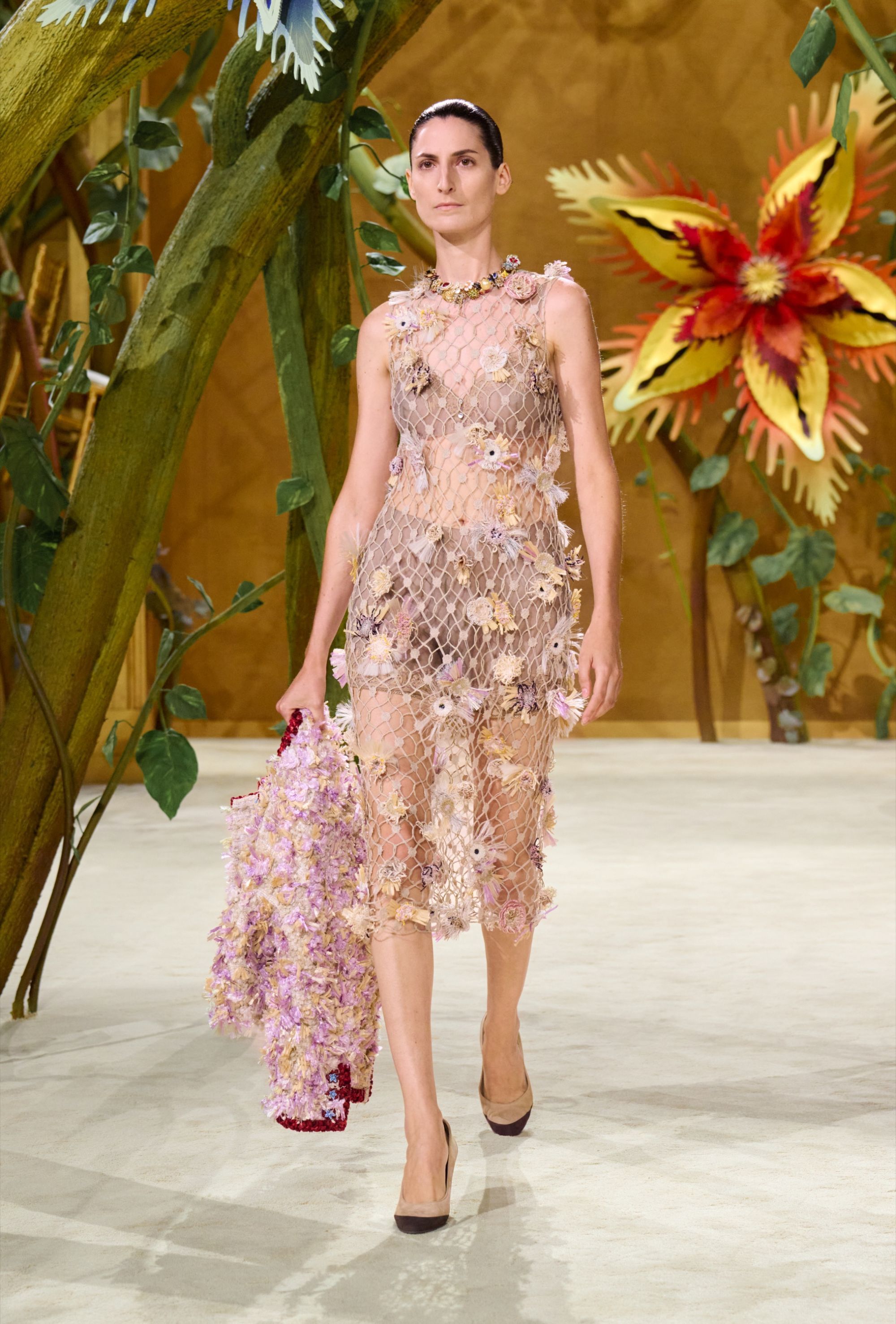
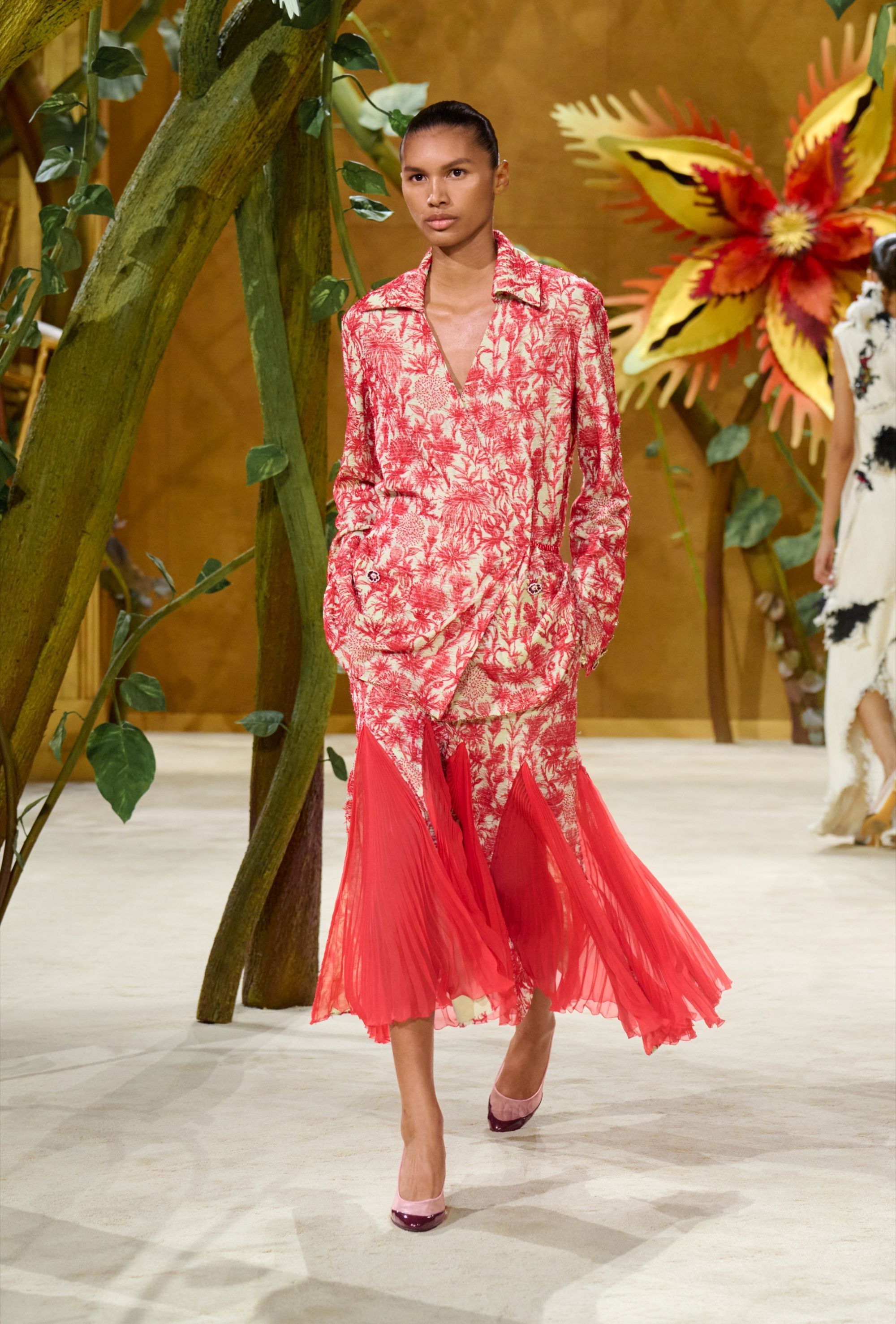
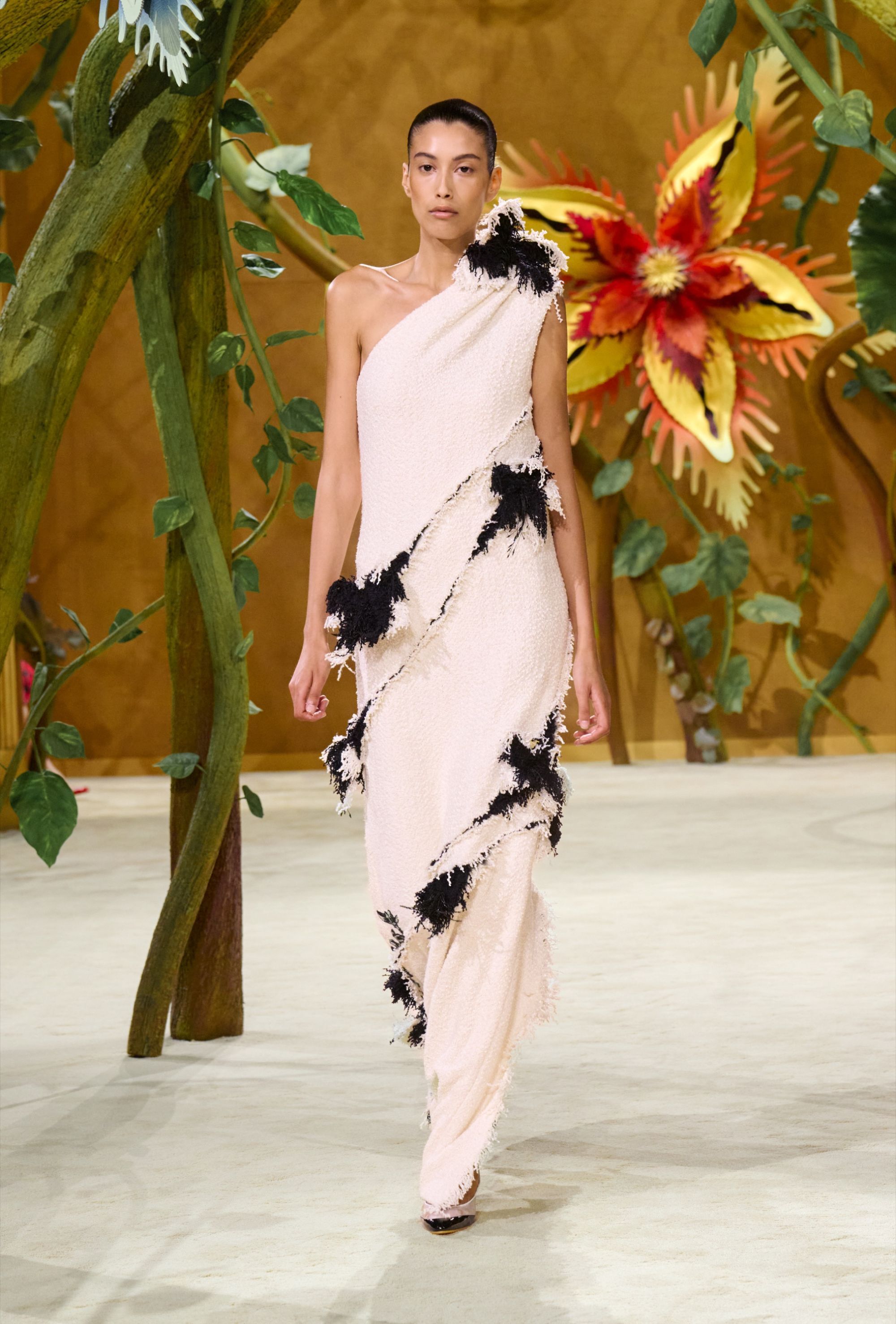
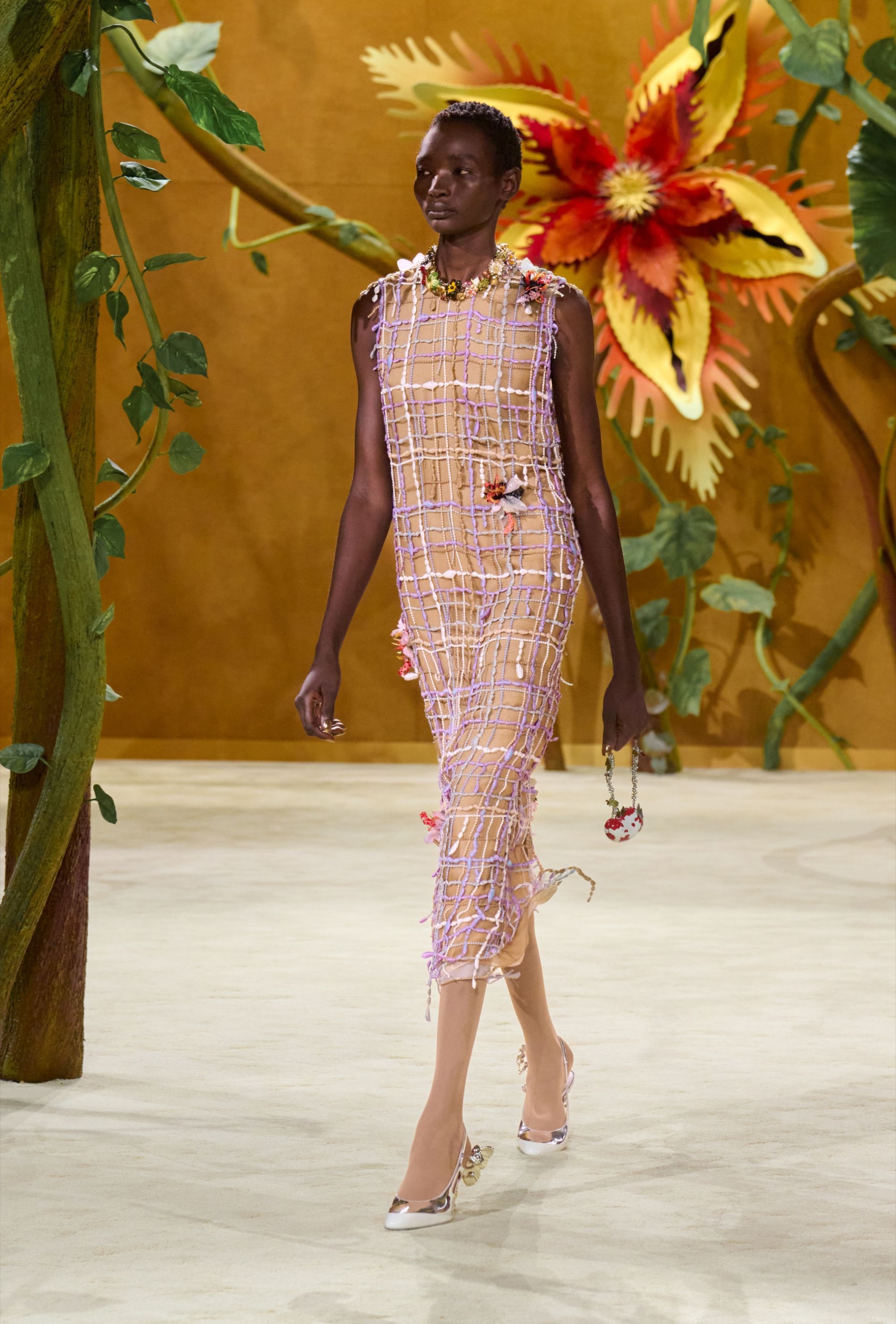
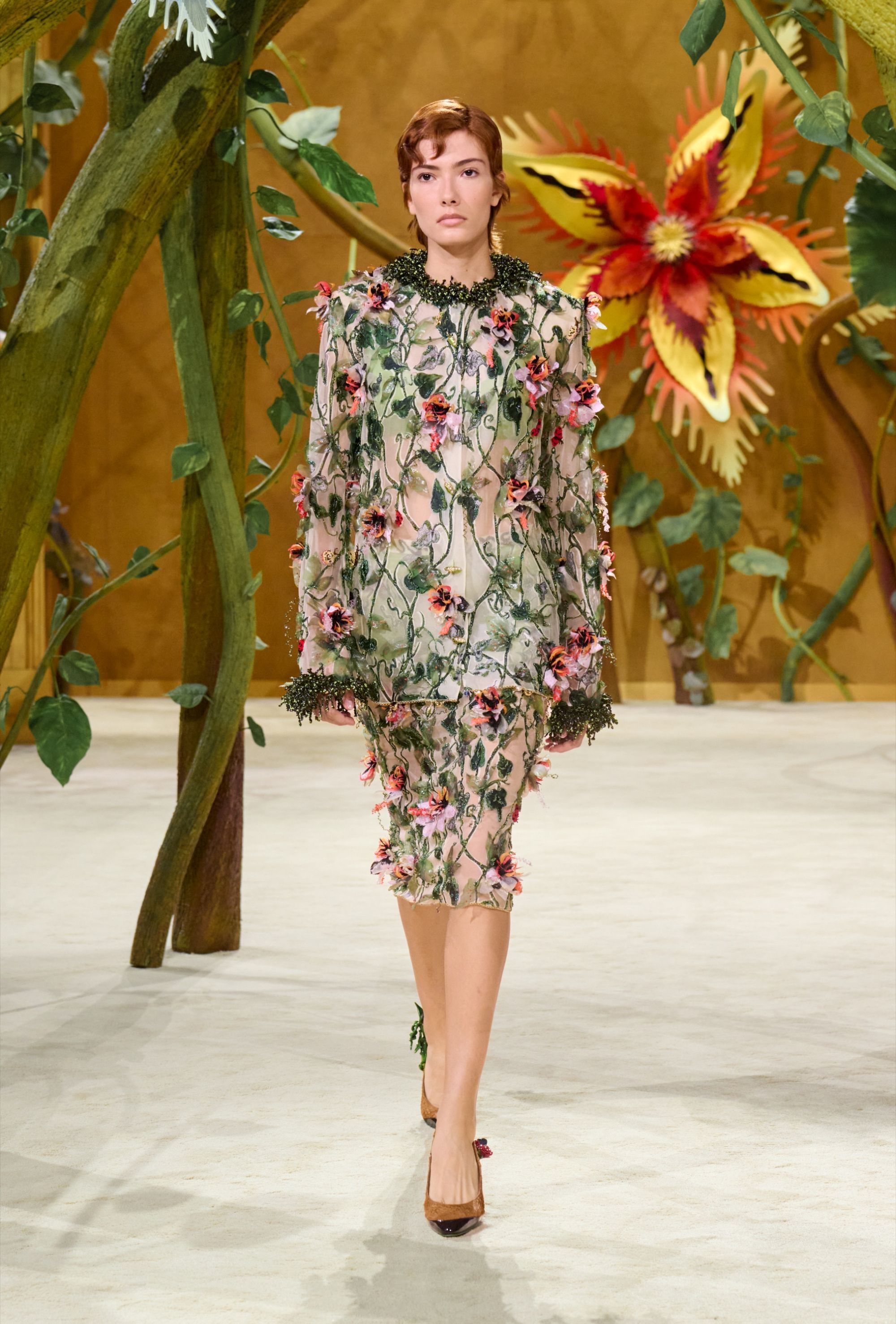
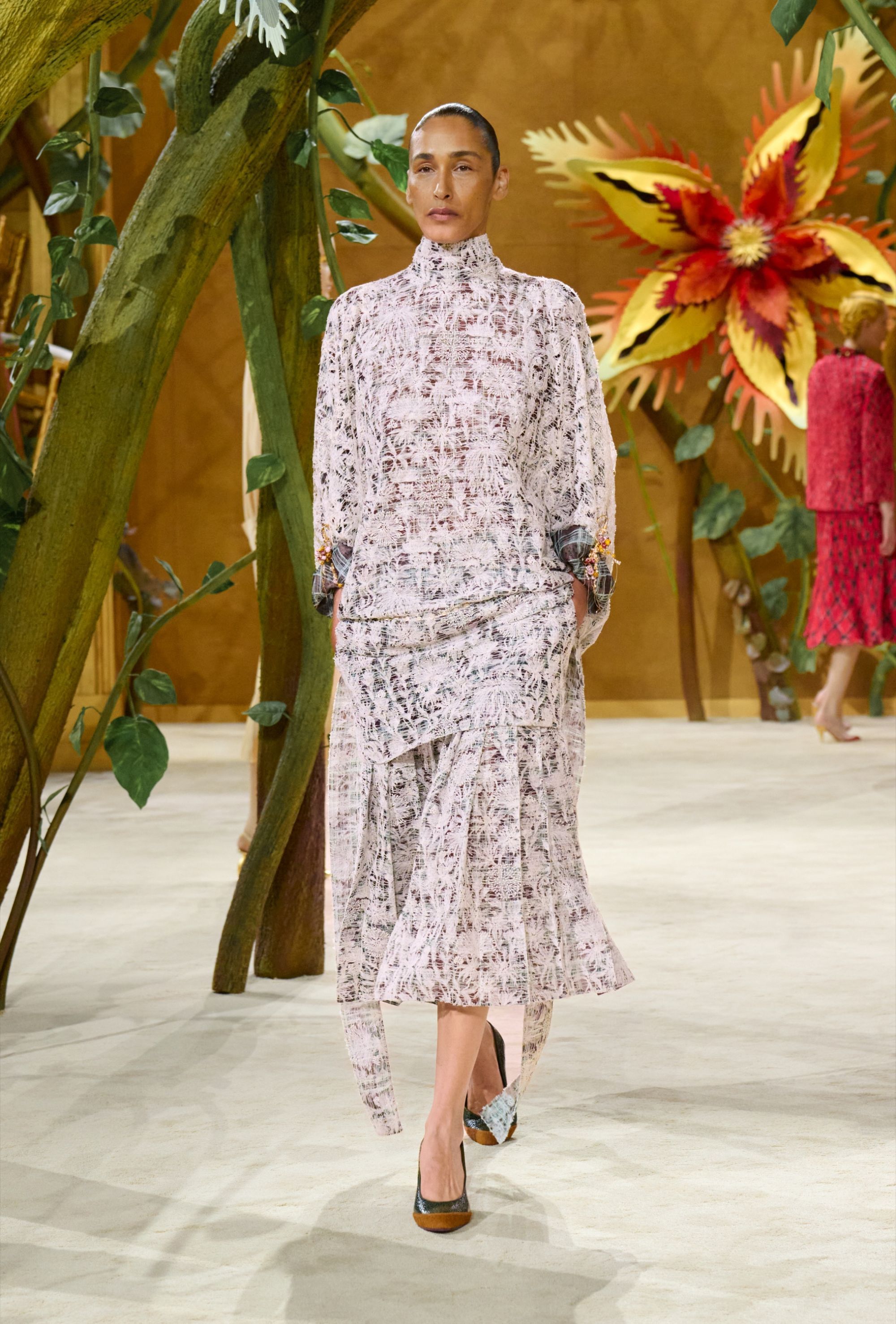
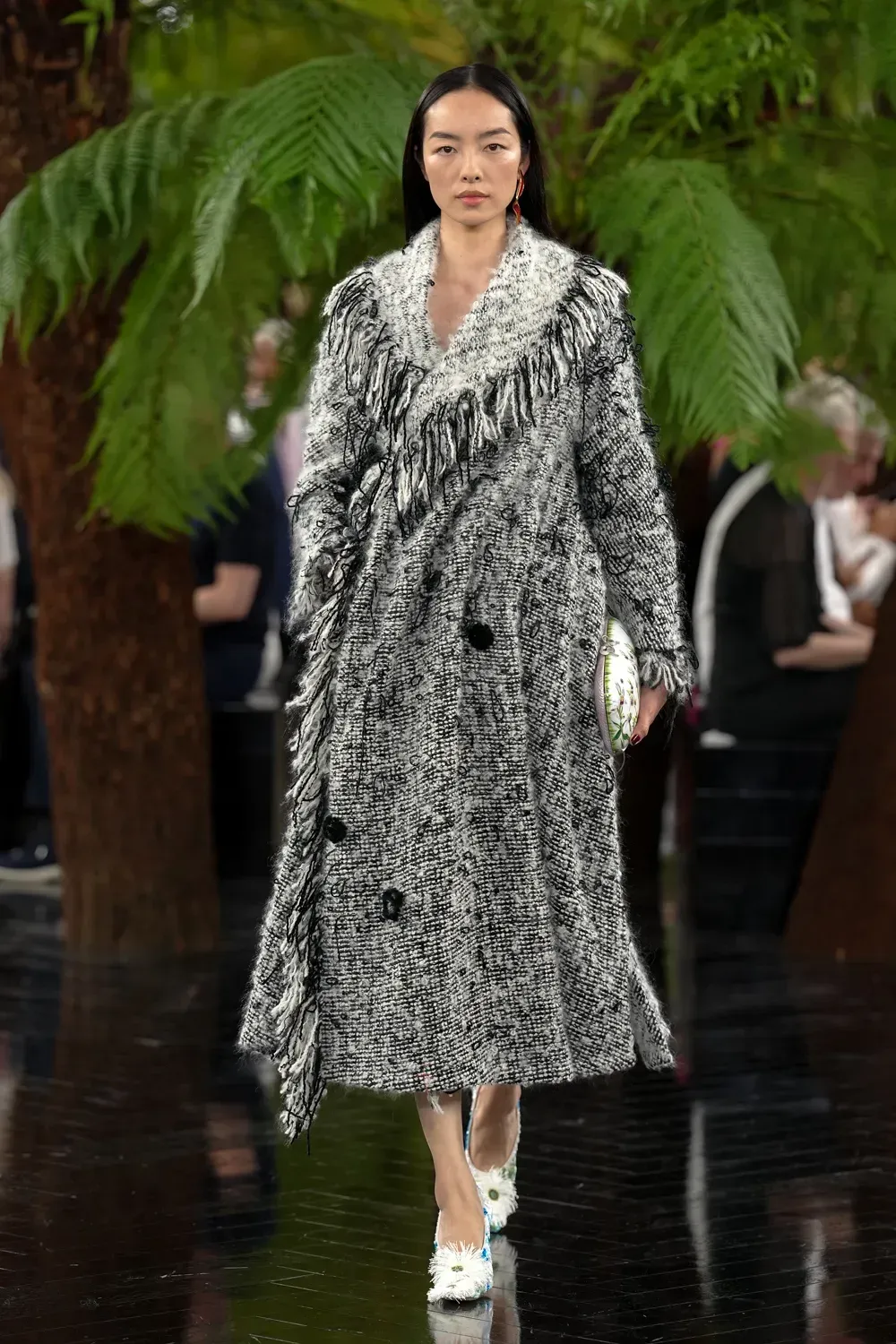
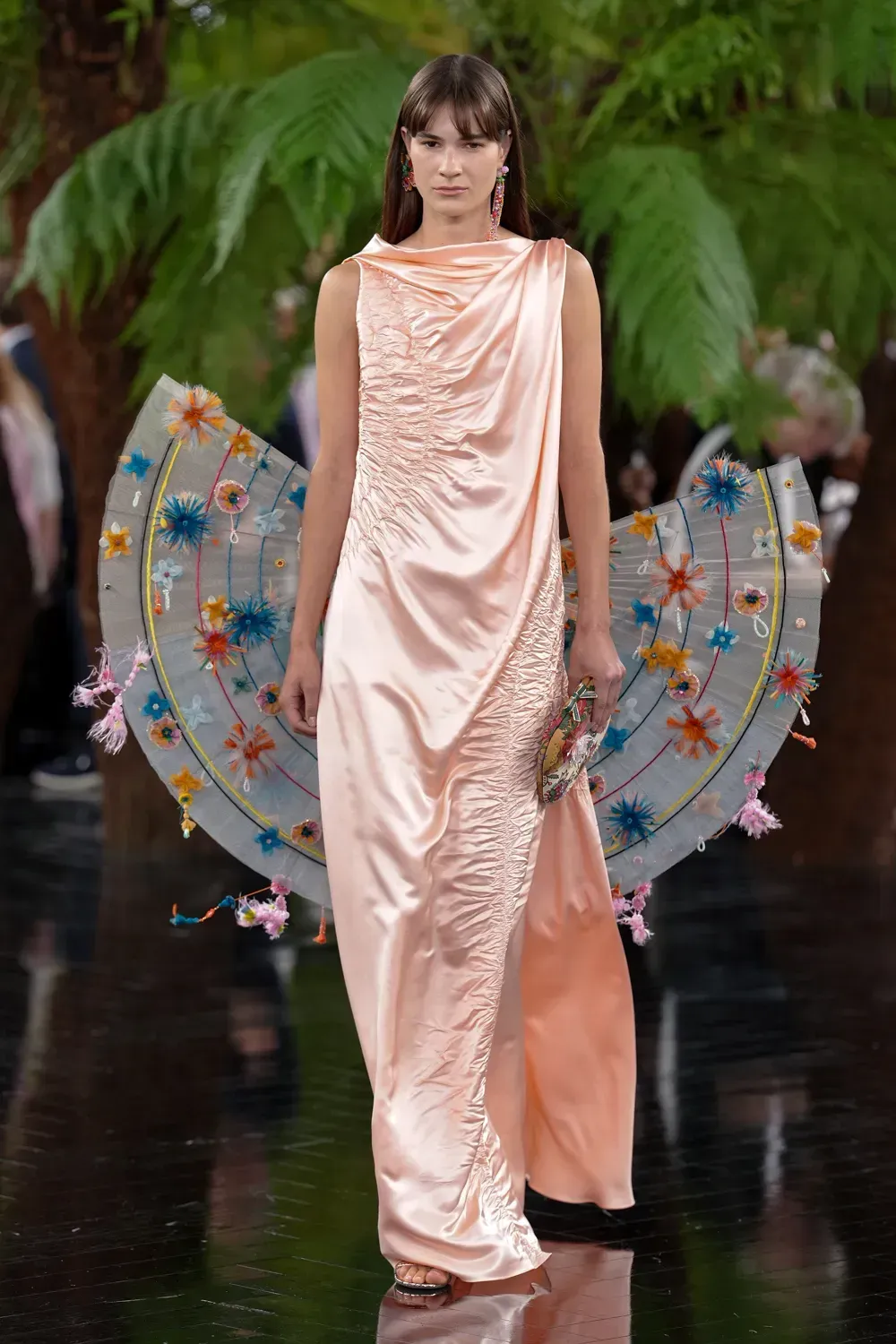
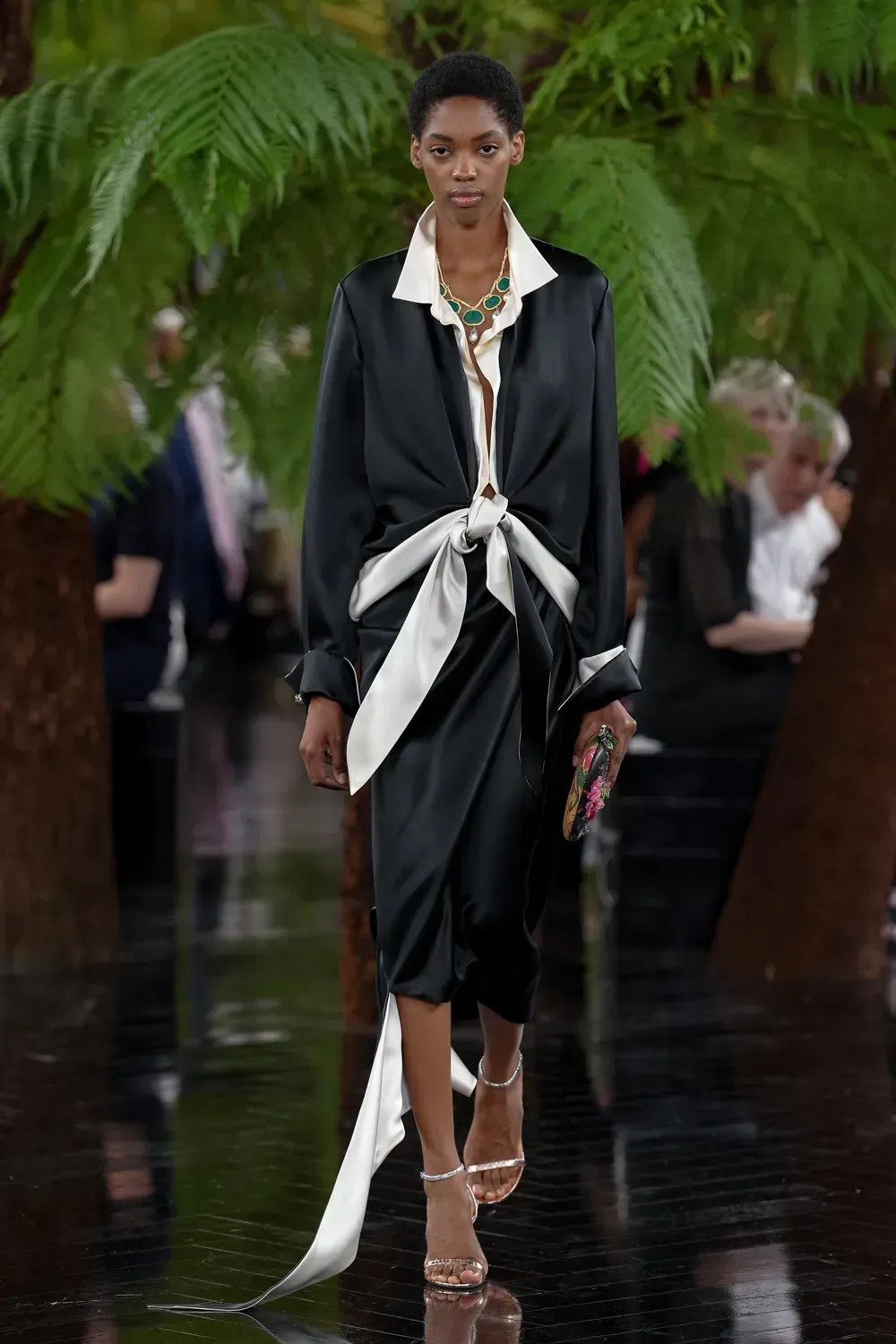
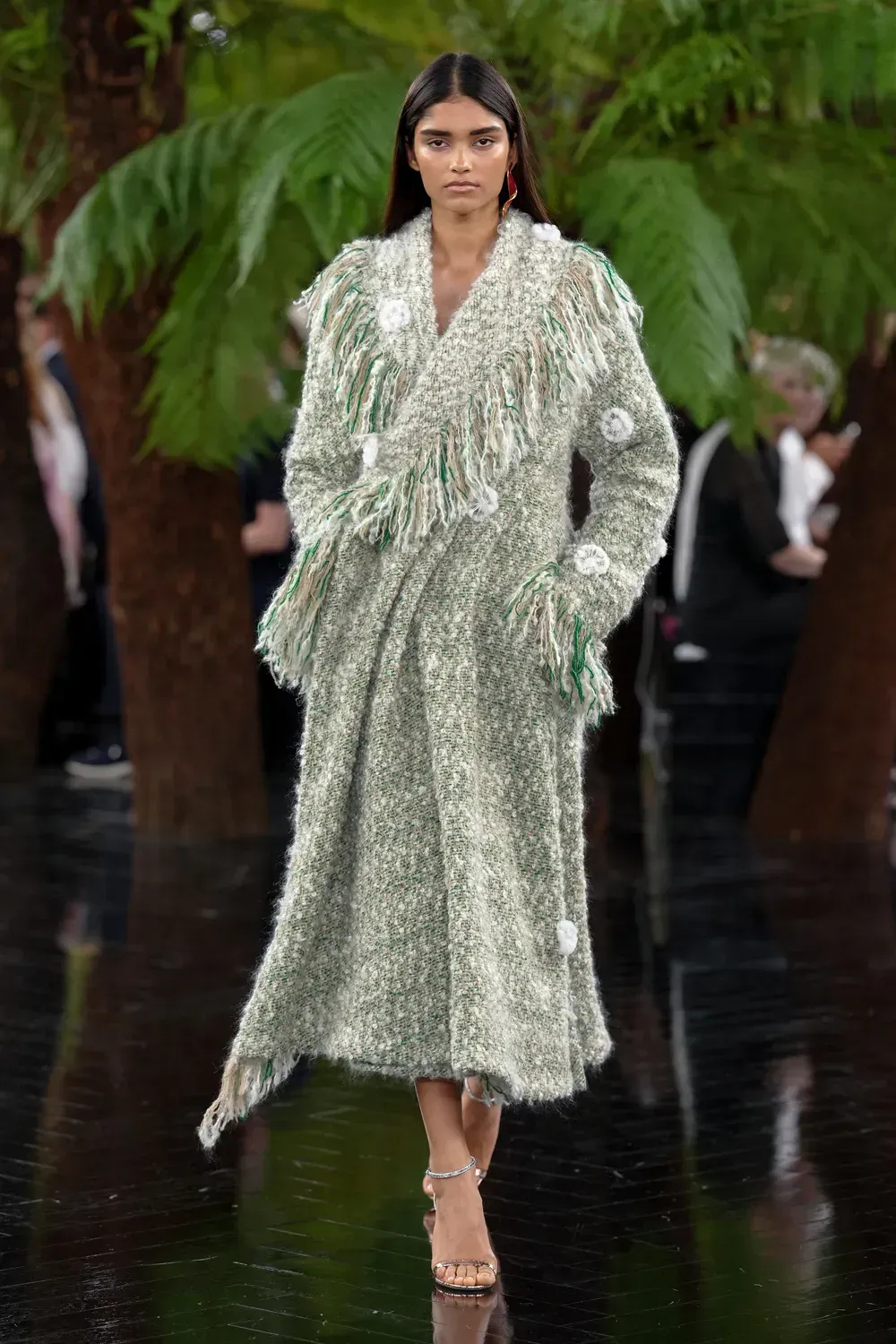
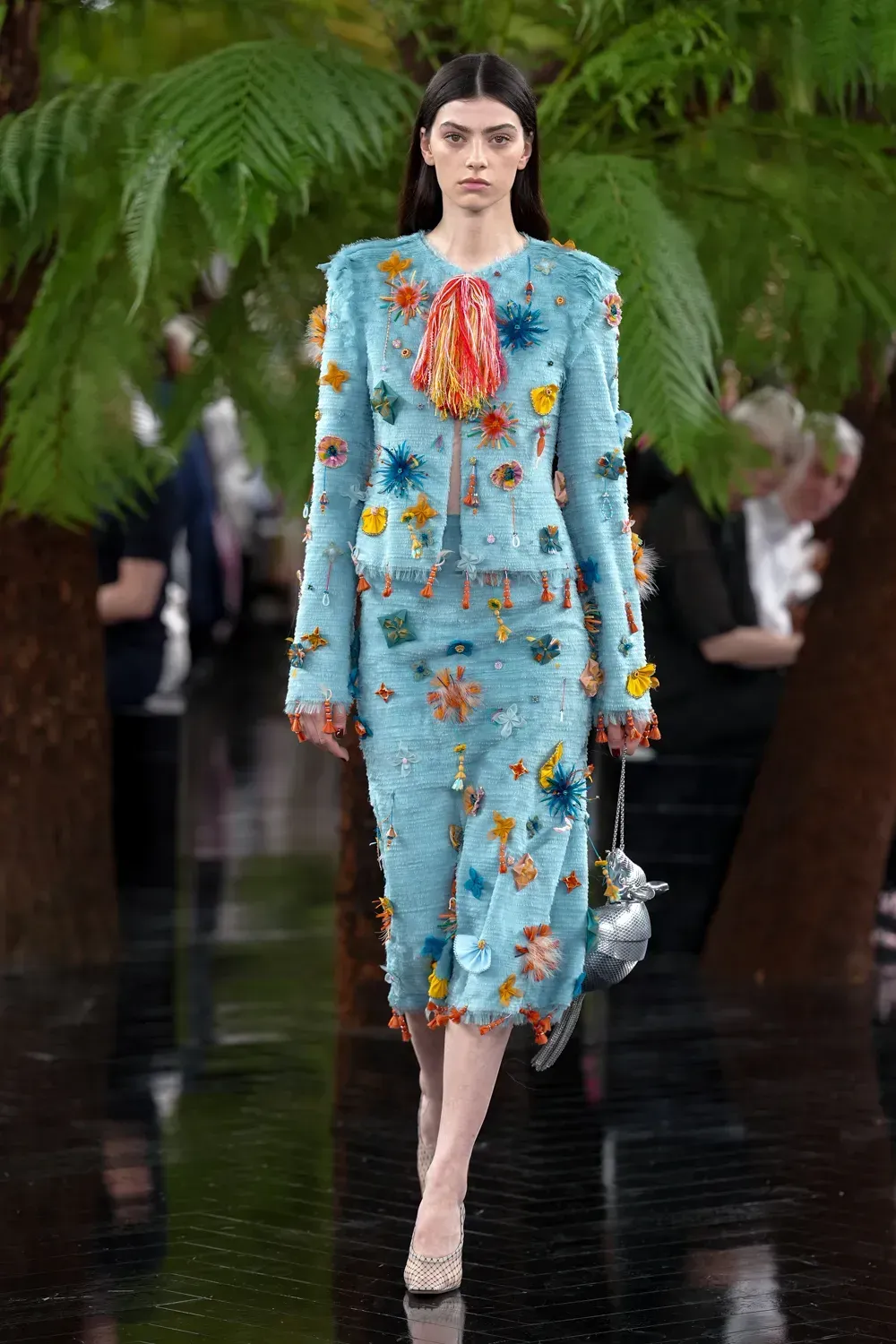
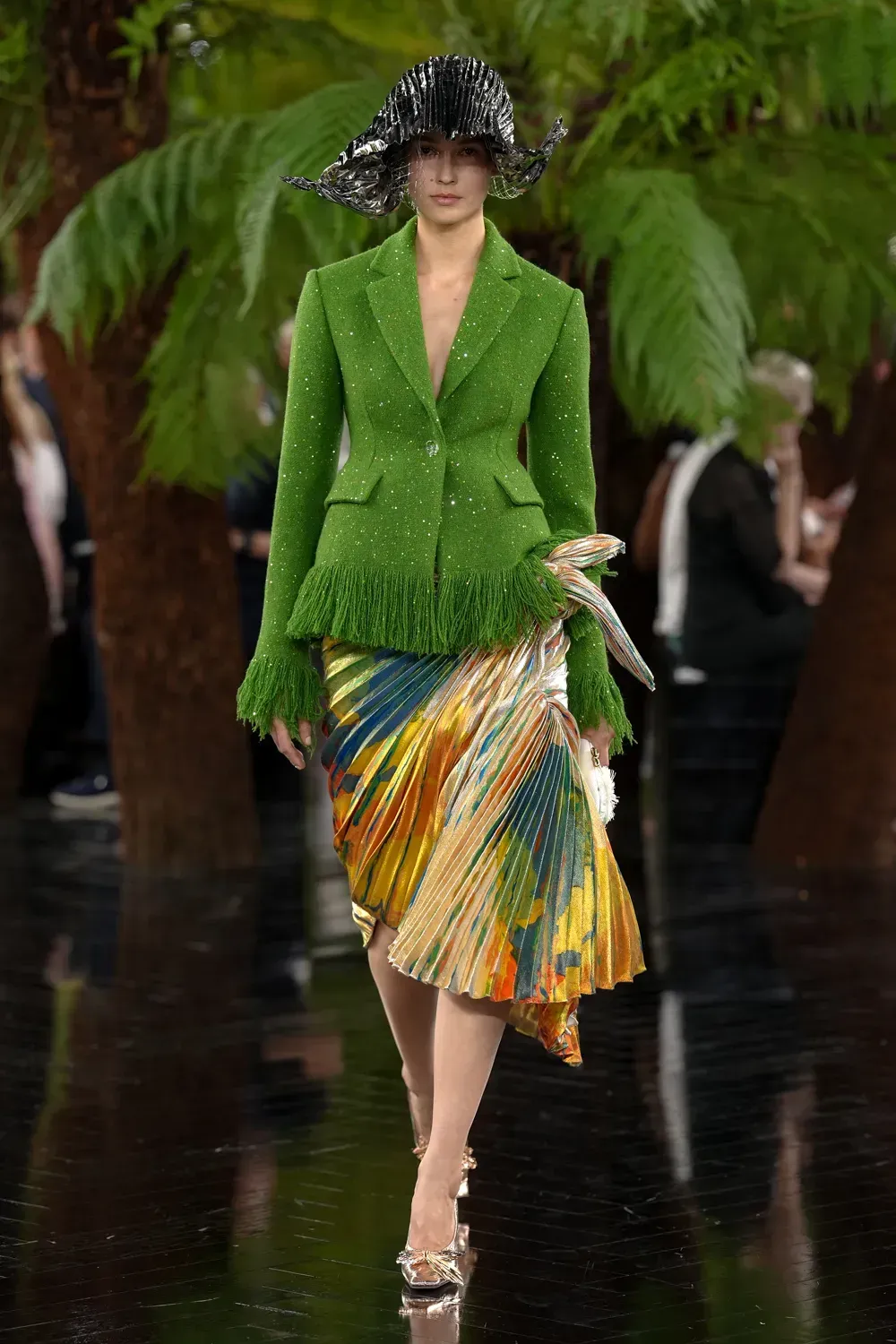
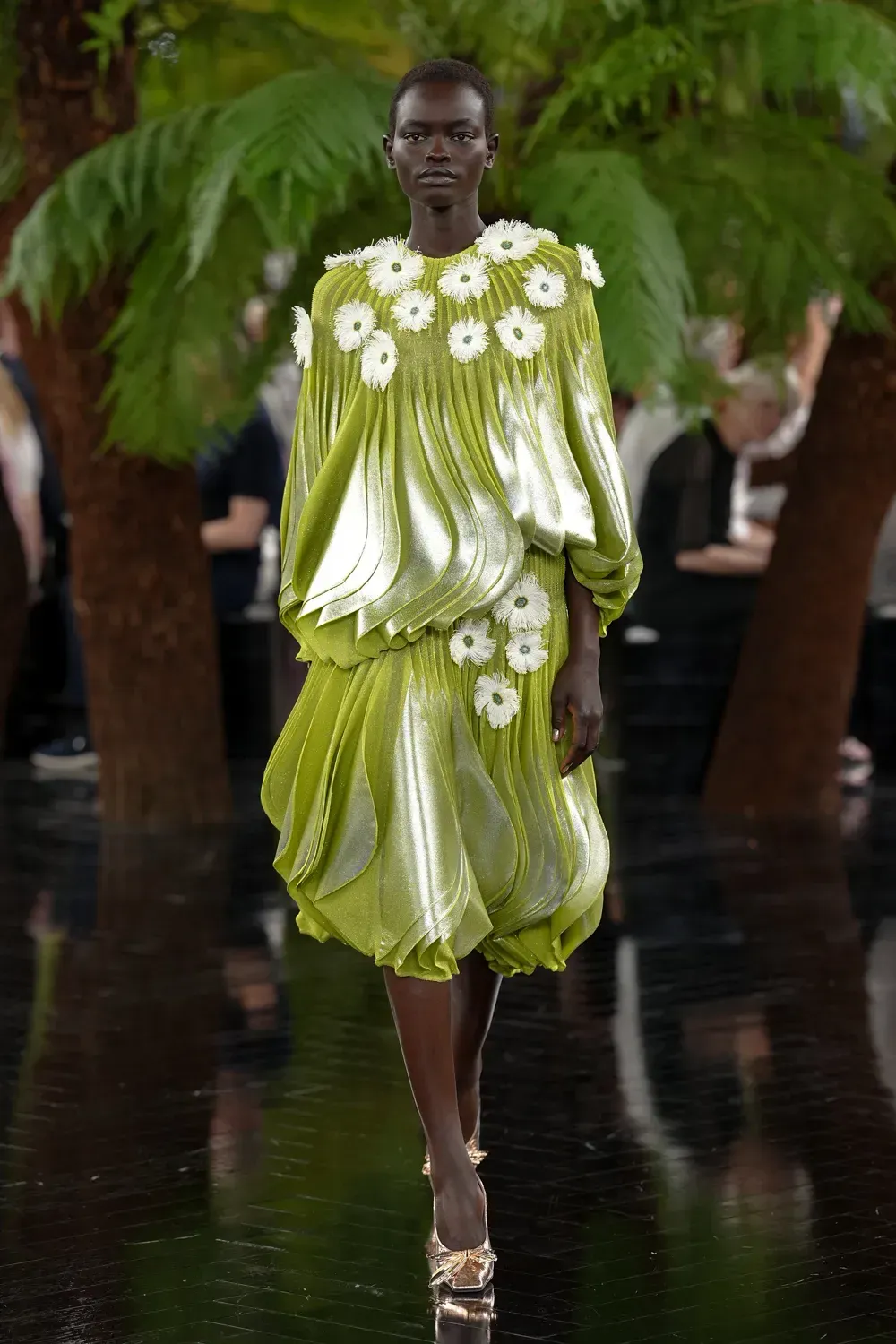
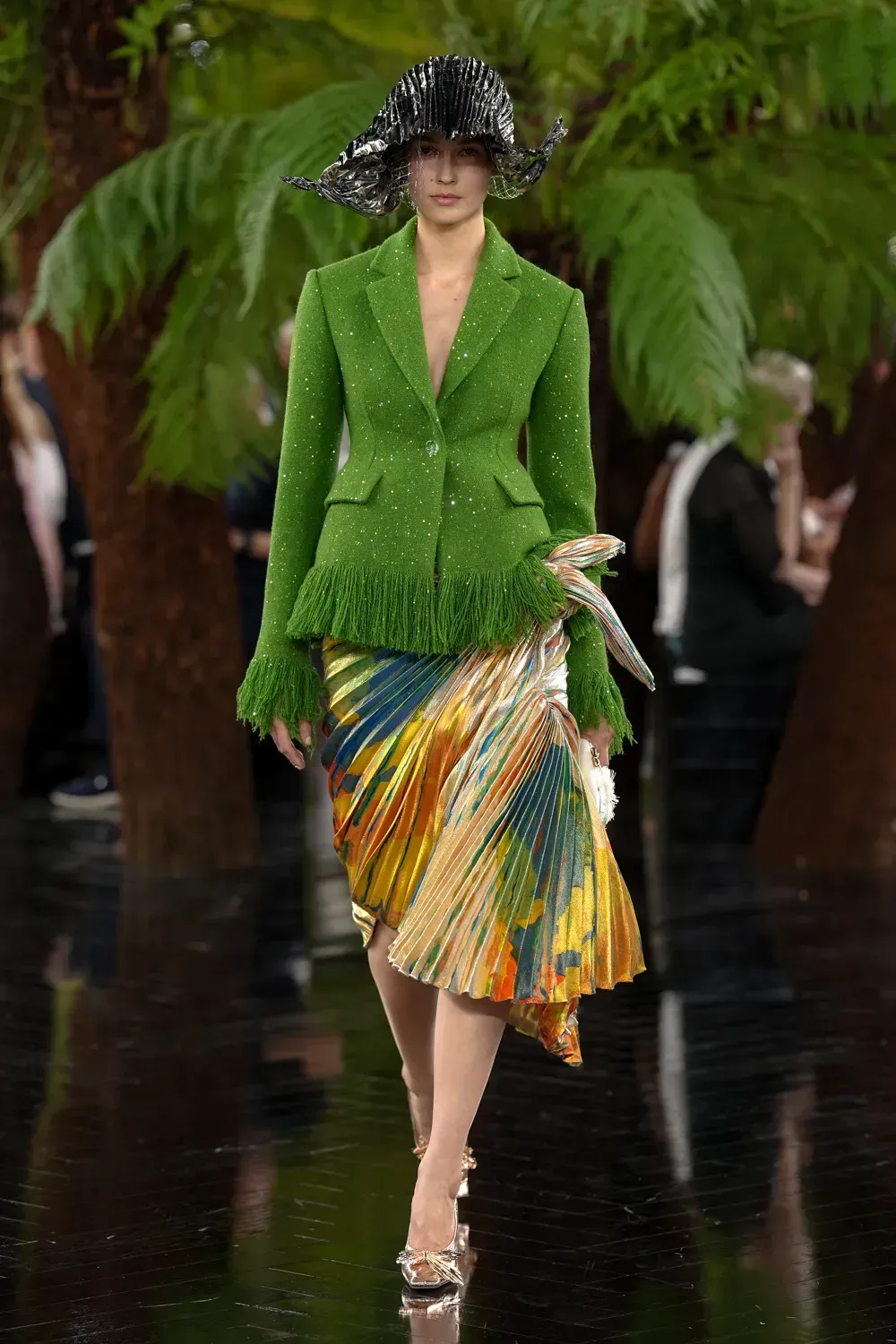
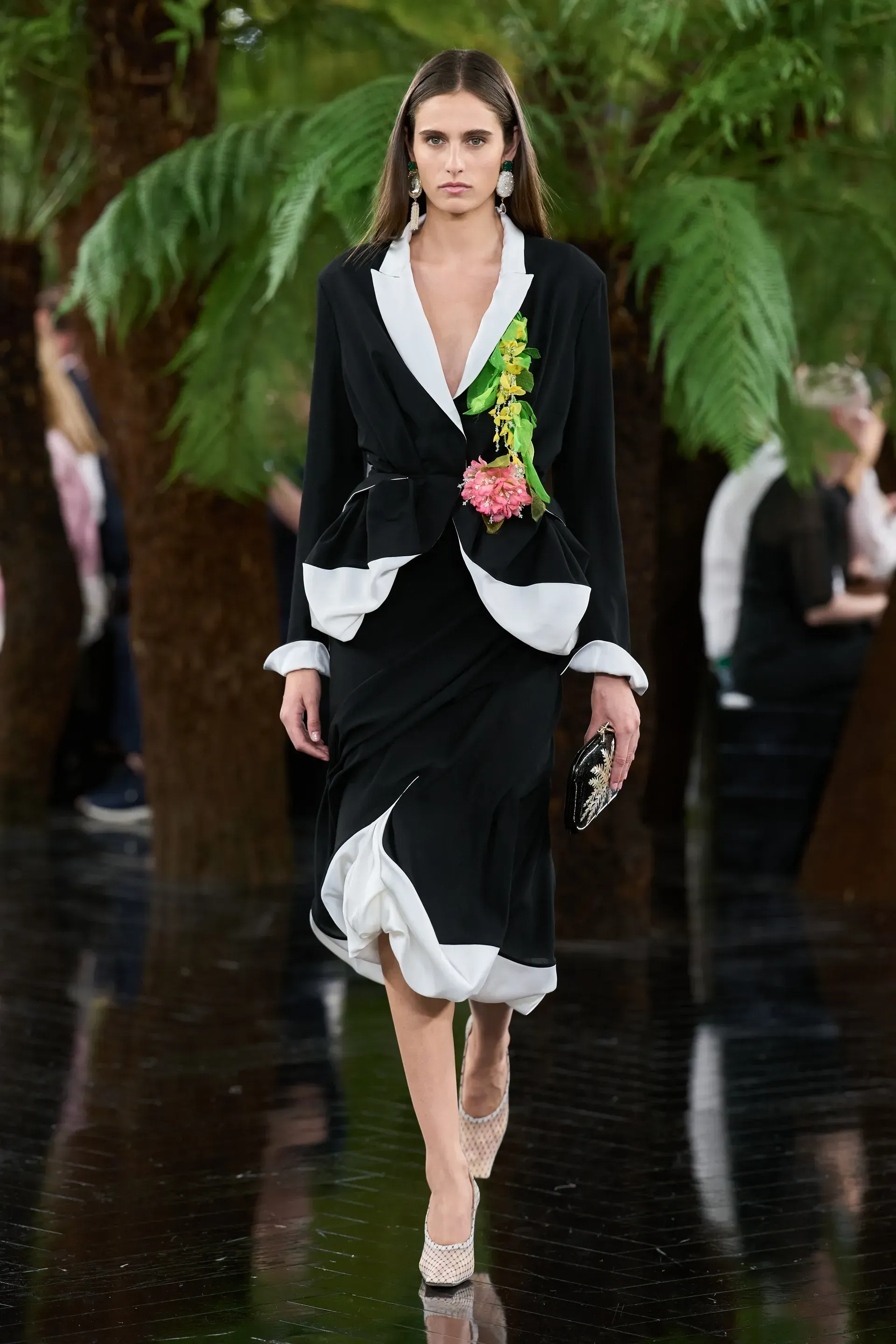
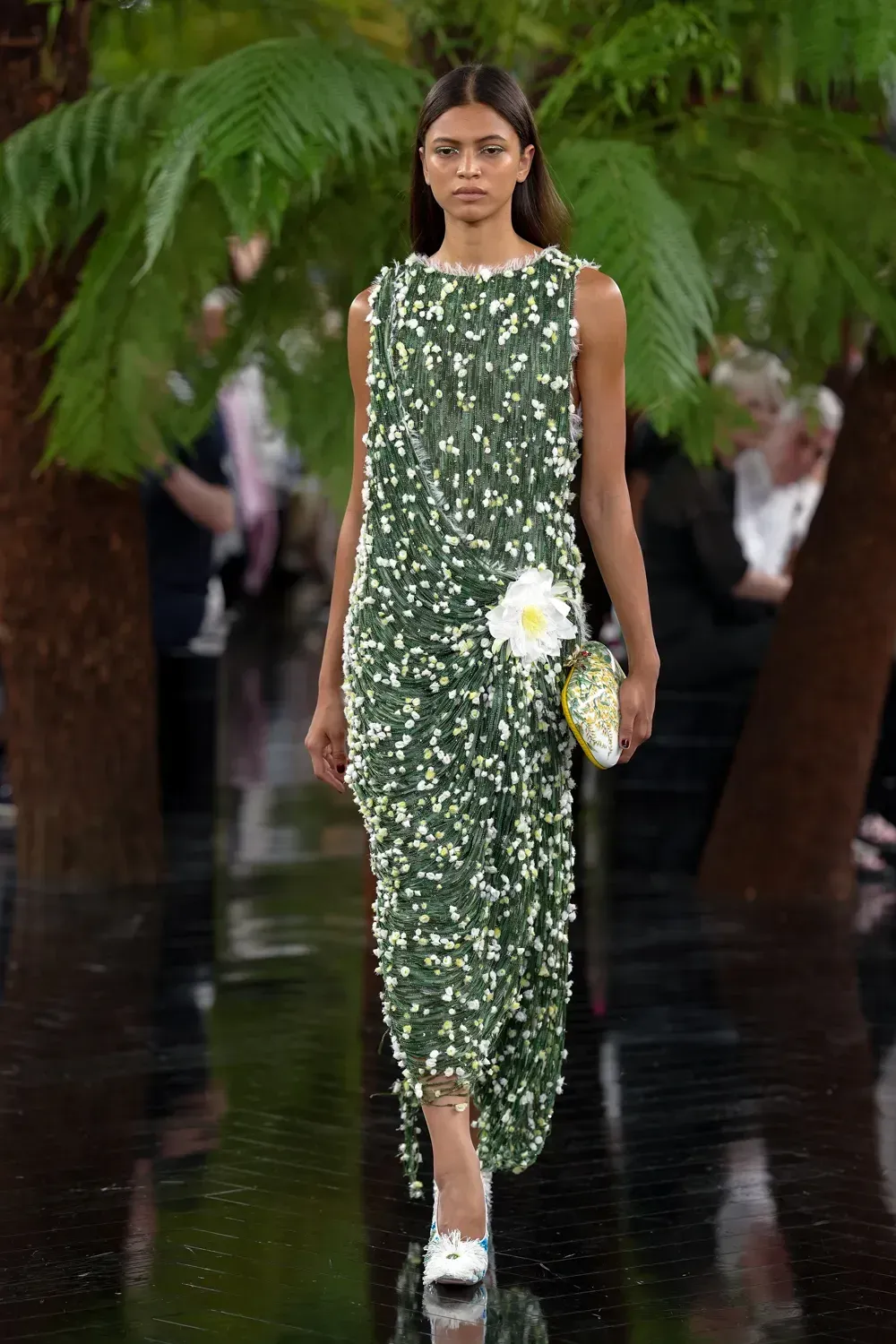
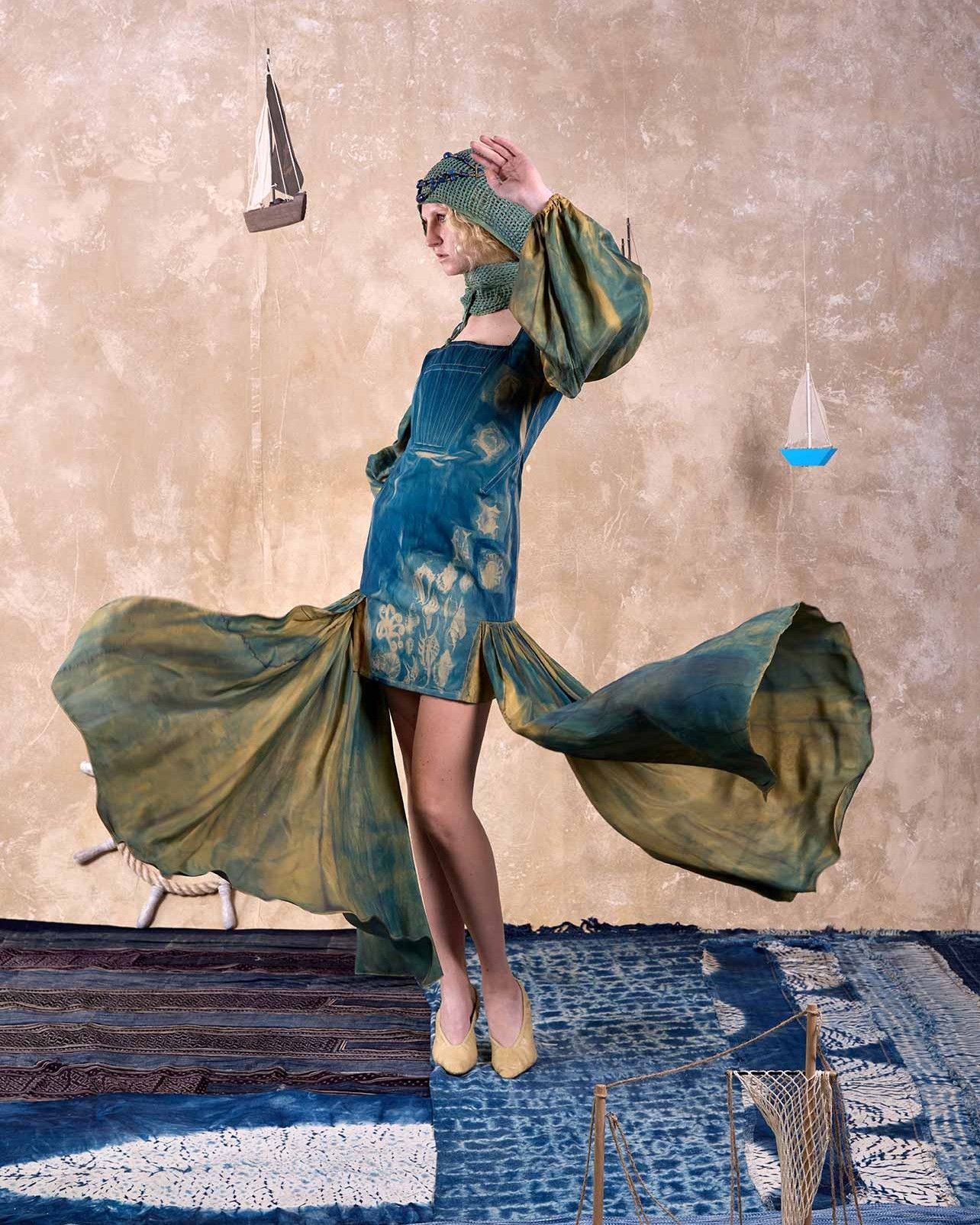
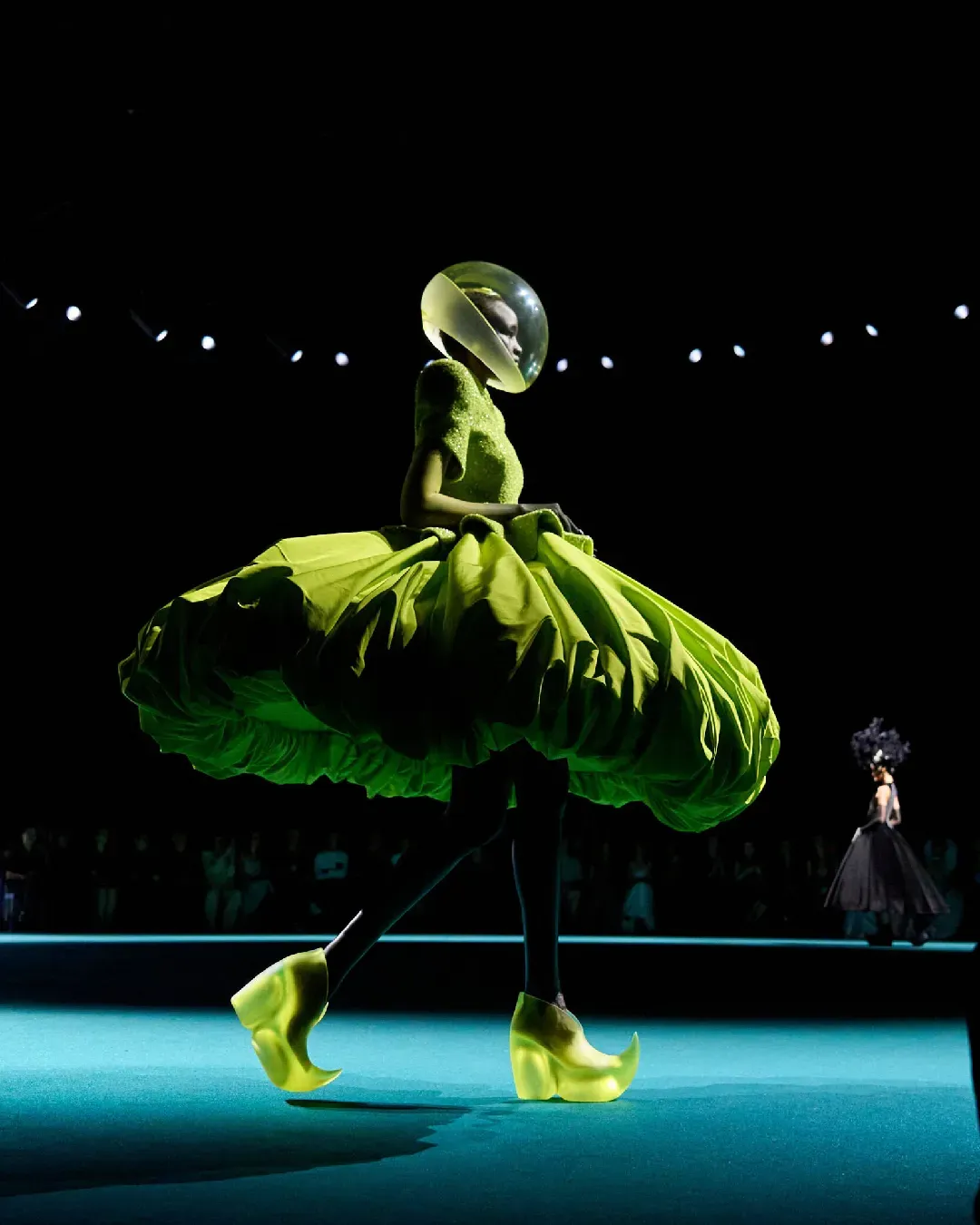
With the Paris Couture Week comes the close of another month of shows before the summer break: fashion can finally rest a little and recharge its energy ahead of an explosive September. What will linger from this week of haute couture is that, while the collections by Matthieu Blazy for Chanel and Jonathan Anderson for Dior set hearts racing, what truly excited fashion insiders was a new guard of designers. From Rahul Mishra to Michael Stewart, from Duran Lantink to Robert Wun, the young designers of haute couture proved they truly know what they're doing.
Here, then, are 5 highlights from Paris Couture Week FW26.
Dior vs Chanel
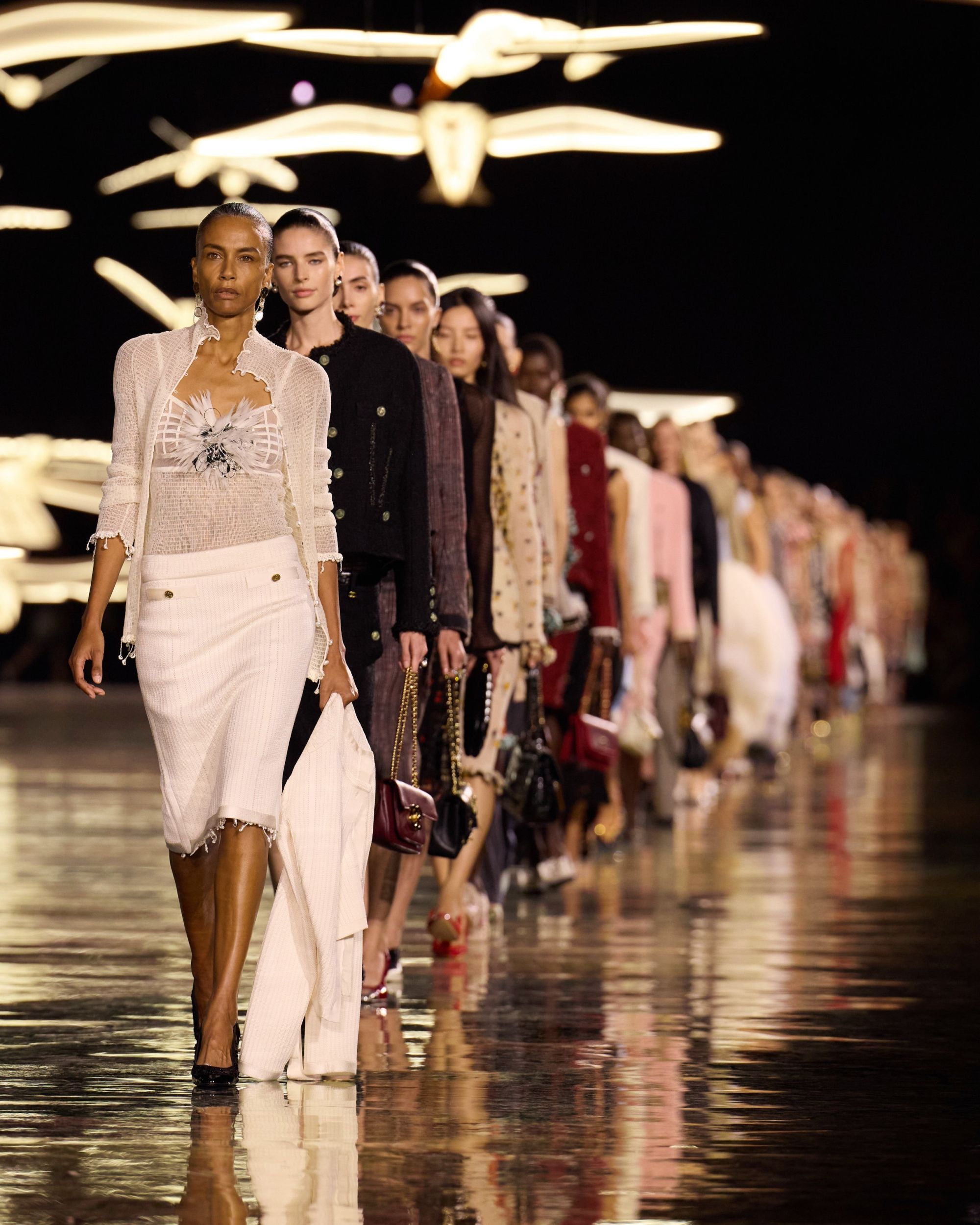
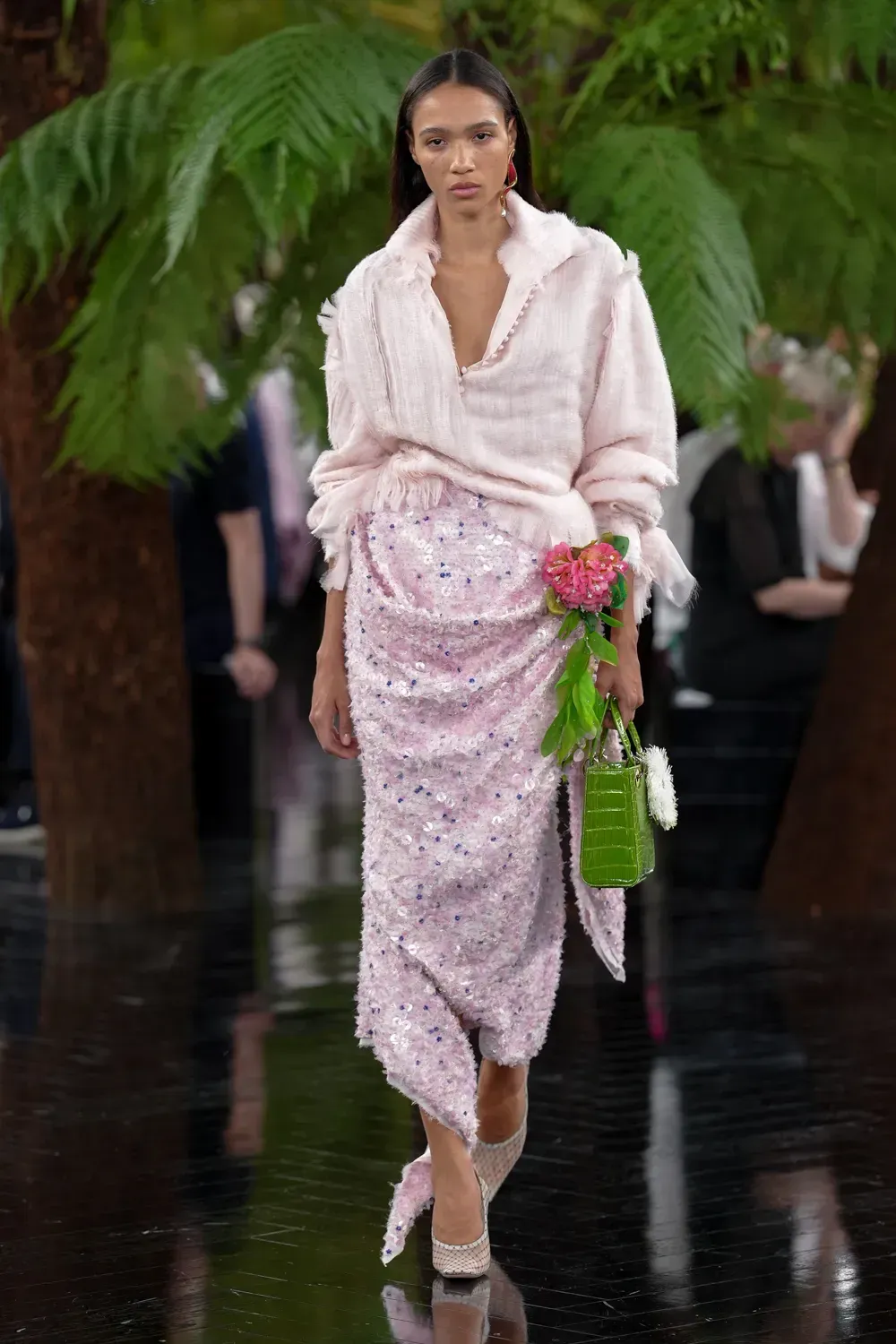
Perhaps it's just a drama engineered by a fashion world that, bored, needs to pit two of its favourite creative directors against each other, but the shows by Jonathan Anderson for Dior Couture and Matthieu Blazy for Chanel Couture, which took place this week, reignited talk of an alleged artistic rivalry between the two. The two collections were, in fact, quite similar: from their references, rooted in the natural world and developed through the same elegant lens, to their silhouettes, with dense textures, layering, and nods to early twentieth-century style. We prefer to think it was a coincidence, born of the times we live in and the general homogenisation of taste among the two houses' clients — but never say never.
Rahul Mishra
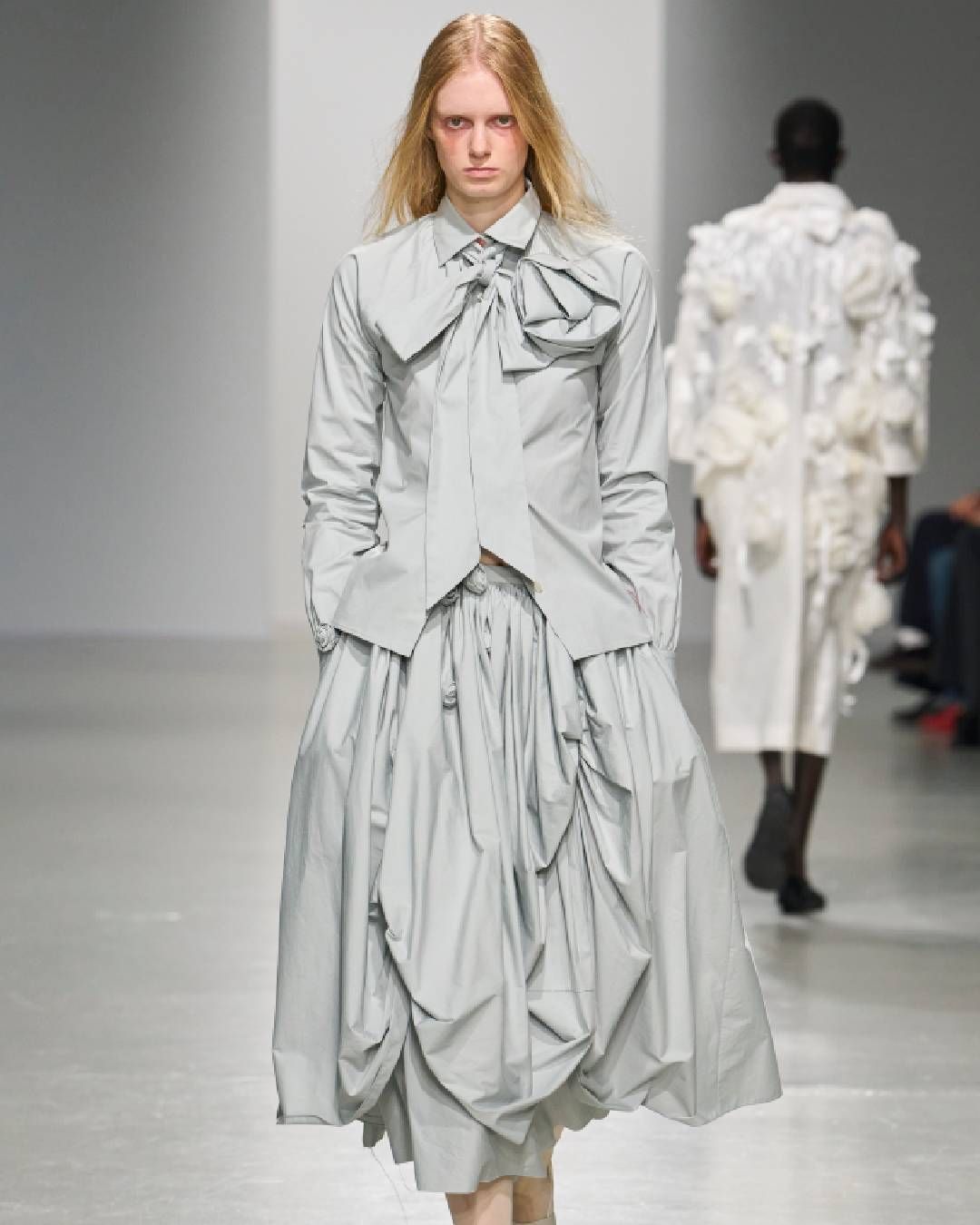
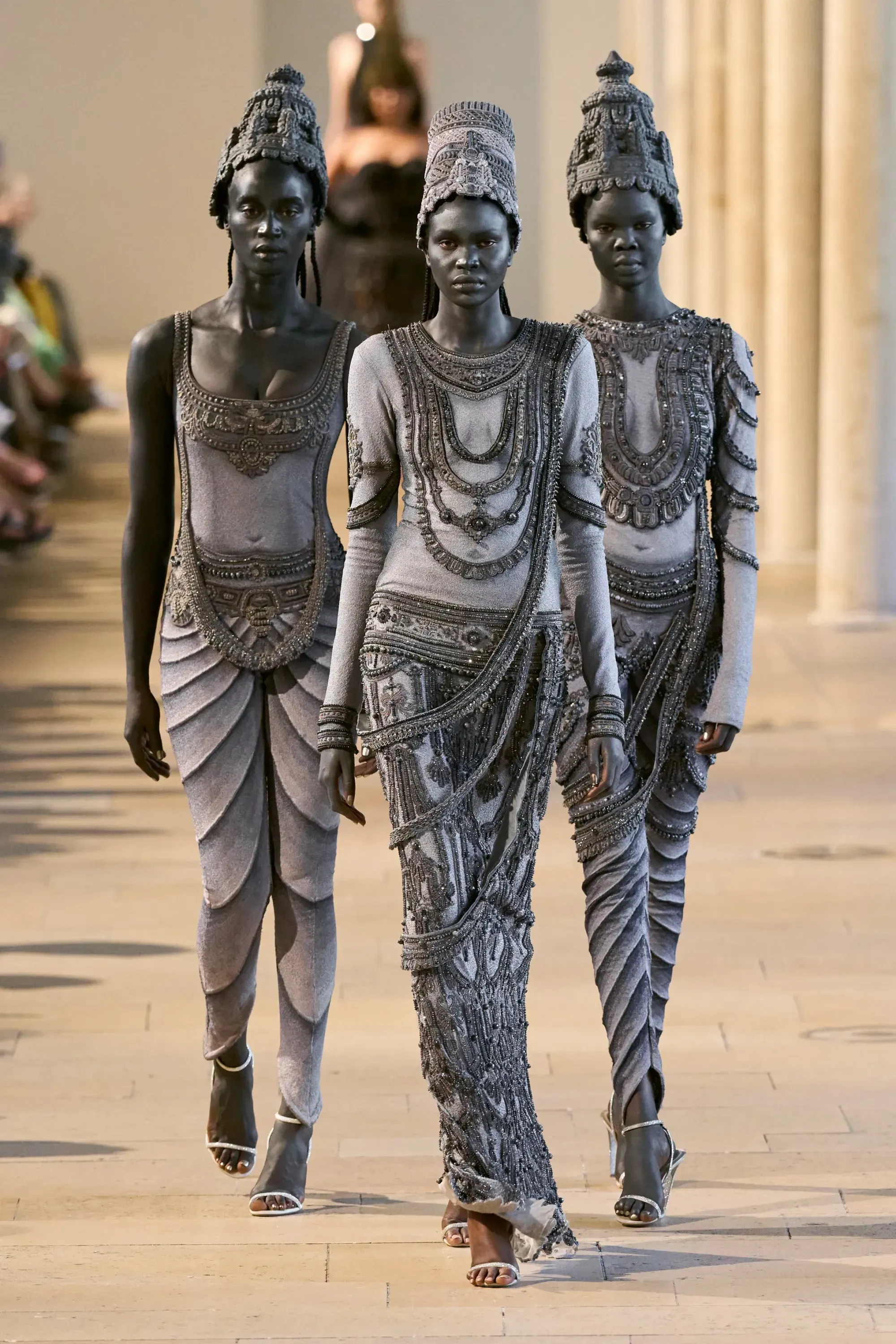
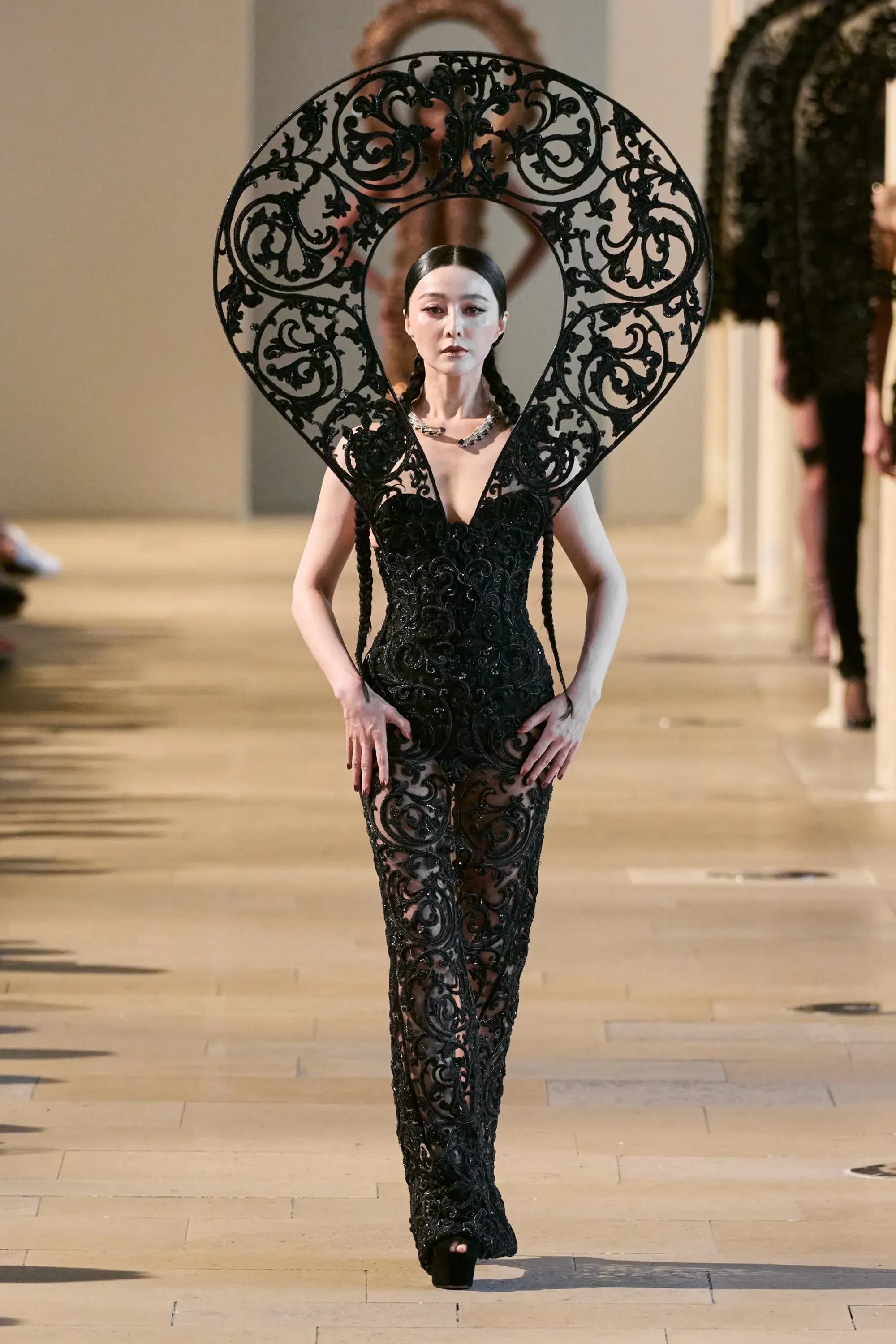
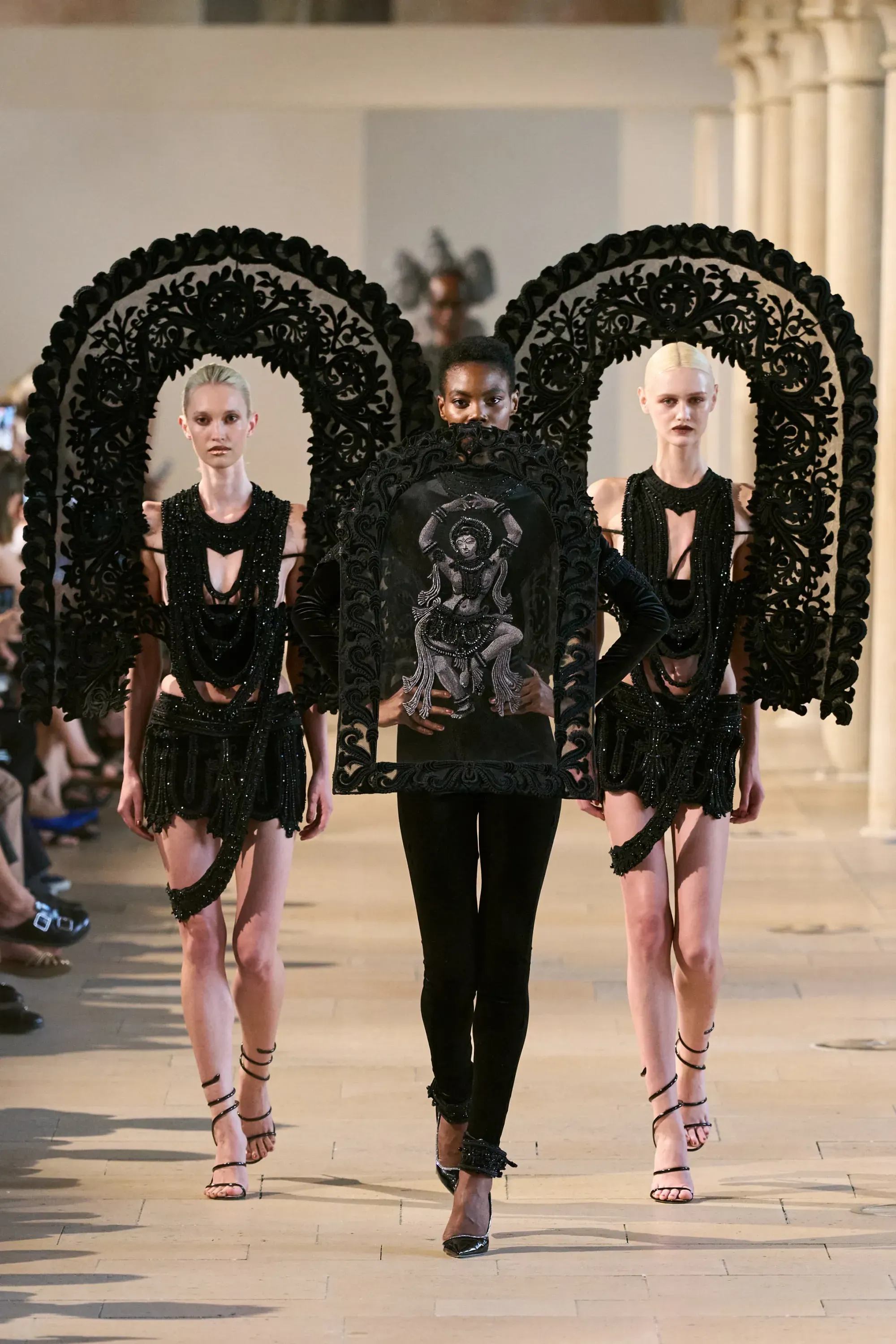
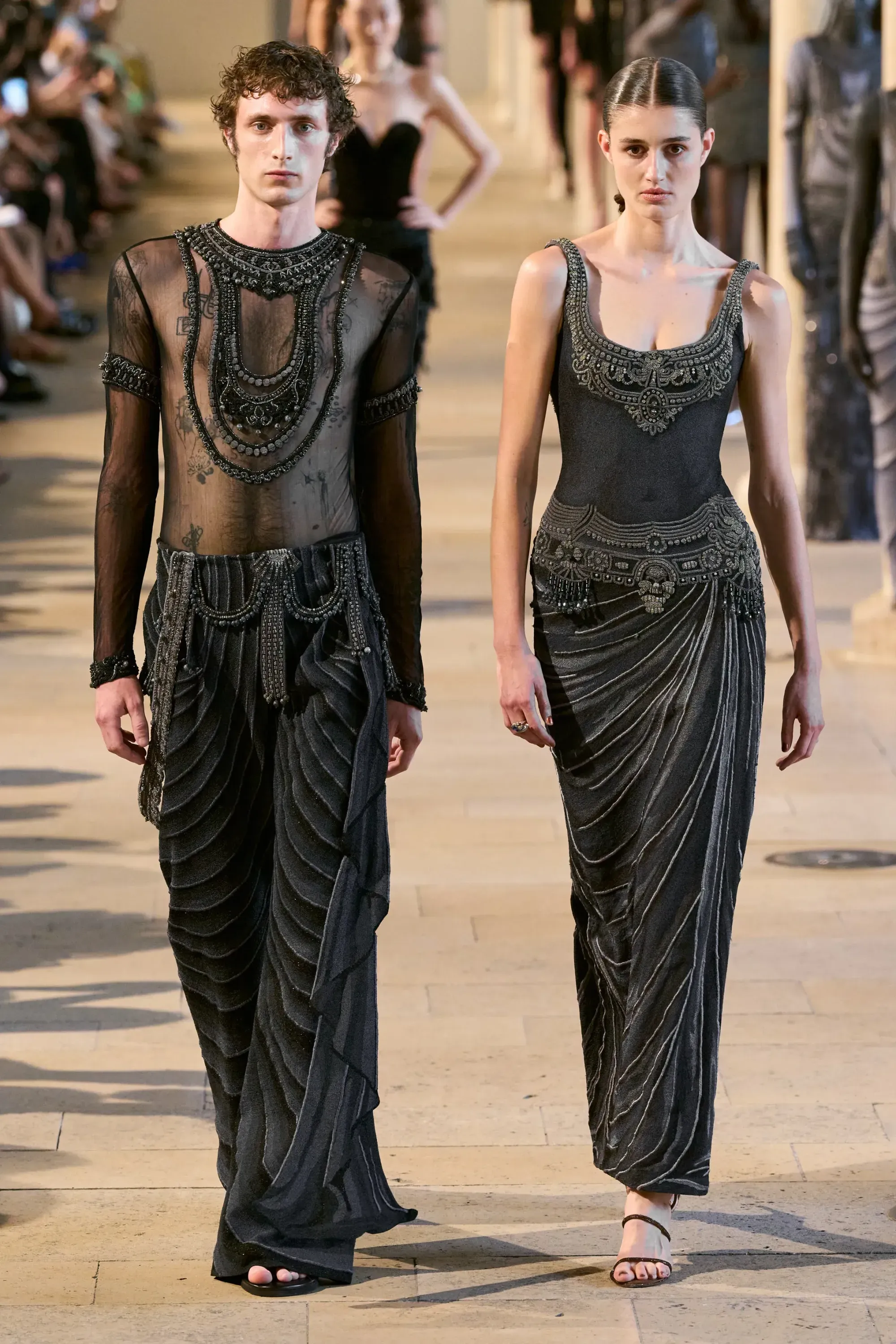
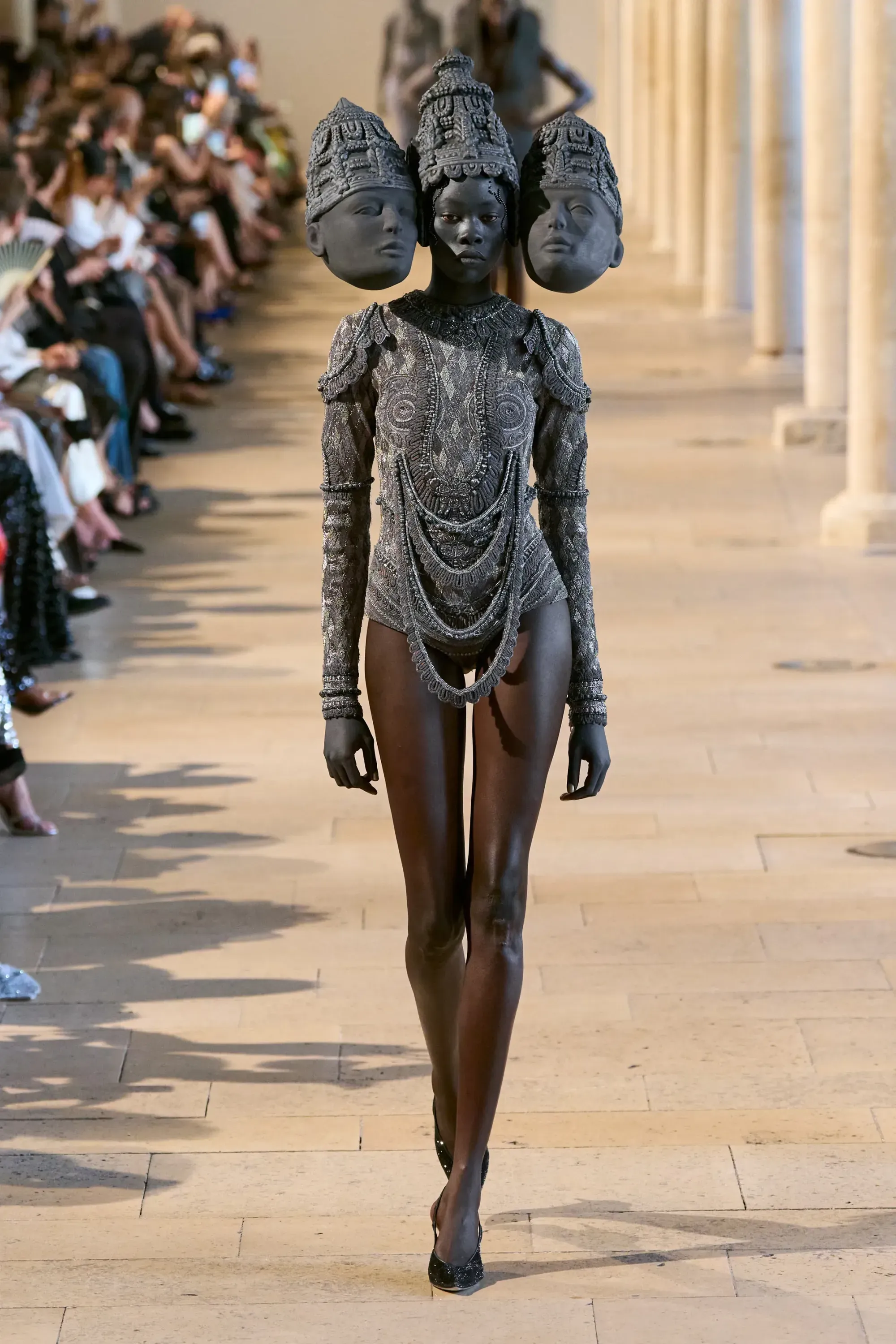
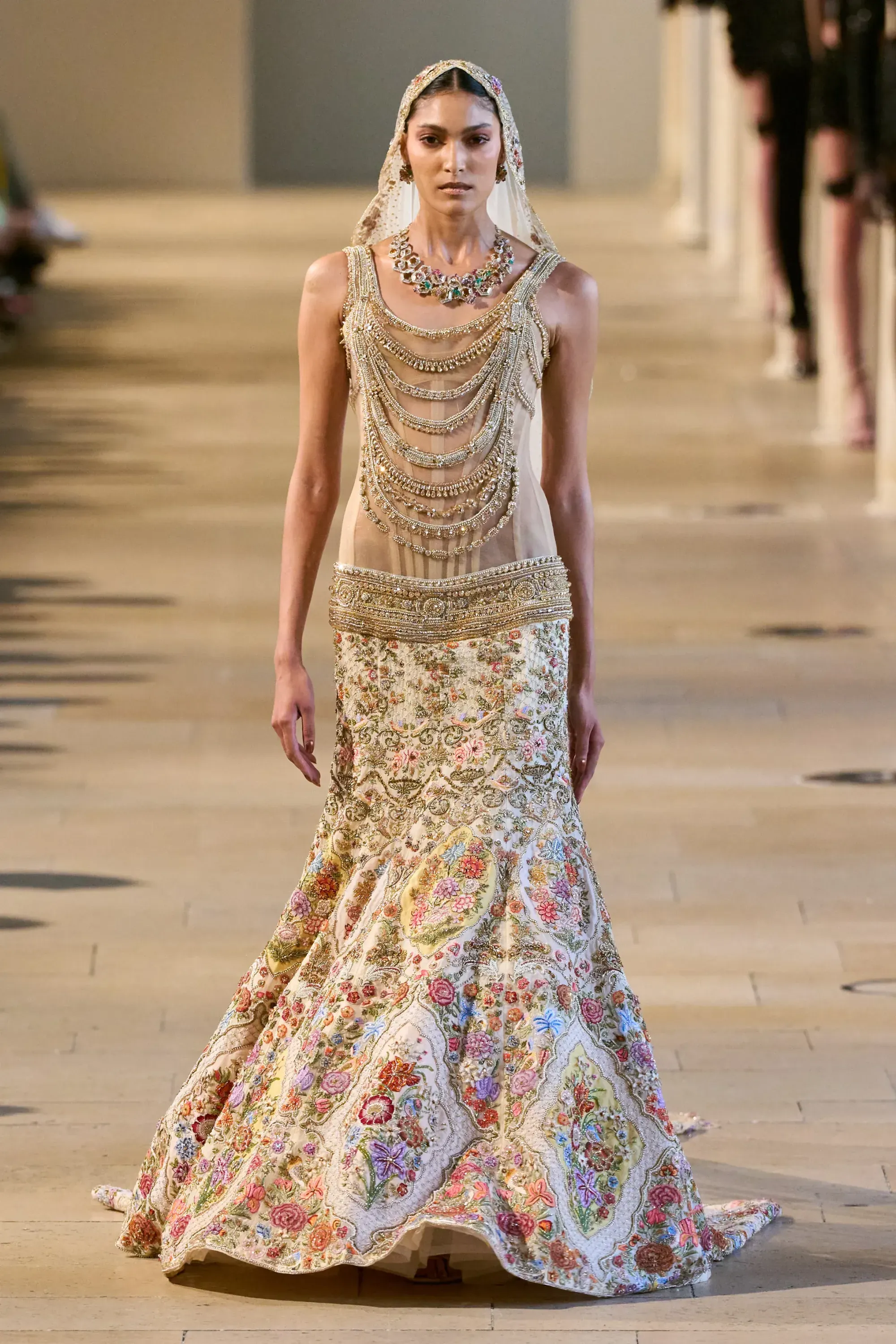
Rahul Mishra has only been part of the Couture calendar since 2020, and was the first Indian designer to participate officially. This season, the designer brought an ancient spectacle to the runway: titled Devi: The Eternal Muse, the collection drew inspiration from the architecture and age-old spiritual figures of South India. The models were transformed into statues through intricate embroidery and draping — a signature hallmark of Mishra's collections — as well as headdresses inspired by the female deities of Hinduism. Alongside the more literal looks, Mishra conceived evening gowns with less cultural specificity, perfect for international clients who wish to enjoy the designer's high-level tailoring without risking any uncomfortable missteps.
Standing Ground
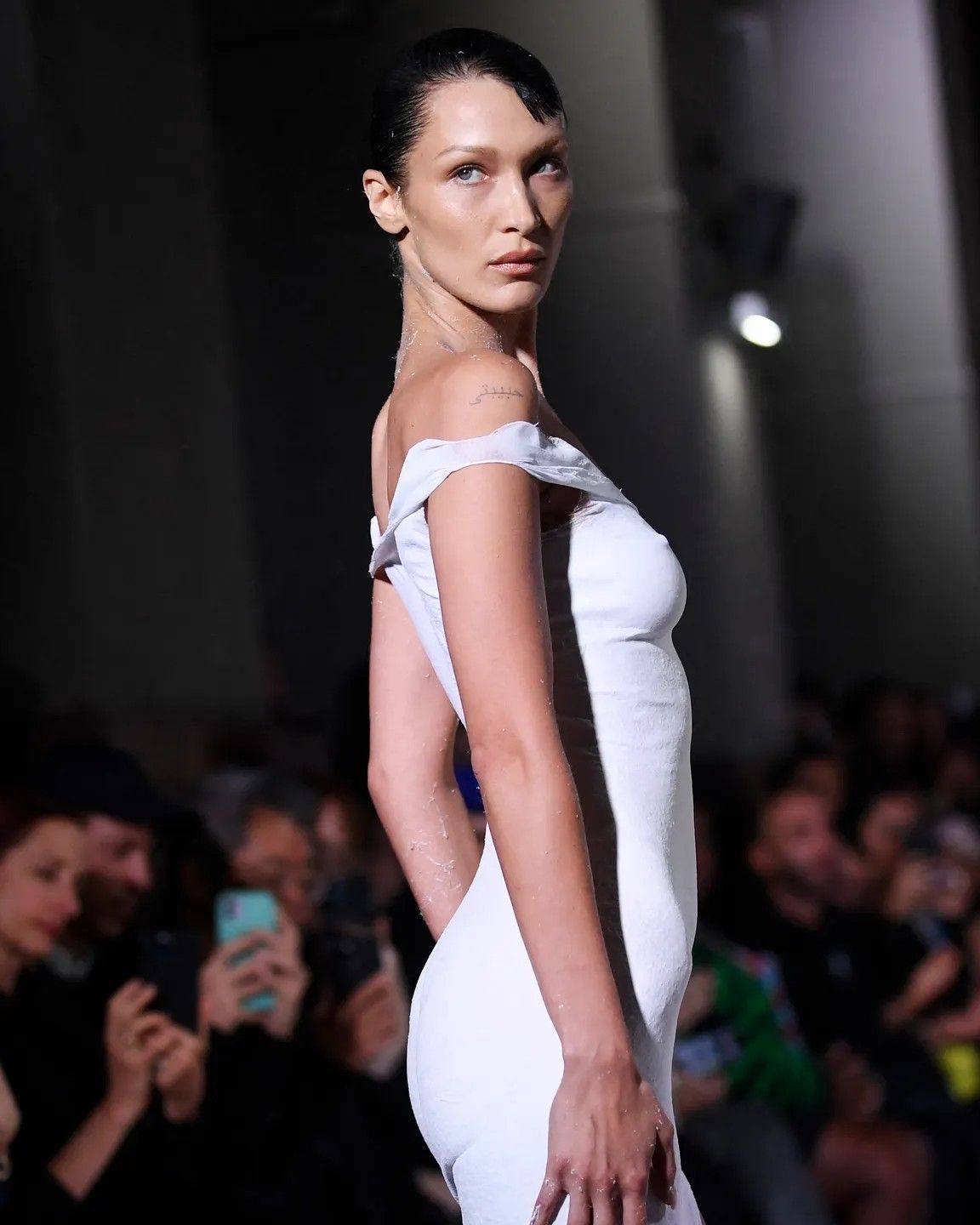
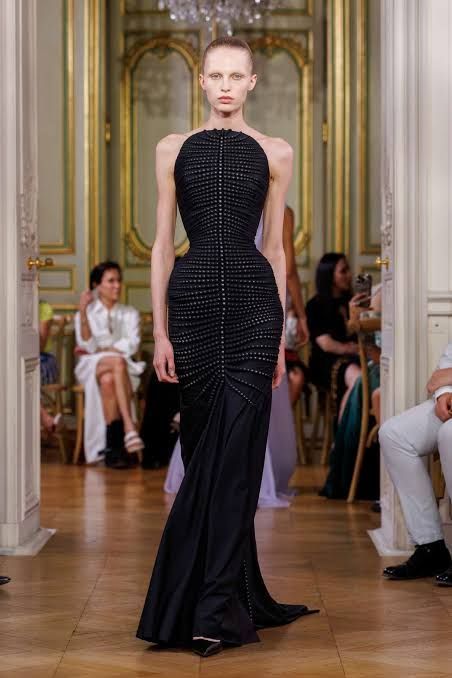
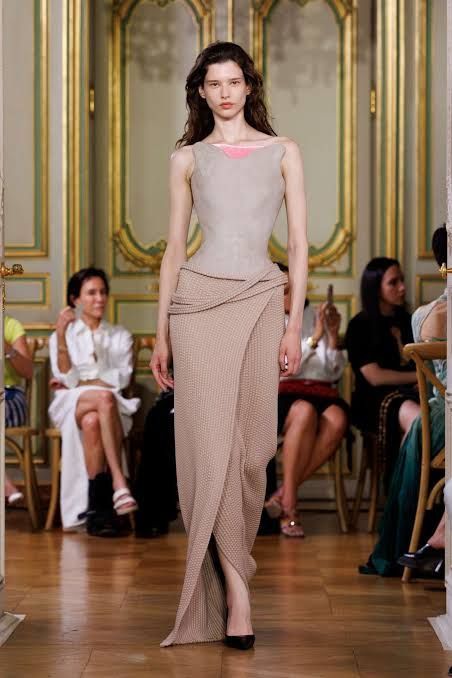
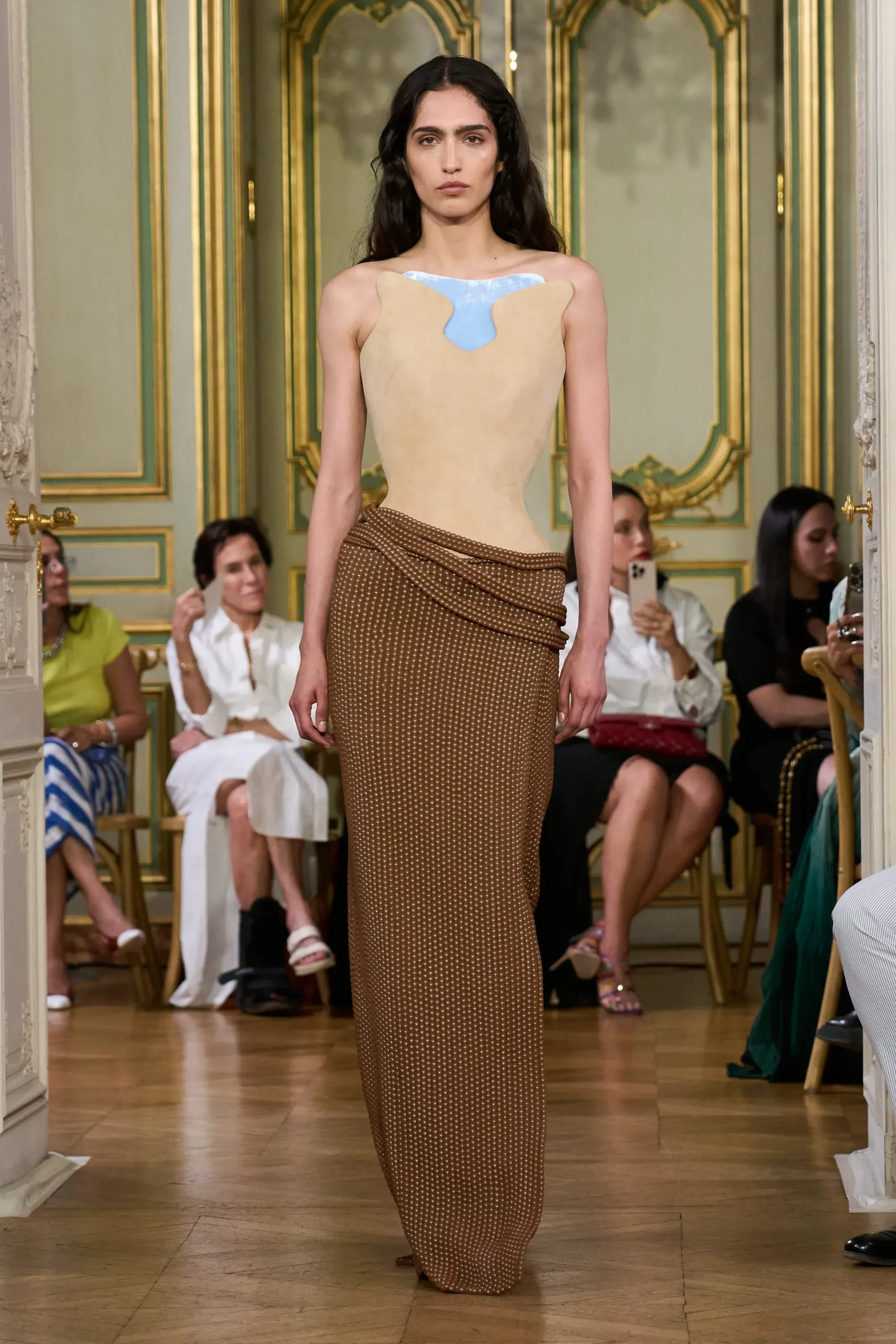
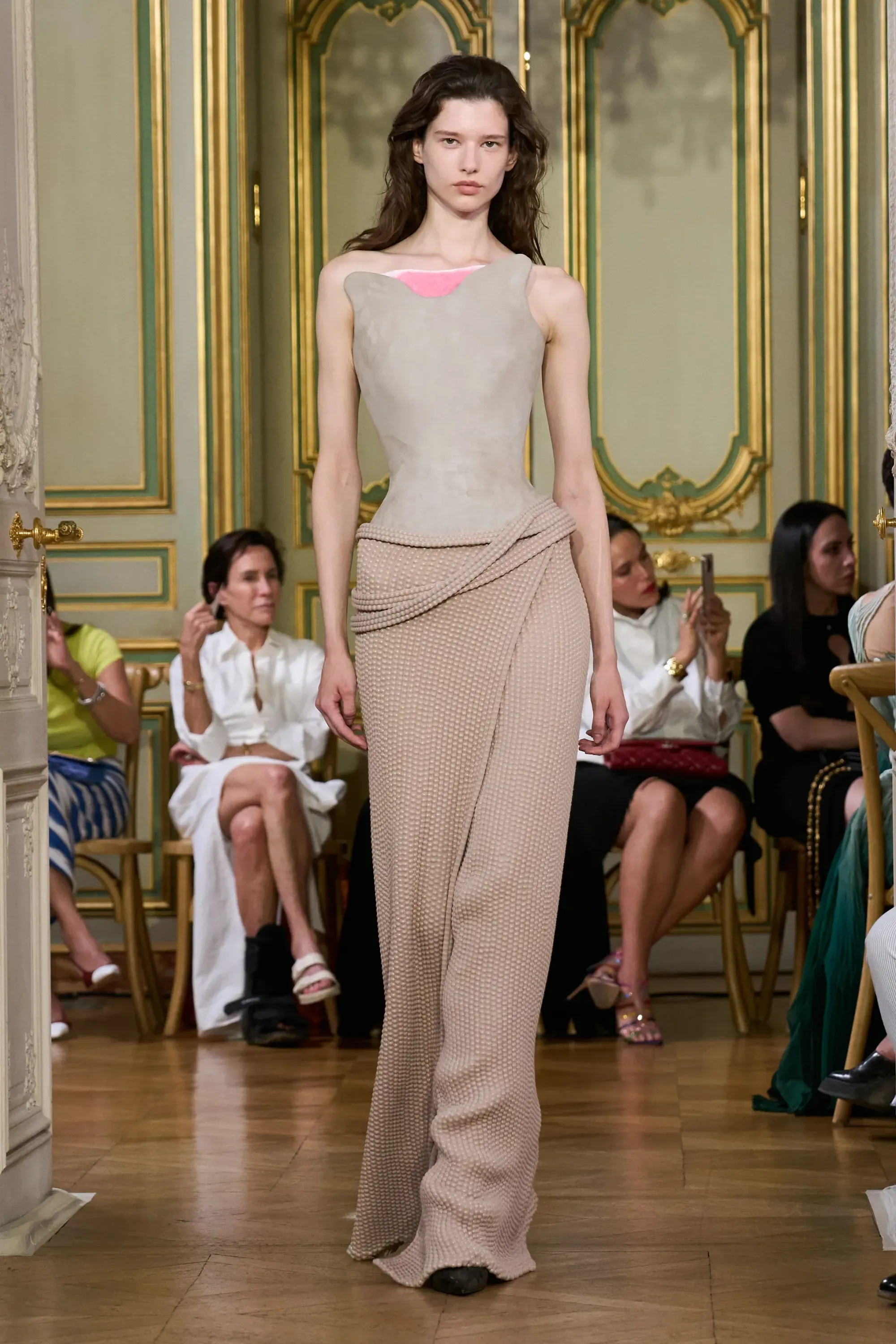
Expectations for Standing Ground's first haute couture show were sky-high — perhaps unreasonably so — but despite a few dismissible criticisms, the show hit its mark. The collection blended the mystery of ancient artefacts with a brilliant, almost artificial colour palette, yielding garments that sculpted the body like stone. From corsets echoing the female form through sand-like beige velvet to raised beaded ribcage structures running the full length of the models' bodies, Standing Ground's technical draping conjured the same sense of wonder as ever. And we can't wait to see the pieces on upcoming red carpets — perhaps as soon as Venice this summer.
Robert Wun
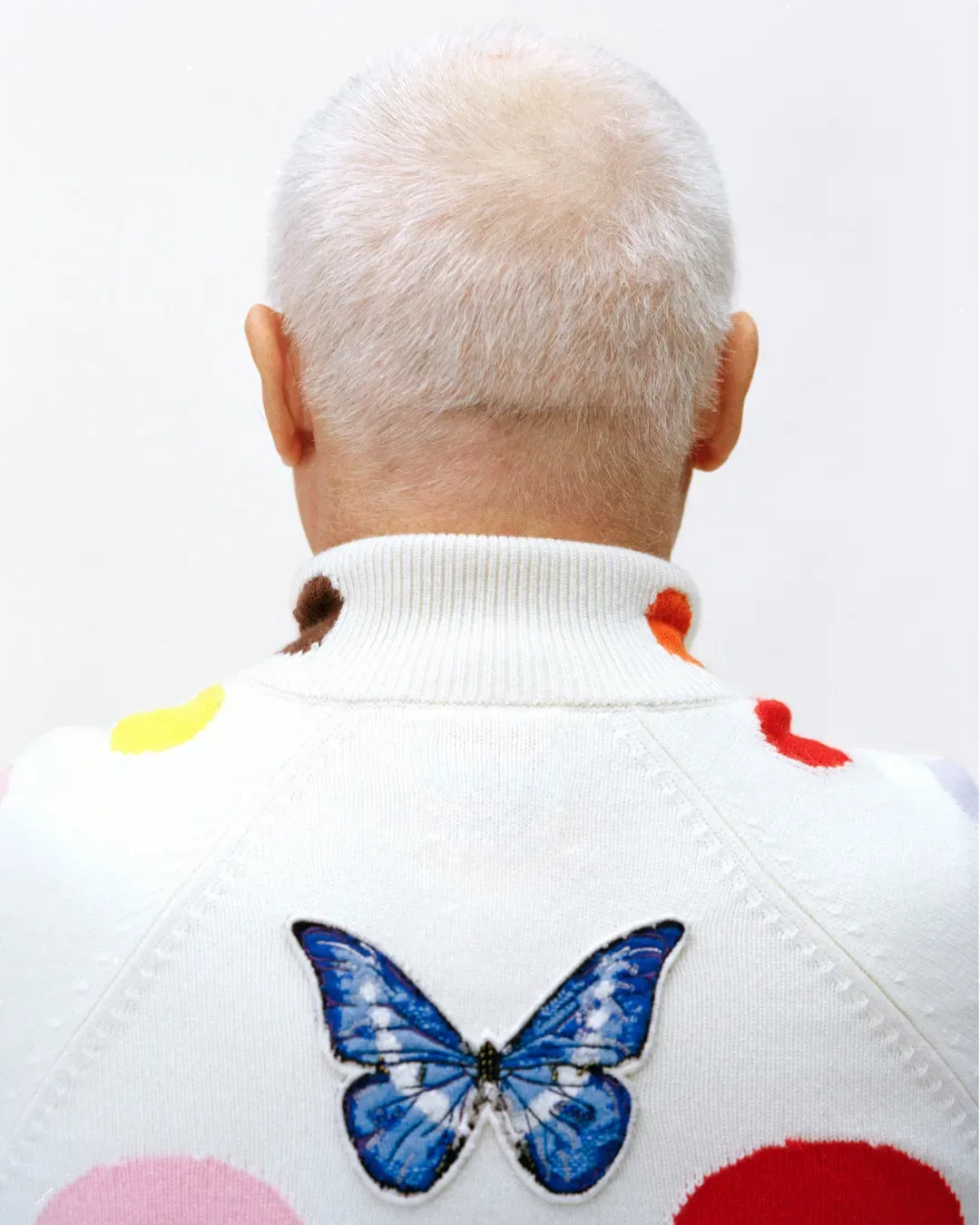
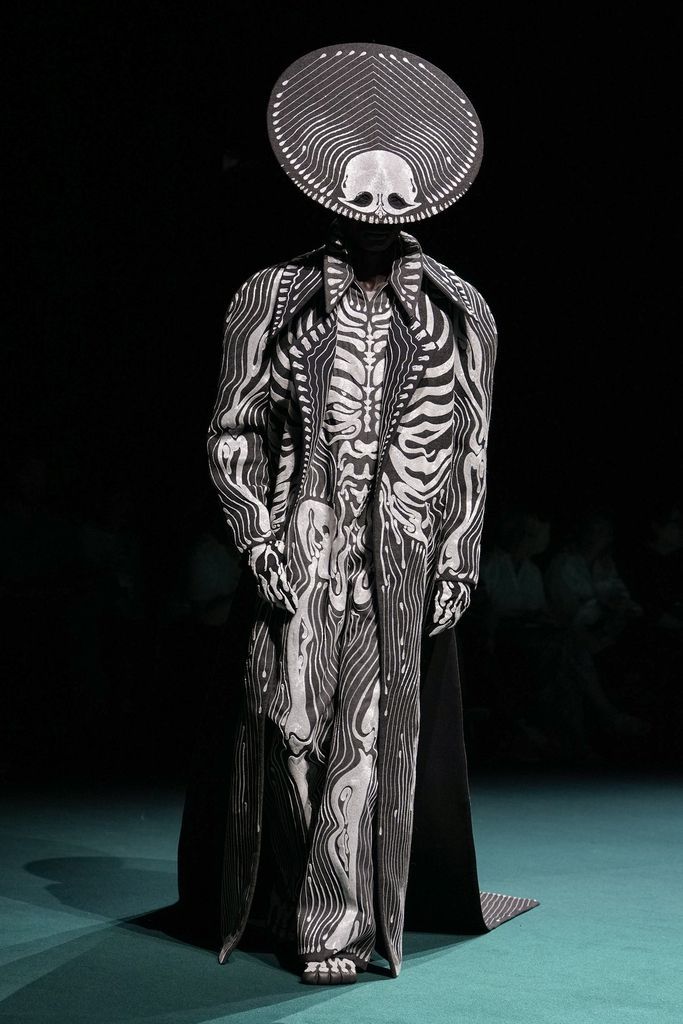
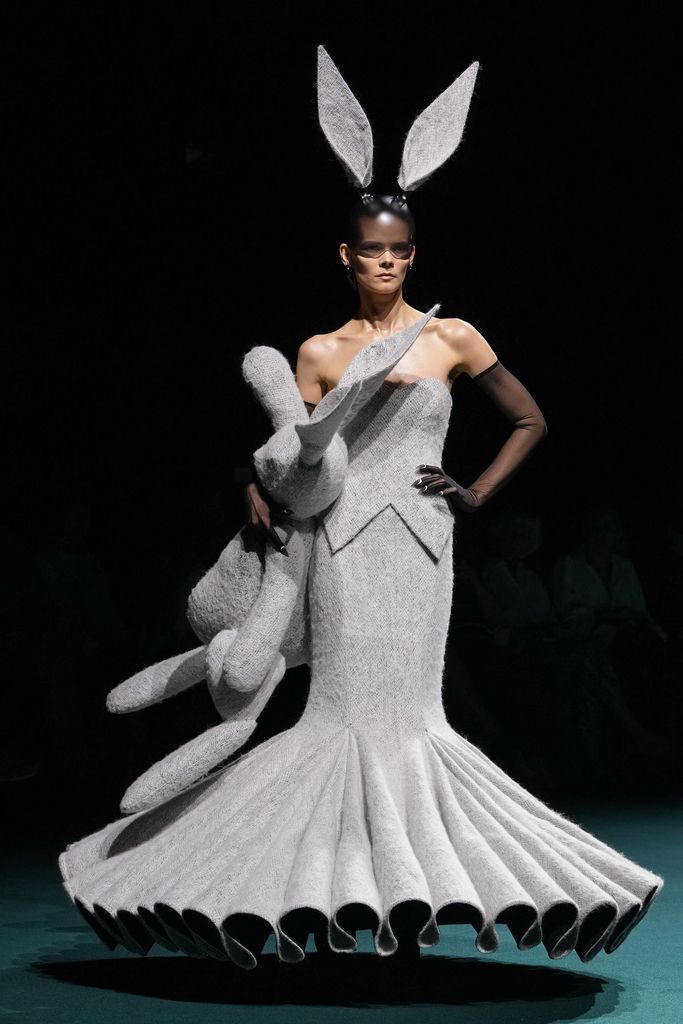
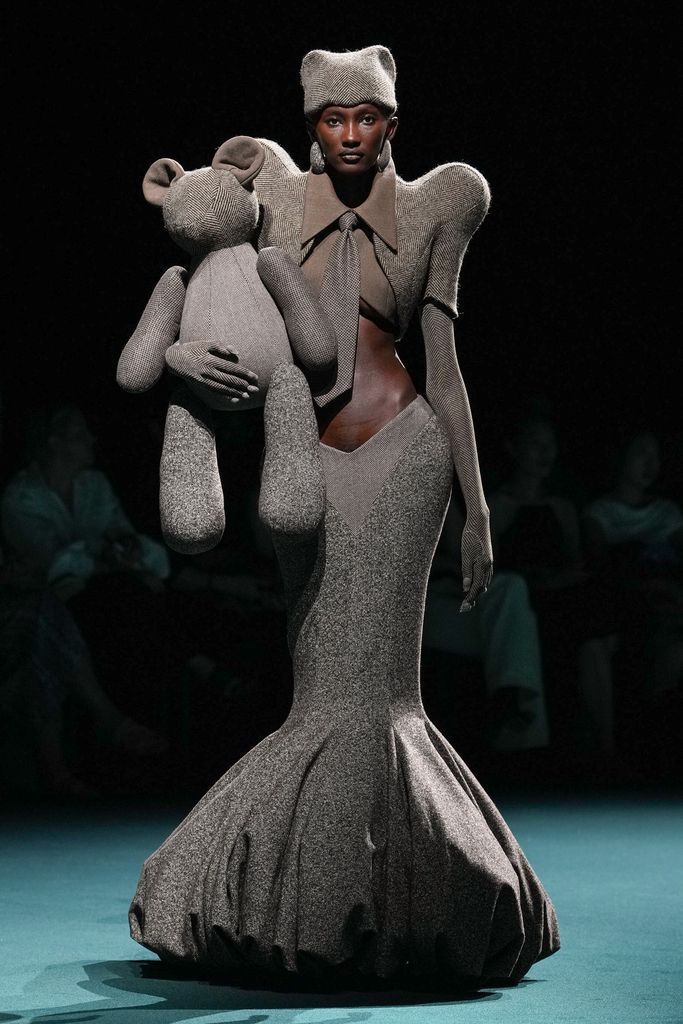
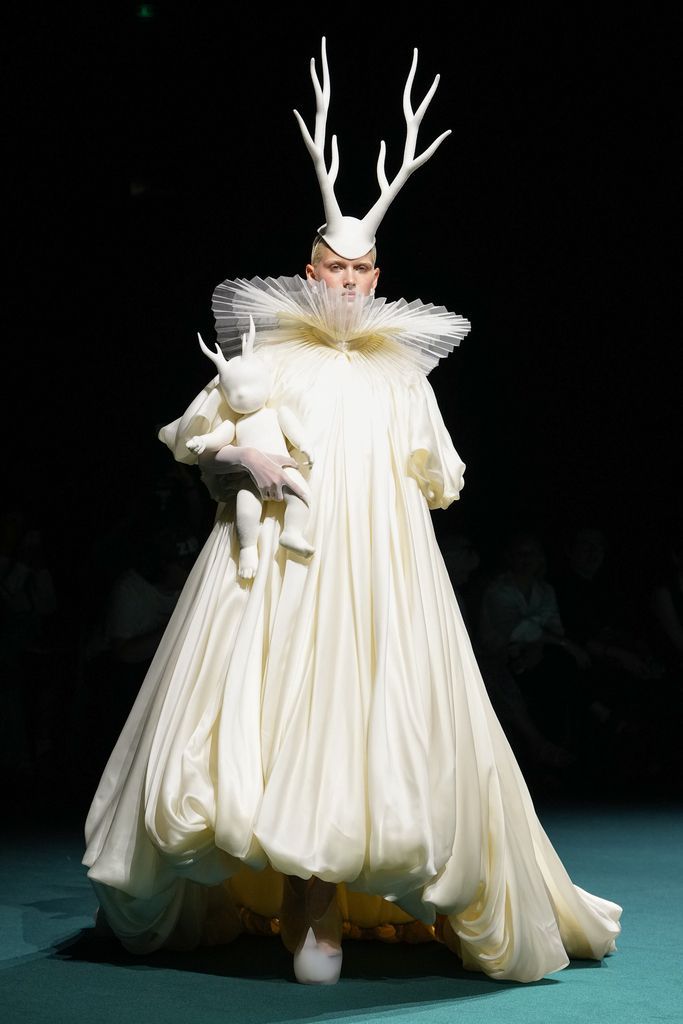
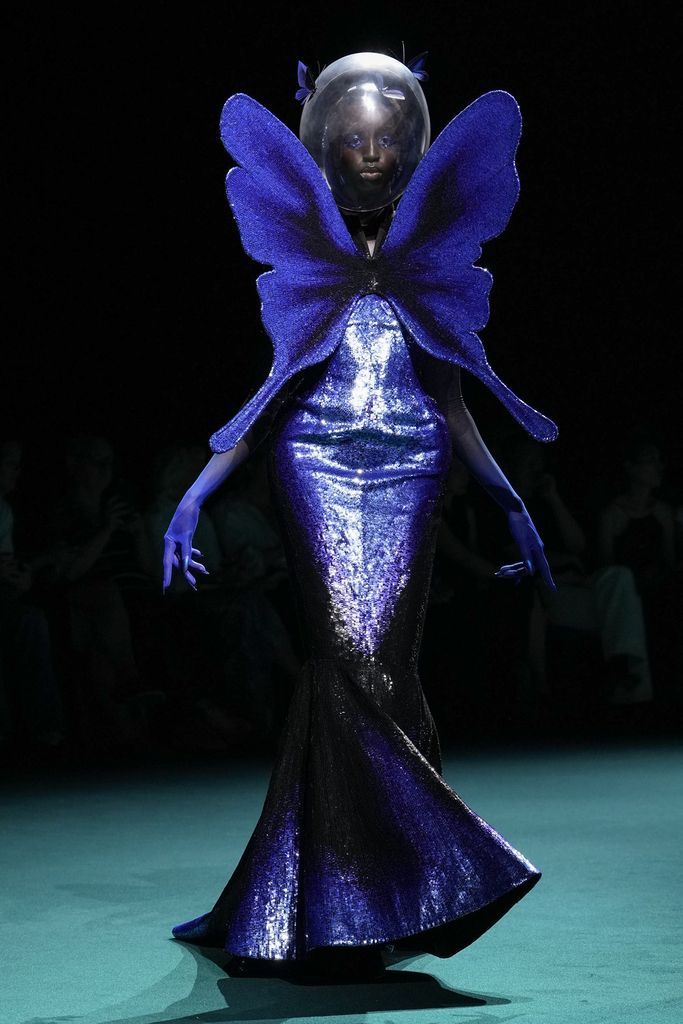
This new collection by Robert Wun feels like a dig aimed at all the critics who argue that his looks are too literal, too carnivalesque. Titled Childsplay, this new project drew inspiration from children's imagination, studied in depth and expressed through the Hong Kong designer's masterful tailoring. On the runway there was a sense of truly pure creativity, conveyed through oversized toy accessories, references to Harlequin and Cinderella, and the straps of an electric-blue gown lifted by two lifelike birds. It may well be too literal, but we're still fixated on the pink music-box headpiece, the enormous glittered butterfly on the mermaid gown, and the skeleton suit. Sometimes, the most radical act one can perform on the deadly serious Paris runway is simply to have fun.
Jean Paul Gaultier
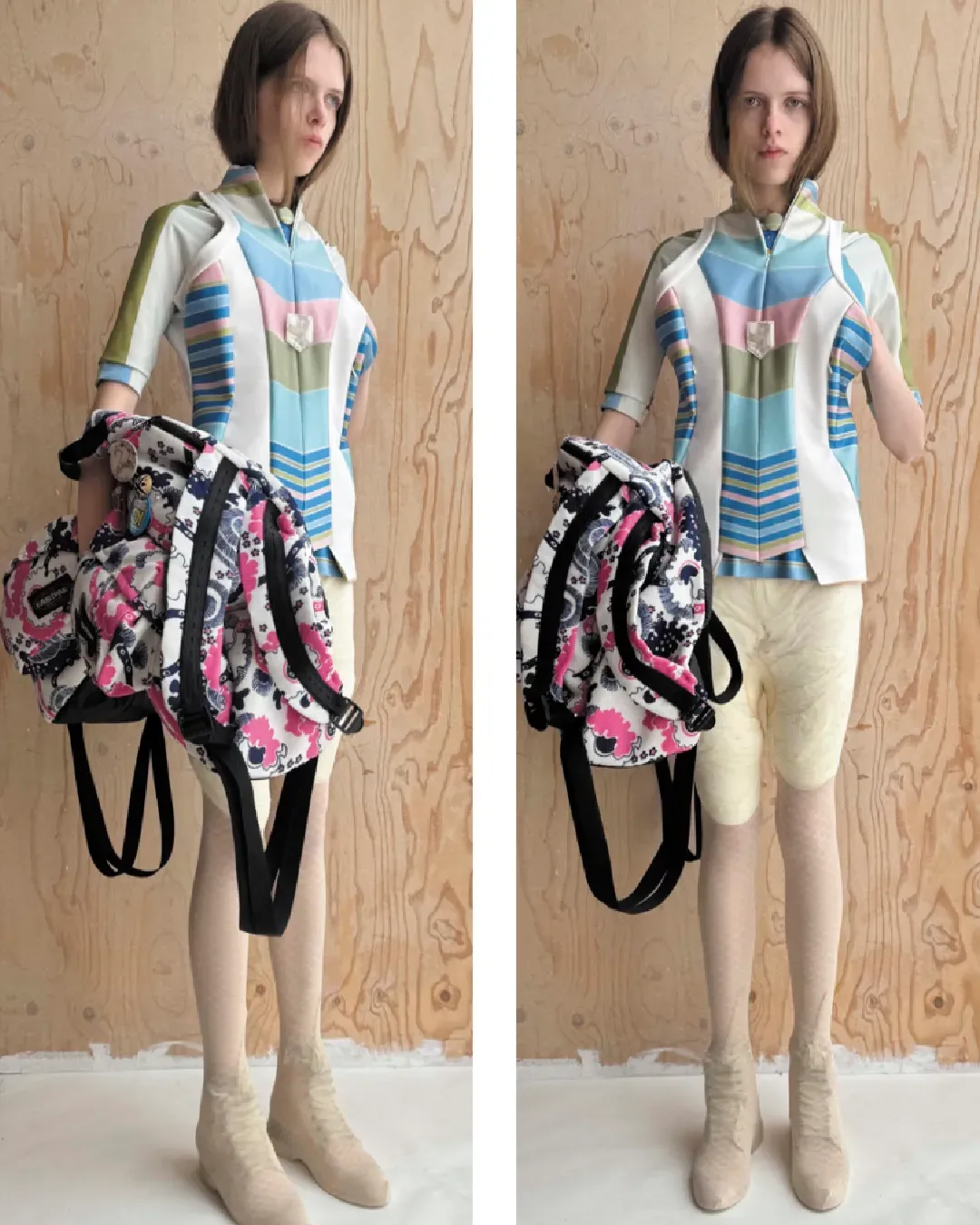
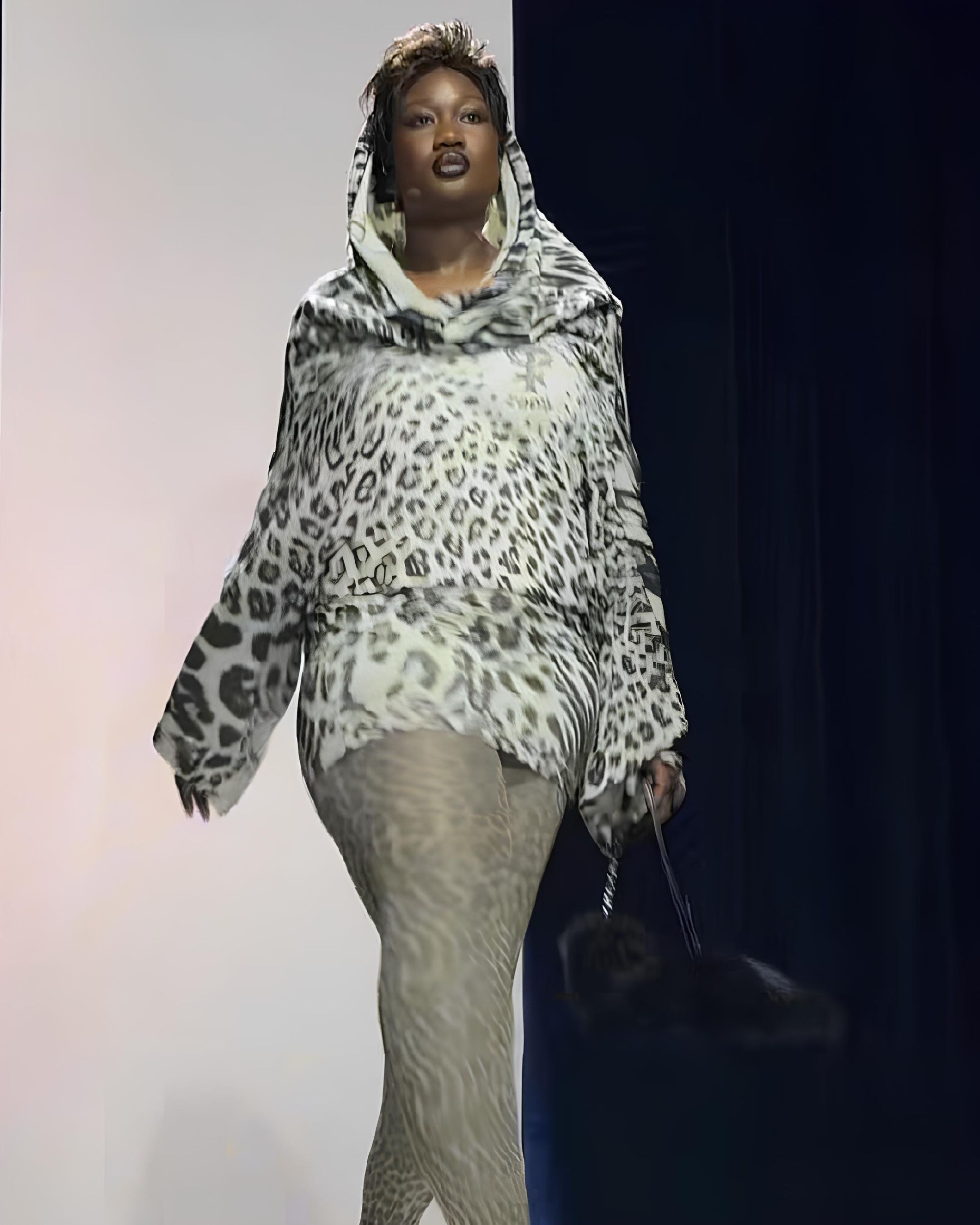
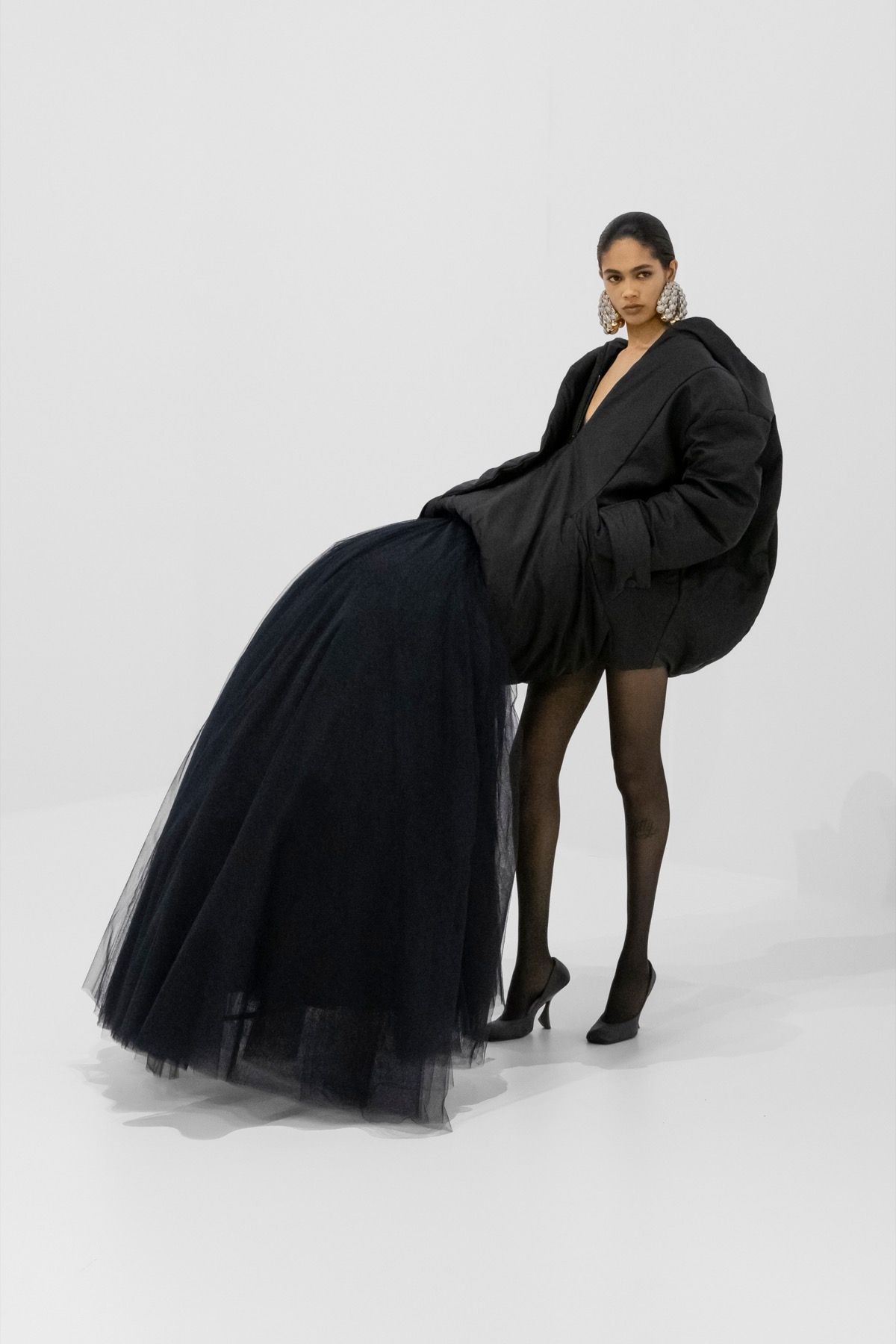
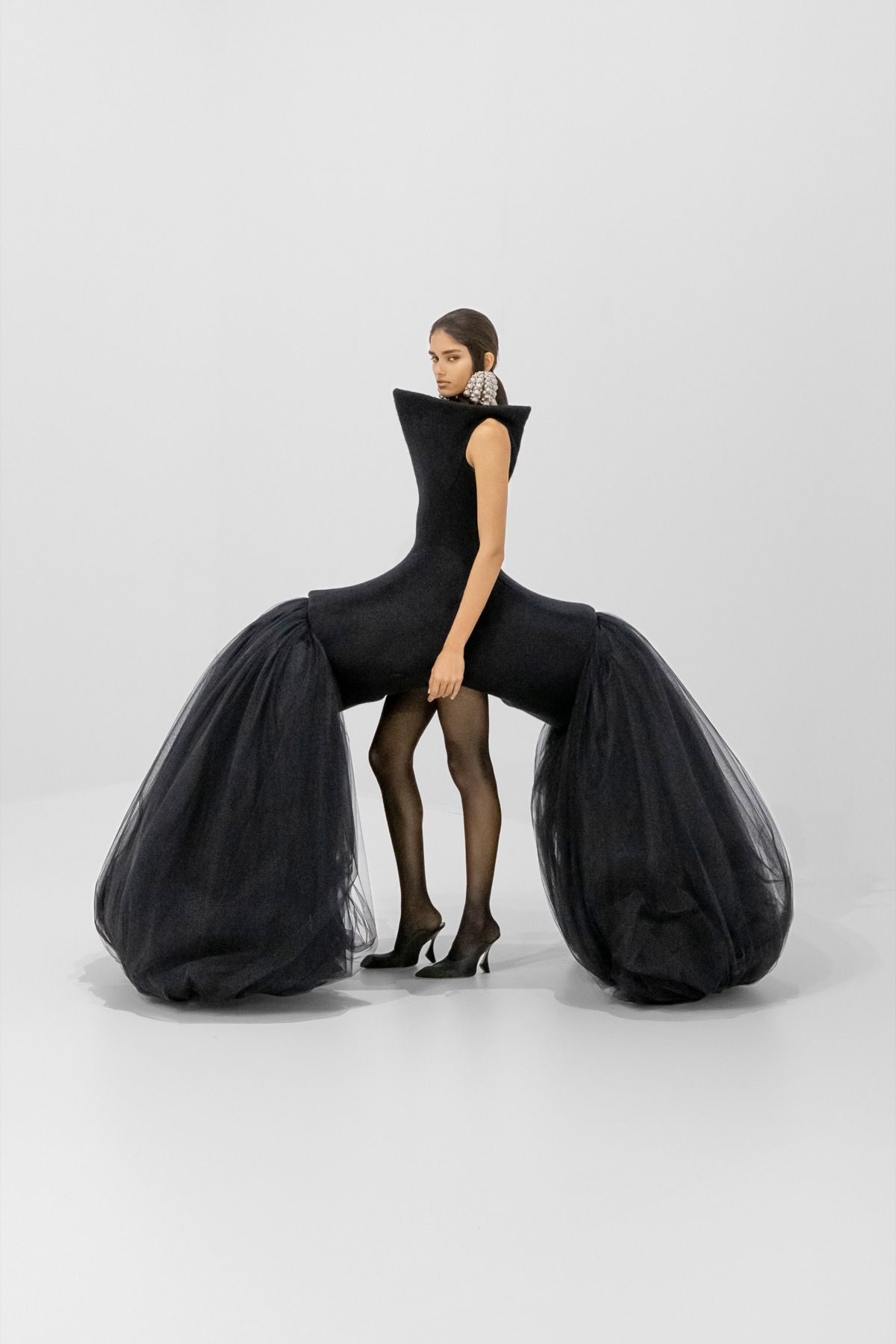
With the arrival of Duran Lantink at Jean Paul Gaultier, announced in April 2025, the house's guest designer project for haute couture came to a close. Following Ludovic de Saint Sernin, Simone Rocha, Nicolas di Felice, and Haider Ackermann, it was Lantink who took on the haute couture of fashion's enfant terrible. The creative director once again committed to an exploration of the exaggeration of the anatomical body, with inverted garments, trains that began at the stomach and plunged forward rather than falling at the feet, sweeping feather and tulle trains, and tubular structures that added personality to enveloping velvet evening gowns. Arguably the most accomplished collection of Lantink's tenure at the Gaultier house, so far.