
























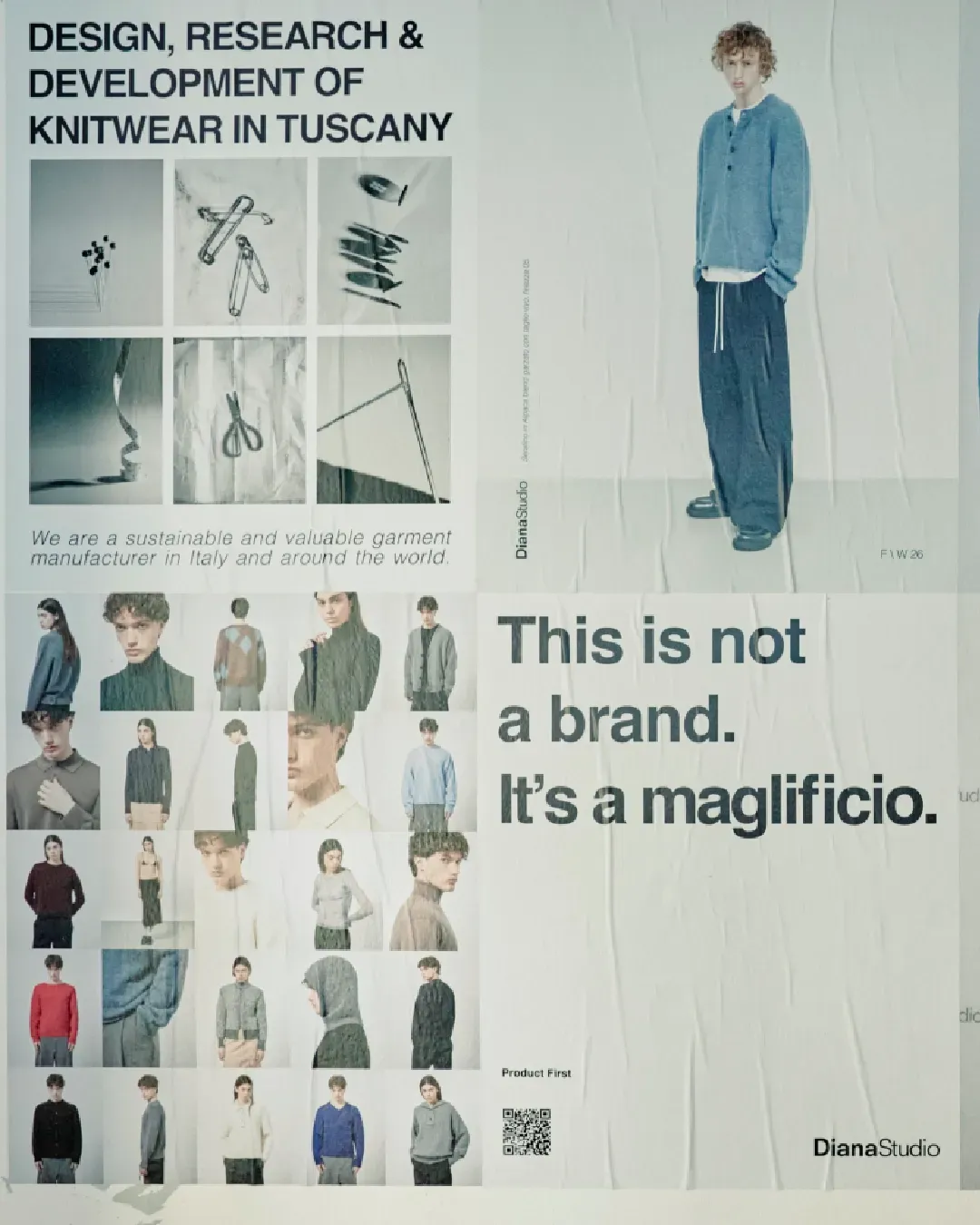
«The competitiveness of Made in Italy can no longer rely solely on price and speed», an interview with Diana Studio "Rumori Quotidiani" is the first physical event by the Tuscan brand that reinvents the know-how of Maglificio Diana
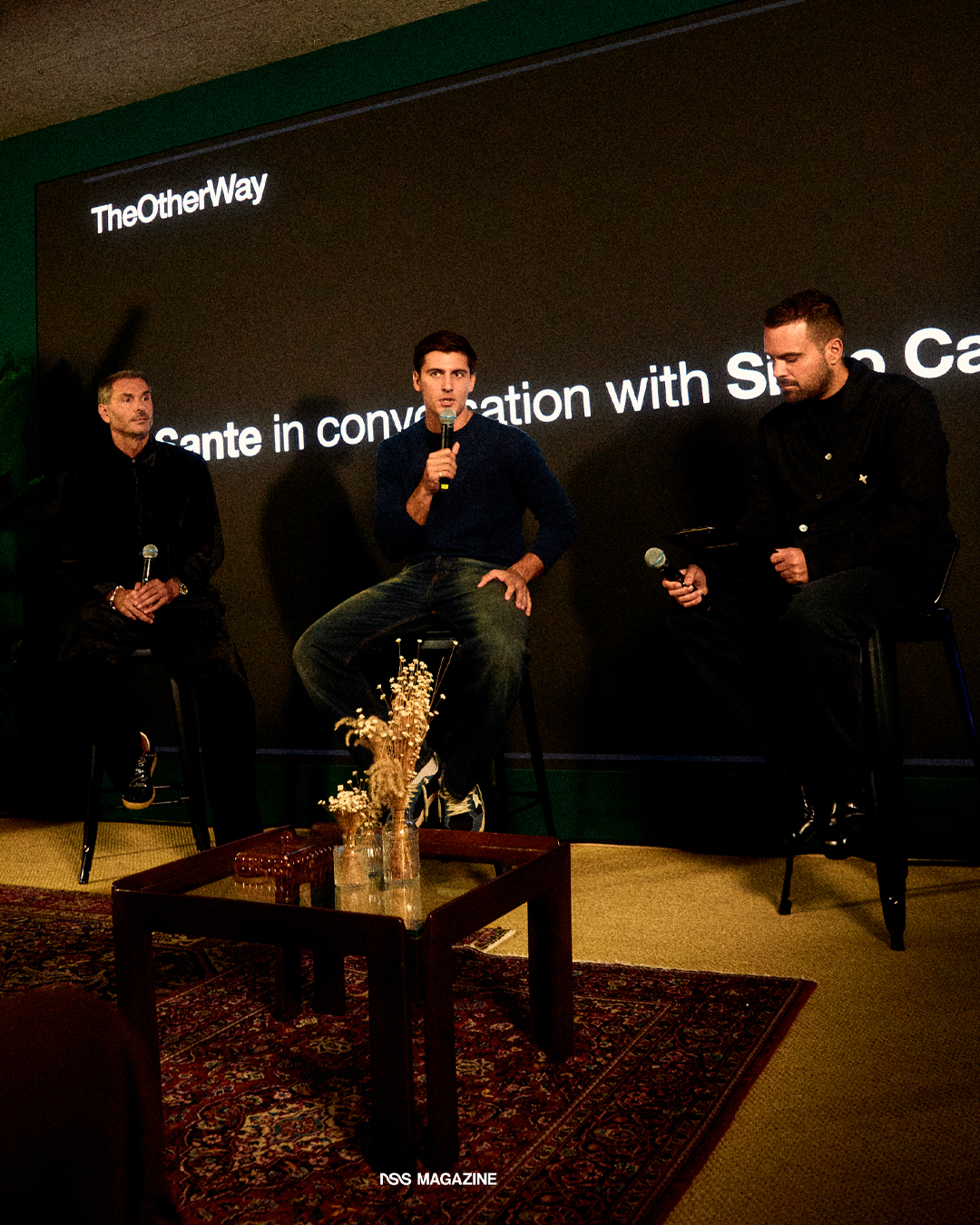
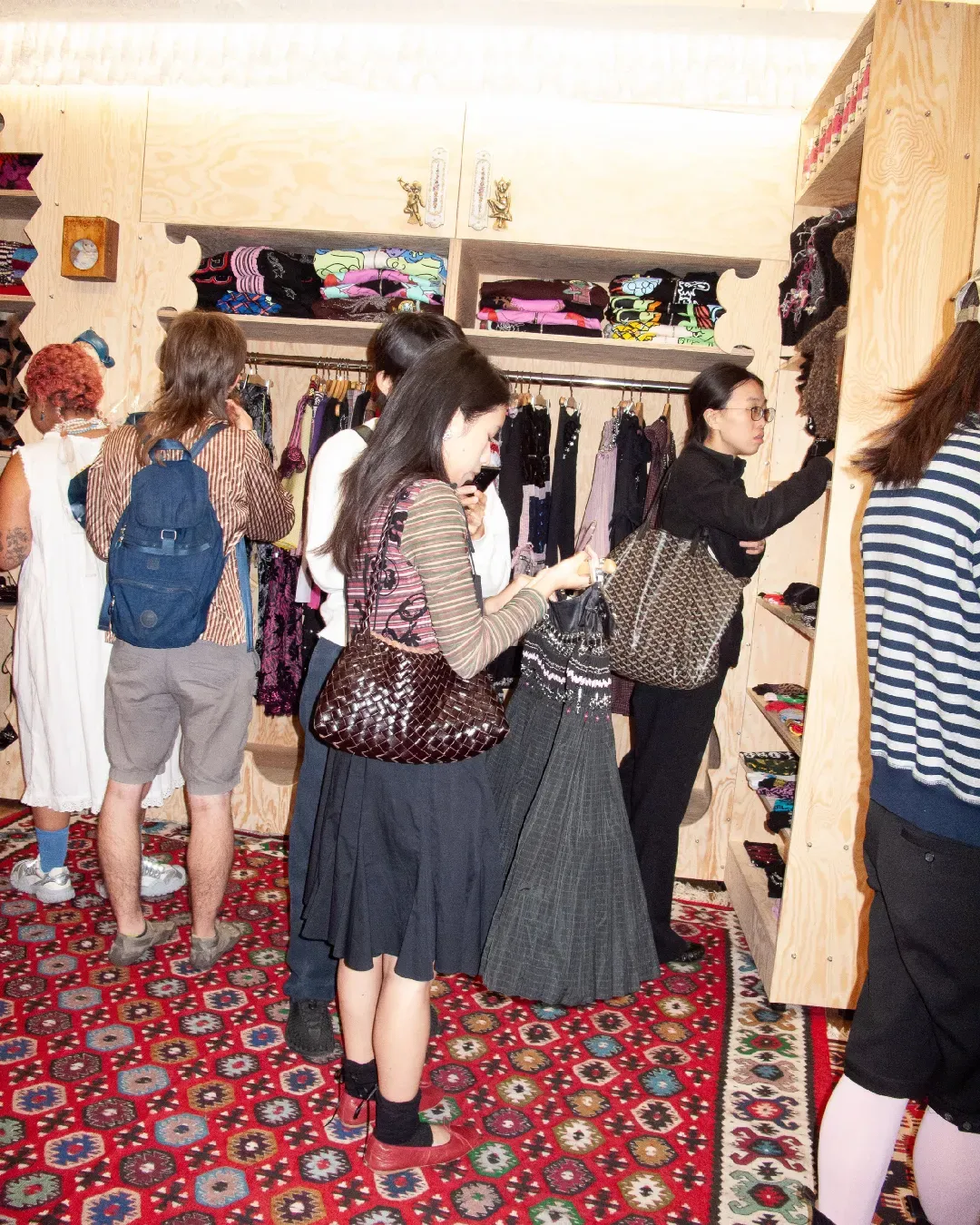
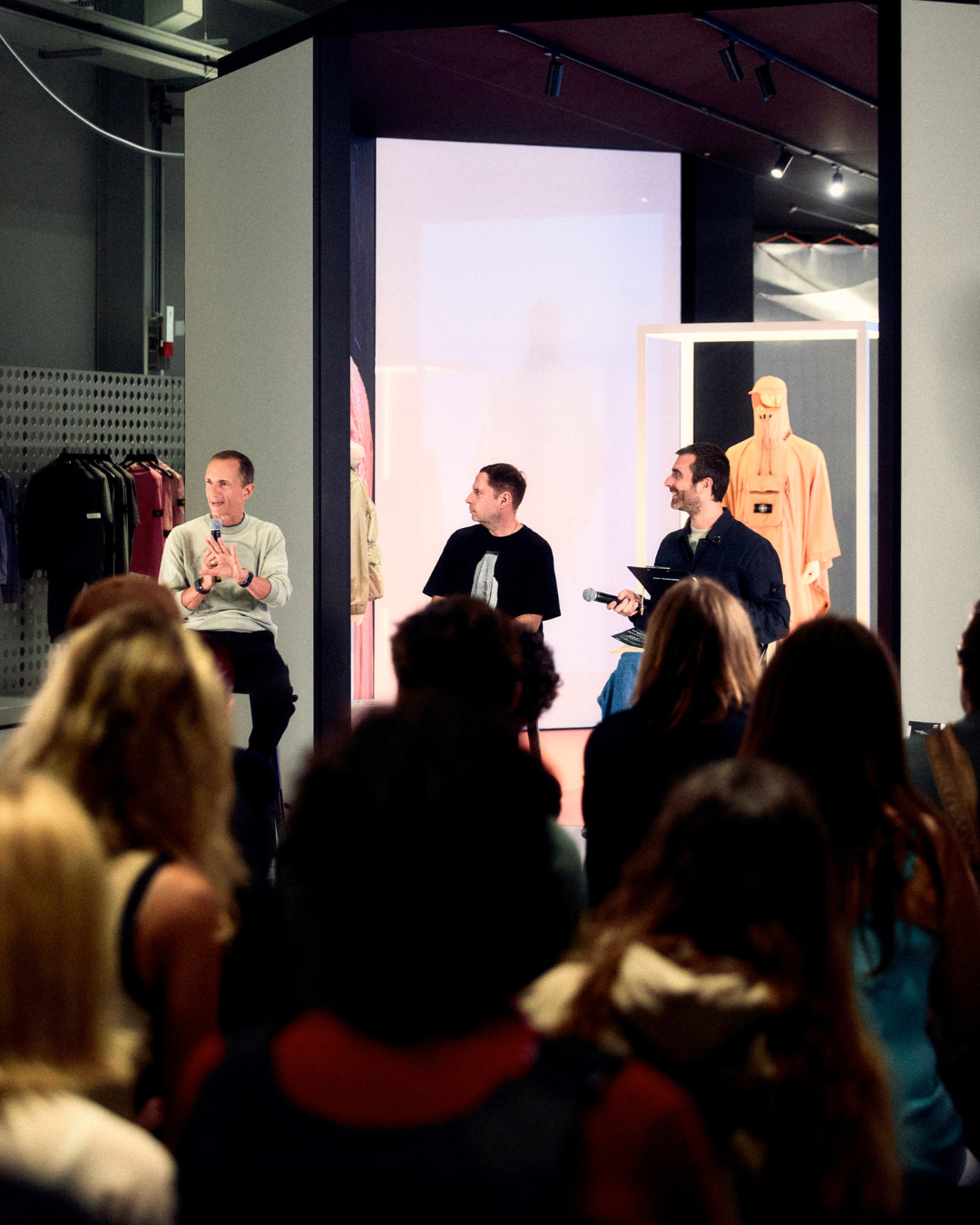
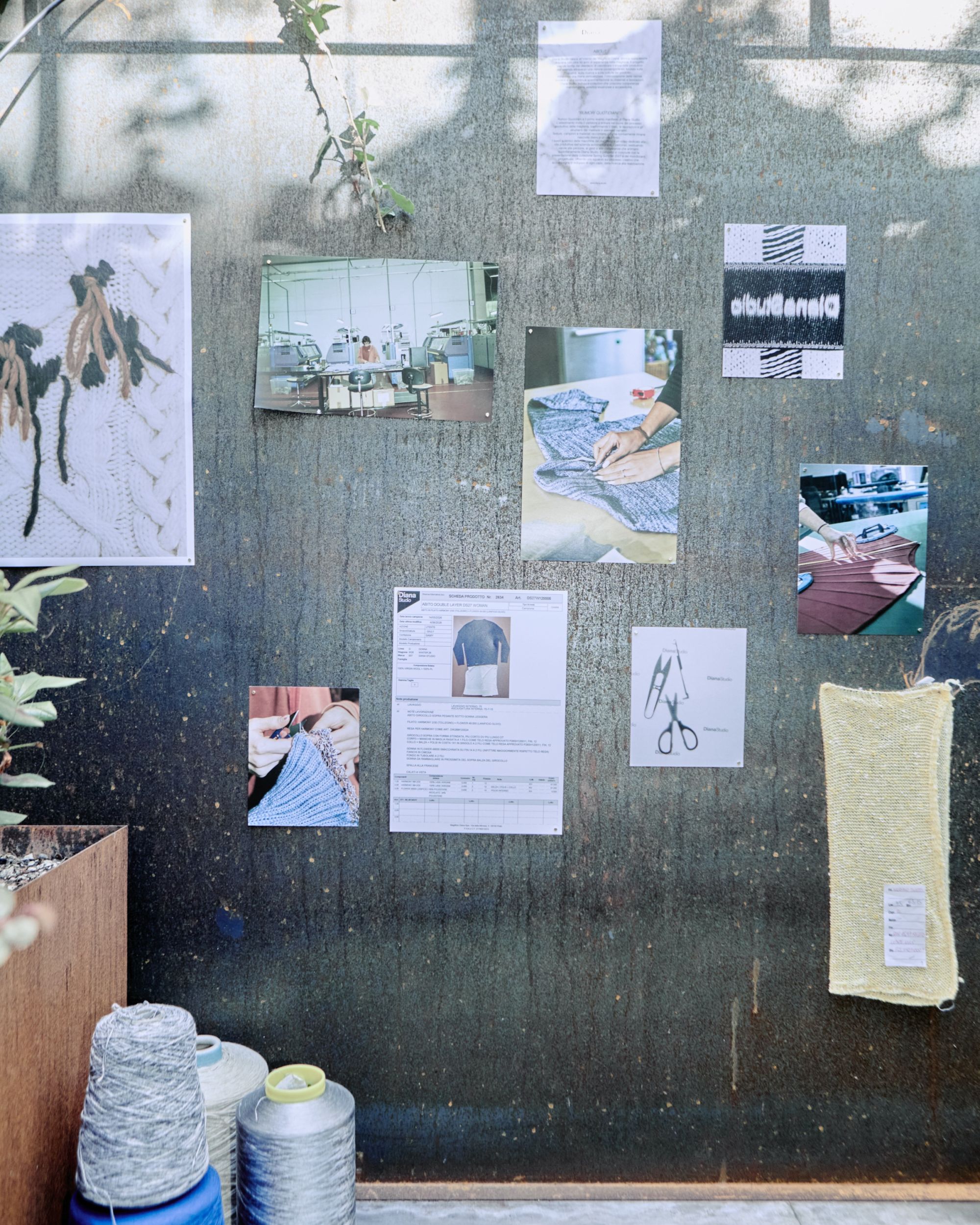
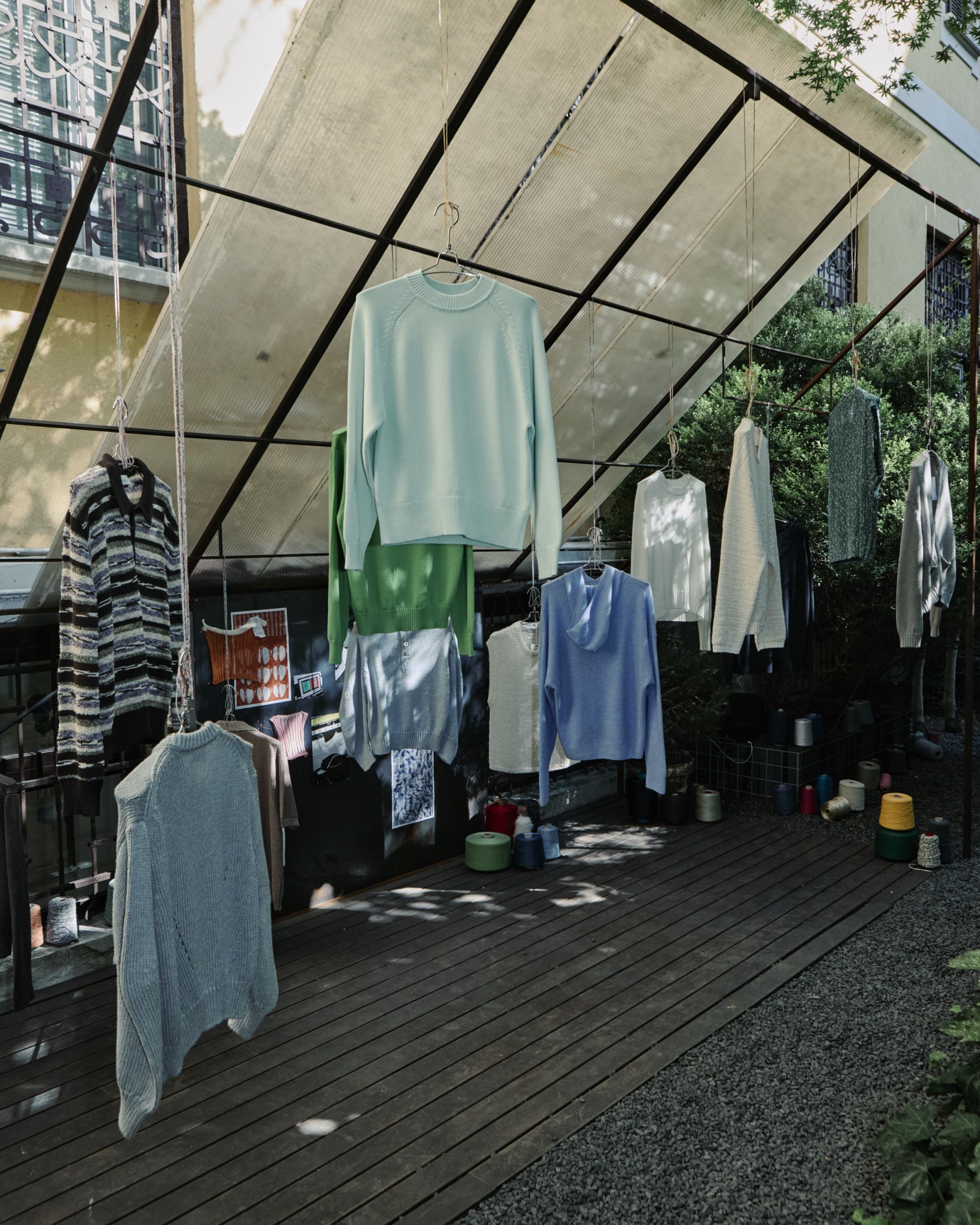
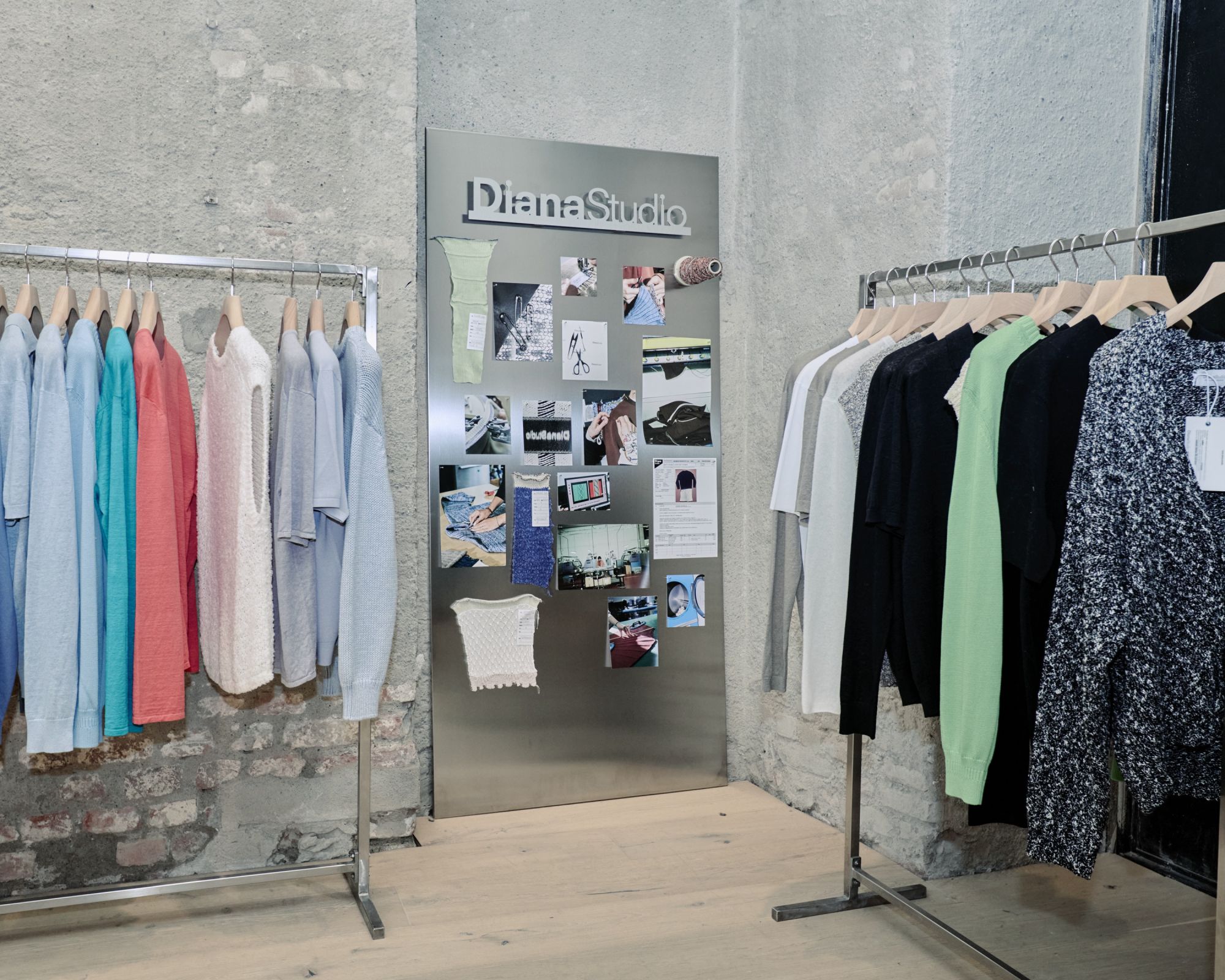
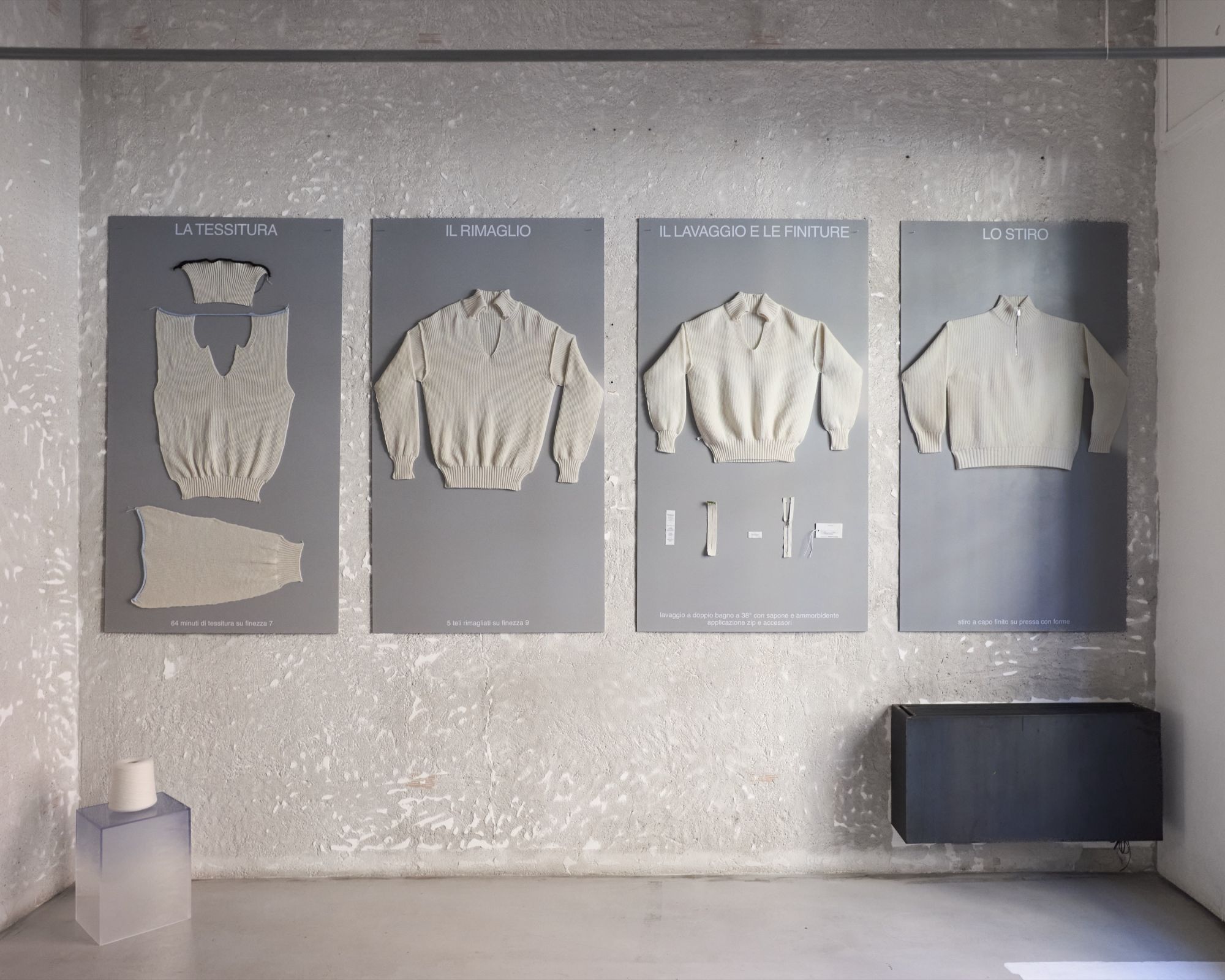
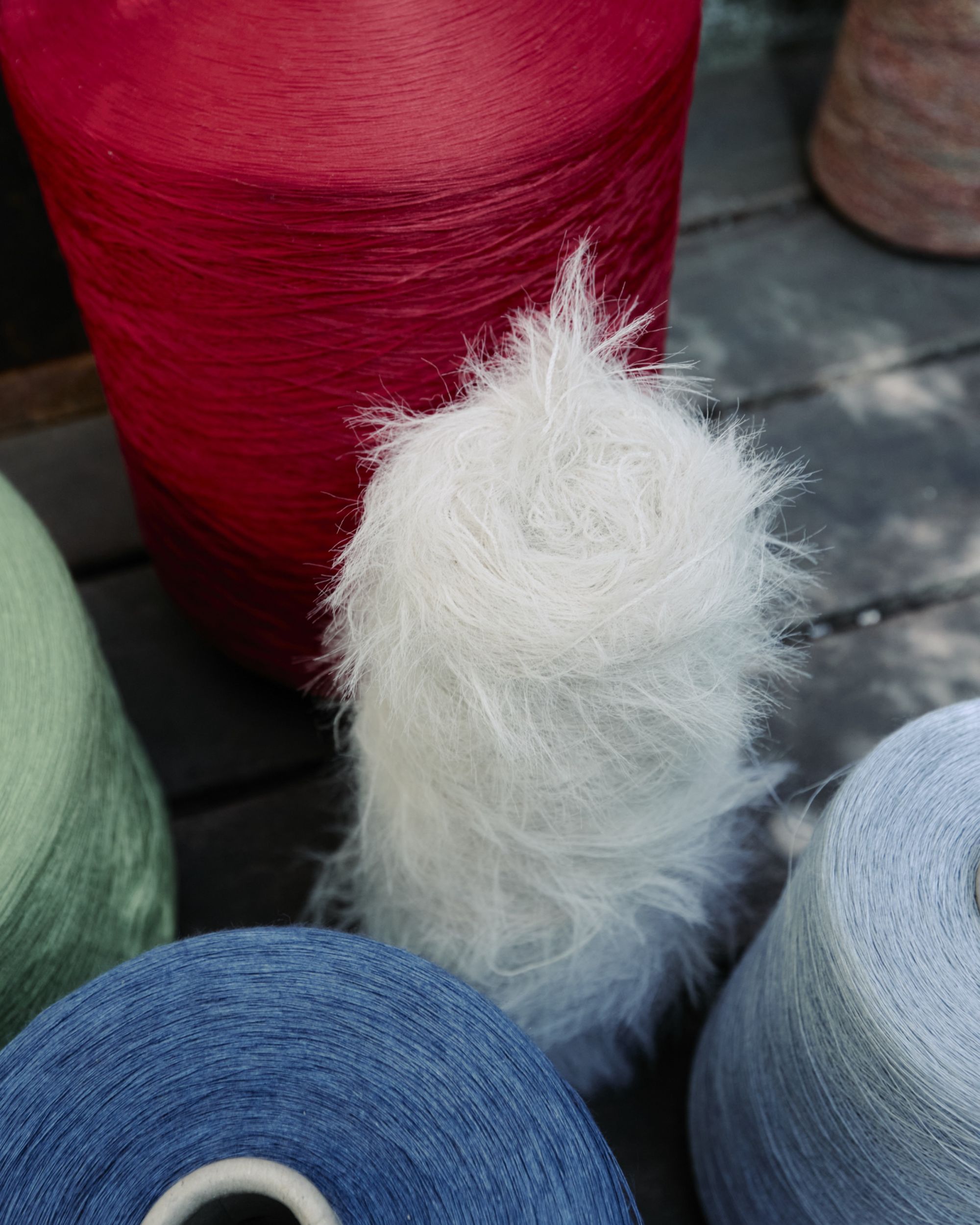
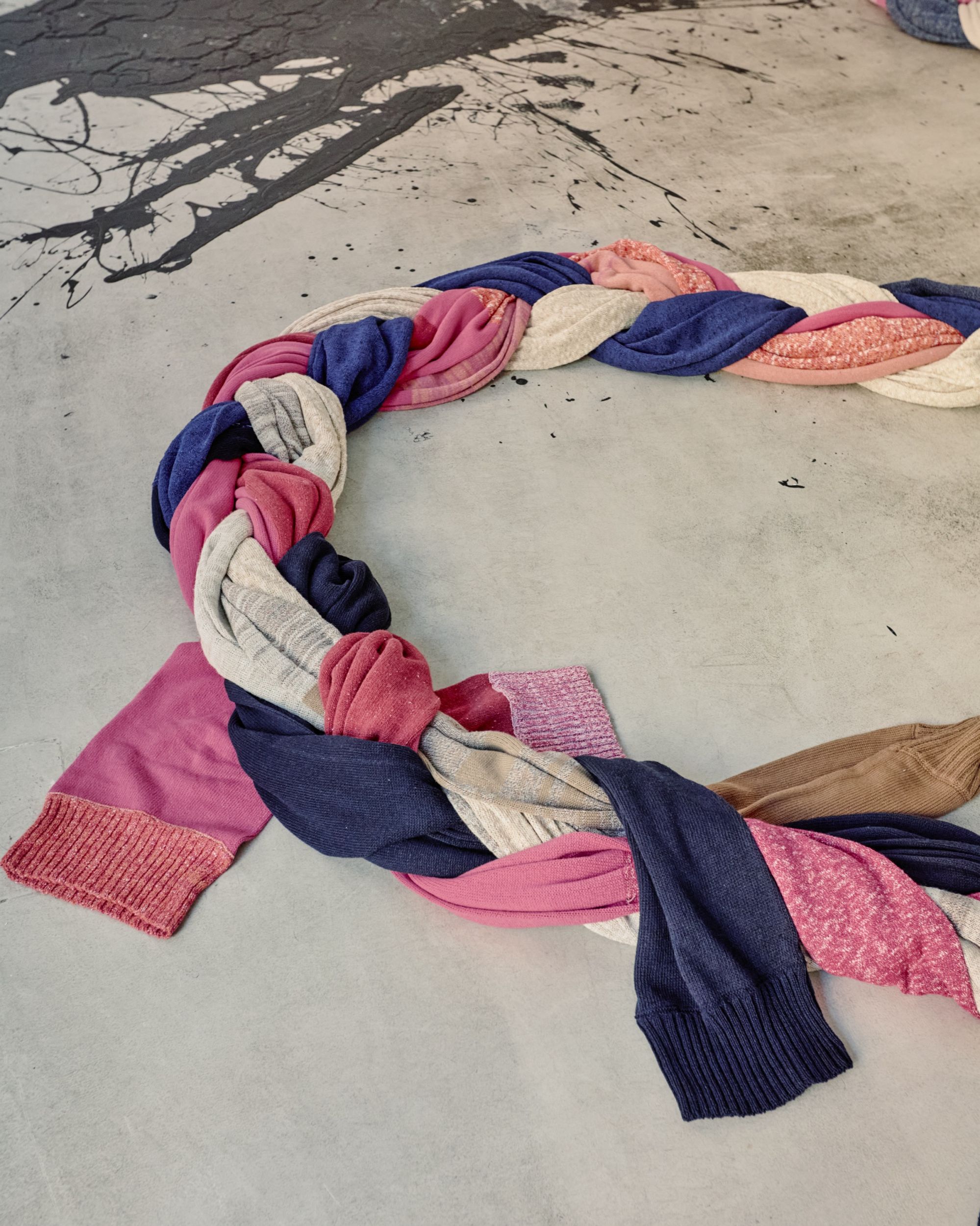
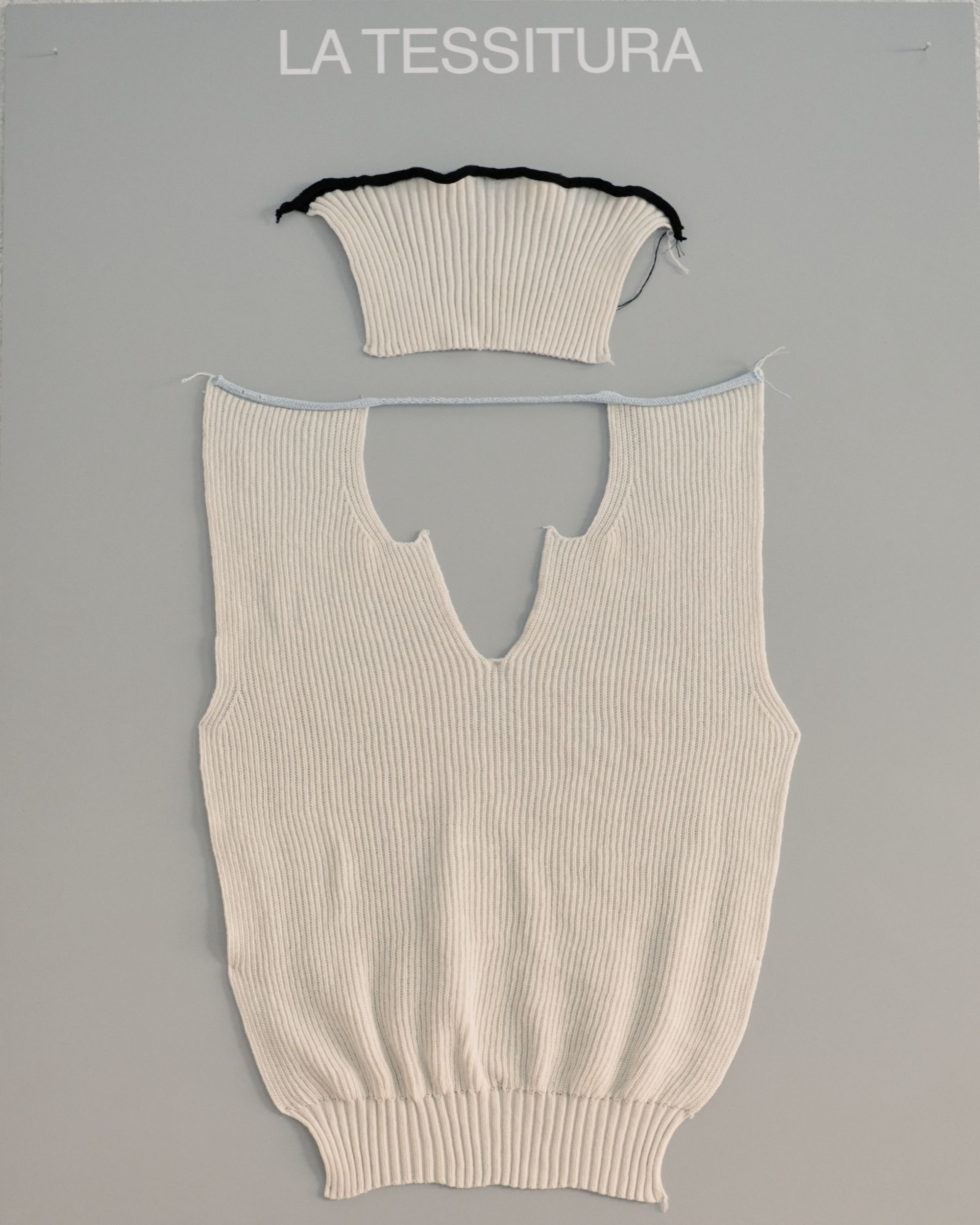
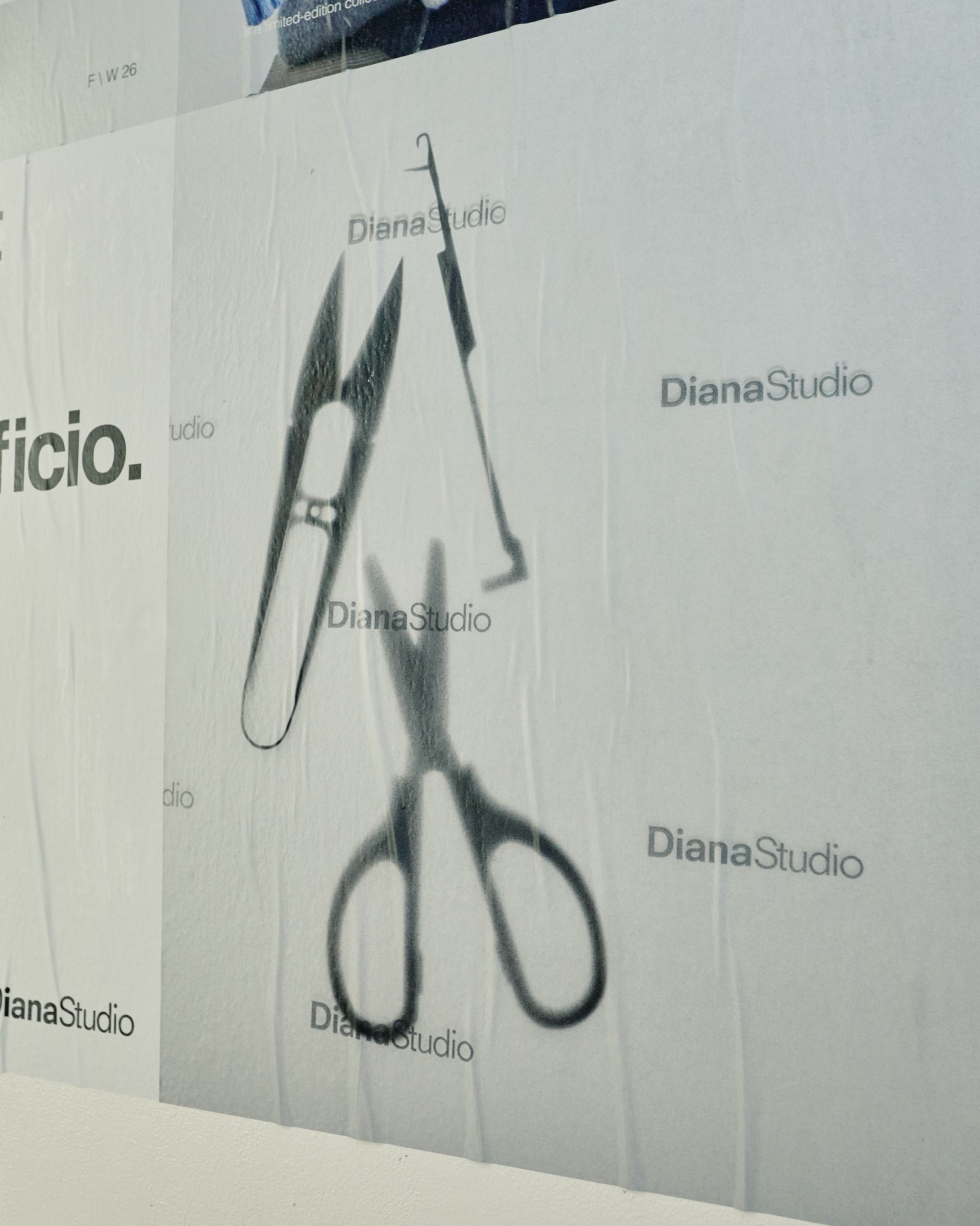
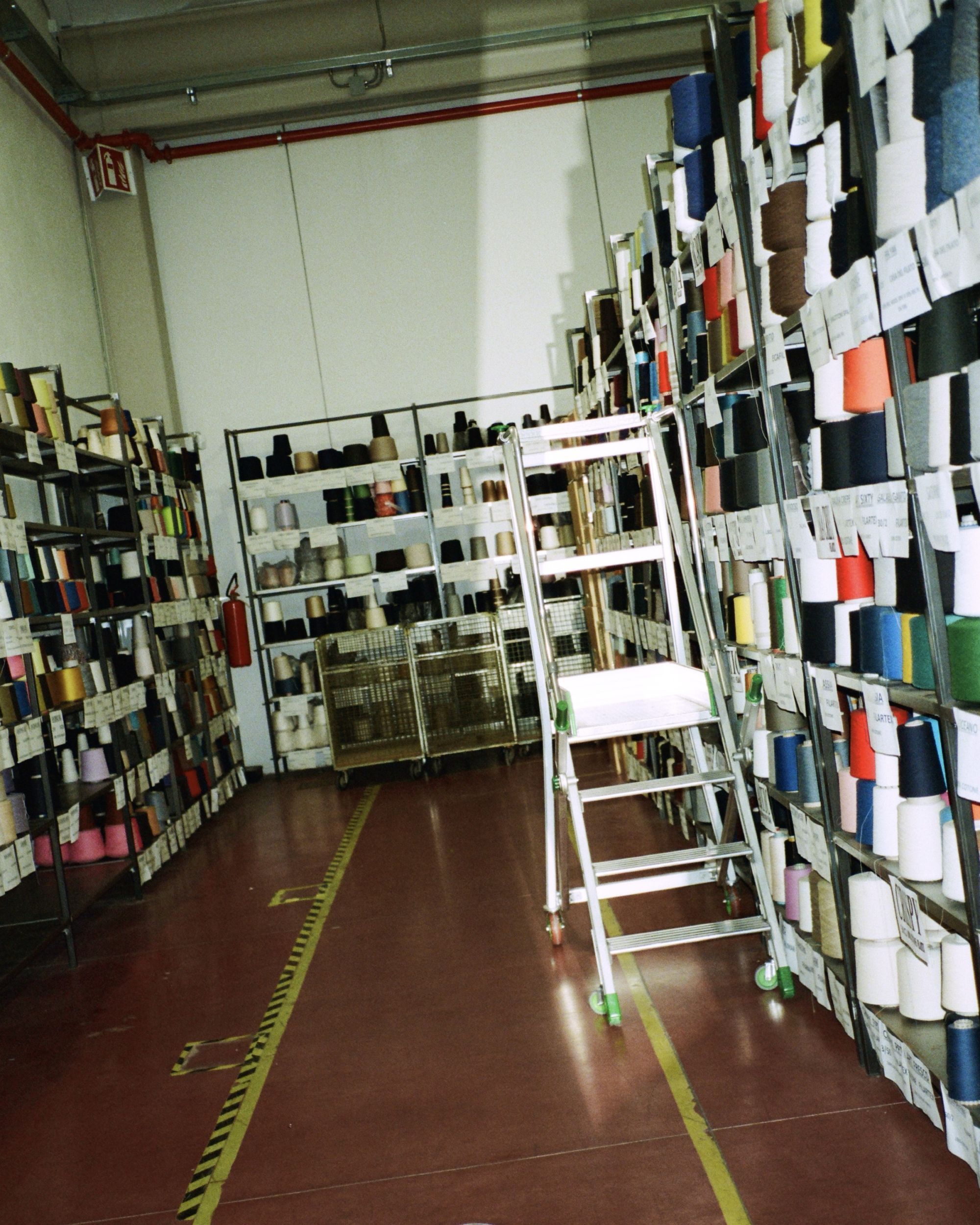
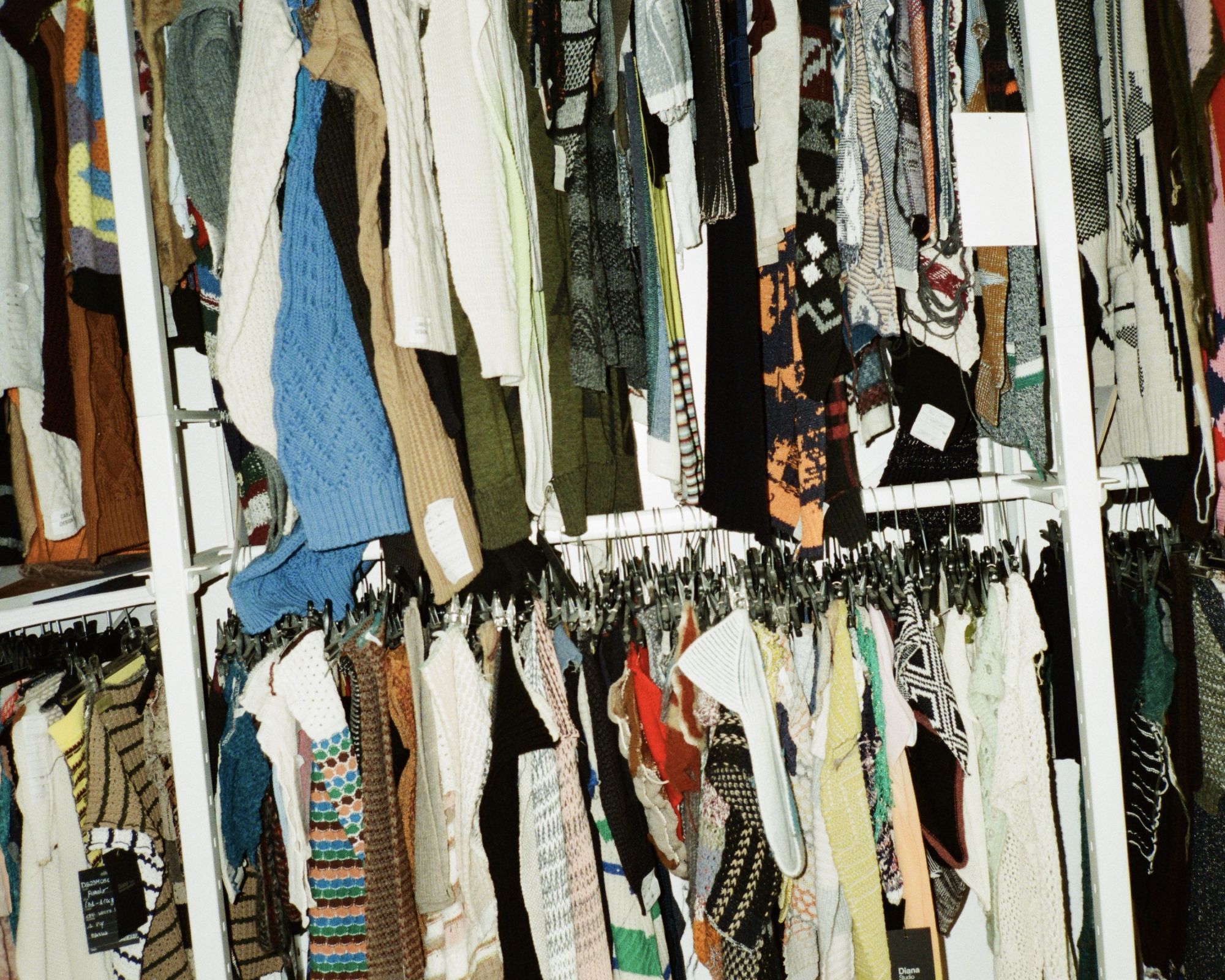
Immersed in the blinding heat of Milan, within the sheltered spaces of the Areté showroom, this June Diana Studio brought its first public event to life. From the production steps illustrated on the walls, displayed alongside the original yarns, to the finished garments adorning Areté's ceiling, "Rumori Quotidiani" offered Milan's public the opportunity to explore the world of Diana Studio up close.
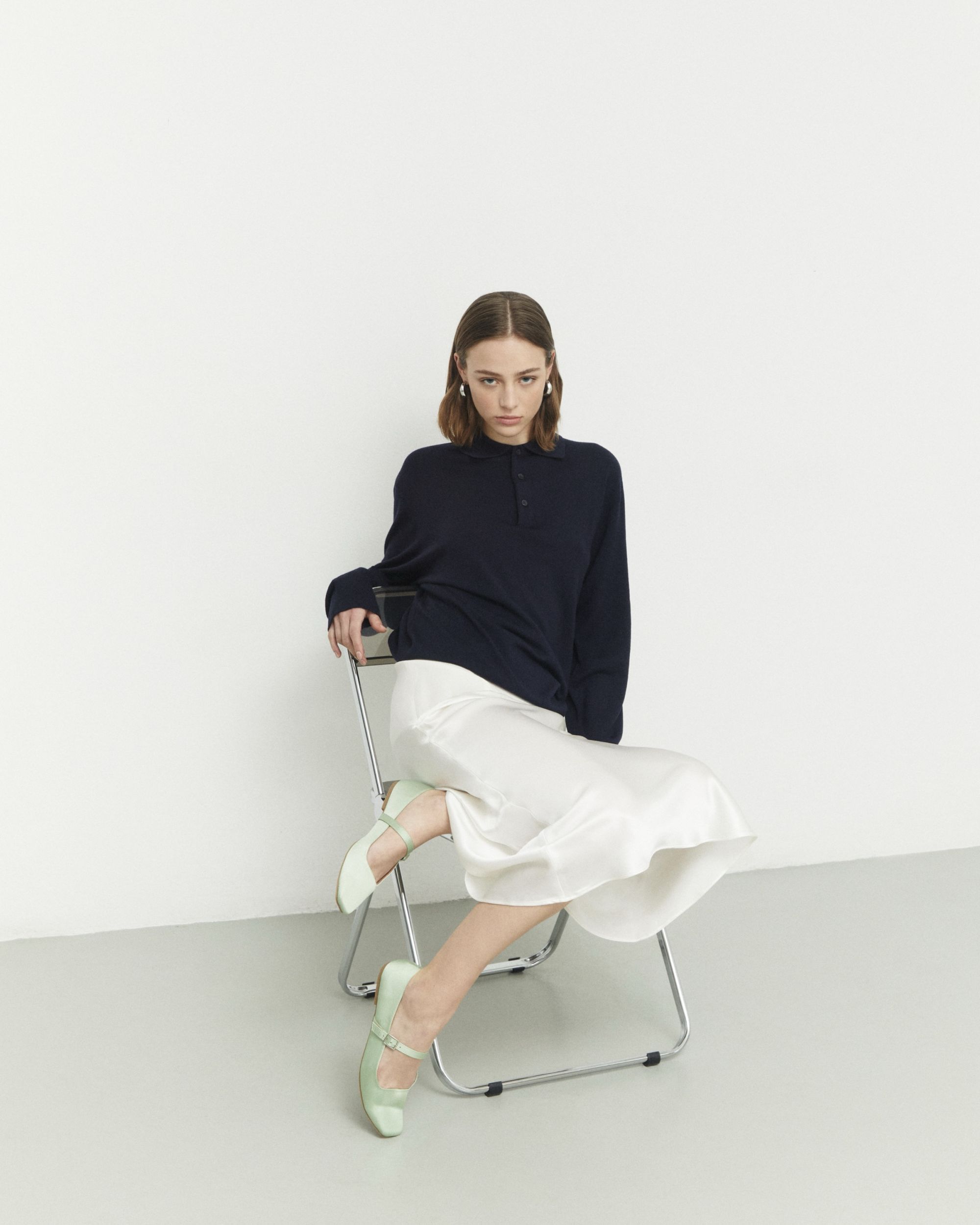
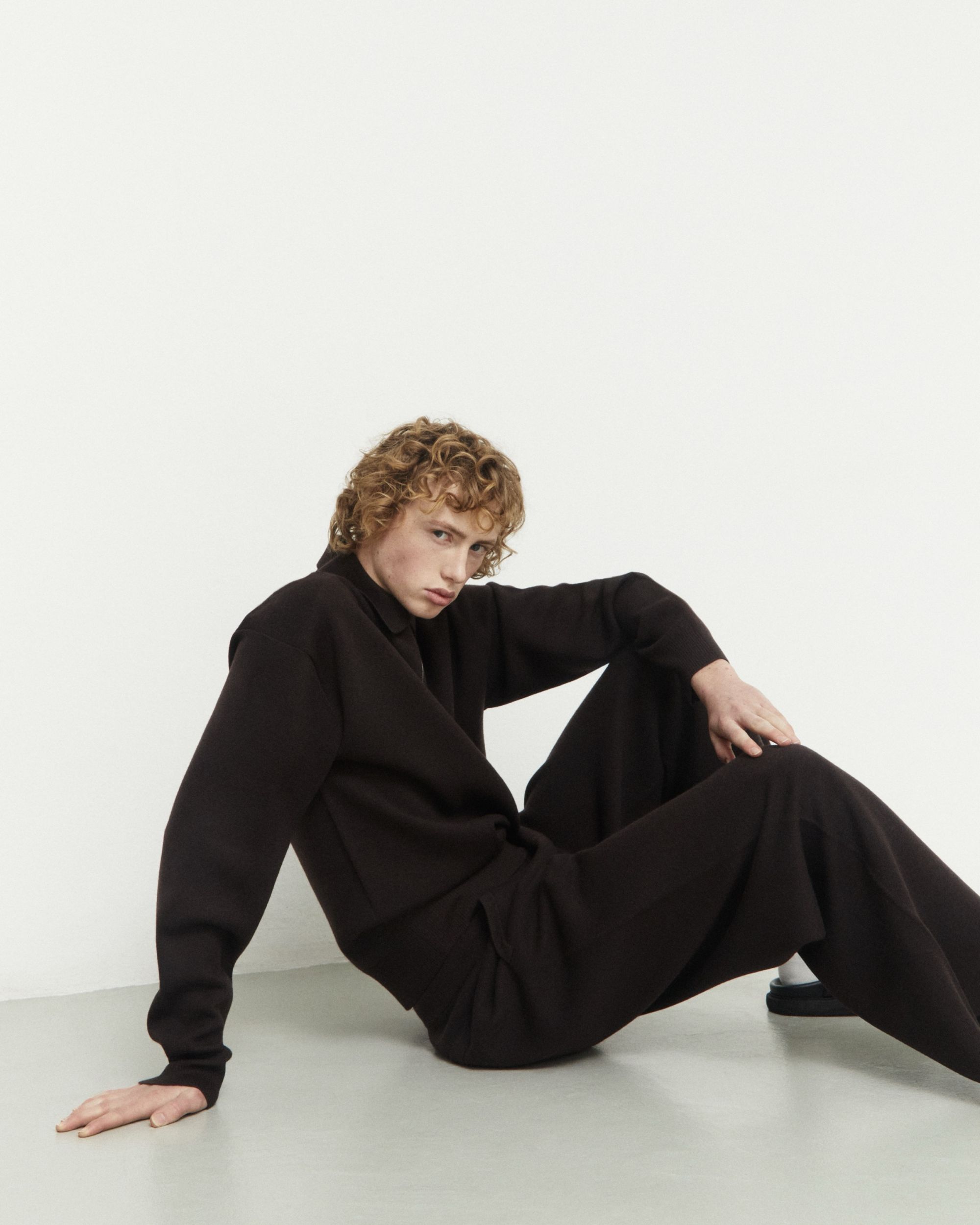
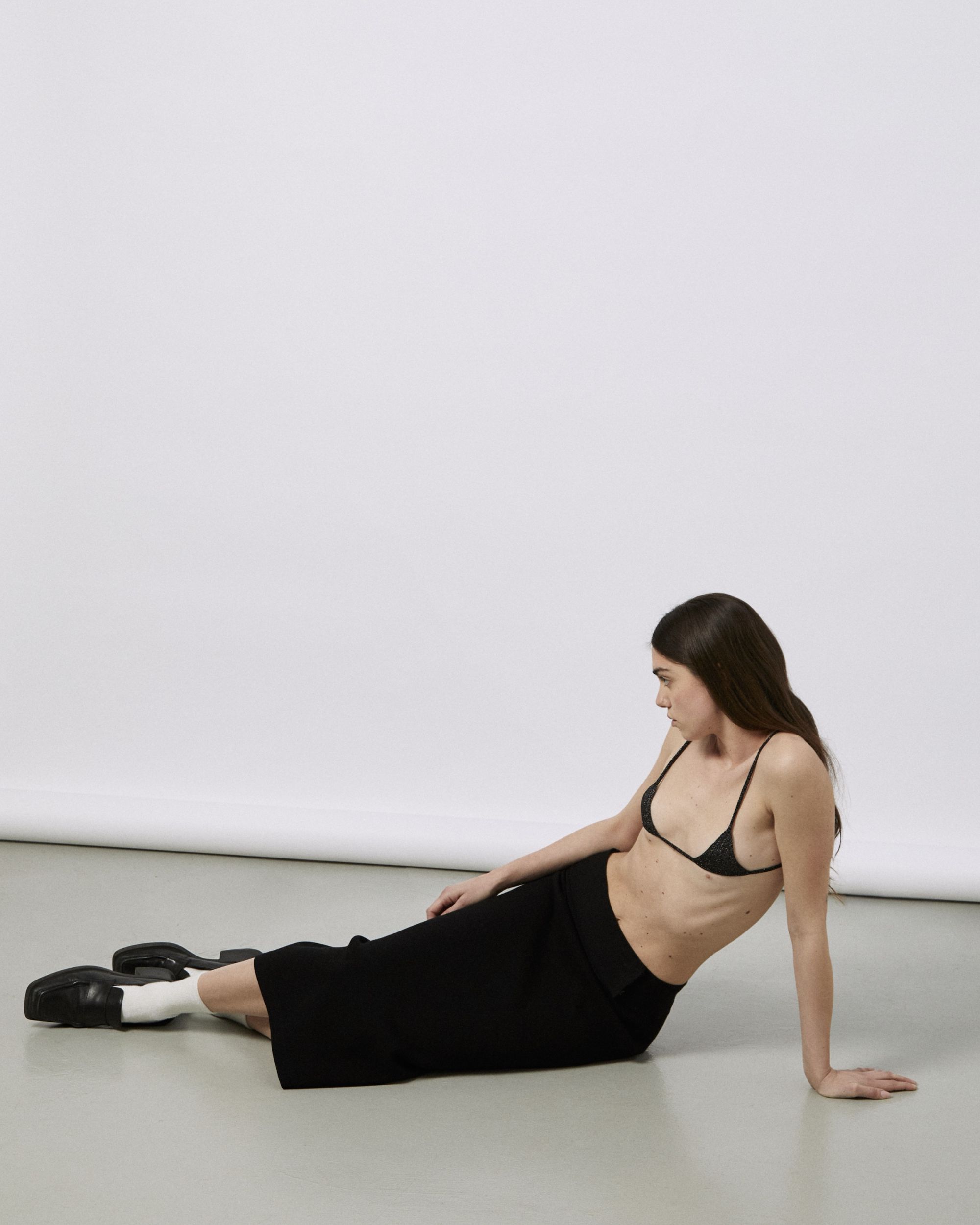
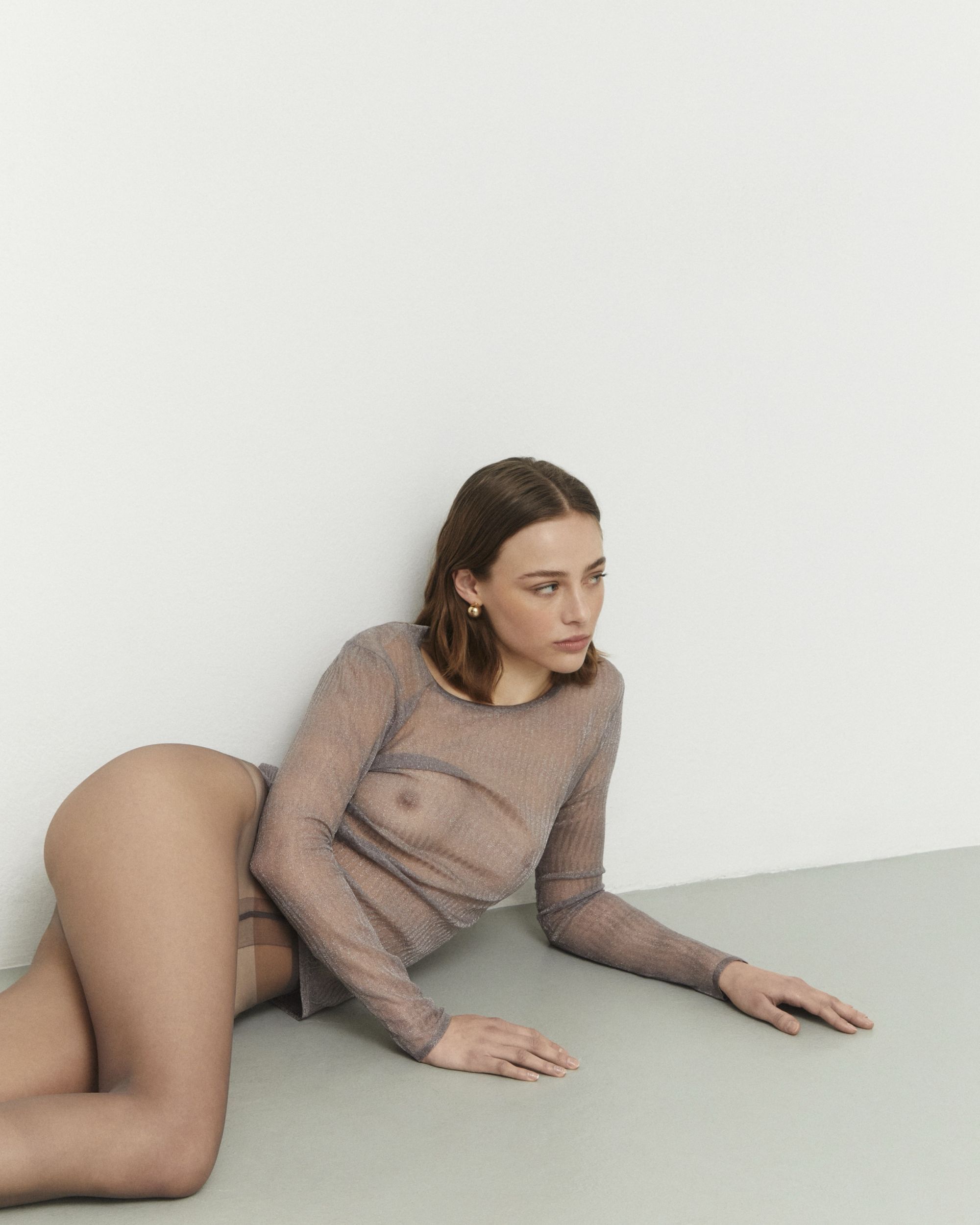
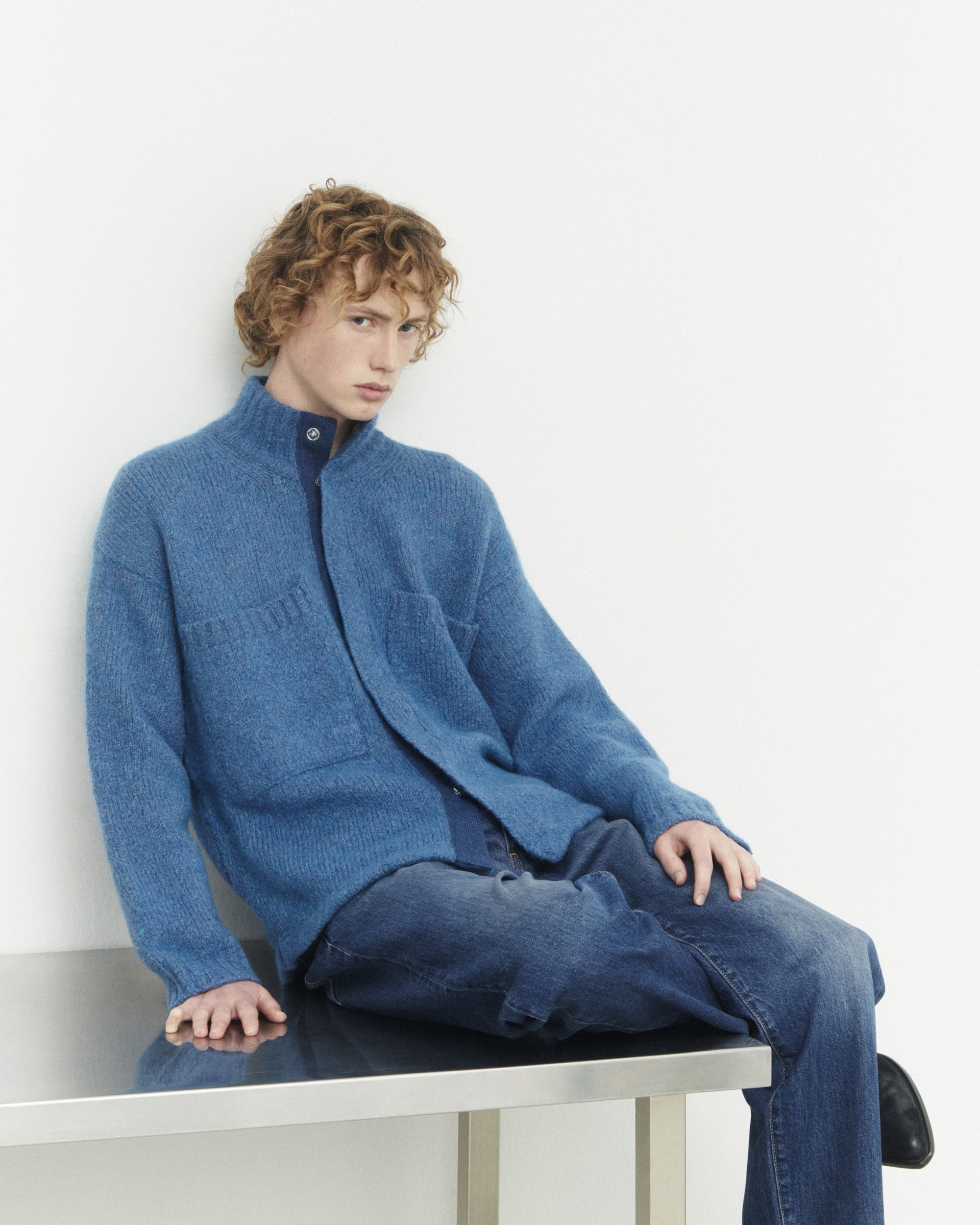
Born within Maglificio Diana, a Tuscan textile company with over fifty years of history specialising in knitwear production for local and international brands, Diana Studio takes the mill's savoir-faire and transforms it into a contemporary label. The idea at the heart of the project is radical: to create a more conscious production model for contemporary collections that are accessible yet high in quality.
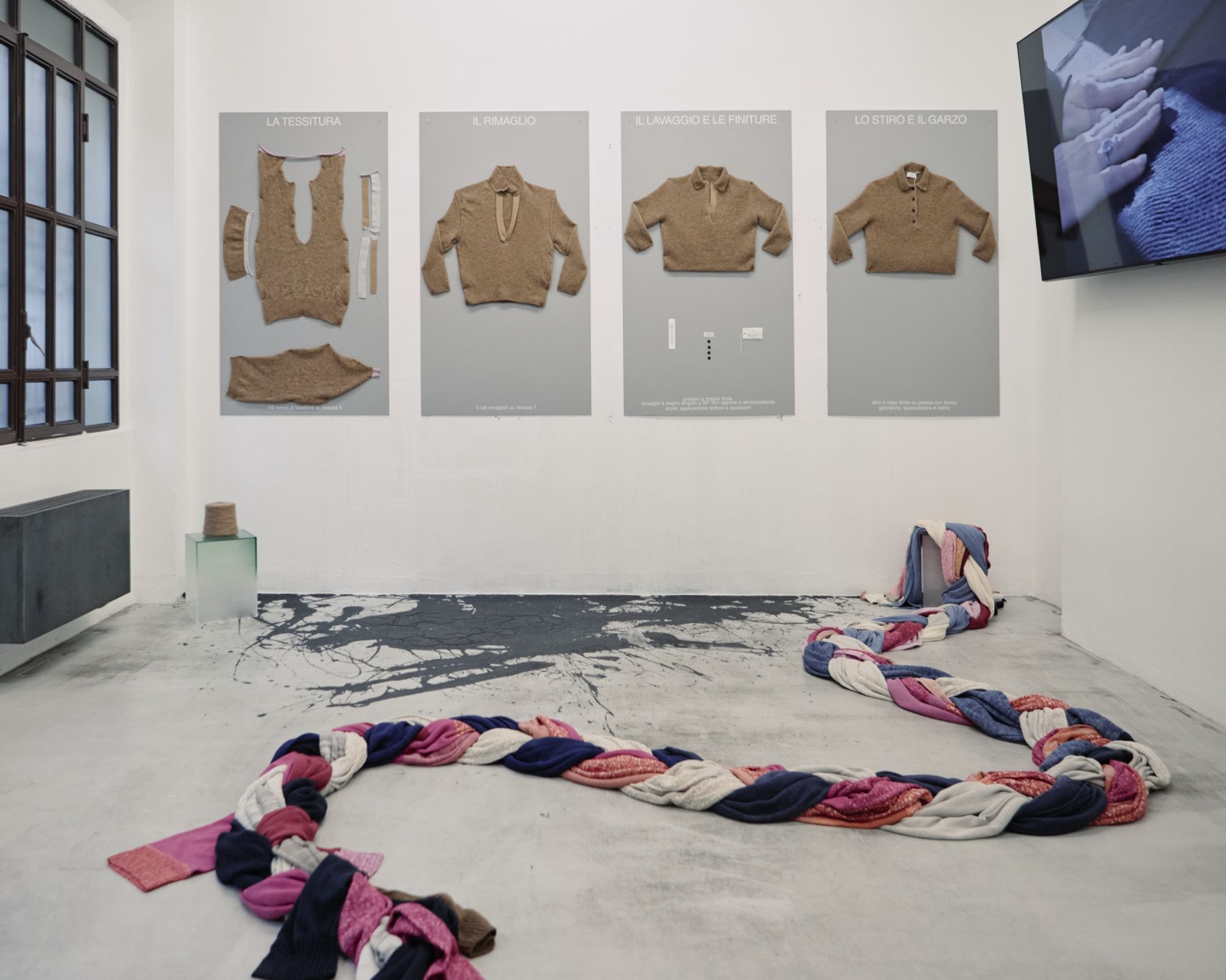
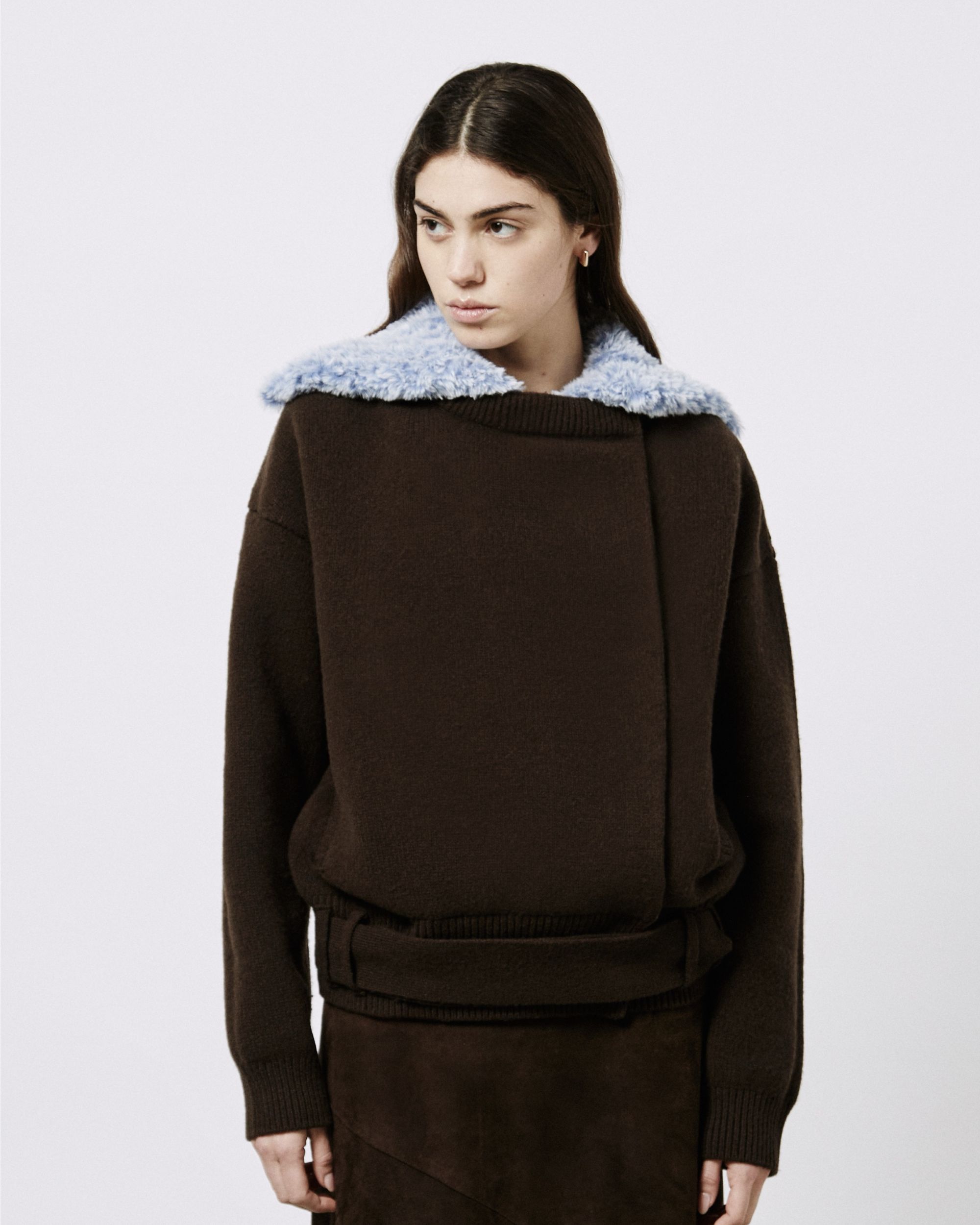
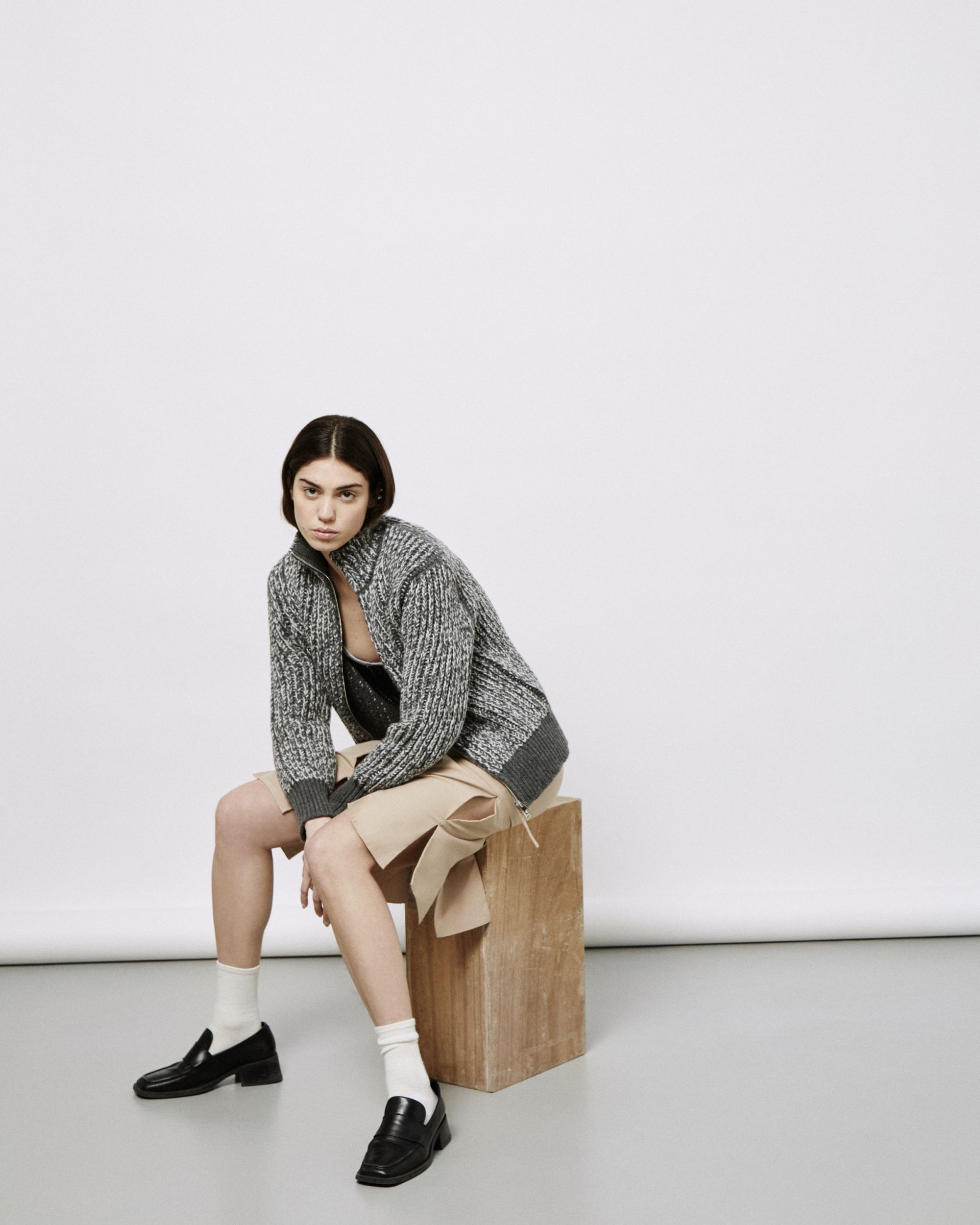
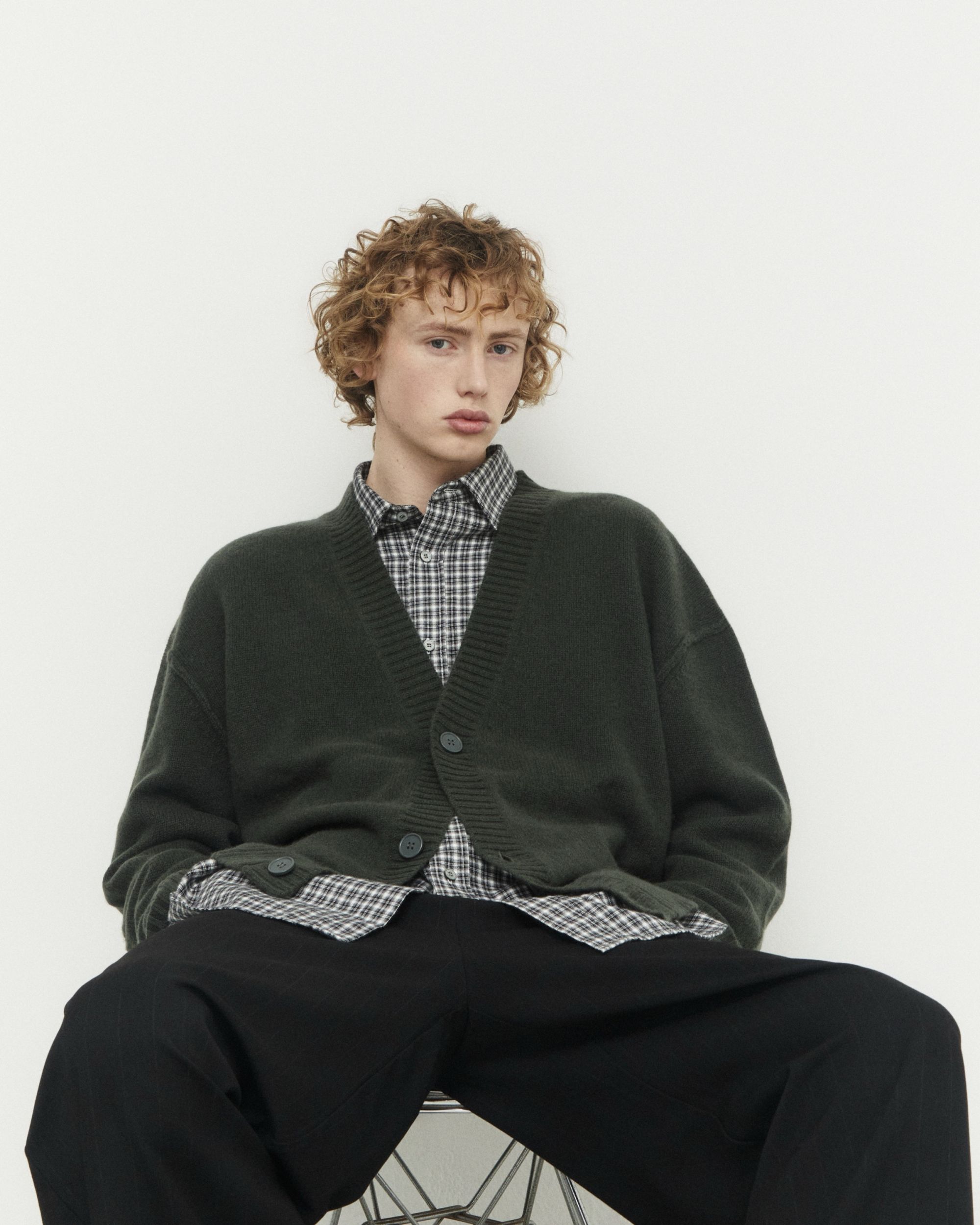
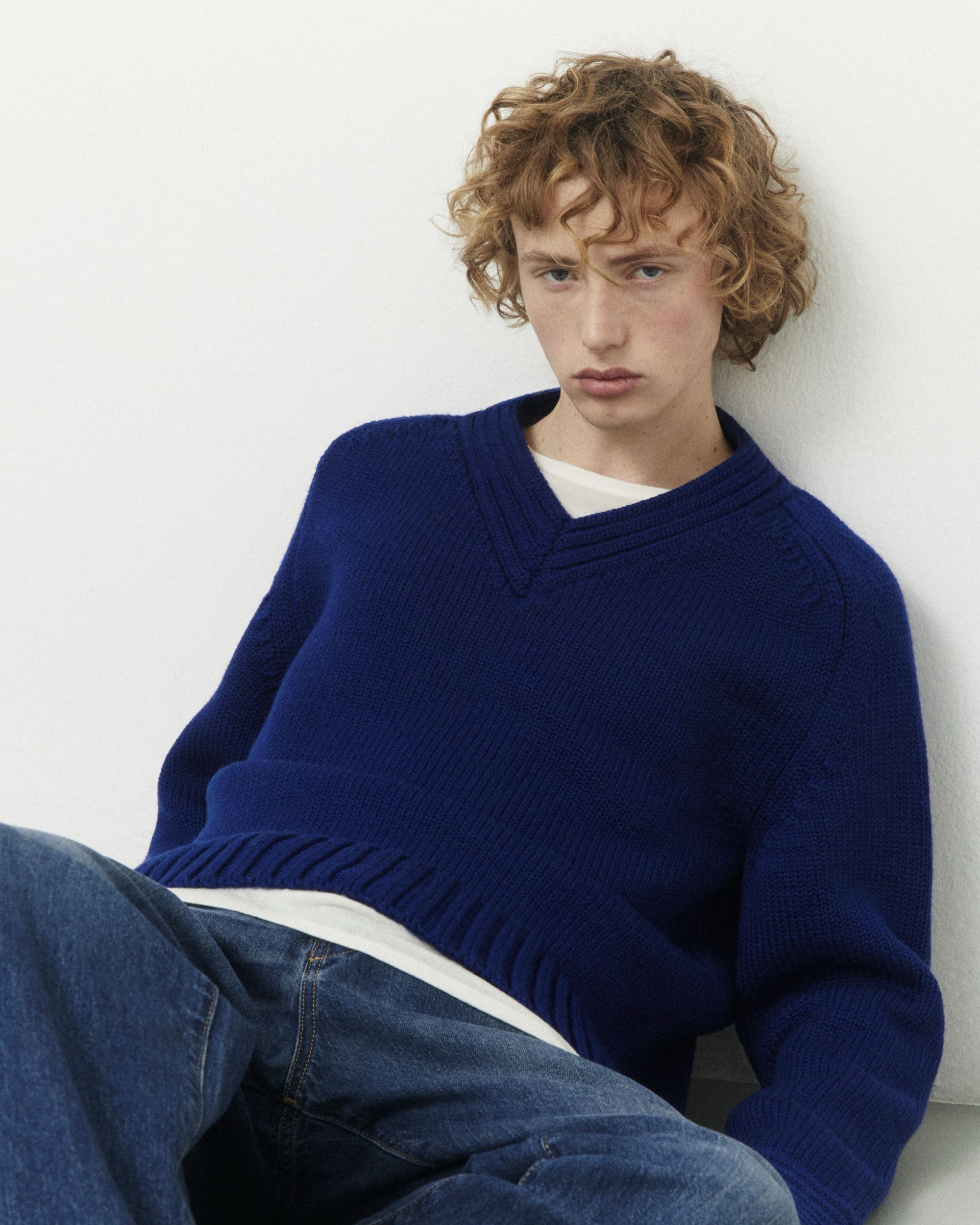
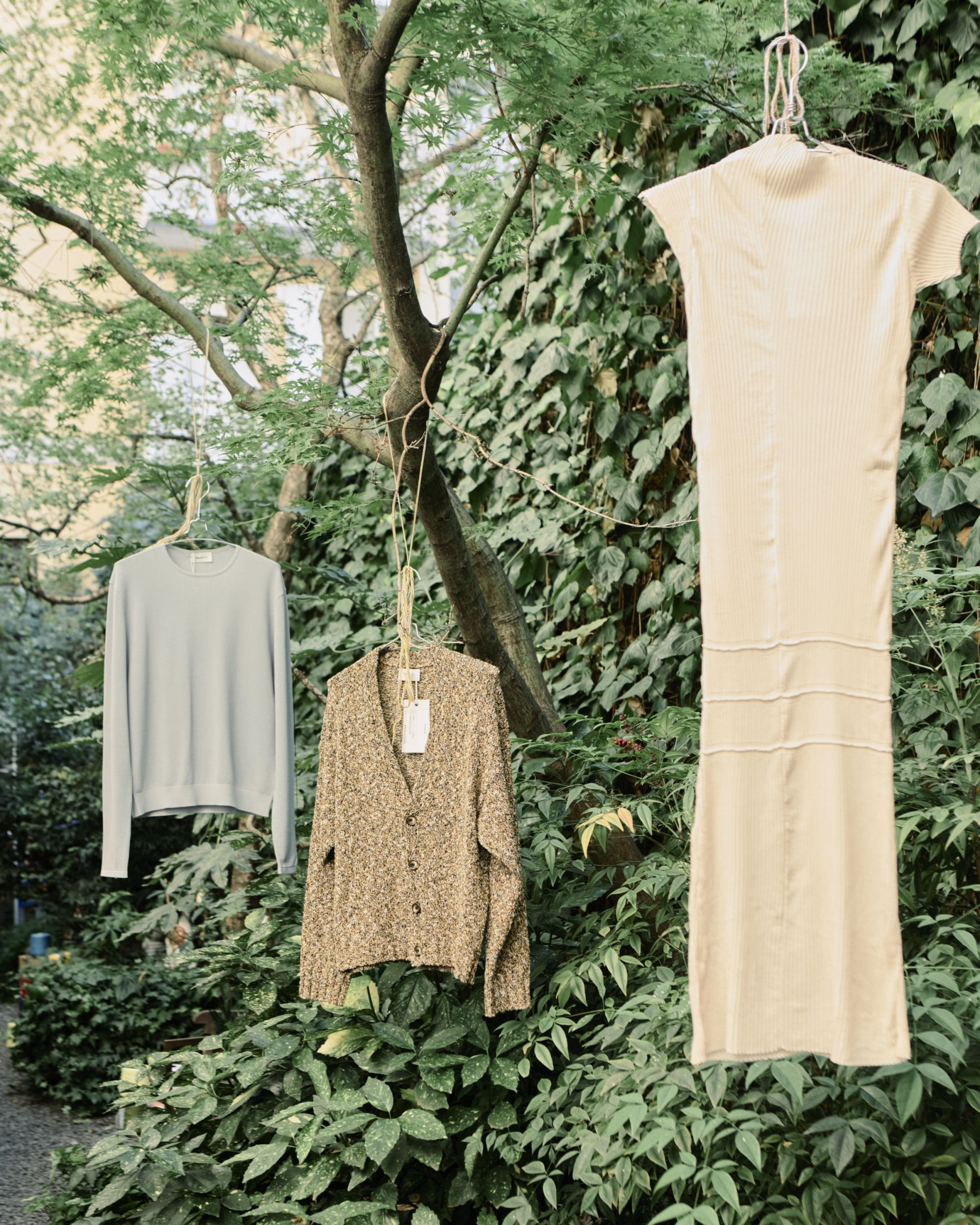
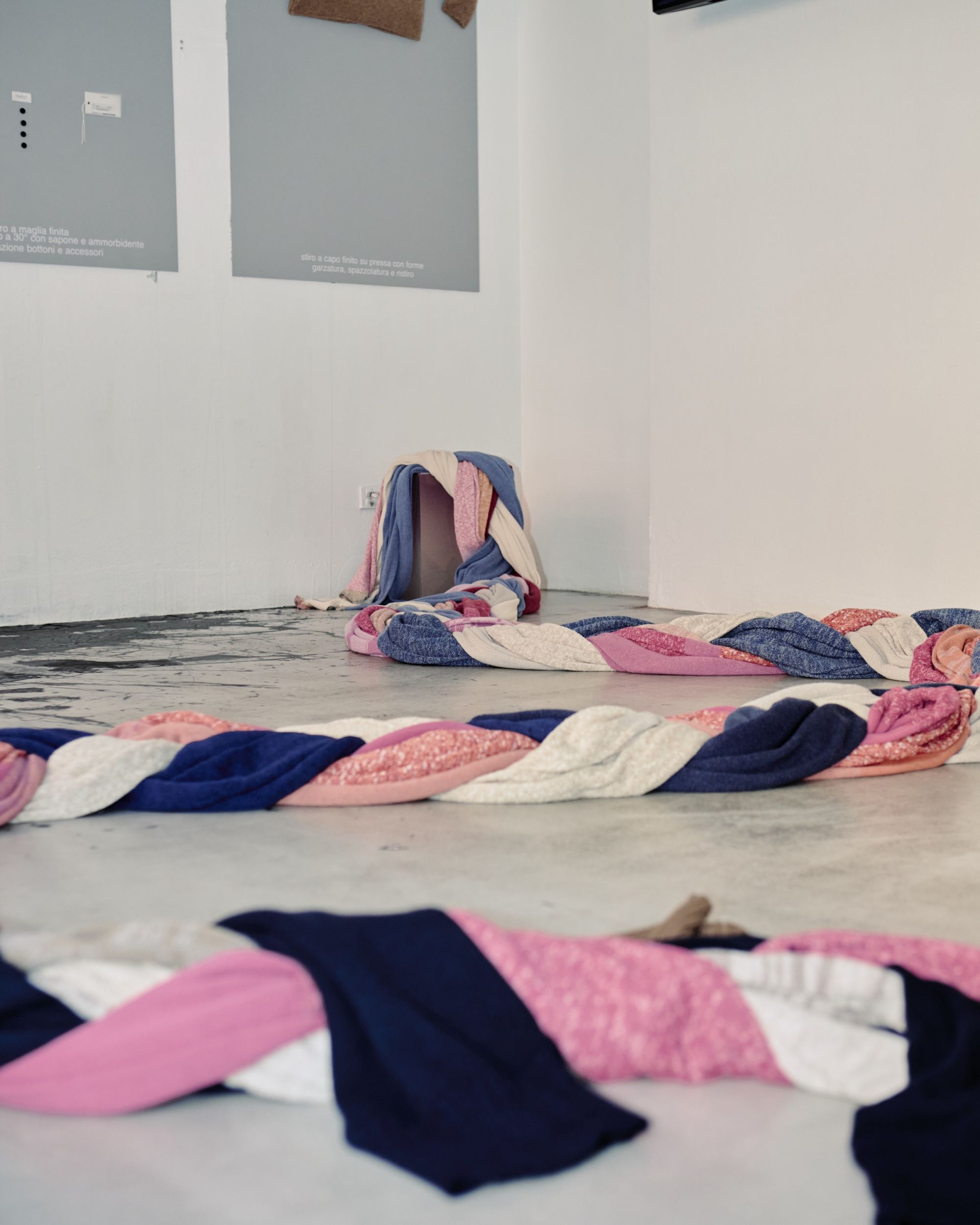
The event celebrated the history of Maglificio Diana and its future, embodied in Diana Studio, serving as a tribute to Italian manufacturing from all the artisans on the team — spanning generations far apart in age yet united by the same goal: Made in Italy must not be inaccessible, the representatives of Diana Studio affirm, but it must also uphold the exceptionally high standards that have always defined the country's craftsmanship.
On the occasion of Rumori Quotidiani, we had a chat with Gianmarco Alessandrone Gambardella and Chiara Errica, the founders of Diana Studio.
How did Rumori Quotidiani come about?
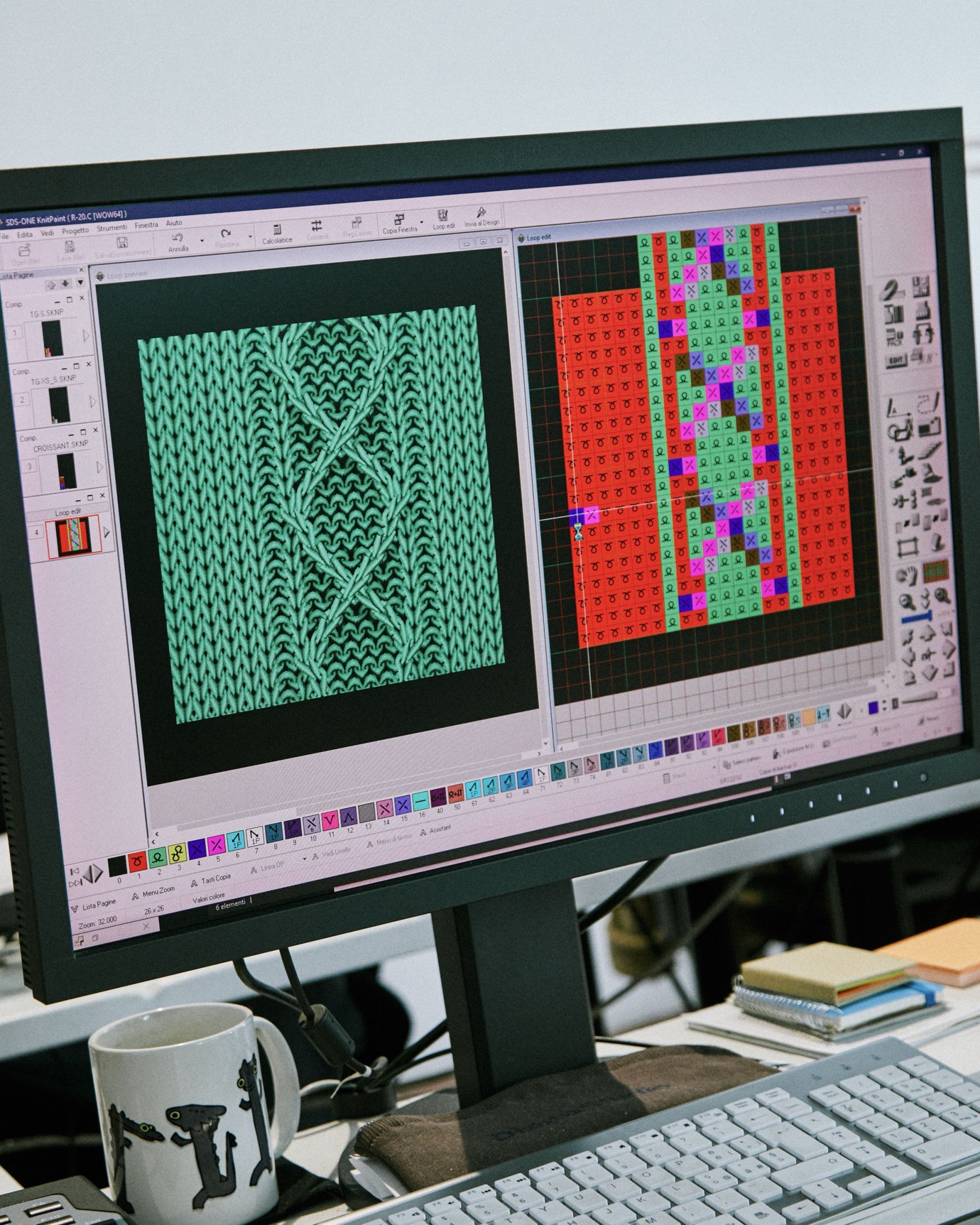
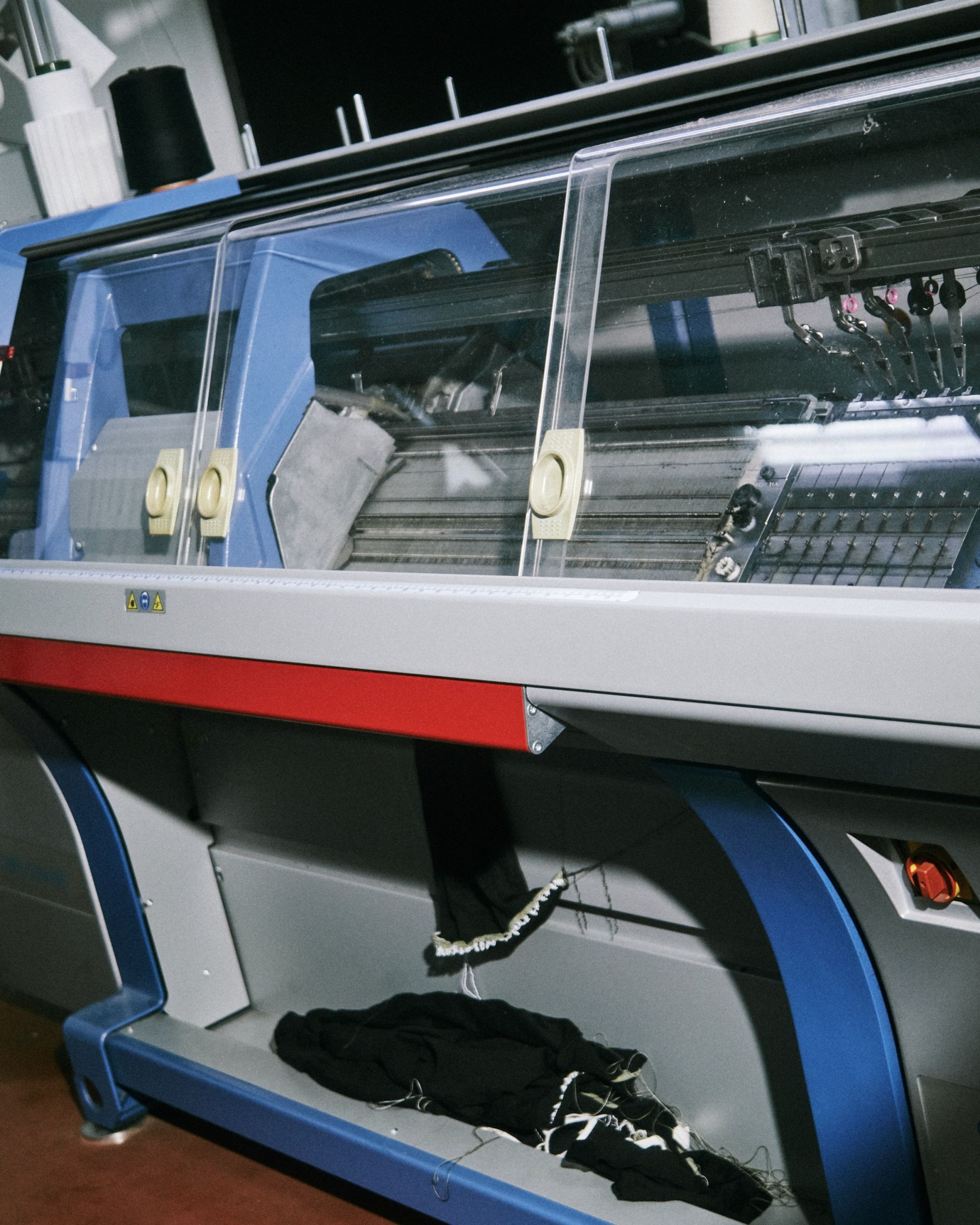
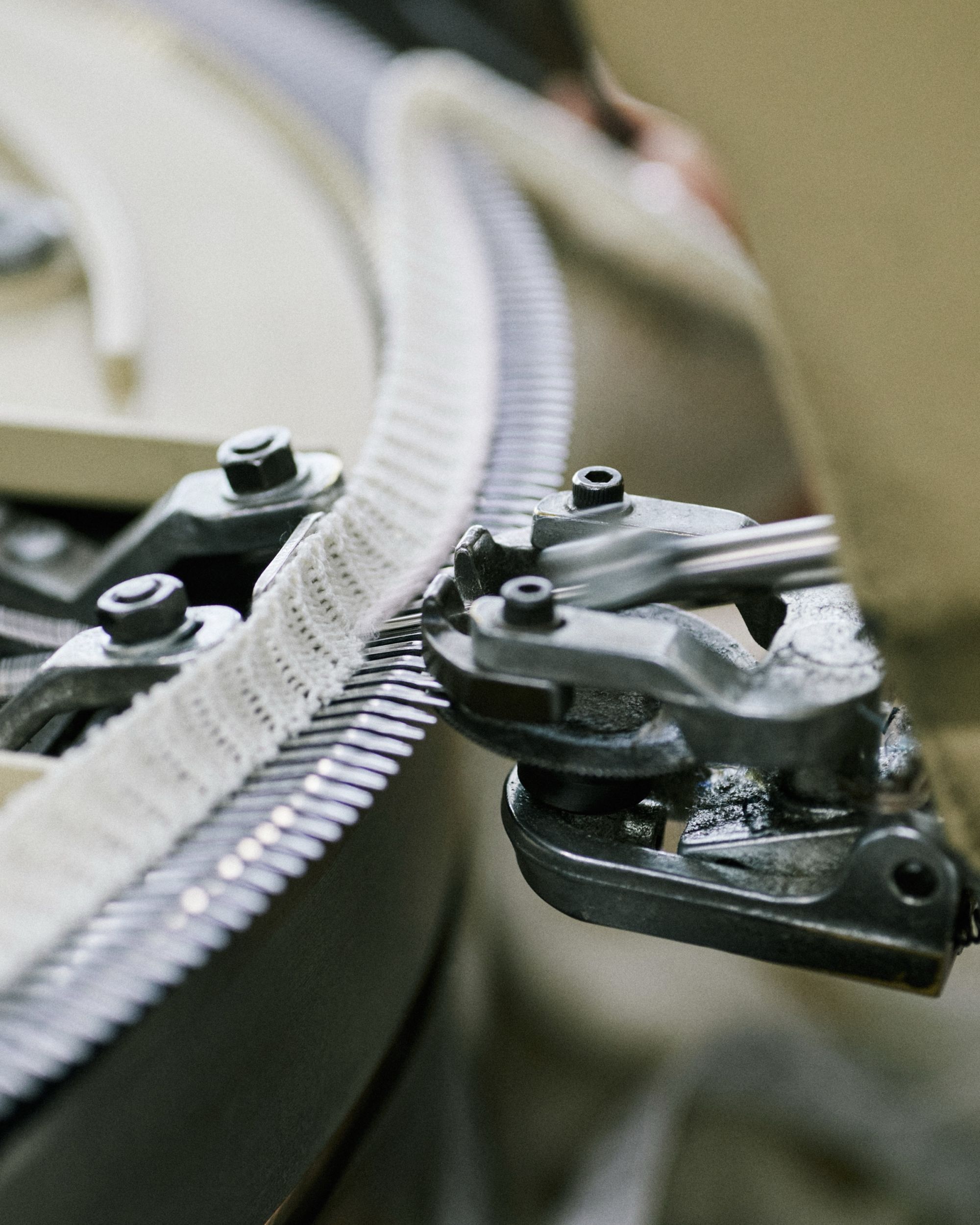
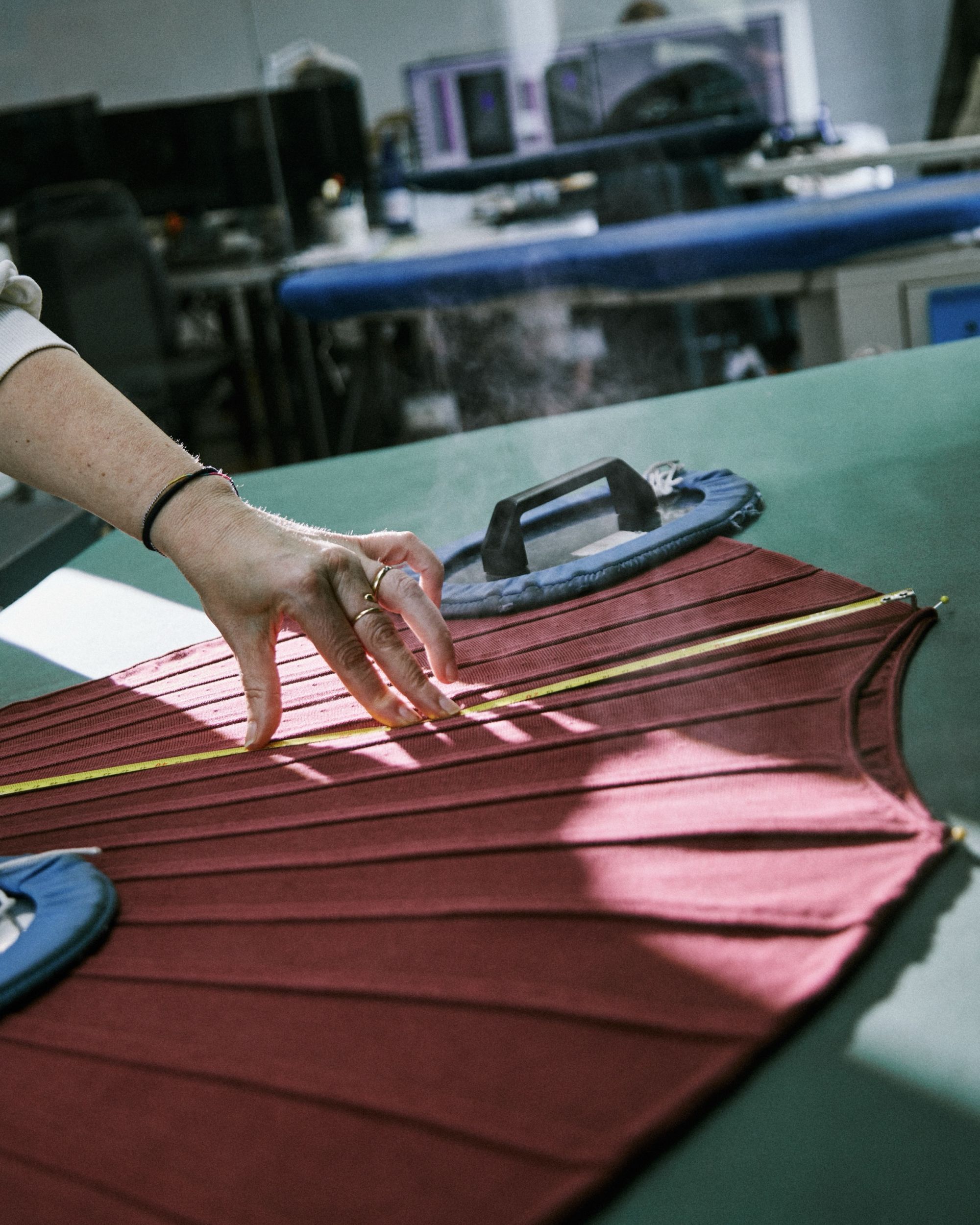
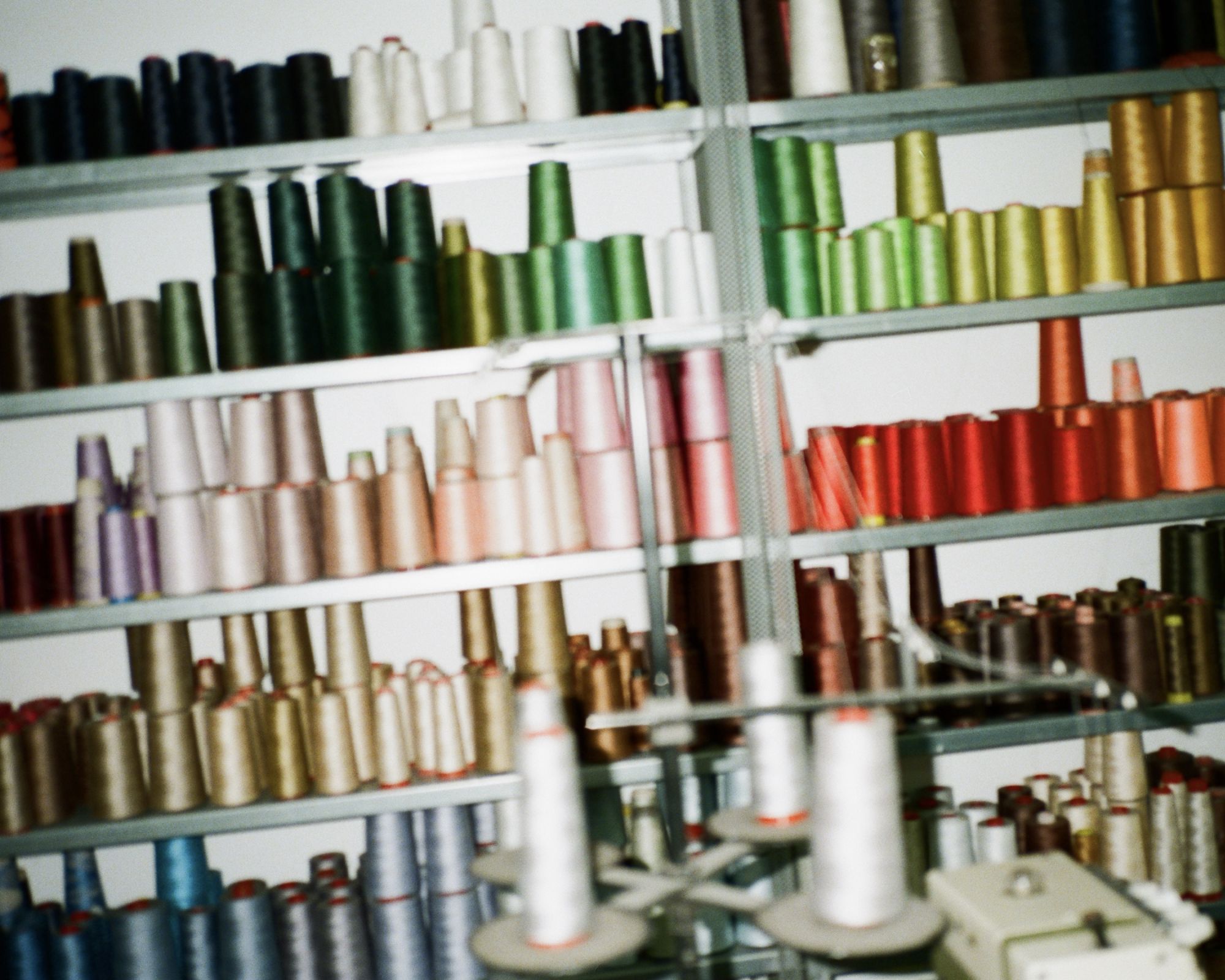
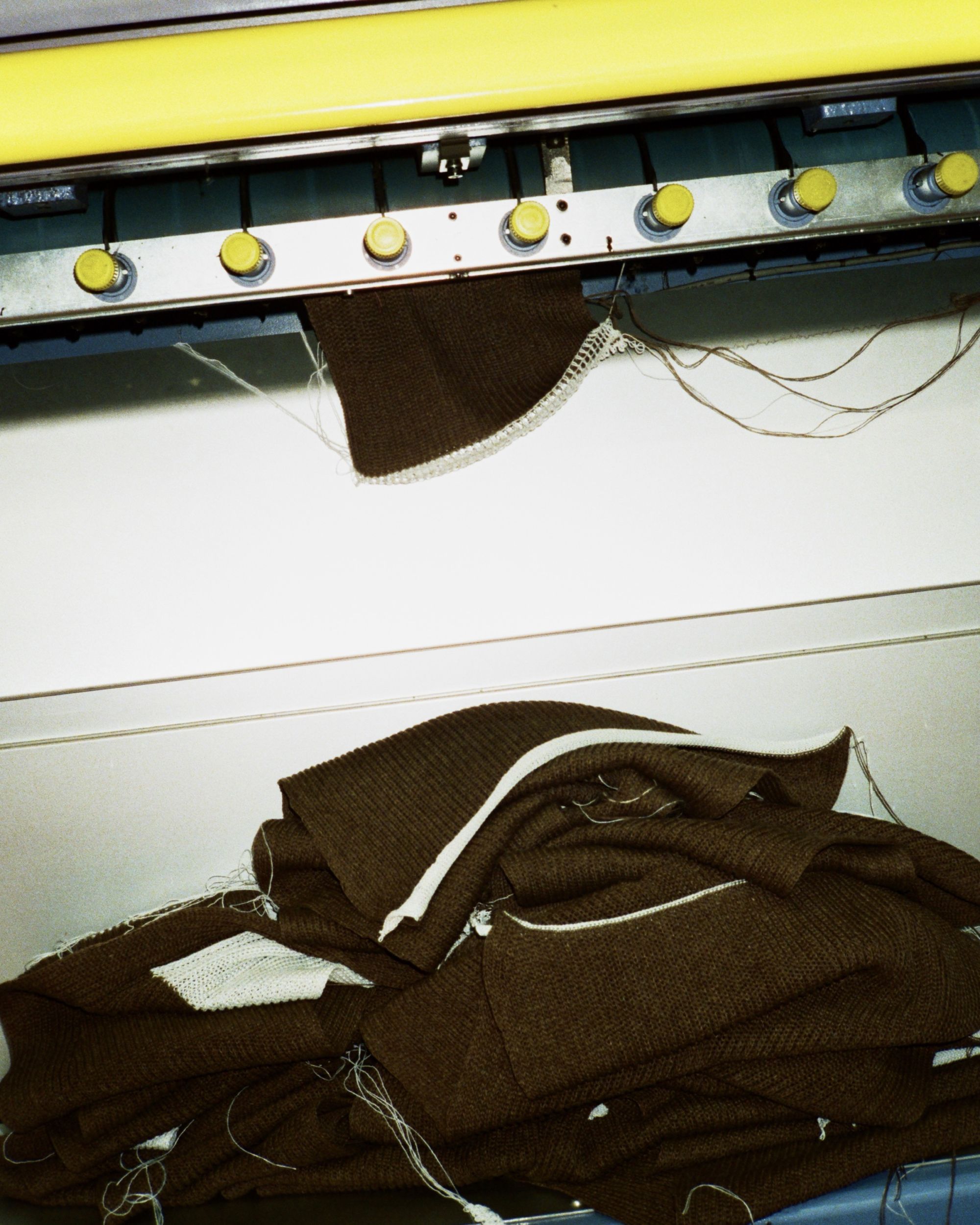
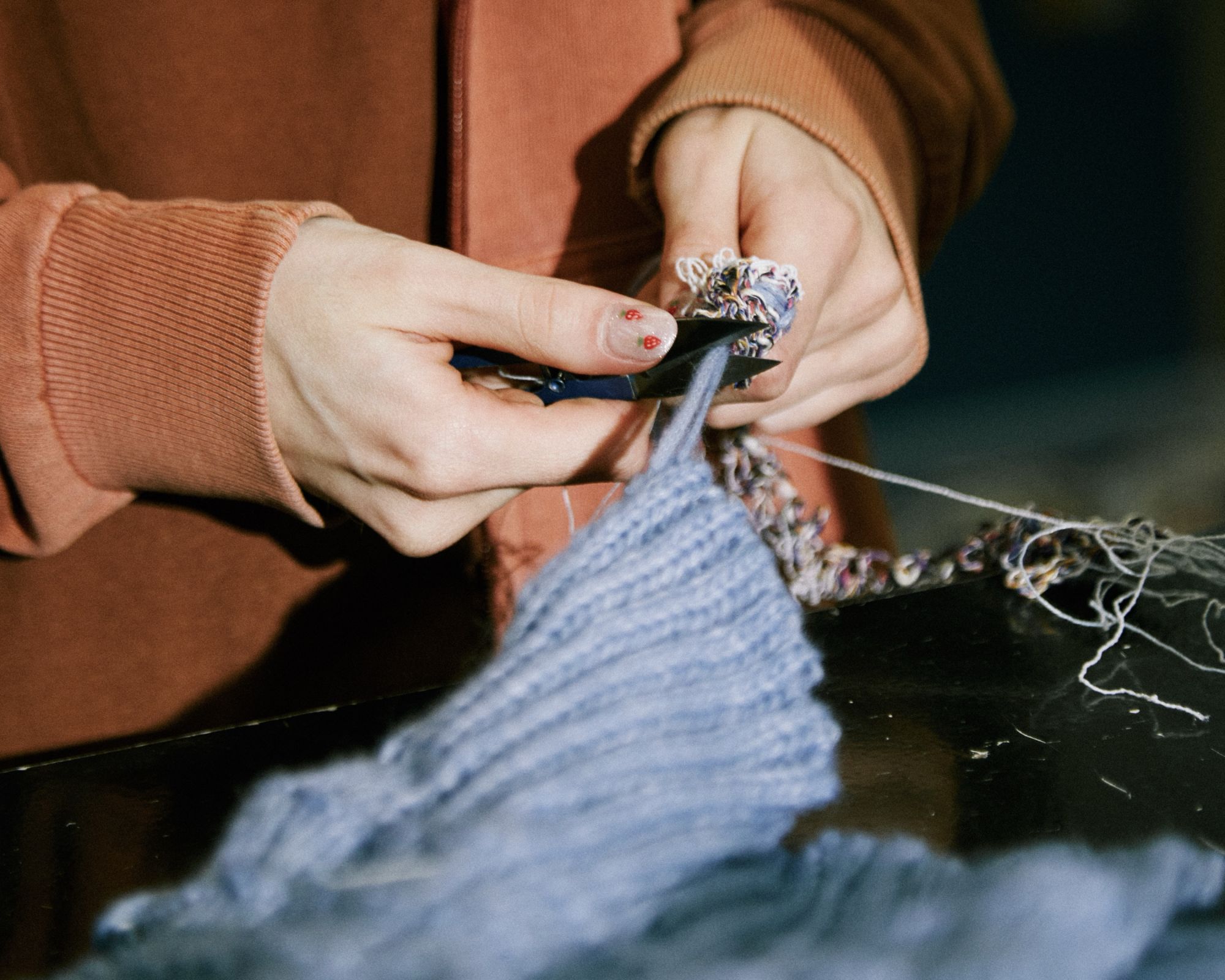
Being first and foremost producers, much of our work takes place behind the scenes: material research, product development, sampling, machinery and production processes. We felt the need to open up this world and share it with people.
The event was also a way to find out whether a community existed that was interested in going beyond the finished product — discovering where a garment is born, how it is made, and the care that goes into every decision. The response was overwhelmingly positive. We sensed a genuine interest in the fact that Diana Studio is not simply a brand, but a producer that has chosen to step into the spotlight.
Maglificio Diana is a project with over 50 years of history. What qualities have allowed the company to stand the test of time?
With Diana Studio we are only on our third collection in less than two years, and we think of it as our creative exercise — a space in which to put the wealth of expertise the company has built over time to good use. If Maglificio Diana has managed to remain in the market over the years, it is thanks to its ability to evolve continuously, constantly questioning its approaches and methods.
Ongoing research and development into materials and production techniques, the diversification of markets and clients, and above all the value of the people who contribute to the project every day have allowed the company to approach change as an opportunity rather than an obstacle.
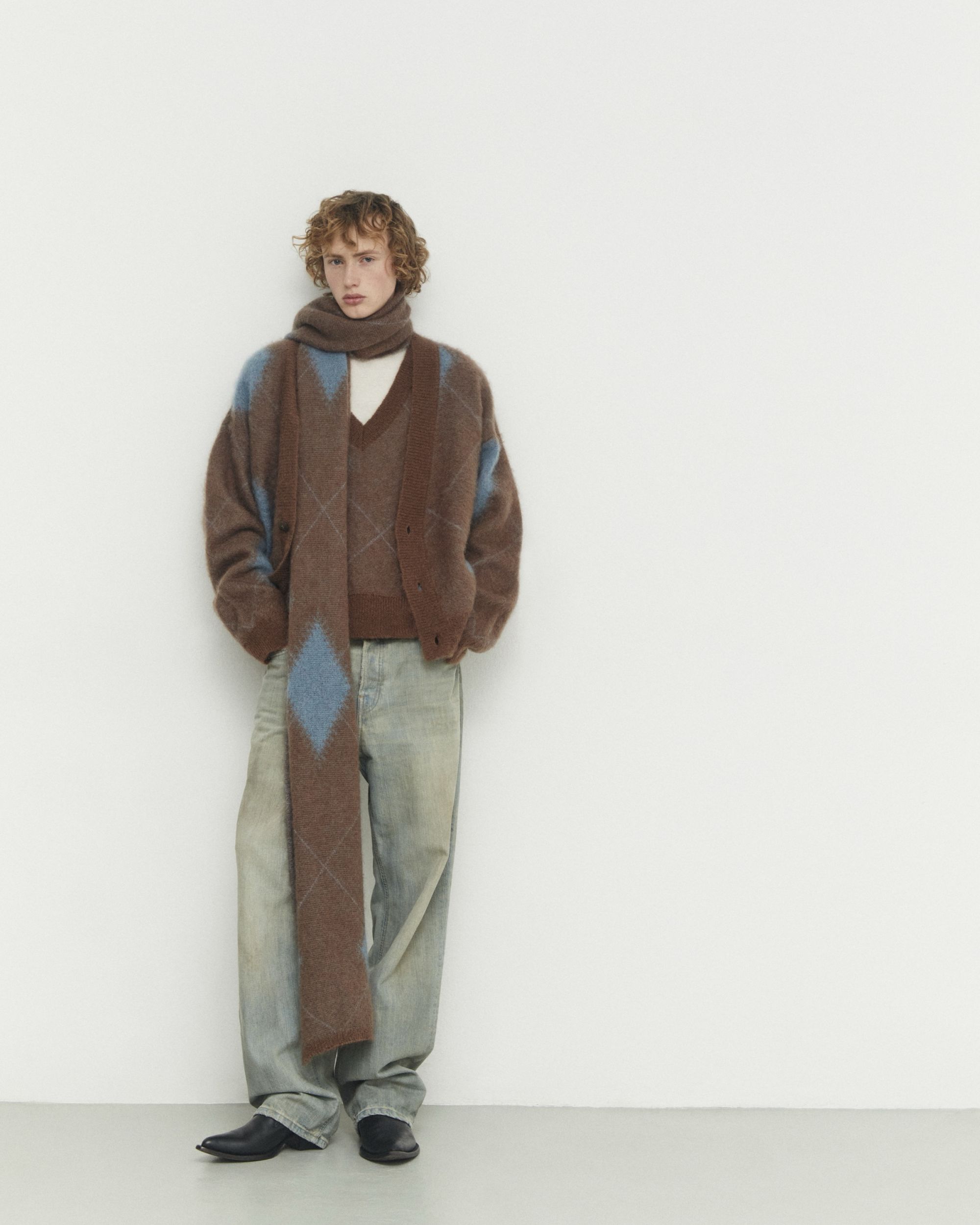

Diana Studio operates primarily through B2B collaborations. Why did you choose to present a collection of your own?
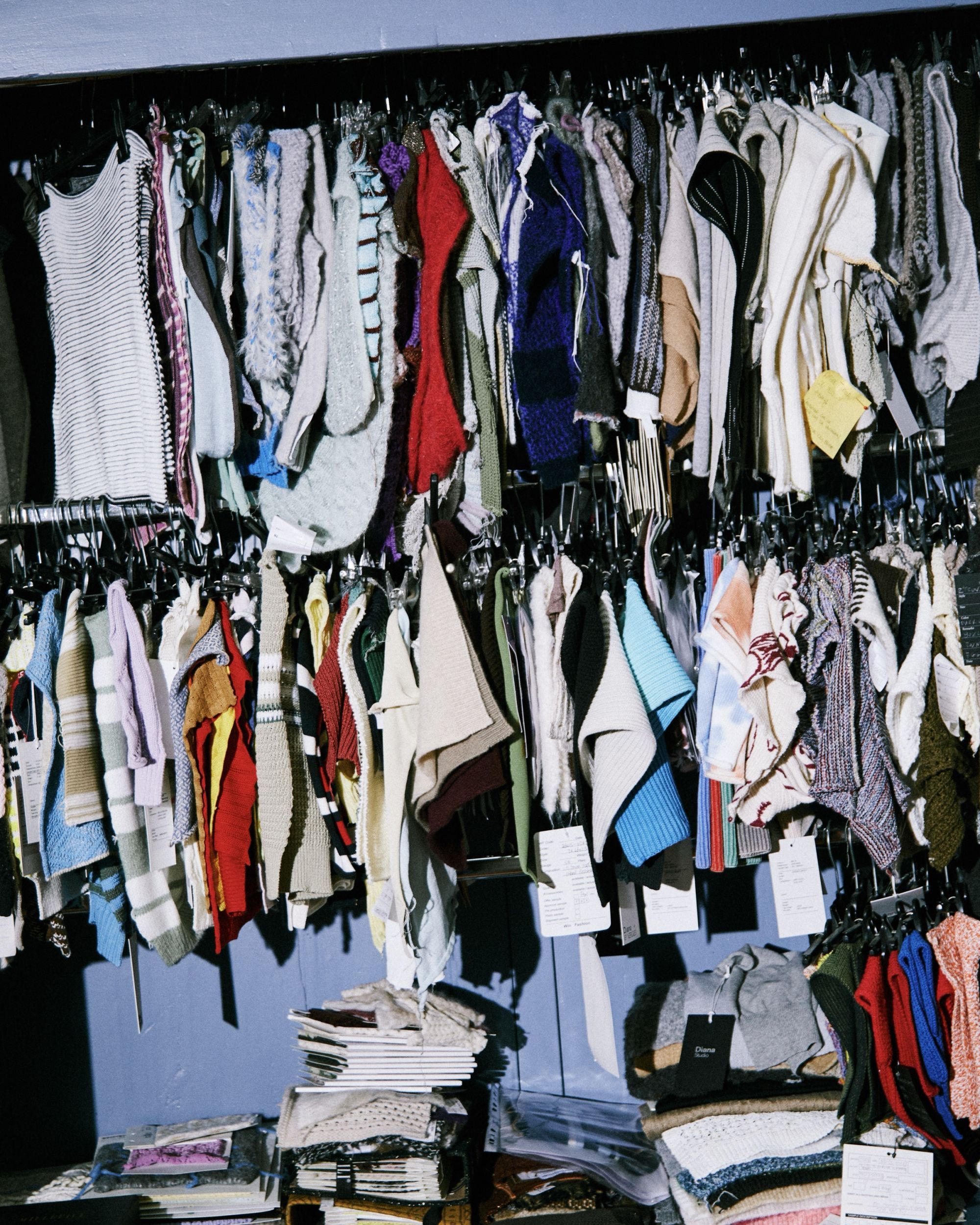
Working daily for other brands, we have the opportunity to engage with a great many collections, but we felt the need to create something that fully represented our own vision. It is our creative exercise and outlet: a place to experiment with materials, techniques and fit with complete freedom, building a wardrobe that reflects the taste and sensibility of our team.
This process also generates value for our B2B business. The research we develop through Diana Studio continuously feeds into our work as producers, enriching the proposals we create for our partners.
But the most important challenge is a different one: establishing a direct dialogue with the end consumer. We wanted to engage with a discerning audience and understand how our work and our idea of product are perceived. We believe that today there is a space between fast fashion and traditional luxury, occupied by people who want to consume less, but better. Our project was also born to address this need, offering contemporary knitwear built on quality, transparency and genuine value.
What is the biggest challenge you are facing right now?
The biggest challenge is managing to build value in a market increasingly driven by short-term dynamics. Constant geopolitical shifts and growing price pressure push many companies to focus primarily on margins, whereas we believe that true sustainability cannot be reduced to certifications alone — it must also encompass the protection of the people and the skills that make garment production possible.
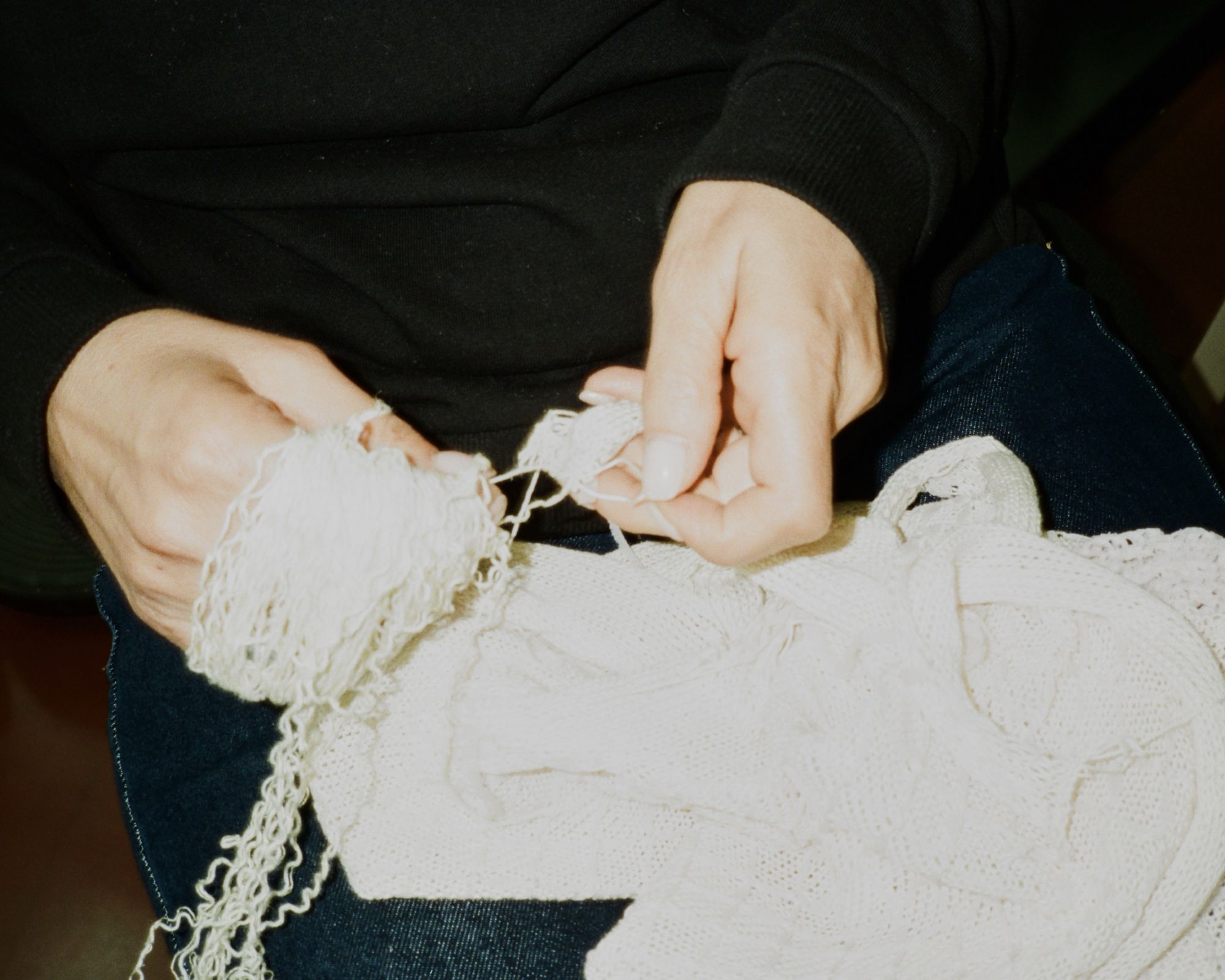
For us, this also means securing a future for the textile and manufacturing district, preserving a unique heritage of technical and artisanal knowledge and involving new generations capable of bringing ideas, energy and fresh perspectives.
And what is the achievement you are most proud of?
Seeing people wearing our knitwear, receiving such a high repurchase rate, and reading messages of appreciation for the product and the way we work — these are all signals that confirm we are on the right path. For such a young project, it is probably the greatest satisfaction of all.
You operate in Prato, an area that has been at the centre of major controversies in recent years. What idea of Made in Italy does Diana Studio promote, and in your view what does the Italian manufacturing sector need in order to recover?
There is a Made in Italy, and there are many ways of interpreting it. The label alone is no guarantee of quality or ethics. For this reason, for us it is essential to speak of a Made in Responsibly, grounded in transparency, respect for people and the valorisation of skills. We care about telling not only what we produce, but also how a garment is made and who contributes to making it possible. This approach applies in Italy just as it does abroad: what matters is building supply chains based on the exchange of knowledge, mutual respect and accountability.
As for the future of Italian manufacturing, we believe that competitiveness can no longer be played out solely on price or speed. On that playing field, there will always be countries able to offer more advantageous conditions. Italy's true value lies instead in its cultural, creative and manufacturing heritage: skills that have been shaped over time and that still represent a distinctive asset on the international stage. It is therefore vital to continue investing in people, in skilled workers and in new generations, so that this heritage is not lost.
Only by creating products with genuine qualitative, cultural, technical and emotional value can we encourage more conscious consumption: buying less, choosing better and building a more lasting relationship with what we wear. For us, this is where authentic sustainability begins.