
































Why are vinyl records being released incomplete? Cut tracks, provisional mixes and missing songs: "Vinylgate" has swept up Charli xcx, Olivia Rodrigo and Raye
On Spotify and Apple Music, No One Lasts Forever, a track from the latest album by Charli xcx Music, Fashion, Film, closes with the voice of David Cronenberg. The Canadian director, master of body horror, recites a monologue on art, death and eternity, and for critics it is the heart of the entire project. On the vinyl of the album, however, that ending is missing, despite it being sold as "full length". It is this absence that has reignited the debate on one of the most widespread practices in the music industry.
Over the past two years, fans who pre-ordered the most expensive and elaborate vinyl editions of their favorite stars' albums have discovered upon listening that they had received incomplete or provisional versions of the records, among shortened tracks, non-final mixes and songs available on the platforms but not on the physical format. But why can artists with millions of streams and colossal budgets not manage to get a whole album onto vinyl?
The Vinylgate and the truncated albums
@alterlejda And it's like 40€(?)
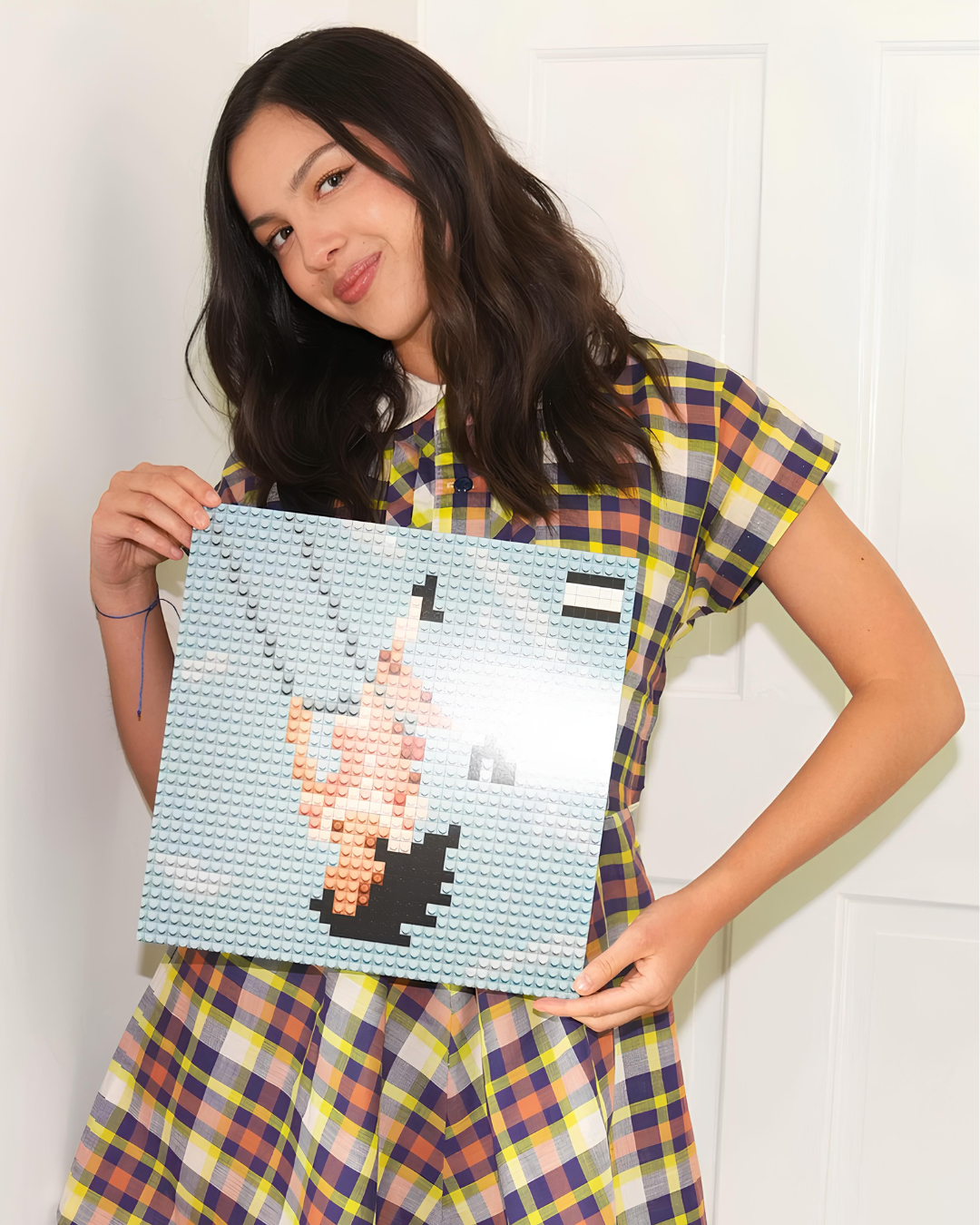
Fans of Olivia Rodrigo asked themselves this very question when in June they listened for the first time to You Seem Pretty Sad for a Girl So in Love. The singer-songwriter's third album was released in at least twelve different configurations among signed copies, picture discs, pop-up editions and alternative covers. All of them, however, sound shorter than the digital version.
Over two minutes of music missing, across half a dozen songs: the track u + me = <3, for example, loses an entire section of the bridge. Interventions so extensive that many buyers had initially suspected a manufacturing defect, but when someone requested a refund, the singer's official store replied that the record had arrived exactly as intended.
Listeners of Raye, meanwhile, discovered that the vinyl of her second album, This Album May Contain Hope, contained a non-final mix of the songs. The artist apologized publicly and invited fans to accept the differences, which sparked dozens of furious comments accusing her of outright fraud. Other episodes are emblematic, such as that of Eternal Sunshine by Ariana Grande, which featured an incomplete version of supernatural, or the first pressing of Hurry Up Tomorrow by The Weeknd, which had 11 tracks out of the 22 of the digital version, later followed by a "complete edition" on double LP.
How a vinyl is born and why the timelines are not enough
@renaissancerecordsus both available on our website! thank u to our manufacturer @Echo Base !! #vinyl #record #fyp #music original sound - lyricswithaddie
In truth, part of the reason behind the "Vinylgate" lies in production times, and to understand why one must look at how a record is physically born. It is not uploaded like a file: it requires a dedicated master, a version of the recordings optimized for the format and different from the one intended for streaming. That master is then cut with a lathe onto a lacquer-coated aluminum disc, a medium so delicate that it degrades in a few days and must be shipped within 48 hours to the plant where it will be pressed.
Any subsequent change means starting from scratch, because the cutting engineer has only one attempt per side. For this reason plants require the masters at least six weeks before release, bearing in mind that timelines would stretch in the case of very elaborate packaging. A streaming platform needs just five days to process an audio file.
Charli xcx recounted that the contribution of Cronenberg simply arrived too late compared to the audio delivery, and Rodrigo admitted she wrote the album's closing track just one week before the deadline set by the factory. The production calendar, therefore, has ended up entering the very writing of the records: first something is delivered to be cut, then the version intended for the platforms is polished.
The historical precedents
To tell the whole truth, the incomplete vinyl has always existed. Fans of Fleetwood Mac have complained for decades about the absence of Silver Springs from the pressings of Rumours, their 1977 masterpiece; Blue Monday, the most famous single by New Order, does not appear on the vinyl editions of the album Power, Corruption & Lies. In those cases they were technical compromises, dictated by the minutes of music a groove can physically hold.
Today it almost seems that what is missing is not just the minutes, but that the album itself, at the moment of its cutting, does not exist in its final form. The market meanwhile keeps growing: in the United Kingdom, according to data from the British recording industry association, 7.6 million LPs were sold in the last year, 13.3% more than the previous year. Vinyl sales in the country have now been rising for eighteen consecutive years.
For now, if a record can come out with the wrong music without sales suffering, it is also because vinyl has stopped being just music and has become merchandising. The labels' strategy relies entirely on the combination of variant saturation and fans' fear of missing out. Every album is released in dozens of colored editions, alternative covers and store-chain exclusives, each declared a limited pressing, so that the fan does not buy a record but chases a collection.
The Taylor Swift model
Taylor Swift, in 2024, built the entire launch of The Tortured Poets Department around this mechanism: four vinyl editions of the same album, each with a different cover and color. Above all, each had an exclusive bonus track, which could be found neither on the other versions nor in streaming.
The four variants were not even announced together, but at different moments over the span of two months, often from the stage of the Eras Tour, and each remained available for just a few days: to be able to listen to all the songs, therefore, one had to buy it four times. And not even that was enough, because at a later moment after the album's official release, other exclusive versions arrived on the digital store, never pressed on vinyl.
The truncated version, in this perspective, is no longer just a side effect of pressing times, but also the commercial premise of the reissue. The incomplete pressing paves the way for the "complete edition" that follows months later at full or higher price, as in the case of The Weeknd, and the same album ends up generating two purchases, first as a preview and then as the definitive version.
All thanks to the pre-order
the problem is you all blindly trust a celebrity who doesn't care about you and only wants to sell you her cheap merch and vinyl variants
— fran (@stolenfolklore) December 19, 2025
It is also the pre-order that holds everything together. The variants go on sale months before release, often the very day of the album's announcement. Each is a limited pressing, so those who hesitate risk finding it sold out, and the fan buys an object whose content they do not know, on trust in the artist alone. They discover what is actually cut into the grooves only weeks or months later, upon delivery, whereas in a traditional record store the order was reversed: first the album existed, then it was bought.
The pre-order has ensured that the purchase happens at the peak of anticipation, so that any subsequent disappointment can no longer touch a sale already recorded. Some see in it a mockery of those who spend more to get less, and some defend the truncated pressings as exclusive collectibles, photographs of what the album was before, almost a unique and exclusive version. The two readings can coexist. Born as the definitive form of recorded music, vinyl is today its provisional version, and the real one lives in the most immaterial place of all.