


























The much-needed return of fans in fashion How these summer accessories are turning more and more high-tech


If you thought the most-spotted accessory at this Fashion Week was the latest it-bag or a pair of sunglasses, you’re way off the mark. During these weeks of outdoor runway shows and presentations under a relentless sun, fashion show attendees have had to face reality: saving their contouring from melting and keeping sweat at bay so as not to ruin their outfits. The solution? The good old fan.
You’ll see them resting on front-row chairs or being handed out by Celine on silver trays as if it were champagne naturally raises a question: what incredible history lies behind this millennia-old tool for surviving the heat?
The Archaeology of the Fan
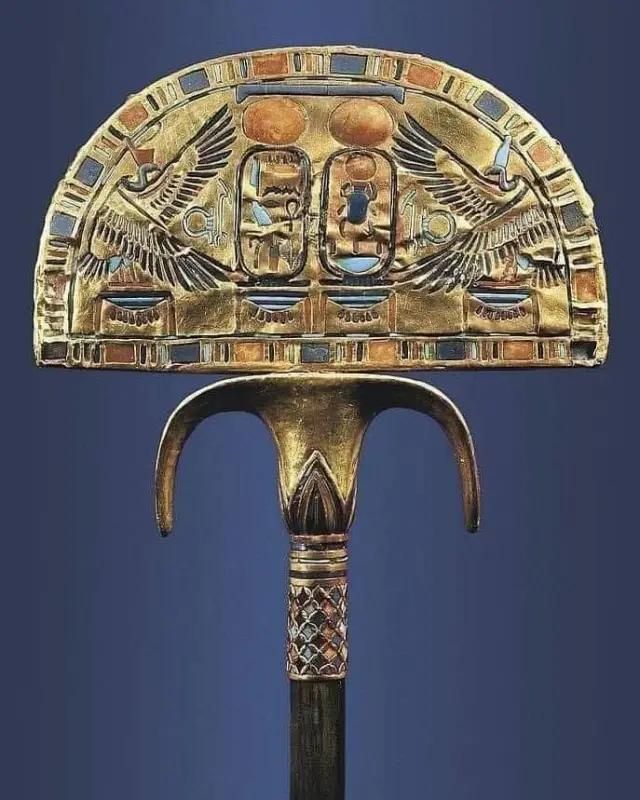
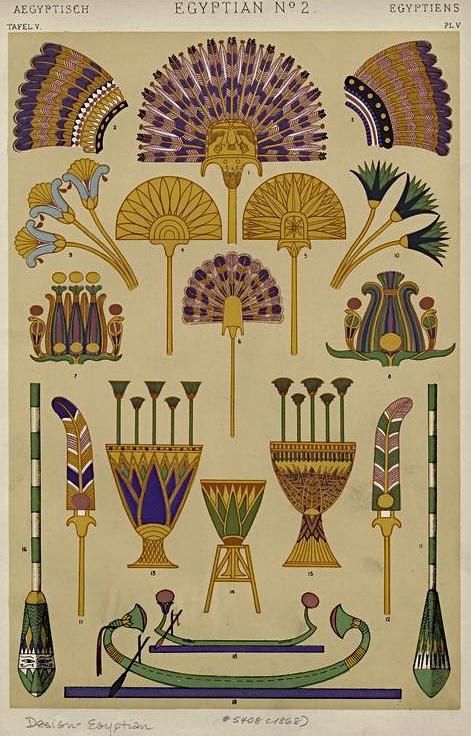
Before becoming the functional and widespread accessory we know today, the fan was historically imbued with a strong ritual sacredness and used as an explicit emblem of political authority and social status. In ancient Egypt, this object, known as khu, was considered an emanation of the shadow and the soul, a symbol of divine protection and absolute royalty that accompanied the pharaoh both in life and on his journey to the afterlife, as evidenced by the magnificent gold examples discovered in Tutankhamun’s tomb.
Moving to the Mediterranean basin, the significance of the fan evolved, becoming more closely associated with the domestic sphere, luxury, and ritual. In classical Greece, the rhipis became a typically feminine and aristocratic accessory, often shaped like a lotus leaf and a staple in the grave goods of high-ranking women.
This custom was inherited and amplified in ancient Rome, where the flabellum became a veritable status symbol of patrician households; here, the act of moving the air and shooing away insects during sumptuous banquets was a codified task entrusted to slaves known as flabelliferi, transforming an everyday gesture into a display of social prestige.
@rosieoko The secrete language of the fan…. We should also start learning this!! #bridgerton #fashionhistory original sound - rosieoko
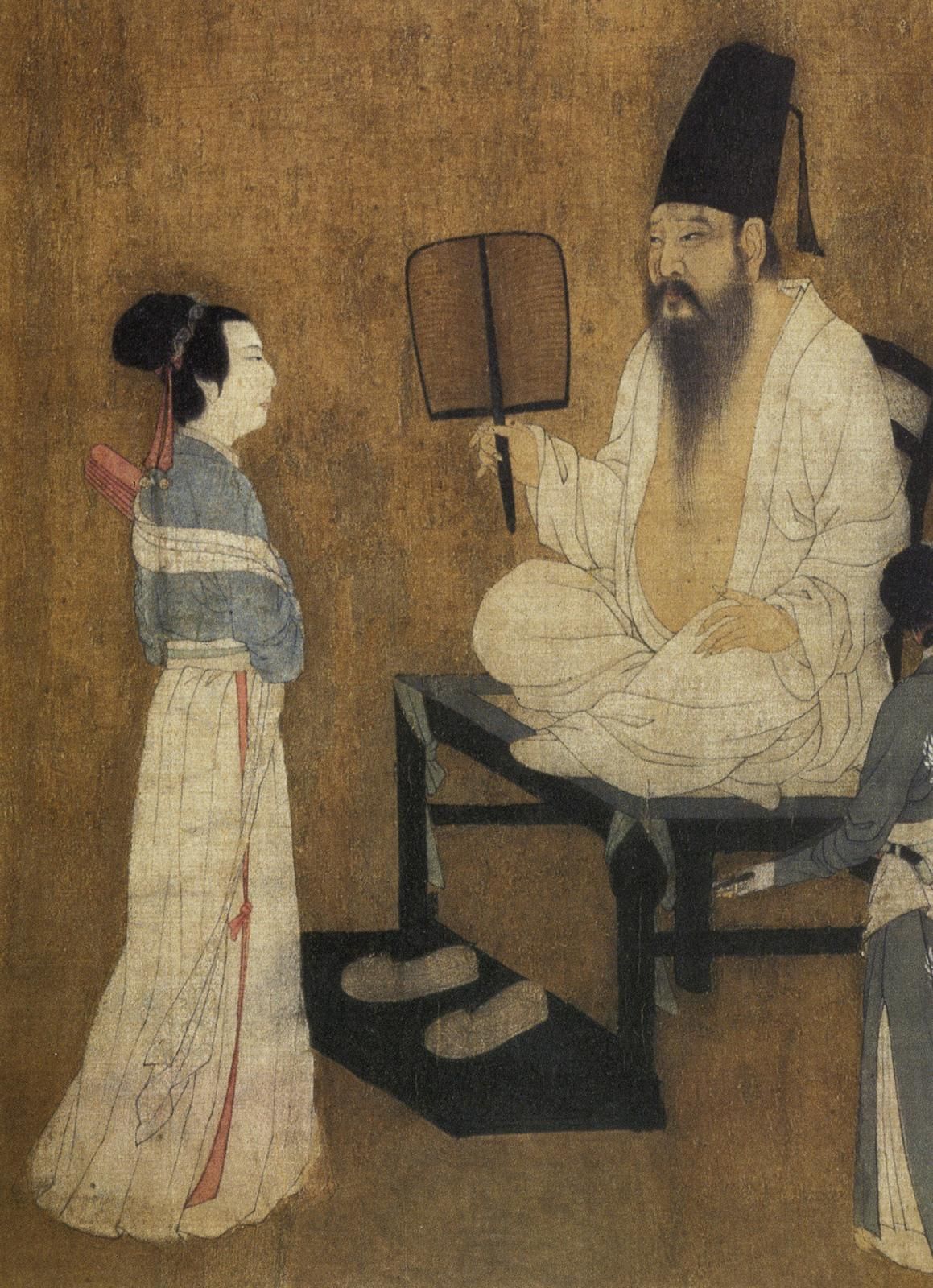
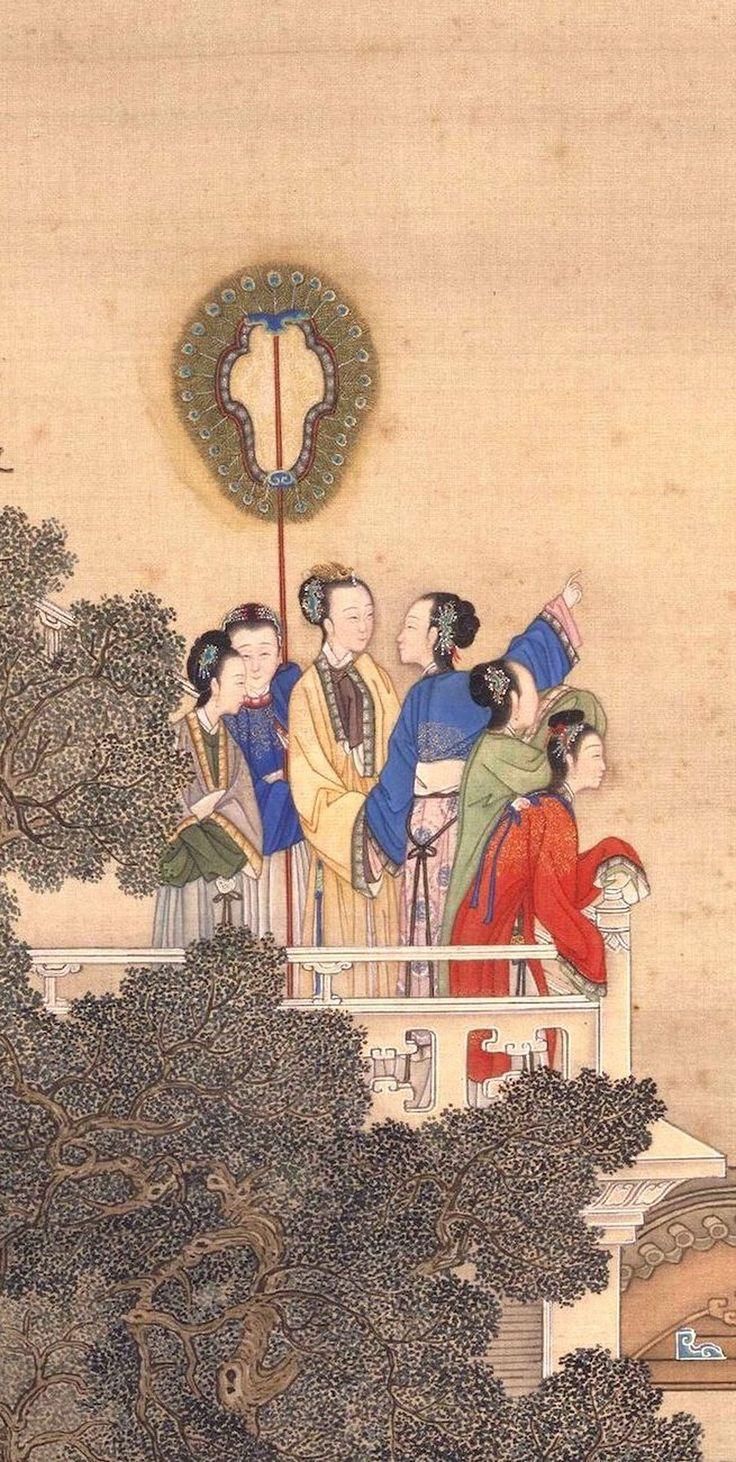
On the other side of the world, the history of the fan in China had a surprisingly practical beginning, linked to the strategic and military spheres. The very earliest models, dating back more than three thousand years to the Shang Dynasty, were not, in fact, personal accessories, but imposing screens made of thick feathers and fabric, mounted on long poles and used by ceremonial guards to protect generals and the emperor from both the blinding sun and the dust kicked up by chariots on the battlefield.
It was only in the following centuries, particularly during the Han and Tang dynasties, that this sturdy implement underwent a radical transformation, becoming smaller and elevating the shàn, the rigid fan, to one of the highest expressions of cultural sophistication. Thus was born the tuán shān, the famous fan with a round screen or full-moon shape, crafted from the finest white silk or sheets of precious paper mounted on frames of bamboo, ivory, or lacquered wood.
The fan as a language
Before reaching European courts, the art of handling the fan was already a rigorous discipline, steeped in philosophy and ritual in the Far East. In China, the movement of the shan was governed by strict etiquette and was often used to mark the rhythm of poets’ recitations. This form of gestural expression found its highest performative expression in the Gōngshàn wǔ, or the court ladies’ fan dance.
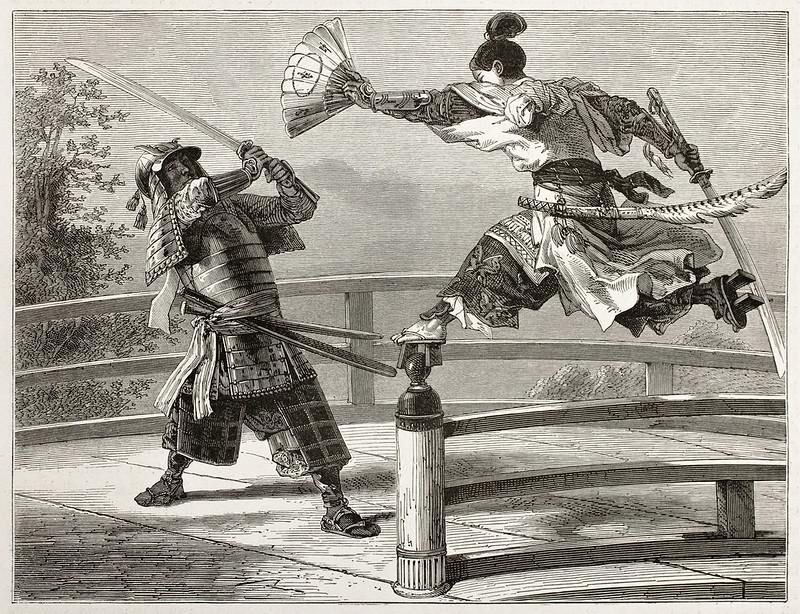
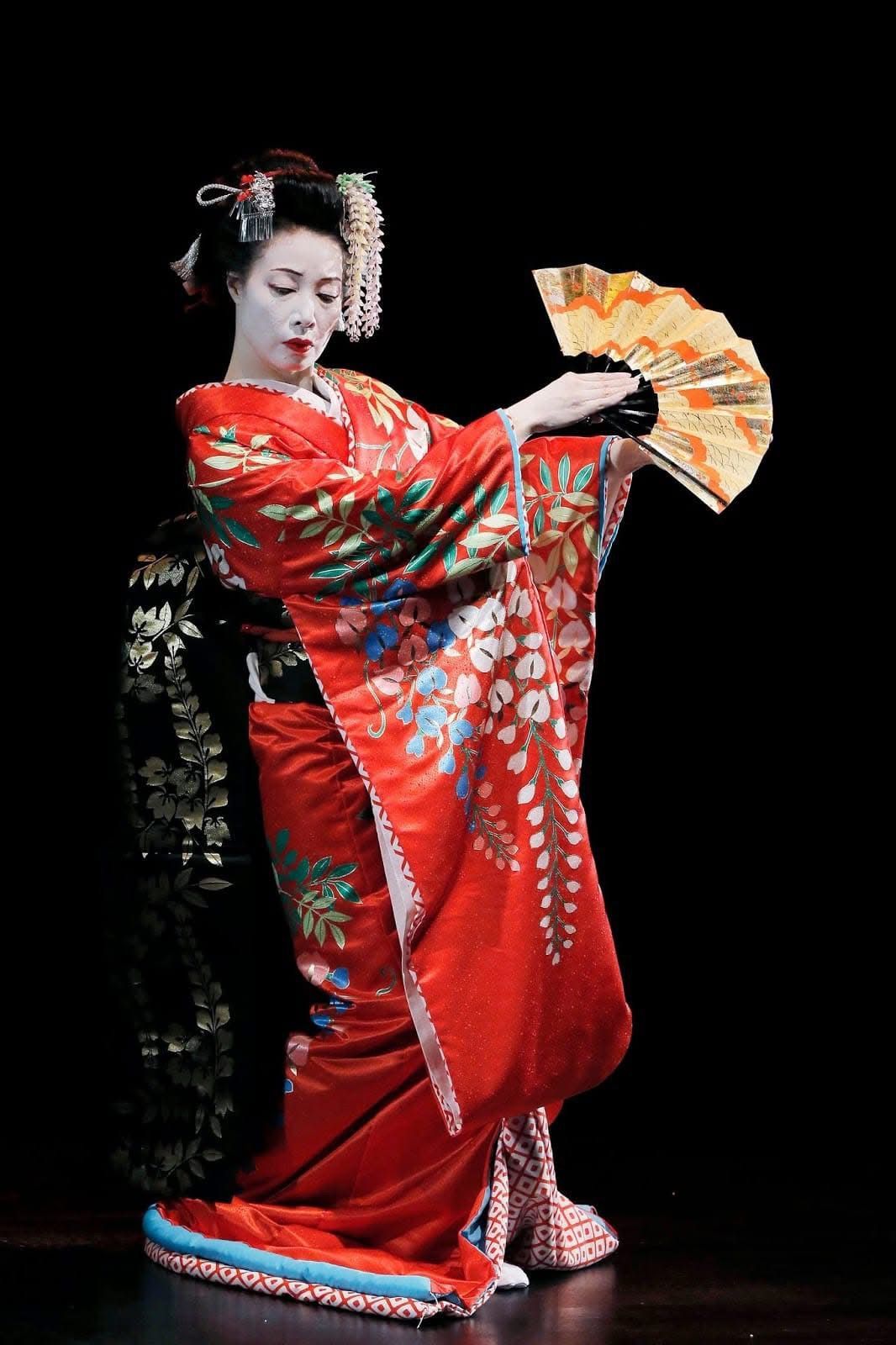
In Japan, on the other hand, the handling of the folding fan (ōgi) evolved into a theatrical language, as in the Nihon Buyō dance, where this object served as a substitute for stage sets: tilted, closed, or half-open in the actor’s hands, the fan would transform at any given moment into a sword, a cup of sake, or pouring rain. Even the samurai codified its martial use through Tessenjutsu, the art of fighting with fans featuring iron ribs.
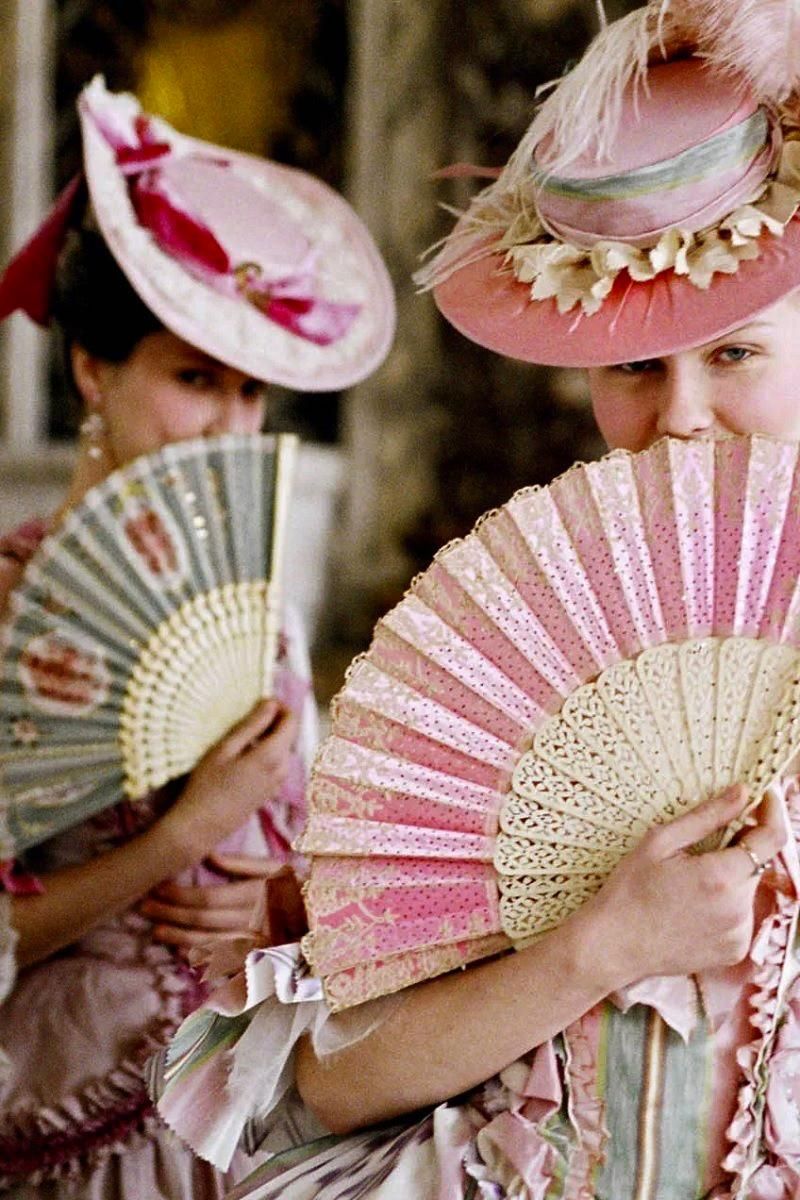
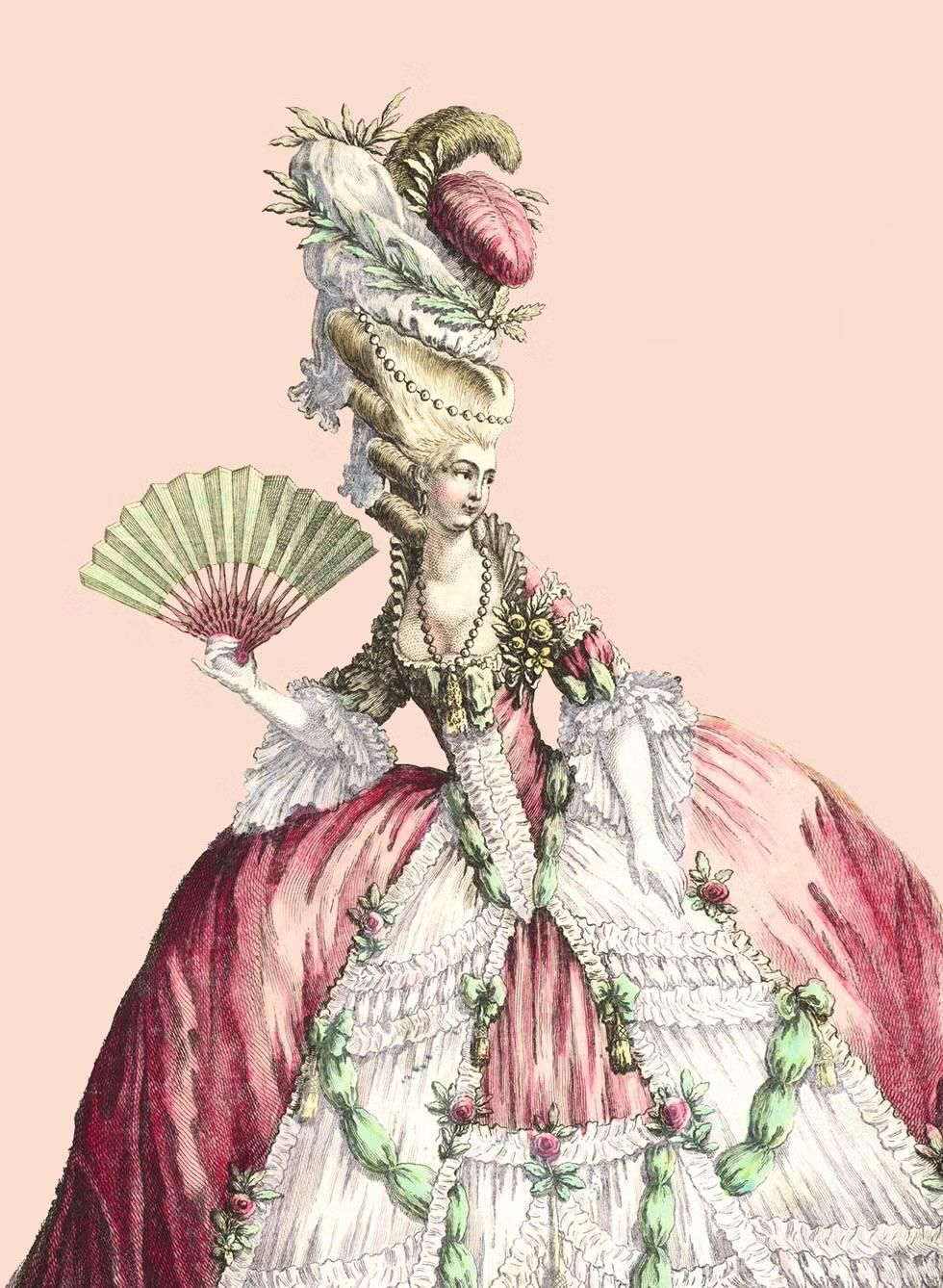
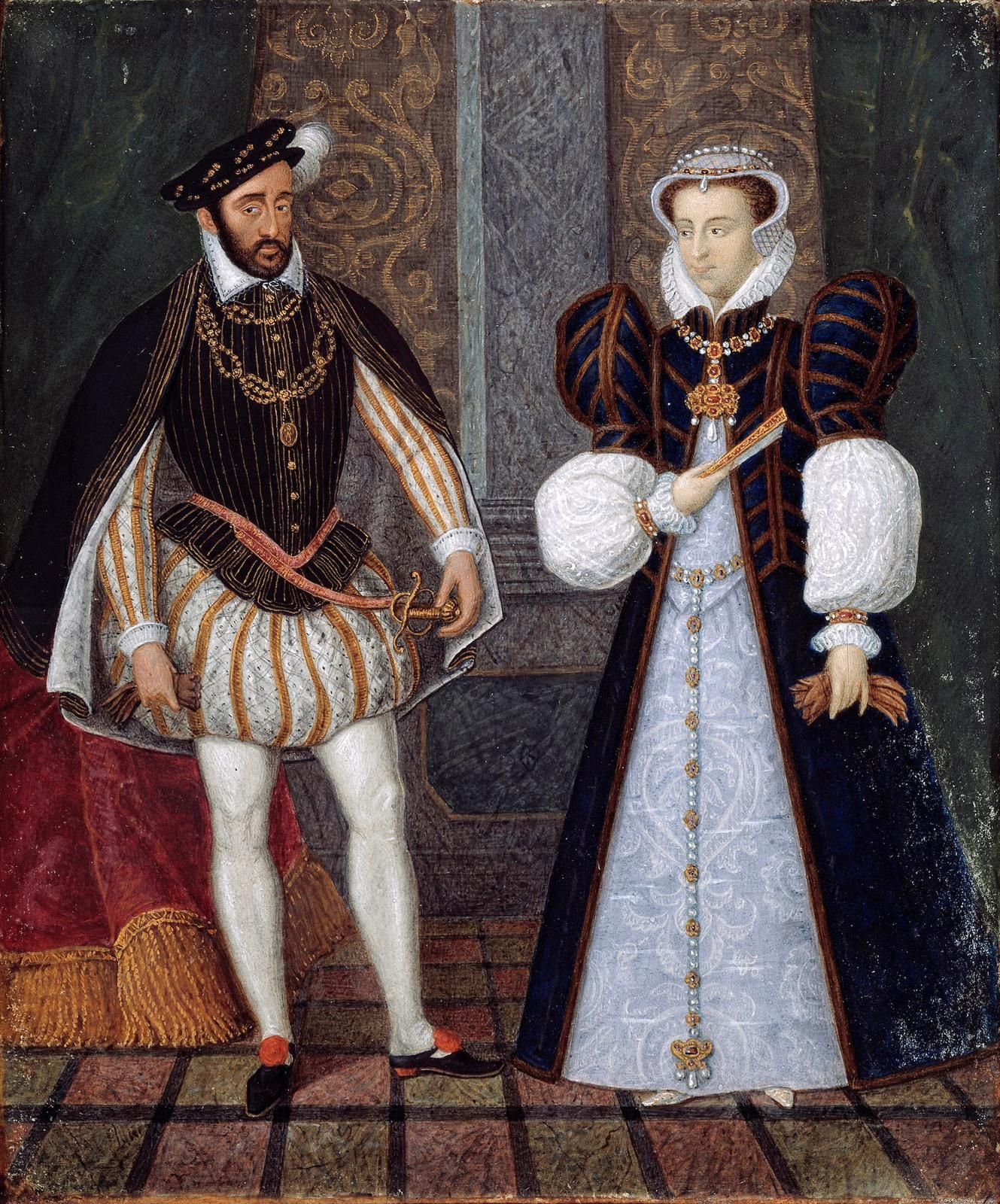
When European merchants imported the first folding models in the 16th century, the West simply inherited an already perfect instrument, though it reduced a complex philosophical and theatrical discipline to a more frivolous—albeit fascinating—game of mirrors for courtship: first with Caterina de’ Medici in Florence, then in the 18th century at Versailles with Marie Antoinette, the fan became an essential tool of female communication. Every movement or tilt of the object conveyed a precise message to suitors, giving rise to a veritable grammar of love secret.
From the courts to the runway
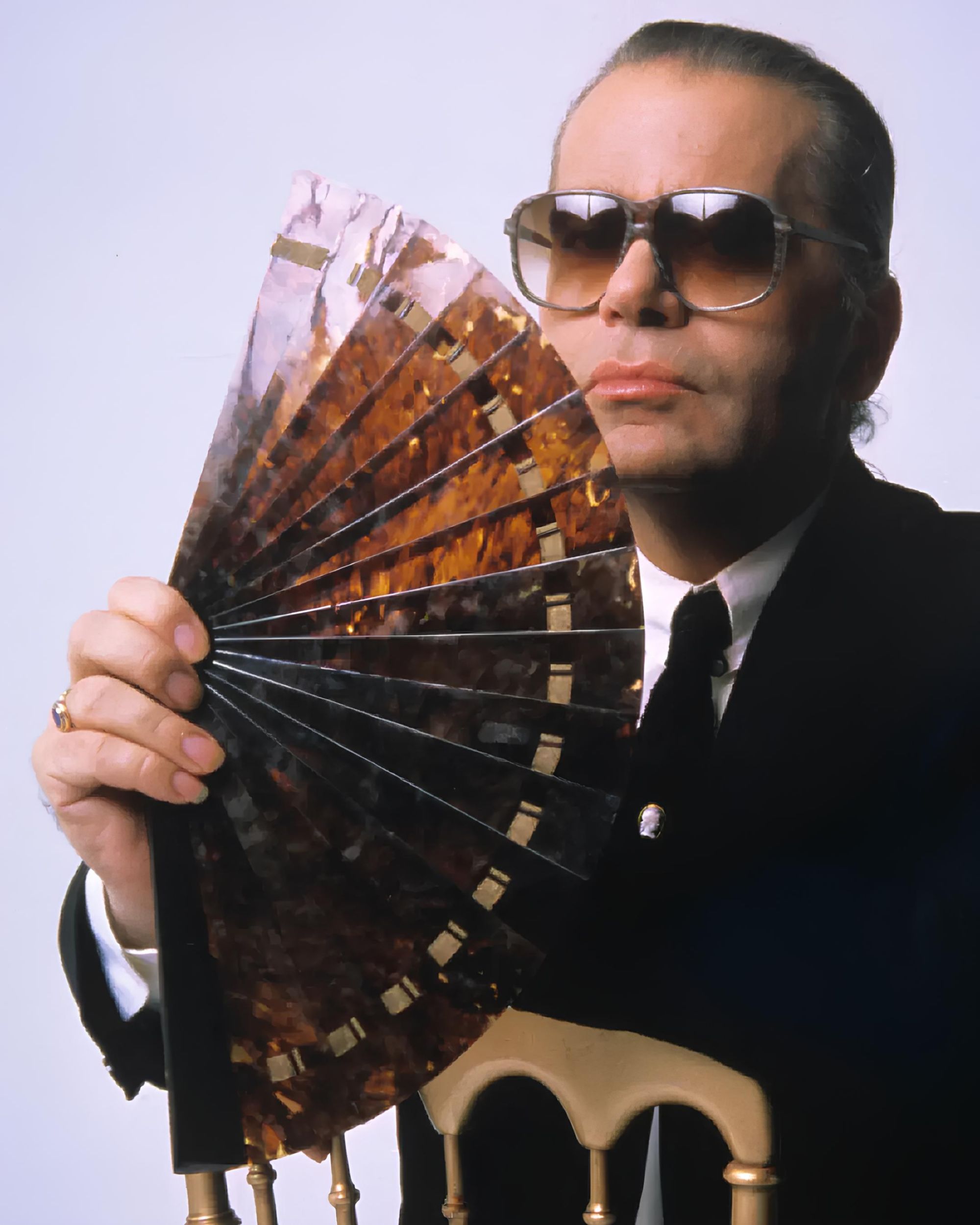
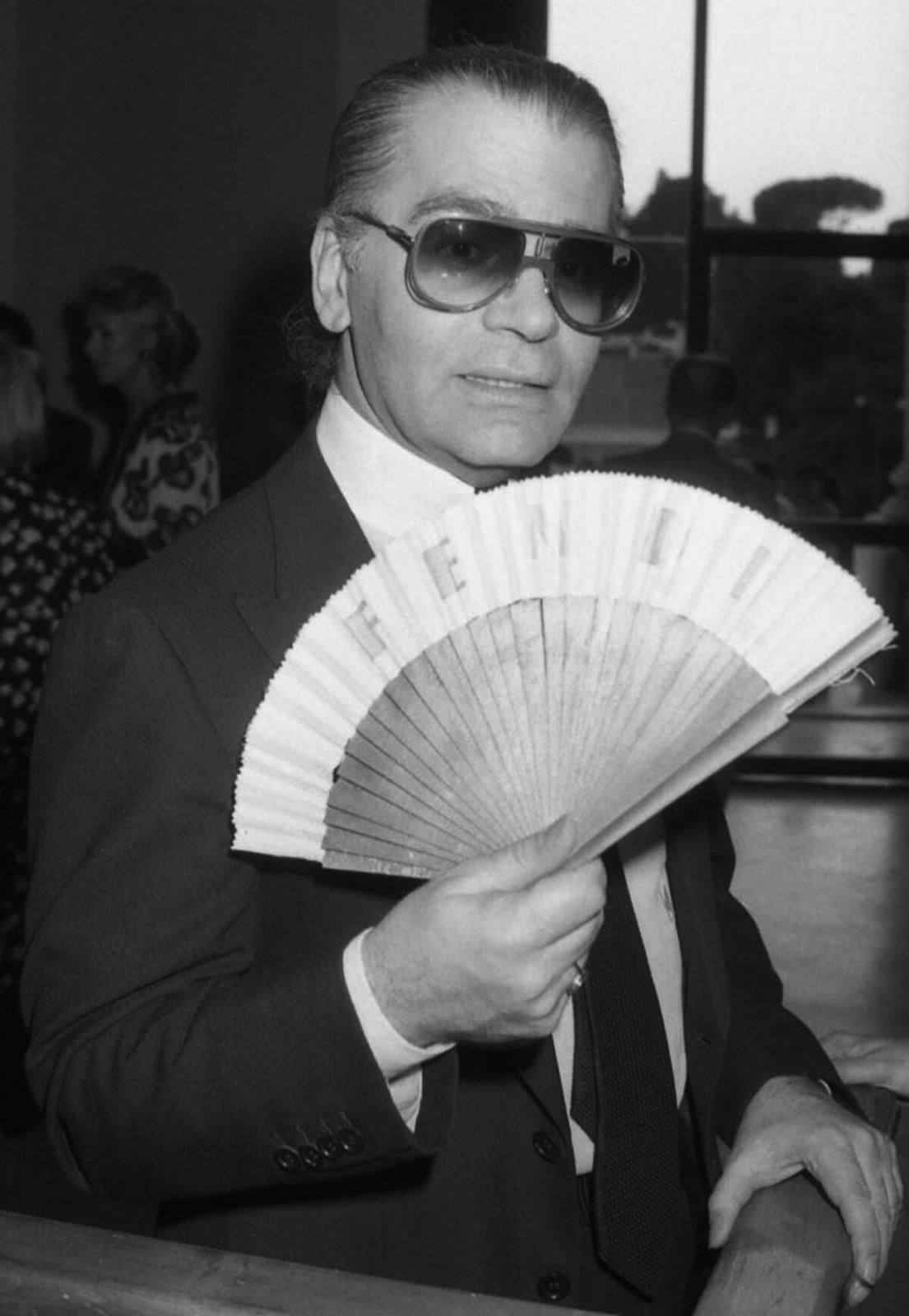
When discussing the connection between fashion and fans, the first name that comes to mind is undoubtedly that of Karl Lagerfeld, who regarded this object as a prosthesis. In this regard, the “Kaiser of Fashion” owned a striking collection of one-of-a-kind pieces: historic fans, but also more modern versions that he loved to wear as a sort of social shield as well as to protect himself from the smell of smoke, which he hated so much.
More than just a vintage accessory, the fan has been periodically resurrected from fashion history to grace the runways, rediscovered time and again in its various cultural incarnations. An emblematic example dates back to 1973, during the The Battle of Versailles fashion show: on that occasion, the American designer Halston presented a series of feather fans which, much like in some burlesque acts, were used in an erotic display to cover the deep necklines of the dresses.
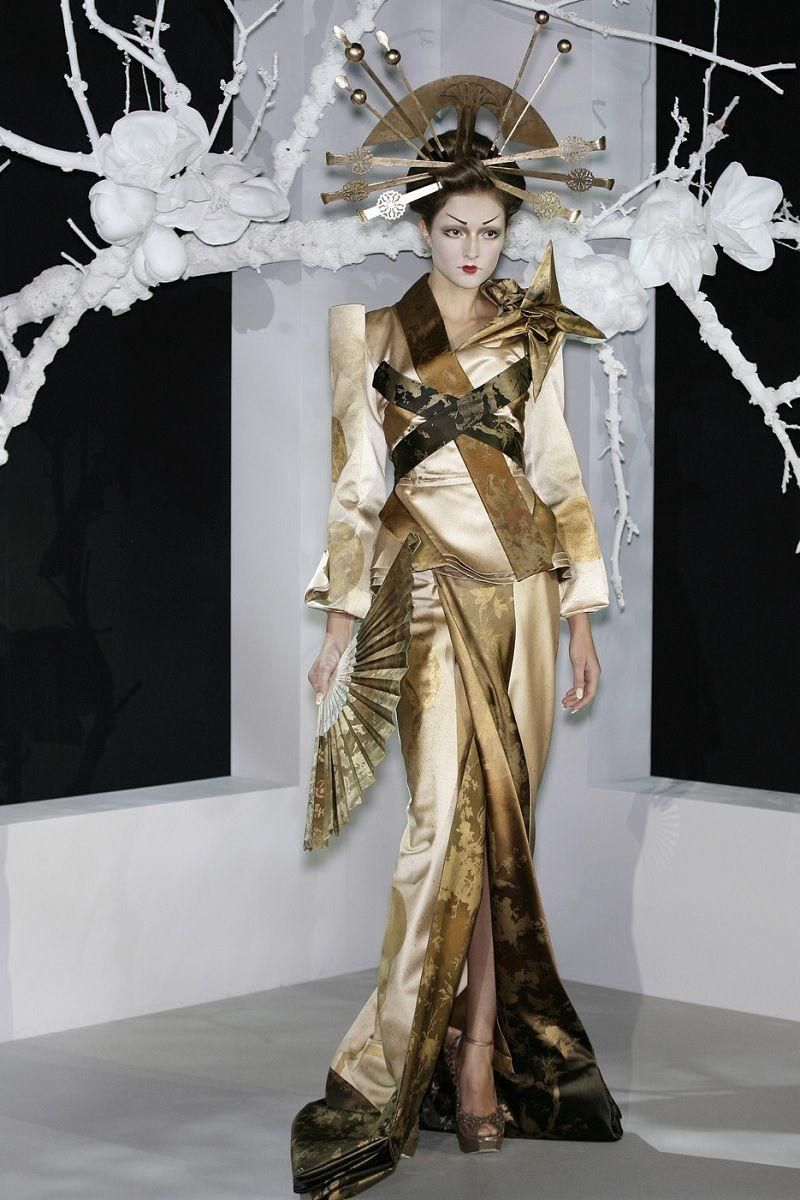
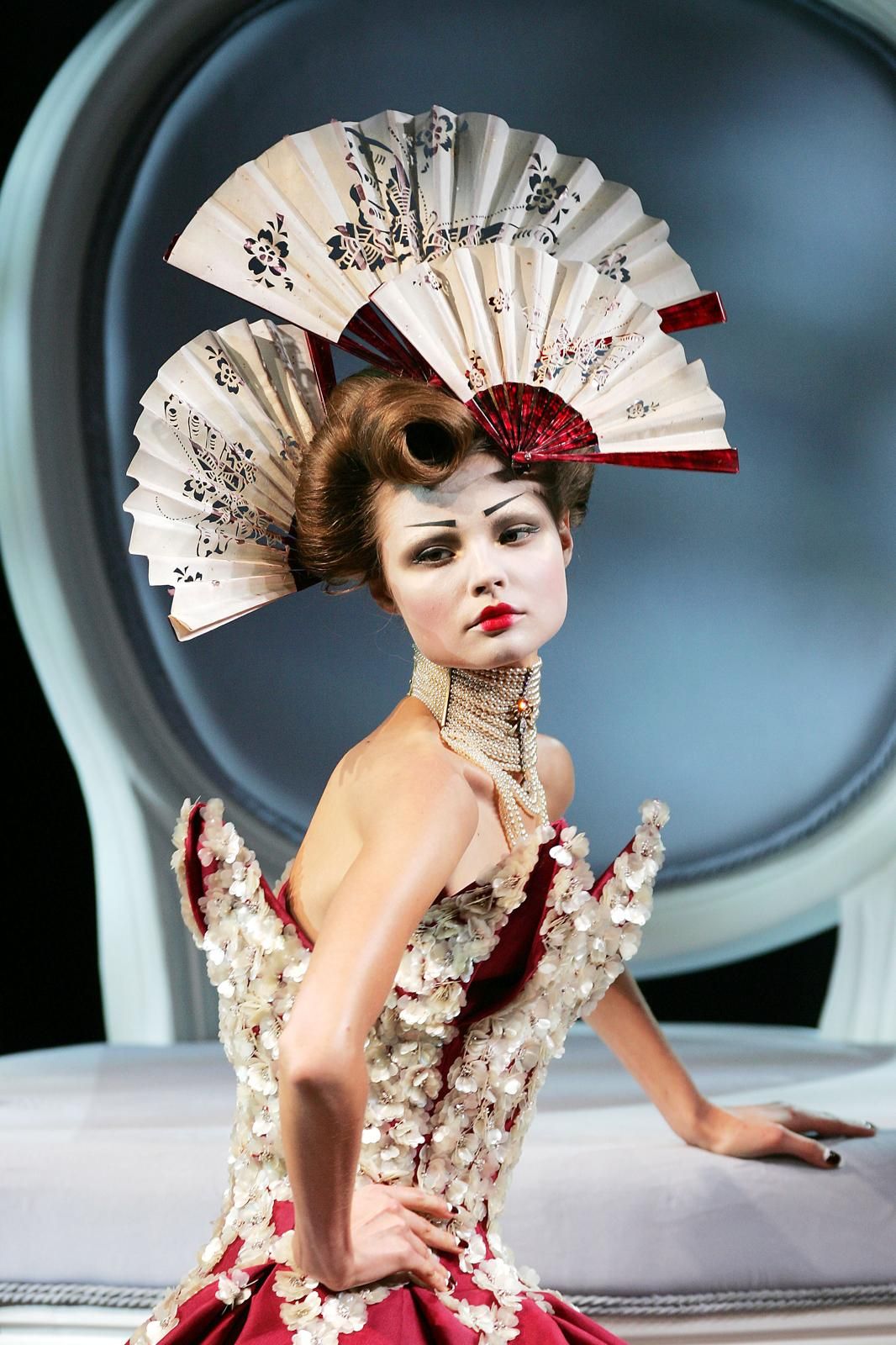
@duuuxm Haute Couture Spring Summer 2007 #christiandior #JonhGalliano #dior #fashion #japan som original - maria
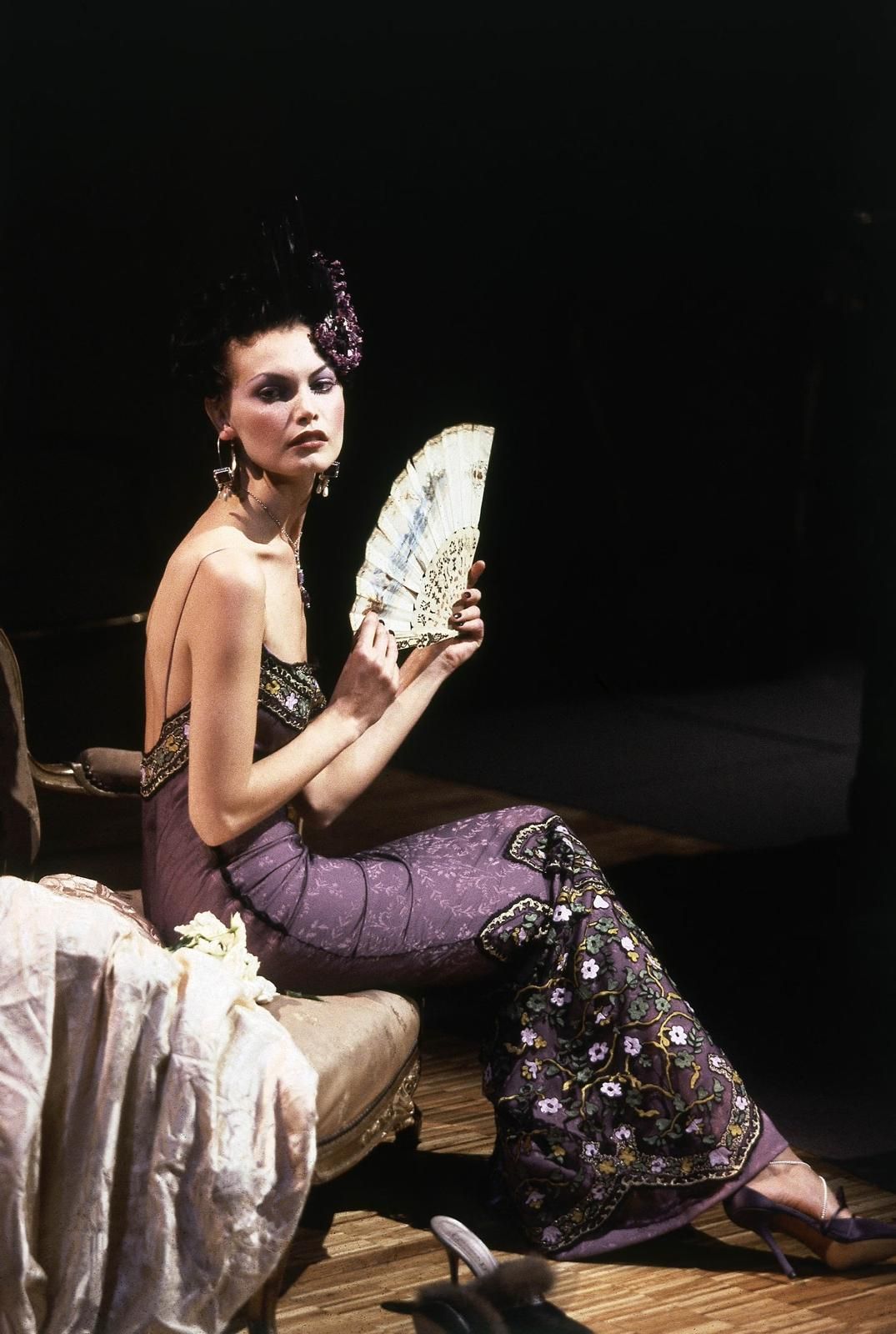
Later, it was John Galliano for Christian Dior who delved into and reawakened the fan’s deepest historical and cultural meanings. The designer has often built his shows around this accessory: in his unforgettable Haute Couture SS98 fashion show inspired by the Marquise Luisa Casati, the fan became an extension of the maximalism and mystery of the 20th-century muse, while in the SS07 the designer created a personal and sumptuous reinterpretation of the geisha look with majestic fan-shaped hairpins.
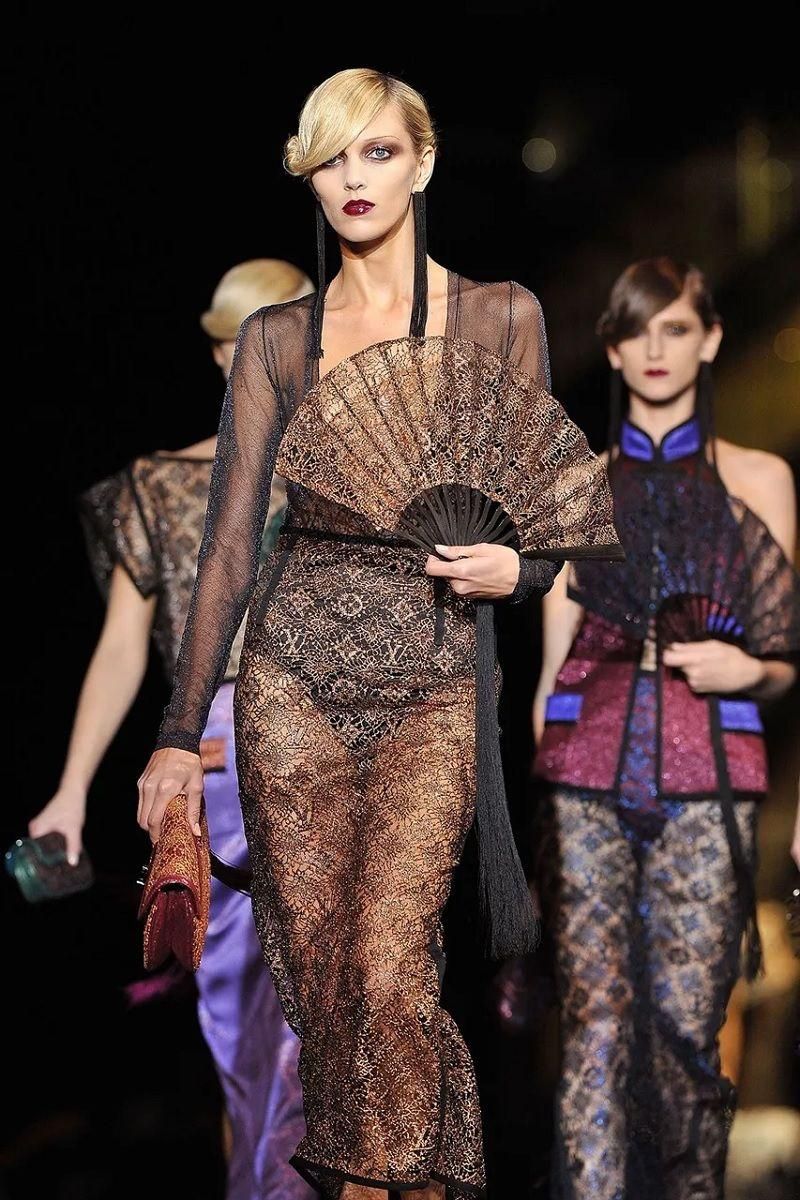
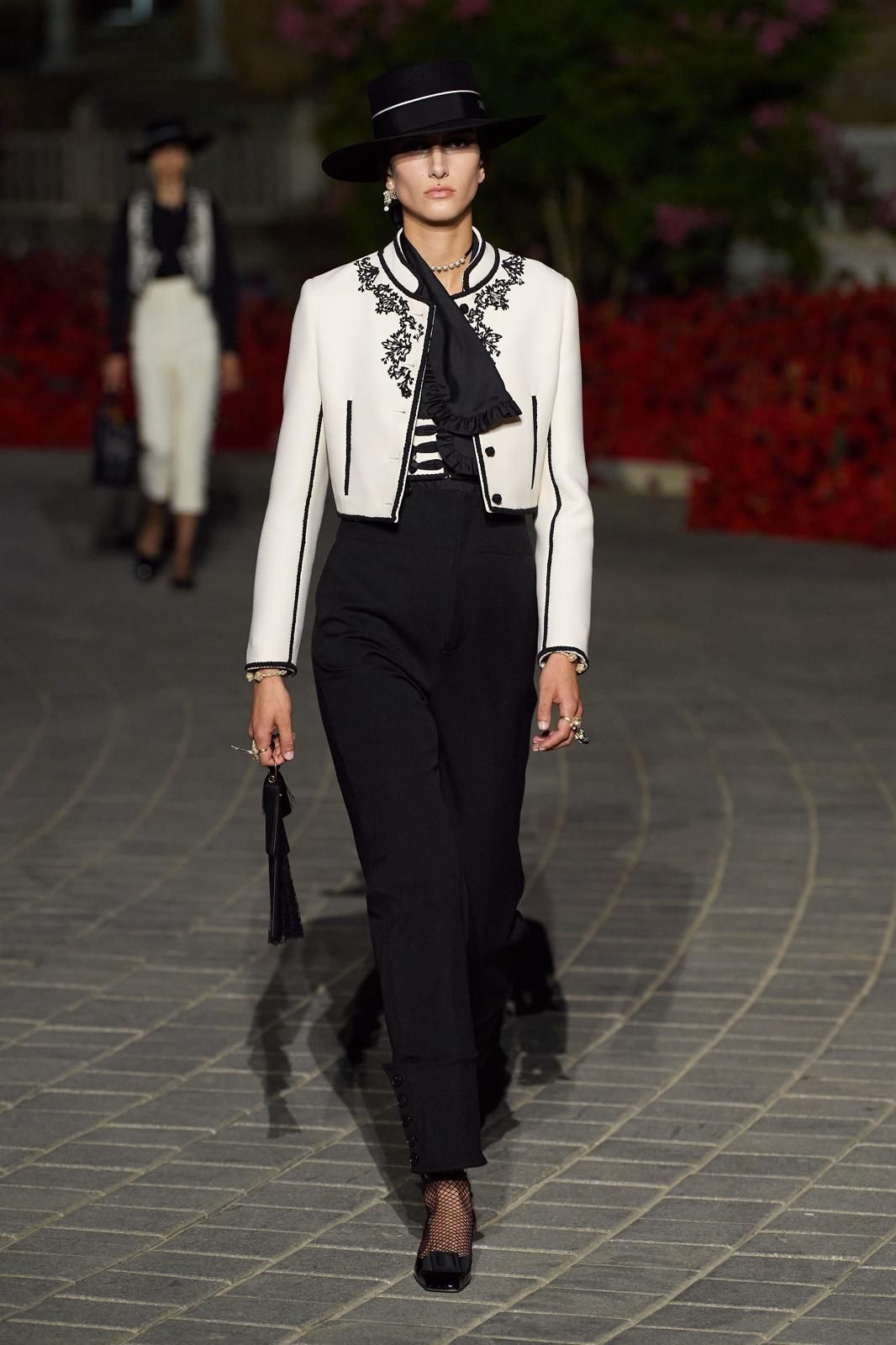
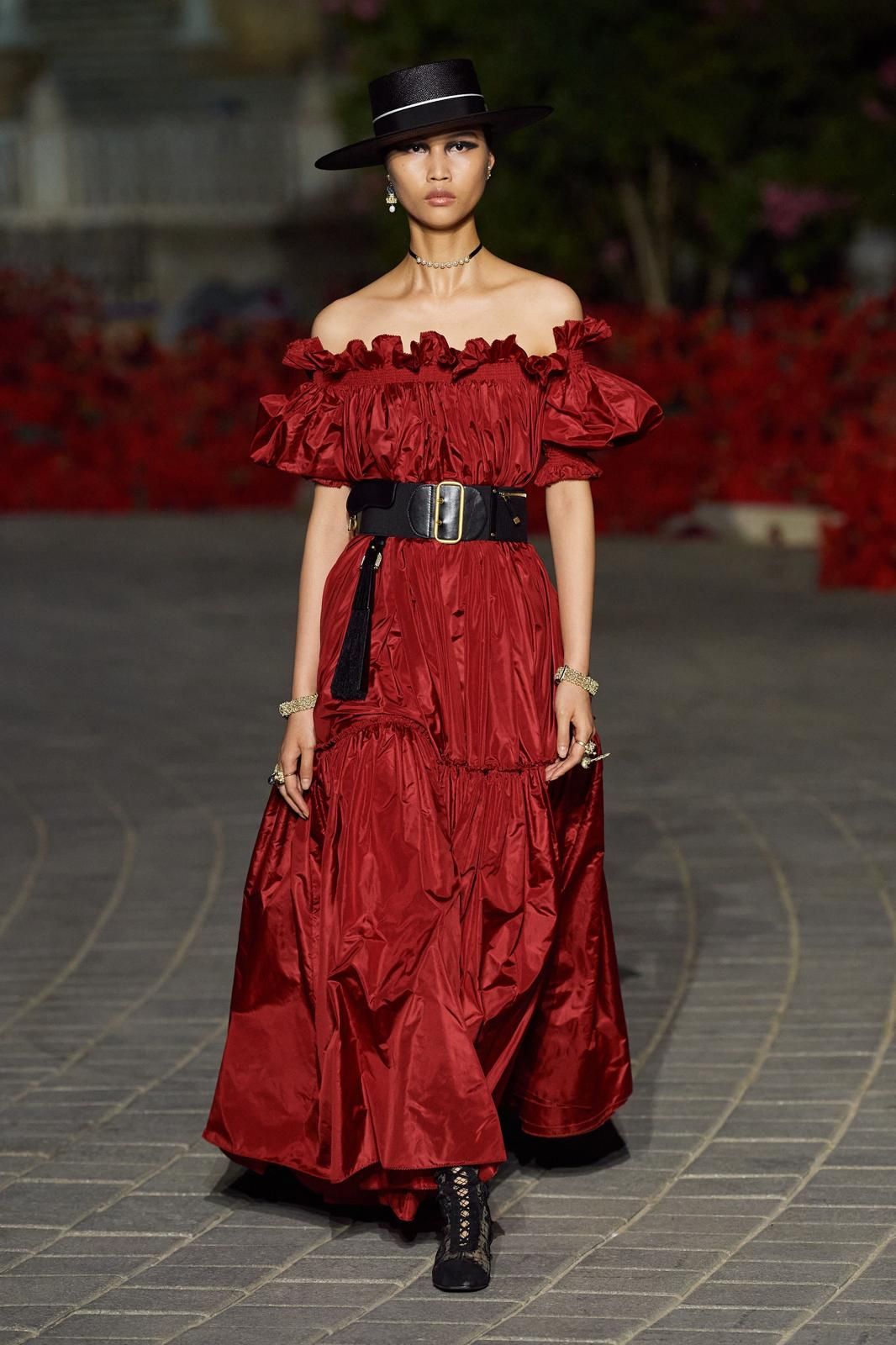
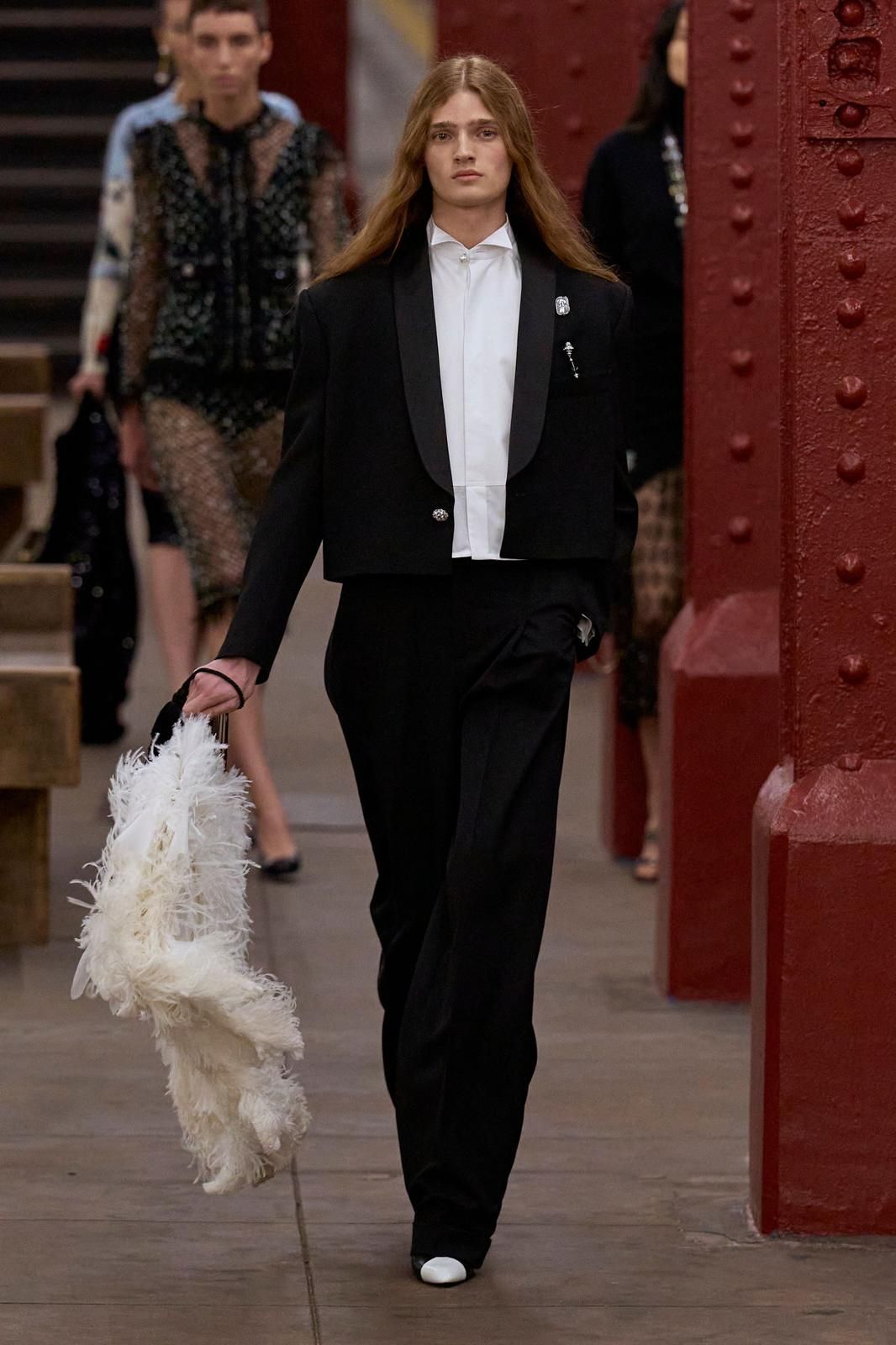
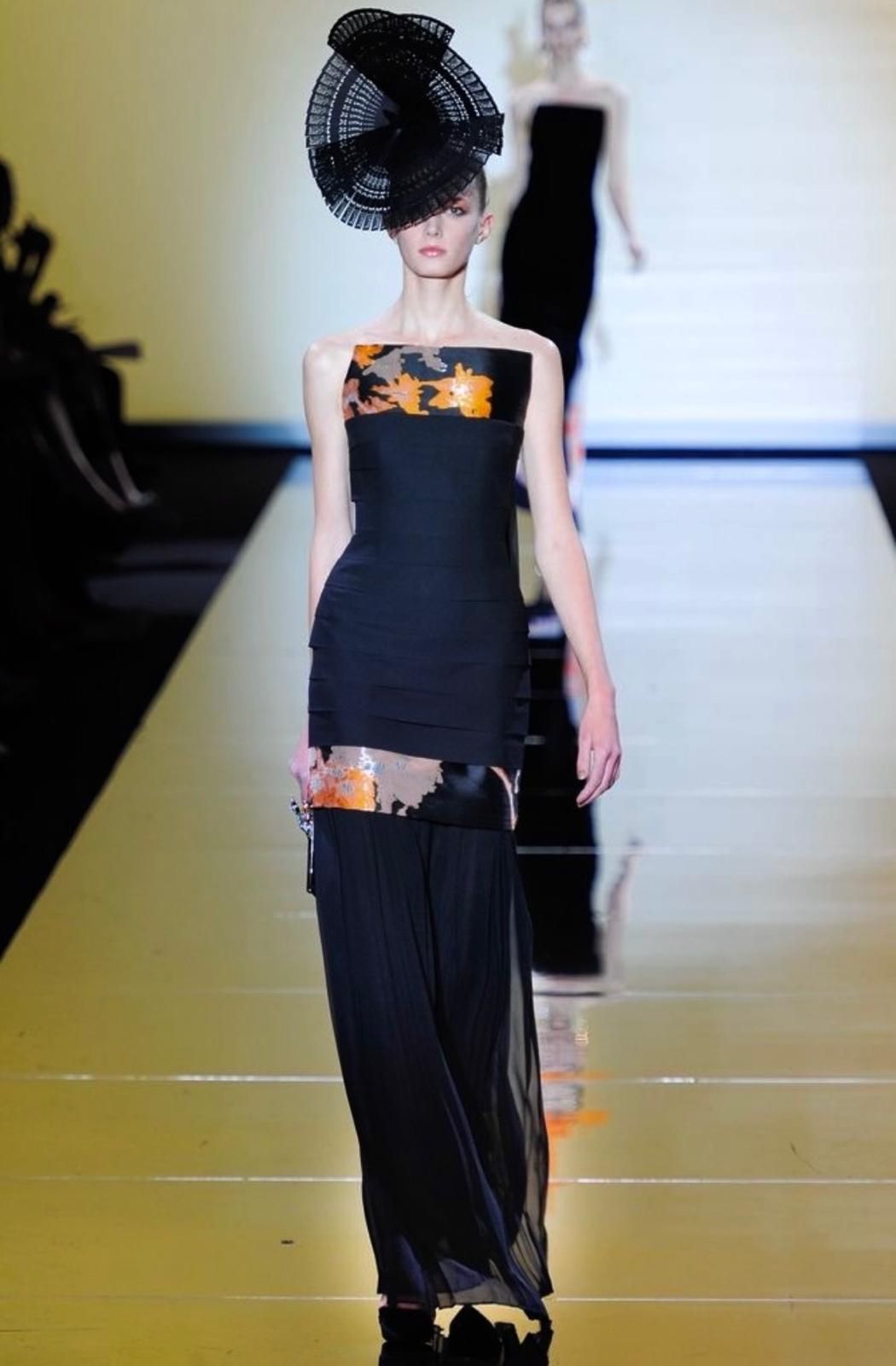
Even Marc Jacobs drew inspiration from this magnetic and seductive object in the Louis Vuitton SS11 collection, and Giorgio Armani transformed a fan into a regal couture hat that same year. A few years ago, Maria Grazia Chiuri, on the other hand, celebrated the object’s Spanish identity in the Christian Dior Resort 2023 collection at the Plaza de España in Seville. In this context, the fan becomes a choreographic prop carried in the hand like a handbag or attached to a belt loop, swaying among the ruffles of a full skirt. More recently, Matthieu Blazy of Chanel (Pre-Fall 2026) has brought the accessory back into the spotlight by drawing inspiration directly from the roaring 1920s, presenting a majestic feather fan on the runway against the backdrop of the New York metropolis.
The fan: between tradition and innovation
Today, interest in this millennia-old accessory seems to have been reignited, balancing the preservation of its historical legacy with cutting-edge technological experimentation. Embodying the return of artisanal fan-making is the resurgence of brands such as Duvelleroy, a Parisian maison founded in 1827 and renowned for supplying fine fans to nobility and royal families. After years of silence, the French brand returned to the scene in 2010 thanks to several collaborations with Lanvin, Balenciaga, and Chanel.
More recently, innovation has pushed the accessory toward futuristic frontiers, where tradition meets materials engineering. Such is the case with Meanswhile, a well-known Japanese technical brand that has reinterpreted the classic folding fan by crafting it from Dyneema. This fiber, the strongest in the world—fifteen times stronger than steel and used in modern bulletproof vests—is transforming a historically delicate object into an indestructible accessory.