



























That time we all envied Robert De Niro's wardrobe in "Casino" The million-dollar wardrobe
There was a moment, around 1995, when Casino, the film directed by Martin Scorsese and starring Robert De Niro, made us all want one very simple thing: to walk into his wardrobe. In Scorsese's blockbuster set in the golden age of Las Vegas, De Niro plays Sam "Ace" Rothstein, a character inspired by Frank "Lefty" Rosenthal, the real casino man tied to the Chicago mob who ran the famous Stardust in the Seventies. Ace is a man obsessed with control: he tries to hold his empire together, manage his unpredictable friend Nicky Santoro, and survive his tormented relationship with Ginger, played by a Sharon Stone who has never looked more glamorous. And then there were the suits.
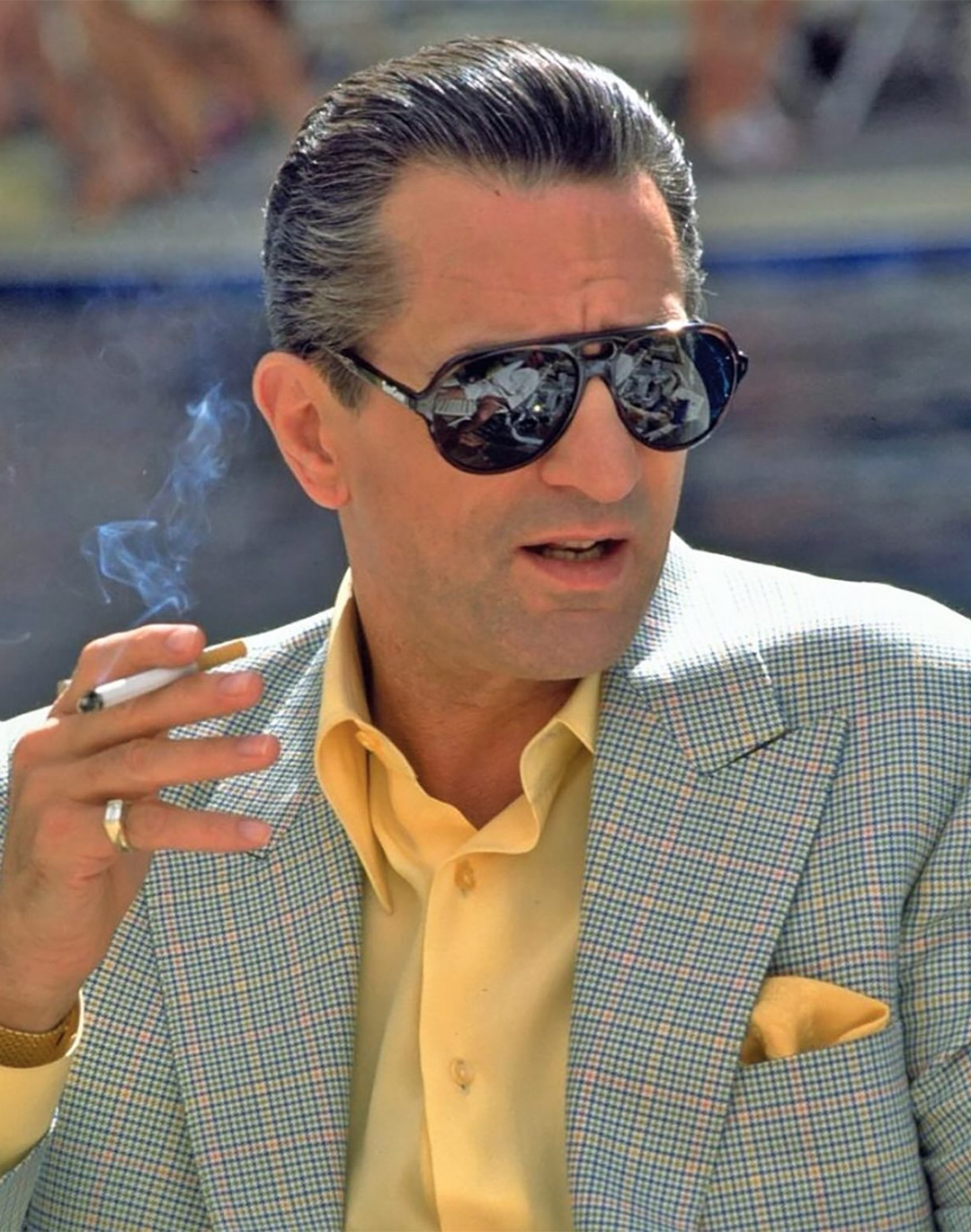
For a moment, we all envied the spectacular collection of outfits worn by De Niro — a true celebration of Las Vegas excess. In the film, Rothstein's wardrobe features around 52 different suits, part of a collection of approximately 70 pieces made specifically for the movie. A chromatic parade of burnt orange, mint green, and pastel pink suits, bold patterns, and combinations impossible to imagine anywhere outside a city like Las Vegas. An exaggerated, almost brazen aesthetic that, thirty years on, continues to captivate. We revisit it today, on the occasion of De Niro's 83rd birthday.
The Legend of De Niro's Wardrobe
@filmthusiastofficial Sharon Stone once told her acting coach, “I want to be good enough to work with Robert De Niro.” #robertdeniro #sharonstone #casino #martinscorsese original sound - filmthusiast
Behind the looks in Casino are costume designers Rita Ryack and John Dunn, tasked with building an image capable of telling the story of the character before his actions even could. Sam "Ace" Rothstein wasn't simply meant to look elegant — he had to project power, confidence, and a certain danger concealed beneath impeccable fabrics and improbable colours. The character was based on the real Frank Rosenthal, whose actual wardrobe was even more extreme than what was shown in the film. The crew also met Rosenthal and were able to observe his clothes directly, some of which were even loaned to the production, adding further realism to the picture.
Legend has it that the costume budget exceeded one million dollars, though the production had to keep a close eye on costs, and Ryack, together with assistant costume designer Maggie Morgan, worked hard to balance the books. Truth be told, the real value of those costumes — which became apparent when the film was released — lay not so much in their price tag as in their ability to create a visual language that has gone down in cinema history. Ryack also recounted that, on De Niro, those outfits took on a different meaning: "On Rob, those clothes were very threatening."
And perhaps that was precisely the key to their success: those same suits, worn by anyone else, would have risked looking like a caricature. On De Niro, however, they became a weapon. As the costume designer told the Los Angeles Times: "Nobody else could have worn such outrageous clothes without looking like a cartoon. De Niro still looked sexy and dangerous."
Armani or Not Armani, That Is the Question
Robert De Niro in 'Casino' (1995) pic.twitter.com/VWOhKKkPKZ
— best of decino (@robcinodaily) March 30, 2025
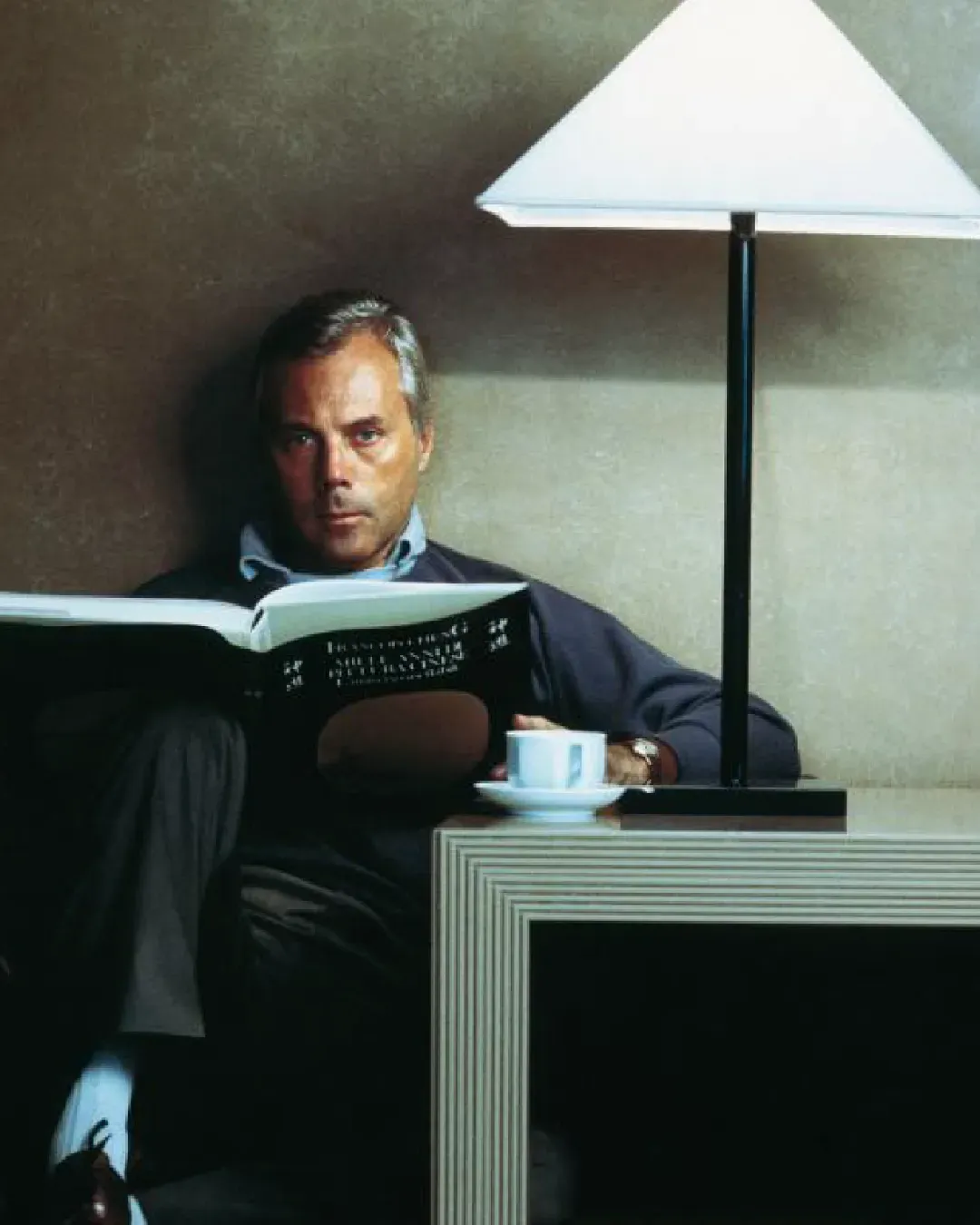
For years, the belief circulated that those suits were designed by Giorgio Armani — probably because the film arrived at a time when the Italian designer's name represented the ultimate symbol of international men's elegance, and because Armani had a consultancy role on the project. But the reality is more nuanced. Armani collaborated with the production, offering guidance and contributing to the overall stylistic atmosphere of the film, but the majority of De Niro's suits were not made by the designer.
The clothes were primarily tailored by Carlos Velasco, Tommy Velasco, and Vincent Zullo, specialists in bespoke tailoring. The shirts, ties, and pocket squares were instead made by Anto Beverly Hills, the same historic atelier that had also created shirts for the real Frank Rosenthal. In short, rather than an Armani wardrobe, Ace Rothstein's was an enormous team effort combining tailoring, research, and a generous dose of madness. Because in the end, Casino left us with one great lesson: in Las Vegas you can lose millions, friends, and your sanity — but if you have 52 suits in your wardrobe, you can always dress as though you've just conquered the world.