



























The entrepreneurial allure of sailing boat aesthetics Bank account aside, there's a Gianni Agnelli in each of us
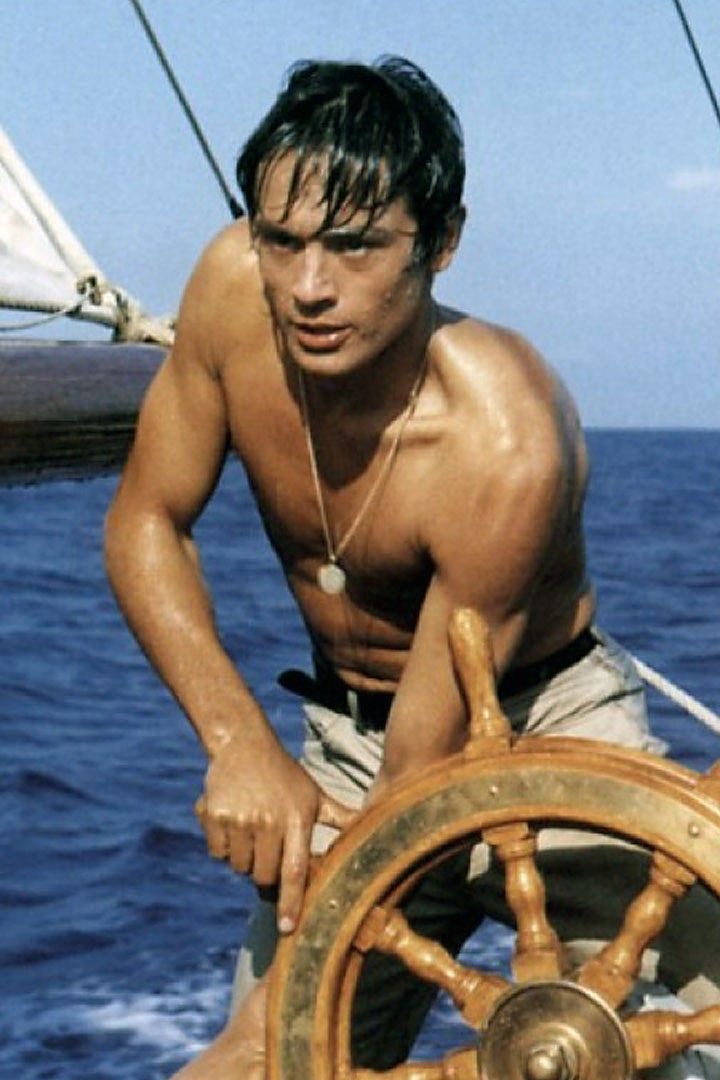
Alain Delon
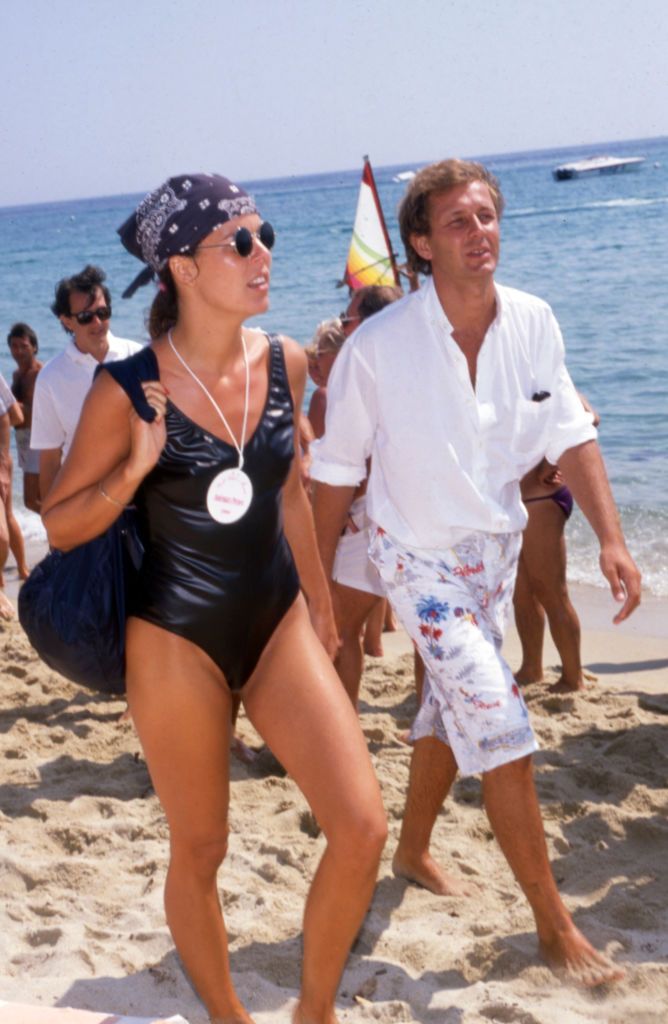
Carolina di Monaco & Stefano Casiraghi
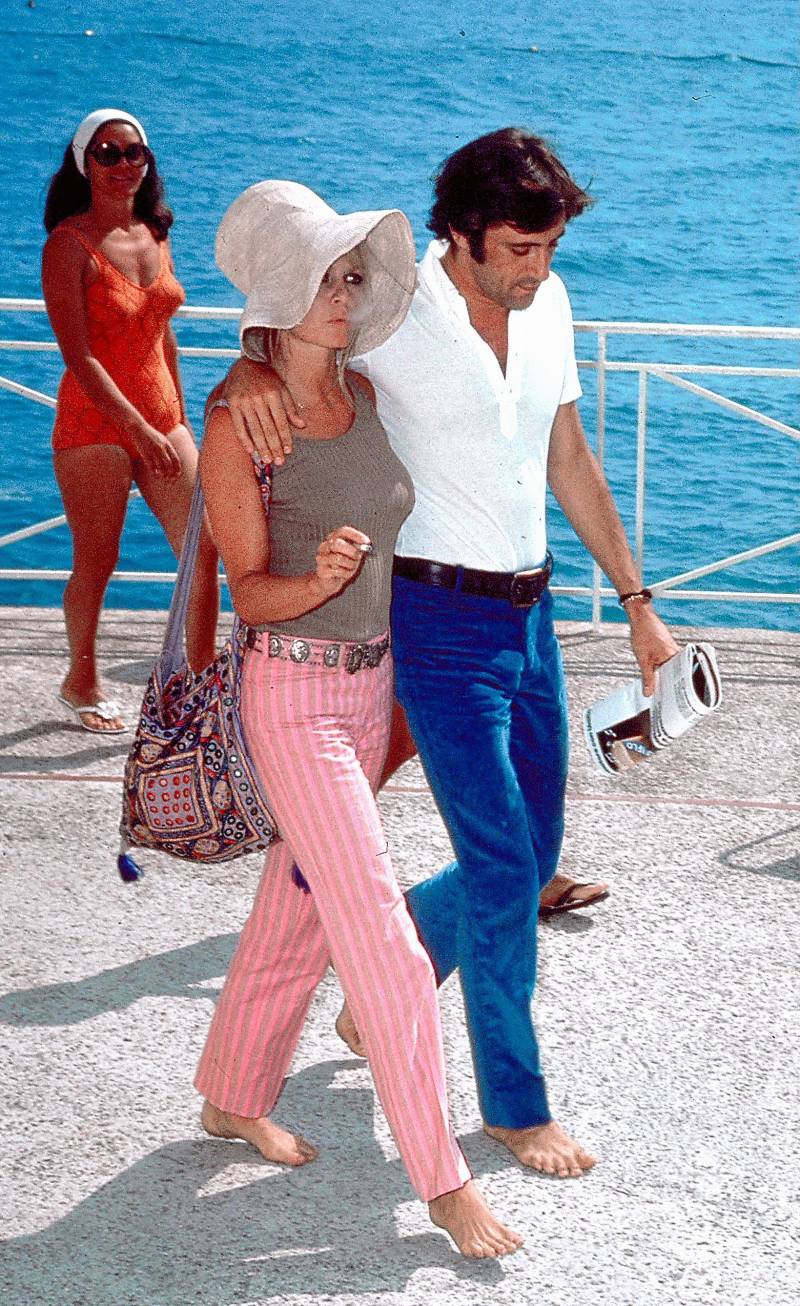
Gigi Rizzi & Brigitte Bardot
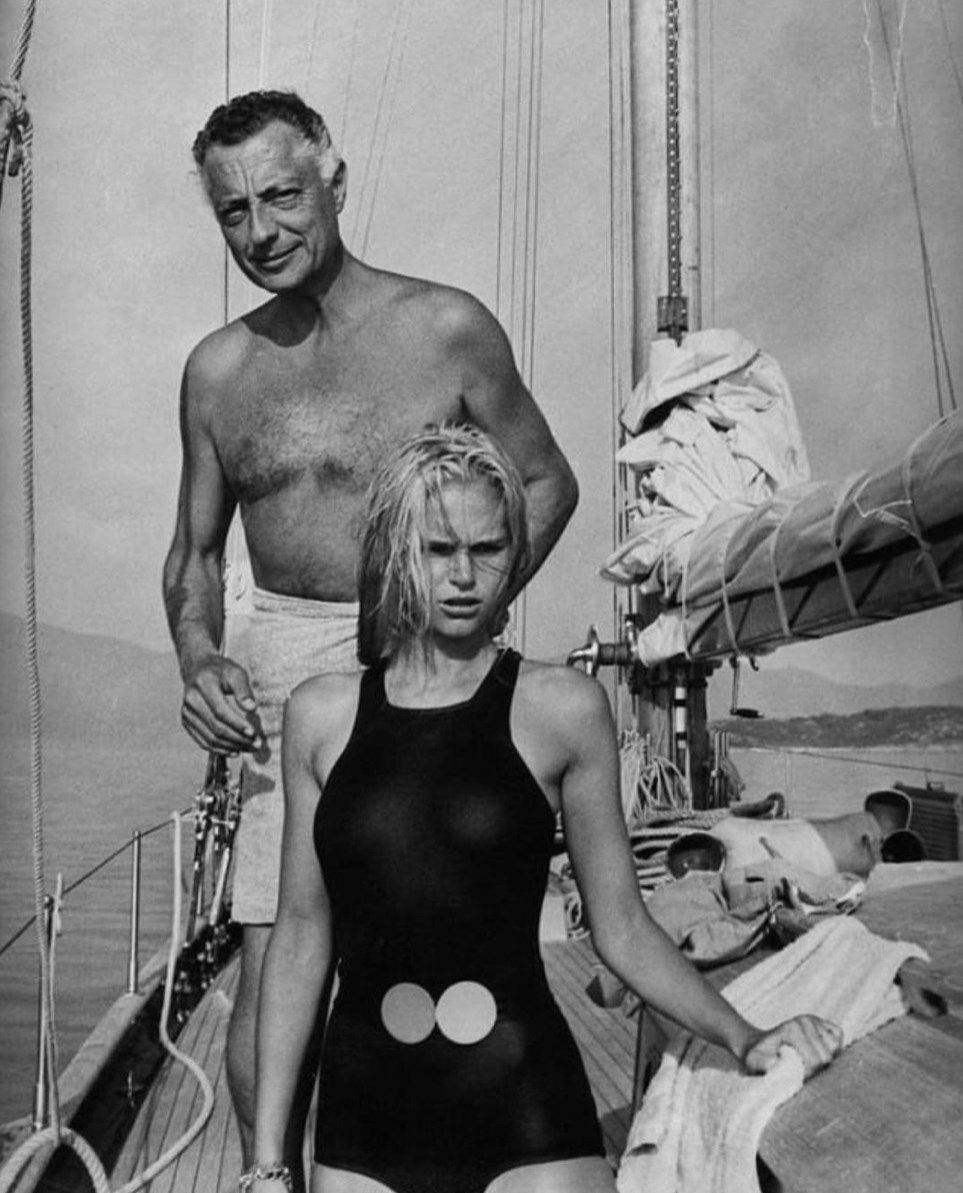
Gianni Agnelli & Heidi von Salvisberg
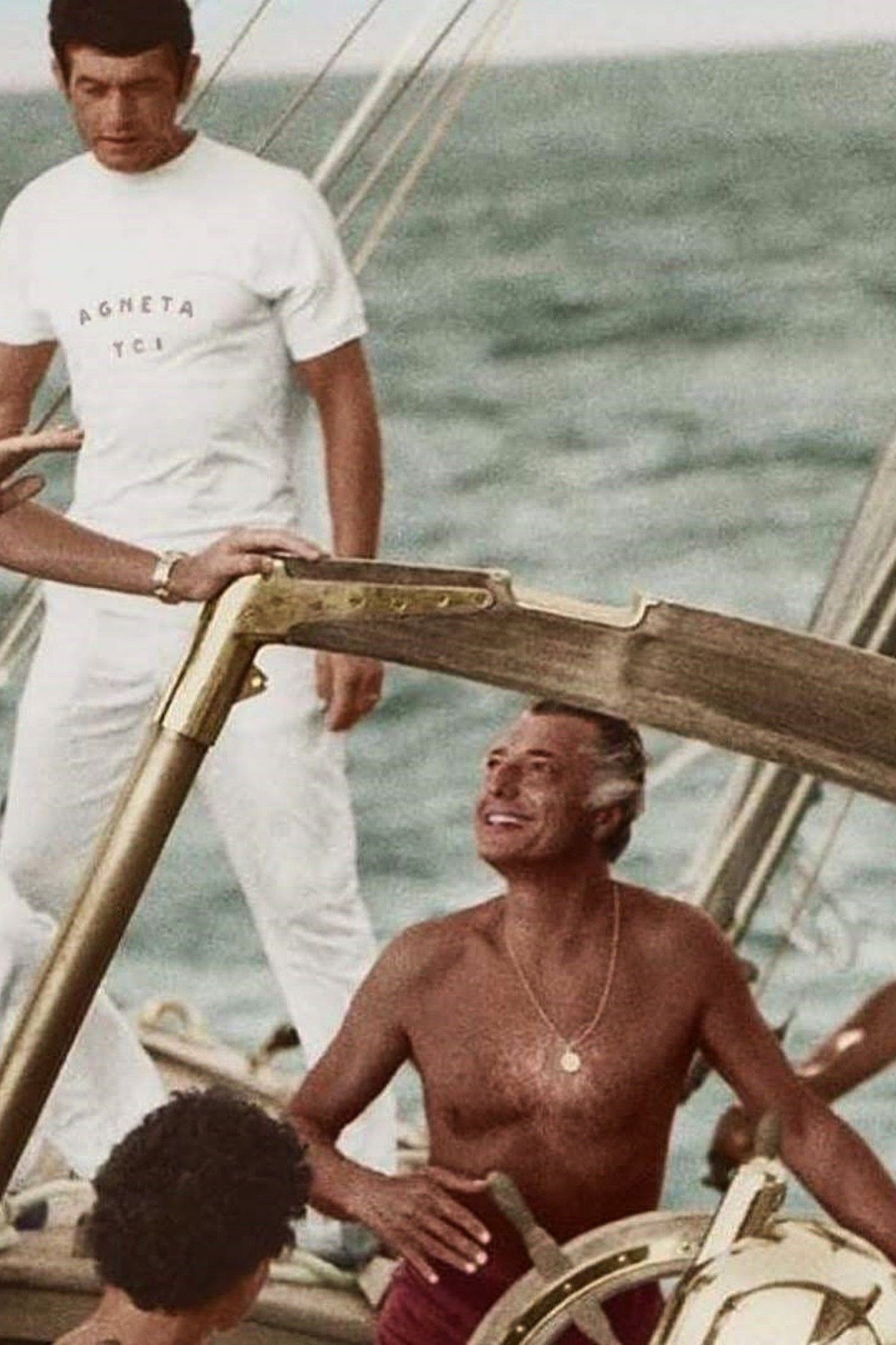
Gianni Agnelli
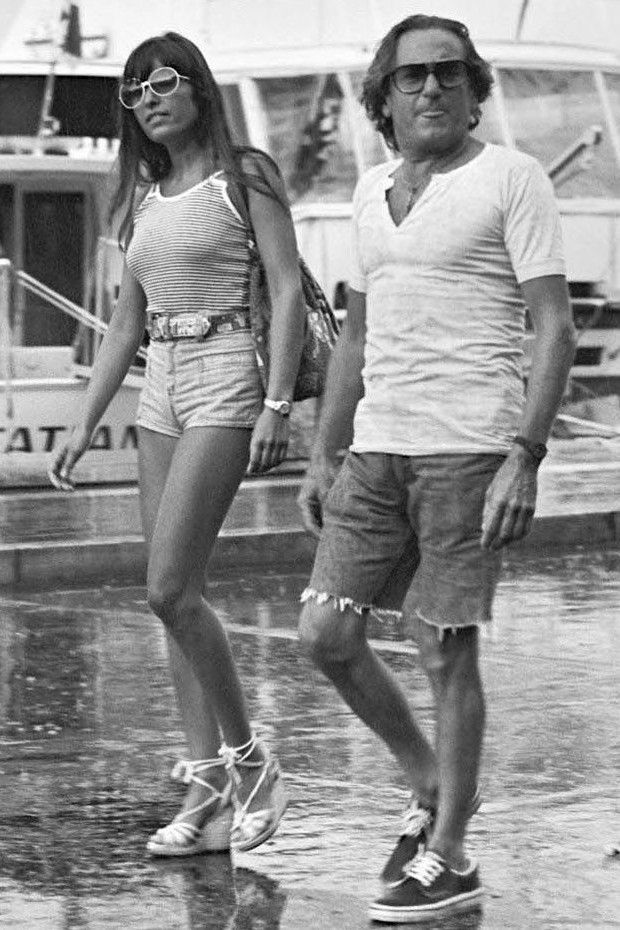
Willy Rizzo | via: kingsandqueensofcool
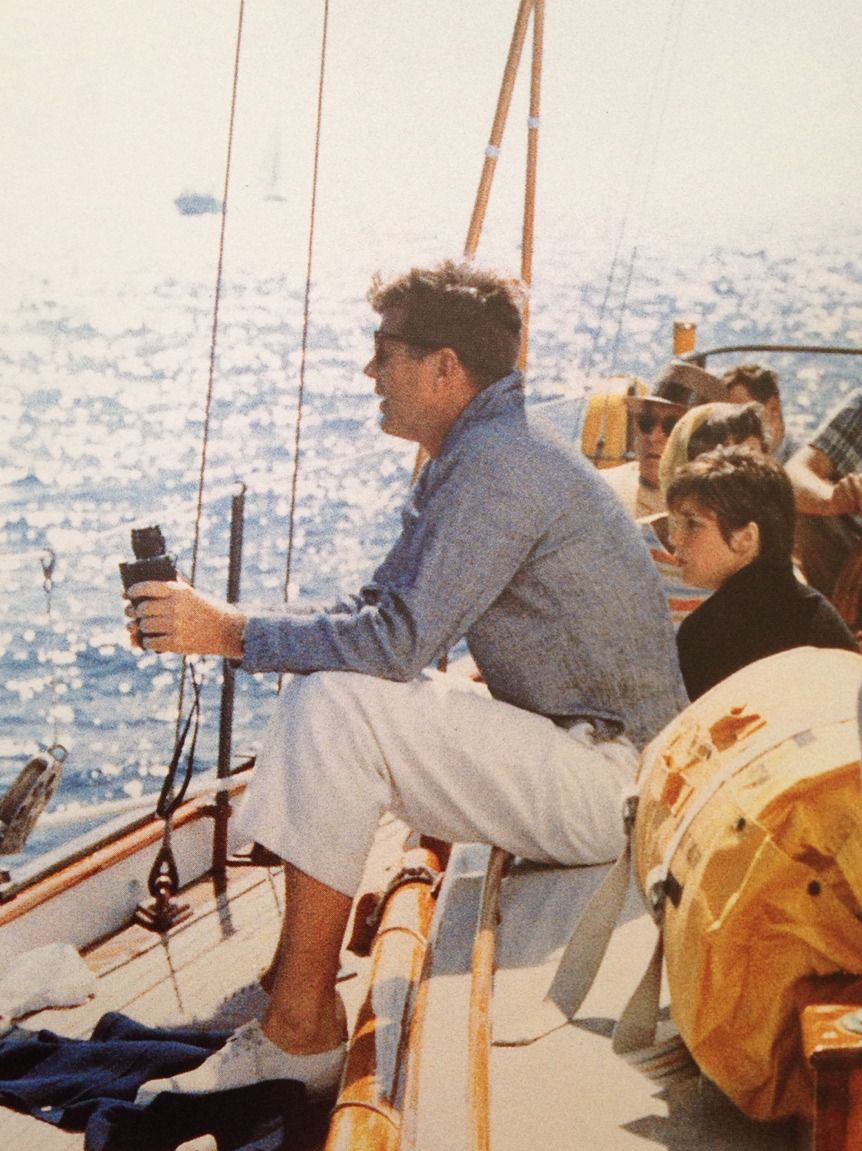
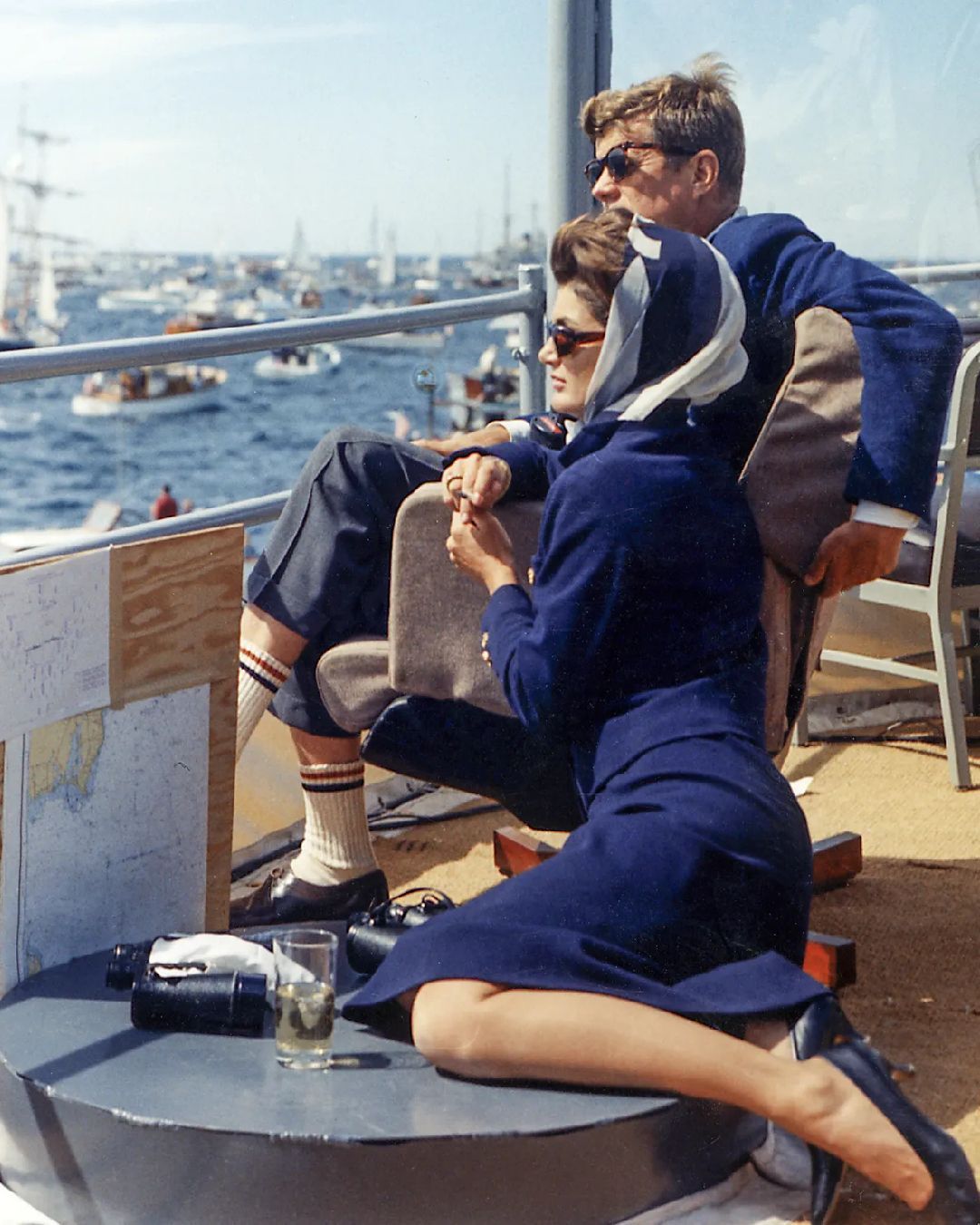
John F. Kennedy
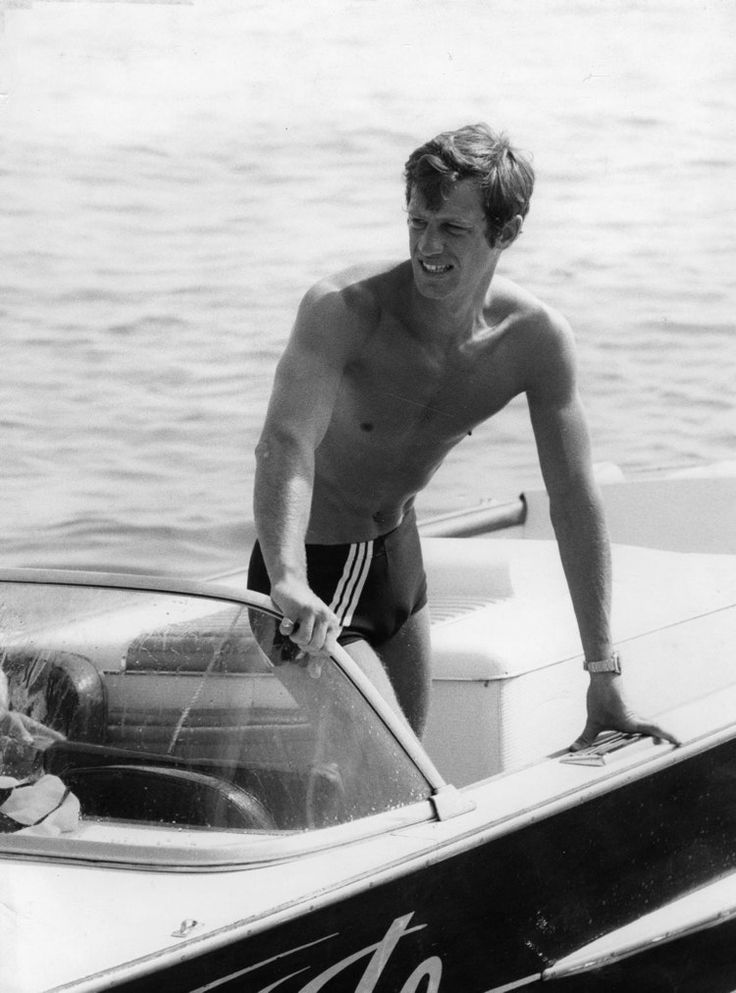
Jean Paul Belmondo
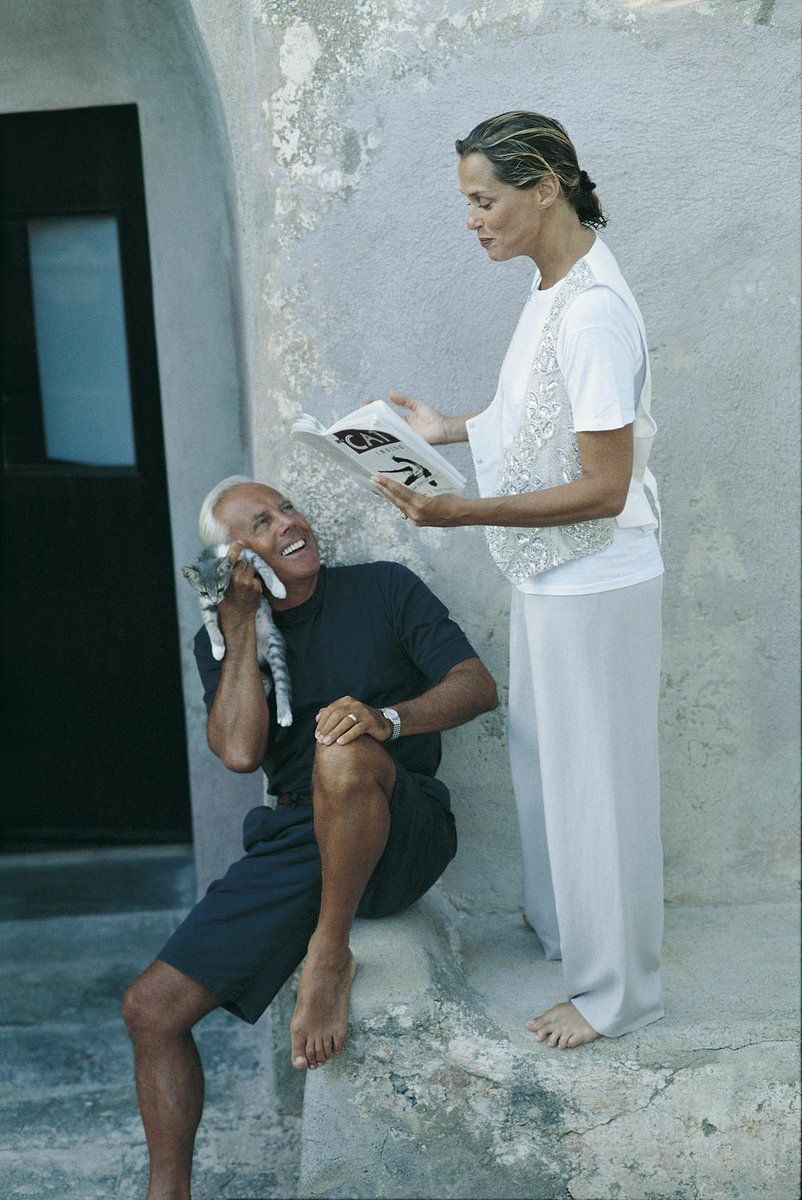
Giorgio Armani
It would be virtually impossible to spend August anywhere in the Western Hemisphere without spotting, on someone's feet, a certain semi-open leather shoe whose laces run around the edge of the upper. The shoe in question is technically known as a boat shoe and is part of a broader cultural imagination centered on the sailing yacht and the legendary figures of the past who popularized it as the ultimate status symbol of the luxury vacation.
A fusion of physical activity and extreme glamour, the sailing yacht is far more than a simple means of sea transport — it is itself the setting and premise of a nature-infused form of tourism that, from the 1960s onward, has enjoyed a popularity that endures to this day. If we were to take at face value the many Instagram moodboard pages devoted to vintage and nautical aesthetics in particular, we might say that it was Alain Delon, in the 1960 film Purple Noon, who first embodied that blend of informality, upper-class sophistication, and all-out sexiness conjured by the image of a man in a shirt — or bare-chested — hands gripping the helm of his boat against a backdrop of deep blue sea.
Alain Delon
Gianni Agnelli
Gianni Agnelli & Heidi von Salvisberg
Gigi Rizzi & Brigitte Bardot
Willy Rizzo | via: kingsandqueensofcool
Giorgio Armani
Jean Paul Belmondo
John F. Kennedy
Carolina di Monaco & Stefano Casiraghi
Another, and even more significant, embodiment of that myth came twenty years later in the form of Gianni Agnelli, who permanently established the pairing of gentleman and sportsman, and who, having shed his corporate uniform, was often photographed tanned and smiling — bare-chested, at the helm of his yacht. On such occasions, formality was never entirely thrown overboard, and compromises between institutional and athletic dress were struck in the form of polo shirts and blue button-downs, white trousers, gold chains, and sometimes turtlenecks and sunglasses. After all, on a sailing yacht over fifteen meters long, even a classic white T-shirt becomes a statement.
Behind this figurehead lies an entire cast of more or less well-known characters from the jet set of thirty years ago: the whole fauna of pleasure-seekers who circulated through Saint-Tropez venues like L'Escale or Le Papagayo, who crowded the little square in Capri, who dropped anchor in the coves of the Costa Smeralda and Ibiza before the organized parties and the restaurants with their extortionate menus. Their outfits strike us today as oddly formal, attributable to the tired archetype of the "classic gentleman" — but the truth is that T-shirts and cargo shorts were not so common back then, and wearing a shirt on a boat was less a matter of personal refinement than of necessity — you wore what your wardrobe offered. And anyone who has spent a few days on a boat knows that you can't afford too many formalities on board: life at sea is wonderful precisely because it is simple, a life spent barefoot or lying in the sun.
The appeal of the sailing aesthetic (which remains distinct from its more overtly technical and sporting counterpart, embodied so perfectly by Prada's Luna Rossa or brands like Helly Hansen) can be traced back to a shift in menswear's aspirational ideal — away from the aristocratic idleness of the early twentieth century, in which the wealthy owner of the day was not expected to lift a finger while cruising on his yacht, and toward the myth of the man of action: someone capable of commanding a board meeting today and setting sail for open water tomorrow — perhaps in the company of attractive guests and other members of the international jet set sunbathing on the foredeck.
In Gianni Agnelli's case, the guests on board could hardly have been more illustrious — after all, not everyone gets to take the Kennedy family on a cruise. But regardless of the cursus honorum of the passengers, the protagonist remains the captain of the vessel, whose personality and authority are expressed through the informality or semi-formality of his dress. And while the boat uniform is, broadly speaking, far from formal and flirts with sportswear, the status it represents extends well beyond hulls and sails — as evidenced by the enduring popularity of the classic boat shoe, which has become so associated with the stereotype of the "wealthy yachtsman" that it has spawned an entire category of memes dedicated to it.
@sophie.har what types of shoes tell you about a guy....like for part 2 #greenscreen #fyp #college #shoeschallenge #understandingmen original sound - Sophie
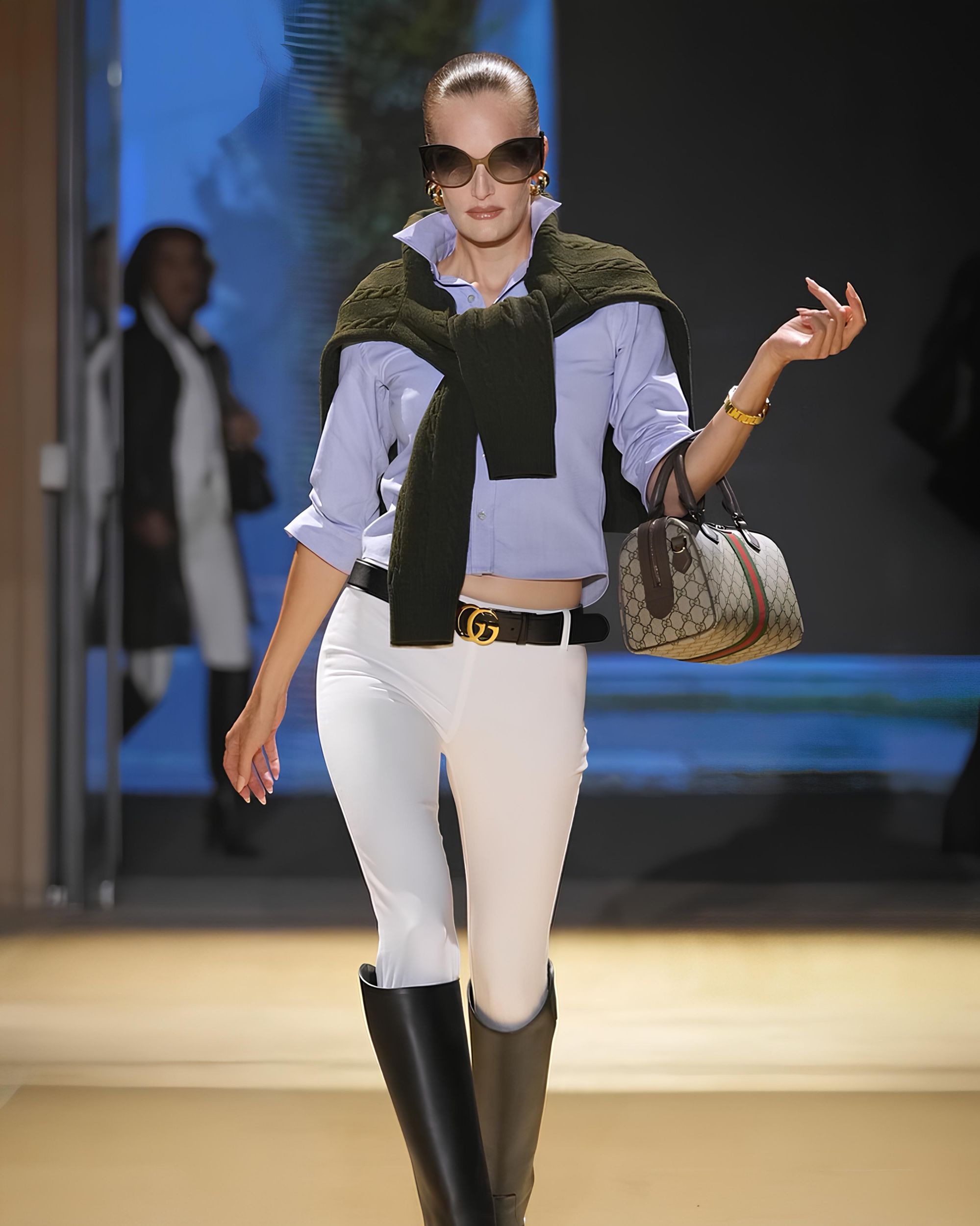
Indeed, when interpreting this kind of aesthetic, it might be better to steer clear of the classic yacht club uniform — shirt tucked into belted shorts, sweater over the shoulders, boat shoes — and return instead to the informal looks of Alain Delon and Gianni Agnelli, which pivoted on comfort and, above all, set a cliché rather than merely following one. After all, today's mainstream summer destinations (Ibiza, Capri, Versilia, the Costa Smeralda, and so on) were once the classic ports of call on the sailing itineraries that the European jet set followed every summer.
It is precisely from this observation that the nature of the coolness expressed by the sailing aesthetic emerges — one that has less to do with the outward aesthetic signifiers associated with the world of yachting (cabana stripes, shades of blue and navy, a Rolex on the wrist, businessman's shirts) and more to do with the relaxed vibe of someone who has better things to worry about than what they're wearing.
In an imaginative world as rich and enduring as that of yachting, it is worth dismantling the clichés and stereotypes with a healthy dose of simplicity: think of Giorgio Armani wrapped in soft navy blue clothes on his Pantelleria, of Willy Rizzo in denim shorts and sneakers in Saint-Tropez in the 1970s, of Jean-Paul Belmondo strolling along the beach in his light blue chinos in Pierrot le Fou, of the legendary Gigi Rizzi roaming barefoot with a silk scarf around his neck across half the Mediterranean alongside Brigitte Bardot. The list could go on. The key to it all remains, always and without exception, effortlessness: the entrepreneur on his yacht is recognizable precisely because he doesn't look like one.