.gif 2000w)









































“Shrinkflation” has hit the ice creams isle Snacks are getting smaller
Shrinkflation, also known as downsizing, appears to have become an increasingly common practice in the food products sector. The phenomenon occurs when a product is sold in packaging that looks similar to the previous version but contains a smaller quantity of goods, while the price remains unchanged or increases only slightly. As a result, the consumer ends up paying more per unit of product without immediately noticing it.
To address this issue, the Italian Ministry of Enterprises and Made in Italy has submitted a bill to the European Commission aimed at making consumer information more transparent.
The proposal introduces specific obligations for both manufacturers and retailers. When a product is placed on the market with a lower weight or volume than its previous version, the change must be indicated on the packaging, and the impact on the price relative to the quantity actually purchased must also be specified. The information must then be made available both in physical stores and on online sales platforms.
Why consumers are protesting the reduction in ice cream sizes
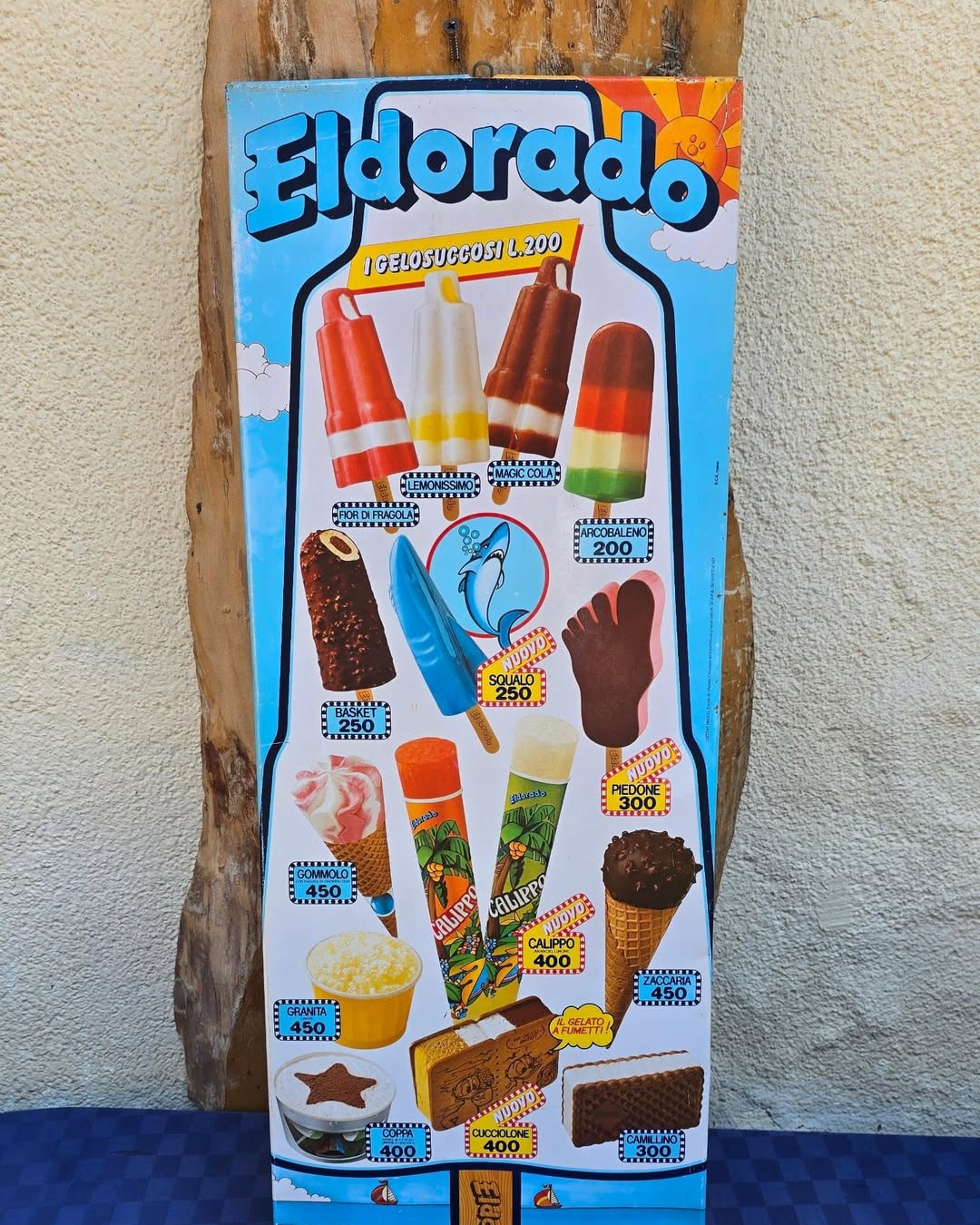
The topic of shrinkflation regularly returns to the spotlight during the summer, due to discussions about the shrinking sizes of packaged ice creams, popsicles, snacks, and other seasonal products. On social media and consumer forums, reports are common about packages that seem to contain smaller portions year after year while maintaining similar prices.
The perception of shrinking sizes is often more noticeable in summer products because these are items routinely purchased by a large number of people, often since childhood. For example, when a historic ice cream line loses a few grams or appears visibly smaller, the change is more easily noticed compared to other consumer goods. Specifically, packaged ice creams have become less attractive to multinational companies in recent years due to rising prices for some of the essential ingredients used in their production, such as sugar, milk, and chocolate.
The increase in costs borne by companies has led to a general rise in the prices of packaged ice creams intended for consumption. Some brands, however, prefer not to increase the retail price of their products and instead choose to reduce portion sizes. However, even when the reduction in content is limited, the lack of immediate information often ends up generating distrust among consumers and creating the impression of a hidden price increase. The new legislative proposal therefore aims to make these changes clearer, allowing buyers to better evaluate what they are purchasing.
What the new anti-shrinkflation rules consist of
The mechanism outlined in the decree presented by the Italian government is based on standardized communication that manufacturers must provide to retailers. The latter will then be responsible for making the notice visible to customers through signs, shelf labels, or notices displayed on online shopping pages.
The information requirement, however, will not be permanent. The notice must remain displayed for three months from the moment the product with the reduced quantity is placed on the market. After this period, the notice will no longer be mandatory. Exceptions are also предусмотрены in cases where a reformulation improves the product’s performance while keeping its usefulness to consumers substantially unchanged.
The Toblerone case
tbh, Tolberone shrinkflation is wild https://t.co/8XTNltQMEC pic.twitter.com/DvGwfvpUXM
— Trung Phan (@TrungTPhan) February 6, 2024
Shrinkflation is not an entirely new phenomenon. One of the most well-known cases dates back to 2016 and involves Toblerone, the famous chocolate bar characterized by its pyramid shape. To offset the rising costs of raw materials, the manufacturer decided to modify the version intended for the UK market by reducing its weight. The 400-gram bar was reduced to 360 grams, while the 170-gram version dropped to 150 grams.
The decision sparked controversy mainly because the reduction affected not only the quantity of product but also its appearance. The iconic triangular peaks were spaced further apart, making the change immediately visible. The criticism became so widespread that in 2018 the company producing Toblerone was forced to return to the original product.