























In 2026 the real luxury in Asia is luck Between China and South Korea, Gen Z prefers to invest in spirituality
Tarot cards, angel numbers, birth charts, crystals, MBTI: there was a moment, somewhere between 2020 and 2021, when it seemed as though Gen Z the world over had decided to entrust their future to anything spiritual. With the pandemic as a catalyst, astrology broke out of its esoteric niche and became part of the algorithm — memes, full moon rituals, and videos explaining why your star sign was to blame for every romantic problem you'd ever had. A few years on, however, that fascination hasn't faded; in some parts of the world, it has taken on an entirely different dimension. Today, across Asia, spirituality has become a market powerful enough to shape the way young people travel, shop, and even buy luxury goods.
Luck is the new status symbol
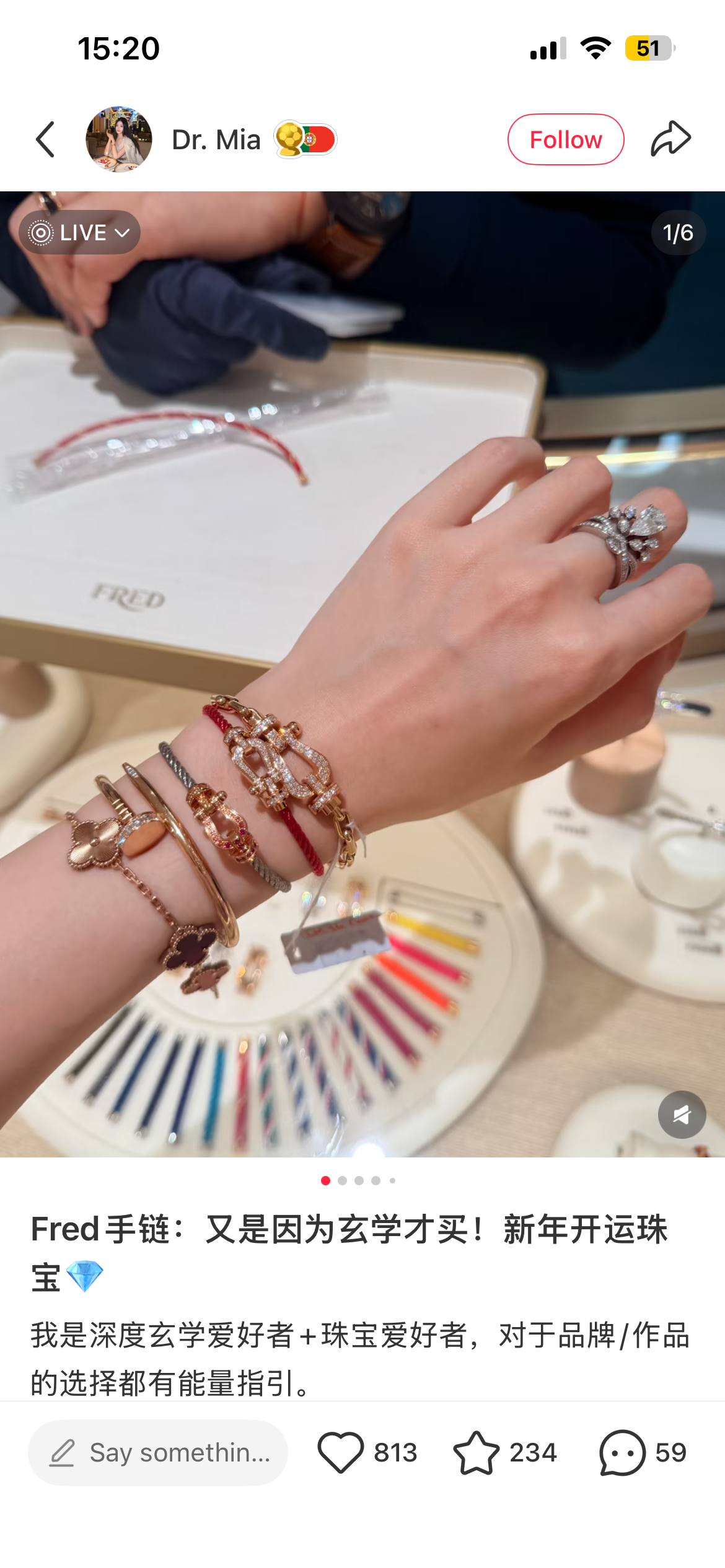
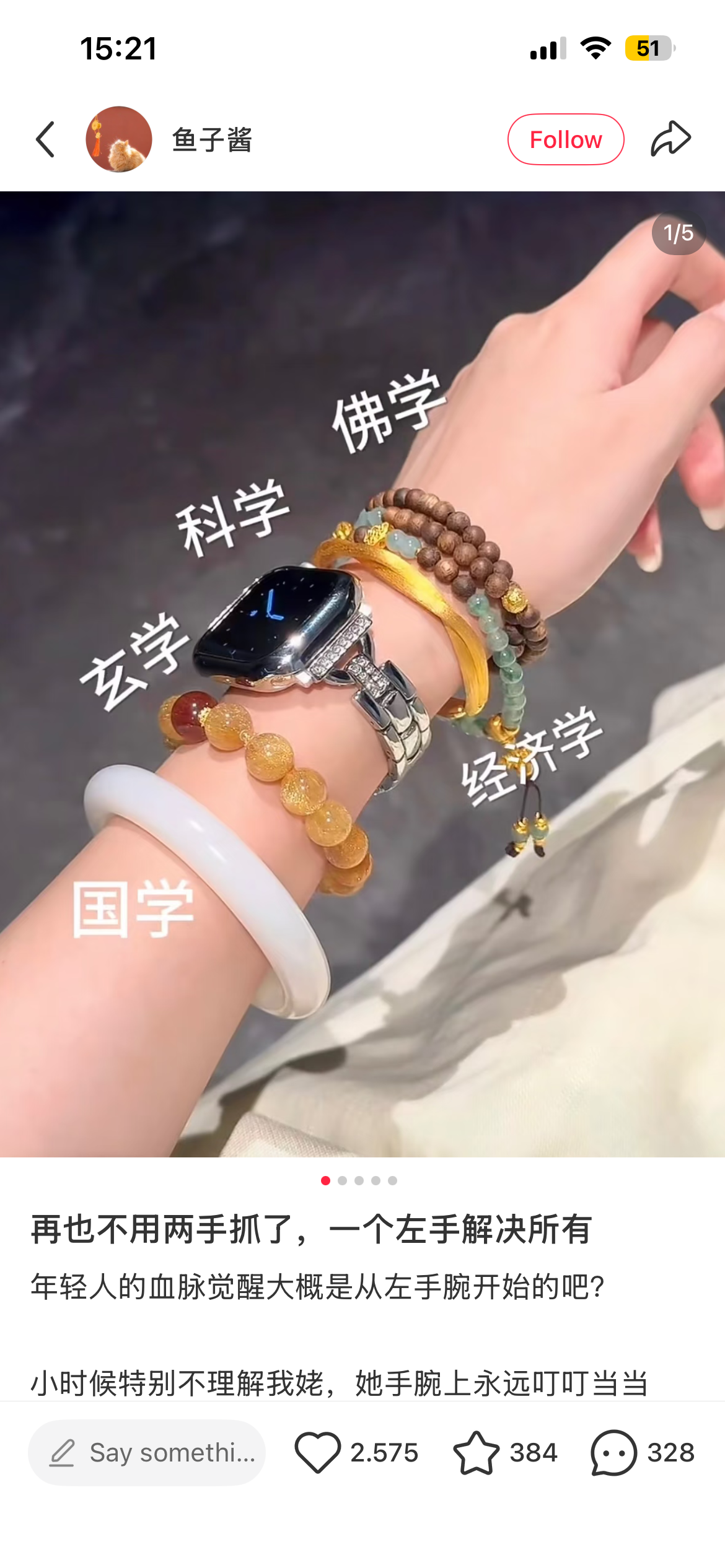
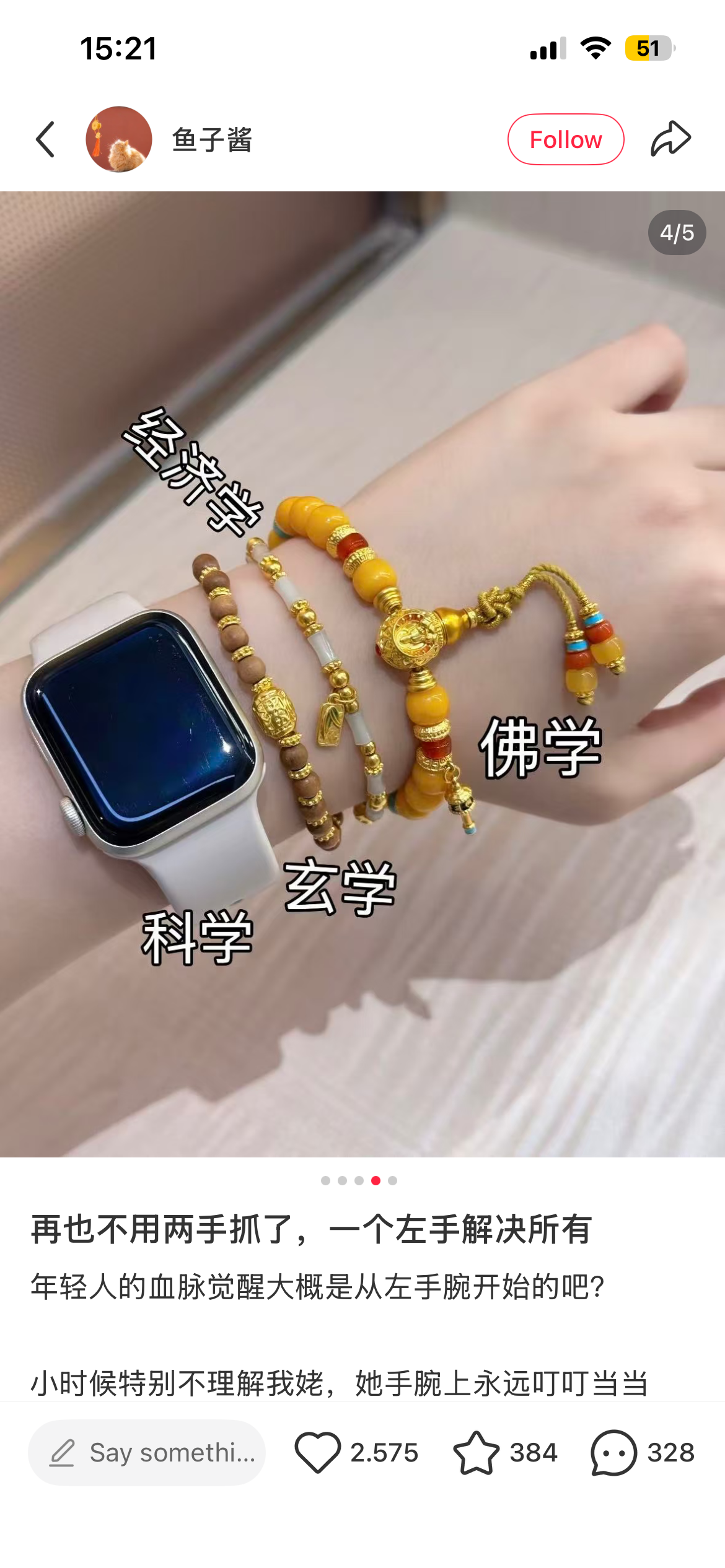
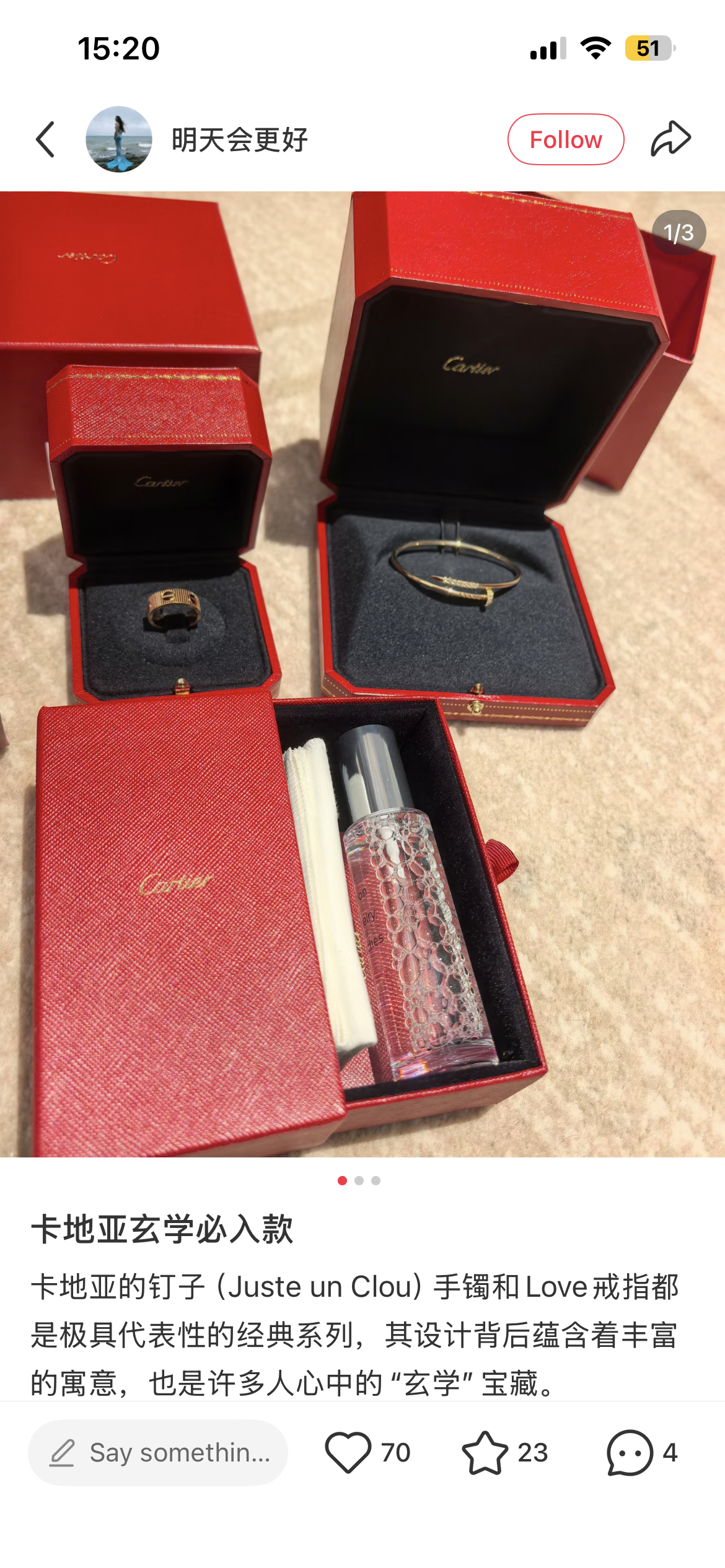
The phenomenon is particularly visible in China, where the economic uncertainty of recent years has radically changed the way Gen Z consumes. It is no coincidence that, while the Chinese luxury market continues to slow, feng shui-inspired jewellery, crystals, lucky charms, and accessories imbued with symbolic meaning are enjoying a golden moment.
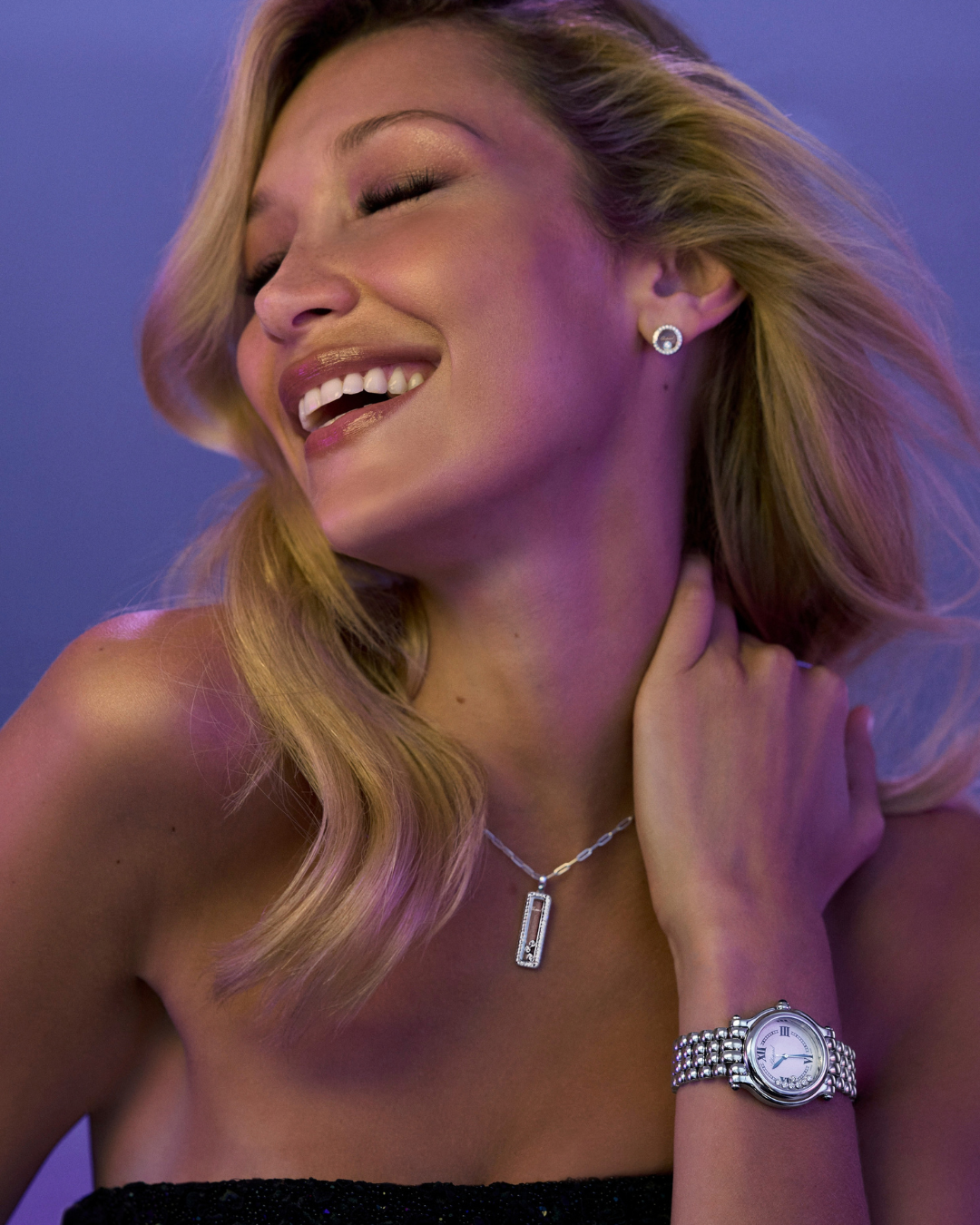
CNN reports how a kind of luck-based "workaround" tied to luxury goods has taken hold on Chinese social media. On Xiaohongshu, the hashtag #玄学 (xuanxue, referring to traditional metaphysical mystical learning) has been used more than 5 billion times. A Cartier Juste un Clou bracelet, for instance, is frequently described as a talisman capable of warding off bad luck and negative people; the Tiffany & Co. T bracelet, meanwhile, is said to be associated with career growth and professional opportunities. Van Cleef & Arpels' Alhambra collection, inspired by the four-leaf clover, is now considered the ultimate good-luck charm, and depending on the material — mother-of-pearl, malachite, or onyx — users attribute different benefits to it, ranging from love and finances to personal relationships. Add to these Qeelin's gourd-shaped pendants, a symbol of prosperity in Chinese tradition, and the boom in crystal bracelets, whose online sales have surged in recent years.
Saju is the new obsession of Korean Gen Z
@jewelsjpj Everyone’s been asking how to find your saju (SJPJ) so here’s a step by step guide! More info in the comments :) #koreanculture #mbti #saju #bazi original sound - Jewel SJPJ 사주팔자
A similar dynamic is emerging in South Korea, though with its own distinct characteristics. According to Jing Daily, the growing spread of artificial intelligence and the sense that professional futures are increasingly uncertain are driving many young people to seek answers in traditional practices such as saju (사주) — a reading of one's destiny based on date and time of birth, similar to astrology — tarot, physiognomy, and even shamanism.
What until just a few years ago was considered a practice associated primarily with older generations has now gone viral: saju readings are becoming social media content, are being offered at festivals and cultural events, and are increasingly a common step before making major decisions, such as changing jobs, starting a relationship, or launching a new project.
In life, you need a little luck
It is Jing Daily itself that points out this phenomenon is not simply a return to tradition: on the contrary, it represents a new consumer behaviour in which technology, spirituality, and lifestyle coexist. The so-called lucky-maxxing culture is already influencing sectors such as tourism, wellness, retail, interior design, and digital services, creating new opportunities for brands looking to connect with a generation that seeks reassurance even more than entertainment.
In an era defined by economic uncertainty, a jobs crisis, and the advance of artificial intelligence, the promise of being able to control at least a small part of one's own destiny becomes a luxury good in itself — just as happened during the pandemic years. If in the 2010s luxury was primarily about proving you'd made it, today it seems to serve a different purpose: offering comfort, making sense of the chaos, and, at least for a moment, convincing us that the future is a little less unpredictable.