































Has Ryan Murphy ruined "The Shards"? The adaptation, also overseen by Bret Easton Ellis, only half convinces
When the production of the series The Shards was announced, discontent immediately followed over the presence of Ryan Murphy in the ranks of the adaptation. The creator of cult hits such as Glee and American Horror Story has taken in recent years a direction that even his most devoted fans have not always appreciated. A hyper-aestheticization of his distinctly camp and slightly kitsch taste that, if at times it has made the success of his titles, has lately struggled to find the support even of enthusiasts.
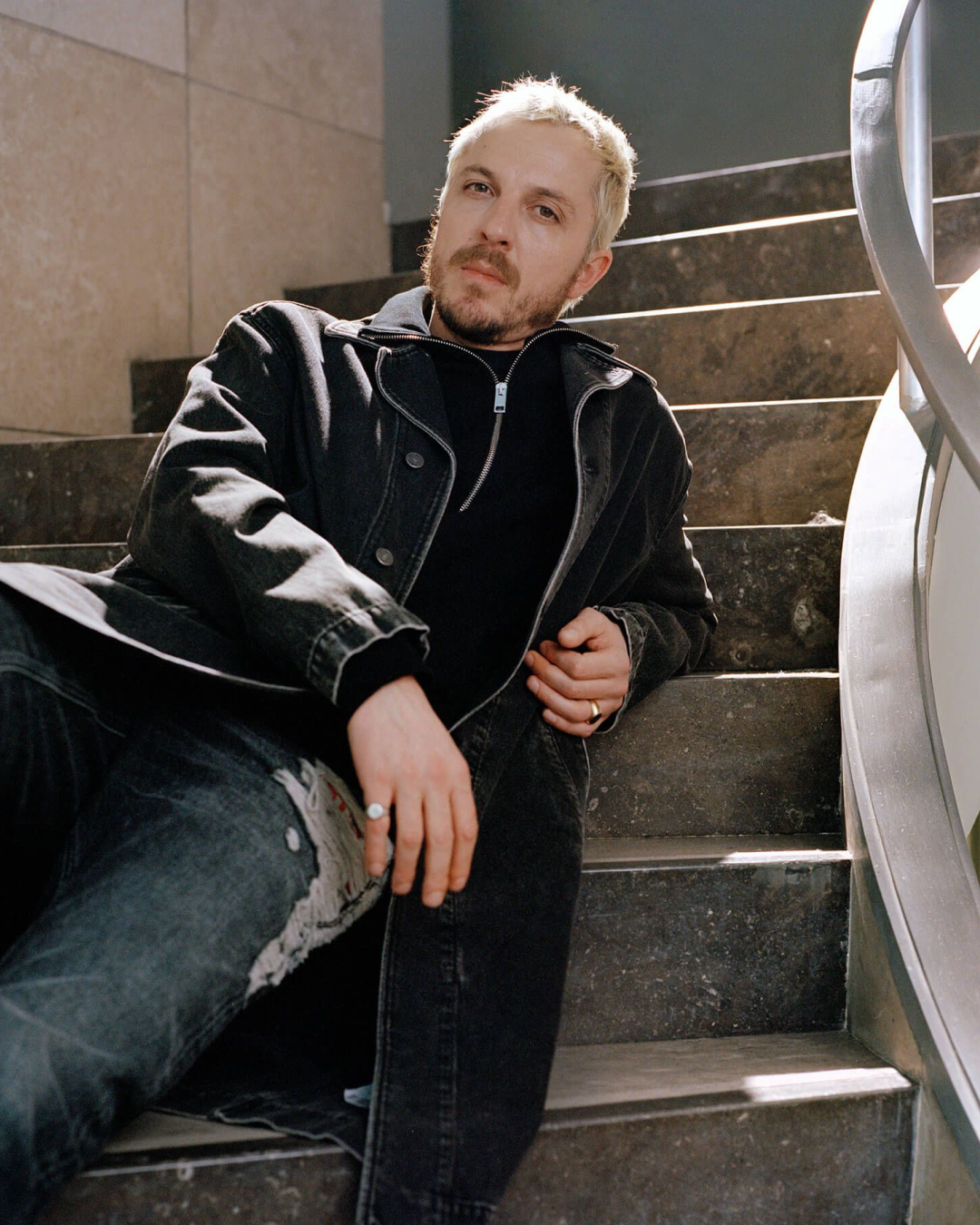
Another reason for the discontent was the basis the new series started from, namely the sharply defined personality of the novel by Bret Easton Ellis. The writer's works seem on the surface poles apart from the vision of the television creative. Murphy, however, has apparently won his trust, even working side by side with him. It is indeed a collaboration between equals that led to the making of the show for Disney+. The adaptation is curated by both, and they sign together as creators of the serial version of The Shards.
The balance between Ryan Murphy and Bret Easton Ellis
@theshardsfx Where everyone's dying to belong. FX’s The Shards premieres 8/5 on FX | Hulu.
Sly Fox - FX’s The Shards
The disappointment with the project continued with the release of the first images of the series. Faced with the protagonists immersed in an electric blue pool, many immediately spoke of the "Ryanmurphization" of the book published in 2023, thus confirming their opposition to the adaptation.
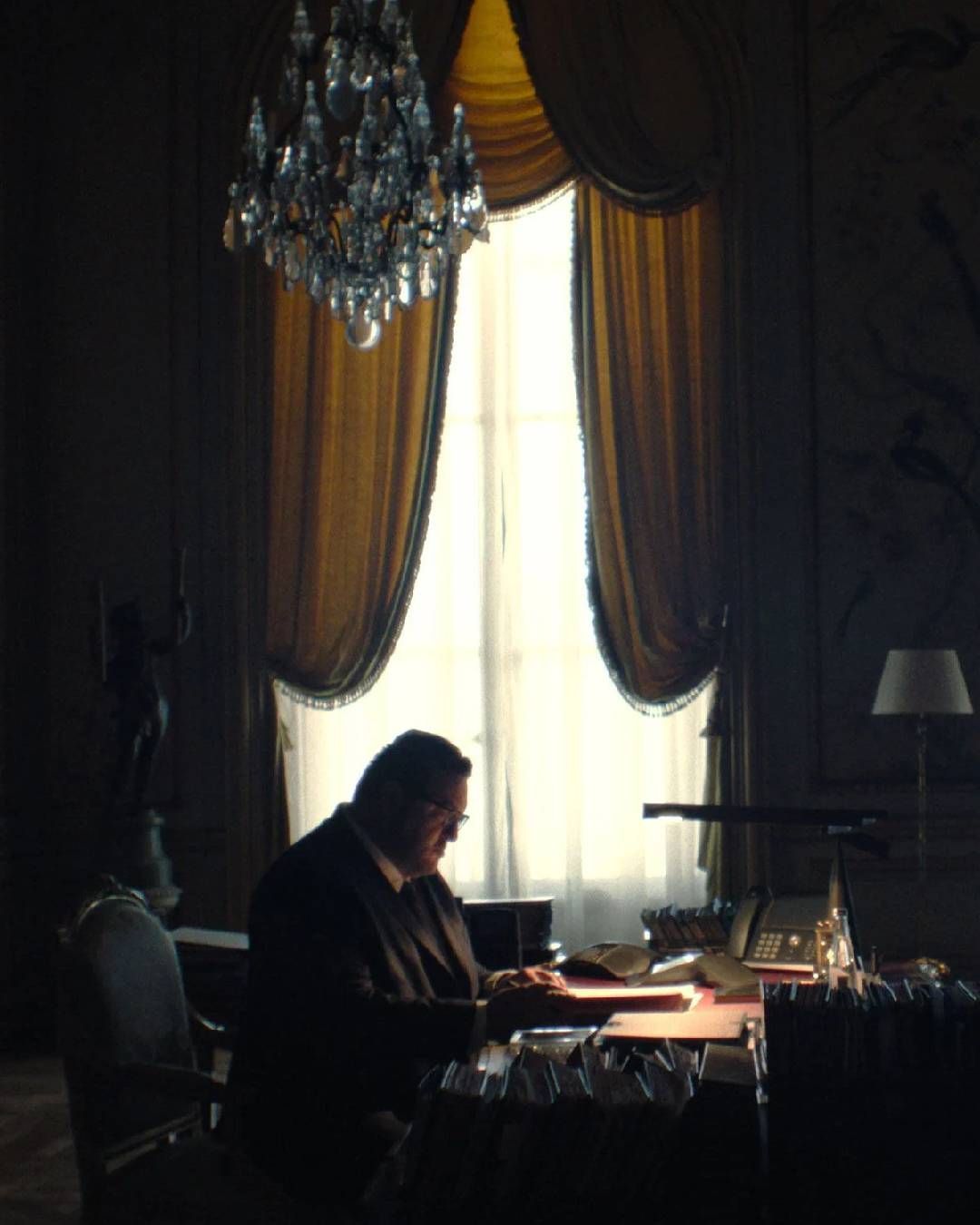
Although from an aesthetic point of view the initial impact could only have fueled doubts about the showrunner's hand, one is surprised by how the result is a balance between the touch of Ryan Murphy and that of Bret Easton Ellis. Both stand out across the ten episodes of the show, each in turn giving way to the other in a lethal and alluring dance, the very core of the novel.
From novel to series, between fidelity and freedom
The series begins as a faithful adaptation that gradually takes liberties with the written page. It wanders through the territories of serialization and must submit to the rules of another medium. This closeness to the novel is found in particular in the voice-over expressing the thoughts of the Bret of the book, an operation of autofiction in which the writer recounts in first person the bloody and unsettling events of his final school year. It is 1981, the year when everything changed and the passage from innocence to adulthood took place.
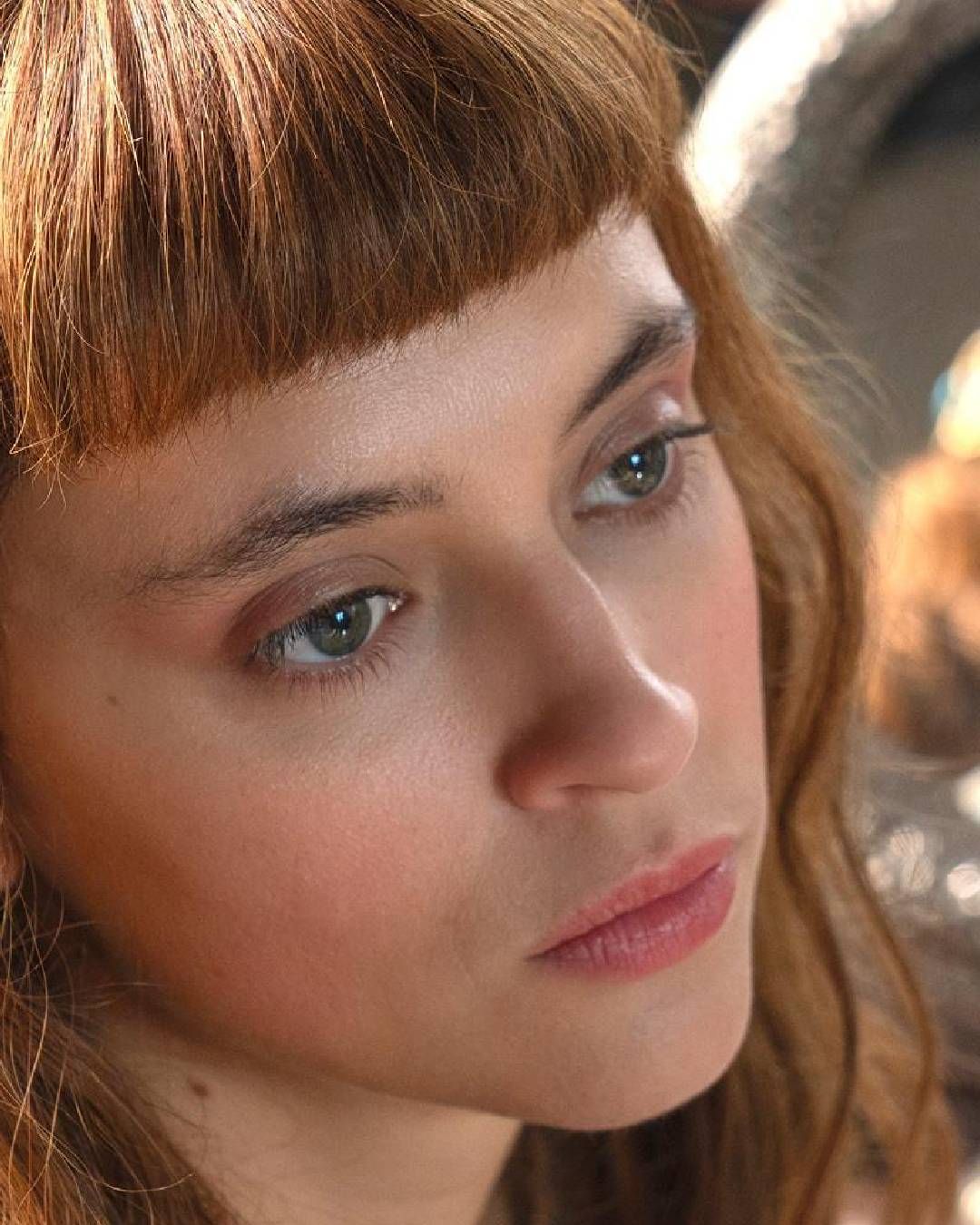
The voice-over offers excerpts from the book narrated by the protagonist Bret, played by Igby Rigney, and some of the dialogues draw on the work of Ellis to the point of making the writer's presence felt behind the characters' expressions. To this respect for his words is added a work of invention, which modifies some of the twists of the story about serial killers and cults in the Los Angeles of the Eighties.
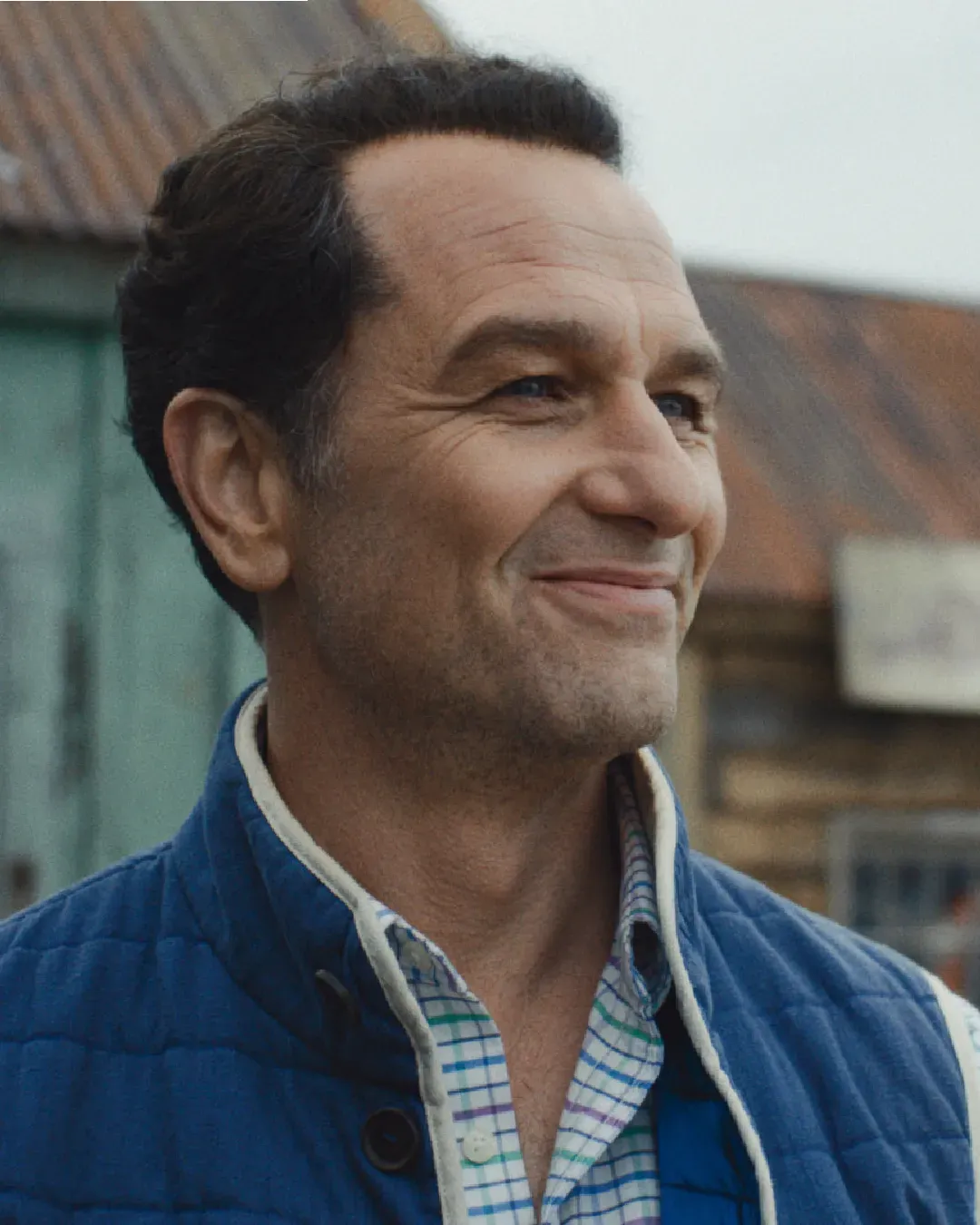
And while the series legitimizes itself through the presence and the hand of the writer, it is brought to completion with several changes, a few additions and inevitable consequences. In the episodes it is easy to find the Ryan Murphy who has always dealt with the universe of teenagers, with the world of the rich where everything is at once refined and vulgar, and with the unease and fears that mark youth.
The problem with "The Shards"
@hayeswarner.hq just about 2 weeks until we get the shards #theshards #80s #Summer #thriller #nostalgia original sound - Our Space Radio
If we set aside our prejudices for a second and soften our personal opinion of the work of Ryan Murphy over the course of his career, it soon becomes clear why The Shards was placed precisely in his hands. However much we may not appreciate him, or may have stopped doing so over time, it is easy to find the points of contact that may have led a production to accept his version of the story. A version that takes the sexy, glamorous, gaudy and trivially wealthy side of the Buckley students and of their school and family context, made of villas with pools, absent parents, flings and drugs in handbags.
If The Shards as a series has some problems, it is not solely because of the narrative and aesthetic personality of Murphy in absolute terms. It is together with Ellis that he created a suspended atmosphere in which the characters float as if in a bubble above the hills of Beverly Hills. The title's flaw lies rather in being something that, like it or not, has been seen before and that therefore intrigues, but not all the way through.
A show that sparks curiosity as the novel knows how to, given the terrifying story of the Trawler it tells. But its suspended air becomes ever more rarefied episode after episode, losing ground with the viewer, who can keep watching the series but will not necessarily be one hundred percent involved.
A rite of passage
watching the shards right now and idk if i’m just drunk off french 75s or if this is the most talentless screenwriting and acting i’ve seen on tv in years.
— pal (@pmoneyy666) August 6, 2026
The early episodes know how to capture attention, but it is in sustaining it that The Shards deflates. It lets itself be watched, but does not raise the bar of the unease the story would instead require. The terror of the serial killer and of the cults invading the characters' neighborhoods is the disillusionment the young people are heading toward, the symbol of the end of something. A threshold that, once crossed, is full of pitfalls and terror.
It is a rite of passage that the book recounts in a visceral way and that the series manages to convey only at times. The core of the story of Bret and his companions remains at least intact, though revised and modified, with less allure than what shines through the printed page. An adaptation whose intentions are respectable, even if not always properly on target.