
Coperni has closed for good The luxury crisis claims its first victim
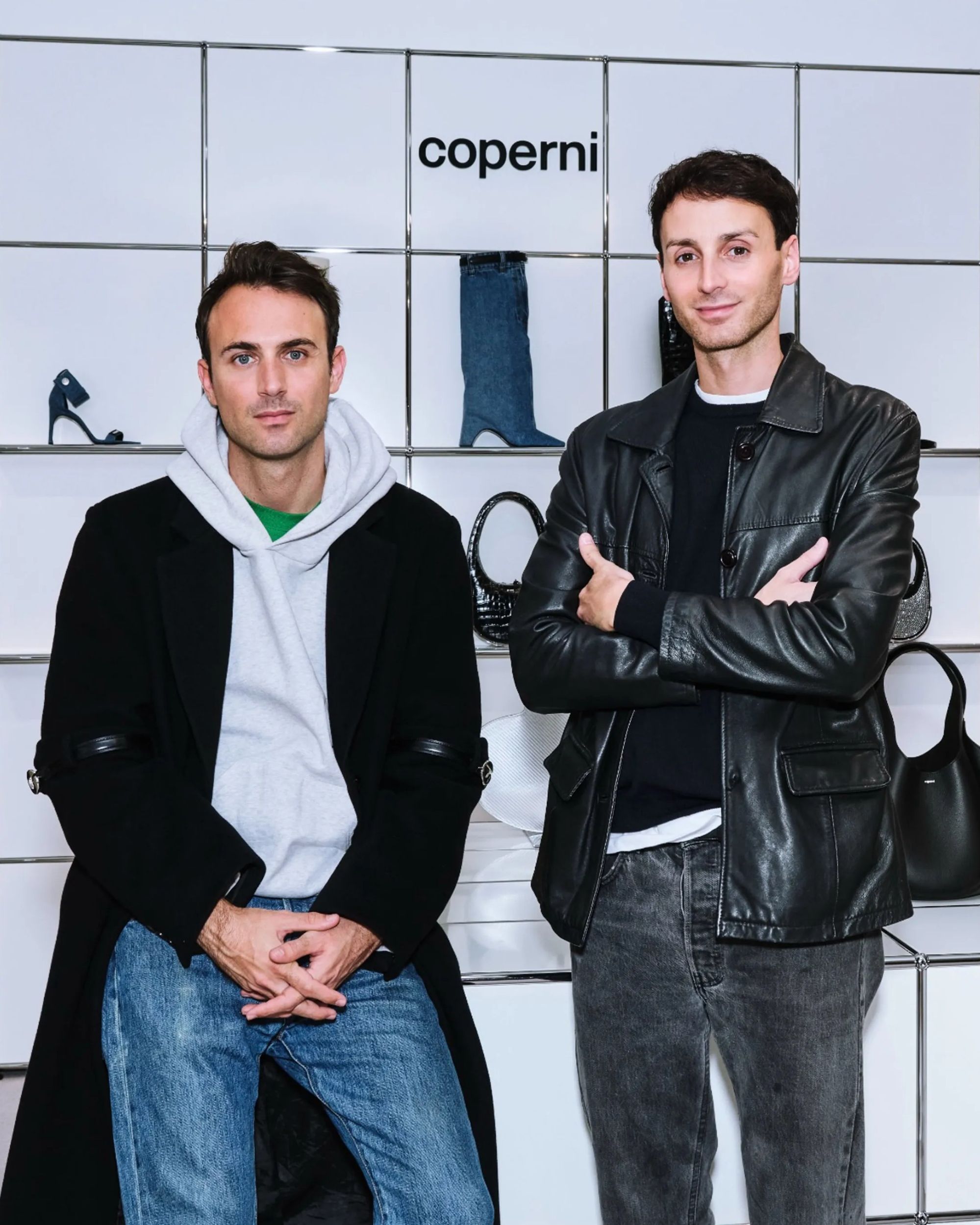
It is rare, in fashion, for a brand to close. The last one, in recent memory, was Y/Project. Yet the news was confirmed just today: Coperni has closed. It was known that the brand was in crisis and, at the beginning of October, nss magazine had published an analysis of the circumstances that had led Coperni into crisis. Today, however, it was co-founders and creative directors Arnaud Vaillant and Sébastien Meyer who drew a line under it, in a personal memo shared on social media.
After months of unresolved tensions with their exclusive distributor and majority shareholder, Tomorrow London, the two designers explained that they had been unable to resolve a prolonged dispute linked to unpaid sums. «These eight years have been extraordinary», they wrote. «Coperni has always been a collective adventure and we are immensely proud of what we have created». They thanked the Fédération de la Haute Couture et de la Mode (FHCM), stores, buyers, the press, celebrities, models and all the industry figures who had supported them.
But they closed on a note of optimism: «As the world becomes increasingly challenging, particularly in the fashion industry, we believe there is still so much to create and reinvent. Innovation has always been our passion and a priority in everything we do. We look ahead with optimism and many ideas, and we look forward to sharing them with you». But what actually happened?
A recap of the Coperni crisis
If Coperni has closed today, the blame lies with Tomorrow Ltd, a British wholesale distribution platform that since 2019 had served as licensee, exclusive distributor and majority shareholder of the brand. Tomorrow received all revenues and paid royalties to the brands in its portfolio (including Martine Rose and Charles Jeffrey Loverboy), while also reimbursing costs external to design, such as shows and campaigns. According to statements made by Coperni, as Tomorrow's wholesale business deteriorated due to difficult market conditions, the company stopped paying the share of revenues and reimbursements owed.
Tomorrow Ltd's accounts were nothing short of disastrous. Vogue reports that as early as 2024 revenue had plummeted 34% to £8.4 million, the gross profit margin had fallen from 76% in 2023 to 41%, and operating losses had risen 28% year on year to £7.5 million. All problems that had been hidden but then exploded into the open when Coperni abruptly cancelled its FW26 show. According to data that emerged during legal proceedings, Coperni's market revenue was also declining: from €15.2 million in 2023 to €13 million in 2024 and €10.9 million in 2025. The operating company's revenues were growing thanks to royalties and fees, but fixed costs for staff, infrastructure, production and marketing were eroding margins, pushing the business into the red. When Tomorrow's payments stopped altogether, the financial circuit burned out.
Last June, Coperni SAS (the French operating company that managed day-to-day operations and teams, distinct from Coperni UK Limited which held the licence) had obtained the protection of the Paris Commercial Court and was restructuring its debt. The redressement judiciaire procedure had been opened on 11 June 2026 precisely to address the months of overdue payments from Tomorrow, which the brand claimed had also terminated the existing licence agreement. Vaillant had stated at the time that, deprived of these resources, the brand and its employees were under severe financial pressure, despite international development continuing. Three potential buyers had come forward, but evidently none was able to save the brand.
Furthermore, last March Tomorrow Ltd had been sold to Progetto 11, the Italian holding company of the e-commerce platform The Level Group (which works with brands such as Palm Angels, Herno and Off-White). Tomorrow's former CEO and founder, Stefano Martinetto, had stepped down following the completion of the sale. From that point on, Coperni's founders had attempted to regain control of the brand from Progetto 11. The Italian holding company, for its part, had described a situation that was already compromised by the time it arrived: «Our vision is based on what we found when we arrived at the end of March: a business already in the midst of a broader dispute over ownership and governance, without funding, which also led to the cancellation of the last show, and founders seeking to regain control».
What to read next

Fashion's effort signalling has already worn out its welcome
From Christmas animations to the choice of photographers, the creative industry has become a broken record
With N°21, will Style Capital become a new fashion powerhouse?
The Italian group has just acquired Alessandro Dell'Acqua's N°21, deepening its foothold in fashion
After four years Ye returns to the runway with Yeezy Season 01
The show to celebrate the opening of his first physical store in LA