
Fashion's effort signalling has already worn out its welcome From Christmas animations to the choice of photographers, the creative industry has become a broken record
What happens when trying hard becomes a trend? It's called effort signalling, and it's the digital world's new favorite insult for influencers. Tired of being accused of having an easy life (you've probably heard someone criticize content creators' work at least once with the line "they get paid to take photos of themselves"), influencers are squeezing every last resource to produce high-quality paid content and advertising. More and more creators are enlisting their filmmaker friends, sound technicians, and model acquaintances to turn a sponsored post into a full-scale production — all to win over the brands that hired them, but above all their precious followers.
The same phenomenon is making itself felt at the upper echelons of content creation. The first example that springs to mind is the success of Prada's Christmas campaign, shared in recent days across the brand's social channels. Titled Drawing Prada: Animated by Hand, the spot captures the brand's key ambassadors as they interact within the hand-drawn world of illustrator John Pomeroy, creator of some of Disney's greatest classics. To demonstrate its support for "the human core of storytelling" — to quote the copy accompanying the campaign — Prada also shared behind-the-scenes content, with a specific focus on the cartoonist's hands as they draw little animals in the snow.
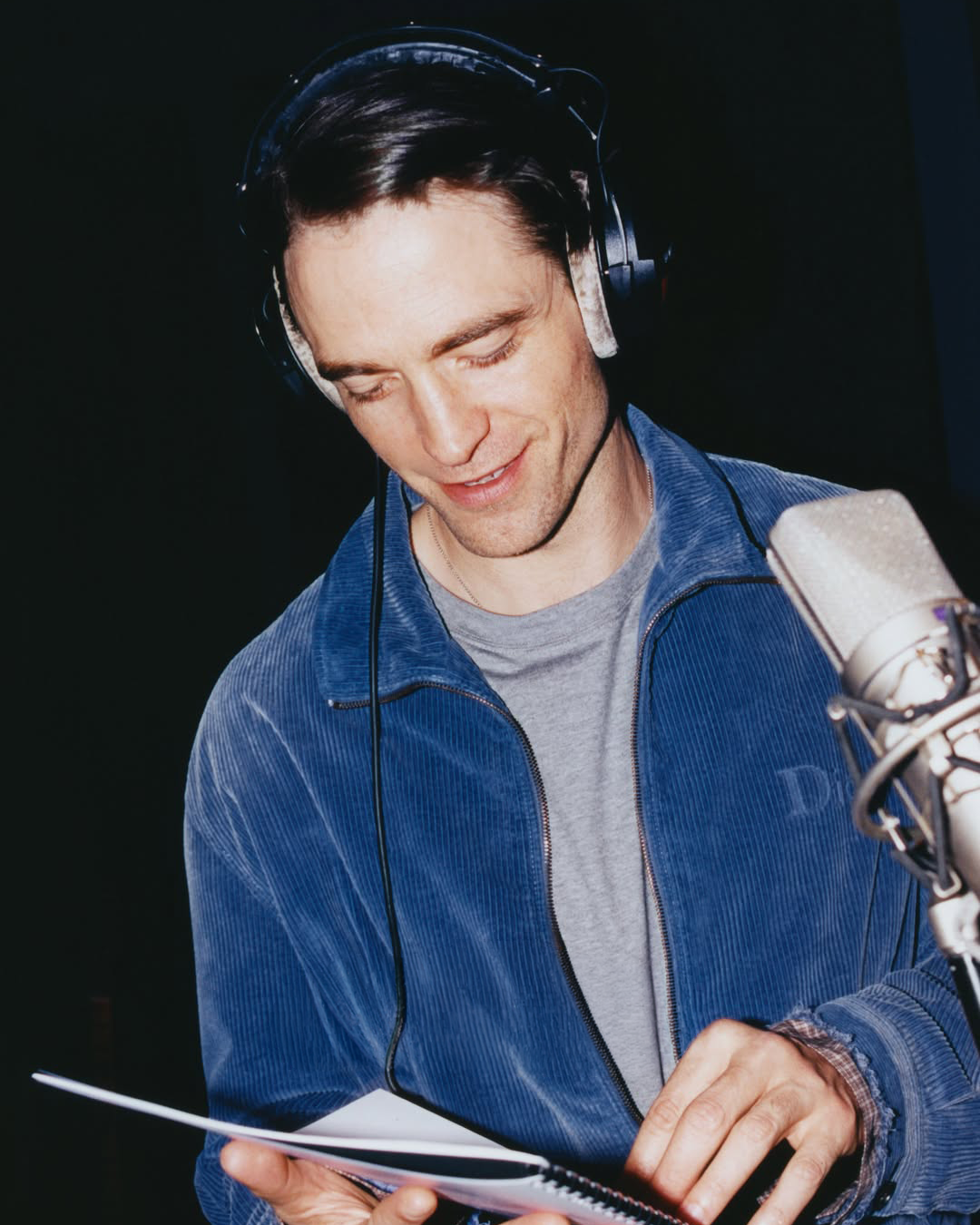
Just yesterday, meanwhile, Dior released Christian Dior's Night in Color, another Christmas short film starring the Maison's ambassadors (Robert Pattinson, Josh O'Connor, Rihanna, to name a few) and directed by award-winning French cartoonist Sylvain Chomet. We're fairly certain the Maison's marketing and social media team wasn't exactly thrilled about the release of Prada's campaign, which beat them to the trend.
In short, even if the effort made by brands and content creators to prove they're not using AI and that they want to give their all for clients and followers is commendable, could all this effort signalling end up backfiring on them?
The Szilveszter Makó Gate
Photographer Szilveszter Makó has seen your comments and teases a new direction for 2027! Via Diet_Prada “I understand that to an untrained eye, my pictures may seem to echo one another. But there is a difference between a vision, a style, and a direction…” “I am a photographer, not Harry Potter. I cannot conjure up an entirely new world every three months…”
— LEGENDARY LADE! (@LegendaryLade) October 29, 2026
Before Prada and Dior shared their charming Christmas campaigns, proof that fashion's effort signalling had begun to wear consumers thin came in the form of the Szilveszter Makó Gate — which the New York Times even dedicated a feature interview to — namely the curious case of how the growing number of magazine covers shot by Makó (known for a handcrafted aesthetic, with hand-built sets and props) ended up turning users against him. At one point, barely a week apart, Gigi Hadid and Jenna Ortega were both photographed by Makó in the exact same outfit and against virtually identical backgrounds, inside an eggshell-colored paper box.
There's no denying Makó's talent for creating fantastical visual worlds, but even if his work can be seen in some ways as a symbol of the fight against AI Slop (a term referring to low-quality, mass-produced AI-generated content, created without care, originality, or informational value), the insistence with which leading fashion magazines tried to sell us these visual worlds soon began to feel tiresome. So much so that the photographer himself was forced to publicly justify his work, giving an interview to Diet Prada in which he explains that, since his sets are handmade, he cannot produce entirely original content each and every time. "I am evolving, simply not as quickly as you scroll," the photographer clarified.
Don't blame the creatives
"Effort signaling" as an anthithesis to AI. No. It's just DOING SHIT. YOURSELF.
— Lisa Ehlin (@lisaehlin) October 29, 2026
Given that Prada's and Dior's Christmas campaigns will stay with us at least until Christmas Day — being two immense projects signed by two legends of animation — and that Makó's work brought, at least initially, a breath of fresh air to a fashion industry that until shortly before had been obsessed with shooting models against white backgrounds, it must be said that users frustrated with fashion's repetitiveness aren't entirely wrong.
What perhaps isn't very clear, in the digital universe of trends that come and go in the blink of an eye, is that what's making followers and consumers impatient isn't effort signalling (effort, as the frictionmaxxing movement points out, is always welcome in the age of AI) but repetitiveness. Why always choose the same photographer to shoot a magazine's cover stories, when there are dozens of others scattered around the world who are willing to invent equally fantastical visual worlds? Min Hyunwoo, Nikolai Ahn, Bang Jaeyeob, Andrew Jarret, Rachel Fleminger Hudson, to name just a few. Perhaps what the creativity of the handmade and the artisanal is missing is a little more creativity. And we're not talking about the people who take the photos, shoot the videos, and create the animations — but about the people who commission them.
What to read next

Why Dior is betting on animation for its holiday campaign
With a short film inspired by a cult anecdote, Dior proves that no algorithm will ever replace the emotion of a pencil stroke
Rachel Scott and Ralph Lauren are the CFDA American Designer of the Year
During the evening, Anthony Vaccarello also received an award, and Hedi Slimane appears to be his biggest supporter
Why did Willy Chavarria start selling candles?
A project that reveals the brand's interesting market strategy