




























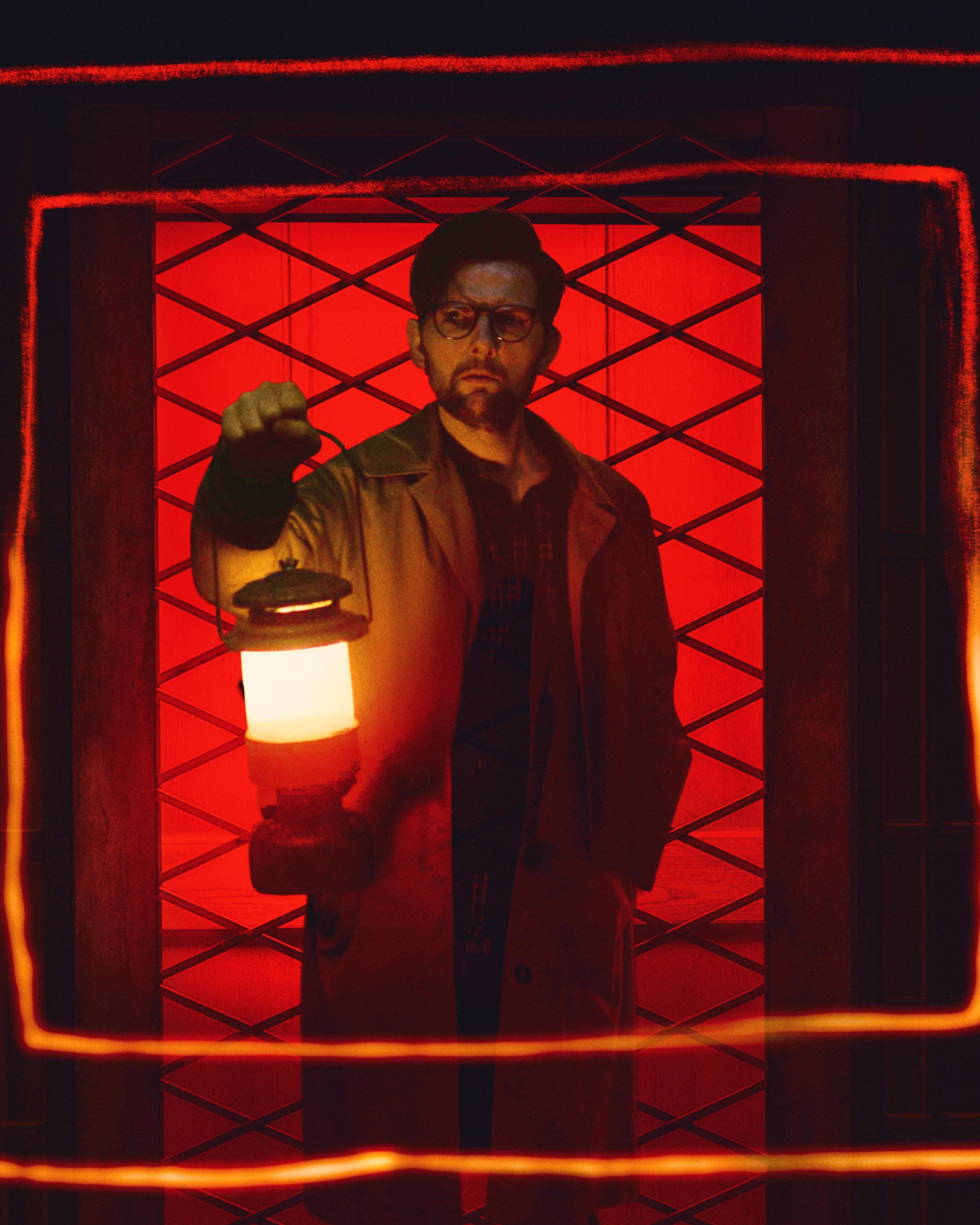
«There was dust everywhere and it was dark the whole time», Adam Scott and Damian McCarthy take us inside the hotel from "Hokum" Interview with the lead actor and the director of the horror film in cinemas from August 5
The beginning and the end of Hokum are completely different from the rest of the film written and directed by Damian McCarthy, with its dark, woodland atmosphere. The horror film of the summer premiered at the Toronto International Film Festival in 2025 and then screened in 2026 at SXSW. The protagonist, the Adam Scott who is moving further and further away from the genre of Parks and Recreation to approach the dramatic and intricate one of Severance, is a writer who brings to life an imaginary tale that condenses, in its opening and closing, the sense of despair of the human being and, at the same time, its infinite compassion.
An opening and a conclusion that serve as a frame for a work that, unlike the light of these two narrative parentheses, sinks into the abyss of darkness and anguish, whose creation and development we asked the director and his actor about. The first thing impossible not to notice about McCarthy's Hokum is how it uses the location designated as the stage of horror for the protagonist Ohm Bauman (Scott). A hotel that, in our collective imagination, immediately recalls the Overlook of The Shining and the way it was filmed and described by Stanley Kubrick.
@luckyreditalia Tanto tempo fa, qui viveva una strega. Dal 5 agosto al cinema HOKUM, il nuovo incubo dai produttori di Weapons: un horror destinato a lasciare il segno, dove ogni incontro nasconde una minaccia, tra segreti innominabili, traumi passati e presenze oscure. Scritto e diretto dal talentuoso Damian McCarthy, con protagonista Adam Scott. #davedere #filmdavedere suono originale - Lucky Red
There is a sprinkle of the early Stephen King, both in the chosen spaces and in the way the central themes of Hokum are laid out: the brutal spirit of the human being, carried by the opening and closing of the film, and the use of fear to process one's traumas. In this case it is the death of his parents, never fully overcome, that leads the writer Ohm to Irish soil, the scene of crimes and witchcraft that heighten the film's sense of unease.
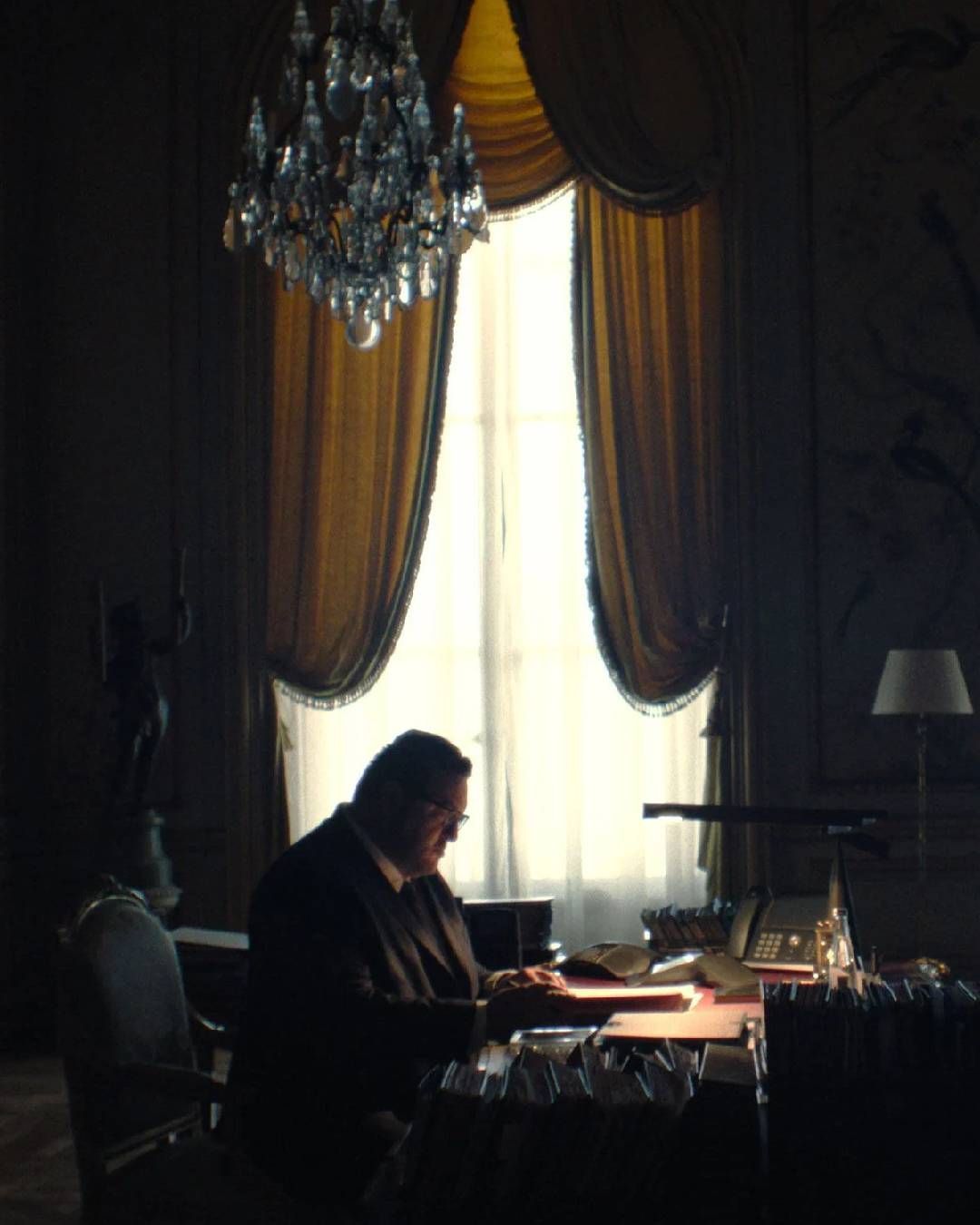
«We wanted the audience to think: "Yes, this place has a history"», explains Damian McCarthy referring to the hotel in the film. «You have to feel that many things happened in that place. Bad things. There was a strange air in the hotel and we wanted to accentuate it by not giving a historical or temporal setting to the room where the events take place. We wanted anyone entering it or observing it from the outside to think: "But when exactly is all this happening?". I believe that this unease helped us a lot in setting the atmosphere of the film, as if we were outside the world and outside of time».
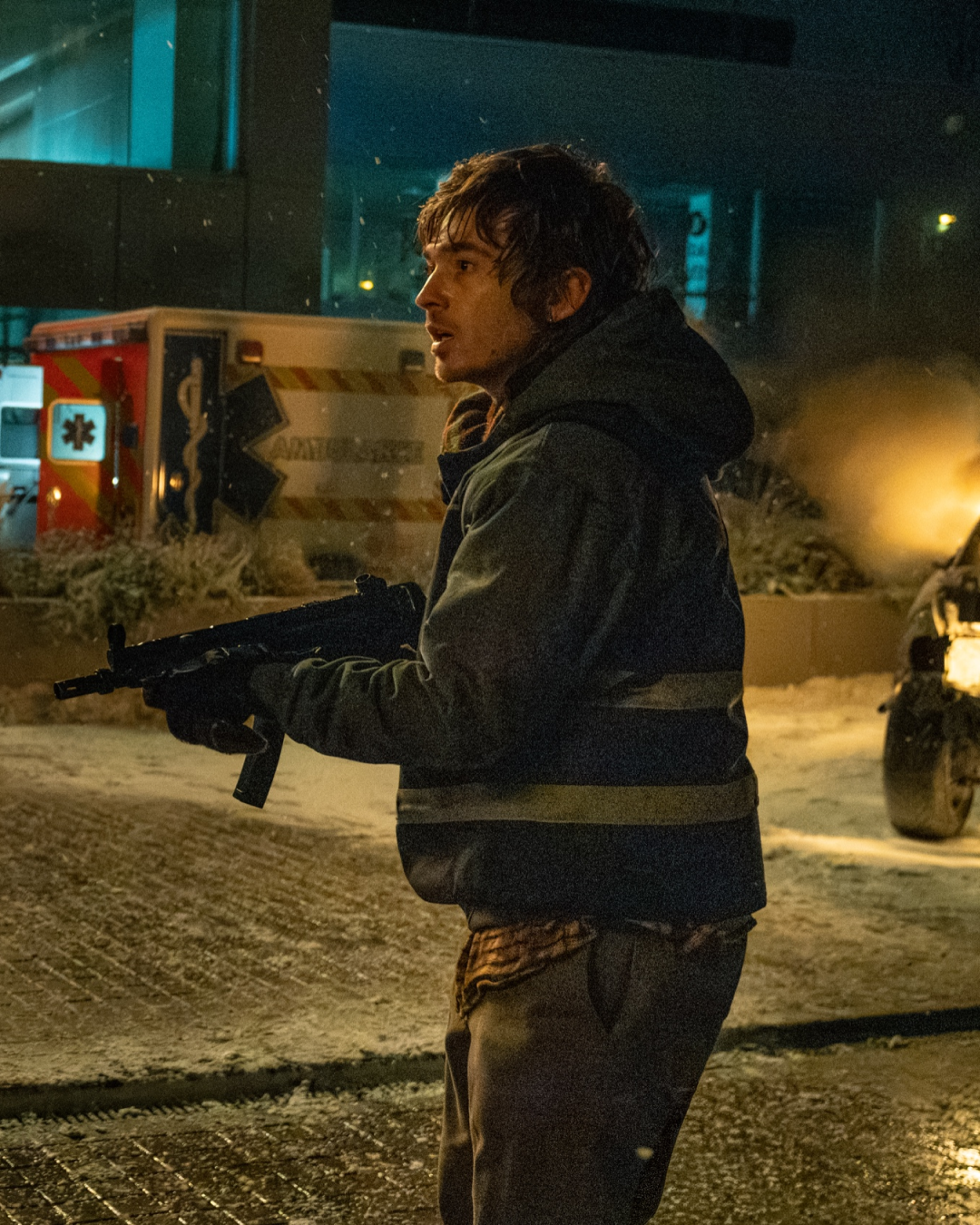
It is the stage that helped the characters immerse themselves in the story of the mysterious disappearances that punctuate Hokum, as stated by Adam Scott: «The set was designed so well that simply stepping into it was enough to immediately feel a strong suggestion. It looked like a lived-in place that gave the impression of not having seen a human being walk its corridors for years. There was a layer of dust on every surface and it was dark the whole time we were there. We never turned on a single light and this kept intact the apprehension with which we shot in the hotel for all three weeks».
Amplifying the sense of unease felt by the protagonists of Hokum, and by the viewers sitting in the cinema, is the sound design work carried out to make the atmosphere in which the film's story is set immersive and at the same time unsettling. The sounds are a further alarm bell constantly putting the audience and the characters on alert, provoking terror and confusion in those who catch them, above all, unexpectedly. «For the sound design I worked with Steve Fanagan», says the director and screenwriter.
«Steve is a great horror cinema enthusiast and is very creative. The score was composed by Joseph Bishara, who has worked on many horror films. Sound in this kind of cinema is fundamental. We could say that it is precisely the sound that makes a horror film truly frightening. Sometimes if you are watching a film and the tension is too high you should not cover your eyes, but your ears, because if you cover your eyes there is still what you hear to feed your imagination and make everything much more disturbing. For Hokum we paid particular attention to this aspect. Sometimes, even when there was the sound of the wind, we would hide voices inside it. They are details that are sometimes noticed, sometimes not, but they are all there».
Damian McCarthy drew inspiration for the sound design of Hokum from one film in particular, and it is not a title you would expect: «We thought a lot about Ghost, the Nineties cult classic with Patrick Swayze. There is this scene where the demons howl like a child's cry slowed down. It is the most disturbing thing there is and it has always been one of my favourite sound designs».
Hokum is deeply unsettling, one of my favorite horrors this year. pic.twitter.com/0xoAC9RMtq
— screams (@CinemaOfScreams) May 13, 2026
A title, Jerry Zucker's Ghost, that comes directly from the past. Just as from the past come the torments that trouble the writer at the centre of Hokum and continually put him in a position where he must confront what terrifies him even now that he is an adult. A reflection we brought to Adam Scott, asking him what scared him as a child and what scares him today:
«They say that when you go through a traumatic experience, a part of you remains stuck at that age. I believe this is exactly what happens to my character. He went through an accident at a very young age and that is where his emotional maturity stopped», he explains «As for me, when I was little, I watched some horror films too early, so my fear was that people could break into my house and attack me and my family. An American Werewolf in London also haunted me quite a bit during my adolescence. As an adult it has been more or less the same, now I think only heights have been added».