































Why do the rich love dressing like a sailor? The story of a summer outfit that doesn't quite look like one
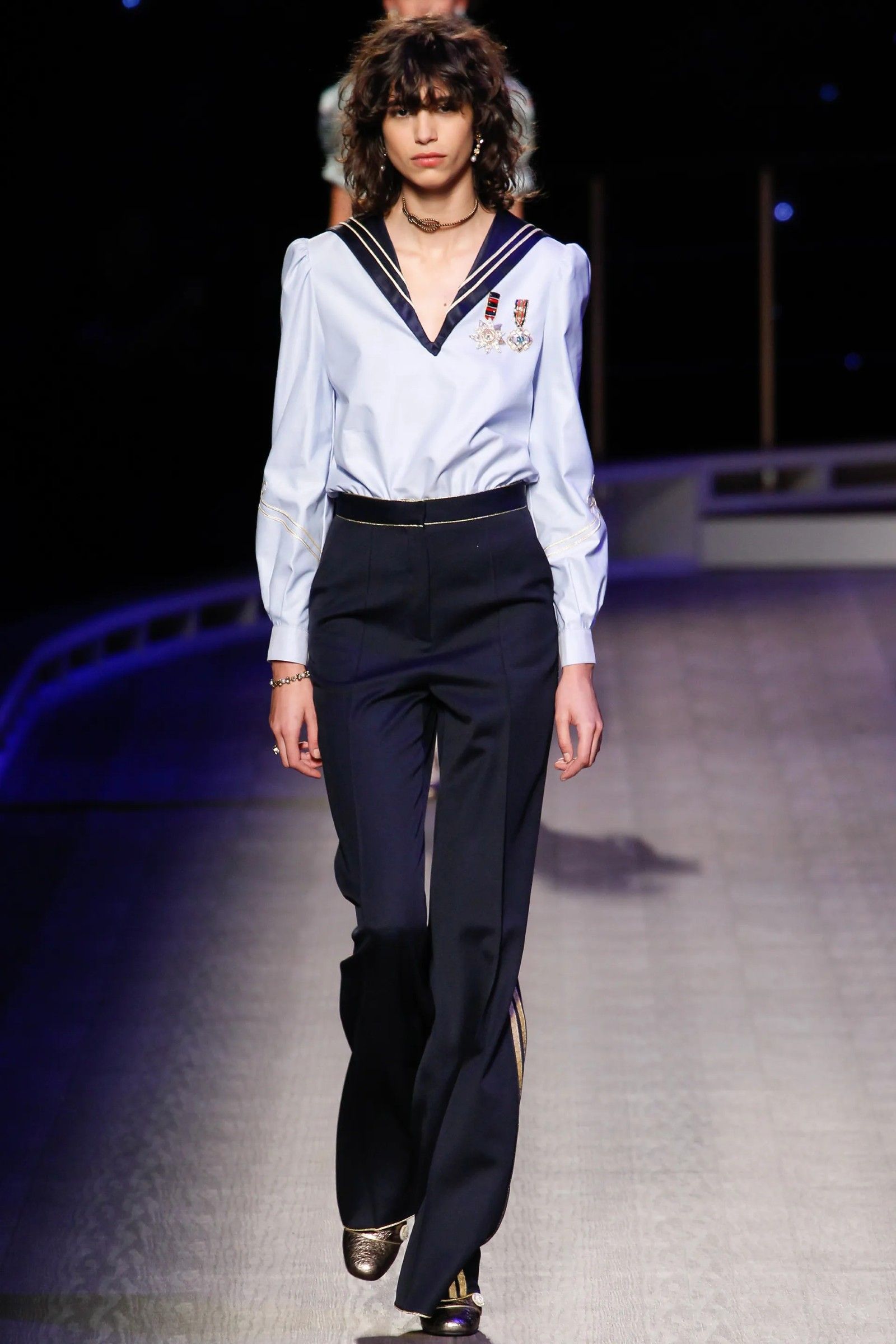
Tommy Hilfiger FW18
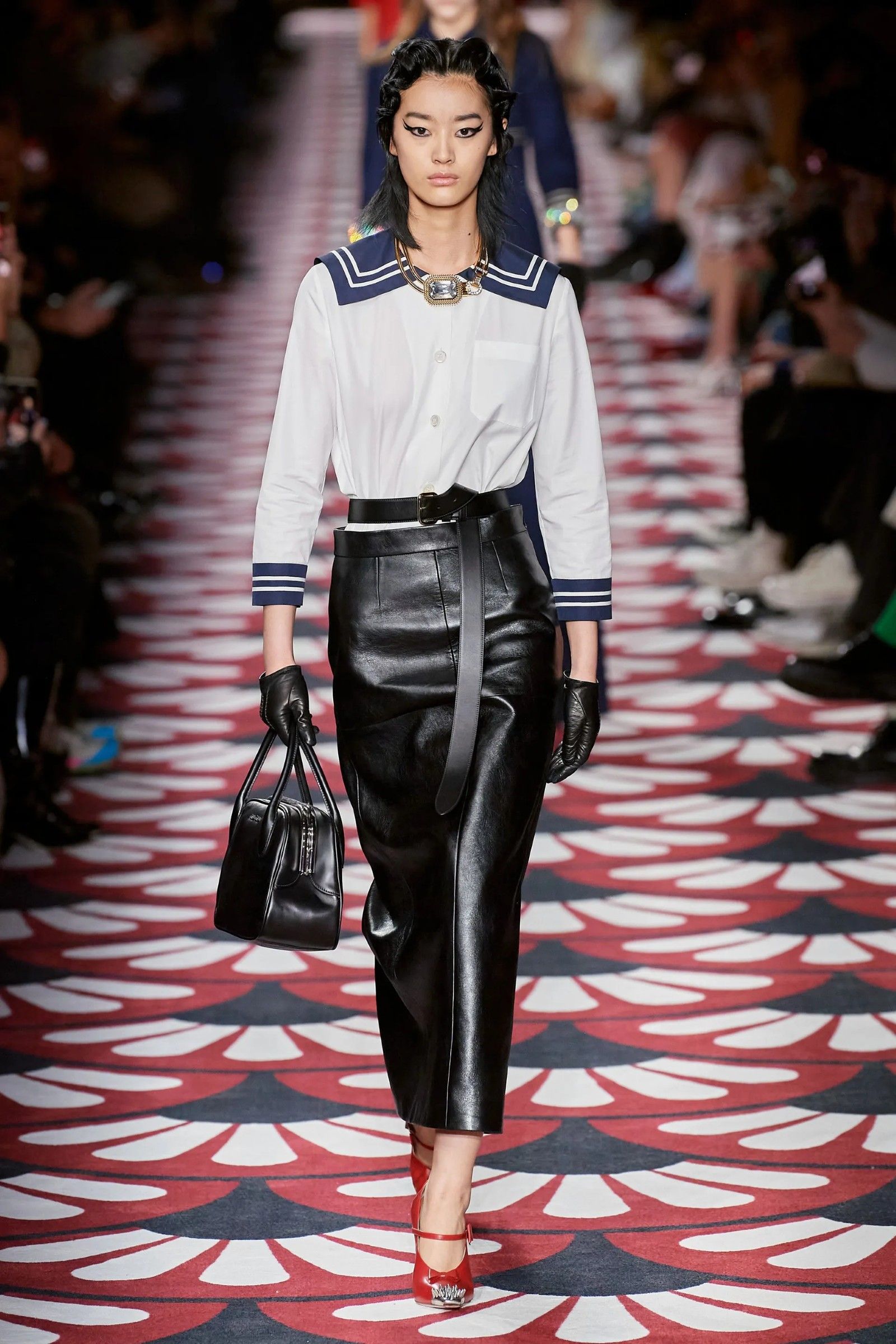
Miu Miu FW20
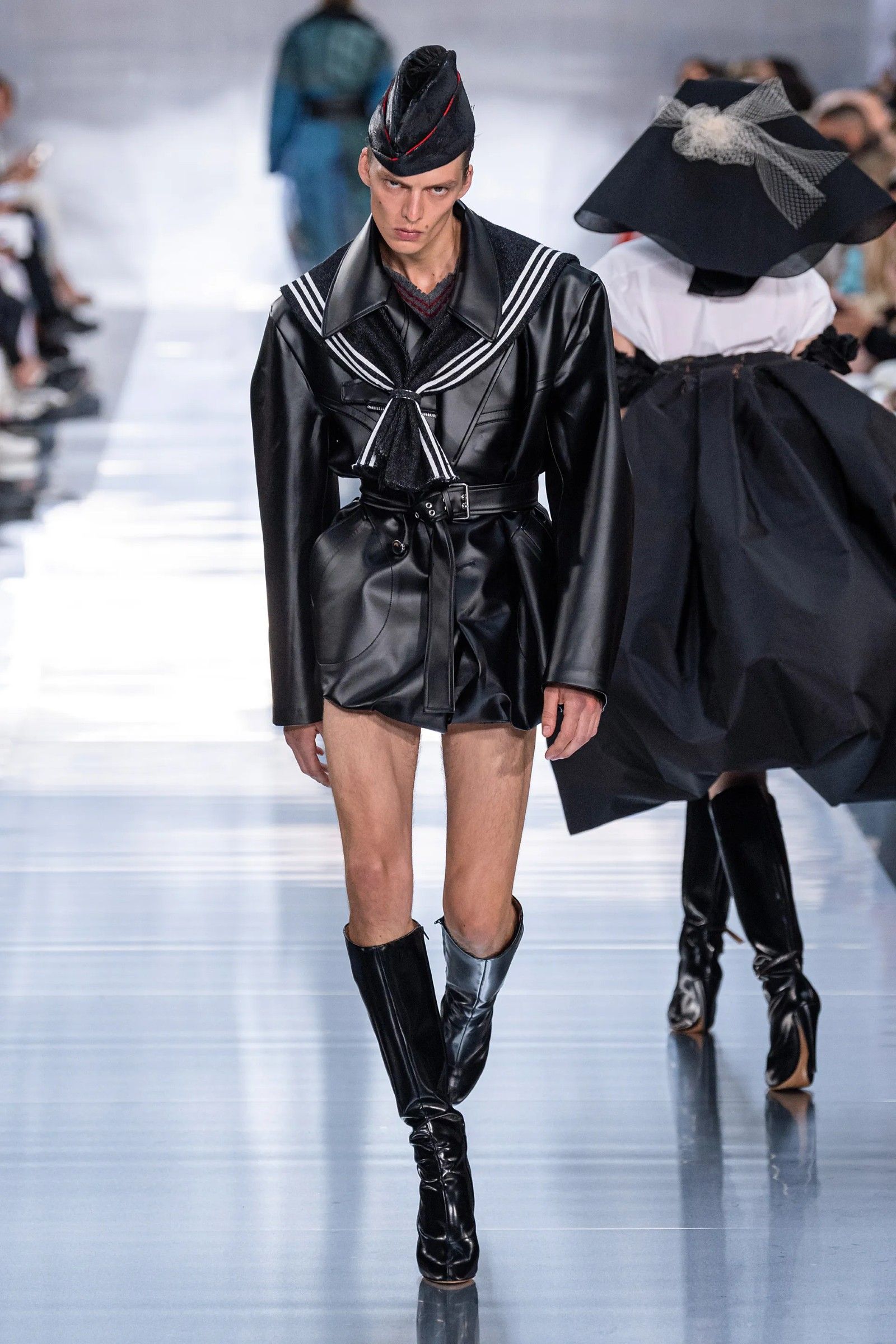
Maison Margiela SS20
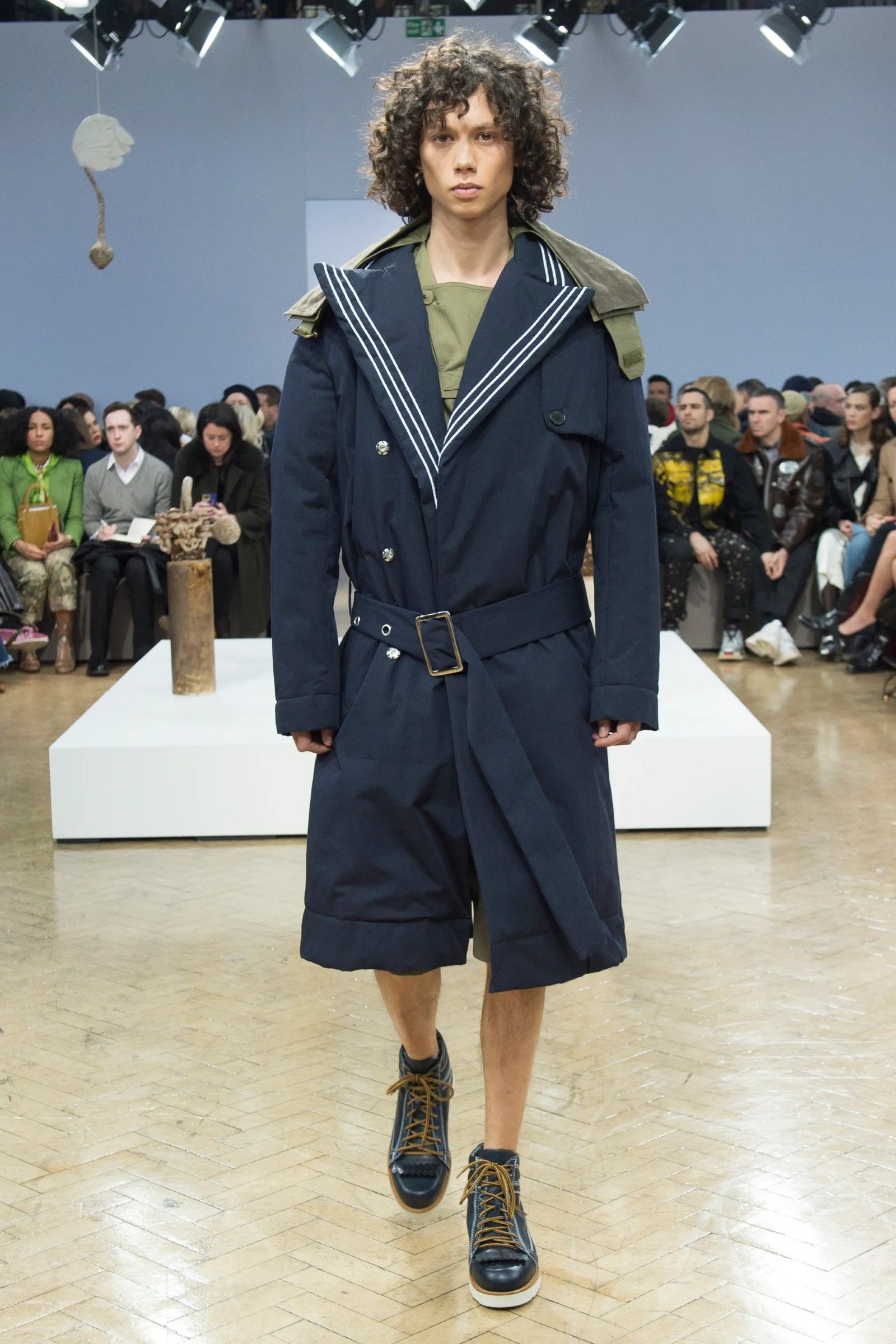
JW Anderson FW18
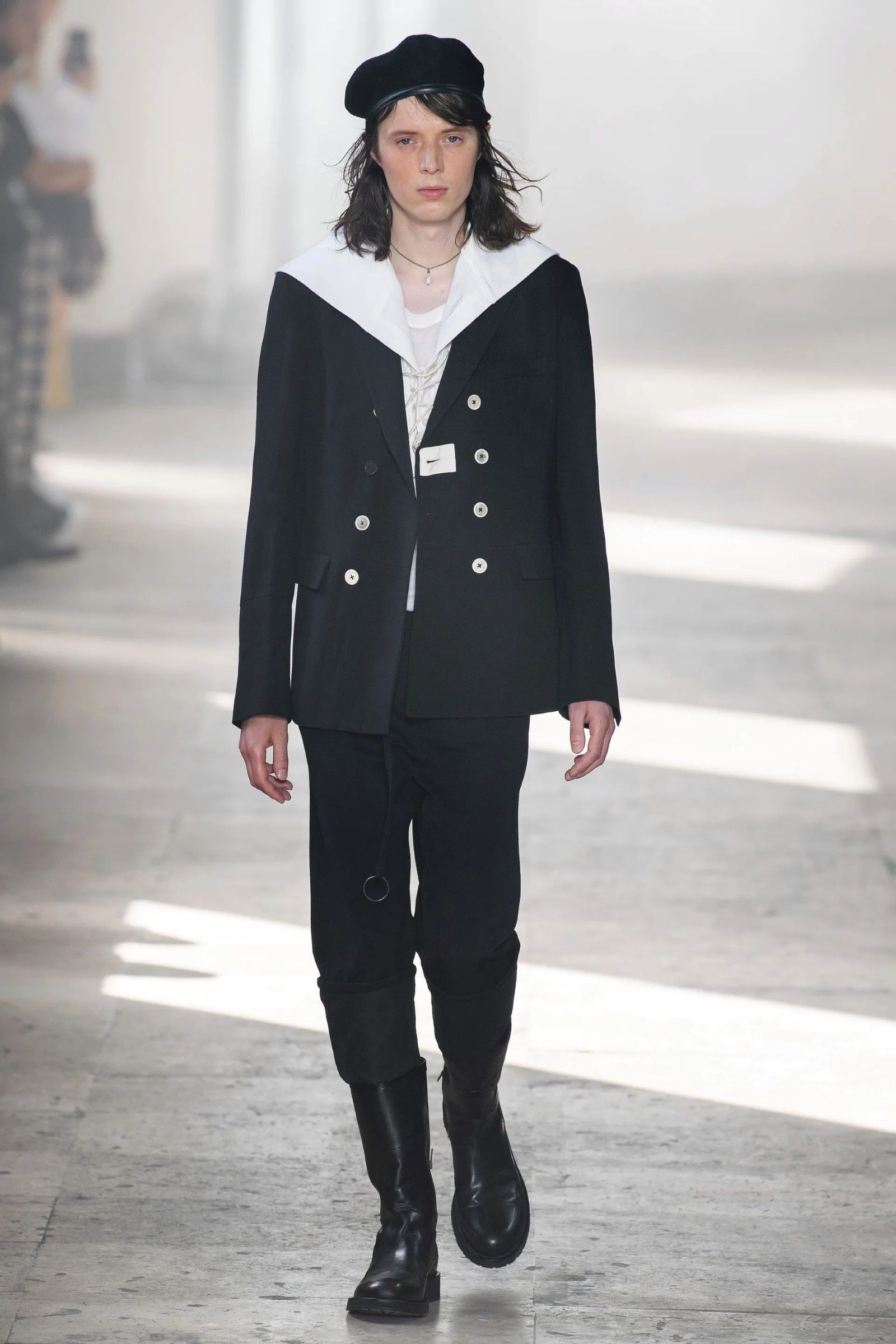
Ann Demulemeester SS20
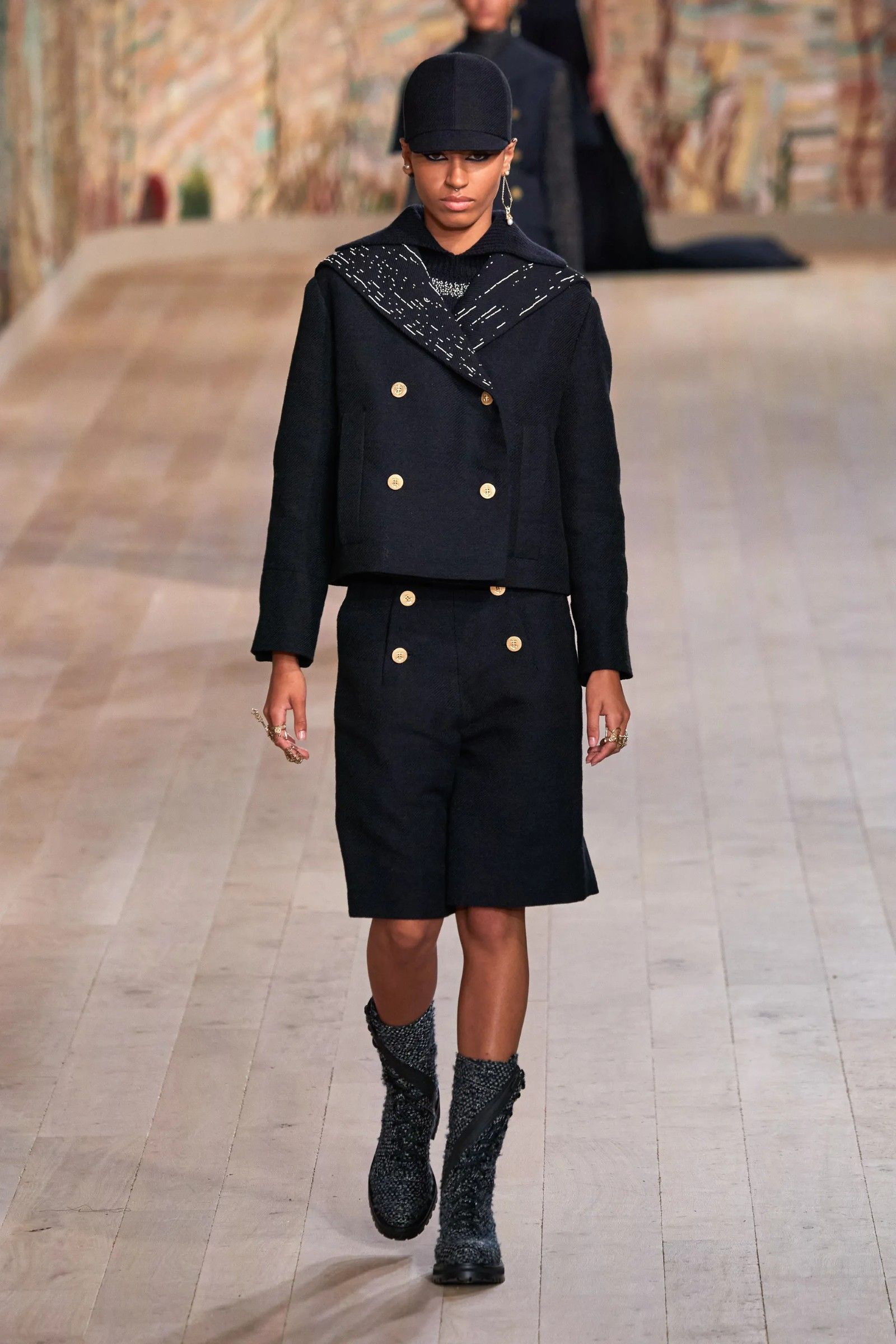
Dior Haute Couture Fall 21
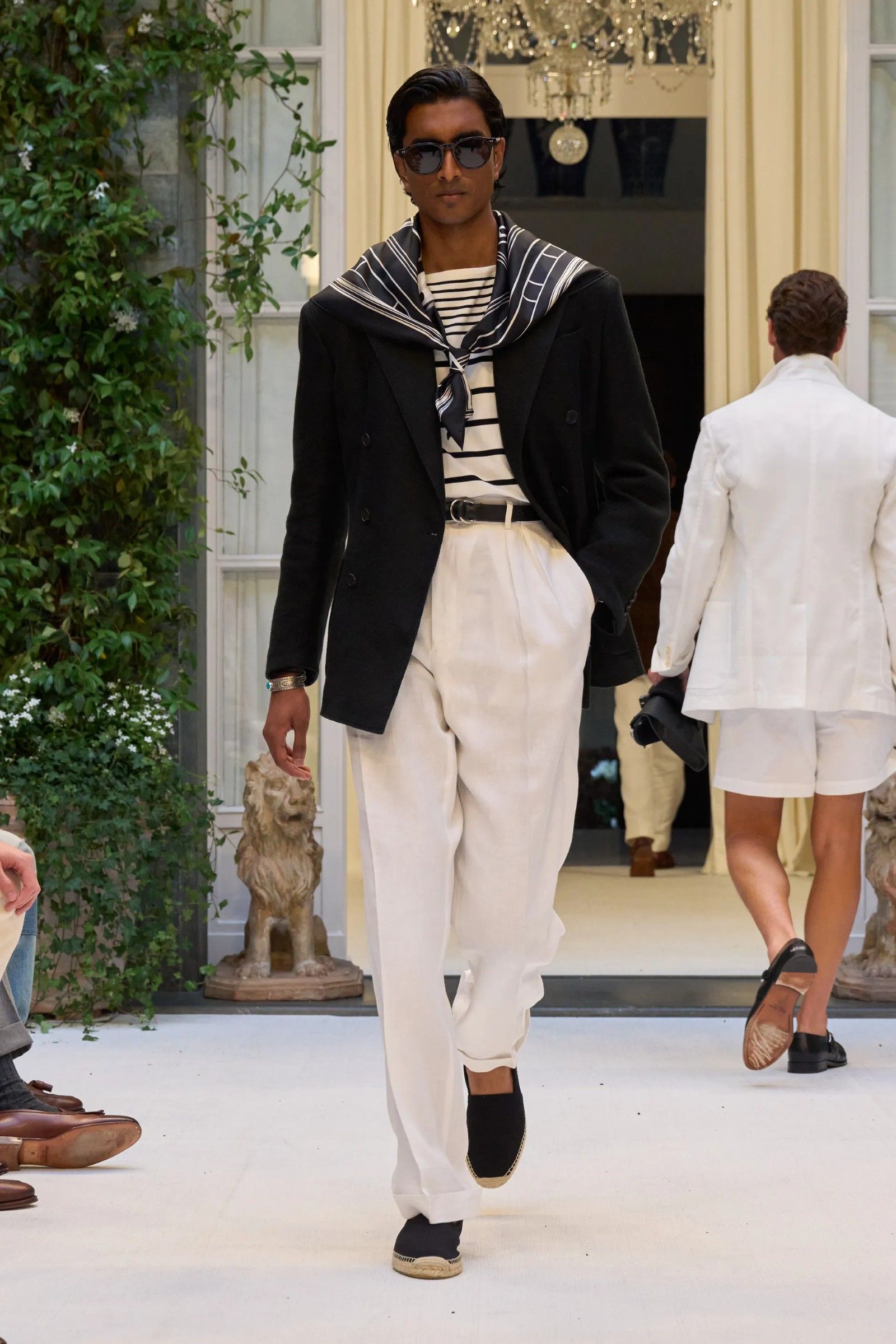
Ralph Lauren SS27
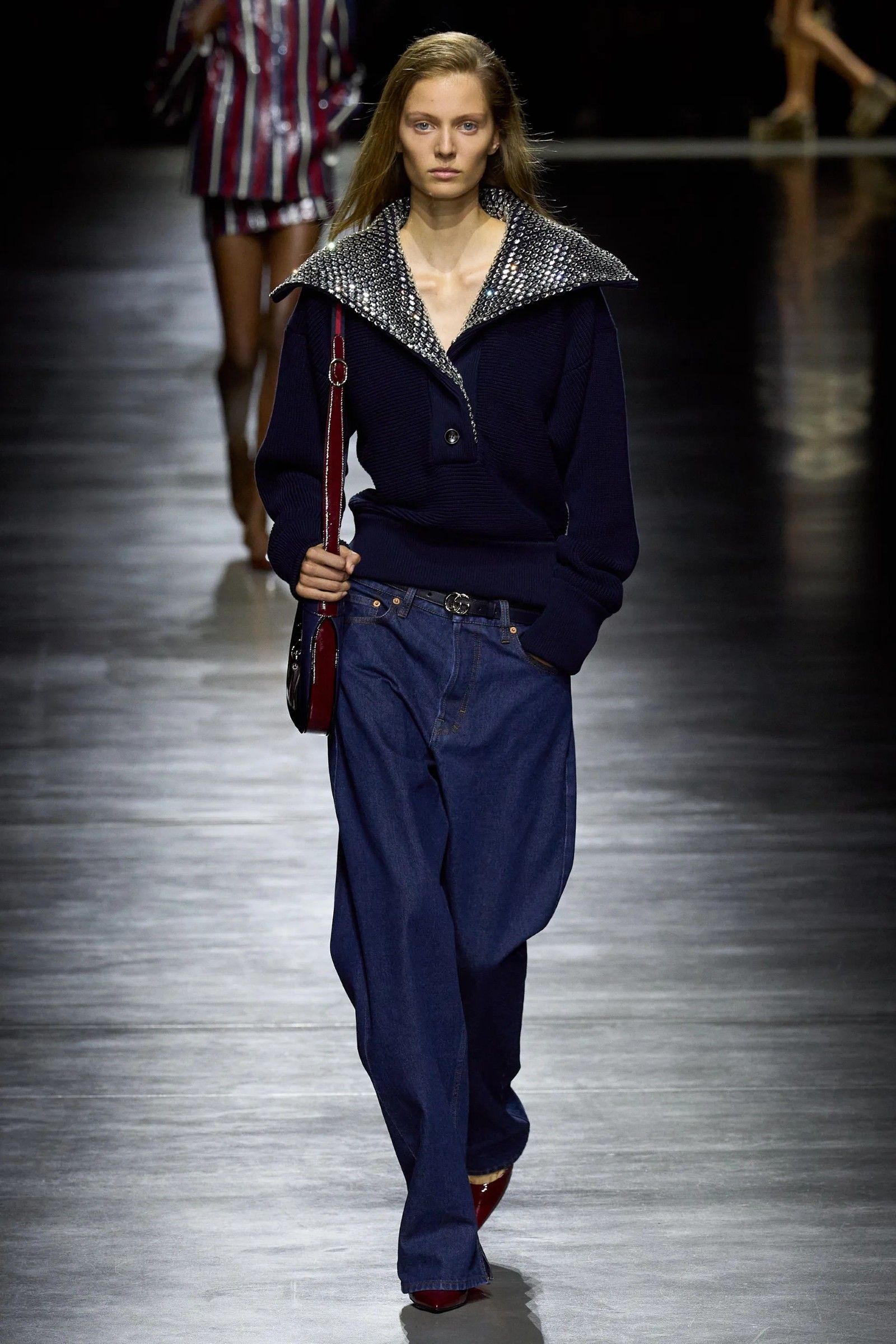
Gucci SS24
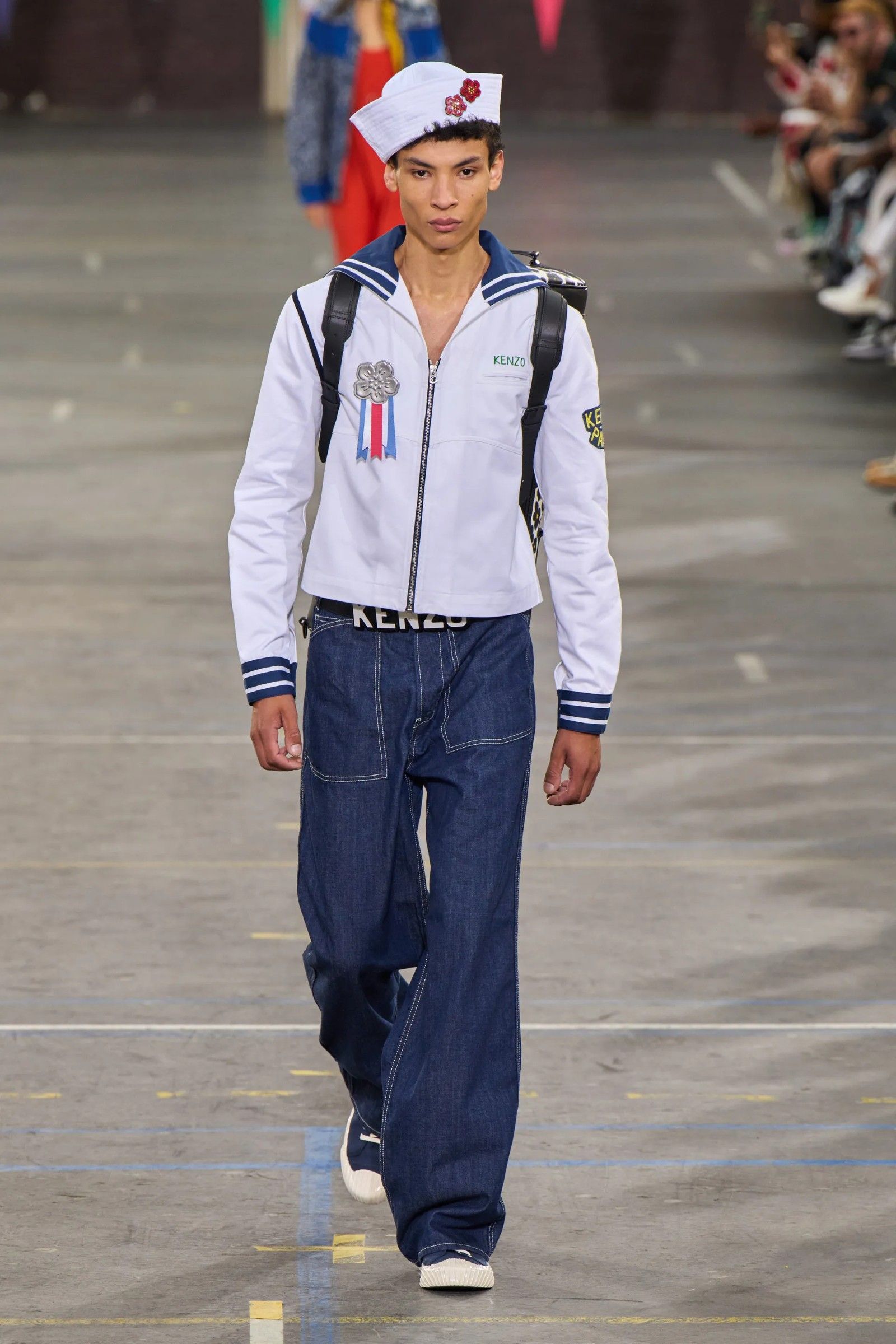
Kenzo SS23

Ferragamo FW26
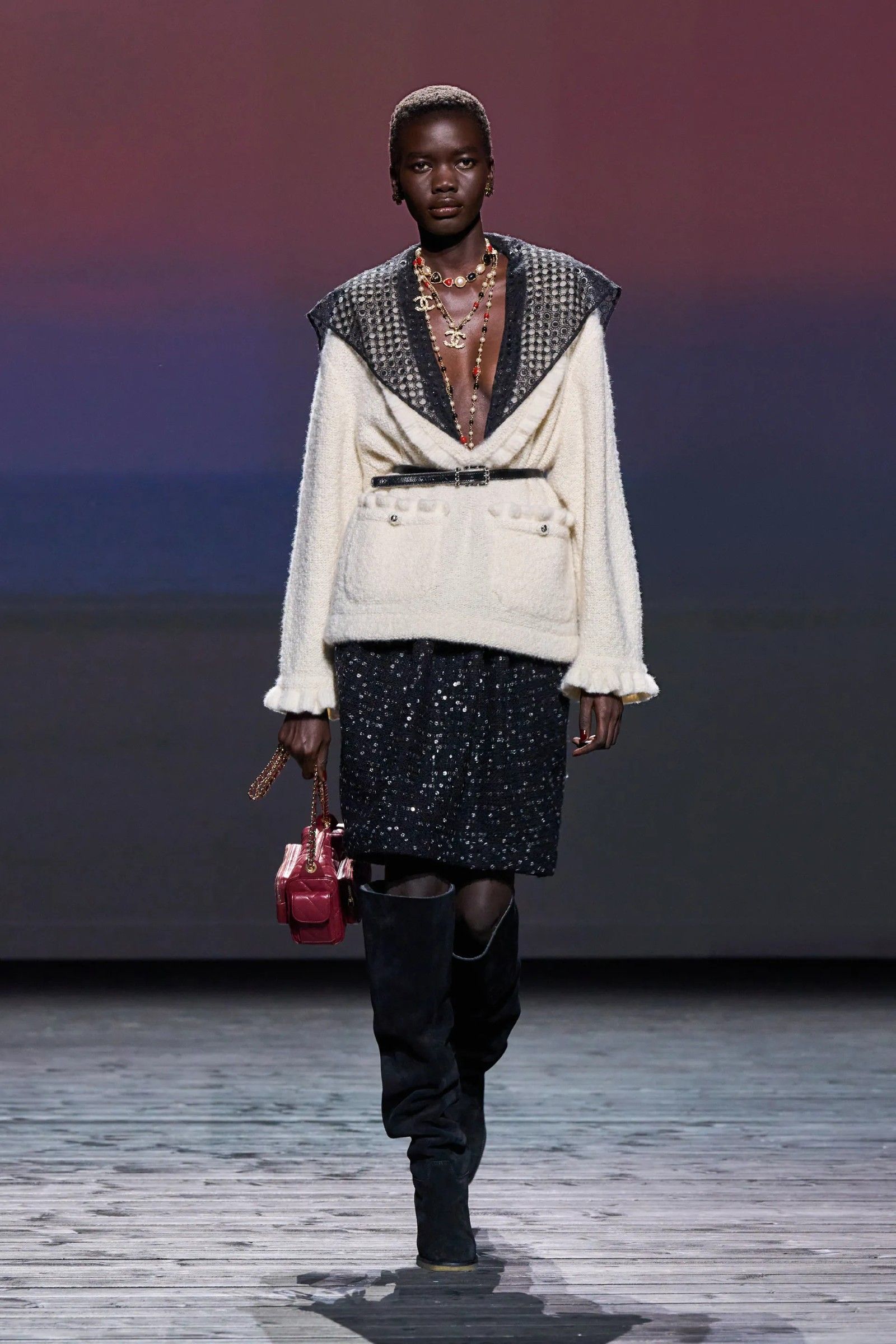
Chanel FW24
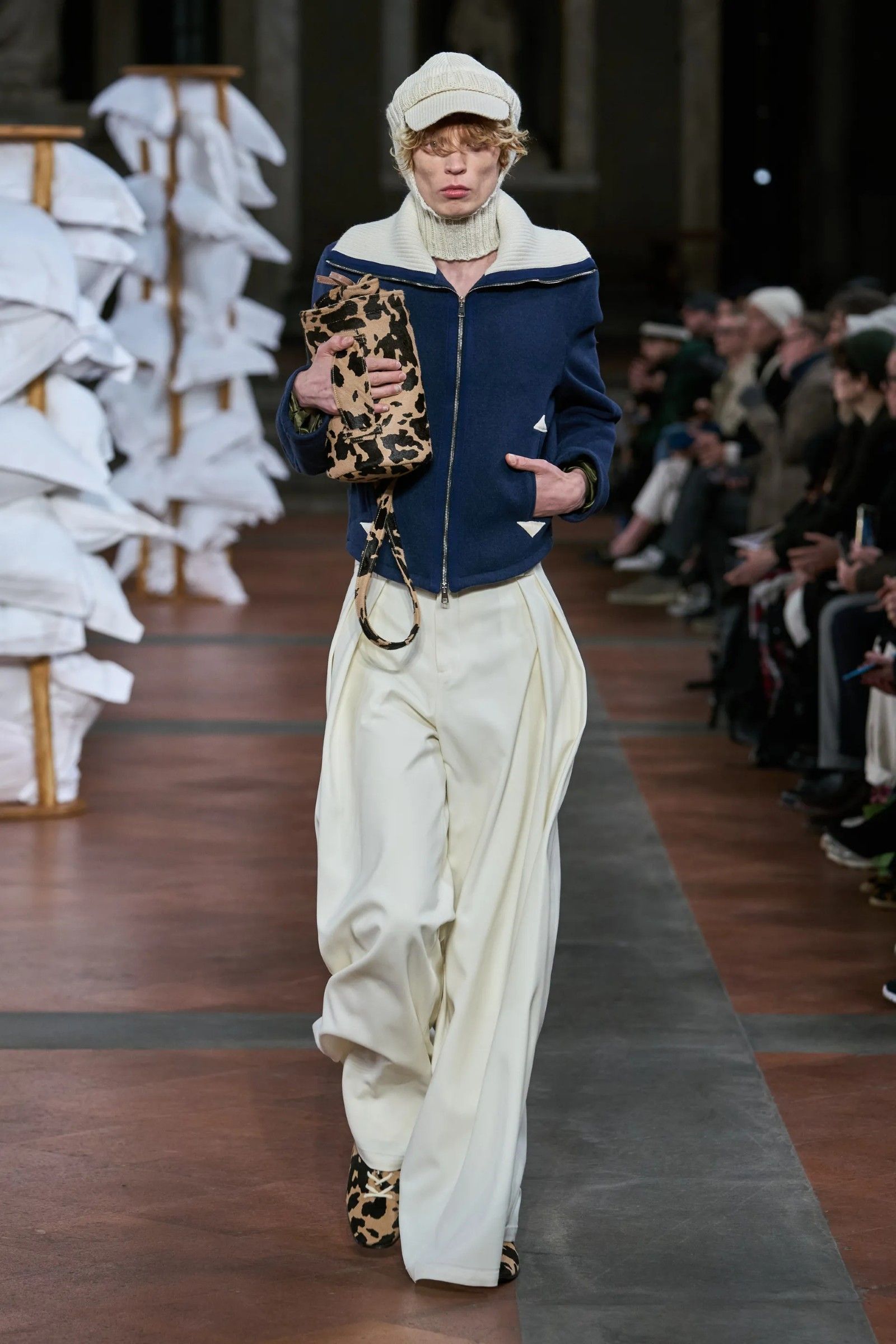
S.S. Daley FW24

Coperni FW25
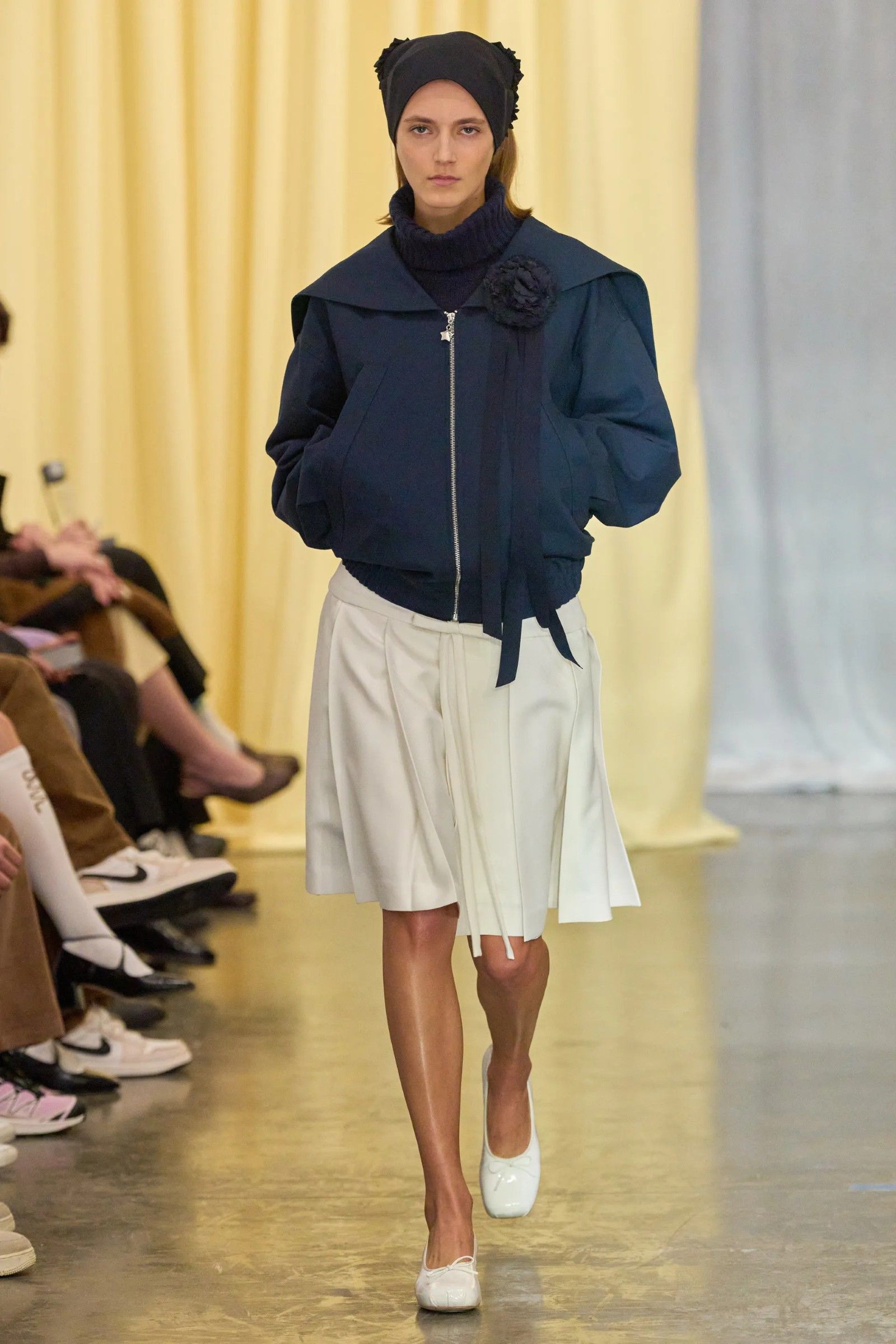
Sandy Liang FW24
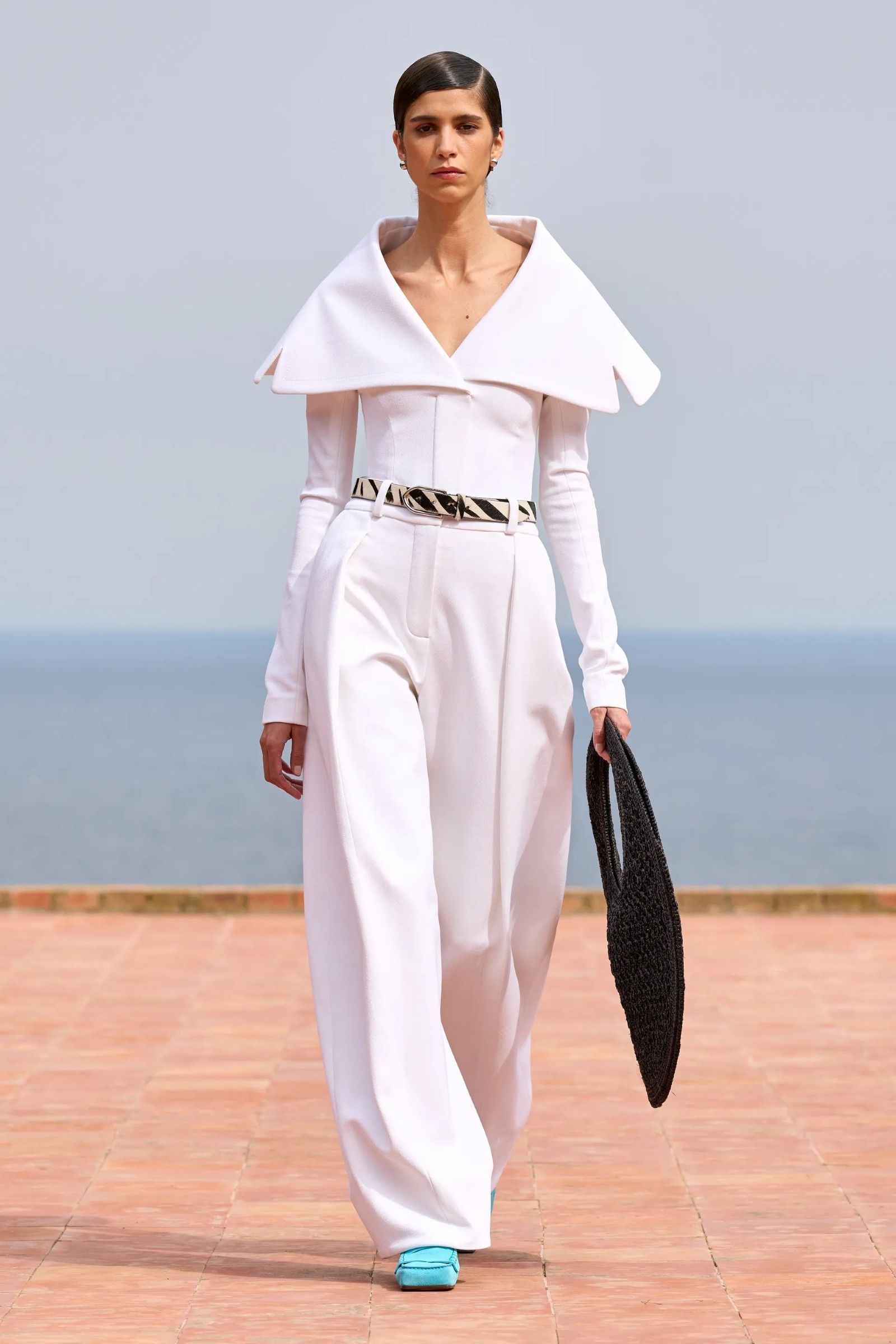
Jacquemus FW24
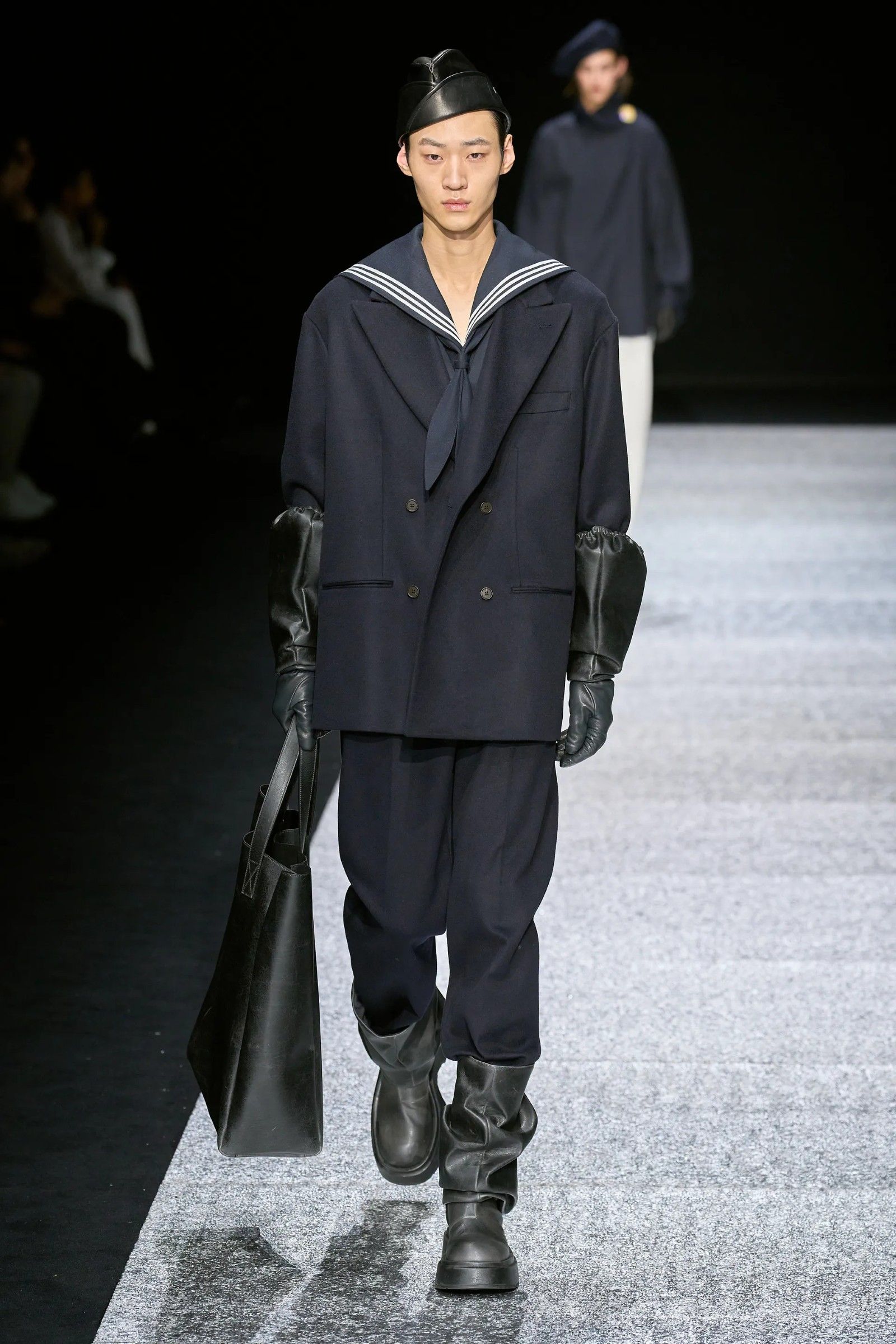
Emporio Armani FW24
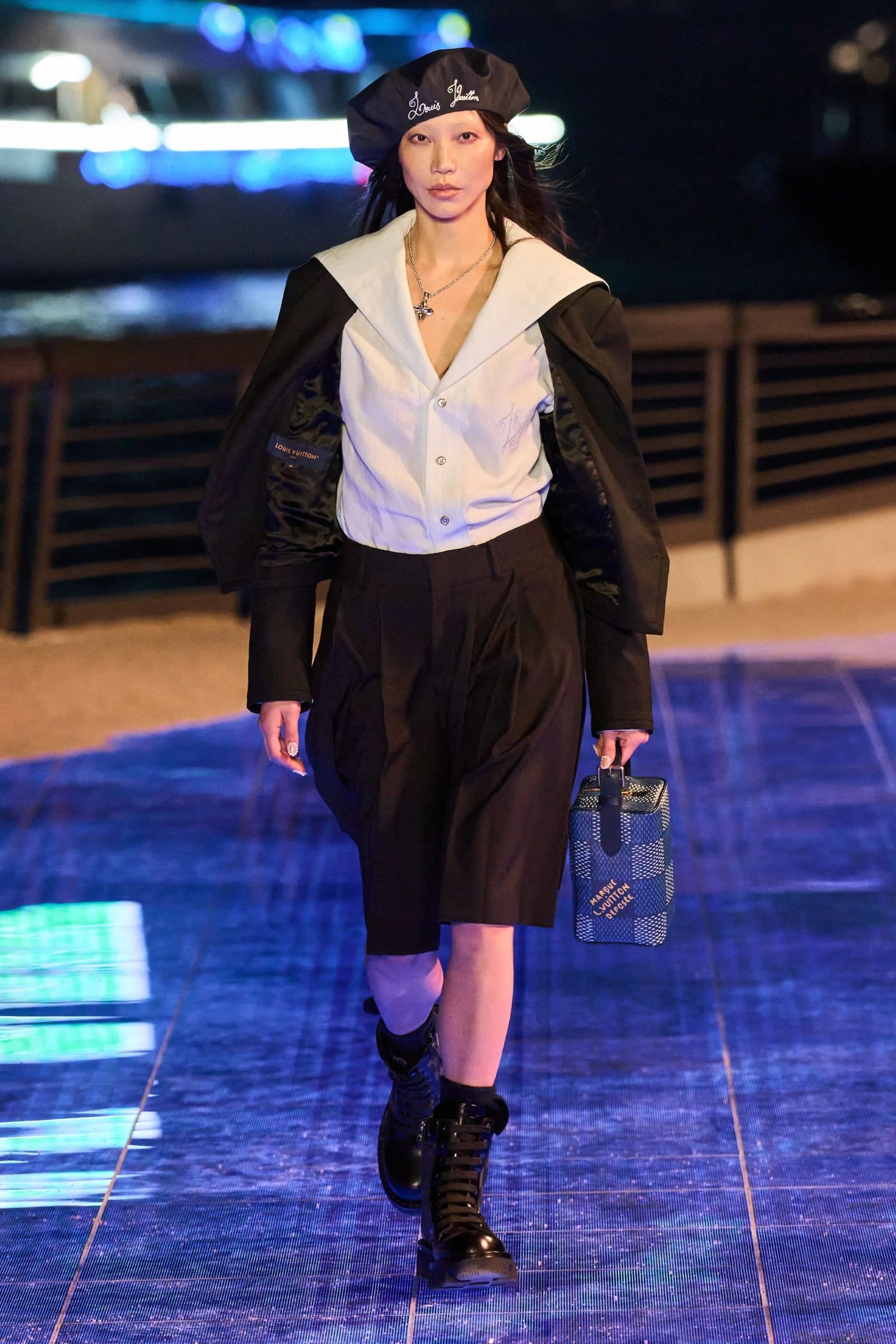
Louis Vuitton Pre-Fall 2024
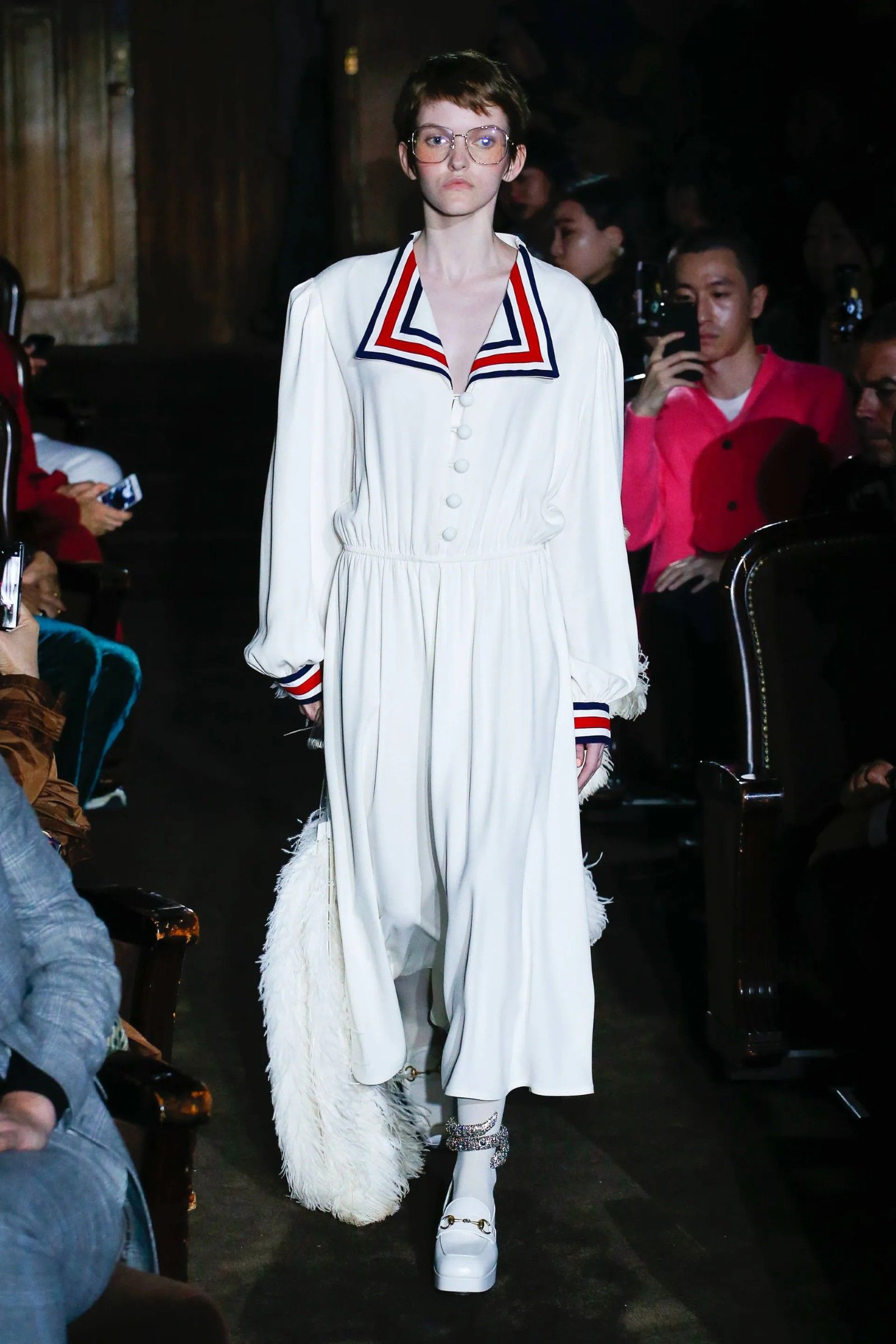
Gucci SS19
For anyone who grew up in Italy, the autobiography of Susanna Agnelli titled Vestivamo alla marinara (We Always Wore Sailor Suits), published in 1975, is a major bestseller of the past, but also one of those books that lives more in school anthologies and university courses than on people's actual bookshelves. And even in its title, the book evokes a custom that was once very widespread, especially among the higher social classes — nobility and upper bourgeoisie included — of which only a few traces remain today: the sailor suit.
It is an easy garment to remember: it is that white top with a V-neck that falls across the shoulders in a square shape and is trimmed with blue stripes, known in Italian as a "solino". Originally designed as unisex clothing (and we will soon see on what occasion), the design quickly became more feminine and took on the name "middy" dress — short for "midshipman", the lowest officer rank in the British Navy. Today the design survives in its masculine form in several military naval uniforms, including those of Italy, France, and Britain, and in its feminine form in the design of various tops that retain only the collar. But how did it become popular on dry land?
A Royal Fashion
The sailor style was a blend of practicality and political propaganda and, like so many other fashions we now consider classics, it originated in Victorian England. In 1846, Queen Victoria had a miniature version of the official Royal British Navy uniform made for the then-young Prince of Wales — the future King Edward VII, just four years old at the time — to be worn aboard the family yacht, the Royal George.
The idea served a dual purpose: on the one hand, until then, children's clothing had been miniature versions of complex adult garments and therefore highly impractical; on the other, in the age of the British Empire, the Royal Navy uniform represented the excellence of the armed forces and the global supremacy of the United Kingdom. Practical and nationalistic concerns, in other words. The young prince wished to wear the outfit for his official portrait, painted by Franz Xaver Winterhalter, which the following year was exhibited at St James's Palace in London in a show that attracted around 100,000 visitors.
From there, a flood of copies and popular prints turned that little sailor outfit into a fashion adopted first by all other children of European royal houses, then by all children of the aristocracy, and finally by all children of the upper bourgeoisie toward the turn of the new century. At the time, not only was the military fleet the most important "instrument" for the creation of colonial empires, but it also evoked a world of prestigious careers within the military-political-noble establishment and was a symbol of a prosperous, cosmopolitan upbringing, at once rigidly governed by the conventions of the upper classes. Adopting it, for the élites, was also a signal of modernity, of openness, as well as an implicit rejection of the old and rigid fashions of the nineteenth century.
Wearing it was a privilege exclusive to aristocratic and upper-bourgeois childhoods: buying a new outfit made specifically for a child — not handed down from a sibling, nor oversized to allow room to grow — was a considerable expense. For Italy, we have already mentioned the case of the Agnelli family, but the Fascist regime also quickly adopted this style for children. Meanwhile in the United States, naval tailor Peter Thomson created both summer and winter lines of these garments, presenting them as the ideal uniform for children and pre-adolescents.
By the 1930s, the sailor suit had become the official uniform of many schools around the world. Already by the end of the Second World War, outside of schools, the uniform had come to seem like something old-fashioned, irremediably associated with childhood and pre-modern dress. So much so that today the style is no longer called "alla marinara" but, at least in Italian, "marinaretto" — a diminutive that underscores its childlike dimension. In short, the sailor suit literally returned to the ranks, back to its original context of military and school uniforms. In Japan, the sailor fuku found great success, remains widely worn, and was of course the basis for the costume in Sailor Moon.
But its fame survived thanks to cinema, which preserved its aristocratic associations. The most celebrated example remains Luchino Visconti's Death in Venice, where it is worn by Björn Andrésen, both as a visual marker of social class and as a symbol of a pure, utterly distant and unattainable childhood. Another notable pop culture appearance of the sailor suit is of course the Japanese school uniform, which in turn influenced the costumes of Sailor Moon.
Sailors in Fashion
Tommy Hilfiger FW18
JW Anderson FW18
Gucci SS19
Maison Margiela SS20
Miu Miu FW20
Ann Demulemeester SS20
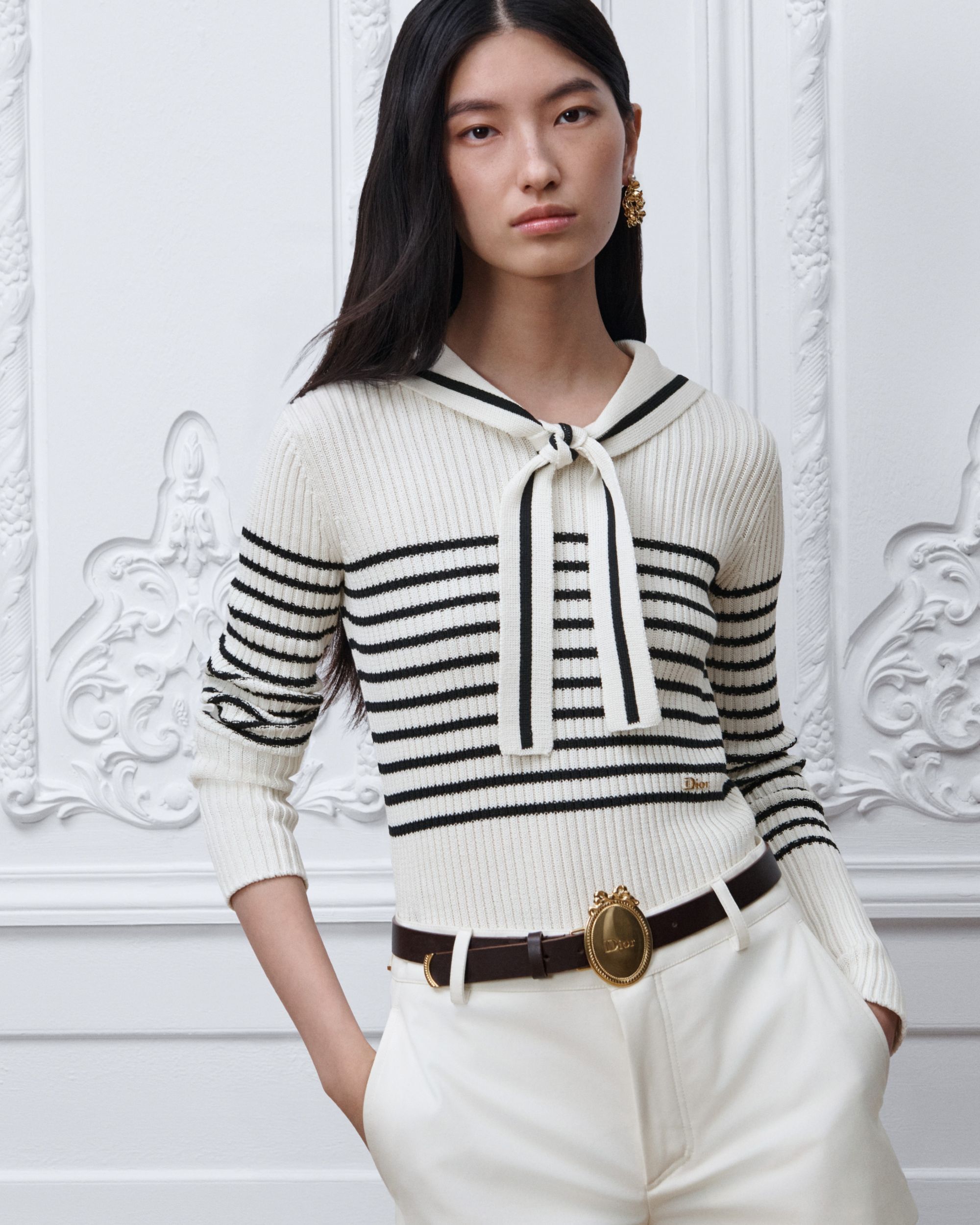
Dior Haute Couture Fall 21
Kenzo SS23
Sandy Liang FW24
S.S. Daley FW24
Chanel FW24
Jacquemus FW24
Emporio Armani FW24
Gucci SS24
Louis Vuitton Pre-Fall 2024
Coperni FW25
Ralph Lauren SS27
The sailor collar has been co-opted by fashion time and time again. Beyond the brands that frequently draw on the nautical world — among them Armani, Chanel, and Ralph Lauren — that particular collar design with its distinctive bib was also widely popularized by Lady Diana, who wore a great many of them throughout the 1980s, ranging from more literal sailor collars with bibs and stars to dresses featuring that type of neckline tied at the front. More recently, Kate Middleton, the Princess of Wales, has revived that style on several public occasions.
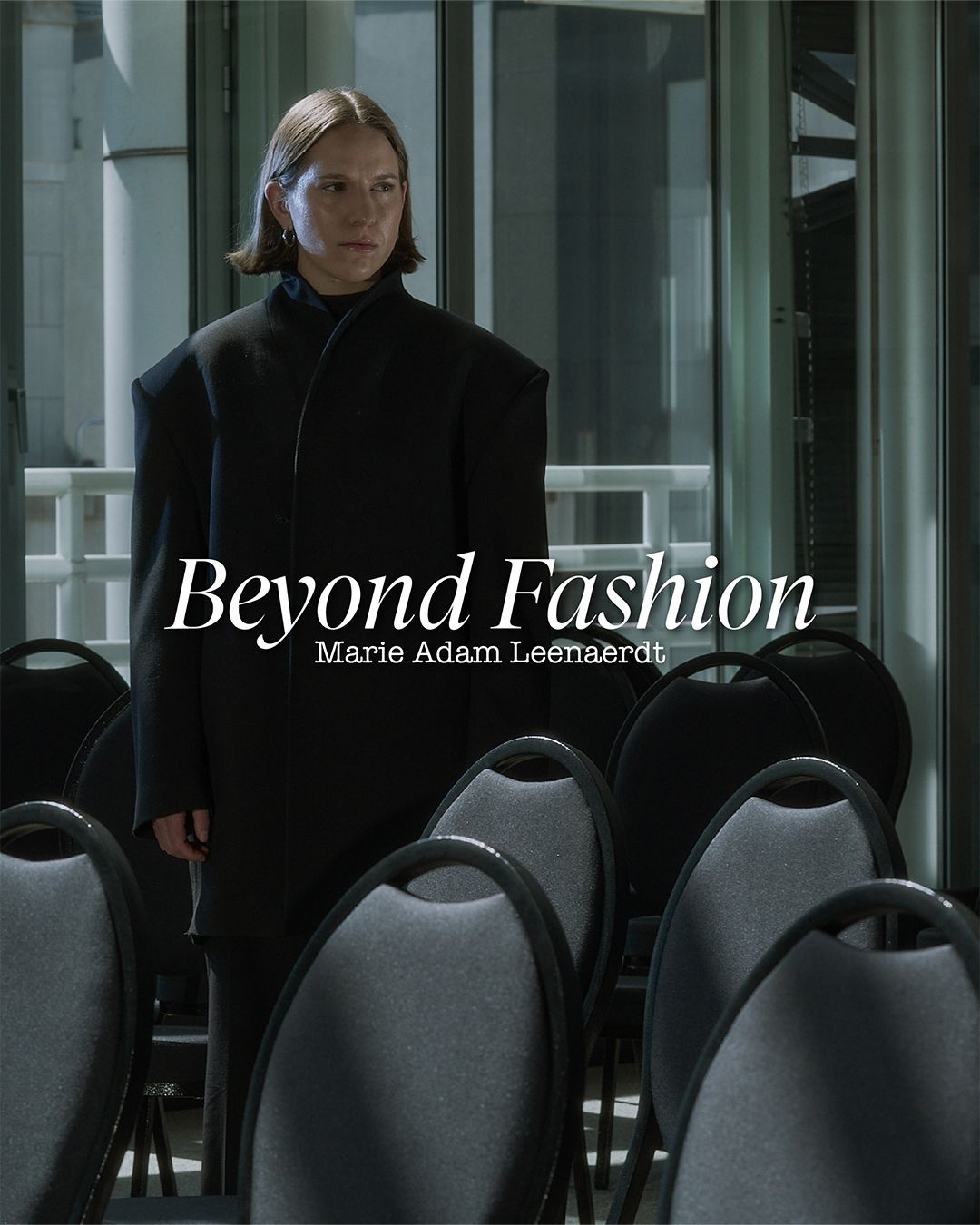
Although it has appeared on many and varied runways over the past decade, it is curious to note that brands such as Dior and Miu Miu do not merely show them on the runway — they actually sell them, a sign of genuine demand from the public. Meanwhile, from around 2020 through 2024, the design made several scattered comebacks. The most iconic sailor-inspired look in recent fashion — even though it was merely a scarf worn over a black jacket — is without doubt the closing look of Maison Margiela's SS20 collection, which launched Leon Dame into the pantheon of top models.
In general, however, the return of this collar in all its various forms always follows one of two paths, often mutually exclusive. On one side is the sailor garment in its vintage interpretation (think Norman Rockwell, Christina Aguilera's Candyman, the 1950s of Happy Days), faithfully reproduced in classic colors; on the other is the abstract and deconstructed sailor garment, which instead seeks to evoke the aristocratic and upper-bourgeois atmosphere of a past steeped in nostalgia. Either way, those who wear it today, just as those who wore it yesterday, are often wealthy enough to afford a boat as well as the sailor suit.